News related to
Expansion

Dubai Mall is set to undergo a significant expansion, with Emaar Properties announcing a substantial investment of AED 1.5 billion to enhance the mall’s offerings. The development will introduce 240 new luxury retail stores and food and beverage outlets, further solidifying the mall’s position as a premier global shopping destination. In 2023, Dubai Mall achieved a remarkable milestone by welcoming 105 million visitors, marking a 19% increase […]

MEXC, a prominent digital asset exchange, has accelerated its stablecoin expansion strategy after acquiring $20 million worth of USDe tokens, marking a notable milestone as its stablecoin ecosystem surpasses a $100 million total value locked . This move signals a determined push by MEXC to strengthen its position in the increasingly competitive stablecoin market and further diversify its crypto offerings.

The $20 million USDe acquisition represents a calculated effort to bolster liquidity and adoption of stablecoins pegged to the US dollar, which have become vital in reducing volatility within the cryptocurrency sector. Stablecoins like USDe offer users a more reliable medium of exchange and store of value compared to traditional cryptocurrencies, which can experience dramatic price swings. MEXC’s increasing focus on stablecoins aligns with global trends where institutional and retail investors seek safer avenues for digital asset investment amid regulatory uncertainties and market fluctuations.

Beyond the recent purchase of USDe, MEXC’s stablecoin portfolio has seen sustained growth, pushing the platform’s total stablecoin value locked to exceed $100 million. This figure reflects the combined assets users have committed within MEXC’s stablecoin ecosystem, encompassing liquidity pools, staking, and yield farming products. The growing TVL not only underscores user confidence but also enhances the exchange’s capacity to support high-volume trading and DeFi activities anchored by stablecoins.

MEXC’s engagement in the stablecoin space builds upon its earlier strategic $16 million investment in Ethena, a notable innovator specialising in stablecoin technology and ecosystem development. Ethena’s platform focuses on creating programmable, algorithmic stablecoins that aim to maintain price stability through decentralised governance and dynamic supply adjustments. By backing Ethena, MEXC has positioned itself at the forefront of stablecoin innovation, tapping into emerging technologies that could redefine how digital currencies achieve and sustain their peg.

The decision to invest heavily in USDe and Ethena also comes amid rising competition among exchanges and financial platforms seeking to capture market share in stablecoin issuance and trading. Major players like Tether , USD Coin , and Binance USD dominate market capitalization, but newer tokens like USDe have gained traction through enhanced transparency, regulatory compliance, and blockchain interoperability. MEXC’s adoption of USDe highlights its intent to diversify beyond the dominant incumbents, offering users alternatives that may align better with evolving regulatory frameworks.

Industry experts note that the integration of stablecoins into broader financial systems remains a critical driver for crypto adoption. Stablecoins facilitate cross-border payments, remittances, and decentralised finance applications with reduced friction and costs compared to fiat-based mechanisms. MEXC’s strategy of expanding its stablecoin offerings enhances its utility as a hub for such financial activities, making it attractive to a wider range of traders and developers.

Regulatory clarity surrounding stablecoins has varied globally, with some jurisdictions imposing stringent requirements while others promote innovation-friendly policies. MEXC, headquartered in Seychelles with a growing international presence, has adapted to this shifting landscape by aligning its stablecoin partnerships with platforms like Ethena that emphasise compliance and governance transparency. This approach aims to pre-empt potential regulatory hurdles and establish MEXC as a responsible player in the digital currency ecosystem.

The growth in MEXC’s TVL also corresponds with increased user engagement in decentralised finance products facilitated by stablecoins. Yield farming and staking opportunities offered on the platform encourage users to lock their assets in exchange for rewards, helping to boost liquidity and network activity. These products often depend on stablecoins to mitigate risk, offering participants a balance between yield generation and capital preservation.

Market analysts observe that the stablecoin sector is poised for further expansion as demand for digital dollar substitutes rises. Factors such as increasing institutional interest, the rise of central bank digital currencies , and the ongoing integration of blockchain technology into mainstream finance all contribute to stablecoins becoming indispensable in the crypto landscape. MEXC’s proactive steps to expand its stablecoin infrastructure may provide a competitive advantage as these trends accelerate.

The $100 million TVL milestone not only demonstrates MEXC’s capability to attract substantial user funds but also reflects confidence in the exchange’s technical infrastructure and security protocols. Ensuring safe custody and seamless transactions is crucial for stablecoin platforms, given the heightened regulatory scrutiny and user concerns over fraud and hacking incidents in the sector.

MEXC’s roadmap indicates continued efforts to broaden its stablecoin offerings, with potential plans to incorporate additional tokens and enhance cross-chain compatibility. This would enable users to transact stablecoins across multiple blockchain networks, facilitating greater interoperability and expanding MEXC’s reach within the decentralised finance space.

The exchange also plans to deepen its collaboration with DeFi projects and developers, positioning stablecoins as a foundational component for innovative financial products. This aligns with broader industry movements where stablecoins serve as the backbone for lending protocols, decentralised exchanges, and payment solutions.

Switzerland has ratified a plan to commence the automatic exchange of information on cryptoassets with 74 partner countries from January 2026, aligning its financial transparency framework with the OECD’s Crypto-Asset Reporting Framework . The inaugural data exchange is slated for 2027, contingent upon mutual agreement and adherence to OECD standards.

The Federal Council’s decision marks a significant expansion of Switzerland’s Automatic Exchange of Information regime, previously limited to traditional financial accounts. Under the new framework, cryptoasset service providers, including exchanges and wallet operators, will be mandated to collect and report detailed information on their clients’ holdings and transactions. This data will be transmitted to the Swiss Federal Tax Administration and subsequently shared with participating jurisdictions.

The CARF, developed by the OECD in collaboration with G20 nations, aims to enhance tax compliance and combat illicit financial activities in the rapidly evolving digital asset sector. It requires Crypto-Asset Service Providers to implement stringent due diligence procedures, including the identification of users’ tax residencies and the verification of taxpayer identification numbers. The framework encompasses a broad spectrum of digital assets, including cryptocurrencies, stablecoins, and non-fungible tokens , while explicitly excluding central bank digital currencies .

Switzerland’s adoption of the CARF necessitates amendments to existing federal laws and ordinances governing the AEOI. The Federal Council initiated a consultation process in May 2024 to solicit feedback on the proposed legislative changes. A subsequent consultation in August 2024 focused on determining the partner states for the cryptoasset information exchange, with stakeholders given until November 15, 2024, to submit their comments.

The selection of partner countries is predicated on their commitment to the CARF and their ability to ensure data confidentiality and security. The Global Forum on Transparency and Exchange of Information for Tax Purposes assesses the data protection measures of potential partner jurisdictions. Only those that meet the requisite standards will be eligible to participate in the information exchange. Notably, the United States and Saudi Arabia are currently excluded from the agreement.

The implementation of the CARF in Switzerland introduces enhanced compliance measures, including criminal penalties for negligent violations of due diligence and reporting obligations. These provisions underscore the Swiss government’s commitment to upholding international tax transparency standards and maintaining the integrity of its financial system.

The integration of cryptoassets into the AEOI framework represents a paradigm shift in global tax reporting practices. By extending the scope of information exchange to encompass digital assets, Switzerland aims to mitigate the risks associated with tax evasion and money laundering in the crypto sector. The move also reinforces Switzerland’s reputation as a cooperative and transparent financial hub.

Swiss cryptoasset service providers are now tasked with adapting their operations to comply with the forthcoming regulations. This entails the implementation of robust client identification procedures, the establishment of secure data reporting mechanisms, and the alignment of internal compliance protocols with the CARF requirements. The transition period leading up to the 2026 implementation date is critical for ensuring a seamless integration of these new obligations.

Dubai’s real estate sector demonstrated remarkable momentum last month, with property transactions reaching a record AED 66.8 billion , reflecting a substantial 44% increase compared to the previous year. This surge highlights a growing population and robust demand across various market segments, driven by both primary and secondary sales.

The primary ready property segment emerged as a key growth area, experiencing a fourfold increase in sales value to AED 17.9 billion in May 2025. This sharp rise signals strong confidence among buyers seeking completed units, particularly in sought-after developments across Dubai’s key residential hubs. The secondary ready market also recorded significant gains, with sales amounting to AED 24 billion, up 21% year-on-year, underscoring ongoing interest in resale properties.

Combined, the value of primary ready and off-plan transactions soared by 65% to AED 37 billion, while secondary sales posted a 23% rise, reaching AED 29 billion. These figures set new benchmarks for Dubai’s real estate market, reinforcing its status as a vibrant and attractive destination for investors and end-users alike.

Market analysts point to several factors fueling this upward trajectory. Dubai’s population continues to expand rapidly, buoyed by relaxed visa policies and a growing expatriate community. This demographic shift is driving demand for residential properties across the emirate, particularly in areas offering integrated lifestyle amenities and proximity to business districts.

Infrastructure developments and government initiatives aimed at enhancing the city’s appeal remain key contributors to market confidence. Projects such as the Dubai Metro expansion, new business zones, and cultural hubs are attracting both domestic and international buyers. The real estate sector’s performance also benefits from Dubai’s position as a global trade and tourism hub, which sustains demand in the rental and resale markets.

Within the primary ready segment, the quadrupling of sales reflects a broader trend where buyers prefer completed properties over off-plan purchases, reducing exposure to construction delays and market fluctuations. This preference is particularly pronounced among end-users seeking immediate occupancy. Developers have responded by accelerating delivery schedules and introducing competitive pricing strategies to capture this demand.

Off-plan sales maintain a strong presence, contributing significantly to the overall primary market value. The willingness of buyers to commit to projects still under construction suggests continued optimism about Dubai’s long-term growth prospects. Developers are increasingly targeting affluent buyers with luxury offerings and integrated communities that blend residential, retail, and recreational spaces.

The secondary market’s 23% growth highlights the liquidity and resilience of Dubai’s property resale sector. Investors and homeowners alike are capitalising on rising property values, with many opting to upgrade or diversify their portfolios. This active resale market provides a vital avenue for market participants seeking flexible entry and exit points.

Data also reveals that demand is diversifying geographically. While prime locations such as Downtown Dubai, Dubai Marina, and Palm Jumeirah remain highly sought after, emerging areas like Dubai South and Mohammed bin Rashid City are gaining traction. These developments offer competitive pricing and extensive amenities, appealing to both investors and residents aiming for value and quality of life.

Real estate experts caution, however, that sustainability remains a crucial consideration amid rapid growth. Affordability challenges and potential oversupply in certain segments could temper future gains if not managed carefully. Nonetheless, current market dynamics suggest a healthy balance between supply and demand, supported by Dubai’s strategic economic vision.

MOSCOW, RUSSIA – Media OutReach Newswire – 6 June 2025 – SIBUR, Russia’s largest producer of polymers and rubbers, has successfully concluded its five-year sustainability strategy and presented new targets for the next five-year period, 2025–2029. By 2030, the company aims to recycle at least 600,000 tonnes of plastic waste through its own and partner initiatives, including through the expansion of contract manufacturing for processing various types […]

Ghana’s gold reserves have surged to 31.37 tonnes in 2025, reaffirming its position as Africa’s leading gold producer. However, this growth is shadowed by a significant rise in artisanal and small-scale mining , which now accounts for nearly 40% of national output. The proliferation of unlicensed operations is raising alarms over environmental degradation, regulatory challenges, and the long-term sustainability of the country’s mining sector. The Ghana Chamber […]

GridFree AI has secured $5 million in funding to fast-track the deployment of modular artificial intelligence data centres, signalling a significant shift in how computational infrastructure will be developed and scaled worldwide. The funding round, led by Montauk Climate alongside other strategic investors, aims to support GridFree AI’s ambition to optimise the construction, operation, and scalability of AI data centres with a modular, climate-conscious approach. Emerging from […]

Advertisements

Bechtel Corporation has been appointed as the delivery partner for three new terminals at King Salman International Airport in Riyadh, marking a significant advancement in one of the world’s most ambitious aviation infrastructure projects.

The agreement, formalised during a high-profile visit by U.S. President Donald Trump to Saudi Arabia, entrusts the U.S.-based engineering firm with managing the development of a terminal for commercial airlines, Terminal 6 for low-cost carriers, and a private aviation terminal complete with hangars. This collaboration underscores the strengthening infrastructure ties between the United States and Saudi Arabia.

KSIA is poised to become the world’s largest airport upon completion, a cornerstone of Saudi Arabia’s Vision 2030 initiative aimed at diversifying the nation’s economy and enhancing global connectivity. The airport is designed to handle an anticipated capacity of 185 million passengers and 3.5 million tonnes of cargo annually by 2050. It will feature six parallel runways and encompass an area of 57 square kilometres, integrating advanced sustainable practices to achieve LEED Platinum certification across all terminals.

Darren Mort, President of Bechtel’s Infrastructure Business, expressed enthusiasm about the project, stating, “The King Salman International Airport is a landmark project that will reshape Riyadh and enhance the lives and communities it serves.” He highlighted Bechtel’s extensive experience in delivering complex airport projects globally, including Hamad International Airport in Qatar, Dubai International Airport in the UAE, and London City Airport in the UK.

Marco Mejia, Acting CEO of the King Salman International Airport Development Company, emphasized the project’s commitment to innovation and sustainability. He noted that the selection of Bechtel as the delivery partner reflects the project’s dedication to elevating aviation infrastructure standards through collaboration with a company possessing over 120 years of global experience.

The new terminals are expected to replace existing facilities at King Khalid International Airport, enhancing Riyadh’s status as a global hub for transportation, tourism, and trade. The development aligns with Saudi Arabia’s broader goals of economic diversification and infrastructure modernization.

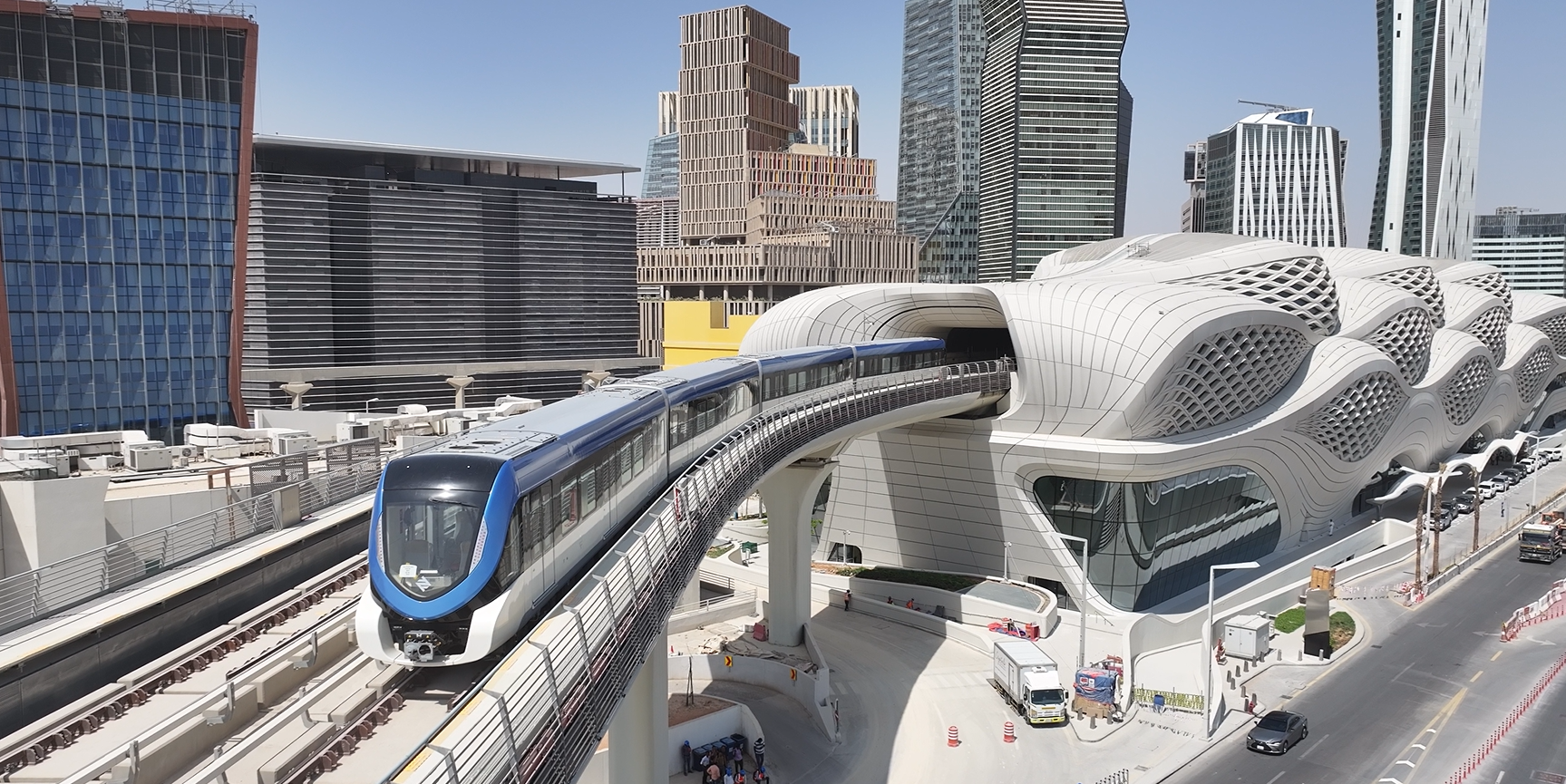
Bechtel’s role in the KSIA project builds upon its longstanding presence in Saudi Arabia, where it has completed over 300 projects, including the recently inaugurated Riyadh Metro. The company’s involvement in KSIA signifies a continued commitment to supporting the kingdom’s transformative infrastructure initiatives.

S&P Global Ratings has indicated that South Africa must accelerate economic growth and implement credible fiscal consolidation to achieve its first credit rating upgrade in two decades. Currently rated at ‘BB-‘ with a positive outlook, the country remains below investment grade. Ravi Bhatia, S&P’s lead analyst for South Africa, emphasized that sustainable growth, fiscal discipline, and avoiding further bailouts for state-owned enterprises are critical for an upgrade. […]

A wild elephant named Plai Biang Lek caused a stir in Thailand’s Nakhon Ratchasima province by entering a convenience store near Khao Yai National Park and helping himself to snacks. The incident, captured on surveillance footage, showed the elephant calmly selecting items such as sweet rice crackers, a sandwich, and dried bananas before leaving the store. Despite attempts by park workers to deter him, Plai Biang Lek remained undisturbed, leaving behind muddy footprints and minor ceiling damage.

This event underscores the increasing frequency of human-elephant encounters in the region. Plai Biang Lek, approximately 30 years old, is known to locals for his foraging behavior, often venturing into human settlements in search of food. While he has previously entered homes, this marks the first recorded instance of him entering a commercial establishment.

The growing number of such incidents is attributed to habitat loss due to agricultural expansion. As forests are cleared for farming, elephants are forced to seek food sources in nearby villages and towns. Thailand’s Department of National Parks, Wildlife and Plant Conservation estimates the wild elephant population at around 4,000, with many residing in areas like Khao Yai National Park.

Local residents and authorities are increasingly concerned about the safety implications of these encounters. While no injuries were reported in this instance, the potential for harm exists as elephants and humans come into closer contact. Efforts are underway to develop strategies to mitigate these conflicts, including community education and the creation of buffer zones between human settlements and elephant habitats.

President Donald Trump has signed a proclamation barring entry into the United States for nationals from 12 countries, with partial restrictions on seven others, citing national security concerns. The order, effective from 12:01 a.m. on Monday, June 9, 2025, marks a significant expansion of the administration’s immigration policies.

The countries facing a full entry ban include Afghanistan, Myanmar, Chad, Republic of the Congo, Equatorial Guinea, Eritrea, Haiti, Iran, Libya, Somalia, Sudan, and Yemen. Partial restrictions apply to individuals from Burundi, Cuba, Laos, Sierra Leone, Togo, Turkmenistan, and Venezuela. These measures affect both immigrant and non-immigrant visa applicants, though exemptions exist for lawful permanent residents, current visa holders, and individuals deemed to support U.S. national interests.

In a video statement, President Trump linked the decision to a firebombing attack at a pro-Israel rally in Boulder, Colorado, allegedly perpetrated by an Egyptian national who had overstayed his visa. Although Egypt is not among the countries listed in the ban, the incident was cited as evidence of the dangers posed by inadequately vetted foreign nationals.

“We will not allow people to enter our country who wish to do us harm,” Trump stated, emphasizing the need for stringent vetting processes. The administration highlighted concerns over countries with deficient identity verification systems and high visa overstay rates as primary factors in the decision-making process.

This move echoes the controversial “Muslim Ban” implemented during Trump’s first term, which faced numerous legal challenges but was ultimately upheld by the Supreme Court in 2018. Legal experts anticipate that the new proclamation will also face judicial scrutiny, with civil rights groups and immigration advocates preparing to contest the order.

Critics argue that the ban disproportionately targets nations with majority Muslim populations and undermines America’s commitment to humanitarian principles. Advocacy organizations warn that the policy could disrupt refugee resettlement efforts and strain diplomatic relations with the affected countries.

Simultaneously, the administration announced a ban on foreign students seeking to study at Harvard University, citing concerns over national security and intellectual property theft. Harvard condemned the decision, asserting that it violates the First Amendment and pledging to support its international student community.

In addition to the travel restrictions, President Trump has initiated an investigation into former President Joe Biden and his aides, alleging that they concealed Biden’s cognitive decline and improperly used electronic signatures on official documents. The probe follows revelations from a new book highlighting concerns over Biden’s mental acuity.

The administration has also proposed a $1,000 expedited visa interview fee and reallocated $250 million from refugee aid to fund voluntary self-deportation programs. These measures are part of a broader strategy to tighten immigration controls and prioritize national security.

International reactions have been swift, with several of the affected countries expressing dismay over the travel ban. Diplomatic channels are reportedly being utilized to seek clarifications and negotiate exemptions for specific categories of travelers.

Akamai Technologies has solidified its position as a major contender in the public cloud Infrastructure as a Service landscape, according to the latest vendor evaluation by a leading industry analyst. The assessment highlights Akamai’s strategic focus on expanding its datacenter footprint, advancing security technologies, and enhancing low-latency application delivery as key factors that strengthen its appeal to enterprises undergoing cloud transformation. The report underscores Akamai’s extensive expertise […]

The UAE’s non-oil private sector experienced its slowest growth in nearly four years in May, with the S&P Global Purchasing Managers’ Index dropping to 53.3 from April’s 54.0, marking its lowest reading since September 2021. Despite this deceleration, the index remained above the 50.0 threshold, indicating continued expansion. The output sub-index fell to 57.3, the weakest since September 2021, while new order growth slowed to 56.2, a […]

Amazon has expanded its footprint in South Africa by adding non-perishable groceries, pet food, and health supplements to its product range. This strategic move aims to capture a larger share of the growing e-commerce market in the region, responding to increasing consumer demand for online shopping options beyond electronics and household goods. The online retail giant first entered South Africa’s e-commerce landscape in 2023, initially offering categories […]

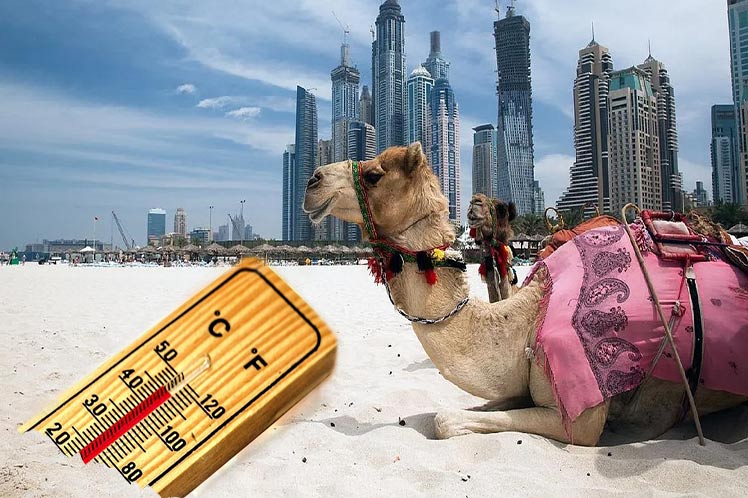
The United Arab Emirates endured an unprecedented surge in temperatures throughout May, with daily highs consistently exceeding 40ºC and several locations surpassing the 50ºC threshold. The National Centre of Meteorology confirmed this month as the hottest May in the country’s recorded history, marking a significant intensification of the region’s ongoing climate challenges.

Several emirates, including Abu Dhabi, Dubai, and Sharjah, experienced prolonged heatwaves that pushed the limits of historic temperature records. The peak temperatures, which exceeded 50ºC in some desert areas, have drawn attention from climatologists and environmental experts, highlighting the accelerated warming trend affecting the Arabian Peninsula. Such extreme heat has severe implications for public health, energy consumption, and urban infrastructure in a region already grappling with water scarcity and rapid urbanisation.

Experts indicate that the exceptional heat is linked to a combination of global climate change and localized meteorological patterns. The Arabian Peninsula’s unique geography, characterised by vast desert expanses, amplifies temperature extremes. Scientists note that climate models have long predicted a rise in heatwaves for this region, but the speed and intensity of these recent temperature spikes are causing concern among environmental analysts.

The impact on daily life has been multifaceted. Health authorities have issued warnings to vulnerable populations, particularly the elderly, children, and outdoor workers, to take precautions against heat-related illnesses. Hospitals have reported an increase in cases of heat exhaustion and dehydration, putting added pressure on healthcare services during the traditionally hot summer months. Municipalities across the UAE have accelerated measures to provide shaded areas and cooling centres to mitigate risks posed by the extreme heat.

Economic sectors dependent on outdoor labour, such as construction and agriculture, have faced operational challenges due to the intense temperatures. Labour laws have been adjusted to ensure safer working hours, often restricting outdoor activities during peak heat periods. The government’s proactive approach to safeguarding workers aligns with international labour standards, but the economic cost of these adjustments remains under evaluation.

Energy demand in the UAE has surged sharply as residents and businesses increase air conditioning usage to cope with the oppressive heat. This spike in electricity consumption raises concerns about grid stability and the environmental impact of increased fossil fuel reliance, despite the country’s ongoing investments in renewable energy. The UAE’s ambitious clean energy goals, including the development of solar power plants and nuclear energy facilities, aim to offset the environmental footprint associated with higher cooling demands.

The National Centre of Meteorology continues to monitor the evolving weather patterns closely, providing regular updates and forecasts to assist government agencies and the public in preparing for ongoing heat conditions. Advanced satellite technology and climate modelling tools are being utilised to enhance prediction accuracy and early warning systems, essential for managing risks related to extreme weather events.

Regional cooperation is becoming increasingly important as neighbouring Gulf countries face similar climatic stresses. Collaborative efforts focus on sharing data, research, and best practices for adapting to higher temperatures and mitigating environmental impacts. Multilateral discussions have emphasised the need for coordinated climate action, recognising that the Arabian Peninsula’s vulnerability to heat extremes transcends national borders.

Urban planners and architects in the UAE are responding by integrating climate-resilient designs into new developments. Innovative cooling technologies, green spaces, and heat-reflective materials are being employed to reduce the urban heat island effect, which exacerbates temperature rises in city centres. These measures are critical as the UAE’s population continues to grow, with urban expansion increasing the demand for sustainable infrastructure solutions.

Environmental groups have stressed the urgency of addressing the underlying causes of climate change, calling for stronger policies on carbon emissions and investment in sustainable technologies. While the UAE has made progress through initiatives such as the UAE Energy Strategy 2050, activists argue that more aggressive actions are required to curb the escalating frequency and severity of heatwaves.

Academic research from regional universities supports these concerns, with studies showing a marked upward trend in temperature averages and heatwave duration over the last two decades. These findings are consistent with broader global warming trends but underscore the disproportionate effects experienced in desert environments.

Public awareness campaigns have played a crucial role in educating residents about heat safety and energy conservation. Government agencies, non-profits, and community organisations collaborate to distribute information on hydration, recognising symptoms of heat stress, and reducing energy use during peak hours. These initiatives aim to enhance community resilience and promote sustainable living practices in the face of climatic shifts.


Delhi’s government is set to introduce an updated Electric Vehicle Policy next month, aiming to enhance sustainable transport options and aggressively combat the city’s longstanding pollution challenges. The forthcoming policy update builds on the foundation laid by the original EV Policy, which has been instrumental in accelerating the adoption of electric vehicles across the capital. This next iteration emerges following a comprehensive review by an expert committee tasked with assessing the policy’s effectiveness and identifying areas for refinement.

The city’s persistent struggle with hazardous air quality has propelled the administration to double down on measures that reduce emissions, with electric vehicles representing a critical component of the broader environmental strategy. The new policy framework is expected to focus on improving public and private transport through increased incentives, infrastructure development, and regulatory support. The objective is to not only facilitate the switch from conventional fossil fuel vehicles to EVs but also to ensure a seamless ecosystem that supports electric mobility for consumers and manufacturers alike.

One of the central features under consideration is the expansion of subsidies and financial incentives for buyers of electric two-wheelers, three-wheelers, and cars. Since the initial policy launch, Delhi has witnessed a steady rise in EV sales, spurred by subsidies, easier registration processes, and preferential parking privileges. The new policy aims to amplify these benefits, possibly increasing the subsidy amounts to align with technological advancements and market trends. The government is also exploring differentiated incentives to encourage the uptake of electric commercial vehicles and public transport fleets, recognising their substantial contribution to urban emissions.

Charging infrastructure remains a pivotal challenge in the EV transition. To address this, the updated policy will emphasise the accelerated deployment of charging stations across the city, including residential complexes, commercial hubs, and public spaces. The government plans to partner with private players and utility providers to establish a robust network, minimising range anxiety among potential EV users. Additionally, the policy will advocate for streamlined permitting processes to facilitate rapid infrastructure rollout. These measures aim to create a user-friendly environment that supports daily electric vehicle operations without hindrance.

Delhi’s EV Policy 2.0 is also expected to incorporate measures aimed at fostering local manufacturing and innovation. The capital’s position as a key market and production hub in India for electric vehicles offers significant economic potential. The government is likely to introduce incentives for companies investing in research and development, battery manufacturing, and vehicle assembly within the city. This approach is designed to generate employment, encourage technological advancement, and reduce dependency on imports, especially in critical components such as lithium-ion batteries.

Environmental experts have welcomed the policy update, highlighting its potential to drastically reduce the city’s vehicular pollution, which accounts for a significant share of Delhi’s air quality problems. Dr. Anita Sharma, an environmental scientist based in Delhi, notes that “an effective EV policy not only addresses tailpipe emissions but also signals a shift towards sustainable urban planning and cleaner energy use.” She points out that integrating renewable energy sources into the charging infrastructure could further enhance the policy’s impact by ensuring that electric vehicles operate on green electricity rather than fossil-fuel-based power.

However, some challenges remain. The affordability of electric vehicles, despite subsidies, continues to be a barrier for many consumers. While the policy aims to widen access, the upfront cost of EVs compared to traditional petrol or diesel vehicles can deter lower-income buyers. Analysts suggest that targeted financing options and longer-term incentives could help bridge this gap. Moreover, the sustainability of the electric vehicle supply chain, including the ethical sourcing of battery materials, is gaining attention among policymakers and activists alike.

Delhi’s transport department has reiterated its commitment to transparency and public consultation throughout the policy finalisation process. Public workshops and stakeholder meetings have been conducted to gather feedback from industry experts, civil society groups, and consumer representatives. This collaborative approach aims to ensure that the policy is balanced, practical, and aligned with the city’s unique mobility landscape.

The new policy comes amid increasing competition among Indian cities to become leaders in electric mobility. Metropolitan areas like Mumbai, Bengaluru, and Hyderabad have also been rolling out ambitious EV incentives and infrastructure projects. Delhi’s updated framework is expected to set a benchmark in terms of scale and ambition, potentially serving as a model for other regions seeking to tackle urban pollution through cleaner transportation alternatives.

Rivian has unveiled a substantial software update designed to elevate the electric vehicle ownership experience through faster charging capabilities, advanced energy monitoring, and innovative driver engagement tools. This enhancement aims to improve battery efficiency and extend driving range, positioning Rivian’s models as increasingly competitive in the evolving EV market. The update introduces a faster charging protocol that significantly reduces downtime during charging stops. By optimizing the vehicle’s […]

Stablecoins now account for over 80% of total spot trading volume in the cryptocurrency market in 2025, solidifying their position as the primary medium of exchange across major digital asset platforms.

This shift marks a significant evolution in the structure of crypto markets, where fiat-backed digital tokens have overtaken traditional currency pairs in trading activity. Tether’s USDT leads this transformation, commanding approximately 80% of stablecoin payment volume, underscoring its role as the most liquid and widely used asset in the ecosystem.

The stablecoin market has experienced substantial growth, with its total capitalization surpassing $250 billion. This expansion is attributed to increasing institutional adoption and the demand for stable, dollar-pegged assets in volatile markets. USDT’s market cap alone has exceeded $90 billion, reflecting its central role in facilitating crypto transactions.

Regulatory developments have played a crucial role in this growth. In the United States, the proposed Guiding and Establishing National Innovation for U.S. Stablecoins Act aims to provide a comprehensive regulatory framework for stablecoins, encouraging broader issuance by traditional financial institutions. Similarly, the European Union’s Markets in Crypto-Assets regulation, effective from December 2024, offers legal clarity for crypto assets, including stablecoins, fostering their integration into the financial system.

The dominance of stablecoins is also evident in trading behaviors. USDT pairs, such as BTC/USDT and ETH/USDT, have become the preferred trading pairs on major exchanges, offering high liquidity and minimal slippage. This preference is particularly pronounced during periods of market volatility, where traders seek the stability of dollar-pegged assets.

The integration of stablecoins into traditional financial systems is further exemplified by their use in cross-border payments and settlements. Companies like WorldPay have reported a 50% reduction in settlement times through the adoption of stablecoin-based systems. Additionally, the use of stablecoins in cross-border transactions is gaining traction in regions like Asia and Europe, where regulatory clarity and technological infrastructure support their adoption.

The strategic importance of stablecoins is underscored by their growing role in global finance. With the majority of stablecoins pegged to the U.S. dollar, they reinforce the dollar’s dominance in international trade and finance. This trend is expected to continue as regulatory frameworks mature and institutional adoption increases.

Huda Kattan has reacquired full ownership of Huda Beauty, the globally recognised cosmetics brand she founded in 2013, by buying back the minority stake held by US-based private equity firm TSG Consumer Partners. This move concludes an eight-year partnership initiated in 2017 when TSG acquired a minority interest to support the brand’s expansion.

With this transaction, Huda Beauty becomes one of the few major beauty brands entirely owned by its founder. Kattan, who serves as Founder and Co-CEO, will continue to lead the company alongside her husband, Christopher Goncalo, also Co-CEO, and her sister, Alya Kattan, who oversees social strategy.

In a statement, Kattan expressed the significance of this milestone: “Taking back full ownership of Huda Beauty is a deeply important moment for me. This brand was built on passion, creativity, and a desire to challenge the beauty industry.” She emphasised the brand’s commitment to innovation and authenticity, stating, “As we step into this new chapter, I’m more committed than ever to pushing boundaries, staying true to our roots, and showing up for our incredible community every step of the way.”

Founded in Dubai with a $6,000 loan from her sister, Huda Beauty gained initial acclaim with a line of false eyelashes that became a bestseller at Sephora in The Dubai Mall. The brand has since expanded its product range to include a variety of cosmetics and skincare items, earning a reputation for viral product launches and a strong digital presence. Its Instagram account boasts nearly 57 million followers, making it the most-followed beauty brand globally.

The decision to repurchase the stake from TSG aligns with a broader trend of founder-led buybacks in the beauty industry, reflecting a desire for greater control over brand direction and values. Kattan’s move underscores her commitment to maintaining the brand’s original vision and fostering deeper engagement with its global community.

Huda Beauty’s philosophy, “Beauty is Self-Made,” continues to resonate with a diverse audience, promoting inclusivity and challenging traditional beauty standards. Under Kattan’s leadership, the company has phased out the use of Photoshop and filters on social media, advocating for realistic representations of beauty.

Added new locations in Japan, China, the UAE and Saudi Arabia, including the brand’s first resort La Clef Bangkok by The Crest Collection is set to open soon, bringing the brand’s number of operating properties in Southeast Asia to four Launches The Crest Chronicles, the inaugural brand programme celebrating the unique heritage stories that define each property and enrich guest experiences SINGAPORE – Media OutReach Newswire – […]

Robinhood Markets Inc. has finalised its $200 million cash acquisition of Bitstamp, a Luxembourg-based cryptocurrency exchange, marking a significant step in its global expansion strategy. This move brings over 5,000 institutional clients and 50,000 retail users under Robinhood’s umbrella, with a substantial portion of trading volume originating from institutional activities.

The acquisition, initially agreed upon in June 2024, was completed without alterations to the deal’s terms. Bitstamp, established in 2011, operates across multiple jurisdictions, including Luxembourg, the UK, Slovenia, Singapore, and the US. The exchange holds more than 50 active licenses and registrations, providing Robinhood with a robust regulatory framework to support its international crypto operations.

Johann Kerbrat, General Manager of Robinhood Crypto, highlighted the strategic importance of the acquisition, stating that Bitstamp’s established reputation and global presence would enhance Robinhood’s ability to serve both retail and institutional investors. He emphasised that the integration of Bitstamp’s services would facilitate Robinhood’s expansion beyond the US market.

This acquisition follows Robinhood’s announcement on May 13 of its intent to acquire Canadian crypto firm WonderFi for approximately $179 million. WonderFi operates regulated platforms such as Bitbuy and Coinsquare, and the deal is expected to close in the second half of 2025, subject to regulatory approvals. The acquisition aims to strengthen Robinhood’s presence in the Canadian market and expand its suite of crypto offerings.

Robinhood’s strategic acquisitions align with its broader goal of diversifying its services and increasing its footprint in the global financial market. The company’s stock has experienced significant growth, reflecting investor confidence in its expansion plans and the potential of the cryptocurrency sector.

Ethiopian Airlines is evaluating the procurement of 20 to 30 regional or small narrowbody jets to enhance its domestic operations and replace ageing aircraft, according to Chief Executive Officer Mesfin Tasew Bekele. The airline is considering three aircraft models: Embraer’s E-2 series, Airbus’s A220, and Boeing’s 737 MAX 7. The final number of aircraft to be ordered will depend on the selected model. The 737 MAX 7, […]

MANILA, PHILIPPINES – Media OutReach Newswire – 2 June 2025 – Jollibee, the flagship brand of Jollibee Group, continues its remarkable growth across Southeast Asia, recording strong sales performance and store expansion across key markets in the region. In Q1 2025, the brand achieved an impressive 27.8% systemwide sales growth across its Southeast Asia operations outside the Philippines, including Vietnam, Malaysia, Singapore, and Brunei. Jollibee’s strong showing […]

Showcasing Hong Kong’s Innovation and Technology Opportunities at Tsinghua and Peking University HONG KONG SAR – Media OutReach Newswire – 2 June 2025 – Hong Kong Science and Technology Parks Corporation (HKSTP) is actively expanding efforts to attract talent and enterprises to Hong Kong’s innovation and technology (I&T) sector. From 18 to 20 May, HKSTP led a delegation to Beijing, engaging with local I&T companies, industry associations, […]

VISHNU RAJA
RYO YAMADA
HITORI GOTOH
IKUYO KITA