News related to
Expansion

Tokyo-listed Metaplanet has bolstered its treasury by buying 797 additional bitcoins, worth approximately $96 million, raising its total holdings to 16,352 BTC—valued near $2 billion—as Bitcoin surged past $120,000. The move mirrors the blueprint of US-based Strategy: leverage equity and debt issuance to accumulate crypto assets, which can then be used as collateral for broader expansion.

CEO Simon Gerovich reiterated that Metaplanet intends to use its growing Bitcoin reserves not for trading or liquidation, but to underpin financing for acquisitions in cash-generating sectors—particularly digital banking and financial services. The company plans to tap into traditional financing channels, including zero-interest bonds and preferred-share issuance, while steering clear of convertible debt. This purchase follows a series of substantial bond financings: earlier this month, Metaplanet issued 30 billion yen in zero‑coupon bonds to acquire an additional 1,005 BTC, bringing total holdings to around 13,350 BTC.

Industry analysts say Metaplanet now ranks as Asia’s largest and the world’s fifth-largest corporate Bitcoin holder, outranking companies such as Tesla, Coinbase, and Block Inc.. The firm has set ambitious targets: 100,000 BTC by end‑2026 and 210,000 BTC by end‑2027—accounting for nearly 1% of the global Bitcoin supply.

Boosted by these strategic shifts, the company’s market capitalisation surpassed ¥1 trillion, and its stock has climbed more than 345% this year. The pivot, originally a hotel chain, to a Bitcoin treasury vehicle began in 2024 and has drawn parallels to MicroStrategy’s transformation into a crypto-centric enterprise.

While bitcoin-backed financing is still in its infancy among mainstream banks, select institutions—such as Standard Chartered and OKX—have begun piloting crypto as collateral. Gerovich emphasised that once accumulation reaches “escape velocity,” Metaplanet’s holdings could be leveraged similarly to traditional assets to secure financing for acquisitions.

Sceptics voice concerns around volatility and the sustainability of the “bitcoin yield” model. Veteran short-seller Jim Chanos dismissed these valuations as “financial gibberish,” yet Gerovich welcomes critics, stating he invites them to short the stock if they are not convinced of the strategy.

Metaplanet is exploring acquisitions of digital banks and financial services companies that align with its strategy. The company is also aiming to strengthen its treasury infrastructure through asset-backed financing, including bond issuances, preferred equity deals and a planned $5 billion capital raise targeting expansion into its Florida subsidiary.

UAE’s new Comprehensive Economic Partnership Agreement with Azerbaijan has catapulted bilateral non‑oil trade to unprecedented levels, now accounting for half of Azerbaijan’s commerce with Gulf Cooperation Council countries. This landmark pact promises to mould economic trajectories for both nations by 2031.

Dr Thani bin Ahmed Al Zeyoudi, UAE Minister of Foreign Trade, revealed that non‑oil trade surged by 36.2 percent in 2024, reaching US $2.24 billion—equivalent to 50 percent of Azerbaijan’s trade with the GCC. This accomplishment is underpinned by a robust 4.1 percent expansion in Azerbaijan’s overall GDP and a 6.3 percent rise in its non‑oil sector.

Signed in Abu Dhabi with the presence of UAE President Sheikh Mohamed bin Zayed Al Nahyan and Azerbaijani President Ilham Aliyev, CEPA is expected to inject US $680 million into UAE GDP and US $300 million into Azerbaijan by 2031. It further cements the UAE’s status as Azerbaijan’s top Arab investor, with cumulative UAE investments now exceeding US $1 billion.

The CEPA supports strategic priorities in manufacturing, automotive, agriculture, logistics, and financial services, with planned expansion of UAE investments in energy and renewables via state-owned giants ADNOC and Masdar. Masdar’s portfolio in Azerbaijan is set to exceed 1.2 GW by 2027 following a 4 GW renewables agreement including solar and hydrogen projects.

This accord also aligns with broader UAE ambitions under its CEPA programme, aimed at achieving US $1.1 trillion in non‑oil trade by 2031. Already, the initiative delivered a record US $816 billion in 2024, marking a 14.6 percent year-on-year increase, and positions the UAE as having 27 CEPA agreements with markets comprising over one‑quarter of global population.

Beyond trade figures, CEPA signifies a strategic push to diversify UAE exports and deepen supply‑chain resilience. It enables Azerbaijani goods access to Gulf and global markets, while encouraging UAE capital deployment in Eastern Europe via Azerbaijan’s Gateway logistics advantage. Sectors like food security, real estate, and logistics are flagged for development across both economies.

Financial cooperation is gaining momentum too. Talks between Azerbaijan’s Central Bank and Abu Dhabi Securities Exchange may lay groundwork for capital-market linkages. Additionally, Azerbaijani remittances to UAE saw a 52.1 percent rise in Q1 2025, reaching US $18.8 million.

Humanitarian and environmental collaboration with CEPA includes UAE support for demining through Azerbaijan’s Mine Action Agency and joint efforts during COP summits.

CEPA is poised to enrich private‑sector ties, particularly for SMEs, while also strengthening tourism links—highlighted by over 185 monthly flights connecting the UAE and Azerbaijan. Earlier cooperation has boosted non‑oil trade 43 percent in 2024 to about US $2.4 billion.

In the energy domain, strategic joint ventures have been flourishing. ADNOC holds a 30 percent stake in Azerbaijan’s Absheron project, and SOCAR reciprocated with oil‑field stakes in UAE territory. Renewable efforts include a 445 MW solar plant in Bilasuvar and a 315 MW installation in Neftchala under Saudi-UAE investment.

Greenlogue/AP UAE health and finance leaders have been urged to expedite air quality improvements, with a new report estimating annual savings of $596 million if pollution levels align with World Health Organization guidelines. The projected gains stem from fewer hospital admissions, drops in respiratory illnesses such as asthma, and reduced premature mortality. The study, led by Economist Impact, highlighted over 94 per cent of the global population lives in areas […]

UAE’s Ministry of Energy and Infrastructure has restated its unwavering aim to lift crude oil production capacity to five million barrels per day by 2027 amid shifting global energy demand. The clarification from Abu Dhabi follows remarks from the Energy Minister indicating potential capacity growth beyond that goal.

Aligned with its declared strategy, the nation insists the 5 million bpd target remains intact. Energy Minister Suhail Mohamed al‑Mazrouei, speaking at the Opec International Summit in Vienna, emphasised the UAE could scale up to six million bpd if global markets required—while making clear this figure is not an official target.

Presently, UAE’s production capacity stands at around 4.85 million bpd. The ministry’s public affirmation underscores long‑established plans by Abu Dhabi National Oil Company to align with wider economic imperatives, including state‑led diversification and responsible growth.

On the sidelines in Vienna, Minister al‑Mazrouei pointed to oil inventories that have not surged, interpreting it as evidence of sustained market demand. He characterised the additional million barrels potential as a proactive choice, contingent on demand, rather than a binding pledge.

Opec+ has already increased the UAE’s production quota this year, acknowledging its heavy investment in expanding capacity from 3 million to 4.85 million bpd. That quota adjustment reflects a bid to balance output with capacity and avoids penalising investment-led increases.

Global energy forecasts cited at the summit envision oil demand climbing by nearly 19 percent to 123 million bpd by 2050, driven by economic growth, urbanisation, and energy‑intensive industries such as artificial intelligence. Despite this, Opec has revised its short‑term forecast downward amid signs of slowing demand in China. Long‑term growth, however, is expected from regions including Asia, the Middle East and Africa.

ADNOC’s accelerated expansion plan—bringing forward its 5 million bpd capacity objective from 2030 to 2027—was endorsed by the board under the leadership of His Highness Sheikh Mohamed bin Zayed Al Nahyan, supported by CEO Sultan Ahmed Al Jaber. The strategy forms part of a broader state-led drive combining energy security with economic diversification and sustainability.

While bolstering its crude oil output, ADNOC is also investing heavily in low‑carbon solutions. It allocates about US $5 billion annually to clean energy and has set a net‑zero emissions ambition for 2045. The company is integrating solar and nuclear power into offshore fields and is implementing carbon‑capture technologies in major developments.

ADNOC’s low-carbon division recently acquired Germany’s Covestro for US $16 billion, signalling a move to diversify into value‑added petrochemicals such as plastics, foams and ammonia. Its strategy foregrounds gas, chemicals and downstream operations alongside oil capacity growth, in anticipation of structural shifts in global energy use.

The UAE is poised to become the world’s fourth-largest oil and liquids producer if the anticipated expansion is achieved, trailing only the United States, Saudi Arabia and Russia. At six million bpd capacity, it would surpass producers such as Canada, China, Iraq and Iran in scale.

However, uncertainties remain. The pace of global energy transition, the adoption of renewables, and potential peaking of oil demand—especially in China—pose risks to long-term strategy. But the UAE appears ready to hedge by maximizing flexibility: build for five million bpd, yet leave room to stretch if markets demand.

The public reaffirmation by the ministry serves both domestic and international audiences: showcasing earnest delivery of targets, reassuring investors on energy stability, and reinforcing the UAE’s position as a stabilising force within Opec+.

VinFast Auto India has entered into agreements with 13 dealership groups to open 32 showrooms across 27 cities, aiming to scale up to 35 outlets by the end of 2025. This expansion aligns with the pre-booking launch of its electric SUVs, the VF 6 and VF 7, beginning on 15 July, signalling a strategic push into India’s burgeoning EV market.

Building a strong retail presence, VinFast has engaged partners such as Pasco Group in Delhi, Raja Group in Karnataka, Nanesh Automotive in Telangana and Maansarovar Group in Tamil Nadu. The network spans major urban centres including Delhi, Bengaluru, Chennai, Hyderabad, Pune, Jaipur, Ahmedabad, Kolkata and Thiruvananthapuram, chosen for their growing EV infrastructure and consumer demand.

CEO of VinFast Asia, Pham Sanh Chau, described the venture as foundational to delivering “an elevated EV experience backed by reliability, customer trust, and service excellence”. The company’s approach follows its unveiling of the VF 7 at the Bharat Mobility Global Expo earlier this year and confirms the staging of VF 7 and VF 6 pre-bookings later this month.

Complementing its showroom rollout, VinFast is forging an ecosystem of after-sales and charging infrastructure. A tie-up with myTVS aims to establish 120 service workshops across India, enhancing customer support ahead of the EV launch. Additional alliances include Global Assure for mobile servicing and roadside assistance, myTVS and RoadGrid for charging infrastructure, and BatX Energies for sustainable battery recycling.

VinFast’s manufacturing ambitions are centred on Tamil Nadu’s Thoothukudi facility, expected to commence operations by June 2025. The 400‑acre plant is projected to assemble completely knocked down units initially, with capacity for up to 150,000 EVs annually once fully ramped up. Further discussions are underway with state governments in Andhra Pradesh and Telangana for a potential second manufacturing plant, signalling long-term investment in local operations.

Despite this momentum, VinFast has revised its India sales projections. Initial targets have been reduced by one‑third to approximately 3,000 units in the first year, reflecting measured realism amid market uncertainties and distribution challenges.

VinFast has previously sought reduction of import duties on fully built EVs, aiming to sustain competitive pricing until local assembly becomes fully operational. Domestic automakers have opposed this move, citing concerns over market fairness.

The VF 7, which carries a lithium‑ion battery capacity of approximately 75 kWh and offers up to Level 2 ADAS, was designed by former General Motors designer Lee Jae Hoon. It is expected to debut ahead of India’s upcoming festival season, with the VF 6 following suit.

As VinFast prepares for pre-bookings on 15 July, its strategy integrates showroom proliferation, service infrastructure, local manufacturing and sustainable practices. The expanding dealership network and ecosystem partnerships aim to support customer confidence, while adjustments to sales forecasts and regulatory considerations underscore a pragmatic, long-term approach to entering one of the world’s fastest-growing EV markets.

Bitcoin surged past $118,000 this week, driven by booming ETF inflows and institutional adoption. Bitwise Asset Management’s CIO Matt Hougan forecasted that the leading cryptocurrency could reach $200,000 by year‑end, citing intensified demand and structural momentum.

Industry momentum is underpinned by record ETF inflows. As of Thursday, bitcoin exchange‑traded funds saw $1.18 billion of daily inflows, with total net inflows in 2025 reaching approximately $51 billion. Hougan emphasises that this flood of investment—coupled with restricted supply—is driving a new price discovery phase for BTC. BlackRock’s IBIT, the fastest‑growing spot ETF in history, exceeded $80 billion AUM shortly after its launch.

On‑chain metrics bolster the institutional narrative. Marta technical analyst Katie Stockton of Fairlead Strategies identified a cup‑and‑handle pattern following the breakout above $111,000, projecting a potential climb to around $134,500—an upside of nearly 14 percent from current levels. Additional evidence of a short‑squeeze emerged: over $1 billion in short positions were liquidated within 24 hours as bitcoin surpassed $118,000.

Corporate treasury adoption continues apace. Firms beyond MicroStrategy are increasingly allocating bitcoin holdings. Q2 saw a 23 percent surge in corporate bitcoin ownership, reaching approximately 847,000 coins. Alongside MicroStrategy’s substantial position, companies like GameStop and Figma initiated purchases, with Sequans Communications acquiring 370 coins. This trend reflects a deepening conviction in bitcoin’s strategic value amid macroeconomic uncertainty.

Political developments have also shaped sentiment. The U. S. Senate approved the GENIUS Act in June, defining regulatory frameworks for stablecoins and crypto platforms. Congressional discussions continue on the CLARITY Act and the Anti‑CBDC Surveillance State Act. Meanwhile, an executive order issued on 6 March 2025 established a Strategic Bitcoin Reserve, mandating government retention of forfeited bitcoin and signalling federal endorsement.

Global macro conditions are another tailwind. Federal debt expansion and a weaker dollar, driven by U. S. fiscal policy and potential monetary easing, reinforce bitcoin’s appeal as an inflation hedge. Hougan argues that supply limitations combined with persistent ETF and corporate demand create a compelling bull case.

Closer analysis reveals technical resilience. Support now lies around previous resistance levels—between $108,300 and $112,000. BTC’s consolidation above these benchmarks, paired with strong volume and bullish MACD readings, suggests sustained momentum.

Analysts from Citi, Hashdex, and Kraken echo the bullish tone. Citi describes bitcoin’s behaviour as akin to a physical commodity and part of a diversified risk-on portfolio. Trade Nation’s David Morrison attributes the uptick to widespread investor appetite for risk, while Kraken’s Thomas Perfumo ties the rally to strength in US equities and cascading liquidation of short positions.

Ethereum and other altcoins are not left behind: Ethereum surpassed $3,040 this week, buoyed by its own ETF inflows, while Solana hit $167 driven by increasing trading volume. However, bitcoin remains the primary focus, reflecting its entrenched role in institutional strategies.

Matt Hougan’s forecast of $200,000 rests on three pillars: ETF demand, corporate accumulation, and constrained supply. “Bitcoin is no longer a speculative asset,” he stated; “It’s now a cornerstone in institutional portfolios. This trend is just beginning”. Even if volatility persists, the convergence of demand-side forces underscores a paradigm shift in how bitcoin is perceived by policymakers and capital allocators alike.

Dubai Electricity and Water Authority has accelerated its implementation of artificial intelligence across its energy distribution network, marking a pivotal moment in its broader digital transformation agenda. This strategic push harnesses AI to elevate operational efficiency, boost service reliability, and enhance customer experience in alignment with Dubai’s ambitious smart city vision. At the heart of this effort is DEWA’s Distribution Network Smart Centre, which processes over 15 […]

Advertisements

Masdar City has initiated real‑world testing of Level 4 autonomous vehicles, partnering with smart mobility firm Solutions+, a Mubadala venture. Overseen by Abu Dhabi’s Integrated Transport Centre, the pilot marks a deliberate move in the emirate’s drive to establish itself as a leading smart and sustainable transport hub. The programme involves the registration, safety certification and operational approval of fully autonomous vehicles for deployment across a 2.4 km […]

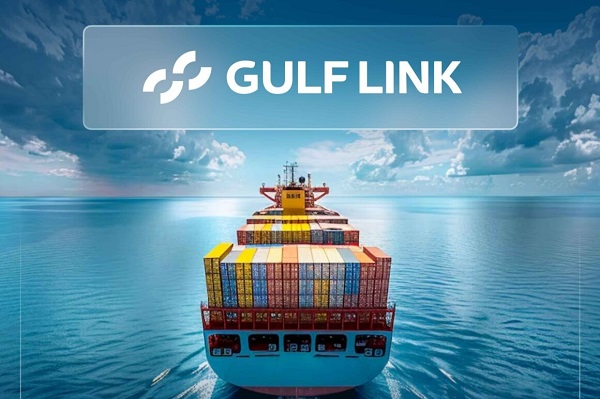
AD Ports Group has initiated operations of GulfLink Ltd, entering a strategic logistics partnership with KTZ Express, the freight arm of Kazakhstan Temir Zholy. This joint venture—51 percent owned by AD Ports and 49 percent by KTZ Express—is designed to enhance connectivity along the Middle Corridor, establishing a vital multimodal supply link between Asia and Europe.

The first shipments through GulfLink began under the leadership of regional CEO Abdulaziz Zayed AlShamsi, who described the venture as “a key link in our strategy to upgrade the Middle Corridor route through Central Asia into a major, commercial East‑West trade artery linking consumers and manufacturers in Asia and Europe”. General Director Damir Kozhakhmetov emphasised that GulfLink delivers “a new level of unique, end‑to‑end connectivity for Kazakhstan regionally and globally”.

Kazakhstan, where rail accounts for approximately 70 percent of freight transit over its 16,000 km network, is central to this development. GulfLink will bolster supply chains by integrating Kazakhstan’s rail infrastructure with routes through Pakistan, Türkiye, the Arabian Gulf and the Indian subcontinent.

As part of AD Ports’s commitment, over US $775 million is earmarked for logistics infrastructure in Kazakhstan. Planned investments include a grain terminal and a multipurpose facility at Kuryk Port, aimed at complementing GulfLink’s multimodal ambitions. The network also encompasses partnerships in Uzbekistan, and facilities on the Black and Caspian Seas via collaboration with KazMorTransFlot.

Industry analysts say GulfLink could significantly reduce China‑to‑Europe transit times. AGBI reports that the route will “cut China‑Europe transit time” by providing direct regional connectivity and bypassing the longer northern rail corridors. This enhancement aligns with global supply chain trends that favour diversification and damper dependency on any single corridor.

CEO Kamal Huseynov stated that GulfLink plans to offer “value added to customers through our relationships, the logistics resources of our shareholders, and our commitment to efficiency, innovation, seamless supply chains and optimised trade”. The venture seeks to become the operating hub for integrated rail, road, sea and air transport in Central Asia.

Reactions from regional stakeholders suggest that GulfLink’s launch may mark a turning point in Eurasian logistics. The joint venture is seen as vital in realising the potential of the Trans‑Caspian International Transport Route—an alternative to the traditional northern rail line through Russia—and is projected to attract new trade volumes via diversified pathways.

AD Ports’s existing regional presence includes a food logistics hub in Uzbekistan and maritime assets in Türkiye and Pakistan. GulfLink’s launch reinforces these assets by contributing to a cohesive network serving Europe, Central Asia and South Asia.

Multimodal trade experts suggest that the GulfLink project addresses a growing appetite among manufacturers and shippers for more resilient and politically diversified supply channels. With geopolitical uncertainties persisting along certain northern corridors, the Middle Corridor’s expansion could offer a strategically advantageous and timely alternative.

The operational phase of GulfLink has commenced with pilot shipments underway, signalling the beginning of active corridor use. AD Ports and KTZ Express intend to progressively scale the venture, adding capacity, routing regularity and service coverage over the coming months.

As GulfLink gains momentum, its success will depend on coordinated infrastructure roll‑out, regulatory alignment across transit jurisdictions, and competitive transit times compared with existing corridors. Analysts agree the venture marks a significant step toward reshaping logistics flows across Eurasia, affirming Kazakhstan’s growing prominence as a logistics hub and AD Ports Group’s strategy to establish itself as a global trade infrastructure enabler.

Sharjah’s Real Estate Registration Department has unveiled an upgraded version of its official website, signalling a significant milestone in its digital transformation agenda. The streamlined platform aims to improve delivery of services and create an intuitive, integrated online hub for a diverse user base across the emirate. Designed with a contemporary, interactive interface, the site aligns with Sharjah Government’s directive to offer smart, high‑efficiency services. Investors, developers, […]

Stonepeak, a US-based infrastructure investor, has agreed to acquire a 50 per cent co-controlling stake in IFCO Group from a subsidiary of the Abu Dhabi Investment Authority. The transaction positions Stonepeak alongside European mid-market investor Triton, which will continue its existing 50 per cent ownership. Financial terms were not disclosed, and the deal remains subject to customary regulatory approvals, with completion targeted in the fourth quarter of 2025.

Founded in 1992, IFCO operates one of the world’s largest reusable packaging container systems, managing over 400 million units and facilitating approximately 2.5 billion shipments of fresh food annually across more than 50 countries. This extensive network, supported by around 140 service centres, serves more than 18,000 growers and over 300 retailers, delivering substantial cost efficiencies, sustainability gains, and operational scalability compared to single-use packaging.

ADIA initially invested in IFCO’s carve-out from Australian logistics group Brambles in 2019, following a $2.5 billion sale to Triton. Over the intervening years, IFCO has undergone a comprehensive strategic and operational transformation, including enhanced digitalisation and an expanded global footprint, setting the stage for this latest ownership transition.

IFCO’s chief executive officer, Michael Pooley, praised the combined expertise of Stonepeak and Triton, emphasising that the new partnership will support growth and reinforce IFCO’s “market leading position globally”. Nikolaus Woloszczuk, Senior Managing Director at Stonepeak, described IFCO as a “critical component of the logistics infrastructure delivering fresh produce” and underlined the firm’s commitment to accelerating the company’s expansion—particularly in North America—as part of Stonepeak’s broader infrastructure investment strategy.

Triton’s co‑head of business services, Stephan Förschle, affirmed the firm’s ongoing commitment to IFCO, signalling confidence in the combined vision with Stonepeak to deliver value through digitalisation and sustainability initiatives. Representing ADIA, executive director Hamad Shahwan Aldhaheri noted that since the 2019 investment, IFCO had built “solid foundations for the future, based on strong operational performance and enhanced digital capabilities”.

Advisory teams have been engaged from both sides of the transaction. Citi and Morgan Stanley served as financial advisers to ADIA and Triton, with Bank of America also representing ADIA, while Kirkland & Ellis and Latham & Watkins provided legal counsel. Stonepeak was advised by Citi financially and Kirkland & Ellis legally.

Analysts indicate that the deal could value IFCO at approximately €5.5 billion including debt, implying a consideration near €2 billion for the 50 per cent stake, according to Bloomberg. This valuation reflects IFCO’s robust market position and future growth prospects in sustainable logistics.

The combination of Triton’s deep sector knowledge and Stonepeak’s infrastructure expertise—including its focus on transport, logistics, and digitalisation—positions IFCO to capitalise on rising demand for circular economy solutions in food supply chains. With container reuse gaining regulatory momentum and retailer focus on waste reduction intensifying, IFCO’s closed-loop model is becoming increasingly central to sustainable logistics strategies.

Market observers expect this deal to reinforce growing investor interest in circular supply chain infrastructure, especially as environmental and governance factors shape capital allocation. The high valuation underscored by global advisory firms suggests confidence in IFCO’s ability to deliver both financial returns and environmental impact through its RPC-based system.

The completion of this transaction in late 2025 will mark a significant milestone for all stakeholders. ADIA exits after six years of investment and strategic support. Triton remains, signalling continuity in governance and operation. Stonepeak enters as a long-term partner, with capital and network to help scale IFCO’s platform further—particularly in North America.

Air Arabia has recommenced double daily non‑stop flights between Sharjah and Damascus from 10 July 2025, marking a pivotal renewal of air connectivity between the UAE and Syria. The low‑cost carrier’s decision, following a suspension since 2012, responds to rising demand and broader regional diplomatic easing.

The carrier’s reinstated schedule includes two early departures from Sharjah at 04:15 and 10:45, landing in Damascus at 06:30 and 13:00, respectively. Return services depart Damascus at 07:30 and 14:00, arriving in Sharjah at approximately 11:40 and 18:10 local time. Utilising Airbus A320s and A321s, Air Arabia’s fleet will provide in‑flight entertainment via ‘SkyTime’, on‑board dining through ‘SkyCafe’, and loyalty benefits under its ‘Air Rewards’ programme.

During a launch ceremony at Sharjah International Airport, attendees included Adel Al Ali, Group CEO of Air Arabia, and Ali Salim Al Midfa, Chairman of Sharjah Airport Authority, indicating the route’s strategic significance. A reception at Damascus International Airport featured UAE Ambassador Hasan Ahmed Mohammed Sulaiman Alshehhi and Syria’s Chargé d’Affaires Ziad Yahya Zaher Edin.

CEO Al Ali emphasised the route’s importance in serving the substantial Syrian diaspora in the UAE, estimated at over 350,000 individuals, and facilitating enhanced travel for business, tourism, and family visits. He remarked, “This route holds particular significance in serving the Syrian diaspora in the region and meeting the growing travel demand between the UAE and Syria.” The airline anticipates this service will bolster trade ties, with bilateral trade having reached US $680 million in 2024—a 23 percent increase over 2023.

Air Arabia’s restoring of direct flights aligns with a wider trend of regional airlines re‑engaging Syria. Emirates is scheduled to recommence services to Damascus from 16 July, expanding to daily flights by October. Flydubai resumed operations on 26 June. Additionally, national carrier Syrian Air has restarted several regional services since January, while Qatar Airways reinstated a Doha‑Damascus route in early January. Turkish budget airline Anadolu Jet launched flights from Istanbul and Ankara in April.

Damascus International Airport itself underwent closure during an opposition offensive in December 2024, later reopening with limited commercial flights. Full international traffic resumed in January 2025, with renovation support from Turkey in February.

The renewal of these services carries deeper geopolitical significance, reflecting a subtle shift in diplomatic engagement with Syria. In April, the UAE’s General Civil Aviation Authority formally lifted suspensions on flights to Syria, and UAE‑Syrian ministerial talks have since addressed aviation, banking, and consular matters.

Travel agents and industry analysts have interpreted the move as a calculated expansion of Air Arabia’s network, offering cost‑conscious alternatives to Gulf‑Europe‑Syria itineraries, especially for the UK and Europe‑based Syrian diaspora. The airline’s fare structure and twice‑daily service are expected to attract both long‑standing diaspora links and emerging trade flows.

Independent aviation analysts note that Air Arabia’s streamlined operations, lean cost base, and digital platform—covering bookings via website, app, call centre, and travel agencies—are key competitive advantages. The company now serves more than 90 global destinations, including recent additions such as Sochi, Prague, and expansion within Russia and Europe.

Despite the optimism, security concerns remain. Damascus Airport was only partially reopened in January, and while the civil aviation authority has announced upgrades, full operational stability depends on infrastructure restoration and geopolitical calm. Some observers caution that air travel to Syria may still face intermittent regulatory or safety challenges, advising prospective travellers to monitor advisories and airlines’ updates closely.

Nevertheless, the resumption of the Sharjah–Damascus route represents a turning point for mobility in the region. By restoring a decade‑long link, Air Arabia reinforces its position as a catalyst for regional integration and economic exchange, while filling a transport gap for displaced communities and traders across the Gulf.

Spanish café operator Vanadi Coffee has approved a plan to allocate up to €1 billion of its treasury into Bitcoin, marking a striking pivot from its core hospitality business into crypto‑asset accumulation. The decision, ratified by shareholders on 29 June, seeks to position the firm—currently loss‑making and operating just six outlets—as one of Spain’s largest Bitcoin holders.

Vanadi already owns 54 BTC, acquired at an average price of around €93,444 per coin, valued today at approximately €5.8 million. Its share price surged over 25 per cent following the announcement, a staggering boost for a business that reported €3.3 million in losses during 2024. Market observers note the stock has rallied more than 400 per cent year‑to‑date on hopes that crypto‑oriented balance sheets can act as alternative stores of value.

The strategic shift draws inspiration from established Bitcoin treasury pioneers such as MicroStrategy, which holds nearly 500,000 BTC and has leveraged convertible equity vehicles to fund its crypto purchases. Likewise, Japanese firm Metaplanet is acquiring Bitcoin aggressively as part of its acquisition-backed model. Vanadi’s leadership believes this approach can appeal to institutional investors seeking inflation hedges without disrupting conventional asset portfolios.

Analysts warn the company faces elevated risk. Vanadi operates at a negative equity of around €600,000, and auditors have flagged uncertainty over its going‑concern status. Critics argue a small café chain with slender margins and negligible exposure to financial markets may lack the sophistication to withstand Bitcoin’s volatility and regulatory scrutiny.

Financing the Bitcoin ramp‑up will involve issuing convertible bonds and equity, leveraging commitments from niche funders including Patblasc Software Consulting and Alpha Blue Ocean’s Global Tech Opportunities 10. Some question both the provenance and capacity of these investors, given their prior backing of distressed asset plays such as Intercity and Substrate AI.

Vanadi acknowledges the gamble may redefine its identity: “We aim to become the largest listed Bitcoin‑holding company in Spain,” it said, equating its structural transformation to precedent‑setting players in the sector. Nonetheless, it has had to scale back expansion ambitions, cutting its growth pipeline amid constrained resources and shifting priorities.

Vanadi’s strategy forms part of a broader wave of crypto treasury activity. A growing number of under‑the‑radar firms in Europe—from chipmakers to fintech startups—are joining major players in the US and Asia investing heavily in Bitcoin. Collectively, these firms moved over 10,000 BTC onto their books in late June, totalling several billion dollars in accumulated digital assets.

Experts suggest this trend follows Gartner’s classic hype‑cycle pattern: as Bitcoin becomes easier to acquire and gain public approval, doubt gives way to widespread optimism—driving speculative surges across new sectors. Vanadi’s move, while surprising due to its modest scale, fits squarely within this wave of enthusiasm.

London‑listed Strategy recently launched a $21 billion preferred stock offering to fund more Bitcoin purchases, underscoring how corporate balance sheets are being reconfigured around digital assets. Vanadi hopes to replicate this formula, albeit with far fewer resources and heightened risk exposure.

Vanadi’s management calls the transition a “long‑term bet on a decentralised financial model,” arguing that crypto reserves provide institutional credibility and operational transparency under existing market regulations. Yet, whether this approach offers sustainable upside or represents a peak‑hype miscalculation remains under intense debate among analysts and investors.

By Nitya Chakraborty The 17th BRICS summit held in Brazil on July 6 and 7 has helped in partially restoring the image of the Indian Prime Minister Narendra Modi as the defender of the interests of Global South against the increasing attacks on the political and economic interests of the developing nations by the United […]

For the winners of the 2025 Golden Bull Award, the answer is clear: vision, agility, and a drive to challenge the norm. KUALA LUMPUR, MALAYSIA – Media OutReach Newswire – 10 July 2025 – These are high-performing companies and trailblazers. This year’s winners are leading the way through innovation, from adopting AI and strengthening cybersecurity to integrating ESG values into their core operations. They show us that […]

Four sources confirm that Saudi Aramco is negotiating to acquire 2 million tonnes per annum of liquefied natural gas from Commonwealth LNG’s planned Cameron, Louisiana export facility. This addition would bring Commonwealth closer to its ambition of locking in 8 mtpa from its total 9.5 mtpa capacity, enhancing its commercial viability and drawing it nearer to a final investment decision by year‑end. Commonwealth LNG, backed by private equity firm Kimmeridge, […]

Charles Group has entered a $1 billion strategic partnership with the US-based Patel Family Office to co-develop a digital investment platform targeting real estate and infrastructure assets across the UK, GCC, India and the SAARC region. The memorandum of understanding, signed at the Global Wealth Conference 2025 hosted by the Sovereign Wealth Fund Institute at London’s Mansion House, was finalised in the Egyptian Hall and witnessed by over […]

Suhail bin Mohammed Al Mazrouei, Minister of Energy and Infrastructure, reaffirmed the UAE’s full backing for OPEC+ mechanisms, underlining the nation’s commitment to sustaining equilibrium in global oil markets through capacity expansion and coordinated policy.

At the 9th OPEC International Seminar in Vienna on 9 July, Al Mazrouei praised OPEC+ for its collective decision‑making model, which he said ensures production responds to actual market demand rather than price speculation. He noted that the UAE’s strategic investments in expanding production capacity reflect a readiness to release additional oil when consumption trends warrant, providing a stabilising buffer to global supply. The minister highlighted that this expansion aligns with prudent leadership foresight aimed at reinforcing market resilience.

He emphasised that there has been no substantial rise in inventories despite several months of gradual production increases. “Even with the increases…we haven’t seen a major buildup in inventories, which means the market needed those barrels,” he stated. This observation supports broader OPEC+ data showing that successive monthly output increments have been absorbed by demand, a trend that the UAE believes underlines the rationality behind its expanded quota.

Since April, OPEC+ has reversed approximately 2.17 million barrels per day of voluntary output cuts via a phased rollout: 138,000 bpd in April, then 411,000 bpd in each of May, June and July, followed by a proposed 548,000 bpd increase for August – a move reflecting growing market confidence. Notably, the UAE is set to complete a 300,000 bpd quota increase by September, a benchmark reached ahead of the original 2026 timeline as OPEC+ expedited its capacity hike schedule.

Analysts suggest that such robust production gains could recover roughly 2.5 per cent of global demand by September. Al Mazrouei remarked that the UAE’s investments will strengthen its role within OPEC+ and that once additional capacity comes online, it will serve as a crucial stabilising factor during demand shifts.

He further argued that focusing solely on oil price levels is insufficient. Rather, OPEC+ aims to strike a sustainable balance that encourages long‑term investment. “We need the price to be right for investments to happen,” he said, warning of the consequences of underinvestment across producers.

Current market dynamics appear to confirm this approach: data from mid‑June and early July indicate that inventories across OECD nations remained stable despite the production uptick, confirming demand absorption remains robust. That observation, Al Mazrouei suggested, validates the pace of OPEC+ supply restoration and diminishes concern about a looming oversupply.

While output is increasing, policy is cautious. The Group of Eight core OPEC+ members—Saudi Arabia, Russia, UAE, Kuwait, Oman, Iraq, Kazakhstan and Algeria—are proceeding in measured increments. Al Mazrouei underscored that OPEC+ continues to meet monthly via ministerial and committee reviews, carefully calibrating production relative to shifting market fundamentals.

Beyond ensuring balance, the UAE’s production capacity expansion also carries strategic benefits. Having secured a higher individual quota, the country aims to restore and extend its market share. This reinforcement was acknowledged by external observers, including Richard Bronze of Energy Aspects, who noted “the UAE is benefiting from this speeding up of the quota increases” within a context of broader OPEC+ output acceleration.

Despite concerns about slowing economies in key importers, including China, and rising US trade tensions, OPEC+ retains a cautiously optimistic outlook. Prices in July experienced modest one‑per‑cent gains near $69 per barrel following the announcement of the August supply increase—an indicator that demand continues to absorb the additional volumes.

Nevertheless, OPEC+ remains vigilant about macroeconomic risks. Commentators have warned that demand softness later this year, driven by uncertainties in global growth and trade policies, could pressurise prices. Al Mazrouei echoed that view, stressing that short‑term supply increases must be accompanied by stable investment in oil infrastructure to prevent future shortages.

Persistent coordinated production strategy is a central theme from the Vienna seminar. Ministers emphasised OPEC+’s response to shifting fundamentals rather than geopolitical or speculative impulses. With the group moving to complete the unwind of emergency cuts, markets will closely monitor whether global demand continues to match supply advances.

HONG KONG SAR – Media OutReach Newswire – 10 July 2025 – Uweb (University of Web3), a leading digital asset education institute, is pleased to announce the successful completion of a US$3 million angle funding round. The round was led by emerging investment firm Avenir Group, with participation from prominent venture capital firms including Ronin & Quinn Capital, Singchain Capital, and First Merit, as well as several […]

DoubleDown Interactive has struck an agreement to acquire Hamburg-based WHOW Games GmbH for €55 million, plus up to €10 million in performance-linked earn‑outs, in a move to deepen its foothold in Europe’s expanding social casino market. The transaction, financed from existing cash reserves, is slated to finalise in the third quarter of 2025. The licensing deal, part of a Share Purchase and Transfer Agreement with Azerion Tech Holding B. […]

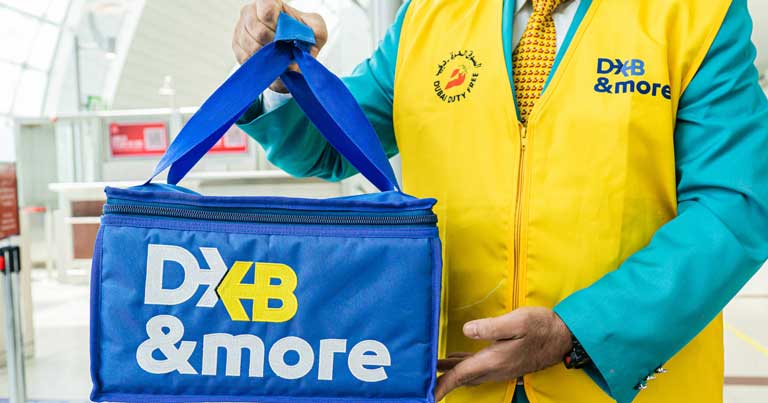
Dubai International Airport has introduced DXB Greet & Go in Terminal 3, revolutionising the way arrivals are greeted. Licensed hotels, tour operators and transport providers can now tap QR codes—replacing traditional placards—to meet guests efficiently in a dedicated arrivals area.

The initiative, officially live since early July, provides an authorised meeting zone designed to improve passenger flow and elevate hospitality standards. Dubai Airports has established this as part of its strategy to ease congestion and reduce stress at peak arrival times.

This digital-first service streamlines the reception experience: instead of waiting among crowds, drivers and host staff now scan pre-shared QR codes, guiding travellers directly to designated areas where they are met by clear signage. The system aligns with security protocols while offering better clarity and comfort.

Industry observers describe DXB Greet & Go as another milestone in Dubai’s automation and smart-performance ambitions. It complements prior enhancements—like biometric Smart Tunnels and QR-code navigation tools—designed to process high passenger volumes more swiftly while preserving a premium touchpoint.

Key regional operators have already registered. A senior operations manager at one of Dubai’s leading hospitality chains noted guest satisfaction has improved, citing fewer missed connections and faster handovers. Dubai Airports spokesperson emphasised that launch partners are primarily “licensed entities” committed to seamless, branded guest engagement.

Compliance and coordination with security teams were paramount in crafting the scheme. The dedicated meeting point follows stringent screening criteria and maintains oversight from airport operations, ensuring guest meets do not impinge on wider terminal safety. It also alleviates footfall in busy corridors, especially during peak periods.

Analysts see branding and service quality benefits. Sharply reducing wait times at arrivals enhances early impressions for high‑value guests, business travellers and VIPs—key revenues for both hotels and airport retail operators. And as QR-based systems gain traction worldwide, DXB’s approach may offer a replicable benchmark for other global gateways.

Passengers have already reported smoother arrivals. A recent poll by a GCC‑based travel blog found that 87 percent of users appreciated the clarity of designated zones and reduced crowding. Several said using the service felt more “personalised and modern”, aligning with expectations for a luxury travel experience.

Onboarding requires minimal effort: partners register via Dubai Airports’ platform, receive official QR codes linked to flight details, and station meeting personnel accordingly. QR scanning synchronises with flight schedules, activating the service only once the flight has landed and passengers have disembarked.

Dubai Airports reports the system has quickly gained traction among boutique hotels and VIP ground handlers, with expansion plans underway. Terminal 3—the main hub for Emirates—is expected to expand the service across other terminals if demand continues.

The move also integrates with existing smart journeys like DXB Express Maps, enabling visitors to navigate lounges, shops and gates by QR scanning digital kiosks. The combined effect is a frictionless experience from landing to departure, supporting ambitions to top 100 million annual passengers.

Asia‑Pacific digital‑native firms attracted USD 15.4 billion in artificial intelligence investment in 2024, a figure reported by IDC that underscores a shift towards deeper commitments and strategic growth, even as the volume of deals declined.

Capital concentration has intensified as larger funding rounds become the norm. IDC analysts found that while the number of funded AI startups has dropped, the average investment per deal has risen markedly—reflecting investors’ preference for enterprises closer to market maturity rather than early-stage ventures.

China, South Korea, Japan and India remain at the forefront of investment flows. These major markets, with their diverse tech ecosystems and supportive policies, continue to lead, though Southeast Asian nations are gaining traction as both AI adopters and innovators.

Generative AI, a wave propelled by breakthrough models in natural-language processing and image creation, is swiftly ascending as the dominant investment theme across Asia‑Pacific. IDC forecasts that GenAI allocations will more than double by 2028, reaching USD 54.5 billion and forging a new frontier for enterprise transformation.

There is mounting evidence that corporations are pivoting from rhetoric to implementation. Only 29 percent of digital‑native businesses have scaled AI organisation‑wide, yet more than 42 percent now actively pursue co‑innovation partnerships with technology vendors to integrate AI across operations. These collaborative efforts are reshaping collaboration models between AI startups and incumbents.

Costs associated with infrastructure and data security continue to shape investment flows. Enterprise-grade AI demands not only computational muscle but also robust governance frameworks to mitigate risks such as bias, intellectual property leakage and regulatory non‑compliance. Data from the region show that 34 percent of organisations have embedded governance within generative AI software development, an advanced step beyond policy‑level oversight.

Cloud infrastructure providers are doubling down on AI support across Asia‑Pacific. Amazon Web Services announced a USD 13 billion expansion in Australia and over USD 5 billion for a Taiwan region, alongside large‑scale investments in Singapore, Malaysia and Japan. AWS claims the region’s cloud spending will reach USD 250 billion in 2025, largely driven by AI demands.

This inflow of cloud capital is critical in overcoming entry barriers. Local language support, data sovereignty and integration capabilities have become competitive differentiators for these platforms—Microsoft Azure, Google Cloud and Alibaba Cloud are aggressively pursuing similar capacity expansion. Southeast Asia, in particular, is emerging as the fastest–growing regional cloud market globally.

Startups are adapting to investors’ sharper focus on maturity and scalability. Fewer low‑valuation seed rounds are appearing; instead, late‑stage funding for companies with clear product‑market fit, real revenue streams and enterprise traction is dominating. This trend reflects an increasingly risk‑averse capital environment that emphasises depth over breadth.

The build‑up of AI infrastructure is dovetailing with rising regulatory attention. With supervision frameworks being rolled out around sensitive sectors such as finance and healthcare, investors are seeking startups equipped with compliance capabilities. For instance, financial‑services firms are prioritising traceability and governance as mission‑critical components for future‑ready AI deployment.

In geographical terms, growth hotspots vary by stage of AI ecosystem development. China leads in institutional funding and government-backed initiatives. Japan and South Korea benefit from combined strengths in industrial automation, robotics and semiconductor production. India’s vibrant startup landscape is gaining attention, particularly in generative AI and enterprise software. Meanwhile, nations such as Indonesia and Malaysia are attracting more attention as AI adoption becomes a priority for government digitalisation agendas.

Challenges persist. High‑cost infrastructure, skilled‑talent shortages and fragmented regulatory regimes pose constraints. Yet the rise of public‑private coalitions and university‑industry alliances is beginning to address these gaps—skills acceleration programmes are proliferating, and data‑sharing frameworks are gaining traction.

Investors are now looking past headline metrics to evaluate alignment with national AI strategies, such as Japan’s AI strategy and India’s push for indigenous innovation. Locally relevant models—capable of understanding linguistic diversity, cultural contexts, and industry‑specific workflows—are increasingly being favoured over globalised, one‑size‑fits‑all solutions.

This funding environment has spurred momentum in adjacent areas. Edge computing, AI‑enabled cybersecurity, AI‑driven supply‑chain optimisation and health‑tech verticals are emerging as new battlegrounds for both startups and incumbents. These sub‑domains are drawing fresh rounds of investment and pilot partnerships.

Policy trends are also influential. Governments across Asia‑Pacific are advancing data protection frameworks, AI ethics norms and public‑sector adoption plans—all contributing to clearer roadmaps for private‑sector engagement. The interlinking of regulatory reform and capital deployment is strengthening ecosystem resilience.

Investor sentiment remains cautiously optimistic. Surveys suggest that, despite macroeconomic headwinds and geopolitical risk, most executives view cloud and AI as avenues to cost reduction, efficiency gains and differentiation. As AWS’s APAC vice‑president remarked, “AI is the biggest market opportunity since cloud in 2006,” signalling sustained confidence in long‑term upside.


XI’s BICKS NO-SHOW: STRATEGIC SHIFT OR SILENT WARNING? CHINESE SYMBOLISM ON CONFIDENCE IN FULL PLAY M A Hossain In the realm of global politics, symbolism matters almost as much as substance. President Xi Jinping of China has decided not to attend this year’s BRICS summit which will be held in Rio de Janeiro. This is the first time President Xi will not be at the summit since […]

Al Ansari Financial Services has disclosed that on Saturday 5 July, its subsidiary Al Ansar Exchange encountered a technical anomaly that resulted in the unintentional transfer of funds to a small number of customer accounts. The company said that their teams acted swiftly to locate and recover “the vast majority” of the erroneously transferred amounts. The incident did not interrupt the company’s routine operations, and Al Ansari stated that daily transactions proceeded […]

VISHNU RAJA
RYO YAMADA
HITORI GOTOH
IKUYO KITA
Just in:
Ningbo Consensus on Collaborative Development released at 2026 Global Mayors Dialogue · Ningbo // Microfinance case trouble for Vellappally // Democrats Gearing Up For 2028 Presidential Elections To Gain Full Power // The “1st Greater Bay Area Health and Longevity Summit & Awards Ceremony” concludes successfully in Macao // Motorola introduces Signature 27 flagship priced at $1,599 // Emaar approves Development buyout ahead of planned delisting // Oil advances towards $100 as tanker attacks persist // UK air traffic outage inflicted £33m financial losses // Millions Of Indians May Soon Be Deprived Of Government Assistance // Battle Uttar Pradesh Will Be Tougher For Yogi Than Expected // CR Longdation Aethereal Cybersecurity × Global Cybersecurity Alliance (GCSA) Join Hands to Establish the “AI and Cybersecurity Research Centre” // e-Crime Bureau Signs Cybersecurity Partnership With Smart Africa, Reinforcing Its Global Expansion // Excise chief shunted out in bar licence dispute // Elephant calf on death line airlifted for treatment in Gujarat // Ousted top Kochi cop gets IG post // Trump’s Iran War Has A Share Of Contribution To His Midterm Debacle // Xi Jinping Preparing For A Trilateral Summit With Trump And Putin At APEC Summit On Nov 18-19 // Geely’s i-HEV Intelligent Hybrid Technology Offers a New Direction for Gasoline-Powered Vehicles // Geely’s i-HEV Intelligent Hybrid Technology Offers a New Direction Vision for Gasoline-Powered Vehicles // OpenAI abandons secrecy agreements for future data centres //