News related to
Expansion

Abu Dhabi sovereign investor ADQ is negotiating the acquisition of a 35 percent stake in Limagrain’s vegetable seeds unit, forging a strategic partnership focused on developing hard‑climate‑resilient crops. The envisioned alliance includes joint research and development initiatives in the UAE, designed to accelerate innovation in seeds tailored to extreme conditions. The proposed investment centres on Limagrain Vegetable Seeds, the vegetable‑seed division of France‑based cooperative Limagrain, a global market […]

Mashreq Bank has inaugurated a representative office in Türkiye, marking a significant stride toward enhancing financial collaboration between the Gulf and Turkish markets. This strategic move is central to Mashreq’s initiative to channel risk capacity and capital flows directly to Turkish banks and corporates. Dubai’s Mashreq is already a familiar correspondent to Turkish financial institutions, actively participating in syndicated loans, trade finance, payments, treasury services and capital […]

Crypto exchange Kraken has secured a Markets in Crypto‑Assets licence from the Central Bank of Ireland, granting it regulated crypto services access across all 30 member states of the European Economic Area. This licence builds on its existing authorisations: an electronic money institution licence obtained in 2023 and a Markets in Financial Instruments Directive authorisation achieved in February 2025.

The MiCA framework, effective since late 2024, aims to harmonise digital asset regulation across the EU. Kraken’s approval via Ireland enables it to “passport” services continental‑wide—streamlining compliance with unified standards on consumer protection, transparency and oversight.

Co‑CEO Arjun Sethi described the licence as a “powerful signal” of Kraken’s dedication to “responsible innovation” and noted the company’s multi‑year work to meet the Central Bank of Ireland’s rigorous regulatory bar.

Since launching its BTC/EUR pair in 2013, Kraken has built extensive euro‑denominated liquidity and registered as a Virtual Asset Service Provider across key European jurisdictions: Ireland, Belgium, France, Italy, the Netherlands, Poland and Spain. The platform now reports euro trades account for approximately 17.5 per cent of its spot‑crypto volume.

Kraken joins a cohort of major exchanges – Coinbase, OKX, Crypto.com, Bybit and Bitstamp – that have pursued MiCA licences, emphasising the growing strategic importance of regulatory clarity. Meanwhile, stablecoin issuer Tether has declined to register its USDT product under MiCA, leading some exchanges to delist the asset.

The EU authorisation coincides with Kraken’s evolution in traditional finance. After securing the MiFID licence via a Cyprus‑based entity, it launched regulated crypto derivatives in February and acquired futures platform NinjaTrader earlier in 2025. Its 2023 EMI licence complements partnerships with Mastercard and embed‑as‑a‑service offerings like Kraken Embed through Dutch neobank bunq.

Kraken’s dual strategy spans jurisdictions: while embracing EU regulatory frameworks, the firm also relocated its global headquarters to Wyoming, citing the state’s crypto‑friendly stance. In the US, it recently avoided a legal challenge when the Securities and Exchange Commission dropped a 2023 lawsuit alleging operations as an unregistered exchange.

The MiCA authorisation equips Kraken to roll out regulated spot trading, derivatives and payments across Europe. That expansion responds to heightened demand among retail, institutional and professional users seeking compliance assurance. Kraken’s approach sets a template for crypto platforms navigating legal plurality ─ positioning Ireland not simply as a licensor but as a blueprint for public‑private collaboration in digital finance.

European policymakers have lauded MiCA’s entry, describing it as the most comprehensive global regulatory regime for digital assets. Kraken’s success demonstrates the potential of these structures to stabilise and mature the sector—but also signals a competitive divide between jurisdictions embracing innovation and those lagging.

Dubai has welcomed 8.68 million international visitors between 1 January and 31 May 2025, reflecting a 7 per cent increase compared with the 8.12 million who arrived during the same period in 2024, according to the Tourism Performance Report from the Dubai Department of Economy and Tourism. In May alone, the city hosted 1.53 million international tourists.

Western Europe emerged as the largest source market, supplying approximately 1.917 million visitors—or 22 per cent of the total. Trailing behind were Russia, the Commonwealth of Independent States and Eastern Europe with around 1.396 million tourists. South Asia contributed 1.242 million visitors, while the Gulf Cooperation Council countries accounted for 1.275 million. The Middle East and North Africa numbers reached 989,000, with Southeast and Northeast Asia, the Americas, Africa and Australia following with 9 per cent, 7 per cent, 4 per cent and 2 per cent shares respectively.

Hotel inventory expanded slightly, reaching 825 establishments with 153,356 rooms by the end of May, up from 822 hotels offering 150,202 rooms a year earlier. Occupancy averaged 83 per cent across the five-month span, climbing two percentage points from 81 per cent in 2024. Total occupied room nights reached 19.09 million, a 4 per cent increase over the previous year’s 18.34 million.

Average visitor stays remained steady at 3.8 nights—even as room rates climbed. The average daily rate rose to AED 620, while revenue per available room increased to AED 513, marking a 7 per cent improvement.

These figures follow a landmark 2024 for Dubai, which attracted a record 18.72 million international overnight visitors—an increase of 9 per cent compared to 17.15 million in 2023. At the close of 2024, hotel capacity stood at 832 properties with 154,016 rooms, confirming the city’s commitment to expanding hospitality infrastructure.

Analysts attribute this growth to strengthened global connectivity, robust destination marketing campaigns and a curated events calendar. In Q1 2025, Dubai recorded a 3 per cent year‑on‑year rise in visitor numbers from 5.31 million in the first quarter of last year. Regional data from the same period finds Western Europe contributing 22 per cent, CIS and Eastern Europe 17 per cent, and GCC countries 15 per cent.

Commenting at the Arabian Travel Market expo, Issam Kazim, CEO of Dubai Corporation for Tourism and Commerce Marketing, underlined the role of tourism as a gateway for inward investment, talent and trade. He highlighted new partnerships with Amadeus, Premier Inn Middle East and Hyatt, plus training collaborations between the Dubai College of Tourism and Marriott, aimed at enhancing Emirati workforce participation.

Industry observers note that average daily rates in the hospitality sector climbed to AED 647 in Q1, underpinned by stronger ADR and occupancy figures. Sustainable tourism initiatives also gained traction; over 150 hotels have since earned the Dubai Sustainable Tourism Stamp—a 118 per cent year‑on‑year increase.

Dubai’s appeal spans an array of demographics. While Western Europe remains the single largest source market, growth from South Asia, the GCC, CIS countries, and Southeast Asia reflects diversified outreach efforts. Leisure, business travel and high-profile events are all contributing factors.

Capacity expansion has run in parallel with evolving demand. Investments continue not just in hotel rooms but in broadening the tourism ecosystem—spanning cultural attractions, entertainment venues and transport links. Airport infrastructure upgrades and added flight routes further bolster access for key markets.

Despite the sustained momentum, the industry faces challenges including seasonal weather variations, geopolitical volatility and budget competition from other destinations. However, Dubai’s consistently high ADR and RevPAR metrics suggest healthy pricing power across its hospitality sector.

The emirate’s strategy emphasises quality over quantity, focusing on richer, high-yield tourism segments including luxury experiences, MICE, health tourism and eco‑conscious travel. This is aligned with the broader economic vision outlined under the Dubai Economic Agenda, aiming to double the size of the economy by 2033.

Continued collaboration between government bodies, private-sector operators and international partners is central to sustaining this trajectory. As global travel rebounds from pandemic-era disruption, Dubai is leveraging its infrastructure depth, event portfolio and marketing muscle to strengthen its position in the upper echelons of global tourist destinations.

Economic projections for 2025 remain positive. With visitor numbers tracking ahead of last year’s pace and average daily rates increasing, tourism is projected to deliver significant contributions to GDP and related sectors such as transport, retail, entertainment, F&B and real estate.


LOMBOK, INDONESIA – Media OutReach Newswire – 26 June 2025 – Mirah Investment & Development is proud to announce the soft launch of Kuara Resort, a boutique beachfront retreat on the southern coast of Lombok, Indonesia. Kuara Resort – Lombok, Indonesia With just 16 thoughtfully designed villas, Kuara offers an intimate, slow-paced escape rooted in the natural beauty, cultural heritage, and warm hospitality of the Southern Lombok […]

Claira, a New York–based deal intelligence platform, has closed a $7 million seed funding round co-led by Barclays and Citi, alongside Reimagine Tech Ventures. Additional backing came from Activant Capital, KDX and OPCO Ventures. Claira’s platform integrates domain-native artificial intelligence directly into deal workflows, enabling banks, private-credit funds and financial institutions to speed up due diligence, unlock historical deal insights and scale decision‑making processes. Founder and chief executive […]

 Small and medium-sized companies need more than just spreadsheets and simple systems to be competitive in today’s fast-paced, digital market. They need a single platform that makes finance, operations, sales, and customer support easier. That too, while still being able to grow and provide them real-time data.    Microsoft Dynamics 365 Business Central helps small and medium-sized enterprises run their businesses more effectively. It works well with Office […]

Advertisements

SINGAPORE – Media OutReach Newswire – 25 June 2025 – Six trade associations and professional membership bodies have come together under a unified collaboration, known as the Alliance, to officially launch the full-scale Professional Services (PS) Centre in Shanghai today. The Alliance comprises the Institute of Singapore Chartered Accountants (ISCA), the Association of Small & Medium Enterprises (ASME), the Institute of Valuers and Appraisers, Singapore (IVAS), the […]

A wave of San Francisco‑based ad tech companies is spearheading a shift in digital marketing, harnessing AI, automation and privacy‑first solutions to transform advertising. Demandbase, Marin Software, Metric Theory, Segment, Smartly.io, AdRoll, AdEspresso, Liftoff+Vungle and Quantcast are emerging as key players influencing how brands reach audiences at scale. Demandbase, founded in 2007, has cemented its status as a leader in account‑based marketing for B2B enterprises. Its platform offers […]

Cryptocurrency markets are recalibrating as TRON’s USDT reserves climb to an unprecedented $80.7 billion, eclipsing Ethereum’s $73.8 billion—a record milestone for 2025. Data from blockchain analytics firm CryptoQuant highlights that TRON’s share of the Tether stablecoin ecosystem has entered previously uncharted territory.

This expansion further cements TRON as the dominant platform for USDT issuance. Tether’s circulation on TRON—branded as TRC‑20 tokens—has surged sharply since the beginning of the year, jumping from approximately $59.8 billion in January to over $80 billion by mid‑June. In comparison, Ethereum’s ERC‑20 USDT remains below TRON’s benchmark, highlighting a structural shift in network preference.

Market observers attribute TRON’s gains to its lower fees and faster transaction times. A report from NFTEvening confirms that, as of mid‑May, TRON commanded nearly 50 per cent of global USDT supply, while Ethereum’s share hovered around 41 per cent. TRON’s blockchain now processes more than 2.4 million USDT transactions daily, dwarfing Ethereum’s roughly 280 000 transfers.

TRON’s performance in 2021 was already notable, with USDT supply expanding from $6.7 billion to $39.4 billion—an increase of nearly 487 per cent. Stakeholder confidence accelerated through 2024, with TRON first overtaking Ethereum in USDT issuance in November.

While TRON’s stablecoin dominance grows, its total value locked in DeFi has declined—from roughly $7.5 billion in January to about $4.3 billion by mid‑year—according to DefiLlama statistics. However, decentralised exchange activity on TRON is rising; trading volume increased from $4.9 billion in April to $5.5 billion in May. Analysts argue that users may prefer flexible, liquid trading over locking capital in yield‑farming protocols.

TRX, TRON’s native token, has gained approximately 2.2 per cent in the past 24 hours to $0.2729, yet remains some 36 per cent beneath its December 2024 peak of $0.4313. Technical charting shows consolidation below the 20‑day simple moving average and strength above key exponential moving averages, indicating latent bullish potential.

CryptoQuant reports that TRON’s agenda is now largely centred on payments rather than advanced DeFi, noting a distinct mix of tokens like Wrapped TRX and USDD on the network. The network’s recurring USDT mints are viewed as part of a strategic buildup. In mid‑May, Tether authorised another $1 billion mint on TRON, pushing its authorised supply well beyond Ethereum’s at $73.7 billion compared with $74.5 billion.

TRON’s growing role in Asia and emerging markets may be another driver. The platform appeals to users and exchanges that prioritise low cost and swift settlement—features that align with cross‑border remittance and retail payments. However, questions around TRON’s longstanding association with illicit transactions continue to cast a shadow over its rising stature.

Ethereum retains significant traction within DeFi due to its robust ecosystem and broader stablecoin diversity. Nevertheless, ongoing surcharges and network congestion are prompting shifts towards alternate chains like TRON. The competition reflects a broader evolution towards a multi‑chain infrastructure where each blockchain plays to its strengths: Ethereum for advanced financial apps, TRON for efficient payments.

Regulators are also watching this competition. Policy discussions around stablecoin frameworks in the United States, Europe and Asia could reshape how tokens are issued and used. TRON’s dominance in USDT may prompt further scrutiny and prompt Tether to reassess its minting cadence and reserve disclosures across different chains.

Aflac detected a cyberattack on its U.S. network on 12 June and contained the intrusion within hours. The company has confirmed that the attack may have compromised sensitive personal data, including Social Security numbers, claims and health information belonging to customers, beneficiaries, employees and agents. Operations remain fully functional as experts investigate the full extent of the breach. The insurer’s SEC filing and subsequent statement referred to […]

Forecasts place global GDP growth at 3.2 percent for 2025, yet the United Arab Emirates is projected to expand at about 4 percent and the Kingdom of Saudi Arabia by 3 percent, with both economies expected to accelerate through to 2027. These figures mark a significant divergence from the global outlook and underscore the economic momentum building in these Gulf nations. Data from NielsenIQ indicate that both the UAE and […]

Etihad Rail and the Abu Dhabi Projects and Infrastructure Centre have entered a Memorandum of Understanding to synchronise infrastructure planning and execution across the Emirate. The agreement, signed on 18 June at the Abu Dhabi Infrastructure Summit 2025, is designed to bolster the alignment of Etihad Rail’s projects with Abu Dhabi’s strategic five‑year capital projects plan, ensuring coherent development and efficient deployment of resources. Shadi Malak, Chief Executive Officer of Etihad Rail, […]

Online casino platforms have witnessed exponential growth as mobile accessibility and virtual payment systems continue to evolve. Amid this expansion, behavioural scientists and gambling regulators are sounding the alarm over growing risks linked to unrestrained digital gameplay. With the global online gambling market projected to surpass $150 billion by 2030, calls for adopting mindful inhibitions during play are becoming increasingly urgent. Industry data points to a steep […]

Uganda achieved a significant leap in coffee export earnings and volumes during May, driven by a strong harvest in key growing regions and sustained high global prices. The May coffee shipments reached 793,445 bags of 60 kg—an increase of 44% year‑on‑year—while export earnings soared to US$243.95 million, marking a 92% rise compared to May 2024. The Ministry of Agriculture, Animal Industry and Fisheries attributes the performance to robust output from the […]

Etihad Rail and Abu Dhabi authorities have formalised a strategic partnership aimed at aligning rail infrastructure planning with the emirate’s broader development goals. The initiative centres on coordinated knowledge exchange around studies, designs, engineering, and strategic development, supporting the integration of Etihad Rail’s projects into Abu Dhabi’s urban and economic landscape.

The agreement, endorsed by Sheikh Theyab bin Mohamed bin Zayed Al Nahyan, Chairman of Etihad Rail, underscores the importance of a fully integrated transport ecosystem. Shadi Malak, CEO of Etihad Rail, confirmed that the collaboration spans infrastructure studies, engineering tender layouts and development planning to ensure rail projects dovetail seamlessly with Abu Dhabi’s urban expansion.

This forms part of a broader wave of recent MoUs signed by Etihad Rail during the Global Rail 2024 conference. Memorandums were inked with a range of international entities—from transport‑focused to tech innovators—to enrich its projects. These include partnerships with Presight AI for AI-driven operational insights; RITES Ltd and South Korea’s KNR/KORAIL on engineering and construction expertise; Austria’s WKÖ for planning cooperation; L&T Technology Services for establishing a national mobility innovation centre; as well as technical alliances with IronLev, Nevomo, Hitachi and Singapore’s SBS Transit.

One high‑profile partnership saw Etihad Rail team up with COSCO’s CSP Abu Dhabi CFS—a key freight terminal operator—under an MoU to bolster multimodal connectivity, enhance logistics flows via rail, and reduce CO₂ emissions, aligning with Abu Dhabi’s Net Zero by 2050 target.

The newly reinforced Abu Dhabi alignment focuses on future passenger services and urban sprawl. While Etihad Rail Stage One and Stage Two freight operations stretch more than 900 km across the UAE, passenger services are under preparation. The Abu Dhabi–Dubai high‑speed link, capable of up to 350 km/h journeys in as little as 30 minutes, has moved through tendering and design finalisation phases. Six passenger stations—including Reem, Saadiyat and Yas Islands plus two in Dubai—are to be integrated with metro and bus networks.

Experts highlight the economic uplift from such rail integration. Mohammed Al Shehhi, Chief Projects Officer, noted that the Abu Dhabi–Dubai high‑speed route could add AED 145 billion to GDP over fifty years, enhancing social cohesion and sustainable mobility.

The collaboration also intersects with major sustainability initiatives. The Ghuweifat freight terminal, which handles cargo from the Saudi border, has been solarised in partnership with Masdar and EDF’s Emerge JV—a project designed to cover 85 % of its power needs, saving over 8 500 tons of CO₂. Rail freight services aim to cut emissions in road transport by 21 % annually by 2050—roughly 8.2 million tonnes of CO₂ per year.

On the regional integration front, Etihad Rail, Oman Rail and Mubadala launched Hafeet Rail—a 300 km link through Al Ain to the port of Sohar. With a US $3 billion contract signed in April 2024, trains are expected to run at 200 km/h and connect Abu Dhabi to Omani ports in just over 100 minutes.

Etihad Rail’s development timeline follows a phased rollout. Stage One became fully operational for freight in January 2016. Stage Two launched freight services in February 2023, completing a 900 km network. Passenger services are yet to be scheduled publicly, though station planning and tendering details are advancing rapidly.

Engineer analysts suggest this partnership framework marks a pivotal shift. By embedding knowledge exchange—covering everything from preliminary studies and engineering specifications to strategic transit modelling—Etihad Rail looks to avoid siloed project delivery. Instead, it positions rail development as core to Abu Dhabi’s urban vision, supported by a holistic transport network and sustainable infrastructure policy.

Public sector observers note the involvement of ADQ, through Etihad Rail, aligns with Emirate-level economic strategies such as Abu Dhabi Economic Vision 2030 and broader UAE Vision 2021. The rail strategy supports logistics, tourism growth, environmental goals, and inter-emirate connectivity. It is built to support freight services now and evolve into passenger transport, high-speed travel, and international rail links.

An Abu Dhabi infrastructure planner stated: “This marks a meaningful move from planning rail as a standalone corridor to delivering integrated mobility that ties directly into the emirate’s urban, economic and environmental objectives.”

Rail specialists emphasise digital and technical partnerships as vital. Collaborations with AI, mobility-as-a-service, maglev and autonomous rail firms reflect Etihad Rail’s push toward a technology-driven, future-ready rail network.

OKX is considering a US initial public offering following its April relaunch in America, which came after the exchange paid a total of $505 million to settle Department of Justice charges for operating without a money-transmitting licence. The settlement comprised an $84 million fine and the forfeiture of $421 million in earnings, predominantly drawn from institutional activity.

The Seychelles-based platform formally pleaded guilty to US anti‑money‑laundering and Know Your Customer deficiencies, marking a significant compliance turnaround. Its re-entry strategy included appointing Roshan Robert, former Barclays director, as its US CEO and establishing a regional headquarters in San Jose, California. The focus is on a phased rollout of a centralised exchange and the OKX Wallet, which supports 130 blockchains and a DEX aggregator with access to more than 10 million tokens.

Insiders suggest that buoyed by regained US compliance and growing user demand, OKX is now assessing an IPO as early as the first quarter of 2026. Such a move would mark its shift from a privately held crypto entity to a publicly accountable company, increasing transparency and potentially assuring investors and regulators alike of its commitment to best practice.

Industry observers note that OKX’s ambition aligns with broader trends in the crypto space. Rivals such as Coinbase underwent similar transitions, leveraging IPOs to enhance visibility and unlock capital for product development. OKX’s path, however, is distinguished by its heavier regulatory baggage and the scale of its US re-entry, which could either strengthen its credibility or raise fresh scrutiny.

Market analysts highlight several factors that could influence the success of an IPO. These include OKX’s ability to sustain compliance upgrades, the performance of its US exchange and wallet division, and the overall sentiment in financial markets towards regulated crypto firms. The firm’s leadership anticipates that demonstrating stringent compliance and deep liquidity will be pivotal in securing investor confidence.

According to statements from OKX’s Star Xu, the exchange aspires to become “the gold standard of global compliance at scale,” an ambition underscored by its decision to engage a compliance consultant post‑settlement.

The timing of the potential IPO is crucial. Market conditions in early 2026 will determine valuation and investor appetite, particularly if macroeconomic headwinds or equity market volatility persist. OKX will also compete for attention with other crypto entrants, including those preparing to go public or seeking regulatory approval for spot Bitcoin ETFs.

OKX insiders stress that success hinges on execution in several areas: maintaining licence approvals in multiple jurisdictions, expanding US user adoption, and integrating fiat ramps to bolster accessibility. The San Jose hub is positioned as a central node for regulatory engagement, staff expansion, and innovation, with the US team reportedly growing aggressively since April.

Should OKX proceed with an IPO, it will signal a full-circle moment—from prosecution and penalties to listing on a major US exchange. The move would also put it in direct competition with publicly traded peers, raising expectations for quarterly reporting, rigorous audits, and adherence to US securities law.

Regulators will likely scrutinise OKX’s filings, probing its past compliance gaps and evaluating its new internal controls. Investors and analysts will examine user metrics, trading volumes, fee structures, and the viability of the wallet service as revenue drivers. The success or failure of OKX’s US debut could shape the narrative for other non-US crypto exchanges contemplating public listings.

Businesses across Houston are accelerating their transition to Voice over Internet Protocol blended with cloud services, aiming to streamline communication, enhance customer experience and reduce costs. Leading this shift is Phonoscope Communications, a Houston-based provider that leverages its fibre-optic metro network to integrate VoIP and cloud-based services for enterprises across eight counties. With a history dating to 1953—and pioneering two-way videotelephony in schools—Phonoscope now supplies unified voice, […]

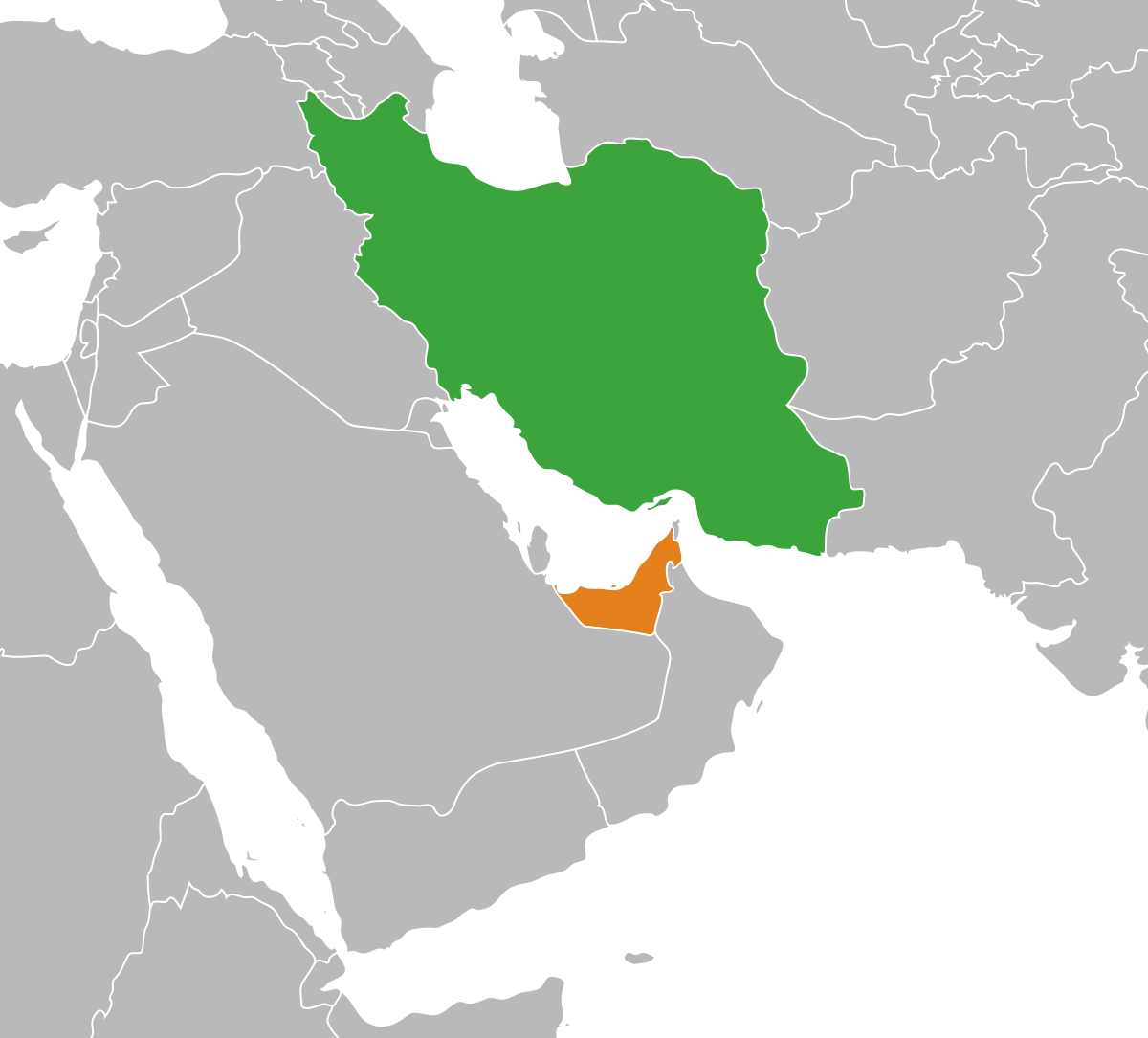
UAE authorities have successfully airlifted both citizens and expatriate residents from Iran amid mounting regional tensions stemming from the ongoing Israel–Iran conflict. These evacuation flights were carried out in full coordination with Iranian officials, who provided necessary transit clearances and logistical assistance, according to the UAE’s Ministry of Foreign Affairs and International Cooperation.

Passengers greeted on arrival in Abu Dhabi included Emirati nationals and resident visa holders. Some were visibly emotional—footage released by WAM showed arrivals embracing airport staff, while others knelt in gratitude upon disembarking. UAE officials confirmed that all evacuees underwent health screening and security checks; no medical emergencies were reported during the operation.

The decision to evacuate was prompted by intensifying hostilities between Iran and Israel, which have resulted in reciprocal missile and drone strikes targeting Iran’s nuclear and military infrastructure. Since 13 June, airspace closures across Iran and neighbouring countries have disrupted commercial flights, leaving many foreign nationals stranded.

While Tehran’s nuclear sites have been under attack, Tehran’s government issued public messages minimising panic, yet civilians promptly fled towards northern provinces, leading to fuel shortages, transport gridlocks, and relief operations along highways. Over 100,000 people are believed to have relocated internally by 15 June, while a few hundred foreign evacuees have used authorised border crossings to exit Iran.

UAE’s timely action reflects an expansion of its foreign crisis response capabilities, built through previous evacuations from conflict zones such as Ukraine, Sudan, and Afghanistan. Evacuating via a mix of chartered aircraft and government-operated flights, the UAE used carefully planned air routes to skirt high-risk regions.

Parallel efforts by Gulf neighbours highlight broader regional coordination. Bahrain, Oman and others secured safe passage for their own nationals via land and air corridors; Oman alone registered over 150 evacuees through Bandar Abbas and Iraq logistics networks. Countries including India, China, the US, Germany and Poland activated repatriation schemes—India’s “Operation Sindhu” successfully repatriated 110 nationals through Armenia by 18 June.

While evacuation pipelines opened, Dubai and Abu Dhabi remain operational, and companies across the Gulf are updating contingency plans amid concerns over possible spill‑over and disruptions to critical infrastructure. Risk advisory firms are reporting heightened demand for intelligence services, crisis preparedness, and staff security measures.

The UAE Ministry of Foreign Affairs has reiterated its call for diplomacy as the sole pathway to stability. Its continuous diplomatic outreach has involved deep engagement with international partners and a strong appeal to the UN Security Council to broker de‑escalation amid what it describes as “exceptional circumstances”.

The evacuation marks a rare cooperative moment between the UAE and Iran, whose bilateral relations have at times been strained. Yet Iranian authorities’ facilitation of access to airports and transit permissions demonstrated a mutual willingness to protect civilians from broader geopolitical fallout.

With all Gulf evacuations through this phase concluded, attention now turns to whether diplomatic avenues will succeed in preventing further civilian displacement. Businesses and governments remain on alert, reinforcing emergency protocols and intelligence monitoring systems to safeguard personnel and operations in the face of uncertainty.

PERTH, WESTERN AUSTRALIA – Media OutReach Newswire – 22 June 2025 – Kinky Lizard Cafe, one of Perth’s leading independent café groups, is proud to announce the opening of its 10th location at 94 Barrack Street, Perth WA 6000. This significant milestone marks a new chapter for the family-run brand, which has grown steadily since its inception in 2019. Established in East Perth with a vision to […]

China is confronting significant disruption to its Iranian crude oil supply, risking both its energy security and geopolitical ambitions in the Middle East. With over 90 per cent of Iran’s oil exports directed to China via Kpler, the contraction of that flow places Beijing’s $400 billion 2021 cooperation deal in jeopardy. Major Chinese independent refiners, the so‑called “teapots” in Shandong province, are enduring mounting losses as deepening discounts on Iranian […]

Phagos, a Paris‑based biotech startup, is deploying an artificial‑intelligence model built on Amazon Web Services to accurately match bacteriophages with antibiotic‑resistant bacterial strains. This development marks a pivotal shift from arbitrary trial‑and‑error methods to precision medicine in combating infections that claim an estimated one million lives annually. The challenge of antibiotic resistance has spurred Phagos, co‑founded by microbiologist Adèle James and economist Alexandros Pantalis, to pursue alternative […]

Gulf economies—led by the UAE and Saudi Arabia—are forecast to sustain stronger growth, underpinned by higher oil output and robust non-oil activity, even as tensions between Israel and Iran add volatility to the region’s economic outlook. Capital Economics estimates the UAE economy will expand by approximately 5.8 percent this year, propelled by elevated oil production and expansion in tourism, finance and construction sectors. The non-oil sector continues to account […]

Arabian Post Staff -Dubai Meta has unveiled the Oakley Meta HSTN, a new smart glasses model tailored for sports enthusiasts that introduces high-resolution video and extended battery life. Pre-orders open on 11 July for the premium $499 edition, with standard variants priced from $399 available later in the summer. Initial markets include the US, Canada, UK, select European countries, Australia, and later expansions slated for Mexico, India, and the […]

VISHNU RAJA
RYO YAMADA
HITORI GOTOH
IKUYO KITA