News related to
Expansion

The public cloud services (PCS) market in Europe, the Middle East, and Africa (EMEA) is on track to experience substantial growth, with projections indicating that the market will reach $415.1 billion by 2028. This marks a significant expansion from current levels, driven by increasing digital transformation initiatives, growing cloud adoption across industries, and the rise of new technologies that require cloud infrastructure. According to experts, the compounded […]

OVHcloud US has launched its third-generation bare metal game servers, designed to enhance the gaming experience with improved performance, scalability, and reliability. Featuring the powerful AMD EPYC 4004 processors, the new servers are targeted at gaming studios, eSports companies, and developers seeking robust infrastructure for their most demanding applications. These game servers are positioned to address the growing need for high-performance hosting in the gaming industry. As […]

The Caribbean and the United States are now seamlessly connected through the newly unveiled Caribbean Elite Alliance (CELIA) undersea cable, marking a transformative leap in digital infrastructure for both regions. This high-capacity cable, which spans more than 5,000 kilometers, promises to revolutionize data transfer and telecommunications, providing faster, more reliable internet access for millions of people in the Caribbean and on the U.S. East Coast. CELIA, which […]

Mubadala Investment Company’s assets have reached a staggering $330 billion, CEO Khaldoon Al Mubarak confirmed during the Milken Institute Middle East and Africa Summit. This significant figure underscores the firm’s growing influence in the global investment landscape, highlighting its strategic expansion into various sectors worldwide.

As one of the largest sovereign wealth funds globally, Mubadala’s diversified portfolio spans sectors such as technology, healthcare, energy, and infrastructure. Al Mubarak emphasized that the company’s investment approach remains focused on long-term growth, with an emphasis on innovation and sustainability. He also noted that Mubadala’s asset management strategy has evolved to meet the challenges and opportunities of an increasingly complex global economy.

Mubadala’s portfolio is a mix of direct investments, joint ventures, and partnerships, which are spread across different geographies. In recent years, it has made substantial investments in sectors poised for significant growth, particularly in technology and renewable energy. Its recent acquisitions include stakes in prominent companies such as Uber, Advanced Micro Devices (AMD), and the Abu Dhabi National Oil Company (ADNOC) group. These investments align with Mubadala’s broader strategy of backing high-potential firms that lead in their respective fields.

Al Mubarak also discussed the company’s commitment to sustainability, a key theme in many of its investment strategies. With increasing global awareness of climate change and the need for a sustainable future, Mubadala has increased its focus on clean energy projects, electric vehicles, and other environmentally friendly technologies. As part of its long-term strategy, the company aims to foster innovation in sectors that can drive the global transition toward a low-carbon economy.

The company’s involvement in renewable energy is also growing rapidly. Mubadala has made substantial investments in both renewable energy infrastructure and companies focused on decarbonization. One of its most significant ventures in this area is its involvement with Masdar, a global leader in renewable energy solutions, based in Abu Dhabi. This initiative is just one example of how Mubadala is aligning its portfolio with the global shift toward sustainability.

Mubadala’s $330 billion in assets also reflect its position as a key player in the global investment community. Over the past few years, it has increasingly positioned itself as a catalyst for innovation in the Middle East, while maintaining a strong international footprint. With its investments ranging from Silicon Valley startups to energy giants, Mubadala continues to assert its role as a crucial component in the diversification and modernization of the UAE’s economy.

Al Mubarak’s comments also highlighted the role that the company plays in supporting economic development in the UAE and beyond. Mubadala’s investments are not only aimed at generating returns but also at fostering innovation, creating jobs, and supporting the development of new industries. By supporting companies that can drive economic growth, Mubadala is helping to shape the future of the global economy in ways that benefit both the UAE and the wider international community.

In addition to its financial strategy, Al Mubarak also addressed the evolving challenges in global markets, particularly as geopolitical risks continue to rise and inflationary pressures remain a concern. He acknowledged the importance of adaptability, particularly as market conditions shift in unpredictable ways. According to Al Mubarak, Mubadala’s ability to swiftly adjust to changing market dynamics has been key to its success and resilience.

The CEO also touched upon the company’s deepening ties with other major global investors and sovereign wealth funds, particularly those in Europe and Asia. Mubadala’s focus on building strategic partnerships and alliances is a key part of its strategy to diversify its portfolio and tap into new growth areas. These collaborations allow Mubadala to access cutting-edge technologies and new markets that will be critical for long-term growth.

With over $330 billion in assets under management, Mubadala’s role in the global investment ecosystem continues to expand. Its focus on sustainable investments and innovative partnerships positions the firm as a leader in both the financial and technological sectors. As the company continues to grow and adapt to the evolving needs of the global market, its influence is likely to extend even further, providing both financial returns and long-term value to the UAE and its international partners.

Saudi Arabia’s startup ecosystem is experiencing a significant surge in investments, with major moves in private equity, sportstech, and digital platforms. As the country continues to diversify its economy, efforts to boost innovation and entrepreneurial ventures have shown tangible results, with prominent regional funds securing notable commitments from key players.

One of the latest developments comes from Jada Fund of Funds, a prominent investment vehicle in Saudi Arabia, which has committed to the Jadwa GCC Private Equity Fund I. Managed by Jadwa Investment, this fund is aiming for SR1.5 billion ($399.2 million) in commitments, with a hard cap of SR2 billion. This move is reflective of a broader trend of growing capital flows into the country’s private equity sector, particularly those supporting diversified businesses targeting the Gulf Cooperation Council (GCC) region.

The capital infusion into sportstech ventures is also noteworthy. Saudi Arabia is positioning itself as a leader in the Middle East’s rapidly growing sportstech industry, which is attracting attention from both regional and international investors. The government’s Vision 2030 initiative, aimed at reducing the country’s dependency on oil, is providing the foundation for an increasingly vibrant startup landscape. With an eye on the growing sports sector, Saudi firms are investing heavily in sports technologies, including wearable devices, data analytics, and performance-enhancing software that cater to athletes and sports organizations across the region.

Several Saudi-based investors, including venture capital firms and family offices, are increasingly putting their money into sportstech, reflecting the broader regional interest in this high-growth sector. The Saudi government has been actively supporting innovation in the sports industry, with ambitious projects like the establishment of mega-sports events and investment in sports infrastructure. This has, in turn, created significant opportunities for sportstech startups to grow and scale.

The trend is not limited to just private equity or sportstech. The digital platform sector, which includes e-commerce, fintech, and SaaS startups, has also seen an uptick in investment. The rise of e-commerce platforms and fintech innovations is being driven by growing internet penetration and mobile usage, particularly among Saudi Arabia’s tech-savvy youth. The government’s push to digitize various sectors of the economy has made the country a hotbed for digital platform startups looking to serve a rapidly evolving market.

These investments are not just a sign of a thriving startup ecosystem but are also a testament to the maturity of Saudi Arabia’s venture capital scene. With institutions like Jada Fund of Funds and Jadwa Investment playing key roles, the country is moving towards a more sophisticated investment environment. Jada Fund of Funds, a government-backed initiative, is helping to bridge the funding gap for early-stage companies, creating a more robust ecosystem for entrepreneurs.

Private equity firms are targeting sectors ranging from healthcare to renewable energy, demonstrating that the Saudi investment appetite is not confined to tech but extends across a range of industries vital for the kingdom’s long-term diversification strategy. This is part of a wider effort by the government to encourage private sector participation in building a non-oil economy, and the growth in startup investments reflects this strategy in action.

Beyond traditional venture capital, the sportstech space has seen a surge in the establishment of innovation hubs and incubators focused on sports technology. These hubs are providing much-needed resources and mentorship to emerging sportstech startups, enabling them to scale more rapidly. Companies in this space are developing innovative solutions that address the needs of professional athletes, fitness enthusiasts, and sports organizations alike.

International investors are also recognizing the potential of Saudi Arabia’s startup ecosystem, with increasing interest in the country from foreign venture capitalists and corporate investors. This influx of global capital is helping to accelerate the growth of homegrown startups, while also enhancing the visibility of Saudi Arabia as a regional innovation hub. By positioning itself as a key player in the tech and innovation space, Saudi Arabia is attracting startups and venture capital firms from around the world.

The government’s role in fostering innovation through policies and financial incentives cannot be overstated. Vision 2030 has made it clear that entrepreneurship and technological innovation are crucial components of Saudi Arabia’s future. With initiatives designed to support small and medium-sized enterprises (SMEs), including financial grants, tax breaks, and access to government contracts, the kingdom is ensuring that startups have the necessary tools to succeed.

These policies are beginning to bear fruit, with a number of high-profile exits in the startup space. Several homegrown startups have either been acquired by global firms or have secured substantial rounds of funding, further validating the strength of the Saudi startup ecosystem. This trend of successful exits will only continue to attract more venture capital to the country, further cementing Saudi Arabia’s position as a regional startup powerhouse.

The role of women in Saudi Arabia’s startup ecosystem has also seen notable expansion. With the government’s focus on gender equality as part of Vision 2030, female entrepreneurs are increasingly making their mark in the tech and business world. Initiatives such as the Women’s Empowerment Program are helping to provide a platform for female entrepreneurs to showcase their ideas, access funding, and network with key industry players.


HONG KONG SAR – Media OutReach Newswire – 5 December 2024 – The MIPIM Asia 2024 Awards, which honor excellence and innovation in Asia’s real estate industry, reveals this year’s winners during the Gala Dinner on December 4 at the Grand Hyatt in Hong Kong. The prestigious awards garnered numerous nominations from various countries, showcasing the remarkable diversity and growth within the sector. This wide array of […]

VYTAL Global acquires certain assets and team members from TURN to drive tech-enabled reuse solutions VYTAL Global expands to the U.S. with the launch of VYTAL US Inc. Germany-based digital reuse platform that continues global growth by acquiring certain key assets and team members from TURN, the leading U.S.-based reuse company, providing tech-enabled reuse solutions to events and venue customers. COLOGNE, GERMANY – Newsaktuell – 5 December […]

Advertisements

Apple is poised to expand its retail footprint in the UAE, announcing plans for a fifth store in the region. This development comes as the company’s cumulative investments in the UAE have surpassed $1.6 billion, underscoring the tech giant’s commitment to strengthening its presence in a key international market. The upcoming store, slated to open in Abu Dhabi’s Al Maryah Island, will be the second Apple location […]

COLOMBO, SRI LANKA – Media OutReach Newswire – 6 December 2024 – ONYX Hospitality Group, a leading force in Southeast Asia’s hospitality industry, is proud to announce the grand opening of Amari Colombo in Sri Lanka, set to welcome its first guests on 1st December 2024. This much-anticipated launch marks the beginning of a new chapter for Sri Lanka’s hospitality sector, coinciding with the season’s start and […]

Dnata Logistics has launched a $27 million facility in Dubai South to strengthen its supply chain services in the region. This development aligns with the growing demand for advanced logistics and supply chain solutions in the UAE, particularly in the aviation and cargo sectors. The facility, spanning 20,000 square meters, is equipped with cutting-edge technology, including automated storage and retrieval systems and advanced temperature-controlled zones, catering to diverse industries such as pharmaceuticals, perishables, and e-commerce.

The new hub integrates dnata’s commitment to innovation, efficiency, and sustainability. It features solar panels and energy-efficient designs, reinforcing the company’s environmental objectives. Strategically located near Al Maktoum International Airport, the facility enhances the company’s operational capabilities, facilitating seamless import, export, and transit cargo handling. Guillaume Crozier, Senior Vice President of UAE Cargo at dnata, highlighted that the facility represents a significant step in delivering value-added solutions to customers and partners, emphasizing digital transformation and sustainability.

This expansion comes as part of dnata’s broader efforts to bolster the UAE’s position as a global logistics hub. The company’s collaboration with Dubai South aims to enhance efficiency and connectivity within the logistics corridor, integrating its systems with Dubai South’s smart gate mechanisms to streamline cargo processing. The partnership is expected to provide faster turnaround times, reduced costs, and increased transparency for stakeholders.

Dubai South, known for its extensive free zones and logistics infrastructure, continues to attract investments that align with the UAE’s ambitions of becoming a global leader in logistics and trade. Mohsen Ahmad, CEO of Dubai South Logistics Zone, emphasized that such initiatives enable the development of a robust, technology-driven ecosystem catering to the needs of global trade.

Mubadala Investment Company has entered into an agreement to acquire a minority stake in Zelis, a prominent US-based health technology firm. This deal, valued at approximately $1.7 billion, is poised to enhance the UAE-based investment firm’s health sector portfolio. The strategic move aligns with Mubadala’s long-term goal of expanding its footprint in high-growth markets, especially within health tech, and signals its continued interest in driving international expansion, […]

Morgan Stanley has adjusted its Brent crude price projection for the second half of 2025 to $70 per barrel, citing OPEC+ production decisions and broader supply-demand dynamics. This revision reflects cautious optimism about the market’s ability to stabilize amid shifts in global oil supply, rising alternative energy adoption, and the evolving geopolitical landscape.

The OPEC+ coalition has opted to gradually unwind its voluntary production cuts totaling 2.2 million barrels per day starting from December, aiming to maintain price stability while balancing market cohesion. Analysts suggest this calculated strategy seeks to mitigate downward pressure on oil prices caused by oversupply fears and demand uncertainties. The move follows deliberations among key producers, including Saudi Arabia and Russia, with a long-term focus on discipline among non-OPEC+ suppliers.

Despite these measures, bearish market conditions persist. Morgan Stanley’s forecast aligns with broader trends suggesting that crude oil prices may face headwinds from an anticipated supply surplus of approximately 700,000 barrels per day by 2025. This surplus, driven by production expansions in regions such as the Americas, has tempered earlier bullish outlooks. Brazil, Guyana, and the United States are expected to collectively contribute over one million barrels per day to global output growth in the coming years.

Demand-side challenges also weigh heavily on the outlook. A slower-than-expected recovery in China’s oil consumption, attributed to rapid electric vehicle adoption and the rise of LNG-powered trucking, has raised concerns about long-term demand stagnation. Bank of America analysts have echoed this sentiment, projecting subdued growth in China’s oil usage as one of the factors leading to a potential market oversupply.

Middle Eastern tensions and disruptions to Libyan crude exports have added complexity to the short-term landscape. However, analysts anticipate these issues to have a limited impact on long-term pricing due to ongoing diplomatic efforts and the likelihood of resumed production in Libya. As such, markets remain focused on structural shifts, including the increasing role of alternative energy sources and changes in transportation fuel demand.

BANGKOK, THAILAND – Media OutReach Newswire – 6 December 2024 – ONYX Hospitality Group, a leading management company for hotels, resorts, serviced apartments, and luxury residences in Southeast Asia, has signed an agreement to manage Amari The Tide Bangsaen. This property, which is a significant transformation of The Tide Resort, and has been reimagined as Amari The Tide Bangsaen, is set to reveal its new look in […]

HANOI, VIETNAM – Media OutReach Newswire – 5 December 2024 – Visa, a global leader in digital payments, and FPT Corporation, Vietnam’s leading technology company, have signed a Memorandum of Understanding (MOU) to drive digital transformation and financial inclusion in Vietnam’s government sector. The collaboration aims to modernize government services and empower businesses, particularly small and medium-sized businesses (SMEs). Building on previous successful engagements, both parties will […]

HONG KONG SAR – Media OutReach Newswire – 5 December 2024 – Hong Kong’s economic outlook and business confidence are set to further improve in 2025, CPA Australia’s latest survey shows. With more than half of respondents predicting their company’s revenue will grow in 2025, companies are becoming more aggressive in their expansion plans and hiring intentions are the highest since 2020. (from left to right) Mr […]

As the cryptocurrency market continues to evolve, Cardano and Dogecoin millionaires are setting their sights on an emerging token, PropiChain, sparking significant attention from seasoned investors. This real-world asset (RWA) token is attracting major players in the space, with projections suggesting an explosive rise of up to 50,000%. The surge in interest comes as more investors turn their focus from speculative digital currencies to tokens linked to tangible real-world assets, offering a unique blend of security and potential for massive returns.

PropiChain, designed to bridge the gap between blockchain technology and traditional asset markets, has captured the interest of high-profile investors from the Cardano and Dogecoin communities, both of which have seen substantial gains in recent years. These communities, known for their large, dedicated following, are now seeking opportunities in new tokens with a real-world utility, a trend that could redefine the future of decentralized finance (DeFi). PropiChain aims to provide a decentralized solution for tokenizing real-world assets, such as real estate, commodities, and even intellectual property, opening up a wide range of possibilities for asset-backed investments on the blockchain.

What sets PropiChain apart from other tokens is its ability to tether digital currencies to tangible, regulated assets. This connection offers a degree of stability that many DeFi investors find appealing. By leveraging blockchain’s transparency and immutability, PropiChain enhances liquidity for traditionally illiquid assets, such as real estate, while ensuring that investors have access to a more secure investment vehicle. The market for tokenized real-world assets has been growing steadily, with PropiChain positioning itself as a leading contender in this emerging space.

The token’s potential to revolutionize asset-backed investments has caught the attention of not only individual investors but also institutional players. In recent months, there has been a notable shift in how institutional investors view cryptocurrencies and blockchain technology. Traditionally, institutions have been wary of the volatility and lack of regulation in the crypto market, but with projects like PropiChain offering clear pathways for integrating blockchain into established asset classes, the door is now open for greater institutional participation.

PropiChain’s backing comes from a team of developers with deep expertise in both blockchain and traditional finance. The project’s roadmap includes partnerships with real-world asset platforms and real estate developers, further solidifying its credibility and appeal. These collaborations are expected to enhance the platform’s real-world impact, enabling PropiChain to tokenize a diverse array of physical assets. The combination of robust technological infrastructure and real-world applicability makes PropiChain one of the most anticipated projects in the blockchain space.

For Cardano and Dogecoin investors, the appeal of PropiChain lies in its potential for massive returns. Both Cardano and Dogecoin have experienced significant growth over the past few years, driven in part by their strong communities and high-profile endorsements. As investors from these networks look for new opportunities, PropiChain’s innovative approach to bridging the digital and physical worlds presents a promising avenue for continued growth. PropiChain has captured the attention of these seasoned investors by offering the chance to be part of a project with exponential growth potential.

The token’s unique value proposition and the ongoing expansion of the decentralized finance sector have made PropiChain a rising star in the crypto market. Its underlying technology provides the foundation for a more secure, scalable, and transparent investment ecosystem. This makes PropiChain particularly attractive in a market that is becoming more focused on long-term sustainability and real-world use cases.

As the broader cryptocurrency market remains volatile, investors are increasingly searching for tokens that offer something beyond the speculative trading opportunities that have dominated much of the market in recent years. PropiChain, with its promise of tangible, asset-backed investments, represents a shift towards a more pragmatic approach to crypto investing. By focusing on real-world assets, PropiChain is poised to be at the forefront of the next wave of blockchain innovation, one that blends the best of traditional finance with the cutting-edge possibilities of decentralized technology.

The projected 50,000% increase in PropiChain’s value has sparked significant enthusiasm among crypto investors who see the token as a future powerhouse in the evolving landscape of blockchain-based asset management. While many tokens in the crypto space are often linked to speculative trends or abstract digital concepts, PropiChain offers a solid foundation grounded in physical asset backing. This gives it a distinct edge in attracting a broader range of investors, from those seeking stability to those chasing massive gains.

Dubai-based billionaire Hussain Sajwani’s Edgnex Data Centers has entered a joint venture with PPC Group, a major European utility, to build and operate a state-of-the-art data center in Greece. This collaboration comes with an initial investment of €150 million ($157 million), marking a significant step in Edgnex’s expansion strategy into the European data infrastructure market.

The partnership between Edgnex, a leading data center provider in the Middle East, and PPC Group, a key player in Greece’s energy sector, aims to capitalize on the growing demand for cloud computing, data storage, and digital transformation services across Europe. The planned facility will offer high-performance data storage and cloud infrastructure solutions designed to meet the needs of businesses and government agencies in Greece and the broader region.

The data center, to be located in a strategic area in Greece, will be designed to provide a sustainable and scalable infrastructure to meet the growing demand for data services. Both Edgnex and PPC Group aim to position the new facility as a key asset in Europe’s digital economy, enabling businesses to operate more efficiently and support the region’s transition to a more digitally connected and technologically advanced landscape.

Edgnex’s investment in Greece follows the company’s recent push into international markets. The Dubai-based firm is focusing on expanding its footprint beyond the Middle East, responding to a surge in demand for robust digital infrastructure and advanced technology solutions. The decision to partner with PPC Group allows Edgnex to leverage local expertise and infrastructure, making the venture highly strategic as it seeks to capture a larger share of the European market.

PPC Group, for its part, brings significant experience in managing large-scale infrastructure projects, with a long history in the energy and utilities sector. Its involvement in the joint venture ensures that the project will benefit from Greece’s extensive energy network, ensuring that the data center operates sustainably and efficiently. With a commitment to supporting the energy transition in Europe, PPC Group’s contribution underscores the growing importance of sustainable energy practices in the development of modern data infrastructure.

This collaboration aligns with broader trends in the data center industry, where there is an increasing emphasis on environmental sustainability and energy efficiency. As data centers consume substantial amounts of energy, the sector has been under increasing scrutiny to adopt greener practices. Edgnex’s data center in Greece is expected to integrate cutting-edge technologies to minimize its environmental impact, positioning it as a leader in sustainable data infrastructure development.

Greece itself has become an attractive location for data center investments due to its strategic geographical position, favorable regulatory environment, and growing digital economy. The Greek government has been actively working to position the country as a hub for digital innovation and technology services, providing incentives for international investors to develop critical infrastructure. These efforts have been paying off, as more global players look to establish a presence in Greece to serve the region’s increasing demand for digital services.

The Edgnex-PPC Group venture is expected to further bolster Greece’s position as a key player in Europe’s digital economy. By attracting major investments in the data infrastructure space, the country is laying the groundwork for future growth in sectors such as cloud computing, artificial intelligence, and big data analytics. As these industries continue to evolve, the demand for secure, high-performance data centers will only increase, making Edgnex and PPC Group’s investment a timely and strategic move.

Edgnex’s foray into the European market reflects the growing trend of Middle Eastern companies expanding their presence globally. With its strong financial backing and expertise in data center operations, Edgnex is well-positioned to compete with other global players in the European market. The joint venture with PPC Group is expected to serve as a model for future collaborations, as both companies aim to capitalize on the burgeoning demand for digital infrastructure services across the continent.

The joint venture is also poised to generate significant economic benefits for Greece, creating jobs, boosting local economies, and supporting the country’s digital transformation. As the demand for data storage and cloud services continues to rise, the development of new, advanced data centers will play a crucial role in supporting the growth of industries such as e-commerce, finance, and telecommunications.

As data privacy and security concerns continue to grow, the joint venture is also expected to address the increasing need for secure data storage solutions. The data center will meet high international standards for cybersecurity, ensuring that the data hosted on the site remains protected against emerging threats. This focus on security is expected to make the facility particularly attractive to clients in highly regulated industries such as finance and healthcare.

Looking ahead, Edgnex and PPC Group’s venture in Greece is poised to be a catalyst for further investment in the data center sector, not only in Greece but across Europe. The ongoing digital transformation across industries makes the demand for reliable, efficient, and sustainable data infrastructure more critical than ever. As businesses increasingly rely on data-driven solutions to stay competitive, the need for cutting-edge data centers to support this growth will continue to rise, creating opportunities for companies like Edgnex to expand their operations and meet this demand.

Edgnex Data Centers, a leading player in the global data center market, has entered into a joint venture (JV) with a prominent Greek investment group, marking a significant move into Europe. The new venture will focus on building data center infrastructure in Greece, with an initial investment commitment of $157 million. This collaboration, spearheaded by Dubai billionaire Hussain Sajwani’s company, is expected to accelerate the digital transformation […]

Hedge fund Dymon Asia has marked its first entry into the Middle East with the opening of an office in Dubai. The move signals a broader strategic push as the firm seeks to tap into the region’s burgeoning investment opportunities. Known for its strong presence in Asia, the fund’s expansion into Dubai highlights the city’s growing significance as a financial hub and a base for global investors. […]

Importers in the Gulf region can now easily access a wide range of products manufactured by India’s Micro, Small, and Medium Enterprises (MSMEs) thanks to the launch of Post Office Export Centres (POECs). This new initiative, spearheaded by India’s Ministry of Communications, aims to streamline the export process for MSMEs and provide global access to their products, specifically targeting markets like the Gulf, which holds significant trade potential for small businesses in India.

The Post Office Export Centres are designed to function as export hubs within India’s vast postal network, connecting small-scale manufacturers to international buyers. By leveraging the extensive infrastructure of the India Post system, the initiative makes it easier for businesses in the Gulf and other foreign markets to procure products directly from Indian MSMEs. With post offices already having a presence in even remote areas of the country, this expansion is expected to break down logistical barriers, especially for smaller businesses that previously lacked the resources to access international trade networks.

The launch of the POECs is part of the broader vision to promote “Made in India” goods globally, especially MSME products that often struggle to find export channels. MSMEs make up a substantial portion of India’s industrial output, and their products are diverse, ranging from handmade textiles to agricultural goods and electronic components. These enterprises form the backbone of India’s economy but have long faced challenges when it comes to reaching international markets, particularly due to complicated and expensive export processes.

India Post’s established network of over 150,000 post offices across the country is now being utilized to open avenues for MSMEs to participate in global trade. This network, one of the largest in the world, will enable businesses in the Gulf to access Indian-made goods efficiently, while also simplifying the complexities often associated with international shipping and customs processes. The Post Office Export Centres will act as intermediaries, assisting with everything from documentation to packaging and final delivery.

With the Gulf region being a major trading partner for India, this move is seen as a strategic one to strengthen trade relations further. The UAE, Saudi Arabia, Qatar, and Kuwait are some of the leading destinations for Indian exports, and the introduction of POECs will make it easier for businesses there to tap into a wide variety of Indian products. This initiative also aligns with India’s “Atmanirbhar Bharat” campaign, which encourages self-reliance and seeks to boost exports from the country’s smaller enterprises, which are often overlooked in traditional trade practices.

Through these Post Office Export Centres, Indian MSMEs will be able to list their products in a more streamlined manner for foreign buyers. The system simplifies the process of exporting by allowing these enterprises to bypass the complexities typically associated with traditional export methods, such as dealing with multiple intermediaries and navigating intricate customs procedures. Additionally, India Post will provide support in areas such as financial transactions, ensuring that payments are secure and efficiently processed.

This move is expected to bring about a considerable shift in how MSMEs interact with the global market. By utilizing the postal system, which is known for its trust and reliability, India Post is positioning itself as a crucial facilitator of international trade for smaller businesses. The initiative also promises to open doors for a broader range of products, including those from underserved sectors like handicrafts, textiles, and regional food products.

The launch of POECs underscores a significant push towards enhancing digital infrastructure within the Indian postal system. While physical infrastructure remains key, the integration of online platforms for cataloging products, processing orders, and tracking shipments is also a crucial part of the system. The digitalization aspect will ensure that MSMEs are equipped to handle international trade in a manner consistent with global standards, fostering transparency and improving overall efficiency.

For businesses in the Gulf, this system will enable greater access to the vast array of goods that India produces. This is especially significant as Gulf countries have long been important partners for Indian exporters, with a growing demand for diverse products that include textiles, spices, and high-tech gadgets. The opening of these export centres makes the procurement of Indian goods more accessible and cost-effective for Gulf-based importers.

Experts view the initiative as a win-win for both India and the Gulf region. For India, the initiative will boost the export of MSME products and contribute to economic growth, while for the Gulf, it will bring in affordable and high-quality products from India. Additionally, the ease of access through the Post Office Export Centres offers a level of convenience that has been missing in the past, particularly for small-scale importers who often find it difficult to engage in international trade.

SPIMACO, one of Saudi Arabia’s prominent pharmaceutical companies, has decided to cancel its agreement to acquire a majority stake in the pharmaceutical manufacturer Osmopharm. The move comes after a series of strategic shifts in both companies’ corporate plans, signaling a pause in the anticipated merger that was initially expected to expand SPIMACO’s footprint in the healthcare sector.

The agreement, which was first announced earlier this year, outlined SPIMACO’s purchase of a 68% stake in Osmopharm, an acquisition that was set to position SPIMACO as a more dominant player in the region’s pharmaceutical market. The deal had been under negotiation for several months and represented a significant step for SPIMACO to strengthen its portfolio in a market that is becoming increasingly competitive.

Sources familiar with the decision revealed that the cancelation stems from a combination of factors, including shifting market conditions and adjustments to corporate strategies. These reasons were not immediately disclosed, but industry experts note that SPIMACO may have reconsidered its investment in Osmopharm amidst changing regulatory landscapes and economic uncertainty in the region.

The Saudi pharmaceutical industry has been undergoing significant transformations, with both local and international companies seeking to capitalize on the region’s expanding healthcare needs. Saudi Arabia’s Vision 2030, which includes an emphasis on privatization and healthcare sector reform, has made the pharmaceutical industry a focal point of investment. However, the cancellation of the SPIMACO-Osmopharm deal highlights the volatility and risks that even established firms face in navigating these shifts.

Osmopharm, which has a growing presence in the manufacturing of a variety of medical products, was expected to benefit from the infusion of capital and resources that SPIMACO would have provided. The company’s expansion plans are now uncertain as it seeks alternative avenues for growth. Both companies had previously expressed their enthusiasm for the merger, with Osmopharm eager to take advantage of SPIMACO’s strong distribution network across the Middle East.

The deal had garnered attention due to its potential to create one of the largest pharmaceutical entities in the region. SPIMACO’s acquisition of a majority stake in Osmopharm would have placed it in a position to compete more aggressively with global players operating in the Saudi market. However, with the cancellation, both companies must now recalibrate their future strategies in order to sustain growth in a market that continues to evolve at a rapid pace.

The decision has raised questions among investors and analysts who were closely monitoring the deal, particularly those who saw the merger as a key factor in SPIMACO’s long-term growth trajectory. In response to the change, SPIMACO’s board has reassured stakeholders that the company remains committed to expanding its footprint in the regional pharmaceutical industry through other avenues, including organic growth and potential future acquisitions that align with its revised strategic goals.

The uncertainty surrounding the deal has also had a ripple effect in the market, with stock analysts revisiting their forecasts for both companies. While SPIMACO’s decision to pull back from the acquisition has led to a temporary dip in investor confidence, market observers suggest that the company’s solid financial base and ongoing projects will allow it to weather the short-term impact.

Meanwhile, Osmopharm’s future remains uncertain as it navigates this setback. The company has yet to comment publicly on the scrapped deal, but sources close to the firm suggest it will explore new opportunities for collaboration or acquisition. The pharmaceutical sector, which is expected to continue growing in the coming years, will likely see other players attempting similar mergers and acquisitions as they strive to expand their reach and capitalize on the region’s burgeoning healthcare needs.

Robinhood, the prominent commission-free trading platform, has confirmed its plans to expand into the Asia-Pacific (APAC) region by 2025. The company has chosen Singapore as its base of operations for this significant expansion, a move aimed at tapping into the fast-growing financial markets in Asia. This decision signals the company’s ambition to diversify its global footprint and cater to a region increasingly focused on digital finance and investment opportunities.

The decision to establish an office in Singapore reflects the city-state’s role as a key financial hub in Asia. Singapore’s favorable regulatory environment and its status as a regional fintech leader make it an attractive destination for global fintech companies looking to scale operations in the APAC region. The country has long been known for its pro-business stance, stable financial system, and robust technological infrastructure, all of which provide a conducive environment for a tech-driven financial firm like Robinhood.

Singapore has also seen a growing influx of financial startups and established companies expanding their reach to the Southeast Asian markets, making it a logical choice for Robinhood’s foray into the region. By setting up operations in Singapore, Robinhood hopes to capture a portion of the region’s burgeoning retail investor base, particularly as wealth in Asia grows rapidly, and more individuals gain access to financial markets through mobile apps and platforms.

Robinhood’s move into the APAC region also comes at a time when the fintech sector is undergoing significant changes. With the increasing use of smartphones and the internet, retail investment is seeing massive growth in Asia, especially among young investors who are tech-savvy and eager to explore stock trading. Robinhood’s low-cost, no-commission trading model aligns well with the financial preferences of these investors, making the company an appealing option in a region where many investors are looking for cost-effective and transparent trading solutions.

While Robinhood’s expansion into Asia is an exciting development, it will not be without its challenges. The company must navigate the diverse regulatory environments across various countries in the region, each with its own rules for digital finance, securities, and trading platforms. Although Singapore provides a strong starting point, Robinhood will need to carefully assess the regulatory frameworks in markets like Japan, South Korea, and India, where financial regulations can differ significantly.

As part of its regional expansion strategy, Robinhood is also expected to partner with local financial institutions and fintech startups in Asia. This could help the company tailor its services to the specific needs and preferences of consumers in each market. The company may also look to introduce new features that cater to local market conditions, such as investment options that are popular in certain countries or currencies that are more widely used in the region.

At the same time, Robinhood’s entry into Asia also brings the company into competition with established players in the region, including traditional brokerage firms and other fintech companies. In markets like Japan, South Korea, and Hong Kong, Robinhood will need to prove its ability to offer a compelling value proposition compared to local platforms, many of which already have a strong presence in their respective countries. To succeed, Robinhood will need to balance the advantages of its existing business model with the need to adapt to the unique dynamics of the Asian financial markets.

Despite the competition, Robinhood’s reputation as a disruptor in the financial services industry, combined with its innovative approach to retail investing, could provide a strong foundation for its success in the APAC region. The company’s ability to offer commission-free trading and easy-to-use mobile platforms has made it popular among retail investors in the United States, and it hopes to replicate this success in Asia, a region where digital adoption is accelerating.

Robinhood has also demonstrated its adaptability in the past, introducing new features and expanding into new territories as it seeks to broaden its user base. The company has already expanded its operations in Europe and Canada, and its move into Asia represents a natural next step in its global growth strategy. Given the rising demand for accessible investment tools across Asia, Robinhood’s entry into the region could prove to be a game-changer for retail investing in the APAC markets.

Robinhood Markets has announced remarkable performance metrics, highlighting its growing prominence in the cryptocurrency sector. The platform’s crypto trading volumes exceeded $30 billion during November, demonstrating substantial investor engagement in digital assets. This figure underscores a strong rebound in trading activity compared to earlier periods.

Robinhood revealed a significant increase in its user base, with over 400,000 new funded accounts added in November. This growth reflects a broader interest in the platform’s diversified financial offerings, including its recent expansion of cryptocurrency options. Assets under custody also climbed to over $190 billion, marking a 15% increase from October and a striking year-over-year growth, showcasing the company’s steady appeal to retail investors.

Robinhood’s strategy of introducing new tokens, such as Solana, Cardano, and XRP, has positioned the platform as a key player in adapting to evolving regulatory landscapes. Analysts have identified Robinhood as a potential beneficiary of anticipated regulatory changes favoring cryptocurrency trading. Bernstein research estimates the company’s crypto revenue share could rise to 38% of total revenues by 2025, significantly higher than the 7% recorded in 2023. This optimistic projection is supported by the platform’s cautious yet strategic approach to token listings under existing regulatory constraints.

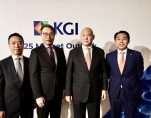
Balancing Global Dynamics HONG KONG SAR – Media OutReach Newswire – 4 December 2024 – Today, KGI has released its 2025 Market Outlook, covering regions including Mainland China, Hong Kong, Taiwan, the U.S., Singapore, and Indonesia. (From left) Cusson Leung, Chief Investment Officer at KGI; James Chu, Chairman at KGI Securities Investment Advisory; James Wey, Head of International Wealth Management at KGI; Kenny Wen, Head of Investment […]

VISHNU RAJA
RYO YAMADA
HITORI GOTOH
IKUYO KITA