News related to
First Half

Produced by the Group’s wholly-owned indirect subsidiary, Studio Take, the Korean adaptation of the Taiwanese hit YOU ARE THE APPLE OF MY EYE, premieres today, topping advance ticket reservation sales for Korean films Following Studio Take’s A MAN OF REASON (2023), which premiered globally at the 47th Toronto International Film Festival, the addition of YOU ARE THE APPLE OF MY EYE to its portfolio underscores Studio Take’s […]

Cryptocurrency exchange Bybit is currently grappling with an outflow exceeding $1.46 billion in mETH and stETH tokens, with a portion being converted to ETH on decentralized exchanges. Blockchain analyst ZachXBT identified these suspicious transactions, suggesting a potential security breach, though official confirmation from Bybit remains pending.

The outflow involves substantial transfers of mETH and stETH tokens from Bybit’s wallets to external addresses. Notably, approximately $200 million worth of stETH has already been liquidated. The destination addresses for these funds have been flagged, and exchanges are advised to monitor and potentially blacklist them to prevent further unauthorized activities.

Bybit has previously encountered security challenges. In the first half of 2024, the exchange reported detecting nearly $1 billion in abnormal withdrawal requests, successfully preventing over $79 million in fraudulent activities through enhanced AI-driven security measures. These incidents underscore the persistent threats faced by cryptocurrency platforms and the necessity for robust security protocols.

The current situation has raised concerns within the crypto community, emphasizing the importance of vigilance and proactive measures to safeguard digital assets. Users are advised to monitor their accounts closely and consider transferring funds to secure wallets until more information is available.

Berjaya Food Bhd, the operator of Starbucks outlets in Malaysia, has reported a net loss of RM35.33 million for the second quarter ending December 31, 2024. This marks the company’s fifth consecutive quarter in the red, with revenue declining by one-third to RM123.1 million compared to RM182.55 million in the same period last year. The ongoing boycotts of U.S. fast-food brands, sparked by geopolitical tensions in the Middle East, have significantly impacted consumer sentiment and sales.

The boycotts, initiated in response to the conflict in Gaza, have targeted several American franchises, including Starbucks, McDonald’s, and KFC. In Malaysia, these campaigns have led to temporary closures of numerous outlets. KFC Malaysia, for instance, has shuttered over 100 restaurants, particularly in Muslim-majority regions such as Kelantan, Kedah, and Terengganu. Similarly, McDonald’s and Pizza Hut have experienced closures and a notable decline in patronage.

Berjaya Food’s financial struggles are further underscored by a 46.4% drop in revenue for the first half of FY2025, amounting to RM247.3 million, down from RM461.09 million in the previous year. The company attributes these losses primarily to the “current sentiment in relation to the conflict in the Middle East,” which has adversely affected consumer behavior and sales.

In an effort to mitigate the financial downturn, Berjaya Food has temporarily closed 50 Starbucks outlets during the three months ending September 30, 2024, representing 12% of its total network. Despite these measures, the company remains “cautiously optimistic” about a gradual improvement in financial performance in 2025, acknowledging the challenging macroeconomic environment.

The impact of the boycotts extends beyond Berjaya Food. Americana Restaurants, which operates KFC and Pizza Hut in the Middle East, reported a 40% drop in profits, despite expanding its number of outlets. This trend highlights the broader financial repercussions for Western brands operating in regions where consumer boycotts have gained momentum.

The boycotts have been largely driven by social media campaigns and movements such as the Boycott, Divestment, and Sanctions initiative, which seeks to apply economic pressure in response to geopolitical conflicts. These campaigns have rapidly mobilized consumers, leading to significant financial losses for multinational corporations perceived to be linked to contentious geopolitical actions.

In response to the sustained boycotts, Berjaya Food is exploring diversification strategies to reduce its reliance on the domestic market. In August 2024, the company secured franchising rights to operate the Starbucks brand in Nordic countries, aiming to offset losses incurred in Malaysia. Additionally, Berjaya Food has entered into agreements to expand its licensed Paris Baguette outlets in Southeast Asia, seeking to tap into new markets and revenue streams.

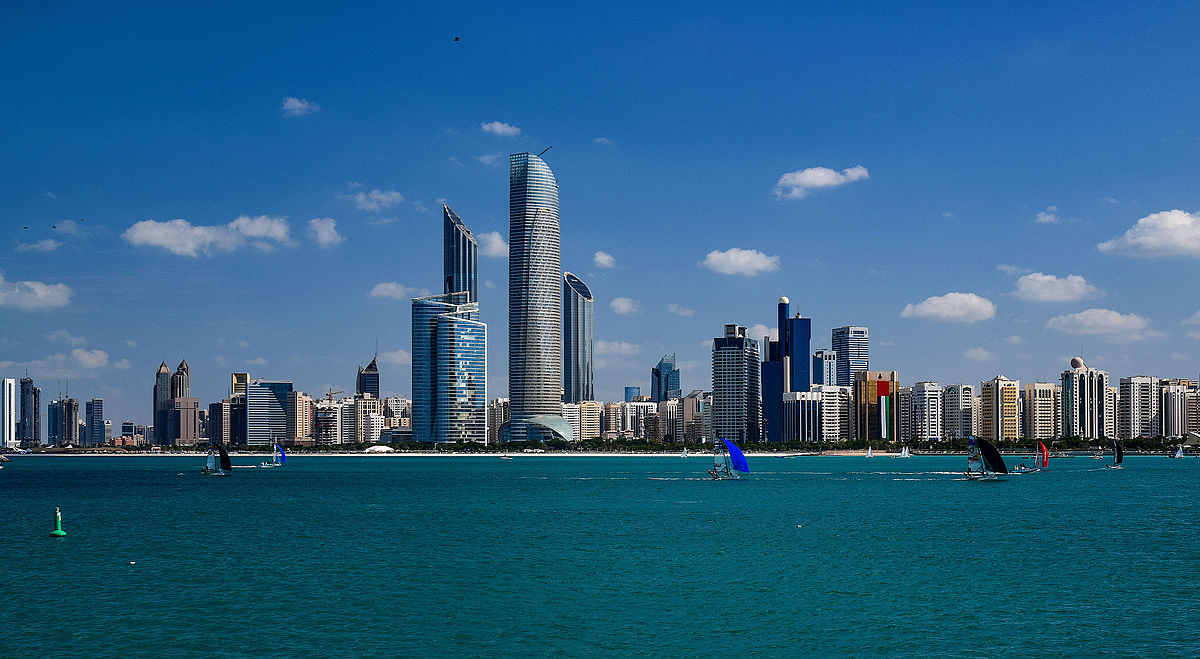
The Abu Dhabi Investment Office has entered into a strategic partnership with China’s leading financial information services provider, Wind Information, to enhance investment intelligence and deepen economic relations between Abu Dhabi and China. This collaboration was formalized during the Abu Dhabi Investment Forum held in Shanghai, underscoring Abu Dhabi’s commitment to strengthening its economic connections with China’s financial sector.

As part of the agreement, Wind Information will serve as ADIO’s preferred knowledge partner in China, offering investors improved access to the dynamic investment landscapes of both regions. The partnership aims to facilitate the exchange of financial market intelligence and investment insights, providing Chinese investors and family offices with comprehensive research and analysis on key market opportunities. Wind Information will actively link ADIO with prominent investors and financial institutions in China, while ADIO will assist Abu Dhabi-based investors in exploring prospects within the Chinese market. Additionally, both organizations plan to co-host investment forums in the UAE and China to promote opportunities and strengthen bilateral ties.

His Excellency Badr Al Olama, Director-General of ADIO, emphasized the significance of this partnership, stating that it reinforces Abu Dhabi’s dedication to enhancing economic ties with China and creating a seamless investment ecosystem. He highlighted that by providing access to market data and financial insights, Abu Dhabi ensures an environment where investors can thrive, make informed decisions, and contribute to the sustainable growth of both economies.

Li Zhou, Co-Founder of Wind Information, expressed commitment to connecting capital markets and investment opportunities between China and the world. He noted that the collaboration with ADIO would empower investors with data-driven insights, enhancing the investment corridor between China and the UAE.

In a related development, ADIO has also signed a strategic partnership with Fosun International Limited, a global innovation-driven consumer group, to expedite the expansion of Fosun’s subsidiaries into Abu Dhabi and the broader Middle East. This agreement, announced at the same forum in Shanghai, aims to strengthen economic ties and reinforce Abu Dhabi’s position as a global investment hub.

Under this partnership, ADIO will offer tailored investor support, streamlined market access, and strategic guidance to accelerate Fosun’s presence in key growth sectors within Abu Dhabi, including wealth management, fintech, premium residential real estate, and healthcare innovation. Fosun International, with a revenue of approximately $13.4 billion in the first half of 2024 and a global workforce exceeding 110,000 employees, operates across various industries such as pharmaceuticals, healthcare, tourism, insurance, financial services, and intelligent manufacturing. By establishing Abu Dhabi as a regional gateway to the Middle East, Africa, and Southeast Asia, Fosun aims to leverage the emirate’s dynamic business ecosystem and substantial investor base.

ADIO has entered into a strategic partnership with Hejun Group, one of China’s leading consulting firms, to accelerate Chinese investment in Abu Dhabi. This agreement, also announced at the Abu Dhabi Investment Forum in Shanghai, paves the way for high-growth enterprises to expand into Abu Dhabi’s thriving business environment.

Hejun Group, operating both consulting and capital activities under Hejun Capital, manages more than $2 billion in cumulative assets. The firm will introduce Abu Dhabi’s investment opportunities to its network of over 2,000 publicly listed companies and leading private enterprises in China. ADIO will provide dedicated support to these Chinese companies, facilitating their business setup and long-term growth in Abu Dhabi.

The Abu Dhabi Investment Forum in Shanghai, organized by ADIO in partnership with Abu Dhabi Global Market , served as a platform for in-depth discussions on investment opportunities in Abu Dhabi. The forum, themed “Invest with Abu Dhabi,” brought together business leaders and investors to explore the emirate’s growth potential. As one of the fastest-growing economies in the Middle East and North Africa, Abu Dhabi has increasingly become a key destination for international investments.

During the forum, participants engaged in discussions on Abu Dhabi’s role as a global financial, trade, and technology hub. Experts analyzed the emirate’s economic competitiveness and highlighted its strategic position in global capital flows, emphasizing its stable economic environment, flexible regulatory framework, and well-developed financial infrastructure, which make it an attractive destination for investors worldwide.

The discussions also addressed Abu Dhabi’s expanding role in facilitating international trade and strengthening global supply chains. Participants explored the emirate’s rapid advancements in technological innovation, particularly in financial technology, artificial intelligence, blockchain, and digital transformation.


By Nitya Chakraborty February 2025 is not just the moment of truth for the European nations and NATO members but also time for reckoning for the Global Left and the peace movement which are still sizing up the dimension of the impact of U.S. President Donald Trump’s emergence as a peacenik to end the three […]

By Cihan Tuğal DAMASCUS: As the smoke settles on the fall of Bashar al-Assad’s regime in Syria and its replacement by Islamist leadership under Hayat Tahrir al-Sham (HTS), it is clear that Turkey’s far-right governing bloc has emerged from the tumult strong and emboldened. What is less clear is whether this will mean that Recep […]
By Ben Chacko LONDON: Donald Trump’s demand for a $500 billion “payback deal” forcing Ukraine to hand over control of its natural resources has been exposed by the Telegraph. As the newspaper’s columnist Ambrose Evans-Pritchard notes, proposed terms amount to a more punitive reparations package than was imposed on Germany after World War I. Not […]
Advertisements
By Dr. Gyan Pathak The data that PM Narendra Modi government has been churning out since 2014 have always been a suspect. Now, by no less a person than PM Narendra Modi’s own Economic Advisor has indicated that many of the data earlier produced even under the Modi regime were “influenced” while chiefly targeting the […]


Tether co-founder Reeve Collins is lending his support to Pi Protocol, a new venture aiming to introduce a yield-bearing stablecoin in the latter half of 2025. This initiative seeks to launch on both the Ethereum and Solana blockchains, offering users an opportunity to earn profits through the USI token.

Pi Protocol plans to mint stablecoins via smart contracts, utilizing real-world assets as collateral. This approach is designed to provide stability and transparency, addressing common concerns associated with digital currencies. Participants in the protocol will have the chance to earn profits in the form of USI tokens, which are integral to the platform’s ecosystem. Additionally, the project intends to introduce governance tokens, enabling users to partake in decision-making processes and influence the protocol’s future developments.

Reeve Collins, renowned for co-founding Tether—the widely used stablecoin pegged to the U.S. dollar—brings a wealth of experience to Pi Protocol. His involvement is anticipated to bolster confidence in the project, given his history of successful ventures in the blockchain space. Collins has previously co-founded BLOCKv, a platform for creating and distributing non-fungible tokens , and has been instrumental in pioneering digital marketing and blockchain technologies.

The decision to deploy Pi Protocol on both Ethereum and Solana blockchains is strategic. Ethereum, known for its robust smart contract capabilities, offers a vast and established user base. Solana, on the other hand, has been gaining traction due to its high throughput and lower transaction costs. Notably, Solana’s decentralized finance ecosystem has seen significant growth, with stablecoin inflows increasing by 129.4% in the first month of 2025, bringing the total balance to $11.7 billion. This surge indicates a growing interest in Solana’s offerings and positions it as a formidable platform for new projects like Pi Protocol.

The integration of RWAs as collateral is a noteworthy aspect of Pi Protocol’s design. By anchoring the stablecoin to tangible assets, the project aims to mitigate volatility and enhance trust among users. This methodology aligns with emerging trends in the crypto industry, where platforms are increasingly exploring asset-backed tokens to bridge the gap between traditional finance and digital assets.

As the project progresses towards its anticipated launch in the second half of 2025, stakeholders and potential users are keenly observing its development. The collaboration of seasoned professionals like Reeve Collins with innovative blockchain solutions underscores the evolving landscape of decentralized finance and the continuous efforts to introduce stable, yield-generating financial instruments in the crypto space.

In the broader context, the introduction of Pi Protocol’s stablecoin contributes to the diversification of digital financial products available to users. As blockchain technology matures, the fusion of real-world assets with digital tokens presents new avenues for investment and financial management, potentially reshaping traditional economic models.

The global silicon wafer industry is witnessing a resurgence, propelled by the escalating demand for advanced semiconductor components essential for artificial intelligence applications. In the latter half of 2024, worldwide silicon wafer shipments began to recover from the downturn experienced in 2023, as reported by the SEMI Silicon Manufacturers Group . Despite a 2.7% decline over the year, totaling 12,266 million square inches, and a 6.5% revenue contraction to $11.5 billion, the upward trend in the latter part of the year indicates a positive trajectory for the industry.

This revival is largely attributed to the rapid adoption and advancement of generative AI technologies, which have significantly transformed the semiconductor landscape. Hyperscale data center operators and original equipment manufacturers are expanding their server capacities to meet the computational demands of AI model training and inference processes. This expansion necessitates a substantial increase in AI accelerators, leading to a surge in demand for processor units and high-bandwidth memory associated with these accelerators.

The heightened demand for HBM products is evident in the financial performance of key industry players. SK Hynix, for instance, surpassed Samsung in quarterly profits for the first time, driven by a surge in demand for advanced memory chips necessary for AI data centers. In the fourth quarter of 2024, SK Hynix’s operating profit soared to Won8.1 trillion , with sales increasing by 75% to Won19.8 trillion. HBM products, crucial for AI servers, significantly contributed to this profit, comprising 40% of SK Hynix’s DRAM chip revenue. The demand for these chips is expected to double due to investments in AI infrastructure projects, such as the massive $500 billion Stargate initiative by OpenAI and SoftBank.

Similarly, Micron Technology has experienced a positive financial outlook, with shares surging approximately 14% following an upbeat first-quarter forecast. This optimism is fueled by the demand for memory chips utilized in AI computing. As one of the three primary suppliers of HBM chips, alongside SK Hynix and Samsung, Micron is capitalizing on the growing need for semiconductors in generative AI technologies. These DRAM chips are essential for AI-oriented graphics processing units, facilitating the processing of vast amounts of data. Micron anticipates a record revenue of approximately $8.7 billion and an increase in its gross margin to around 39.5% for the first quarter.

The surge in AI applications has also impacted semiconductor manufacturing giants like Taiwan Semiconductor Manufacturing Co. . TSMC reported a significant profit increase, with fourth-quarter earnings rising 57% to NT$374.7 billion . This growth is largely driven by high-performance computing revenue, which surged 58%, offsetting declines in other sectors. CEO CC Wei highlighted the tight AI capacity but reassured that TSMC is working diligently to meet customer demand.

However, the rapid expansion in AI-driven demand has introduced challenges, particularly concerning supply chain constraints. High-bandwidth memory is in even shorter supply than GPUs, potentially hindering the data center industry’s expansion plans. The HBM design provides greater speed and reduced latency, key to the performance of AI processing. During the COVID-19 supply chain shortages, carmakers could not obtain chips for their vehicles, so they simply built cars without the chips and mothballed them until they could shore up inventory. GPU vendors like Nvidia and AMD don’t have that option. No high-bandwidth memory means GPUs can’t be assembled because the HBM has to be added to the GPU package at the manufacturing stage.

In response to these challenges, companies are exploring innovative solutions. NEO Semiconductor, for instance, announced the development of its 3D X-AI chip, designed to replace existing HBM chips and address data bus bottlenecks. This advancement aims to alleviate some of the supply constraints by providing alternative high-performance memory solutions.

The global silicon wafer market’s recovery is further bolstered by strategic investments and collaborations. For example, Foxconn is building a Nvidia superchip facility in Mexico, aiming to meet the growing demand for AI hardware. Such initiatives not only enhance production capacities but also diversify the supply chain, reducing dependency on a single region and mitigating potential geopolitical risks.

By Ruth Milkman LONDON: Michael Burawoy had three lifelong passions. The first was English football, specifically Manchester United, the team he supported from childhood and to which he remained loyal for the rest of his life. The other two were Marxism and sociology, into which he poured his prodigious energies for over half a century. […]

Q3 sales at previous year’s level and adjusted EBITDA margin improves significantly to 9.2 percent Incoming orders up 8.3 percent for Q3 and 7.7 percent after nine months compared with previous year High order backlog points to strong final quarter Full-year forecast confirmed, adjusted EBITDA margin to rise to up to around 8 percent in FY 2025/2026 Packaging remains a growth driver Growth strategy promises sales potential […]

Saudi Arabia has reported a fiscal deficit of 115.625 billion riyals for 2024, driven by a 6% increase in total spending compared to the previous year, as per data from the Ministry of Finance. This rise in expenditure aligns with the kingdom’s commitment to its Vision 2030 economic transformation strategy, which aims to diversify the economy beyond oil dependence.

The government’s initial projection for the 2024 deficit was 79 billion riyals, approximately 1.9% of GDP. However, updated estimates have revised this figure to 115 billion riyals, around 3% of GDP. In the first nine months leading up to September 30, the deficit stood at 58 billion riyals, with more than half of this amount recorded in the third quarter alone.

Total government revenues for 2024 reached 1.26 trillion riyals , marking a 4% increase from the previous year and exceeding initial budget estimates by 7%. Notably, non-oil revenues have shown significant growth, contributing to the overall revenue increase.

The Vision 2030 initiative encompasses several large-scale projects, including the NEOM megacity, the Red Sea Project, and Qiddiya, all designed to stimulate economic diversification and reduce reliance on oil revenues. These projects require substantial upfront investments, contributing to the current fiscal deficit. The government has emphasized that this “deficit by design” is a strategic move to foster long-term economic growth and sustainability.

Despite the widening deficit, Saudi Arabia’s non-oil sector has demonstrated resilience. Since 2017, non-oil economic growth has consistently ranged between 4% and 5%, indicating progress in the kingdom’s diversification efforts. The government remains optimistic that continued investment in Vision 2030 projects will yield significant economic benefits in the coming years.

However, the ambitious nature of these projects has raised concerns about financial feasibility. Some initiatives, such as the NEOM megacity, have faced challenges related to budget overruns and delays. Analysts suggest that the kingdom may need to reassess certain projects to ensure fiscal sustainability.

In response to these challenges, Saudi Arabia is adjusting its investment strategies. The Public Investment Fund plans to reduce its foreign investment portfolio from 30% to 18%, redirecting focus toward domestic projects that align with Vision 2030 objectives. This shift aims to bolster local economic development and maximize the impact of government spending.

Preference for Spontaneous Travel, Grabbing Cheap Flights and Travelling on a Whim HONG KONG SAR – Media OutReach Newswire – 13 February 2025 – Blue Cross (Asia-Pacific) Insurance Limited (“Blue Cross”) today announced the results of a survey1 of young people’s travel habits and preferences, as well as their level of protection awareness. The survey found that young people love to travel, with nearly 70% planning to […]

South Korea’s Financial Services Commission has unveiled a structured plan to permit corporate entities to engage in cryptocurrency transactions through real-name accounts. This initiative, set to commence in the first half of 2025, aims to integrate corporate participation in the digital asset market while ensuring regulatory oversight.

The FSC’s strategy involves a three-phase rollout. Initially, non-profit organizations, law enforcement agencies, and cryptocurrency exchanges will be granted access to real-name accounts. This move is designed to facilitate activities such as the conversion of platform fee income into fiat currency for exchanges and the handling of confiscated assets by law enforcement. However, exchanges will be subject to government guidelines to prevent market volatility.

In the subsequent phase, slated for the second half of 2025, professional investment entities—including listed companies and registered investment institutions—will be authorized to participate in crypto asset trading. These entities must adhere to stringent anti-money laundering protocols and undergo evaluations by banks and crypto exchanges to ensure compliance.

The final phase envisions extending crypto investment capabilities to general enterprises. This stage remains under long-term consideration and is contingent upon the successful implementation of preceding phases, as well as the establishment of comprehensive regulations encompassing stablecoins, exchange operations, and cross-border crypto transaction monitoring.

FSC Vice Chairman Kim So-young emphasized the importance of a cautious and measured approach, stating that the policy’s implementation must be gradual and carefully monitored to prevent market disruptions. He highlighted the necessity of clear AML guidelines to maintain market integrity throughout the rollout process.

This policy shift addresses longstanding challenges within South Korea’s crypto industry, particularly for small and mid-sized exchanges that have struggled with liquidity constraints. By enabling corporate accounts, these exchanges are expected to enhance their operational capabilities and competitiveness within the market.

Robinhood Markets Inc. has reported a significant increase in its fourth-quarter earnings, driven by a substantial rise in cryptocurrency trading activity. The company’s total revenue for the quarter reached $1.01 billion, marking the first time it has surpassed the billion-dollar threshold. This performance exceeded analysts’ expectations, which had projected revenue of $934 million.

A key contributor to this growth was the surge in cryptocurrency trading revenue, which escalated by 700% year-over-year to $358 million. This increase accounted for more than half of Robinhood’s transaction-based revenue, which itself saw a 200% rise to $672 million. The heightened interest in digital assets, particularly Bitcoin, which recently surpassed the $100,000 mark, played a significant role in this development.

In addition to the rise in crypto trading, Robinhood experienced growth in other areas. Options trading revenue increased by 83% to $222 million, while equities trading revenue rose by 144% to $61 million. The company’s assets under custody expanded by 88% to $193 billion, with net deposits reaching a record $16 billion during the quarter.

KUALA LUMPUR, MALAYSIA – Media OutReach Newswire – 12 February 2025 – Coming into 2025, the cryptocurrency market is on the upswing. Bitcoin has reached another all-time high (ATH), surpassing $109,000 on 20 January 2025, ahead of Donald Trump’s inauguration. The overall market growth is driven by institutional investors‘ crypto adoption, a change in regulatory sentiments, and general interest in digital assets, retail investors included. Considering this, […]

During the Super Bowl LIX halftime performance at the Caesars Superdome in New Orleans, a protester brandishing a Palestinian flag disrupted Kendrick Lamar’s set. The individual, who was part of the 400-member field cast, ascended the stage and unfurled a flag that combined the Palestinian and Sudanese emblems, with the words “Gaza” and “Sudan” inscribed respectively. Security personnel swiftly intervened, apprehending the protester and escorting him off the field. The New Orleans Police Department is currently evaluating potential charges against the individual.

The National Football League confirmed that the protester had concealed the flag until the performance commenced, and that neither the production team nor the organizers were aware of his intentions. Roc Nation, the company responsible for producing the halftime show, stated that the act was neither planned nor part of the official production.

Kendrick Lamar continued his performance without interruption, delivering a set that included collaborations with artists such as SZA and Samuel L. Jackson. The halftime show was notable for Lamar’s position as the first solo hip-hop artist to headline the event.

The Super Bowl, attended by President Donald Trump, concluded with the Philadelphia Eagles defeating the Kansas City Chiefs 40-22. This victory served as redemption for the Eagles, who had previously lost to the Chiefs in an earlier Super Bowl matchup.

The incident occurred amidst a fragile ceasefire between Israel and Hamas, as well as ongoing civil unrest in Sudan since 2023. The protester’s actions have sparked discussions about the intersection of political expression and entertainment events, highlighting the challenges organizers face in maintaining security while respecting freedom of speech.

In the aftermath of the game, celebrations in Philadelphia escalated into chaos, with fans setting fires, climbing on police vehicles, and engaging in brawls. Law enforcement agencies are investigating the disturbances, aiming to identify and hold accountable those responsible for the disorderly conduct.

18-29 year olds significantly more optimistic and feel more financially prepared to confront the year compared to 40-49 year olds. SINGAPORE – Media OutReach Newswire – 6 February 2025 – AIA Singapore today announced findings from the seventh edition of the AIA Live Better Study, which reflects the evolution of a society where more than 4 in 5 (83%) of Singapore residents plan to actively manage their […]

AFC has consistently broadened its funding portfolio with innovative transactions that open new capital markets to attract global investors to African infrastructure DUBAI, UNITED ARAB EMIRATES – EQS Newswire – 7 February 2025 – Africa Finance Corporation (AFC) (www.AfricaFC.org), the continent’s leading infrastructure solutions provider, has successfully closed a US$400 million Shariah-compliant Commodity Murabaha facility, marking its strategic return to the Islamic finance market for the first […]

By Satyaki Chakraborty The Communist Party of India (Marxist) has released its draft political resolution for the 24th congress of the Party to be held in Madurai in April this year. The last party congress was held in 2022 and so the coming congress held after three years, is expected to make an appraisal of […]

Bain Capital is in the final stages of negotiations to acquire Mitsubishi Chemical Group’s pharmaceutical subsidiary, Mitsubishi Tanabe Pharma, for over 500 billion yen . This move aligns with Mitsubishi Chemical’s strategy to streamline its operations and concentrate on core sectors such as vehicle electrification, semiconductor manufacturing, and food production.

Established over 90 years ago in Osaka, Mitsubishi Tanabe Pharma specializes in developing treatments for central nervous system disorders, immuno-inflammation, and oncology. The company has a global presence, with operations spanning multiple continents. Notably, its drug Radicava, used in the treatment of amyotrophic lateral sclerosis , has been a significant contributor to its revenue growth.

In the first half of the fiscal year ending March 2025, Mitsubishi Chemical’s pharmaceutical segment reported a 6% increase in sales revenue, reaching 232.5 billion yen, and a 28% rise in core operating income to 41.4 billion yen. Despite these positive figures, Mitsubishi Chemical has been reassessing its business portfolio to focus on areas with higher growth potential. The potential divestiture of its pharmaceutical unit is part of this broader strategy.

Bain Capital has been granted preferential negotiation rights, indicating its position as the leading candidate to finalize the acquisition. This development follows earlier reports that both Bain Capital and Blackstone were among the final bidders for Mitsubishi Tanabe Pharma, with valuations estimated between $3 billion and $3.5 billion. Local private equity firm Japan Industrial Partners was also reported to be in the bidding process.

This prospective acquisition is part of a broader trend of increased mergers and acquisitions activity in Japan. Bain Capital has been particularly active in the Japanese market, having previously led the acquisition of Kioxia Holdings, a prominent chipmaker. The firm’s interest in Mitsubishi Tanabe Pharma underscores its strategy to invest in sectors with strong growth prospects and innovative capabilities.

Mitsubishi Chemical has not provided specific comments on the ongoing negotiations but has stated that it is continuously reviewing its business portfolio, considering all options, including potential divestitures, to optimize its operations and focus on strategic areas. The company aims to better align its resources and capabilities to meet evolving market demands and technological advancements.

First Abu Dhabi Bank , the UAE’s largest lender, reported a profit before tax of AED 19.9 billion for 2024, marking a 13% increase from the previous year. This growth was underpinned by a 15% rise in revenue, reaching AED 31.6 billion.

The bank’s net profit stood at AED 17.1 billion, reflecting a 4% year-on-year growth. This performance was driven by robust client activity and favorable economic conditions, leading to a 15% increase in operating income to AED 31.6 billion. Both net interest and non-interest income contributed to this uptick.

FAB’s total assets expanded by 5% to AED 1.2 trillion. Loans and advances grew by 9% to AED 528 billion, while customer deposits increased by 8% to AED 820 billion. The international segment of FAB’s operations saw a 33% rise in revenue, now accounting for 22% of the group’s total revenue.

The bank maintained strong asset quality, with a non-performing loan ratio of 3.8% and a liquidity coverage ratio of 140%. The return on tangible equity was reported at 17.1%, aligning with the bank’s medium-term target of over 16%.

Hana Al Rostamani, FAB’s Group Chief Executive Officer, highlighted the bank’s client-centric strategy as a key factor in its performance. She emphasized the importance of enhancing customer engagement and broadening relationships across various segments, contributing to the bank’s growth both domestically and internationally.

Lars Kramer, Group Chief Financial Officer, noted that strong business momentum and favorable economic conditions were reflected in volume growth and diversified income streams. He also pointed out the significant role of the bank’s international franchise in delivering diversified sources of growth.

FAB’s performance aligns with the UAE’s broader economic growth, supported by diversification efforts and strategic initiatives. The UAE Central Bank has projected a 4% GDP growth for 2024, bolstered by non-oil sector expansion and global economic agreements.

In the first half of 2024, FAB reported a net profit of AED 8.4 billion, with a 16% increase in revenue to AED 15.7 billion. The bank’s total assets at the end of June 2024 were AED 1.2 trillion, reinforcing its position as the largest bank in the UAE.

The bank’s strategic focus includes leveraging its international network to capitalize on global market opportunities and reinforcing its position as a leading financial institution in the MENA region. This approach is in line with the UAE’s national ambitions and economic diversification strategies.

By Nitya Chakraborty The present euphoria among the BJP-led government ministers after the presentation of the 2025-26 budget in Parliament over the mega relief to the income tax payers of the country might be shared by the estimated one crore people in the country benefited due to the budget proposals. But in terms of its […]
VISHNU RAJA
RYO YAMADA
HITORI GOTOH
IKUYO KITA