As more Middle East drivers move closer to their first EV purchase, familiar SUV proportions, strong performance and practical ownership support could matter as much as the electric powertrain itself.
DUBAI, UAE – Media OutReach Newswire – 27 August 2026 – The Middle East’s EV market is growing quickly, but it remains far from saturated. Electric car sales in the region reached about 75,000 units in 2025, up more than 40% year on year, according to the International Energy Agency[1]. The UAE alone accounted for almost half of regional EV sales, while Saudi Arabia and Qatar together represented nearly 45% of regional demand.
With more buyers moving from curiosity to consideration, the next question is what makes an EV feel like a natural replacement for a conventional car. For the VinFast VF 8, the answer comes down to three things: SUV performance, a comfort-focused cabin and an ownership package that goes well beyond the showroom.
SUV performance that means business
The Middle East has a long-standing appetite for SUVs, and the VF 8 speaks that language in electric form. Its dual-motor all-wheel-drive system produces up to 402 horsepower and 620 Nm of torque in the Plus version, while the Eco delivers 349 horsepower and 500 Nm.
The numbers translate into brisk performance, with the VF 8 Plus targeting 0-100 km/h in less than 5.5 seconds and the Eco at 5.9 seconds. Both versions use an 87.7-kWh usable battery, with claimed NEDC ranges of up to 476 km for the Plus and 493 km for the Eco. DC fast charging from 10% to 70% takes a listed 31 minutes.
Going electric does not require giving up the urge to put your foot down. Actual range and performance will vary with driving style, passengers, load, tires, weather and road conditions.
A cabin that takes comfort seriously
Performance may get attention, but the cabin is where drivers spend most of their time. The VF 8 comes with a 15.6-inch infotainment display, two-zone automatic climate control, air-quality control and cabin filtration with an air ionizer.
The Plus adds 12-way powered driver’s seat adjustment with heating, ventilation and memory, alongside a heated and ventilated front passenger seat and heated, ventilated and reclining rear seats. A panoramic sunroof, heated power-adjustable steering wheel and 10-speaker audio system with a subwoofer round out the package.
The technology continues through the companion app, which supports remote vehicle controls, driver profiles, driving statistics and vehicle diagnostics. Over-the-air updates can also deliver software improvements without a workshop visit.
Ownership support that lasts beyond the test drive
A fast-growing EV market also means buyers are asking practical questions surrounding ownership: charging, servicing, repairs and battery longevity.
The VF 8 addresses those concerns with a 10-year or 200,000-km vehicle warranty and a 10-year unlimited-kilometer battery warranty. The package also includes five years or 100,000 km of free service, 24/7 mobile services and roadside assistance, access to DC fast charging and a parts supply target of 24 hours in key markets.
VinFast is also expanding the infrastructure behind that promise. At its 2026 Global Business Conference, the company signed MOUs with 29 aftersales partners, including partners serving the Middle East, and set a target of more than 1,100 service workshops globally in 2026.
For a region where EV adoption is accelerating, the VF 8 arrives with a familiar formula: SUV proportions, plenty of power and a cabin designed for comfort. The electric bit is new; the reasons to want the car are rather more familiar.
HONG KONG SAR – Media OutReach Newswire – 27 August 2026 – In an era when enterprise software valuations are being fundamentally repriced by the rise of agentic AI, Deepexi Technology Co., Ltd. (1384.HK) has emerged as a rare counterexample: a pure-play enterprise AI platform that is delivering both technology leadership and bottom-line profitability. According to the company’s first interim results following its public listing, Deepexi recorded a 115% year-over-year surge in revenue for the first half of the year, powered by a 209% leap in core AI revenue and a decisive turnaround to quarterly GAAP profitability in the second quarter of 2026. This performance has earned the company “Buy” and “Overweight” ratings from multiple brokerages within its first year of listing.
Quarterly Profitability: A Rare Milestone in Hong Kong’s AI Sector
In capital markets, ambitious visions must ultimately be backed by real financial performance—and Deepexi’s interim results provide clear proof of execution.
For the first half of 2026, the company generated RMB 284.0 million in total revenue, marking a 115.0% year-over-year increase. Its AI business served as the primary growth engine, contributing RMB 226.0 million—an impressive 209.2% year-over-year surge—bringing AI revenue to 79.6% of total corporate turnover.
Even more noteworthy is the marked improvement in profitability. First-half gross profit reached RMB 160.0 million, up 120.5% year-over-year, with gross profit margin expanding to 56.5%. Crucially, during the second quarter of 2026, Deepexi posted a standalone quarterly net profit of approximately RMB 30.1 million, officially crossing the breakeven threshold.
In Hong Kong’s technology sector, pure-play enterprise AI companies capable of achieving quarterly net profitability while sustaining high R&D investment remain exceptionally rare. This milestone underscores Deepexi’s operational efficiency, scalable software delivery, and self-sustaining monetization engine.
This scarcity value is equally evident in the company’s revenue composition and vertical reach. Industrial manufacturing accounted for more than 50% of total revenue, while retail and consumer goods contributed 30%, alongside expanding footholds in healthcare and smart transportation. In manufacturing, for example, equipment troubleshooting and predictive maintenance involve dense engineering schematics, real-time IoT sensor telemetry, and extensive historical maintenance logs—all of which Deepexi translates into structured logic that AI models can readily interpret. This deep vertical expertise and proprietary data accumulation create a formidable competitive barrier that general-purpose AI vendors cannot easily match.
Beyond the “SaaSpocalypse”: Deepexi’s AI-Native Platform Defies the Software Valuation Reset
The first quarter of 2026 witnessed what market observers have dubbed the “SaaSpocalypse”—a tectonic shift in which approximately $2 trillion in market capitalization was erased from B2B software equities, driven by a fundamental fear that agentic AI would cannibalize the traditional per-seat licensing model. The iShares Expanded Tech-Software ETF (IGV) plunged nearly 21% year-to-date, and enterprise software multiples (EV/Sales) cratered from a 5.6x average at the end of 2025 to 4.2x by mid-March.
Investors have pivoted decisively toward AI-native infrastructure—companies that manage the data and underlying plumbing of autonomous systems—while penalizing traditional application-layer SaaS vendors reliant on human-centric interfaces. As a recent Windsor Drake analysis notes, “AI-native agentic platforms clear 14x to 22x revenue, with private rounds at 20x to 30x,” while legacy standalone RPA trades at just 2.5x to 5x. The market is now rewarding AI-native architecture and measurable workflow ownership.
Deepexi sits squarely on the winning side of this divergence. Unlike traditional SaaS vendors whose revenues are tied to human seat counts—and thus vulnerable to agentic displacement—Deepexi’s token-based, consumption-driven model aligns directly with the agentic AI future. The company’s DeepWorks enterprise Agent platform does not sell per-seat licenses; it sells AI productivity, enabling enterprises to deploy autonomous agents that replace repetitive administrative work, not software seats. As the market shifts from “AI as a feature” to “AI as a replacement,” Deepexi’s business model is structurally insulated from the seat-compression forces that have punished legacy software vendors.
Focus on Enterprise AI Applications and Proprietary Domain Data
To ensure AI truly meets real-world enterprise demands, generic foundational models are insufficient on their own. Deepexi’s core competitive edge lies in its specialized “Data + AI” dual-engine architecture, anchored by the FastData enterprise data intelligence platform, the FastAGI agentic AI suite, and the Deepexi Enterprise Large Model Platform, supported by its proprietary Deepology ontology dataset containing over 2,000 vertical industry skills.
At the foundational layer, the FastData platform—powered by the FastData Foil fusion engine—acts as an intelligent lakehouse that tokenizes structured, semi-structured, and complex unstructured enterprise data into standardized formats ready for large model training and inference. Building upon this data foundation, the FastAGI platform and DeepWorks Enterprise Agent Platform provide organizations with a flexible, modular AI operating system.
Featuring a pluggable architecture, the platform connects seamlessly to leading open-source foundation models such as DeepSeek and Zhipu AI, giving enterprise clients complete autonomy while eliminating vendor lock-in. This “model-agnostic” approach is a key differentiator in an environment where enterprises increasingly demand flexibility to choose the best model for each use case, rather than being locked into a single provider.
Through native Model Context Protocol (MCP) frameworks and specialized agents—ranging from operational decision-making agents to productivity and autonomous workflow execution agents—Deepexi embeds intelligence directly into core business operations. DeepWorks is fully integrated with mainstream workplace collaboration suites such as DingTalk, Feishu, and Tencent Meeting, allowing employees to summon AI copilots directly for automated weekly reporting, data synthesis, and cross-departmental coordination—effectively turning AI into an indispensable daily productivity tool.
In an enterprise AI market where 42% of organizations already have AI agents in production and 72% are deploying across production and pilots combined, Deepexi’s proven, governed agentic workflows are no longer an experiment—they are core infrastructure.
Strategic Partnership with Huawei Cloud: Tackling Compute and Data Bottlenecks
In the commercialization of enterprise AI, computing costs and access to high-quality domain data represent two of the industry’s most critical bottlenecks. On August 12, Deepexi announced a strategic alliance with Huawei Cloud to jointly launch enterprise data intelligence solutions, providing strong operational backing for the company’s long-term expansion.
The partnership combines the complementary strengths of both technology leaders. Huawei Cloud provides underlying Ascend AI computing clusters and distributed cloud infrastructure, while Deepexi brings its deep expertise in enterprise data governance, data tokenization, and vertical AI agent deployments. By integrating with Huawei’s domestic Ascend compute clusters, Deepexi not only secures stable, long-term computing power but also significantly drives down token processing costs. This cost efficiency establishes ideal conditions for exploring usage-based, token-metered commercial billing models—precisely the kind of consumption-based pricing that aligns with the agentic AI future.
Crucially, falling AI costs are widely expected to accelerate enterprise adoption of autonomous agents. Deepexi’s partnership with Huawei Cloud positions the company to capture this demand wave with a cost structure that improves as token volumes scale—a powerful margin-expansion dynamic that stands in stark contrast to the fixed-cost burden of traditional SaaS.
Strong Institutional Backing Highlights Long-Term Investment Value
Reflecting strong capital market confidence, Deepexi announced on August 17 the successful placement of 14,286,000 new H-shares at HK$35.00 per share, raising net proceeds of approximately HK$488.0 million. Successfully closing a sizeable placement amid broader market volatility demonstrates strong institutional recognition of Deepexi’s proven business model, robust unit economics, and profitability trajectory.
The company’s strategic shareholder structure provides a solid foundation for long-term growth. It is supported by prominent independent investors, including Hillhouse, 5Y Capital, and BAI, as well as industry-focused investors such as Shanghai AI. These partnerships enhance Deepexi’s industry reputation, drive technological innovation, and strengthen its market competitiveness.
The newly raised funds are earmarked primarily for continuous R&D in next-generation enterprise agent systems and token productivity platforms—positioning the company to capture the $206.5 billion AI agent software market projected for 2026, which Gartner expects to grow to $376.3 billion in 2027.
Investment Thesis: Why Deepexi Stands Apart
1. AI-Native Architecture in an Agentic World. Unlike legacy SaaS vendors facing seat compression, Deepexi’s token-based model is structurally aligned with the agentic AI future. The company doesn’t sell software seats—it sells AI productivity.
2. Rare Profitability in Enterprise AI. Quarterly GAAP profitability at a 56.5% gross margin, with projected revenue CAGR of 95.5% through 2027, places Deepexi among the most financially disciplined enterprise AI companies globally.
3. Model-Agnostic, Vendor-Neutral Platform. In an environment where enterprises demand flexibility, Deepexi’s pluggable architecture—supporting DeepSeek, Zhipu, and other open-source models—eliminates lock-in and captures value regardless of which foundation model wins.
4. Proprietary Data Moat. With over 2,000 vertical industry skills and deep expertise in manufacturing, retail, healthcare, and transportation, Deepexi’s domain-specific data capabilities create barriers that general-purpose AI vendors cannot replicate.
5. Strategic Compute Partnership with Huawei Cloud. Long-term, cost-effective compute access, combined with token-metered pricing models, positions Deepexi for sustained margin expansion as token volumes scale.
6. Institutional Validation. Backing from top-tier investors and a successful HK$488 million placement amid market volatility signal strong institutional confidence in Deepexi’s business model and growth trajectory.
The enterprise AI market has decisively shifted from early conceptual exploration into a new era of commercial execution and tangible financial delivery. Backed by mature product suites across FastData and FastAGI, proprietary vertical ontologies, strategic cloud partnerships, and an official transition to net profitability, Deepexi Technology has proven that enterprise AI can deliver both transformative technology and sustainable profits.
Hashtag: #DeepexiTechnology
The issuer is solely responsible for the content of this announcement.
About Deepexi Technology
Deepexi Technology is China’s leading provider of enterprise large model AI application solutions. Through its FastData enterprise data intelligence solution and FastAGI enterprise AI solution, it empowers enterprises to integrate their data, decisions and operations efficiently at scale. Deepexi ranked fifth in China’s enterprise large model AI application solution market in terms of revenue in 2024. Its solutions have achieved large-scale commercialization across multiple verticals, including consumer goods, manufacturing, healthcare and transportation. As of June 30, 2025, Deepexi Technology served a cumulative total of 283 enterprise customers across various industries.
This press release contains forward-looking statements that involve risks and uncertainties. Actual results may differ materially from those projected. The company undertakes no obligation to update any forward-looking statements.
HONG KONG SAR – Media OutReach Newswire – 26 August 2026 – SenseTime Group Inc. (“SenseTime” or the “Company”; Stock Code: 0020.HK) today announced its results for the first half of 2026. During the Reporting Period, the Group recorded total revenue of RMB2.91 billion, representing a year‑on‑year (“YoY”) increase of 23.4%, and gross profit of RMB1.21 billion, up 32.9% YoY. Gross profit margin reached 41.4%, an increase of 2.9 percentage points YoY. The Group also introduced recurring revenue (“RR”) for the first time, which totaled RMB1.14 billion and accounted for 39.3% of total revenue. The Group recorded a net profit of RMB620 million under International Financial Reporting Standards (“IFRS”), marking its first IFRS profit since its public listing. Generative AI revenue reached RMB2.33 billion, representing nearly 80% of the Group’s total revenue, while overseas business revenue increased 127% YoY, significantly outpacing the Group’s overall growth rate. While delivering healthy growth in revenue and gross profit, the Group continued to improve operating efficiency, with core operating losses narrowing significantly. Non‑IFRS adjusted net loss was RMB390 million, narrowing by 67.3% YoY.
The Group continued to accelerate the large‑scale commercial deployment of its AI capabilities, building system‑level AI capabilities around the framework of “one model system, one Token Factory, and one Agent Harness” to advance AI from intelligence generation toward end‑to‑end task execution and transform these capabilities into scalable commercial value.
Dr. Xu Li, Chairman of the Board and CEO of SenseTime, said: “SenseTime’s three-pillar core capability framework, built around ‘one model system, one Token Factory, and one Agent Harness’, uses a unified model system to continuously push the boundaries of intelligence, leverages infrastructure and optimization capabilities to reduce Token costs and strengthen cost‑based pricing power, and deploys agents deeply integrated into enterprise and individual workflows to deliver complete task execution capabilities. This framework enables SenseTime to move beyond pure price competition and create sustainable commercial value through differentiated technologies and services. At the same time, it allows us to expand our user base, drive recurring revenue growth, and lay a solid foundation for the Group’s high‑quality development.”
One Model System: Advancing Native Multimodal Intelligence and Long‑Horizon Agents with Global Leading Performance
In 2026, SenseTime released a series of models at a rapid pace, spanning native multimodal unification, visual perception and reasoning, controllable generation, long‑horizon agents, spatial intelligence, and physical world models. These included the NEO‑Unify architecture; SenseNova U1, U1.5 and U1.5‑Lite; SenseNova Vision; the office‑focused multimodal agent SenseNova 6.8‑Flash‑Lite; the content creation model SenseNova U1‑Pro; the spatial intelligence model SenseNova SI‑8B; and the Kairos 3.1 world model co‑developed with Ace Robotics. Across multiple core benchmarks, these models matched or outperformed leading international models, including Gemini, GPT, and DeepSeek. Less than four months after the U1 series was open‑sourced, the three projects had collectively garnered more than 11,000 stars on GitHub.
SenseTime is advancing from digital intelligence toward physical AGI through the closed‑loop framework of “architectural innovation, system capabilities, and high‑value delivery,” continuously translating technological breakthroughs into real-world applications and commercial value.
Token Factory: Upgrading from Compute Provisioning to Scaled Intelligence Production
SenseTime’s SenseCore is evolving into a production‑oriented Token Factory. Through integrated model and infrastructure optimization, as well as capabilities in model adaptation, inference optimization, heterogeneous scheduling, energy management and global service delivery, the Token Factory not only expands Token output and lowers unit costs, but also continuously enhances the reasoning, understanding, generation, and execution capabilities embedded in each Token.
In July 2026, SenseCore delivered an average daily Token service volume of 2.4 trillion, representing a YoY increase of approximately 22 times. As of the date of this announcement, the Group’s total deployed computing power had reached 48,000 Petaflops (P).
The Token Factory provides strong support for SenseTime in advancing the performance boundaries of its foundation models and scaling their commercial deployment. It has tripled the training speed for long‑context Agent models, increased image and video generation efficiency sixfold, improved reinforcement learning training efficiency, and shortened the cycle from model R&D validation to large‑scale deployment to just one week. In addition to supporting the SenseNova foundation model, the Token Factory now serves four external foundation model providers, establishing differentiated capabilities across high‑complexity computing domains, including AI for Science (“AI4S”), video generation, embodied intelligence, world models, and city‑level intelligent applications.
In addition, the Group remains committed to advancing the domestic compute ecosystem, increasing the MFU (Model Floating‑Point Utilization) of mainstream domestic chips by up to 2.5 times compared with the baseline levels established by chip manufacturers. SenseNova U1 has achieved Day 0 adaptation across more than ten domestic chip platforms.
Through compute‑energy synergy, the Company continues to reduce the unit cost of intelligence. During the Reporting Period, its Compute‑Energy Synergy Agent achieved load forecasting accuracy of 96% and generated cumulative electricity cost savings of more than RMB12 million. For every 10,000P of computing power, annual carbon emissions were reduced by 24,000 tons.
Agents Accelerate Adoption Across Enterprise and Consumer Markets, Delivering Value Through Workflow Integration and Enhanced Everyday Experiences
Building on its model and Token capabilities, SenseTime connects models, knowledge, tools, and workflows through a unified Agent Harness, transforming underlying AI capabilities into end-to-end task delivery solutions for enterprise and individual users.
The Group’s agents are rapidly expanding across both enterprise and personal workflows. During the Reporting Period, they served more than 1,000 enterprise customers across over 20 key industries, including education, government, marketing, logistics, banking, and insurance. The Office Agent, Raccoon, has served major enterprises including Lenovo, Ping An Technology, China’s three major telecommunications operators, JD.com, and Kylin Software. Total users increased more than fivefold YoY, enterprise users grew more than sixfold, and monthly active users on the cloud platform increased nearly tenfold. In addition, the video‑generation agent Seko reached a daily video production volume of 10,000 minutes. Content created on the platform has amassed an estimated 1.5+ billion views across short‑video platforms, including 10 short-form dramas that have each surpassed 100 million views. AI productivity solutions are also expanding beyond large organizations to serve smaller teams and One‑Person Companies (OPCs). In the consumer market, the Kapi series of agents, covering use cases such as health, finance, and content creation, has surpassed 45 million cumulative users.
Computer Vision remains a strategic gateway for the Group’s expansion into industry verticals and overseas markets. During the Reporting Period, revenue from the business reached RMB500 million, accounting for approximately 17% of the Group’s total revenue. The business extended across more than 20 countries and regions and served more than 4,500 customers worldwide, with recurring customers contributing 67% of revenue.
Bridging Digital and Physical Intelligence, Unlocking Ecosystem Value
SenseTime continued to invest in frontier areas, including world models and embodied intelligence, intelligent terminals, smart healthcare, and chips. The increase in the valuation of certain AI ecosystem investments generated fair‑value gains, contributing to the Group’s first‑ever IFRS profit and reflecting the gradual realization of financial value from our ecosystem assets. Beyond short‑term investment returns, the more significant long‑term value of these ecosystem investments lies in enabling the Group gain early access to frontier domains, continuously acquire real‑world tasks, data, and feedback, and further strengthen SenseTime’s unified multimodal models and system‑level delivery capabilities.
SenseTime is deepening its “Three-pillar Framework”: one model system to raise the ceiling of intelligence and expand agents’ ability to handle complex tasks; one Token Factory to improve quality and efficiency, reduce costs, and enhance global delivery capabilities; and one Agent Harness to integrate multimodal models with the Token Factory, enabling AI to complete end‑to‑end tasks in real-world scenarios.
Looking ahead, SenseTime will continue to advance the iteration of multimodal agents, driving the evolution of the Token Factory from pricing based on Token volume to pricing based on task outcomes. The Group will also deepen the application of multi‑agent collaboration across enterprise, individual, and OPC workflows, delivering efficient and reliable productivity solutions to users.
Hashtag: #SenseTime
The issuer is solely responsible for the content of this announcement.
About SenseTime
Founded in 2014, SenseTime is a leading artificial intelligence (AI) software company, committed to its mission of “creating a better AI-empowered future through original innovation”. The Company continues to lead cutting-edge AI research while accelerating the large-scale commercialization of AI technologies.
Leveraging deep academic expertise and strong in-house innovation capabilities, SenseTime continues to enhance its industry-leading multimodal, multi-task general AI capabilities, while fostering a vibrant developer ecosystem through structured open-source initiatives.
SenseTime’s business spans Generative AI, Vision AI, and emerging innovation-driven segments. Underpinned by SenseCore, its next-generation AI infrastructure, the Company integrates computing power, algorithms, and platforms to enable scalable AI deployment. Building on this foundation, SenseTime has developed the SenseNova foundation model series, delivering cost-efficient capabilities across a wide range of general AI tasks. SenseTime continues to lead the global Vision AI market, ranking No.1 worldwide by market share. Its SenseFoundry platform integrates years of accumulated computer vision expertise with advanced multimodal foundation models, providing stable and efficient Vision AI solutions to industries worldwide.
SenseTime is listed on The Stock Exchange of Hong Kong, with operations spanning more than a dozen countries and regions.
Arabian Post Staff -Dubai Dubai International Airport’s passenger recovery accelerated through the second quarter, with traffic climbing month by month as airlines restored capacity and international connections began returning after severe disruption to Gulf aviation earlier this year. DXB handled 13 million passengers between April and June. Monthly volumes increased from 3.5 million in April to 4.5 million in May and 5 million in June, a rise […]
Issac John Uzbekistan has emerged from the three-day Silk Road Finance & Technology Forum with an audacious ambition: to establish Tashkent as Central Asia’s financial technology gateway and, increasingly, as a bridge between the region and the $6 trillion global Islamic finance industry. The question is whether this is achievable — or is it just another aspirational hub strategy in an increasingly crowded financial geography. There […]
Washington’s expanding economic offensive against Tehran is threatening to squeeze China’s access to discounted Iranian crude after war, blockades and maritime attacks sharply reduced flows through the Middle East’s main energy chokepoints. Chinese imports of Iranian crude moving through the Strait of Hormuz averaged about 530,000 barrels a day in July and August, down roughly 36 per cent from the first half of 2026 and 72 per […]
Arabian Post Staff -Dubai Iran and Oman have moved towards a temporary arrangement to restore safer commercial shipping through the Strait of Hormuz, proposing a jointly managed navigation corridor and mine-clearing operation while negotiations continue on a permanent system for the strategic waterway. Foreign Minister Abbas Araghchi and his Omani counterpart Badr Albusaidi discussed the phased framework during talks in Tehran on Tuesday, August 25. The proposal […]
Arabian Post Staff -Dubai Abu Dhabi Islamic Bank’s board has approved plans to raise up to Dh1.75 billion through a rights issue, strengthening its capital base as the lender pursues faster expansion under its Vision 2035 strategy. The proposed transaction will involve the issuance of as many as 106.38 million new ordinary shares at Dh16.45 each. The subscription price represents a discount of about 28.8 per cent […]
India’s data centre real estate footprint is projected to exceed 101 million square feet by 2030, nearly four times the 27 million square feet recorded in the first half of 2026, as artificial intelligence, cloud computing and hyperscale investments accelerate demand for digital infrastructure.
The expansion is being backed by more than $300 billion in announced investment commitments across data centres and associated digital infrastructure, putting the sector among the country’s fastest-growing infrastructure segments. The development pipeline could lift installed data centre capacity beyond 6.7 gigawatts by the end of the decade from more than 1.8 GW in the first half of 2026.
The scale of investment reflects a fundamental shift in the market as generative AI dramatically increases computing requirements. Cloud migration, digital payments, video streaming, 5G networks, enterprise digitisation and growing demand for local processing capacity are adding to workloads that require high-density computing facilities operating around the clock.
Forecasts differ considerably because industry studies use different definitions of operational capacity, committed projects and IT load. A separate assessment released in July projects operational data centre capacity at 12 GW by 2030, compared with 2.2 GW in 2025, as AI-focused capacity expands sharply. AI-dedicated capacity alone could rise from about 275 MW in 2025 to more than 6.5 GW by the end of the decade.
Power availability is emerging as one of the biggest constraints on that growth. Electricity demand from data centres is estimated to reach 13.56 GW by 2031-32, requiring major additions to generation, transmission and renewable-energy infrastructure. Developers are also adopting direct-to-chip liquid cooling, immersion cooling and other technologies designed to reduce the electricity and water requirements of increasingly dense AI computing installations.
Mumbai Metropolitan Region and Chennai remain the largest established data centre markets, benefiting from submarine cable connectivity, fibre infrastructure and concentrations of enterprise customers. Their position at international cable routes connecting Europe, West Asia and Southeast Asia has helped establish both regions as major gateways for hyperscale capacity.
Hyderabad, Delhi-NCR and Bengaluru are now attracting a larger share of planned development as operators seek new land, power and connectivity options. Hyderabad could add 600-700 MW by 2030 to its existing capacity of about 178 MW, while Delhi-NCR is expected to receive another 500-600 MW against a current base of roughly 179 MW.
Global technology companies and large domestic groups are driving the investment cycle. Google has begun construction of an AI hub in Visakhapatnam as part of an approximately $15 billion investment planned between 2026 and 2030. The project combines gigawatt-scale computing infrastructure with subsea connectivity and new energy capacity, making Visakhapatnam an emerging data centre location on the east coast.
Reliance Industries is developing a 168 MW AI-enabled data centre in Jamnagar that Meta will lease, with an option to expand capacity. The facility, expected to be delivered within two years of the June 2026 announcement, will use renewable electricity and desalinated seawater for cooling. It will become Meta’s first built-to-suit data centre capacity in the country.
Real estate groups are also moving into infrastructure traditionally dominated by specialised data centre operators. Lodha Developers has earmarked about 400 acres at Palava near Mumbai for a data centre park and plans roughly 1 GW of powered-shell capacity, with Amazon Web Services and STT Global Data Centres identified as anchor operators. The powered-shell development alone is expected to require roughly ₹10,000 crore to ₹11,000 crore.
Other projects are expanding the competitive field. Yotta Infrastructure is developing additional capacity in Greater Noida, Anant Raj is targeting 357 MW of IT load across locations in Haryana by FY2032, while Prestige Group and NTT Data have agreed to develop a Bengaluru facility with 100 MW of overall capacity and 67.2 MW of critical IT load. NTT is also among the companies pursuing substantial additions in Hyderabad.
HONG KONG SAR– Media OutReach Newswire – 25 August 2026 – The Hong Kong Designers Association (HKDA) hosted the Hong Kong Design Summit cum BDA Brand Award 2026 Presentation Ceremony Gala Dinner at The Fullerton Ocean Park Hotel Hong Kong, bringing together an elite audience of 180 leading professional designers, creative industry pioneers, and corporate executives, this year’s flagship event serves as an authoritative platform celebrating excellence in design application, cross-sector matching, and strategic design-tech partnerships.
The Summit was honored to have Miss Yvonne Ip, Acting Commissioner for Cultural and Creative Industries, as the Guest of Honour. In her address, Miss Ip highlighted the power of design to drive business growth and emphasized that the Hong Kong Design Summit, now in its third year, has become a key platform for industry exchange and collaboration, bringing design talent and enterprises together through flagship initiatives like DesignMatch, to turn creative ideas into commercial results. The Hong Kong Designers Association has been a pioneering force in the local design ecosystem for half a century, and CCIDA is proud to partner with HKDA to nurture design professionals, accelerate industrialization, and help local enterprises expand into international markets — advancing Hong Kong’s creative economy together.
Chairman’s Welcome: Driving Real Impact Through Strategic Focus
Opening the evening gala, Ms. Mui Kinoshita, Chairman of HKDA, delivered a heartfelt welcoming address reflecting on the Association’s post-pandemic transformation and strategic vision.
Reflecting on the Association’s post-pandemic vision, Ms. Kinoshita highlighted HKDA’s core strategy—”Two Awards, One Summit, One Platform“—designed to deliver tangible benefits by recognising individual design excellence, honoring corporate design investment, and driving commercial partnerships through DesignMatch. She celebrated HKDA’s expansion from 900 to over 1,300 members, calling it a testament to industry trust. Honoring the Association’s 50-year legacy, she paid tribute to founding pioneers whose dedication laid the foundation for Hong Kong’s creative sector. She concluded with a passionate call for open dialogue and unified collaboration to build a stronger, more caring design industry for the next generation.
Star-Studded Gathering of Design Icons and Industry Leaders
The Gala Dinner was anchored by an extraordinary gathering of creative heavyweights, founding pioneers, and distinguished guests across the design, creative sectors, and corporate leaders. Joining Guest of Honour Miss Yvonne Ip and Officiating Guests, including Dr. Kan Tai-Keung, SBS, BBS, Former Chairman of HKDA (Tenure: 1986, 1987, 1988), Mr. Steve Leung, BBS, Chairman of Hong Kong Design Centre, Mr. Alan Cheung, MH, Chairman of Hong Kong Design Council, Federation of Hong Kong Industries, Mr. Kevin Yeung, Chairman of Hong Kong Fashion Designers Association, were celebrated global design icons and industry leaders who attended in strong support of the Summit, including Ms. Vivienne Tam, Designer and Founder, Vivienne Tam Fashion House, Mr. Tino Kwan, Founder and Principal Consultant of the Tino Kwan Lighting Consultants Limited, and Mr. Gu Wei, Head of AIGC Design Business, Alibaba International Digital Commerce Group. The evening was further graced by prominent design masters, industry executives, and organisational representatives. Their presence, alongside premier corporate partners and judging leaders, underscored the unified strength and collective vision of Hong Kong’s creative community.
The annual event unfolds in two key segments: the Hong Kong Design Summit, featuring the Kick-off Ceremony, DesignMatch business matching, and a landmark MOU signing; followed by the BDA Brand Award 2026 Presentation Ceremony.
Hong Kong Design Summit 2026
The opening segment convenes industry leaders and creative professionals to foster commercial growth and educational innovation:
1. DesignMatch Business Matching Sessions: An exclusive, high-impact B2B networking initiative designed to bridge corporations and design professionals, driving immediate business opportunities and accelerating the translation of creative capital into commercial success.
2. Award-Winning Brands Showcase: A curated, high-visibility showcase where outstanding design firms and corporate awardees demonstrate successful project outcomes and share strategic market insights.
3. Strategic Tripartite MOU Signing: A milestone collaboration between School of Design, The Hong Kong Polytechnic University, Alibaba International Design, and Hong Kong Designers Association. The parties intend to explore opportunities for collaborative initiatives in design and AI-related education in the creative industry, as well as strategic collaboration for industry development across Hong Kong and the Greater Bay Area (GBA). Key potential areas of collaboration include: A) Joint development and delivery of academic and professional training courses (with AI courses as the initial program collaboration); B) Industry–academia partnerships to foster design-tech innovation and applied research; C) Co-organisation of training courses, flagship events, forums, and summits to promote design excellence and cross-sector collaboration.
BDA Brand Award 2026 Presentation Ceremony
The second part of the event highlights design leadership and commercial results through an elite evening program, the BDA Brand Award 2026 Presentation Ceremony. An elite gathering celebrating outstanding brand design applications and recognizing excellence across diverse industries. This year’s competition attracted 150 brand entries from diverse industries, further solidifying BDA’s authoritative position as one of Hong Kong’s top brand awards. The BDA Brand Award invites nominations from professional designers or organizations, with submissions evaluated by a panel of experts based on three aspects: brand story, development, and achievements. Additionally, five assessment criteria are considered: 1) Environmental & Social Impact, 2) Cultural Impact, 3) Innovation & Technology, 4) Brand Image, Identity & User Experience and 5) Market Performance & Value.
The awards celebrated winners across multiple categories, including 1) Best Branding Image Award, 2) Best Cultural & Heritage Award, 3) Best ESG Award, 4) Best Innovation & Technology Award, 5) Best Media & Communication Award, as well as Best Award, Grand Award, and the prestigious Best of the Best Award.
A professional jury panel comprised of esteemed first-round judges—Prof Anthony Kong (Assistant Professor, School of Design, The Hong Kong Polytechnic University), Mr. Kirin Leung (Founder, Kirin+lab), Mr. Joe Wong (Founder, Joe Wong Design), Mr. Kenny Li (Founder, FM+ Concepts & FAVEbyKennyLi), and Mr. Jay Leung (Founder, Starz Group) as well as final-round judges—Ms. Mui Kinoshita (Chairman, HKDA), Prof. Viveca Chan (Founder and Chairman, WE Marketing Group), Ms. Hilda Chan (Chief Marketing Officer, HKSTP), Mr. Bosco Leung (Social Responsibility Lead, MTR Corporation Limited), and Mr. Jimmy Li (Head of Brand Partnership, Harvey Nichols Hong Kong). The judges meticulously assessed submissions through a rigorous process, including an initial online evaluation and live presentations.
From a pool of 150 exceptional brand entries, the jury evaluated each brand’s overall excellence, market impact, and alignment with the selection criteria in their respective fields. It is with great pleasure that we announce Sino Group「GoCircular」as the winner of the Best of the Best Award and fwah! as the winner of the Best of the Best Award (Startups). These brands have demonstrated unparalleled excellence, and their selection as winners is a testament to their outstanding achievements.
Additionally, 14 outstanding brands have been recognized with the Grand Award, including (in alphabetical order)
1. a²CIRCLE x TENKA TAIHEI
2. Bone Studio骨子裡
3. BrainX
4. Cohere Design柏納遨天
5. DCH Living 大昌行生活
6. Gridword Communications Ltd
7. HKUST International Summer Campus
8. ISABELLE.C 伊裳
9. Leo Paper Group 利奧紙品集團
10. LOUDER
11. Mini Greeny Heroes
12. Jumbo Kingdom – Tai Pak Floating Restaurant 珍寶王國 – 太白海鮮舫
13. The Living Art
14. Tiger Circle
The full winner list of BDA Brand Award 2026 is listed on Appendix A.
Fostering Strategic Synergies and Future Growth
The 2026 Summit reinforces HKDA’s commitment to elevating design as a core commercial driver while empowering the next generation of designers through AI-driven education and regional integration. Through structured business matching, strategic academia-industry partnerships, and award recognition, the event continues to solidify Hong Kong’s position as a premier global hub for commercial design innovation.
For more details on the event and program updates, please visit the official website at https://www.hkda.hk/
Appendix A – BDA Brand Award 2026 Winners (*in Alphabetical order)
3. ESG VISA – The Global Passport for Sustainable Business
4. PARTYDAY
5. Silver Innovation
6. Starry Learning
7. Xinera by FoodTrack
Startups – Best ESG Award
1. ESG Visa
Startups – Best Cultural & Heritage Award
1. Tu by Tu
Startups – Best Branding Image Award
1. Excelsior interior design limited
2. EyeComfi
3. LegalOne Global Limited
4. 非遺美食 INTANGIBLE CULTURAL HERITAGE FOOD
5. Renovation Guide Consultant Limited
6. Ripple & Co.
Hashtag: #HKDA #BDABrandAward #BDA品牌大獎
The issuer is solely responsible for the content of this announcement.
About Hong Kong Designers Association (HKDA)
Established in 1972, the Hong Kong Designers Association (HKDA) was the first of its kind in Hong Kong and is a founding member of the Hong Kong Design Centre. Its core mission is to promote design’s public interest, cultivate young designers, and elevate the professional status of practising designers across sectors.
HKDA’s flagship programmes include the Global Design Award (GDA) (formerly known as Asia Design Awards), which has been celebrating outstanding global designs biennially since 1975; the Hong Kong International Poster Triennial (HKIPT), which has been documented the development of local and international poster design through competition, exhibition and symposium since 2000; the Sponsorship for International Design Awards (SIDA), a distinguished funding scheme for local designers and design-applying enterprises who are winners of international design awards, which has been running since 2011; Design X Technology (DXT), a progressive programme that integrates design and technology as core components in business strategy to drive innovation and competitive advantage since 2020; and BDA Brand Award (BDA) (formerly known as BDA Brand Design Awards), this award evaluates outstanding brand performance through a professional design lens, honoring long-term strategic commitment to design excellence, and was debuted in 2023, also other strategic initiatives including the Hong Kong Design Summit and the DesignMatch business matching programme connect design professionals directly with market demand across government, commercial, and industrial sectors.
With over 1,300 individuals and corporations in its diverse membership base, HKDA offers a wide range of membership options for professionals, associates, affiliates, students, and corporations that cover six design disciplines: Graphics, Spatial, Product, Digital, Fashion, and Education. Prioritising design excellence, education, technology integration, sustainability, business support, diversity, and inclusivity, HKDA has established itself as a vital platform for its members, as well as designers, businesses, and organisations throughout the Asia-Pacific region. Through its commitment to advancing these key areas, HKDA provides valuable resources, networking opportunities, and expert guidance to its members while also serving as a hub for innovation and collaboration in the design industry.
HKDA is committed to raising public awareness of the value and importance of design in society. It partners and collaborates with other design organisations and institutions worldwide, such as the World Design Organization (WDO) and International Council of Design (ico-D), to promote global design excellence, cultural diversity, and international design exchanges. By working with other design organisations on a global scale, HKDA aims to contribute to the development and advancement of the design industry, both locally and internationally.
Arabian Post Staff -Dubai Saudi Aramco has signed agreements with French companies carrying a potential combined value of more than $3.7 billion, expanding cooperation in drilling equipment, specialised oilfield products and industrial artificial intelligence. The agreements were announced during a Saudi-French investment roundtable in Paris on Monday, August 24, attended by Aramco president and chief executive Amin H. Nasser. They form part of a broader push by […]
Standard Chartered has become the first bank to distribute a regulated Hong Kong dollar stablecoin, opening access to Anchorpoint Financial’s HKDAP for eligible institutional clients and partners as Hong Kong pushes tokenised money deeper into mainstream financial services.
The London-headquartered banking group said it will help qualifying customers integrate HKDAP into financial and commercial operations. Planned applications include money-market fund subscriptions, settlements with asset managers, transfers between entities within the bank’s international network and cross-border payments.
The move gives HKDAP a major banking distribution channel less than two weeks after Anchorpoint began its limited institutional rollout on August 12. The stablecoin, whose name stands for HKD At Par, is designed to maintain a one-to-one value with the Hong Kong dollar and is currently available through a controlled beta programme.
Standard Chartered is the majority shareholder in Anchorpoint, which was established with HKT and Animoca Brands. The venture received one of Hong Kong’s first stablecoin issuer licences in April, alongside HSBC, following the introduction of the territory’s Stablecoins Ordinance in August 2025.
Standard Chartered’s role as distributor is distinct from Anchorpoint’s function as issuer. Under Anchorpoint’s business-to-business-to-consumer model, authorised distributors provide access to the token after conducting customer onboarding and know-your-customer checks. That structure is intended to connect regulated tokenised money with banks, exchanges, asset managers, companies and, eventually, individual users.
Access remains restricted during the beta stage to corporates and professional investors. Anchorpoint aims to broaden availability to retail users as early as the end of 2026, subject to operational and market readiness.
HKDAP currently operates on the Ethereum mainnet. Its reserves are held under a trust arrangement for token holders, with Standard Chartered Trustee acting as trustee. The token does not pay interest and is not positioned as an investment product. Instead, it is designed as digital cash for payments, settlement and movement of funds.
Early activity remains deliberately limited. Anchorpoint disclosed circulation of HK$522,000 and transaction volume of HK$658,160 as of August 19, with reserve assets of about HK$1.62 million. Issuance over the preceding 30 days totalled HK$524,130, while HK$4,170 had been redeemed. The small amounts reflect the controlled institutional testing phase rather than a mass-market launch.
The distribution agreement nevertheless represents an important step towards commercial use. Standard Chartered plans to introduce additional HKDAP applications over the coming month, expanding beyond experiments into transactions that could demonstrate whether regulated stablecoins can reduce settlement times and connect conventional banking infrastructure with blockchain-based markets.
The bank has been accelerating its digital-asset strategy across several areas. It already provides institutional trading in deliverable spot Bitcoin and Ether, has expanded digital-asset custody services and has developed blockchain-based settlement and collateral arrangements. In July, it also launched integrated institutional access to Circle’s USDC minting and redemption infrastructure.
Standard Chartered’s scale could give HKDAP a distribution advantage. The group operates across 55 markets and reported total assets of about $993.4 billion at the end of June 2026, up from roughly $920 billion at the end of 2025. First-half operating income reached a record $11.6 billion, while pre-tax profit rose to $4.8 billion.
Hong Kong’s regulated stablecoin experiment is taking shape cautiously. The monetary authority has imposed capital, reserve-management, redemption, governance, anti-money-laundering and risk-management requirements on licensed issuers, seeking to distinguish supervised fiat-backed tokens from the less regulated stablecoins that dominate global cryptocurrency trading.
HSBC, the other initial licensed issuer, is preparing its own Hong Kong dollar stablecoin for launch during the second half of 2026. The entrance of two globally significant banks places Hong Kong among the jurisdictions attempting to develop regulated alternatives to dollar-denominated tokens such as USDT and USDC, which account for the overwhelming majority of global stablecoin activity.
HKDAP’s first commercial targets centre on areas where settlement speed can offer measurable benefits. Tokenised investment products can potentially be subscribed to and redeemed using programmable money without waiting for traditional banking hours. Cross-border corporate transactions and intragroup treasury transfers could similarly move continuously while maintaining a direct link to regulated fiat reserves.
LJUBLJANA, SLOVENIA – Media OutReach Newswire – 22 August 2026 – On August 20, 2026, Ljubljana, the capital of Slovenia, shone even brighter as it celebrated its renowned music festival. The youthful Wuxi Symphony Orchestra, hailing from Wuxi, China’s first UNESCO “City of Music,” stepped into the heartland of classical music for the very first time under the leadership of Artistic Director and Chief Conductor Lin Daye. Inside a packed Gallus Hall at Cankarjev Dom, a profound and heartfelt musical dialogue unfolded between East and West.
As Slovenia’s largest international summer music festival, its stage saw the name of Wuxi, China, etched upon it for the very first time this summer. As the conductor’s baton cut through the silence, this ancient Central European city warmly welcomed the debut of this Eastern orchestra with thunderous, prolonged applause.
The concert opened to the magnificent sounds of the Overture to Verdi’s I vespri siciliani, with Lin Daye delivering the passion of Italian opera through his deeply expressive conducting. The orchestra then presented the festival debut of Fly To The Sky, an original symphonic suite by Li Shaosheng, whose embedded Eastern worldview resonated profoundly with the audience. Suona virtuoso Zhang Qianyuan’s performance in Questioning the Heavens was high-pitched and evocative, while tenor Xue Haoyin sang with heroic majesty in Heaven’s Movement is Strength, driving the atmosphere to a climax.
In the second half, the orchestra performed Brahms’ Symphony No. 1 in C minor. On a stage that has witnessed countless iconic performances of German-Austrian classics, the orchestra paid tribute to heritage through a precise yet impassioned interpretation. As the grand theme of the finale—symbolizing “through darkness into light”—echoed through the hall, the entire audience rose to their feet in a standing ovation, expressing high acclaim for the orchestra’s flawless execution. Darko Brlek, Artistic Director of the Ljubljana Festival, noted that this was the very first standing ovation given to a Chinese orchestra in the festival’s history of over 70 editions.
As the opening stop of their 2026 European tour, the Ljubljana performance marked a striking debut and strong statement of cultural confidence. Showcasing Jiangnan’s Wuxi to the world, these musical ambassadors from Lake Taihu foster cross‑cultural understanding through music, letting the world hear and understand China.
xAI’s Grok chatbot has begun producing nonsensical strings of words for some users, exposing a reliability problem at a time when the company is rapidly expanding the capabilities and reach of its artificial intelligence models. The malfunction has affected a subset of people using Grok Lite through Grok. com, with complaints emerging from Wednesday, August 19. Instead of answering prompts normally, the chatbot has returned paragraphs consisting […]
Arabian Post Staff -Dubai GEMS Education students have delivered another strong set of GCSE and IGCSE results, with 30 per cent of entries securing the highest 9-8/A grades and almost half reaching the 9-7/A-A benchmark across 23 non-selective schools. More than 4,250 students received results covering nearly 30,000 subject entries, with 48 per cent awarded grades 9-7/A*-A. The group recorded 4,177 Grade 9 awards, the highest grade […]
Arabian Post Staff -Dubai Dubai’s landmark Toyota Building on Sheikh Zayed Road is set to be demolished in 2027, ending more than half a century as one of the city’s most familiar visual reference points. Officially named the Nasser Rashid Lootah Building, the 15-storey property is being progressively cleared ahead of demolition. Residents holding valid rental contracts can remain until December 2026, while other occupants have already […]
Firmly Implementing the “Single Brand, Multi-categories, Diversified Channels” Strategy; Super BOOM Capsule Technology Achieves Full Commercialization; Deepens Global Professional Sports Resources Together with Curry
FINANCIAL HIGHLIGHTS
In the first half of the year, the Group recorded the following operating results:
Revenue rose by 2.8% to RMB15,235 million; gross profit margin increased by 0.9 percentage points to 50.9%
Net operating cash inflow was RMB954 million
Net profit attributable to equity holders was RMB1,816 million with net profit margin of 11.9%, and EBITDA margin was 22.1%
Working capital remained at a healthy level:
The percentage of gross average working capital to revenue was 7.8%
The cash conversion cycle was 35 days, an increase of 4 days compared with the same period last year
The Board resolved to declare an interim dividend of RMB35.12 cents per ordinary share of the Company issued or to be issued upon conversion of convertible securities for the six months ended 30 June 2026.
OPERATIONAL HIGHLIGHTS
The retail sell-through for the overall platform increased by low-single-digit from last year, including online and offline channels.
Offline channel new products sell-through accounted for 83% of overall offline channel sell-through, maintaining a healthy and reasonable level.
Channel inventory-to-sales ratio of 4 months; and inventory level and ageing structure remained at a healthy level.
HONG KONG SAR – Media OutReach Newswire – 20 August 2026 – Li Ning Company Limited (“Li Ning” or the “Company”, together with its subsidiaries, collectively the “Group”; Hong Kong Stock Exchange stock codes: 2331 (HKD counter) and 82331 (RMB counter)) today announced the unaudited interim results of the Group for the six months ended 30 June 2026 (the “Reporting Period”).
FINANCIAL RESULTS
In the first half of 2026, the Group continued to enhance product technology performance, optimise channel efficiency and deepen its professional brand mindset, maintaining steady operations. During the period, the Group’s revenue reached RMB15,235 million, up 2.8% year-on-year (2025: RMB14,817 million). Gross profit was RMB7,751 million, up 4.5% year-on-year (2025: RMB7,415 million), and the Group’s overall gross profit margin was 50.9%, up 0.9 percentage points year-on-year (2025: 50.0%).
During the period, profit attributable to equity holders of the Group was RMB1,816 million (2025: RMB1,737 million); the margin of profit attributable to equity holders was 11.9% (2025: 11.7%); and return on equity attributable to equity holders was 6.5% (2025: 6.5%). Basic earnings per share were RMB70.40 cents (2025: RMB67.43 cents). The Board resolved to declare an interim dividend of RMB35.12 cents per ordinary share of the Company issued or to be issued upon conversion of convertible securities for the six months ended 30 June 2026 (2025: RMB33.59 cents).
In terms of cash flow management, net cash generated from operating activities during the period amounted to RMB954 million (2025: RMB2,411 million). As at 30 June 2026, cash and cash equivalents (including cash at banks and in hand, and fixed term deposits with original maturity of not more than three months) amounted to RMB13,003 million, a decrease of RMB3,713 million compared with 31 December 2025. Adding back amounts recorded in bank time deposits, the cash balance was RMB19,389 million, a net decrease of RMB585 million compared with 31 December 2025. During the period, revenue increased year-on-year while cash expenses such as marketing expenses and taxes increased, resulting in a year-on-year decrease in net cash generated from operating activities; an increase in time deposits led to a significant increase in net cash used in investing activities. The Group will continue to prioritise cash flow management to ensure the stable development of the Company in the long term.
BUSINESS OVERVIEW
In the first half of 2026, the Group firmly implemented its core development strategy of “Single Brand, Multi-categories, Diversified Channels”. On one hand, it continuously strengthened the core of professional sports technology and product performance, consolidating the brand’s professional mindset in niche segments; on the other hand, it continuously deepened its highly efficient operating model, maintaining solid operating fundamentals and a healthy inventory level.
In terms of product upgrades, the Group drove iterative upgrades in the performance of its core category products through technological innovation, and coordinated the synergistic development of the core categories of running, basketball, training, badminton, table tennis and sports casual. The Group launched its “Super BOOM Capsule” technology, applied to racing running shoe series such as Feidian and Red Hare, covering the full-scenario needs of competitive training, elite and mass runners; the LI-NING Aerospace Dynamic Thermal Technology was applied to the award equipment of the Chinese Sports Delegation at the 2026 Milan Winter Olympics. The Group also expanded its outdoor product matrix and accelerated its layout in the outdoor market.
In terms of brand communication, the Group focused on building an all-round sports resource system represented by its cooperation with the Chinese Olympic Committee (the “COC”) and top international athlete IPs. During the period, the Group continued to strengthen its strategic partnership with the Chinese Olympic Committee, developing podium wear for the Chinese sports delegation competing at the 2026 Milan Winter Olympics, and establishing a presence at the “China House” in Milan, working alongside the Chinese Olympic Committee to showcase the strength of Chinese sports. In addition, the Group entered into a long-term strategic partnership with NBA superstar Stephen Curry and his brand “Curry Brand”, cooperating on the research and development of professional basketball equipment, the promotion of event culture, and the expansion of new-generation consumer groups, enhancing LI-NING’s professional sports brand perception and international exposure.
In terms of channels, the Group continued to deepen strategic synergy with leading commercial complexes and orderly carried out the planning and roll-out of innovative store formats. During the period, the standalone outdoor store “COUNTERFLOW” officially opened in Chongqing, laying the foundation for the Group’s outdoor category to deepen its presence in the Southwest regional market; the Group’s cooperation with quality commercial resources also entered a new stage, creating favourable conditions for the concentrated opening of multiple “Loong Stores” in the second half of the year. At the same time, the Group continued to optimise its rental structures and commercial cooperation models, enhancing the overall operating health of its channels.
In terms of retail operations, the Group promoted dual-driven growth in products and brand by establishing a high-tier market operating model and a distribution business operating model. In high-tier markets, the Group strengthened its brand image around three dimensions, namely channel structure optimisation, refinement of store product mix and upgrading the shopping experience, driving incremental capture of brand elevation and category depth. In terms of distribution business, the Group concurrently established a distribution management model to enhance distribution efficiency and the sustainable operating capability of the channel. In terms of terminal operating capability, the Group continued to drive the implementation of retail standards on a project basis, strengthened coordination efficiency between headquarters and terminals, and enhanced sports advisors’ customer reception capability and professional service standards, comprehensively improving consumers’ shopping experience in LI-NING stores and laying the foundation for enhanced single-store operating efficiency.
In terms of e-commerce operations, the Group leveraged key promotional opportunities including Tmall Celebration Day, Goddess Festival and 618 to precisely target new-customer acquisition and deeply reach female consumer groups, effectively driving simultaneous growth in sales scale and brand influence. The Group also converted cutting-edge technology into quality product experiences, coordinated Olympic champions and celebrity spokesperson resources, and worked with fashion magazines, trend events and social media platforms to continuously consolidate its professional sports mindset. Flagship products including basketball shoes Gamma 2, LI REN 6V2 and DLO 2, as well as the running shoe matrix of Wushi, Youzhi and Zhui Feng, all achieved notable results in expanding awareness and increasing sales, while the Feeling family remained ranked first in searches in the thin-soled shoe segment.
In terms of new retail business, the Group established a new retail department to focus on mapping out its omni-channel growth business model. Through the O2O model, it connected online and offline merchandise pools, providing consumers with a more consistent and efficient shopping experience. The Group also accelerated its layout on mainstream instant-retail platforms, making concerted efforts across three areas: channel store expansion, merchandise matching and refined single-store operations. On the one hand, it fully leveraged the Group’s multi-category advantages, expanding product coverage on the basis of core categories such as running shoes, basketball shoes and lifestyle apparel in combination with sports and lifestyle scenario needs; on the other hand, it strengthened the supply of seasonal categories such as outdoor and sun protection around consumption nodes such as holiday travel, driving stable growth in sales scale for the instant-retail channel.
In terms of product management, to respond to market competition, the Group increased its technology investment in high-end professional running shoes, leveraging the “Feidian” family driven by “Super BOOM Capsule” technology and the brand-new “Red Hare ULTRA” series to consolidate the brand’s product mindset and market position among professional runners. While the basketball shoe market faced challenges, the Group relied on core signature models combined with an e-commerce-channel-led promotion strategy to keep basketball shoe sales stable across directly-operated and e-commerce channels. The Group also actively applied flexible supply models such as segmented production and rolling replenishment orders, dynamically adjusting order scale according to actual sales and, in particular, carrying out refined control of the inventory structure for the running shoe category, maintaining healthy inventory levels amid a challenging market environment.
In terms of supply chain and logistics, the Group continued to advance the building of a large supply-chain system across five directions: planning management, quality control, cost management, development management and digital-intelligence transformation. The Group actively advanced the development of its Glory Gold Label series to safeguard the supply of top-tier event equipment, while also promoting the implementation of AI and 3DVR design and development processes for footwear, substantially shortening the R&D cycle. On the logistics front, the Group advanced omni-channel logistics integration, connecting online and offline inventory, and continued to drive warehouse automation and the application of RFID technology, improving the efficiency of goods flow and the precision of inventory management.
OUTLOOK
Looking ahead to the second half of 2026, the Group will continue to seize the development opportunities arising from the ongoing release of domestic demand potential, uphold its core value of ” Serve With Sportsmanship “, continuously refine the “LI-NING’s experience value”, and strive to become the preferred professional sports brand trusted by consumers in the sports consumption sector.
Technology-driven product upgrades: The Group will continue to adhere to technological innovation as its core driving force, strengthening the core competitiveness of its products through the three major levers of its technology innovation platform, a full-scenario category matrix and Eastern aesthetics, while reinforcing its layout in high-potential tracks such as professional sports and urban outdoor.
Top-tier resources empowering the brand: The Group will coordinate its domestic and overseas marketing resources. By leveraging core resource deployments such as its partnership with the Chinese Olympic Committee and collaborations with superstar IPs, the Group will build a multi-dimensional, long-term and high-conversion communication system. The Group will continue to deepen its long-term cooperation with the Chinese Olympic Committee, supporting the Chinese sports delegation as it competes in international events such as the 2026 Asian Games, and will deepen its strategic cooperation with Stephen Curry and “Curry Brand”.
Elevating both the quality and efficiency of business operations: The Group will focus on the three core pillars of channel layout, merchandise systems and supply chain integration, accelerating online-offline integration, prioritising the scalable replication of innovative store formats such as “Loong Store”, and building a flexible supply chain system that is high-efficiency, low-cost and fast-response.
Strengthening the foundation to safeguard development: The Group will reinforce its operating foundation across talent, finance and digital intelligence, building out its talent pipeline, maintaining ample cash flow and a rigorous risk control mechanism, and advancing the deep penetration of artificial intelligence and digital technologies across the full scenarios of R&D, production and channels.
Mr. Li Ning, Executive Chairman and Joint Chief Executive Officer of the Group, commented,“The year 2026 marks the opening year of the ’15th Five-Year Plan’. Although the external trade landscape was complex and volatile in the first half of the year and structural divergence in the domestic consumer market persisted, consumption in functional niche segments such as professional sports and urban outdoor remained resilient, supported by a series of national policies to expand domestic demand and promote consumption. Facing a challenging external environment, the Group firmly implemented its core development strategy of ‘Single Brand, Multi-categories, Diversified Channels’, achieving steady growth in both revenue and profit while maintaining healthy inventory and working capital levels, a clear demonstration of the resilience of the Group’s operating fundamentals.
Looking ahead to the second half of the year, we will stay rooted locally while looking to the future, seizing the structural opportunities brought by the ’15th Five-Year Plan’ policies to expand domestic demand and build a leading sports nation, advancing the scalable replication of innovative store formats such as ‘Loong Store’, deepening the dual drivers of technological innovation and top-tier sports resources, so as to deliver higher-quality and more sustainable steady operations in return for the long-term trust of our consumers and shareholders.”
Hashtag: #LiNing
The issuer is solely responsible for the content of this announcement.
About Li Ning Company Limited
Li Ning Company Limited is one of the leading sports brand companies in China, mainly operating professional and leisure footwear, apparel, equipment and accessories under the LI-NING brand. The Group has comprehensive research and development, design, manufacturing, marketing, distribution and retail management capabilities. It has established an extensive retail distribution network and supply chain management system in China. We are committed to be the most prominent, stylish, world-leading sports brand from China.
In addition to its core LI-NING brand, the Group also manufactures, develops, markets, distributes, sells various sports products which are self-owned by or licensed to the Group, including Double Happiness (table tennis), AIGLE (outdoor sports) and Kason (badminton), which are operated through joint venture/associate with third parties of the Group.
Navigating Market Cycles with Operational Resilience, Core Business Stabilizes and Rebounds, Marking a Strategic Turnaround and New Growth Phase
HONG KONG SAR – Media OutReach Newswire – 20 August 2026 – ZJLD Group Inc. (“ZJLD” or the “Company”, together with the Company’s subsidiaries, collectively the “Group”) (SEHK stock code: 06979.HK), a flagship enterprise in China’s baijiu industry and the first baijiu company listed on the Hong Kong Stock Exchange, is pleased to announce its interim financial results for the six months ended 30 June 2026 (“FY 2026 1H” or the “Period”)
In the first half of 2026, the broader baijiu industry operated within a demanding macroeconomic environment characterized by structural adjustments and sluggish consumer demand. In response to cyclical headwinds during the Period, the Group proactively optimized its operational strategies, strengthened healthy channel management, and accelerated digital innovation, resulting in comprehensive stabilization and an operational rebound. The year 2026 marks a pivotal strategic inflection point for ZJLD, signaling the completion of a two-year industry-driven consolidation and the onset of a new high-quality growth cycle.
The key financial and business highlights are as follows:
FY 2026 1H
(for the six months ended June 30, 2026)
(RMB‘000)
FY 2025 1H
(for the six months ended June 30, 2025)
(RMB‘000)
Changed by
Revenue
2,546,069
2,497,106
+2.0%
Gross profit
1,520,856
1,474,284
+3.2%
Gross profit margin
59.7%
59.0%
+0.7percentagepoints
Profit attributable to equity holders of the Company
580,717
574,771
+1.0%
Net cash generated from/(used in) operating activities
During the Period, the Group recorded revenue of RMB 2,546.1 million, representing a 2.0% year-on-year increase. Gross profit increased by 3.2% to RMB 1,520.9 million, while Adjusted Net Profit reached RMB 626.1 million, up 2.1% year-on-year. Benefiting from an expanded revenue contribution of Sub-premium products and the Li Du brand, alongside streamlined production efficiencies, the Group’s gross margin expanded by 0.7 percentage points to 59.7%. Net cash operation cash outflow narrowed significantly by 27.4%, underscoring rigorous cash flow management and prudent risk control.
Zhenjiu (Flagship Brand): Generated RMB 1,342.4 million in revenue during the Period, accounting for 52.7% of total revenue. The Group exercised disciplined control over channel fulfilment ahead of the launch of the next-generation Zhen 15 to safeguard channel pricing integrity. Meanwhile, the strategic flagship product “Da Zhen” achieved strong growth and explosive nationwide expansion across 31 provinces and 280 cities, driving Zhenjiu’s gross margin up to 59.8%.
Li Du (Second Growth Engine): Accelerated its growth momentum, recording revenue of RMB 788.0 million, sharply up 28.9% year-on-year. Driven by the national expansion of its Sub-premium and Mid-tier product portfolio, such as Li Du Sorghum 1975(李渡高粱 1975), Li Du Sorghum * Changyin Collection Series (李渡高粱酒 · 暢飲珍藏版), and the Li Du King Series(李渡王系列), Li Du demonstrated formidable, explosive market penetration and volume growth.
Xiangjiao & Kaikouxiao (Regional Powerhouse): Maintained solid market share within Hunan Province, generating RMB 282.8 million, up 2.0% year-on-year, and RMB 81.8 million, up 1.0% year-on-year, respectively in revenue, both delivering sustained market stabilization and modest growth.
Sub-Premium Baijiu Segment: Delivered exceptional performance, achieving revenue of RMB 1,366.1 million, up 39.1% year-on-year. The segment’s contribution to overall revenue surged from 39.3% to 53.7%, reflecting the Group’s agile realignment with evolving consumer shifts toward rational spending and banquet occasions (e.g., weddings and celebrations), successfully capturing growth opportunities in the sub-premium segment.
The Board of Directors does not recommend the declaration of an interim dividend for the six months ended 30 June 2026 (FY 2025 1H: nil).
Strategic Agility: Pioneering Channel Innovation & Digital Synergy as Dual-Engine The Group’s proprietary “Premier Retailers Alliance” model and the Monthly Profit-sharing Model (“月月分利模式”) designed for the 5th Generation Zhen 15 have effectively resolved long-standing industry pain points, such as price inversion and distributor margin compression. By establishing competitive monthly margins, automating online ordering, and offering a share-linked sales incentive plan with certain distributors, the Group successfully attracted and retained high-calibre distributors with strong group-selling capabilities and direct access to end consumers. As of 30 June 2026, the Group’s distributor network expanded to 8,993 partners, an increase of 710 from the end of 2025.
Complementing this channel evolution, the Group adopted an omnichannel marketing framework combining “Community Penetration + Digital Empowerment”. Chairman Wu Xiangdong’s executive video channel (“Wu Jindong – ZJLD, 吳金東-珍酒李渡“) and regional cultural livestreams topped the “Entrepreneur Video IP 100 List” (企業家視頻IP100榜單) for seven consecutive months, averaging over one million views per broadcast. This sparked widespread co-created content with members of the Premier Retailers Alliance (萬商聯盟), creating a powerful online-to-offline traffic funnel. Simultaneously, Zhenjiu’s brand value rose to RMB 34.685 billion, a 103% gain over five years, solidifying among China’s top three sauce-aroma baijiu brands.
Forward-Looking AI Integration and Enterprise Digitization The Group anchors its digital transformation strategy on operational capability and sustainable value creation. During the Period, in partnership with China Unicom, the Group developed an “AI + Expert Blending” framework powered by Large Language Models (LLMs). This synthesis of traditional heritage and advanced AI enables intelligent blending, elevating consistency, efficiency and craft precision. Furthermore, the Group upgraded Da Zhen‘s digital coding system to a “Six-Code” integration architecture, incorporating NFC anti-counterfeiting and ceramic jar storage metrics, as well as an RFID smart case labelling system to track and ensure precise volumetric measurement and end-to-end lifecycle traceability for every Da Zhen product. Zhenjiu was also awarded the national Data Management Capability Maturity Model (DCMM) Level 3 (Robust) accreditation, further validating its AI deployment and digital leadership.
Deepening Operational Foundations to Drive the New High-Quality Growth Cycle Looking ahead to the second half of 2026 and beyond, ZJLD will maintain strategic poise by extending proven operational frameworks, such as the “Premier Retailers Alliance” and “Monthly Profit-sharing Model” to Zhen 30 and other core product lines. This initiative will precisely activate high-end and mid-tier markets while strengthening portfolio synergies across all price ranges. Concurrently, the Group will deepen its operation-sales decoupling (營銷分離) mechanism, rigorously monitor channel pricing, protect distributor profitability, and prioritize storage facility construction across its five major production facilities, namely Zhen Jiu Mao Tai Shuang Long (茅台鎮雙龍), Zhen Jiu Bai Yan Gou (白岩溝), Zhen Jiu Zhao Jia Gou (趙家溝), Li Du Zheng Jia Shan (鄭家山) and Xiang Jiao Jiang Bei (江北) to reinforce its long-term competitive moat.
Mr. Wu Xiangdong, Founder and Chairman of ZJLD Group, remarked, “Baijiu is a business that demands patience and reverence—time speaks through quality, and authentic fragrance endures. Over two years of industry rebalancing, our distributor partners and we have navigated genuine challenges and hardships; yet this period offered an invaluable window for reflection, consolidation, and self-reinvention. The deeper the valley, the more vital it is to stay grounded and focus on disciplined execution. Our stabilization in the first half of 2026 is the natural reward of diligent work and marks the dawn of a new growth phase. There are no shortcuts in business—only an uncompromising pursuit of quality, continuous market exploration, and adaptability in the face of change. In times of adversity, we chose to brew finer liquor, preserve channel profitability, and deliver utmost sincerity to our consumers. The launch of the ‘Premier Retailers Alliance’ and ‘Monthly Profit-sharing Model’ models ensures that every partner who trusts ZJLD enjoys security, clarity, and equitable rewards amid challenging conditions.
Engaging directly with consumers and merchants through digital broadcasts has reinvigorated my entrepreneurial passion and joy, which I felt when I first entered the baijiu industry. The consumers’ appreciation for fine baijiu remains undiminished, and their yearning for a better life remains passionate. 2026 serves as ZJLD’s springboard for a renewed journey. We remain a dedicated team of idealistic distillers, honoring nature’s harvest, grateful for the passage of time, and optimistic about the industry’s future. ZJLD will move forward with resilience, innovation, and an open heart alongside all our companions—cheers to bright moments and the journey ahead.”
Hashtag: #ZJLDGroup
The issuer is solely responsible for the content of this announcement.
About ZJLD Group Inc.
Zhen Jiu was established in 1975 in Zunyi, Kweichow, China’s primary production area of sauce-aroma baijiu. In 1988, it was honored with the National Quality Award at the 5th National Wine Appreciation Conference. In the same year, it was announced by the Protocol Department of the Ministry of Foreign Affairs, the Communication Department of the Ministry of Economy and Trade, and the Great Hall of the People Management Bureau to become one of the two sauce-aroma baijiu served at state banquets. It is also known as one of the “Three Representative Baijiu Brands in Kweichow”.
ZJLD Group Inc. is a leading baijiu group in China devoted to offering premium baijiu products, including sauce-aroma, mixed-aroma, and strong-aroma varieties. According to Frost & Sullivan statistics, the flagship brand Zhenjiu has maintained its position for two consecutive years (2023 and 2024) as the fourth-largest sauce-aroma baijiu brand in China and the third-largest in Guizhou Province, by revenue. The Company operates four baijiu brands in China, including two national baijiu brands, Zhen Jiu and Li Du, and two regional brands, Xiangjiao and Kaikouxiao. ZJLD prides itself on inheriting the time-honored baijiu-brewing techniques and reinvigorating them to develop iconic products. It strives to create a wide variety of aromatic and mellow baijiu products to meet consumers’ diverse preferences, seize broader market opportunities, and promote traditional Chinese baijiu culture.
Abu Dhabi will host the 35th Abu Dhabi International Book Fair from September 13 to 18, bringing publishers, authors and cultural organisations back to ADNEC Centre Abu Dhabi for one of the region’s largest literary gatherings. Held under the patronage of President His Highness Sheikh Mohamed bin Zayed Al Nahyan, the fair is being organised by the Abu Dhabi Arabic Language Centre, part of the Department of […]
Arabian Post Staff -Dubai Dubai’s tourism sector is poised for a stronger final quarter of 2026 as international airlines restore services and additional capacity, providing a critical boost to hotel demand ahead of the winter travel season. The improvement in air connectivity is expected to lift hotel occupancy after a difficult first half marked by disruption to regional aviation and weaker international arrivals. Emirates has restored about […]
Britain recorded more than 220,000 fraud-risk cases in the first six months of 2026, the highest total ever registered for the January-to-June period, as identity theft, account takeovers and money-mule activity intensified across financial and digital services. The figure was about 1% higher than a year earlier. Identity fraud remained the dominant threat, accounting for 59% of all cases entered into the National Fraud Database during the […]
By Suryamurthy Energy security often becomes a national priority only when a crisis erupts. The current conflict spreading across West Asia has once again reminded India how fragile global energy supply chains can be — and how deeply its own economy remains tied to them. The disruption of tanker routes through the Strait of Hormuz, […]
Arabian Post Staff -Dubai US emergency crude holdings have fallen below 300 million barrels for the first time in more than four decades as Washington continues drawing oil from the Strategic Petroleum Reserve to cushion energy markets from Middle East supply disruptions. Stocks in the Strategic Petroleum Reserve dropped by about 5.3 million barrels during the week ended August 14 to 293.4 million barrels. That was the […]
Amaris B. Clinic’s first-half 2026 enquiry figures show arm-related concerns accounted for 41.4% of all body-sculpting enquiries from women, with nearly half of those enquiries coming from women in their 40s. Medical director, Dr Ivan Puah links the trend to perimenopause, slowing metabolism and lifestyle pressures specific to Singapore.
SINGAPORE– Media OutReach Newswire – 17 August 2026 – Arm fat has become the single most common concern driving women to seek body-sculpting consultations in Singapore this year, according to internal enquiry data from Amaris B. Clinic, whose medical director, Dr Ivan Puah, is an MOH-accredited liposuction doctor.
Between January and June 2026, the clinic logged 406 face- and body-sculpting enquiries from women, of which 168 (41.4%) cited arm concerns, more than any other body area. Thirty-one women enquired about more than one area, so individual counts do not sum to the total.
The pattern is one Dr Puah says he sees consistently in practice: Arm fat that resists diet and exercise and that many patients report noticing as they enter their 40s.
Nearly Half of Arm-Concern Enquiries Come From Women in Their 40s
Among women who wrote in specifically about arm concerns, enquiries were heavily concentrated in mid-adulthood, an age range that overlaps with perimenopause for many women:
Full Breakdown
Age group
Percentage of arm-concern enquiries
21 –29 year-olds
4%
30 – 39 year-olds
32%
40 – 49 year-olds
42%
50 – 59 year-olds
11%
60 – 69 year-olds
3%
70 and above
1%
Nearly half of all arm-related enquiries came from women aged 40 to 49, an age range that overlaps with perimenopause for many women.
Why Arm Fat Is Difficult to Shift
Women naturally carry 6 to 11 percentage points more body fat than men, a difference tied to reproductive physiology. Genetics also influence where fat is stored, and some women are predisposed to carrying it in the upper arms, a distribution pattern that responds poorly to exercise alone.
Patients describe the concern in different ways, including upper-arm fat, “bingo wings” or “bat wings” (a combination of loose skin and fat that moves with the arm), and chafing where the arm rubs against the body.
Dr Puah points to two overlapping life stages as the main physiological drivers:
“Perimenopause and menopause are the two life stages we most consistently see linked to arm fat in the clinic. As women approach these stages, metabolism slows, and that shift tends to show up first in areas like the arms and underarms. It’s most noticeable in women with an apple-shaped body distribution,” said Dr Puah.
Hormonal changes associated with ageing, often compounded by stress or poor sleep, can make the body more prone to storing fat and losing lean muscle mass. Skin also loses elasticity with age, which Dr Puah says contributes to the looser, softer contour some patients describe.
Climate, Fashion and Workplace Culture Add Visibility
Singapore’s climate means sleeveless and short-sleeved clothing is worn year-round, keeping arms visible for most of the year. Dr Puah says this, combined with grooming expectations in client-facing and corporate roles, contributes to why arm concerns generate more enquiries in Singapore than they might in cooler markets.
“In Singapore’s climate, women are more conscious of how their arms look in everyday clothing, and arm sculpting is consistently among the most common requests we receive for this concern,” said Dr Puah, who chairs Singapore’s Lipo Peer Review Committee.
Not All Arm Fullness Is the Same, Clinic Says
Dr Puah cautions that upper-arm fullness is not uniform from patient to patient. For some women it is predominantly fat. For others, it is a combination of fat and skin laxity, with genetics, hormonal changes and age all shaping the tissue involved.
“Many women are surprised to learn that arm fat is often genetically predetermined and resistant to exercise. A proper evaluation helps clarify what’s driving the concern and sets realistic expectations for what can be achieved. The rise in enquiries reflects growing awareness that stubborn arm fat is a physiological issue, not a failure of willpower or fitness,” said Dr Puah.
The clinic’s data points to a broader shift: arm concerns are no longer a secondary consideration for patients but a leading driver of body sculpting consultations among women in Singapore, particularly during the perimenopausal transition.
Note on methodology: Figures are drawn from self-reported enquiry records logged by Amaris B. Clinic between 1 January and 30 June 2026 and reflect enquiries at this clinic only; they are not a population-representative survey of Singapore women. Hashtag: #MedicalAesthetics
The issuer is solely responsible for the content of this announcement.
ABOUT AMARIS B. CLINIC
Founded in 2004 and led by Dr Ivan Puah, Amaris B. Clinic is a Singapore-based medical aesthetics and cosmetic surgery practice. Its services span facial and body sculpting, including liposuction, gynecomastia surgery, and fat grafting, alongside non-surgical treatments such as Ultherapy Prime, biostimulator injections, and hair loss therapy.
Dr Puah, an MOH-accredited liposuction doctor with extensive training in various cosmetic procedures, is committed to providing personalised care with an artful eye and proven medical techniques.
Dedicated surgical training in gynecomastia surgery in San Francisco
Chairman of the Lipo Peer Review Committee in Singapore
Trained in Vaser liposuction (fundamental and hi-definition) in Colorado and Argentina
Trained in syringe liposculpture, fat grafting, and thread lift from renowned French plastic surgeon, Dr Pierre Francois Fournier
Appointed trainer by Allergan and Merz for fellow doctors on cosmetic injectables
Designated trainer for PDO thread lift and Picolaser from Venusys Medical
Graduate Diploma in Family Dermatology from NUS
Graduate Diploma in Acupuncture from TCMB
Graduate Diploma in Sports Medicine from LKCMedicine, NTU




 https://me.vinfast.com/en




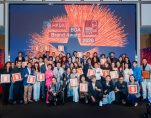





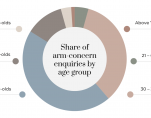

 https://www.linkedin.com/company/amaris-b.-clinic/
 https://www.facebook.com/AmarisBClinic/
 https://www.instagram.com/amarisbclinic/
 https://www.youtube.com/amarisbclinic
 https://www.tiktok.com/@amarisbclinic




