News related to
First Half

Dubai’s Roads and Transport Authority has completed a trio of targeted road improvements in Business Bay, seeking to significantly enhance traffic flow, safety, and capacity in the high-density mixed-use district. The works — spanning arterial streets, service roads and bridge access — are part of a wider strategic plan to upgrade Dubai’s road network in line with growing urban demands. At the heart of the project is […]

The U.S. dollar has slumped by more than 10 per cent year‑to‑date, marking its most severe first‑half decline since the mid‑1980s, as global investors pull back from dollar‑denominated assets amid doubts over U.S. economic policy and rising interest in alternatives such as cryptocurrencies.

Institutional investors across Europe and Asia are leading a broad sell‑off. European pension funds and insurers have slashed dollar‑asset exposure to levels unseen since 2022, primarily through equity divestment, while Asian bondholders have been unwinding fixed‑income positions.

Market watchers identify multiple bearish drivers: weakening Federal Reserve credibility under the spectre of political interference, dovish statements signalling potential rate cuts, and concerns over President Trump’s tariff posture and mounting debt. These factors have undercut confidence in the dollar’s role as the premier global reserve asset.

Declining yields on U.S. Treasuries have narrowed their appeal, prompting asset shifts toward Europe and emerging markets and feeding a broader investor rotation away from dollar‑centric investments. Cash strategists at Bank of America report that the net underweight position on the dollar is the most significant in two decades, signalling widespread repositioning.

Despite periodic reprieves, market technicals remain weak. The ICE U.S. Dollar Index, trading around the high‑90s, broke key support levels, triggering technical patterns that suggest further downside unless a strong reversal emerges.

The dollar’s weakness is also fueling a surge in alternative assets. Cryptocurrencies like Bitcoin have rallied, with analysts highlighting an inverse correlation to the dollar’s performance. Gold and select equities in Europe and Asia have benefited from the reallocation of capital.

Echoes of the mid‑1980s Plaza Accord era are notable, when coordinated efforts led to a sharp devaluation of the dollar. However, experts caution that the current environment reflects deeper structural trends: geopolitical uncertainties, shifting reserve currency strategies, and Asia’s growing role in capital flows.

Some analysts argue that short‑term technical bounce possibilities exist, especially if U.S. economic indicators outperform or geopolitical tensions rekindle risk‑off flows. Yet, the prevailing consensus points to a prolonged adjustment period, as “short dollar” bets remain deeply entrenched among fund managers.

The dollar’s slide has implications beyond currency markets. Weaker dollar conditions typically ease financial constraints for emerging economies with dollar-denominated debt, support commodity prices, and influence global trade balances. Conversely, U.S. consumers may experience elevated import costs.

Attention now shifts to key catalysts: upcoming Fed commentary, U.S. inflation and employment data, and whether the administration proceeds with proposed tariffs or investment taxes that could further unsettle international investor sentiment.

Cloudflare and OpenAI have unveiled a powerful integration enabling developers to build intelligent, stateful AI agents that combine OpenAI’s reasoning with Cloudflare’s scalable execution infrastructure. By pairing the OpenAI Agents SDK with Cloudflare’s new Agents SDK and foundational technologies like Durable Objects and Workers, the collaboration delivers global reach, persistent memory, and human‑in‑the‑loop interaction, all within a serverless framework. The synergy addresses a key shortcoming of stateless […]

Malaysia has officially unveiled the Startup ASEAN platform during its tenure as ASEAN chair, establishing a fully operational digital gateway designed to unite entrepreneurs, investors and ecosystem enablers across Southeast Asia. The launch—following a developmental blueprint initiated in 2024—unlocks access to regional markets, capital, talent and data, with an aspirational target of onboarding at least 10,000 startups by year-end.

The platform’s roll‑out represents phase two of the ASEAN Startup Technology Ignite initiative. Development and a soft launch took place in 2024, while the newly announced phase includes capacity‑building programmes and a Startup ASEAN summit. A third phase commencing in 2026 will see the establishment of an ASEAN Centre of Excellence dedicated to early‑stage ventures.

Minister of Science, Technology and Innovation Chang Lih Kang described the platform as a “strategic enabler” born from collaborative efforts among all ASEAN member states. He highlighted its role in bridging fragmented access to finance, talent and market opportunities. At the launch in Putrajaya, he underlined that approximately 5,000 startups have already joined and affirmed the year‑end goal of doubling that number.

ASEAN Secretary‑General Dr Kao Kim Hourn echoed these commitments, stating that the platform exemplifies deeper regional integration and presents “unprecedented opportunities” through technology. He noted that the platform extends to ecosystem builders and government institutions, reflecting ASEAN’s dedication to fostering inclusive innovation.

Cradle Fund Sdn Bhd, appointed by Malaysia’s MOSTI, is spearheading implementation. Its group chief executive, Norman Matthieu Vanhaecke, emphasised that the platform transcends mere technology: it is designed to generate meaningful partnerships, foster cross‑border initiatives and catalyse growth across the region. He said it will track metrics such as startup onboarding, investment activity and regional collaboration, aiming to involve 2,000 investors and 500 strategic partners by 2025.

Dr Kao highlighted the context underpinning this push. Southeast Asia hosts over 680 million people—more than half under 35—with a combined GDP exceeding US$3.9 trillion and a digital economy projected to surpass US$1 trillion by 2030. Kuala Lumpur’s leap into the top 20 emerging startup hubs, ranking 18th in the Global Startup Ecosystem Report 2025 by Startup Genome, provided a credible basis for regional leadership.

CupTuring beyond connecting stakeholders, the platform is set to host a suite of programmes. Already underway are collaborative initiatives with international partners such as South Korea and China, and plans include additional regional market‑access sessions and mentorship opportunities. The launch event featured a video tour with startup success narratives and a regional market access session, ASEAN CrossConnect, which paired ten seasoned mentors with participating startups.

The platform’s ecosystem metrics are compelling: as of the launch, more than 4,000 startups and 1,087 investors were registered, contributing to an ecosystem valued at over US$131.2 billion.

Governments from less developed ASEAN nations were assured of equal standing on the platform. Chang emphasised its borderless design, allowing any startup with internet access to connect with markets and investors across the region.

The Startup ASEAN initiative traces back to 2023, when ASEAN leaders approved a framework empowering Cradle to lead policy development, ecosystem readiness, and cross‑sector partnerships. The recent formal launch marks the first major deliverable of the Ignite initiative under Malaysia’s ASEAN chairmanship.

Experts view the initiative as a timely response to ASEAN’s broader economic integration agenda, reflected in recent high‑level declarations such as the Kuala Lumpur Declaration. The new platform aligns with ASEAN Community Vision 2045, aiming to strengthen innovation, connectivity and socio-economic resilience.

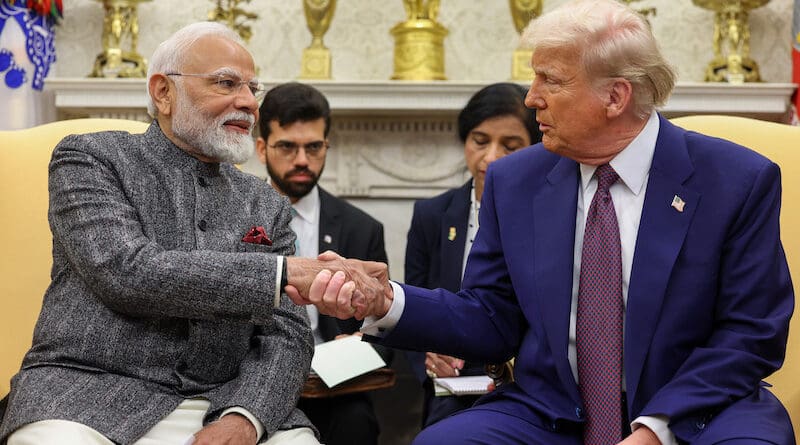
By K Raveendran Last week shattered any lingering illusions about the supposedly robust camaraderie between Prime Minister Narendra Modi and former U.S. President Donald Trump—a relationship that had been paraded for years as emblematic of India’s rise on the global stage. The myth of a strategic friendship, carefully choreographed across Howdy Modi rallies and effusive […]

Toyota Motor Corp has confirmed that it will increase the prices of selected Toyota and Lexus models sold in the United States by an average of US $270 and US $208 respectively, with the changes taking effect in July 2025. The pricing adjustment comes as part of Toyota’s standard price‐review cycle, the company emphasised, rather than a direct response to the higher US import tariffs on vehicles and auto […]

By Nitya Chakraborty The Israel-Iran war which entered its eighth day on Friday June 20 witnessed some major developments in the last 24 hours frustrating Tel Aviv’s desperate bid to speedily finish off its task of destroying Iran, especially Teheran. Chinese President Xi Jinping talked to Russian President Vladimir Putin late Thursday on the joint […]
Advertisements

Experience the legendary ‘Plácido Domingo’ live in Thailand for the first time—alongside an Indian epic, dazzling Chinese ballet, operas, and jaw-dropping acrobatics Tickets Now Available! BANGKOK, THAILAND – Media OutReach Newswire – 20 June 2025 – Get ready for a world-class spectacle like no other—right here in Thailand. Bangkok’s 27th International Festival of Dance & Music is making a grand comeback, bringing 14 stunning performances from over […]

Google’s array of AI‑powered services—Search, Ads, Play, Maps, YouTube and Gemini—delivered a Dhs21.8 billion uplift to the UAE’s economy in 2024, fueling digital transformation, consumer value and job creation.

Search and Ads alone generated Dhs20.2 billion by enabling thousands of local companies to reach new customers and expand operations. Gemini, Google’s AI assistant, has seen 63 per cent of UAE adults using it, with nine in ten users reporting gains in productivity and 71 per cent praising its Arabic‑language ease of use. Other tools, including Maps, Waze and mobile wallets, further enhanced daily routines.

The Google Maharat Min Google skilling initiative has equipped more than 430,000 people in the UAE with digital and AI competencies since 2018. Meanwhile, the Android and Google Play ecosystem supported around 30,000 jobs and generated approximately Dhs455 million in revenue for UAE‑based app developers in 2024.

Survey data from March 2025, with responses from over 1,100 consumers and nearly 400 business leaders, indicates that Google’s services offer an estimated average monthly benefit of Dhs683 per user. Half of adults describe Search as essential to their routine, 89 per cent rely on Maps or Waze for navigation, and 90 per cent use mobile payment platforms like GPay or GWallet to streamline transactions.

Adoption of AI tools among UAE businesses is nearing ubiquity, with 91 per cent reporting use of at least one AI product in workflows, while 97 per cent of public‑sector respondents confirm boosted productivity from Google’s AI solutions. Consumer engagement is likewise robust: 94 per cent use Search monthly to compare prices, 86 per cent check reviews before visiting venues, 80 per cent use mapping apps to locate businesses, and 73 per cent of 18–24‑year‑olds browse or shop via Search weekly.

Google’s platforms have also strengthened the creative and developer landscape: over 600 UAE‑based YouTube channels surpassed one million subscribers—a 15 per cent annual rise—and the Google News Initiative has trained more than 20,000 journalists and journalism students across the MENA region, including the UAE.

Anthony Nakache, Google’s Managing Director for the Middle East and North Africa, emphasised that the firm’s “investment in accelerating the country’s ambitious journey towards a diversified, AI‑powered economy” is reflected in the findings. He highlighted how local partnerships, AI‑driven tools and continuous skilling programmes contribute to “substantial economic value” and empower individuals, enterprises and communities within the UAE.

Public First’s Economic Impact Report, published mid‑June, is based on econometric modelling, consumer and business polling, case studies and secondary data. Survey responses were weighted to reflect the UAE’s national demographics.

By P. Sudhir It may appear rather unusual to recall the inglorious sequence of events that began at midnight on June 25, 1975, with the declaration of the Internal Emergency. However, we are reminded of those immortal words of wisdom: ‘those who tend to forget the lessons of history are condemned to repeat them.’ These […]

Greenlogue/AP Mubadala Investment Company and the Abu Dhabi Projects and Infrastructure Centre have formalised a partnership designed to accelerate the emirate’s infrastructure agenda. The agreement, inked during the opening of the Abu Dhabi Infrastructure Summit 2025, establishes a broad cooperation blueprint aimed at advancing key development projects. The accord commits both entities to conduct thorough feasibility studies and share knowledge to assess the viability of proposed ventures. It also […]

BEIJING, CHINA – Media OutReach Newswire – 18 June 2025 – The livestreaming-commerce model has taken the world by storm in recent years. In China, numerous enterprises are actively venturing into livestreaming e-commerce, including several airlines. In 2024, Hainan Airlines established HNA Preferred Business Co., Ltd., specializing in Internet livestreaming and sales. Notably, as early as 2020, the airline began piloting livestream sales on platforms like Ctrip, […]

New research from CloudMosa shows digital inclusion is shifting from CSR to a core business strategy – and telcos stand to gain if they move quickly Majority (97%) of telco leaders say digital inclusion is now central to their business strategy, driven primarily by the need to bridge the digital divide (71%) With 92% of respondents seeing a strong alignment with government affordability initiatives as a key […]

Abidjan is bracing for a highly polarised presidential election scheduled for 25 October 2025, as President Alassane Ouattara’s ruling party moves to endorse his expected bid for a fourth term. Meanwhile, key opposition figures have been barred from the ballot, prompting protests and allegations of democratic erosion. Official party channels have circulated motions affirming Ouattara, 83, as their preferred candidate under the Rally of Houphouëtists for Democracy […]

Radisson Hotel Group has ramped up its presence in Saudi Arabia, now anchoring half of its Middle East portfolio within the Kingdom, a senior company executive confirmed amidst the Future Hospitality Summit in Riyadh. With 50 of the group’s 100 regional properties either operational or under construction based in Saudi Arabia, the expansion underscores its strategic prioritisation of the country’s ambitious hospitality landscape.

Elie Younes, Executive Vice President and Global Chief Development Officer at Radisson, described Saudi Arabia as “one of the top five countries for us globally.” Of the 50 properties, 30 are already open, while 20 are at various stages of construction. The current pipeline, spanning the next three to four years, includes these 20 projects, with another 30 slated for completion over the next four years, collectively offering approximately 4,000 to 5,000 new rooms and generating some 5,000 jobs.

This expansion aligns with the Kingdom’s target to add more than 362,000 hotel rooms by 2030, backed by a US$110 billion investment as part of its Vision 2030 diversification drive. Radisson is strategically deploying a mix of brands across segments. Younes outlined plans for another 10–15 Radisson Blu properties and four to five more under its luxury Radisson Collection label in cities including Riyadh, Jeddah, Makkah and Madinah. Smaller priors in secondary cities are also on the radar for core four‑star Radisson properties.

Recent openings include Radisson Blu Hotel & Convention Centre, Riyadh Minhal, and Radisson Hotel Madinah— the group’s first presence in the holy city of Madinah. Additional launches planned this year include Radisson Blu Hotel Riyadh Al Sahafa and Radisson Hotel Jeddah Tahlia Street in Q2, followed by Radisson Collection Residence Riyadh and Radisson Hotel & Residences Makkah Thakher City in Q4, all designed to capture the religious and leisure tourism surge.

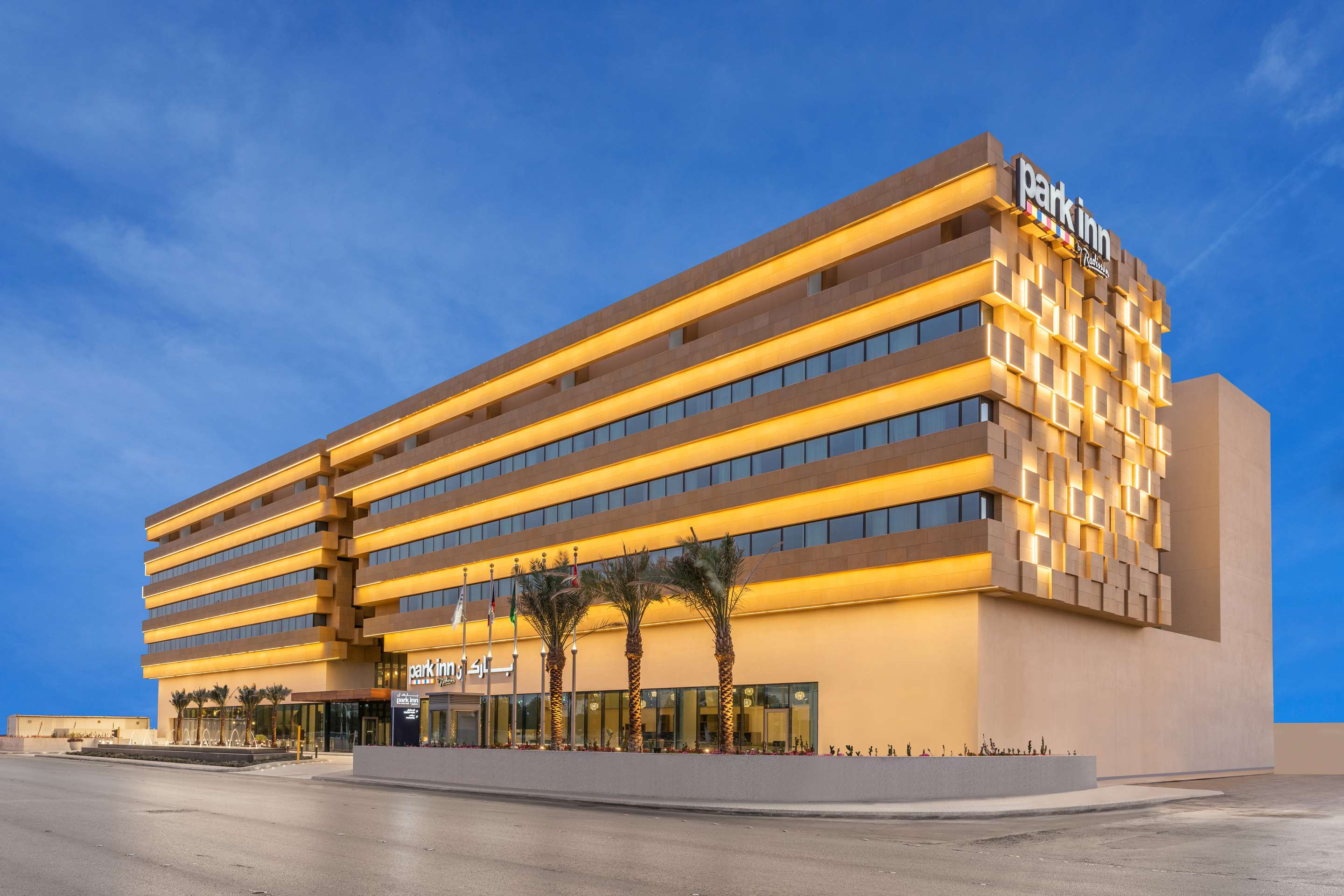
Radisson is also forging partnerships with Saudi entities. A landmark deal with Knowledge Economic City in Madinah will introduce a Park Inn by Radisson in the Islamic World District. Meanwhile, a Memorandum of Understanding with the Saudi Tourism Authority—signed at the Arabian Travel Market—demonstrates deep engagement within the local ecosystem.

The group remains on track to grow its Middle East network to 150 hotels, resorts and serviced apartments by 2030, building on a record-breaking global performance in 2024. Younes emphasises the tailored approach: blending its Scandinavian-inspired hospitality with regional traditions and integrating wellness, eco-friendly features and entertainment to appeal to evolving guest preferences, as detailed by Development Director Ayman Ezzeddine at the Riyadh summit.

Analysis by regional consultants underscores the significance of Radisson’s strategy. Analysts note that by allocating half of its current Middle East portfolio to Saudi Arabia, Radisson demonstrates confidence in the Kingdom’s tourism transformation. Its focus on both high-volume mid-market and luxury segments positions it to tap demand from business travellers, pilgrims and upscale visitors alike amid government incentives and infrastructure investments.

Radisson’s move is also in step with ongoing giga‑projects such as Amaala, the Red Sea Project and Rua Al Madinah, each aimed at hosting millions of tourists and pilgrims by 2030. These projects feature world-class hotels, resorts and cultural infrastructure, reinforcing Saudi Arabia’s status as a global hospitality hub.

Dubai’s iconic Palazzo Versace Hotel is being offered at auction with an opening bid of approximately $163 million, a sharp reduction from its last estimated value above $380 million, signalling a major shift in the fortunes of the luxury hospitality landmark. A Swiss‑Italian financier, Christopher Aleo, is among a select group of potential buyers believed to be evaluating the purchase as online bidding gets underway. Union Properties, the Dubai‑based developer […]

Issuing its first formal financial move beyond social media, Truth Social’s parent, Trump Media & Technology Group, has filed an S‑1 registration statement with the U.S. Securities and Exchange Commission to launch a Bitcoin and Ethereum exchange‑traded fund under the Truth Social brand. The application outlines plans to list the fund on NYSE Arca, although ticker symbols and fee structures have yet to be disclosed.

NYSE Arca initiated the process on 3 June 2025 by submitting a Form 19b‑4 on behalf of TMTG and partner Yorkville America Digital, seeking approval to list the dual‑crypto ETF. The S‑1 filing followed on 5 June and provides deeper insights into structure and risk disclosures. The filings initiate the standard dual‑review process; the SEC has a 45‑day window for initial decision and up to 240 days for final approval.

The prospectus confirms that the fund will hold spot Bitcoin and Ethereum—the first dual‑crypto vehicle under the Truth Social banner. Physical custody of assets will be handled by Foris DAX Trust Company, affiliated with Crypto.com, which will also serve as execution agent and liquidity provider. Yorkville America Digital, a Florida‑based asset manager that emphasises “Made‑in‑America” digital‑asset products, is named as the sponsor.

Eric Balchunas, senior ETF analyst at Bloomberg Intelligence, noted the risk disclosures reference President Trump’s crypto‑favourable posture—highlighting regulatory shifts, the SEC’s newly launched crypto task force, and a strategic U.S. Bitcoin reserve executive order—marking the first time an ETF filing openly tied a sitting president’s actions to fund risk.

The launch is part of a broader the strategic pivot by Truth Social into financial services. Earlier this year, Trump Media announced a $2.5 billion Bitcoin treasury initiative and submitted trademark applications under its Truth.Fi brand for various crypto‑focused products. The move aligns with similar industry trends—11 spot Bitcoin ETFs have been approved since January 2024 by providers including BlackRock, Fidelity and Grayscale—a venue drawing billions in investor capital.

Yet the dual‑crypto ETF enters a saturated market, and analysts caution that without distinctive value, it may not draw substantial flows despite its political branding. Market watchers observe that assets under management in competing spot Bitcoin ETFs are heavily concentrated—with BlackRock’s IBIT holding approximately $69 billion, followed by Fidelity’s fund at around $21 billion.

The filings also highlight potential conflicts of interest. Yorkville America has financial ties with TMTG, including advising on Truth.Fi and investing in both the firm’s stock and private placement used to bolster the Bitcoin treasury. The application explicitly acknowledges these links may pose risks to investors.

Timing is politically significant, with the SEC’s current leadership under Paul Atkins perceived as taking a more crypto‑friendly stance. SEC deregulation efforts under President Trump’s administration also form part of the context.

Should the ETF be approved, it will enable investors to gain regulated exposure to Bitcoin and Ethereum—devoid of managing digital wallets or crypto‑exchange accounts—via traditional brokerage channels. The fund is poised to calculate daily net asset values, with intraday quotations updated every 15 seconds and comprehensive transparency on holdings, premiums and discounts.

However, regulatory clarity remains pending. Absent from the filings are critical operational details, including ticker symbols, expense ratios and seed capital levels. Until the S‑1 becomes effective, the ETF cannot be marketed to investors.

This marks a strategic landmark in Truth Social’s quest to diversify beyond digital media. Its expansion into crypto finance brings together political influence, regulatory momentum and mainstream investor demand, potentially reshaping its corporate identity. At stake is the fund’s ability to carve a credible and competitive space among established crypto‑ETF leaders.

SINGAPORE – Media OutReach Newswire – 16 June 2025 – ST Telemedia Global Data Centres (STT GDC), a leading data centre service provider headquartered in Singapore, today published its 2024 Environmental, Social and Governance (ESG) report. The report details progress toward STT GDC’s ESG targets, as well as its three main ESG pillars – carbon-neutral data centre operations by 2030; a safe, secure, diverse and inclusive workplace; […]

By K Raveendran Israel’s strike against Iran has reignited a familiar tension in global energy markets, sending oil prices climbing into the mid-$70 per barrel range. The impact is not just visible in the numbers, but in the broader nervousness sweeping across energy trading floors and geopolitical circles alike. At the heart of this movement […]

Dr Imran Khalid “We made a great deal with China. We’re very happy with it.” So declared President Donald Trump in his familiar tone of triumphant ambiguity on June 11, fresh off what was touted as a breakthrough agreement to restore a trade truce between the United States and China. But if history has taught us anything, it is that “done deals” in the Trumpian lexicon tend […]

By Nitya Chakraborty More than a month after the pause of India’s Operation Sindoor on May 10 at 5 PM, time has come to state it in candid terms that our Prime Minister’s doctrine of New Normal in respect of relations with Pakistan has failed to convince the major global powers. While strongly defending India […]

The World Bank has raised its forecast for the UAE’s gross domestic product to 4.6 percent in 2025, marking a notable upward revision of 0.6 percentage points from its January outlook. The renewed projection is driven by strong momentum in non‑oil sectors—tourism, construction, transportation and finance—while the phased easing of OPEC+ production cuts is expected to support oil output growth.

Overall GCC growth is also tipped to rise to 3.2 percent in 2025, climbing further to 4.5 percent in 2026 and 4.8 percent in 2027. Globally, however, the World Bank projects a slowdown to 2.3 percent in 2025, the weakest expansion outside recessions since 2008 — due mainly to elevated trade tensions and policy uncertainty.

Within the UAE, the non‑oil sector is poised to expand by roughly 4.9 percent in 2025, outpacing oil‑based growth. This upturn reflects robust activity in tourism, real estate, transport, and financial services. The first nine months of 2024 saw non‑oil GDP rise by 4.5 percent, a stronger contributor than the 1.5 percent growth recorded in oil GDP.

Analysts point to the UAE’s strategic economic diversification as central to this trajectory. Public investment in infrastructure and tech industries, alongside governance reforms aimed at enhancing the business environment, have significantly boosted competitiveness. Free‑zone facilities and logistics integration—especially in Abu Dhabi—are improving supply chain efficiency, while the nation’s Comprehensive Economic Partnership Agreements are broadening international trade links.

OPEC+ adjustments remain influential. The group is implementing a gradual withdrawal from voluntary oil output limits between May 2025 and September 2026, which the World Bank says will bolster oil GDP amid global price pressures. The UAE’s oil GDP is thus anticipated to gain ground after a lull, providing a stabilising complement to the diversification agenda.

Risks persist, including uncertainty around global trade, fluctuating energy prices, and regulatory slowdowns. The World Bank notes that logistics sectors across the GCC could be affected by broader trade disruptions. Meanwhile, lower oil revenues may limit fiscal flexibility, even as sovereign buffers remain robust.

In Abu Dhabi, economic diversification efforts are visibly gaining traction. The non‑oil sector there grew by 6.2 percent in 2024, representing over half of the emirate’s GDP at AED 644.3 billion. Large‑scale initiatives—such as new business districts, enhanced transport infrastructure, and collaborative zones linking academia with private industry—are expanding economic capacity.

Despite global headwinds, the UAE’s fiscal position remains sound. The 2024 fiscal surplus stood at approximately 4.6 percent of GDP, supported by counter‑cyclical spending and healthy sovereign reserves. Inflation has moderated to near 2.3 percent, with the Central Bank maintaining supportive liquidity without compromising price stability.

Employment is also expected to benefit. The International Labour Organization projects job growth to remain around 3.3 percent in 2025, with unemployment steady at roughly 2.1 percent. Nonetheless, structural issues—such as high youth unemployment and gender disparities—persist, particularly among younger and female cohorts.

Looking ahead, the UAE is on track to sustain growth above 4 percent through 2027, with oil and non‑oil sectors contributing in tandem. Yet, global vulnerabilities underscore the need for continued diversification, fiscal prudence and trade resilience.

Mergers and acquisitions across the Middle East are poised to slow as escalating global trade tensions erupted following the Trump administration’s imposition of reciprocal tariffs on 2 April. A sweeping 20 percent tariff on EU goods, 10 percent on UK imports and 25 percent on automobiles rattled markets and shook corporate confidence, triggering what dealmakers describe as a “major escalation” in international trade friction. A recent global survey conducted by […]

Sixty per cent of Fortune 500 companies are now engaged in blockchain initiatives, according to the second-quarter “State of Crypto” report from Coinbase. The survey, conducted among executives of America’s largest firms, reveals that blockchain is no longer peripheral but central to corporate strategy across sectors.

The survey also highlights a dynamic surge in stablecoin use, with supply growing 54 per cent year-on-year. Small and medium-sized US businesses are following suit: about one-third currently use crypto, a share that has doubled since 2024. Among SMBs not yet involved, 46 per cent plan to adopt crypto within the next three years, and 82 per cent view it as a remedy for key financial challenges.

Institutional interest remains robust, with over 80 per cent of large investors planning to expand crypto exposure this year. Furthermore, a fifth of Fortune 500 executives perceives on‑chain blockchain efforts as integral to long-term strategy.

The report underscores a notable shift in corporate attitudes: 83 per cent of Fortune 500 executives familiar with crypto or blockchain confirm their companies have launched or are planning initiatives. Of these, the lion’s share—approximately 60 per cent—have progressed from pre-launch to live status since 2022.

Tech, finance and retail dominate these efforts. Data collection and management rank as leading use cases, followed by infrastructure concerns. Experts describe blockchain as “foundational” for enhancing transparency and automating operations. Larry Fink, chair and chief executive of BlackRock, noted that blockchain could “change the whole ecosystem” of securities trading by enabling “instantaneous settlement” and complete transparency of ownership.

Stablecoins, deemed a ‘killer application’ by Jose Fernandez da Ponte, SVP of Blockchain, Crypto and Digital Currencies at PayPal, have gained traction for facilitating global payments and preserving the dollar’s reserve status. BlackRock’s tokenised Treasury fund, BUIDL, has outpaced Franklin Templeton, now standing at approximately US $382 million, and is routinely used by hedge funds as collateral.

Yet regulation remains a critical concern. According to Coinbase’s findings, 90‑plus per cent of surveyed executives insist on the need for new rules specifically tailored to crypto and blockchain technologies rather than adapting obsolete frameworks. Eighty-seven per cent assert that clearer regulation is essential for preserving US leadership in the global financial system.

This regulatory environment has significant implications. Coinbase warns the US risks losing up to one million web3 developer jobs and three million related non‑technical positions by 2030 if regulatory ambiguities persist. Its share of global crypto development has already dropped from 40 to 29 per cent over the past six years.

Executives also cite talent shortages: nearly one in three identify insufficient skilled personnel as a major barrier, surpassing concerns about regulation. Among small businesses, half intend to seek finance, legal or tech professionals with crypto expertise in their next hiring round.

Despite headwinds, many companies push ahead. JPMorgan Chase executed its first DeFi transaction on a public blockchain, while ExxonMobil piloted crypto‑mining operations powered by excess gas. Retailer Lowe’s implemented blockchain and NFTs to combat theft by tracking stolen tools, and Nike integrated apparel NFTs into video games through a collaboration with EA Sports.

On the SMB front, crypto usage has grown dramatically. One in three US small and medium enterprises is already harnessing crypto for payments, payroll or treasury functions, up from one in six last year. Among those not yet using crypto, almost half aim to adopt it within three years. Four in five believe crypto could alleviate financial pain points such as transactional delays and steep fees.

The report indicates a tipping point. On‑chain U.S. Treasury holdings have topped $1.29 billion, representing a tenfold increase since early 2023. Total assets under management in spot Bitcoin ETFs now exceed $63 billion, and the U.S. stablecoin market cleared $10 trillion in annual transaction volume last year.

With blockchain moving from pilot to scale, traditional institutions like PayPal and Stripe are making stablecoin integration simple for merchants and users. Stripe now enables USDC payments across Ethereum, Solana and Polygon, with fiat conversions handled automatically. PayPal supports cross‑border stablecoin transfers in around 160 countries, eliminating transaction charges typically levied by remittance services.

These developments coincide with a broader surge in Web3 infrastructure investment. Total value locked in tokenised real‑world assets—ranging from fixed income to environmental credits—is approaching $2.4 billion, with US tokenised Treasuries alone surpassing US $1.2 billion in Q1 2024. Global institutional adoption continues apace, and tokenised assets are projected to reach US $16 trillion by 2030—equivalent to the EU’s GDP.

VISHNU RAJA
RYO YAMADA
HITORI GOTOH
IKUYO KITA