News related to
First Half

Iracemápolis, São Paulo – Media OutReach Newswire – 16 August 2025 – In the early hours of August 16 (Beijing time), GWM’s Brazil plant officially commenced operations, marked by a grand ceremony for the rollout of its first vehicle, the HAVAL H6 GT. The plant, located in Iracemápolis, São Paulo, was acquired from Daimler Group and has since been upgraded into an intelligent manufacturing base. As GWM’s […]

The UAE’s civil aviation sector has demonstrated significant growth in the first half of 2025, with key indicators such as passenger traffic, air cargo volumes, and air traffic movements all showing notable increases. Airports across the nation welcomed 75.4 million passengers during this period, marking a 5% rise from the 71.7 million recorded in the same timeframe the previous year. January was the busiest month, with over […]

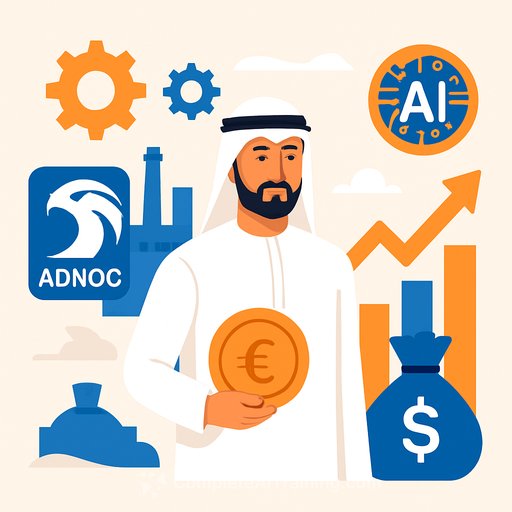
ADNOC Group’s six publicly listed entities posted a combined net profit of USD 4.7 billion for the first half of 2025, underscoring how the widespread deployment of advanced artificial intelligence across operations has sharpened efficiency and underpinned robust growth.

At the heart of this transformation lies MEERAi, ADNOC’s proprietary AI platform. It is deployed across ADNOC Gas, ADNOC Distribution, ADNOC Drilling, ADNOC Logistics & Services, Fertiglobe and Borouge, delivering real-time, data-driven insights that are elevating decision-making and operational precision across the board.

ADNOC Gas achieved a record Q2 net income of USD 1.385 billion, marking a 16 per cent year-on-year rise, while EBITDA increased 8 per cent to USD 2.256 billion, propelled by surging local demand and operational prowess. Investors will see the payoff as the board approved an interim dividend of USD 1.792 billion, up 5 per cent, due for disbursement in September 2025. MEERAi’s impact was central in guiding the board’s strategic decisions.

ADNOC Distribution delivered its highest first-half EBITDA to date—USD 566 million, up 10 percent—with net profit climbing 12.2 percent to USD 358 million. Fuel volumes surged to a record 7.62 billion litres, and non-fuel retail gross profit lifted 14.9 percent. The AI-driven enhancements include predictive fuel-demand forecasting, intelligent assortment planning and hyper-personalised customer offerings. The company introduced MEERAi to its board for real-time strategic oversight, and it expects to distribute a USD 350 million dividend in October 2025.

ADNOC Drilling also delivered standout performance, with management attributing its ability to scale through diverse energy cycles to advanced technologies including AI. The board approved a USD 217 million second-quarter dividend in August 2025. The company is also pursuing regional expansion, including a majority stake acquisition in SLB’s land drilling business across Kuwait and Oman.

Borouge’s AI, digitalisation and technology programme generated USD 307 million in value, including an AI-powered control room in collaboration with Honeywell and integration with MEERAi. New product innovations such as medical-grade polyolefins and recyclable packaging also featured prominently.

Meanwhile, ADNOC’s broader push to harness AI is also playing a central role in its clean-energy pivot. Following earlier investments in AI tools like RoboWell and AR360, which generated USD 500 million in value and reduced around one million tonnes of CO₂ emissions between 2022 and 2023, the company is now deploying AI to advance low-carbon energy frontiers including hydrogen and carbon management, in partnership with entities such as SOCAR, Microsoft and Masdar.

Across all six listed companies, the near-term financial performance echoes the effectiveness of ADNOC’s strategy of embedding AI across both core operations and emerging markets. The unified deployment of MEERAi is not just enhancing control-room functions, but reshaping boardroom dynamics, driving smarter strategy execution, operational optimisation, emissions reduction and product innovation.

Key players in this transformation include the leadership of ADNOC Distribution, championing digital retail evolution; ADNOC Drilling’s CEO Abdulla Ateya Al Messabi, who has publicly credited AI for the company’s resilience and growth momentum; and the broader ADNOC executive team, aligning technology and energy transition goals. Their collective efforts are reinforcing ADNOC’s position as a global energy player committed to leveraging AI for sustainable value creation.

By R. Suryamurthy When Prime Minister Narendra Modi ascends the Red Fort on August 15 to deliver his Independence Day address, the nation will be listening for the usual rhetoric of progress, resilience, and pride. This year, the subtext must be different. With a possible face-off with U.S. President Donald Trump looming at next month’s […]

Gold’s upward trajectory in the UAE is reshaping consumer behaviour, with rising prices shifting the market’s balance away from traditional jewellery purchases toward more affordable and strategic alternatives. Demand for ornamental gold continues to wane even as the metal remains highly prized for investment. Gold jewellery sales across the UAE plunged to their lowest in over two years during April to June 2025, at 7.7 tonnes—down 16 […]

Abu Dhabi-listed Lulu Retail Holdings has posted a modest profit increase for the second quarter of 2025, with net earnings reaching $57 million, up by 2% year-on-year. The retail giant’s revenue for the quarter rose by nearly 5%, hitting $2 billion. This growth was primarily attributed to like-for-like sales growth of 2.1%, reflecting strong consumer demand across its diverse range of products. In the first half of […]

BAODING, CHINA – Media OutReach Newswire – 12 August 2025 – Great Wall Motor (GWM) has combined sport, technology, and industrial pride in a landmark event—the 2025 GWM Smart Factory Half Marathon—held inside its Xushui Smart Factory in Baoding, Hebei Province. Over 10,000 runners raced through stamping, welding, and assembly workshops, surrounded by a living showcase of China’s cutting-edge automotive manufacturing. From the rhythmic movements of robotic […]

Advertisements

HANOI, VIETNAM – Media OutReach Newswire – 11 August 2025 – F88 Investment Joint Stock Company (F88) on August 8 officially listed over 8.26 million shares for trading on the UPCoM platform. Over 8.26 million shares of F88 was officiallt listed on the UPCoM platform. Photo courtesy of F88 With a reference price of VNĐ634,900 (US$24) per share on its first trading day, F88 now holds the […]

Dubai’s real estate sector has seen a notable surge in licensed activities, with 4,049 new registrations reported in the first half of 2025. This increase highlights the city’s continuing appeal as a hub for global investment, underscoring its position as a growing economic powerhouse.

The expansion in real estate-related activities is a key indicator of investor confidence in Dubai’s property market. The city’s ongoing efforts to enhance its investment climate, alongside the development of new regulations and policies, have solidified its standing as a global player in the real estate sector. The uptick in the number of new real estate ventures reflects a broader trend of diversification in the market, as Dubai seeks to expand beyond traditional residential and commercial projects into emerging sectors like hospitality, mixed-use developments, and smart city infrastructure.

The Dubai Land Department has been instrumental in driving these developments by continuing its focus on transparency, innovation, and regulatory improvements. One of the standout features of Dubai’s property market has been its emphasis on simplifying procedures for investors, which has directly contributed to the rise in new real estate-related ventures. The DLD’s efforts to digitise property transactions and improve investor accessibility have been particularly significant in this regard.

Dubai’s status as a business-friendly environment has also played a critical role in attracting international investors. Policies such as long-term residency visas, 100% foreign ownership in certain sectors, and reforms in property ownership laws have all enhanced the city’s attractiveness to global capital. The emirate’s strategic location, offering easy access to both Eastern and Western markets, has further positioned it as a key destination for multinational companies and high-net-worth individuals looking to invest in its growing real estate sector.

Dubai’s commitment to diversification has allowed it to weather global economic fluctuations better than many other markets. The emirate’s drive towards sustainability and innovation in urban planning has led to the development of numerous smart city projects, which blend residential, commercial, and leisure spaces in ways that appeal to both investors and residents. These initiatives have attracted attention from international real estate developers who view Dubai as a model for the future of urban living.

The diversification of Dubai’s real estate market is not limited to the types of properties being developed, but also to the services and amenities that accompany them. The growing prominence of serviced apartments, co-working spaces, and eco-friendly developments shows that the market is increasingly catering to a wide range of needs. The ongoing shift towards more integrated communities reflects broader global trends, such as the rise in remote working and demand for work-life balance.

Dubai’s real estate sector has also been buoyed by its ambitious infrastructure projects, such as the expansion of its transport network, the Dubai Expo City, and the upcoming World Expo 2030, which is expected to bring even more global attention and investment to the emirate. The government’s plans to develop future-focused infrastructure align with global trends in technology, sustainability, and connectivity, positioning the city as a model for future urban development.

Investor interest in Dubai’s property market is further supported by the city’s relatively stable macroeconomic environment. The UAE’s strong economic performance, backed by diversification efforts in sectors like tourism, technology, and renewable energy, continues to drive demand for commercial and residential properties alike. Despite global uncertainties, the Dubai real estate market remains a safe haven for investors, thanks to its robust regulatory framework, investor-friendly policies, and a growing base of international buyers.

Dubai Electricity and Water Authority has unveiled its strongest-ever financial performance for the first half of 2025, with significant growth across all key metrics. The company achieved an impressive revenue of AED14.6 billion, an EBITDA of AED7.0 billion, and a net profit of AED2.9 billion, marking notable year-on-year increases. DEWA’s results for H1 2025 reflect the effectiveness of its ongoing investments in infrastructure, as well as its […]

KUALA LUMPUR, MALAYSIA – Media OutReach Newswire – 8 August 2025 – Octa Broker is providing an in-depth overview of the week’s key events and actionable insights to help traders navigate this high-stakes environment with confidence. July was a relatively quiet month for gold, at least by the recent standards. XAUUSD, the primary financial instrument for trading bullion, fluctuated in a very narrow 30-dollar range between roughly […]

By R. Suryamurthy Prime Minister Narendra Modi’s declaration that he is willing to “pay a heavy price” to stand by Indian farmers in the face of escalating U.S. trade tariffs has captured headlines—but not necessarily for the right reasons. It is a speech crafted more for the political stage than the policy war room. Beneath […]

ADNOC Distribution has posted a robust 12% increase in net profit for the first half of 2025, reflecting solid growth across its key sectors. The UAE’s largest fuel distributor achieved its highest-ever fuel volumes during this period, with 7.62 billion litres sold, marking a 5.6% year-on-year rise. The company has shown a significant recovery from global market fluctuations, continuing to benefit from its diversified portfolio. The performance […]

Emaar Properties has reported a 33% year-on-year increase in net profit for the first half of 2025, reaching a total of AED 7.08 billion. The surge in profits is primarily attributed to the company’s strong performance in property sales, marking a significant rebound for the Dubai-based developer.

The company’s revenue for the period rose by 38% year-on-year, amounting to AED 19.8 billion. This growth was driven by notable gains across its diverse business segments, including development, retail, hospitality, and its expanding international operations. The company’s diversified portfolio helped strengthen its position amid global uncertainties, enabling it to capitalise on rising demand for both residential and commercial properties in Dubai.

Emaar’s property sales remained the cornerstone of its performance, with the developer reporting substantial activity across its developments. As a result, the company’s revenue backlog from property sales surged by 62% compared to the same period last year, reaching AED 146.3 billion by the end of June. This backlog indicates strong future earnings potential for the company, suggesting that the momentum in its core real estate business will continue into the second half of the year.

One of the key drivers behind this growth has been the high demand for residential properties, particularly in premium and luxury segments. The company’s flagship developments, such as the Burj Khalifa and Dubai Hills Estate, continue to attract significant interest from both domestic and international buyers. Additionally, the retail and hospitality arms of the business have been buoyed by the easing of pandemic-related restrictions and a return to normalcy in tourism, contributing further to the strong overall performance.

Internationally, Emaar has also been expanding its reach, with projects in markets such as Egypt, Saudi Arabia, and India. The company’s international ventures, which contribute a growing share of its revenues, have provided a hedge against the fluctuating dynamics of the UAE market, particularly in a post-pandemic environment where global markets remain unpredictable.

The hospitality division has also experienced a marked recovery, with hotel bookings returning to pre-pandemic levels. Dubai’s status as a leading tourist destination has supported Emaar’s hospitality segment, as international visitors continue to flock to the emirate. The company’s hotels, such as those in the Dubai Marina and Downtown Dubai areas, have benefitted from both business and leisure tourism, bolstering revenue streams.

Looking forward, Emaar’s robust financial performance for H1 2025 positions the company well to continue its growth trajectory. The record revenue backlog provides a strong pipeline for future sales, with developments expected to deliver significant returns as they near completion. As a key player in Dubai’s real estate market, Emaar’s performance is closely watched by investors, analysts, and stakeholders in the industry.

Loan growth among the largest banks in the Gulf Cooperation Council region surged in the second quarter of 2025, driven by a combination of lowered interest rates and an optimistic economic outlook. Saudi Arabia’s Al Rajhi Banking & Investment Corp. posted the most significant growth, outpacing its competitors with a 19.31 per cent year-on-year rise, compared to 7.37 per cent in the previous year. This marked acceleration […]

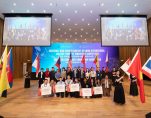
KUALA LUMPUR, MALAYSIA – Media OutReach Newswire – 5 August 2025 – The final competition and award ceremony of the Southeast Asia Division Contest of China International College Students’ Innovation Competition (SEA-CICSIC) 2025 and Malaysia-China Youth Innovation Competition (MCYIC) 2025 concluded successfully at Xiamen University Malaysia on 20 July 2025, bringing together young innovators from all over the Southeast Asia region to present and compete with their […]

Base Network, the layer-2 blockchain backed by Coinbase, has faced its first service interruption in over a year, halting its operations for 29 minutes due to a block production issue. This event marks a significant moment for the blockchain, which has enjoyed a relatively smooth run since its launch in 2023.

The disruption began shortly after 1:00 UTC, with users and developers quickly reporting that transactions were no longer being processed. Blockchain explorers confirmed the halt, with validators unable to produce new blocks for nearly half an hour. The Base Network team acknowledged the issue on its official communication channels, assuring users that the problem was being resolved.

This downtime is the first major service disruption for Base Network since its debut in 2023, a period during which the blockchain has attracted significant attention. It is part of a growing trend of scaling solutions in the Ethereum ecosystem, designed to reduce transaction costs and improve speed, all while leveraging the security of the Ethereum mainnet.

Base, developed by Coinbase, has rapidly gained traction among developers and users alike, particularly due to its integration with the broader Ethereum ecosystem. The blockchain’s promise of low-cost transactions and seamless scalability has made it an attractive option for decentralised finance applications and non-fungible token projects.

For many users and developers, the interruption comes as an unwelcome surprise, especially given the increasing reliance on the blockchain for transactions. The timing of the downtime was also notable, as it occurred during a busy period for crypto markets, leading to further frustration among traders who were unable to execute transactions on the network.

The interruption was linked to an issue with the block production process, which caused delays in adding new blocks to the chain. While Base Network is designed to function as a layer-2 solution, relying on Ethereum’s mainnet for security, the block production issue seems to have been specific to the protocol’s internal mechanics.

Following the disruption, Base Network’s team worked to identify the root cause and restore functionality as quickly as possible. They credited a swift response from the community of validators for preventing a longer service outage, highlighting the collaborative nature of the platform’s decentralised ecosystem.

Despite the temporary setback, Base Network’s broader goals remain intact. The platform is still one of the most anticipated and widely used layer-2 blockchains in the market. It continues to gain support, particularly with Coinbase’s backing, which has provided it with a degree of credibility and a strong user base.

Base Network’s performance is often compared to other layer-2 solutions in the Ethereum space, such as Arbitrum and Optimism. While these blockchains have had their share of issues, including downtime and network congestion, Base’s relatively short disruption marks a rare hiccup in its operation.

The broader implications of the downtime for the blockchain ecosystem remain to be seen, but it serves as a reminder of the ongoing challenges that even the most established projects face in maintaining uptime and reliability. For users, the incident underscores the importance of decentralised infrastructures that can respond quickly to unforeseen technical challenges.

Coinbase, which has long advocated for the benefits of blockchain technology and its potential to revolutionise various industries, will likely use this incident as a learning opportunity. It remains committed to improving the platform’s infrastructure to avoid such disruptions in the future, particularly as the demand for scalable solutions grows.

While the network’s downtime was brief, the event highlights the complexities of operating a layer-2 blockchain that interacts closely with the Ethereum mainnet. Base Network, like other blockchain projects, must navigate the technical and operational challenges of scaling while maintaining trust within the user community.

Deepening “One Core and Two Wings” Strategic Layout Steady Improvement in Business Quality Continuously Enhancing Shareholder Returns HONG KONG SAR – Media OutReach Newswire – 5 August 2025 – The world’s largest telecommunications infrastructure service provider China Tower Corporation Limited (“China Tower”, or the “Company”) (Stock Code: 0788.HK) is pleased to announce its interim results for the six months ended 30 June 2025. Performance Highlights RMB Million […]

Dubai’s tourism sector has shown impressive growth, with 9.88 million international visitors recorded in the first half of 2025, a significant achievement that underscores the city’s growing prominence on the global tourism map. Crown Prince Sheikh Hamdan bin Mohammed highlighted this milestone, attributing the success to the leadership and vision of Vice President and Ruler of Dubai, Sheikh Mohammed bin Rashid.

This surge in visitor numbers aligns with the ambitions outlined in the Dubai Economic Agenda D33, a strategic plan aiming to position the emirate among the world’s top three tourism destinations. Under this agenda, Dubai seeks to expand its appeal, diversify its tourism offerings, and enhance its global standing, with a clear goal of fostering sustained growth in the sector. The half-year figures reflect strong international interest and robust demand for Dubai’s varied tourism attractions, spanning luxury shopping, iconic architecture, and cultural experiences.

The Dubai government’s commitment to the tourism sector has been evident in a series of high-profile initiatives and investments designed to enhance the city’s appeal. From the development of world-class infrastructure to hosting global events such as Expo 2020 and numerous international conferences, Dubai has positioned itself as a key player in the competitive global tourism market. The city’s tourism recovery, which began after the pandemic, has been swift, drawing millions from across the globe, particularly from Asia, Europe, and the Middle East.

A significant driver of Dubai’s tourism growth is its extensive air connectivity, facilitated by Dubai International Airport, one of the busiest airports in the world. DXB has consistently served as a global hub for international travel, with Emirates airline offering seamless connections to key markets. The airport’s strategic location and connectivity have been instrumental in attracting a steady flow of travellers, particularly from Europe and Asia, who increasingly view Dubai as a prime destination for both business and leisure.

Dubai’s luxury sector, including five-star hotels and upscale shopping malls, has continued to thrive, attracting affluent tourists seeking high-end experiences. The city’s offerings have evolved, with a growing emphasis on experiential travel, which includes culinary tourism, wellness retreats, and adventure tourism. The government’s continued investment in cultural infrastructure, including the Louvre Abu Dhabi and Museum of the Future, enhances Dubai’s appeal to cultural tourists, complementing its already robust retail and entertainment scenes.

Dubai’s rise in the global tourism ranks is not merely the result of external factors, but the active cultivation of a highly attractive destination. The city is known for its safety, cleanliness, and well-organised tourism offerings, with services ranging from luxury experiences to budget-friendly options catering to diverse traveller needs. As tourism numbers continue to rise, Dubai is expected to further strengthen its position as a hub for international events, exhibitions, and conferences.

In line with its long-term goals, Dubai has introduced several initiatives aimed at increasing tourism numbers, such as the Dubai Tourism Strategy 2025, which includes a broader approach to tourism marketing. The strategy focuses on creating innovative marketing campaigns, expanding the city’s digital presence, and engaging with emerging travel trends such as eco-tourism and sustainable travel.

The city’s strategic location, combining Eastern and Western influences, has further cemented Dubai’s appeal as a cultural melting pot, drawing people from all corners of the world. Notable growth has been observed from markets in Asia, particularly China and India, with Dubai becoming an increasingly important destination for affluent travellers looking for luxury, leisure, and business opportunities in a safe and accessible environment.

Dubai’s status as a global financial and business centre has also contributed to the rise in international visits, particularly among business executives and entrepreneurs attending conferences and exhibitions. The emirate’s commitment to enhancing its business tourism infrastructure, including the expansion of its conference venues and the hosting of high-profile business events, is expected to contribute further to the sector’s growth.


With its signature ‘All-Day Chill’ the gaga café phenomenon comes to Galaxy Macau, marking outlet number 99 for the Shenzhen-born brand that’s quietly redefining contemporary café culture MACAU SAR – Media OutReach Newswire – 5 August 2025 – Galaxy Macau™ Integrated Resort (“Galaxy Macau”) today officially opened gaga, the Shenzhen-born dining group’s 99th outlet and first-ever non-mainland location, in Macau. In a natural evolution for China’s most […]

Dubai has seen a marked surge in its real estate sector in 2025, with 24 major property projects completed in the first half of the year. These developments, worth a combined Dh4.5 billion, are part of a wider trend that reflects the city’s growing demand for residential units and integrated communities. According to the Dubai Land Department, there are currently 726 active projects under construction across the […]

Abu Dhabi’s non-oil foreign trade has seen a remarkable surge in the first half of 2025, marking a robust 34.7% growth to AED 195.4 billion compared to AED 145 billion in the same period of 2024. This growth highlights the ongoing strength of the emirate’s economic diversification efforts, underpinned by its expanding infrastructure and logistical capabilities.

The first six months of 2025 saw a significant increase across various trade segments. Non-oil exports jumped by 64%, reaching AED 78.5 billion, up from AED 47.9 billion in the first half of 2024. This surge underscores the growing demand for products manufactured and processed in Abu Dhabi, with key sectors such as chemicals, metals, and machinery playing a pivotal role in this expansion. The rise in exports reflects the emirate’s increasing competitiveness in international markets, driven by its strong manufacturing base and strategic trade agreements with global partners.

On the import front, Abu Dhabi recorded a 15% increase, amounting to AED 80 billion in H1 2025, up from AED 70 billion in the same period last year. This increase in imports is largely attributed to a growing demand for raw materials and technological advancements, as the emirate continues to develop its industrial and technological sectors. Imports have supported the growth of local industries, providing them with the necessary components to maintain high levels of production and innovation.

Meanwhile, re-exports also showed a healthy rise, increasing by 35% to surpass AED 36 billion, compared to AED 26.6 billion during the same period in 2024. Re-exports have become an increasingly vital part of Abu Dhabi’s trade strategy, leveraging the emirate’s strategic location as a key logistics hub. The UAE’s positioning between Asia, Europe, and Africa has made it an essential node for goods flowing to and from global markets. Abu Dhabi’s efficient ports and transport infrastructure further enhance its appeal as a re-export centre, enabling businesses to access regional and international markets more easily.

Key factors contributing to the growth of Abu Dhabi’s non-oil trade include the continuous improvement of its infrastructure, the advancement of logistics services, and the emirate’s strategic positioning as a global trade hub. The development of world-class airports, ports, and transportation networks has facilitated the smooth movement of goods, bolstering trade flows and enhancing the efficiency of supply chains. Additionally, the UAE’s free trade agreements with various countries and regions have opened up new markets for Abu Dhabi’s goods, further driving growth.

The performance of the non-oil trade sector is also a testament to the success of the UAE’s economic diversification policies. The country has long sought to reduce its reliance on oil revenues by fostering growth in other sectors such as manufacturing, trade, and services. Abu Dhabi, in particular, has been at the forefront of this push, with substantial investments in infrastructure, innovation, and education.

Abu Dhabi Customs has played a key role in supporting this growth by enhancing border management and customs procedures, making it easier for businesses to trade globally. Customs reforms and the adoption of digital technologies have streamlined the trade process, reducing delays and costs for traders and facilitating smoother transactions across borders.

Alpha Dhabi Holding has reported a significant surge in its second-quarter net profit for 2025, reaching AED 4.53 billion, marking a 118% increase from AED 2.08 billion during the same period in 2024. This growth reflects the investment conglomerate’s strategic positioning in Abu Dhabi’s dynamic market and its diversified portfolio of high-value assets. Revenue for the quarter also saw an uptick, rising to AED 18.4 billion from […]

e& has reported an impressive net profit of AED 3.5 billion for the second quarter of 2025, up 9.7 per cent year‑on‑year, driven by a substantial rise in its global subscriber base. The company’s performance outstripped the average analyst forecast of AED 2.84 billion, underlining robust execution in a competitive market. Consolidated revenue for Q2 rose 28.1 per cent to AED 18.0 billion, while earnings before interest, tax, depreciation and amortisation increased by approximately 22.2 per […]

VISHNU RAJA
RYO YAMADA
HITORI GOTOH
IKUYO KITA