Just in:
China Reconciled To U.S. Curbs On Chips Exports, Woos South Korea For Supply // Electoral register gains 2.17 lakh voters // US authorities dismantle North Korean cryptocurrency deception infrastructure // OpenAI unveils ChatGPT Wallet for agent-led purchases // Microsoft outage leaves Outlook and Teams users disconnected // Rooftop solar planning gaps behind power shortages // From Dubai to the EU: how UAE-based crypto firms can expand under MiCA // The Honey Trap Is The Headline, The Chip Pipeline Is The Story // Fujairah highway pile-up leaves 14 dead and 30 injured // Woman found dead as bank moves to repossess home // Nvidia appoints Colette Kress interim chief after Huang departure // Inpex reaffirms Gulf oil strategy despite shipping constraints // TORRAS Launches Two New iPhone Duo Cases from Its Popular Ostand Series, Addressing Foldable Phone Users’ Concerns About Difficult Stand Positioning and Scratches // Lego restores BrickLink marketplace after security investigation // L’OCCITANE Celebrates 50 Years Of Provençal Craftsmanship With Holiday 2026 Collection // Crescent Enterprises venture arm funds Oyster Therapeutics development // EBANX and Eneba strengthen partnership in Latin America with 138% YoY growth in payment volume // Sun World Ba Den Mountain marks Vietnam Culture Day, welcoming Cambodian visitors over Bon Om Touk // UAE crews sustain coastal oil removal as beaches reopen // Microsoft restores services gradually but gives no recovery deadline //

News related to
First

Abu Dhabi’s Mubadala Investment Company, Partners Group, GIC and TPG Rise Climate have agreed a €6.7 billion deal to acquire Techem, the Frankfurt-based energy‑efficiency firm, in a strategic move poised to reinforce digital-first submetering and sustainability in European real estate.

The transaction—set to conclude in the second half of 2025, pending regulatory approvals—will see Partners Group’s infrastructure arm retain a controlling stake, while Mubadala, GIC and TPG Rise Climate take minority positions alongside, marking a rotation in ownership strategy. The sale ends the tenure of the prior consortium including La Caisse and Ontario Teachers’ Pension Plan, which supported Techem since 2018.

Techem, founded in 1952 and based in Eschborn, operates in 18 countries and serves more than 440,000 customers with over 13 million dwellings under its care. Approximately 62 million devices are currently installed across its footprint.

Under Partners Group’s 2018 private equity-led acquisition, Techem grew its sales beyond €1 billion and increased EBITDA by nearly 50%. This expansion solidified its role as a leading provider of submetering services—a crucial component in the decarbonisation of real estate, a sector responsible for around 40% of global CO₂ emissions.

The new ownership strategy aims to deepen digital integration, expand offerings to include smart meters, and capitalise on evolving regulations, rising energy prices and corporate net-zero commitments. “Techem is at the forefront of energy services and is uniquely positioned to drive energy efficiency within the real estate sector,” noted Boon Chin Hau, CIO of GIC Infrastructure, underscoring the group’s confidence in Techem’s strategic outlook.

Abdulla Mohamed Shadid, Head of Energy and Sustainability at Mubadala’s private equity platform, emphasised the importance of helping find solutions to global challenges, reflecting the company’s ongoing shift toward purpose-driven capital deployment. Implementation will include further digitalisation of operations and service expansions tailored to improve building efficiency.

This deal, valued at €6.7 billion, ranks among the year’s largest private‑market transactions globally.

Techem’s technology deploys submetering for heating and water, enabling accurate billing and encouraging lower consumption. Their low‑investment, non‑invasive approach aligns well with landlords and property owners seeking cost-effective energy solutions. Trends in European regulation and growing pressure on emissions reduction give the firm a favourable market tailwind—a factor the new consortium appears ready to exploit.

Despite an earlier attempt by TPG to buy out Techem independently in October 2024, that bid fell through after EU antitrust scrutiny. The current agreement reflects a more collaborative structure that shares risk and maintains continuity under infrastructure stewardship.

Commenting on continuity, Techem’s CEO Matthias Hartmann stated that the company’s strategic direction would remain unchanged, emphasising a steady course under the incoming partners.

The transaction parallels broader investment patterns in smart‑energy firms. Over the past year, GIC has partnered with investors such as EQT to acquire UK smart‑meter provider Calisen—a sign of growing interest in climate‑aligned infrastructure.

With assets under management spanning global private markets, Partners Group leads the infrastructure side with over US$27 billion, while Mubadala and GIC bring sovereign-backed financial clout, and TPG Rise Climate adds dedicated impact‑investment expertise; together they form a powerful alliance geared towards scaling energy efficiency across European real estate.


HONG KONG SAR – Media OutReach Newswire – 15 July 2025 – In July 2025, Hong Kong fintech company KN Group announced a significant strategic partnership with AlloyX, a prominent Hong Kong-based Web3 financial technology company. Leveraging AlloyX’s on-chain tokenization infrastructure technology, the two parties will jointly launch the industry’s first tokenized fund with consumer loans as its underlying assets. This collaboration marks the first tokenization of […]

Meta Platforms’ chief executive, Mark Zuckerberg, has announced a staggering commitment: the firm will dedicate hundreds of billions of dollars to construct multiple gigawatt‑scale data centres aimed at advancing superintelligent AI. The first of these massive hubs, named Prometheus, is slated to become operational in 2026, followed by Hyperion, which is expected to scale up to 5 GW in power consumption in the years ahead. These clusters are […]

China has introduced the world’s first oil tanker equipped with adjustable sails, marking a notable step in maritime decarbonisation. The 250‑metre vessel features automated sails that harness wind power, cutting diesel use by up to 14.5 tonnes per day—equivalent to around 5,000 tonnes of CO₂ emissions annually.

The ship was launched at a major Chinese port on 13 July 2025. Naval engineers report that the sails adjust in real time to wind conditions, seamlessly integrating with traditional propulsion systems. Under favourable conditions, the sails alone can provide up to 10% of the vessel’s forward thrust, reducing reliance on fossil fuels and trimming operational costs.

Industry experts describe this as a breakthrough. Dr Li Wei, a maritime technology specialist at a prominent Chinese university, observed that “this marks the first large‑scale application of intelligent sail technology in an oil tanker” and said that the design “could serve as a blueprint for future green tankers”. While alternative zero‑carbon fuels remain the focus of long‑term strategies, sail augmentation presents a practical interim solution.

The initiative aligns with global regulatory pressures. The International Maritime Organization has committed to halving greenhouse‑gas emissions from shipping by 2050. Flettner‑style rotor sails—used on vessels like the Viking Grace ferry—have shown up to 20% fuel savings on optimal routes. China’s innovation refines that concept by adding adjustable sail arrays tailored for large oil carriers, suggesting broader applicability.

Major energy and shipping firms are reportedly evaluating roll‑outs. A senior executive at a state‑affiliated shipping group noted plans to retrofit a fleet of oil and chemical tankers with adjustable sails by 2027, contingent on performance data. Initial trials aim to quantify actual fuel savings, spreadsheeting data on fuel burn, wind usage hours, and analytics from the ship’s sail‑control system.

Yet questions remain. Retrofit costs, structural modifications, and maintenance demand rigorous cost‑benefit analysis. Port infrastructure adaptation—such as clearance for sails and crew training—must also be addressed. Critics argue that, while useful, sail technology cannot fully eliminate emissions without complementary measures like low‑carbon fuels and electrification.

Nevertheless, China’s venture may shift the conversation. Shipbuilders in Europe, Japan and South Korea are racing to develop hydrogen‑ or ammonia‑powered vessels. China’s move showcases an alternative decarbonisation route by optimising existing diesel‑powered fleets. Multi‑source interviews show growing interest from global charterers, some of whom are signalling willingness to pay premium freight rates for lower‑emission vessels.

Maritime insurers are recalibrating risk models, acknowledging that adjustable sails could affect stability and route safety. The new tanker reportedly features advanced ballast‑control systems to compensate for wind forces and automated cut‑out mechanisms during storms.

Trade analysts say China’s state‑backed strategy gives it leverage in global standards talks. Should pilot data validate the 14.5‑tonne daily fuel savings estimate, Chinese shipyards could license or export the design. Such a trend could trigger wider international adoption, pressuring other nations to follow suit.

Shipowners are watching. A European tanker operator, examining images and footage, expressed interest but noted the need for “transparent data on lifecycle emission reductions and economic viability over 20‑year vessel lifetimes.”

Current trials will last six months to a year, tracking metrics like fuel consumption, sail uptime, and maintenance costs. A detailed performance report is expected by mid‑2026, after which retrofit plans may accelerate.

By Nantoo Banerjee Trade unionism seems to have lost focus in India. It has failed to reform itself to keep pace with economic reforms and globalisation, and changing job scenarios. It is also facing the biggest leadership crisis. The poor public and industry response to the nationwide strike call by 10 central trade unions on […]

SHENZHEN, CHINA – Media OutReach Newswire – 14 July 2025 – The inaugural promotion event for the 2025 Global Artificial Intelligence Machines and Electronics Expo (AIE) was held in Shenzhen, a thriving innovation hub in South China, on Thursday. Shenzhen hosts first promotion event for 2025 Global AI Machines and Electronics Expo Over 100 representatives from government, industry, and international trade associations attended the event. The event […]

Dubai authorities have issued a warning after a surge in phishing emails impersonating companies such as McAfee Security and PayPal. These messages falsely claim that debit transactions of around AED 1,400 or AED 2,200 have been processed, instructing recipients to cancel the payment within 24 hours. The ruse prompts panicked victims to call a provided number, where scammers gain remote access to their computers and harvest sensitive personal and financial data.

Law enforcement agencies in the emirates highlight this scam as a sophisticated iteration of classic technical support fraud. Dubai Police reported nearly 500 arrests related to phone-based fraud last year, while Sharjah Police uncovered another gang that misused remote-access prompts to defraud residents of AED 3 million via 173 bank accounts. Cybercrime units from across the UAE have reiterated that legitimate companies never solicit remote access, issue invoices from personal accounts, or demand immediate cancellation via unsolicited calls.

Cybersecurity experts confirm that such scams operate by embedding urgency and trusted branding within fraudulent invoices. In some cases, genuine McAfee or PayPal logos are used, with phishing emails exploiting official domains like “@paypal. com” to evade security filters. Most alarmingly, McAfee Labs noted that PayPal-related phishing attempts have spiked sevenfold compared to a month earlier, indicating that cybercriminals are increasingly refining their tactics.

These email scams typically follow a multi-stage process. Victims first receive a customised invoice claiming unauthorised charges. Alarmed by the sum, recipients are directed to call a phone number that leads to a scam call centre. Once connected, scammers initiate remote access software—such as AnyDesk—using the pretext of ‘fraud prevention’, and subsequently extract bank details, personal data and in some cases install malware.

Anecdotal evidence from victims underscores the psychological impact of the scam’s design. One government employee from Dubai reported receiving an email from someone named “Jarred” bearing a McAfee invoice. Convinced that she had skipped a subscription renewal, she reached out via the provided number to cancel. Similar stories have surfaced across the UAE, often involving the extraction of remote passwords and sensitive credentials.

Authorities emphasise vigilance. They advise members of the public to verify any invoice or billing-related email by visiting official websites or contacting customer support via verified communication channels. Users should never allow remote access in response to unsolicited calls.

Globally, this scam mirrors trends seen in the UK and North America. Consumer watchdog Which? identified parallel phishing campaigns wherein emails purporting to be from McAfee or AVG warned of antivirus renewals. These messages aimed to persuade users to scan QR codes or download malicious software to seize device control. York University’s Information Security team also identified fake McAfee renewal notices that claimed subscription charges had been processed, urging recipients to call to reverse the transaction, only to be prompted for remote access.

PayPal’s system has also been exploited via its official invoice and address‑confirmation tools. Scammers can trigger legitimate PayPal alerts by entering a user’s email, bypassing email filters and lending credibility to the scam. Subsequent messages urge recipients to call fake “support” phone numbers, leading to remote-control software installation under the guise of account verification.

Security specialists recommend the following countermeasures:
Always verify invoices by logging into the official company site or app rather than interacting with email links or phone numbers.
Inspect email senders carefully to ensure they match legitimate company domains.
Avoid granting remote access or installing software when prompted by unsolicited callers claiming to represent vendors.
Register suspicious emails with relevant authorities—PayPal’s phishing email forwarding service, and McAfee’s scam reporting email addresses are official avenues.

Email marketing firms and cybersecurity analysts also note that the sharp rise in such scams reflects a broader shift by criminals towards hybrid phishing campaigns that combine urgency, trusted branding and remote access elements. Authorities across the UAE continue to intensify public awareness efforts, urging residents to scrutinise any invoices involving unfamiliar charges above AED 1,000.

Advertisements

A growing number of market analysts predict Ruvi AI’s RUVI token will outperform speculative memecoins like Shiba Inu in the forthcoming crypto bull cycle. They highlight RUVI’s audited smart contracts, real-world AI and blockchain utility, robust presale metrics, and VIP incentives as evidence of its potential to deliver returns far beyond meme-driven tokens.

RUVI recently secured an independent audit from CyberScope, addressing smart-contract vulnerabilities and enhancing investor confidence. The project has also onboarded WEEX Exchange to ensure post-presale liquidity, further bolstering trust among institutional and retail backers. With $2.2–$2.3 million raised and approximately 180–185 million tokens sold to over 2,100 holders in Phase 2, analysts suggest the foundation has been laid for a significant market debut.

RUVI’s utility-first design distinguishes it from memecoins. Integrated AI tools aim to improve marketing campaign efficacy, while blockchain-secured payments support content creators. In finance, the token underpins fraud detection and cross-border payment services. This multifaceted approach suggests sustained demand beyond speculative interest.

Analysts anticipate an increase from the presale price of $0.015 to $0.07 upon listing, yielding an initial ~5× gain. Post-listing projections place RUVI at $1—implying a 66× return from current prices. Some estimate upside reaching 13,500–13,800% over a full bull cycle—figures drawn by comparing RUVI to early-stage tokens like Ripple’s XRP and Cardano’s ADA.

RUVI’s VIP tiers amplify these potential gains. A $750 investment yields 70,000 tokens; a $2,100 stake offers 224,000 tokens; and a $9,600 commitment doubles token allocation with a 100% bonus. At a $1 valuation, these tiers could translate into $70,000, $224,000, and $1.28 million respectively.

Critics caution against early-stage token exuberance. They note reliance on bull market conditions and warn that memecoin popularity can surge unpredictably. Shiba Inu, though lacking intrinsic utility, has navigated volatile market cycles before. Sustainable success for RUVI will depend on seamless platform deployment, AI adoption across industries, and execution of its roadmap.

That said, analysts emphasise RUVI’s structured growth path—completed audits, exchange partnerships, utility-based ecosystem—and contrast it with the hype-centric nature of memecoins. Drawing parallels with Ripple’s early journey, they see RUVI carving out a role among next-gen crypto major players.

As global attention shifts from memecoins to purpose-built crypto infrastructure, RUVI is gaining traction among sophisticated investors seeking risk-reward clarity. With its presale in full swing, the token’s performance will show whether the project can translate early promise into lasting market impact.

Oman has become the first Gulf Cooperation Council nation to legislate a personal income tax, with a royal decree introducing a flat 5% levy on residents earning above OMR 42,000 per year. The law takes effect on 1 January 2028 and is expected to impact roughly the top 1% of earners. The decree, Royal Decree No. 56/2025 issued by His Majesty Sultan Haitham bin Tariq, forms part of Oman’s […]

Greenlogue/AP UAE health and finance leaders have been urged to expedite air quality improvements, with a new report estimating annual savings of $596 million if pollution levels align with World Health Organization guidelines. The projected gains stem from fewer hospital admissions, drops in respiratory illnesses such as asthma, and reduced premature mortality. The study, led by Economist Impact, highlighted over 94 per cent of the global population lives in areas […]

Oil prices have shifted sharply this week, with demand forecasts now under pressure from escalating trade tensions fuelled by fresh tariffs. Brent crude is trading in the high‑60s per barrel, while benchmark WTI hovers around mid‑60s, reflecting growing investor caution. Analysts point to revised supply and demand projections as indicators of a changing market landscape.

An International Energy Agency monthly report has cut its global oil‑demand growth forecast for 2025 to 700,000 bpd, the slowest pace since 2009 outside the pandemic, down from 720,000 bpd last month. The downgrade reflects weaker consumption in emerging markets and a cooling US‑China trade outlook. Supply continues to outpace demand as OPEC+ ramps up production; global output in June rose by about 950,000 bpd to reach 105.6 mbpd.

The IEA notes the oil market remains technically in surplus, with inventories building globally—even as regional stock draws persist. Oil runs at refineries have slowed, particularly in the US and China, enabling downward revisions in demand projections. Enverus Intelligence Research offers a counter‑view, pointing to balanced OECD inventories and sustained summer demand north of 1 mbpd, which may support higher prices.

The US Energy Information Administration expects US crude oil production to plateau at roughly 13.4 mbpd in 2025, dropping modestly later this year as lower prices curb drilling activity. Despite this, producers remain vulnerable to profit erosion unless prices stabilise in the $65–70 range.

President Trump’s trade moves have reignited fears of another global trade war, with new tariff letters dispatched to Brazil, South Korea, Japan, the Philippines and others this week. Threats of 50% duties on exports such as copper, semiconductor components and auto parts are weighing heavily on commodity‑linked equity markets and raising recession risk concerns. Oil prices dropped more than 2% on Thursday as benchmark futures responded to the potential hit to economic growth.

While some market participants remain in “wait‑and‑see” mode, given Trump’s unpredictability and history of policy reversals, the overarching effect is to dampen demand forecasts. Onyx Capital’s head of research, Harry Tchilinguirian, cautions against overreaction but acknowledges that tariffs are adding to inflationary pressures and may reinforce Federal Reserve caution.

Geopolitical flashpoints in the Middle East continue to influence sentiment. Oil surged in June as Iran threatened to close the Strait of Hormuz, which handles almost 20% of world oil shipments, but prices eased once the waterway remained open. Meanwhile, Saudi Arabia raised official prices to consumers, citing strong demand in China’s post‑pandemic recovery, though refiners are reporting margin squeezes.

Financial institutions have started to reflect this shifting environment in their projections. A Reuters‑polled group of 40 analysts revised Brent average forecasts for 2025 to $67.86 per barrel—up marginally from May—while predicting demand growth of only around 730,000 bpd. JP Morgan cut its annual Brent estimate to $66, citing rising OPEC+ output and sluggish consumption. TD Economics trimmed its forecast further, expecting 2025 WTI to average near $62, warning of sustained downward pressure from trade risk and oversupply.

Two factors loom large over the coming months. First, the path of trade tensions: further tariff escalations or retaliatory actions could erode industrial activity and fuel sales. Second, OPEC+ strategy: with the bloc unconstrained in raising output, additional production could overwhelm tepid demand, pushing prices below current levels. The IEA projects supply growth for 2025 at 2.1 mbpd, while demand is seen rising just 700 kbpd.

On the financial front, hedge fund positioning has turned cautious, registering the sharpest drop in bullish sentiment since February. Traders are forecasting narrower price ranges ahead, with elevated volatility as tariff developments hit market headlines.

Forward‑looking forecasts remain mixed. EIA projects Brent to average $68.89 in 2025 and $58.48 in 2026, marking a seasonal decline. Enverus suggests the upside remains intact if demand holds steady, especially with summer driving season underway. Market watchers also note that rising gas‑to‑oil switching costs, refinery restarts and diminished spare capacity could temper price declines.

China’s consumption is also under scrutiny. While Beijing seeks to stimulate growth through fiscal and monetary tools, investor sentiment remains fragile. Saudi’s decision to push prices higher was based on perceived strengthening in Chinese demand, but many analysts caution that any slow‑down could rapidly tip the balance.

Emerging long‑term trends offer some balance. IEA’s long‑term outlook suggests oil demand will continue rising through the late 2020s, driven by non‑OECD economies and slower clean‑energy adoption, delaying peak demand beyond 2030. Nonetheless, short‑term price direction seems firmly tied to macroeconomic risks and geopolitical dynamics.

Goldman Sachs has begun deploying “Devin,” an autonomous coding agent developed by London-based startup Cognition, as part of its technology workforce, Chief Information Officer Marco Argenti confirmed to CNBC. The bank plans to roll out hundreds, potentially thousands, of Devin instances working alongside its approximately 12,000 human software engineers. Argenti described Devin as a “new employee” that will augment rather than replace human programmers, forming what he […]

VinFast Auto India has entered into agreements with 13 dealership groups to open 32 showrooms across 27 cities, aiming to scale up to 35 outlets by the end of 2025. This expansion aligns with the pre-booking launch of its electric SUVs, the VF 6 and VF 7, beginning on 15 July, signalling a strategic push into India’s burgeoning EV market.

Building a strong retail presence, VinFast has engaged partners such as Pasco Group in Delhi, Raja Group in Karnataka, Nanesh Automotive in Telangana and Maansarovar Group in Tamil Nadu. The network spans major urban centres including Delhi, Bengaluru, Chennai, Hyderabad, Pune, Jaipur, Ahmedabad, Kolkata and Thiruvananthapuram, chosen for their growing EV infrastructure and consumer demand.

CEO of VinFast Asia, Pham Sanh Chau, described the venture as foundational to delivering “an elevated EV experience backed by reliability, customer trust, and service excellence”. The company’s approach follows its unveiling of the VF 7 at the Bharat Mobility Global Expo earlier this year and confirms the staging of VF 7 and VF 6 pre-bookings later this month.

Complementing its showroom rollout, VinFast is forging an ecosystem of after-sales and charging infrastructure. A tie-up with myTVS aims to establish 120 service workshops across India, enhancing customer support ahead of the EV launch. Additional alliances include Global Assure for mobile servicing and roadside assistance, myTVS and RoadGrid for charging infrastructure, and BatX Energies for sustainable battery recycling.

VinFast’s manufacturing ambitions are centred on Tamil Nadu’s Thoothukudi facility, expected to commence operations by June 2025. The 400‑acre plant is projected to assemble completely knocked down units initially, with capacity for up to 150,000 EVs annually once fully ramped up. Further discussions are underway with state governments in Andhra Pradesh and Telangana for a potential second manufacturing plant, signalling long-term investment in local operations.

Despite this momentum, VinFast has revised its India sales projections. Initial targets have been reduced by one‑third to approximately 3,000 units in the first year, reflecting measured realism amid market uncertainties and distribution challenges.

VinFast has previously sought reduction of import duties on fully built EVs, aiming to sustain competitive pricing until local assembly becomes fully operational. Domestic automakers have opposed this move, citing concerns over market fairness.

The VF 7, which carries a lithium‑ion battery capacity of approximately 75 kWh and offers up to Level 2 ADAS, was designed by former General Motors designer Lee Jae Hoon. It is expected to debut ahead of India’s upcoming festival season, with the VF 6 following suit.

As VinFast prepares for pre-bookings on 15 July, its strategy integrates showroom proliferation, service infrastructure, local manufacturing and sustainable practices. The expanding dealership network and ecosystem partnerships aim to support customer confidence, while adjustments to sales forecasts and regulatory considerations underscore a pragmatic, long-term approach to entering one of the world’s fastest-growing EV markets.

A joint alert from seven United Nations agencies has flagged Gaza’s fuel stocks as critically depleted, imperilling vital services for its 2.1 million residents. With fuel supplies down to a scarce trickle, health care, water, sanitation, aid distribution and communications infrastructures are faltering.

Hospitals such as Al‑Shifa in Gaza City have begun rationing fuel, placing patients in life-threatening situations. Doctors report incubators and dialysis equipment may fail within hours, while oxygen generators are sputtering. Ambulances have stalled, forcing staff to carry patients by hand, as critical care units teeter on collapse.

Water purification plants and sewage systems are shutting down without generator support, raising alarms over disease risks. UN officials have witnessed a sharp rise in meningitis and diarrhoeal illnesses among children. Bakeries and community kitchens have stopped, reducing the availability of fresh bread—a major food source for the displaced.

Although a one‑time delivery of some 75,000 litres reached Gaza—marking the first fuel entry in roughly four months—UN agencies caution this is but a drop in a deepening crisis. The quantity represents only a small fraction of the daily requirement to sustain relief operations. Officials emphasise that without regular, scaled deliveries, essential services face imminent blanket failure.

Israeli authorities have maintained that fuel shipments may be misused by militant groups, a claim that relief agencies strongly dispute. UN humanitarian representatives assert that fuel restrictions effectively constitute a form of collective punishment, with civilians bearing the brunt.

The blockade has persisted alongside ongoing military operations since March, despite intermittent commitments to allow aid in. The latest minimal fuel delivery was reportedly the first in 130 days. UN Secretary‑General António Guterres warned that without fuel to power ambulances, incubators and water networks, the fabric of civilian life is unraveling.

Aid workers are racing to implement rationing measures, diverting remaining stocks toward the most critical services—hospitals, maternity wards, water treatment facilities and mobile communications. But this partial reprieve is insufficient to meet surging demand.

In Gaza and beyond, humanitarian experts are urging urgent diplomatic engagement. Negotiations for new fuel corridors and scaled deliveries via Egypt and other Gaza crossings are underway, though the process remains slow and subject to volatile approval protocols. Some international mediators argue that allowing fuel in is as vital as increasing food aid, citing the interdependency of humanitarian systems.

The crisis has sparked global concern. UN agencies emphasise that fuel is the “backbone of survival”—not just for hospitals but for sanitation, communications, bakeries and logistics networks that sustain entire communities.

As operations continue under strain, the spotlight falls on the window of opportunity for diplomatic resolution. Pressure is mounting on all parties involved to remove barriers inhibiting consistent fuel access, which UN officials say is non‑negotiable to prevent the collapse of civilian life in Gaza.

China’s BYD has pledged to assume full legal and financial responsibility for any accidents involving its new Level‑4 autonomous parking system, marking a decisive shift in automaker liability practices. The commitment, limited to parking scenarios using its “God’s Eye” system, allows drivers to bypass insurance claims entirely: damages will be handled directly through BYD after-sales services. BYD’s announcement follows confirmation that its God’s Eye system has reached […]

By K Raveendran The most important takeaway from the Supreme Court’s stand on the Special Intensive Revision (SIR) of Bihar’s electoral rolls is a reminder that while the Election Commission of India (ECI) has the constitutional authority to take all necessary steps to ensure free and fair elections, it does not have the license to […]

Dubai Electricity and Water Authority has accelerated its implementation of artificial intelligence across its energy distribution network, marking a pivotal moment in its broader digital transformation agenda. This strategic push harnesses AI to elevate operational efficiency, boost service reliability, and enhance customer experience in alignment with Dubai’s ambitious smart city vision. At the heart of this effort is DEWA’s Distribution Network Smart Centre, which processes over 15 […]

Masdar City has initiated real‑world testing of Level 4 autonomous vehicles, partnering with smart mobility firm Solutions+, a Mubadala venture. Overseen by Abu Dhabi’s Integrated Transport Centre, the pilot marks a deliberate move in the emirate’s drive to establish itself as a leading smart and sustainable transport hub. The programme involves the registration, safety certification and operational approval of fully autonomous vehicles for deployment across a 2.4 km […]

Greenlogue/AP Morocco is embarking on an ambitious project to construct a 500 megawatt data centre powered entirely by renewable energy in Dakhla, Western Sahara, according to digital transition minister Amal El Fallah Seghrouchni. The facility aims to bolster the protection and localisation of sensitive data infrastructure, reinforcing the kingdom’s drive to establish itself as a key digital hub for Africa. The announcement positions the Dakhla centre as a state-owned flagship in […]

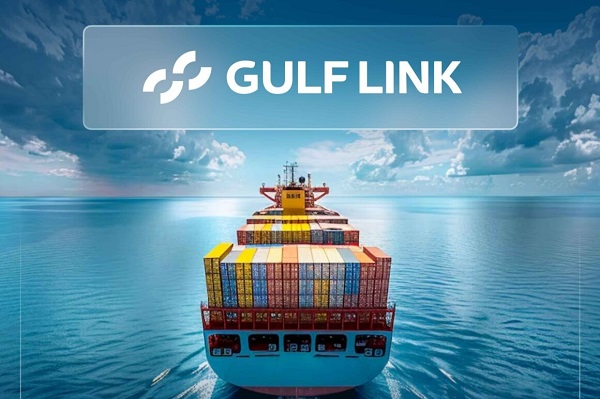
AD Ports Group has initiated operations of GulfLink Ltd, entering a strategic logistics partnership with KTZ Express, the freight arm of Kazakhstan Temir Zholy. This joint venture—51 percent owned by AD Ports and 49 percent by KTZ Express—is designed to enhance connectivity along the Middle Corridor, establishing a vital multimodal supply link between Asia and Europe.

The first shipments through GulfLink began under the leadership of regional CEO Abdulaziz Zayed AlShamsi, who described the venture as “a key link in our strategy to upgrade the Middle Corridor route through Central Asia into a major, commercial East‑West trade artery linking consumers and manufacturers in Asia and Europe”. General Director Damir Kozhakhmetov emphasised that GulfLink delivers “a new level of unique, end‑to‑end connectivity for Kazakhstan regionally and globally”.

Kazakhstan, where rail accounts for approximately 70 percent of freight transit over its 16,000 km network, is central to this development. GulfLink will bolster supply chains by integrating Kazakhstan’s rail infrastructure with routes through Pakistan, Türkiye, the Arabian Gulf and the Indian subcontinent.

As part of AD Ports’s commitment, over US $775 million is earmarked for logistics infrastructure in Kazakhstan. Planned investments include a grain terminal and a multipurpose facility at Kuryk Port, aimed at complementing GulfLink’s multimodal ambitions. The network also encompasses partnerships in Uzbekistan, and facilities on the Black and Caspian Seas via collaboration with KazMorTransFlot.

Industry analysts say GulfLink could significantly reduce China‑to‑Europe transit times. AGBI reports that the route will “cut China‑Europe transit time” by providing direct regional connectivity and bypassing the longer northern rail corridors. This enhancement aligns with global supply chain trends that favour diversification and damper dependency on any single corridor.

CEO Kamal Huseynov stated that GulfLink plans to offer “value added to customers through our relationships, the logistics resources of our shareholders, and our commitment to efficiency, innovation, seamless supply chains and optimised trade”. The venture seeks to become the operating hub for integrated rail, road, sea and air transport in Central Asia.

Reactions from regional stakeholders suggest that GulfLink’s launch may mark a turning point in Eurasian logistics. The joint venture is seen as vital in realising the potential of the Trans‑Caspian International Transport Route—an alternative to the traditional northern rail line through Russia—and is projected to attract new trade volumes via diversified pathways.

AD Ports’s existing regional presence includes a food logistics hub in Uzbekistan and maritime assets in Türkiye and Pakistan. GulfLink’s launch reinforces these assets by contributing to a cohesive network serving Europe, Central Asia and South Asia.

Multimodal trade experts suggest that the GulfLink project addresses a growing appetite among manufacturers and shippers for more resilient and politically diversified supply channels. With geopolitical uncertainties persisting along certain northern corridors, the Middle Corridor’s expansion could offer a strategically advantageous and timely alternative.

The operational phase of GulfLink has commenced with pilot shipments underway, signalling the beginning of active corridor use. AD Ports and KTZ Express intend to progressively scale the venture, adding capacity, routing regularity and service coverage over the coming months.

As GulfLink gains momentum, its success will depend on coordinated infrastructure roll‑out, regulatory alignment across transit jurisdictions, and competitive transit times compared with existing corridors. Analysts agree the venture marks a significant step toward reshaping logistics flows across Eurasia, affirming Kazakhstan’s growing prominence as a logistics hub and AD Ports Group’s strategy to establish itself as a global trade infrastructure enabler.

A once-weekly injection of Wegovy® has become available in Singapore, marking the latest step in managing obesity as a chronic disease. The product, from Novo Nordisk, is licensed for adults and those aged 12 and above who are obese or overweight with at least one weight‑related condition such as hypertension, type 2 diabetes or dyslipidemia.

The drug works by mimicking the gut hormone GLP‑1, promoting a sense of fullness and reducing food intake when combined with healthier diet and exercise regimes. Its introduction follows approval by the Health Sciences Authority on 28 February 2025 for use among adolescents with obesity—a first in the region.

Over 600,000 adult Singaporeans are classified as obese, a figure that underlines the public health urgency given the hundreds of comorbidities associated with obesity. The rollout of Wegovy® offers a medically guided therapy for a condition too often dismissed as a lifestyle issue.

Clinical experts argue obesity stems from complex biological factors, ranging from genetics to hormonal imbalances. Dr Abel Soh, chair of the Endocrine and Metabolic Society of Singapore, says, “Obesity is not simply the result of lifestyle choices—it is a medically recognised chronic disease influenced by a complex interplay of genetics, hormones and environment”.

Approval comes amid global strain on semaglutide supplies. Local clinics previously stocked Ozempic and Rybelsus and faced intermittent shortages, with expectant Wegovy® shipments deferred until 2026 according to some medical guides. Private clinics were unable to reference branded drugs until local stock arrived, due to regulatory restrictions.

Available through prescription in private settings, Wegovy® will be offered alongside diet and exercise interventions. The injectable is indicated for chronic use; ongoing physician oversight is advised. Regulatory approval includes a requirement to review treatment after 12 weeks in adolescents if BMI reduction falls below 5% on the full 2.4 mg dose.

Globally, Wegovy® was first authorised in the US in June 2021, followed by EU approval in early 2022. Earlier, in Singapore, semaglutide received approval under Ozempic’s label starting March 2023 for diabetic therapy.

The drug’s effectiveness has been supported by the STEP clinical programmes, showing average weight reductions of between 10–15% over periods of 68 to 104 weeks. Benefits extend beyond weight loss to metabolic health improvements, including lower blood pressure and decreased cholesterol.

Local uptake may mirror global patterns, where appetite suppression and metabolic regulation paired with lifestyle changes have delivered sustainable weight loss without surgery. However, supply challenges persist: healthcare providers warn that stocks may remain tight, with some expect delays or patient referrals under the Ozempic brand.

Novo Nordisk has also updated its savings programme for Wegovy®, making it more accessible to cash‑paying patients. The initiative aims to reduce financial barriers, although uptake and cost‑effectiveness will depend on real‑world pricing and insurance coverage.

Wegovy® is indicated for chronic weight management in adults and adolescents (12+) with obesity or overweight and at least one related health condition. The once-weekly injectable supports weight loss when used alongside a reduced-calorie diet and increased physical activity. The launch marks a step toward evidence-based, compassionate treatment of obesity as a chronic disease—not a personal failing. SINGAPORE – Media OutReach Newswire – 12 July 2025 – […]

CHANGSHA, CHINA – Media OutReach Newswire – 11 July 2025 – On July 8, the exhibition “Encountering Pompeii: The Eternal City” opened at the Hunan Museum’s Special Exhibition Hall 1. It is jointly organized by the Hunan Museum, Naples National Archaeological Museum, Archaeological Museum of the Campi Flegrei in the Castle of Baia, and the Collections Department of Naples University “Federico II,” with Beijing Shengxuan Cultural Group […]

By Prakash Karat The infamy that the Narendra Modi government’s foreign policy has earned in the recent period, is something that cannot be understated. On June 13, the United Nations General Assembly adopted a resolution moved by Spain calling for an immediate and unconditional ceasefire in Gaza. The resolution accused Israel of using “starvation of […]
VISHNU RAJA
RYO YAMADA
HITORI GOTOH
IKUYO KITA