Just in:

News related to
First

Israeli defence minister Israel Katz declared late on 24 June that he had ordered the Israel Defence Forces to resume “high‑intensity operations” against regime targets in central Tehran. The announcement followed allegations that Iran had launched missiles into Israeli territory, in what Tel Aviv described as a blatant breach of a United States‑mediated ceasefire unveiled just hours earlier by President Donald Trump.

Trump had proclaimed a “complete and total ceasefire” on Truth Social, explaining that Iran would halt strikes first, followed by Israel, in a phased arrangement ending after 24 hours. Within three hours of that declaration, Israel alleged that Iran launched missiles toward its southern regions, prompting Katz’s directive to strike key Iranian infrastructure.

Contradicting Israel’s account, Tehran’s ISNA student news agency denied firing any missiles post‑ceasefire. Iranian foreign minister Abbas Araghchi had earlier stated that Tehran would cease retaliatory actions—conditional on Israel halting operations by 04:00 Tehran time, a condition that purportedly lapsed minutes before hostilities were to pause.

President Trump, addressing the situation on social media, urged both nations to honour the agreement and warned against any violations, offering his oversight as guarantor of the pledge. His announcement followed the deployment of U.S. B‑2 bombers striking three Iranian nuclear sites, and a symbolic retaliatory missile strike from Iran against a U.S. base in Qatar—strikes reportedly calibrated to minimise escalation.

Despite conflicting claims, available evidence indicates a spike in missile exchanges. According to Reuters, Israel’s southern city of Beersheba was hit, resulting in at least four fatalities, while various townships experienced temporary power outages after sirens sounded across the region as Iranian missiles streaked overhead.

Tehran mourned significant civilian losses, with over 10 Israelis killed and more than 250 injured during Iran’s earlier onslaught, which included bombardments on central and southern Israeli regions. Meanwhile, Israel took credit for eliminating senior Iranian military personnel and striking strategic nuclear and missile infrastructure; Benjamin Netanyahu celebrated Israel’s success in degrading what he described as a dual existential threat posed by Iran’s capabilities.

Regionally, Qatar responded strongly, summoning Iran’s ambassador and condemning the attack on U.S. forces at Al Udeid Air Base as a violation of its sovereignty and international law. Saudi Arabia expressed hope that all parties would uphold the ceasefire and de‑escalate.

International markets reacted positively to the ceasefire’s initial announcement. Oil prices dropped, and equities rallied on optimism that the conflict in the Strait of Hormuz might ease—although the renewed strikes quickly revived fears of a wider conflagration.

Experts scrutinise the long‑term viability of the truce. Some analysts suggest installation damage to Iran’s nuclear programme may be reversible, with Iran’s leadership determined to rebuild. Others view the U.S. use of bunker‑buster bombs and Israel’s strategic targeting of Iranian deterrents as potential deterrents that may delay a rapid resurgence.

On the political front, Trump is leveraging the declared ceasefire as a foreign‑policy milestone ahead of an imminent NATO summit. Netanyahu affirmed Israel would respond forcefully to any violations. Tehran warned that its military exercise would persist unless the bombing ended, contending that it acted to “punish Israel for its aggression until the very last minute”.

As global attention turns to negotiations, Qatar’s mediation role and U.S. involvement loom large. The deal remains tentative, with both Israel and Iran accusing each other of breaking terms, and uncertainty surrounding whether Trump’s phased ceasefire timeline will endure.

Forecasts place global GDP growth at 3.2 percent for 2025, yet the United Arab Emirates is projected to expand at about 4 percent and the Kingdom of Saudi Arabia by 3 percent, with both economies expected to accelerate through to 2027. These figures mark a significant divergence from the global outlook and underscore the economic momentum building in these Gulf nations. Data from NielsenIQ indicate that both the UAE and […]

Oman will become the first Gulf Cooperation Council nation to impose a personal income tax, mandating a 5 per cent levy on individuals whose gross annual income exceeds OMR 42,000 from 1 January 2028, under Royal Decree No 56/2025. The newly enacted law, spanning 76 articles across 16 chapters, represents a historic policy shift aimed at diversifying the Sultanate’s revenue sources beyond hydrocarbons.

The Tax Authority has confirmed that this threshold renders roughly 99 per cent of the populace exempt, targeting only the top one per cent of earners. The fairness-driven approach includes deductions for education, healthcare, primary housing, zakat, charitable donations and inheritance, signalling a progressive and socially aware stance.

Finance Minister Said bin Mohammed Al‑Saqri framed the move as integral to bolstering fiscal sustainability, shielding the Sultanate from oil revenue fluctuations, and advancing Oman Vision 2040. The authority anticipates non-oil revenue will rise to 15 per cent of GDP by 2030 and 18 per cent by 2040, marking a significant realignment of economic priorities.

Preparations are well underway. Karima Mubarak Al Saadi, director of the Personal Income Tax Project, noted that the tax infrastructure—including electronic filing systems integrated with government databases—and regulatory frameworks have been established. Executive regulations are expected within a year of publication in the Official Gazette, ensuring sufficient lead‑time for implementation.

International observers see the move as part of a broader Gulf fiscal transformation. Thomas Vanhee of Aurifer Middle East Tax Consultancy commented that Oman’s decision may anticipate IMF guidance encouraging Gulf states to broaden revenue bases. While income tax may challenge the region’s historic appeal to expatriates, Gulf nations including the UAE and Saudi Arabia have already introduced VAT and corporate taxes, signalling an irreversible shift.

Analysts emphasise that the low flat rate and high exemption point strike a balance between revenue generation and retaining competitiveness. Oil revenue accounts for up to 85 per cent of Oman’s public income, and this reform is expected to reinforce fiscal buffers while maintaining social equity.

Economic research by Gulf‑based think‑tanks confirms that the tax’s fiscal impact is modest, contributing under 1 per cent of GDP initially, but holds strategic value in funding non-hydrocarbon sectors such as education, healthcare, housing and social safety nets. For investors, the tax signals enhanced fiscal resilience and potential stability in public financing.

Despite the progressive rollout and social safeguard measures, policy challenges remain. The effective administration of personal income tax will demand efficiency, public awareness and compliance. Authorities appear to have addressed this proactively, expanding staff training and preparing guidance materials for both individuals and businesses.

Free shuttle network connects to Disney, KOOZA, and transport hubs, while baby gear rentals and kid perks turn stays into seamless adventures HONG KONG SAR – Media OutReach Newswire – 24 June 2025 – This summer, experience Hong Kong’s most anticipated events from the award-winning 4.5-star Dorsett Wanchai, Hong Kong. Strategically located to provide family travellers with unparalleled convenience, the hotel not only offers the iconic Hong […]

ByteDance has unveiled “Dolphin”, an OCR model released under an MIT licence designed to revolutionise document processing by combining layout analysis and parsing in a unified workflow. This new tool is poised to enhance accuracy and adaptability across complex document types, marking a major advancement in optical character recognition. Dolphin operates by first analysing the document layout—identifying paragraphs, tables, figures and formulas—and then parsing each section in […]

Startup founders drained by endless pitch decks, venture capital ghostings, or hallucinating LLMs may still be better off than those feeling stuck in joyless desk jobs. According to a wave of AI entrepreneurs and mental health observers, the strange cocktail of risk, creativity, and irrational optimism that drives many toward launching doomed startups could actually be a viable—if unconventional—antidote to existential malaise. Rather than seeing the creation […]

A team from the Directorate General of Civil Aviation will conduct a comprehensive annual audit of Air India from 24 to 26 June, intensifying focus on the carrier’s operations and compliance following the June 12 crash of Flight AI171 in Ahmedabad, which claimed nearly 280 lives. Though scheduled independently of the crash, the audit arrives as inspectors scrutinise the airline’s operational documents, cabin safety protocols, and historical audit responses.

Leading the review will be Deputy Chief Flight Operations Inspector Adhiraj Yadav and a team of ten officials, including two cabin safety experts. The inspection will span documents on airworthiness, crew training and flight duty records, and previous non-compliance action plans. The DGCA has emphasised mandatory presence of key Air India executives during the audit.

The audit takes place against a backdrop of mounting regulatory intervention. In late May, a DGCA inspection found that three Airbus jets in Air India’s fleet flew without timely safety checks on their emergency slides—one A320 had a check more than one month overdue, and one A319 was delayed by over three months. The regulator issued formal warnings and described the delayed compliance as evidence of “weak procedural control and oversight”.

Further compounding matters, the DGCA last Saturday issued a stern warning for repeated and serious pilot duty scheduling violations, instructing the removal of three crew-scheduling executives. Air India has indicated it has acted on the directive.

These developments follow intensified inspections of all 33 Boeing 787s in Air India’s fleet. While initial findings revealed no major safety defects, 24 aircraft had already undergone enhanced inspections by mid-June, with the remainder scheduled to complete the checks shortly. The comprehensive checks contributed to delays and cancellations across wide-body operations, with a downturn in route availability pegged at around 15 percent through mid‑July.

Experts suggest that this layer of oversight reflects a strategic shift by the DGCA toward “360-degree” evaluations, broadening beyond routine audits to include airlines, airports, maintenance organisations, training institutes and ground services. Officials describe this as a coordinated effort to fortify the aviation ecosystem after safety deficiencies surfaced in recent months.

In response, Air India has emphasised that it is accelerating its internal compliance efforts, including extensive verification of maintenance records and ensuring escape-slide checks are up to date. The airline maintains that its aircraft—particularly the ill-fated Boeing 787-8—were “well maintained” and crews were suitably experienced.

The crash of Flight AI171 involved a Boeing 787-8 Dreamliner registered VT‑ANB, which lost thrust after take-off and impacted a hostel block at B.J. Medical College shortly after clearing the runway. Only one passenger survived, while at least 39 people were killed on the ground. Both UK and US authorities are supporting the investigation, which is examining technical and procedural factors such as engine performance, hydraulic systems, flap configuration and crew training.

Tata Group, which assumed ownership of Air India in 2022, has urged staff to treat the disaster as a “turning point” in rebuilding a safety-first culture. Its strategic investments have included more than US $70 billion in new aircraft orders, infrastructure upgrades and a full-scale rebranding effort. Analysts caution, however, that restoring public trust hinges on tangible improvements in operational discipline and compliance.

The DGCA audit will therefore not only evaluate existing compliance but also test if Air India’s corrective processes are thorough and permanent. Given recent warnings and the complexity of the current probe, expectations are high that the audit’s findings could shape a longer-term regulatory approach to aviation safety in India.

Advertisements
By Nantoo Banerjee It may be wrong to believe that Israel and the United States of America are the only two countries strongly against Iran’s bid to become a nuclear-armed country. The entire world is concerned about nuclear proliferation and nuclear smuggling and its falling into the wrong hands. The nature of the Iranian regime […]

A novel method from Rice University scientists means electrochemical CO₂ conversion devices can now run more than 50 times longer thanks to a simple yet effective switch in their humidification process. By bubbling carbon dioxide through a gentle acid—such as hydrochloric, formic or acetic—the team has prevented blockages that previously cut runtimes to mere hundreds of hours. Electrochemical CO₂ reduction systems traditionally suffer from salt buildup. Potassium […]

OKX is considering a US initial public offering following its April relaunch in America, which came after the exchange paid a total of $505 million to settle Department of Justice charges for operating without a money-transmitting licence. The settlement comprised an $84 million fine and the forfeiture of $421 million in earnings, predominantly drawn from institutional activity.

The Seychelles-based platform formally pleaded guilty to US anti‑money‑laundering and Know Your Customer deficiencies, marking a significant compliance turnaround. Its re-entry strategy included appointing Roshan Robert, former Barclays director, as its US CEO and establishing a regional headquarters in San Jose, California. The focus is on a phased rollout of a centralised exchange and the OKX Wallet, which supports 130 blockchains and a DEX aggregator with access to more than 10 million tokens.

Insiders suggest that buoyed by regained US compliance and growing user demand, OKX is now assessing an IPO as early as the first quarter of 2026. Such a move would mark its shift from a privately held crypto entity to a publicly accountable company, increasing transparency and potentially assuring investors and regulators alike of its commitment to best practice.

Industry observers note that OKX’s ambition aligns with broader trends in the crypto space. Rivals such as Coinbase underwent similar transitions, leveraging IPOs to enhance visibility and unlock capital for product development. OKX’s path, however, is distinguished by its heavier regulatory baggage and the scale of its US re-entry, which could either strengthen its credibility or raise fresh scrutiny.

Market analysts highlight several factors that could influence the success of an IPO. These include OKX’s ability to sustain compliance upgrades, the performance of its US exchange and wallet division, and the overall sentiment in financial markets towards regulated crypto firms. The firm’s leadership anticipates that demonstrating stringent compliance and deep liquidity will be pivotal in securing investor confidence.

According to statements from OKX’s Star Xu, the exchange aspires to become “the gold standard of global compliance at scale,” an ambition underscored by its decision to engage a compliance consultant post‑settlement.

The timing of the potential IPO is crucial. Market conditions in early 2026 will determine valuation and investor appetite, particularly if macroeconomic headwinds or equity market volatility persist. OKX will also compete for attention with other crypto entrants, including those preparing to go public or seeking regulatory approval for spot Bitcoin ETFs.

OKX insiders stress that success hinges on execution in several areas: maintaining licence approvals in multiple jurisdictions, expanding US user adoption, and integrating fiat ramps to bolster accessibility. The San Jose hub is positioned as a central node for regulatory engagement, staff expansion, and innovation, with the US team reportedly growing aggressively since April.

Should OKX proceed with an IPO, it will signal a full-circle moment—from prosecution and penalties to listing on a major US exchange. The move would also put it in direct competition with publicly traded peers, raising expectations for quarterly reporting, rigorous audits, and adherence to US securities law.

Regulators will likely scrutinise OKX’s filings, probing its past compliance gaps and evaluating its new internal controls. Investors and analysts will examine user metrics, trading volumes, fee structures, and the viability of the wallet service as revenue drivers. The success or failure of OKX’s US debut could shape the narrative for other non-US crypto exchanges contemplating public listings.

A fully overhauled six‑bedroom villa in Arabian Ranches 2 has sold for AED 14.5 million, establishing a new sales record for the community. The property, refurbished by Dubai-based firm DMDC, went under offer at a premium price thanks to an aesthetic blending minimalist design with luxury fittings—a move that signals growing appetite for turnkey high-end homes in the suburb. The home occupies a generous 7,543‑sq ft plot and boasts two […]

An Estonian-based blockchain project is upending traditional cryptocurrency mining by enabling everyday mobile users to mine Bitcoin Solaris via a smartphone app. The Solaris Nova App, currently in its private beta, allows earning tokens through adaptive, low‑energy background processes—sidestepping the need for ASIC rigs and high electricity costs.

The platform combines conventional Proof‑of‑Work with Delegated Proof‑of‑Stake, boasting energy efficiency nearly 99.95% lower than Bitcoin yet capable of processing over 10,000 transactions per second with two‑second finality. It includes built‑in wallet features, real‑time analytics, gamified leaderboards and a marketplace for leasing computational power, aiming for a secure but user‑friendly experience.

Engagement has surged. Over 11,500 users have joined the presale, contributing more than $5 million, at an average price of $8 a token, with scheduled price increases to $9 ahead of a $20 launch value. Phase 7 is underway, confirming momentum as the project enters its final presale phase.

Independent audits from Cyberscope and Freshcoins, plus KYC verification, reinforce security credibility. Market analysts such as Ainvest note the platform’s one‑tap mining and liquid staking features as transformational for retail traders.

Bitcoin Solaris’s dual‑layer architecture merges SHA‑256 Proof‑of‑Work with a high-speed Delegated Proof‑of‑Stake layer. This enables smartphone‑based mining via the Nova App, steering the network’s validation duties to unused storage and CPU cycles—a model described as authentic on-chain participation rather than gamified simulation.

Device‑level mining accommodates Android, iOS, desktop and browser setups. It adjusts load according to hardware: simpler algorithmic backend for phones, scalable tasks for laptops. Energy consumption remains negligible compared to traditional setups. These advancements allow earning BTC‑S tokens immediately, even enabling leasing of computing capacity via smart contracts, and fostering deeper DeFi involvement through liquid staking.

Tokenomics emulate Bitcoin’s scarcity: 21 million total tokens, with 66.7% allocated to mining over 90 years, 20% set aside for presale, and 5% for liquidity. Early presale investors also access bonus slots—up to 10% in earlier phases—highlighting the company’s emphasis on accessible wealth-building.

Crypto commentators highlight its egalitarian potential. Coin World describes it as aimed at making mining accessible to average traders. Analytics Insight suggests mobile mining is generating a wave of new crypto millionaires. Observers such as Crypto Nitro, Crypto Infinity and Crypto Show emphasise its blend of energy efficiency with scalability and inclusivity.

Technical infrastructure rests on security measures, including zero‑knowledge proofs, rotating smart validator sets and continuous audits. Developers argue this permits afforded decentralisation without sacrificing speed or integrity.

Operationally, the project is on a tight timeline: the private beta is active, presale entering its final stage, and full exchange listing expected by July–August. Marketing strategies include referral bonuses, token rewards and daily spins, designed to sustain engagement as broader exposure looms.

Critics note that presale hype may inflate expectations and urge diligence. But Bitcoin Solaris counters with transparent audits, robust KYC, and smart contract evidence of functioning architecture. The simplicity of an app‑based mining system breaks from older models that few retail users can access profitably.

Industry significance could be profound. By transforming everyday devices into contributors to blockchain consensus, Bitcoin Solaris substantially lowers barriers. This may redefine early‑phase crypto wealth dynamics, where first movers historically held advantage via specialist mining investments.

As global attention turns to scalable, eco‑conscious blockchain models, Bitcoin Solaris positions itself at the intersection of accessibility and utility. With the Nova App reaching beta testers and node count rising, the platform is providing tangible participation alternatives for small investors.

João Almeida secured the general classification at the Tour de Suisse on 22 June, overpowering Kevin Vauquelin in a commanding mountain time trial, while Filippo Baroncini clinched his first overall win at the Baloise Belgium Tour on the same day. The victories mark a milestone weekend for UAE Team Emirates‑XRG, pushing its season tally to a record-breaking 50 wins.

Almeida, wearing the yellow jersey, staged a remarkable turnaround during the 10.1 km ascent from Beckenried to Stockhütte. Starting the final stage 33 seconds behind Vauquelin, he posted a blistering 27:33—beating the Frenchman by 1:40 and sealing the victory by a 1:07 margin. His performance ensured he not only claimed the overall title but also the points jersey.

The Tour de Suisse had already seen Almeida recover from an early setback—losing over three minutes on stage one—by capturing stage four and seven victories, and grinding out bonus seconds during stage seven to stay within reach. The final time trial confirmed his status as one of the WorldTour’s most consistent climber–time‑trial specialists.

Baroncini’s triumph at the Baloise Belgium Tour marked his debut general classification success. He topped the podium with a slender four-second lead over Ethan Hayter, after a tactically astute five‑stage campaign. Baroncini’s consistency in the Ardennes-style terrain and strategic riding during the Golden Kilometre bonus sprints proved decisive.

These wins reflect a broader surge in form across the Emirati team. With Almeida’s mastery in time trials and mountain terrain, complemented by Baroncini’s emergence in hilly classics, the squad demonstrates depth and versatility—especially crucial as attention now turns to the Tour de France.

Analysts highlight that Almeida parlayed a challenging start into a commanding campaign by dominating critical stages and leveraging team support. He paid tribute to his riders and staff after stage seven, noting that every second counted and his boost in morale hinged on teamwork.

Baroncini, meanwhile, operated quietly yet effectively—conserving energy and nabbing time bonuses without making headlines until the final standings were published. His victory signals maturity beyond a first-time winner; his profile suggests he could emerge as a versatile contender in mountainous races later this season.

UAE Team Emirates‑XRG, under the stewardship of General Manager Mauro Gianetti and Team Manager Matxin Fernández, stands third in the UCI WorldTeam rankings this season, boasting eight overall stage‑race victories and seventeen individual stage wins. Tadej Pogačar has led the charge with seven wins, yet Almeida and Baroncini are edging into prominence.

The team’s momentum also offers tactical flexibility for the upcoming Tour de France, where Almeida is expected to support Pogačar, and Baroncini may be deployed in breakaways or mountain stages. Their successes in Switzerland and Belgium send a clear signal: UAE Team Emirates‑XRG will field a multi‑faceted and potent challenge in the Grand Départ.

U.S. military jets attacked three uranium-enrichment facilities in Iran—Fordow, Natanz and Isfahan—after President Trump authorised a precision bombing campaign targeting underground shafts, marking a significant escalation in efforts to curb Tehran’s atomic ambitions. Trump asserted that the installations were “totally obliterated” following deployment of B‑2 stealth bombers armed with GBU‑57 bunker‑buster munitions. Pentagon officials confirmed this was the first operational use of Massive Ordnance Penetrators.

Satellite imagery shows craters at Fordow and Natanz, alongside signs of collapsed tunnel entrances and surface damage. Yet analysts caution that subterranean caverns may remain intact. One crater at Natanz measured approximately 5.5 metres across, and a large support structure at Fordow appeared untouched. The International Atomic Energy Agency has reported no detectable increase in off‑site radiation but acknowledges an inability to evaluate underground facility damage.

Destruction of declared nuclear infrastructure may impair Iran’s enrichment capabilities temporarily, but it adds complexity to monitoring efforts. The strikes have disrupted IAEA inspectors’ routine inspections and scattered environmental samples, weakening the agency’s ability to conduct forensic analysis. Former IAEA official Robert Kelley warned that bomb‑strewn sites render isotopic sampling nearly impossible, complicating accurate uranium accounting.

On diplomatic and military fronts, the strikes have triggered serious concern. Russia’s Deputy Foreign Minister characterised global tensions as “millimetres” from the brink of nuclear confrontation. Iran’s leadership, including foreign minister Abbas Araghchi, condemned the attacks as “lawless aggression,” and pledged proportionate retaliation. Iranian state media reported missile defence operations over Tehran and Karaj, while the Islamic Revolutionary Guard Corps warned U.S. bases in the region may face “regrettable responses”.

Allies have issued mixed reactions. Australian foreign minister Penny Wong backed the action as a move to prevent weaponisation, though she also called for a halt to hostilities and a return to diplomacy. In Washington, lawmakers are divided: some Republicans applaud the airstrikes, while Democratic leaders criticise the unilateral decision absent congressional authorisation.

Despite military claims of success, experts caution that bombing cannot permanently dismantle Iran’s nuclear infrastructure. A 2025 Reuters analysis noted that even well-targeted airstrikes would likely result in only temporary delay, with underground facilities concealing critical components and technical expertise intact. The IAEA’s upcoming board meeting in Vienna is expected to address both the fissile-material disruption and the challenge of rebuilding effective verification.

Iran had responded to earlier IAEA censure by announcing a new enrichment site and upgrading centrifuges at Fordow, deepening concerns over progress toward weaponisation. By mid‑June, the agency confirmed that Iran held approximately 409 kg of 60 percent enriched uranium—enough for several warheads if further refined.

Military strategists believe that while Israel’s campaigns damaged above‑ground infrastructure, only the U.S. possessed the capability to strike buried facilities effectively. But even with advanced bunker‑busters, Fordow remains a tough target; Israel earlier claimed it could strike the site independently, though many experts doubted that it had the means to deliver sufficient penetration.

Operation “Midnight Hammer,” as it is reportedly codenamed, has bolstered military deterrence, yet it may harden Iran’s resolve. Observers warn that Tehran is likely to deepen its program underground, reduce transparency, and accelerate its nuclear pursuits outside of IAEA oversight.

Amid rising hostilities, diplomatic overtures remain faint. Iranian and U.S. envoys were scheduled to meet in Oman, while Araghchi was set to confer with Russian counterparts in Moscow. The IAEA board’s deliberations in Vienna may prove a critical venue for negotiating how to restore inspections, assess nuclear inventory, and potentially revive diplomacy.

Analysts stress that without sustained oversight, military strikes risk igniting an arms race. Uranium shields buried deeper, veiled by bomb damage, could reemerge in new sites—potentially accelerating forceful advances outside the scrutiny of Western intelligence.

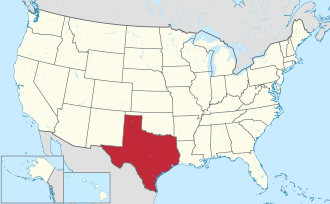
Texas Governor Greg Abbott has enacted Senate Bill 21, empowering the creation of the Texas Strategic Bitcoin Reserve, making it the third US state to legislate a formal Bitcoin reserve following Arizona and New Hampshire. For the first time among its peers, Texas will finance this dedicated fund with public money, distinguishing it from Arizona’s and New Hampshire’s models.

Under the terms of SB 21, the reserve will operate independently of Texas’s treasury and be managed by the Texas Comptroller of Public Accounts, guided by an advisory committee of crypto investment professionals. Only assets with an average market capitalisation exceeding US $500 billion over two years qualify for inclusion—Bitcoin currently stands alone in meeting that benchmark. The fund’s flexibility extends to growth through forks, airdrops, investment returns and public donations, with biennial public disclosures required.

Companion legislation, House Bill 4488, shields the reserve from routine transfer into the general revenue fund and ensures its legal continuity regardless of whether it holds Bitcoin by summer 2025. The Senate passed SB 21 by 25 votes to 5, and the House by 9 to 4; the law will take effect on 1 September 2025.

Proponents frame the reserve as a strategic hedge against inflation and economic volatility, aligning with Texas’s broader approach to diversify its assets. Senator Charles Schwertner, the bill’s author, observed that if the state can invest in gold or land, it should also have the option to invest in Bitcoin—“the best-performing asset of the last 10 years”.

Governor Abbott has been a vocal supporter of cryptocurrency integration, remarking last year that Texas was already home to crypto mining and “should become the crypto capital”. The inclusion of a state fund aligns with his pro-crypto stance and the passage of HB 4488, which he signed shortly after, enhances the law’s stability.

Texas’s approach diverges notably from Arizona and New Hampshire. Arizona’s law permits establishment of a reserve but prohibits spending public funds on asset purchases, whereas New Hampshire enables investment through the treasury—but neither allocates separate, publicly funded funds. By committing public funds and creating a segregated structure, Texas establishes a more robust and intentional framework.

Financial analysts and policymakers have reacted with a mixture of cautious interest and concern. While some view the move as a progressive diversification strategy, sceptics warn of Bitcoin’s price volatility and uncertain long-term value. Reports from the European Central Bank and ECB president have criticised similar shifts by US governments, saying they could undermine monetary sovereignty and disrupt digital euro initiatives. Meanwhile, a February 2025 University of Chicago economist survey found no consensus that borrowing to fund a crypto reserve would be beneficial.

Globally, the action has prompted varied governmental responses. Belarus has emphasised crypto mining; South Korea and Switzerland have explicitly rejected adding Bitcoin to central reserves, citing volatility; India has announced it is reassessing its crypto stance in light of global shifts.

The legislative milestone occurs amid mounting institutional interest in Bitcoin. Public companies such as MicroStrategy, Marathon Digital and Tesla continue to invest heavily, contributing to a surge in corporate holdings—more than 819,000 BTC held across 223 firms, representing nearly 3.9 per cent of total supply. Notable large-scale investments have included Paris-listed The Blockchain Group’s purchase of 182 BTC for US $19.6 million, and Nakamoto Holdings securing US $51.5 million via PIPE funding for further Bitcoin acquisitions.

Patients Demonstrate Significant Knowledge Gaps in Treatment Options, Leading to Lost Hope and Treatment Discontinuation Over 70% of Vitiligo Patients Desire Skin Repigmentation; New Topical Therapy Introduced in Hong Kong Shows Encouraging Results HONG KONG SAR – Media OutReach Newswire – 22 June 2025 – In observance of World Vitiligo Day (June 25), Hong Kong Vitiligo Support Group has released findings from its latest “Hong Kong Vitiligo […]

The United Arab Emirates will integrate its National Artificial Intelligence System into the highest levels of government from January 2026. The system will serve as an advisory member of the Council of Ministers, the Ministerial Development Council, and the boards of all federal entities and government-owned companies. Its mandate includes supporting decision-making, providing real-time analysis, offering technical advice, and enhancing policy efficiency across every sector.

Dubai’s ruler and UAE Prime Minister, Sheikh Mohammed bin Rashid Al Maktoum, made the announcement on 20 June, emphasising that the world is undergoing “comprehensive transformation—scientifically, economically and socially.” He underscored that the move is intended to prepare the country for future challenges and to “ensure continued prosperity and a dignified life for future generations”.

This development builds upon the UAE’s decade‑long focus on artificial intelligence, which began with the appointment of Omar Sultan Al Olama as the world’s first Minister of State for Artificial Intelligence in October 2017. In early 2019, the National Artificial Intelligence Strategy 2031 was launched, setting the ambition to position the UAE as a global AI leader by 2031. Subsequent milestones include the founding of the Mohamed bin Zayed University of Artificial Intelligence in 2019 and Abu Dhabi’s Digital Strategy 2025‑2027, which aims to establish a fully AI‑powered government by 2027.

Analysts suggest that embedding the AI system at ministerial and federal‑company levels could accelerate data‑driven governance, reduce bureaucratic lag, and foster greater inter‑departmental cohesion. One Gulf Business commentator noted that the AI system would “enhance the efficiency of government policies adopted… across all sectors”. However, questions remain over oversight and transparency mechanisms, especially as the system begins analysis in real time.

International observers view the UAE’s strategy as part of a wider push by governments to use AI in public administration. Examples include Japan’s smart city prototype “Woven City” and various national AI offices globally. Still, no other nation has yet placed an AI inside its cabinet with ministerial‑level access.

Experts highlight both promise and peril. Proponents argue the system’s analytical speed can help identify emerging economic, environmental, and public health challenges before they escalate. Critics, however, caution that AI must be complemented by human judgment to avoid embedding algorithmic bias or over‑reliance on model outputs. Ethical guidelines—such as transparency, accountability, and fairness—will need to be codified and enforced to mitigate these risks.

Practical implementation looms as another challenge. Seamless integration into federal bodies and government companies will require significant investment in digital infrastructure, staff training, and inter‑agency coordination. These tasks fall within the remit of the Minister of State for AI, Digital Economy and Remote Work Applications, Omar Sultan Al Olama, who has spearheaded the country’s AI strategy since 2017.

As part of a broader governance overhaul, Sheikh Mohammed also announced the launch of a dedicated Ministry of Foreign Trade, led by Thani bin Ahmed Al Zeyoudi—and the renaming of the Ministry of Economy to the Ministry of Economy and Tourism under Abdullah bin Touq Al Marri.

The government asserts that the AI system will augment human capacity without replacing it, and that final decisions on strategy and policy will remain with elected or appointed officials. Mechanisms to monitor AI‑led inputs and outcomes are expected to be announced before the system’s January 2026 launch, according to insiders.

A British Royal Navy F‑35B Lightning II remains immobilised at Thiruvananthapuram International Airport after declaring an emergency on 14 June. The pilot reported low fuel amid rough sea conditions over the Arabian Sea before the jet, deployed from HMS Prince of Wales during the Indo‑Pacific Operation Highmast, touched down at 21:28 IST. The Indian Air Force’s Integrated Air Command and Control System coordinated the diversion alongside civilian air traffic control, declaring a full-scale emergency to ensure safe handling.

Initial refuelling took place on Sunday under IAF supervision, but the aircraft could not return to the carrier due to a hydraulic system failure. Royal Navy technicians arrived via helicopter from the carrier that night and began repair operations, but their efforts remain unsuccessful six days on. Additional British and American technical personnel—possibly including Lockheed Martin experts—have since taken charge, while a larger maintenance team is expected. If repairs remain inconclusive, the jet may be airlifted back aboard a military transport aircraft.

Valued at over $100 million, the F‑35B represents one of the world’s most advanced and expensive combat aircraft, equipped with short take‑off and vertical landing capability, stealth design, networked sensors, and naval adaptability. Its unscheduled landing in India highlights both the logistical complexities of advanced military aviation and the robust coordination between allied forces.

Security protocols have been stringent. The aircraft is stationed in Bay 4 under armed Central Industrial Security Force guard. The British team rejected offer to relocate it to a civilian hangar or protective shed, citing confidentiality concerns over sensitive systems, and insisted on repairs in open view under controlled conditions. Meanwhile, Royal Navy personnel, including the pilot and technicians, remain onsite with food and lodging provided by airport authorities, with Indian teams facilitating logistics throughout.

The incident marks the first unscheduled landing of a foreign-manufactured F‑35 on Indian territory and comes amid growing UK‑India defence cooperation. The jet had been flying as part of joint maritime exercises, including PASSEX drills with INS Tabar and other British ships in the northern Arabian Sea on 9–10 June. Analysts have noted the deployment underscores interoperability and strategic alignment between both nations, rather than any response to Middle East tensions.

Within 48 hours of landing, the aircraft had been refuelled and initially positioned for departure. However, the discovery of hydraulic malfunction extended its stay, prompting the dispatch of specialists from the UK and the US. Defence officials confirmed that the jet could be repatriated on a cargo plane if ground repairs remain unfeasible.

The episode has drawn public attention not only for its rarity but also for the international coordination displayed. Local observers are closely watching developments, while military commentators underscore the necessity of emergency recovery airfields like Thiruvananthapuram for carrier-based operations during unpredictable monsoon-season weather.

As of 20 June, the jet remains on the tarmac, awaiting either restoration or return via air transport. With a multinational technical team now assembled, a departure window is expected later this week—subject, of course, to successful hydraulic repair and formal clearances under Indian aviation protocols.

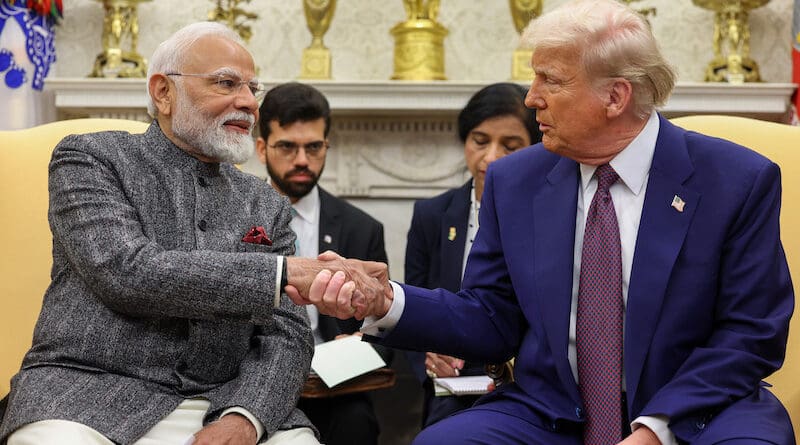
By K Raveendran Last week shattered any lingering illusions about the supposedly robust camaraderie between Prime Minister Narendra Modi and former U.S. President Donald Trump—a relationship that had been paraded for years as emblematic of India’s rise on the global stage. The myth of a strategic friendship, carefully choreographed across Howdy Modi rallies and effusive […]

The University of Dubai and the Artificial Intelligence Journalism for Research and Forecasting have unveiled the Arab AI Researchers initiative, marking the first pan‑Arab programme dedicated to training academics in artificial intelligence for research and teaching. The launch aligns with efforts to implement the Arab Index for Artificial Intelligence in Universities, announced in May 2024, and formalised at the 5th Artificial Intelligence Journalism World Forum in Sharjah earlier this year.

President of the University of Dubai, Dr Eesa Al Bastaki, explained that AAIR responds to a growing call for universities in Arab states to embed AI into scholarly work and curricula. He noted that the programme reflects the aim of the AIU, which benchmarks integration across six domains: curriculum design, faculty capabilities, smart laboratory infrastructure, student proficiency, research output, and global partnerships.

Dr Saeed Al Dhaheri, Director of the Centre for Futures Studies and President of the AIU, emphasised the initiative’s breadth. “AAIR offers specialised training to integrate AI across all academic tiers,” he said, underscoring the programme’s ambition to reach a wide academic audience across the Arab world. That ambition gains momentum in tandem with AIJRF’s global training portfolio of more than 120 courses and over 20 active AI initiatives, which includes the annual AIJWF and the GAIJI index.

Under the leadership of AIJRF’s CEO Dr Mohamed Abdulzaher, AAIR will offer a free, accredited training programme conducted thrice yearly. Each session will involve four days of intensive instruction—totalising 15 practical hours—for approximately 150 participants. Graduates, upon submission of a project, will receive certification jointly from AIJRF, the University of Dubai and cooperating institutions. Dr Abdulzaher emphasised the programme’s dual focus: practical AI tool use in research and instruction that covers emerging pedagogical approaches such as smart classrooms, automated assignments and AI‑generated project frameworks, underpinned by ethical guidelines.

Experts highlight the significance of AAIR against a backdrop of evolving demand for localised AI capacity in the region’s higher education sector. Gulf News records that the Arab Index for AIU initially pioneered this area by evaluating Arab universities on their strategic integration of AI into humanities and theoretical sciences, spanning institutions from Morocco to Qatar. This quantitative benchmarking now finds practical implementation through AAIR.

The initiative affords multiple strategic gains. It aims to develop an Arab‑centred community of practice in AI, offer Arabic‑language curricular resources, and foster collaborations among universities, research centres and technology providers. Policy experts suggest that by nurturing such ecosystems, the region can more accurately reflect its socio‑cultural context in AI tools and methodologies.

AAIR also responds to economic and educational drivers. UAE government-backed surveys estimate the Arab educational sector will expand rapidly alongside digital acceleration, yet critical gaps remain in Arabic‑language AI content and smart infrastructure. By empowering faculty and students alike, AAIR seeks to deepen the region’s AI talent pool and sustainability.

Formative metrics indicate uptake: AIJRF announced an AAIR target of training 500 academics during the first phase, with enrollment details shared via LinkedIn and public briefings. Dr Abdulzaher credits the partnership between University of Dubai, AIJRF, and other institutional collaborators for enabling broad access to the programme.

Still, the initiative faces challenges inherent to regional adoption. Previous AI integration efforts highlight logistical barriers—such as uneven access to AI‑equipped labs, variable levels of faculty digital literacy, and limited Arabic AI datasets. AAIR’s focus on standardisation and community‑based learning aims to alleviate such bottlenecks.

Industry observers are tracking AAIR’s impact on research and higher education closely. Stakeholders expect ripple effects, including: greater academic publication in AI‑focused journals; the emergence of Arab‑context AI pedagogies; enhanced employability of STEM graduates with real‑world AI experience; and institutional impetus to invest in smart infrastructure.

The AAIR launch also complements AIJWF’s wider initiatives, including the Human Talents vs Gen‑AI Challenge introduced at the 5th edition in April at American University of Sharjah. Collectively, these initiatives contribute to a regional strategy to navigate the Fourth and Fifth Industrial Revolutions, with emphasis on generative AI and its socio‑economic consequences.

Toyota Motor Corp has confirmed that it will increase the prices of selected Toyota and Lexus models sold in the United States by an average of US $270 and US $208 respectively, with the changes taking effect in July 2025. The pricing adjustment comes as part of Toyota’s standard price‐review cycle, the company emphasised, rather than a direct response to the higher US import tariffs on vehicles and auto […]

Phagos, a Paris‑based biotech startup, is deploying an artificial‑intelligence model built on Amazon Web Services to accurately match bacteriophages with antibiotic‑resistant bacterial strains. This development marks a pivotal shift from arbitrary trial‑and‑error methods to precision medicine in combating infections that claim an estimated one million lives annually. The challenge of antibiotic resistance has spurred Phagos, co‑founded by microbiologist Adèle James and economist Alexandros Pantalis, to pursue alternative […]

Matein Khalid The India-Pakistan war in May and the Iran-Iraq war that rages as I write only reinforces my conviction that wars will be won or lost via a access to the latest missile air defense, stealth fighter jet platforms, ballistic hypersonic missile, power projection capabilities and state of the art ISR (intelligence surveillance reconnaissance) defense technologies. A nation without these capabilities is akin to a Stone […]

Aldar has secured over AED 3.5 billion in sales during the initial launch week of its Fahid Beach Residences and The Beach House on Fahid Island, underscoring strong demand for the developer’s new coastal wellness vision. Sales encompass a mix of 1- to 4‑bedroom apartments, townhouses and penthouses, with prices starting from around AED 3 million for residential units, and represent a pivotal milestone for the island’s debut as Abu Dhabi’s […]

VISHNU RAJA
RYO YAMADA
HITORI GOTOH
IKUYO KITA