News related to
Operations

By leveraging each other’s strengths, both companies aim to break new ground and plant flags in destinations where they have yet to have a presence. BANGKOK, THAILAND – Media OutReach Newswire – 29 August 2024 – Dusit Hotels and Resorts, the hotel arm of Dusit International, one of Thailand’s leading hotel and property development companies, and Generator and Freehand Hotels, an award-winning developer and operator of experiential […]

Jebel Ali Port in Dubai has achieved its highest container throughput in a single month since 2015, marking a significant milestone for the UAE’s maritime industry. This surge comes amid a notable increase in non-oil foreign trade, driven by the nation’s strategic economic partnerships. The port’s container handling reached unprecedented levels, surpassing previous records and reflecting a robust growth trajectory in trade activities. This spike in volume […]

Dubai is elevating its tourism sector by integrating cutting-edge technologies and sustainable practices. The city is leveraging artificial intelligence (AI), virtual reality (VR), and eco-friendly initiatives to create immersive and environmentally conscious experiences for visitors.

AI-driven technologies are playing a pivotal role in personalizing tourist experiences. From chatbots providing instant assistance to predictive analytics enhancing travel recommendations, AI is transforming how visitors interact with the city. For instance, Dubai’s tourism apps now use AI to tailor suggestions based on user preferences and behavior, offering customized itineraries and real-time updates.

Virtual reality is also revolutionizing how Dubai showcases its attractions. The Dubai Tourism Board has launched VR experiences that allow potential tourists to explore landmarks and cultural sites before arrival. These immersive previews are designed to enhance engagement and interest, potentially increasing actual visitation rates. VR tours of iconic spots like the Burj Khalifa and Dubai Mall provide a glimpse into the grandeur and excitement of the city from anywhere in the world.

Sustainability is a core focus in Dubai’s strategy to improve tourism. The city is implementing green technologies and practices to minimize its environmental impact. Eco-friendly transport options, including electric buses and bike-sharing programs, are becoming more prevalent, offering tourists a greener way to explore the city. Additionally, sustainable building practices are being adopted in new developments, ensuring that tourism infrastructure aligns with environmental goals.

The integration of AI and VR technologies is not only about enhancing the visitor experience but also about streamlining operations for businesses in the tourism sector. AI is being used to optimize resource allocation and manage visitor flows more effectively, which can improve overall service quality and operational efficiency.

Dubai’s efforts in embracing these technologies reflect its ambition to remain a leading global destination while addressing contemporary challenges such as environmental sustainability. The city’s proactive approach in combining technological advancements with sustainable practices positions it as a model for other destinations aiming to enhance their tourism sectors.

As Dubai continues to innovate and adapt, it is expected that these technological and sustainable advancements will further solidify its reputation as a premier travel destination. The city’s ongoing commitment to integrating AI, VR, and green practices highlights its dedication to providing exceptional experiences for visitors while promoting environmental stewardship.

GoDaddy, a leading domain registration and web hosting company, is under legal scrutiny for allegedly reversing domain purchases under questionable circumstances. The lawsuit, filed by a prominent tech entrepreneur, claims that GoDaddy unlawfully reclaimed a domain after it had been legally purchased and renewed. The controversy centers around the domain “exampledomain.com,” which was initially acquired by the plaintiff in a transaction completed in January. According to the […]

A clandestine figure identified as ‘Hector’ has emerged as a pivotal player in the Iranian oil trade, reshaping the global energy landscape. Operating under a veil of secrecy, Hector has orchestrated a complex web of transactions that challenges conventional oil market dynamics.

Hector’s influence extends across various regions, with reports indicating a sophisticated network facilitating the clandestine export of Iranian oil despite international sanctions. This network has reportedly employed innovative methods to bypass restrictions and maintain a steady flow of oil to markets that are otherwise difficult to penetrate.

A recent investigation unveiled that Hector’s operations involve an intricate system of shell companies and intermediaries. These entities, often based in jurisdictions with lax regulatory frameworks, obscure the true origin of the oil, allowing it to enter the global market without direct association with Iranian sources. This method not only aids in evading sanctions but also helps in maintaining competitive pricing, which has disrupted established market equilibrium.

The financial aspects of Hector’s operations are equally sophisticated. The trader has reportedly leveraged advanced financial instruments to launder money, further complicating efforts to track and curb illicit oil transactions. By utilizing cryptocurrency and other digital assets, Hector has managed to obscure financial trails, making it challenging for authorities to follow the money.

Hector’s network reportedly includes a range of actors from various sectors, including shipping companies, financial institutions, and political operatives. These collaborators play crucial roles in ensuring the smooth operation of the illicit trade, from logistics to financial transactions. The involvement of such a diverse group underscores the complexity of Hector’s operations and the breadth of his influence in the global oil market.

The implications of Hector’s activities extend beyond mere economic impacts. The ability to circumvent sanctions and manipulate market dynamics poses a significant challenge to international regulatory efforts. This situation underscores the need for more robust measures to address the evolving methods employed by entities engaged in illicit trade.

Energy analysts are closely monitoring the situation, noting that Hector’s operations could have far-reaching consequences for global oil markets. The disruption of traditional supply chains and the introduction of lower-priced oil from these illicit sources could lead to increased volatility in global oil prices. Moreover, the undermining of sanctions regimes could embolden other actors to pursue similar strategies, further complicating efforts to enforce international regulations.

In response to these developments, international bodies and national governments are ramping up their efforts to identify and dismantle such networks. Enhanced cooperation and intelligence-sharing among nations are seen as crucial steps in combating the sophisticated methods employed by traders like Hector. Additionally, there is a growing emphasis on improving financial transparency and regulatory oversight to close loopholes exploited by such actors.

As the global community grapples with these challenges, Hector’s case highlights the need for a multifaceted approach to addressing illicit trade in critical resources. The evolving tactics of secretive traders and the complexities of their operations demand a coordinated and innovative response from policymakers and enforcement agencies alike.

Highlights of the Interim Results for the Six Months Ended June 30, 2024: With the increasing demand for chips from AI technology-related industries, orders for AI chip orders from Comtech continued to rise, driving the Group’s revenue up by 11.9% year-on-year to RMB4,321.4 million. The Group recorded a gross profit of approximately RMB457.6 million and a net profit of approximately RMB169.1 million. Profit attributable to equity shareholders […]

Executives of Raydan Food Co, a prominent food services company in Saudi Arabia, have been sentenced to prison following a thorough investigation into market violations. This legal action marks a significant chapter in the kingdom’s ongoing efforts to enforce stricter compliance within its financial markets. The Saudi Capital Market Authority (CMA) announced that several board members of Raydan Food Co were found guilty of manipulating the company’s […]

Advertisements

Dubai’s financial sector continues to show robust growth, with the Dubai Financial Services Authority (DFSA) approving 61 new firms for operation in the first half of the year. This development highlights the city’s increasing appeal as a global financial hub, drawing companies from diverse sectors including fintech, asset management, and financial advisory.

The DFSA, the independent regulator for the Dubai International Financial Centre (DIFC), has been pivotal in maintaining the integrity and transparency of Dubai’s financial markets. The 61 new firms represent a wide spectrum of financial services, reflecting the city’s strategic position as a bridge between the East and West for financial institutions. This surge in approvals is seen as a testament to the confidence international businesses have in Dubai’s regulatory environment and its potential as a center for innovation and financial technology.

Among the new entrants, several prominent names in fintech and asset management have established their presence in the DIFC, aiming to capitalize on the region’s burgeoning demand for digital financial services. The DFSA’s rigorous standards and the DIFC’s world-class infrastructure continue to attract global firms looking to expand their operations in the Middle East, Africa, and South Asia (MEASA) region.

The DFSA’s focus on fostering innovation has also led to the approval of several fintech companies. These firms are set to introduce cutting-edge financial technologies, from blockchain to AI-driven financial services, further enhancing Dubai’s reputation as a leader in financial innovation. This aligns with Dubai’s broader strategic vision of becoming a global center for digital economy and financial technology, a vision supported by significant investments in infrastructure and regulatory frameworks that encourage innovation while ensuring financial stability.

Furthermore, the influx of new firms is expected to have a positive impact on the DIFC’s ecosystem, creating more job opportunities and contributing to the overall economic growth of Dubai. The new firms bring with them a wealth of expertise and innovation, which is likely to spur further development in the region’s financial services sector. The DFSA’s commitment to upholding the highest regulatory standards ensures that these firms operate within a secure and transparent environment, fostering trust and confidence among investors and clients.

The diversity of the new firms also indicates a growing trend towards specialization within Dubai’s financial sector. Companies focusing on niche areas such as sustainable finance, Sharia-compliant financial products, and wealth management have been particularly prominent among the new approvals. This trend reflects the broader global shift towards specialized financial services, catering to increasingly sophisticated client demands.

The first half of the year has also seen significant interest from firms based in Asia and Europe, looking to leverage Dubai’s strategic location and business-friendly environment. The DIFC’s comprehensive legal and regulatory framework, based on international best practices, provides these firms with a secure and efficient platform for their operations. The DFSA’s proactive approach in engaging with potential market entrants and its efforts to streamline the approval process have been key factors in attracting such a diverse array of companies.

As Dubai continues to solidify its position as a leading financial center, the DFSA’s role in ensuring the city remains an attractive destination for global financial institutions is more crucial than ever. The steady influx of new firms, especially those bringing innovative financial solutions, is likely to bolster Dubai’s competitiveness on the global stage. The city’s ability to attract and retain such a wide variety of financial service providers is a clear indication of the confidence that the international financial community has in Dubai’s regulatory environment and its long-term economic prospects.

Looking ahead, the DFSA is expected to continue its efforts to support the growth of the DIFC, with a focus on maintaining a balance between innovation and regulation. This will be essential in ensuring that Dubai remains a dynamic and secure environment for financial firms to thrive, contributing to the city’s ongoing success as a global financial powerhouse.


GUANGDONG, CHINA – Media OutReach Newswire – 31 August 2024 – On August 26, 2024, Viomi Technology Co., Ltd (NASDAQ: VIOT) issued its first half of 2024 unaudited financial results. Based on the financial report, the net revenues were US$143.1 million, net income attributable to ordinary shareholders of the Company was US$0.8 million. According to the management’s preliminary estimates, excluding the divested businesses, the estimated revenues from […]

A lone Bitcoin miner has achieved a significant milestone by solving a Bitcoin block independently, receiving a reward of 3.27 BTC, valued at approximately $199,094. This notable feat underscores the unpredictable nature of Bitcoin mining, where individual miners occasionally outpace large-scale mining operations. The block reward was obtained through solo mining, a method in which an individual miner attempts to solve cryptographic puzzles without relying on the […]

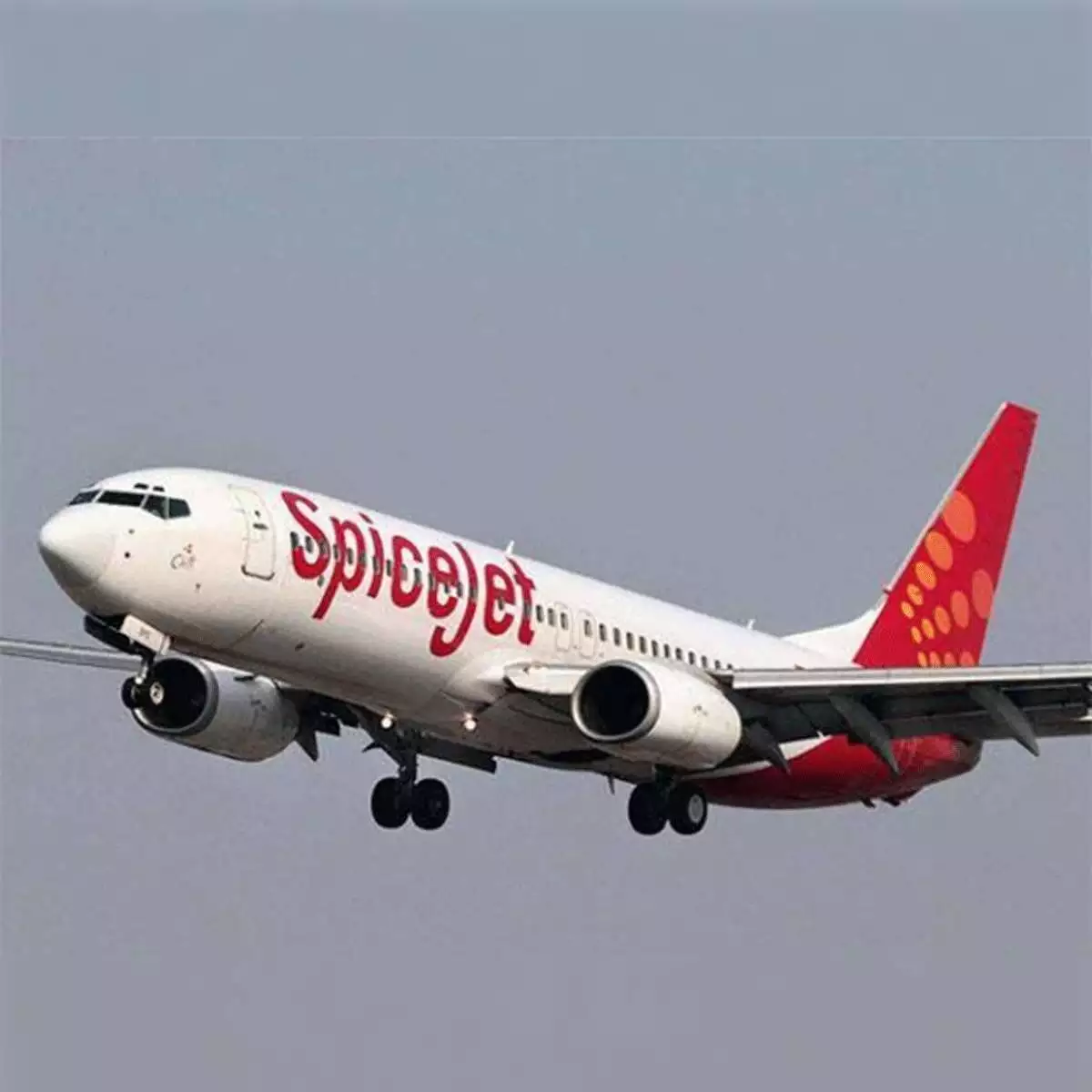
SpiceJet’s stock has fallen sharply by over 6% following a directive from the Directorate General of Civil Aviation (DGCA) placing the airline under intensified scrutiny. The DGCA’s decision comes after identifying significant safety and financial issues during a recent inspection.

The aviation regulator’s enhanced oversight is a response to concerns about SpiceJet’s operational practices and financial stability. The DGCA’s inspection revealed numerous deficiencies, particularly in the airline’s adherence to safety protocols and maintenance procedures. These findings have prompted the regulator to impose stricter monitoring measures to ensure compliance with aviation safety standards.

SpiceJet, which has faced financial turmoil in recent years, has been struggling with mounting debts and operational challenges. The airline’s financial stress has been exacerbated by rising operational costs and a shrinking market share. The DGCA’s move reflects growing unease about the airline’s ability to address these issues effectively while maintaining safety standards.

The special audit conducted by the DGCA also highlighted concerns about SpiceJet’s fleet management and crew training. These issues, combined with the airline’s ongoing financial difficulties, have raised questions about its long-term viability and its capacity to sustain operations safely.

In response to the DGCA’s findings, SpiceJet has committed to implementing corrective measures to address the identified deficiencies. The airline has stated that it is working closely with the regulator to ensure all safety and operational standards are met. SpiceJet’s management has also pledged to improve its financial health through various restructuring efforts and cost-cutting measures.

Investors have reacted negatively to the news, leading to a significant drop in SpiceJet’s share price. The decline reflects market concerns about the airline’s ability to overcome its current challenges and restore investor confidence. Analysts have warned that continued regulatory scrutiny and financial instability could further impact the airline’s stock performance in the near term.

The DGCA’s decision underscores the critical importance of regulatory oversight in maintaining safety standards within the aviation industry. It also highlights the broader challenges faced by airlines in managing financial pressures while ensuring compliance with stringent safety regulations.

As SpiceJet navigates this turbulent period, the airline’s ability to address the DGCA’s concerns and stabilize its financial situation will be crucial in determining its future prospects. The outcome of this heightened surveillance will likely influence both the airline’s operational strategies and investor sentiment in the coming months.

SpiceJet, one of India’s leading budget carriers, has encountered yet another operational setback, this time involving an empty return flight from Dubai to India. The incident occurred after Dubai International Airport authorities held back the aircraft due to SpiceJet’s failure to settle airport dues on time, marking the second such disruption for the airline this month. This incident took place on August 29, when a SpiceJet aircraft, […]

Telecommunications giant e& has announced the acquisition of GlassHouse, a leading Turkish technology firm, in a strategic move valued at $60 million. This acquisition marks a significant expansion of e&’s regional footprint and underscores its commitment to broadening its technological capabilities. GlassHouse, known for its innovative solutions in cloud computing and IT infrastructure, will enhance e&’s portfolio as it seeks to strengthen its position in the Middle […]

Dubai’s prestigious swim club, the Dubai Aquatic Centre, has become a trailblazer in the sports industry by accepting cryptocurrency as a form of payment for membership fees and services. This initiative marks a significant shift towards modernizing financial transactions within the sports sector, aligning with broader trends of digital currency adoption. The decision by the Dubai Aquatic Centre reflects a growing trend among luxury and high-profile organizations […]

Invictus Investment, a company listed on the Abu Dhabi Securities Exchange (ADX), is significantly strengthening its foothold in Africa through the acquisition of a prominent food processing entity. The acquisition, which aligns with Invictus’s broader strategy to diversify its operations across the continent, focuses on expanding its portfolio in the agribusiness sector. This move is part of a larger plan to invest over AED 1 billion across North and East Africa, with the aim of integrating further into the food processing value chain.

The company’s recent actions underscore its commitment to growing its presence in Africa, particularly in the agri-food sector. The acquisition enables Invictus to tap into the region’s rapidly expanding market for processed food products, including staples like flour, pasta, and animal feed. Invictus is not only focusing on the supply of raw agro-commodities but also on providing finished products, thereby adding significant value to its offerings.

Amir Daoud Abdellatif, CEO of Invictus, highlighted the importance of this acquisition as a pivotal step in achieving the company’s long-term goals. Abdellatif emphasized that the company is keen on forming strategic partnerships across various African markets, ensuring that Invictus remains at the forefront of the region’s food processing industry. He noted that the expansion is designed to cater to the rising consumer demand and the increasing need for food security across Africa.

In addition to this acquisition, Invictus has successfully completed over one million metric tonnes of agro-commodity exports to Egypt this year alone. This achievement reflects the company’s ability to scale its operations and manage significant volumes of trade within the region. The company’s strategic investments are expected to create a ripple effect across the African agribusiness landscape, enhancing the availability of essential food products and contributing to the continent’s economic growth.

This latest development marks a significant milestone in Invictus’s broader expansion strategy, which is set to include more acquisitions and partnerships in the coming years. As Invictus continues to diversify its portfolio and expand its market reach, the company is poised to play a crucial role in Africa’s food processing and agribusiness sectors, positioning itself as a key player in the region.

The acquisition is expected to have a positive impact on Invictus’s financial performance, with analysts predicting that it will drive revenue growth and improve the company’s market share in Africa. As the company continues to implement its ambitious expansion plans, it is likely to attract further attention from investors and stakeholders interested in the African agribusiness sector.

This strategic move by Invictus Investment underscores the growing importance of Africa as a key market for global agribusiness players, as well as the increasing demand for food processing capabilities across the continent.

Sustaining Momentum Fueled by Robust Global Demand for K-Beauty Products Results Highlights Revenue and net profit grew 80.2% to US$163.35 million and 610.6% year-on-year to US$11.1 million respectively, hitting first-half year historical high Revenue from beauty products, in particular Korean beauty (“K-Beauty”) products, increased 113.9% to US$149.4 million, contributing 91.4% of the Group’s total revenue While the US remained as the largest market, European Union became the […]

As bitcoin mining undergoes major changes, one of the industry’s leading players believes the GCC region can have an important role in thetransformation, which is being driven by a focus on renewable energy and new technology.Abdumalik Mirakhmedov, Executive President of Genesis Digital Assets (GDFA), among the world’s largest bitcoin mining companies in terms of hash rate, says strong government support, an abundance of capital, and a commitment […]

Passengers of SpiceJet, India’s budget airline, faced an unexpected hurdle at Dubai International Airport after being denied check-in due to unpaid dues by the airline. The move forced SpiceJet to operate flights without passengers, intensifying concerns over the airline’s ongoing financial struggles.

Dubai’s decision to block check-in came as a result of SpiceJet’s failure to settle outstanding payments. This incident marks another significant setback for the airline, which has been grappling with operational and financial challenges for some time. Despite efforts to raise funds, SpiceJet has encountered multiple issues, including a recent financial dispute with Mumbai Airport, which was resolved only hours before the airport issued a warning about potential disruptions to the airline’s operations.

The situation at Dubai Airport has drawn attention from aviation authorities, with India’s Ministry of Civil Aviation monitoring the developments closely. As SpiceJet continues to face mounting pressure, the airline’s ability to sustain its operations remains in question, raising broader concerns within the industry.

This development is part of a broader trend of financial instability within the airline, further exacerbated by increasing operational costs and declining revenues. The airline’s woes have prompted speculation about its future viability, as it struggles to maintain smooth operations amid growing financial obligations.

Qatar is reportedly in advanced discussions to acquire a significant stake in a German refinery currently owned by Russia’s state-controlled oil company, Rosneft. This deal, if finalized, could see the Qatar Investment Authority (QIA) strengthen its already substantial investment portfolio, which includes a nearly 19% stake in Rosneft.

The negotiations involve Qatar being the last remaining bidder for the refinery assets, which were seized by the German government following the fallout from Russia’s military actions in Ukraine. The Qatari delegation has been actively engaged in high-level talks with German officials, with the potential acquisition seen as a strategic move to secure long-term energy interests in Europe.

Germany’s government, which previously took control of Rosneft’s operations in the country, is expected to support the transaction, given the geopolitical implications and the need to stabilize energy supplies in the region. This aligns with Germany’s broader strategy to reduce dependency on Russian energy while ensuring operational continuity at critical infrastructure sites.

Rosneft’s German assets have been under scrutiny as Europe seeks to disentangle itself from Russian energy influence, making Qatar’s interest particularly timely. The Qatari government’s deep ties with Russia and its financial muscle could provide the necessary leverage to close the deal.

Qatar’s pursuit of these assets underscores the Gulf nation’s ambition to expand its energy footprint in Europe, leveraging its vast wealth to gain strategic assets in key markets. The move also reflects the growing importance of energy security in a rapidly changing geopolitical landscape.

The ongoing negotiations are being closely watched by industry analysts, who see this potential acquisition as a significant development in the global energy sector, particularly in light of shifting alliances and the evolving dynamics of energy supply chains.

The deal, if completed, would further cement Qatar’s role as a critical player in the global energy market, positioning it alongside other major energy-exporting nations that are capitalizing on the changing geopolitical environment. The outcome of these negotiations could have far-reaching implications for the future of energy security in Europe and beyond.

Further updates on this evolving story are expected as the negotiations progress.

Crypto.com has expanded its global footprint by introducing Global Retail Services from its Dubai hub, marking a significant milestone in the cryptocurrency industry. This new initiative enables users worldwide to deposit and withdraw in USD, EUR, and AED, further broadening the platform’s appeal. The company’s latest offering reflects a strategic effort to enhance its international services. By establishing this new service center in Dubai, Crypto.com aims to […]

Abu Dhabi National Oil Company (ADNOC) has finalized its due diligence process for a potential acquisition of Covestro, the German chemical manufacturer. The development signifies a major step forward in ADNOC’s strategic expansion into the global chemicals market. Sources indicate that ADNOC’s evaluation of Covestro has been thorough, encompassing financial, operational, and regulatory aspects. This extensive review is intended to ensure a smooth integration should the acquisition […]

Dubai Aerospace Enterprise (DAE) has finalized a significant acquisition agreement to purchase 23 new aircraft for $1.1 billion. This strategic move is part of DAE’s ongoing efforts to expand its fleet and strengthen its position as a leading player in the global aviation leasing market.

The deal, signed in late August 2024, underscores DAE’s commitment to enhancing its asset portfolio in response to the growing demand for commercial aircraft. The acquisition includes a mix of narrow-body and wide-body aircraft, with delivery scheduled over the next several years. The exact models and the manufacturers involved in the deal have not been disclosed, but industry insiders suggest that the aircraft will likely serve the needs of DAE’s diverse clientele, ranging from low-cost carriers to full-service airlines.

DAE has been on an aggressive growth trajectory, leveraging both organic and inorganic means to boost its fleet size. This acquisition follows a series of strategic purchases and leasing agreements aimed at expanding the company’s market share. The $1.1 billion deal also reflects the confidence of DAE in the long-term recovery and growth of the aviation sector, which has shown resilience despite recent global challenges.

This transaction positions DAE to better serve its airline customers worldwide, many of whom are seeking to modernize their fleets with more fuel-efficient aircraft. As the industry gradually recovers from the economic impact of the global pandemic, the demand for newer, more cost-effective planes is expected to rise, benefiting companies like DAE that are prepared to meet this demand.

DAE’s CEO, Firoz Tarapore, emphasized the strategic importance of this deal in the context of the company’s broader growth strategy. He highlighted the company’s ability to execute large-scale acquisitions and its focus on delivering value to its shareholders. This acquisition is seen as a critical step in reinforcing DAE’s leadership in the aviation leasing market, where competition has intensified with new entrants and existing players ramping up their operations.

The aviation leasing industry has seen a resurgence of activity in 2024, with several major deals and mergers reshaping the competitive landscape. DAE’s latest move is expected to further consolidate its position as one of the top aircraft lessors globally. With this acquisition, DAE’s fleet will reach new heights, enhancing its ability to offer a broad range of leasing solutions to airlines worldwide.

This acquisition marks a significant milestone in DAE’s growth journey and reflects the broader trends in the aviation industry, where leasing companies are playing an increasingly pivotal role in fleet management. As airlines continue to navigate the challenges of fluctuating demand and rising operational costs, leasing firms like DAE are expected to remain at the forefront, providing flexible solutions that help carriers optimize their fleets.

DAE’s expansion is also indicative of the broader recovery in the aviation sector, where passenger numbers and cargo volumes are gradually returning to pre-pandemic levels. This positive trend is likely to drive further investments in new aircraft, with leasing companies positioned to capitalize on the increasing need for modern, efficient fleets.

The successful completion of this deal further solidifies DAE’s reputation as a dynamic and forward-looking player in the aviation leasing industry, capable of seizing opportunities in a rapidly evolving market. The company’s strategic acquisitions and robust financial performance continue to attract attention from industry analysts, who view DAE as a key player in the ongoing transformation of the global aviation landscape.

French authorities have intensified their legal scrutiny of Telegram, issuing an arrest warrant for Nikolai Durov, co-founder of the encrypted messaging platform, alongside his brother and CEO, Pavel Durov. The warrant, reportedly dated March 25, 2024, reveals that the investigation into Telegram’s operations is broader and began earlier than previously understood.

The investigation, spearheaded by France’s Office for the Fight against Violence against Minors (OFMIN), centers on serious allegations including fraud, drug trafficking, cyberbullying, organized crime, and the promotion of terrorism. Authorities accuse Telegram of failing to adequately address criminal activities on its platform, leading to the legal actions against the Durov brothers.

Pavel Durov, who is currently in the spotlight, was reportedly taken into custody by French authorities upon his arrival in Paris from Baku, Azerbaijan. His arrest has sparked international attention, with reactions ranging from criticism of French law enforcement to calls for the protection of free speech. Notable figures, including Elon Musk and Robert F. Kennedy Jr., have voiced their support for Durov, emphasizing the importance of free expression in the digital age.

Despite the legal pressures, Pavel Durov maintains that Telegram is committed to user privacy and has no intention of complying with data-sharing demands from any government. In a statement made earlier this year, he underscored Telegram’s role as a bastion of privacy and freedom, particularly as Western governments push for tighter regulations on digital platforms.

As the investigation unfolds, the involvement of other key figures in Telegram’s leadership, such as Vice President Ilya Perekopsky, remains unclear. Although Perekopsky is mentioned in the case summary, no warrant has been confirmed for him.

Telegram’s controversial stance on user privacy and content moderation has made it a focal point in global discussions on the balance between free speech and the prevention of online crime. The platform’s refusal to cooperate with certain regulatory frameworks, particularly in the West, has attracted both praise and criticism.

This case marks a significant moment in the ongoing global debate over the responsibilities of tech companies in moderating content and complying with legal standards. The outcome of the Durov brothers’ legal battles in France may set a precedent for how governments handle similar cases in the future.

This evolving situation continues to draw international attention, with potential implications for the future of encrypted messaging services worldwide.

BEIJING, CHINA – Media OutReach Newswire – 28 August 2024 – As a pioneer in high-quality development for the new era, Beijing E-Town (BDA) is seizing the opportunity to lead the development of the embodied intelligent robot industry. The plan is to build a domestically leading and internationally first-class demonstration city for the embodied intelligent robot industry in two steps. “By the end of 2026, we aim […]

VISHNU RAJA
RYO YAMADA
HITORI GOTOH
IKUYO KITA