News related to
Operations

Abu Dhabi-based advanced technologies group G42 is set to establish AI-ready data centers in India with a capacity of up to 2 gigawatts (GW), a move that will double the country’s existing total capacity. The ambitious project is part of a strategic pact between the governments of the UAE and India, which seeks to foster collaboration in artificial intelligence (AI) and related technological advancements, a senior executive confirmed.

Manu Kumar Jain, the CEO of G42 India, emphasized the significance of this initiative, stating that the UAE-based company will play a critical role in executing the key goals outlined in the Memorandum of Understanding (MoU) signed between the two countries in February 2024. Jain, in an interview with a leading business publication, affirmed that G42 is fully committed to ensuring that the vision of the bilateral agreement is realized. The group’s investment in these state-of-the-art data centers, Jain said, reflects its dedication to supporting India’s burgeoning tech infrastructure and AI ecosystem.

This development is expected to be a game-changer for India, where the need for advanced digital infrastructure has surged in response to the growth of AI, cloud computing, and data-driven industries. G42’s data centers, designed to meet AI-specific demands, will substantially boost the country’s digital capacity and enhance its standing as a global player in the AI and tech innovation sectors.

The UAE and India’s collaboration comes at a time when both nations are striving to strengthen ties across key sectors, particularly technology. The MoU aims to encourage the co-development of sovereign AI technologies, which will be crucial for both governments as they look to secure their digital futures. India’s tech market, which has been experiencing exponential growth, is seen as a crucial partner for the UAE’s strategic goals, while the UAE provides critical investment and expertise for India’s infrastructure.

Data centers play a pivotal role in the AI landscape by offering the storage, computational power, and connectivity needed for AI applications. As AI continues to revolutionize industries, from healthcare to financial services, the demand for specialized data centers capable of handling AI workloads has grown. G42’s decision to build AI-ready facilities underscores the company’s recognition of the importance of this infrastructure for fostering AI innovation and ensuring that industries have the resources they need to thrive in the AI-driven future.

G42’s investment in India is expected to not only boost the country’s digital capabilities but also spur job creation and innovation in related fields. Data centers require skilled personnel to manage operations, security, and technical requirements, creating opportunities for tech professionals and engineers. Furthermore, the expansion of AI infrastructure will likely attract more global tech companies and investors to India, further solidifying the country’s position as a global technology hub.

This project also underscores G42’s growing global ambitions. Known for its leadership in AI and cloud computing, G42 has expanded its footprint across multiple sectors, including healthcare, finance, and energy. The company’s experience in handling large-scale AI projects will be instrumental in ensuring the success of this initiative in India. G42’s expertise in building and managing AI infrastructure is expected to accelerate the pace of AI development in the country, bringing both nations closer to achieving their shared objectives under the UAE-India pact.

India’s current data center capacity, while growing, remains limited compared to the demands of an economy increasingly reliant on AI and digital services. The addition of 2 GW in capacity will significantly alleviate the bottleneck faced by industries reliant on data-heavy operations. The project is expected to elevate India’s data infrastructure to a new level of efficiency and reliability, making it an attractive destination for both domestic and international tech enterprises.

The partnership between the UAE and India is also a reflection of the broader geopolitical shifts where countries are increasingly focusing on digital sovereignty. Governments are prioritizing the development of domestic AI capabilities to reduce dependence on external technologies and ensure greater control over their data and technological resources. The UAE’s investment in India aligns with its goal of positioning itself as a global leader in AI, while India’s growing technological capabilities offer mutual benefits for both nations.

AI-ready data centers are a critical component of this digital sovereignty agenda, providing governments and businesses with the infrastructure necessary to develop and deploy homegrown AI solutions. By investing in India’s data center capacity, G42 and the UAE are supporting India’s ambitions to build a robust AI ecosystem that can compete on a global scale. This initiative is seen as a key pillar in India’s broader digital transformation strategy, which aims to boost its AI and cloud computing sectors and drive economic growth through technological innovation.

The project’s scale also highlights the deepening ties between the UAE and India, particularly in the technology and innovation sectors. As both nations continue to collaborate on strategic initiatives, the construction of these data centers is expected to serve as a catalyst for further joint ventures and investments. The MoU signed earlier this year provides a framework for ongoing cooperation, with both countries benefiting from the exchange of expertise, investment, and technological know-how.

The gaming industry is undergoing a seismic shift as Web3 technology propels a new era of decentralized gaming. In a bold move that promises to redefine the future of the gaming world, two of the largest tech giants, traditionally fierce competitors, have now entered the Web3 gaming ecosystem, signaling a convergence of blockchain, cryptos, and gaming. This collaboration, which would have been unthinkable a few years ago, highlights the growing influence of Web3 in mainstream gaming.

Web3 gaming has captured the attention of major players across the tech and gaming industries. Leading the charge are three significant companies—two well-known gaming behemoths and a surprise third contender that has taken the gaming and tech community by surprise. While the first two companies have long been associated with the gaming industry, the third entity is a global tech powerhouse, known for selling hundreds of millions of gaming devices and software, but until now, had not made its stance on Web3 clear.

This transformation comes at a time when companies from various sectors are exploring partnerships with blockchain platforms and Web3 startups. The momentum toward decentralization and the integration of blockchain into everyday applications is reshaping business strategies, especially in industries like gaming where decentralized ownership, play-to-earn models, and enhanced user control are gaining traction.

The partnership between these two tech giants, with a combined annual revenue exceeding $400 billion, marks a historic moment in the gaming industry. This alliance was made possible through blockchain technology, which provides a neutral and decentralized platform for collaboration. The decision to integrate Web3 gaming solutions into their business models has opened new avenues for revenue generation, as well as new experiences for users, creating a dynamic ecosystem where players can own, trade, and monetize in-game assets in unprecedented ways.

Web3’s foundational principles of decentralization, transparency, and ownership align with the demands of today’s gaming community, where players are increasingly seeking greater control over their digital assets and in-game economies. As traditional gaming platforms faced challenges with centralized systems and rigid control over content, Web3 offers a flexible, user-driven alternative that empowers gamers and developers alike.

The gaming industry is no stranger to disruption. From the rise of mobile gaming to the explosion of cloud gaming, each innovation has brought with it new opportunities and challenges. But Web3 gaming represents something far more transformative. By leveraging blockchain technology, developers can create games with integrated token economies, allowing players to earn, trade, and sell digital assets in ways that were previously impossible. This has given rise to the “play-to-earn” model, where players are not just participants in the game but also stakeholders in its economy.

The two tech giants making headlines with their foray into Web3 gaming have long been at the forefront of technological innovation. One is renowned for its gaming consoles, which have sold hundreds of millions of units worldwide, while the other has established itself as a leader in cloud computing, software, and entertainment. Both companies have recognized the potential of Web3 gaming, not just as a technological novelty but as a fundamental shift in how games are developed, distributed, and played.

This partnership also underscores the growing significance of blockchain-based platforms in the gaming industry. As more traditional companies explore the possibilities of Web3, they are increasingly turning to blockchain protocols to facilitate secure, decentralized transactions and to ensure transparency in gaming ecosystems. By embracing blockchain, these companies can provide their users with a level of ownership and control that is unparalleled in traditional gaming environments.

The third player in this Web3 revolution is a tech company that has been quietly but steadily increasing its presence in the gaming sector. Known primarily for its dominance in the tech industry, this company’s decision to dive into Web3 gaming has been a surprise to many, given its previous reluctance to publicly endorse blockchain technology. However, its vast resources and extensive user base make it a formidable force in the space, and its entry into the Web3 gaming market has the potential to accelerate the adoption of blockchain-powered gaming on a global scale.

Web3 gaming is rapidly gaining popularity due to its emphasis on decentralization and player empowerment. Traditional gaming platforms, which often limit players’ ability to control and monetize their in-game assets, are being challenged by Web3 games that enable users to own, trade, and sell their digital items. This paradigm shift is leading to a new wave of innovation in game design and development, as developers create games that offer players a direct stake in the virtual worlds they inhabit.

As Web3 gaming continues to evolve, more and more traditional companies are seeking partnerships with blockchain-based platforms and Web3 startups. These partnerships are critical to the growth of the ecosystem, as they provide the necessary infrastructure and expertise to support large-scale gaming operations on the blockchain. Moreover, they help bridge the gap between traditional gaming companies and the Web3 community, fostering collaboration and innovation across both sectors.

The implications of Web3 gaming extend beyond the gaming industry. As blockchain technology becomes more integrated into gaming platforms, it has the potential to influence other industries as well. For example, the tokenization of digital assets, which is a core feature of Web3 games, could revolutionize industries such as finance, real estate, and entertainment by enabling the secure and transparent transfer of ownership.

Kia and The Ocean Cleanup have marked a significant milestone in their partnership aimed at tackling the Great Pacific Garbage Patch. This collaboration, which began in 2021, has reached a pivotal point as both entities announce their joint achievements and outline ambitious plans for future environmental efforts. Since the initiation of their partnership, Kia has leveraged its global platform to amplify The Ocean Cleanup’s mission. Through various […]

Chinese automotive giants are intensifying their efforts to establish manufacturing operations in Saudi Arabia, marking a significant shift in the global automotive landscape. This move is driven by Saudi Arabia’s Vision 2030 initiative, which aims to diversify the kingdom’s economy and reduce its dependence on oil revenues. The discussions between Chinese car manufacturers and Saudi authorities reflect a growing trend of cross-border industrial cooperation. Companies such as […]

Solidarity Group, a prominent insurance and investment company in Bahrain, has received approval from its board to acquire two units from Bahrain National Holding (BNH) in a transaction valued at $200 million. This strategic move is set to bolster Solidarity’s market position and diversify its portfolio significantly. The acquisition involves the purchase of BNH’s wholly-owned subsidiaries: Bahrain National Insurance Company (BNIC) and Bahrain National Life Assurance Company […]

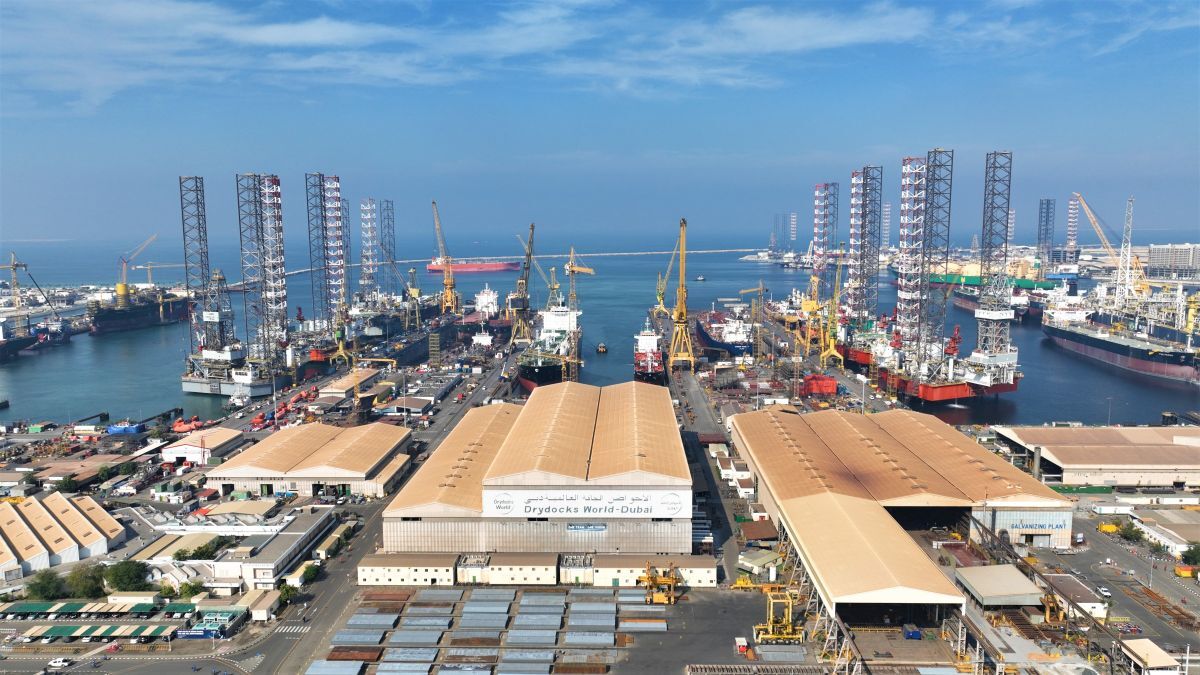
Drydocks World, a leading maritime services provider, has secured a significant asset with the acquisition of the largest floating crane in the region. This strategic move aims to bolster the company’s capabilities and position within the maritime sector, reflecting an ongoing trend of consolidation and investment in infrastructure across the industry.

The floating crane, named “Giant Crane,” boasts a lifting capacity of 1,600 tons, surpassing other cranes in the region. Its acquisition represents a notable expansion of Drydocks World’s equipment portfolio, enhancing its ability to handle larger and more complex projects. The crane will primarily serve at the company’s shipyard in Dubai, which is known for its extensive repair and refurbishment operations for various marine vessels, including oil tankers and container ships.

The decision to acquire such a significant piece of equipment aligns with Drydocks World’s broader strategy of investing in cutting-edge technology and infrastructure to meet the increasing demands of the global maritime industry. The floating crane’s advanced capabilities will facilitate more efficient and safe operations, positioning Drydocks World to better compete with international maritime service providers.

This acquisition comes at a time when the maritime sector is experiencing a period of transformation driven by technological advancements and shifting market dynamics. Companies in the industry are investing heavily in infrastructure and technology to improve operational efficiency and meet evolving client needs. For Drydocks World, the floating crane is a crucial asset that will enable the company to handle larger vessels and undertake more ambitious projects.

The crane’s features include a state-of-the-art hydraulic system and advanced stability control mechanisms, which are expected to enhance safety and precision during lifting operations. These attributes are particularly important given the scale and complexity of the maritime projects that Drydocks World undertakes. The crane’s ability to perform heavy lifts and operate in challenging conditions will be a significant asset for the company’s shipyard operations.

Drydocks World’s expansion is also reflective of broader trends within the maritime industry, where there is a growing emphasis on investment in infrastructure and technological upgrades. Companies are increasingly focusing on enhancing their capabilities to stay competitive in a market that is evolving rapidly due to factors such as increased global trade and advancements in ship design and construction.

The acquisition of the floating crane is part of Drydocks World’s broader strategy to strengthen its position in the maritime services sector. This strategy includes not only investing in new equipment but also enhancing existing facilities and capabilities. The company has been actively involved in several high-profile projects, including the construction and repair of large-scale marine vessels and offshore platforms.

Industry analysts have noted that the move by Drydocks World to acquire the floating crane could set a precedent for other maritime service providers in the region. The emphasis on investing in advanced equipment and infrastructure is likely to influence industry standards and practices, driving other companies to consider similar investments in their operations.

Abu Dhabi National Oil Company (ADNOC) is poised to submit a $16 billion acquisition offer for Covestro, a leading German chemical manufacturer. This move marks ADNOC’s foray into the global chemicals market, a significant shift from its core oil and gas operations. The bid underscores ADNOC’s strategy to diversify its investment portfolio and capitalize on the growing demand for advanced materials in various industrial sectors.

Sultan Al Jaber, CEO of ADNOC, led the negotiations in Germany during August, working closely with Covestro’s executives to finalize the terms of the acquisition. This potential deal highlights ADNOC’s broader vision of expanding beyond traditional energy sectors and positioning itself as a major player in the global chemicals industry. Covestro, known for its production of high-performance polymers and coatings, presents a strategic fit for ADNOC’s diversification efforts.

The proposed acquisition comes amid a surge in mergers and acquisitions within the global chemicals sector. Companies are increasingly seeking to enhance their technological capabilities and market reach through strategic partnerships and acquisitions. For ADNOC, acquiring Covestro would not only bolster its presence in Europe but also provide access to Covestro’s cutting-edge technologies and innovation-driven business model.

ADNOC’s move into the chemicals sector aligns with its broader strategy of investment diversification. The company has been actively exploring opportunities in various sectors, including renewable energy and advanced materials, as part of its long-term growth strategy. By integrating Covestro into its portfolio, ADNOC aims to leverage the company’s expertise in polymer chemistry and expand its footprint in the global market.

Covestro, headquartered in Leverkusen, Germany, has been a significant player in the chemicals industry for decades. The company’s product portfolio includes a range of high-performance materials used in automotive, construction, and electronics industries. Covestro’s commitment to sustainability and innovation makes it an attractive acquisition target for ADNOC, which is seeking to enhance its capabilities in high-value industries.

The potential acquisition of Covestro represents a strategic shift for ADNOC, moving away from its traditional focus on oil and gas and towards more diversified investment opportunities. The deal could have significant implications for both companies, as ADNOC seeks to establish itself as a global leader in the chemicals sector, while Covestro aims to benefit from ADNOC’s financial strength and international reach.

Analysts have been closely monitoring the developments surrounding the ADNOC-Covestro deal, noting that the transaction could reshape the competitive landscape of the global chemicals industry. The acquisition would likely enhance ADNOC’s ability to compete with other major players in the sector, including BASF and Dow Chemical, by providing access to new technologies and market opportunities.

The proposed deal also highlights the growing trend of oil and gas companies diversifying their portfolios to include higher-value industries. As the energy sector faces increasing pressures to transition towards more sustainable practices, companies like ADNOC are exploring new avenues for growth and profitability. The acquisition of Covestro aligns with ADNOC’s strategy of investing in industries that are expected to experience significant growth in the coming years.

Industry experts suggest that the successful acquisition of Covestro could pave the way for further consolidation in the chemicals sector. As companies seek to enhance their technological capabilities and expand their market presence, mergers and acquisitions are expected to play a key role in shaping the industry’s future. ADNOC’s potential acquisition of Covestro could be a catalyst for further strategic moves within the sector, as other players look to position themselves for future growth.

The finalization of the deal is contingent upon regulatory approvals and due diligence processes. ADNOC and Covestro will need to navigate various regulatory requirements and ensure compliance with antitrust laws in multiple jurisdictions. However, the companies are optimistic about the prospects of the transaction and are working diligently to address any potential challenges.

Advertisements

A pioneering SpaceX mission has lifted off, marking a significant milestone in commercial space exploration. Early Tuesday, a spacecraft carrying four private astronauts began its journey to conduct the inaugural private spacewalk. This historic event involves a fresh set of SpaceX-designed spacesuits and an upgraded spacecraft, highlighting advancements in private space ventures.

The mission, dubbed Ax-3, represents a major step forward in the burgeoning industry of commercial space travel. The private crew, composed of seasoned professionals from diverse fields, will undertake activities outside the International Space Station (ISS) that have previously been reserved for government astronauts. This endeavor not only signifies the growing capabilities of private space travel but also sets the stage for future commercial opportunities in low Earth orbit.

SpaceX, renowned for its reusable rocket technology and ambitious space missions, has developed new spacesuits and equipment specifically for this mission. These innovations are designed to enhance the safety and effectiveness of spacewalks conducted by non-professional astronauts. The upgraded spacecraft, a modified version of the Crew Dragon capsule, includes enhancements to support the complex logistics of extravehicular activities (EVAs).

The private astronauts, who have undergone extensive training, are expected to perform a range of tasks during their spacewalk. Their activities will provide valuable data on the functionality of the new spacesuits and spacecraft systems in the harsh environment of space. This mission is a testament to the expanding role of private entities in space exploration, traditionally dominated by government space agencies.

SpaceX’s Ax-3 mission is also a notable achievement in the realm of space commercialization. It underscores the increasing involvement of private companies in space missions that were once exclusively within the purview of governmental space programs. The success of this mission could pave the way for more frequent and diverse private space operations, including potential tourism and research opportunities.

The preparation for this mission has involved rigorous testing and simulations to ensure the safety and efficacy of the new equipment. The spacesuits, developed by SpaceX, feature advanced life support systems and enhanced mobility to support the astronauts during their spacewalk. These suits are a crucial component of the mission, as they are designed to withstand the extreme conditions of space while providing the necessary protection and functionality for the astronauts.

As the spacecraft approaches the ISS, the team will begin the complex process of donning their spacesuits and preparing for the spacewalk. The mission is expected to last several hours, with the crew performing various tasks and experiments outside the spacecraft. This undertaking will not only demonstrate the capabilities of private space technology but also provide critical insights into the operational aspects of private space missions.

The launch of the Ax-3 mission is part of a broader trend of increasing private sector involvement in space exploration. Companies like SpaceX are at the forefront of this movement, pushing the boundaries of what is possible in commercial space travel. Their efforts are contributing to a more competitive and innovative space industry, with potential implications for the future of space exploration and travel.

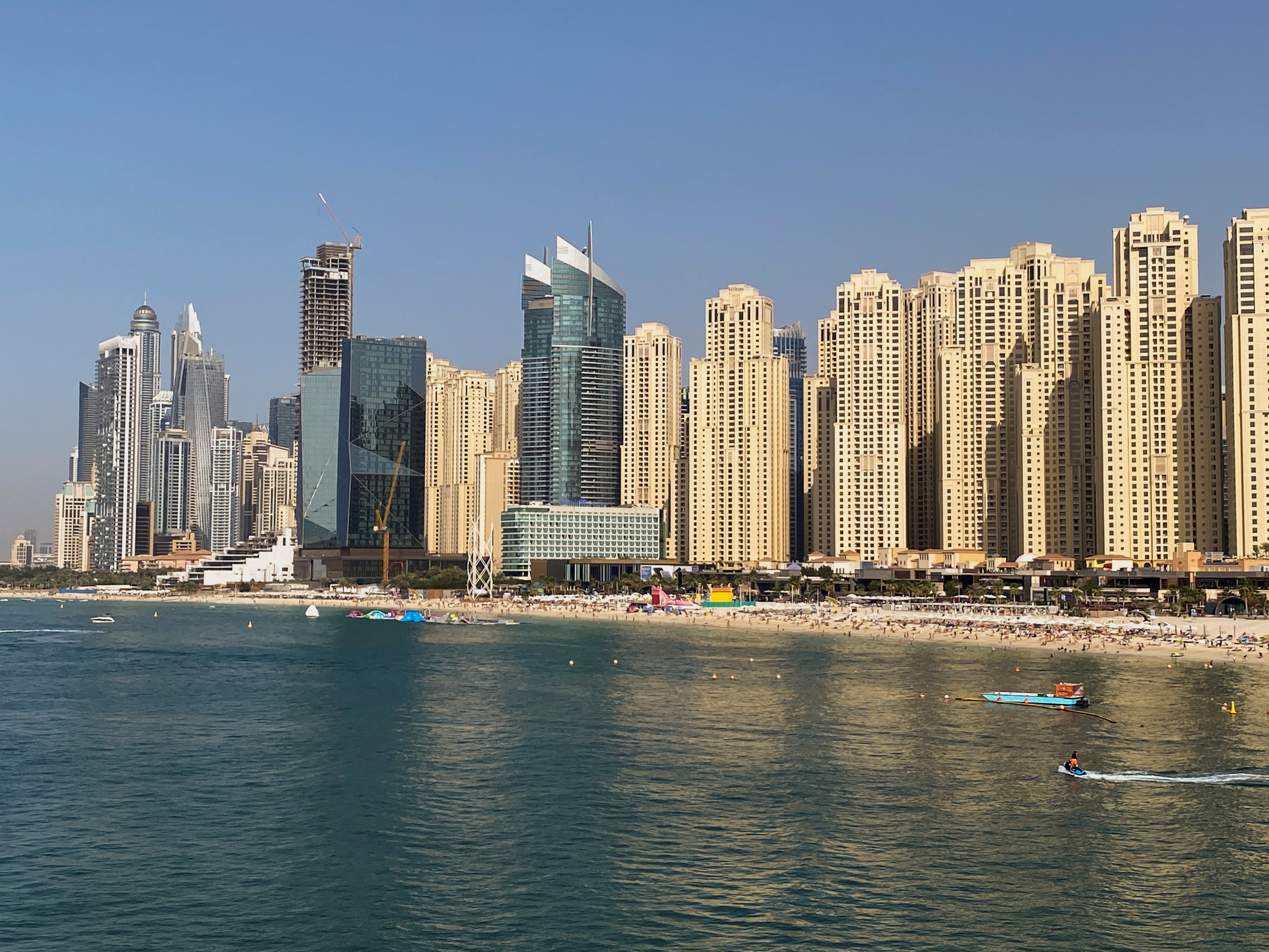
The Dubai Integrated Economic Zones Authority (DIEZ) has reported substantial growth in the first half of 2024, showcasing strong performance across all its business sectors. Marked by rising occupancy rates and improved key strategic indicators, the authority has bolstered its position as a key player in the region’s economic landscape. This growth mirrors Dubai’s ongoing efforts to strengthen its position as a global business hub and attract more investments in line with its long-term strategic goals.

The DIEZ, which oversees several major business districts in Dubai, including Dubai Airport Freezone (DAFZ), Dubai Silicon Oasis (DSO), and Dubai CommerCity, highlighted increased demand for commercial space, enhanced business activities, and the continuous expansion of its service offerings. These factors have collectively contributed to the robust financial performance recorded during the first half of 2024, further reinforcing Dubai’s image as a leading destination for global businesses.

As of mid-2024, DIEZ’s combined occupancy rates have surged, particularly in key sectors such as logistics, technology, and e-commerce. The consistent demand for warehousing and office space, coupled with the influx of businesses across these sectors, has significantly contributed to DIEZ’s outstanding performance. The growth in these sectors has been driven by the global trend of digital transformation, which has accelerated since 2020, alongside increasing demand for efficient logistics and e-commerce solutions in the region.

Dubai’s strategic location, its favorable regulatory environment, and the advanced infrastructure provided by DIEZ continue to be instrumental in attracting foreign direct investment (FDI). This aligns with the Emirate’s broader economic vision to diversify its economy beyond oil and solidify its standing as a leading center for business, trade, and innovation. The growth DIEZ has witnessed is reflective of the larger economic trajectory of Dubai, which has been experiencing sustained economic recovery and growth following the global pandemic.

DIEZ’s leadership has pointed to the authority’s ongoing efforts to provide innovative and future-ready solutions as a critical factor in its success. The organization’s strategic initiatives to offer tailored support for businesses, including customized packages for start-ups and small and medium-sized enterprises (SMEs), have played a vital role in attracting both local and international companies to establish operations within its zones. These efforts have been supported by Dubai’s strategic focus on creating a business-friendly environment with competitive incentives.

One of the primary areas of growth has been Dubai Silicon Oasis, which has emerged as a critical hub for technology-driven companies. The technology park has seen an influx of businesses involved in sectors ranging from software development to artificial intelligence and advanced robotics. The availability of cutting-edge infrastructure and high-tech facilities at DSO has helped the zone capture the interest of both established global players and emerging tech firms. This surge in business activity at DSO mirrors the broader global demand for tech-driven solutions across industries.

Dubai Airport Freezone (DAFZ), which primarily caters to logistics, aviation, and trade companies, has similarly benefited from the ongoing recovery of global trade. The rebound in the aviation sector, coupled with the rise in demand for logistics services, has helped DAFZ maintain high occupancy rates throughout the first half of 2024. The zone’s proximity to Dubai International Airport has also been a major advantage, enabling companies to benefit from streamlined import-export operations, which have played a critical role in supporting the supply chain needs of businesses operating within the free zone.

Another key contributor to DIEZ’s strong performance has been Dubai CommerCity, which has positioned itself as a specialized e-commerce hub within the region. As e-commerce continues to flourish, with both regional and international companies expanding their operations, the zone has seen significant demand for its tailored e-commerce solutions, including logistics support, technology infrastructure, and marketing services. The strong performance of Dubai CommerCity highlights the growing importance of the e-commerce sector, which has seen tremendous growth globally and regionally, fueled by changing consumer behaviors and the increasing prevalence of online shopping.

DIEZ has also taken significant steps toward sustainability and innovation, which have contributed to its growing appeal to businesses focused on environmental, social, and governance (ESG) goals. The organization has implemented several initiatives aimed at reducing carbon emissions, enhancing energy efficiency, and promoting green technologies within its economic zones. These initiatives align with Dubai’s broader goals of becoming a leader in sustainable development and reducing its carbon footprint in line with the UAE’s national agenda for sustainability.

As a result of these various factors, DIEZ has managed to attract a wide range of businesses from different industries, all of which are contributing to the economic vitality of the Emirate. The growth seen across DIEZ’s portfolio reflects the broader diversification of Dubai’s economy and its continued transition towards becoming a global leader in technology, logistics, and trade. The authority has outlined plans to further expand its offerings and infrastructure, signaling continued growth for the remainder of 2024 and beyond.

Drydocks World has secured a groundbreaking agreement with China’s Shanghai Zhenhua Heavy Industries Co. Ltd. (ZPMC) to acquire a state-of-the-art 5,000-ton floating sheerleg crane. The acquisition is set to significantly enhance the company’s capabilities in handling large-scale offshore projects, marking a pivotal milestone for the maritime and offshore energy sectors in the Middle East.

The contract was signed at a ceremony in Dubai, attended by prominent figures from the industry, including Sultan Ahmed bin Sulayem, Group Chairman and CEO of DP World, the parent company of Drydocks World. The new crane is expected to play a vital role in projects that require heavy-lifting capabilities, particularly in the growing market for offshore platforms and vessels.

The sheerleg crane, with a lifting capacity of 5,000 tons and a maximum lifting height of 120 meters, represents a new generation of heavy-lift technology. With its 160-meter-long A-frame and a 600-ton fly jib capable of extending the reach to 180 meters, the crane will enable Drydocks World to handle increasingly complex offshore projects. The versatility of this crane is anticipated to benefit both nearshore and offshore operations, with a particular focus on the construction and installation of offshore platforms, bridges, and marine developments.

This acquisition underlines Drydocks World’s strategic investment in cutting-edge infrastructure, reinforcing its commitment to remain a leader in the global maritime industry. According to Captain Rado Antolovic, CEO of Drydocks World, the crane will not only support the company’s current projects but will also pave the way for more extensive and intricate ventures. Antolovic emphasized that the crane’s ability to handle heavier modules and expedite project timelines would further solidify Drydocks World’s standing as a leading player in the maritime and offshore energy sectors.

ZPMC’s Chairman, You Ruikai, also hailed the partnership, citing the strong ties between ZPMC and DP World as a foundation for future collaborations. Ruikai noted that the sheerleg crane’s advanced safety features and high-capacity ballast systems make it one of the most efficient and environmentally sustainable cranes in the industry. The crane’s integrated control system and automatic ballasting capabilities highlight the emphasis on safety and operational efficiency.

Construction of the crane is expected to take approximately 24 months, with completion scheduled for the second quarter of 2026. Once operational, the crane will serve as a critical asset in Drydocks World’s efforts to meet the increasing demand for offshore infrastructure, such as high-voltage offshore converter platforms and Floating Production Storage and Offloading (FPSO) vessel topsides.

As the offshore industry continues to evolve, the need for advanced lifting solutions has become paramount. Drydocks World has already demonstrated its expertise in executing major offshore projects, including the conversion of vessels such as the Tango FLNG and Excalibur FSU, and the refurbishment of the Firenze FPSO. This latest acquisition will further enhance the company’s portfolio and its ability to undertake large-scale offshore projects.

Sultan Ahmed bin Sulayem commented that this investment is a testament to Drydocks World’s commitment to maintaining its leadership position in the maritime industry. He highlighted that the new crane would boost the company’s operational capacity, allowing it to support projects that contribute to regional economic growth. The crane is also expected to reduce the need for additional support vessels, as it can accommodate up to 50 personnel offshore, thus enhancing efficiency.

With global demand for offshore wind platforms, FPSO vessels, and similar projects on the rise, Drydocks World’s investment in this high-capacity crane positions the company to meet future challenges and opportunities. The acquisition not only strengthens its foothold in the Middle East but also bolsters its standing on the international stage, where the competition for offshore energy projects is intensifying.

National Holding has achieved a significant milestone by earning the Green Certificate from Moro Hub, a recognition awarded for outstanding sustainability practices. The UAE-based investment company has been actively involved in promoting green initiatives, aligning itself with the national agenda on environmental sustainability. The certification comes as an acknowledgment of its commitment to reducing environmental impact and adopting energy-efficient solutions across its portfolio of companies. The certification […]

SHANGHAI, CHINA – Media OutReach Newswire – 10 September 2024 – Langham Hotels Group, with a history of over 150 years, and Asia’s leading MICE technology platform, HXE, announced in Shanghai, China that they will collaborate to develop new generation of global MICE venue online booking services. This is also the first global MICE venue booking cooperation between HXE and hotel industry. HXE collaborates with Langham to […]

The U.S. Securities and Exchange Commission (SEC) has recorded an extraordinary rise in enforcement actions against crypto firms in 2024, hitting an all-time high of $4.7 billion. This marks a remarkable 3,000% increase from the $150.3 million imposed in 2023. The dramatic surge stems primarily from the record-setting settlement of $4.47 billion with Terraform Labs and its co-founder Do Kwon in June 2024, a key factor that has positioned this as a landmark year for regulatory actions in the cryptocurrency sector.

The SEC’s latest move has underscored its increasingly aggressive stance on the cryptocurrency industry, as regulators seek to rein in unlawful practices that have characterized parts of the market. Terraform Labs and Kwon were at the center of one of the biggest collapses in crypto history, when their TerraUSD (UST) stablecoin, designed to maintain parity with the U.S. dollar, dramatically lost its peg in May 2022. The crash of UST led to a massive fallout, wiping out the value of its sister token, Luna, and causing billions in investor losses, leading to the ongoing “crypto winter” that has gripped the market.

The Terraform Labs case has been particularly high-profile due to the scale of the alleged fraud and the SEC’s claim that Kwon and his company misled investors through deceptive marketing about UST’s stability. The regulatory body’s settlement with Terraform Labs requires the firm to pay $4.05 billion in disgorgement and penalties, while Kwon personally faces an additional $80 million penalty. Both parties have also been permanently barred from offering or selling crypto assets in the future, a significant blow to Kwon’s standing in the industry.

Terraform Labs’ downfall has been closely followed by multiple legal battles and ongoing bankruptcy proceedings since January 2024, which complicates the company’s ability to fulfill the financial penalties imposed by the SEC. Kwon, who has also been facing criminal charges and extradition requests from several countries, is currently in legal limbo. His situation adds another layer of complexity to the enforcement of the settlement, although the SEC has emphasized the importance of holding key actors in the crypto space accountable.

While Terraform Labs’ collapse and its legal ramifications have dominated headlines, the SEC’s crackdown on crypto firms goes far beyond this case. Throughout 2024, the SEC has ramped up investigations and enforcement measures against several other digital asset companies. Many firms have faced fines for a wide range of violations, including unregistered securities offerings, fraud, and failure to comply with anti-money laundering regulations. The sharp rise in enforcement actions reflects the SEC’s broader push to impose greater regulatory scrutiny on the nascent industry, aiming to protect investors and foster greater transparency.

The substantial penalties meted out this year stand in stark contrast to previous years, signaling a paradigm shift in the SEC’s approach toward digital assets. Enforcement actions against cryptocurrency companies, particularly those involved in dubious or illegal operations, have been increasingly severe, sending a clear message to the industry about the regulator’s willingness to act decisively. This escalation has been further driven by SEC Chair Gary Gensler’s firm belief that most crypto assets fall under the category of securities, making them subject to the same laws as traditional financial instruments.

Crypto industry players have responded to the SEC’s assertive posture with a mixture of compliance, resistance, and uncertainty. Some companies are working to align their practices with regulatory expectations, while others have mounted legal challenges to argue that the SEC’s approach to defining and regulating digital assets is overly broad. This ongoing tension between regulators and industry stakeholders has raised important questions about the future of cryptocurrency regulation in the U.S. and beyond.

Looking ahead, the SEC is expected to continue targeting crypto firms that are found to be operating outside legal bounds. The regulator has been increasingly collaborating with other federal agencies and international regulators to address cross-border issues in the crypto space. With the global nature of digital assets, enforcement actions are likely to extend beyond U.S. borders, particularly in cases involving companies like Terraform Labs, whose operations spanned multiple countries and jurisdictions.

Rumble, a video-sharing platform known for its lenient stance on content moderation, has been barred from operating in Brazil. The ban marks a significant escalation in global regulatory actions against the platform, which is also restricted in France, Russia, and China. The decision by Brazilian authorities follows a wave of legal and political challenges faced by Rumble across various jurisdictions. In Brazil, the ban was announced after […]

British advertising mogul Martin Sorrell’s investment company, S4 Capital, is relocating its headquarters for its Middle Eastern operations from Dubai to Riyadh, Saudi Arabia. The move signifies a strategic pivot as the company aims to tap into Saudi Arabia’s burgeoning market and align with the kingdom’s ambitious Vision 2030 plan, which seeks to diversify its economy away from oil dependency. The decision to shift the headquarters comes […]

Abu Dhabi’s state-owned holding company ADQ has assumed responsibility for managing two critical urban mobility systems in the emirate, DARB and Mawaqif. This decision marks a significant move within the UAE’s capital as part of ADQ’s ongoing strategy to consolidate its influence across key sectors, including transport and infrastructure. With ADQ at the helm, the management of these systems is expected to enhance efficiency, integrate technological advancements, and drive further development across the region’s mobility infrastructure.

The acquisition of DARB and Mawaqif, which manage road tolls and public parking respectively, signifies a larger push toward creating an interconnected transportation ecosystem in Abu Dhabi. The integration of these platforms under ADQ aims to bolster the emirate’s urban mobility framework, aligning with broader objectives to position Abu Dhabi as a leader in smart city development. The transition is being seen as a major step towards modernizing the city’s infrastructure while ensuring sustainability and ease of mobility for residents.

DARB, the road toll system in Abu Dhabi, was introduced as part of an initiative to reduce traffic congestion and promote the use of alternative transportation methods. The toll system uses automated technology to charge drivers passing through designated gates without requiring any physical tollbooths. This shift toward automation aligns with ADQ’s broader agenda of adopting cutting-edge solutions to enhance public services. The company is expected to focus on improving the technological framework of DARB, making it more user-friendly and efficient.

Mawaqif, on the other hand, is Abu Dhabi’s public parking management system, ensuring that parking spaces are utilized effectively across the city. The system operates through an integrated technology platform that allows residents and visitors to manage parking payments seamlessly through mobile applications and online systems. With ADQ assuming control of Mawaqif, there is speculation that the system could see further integration with other smart city services, enhancing the overall user experience and contributing to the wider development of a unified, technologically advanced infrastructure.

This move fits into ADQ’s long-term plan of building cluster ecosystems, where interconnected industries and services work cohesively to foster growth. The entity has been instrumental in managing a diverse portfolio that includes healthcare, energy, logistics, and utilities. By taking control of DARB and Mawaqif, ADQ is consolidating its role in the urban planning and development space, ensuring that these systems contribute meaningfully to the emirate’s economic and social objectives.

Moreover, ADQ’s involvement in the transportation sector underlines the company’s commitment to aligning its activities with the UAE’s national vision, which emphasizes sustainability, technological innovation, and efficient public services. The integration of DARB and Mawaqif under a single managerial entity allows for streamlined decision-making, faster implementation of improvements, and better coordination between different urban mobility projects. ADQ’s history of successfully managing large-scale projects also boosts confidence in the future of these systems, particularly in terms of reliability and technological advancement.

As the emirate continues to expand, ensuring a sustainable and efficient transport system remains critical. Abu Dhabi has been heavily investing in smart infrastructure, and the transportation sector is a central pillar of these developments. ADQ’s takeover of DARB and Mawaqif will likely bring in significant improvements, especially in terms of adopting newer technologies such as AI-driven traffic management and real-time data analytics. These innovations could lead to optimized traffic flow, better management of urban spaces, and an enhanced quality of life for residents.

Additionally, this transition reflects a broader trend in the region, where governmental entities are increasingly collaborating with semi-autonomous holding companies like ADQ to implement large-scale infrastructure projects. This approach allows for better flexibility in execution while ensuring that public services remain in line with the country’s long-term strategic objectives. The growing influence of such entities, including ADQ, is seen as a key driver of economic diversification in the UAE, reducing dependency on oil revenues and fostering growth in other critical sectors.

While the exact financial details of ADQ’s takeover of DARB and Mawaqif have not been disclosed, industry analysts suggest that the move could lead to a significant increase in revenue generation for the holding company, particularly as the systems expand their scope in the coming years. Both DARB and Mawaqif are essential to Abu Dhabi’s day-to-day urban management, affecting millions of residents and commuters. By streamlining the operations of these systems, ADQ is positioned to ensure that they operate more efficiently and continue to meet the growing demands of the city.

The leadership transition is being watched closely by industry experts, who believe that ADQ’s role could extend beyond operational management to involve strategic decision-making on future expansions of the mobility infrastructure. This could include initiatives such as expanding public transportation options, integrating electric vehicle (EV) infrastructure, and further leveraging digital platforms to make transportation and parking more accessible. The potential for cross-sector collaboration, especially with ADQ’s involvement in utilities and logistics, opens the door to even more comprehensive urban planning initiatives in the future.

HONG KONG SAR – Media OutReach Newswire – 10 September 2024 – YUP, the credit payment platform established by Singaporean startup Finture, has successfully raised US$30 million in its Series B funding round. The round was led by Hong Kong-based venture capital firm MindWorks Capital, with participation from XVC, SWC Global, Richen Pioneer, and Antao Capital. The funds will support market expansion in Southeast Asia and preparation […]

Exploring how AI technologies and customer-centric solutions can elevate engagement, accelerate growth, and drive tangible ROE in banking. HO CHI MINH CITY, VIETNAM – Media OutReach Newswire – 9 September 2024 – Backbase, the global leader in Engagement Banking, will be bringing ENGAGE Asia to Ho Chi Minh City this year. On September 11 and 12, this bustling city will transform into the epicenter of digital banking […]

Oman is set to make waves in the Gulf region’s financial markets with the largest initial public offering (IPO) in the country’s history. Oman’s state energy company OQ SAOC has announced plans to raise approximately $2 billion by selling a 25% stake in its exploration and production unit, OQ Exploration & Production SAOG (OQEP). The valuation of the entire OQEP business could reach around $8 billion, based […]

The United Arab Emirates has completed its first-ever successful test flights of High-Altitude Pseudo-Satellites (HAPS), marking a significant milestone in the country’s efforts to become a global leader in advanced aerospace technologies. The HAPS flights, carried out in the UAE’s desert regions, offer groundbreaking potential for long-duration aerial monitoring, communication, and surveillance operations at high altitudes, a capability that could revolutionize industries ranging from agriculture to national […]

Alpha Dhabi Group, an investment conglomerate listed on the Abu Dhabi Securities Exchange, has announced its intention to divest its 11% stake in OCI’s methanol division. This strategic move is connected to OCI’s acquisition by Methanex Corporation, a major player in the global methanol industry. The transaction, which will see Methanex take control of OCI’s methanol operations, is anticipated to be completed by 2025. Alpha Dhabi’s decision […]

Carrefour, the French multinational retail giant, has partnered with Dubai’s Apparel Group in a strategic move to enter the Indian market. This collaboration will focus on establishing a foothold in the northern region of the country, marking a significant step for both companies as they seek to tap into one of the world’s largest consumer markets. The venture will be guided by a phased strategy that includes […]

Emirates REIT has announced the appointment of a new Chief Financial Officer, Ali Kazim, a former banker with Abu Dhabi Islamic Bank (ADIB), as the company prepares for a critical sukuk maturity. This move comes amid heightened scrutiny over the real estate investment trust’s financial health as it faces a significant payment deadline.

Kazim’s selection is seen as part of the REIT’s strategy to strengthen its financial leadership and navigate a complex financial landscape. With the sukuk set to mature in December, Emirates REIT is under pressure to outline a clear plan for repayment or refinancing. Investors and analysts are closely watching how the Dubai-based company will handle the $400 million Islamic bond, which has been a central focus in its financial operations.

Emirates REIT, a sharia-compliant investment trust that manages a diverse portfolio of commercial and residential properties, has been in a challenging position over the past few years. Declining property values in the region, exacerbated by the global economic downturn and shifting investor sentiment, have contributed to its difficulties. The appointment of Kazim is seen as a key step in bolstering investor confidence as the sukuk repayment date approaches.

The company’s debt, which includes this substantial sukuk, has been a focal point for market watchers. Emirates REIT has attempted to alleviate concerns through various strategic decisions, including asset sales and cost-cutting measures. However, questions about its ability to meet the upcoming obligations remain. Kazim’s role will be pivotal in addressing these concerns, as he brings extensive experience in Islamic finance from his time at ADIB, a leading player in the Gulf’s financial sector.

Ali Kazim’s background includes over two decades of experience in banking and finance, particularly in Islamic finance. During his tenure at ADIB, he played a critical role in managing sukuk issuances, capital raising, and restructuring debt for major corporates. His appointment signals Emirates REIT’s commitment to leveraging expertise in Islamic banking to navigate the complexities of sukuk finance and ensure compliance with sharia principles while securing favorable terms for investors.

Market analysts view this appointment as a positive move but remain cautious about the broader financial outlook for Emirates REIT. The Dubai property market has seen volatility over the past decade, and while there has been some stabilization, risks remain. Property values, rental yields, and occupancy rates have all fluctuated, influencing the REIT’s performance. The upcoming sukuk repayment adds to the uncertainty, and how the new CFO manages this situation will be critical.

Kazim’s immediate focus will likely be on negotiating with bondholders and exploring refinancing options. With the sukuk’s maturity date drawing near, Emirates REIT must either arrange for the repayment of the bond or renegotiate terms with investors. There has been speculation in financial circles about the possibility of extending the maturity or restructuring the debt, although no official announcement has been made on this front.

The broader economic environment, particularly in the Gulf, will also play a significant role in shaping Emirates REIT’s strategy. The UAE’s real estate sector has been undergoing a period of transformation, with developers and investment trusts alike adjusting to shifting demand patterns, especially in the commercial property segment. Increased interest in flexible workspaces, changes in retail real estate, and new government regulations have all impacted market dynamics. Emirates REIT’s property portfolio spans both commercial and residential assets, and the performance of these sectors will directly influence its ability to meet financial commitments.

The sukuk, which was originally issued in 2017, has been a defining financial instrument for Emirates REIT. Sukuk, as an Islamic financial certificate, differs from conventional bonds by adhering to sharia principles, including the prohibition of interest. This makes managing and refinancing such instruments more complex, as sharia compliance must be maintained throughout the process. Kazim’s deep understanding of these intricacies will be essential as he steps into his new role.

Despite the challenges, Emirates REIT’s management has expressed optimism about the future. The company has undertaken several measures to strengthen its balance sheet, including divesting non-core assets and reducing operational costs. These efforts have been aimed at improving liquidity and preparing for the sukuk’s maturity. However, the market remains skeptical, and all eyes are on Kazim and the steps he will take in the coming months.

This leadership change also comes at a time when corporate governance and transparency are under increased scrutiny across the Gulf’s financial sector. The region has seen several high-profile corporate restructurings and defaults, and investors are paying closer attention to how companies manage debt obligations. Emirates REIT, which is one of the few real estate investment trusts in the region, must now demonstrate that it can navigate these challenges effectively while adhering to Islamic financial principles.

Kazim’s appointment is expected to bring a more disciplined approach to financial management at Emirates REIT. His track record at ADIB includes successful debt restructurings and managing complex financial transactions, which will be invaluable as the company works through the sukuk repayment process. Market participants are hopeful that his leadership will provide the clarity and direction needed to steer the company through this critical period.

Dubai International Financial Centre (DIFC) is spearheading a series of new initiatives aimed at positioning itself as a global hub for wealth management and asset management firms. As Dubai continues to solidify its reputation as a key financial center, the strategic move by the DIFC underscores the increasing interest from international firms looking to establish a presence in the region.

With the region’s financial landscape rapidly evolving, the DIFC’s efforts target the growing influx of high-net-worth individuals and institutional investors. A range of programs designed to enhance operational efficiencies for firms, alongside regulatory advancements and incentives, has been rolled out to attract global firms seeking to expand their wealth and asset management portfolios.

This development comes as the Middle East has emerged as a significant player in global wealth management. With a booming ultra-high-net-worth population and growing institutional investments, Dubai is making strides to become a central hub for wealth and asset management activities. The DIFC, long regarded as the financial heartbeat of Dubai, is now doubling down on its efforts to ensure that the city remains competitive on the global stage.

Key among the new initiatives are specialized regulatory frameworks tailored to the asset management sector. These frameworks have been designed to simplify the process for international firms looking to set up operations in Dubai. The objective is to provide a clear and efficient regulatory environment, reducing administrative burdens and encouraging more firms to base their operations in the DIFC.

As part of these efforts, the DIFC has also introduced a range of incentives for firms to expand their footprint in the region. These include tax exemptions, streamlined licensing processes, and enhanced access to a global network of clients and investors. By offering a competitive regulatory and business environment, Dubai aims to draw in more firms, contributing to the city’s long-term financial growth.

Dubai’s wealth management sector has seen significant expansion over the past few years. A growing number of family offices, private equity firms, and institutional investors have established themselves in the DIFC. The trend reflects the region’s increasing importance in the global financial ecosystem, driven in part by the region’s geographic location and its robust infrastructure.

The DIFC’s strategic location at the crossroads of Asia, Europe, and Africa has long made it an attractive destination for financial services. The center is now leveraging this advantage to deepen its focus on wealth and asset management. With growing geopolitical shifts and economic trends driving more capital to the Middle East, Dubai is well-positioned to capture a significant share of this market.

Global asset management firms have already begun to capitalize on the opportunities presented by the DIFC. Several prominent international firms have recently established their regional headquarters in Dubai, underscoring the city’s appeal as a base for financial operations. This growing influx of firms is expected to boost the region’s financial services sector, creating new jobs and driving further investment.

Moreover, the DIFC’s reputation as a secure, transparent, and well-regulated environment has played a critical role in attracting global investors. The center’s robust legal framework, which is based on international standards, provides firms and investors with the confidence needed to operate in the region. This legal certainty is particularly attractive to firms navigating complex international markets.

Another significant factor driving the DIFC’s initiatives is the growth of Islamic finance. As the demand for Sharia-compliant financial products continues to rise globally, Dubai is positioning itself as a leading hub for Islamic asset management. The DIFC has introduced several initiatives aimed at facilitating the growth of Islamic finance, including the establishment of dedicated frameworks for Sharia-compliant investments. These initiatives have positioned the DIFC as a key player in the global Islamic finance market, attracting firms from across the globe.

Dubai’s economic diversification strategy is another driving force behind the DIFC’s latest efforts. As the city looks to reduce its reliance on oil revenues, financial services have emerged as a critical pillar of Dubai’s economy. By fostering a competitive and dynamic financial sector, the DIFC is playing a central role in Dubai’s economic transformation.

The DIFC’s latest initiatives also align with Dubai’s broader strategy to become a global leader in innovation and technology. The center has placed a significant focus on fintech, with several programs aimed at fostering innovation within the financial services sector. The growing importance of digital transformation in financial services is further positioning Dubai as a key destination for firms seeking to innovate in asset management and wealth management.

VISHNU RAJA
RYO YAMADA
HITORI GOTOH
IKUYO KITA
Just in: