News related to
Operations

Global warming is reshaping ecosystems, with one of the more pressing concerns being its profound impact on aquatic environments. As water temperatures rise, fish diseases are proliferating at alarming rates, placing aquaculture and wild fish populations at greater risk. This issue, compounded by factors such as salinity and ocean acidification, has captured the attention of researchers worldwide, urging the need for strategic action in fisheries management. Researchers […]

Lulu Group International, one of the Middle East’s largest retail conglomerates, is planning to sell a 25% stake in its retail and sourcing divisions, raising approximately $1.7 billion to $1.8 billion. This move is a precursor to its highly anticipated initial public offering (IPO), expected on the Abu Dhabi Securities Exchange (ADX). The company, led by Chairman and Managing Director Yusuff Ali M.A., is seeking a valuation in the range of $6.5 billion to $7 billion, according to sources with direct knowledge of the matter.

The decision to proceed with an IPO is expected to be announced within the week, marking a significant milestone for the company, which operates more than 250 hypermarkets across the Middle East, Africa, and Asia. Lulu Group’s IPO plans come amid a wave of interest in the Gulf’s capital markets, bolstered by investor confidence and economic diversification efforts across the region.

Lulu’s expansion into the public market is seen as part of a broader strategy to tap into new growth opportunities and enhance its market presence. The company’s financial performance has remained solid over the years, with continued revenue growth fueled by its expansion in key markets such as Egypt, India, and Malaysia. In addition to its retail operations, Lulu Group has invested heavily in logistics and infrastructure to support its growing global footprint.

The timing of the IPO coincides with heightened market activity on the ADX, where several major IPOs have been launched recently. Analysts view Lulu Group’s entry into the public market as a significant event, one that could set a precedent for other large family-owned businesses in the region to follow suit. The dual listing of the company on both the ADX and Saudi Arabia’s Tadawul is also under consideration, according to reports, which could further amplify investor interest.

Cisco signed a Memorandum of Collaboration with the Cyber Security Agency (CSA) of Singapore to enhance the nation’s cyber and digital resilience. Key areas of the collaboration include threat intelligence sharing, capacity building, and talent development to meet Singapore’s security and economic needs. Both parties will collaborate to enhance the nation’s cyber defense capabilities under Cisco’s Country Digital Acceleration (CDA) program in Singapore. SINGAPORE – Media OutReach […]

Ras Al Khaimah, the northernmost emirate in the UAE, is making a concerted effort to increase its population, particularly by attracting more residents and workers from both local and international markets. With its booming economy and strategic development initiatives, the emirate is positioning itself as a prime destination for living and working in the Gulf region. The ongoing initiatives, spearheaded by various government bodies and private sector […]

Dubai-based Emirates SkyCargo has announced a significant expansion of its cargo operations with a new order for additional Boeing 777F freighters. This move underscores the airline’s commitment to enhancing its global logistics capabilities and meeting the increasing demand for air freight services. The deal is expected to bolster Emirates SkyCargo’s position as a leading player in the global air cargo industry, which has witnessed remarkable growth amid […]

Bahrain is contemplating a major infrastructure project, considering the development of a new terminal for Bahrain International Airport. This initiative aims to bolster the country’s position as a regional transportation hub, significantly increasing its capacity and efficiency. Transport Minister Mohammed bin Thamer Al Kaabi has emphasized that the new terminal would accommodate a growing number of passengers and airlines, improving the overall traveler experience. Currently, Bahrain International […]

Recognized for its innovative AI-driven Smart Building Management System, transforming facility operations with predictive technology HONG KONG SAR – Media OutReach Newswire – 18 October 2024 – As part of NTT Group, a world-leading telecommunications and ICT service provider, NTT Com Asia (NTT) is proud to announce that it has been awarded the Best AI Application Award – Bronze at the 2024 CAHK STAR Awards. This prestigious […]

Advertisements

Masdar and Iberdrola have successfully completed the installation of the final turbine for the Baltic Eagle wind farm, a significant offshore renewable energy project located in the Baltic Sea. This marks a major milestone in the 476 MW venture, which is set to enhance Europe’s green energy portfolio. The project, a collaboration between the Abu Dhabi-based clean energy firm Masdar and Spain’s Iberdrola, is part of the […]

First Abu Dhabi Bank (FAB), the largest lender in the United Arab Emirates, has reported a remarkable performance for the third quarter of 2024. The bank posted a net profit of $1.2 billion, exceeding analysts’ expectations and reflecting a robust 38% year-on-year growth. This surge is attributed to a diversified revenue mix and strong growth across its core banking operations and investment banking division. FAB’s positive performance […]

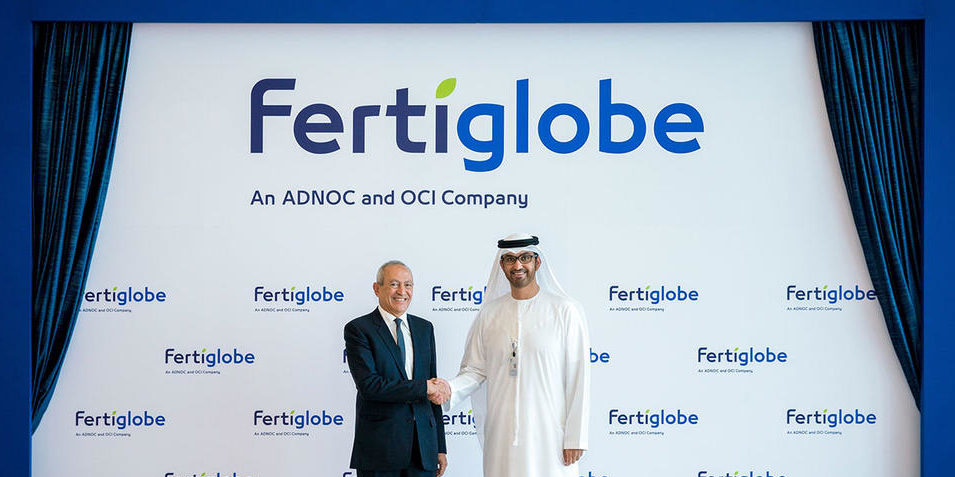
Fertiglobe, a prominent player in the nitrogen fertilizer industry, is making significant strides in securing long-term ammonia contracts, a move that could reshape its growth trajectory. The CEO, Hassan Badrawi, recently emphasized that these contracts are pivotal in bolstering the company’s market position and enhancing its profitability in an evolving landscape.

The company, a joint venture between Abu Dhabi National Oil Company (ADNOC) and OCI N.V., has been actively pursuing long-term agreements with key industrial clients globally. These contracts, spanning multiple years, are designed to provide stable pricing and guaranteed supply, allowing Fertiglobe to navigate the volatility often seen in the commodity markets. Badrawi noted that securing these contracts not only solidifies relationships with clients but also ensures a consistent revenue stream that supports long-term investments in production capacity and technology.

Fertiglobe’s approach aligns with broader industry trends, where manufacturers are increasingly prioritizing sustainability and supply chain resilience. The global ammonia market has experienced fluctuations due to geopolitical tensions, trade dynamics, and changing regulatory environments. Fertiglobe aims to mitigate these challenges by locking in long-term agreements that provide predictability in supply and pricing. This strategy is particularly crucial as countries transition towards more sustainable agricultural practices and seek reliable sources of nitrogen fertilizers.

The CEO highlighted the importance of innovation in Fertiglobe’s operations. The company has been investing heavily in technology to enhance production efficiency and reduce carbon emissions. Fertiglobe is committed to producing “green ammonia,” which is generated using renewable energy sources and is expected to play a crucial role in meeting future fertilizer demand while addressing environmental concerns. This commitment to sustainability resonates with clients who are increasingly seeking eco-friendly solutions in their supply chains.

The ammonia market is witnessing robust growth, fueled by rising global food demand and a push for more sustainable agricultural practices. As populations expand and dietary patterns shift, the need for effective fertilizers has never been more critical. Fertiglobe’s strategic focus on long-term contracts positions it favorably to capitalize on this growth, ensuring that it can meet the needs of its customers while also contributing to global food security.

Fertiglobe’s operational footprint is another factor that enhances its competitive advantage. The company’s facilities, located in the United Arab Emirates, benefit from proximity to key markets and access to essential raw materials. This geographical advantage not only reduces transportation costs but also improves supply chain efficiency. By securing long-term contracts with local and regional clients, Fertiglobe is poised to solidify its role as a reliable ammonia supplier.

Analysts are optimistic about Fertiglobe’s strategy. The company is seen as a key player in the ammonia sector, with the potential to expand its market share significantly. The move towards long-term contracts aligns with investor expectations for stability and growth, particularly in a sector characterized by fluctuations in demand and supply. As the agricultural sector increasingly emphasizes sustainability, Fertiglobe’s initiatives in producing green ammonia are likely to attract attention and investment.

Fertiglobe’s commitment to transparency and ethical practices strengthens its position in the market. As stakeholders demand greater accountability from corporations, Fertiglobe’s focus on sustainable practices and responsible sourcing is expected to enhance its reputation and foster long-term relationships with clients. This ethical approach not only appeals to consumers but also aligns with the growing expectations from investors for companies to prioritize environmental, social, and governance (ESG) factors.

Fertiglobe’s initiatives reflect a broader industry shift towards greater collaboration among key players. The establishment of long-term contracts is not just about securing sales; it also involves sharing knowledge and resources to drive innovation in fertilizer production and distribution. As Fertiglobe continues to forge strategic partnerships, the potential for collaborative projects that enhance sustainability and efficiency becomes increasingly feasible.

As the global market for ammonia evolves, Fertiglobe is well-positioned to adapt to changing dynamics. The emphasis on long-term contracts reflects a proactive strategy to ensure stability and growth, while the commitment to innovation and sustainability aligns with industry trends. With food security and environmental sustainability at the forefront of global concerns, Fertiglobe’s initiatives in securing long-term ammonia contracts underscore its role as a pivotal player in the agricultural supply chain.

BANGKOK, THAILAND – Media OutReach Newswire – 17 October 2024 – Dusit Hotels and Resorts, under Dusit International—one of Thailand’s leading hotel and property development companies—announces its return to India with the anticipated soft opening of dusitD2 Fagu. This luxurious retreat, set amidst the serene mountains of Fagu, near Shimla, is scheduled to open its doors in December 2024, offering an exceptional blend of Thai hospitality and […]

At GITEX Global 2024, Huawei showcased an extensive array of industrial digital and intelligent transformation solutions, emphasizing its commitment to driving technological advancements across multiple sectors. The company hosted the Industrial Digital and Intelligent Transformation Summit, bringing together industry leaders and partners to discuss the future of digital solutions in various fields. Huawei’s strategy focuses on empowering industries through cutting-edge technology, with an emphasis on collaboration and […]

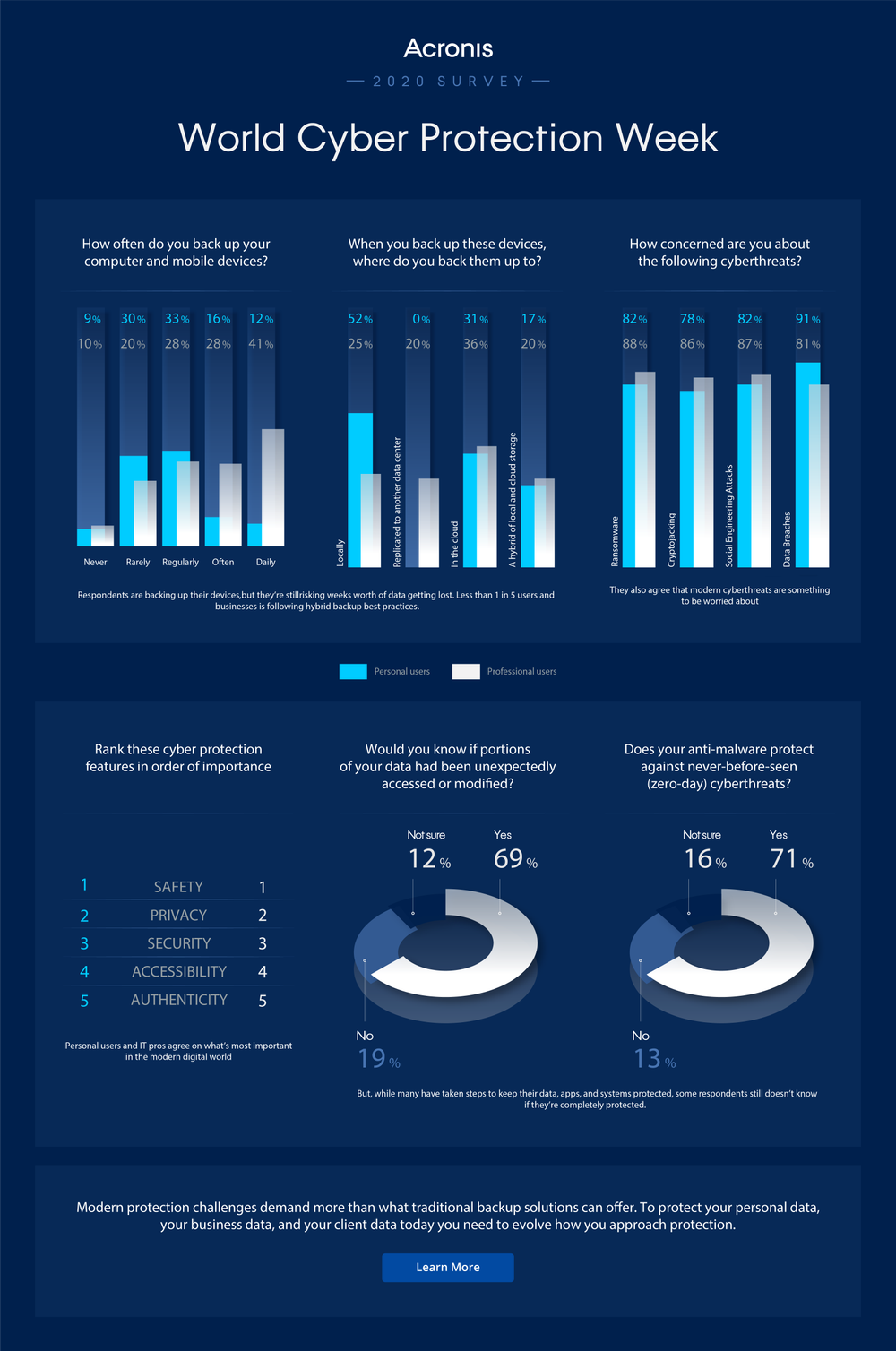
The cybersecurity sector in the UAE is experiencing unprecedented pressure, as highlighted by Acronis’ recent report indicating a staggering 68% revenue increase. This growth is attributed to the rising prevalence of cyber threats, which have intensified in 2024. Malware detections have surged by 65.3%, while URL-based threats have escalated by 36.9%, creating a pressing need for robust cybersecurity solutions across various industries.

Acronis’ findings come amid a backdrop of increased global cybercrime, with businesses in the UAE becoming prime targets. The growing digital transformation across sectors such as finance, healthcare, and government has expanded the attack surface for malicious actors. As organizations adopt cloud services and remote work policies, they inadvertently expose themselves to a myriad of vulnerabilities. The result is a burgeoning market for cybersecurity services, compelling companies like Acronis to adapt quickly to meet the evolving demands of clients.

This surge in revenue reflects not only Acronis’ successful strategic initiatives but also a broader trend within the cybersecurity industry. Organizations are increasingly prioritizing their cybersecurity frameworks, investing in comprehensive solutions to protect sensitive data and ensure business continuity. Acronis has positioned itself effectively within this landscape by offering integrated protection solutions, including data backup, disaster recovery, and cybersecurity services tailored to combat emerging threats.

Key players in the cybersecurity market are rapidly innovating to keep pace with the evolving threat landscape. The rise of sophisticated cyberattacks has prompted a shift toward proactive cybersecurity measures. Companies are now prioritizing advanced threat detection and response capabilities, leveraging artificial intelligence and machine learning to enhance their defenses. These technologies enable organizations to identify and neutralize threats before they cause significant damage, underscoring the importance of adopting a proactive rather than reactive approach to cybersecurity.

The implications of these developments are profound for businesses in the UAE. With cyber threats on the rise, organizations must reassess their cybersecurity strategies to ensure they are not only compliant with regulations but also adequately protected against potential breaches. Cybersecurity frameworks are evolving to encompass not just IT security but also physical security and personnel training, creating a comprehensive approach to risk management.

The UAE government has been proactive in addressing these challenges. Initiatives aimed at enhancing the nation’s cybersecurity posture include the establishment of the UAE Cybersecurity Council, which seeks to unify efforts across public and private sectors. This collaborative approach aims to create a resilient digital ecosystem, reinforcing the importance of cybersecurity awareness and education among employees and the wider community.

As Acronis continues to grow in this dynamic environment, its emphasis on innovation will be critical. The company has committed to enhancing its cybersecurity offerings by integrating cutting-edge technologies and expanding its global footprint. Such strategies are vital for maintaining a competitive edge and meeting the diverse needs of clients navigating this complex landscape.

The increase in cyber threats is also prompting a reevaluation of regulatory frameworks in the UAE. Businesses are now under greater scrutiny to comply with stringent cybersecurity regulations, emphasizing the need for transparency and accountability in their operations. Companies that fail to meet these requirements face not only financial penalties but also reputational damage, making cybersecurity a board-level concern.

Emerging trends indicate that small and medium-sized enterprises (SMEs) are becoming more aware of their cybersecurity needs. Historically, SMEs have been less equipped to handle cyber threats due to limited resources. However, with increased awareness and the availability of scalable cybersecurity solutions, these businesses are now taking proactive steps to safeguard their operations.

The challenge of recruiting and retaining cybersecurity talent continues to plague the industry, further complicating efforts to bolster defenses. As the demand for skilled cybersecurity professionals grows, companies face intense competition in attracting top talent. Educational institutions and training programs are responding by developing specialized curricula aimed at preparing the next generation of cybersecurity experts, a move crucial for addressing the skills gap in the sector.

Another critical aspect of the evolving cybersecurity landscape is the role of cyber insurance. As organizations recognize the potential financial impact of cyber incidents, interest in cyber insurance policies is increasing. These policies can help mitigate losses resulting from data breaches, ransomware attacks, and other cyber threats. However, the complexities involved in underwriting such policies highlight the need for comprehensive risk assessments, ensuring that organizations understand their vulnerabilities and the appropriate measures to address them.

Moro Hub, a subsidiary of Digital DEWA, has formalized a partnership with Dubai Islamic Bank (DIB) aimed at enhancing the bank’s cybersecurity capabilities. The collaboration focuses on the provision of advanced colocation services and a comprehensive cybersecurity suite, ensuring the security and resilience of DIB’s IT infrastructure. This development is expected to boost Dubai Islamic Bank’s efforts to safeguard its operations and data against an evolving threat landscape while expanding its digital footprint.

The Memorandum of Understanding (MoU) signed between Moro Hub and Dubai Islamic Bank underscores the growing need for robust digital infrastructure in the financial sector. As part of the agreement, Moro Hub will provide DIB with secure colocation services in a state-of-the-art data center, alongside a suite of cybersecurity solutions tailored to meet the specific needs of the financial institution. These services aim to mitigate the risk of cyberattacks and ensure the bank’s compliance with regulatory standards, reflecting the increasing pressures on banks globally to adopt enhanced security measures.

Colocation, a service allowing businesses to rent space for their servers and other computing hardware within a third-party data center, offers banks like DIB the advantage of enhanced physical security, disaster recovery, and operational efficiency. Moro Hub’s colocation services will enable Dubai Islamic Bank to host its critical systems in a secure environment, benefiting from the company’s advanced infrastructure, which is designed to meet the stringent security requirements of financial institutions.

This partnership comes at a time when financial institutions in the UAE and around the world are grappling with a surge in sophisticated cyber threats. With the rise of digital banking services and the increased reliance on online platforms, banks have become prime targets for cybercriminals. By leveraging Moro Hub’s expertise in cybersecurity, Dubai Islamic Bank aims to strengthen its defenses against these threats, ensuring the protection of its clients’ sensitive information.

The global banking sector has witnessed a dramatic rise in cybersecurity incidents over the past few years, prompting financial institutions to invest heavily in protective measures. From phishing attacks to sophisticated ransomware campaigns, banks are constantly under siege by attackers seeking to exploit vulnerabilities in their systems. Dubai Islamic Bank’s decision to partner with Moro Hub reflects a proactive approach to dealing with these challenges, as the bank seeks to stay ahead of the curve in an increasingly digitalized world.

Moro Hub, established as part of Dubai’s broader Smart City initiative, has positioned itself as a key player in the region’s digital transformation efforts. The company’s data centers and cybersecurity services are aligned with international standards, making it a trusted partner for businesses seeking to secure their digital operations. For Dubai Islamic Bank, this partnership offers a significant opportunity to enhance the security and efficiency of its IT operations while also reducing the operational costs associated with maintaining in-house data centers.

Cybersecurity is no longer just a technological challenge; it has become a critical component of business strategy for banks and other financial institutions. Regulatory bodies in the UAE and across the globe have tightened their requirements for data protection, mandating that banks adopt stricter security protocols to safeguard customer data and prevent breaches. Failure to comply with these regulations can result in hefty fines and damage to the institution’s reputation. By partnering with Moro Hub, Dubai Islamic Bank aims to ensure full compliance with these regulatory standards while also minimizing the risk of operational disruptions caused by cyberattacks.

Beyond the immediate security benefits, this partnership is also expected to have broader implications for Dubai Islamic Bank’s digital transformation journey. The bank has been steadily expanding its digital services, offering customers a range of online banking options, including mobile banking apps and digital payment platforms. As customer expectations continue to evolve, DIB’s ability to provide seamless and secure digital services will be crucial to maintaining its competitive edge in the market.

The digital banking landscape is undergoing rapid transformation, with customers increasingly favoring online and mobile services over traditional banking methods. This shift has forced banks to rethink their operational strategies, with a focus on enhancing the digital experience for customers while ensuring robust security measures are in place. For Dubai Islamic Bank, the partnership with Moro Hub is a strategic move to ensure that its digital infrastructure is capable of meeting these demands while also safeguarding against the growing threat of cyberattacks.

Financial institutions across the UAE have been accelerating their investments in digital infrastructure in response to changing market conditions and regulatory pressures. With initiatives such as the UAE’s National Cybersecurity Strategy and Dubai’s push towards becoming a global fintech hub, banks are under increasing pressure to enhance their cybersecurity frameworks. Dubai Islamic Bank’s collaboration with Moro Hub is in line with these national priorities, positioning the bank as a leader in digital security within the financial sector.

While the specific financial terms of the MoU were not disclosed, the partnership between Moro Hub and Dubai Islamic Bank represents a significant step forward in the bank’s efforts to strengthen its IT infrastructure. The bank’s leadership has emphasized the importance of cybersecurity as a core component of its business strategy, and this collaboration with Moro Hub is expected to play a key role in achieving those objectives.


Megaport, a global Network-as-a-Service (NaaS) provider, has announced the strategic expansion of its European operations with the introduction of 14 new data centers across seven countries. This move marks a significant step in strengthening its European presence, aimed at meeting growing demand for flexible, high-speed connectivity to cloud services and data solutions in the region.

The new locations, spread across Germany, France, Spain, Italy, and other European nations, enhance Megaport’s existing network by offering businesses access to a broader array of connectivity options. By partnering with major data center operators like Portus Data Centers in Germany, NorthC Data Centers in the Netherlands, and Sipartech in France, Megaport has increased its capacity to provide faster and more efficient network access.

CEO Michael Reid highlighted the significance of this expansion, noting that extending into these new European markets reflects Megaport’s commitment to driving a network revolution in the region. According to Reid, this strategic growth allows customers to optimize their network infrastructure, modernize their operations, and gain access to Megaport’s extensive ecosystem of cloud providers and partners. This enables businesses to establish network connections within seconds and benefit from advanced cloud service integration.

The partnerships with European data center operators play a pivotal role in this development. Portus Data Centers, which operates a Tier IV facility in Munich, expressed excitement about working with Megaport, emphasizing how this collaboration extends Megaport’s reach in Germany, enabling businesses to access more powerful connectivity solutions. Similarly, NorthC Data Centers, with its new Point of Presence (PoP) in Almere, Netherlands, facilitates enhanced cloud and network services for its clients, pushing digital transformation efforts across the region.

Sipartech, a French provider of high-speed connectivity, has been integral to Megaport’s success in Western Europe. Its dense optical network covers major European capitals, offering last-mile connectivity that bolsters the performance of Megaport’s customers in France and surrounding countries.

This expansion coincides with a wider trend in the European tech landscape, where businesses increasingly rely on agile, scalable networking solutions to manage growing volumes of data and cloud infrastructure. The ability to establish secure, private, and direct connections to leading cloud platforms such as AWS, Google Cloud, and Microsoft Azure has become a priority for companies undergoing digital transformation.

As demand for cloud services grows, particularly in sectors such as finance, healthcare, and e-commerce, the addition of these new data centers will likely have a profound impact on how businesses in Europe manage their IT infrastructure. Vincent Lauriat, Chief Technology Officer at Veolia Water, commented that Megaport’s solutions have improved Veolia’s multicloud strategies, diversifying their data access across multiple centers in Europe and enhancing operational efficiency.

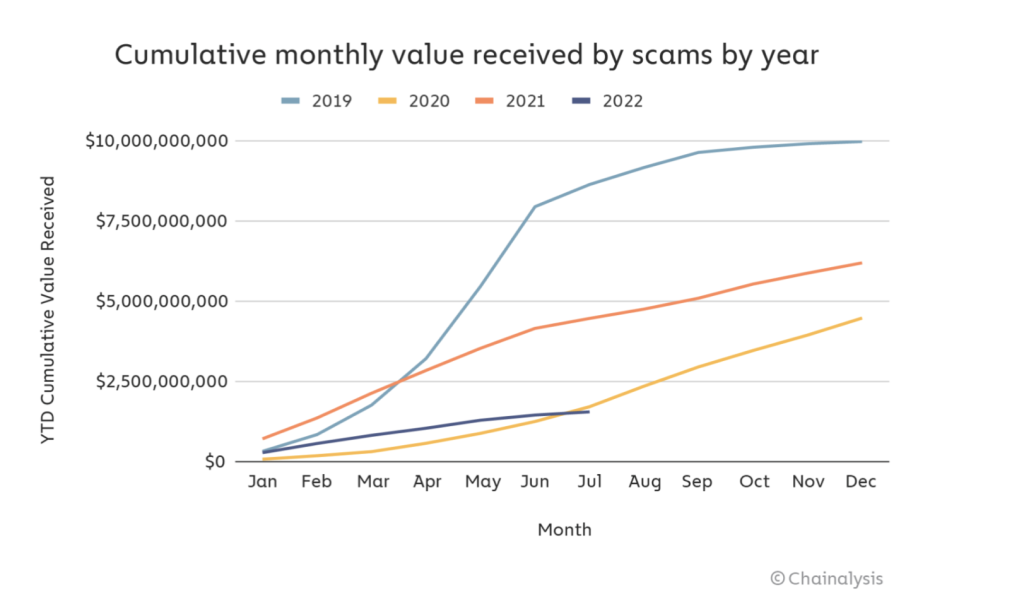
A significant legal battle looms as Chainalysis prepares for court regarding a $650 million defamation lawsuit initiated by the creators of YieldNodes. This case, which emerged from allegations that Chainalysis branded YieldNodes as an “investment scam,” has captured attention in the cryptocurrency and financial sectors. The lawsuit, filed in January, asserts that Chainalysis’s statements severely damaged the reputation and operations of YieldNodes.

YieldNodes, a platform that allows users to generate passive income through cryptocurrency investments, claims that Chainalysis’s assertions have negatively impacted their business model and investor confidence. The plaintiffs contend that the accusations have led to substantial financial losses and undermined their efforts to establish YieldNodes as a legitimate enterprise within the cryptocurrency ecosystem. The creators of YieldNodes argue that Chainalysis’s labeling of their operations as fraudulent constitutes defamation, and they seek reparations for the damages incurred.

Chainalysis has responded robustly to these allegations, denying any wrongdoing and asserting that their analyses are based on evidence gathered during their investigations into cryptocurrency operations. The analytics firm, known for its role in tracking blockchain transactions and providing insights into potential illicit activities, contends that its statements were grounded in factual observations related to suspicious activities tied to YieldNodes. Chainalysis has also filed motions to dismiss the lawsuit, arguing that the plaintiffs have failed to substantiate their claims with concrete evidence.

The lawsuit raises critical questions about the boundaries of free speech and responsible reporting in the rapidly evolving world of cryptocurrency. Chainalysis, as a prominent player in the blockchain analytics space, has a vested interest in maintaining its reputation as a credible source of information for regulators, law enforcement agencies, and the cryptocurrency community. As such, the firm defends its analysis as essential to combating fraud and ensuring the integrity of the market.

Legal experts suggest that the outcome of this case could set important precedents regarding defamation claims in the cryptocurrency sector. As the industry continues to mature, the lines between legitimate investment opportunities and fraudulent schemes are becoming increasingly blurred. This case could influence how companies navigate their public relations and disclosure strategies in an environment fraught with regulatory uncertainty and reputational risk.

The court proceedings will involve examining the standards for defamation, including whether Chainalysis acted with actual malice or if the statements were made in good faith based on the information available at the time. The distinction between subjective opinion and actionable statements of fact will also be pivotal in determining the case’s outcome. As both parties prepare for the courtroom, the stakes are high for both YieldNodes and Chainalysis, as the decision will likely impact the future of defamation law within the cryptocurrency context.

The case highlights the increasing tensions between companies operating in the cryptocurrency space and those tasked with monitoring and regulating it. YieldNodes represents a growing trend of companies attempting to legitimize their offerings amid rampant speculation and potential fraud in the market. At the same time, firms like Chainalysis emphasize their role as watchdogs, attempting to safeguard investors by providing transparency and analysis.

As the cryptocurrency market continues to evolve, this legal battle underscores the ongoing challenges companies face in balancing innovation with the scrutiny of regulatory authorities and public perception. The outcome of the lawsuit may influence how firms communicate about potential risks and allegations in the future, potentially leading to more stringent standards for public disclosures.

The court date is anticipated to be closely watched by industry stakeholders and legal analysts alike, as it may illuminate the complex interplay between defamation claims, freedom of speech, and the cryptocurrency landscape. This case serves as a reminder of the legal implications that arise as the cryptocurrency market becomes more mainstream and subject to scrutiny.

YieldNodes and Chainalysis’s confrontation illustrates the broader challenges faced by the cryptocurrency industry. As companies strive to build credibility and trust among investors, they must also navigate a minefield of potential allegations and reputational risks. The unfolding legal drama may also encourage companies to adopt clearer communication strategies and engage with legal counsel to mitigate risks associated with public statements.

Siam Commercial Bank (SCB) has made history by becoming the first bank in Thailand to incorporate stablecoins for cross-border payments, a significant advancement in the country’s financial technology landscape. This pioneering move is part of a partnership with the fintech company Lightnet, which aims to enhance the efficiency and speed of international money transfers, particularly in the Southeast Asian region.

SCB’s initiative signals a major shift toward digital currencies in traditional banking, responding to a growing demand for more streamlined and cost-effective payment solutions in an increasingly interconnected world. The integration of stablecoins, which are digital currencies pegged to stable assets like fiat currencies, offers a way to mitigate the volatility typically associated with cryptocurrencies. By leveraging stablecoins, SCB can facilitate faster transactions and reduce fees, making it a compelling option for businesses and consumers engaged in cross-border trade.

This strategic partnership is not merely an isolated development but part of a broader trend among financial institutions worldwide embracing blockchain technology and digital currencies to remain competitive. SCB’s move aligns with the Thai government’s digital economy initiatives, which promote the adoption of innovative technologies to enhance the country’s financial infrastructure. The use of stablecoins is expected to streamline the payment processes significantly, allowing users to transfer funds in real-time, a stark contrast to traditional methods that often take several days to complete.

Lightnet, founded in 2018, has been at the forefront of integrating blockchain technology into the financial services industry. The company utilizes a decentralized network that connects various payment platforms, enabling users to send and receive funds across borders seamlessly. By collaborating with SCB, Lightnet aims to expand its operations in Thailand and enhance the overall efficiency of financial transactions within the region.

As part of this partnership, SCB will leverage Lightnet’s blockchain infrastructure to facilitate transactions in stablecoins, thus providing a secure and efficient method for cross-border payments. This approach not only positions SCB as a leader in fintech innovation within Thailand but also enhances its competitive edge against other banks and financial institutions in the region that are yet to adopt similar technologies.

The implications of this partnership extend beyond mere transactional efficiency. By adopting stablecoins, SCB is responding to the needs of businesses that require faster and more reliable payment methods to meet the demands of global trade. This move may also inspire other financial institutions in Thailand and across Southeast Asia to explore similar partnerships with fintech firms, fostering a more dynamic and competitive banking landscape.

Experts have noted that the adoption of stablecoins in the banking sector can significantly impact the remittance market, particularly in regions like Southeast Asia, where a substantial portion of the population relies on cross-border remittances for their livelihoods. Traditional remittance services often impose high fees and lengthy processing times, making stablecoin-based solutions an attractive alternative for those seeking more affordable and efficient options.

The integration of stablecoins aligns with the broader trend of digital transformation within the banking sector, as more institutions recognize the necessity of evolving to meet changing consumer expectations. The COVID-19 pandemic has accelerated the shift towards digital payments and online banking, prompting banks to adopt new technologies to enhance customer experience and streamline operations.

This development also raises questions about regulatory frameworks surrounding digital currencies in Thailand and the broader Southeast Asian region. As banks like SCB begin to incorporate stablecoins into their operations, regulators will need to establish clear guidelines to ensure the safety and security of these transactions. The Thai government has already indicated its intention to create a conducive environment for fintech innovations, but balancing regulation with the need for innovation will be crucial as the industry evolves.

The implications of SCB’s adoption of stablecoins are profound, potentially reshaping the landscape of cross-border payments in Thailand and beyond. As this initiative gains traction, it may pave the way for increased collaboration between banks and fintech companies, fostering an ecosystem where innovative solutions can thrive.

This partnership could stimulate greater interest in stablecoins among consumers and businesses, driving broader adoption across various sectors. With SCB leading the charge, it is likely that other banks will follow suit, recognizing the benefits of integrating digital currencies into their payment systems.

Emirates Transport is set to embark on a pioneering initiative to pilot test hydrogen and electric vehicles as part of its strategy to transition toward sustainable transportation. This ambitious project aligns with the UAE’s broader commitment to reducing carbon emissions and advancing environmental sustainability within the transportation sector. The initiative represents a significant step toward achieving the goals outlined in the UAE’s Vision 2021 and the National […]

Microsoft’s cloud ecosystem is poised to significantly bolster the UAE’s economy, contributing over $74 billion in the next four years. This substantial impact underscores the growing role of technology in driving economic growth and digital transformation within the region. As businesses increasingly migrate to cloud platforms, the demand for advanced digital services is surging, transforming traditional business models and fostering innovation.

The projections stem from Microsoft’s commitment to enhancing its cloud infrastructure in the UAE, which aligns with the nation’s broader vision of becoming a global tech hub. The company has been actively investing in local data centers and expanding its cloud services, such as Azure, Dynamics 365, and Microsoft 365. These initiatives are expected to accelerate digital adoption among enterprises, enabling them to harness advanced analytics, artificial intelligence, and other cutting-edge technologies.

A recent report from a leading market research firm highlights that the UAE’s digital economy is on an upward trajectory, driven by initiatives such as the National Digital Economy Strategy and the Emirates Digital Economy Council. These efforts aim to create a resilient, competitive, and sustainable digital economy that supports diverse sectors, including finance, healthcare, and education.

Microsoft’s investments also play a crucial role in fostering job creation and skills development in the region. As more companies transition to cloud-based operations, the demand for skilled professionals in cloud computing, data analysis, and cybersecurity is escalating. Microsoft has pledged to provide training programs and certifications to empower local talent, addressing the skills gap and enhancing employability within the tech sector.

The collaboration between Microsoft and the UAE government signifies a robust public-private partnership that can drive economic diversification. The government’s push to embrace digital transformation aligns with Microsoft’s expertise in cloud computing and innovation, creating a synergistic relationship that enhances the overall economic landscape.

As companies in the UAE adapt to the digital age, the reliance on cloud services is becoming increasingly vital. The cloud offers flexibility, scalability, and cost-effectiveness, allowing businesses to respond swiftly to changing market dynamics. This shift not only enhances operational efficiency but also opens new avenues for innovation and collaboration.

The UAE’s strategic location as a gateway to the Middle East and North Africa (MENA) region further amplifies the significance of Microsoft’s investments. By positioning itself as a leader in cloud technology, Microsoft is not only catering to local enterprises but also targeting international businesses looking to establish a foothold in the MENA market. This approach is expected to attract foreign direct investment (FDI) and enhance the UAE’s competitiveness as a business hub.

Microsoft’s commitment to sustainability aligns with the UAE’s ambitious goals for a greener future. The company is dedicated to achieving carbon neutrality by 2030 and has initiated programs aimed at reducing the environmental impact of its data centers. This emphasis on sustainability resonates with the UAE’s vision for sustainable development, positioning Microsoft as a responsible corporate citizen in the region.

Industry experts have lauded Microsoft’s efforts in enhancing the UAE’s digital landscape. The collaboration between tech giants and governments is seen as a catalyst for innovation and economic growth. Analysts believe that the ripple effects of Microsoft’s cloud ecosystem will extend beyond direct contributions to GDP, influencing various sectors and fostering a culture of innovation among local enterprises.

As part of its cloud initiatives, Microsoft is leveraging partnerships with local startups and enterprises to drive innovation and foster entrepreneurship. These collaborations aim to create a vibrant ecosystem that nurtures creativity and supports the growth of homegrown businesses. By empowering startups with access to cutting-edge technology and resources, Microsoft is contributing to a thriving entrepreneurial landscape in the UAE.

The anticipated economic impact of Microsoft’s cloud ecosystem is not only a testament to the company’s strategic vision but also reflects the UAE’s determination to embrace digital transformation as a cornerstone of its economic future. As the nation continues to evolve into a technology-driven economy, the partnership with Microsoft positions it at the forefront of the global digital landscape.

Abu Dhabi National Hotels (ADNH) Catering has set the final price for its Initial Public Offering (IPO) at AED 1.18 per share. This decision comes as the company prepares to list its shares on the Abu Dhabi Securities Exchange, with trading expected to commence on October 23. The pricing reflects a market capitalization of approximately AED 1.79 billion ($487 million) and follows a successful offering process that garnered strong interest from both institutional and retail investors.

The IPO represents a significant opportunity for ADNH Catering to enhance its capital structure and expand its operations. The company plans to utilize the proceeds from the IPO to support its growth strategy, which includes diversifying its services and improving operational efficiencies. This strategic move aligns with the broader goals of the Abu Dhabi government to bolster the local economy and increase the participation of private sector entities in the market.

ADNH Catering has been a key player in the hospitality and catering sectors in the UAE, offering a range of services including catering solutions for events, institutional catering, and food services for hotels and restaurants. The company’s strong market position is underpinned by its extensive experience and reputation for quality, making it a preferred partner for various clients in the region.

Market analysts view the IPO as a positive development for both ADNH Catering and the broader UAE market. The successful pricing indicates robust investor confidence in the company’s future prospects. The IPO follows a growing trend of public offerings in the Gulf Cooperation Council (GCC) region, which has seen increased activity in the capital markets as companies seek to capitalize on favorable economic conditions and investor appetite.

Investors’ interest in the ADNH Catering IPO has been driven by several factors, including the company’s track record of profitability and its plans for future expansion. According to reports, the IPO attracted significant attention from institutional investors, with the offering being oversubscribed multiple times. This enthusiasm reflects a broader trend of investor confidence in the UAE market, driven by various economic reforms and a commitment to diversifying the economy.

The UAE’s hospitality sector has shown resilience and adaptability in the face of global challenges, such as the COVID-19 pandemic. As travel restrictions have eased, there has been a notable resurgence in tourism, leading to increased demand for catering services. ADNH Catering aims to leverage this recovery by enhancing its service offerings and expanding its market reach both domestically and internationally.

The IPO is expected to contribute to the UAE’s goal of attracting foreign direct investment. By providing a platform for local companies to access capital, the IPO aligns with the UAE’s Vision 2030 initiative, which seeks to transform the economy by fostering innovation and increasing private sector participation. This initiative is vital for maintaining the UAE’s competitive edge in the global market.

As the date for the start of trading approaches, ADNH Catering has focused on ensuring a smooth transition to the public market. The company has engaged with stakeholders, including investors, financial advisors, and regulatory bodies, to prepare for its debut on the Abu Dhabi Securities Exchange. This proactive approach is designed to instill confidence among potential investors and promote transparency in the company’s operations.

The finalization of the IPO price marks a critical milestone for ADNH Catering, which has undergone significant transformations in recent years. The company has invested in modernizing its infrastructure and enhancing its service capabilities to meet the evolving needs of its clients. This commitment to innovation positions ADNH Catering well for future growth in a competitive market.

The success of the IPO is also likely to inspire other companies in the region to consider going public. As more firms seek to tap into the capital markets, the UAE could see a surge in IPO activity, further solidifying its status as a financial hub in the Middle East. This trend could lead to increased liquidity in the market and offer investors more opportunities to diversify their portfolios.

Analysts are closely monitoring the developments surrounding ADNH Catering’s IPO, recognizing its potential implications for the broader market. The company’s listing is expected to attract considerable attention from both domestic and international investors, adding to the vibrancy of the Abu Dhabi Securities Exchange. The interest generated by the offering underscores the confidence investors have in the company’s growth trajectory and the overall health of the UAE economy.

United Development Company (UDC), a prominent real estate and investment firm in Qatar, has finalized an agreement to divest a 40% stake in Qatar Cool, the leading district cooling service provider in the region. This strategic move is poised to bolster UDC’s financial position while allowing Qatar Cool to enhance its operational capabilities and expand its service offerings. The deal underscores the growing importance of sustainable energy solutions in Qatar’s rapidly developing economy.

Qatar Cool, which was established in 2003, has been instrumental in providing efficient cooling solutions to various sectors, including residential, commercial, and industrial clients. The company has a significant footprint in Qatar, servicing landmark projects such as The Pearl-Qatar, Lusail City, and various governmental facilities. The district cooling model has gained traction in the Gulf region, particularly in Qatar, where high temperatures necessitate energy-efficient cooling solutions.

The decision by UDC to divest a portion of its stake comes at a time when the demand for district cooling services continues to rise, driven by increasing urbanization and the ongoing development of large-scale infrastructure projects. Industry analysts view this divestment as a move that will allow UDC to unlock capital for reinvestment into its core real estate ventures while also enabling Qatar Cool to leverage the new partnership for growth opportunities. The transaction is expected to close within the coming months, pending regulatory approvals.

As the largest shareholder in Qatar Cool, UDC’s divestment will not significantly alter the company’s strategic direction. However, the introduction of new partners could provide fresh perspectives and innovative approaches to expand Qatar Cool’s operations. Analysts are optimistic that this partnership will enable the company to enhance its technology and service delivery, aligning with Qatar’s Vision 2030 objectives focused on sustainable development.

The Qatar district cooling market has seen a substantial increase in investment over the past few years, with several new projects coming online to meet the burgeoning demand. According to industry reports, the district cooling market in Qatar is projected to grow at a compound annual growth rate (CAGR) of approximately 7.5% between 2024 and 2030. This growth is largely attributed to the government’s push for energy-efficient solutions that reduce carbon emissions and support sustainable urban development.

Qatar’s commitment to hosting global events such as the FIFA World Cup 2022 has accelerated infrastructure development across the country. The event has not only raised the profile of Qatar on the world stage but has also catalyzed significant investments in various sectors, including energy, real estate, and utilities. This investment climate is favorable for companies like Qatar Cool, as they can capitalize on the infrastructure development boom to expand their customer base.

Key players in the district cooling industry are increasingly adopting advanced technologies, such as smart cooling systems and IoT-enabled monitoring solutions, to improve energy efficiency and operational performance. Qatar Cool, in particular, has been at the forefront of this trend, leveraging innovative technologies to enhance its service offerings. The company has implemented state-of-the-art infrastructure that allows for real-time monitoring and management of its cooling systems, leading to improved efficiency and cost savings for customers.

UDC’s move to divest a portion of its stake aligns with a broader trend among corporations in the Middle East, where companies are re-evaluating their asset portfolios to focus on core competencies and maximize shareholder value. This strategic realignment is becoming increasingly important as the region navigates economic challenges and seeks to diversify its economies away from oil dependency. The sale of the stake is seen as a prudent financial strategy, positioning UDC to better invest in its real estate projects that are vital to Qatar’s ongoing development.

Industry experts anticipate that this divestment could pave the way for further consolidation in the district cooling sector, as companies seek to enhance their operational capabilities and market reach. The entrance of new stakeholders could bring additional investment, expertise, and innovation to Qatar Cool, ultimately benefiting its customers and contributing to the country’s sustainability goals.

Nokia’s third-quarter performance failed to meet expectations, with net sales dropping to €4.33 billion, down 7% from the previous year. The company’s recovery, anticipated to pick up by now, has been slower than forecasted. While Network Infrastructure and Nokia Technologies divisions saw some growth, a significant drop in Mobile Networks, particularly in India, along with divestments in Cloud and Network Services, led to this overall decline. Despite these setbacks, Nokia maintained its full-year outlook, expecting profits at the lower end of its projected range.

Nokia’s profit did see a year-on-year improvement, rising to €169 million, while comparable profit from continuing operations increased to €358 million. However, these gains could not offset the overall sales decline. Nokia’s mobile networks, especially in key markets, face challenges, with weaker demand, notably in India, being a major factor. The company continues to focus on operational cost-cutting to counterbalance slow sales recovery.

Despite missing sales estimates, Nokia remains committed to its longer-term goals, aiming for improved margins and profitability through to 2026. The company’s leadership is banking on ongoing restructuring and investments in 5G and new technologies to drive this future growth. Nonetheless, investor concerns remain, particularly given the sluggish turnaround and competitive pressures in the global telecom sector.

A significant step has been taken to strengthen the UAE’s publishing industry, as the Emirates Publishers Association (EPA) signed a Memorandum of Understanding (MoU) with Aramex Emirates LLC. This agreement aims to bolster the logistics framework for local publishers, offering tailored services that improve the distribution and global reach of Emirati publications. The collaboration also marks a pivotal move in positioning the UAE as a hub for the publishing industry in the region.

The partnership promises logistical solutions that will streamline the movement of books and publications from Emirati publishers to local and international markets. The MoU highlights Aramex’s commitment to leveraging its extensive logistics expertise to ensure a seamless distribution network for EPA members. The arrangement is expected to significantly enhance the efficiency of book deliveries, helping local publishers manage supply chains more effectively while cutting costs and delays.

The UAE’s publishing sector has experienced notable growth in recent years, with an increasing demand for Arabic and English titles. This MoU reflects the need for robust logistics solutions that can meet the distribution challenges faced by local publishers, especially in reaching international audiences. By partnering with Aramex, the EPA aims to provide its members with access to a wider readership and promote Emirati literature on a global scale.

According to the EPA, the agreement will offer a comprehensive range of logistics services, including warehousing, shipping, and real-time tracking for all types of publications. This will provide greater flexibility for publishers to manage their inventories, allowing them to cater to fluctuating market demands without being hindered by logistics constraints. Publishers will also benefit from customized solutions that address the specific needs of their operations, whether they focus on digital or print media.

EPA President Ali bin Hatem emphasized that the MoU is an essential step in creating an infrastructure that can support the long-term sustainability of the UAE’s publishing industry. He noted that enhancing logistics services is critical in ensuring that the country’s literary output can be effectively distributed both domestically and internationally. “Our partnership with Aramex will allow publishers to expand their market reach and access new opportunities,” bin Hatem said.

For Aramex, this collaboration further underscores the logistics firm’s strategic focus on supporting key industries in the UAE, including publishing. Aramex’s regional CEO, Othman Aljeda, expressed confidence that the company’s extensive network and expertise in logistics would help local publishers overcome many of the challenges they face in distribution. “We are committed to providing efficient and reliable logistics solutions that will allow Emirati publishers to focus on what they do best – producing high-quality content,” Aljeda stated.

The logistics industry plays a crucial role in the publishing sector, especially as publishers increasingly rely on global distribution networks to reach readers. Aramex’s solutions are expected to reduce shipping times and costs for Emirati publishers, enabling them to respond more quickly to customer demands. Moreover, the integration of digital tools such as real-time shipment tracking will give publishers greater control over their distribution processes, allowing for better planning and inventory management.

As part of the agreement, EPA members will also receive preferential rates on Aramex’s logistics services, making it more cost-effective for smaller publishers to distribute their titles. This is seen as a key benefit for emerging publishers who may struggle to navigate the complexities of international shipping. The partnership is also expected to enhance the visibility of Emirati publications at global book fairs and literary events, further positioning the UAE as a center of cultural and literary production.

The Emirates Publishers Association, which was founded in 2009, has been instrumental in promoting the growth of the local publishing industry and advocating for the interests of its members. With over 200 publishers registered under the EPA, the organization has played a vital role in elevating the UAE’s status as a literary hub. The MoU with Aramex is the latest in a series of initiatives aimed at supporting local publishers and addressing the logistical challenges they face in today’s fast-evolving market.

This partnership comes at a time when the global publishing industry is undergoing significant transformations due to the rise of e-books and digital publishing platforms. By offering solutions tailored to the needs of modern publishers, the EPA-Aramex collaboration is expected to facilitate both traditional print distribution and digital content delivery. This will help local publishers adapt to the changing landscape of the industry while maintaining a strong presence in international markets.

Publishers have welcomed the initiative, praising the EPA’s efforts to address one of the most pressing issues in the industry: distribution. Several local publishers have expressed optimism about the impact of this partnership on their ability to reach wider audiences. The integration of logistics solutions is seen as a game-changer that will allow Emirati publishers to compete more effectively in both regional and global markets.

Tawaref, a prominent Saudi technology firm, has announced the acquisition of Amaana, an emerging player in the artificial intelligence solutions sector. This strategic move aims to bolster Tawaref’s capabilities in delivering innovative AI-driven services to its clients across various industries, particularly in logistics, e-commerce, and healthcare. The acquisition is seen as a critical step in enhancing Tawaref’s service offerings and positioning it as a leader in the […]

VISHNU RAJA
RYO YAMADA
HITORI GOTOH
IKUYO KITA
Just in:
ADIA and partners establish $1.4 billion aviation venture // Pinarayi faults UDF over mounting road crashes // BJP’s Aggressive Response Exposes Anxiety Over Opposition Unity // DIP Holding targets Dh1.12 IPO price and $529m proceeds // CPI, CPM dispute portrayal of Vayalar uprising leaders // xCube Access Welcomes Entrust Capital Limited  Expanding Access to Professional Portfolio Management // After Reaching 7 Million Users in the Philippines, Skyro Launches Transparent Cash Loans in Malaysia // XRG secures agreement for $1.45bn Australian LNG stake // Fast Just Got Fastest: STING Energy Boost™ Celebrates Kimi Antonelli’s Formula 1® World Championship and the Fan Energy Behind It // ADIPEC leaders urge investment in global energy networks // Arrow Electronics showcases technologies advancing intelligent robotics, mobility and digital infrastructure // Cyberport Venture & Capital Forum 2026 Grand Opening // Anthropic to prohibit persistent abuse of Claude chatbot // Democrats capture Senate majority with seven Republican seats // Vingroup And Legends Global Announce Strategic Partnership For VinFast – Trong Dong Stadium // AI trust gap reveals distinct retail priorities: Divergent paths to consumer growth in Hong Kong and the GBA // Democrats secure Senate majority after Republican election losses // SC to examine students’ exam plea today // Burying Head In “India Made Poverty Reduction” Data Is Dangerous // ADIA and partners establish $1.4 billion aviation venture //