News related to
Operations

Apple has unveiled a monumental plan to invest $500 billion in the United States over the next four years, underscoring its commitment to domestic manufacturing, artificial intelligence development, and job creation. This initiative represents one of the largest single investments by a technology company in U.S. history. The investment encompasses several key components aimed at bolstering Apple’s infrastructure and technological capabilities. A significant portion is allocated to […]

Biconomy.com, a leading digital asset trading platform, has officially listed the native token of the BlackFort Exchange Network, BXN, effective from 26 February 2025. This strategic move offers traders additional opportunities and underscores Biconomy’s commitment to supporting innovative blockchain projects.

BlackFort Exchange Network distinguishes itself as a next-generation blockchain ecosystem, featuring a standalone, independent Layer-1 blockchain compatible with Ethereum. At its core is BXN, the native utility token that fuels various functionalities within the network. BlackFort’s blockchain is engineered to meet the essential demands of modern blockchain technology while introducing groundbreaking innovations.

The BXN token serves multiple practical purposes within the BlackFort ecosystem:

– Transaction Fees: BXN is utilized to cover transaction costs on the BlackFort blockchain, ensuring smooth and economical operations.

– Governance: Token holders have the ability to participate in governance decisions, influencing the future direction of the BlackFort network.

– Staking: Users can stake BXN to promote network security and receive rewards, encouraging active participation and network stability.

By listing BXN, Biconomy.com reinforces its dedication to providing users with access to cutting-edge and promising blockchain ventures. The platform’s strong liquidity, ease of use, and security enable traders to confidently interact with BXN. This listing supports the growth and adoption of the BlackFort ecosystem and expands the range of assets available on Biconomy.com.

Microsoft has entered into a strategic collaboration with the Government of Kuwait to establish an Azure cloud region within the country, aiming to accelerate Kuwait’s digital transformation and bolster its position as a regional technology hub. This initiative is set to provide advanced cloud services, enhance data residency, and stimulate the development of smart infrastructure across various sectors.

The partnership aligns with Kuwait’s Vision 2035, a national development plan that seeks to diversify the economy and reduce dependence on oil revenues by fostering a knowledge-based economy. By integrating Microsoft’s AI capabilities into the Azure cloud platform, the collaboration aims to drive innovation in key industries, including finance, healthcare, and education.

Kuwait has been proactive in adopting cutting-edge technologies to modernize its infrastructure and services. Notably, the country was the first in the region to implement 5G technology and currently boasts one of the highest 5G penetration rates globally. This existing technological foundation positions Kuwait favorably for the integration of advanced cloud services and AI solutions.

The establishment of a local Azure cloud region is expected to address critical concerns regarding data residency and security. By ensuring that data remains within national borders, the initiative aims to comply with local regulatory requirements and build trust among businesses and consumers. This move is anticipated to encourage more organizations to migrate to cloud platforms, thereby enhancing operational efficiency and scalability.

In the financial sector, the collaboration is poised to introduce AI-driven analytics and automation, enabling institutions to offer personalized services and improve risk management. The healthcare industry stands to benefit from enhanced data management systems, telemedicine capabilities, and predictive analytics for patient care. Educational institutions are expected to leverage cloud-based tools to facilitate remote learning and collaboration, aligning with global trends in digital education.

Microsoft’s investment in Kuwait extends beyond infrastructure development; the company plans to launch initiatives aimed at enhancing digital literacy and skills among the Kuwaiti workforce. These programs are designed to equip professionals with the competencies required to thrive in an AI-driven economy, thereby supporting the nation’s broader employment and economic diversification goals.

The Kuwaiti government has demonstrated a commitment to fostering innovation through various initiatives. For instance, the Insurance Regulatory Unit established IruSoft, an insurance regulatory platform designed for licensing, supervision, and inspection of the insurance sector. This platform introduced unique supervision-technology , insurance-technology , and regulatory-technology automated modules, reducing the resources required to ensure fairness, transparency, and competition in the sector. The implementation of such platforms reflects Kuwait’s dedication to integrating technology into governance and regulatory frameworks.

The collaboration with Microsoft also underscores Kuwait’s active participation in international digital initiatives. As a member of the Digital Cooperation Organization , Kuwait engages with other nations to promote digital prosperity and inclusive growth of the digital economy. The DCO focuses on fostering cooperation in areas such as digital innovation and governance, aligning with Kuwait’s objectives of leveraging technology for sustainable development.

The anticipated launch of the Azure cloud region is expected to attract global technology companies and startups to Kuwait, creating a vibrant ecosystem for innovation. This influx of technology enterprises is likely to generate employment opportunities, stimulate local entrepreneurship, and position Kuwait as a competitive player in the global digital economy.

The collaboration is set to enhance public sector services by enabling the development of smart city initiatives, improving urban planning, and delivering citizen-centric services. The integration of AI and cloud technologies can lead to more efficient public transportation systems, energy management, and public safety measures, thereby improving the quality of life for residents.

The educational sector is poised to undergo significant transformation through this partnership. By integrating cloud services into curricula and administrative operations, educational institutions can offer personalized learning experiences, streamline management processes, and facilitate research collaborations. This technological integration is expected to produce a generation of digitally adept graduates, ready to contribute to various sectors of the economy.

In the realm of healthcare, the Azure cloud region is anticipated to support the development of telemedicine services, electronic health records, and AI-driven diagnostic tools. These advancements can lead to improved patient outcomes, increased access to healthcare services, and optimized operational efficiencies within medical institutions.

The financial industry is also set to benefit from enhanced security measures, compliance solutions, and data analytics capabilities provided by the Azure platform. Financial institutions can leverage these tools to detect and prevent fraud, assess credit risks more accurately, and offer tailored financial products to customers.

Microsoft’s collaboration with Kuwait signifies a pivotal step in the nation’s journey towards digital transformation. By harnessing the power of AI and cloud computing, Kuwait aims to diversify its economy, enhance public services, and improve the overall standard of living for its citizens. This initiative reflects a broader trend in the region, where countries are increasingly investing in technology to drive sustainable development and global competitiveness.


SINGAPORE – Media OutReach Newswire – 7 March 2025 – Every year hundreds of entrepreneurs are launching their brands on Amazon to reach millions of customers in North America and beyond. Ahead of International Women’s Day, read the inspiring stories of Singapore female entrepreneurs and innovators who are making their mark globally on Amazon through products such as dog toys, health foods, baby essentials, and lifestyle homeware. […]

SpaceX’s ambitious Starship program encountered a significant setback as its eighth test flight ended in failure. The spacecraft disintegrated minutes after launch from Boca Chica, Texas, scattering debris over the Caribbean. This incident marks the second failure for the Starship vehicle within a span of six weeks, raising concerns about the program’s trajectory and safety protocols. The test flight commenced at 5:30 p.m. CST, with the Super […]

Superstate Services, a prominent tokenized asset manager, has secured its registration as a transfer agent with the U.S. Securities and Exchange Commission . This marks a significant milestone for the company, which plans to enhance its support for tokenized securities, starting with two of its own investment funds. The move positions Superstate at the forefront of the rapidly expanding market for digital assets, signalling its intent to expand its services to a broader range of issuers as the market matures.

Tokenized securities, which represent ownership in real-world assets through blockchain technology, have gained increasing attention as the financial industry seeks innovative ways to streamline operations and democratise access to investment opportunities. The registration with the SEC allows Superstate to operate legally in the United States, providing a secure and compliant platform for transferring and managing tokenized assets.

The firm’s entry into the transfer agent space comes as the digital securities market shows significant growth. Blockchain technology offers new efficiencies and transparency, which appeal to investors looking for safer and more transparent financial markets. As a registered transfer agent, Superstate will be responsible for managing shareholder records, overseeing securities transfers, and ensuring compliance with regulatory standards – all crucial tasks in the management of tokenized securities.

Superstate’s decision to focus initially on supporting its own funds aligns with the company’s strategic approach to entering the market. By concentrating on a controlled set of assets, Superstate aims to fine-tune its operations and build a reputation for reliability and security in a space that is still developing. However, the firm’s long-term ambitions are more expansive. It plans to extend its services to other issuers as the broader market for tokenized securities continues to evolve.

As the market for tokenized assets grows, there is a pressing need for regulatory clarity and standardisation. The SEC’s increased focus on digital assets and tokenisation has provided a foundation for firms like Superstate to operate within a legally recognised framework. Superstate’s ability to navigate this regulatory landscape positions it as a leader in the space, setting a precedent for other companies looking to register as transfer agents for tokenized securities.

One of the driving forces behind the rise of tokenized securities is the potential for fractional ownership. By digitising assets, such as real estate or private equity, tokenisation allows for smaller, more affordable investments, broadening access to traditionally illiquid markets. This democratisation of investment is one of the key advantages that blockchain technology offers, and it has drawn the attention of institutional investors and regulators alike.

The market for tokenized securities is still in its infancy, and there are hurdles to overcome, including addressing concerns about security, market manipulation, and investor protection. Superstate’s registration with the SEC reflects the increasing regulatory scrutiny of the sector, which aims to protect investors while enabling innovation. The company’s move to operate within the bounds of this regulatory framework demonstrates its commitment to transparency and compliance.

Superstate’s work as a transfer agent also positions it as a critical player in the infrastructure of the tokenized securities market. Transfer agents play an essential role in ensuring the integrity of financial transactions, including the smooth transfer of ownership in securities. In the world of tokenized assets, where transactions can be processed quickly and across borders, this function becomes even more vital.

As the demand for tokenized assets rises, the need for reliable intermediaries who can navigate complex legal and regulatory frameworks will continue to grow. Superstate’s move to expand its services beyond its own funds could mark the beginning of a new era in which traditional financial structures and blockchain technology coexist to reshape the future of investing.

The decision to register with the SEC also serves as a validation of the potential for tokenized assets in mainstream finance. While many in the financial industry have been cautious about the broader adoption of blockchain technologies, the actions of firms like Superstate show that tokenisation is moving from a speculative niche to a more established part of the financial landscape.

Looking ahead, Superstate’s position as a registered transfer agent provides a foundation for further growth in the tokenized asset management space. The firm is poised to leverage its expertise in tokenisation and asset management to support a wider range of clients, potentially including large financial institutions and high-net-worth individuals seeking exposure to tokenised assets.

By Nitya Chakraborty How is China, the second largest economic and military power of the world after the United States is planning to confront the second term U.S. President Donald Trump’s resurgence disrupting the so long established global order to impose his total domination on international politics? Every political analyst is looking at the current […]

Advertisements

Abu Dhabi-based conglomerate International Holding Company has divested 8.448 million shares, equating to a 0.73% stake, in Adani Enterprises Limited for ₹1,831.82 crore. This transaction was executed through IHC’s subsidiaries, Green Vitality RSC and Green Energy Investment Holding RSC, via open market deals on the Bombay Stock Exchange on Wednesday.

The shares were sold at an average price of ₹2,168.1 per share. Concurrently, Envestcom Holding RSC Ltd offloaded an identical number of shares in two tranches at the same price. Following these transactions, AEL’s stock experienced a 4.57% uptick, closing at ₹2,244.85 on the BSE.

IHC, a diversified entity with interests spanning agriculture, healthcare, real estate, and utilities, has been actively adjusting its investment portfolio concerning the Adani Group. In 2022, IHC invested approximately $2 billion in three Adani Group companies: Adani Green Energy, Adani Transmission, and Adani Enterprises. By September 2023, IHC announced the sale of its stakes in Adani Green Energy and Adani Transmission but increased its holding in Adani Enterprises to over 5%. As of the latest available data, Green Enterprises Investment Holding holds 40,191,038 shares in Adani Enterprises, representing a 3.48% stake.

Adani Enterprises, the flagship entity of the Adani Group, has faced significant scrutiny and market fluctuations in recent years. The conglomerate’s rapid expansion into sectors such as energy, infrastructure, and logistics has attracted both investor interest and regulatory attention. The divestment by IHC is perceived by market analysts as a strategic portfolio rebalancing rather than a reflection of the company’s performance.

The transaction has prompted discussions among investors regarding the future trajectory of Adani Enterprises. While some view the sale as a routine investment decision by IHC, others speculate about potential implications for the company’s stock performance and market perception. Notably, despite the substantial share sale, Adani Enterprises’ stock demonstrated resilience by closing higher on the day of the transaction.

In the broader market context, other Adani Group stocks also exhibited positive movements. For instance, shares of Adani Green Energy surged over 10%, aligning with a general rally in the equity market. This trend indicates sustained investor confidence in the conglomerate’s diversified business operations.

IHC’s decision to adjust its stake in Adani Enterprises underscores the dynamic nature of global investment strategies. As multinational corporations continually reassess their portfolios to align with evolving market conditions and corporate objectives, such transactions are becoming increasingly commonplace. Investors and market observers will be keenly monitoring subsequent filings and disclosures to gauge the long-term impact of this divestment on both IHC and Adani Enterprises.

Elon Musk’s Department of Government Efficiency , established to streamline federal operations and reduce expenditures, has come under scrutiny as several of its staff members receive substantial taxpayer-funded salaries. This revelation contrasts with Musk’s earlier assertions that DOGE positions were unpaid and voluntary. Notably, Kyle Schutt, a software engineer assigned to the Cybersecurity and Infrastructure Security Agency, earns $195,200 annually—the maximum salary permitted for a federal employee. […]

Startups in India’s deep-tech and semiconductor sectors are increasingly positioning themselves as key players in the global technological race. With innovations spanning automotive semiconductors, AI-driven edge computing, and secure connectivity solutions, these startups are poised to lead the next wave of technological advancement.

The role of India’s emerging deep-tech ecosystem is gaining global recognition, especially in fields where cutting-edge technology is required to meet the rapidly evolving demands of industries. Notably, companies in the semiconductor sector are contributing significantly to the development of next-generation automotive systems. These systems rely heavily on semiconductor components to enable functions like autonomous driving, safety features, and advanced in-car connectivity, all of which are in high demand globally.

NXP Semiconductors, a global leader in semiconductor solutions, has highlighted the critical role India’s deep-tech startups are playing in this technological transformation. According to NXP executives, Indian startups are at the forefront of developing innovative solutions that can cater to the evolving needs of the automotive industry. “India’s deep-tech ecosystem is thriving, particularly in the semiconductor space, which is foundational for automotive technologies,” stated an NXP spokesperson. These startups are not only serving the domestic market but are also well-positioned to tap into the vast global market for automotive semiconductors.

India’s progress in automotive technology is attributed to a blend of innovation, government support, and a rapidly growing pool of highly skilled engineers and entrepreneurs. The country’s focus on fostering startups through initiatives like the ‘Startup India’ programme has provided a conducive environment for these companies to flourish. Additionally, the Indian government’s emphasis on expanding its semiconductor manufacturing capabilities has laid the foundation for more home-grown innovations in this sector.

While the automotive sector is receiving significant attention, Indian startups are also making strides in other high-growth sectors like AI-driven edge computing. These technologies are revolutionizing industries by enabling faster data processing at the source of data generation, as opposed to relying solely on cloud infrastructure. The ability to process data at the edge, especially in real-time applications such as smart cities and industrial IoT , is proving to be a game-changer. Indian startups are developing solutions that make edge computing more scalable, efficient, and secure, which is crucial for industries that demand low-latency operations and enhanced security.

India’s deep-tech startups are playing a vital role in advancing secure connectivity solutions, an area that has seen increasing demand with the rise of the Internet of Things and the digitalisation of services. In an era where data security is paramount, these companies are creating cutting-edge technologies to secure communications and data transmissions across various platforms. The emphasis on cybersecurity and secure communication protocols is vital in safeguarding critical infrastructure, especially with industries such as healthcare, finance, and defence becoming more interconnected.

Industry leaders believe that the synergy between India’s deep-tech startups and the government’s efforts to boost innovation will create a strong foundation for India’s dominance in these high-tech sectors. A key component of this success lies in the startups’ ability to develop customised solutions for both domestic and international markets. This is where their deep understanding of local challenges combined with global aspirations gives them a competitive edge.

With significant investments flowing into the country’s startup ecosystem, especially in semiconductors, AI, and edge computing, the outlook for India’s deep-tech sector is promising. The advent of 5G technology, in particular, is expected to further accelerate demand for these innovative solutions, particularly in automotive, smart cities, and industrial sectors. The country’s deep-tech startups are expected to play an instrumental role in the development and deployment of 5G-enabled technologies, which will provide them with more opportunities to scale globally.

India’s push towards developing indigenous semiconductor manufacturing capabilities has also opened doors for local companies to cater to the international semiconductor market. The government has actively sought to reduce India’s reliance on imported semiconductors, which has led to a surge in the development of local semiconductor fabs and research and development facilities. With global supply chains under pressure due to geopolitical factors, the demand for domestic semiconductor solutions has risen sharply. Indian startups are emerging as key players in this sector, meeting both the needs of the domestic market and providing competitive alternatives to global suppliers.

Experts predict that Indian deep-tech startups are not only set to lead in traditional areas like automotive and semiconductor technologies but are also likely to make breakthroughs in emerging fields such as quantum computing, robotics, and biotechnology. With the convergence of AI, machine learning, and quantum technologies, Indian startups are uniquely positioned to innovate at the intersection of these fields, driving future technological revolutions.

One of the challenges Indian startups face, however, is the scaling-up process. While the innovation coming out of India is impressive, the ability to scale these technologies globally remains a complex task. To overcome these challenges, Indian startups are increasingly collaborating with global players and securing strategic partnerships that help them expand their reach and capabilities. These partnerships also provide them with access to crucial markets and resources, enabling them to scale their solutions faster and more efficiently.

Dubai is set to bolster its status as a burgeoning hub for hedge funds with the launch of the DIFC Hedge Funds Centre, a facility tailored for emerging hedge fund startups. The Dubai International Financial Centre is repurposing a building to provide short-term, plug-and-play office spaces, enabling firms to pilot their operations before scaling up. This initiative underscores Dubai’s commitment to attracting global financial players and is […]

Dubai’s strategic initiatives have led to a significant influx of multinational companies , with a notable 62.7% originating from Asia in 2024, according to Dubai International Chamber. This trend underscores the emirate’s growing appeal as a global business hub. In 2024, Dubai International Chamber successfully attracted 51 MNCs, marking a 55% increase from the 33 companies in 2023. This growth reflects the emirate’s enhanced global positioning and […]

Dubai’s exclusive toll gate operator, Salik, reported a net profit of AED 1.16 billion for the fiscal year ending December 31, 2024, reflecting a 5.6% increase from the previous year’s AED 1.1 billion. The company’s total revenue grew by 8.7% year-on-year, reaching AED 2.3 billion, up from AED 2.1 billion in 2023. Earnings before interest, taxes, depreciation, and amortisation for the full year amounted to AED 1.6 […]

Dubai is set to enhance its electric vehicle infrastructure with the installation of new charging stations in the first quarter of 2025. This initiative results from a collaboration between the Dubai Electricity and Water Authority and Parkin Company PJSC , the emirate’s largest provider of paid public parking facilities and services. The new charging stations will operate on alternating current with a capacity of 22 kilowatts each, […]

Chinese electric vehicle manufacturer BYD has successfully raised $5.6 billion through a significant share sale, marking the largest equity follow-on offering in the global automotive sector in the past decade. The company sold 129.8 million shares at HK$335.20 each, representing an 8% discount to its previous closing price. The United Arab Emirates-based Al-Futtaim Family Office emerged as a key investor in this transaction, underscoring a strategic partnership […]

A U.S. federal court has denied Elon Musk’s request for a preliminary injunction aimed at halting OpenAI’s transition into a for-profit entity. U.S. District Judge Yvonne Gonzalez Rogers ruled that Musk failed to meet the necessary criteria for such an injunction. OpenAI, initially established as a non-profit organization dedicated to advancing artificial intelligence for the benefit of humanity, has undergone significant structural changes in recent years. The […]

ByteDance, the parent company of TikTok, has initiated a new share buyback program for its U.S.-based employees, offering $189.90 per share. This marks an 11% increase from the previous buyback prices of $171 and $181 per share. The latest valuation positions ByteDance at approximately $315 billion, reflecting a significant recovery from its valuation dip in 2023.

The company’s robust balance sheet, bolstered by its expanding domestic and global operations, underpins this enhanced valuation. Despite facing potential U.S. bans over national security concerns, ByteDance continues to demonstrate financial strength. Congress passed legislation last year requiring ByteDance to divest TikTok by January 19, or face a ban in the United States. The enforcement of this ban was postponed for 75 days, allowing the company time to explore its options.

ByteDance’s consistent share buyback programs not only provide liquidity to its investors and early employees but also serve as a testament to its confidence in sustained growth. The company’s valuation trajectory has been noteworthy; in December 2023, a buyback offer valued ByteDance at $268 billion, and by November 2024, this figure had risen to $300 billion.

The company’s flagship product, TikTok, boasts a user base of 170 million Americans. Despite its popularity, TikTok has been under scrutiny due to national security concerns, leading to legislative actions aimed at curbing its operations in the U.S. ByteDance has been actively engaging with the U.S. administration to devise a plan that would allow TikTok to continue operating in the country.

In addition to its share buyback initiatives, ByteDance is making significant investments in artificial intelligence infrastructure. The company plans to spend over $12 billion on AI infrastructure in 2025, with approximately $5.5 billion allocated for acquiring AI chips in China, doubling its expenditure from the previous year. About 60% of these purchases will come from Chinese suppliers like Huawei and Cambricon, with the remainder from Nvidia, modified to comply with U.S. export controls. Furthermore, ByteDance plans to invest around $6.8 billion overseas to enhance its AI model training capabilities.

These strategic investments in AI are part of ByteDance’s efforts to bolster its technological capabilities and maintain a competitive edge in the rapidly evolving digital landscape. The company’s focus on AI aligns with industry trends, as rivals like Baidu, Alibaba, and Tencent also ramp up their AI initiatives.

However, ByteDance’s expansion and valuation growth are not without challenges. The company faces regulatory hurdles, particularly in the U.S., where concerns about data security and potential Chinese government influence have led to calls for stricter oversight or outright bans of TikTok. In response, ByteDance has filed a federal lawsuit against the proposed ban, arguing that it infringes on users’ free speech rights.

Pioneering AI-Powered Cleaning Technology Deployment Marks Strategic Expansion into Hong Kong Market SINGAPORE – Media OutReach Newswire – 4 March 2025 – Primech AI Pte. Ltd. (“Primech AI”) or (the “Company”), a subsidiary of Primech Holdings Limited (Nasdaq: PMEC), is proud to announce the launch of its innovative Robotics as a Service (RaaS) business line, revolutionizing the cleaning solutions industry. This strategic initiative addresses critical industry challenges […]

By Nitya Chakraborty The U.S. President Donald Trump has fired his missile on Europe, especially, France, UK and Germany by suspending arms aid to Ukraine after categorically making it clear that President Zelensky has to agree to the peace and security deal proposed by Trump on Friday in the White House meeting. The deal is […]

HA LONG, VIETNAM – Media OutReach Newswire – 4 March 2025 – Vingroup and global investment firm JTA Investment Qatar have announced a Memorandum of Understanding (MOU), opening up strategic investment opportunities in the electric vehicle and tourism sectors. Accordingly, JTA Investment Qatar recognizes VinFast’s global growth strategy, alongside the significant value of Vinpearl’s premium hotels and resorts, leading amusement parks and entertainment clusters, thereby aiming to […]

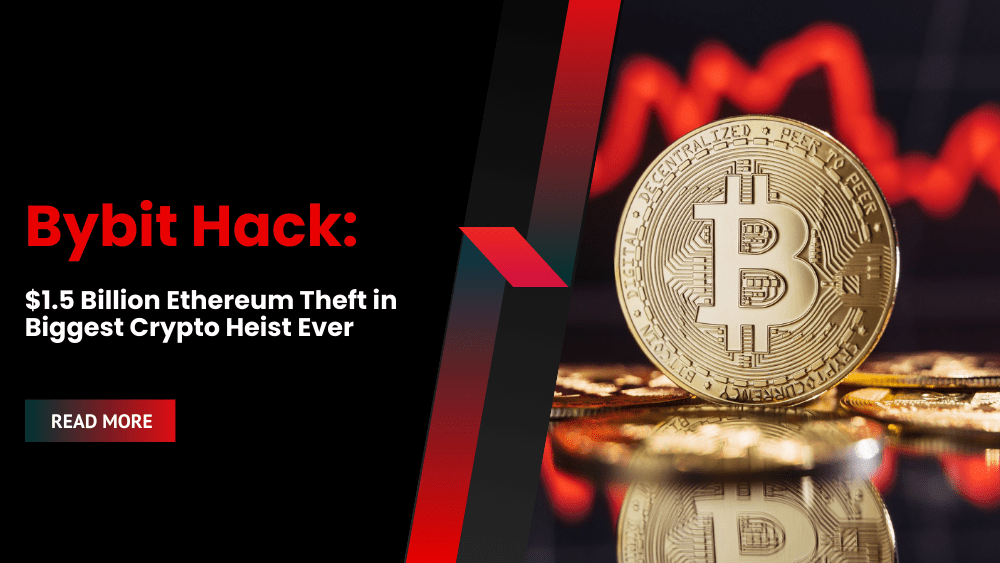
A massive security breach at Dubai-based cryptocurrency exchange Bybit has resulted in the theft of approximately $1.5 billion in Ethereum , marking one of the largest heists in the digital currency sector. The attack, attributed to North Korean hacking groups Lazarus and TraderTraitor, has raised significant concerns about cybersecurity within the cryptocurrency industry.

The Federal Bureau of Investigation has linked the theft to these North Korean-affiliated hackers, who reportedly utilized malware-infected cryptocurrency trading applications to infiltrate Bybit’s systems. This method allowed them to drain substantial amounts of Ethereum from the exchange’s reserves. The stolen funds are believed to be funneled into North Korea’s nuclear and missile programs, highlighting the geopolitical implications of such cybercrimes.

In response to the breach, Bybit’s CEO, Ben Zhou, announced that the exchange has fully restored its Ethereum reserves. The company secured approximately 446,870 ETH through strategic acquisitions and loans, ensuring that all client assets remain backed on a one-to-one basis. This swift action aims to maintain customer trust and stabilize the platform following the unprecedented hack.

The impact of the theft extended beyond Bybit, affecting the broader cryptocurrency market. Funding rates across various platforms experienced a decline, reflecting heightened uncertainty among investors. Ethereum’s price volatility increased as traders reacted to the news, with some large holders, or “whales,” expressing caution amid the fluctuating market conditions.

Despite the initial shock, there are signs of recovery within the market. Bybit’s replenishment of its Ethereum reserves has contributed to a gradual restoration of confidence among users and investors. Additionally, the exchange has launched a $140 million bounty program to incentivize information leading to the recovery of the stolen assets and the identification of the perpetrators.

The hackers have reportedly laundered approximately $335 million of the stolen funds, leaving around $900 million unaccounted for. This ongoing movement of assets poses challenges for authorities attempting to trace and recover the stolen cryptocurrency. The laundering process involves complex techniques, including transferring funds across multiple blockchains and utilizing mixing services to obscure the transaction trail.

Bybit has pledged to enhance its security protocols to prevent future breaches. The exchange is collaborating with international law enforcement agencies and cybersecurity firms to investigate the hack and mitigate potential risks. This incident underscores the critical need for robust security measures within the cryptocurrency industry, as exchanges remain prime targets for sophisticated cyberattacks.

The broader implications of the Bybit hack have prompted discussions about regulatory oversight and the responsibility of exchanges to protect user assets. As the digital currency market continues to evolve, ensuring the security of platforms and the integrity of transactions remains a paramount concern for both industry participants and regulators.

In the aftermath of the hack, Bybit conducted a comprehensive audit to verify the restoration of its reserves. The exchange plans to release an updated proof-of-reserves report, utilizing a Merkle tree structure to provide transparency and reassure clients of the platform’s solvency. This move aims to rebuild trust and demonstrate Bybit’s commitment to safeguarding user assets.

The cryptocurrency community has rallied in support of Bybit, with industry leaders emphasizing the importance of collective efforts to combat cyber threats. Collaborative initiatives are being explored to share threat intelligence and develop standardized security practices across exchanges. These efforts aim to fortify the industry’s defenses against increasingly sophisticated hacking groups.

While the Bybit hack serves as a stark reminder of the vulnerabilities within the cryptocurrency ecosystem, it also highlights the resilience of platforms and their ability to respond to crises. By swiftly restoring its reserves and implementing enhanced security measures, Bybit aims to turn this challenging episode into an opportunity to strengthen its operations and contribute to the overall security of the digital asset landscape.

The U.S. Securities and Exchange Commission has agreed to dismiss its lawsuit against cryptocurrency exchange Kraken. This decision, reached with prejudice, means the case cannot be refiled, and notably, Kraken will not admit to any wrongdoing, pay any penalties, or make changes to its business operations.

The lawsuit, initiated in November 2023 under former SEC Chair Gary Gensler, accused Kraken of operating as an unregistered securities exchange. At that time, the SEC alleged that Kraken had been facilitating the trading of digital assets deemed securities without proper registration, a move reflecting the agency’s stringent approach toward cryptocurrency platforms.

However, the regulatory landscape has shifted significantly with the appointment of Paul Atkins as the new SEC Chair under President Donald Trump’s administration. Atkins, known for his more favorable stance on digital assets, has steered the SEC toward a collaborative approach with the cryptocurrency industry. This policy shift aims to balance investor protection with fostering innovation within the digital asset economy.

Kraken’s official statement hailed the lawsuit’s dismissal as a pivotal moment for the U.S. crypto sector. The company emphasized that the SEC’s decision ends a “wasteful, politically motivated campaign” and removes uncertainties that had previously stifled innovation and investment. Kraken expressed appreciation for the new leadership at both the White House and the SEC, attributing the positive change to their “bold and thoughtful” approach.

The SEC has not issued a public comment regarding the dismissal.

This development is part of a broader trend under the current administration, which has signaled a more supportive regulatory environment for digital assets. The SEC’s recent actions include halting or dropping lawsuits against major cryptocurrency entities such as Binance, Coinbase, and Justin Sun. The agency has also restructured its crypto division, forming a “crypto task force” to establish clear regulatory guidelines while scaling down its investigative branch. This shift reflects the administration’s intent to encourage innovation while safeguarding investors from potential fraud.

Critics caution that this rapid policy reversal might reduce necessary scrutiny of the cryptocurrency industry, potentially allowing fraudulent activities to go unchecked. John Stark, a former SEC attorney, warned that the drastic changes could diminish oversight, emphasizing the need for a balanced approach to regulation.

Kraken’s history with regulatory bodies has been contentious. In February 2023, the company agreed to a $30 million settlement with the SEC over allegations that its crypto-asset staking products violated regulatory rules. Additionally, in November 2022, Kraken paid a $362,000 fine to the Office of Foreign Assets Control for potential violations of sanction regimes by allowing trade with customers based in Iran. The company has also faced fines from the Commodity Futures Trading Commission for offering unregistered margin trading.

Despite these challenges, Kraken has maintained its commitment to compliance and consumer protection. The company asserts that the dismissal of the SEC lawsuit reaffirms its dedication to operating with integrity within the evolving regulatory framework.

Saudi Arabia’s ambitious $124 billion dividend payout to Aramco shareholders is facing increasing scrutiny as the kingdom grapples with rising fiscal pressures and economic uncertainty. The payout, one of the largest in history, is at the heart of the country’s financial strategy, but concerns about the sustainability of this massive distribution are growing.

The kingdom has long relied on its state-owned oil giant, Saudi Aramco, as a major source of revenue, particularly in funding its Vision 2030 diversification programme. However, with global oil prices experiencing volatility and the kingdom’s economic growth showing signs of strain, questions are being raised about whether such a hefty payout can continue to be supported by the nation’s financial structure.

Saudi Arabia’s fiscal challenges are not new but have intensified recently due to various factors, including fluctuations in oil prices and a need to fund extensive public sector projects aimed at reducing the kingdom’s dependence on oil exports. This shift towards diversification involves significant investments in non-oil sectors such as technology, entertainment, and tourism. While these sectors hold promise for future growth, they have not yet generated the same level of revenue as oil, leaving the government in a delicate position.

Aramco’s profits have been a key contributor to the kingdom’s financial health, with the company remaining one of the world’s most profitable corporations. In 2023, Aramco’s net income exceeded $160 billion, allowing it to maintain its status as the highest dividend-paying company globally. This enabled the state to continue its lavish payouts to shareholders, including the Saudi government itself, which holds a majority stake.

Despite Aramco’s healthy profits, the global energy landscape has shifted significantly. Rising energy costs, geopolitical instability, and increasing competition from renewable energy sources are all factors that could impact the oil industry’s long-term profitability. Saudi Arabia’s ability to balance these challenges with its ambitious payout policy could prove to be a major hurdle.

The kingdom’s fiscal outlook is further complicated by its commitment to maintaining its social and economic development programs, which are pivotal for the success of Vision 2030. The state has allocated significant sums to infrastructure, healthcare, and housing initiatives, all of which are critical for securing the country’s long-term economic stability. However, these expenditures, combined with the substantial payout to Aramco shareholders, create a significant strain on public finances.

To address these challenges, Saudi Arabia is looking to restructure its approach to fiscal management, exploring options such as public debt and non-oil revenue streams. Some analysts suggest that this could involve revising the Aramco dividend model, potentially reducing the payout in favour of reinvesting in the country’s non-oil sectors.

The pressure on the Saudi government is not only financial but also political. With global attention focused on Saudi Arabia’s economic reforms, any deviation from its ambitious growth plans could undermine investor confidence, which has been a cornerstone of its economic strategy. International investors, particularly those in the energy sector, are closely monitoring the situation, aware that any decision to alter the dividend payout could have ripple effects throughout the global markets.

The geopolitical landscape adds another layer of complexity to the situation. Saudi Arabia’s position within OPEC and its ongoing efforts to stabilise global oil prices play a key role in its economic future. However, OPEC’s decisions are increasingly influenced by non-member countries and shifting global consumption patterns. As demand for oil from traditional markets in Europe and the US declines, Saudi Arabia faces the dual challenge of maintaining oil revenues while simultaneously adapting to a future in which oil may no longer be the dominant driver of global growth.

In the wake of these uncertainties, Aramco’s leadership remains focused on enhancing its operations and securing long-term profitability. The company has committed to expanding its investments in petrochemicals, refining, and other energy-related sectors, as well as pursuing green energy initiatives that could ensure its relevance in the post-oil era. However, even with these efforts, Aramco faces growing competition from other energy giants and the increasing pressure to adopt sustainable practices in response to global climate concerns.

Saudi Arabia’s fiscal trajectory will likely remain unpredictable for the foreseeable future, especially as the country navigates the complexities of economic diversification while maintaining its oil revenue base. The government’s ability to balance its financial commitments to both Aramco and its broader economic goals will be crucial in shaping the future of its financial landscape.

The longstanding business model of India’s information technology industry is facing obsolescence due to the rapid advancements in artificial intelligence , according to industry leaders. At the recent Nasscom Technology and Leadership Forum in Mumbai, HCL Technologies’ CEO, C Vijayakumar, emphasized the urgency for IT companies to adopt a “paranoid” mindset to remain relevant and drive growth.

Vijayakumar highlighted that the traditional model, characterized by a linear scaling of revenues and personnel over the past three decades, is now ripe for disruption. He revealed that HCL has been challenging its teams to achieve double the revenue with half the workforce, leveraging AI-driven automation to enhance productivity. This approach underscores the necessity for the industry to rethink its operations in the face of AI’s transformative potential.

Echoing this sentiment, Infosys CEO Salil Parekh concurred on the need for vigilance to stay relevant in the evolving landscape. He noted that a significant portion of the industry operates on input-based models and stressed the importance of transitioning to output and platform-based services. Parekh emphasized that AI is a massive productivity development tool, bringing in new work that otherwise wouldn’t have been possible.

The rise of generative AI technologies, which can automate tasks such as code generation, has been identified as a significant factor disrupting current business models. Vijayakumar pointed out that AI’s impact is considerably different from past technological shifts like cloud computing and digitization, necessitating proactive measures including the creation of new revenue streams and business ventures. For instance, generative AI can greatly enhance productivity by accelerating project timelines, exemplified by a potential reduction of a billion-dollar, five-year tech program to three and a half years.

To mitigate dependency on external models and geopolitical risks, Vijayakumar advocated for Indian tech firms to invest in building their own language models, citing the decreasing costs of setting up training infrastructure. This move could offer a long-term competitive advantage as costs decrease. Infosys has already taken steps in this direction by launching an open-source responsible AI toolkit to enhance trust and transparency in AI, furthering its commitment to creating an inclusive AI ecosystem that ensures safety, security, privacy, and fairness.

VISHNU RAJA
RYO YAMADA
HITORI GOTOH
IKUYO KITA