News related to
Operations

Kuwait’s Council of Ministers has approved a new tax measure imposing a 15% levy on multinational corporations operating within the country, effective January 1, 2025.

The legislation targets multinational entities engaged in cross-border operations, aligning Kuwait’s tax policies with international standards aimed at curbing tax evasion and ensuring the retention of tax revenues domestically.

Deputy Prime Minister and Minister of State for Cabinet Affairs, Sherida Abdullah Al-Muasherji, confirmed the cabinet’s endorsement of the “Multinational Entities Group Tax Law,” emphasizing its role in preventing the diversion of tax revenues to other jurisdictions.

This initiative is part of a broader global movement toward implementing a minimum corporate tax rate, following agreements facilitated by the Organisation for Economic Co-operation and Development (OECD). The OECD’s Inclusive Framework on Base Erosion and Profit Shifting (BEPS) introduced a two-pillar solution to address tax challenges arising from the digitalization of the economy. Pillar Two establishes a global minimum corporate tax rate of 15%, applicable to multinational groups with revenues exceeding €750 million.

Kuwait’s decision mirrors similar actions by neighboring Gulf Cooperation Council (GCC) countries. The United Arab Emirates (UAE) announced an increase in corporate tax to 15% for large multinational enterprises, effective January 1, 2025. This domestic minimum top-up tax applies to multinational enterprises with consolidated global revenues of €750 million or more in at least two of the four financial years immediately preceding the financial year in which the tax applies.

Bahrain has also indicated plans to introduce a domestic minimum top-up tax starting January 1, 2025, targeting large multinational enterprises.

These measures reflect a regional commitment to adhering to international tax reforms designed to promote fairness and transparency in the global financial system. By implementing the 15% tax on multinational corporations, Kuwait aims to enhance its fiscal framework, reduce tax base erosion, and ensure that profits generated within its borders are adequately taxed.

The new tax law is expected to impact various sectors where multinational corporations have a significant presence, including oil and gas, finance, and telecommunications. Companies operating in Kuwait will need to assess their tax strategies and compliance mechanisms to align with the forthcoming regulations.

Russia has decided to suspend cryptocurrency mining operations in 10 regions, including Dagestan, Chechnya, and the Kherson regions, starting January 1, 2025. This ban will remain in effect until 2031. The move is part of the government’s broader strategy to address energy consumption issues across the country, particularly during peak usage times. Furthermore, new restrictions on mining will also be imposed in areas like Irkutsk, Buryatia, and the Trans-Baikal Territory during high energy demand periods.

This decision comes as part of a concerted effort by the Russian authorities to reduce energy consumption and manage national power grids more effectively. The increase in energy use from mining activities has been a concern for years, with crypto mining operations consuming significant amounts of electricity in some regions. By imposing the ban, the government aims to ensure that the national grid can accommodate the growing demand for energy, especially during the winter months when heating needs are at their peak.

In some areas, the restrictions will specifically target high-demand periods, such as evenings or cold spells, when power consumption spikes. The Irkutsk region, Buryatia, and Trans-Baikal Territory, which have historically been major hubs for cryptocurrency mining due to their relatively low electricity prices, will see these localized restrictions as part of an ongoing effort to stabilize the energy supply.

The ban also underscores the growing tension between the Russian government and the cryptocurrency industry. While Russia has been one of the world’s largest markets for crypto mining, it has also faced increasing criticism from environmental groups due to the high energy consumption required for mining operations. This new measure is likely to spark further debates about the environmental impact of cryptocurrencies, particularly Bitcoin, which is notorious for its energy-intensive mining process.

The Russian government has made no secret of its desire to regulate the cryptocurrency sector more strictly. A range of legislative actions, including stricter anti-money laundering measures and limitations on the use of crypto for payments, have been introduced in the past few years. By implementing these mining restrictions, the government is taking another step toward curbing the influence of the industry while reinforcing its control over the economy.

The decision to impose the mining ban for such an extended period is a significant development. It is expected to have a lasting impact on the mining sector in the country, especially in areas where cryptocurrency operations have become a substantial part of the local economy. Dagestan and Chechnya, for example, have seen a rise in mining activities due to the availability of cheap electricity. The halt in these regions could lead to significant economic disruptions for miners who rely on these locations for their operations.

Local authorities in the affected regions have expressed mixed reactions to the government’s plan. Some local leaders have welcomed the move, citing concerns about energy shortages and environmental degradation. Others, particularly those with financial interests in the mining industry, have voiced their opposition, arguing that the ban could result in job losses and economic hardship for those dependent on mining operations.

The Russian authorities have yet to provide specific details about enforcement mechanisms or the penalties for violating the ban. However, it is clear that the government intends to take a firm stance on this issue. Given the scale of the crypto mining operations in Russia, the impact of these restrictions is expected to be far-reaching, affecting thousands of miners and businesses involved in the industry.

The Russian crypto mining landscape has been shifting in recent years. As global regulatory pressures on cryptocurrencies have increased, many miners have moved operations to more crypto-friendly jurisdictions. In response, Russian authorities have taken steps to discourage mining activities within the country, seeking to ensure that the nation does not become a haven for unregulated crypto operations. The latest move to ban mining in key regions is part of a broader strategy to curb the growth of the industry, align with international regulatory trends, and preserve national energy resources.

While the ban will significantly impact mining operations in the affected regions, it is unclear whether it will lead to a broader shift in Russia’s stance on cryptocurrency regulation. Crypto miners are likely to explore alternative locations within Russia or abroad, where regulations may be less restrictive. This could result in a shift in global mining patterns, with other countries becoming more attractive destinations for mining operations.

At the same time, the Russian government’s actions could accelerate the development of other sectors related to blockchain and cryptocurrency technologies. These include blockchain-based financial services, which the government has shown an interest in fostering. However, the suspension of mining activities in key regions could undermine the overall growth of the industry within Russia.

Abu Dhabi’s renewable energy company, Masdar, is significantly expanding its presence in Europe through a series of strategic acquisitions and partnerships aimed at bolstering its renewable energy portfolio. These initiatives align with Masdar’s ambitious goal to achieve 100 gigawatts (GW) of renewable energy capacity globally by 2030. In a notable transaction, Masdar has agreed to acquire Spanish renewables group Saeta Yield from Brookfield for approximately $1.4 billion. […]

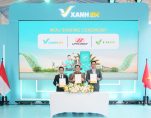
JAKARTA, INDONESIA – Media OutReach Newswire – 23 December 2024 – V-GREEN and PT Xanh SM Green and Smart Mobility Indonesia (Xanh SM Indonesia) today announced the signing of a Memorandum of Understanding (MoU) with Lippo Karawaci, a prominent Indonesian real estate development company. This strategic partnership aims to leverage Lippo Karawaci’s established reputation and extensive real estate network to develop a green ecosystem that integrate seamlessly […]

HONG KONG SAR – EQS Newswire – 23 December 2024 – Novautek Autonomous Driving Limited (“Novautek“), a Hong Kong-based innovation technology company specializing in artificial intelligence and autonomous driving technology innovation, is pleased to announce that it has awarded the “Outstanding SME ESG and Business Performance Award 2024” organized by the Start-up and SME Resource Centre of The Hang Seng University of Hong Kong, in recognition of […]

HONG KONG SAR – Media OutReach Newswire – 23 December 2024 – DYXnet, a wholly-owned subsidiary of VNET Group, Inc. (NASDAQ: VNET), is proud to celebrate its 25th anniversary in 2024, marking a quarter-century of excellence in supporting enterprises on digital transformation journeys. DYXnet hosted the Annual Luncheon 2024 in December, themed “Each Chapter a Milestone, Each Step a Leap Forward”, to kick off a new era […]

Nuveen, a prominent global asset manager with $1.2 trillion in assets under management, has strategically enhanced its presence in the Middle East by establishing an office in Abu Dhabi’s financial hub, Abu Dhabi Global Market (ADGM). This move underscores Nuveen’s commitment to deepening relationships with regional institutional investors, particularly sovereign wealth funds. Leading the new office is Fadi Khoury, appointed as Managing Director and Head of Middle […]

Advertisements

Saudi Arabia is ramping up its digital transformation within the transportation sector, unveiling a series of strategic initiatives aimed at improving mobility, boosting efficiency, and fostering economic growth. As the Kingdom continues its push to modernize under Vision 2030, these efforts reflect a growing focus on technology-driven solutions that are expected to reshape the way people and goods move across the country.

The government’s latest plans involve deploying cutting-edge technologies such as artificial intelligence (AI), Internet of Things (IoT), and smart mobility solutions across various transportation systems. A key component of this digital overhaul is the integration of data analytics to optimize traffic management, enhance logistics services, and provide a seamless experience for commuters. These efforts are designed not only to address current challenges but also to position Saudi Arabia as a leader in global transportation innovation.

One of the most ambitious projects is the introduction of autonomous vehicles within the Kingdom. Saudi Arabia has already begun trials of driverless cars, with the aim of incorporating them into public transport networks in major cities like Riyadh and Jeddah. This initiative is part of a broader effort to reduce road congestion and carbon emissions while improving safety and convenience for travelers.

The digitalization of the transport sector is also closely tied to Saudi Arabia’s efforts to expand its rail network. The Haramain High-Speed Railway, which connects Mecca and Medina, is a prime example of how digital systems are enhancing the efficiency of rail travel. With the integration of AI-powered systems, the railway’s operations are becoming more streamlined, with real-time data helping to manage train schedules, predict maintenance needs, and ensure the safety of passengers.

The Kingdom is investing heavily in the development of smart airports. King Khalid International Airport in Riyadh and King Abdulaziz International Airport in Jeddah are set to undergo major digital upgrades that will introduce biometric screening, automated check-ins, and enhanced baggage tracking. These advancements aim to make air travel more efficient and secure, aligning with global trends in aviation technology.

As part of the Vision 2030 initiative, Saudi Arabia is also enhancing its maritime transport sector. Digital tools are being implemented in port management to increase efficiency in cargo handling and reduce turnaround times for ships. The adoption of blockchain technology for logistics and supply chain management is also being explored, ensuring that Saudi Arabia’s ports remain competitive on the global stage.

The private sector is playing an integral role in these transformations, with a number of tech firms collaborating with the government to develop smart transportation solutions. For instance, partnerships with international companies are bringing advanced AI technologies and IoT systems to help manage urban mobility. These collaborations are not only helping to fast-track the digitalization process but also positioning Saudi Arabia as an attractive hub for global tech investors.

The government has also launched several initiatives to promote the development of digital skills among the Saudi workforce. A growing emphasis on tech education and training programs is expected to ensure that local talent is equipped to drive the digital revolution in transportation. This focus on education and workforce development is seen as crucial to the long-term sustainability of these innovations.

While the initiatives have been met with optimism, there are challenges that Saudi Arabia will need to address to fully realize the potential of its digital transformation. Cybersecurity concerns, the need for significant infrastructure investment, and the management of large-scale data systems will be key areas to monitor as the projects progress. Moreover, ensuring equitable access to these technologies, particularly in rural areas, will be an important consideration to avoid creating digital divides.

Internationally, Saudi Arabia’s digital transport initiatives are receiving attention as a model for other nations aiming to modernize their transportation systems. The Kingdom’s strategic location as a global logistics hub is further underscored by these projects, as they are expected to strengthen its position in the broader global supply chain network. As such, these developments not only serve local needs but also contribute to Saudi Arabia’s ambitions to diversify its economy and reduce its dependency on oil revenues.

Hungarian-based technology leader underscores its commitment to education, sustainability, and innovation SINGAPORE – Media OutReach Newswire – 23 December 2024 – Graphisoft, a global leader in Building Information Modeling (BIM) software for the architecture, engineering, and construction (AEC) industry, is poised to deepen its impact in Southeast Asia, driven by surging demand for advanced digital tools amid the region’s rapid development and growing focus on sustainable construction […]

HONG KONG SAR – Media OutReach Newswire – 22 December 2024 – On December 20th, Fushi Technology is set to launch its AI Agent industry vertical applications in the Southeast Asia region to help businesses improve efficiency and optimize operations. Fushi Technology is an investment of Hong Kong-listed company Yeahka Limited (9923.HK). In 2024, Fushi already expanded its client base in Southeast Asia, including over 200 global […]

JAKARTA, INDONESIA – Media OutReach Newswire – 19 December 2024 – Xanh SM, Vietnam’s all-electric mobility service provider, announced the signing of a Memorandum of Understanding (MOU) with nine major partners in Indonesia, namely XL Axiata Business Solutions, Lippo, Bank Central Asia (BCA), ASRI, VISA, Huawei, Lotte Group, Vietjet, and FPT. This event underscores Xanh SM’s credibility and prospects for expansion in Southeast Asia, while reaffirming the […]

HANOI, VIETNAM – Media OutReach Newswire – 19 December 2024 – Vinhomes Joint Stock Company and Nomura Real Estate Group (Japan) have signed a memorandum of understanding (MoU) for comprehensive strategic cooperation in key areas, including residential real estate, commercial real estate, and logistics, as well as other sectors related to real estate. This partnership aims to leverage the strengths of both parties to provide the market […]

Employers in the ICT and Creative Media Industries Place Greater Emphasis on Soft Skills; Growing Recognition for Higher Diploma Graduates’ Competencies HONG KONG SAR – Media OutReach Newswire – 20 December 2024 – Led by Hong Kong Baptist University (HKBU) and funded by The Hong Kong Jockey Club Charities Trust, the Jockey Club Multiple Pathways Initiative – CLAP-TECH Pathway (CLAP-TECH) has conducted its second annual survey, exploring […]

Despite significant challenges posed by extreme weather conditions in Indonesia and Australia, Delta Dunia Group reported a stable revenue of USD 1.35 billion during 9M 2024. EBITDA for 9M 2024 declined by 16% YoY to USD 252.3 million, impacted by weather-related production declines and planned investments. Net loss significantly improved to USD 17.4 million, down from USD 26.6 million reported in 1H 2024, despite a 20% increase […]

Green hydrogen, once heralded as a cornerstone of the global transition to clean energy, is encountering significant economic challenges due to its high production costs. This reality is prompting a reevaluation of its role in future energy strategies. A study from Harvard University, published in the journal *Joule*, reveals that the comprehensive costs associated with green hydrogen—including production, storage, and distribution—render it a prohibitively expensive method for […]

GUANGZHOU, CHINA – Media OutReach Newswire – 20 December 2024 – This year marks the 40th anniversary of the establishment of the Guangzhou Development Zone. The revised Regulations of the Guangzhou Economic and Technological Development Zone (hereinafter referred to as the “Regulations”) officially came into effect on November 1, 2024.Recently, the district released a micro-documentary “Road in Whampoa” focusing on its 40 years of development, telling the […]

HONG KONG SAR – Media OutReach Newswire – 20 December 2024 – The first baijiu company listed on the Hong Kong Stock Exchange, ZJLD Group Inc. (“ZJLD” or the “Company”, SEHK stock code: 06979. HK), is pleased to announce that it has been awarded the 2024 Hong Kong Corporate Governance and ESG Excellence Award by the Chamber of Hong Kong Listed Companies (“CHKLC”). This accolade recognizes ZJLD’s […]

AD Ports Group has refinanced and increased its revolving credit facility (RCF) from $1 billion to $2.125 billion, aiming to optimize financing costs by improving interest margins and extending the facility’s maturity from 2026 to 2028, with an option to extend further until 2030. The new facility has garnered significant interest from local, regional, European, Asian, and international banks, leading to an oversubscription of over 2.5 times […]

Elite Group Holding, a diversified UAE-based conglomerate, has announced plans to develop a one million square foot integrated facility in Dubai Industrial City, with an investment of Dhs100 million. This strategic move aims to bolster the company’s presence in the automotive and e-commerce sectors.

The new facility is expected to support Elite Group Holding’s expansion and strengthen its foothold in these industries. The company, known for its luxury automotive dealership, The Elite Cars, holds exclusive partnerships with brands such as Zenvo Automotive, Jetour, and Soueast. Additionally, it operates ART Elite Car Rental and other subsidiaries.

Saud Abu Alshawareb, Executive Vice President of Industrial at TECOM Group, emphasized the significance of the automotive industry’s pursuit of innovation in driving economic activity, attracting investment, and creating new skill-based jobs. He noted that Elite Group Holding’s investment underscores the growing confidence in the UAE’s robust business ecosystem and its attractiveness for companies seeking to expand their regional footprint.

The project aligns with several UAE national strategies, including Operation 300bn, Make it in the Emirates, and the Dubai Economic Agenda ‘D33’. By enhancing efficiencies across vital sectors such as automotive and e-commerce, the new hub is expected to catalyze industry excellence and positively impact society and the economy.

Tamer Abu Khalaf, partner of Elite Group Holding, expressed enthusiasm about the company’s future growth and the project’s role in expanding its presence in key sectors. He stated that this investment marks a pivotal step in broadening their footprint across key sectors and solidifying their presence in the dynamic region. Khalaf highlighted that Dubai Industrial City aligns perfectly with their vision to innovate and lead in industries shaping tomorrow’s economy, offering a center of excellence to drive efficiency, sustainability, and innovation across their operations.

The group’s growth strategy includes launching new branches, expanding dealership networks, and building strategic partnerships to bring leading luxury and premium automotive brands to the UAE. Their focus on eco-friendly solutions, such as electric and hybrid vehicles, and advancing digital integration across e-commerce and automotive operations aligns with the UAE’s sustainability goals.

The facility’s strategic location within Dubai Industrial City offers several advantages, including proximity to Al Maktoum International Airport, Jebel Ali Port, and key national roadways. This positioning will allow Elite Group Holding to streamline operations and expand its reach in both local and international markets. The site will also benefit from an Etihad Rail freight terminal, further enhancing its logistics capabilities.

Cryptocurrency exchanges across the European Union are preparing to delist stablecoins that fail to comply with the forthcoming Markets in Crypto-Assets (MiCA) regulations, set to be fully enforced by December 30, 2024. Notably, Tether’s USDT, the world’s largest stablecoin by market capitalization, is among those facing delisting due to non-compliance with MiCA’s stringent requirements.

MiCA aims to establish a comprehensive regulatory framework for crypto-assets within the EU, enhancing transparency, consumer protection, and market integrity. A key provision mandates that stablecoin issuers obtain an e-money license, ensuring tokens are fully backed by reserves held in independent banks and that issuers maintain robust transaction monitoring systems. Tether has not yet secured this license, rendering USDT non-compliant under the new regulations.

In response, major cryptocurrency exchanges operating in the EU have announced plans to delist USDT and other non-compliant stablecoins. Coinbase Europe, for instance, has informed its users of the impending delisting, advising them to convert their USDT holdings into compliant alternatives such as USD Coin (USDC) or Euro Coin (EURC), both issued by Circle and fully compliant with MiCA standards. This move is in line with Coinbase’s commitment to adhere to regulatory requirements and ensure the security of its users’ assets.

The delisting of USDT is expected to have significant implications for the European cryptocurrency market. USDT has been a cornerstone of crypto trading, providing liquidity and a stable store of value for traders and investors. Its removal could lead to reduced liquidity, increased trading costs, and potential disruptions in the market. Market participants are concerned that the absence of USDT may hinder trading activities and slow the growth of the crypto ecosystem within the EU.

Tether’s non-compliance stems from its current operational structure, which does not align with MiCA’s requirements for reserve backing and regulatory oversight. The company has faced scrutiny over the transparency and adequacy of its reserves, with critics alleging insufficient backing for the tokens in circulation. Tether has previously defended its practices, asserting that its tokens are fully backed and that it operates with a commitment to transparency and regulatory compliance.

The implementation of MiCA represents a significant step toward the formalization and regulation of the cryptocurrency industry within the EU. By enforcing strict compliance standards, the EU aims to mitigate risks associated with crypto-assets, including fraud, money laundering, and market manipulation. The regulation also seeks to foster innovation by providing clear guidelines and a stable regulatory environment for businesses and investors.

However, the delisting of prominent stablecoins like USDT raises questions about the balance between regulation and market dynamics. While regulatory compliance is essential for market integrity and consumer protection, the sudden removal of widely used assets could disrupt market operations and negatively impact users who rely on these tokens for trading and value transfer.

Exchanges are taking steps to minimize disruption by offering users options to convert their USDT holdings into compliant alternatives. For example, Coinbase has facilitated the transition by providing seamless conversion services and detailed guidance to its users. Other exchanges are expected to implement similar measures to ensure a smooth transition and maintain user trust.

Mozilla has announced a partnership with Ecosia, integrating the eco-friendly search engine as a default option in the Firefox browser. This collaboration allows users worldwide to select Ecosia directly from the URL address bar or through browser settings, enhancing user choice and promoting environmentally conscious web browsing. Ecosia, founded in 2009 by Christian Kroll, is renowned for using its ad revenue to fund tree-planting projects globally. To […]

Two senior directors from Tencent have stepped down from their positions on Epic Games’ board of directors following concerns raised by the U.S. Department of Justice regarding the relationship between the two companies. This move signals escalating scrutiny of the tech giant’s investments and its potential influence over prominent gaming firms in the United States. Tencent, a Chinese multinational conglomerate with substantial investments in a range of […]

Charabanc Transportation has unveiled a new fleet of Ankai buses in the UAE, marking a significant expansion of its operations. The move is set to revolutionize the region’s public transport infrastructure and enhance the travel experience for commuters across the country.

The fleet of Ankai buses, produced by the Chinese manufacturer Ankai, has been designed with advanced features aimed at improving comfort, efficiency, and sustainability. Charabanc’s decision to invest in these buses comes as part of its long-term strategy to modernize its offerings, catering to the growing demand for eco-friendly and technologically advanced public transport solutions.

The introduction of Ankai buses signals a significant step in the UAE’s ongoing efforts to develop a more sustainable and modern transportation network. The country has been focusing on reducing its carbon footprint, with various initiatives aimed at promoting electric and hybrid vehicles across different sectors. By adding Ankai’s energy-efficient buses to its fleet, Charabanc is not only contributing to these sustainability goals but also providing a more reliable and comfortable option for passengers.

Ankai buses are known for their high standards of quality, durability, and safety. With a wide range of models tailored for different needs—ranging from city buses to long-distance coaches—the company offers a versatile solution for urban and intercity travel. The new fleet in the UAE will include both electric and hybrid models, further aligning with the region’s commitment to environmental sustainability. These buses come equipped with state-of-the-art technology, offering features such as enhanced air filtration systems, Wi-Fi connectivity, and real-time passenger tracking, ensuring a modern and seamless travel experience.

The addition of these buses is also expected to boost Charabanc’s competitive edge in the UAE’s growing transportation sector. As one of the key players in the region’s bus transportation industry, the company is positioning itself to meet the demands of an increasingly urbanized population. The UAE’s population is rapidly expanding, with a growing number of residents and tourists in major cities like Dubai, Abu Dhabi, and Sharjah. This surge in population, coupled with increasing urbanization, has placed a heavy burden on the existing transportation infrastructure, highlighting the need for more efficient, reliable, and sustainable public transport options.

By introducing Ankai buses, Charabanc is addressing these challenges while enhancing the overall quality of public transportation. The company’s decision also comes as the UAE government has been investing heavily in infrastructure, with a focus on green transportation initiatives. The UAE Vision 2021 plan, which aims to make the country a hub for sustainable development, has spurred investment in green technology, especially in the transportation sector.

As part of its rollout, Charabanc Transportation has focused on not only expanding its fleet but also ensuring that the buses meet the stringent safety and environmental standards set by the UAE authorities. The buses are equipped with cutting-edge safety systems, including collision detection, automated emergency braking, and advanced driver-assistance systems. These features are designed to improve road safety and reduce the likelihood of accidents, contributing to the overall safety of commuters.

The introduction of Ankai buses also signals the company’s commitment to improving the overall experience for passengers. As cities become more congested, the demand for efficient, comfortable, and environmentally friendly transport options continues to rise. Charabanc aims to meet this demand by offering a modernized fleet that not only meets the practical needs of commuters but also enhances their travel experience. The addition of onboard amenities like Wi-Fi, air conditioning, and ergonomic seating ensures that passengers have a comfortable journey, whether they are traveling for business or leisure.

The UAE government’s support for sustainable public transport solutions has played a critical role in shaping the industry landscape. With the nation’s leadership prioritizing green initiatives, Charabanc’s introduction of Ankai buses aligns well with the government’s goals. Public transport is seen as a crucial component of the country’s broader environmental strategy, and the integration of eco-friendly buses into the system is expected to be a major step forward in reducing the carbon footprint of transportation in the UAE.

Ankai buses are already widely used in several countries, including China, where the manufacturer is headquartered. The company has built a reputation for producing high-quality buses that are both cost-effective and eco-friendly, making them an attractive choice for public transport operators worldwide. By choosing Ankai, Charabanc is tapping into a trusted brand that has proven its reliability in various international markets.

Charabanc’s investment in this new fleet comes at a time when many transportation companies are looking to modernize their services to meet the needs of the 21st century. The shift towards more sustainable, efficient, and technologically advanced transport solutions is becoming increasingly important in the UAE and beyond. As the region’s public transport infrastructure continues to evolve, the introduction of Ankai buses represents a forward-thinking approach that blends innovation with sustainability.


Amazon Web Services (AWS) has announced a significant $10 billion investment in Ohio’s data center infrastructure, aimed at transforming the state into a major technological hub by 2030. The move, which aligns with AWS’s broader expansion plans in the U.S., will lead to the creation of hundreds of new jobs and bolster the local economy while enhancing cloud services to meet growing demand. AWS’s investment will primarily […]

VISHNU RAJA
RYO YAMADA
HITORI GOTOH
IKUYO KITA