News related to
Operations

Emirates is signaling significant fleet expansion as the airline considers increasing its order of Airbus A350 aircraft beyond the current commitment of 65 jets. President Tim Clark, speaking at an aviation industry event, highlighted this potential move as part of Emirates’ strategy to accommodate growing passenger demand and sustain its competitive edge in the evolving global aviation market. The A350, known for its fuel efficiency and advanced […]

Bitwise Asset Management has renamed its European exchange-traded product to “Bitwise Physical XRP ETP” (Ticker: GXRP) in a move underscoring Ripple’s growing investment in XRP’s evolving ecosystem. This strategic rebranding aligns with Ripple’s focus on expanding the utility of XRP across diverse financial sectors, responding to rising demand from institutional players and cross-border payment markets.

The product, initially launched to provide streamlined exposure to XRP for European investors, has seen significant growth in traction. Bitwise aims to strengthen its foothold by aligning more closely with Ripple’s broader strategic initiatives. Ripple has confirmed its intention to channel investments into the product, emphasizing its confidence in the token’s versatility in decentralized finance and its increasing adoption in global remittance networks.

Market analysts point to Ripple’s ongoing efforts to cement XRP as a pivotal tool for institutional DeFi applications, with tokenization becoming a major driver. XRP’s utility in facilitating cost-effective and fast international money transfers remains a core pillar, but its applications are expanding into emerging sectors. Ripple has actively pursued partnerships and technological advancements to bolster XRP’s presence in these innovative spaces.

The rebranding comes at a critical time for Bitwise and Ripple as they navigate the rapidly evolving regulatory landscape surrounding digital assets. Ripple’s landmark partial court victory earlier this year marked a turning point for XRP’s classification, with the ruling differentiating between institutional and retail sales. This decision provided much-needed clarity for XRP’s future within the financial ecosystem, encouraging institutional confidence in Ripple’s offerings.

Bitwise Physical XRP ETP targets sophisticated European investors, offering a secure and regulated avenue for exposure to XRP. The renamed product reflects a commitment to transparency and adaptability amid growing scrutiny of the cryptocurrency industry. With regulatory agencies in Europe tightening oversight, such measures are essential for maintaining investor trust.

Ripple’s Chief Executive Officer, Brad Garlinghouse, has been vocal about the company’s ambition to lead innovation in digital finance. The investment into GXRP underscores Ripple’s strategy to promote the adoption of XRP as a foundational technology for financial institutions. The token’s role in facilitating liquidity and improving the efficiency of financial systems remains a focal point for the company.

The global push for tokenization, where real-world assets like real estate or art are represented on the blockchain, is another area where Ripple sees significant potential. By leveraging XRP as a medium for these digital representations, Ripple aims to tap into an emerging multi-trillion-dollar market. The company has outlined plans to integrate XRP into tokenization platforms, fostering interoperability and efficiency in asset transfers.

XRP’s appeal to financial institutions also lies in its scalability and environmental sustainability. Unlike Bitcoin, which relies on energy-intensive mining, XRP operates on a consensus ledger mechanism, ensuring lower energy consumption and faster transaction speeds. This makes it particularly attractive for institutions aligning their operations with global sustainability goals.

Bitwise’s decision to rebrand the product also reflects growing interest in Europe, where cryptocurrency adoption is gaining momentum. European regulatory frameworks, particularly the Markets in Crypto-Assets (MiCA) regulation, have provided clearer guidelines for the operation of digital assets, enabling innovative products like GXRP to flourish.

Ripple has been proactive in building partnerships within the European Union, with initiatives aimed at enhancing financial inclusion and enabling seamless money transfers across borders. These efforts have positioned XRP as a leading contender in the global payments sector, rivaling traditional systems like SWIFT.

The decentralized finance ecosystem, another area of Ripple’s interest, continues to attract institutional attention. XRP’s integration into DeFi platforms aims to provide institutions with reliable tools for liquidity provisioning, yield generation, and risk management. Ripple’s investments in research and development are geared towards optimizing these functionalities.

While the broader cryptocurrency market has faced headwinds, XRP has demonstrated resilience. Market data indicates a steady uptick in transaction volumes and liquidity metrics, highlighting confidence among users and institutions. Analysts suggest that Ripple’s strategic investments, such as those in GXRP, are likely to sustain this momentum.

BANGKOK, THAILAND – Media OutReach Newswire – 27 November 2024 – SM Investments Corporation (“SM Investments”), one of the largest and most diversified conglomerates in the Philippines, has been honoured with the prestigious titles of Top Sustainability Advocates in Asia and Asia’s Most Influential Companies at the 2024 Asia Corporate Excellence & Sustainability (ACES) Awards, organised by MORS Group. These accolades recognise SM Investments’ outstanding commitment to […]

Hongkongers’ average monthly savings soar to HK$9,800, while pre-retirees need HK$5.45 million to retire with sufficient “sense of security” HONG KONG SAR – Media OutReach Newswire – 26 November 2024 – The Hong Kong Deposit Protection Board (HKDPB) has conducted its “Hongkongers’ Sense of Security on Savings” survey for the seventh consecutive year. According to the survey results of this year, the average monthly savings of Hongkongers […]

Aston Martin Lagonda Global Holdings Plc has announced plans to raise additional capital after issuing its second profit warning in two months. The luxury carmaker, headquartered in Warwickshire, has faced persistent production and financial difficulties, exacerbated by supply chain disruptions and a weakening macroeconomic environment in key markets like China. The company revealed that production targets for 2024 have been reduced to 6,000 vehicles, down from a […]

Nissan Motor Co. is scaling back production operations in the United States amidst declining sales and intensifying financial challenges. This decision coincides with mounting pressure from tariff threats that could impact the automaker’s cross-border supply chain, particularly between Mexico, Canada, and the United States. The automaker’s production adjustments come as part of broader restructuring efforts aimed at countering its continued struggle to recover market share and stabilize […]

Dubai’s Emirates Airline has officially added the Airbus A350-900 to its fleet, marking a pivotal moment in its operations. The delivery is part of a significant investment in 50 of these advanced aircraft, with plans to deploy them for medium to long-haul routes, aligning with the airline’s strategic growth and sustainability goals.

The new addition is set to enhance Emirates’ operational efficiency and passenger experience. Known for its fuel efficiency and extended range, the A350-900 is powered by Rolls-Royce Trent XWB engines, which are among the most efficient large aero-engines in production. This aircraft offers a maximum range of approximately 8,200 nautical miles, providing Emirates with the flexibility to explore new destinations and optimize its network.

The interior configuration of the A350-900 reflects Emirates’ premium offerings. While retaining its signature focus on passenger comfort, the aircraft is equipped with state-of-the-art inflight entertainment systems by Thales and boasts a modernized cabin layout. Unlike the airline’s A380s, this model does not include a first-class cabin, focusing instead on business and economy seating designed to cater to medium-haul markets where premium demand is limited.

The airline’s introduction of the A350-900 comes as part of a broader fleet modernization effort. With its reduced carbon emissions and advanced aerodynamics, the aircraft is expected to play a key role in helping Emirates meet its sustainability objectives. Emirates President Tim Clark has highlighted the importance of these aircraft in diversifying the airline’s fleet while maintaining its commitment to luxury and operational excellence.

Initially, the A350-900 will operate on regional routes, allowing Emirates to conduct comprehensive crew familiarization. Full-scale operations on long-haul routes are anticipated to commence in 2025. This strategic rollout aligns with the airline’s approach to gradually integrating new models, ensuring seamless service and operational reliability.

The introduction of the A350-900 also represents a shift in Emirates’ approach to fleet composition. Historically reliant on Boeing aircraft, particularly the 777 and the iconic A380, the airline’s acquisition of the A350 reflects its increasing engagement with Airbus. This collaboration underscores a renewed focus on diversifying its operational capabilities.

Advertisements

NEW YORK, US – Media OutReach Newswire – 26 November 2024 – From pharmaceutical manufacturing to petrochemical refinement, many industries utilize solvents for various processes, such as synthesis, extraction, purification, and more. Nevertheless, the conventional method across industries involves extensive solvent use followed by their disposal, often through incineration. This creates a never-ending cycle of vast chemical consumption that leads to significant waste streams, contributing to environmental […]

An affiliate of Mubadala Capital, the UAE-based alternative asset management firm, has reached an agreement to acquire Canada’s CI Financial Corp. in a deal valued at approximately CAD 4.7 billion ($3.36 billion). Under the terms of the agreement, all shareholders of CI Financial will receive CAD 32 per share, representing a significant 33% premium over Friday’s closing price and a 58% premium over the 60-day volume-weighted average […]

Fitch Ratings has placed certain bonds issued by Adani entities under a “negative watch” as scrutiny of the group’s governance intensifies following allegations of corruption tied to Sri Lankan projects. This development comes amid renewed focus on a contentious $442 million wind power project in Sri Lanka’s Mannar region, which has sparked concerns over environmental compliance and procedural irregularities. The Sri Lankan government had reportedly flagged potential […]

The UAE’s small and medium-sized enterprises (SMEs), which make up over 90% of the country’s businesses, are witnessing an influx of transformative mergers and acquisitions (M&A) activity. This surge, prompted by a combination of government initiatives and the rise of digital solutions, is expected to redefine the sector’s growth trajectory. As part of its economic diversification strategy, the UAE has been fostering the expansion of SMEs, and […]

Dubai is a global icon of rapid urban transformation, evolving from a quiet desert town into a bustling international metropolis in just a few decades. Behind this remarkable growth lies a network of services enabling the city’s expansion and mobility. Among these, moving companies in Dubai are key players, ensuring seamless transitions for residents, businesses, and global professionals. The Unprecedented Growth of Dubai Population Growth and Urban […]

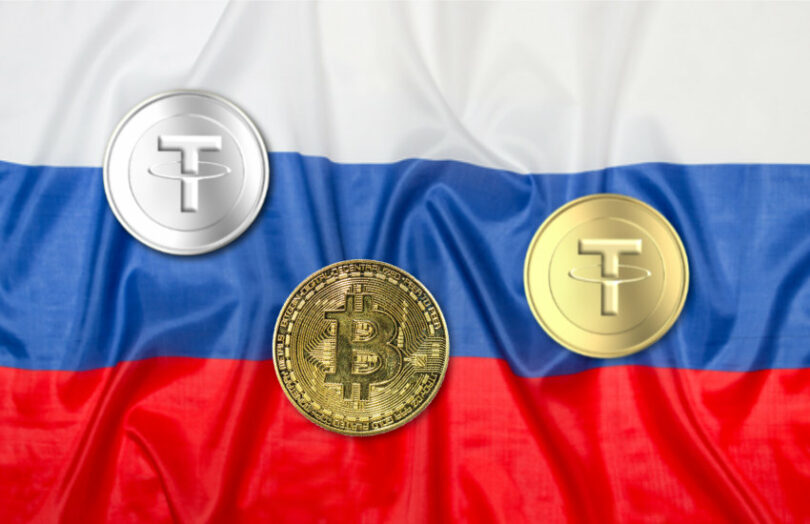
Digital currencies are officially recognized as taxable property in Russia, following legislative amendments approved by the State Duma. This landmark development introduces comprehensive tax rules for cryptocurrency transactions and mining, slated to take effect from January 1, 2025. The amendments represent a significant step in the country’s regulatory approach to digital assets, aiming to streamline income reporting and ensure compliance.

The legislative changes impose a tax of 13% for individual income from cryptocurrency operations, with a slightly higher rate of 15% applicable to non-resident individuals. Additionally, businesses involved in cryptocurrency-related activities will benefit from a value-added tax (VAT) exemption for mining-related transactions. This provision is designed to encourage greater participation in the crypto-mining sector while fostering a controlled environment for its growth. These measures reflect the government’s effort to balance innovation with the need for robust oversight in the digital economy.

A crucial aspect of the legislation involves the stricter regulation of mining infrastructure operators. Companies in this domain will be required to register and comply with stringent guidelines aimed at curbing illegal activities and ensuring transparency. By regulating these operators, authorities seek to establish a framework that promotes legitimate operations and protects market participants from fraud or exploitation.

The move aligns with Russia’s broader strategy to regulate cryptocurrencies amidst increasing global scrutiny of the sector. Cryptocurrencies, often viewed as tools for money laundering or tax evasion, have prompted governments worldwide to introduce regulations to monitor and manage their use effectively. By categorizing digital currencies as property, Russia not only brings clarity to their legal status but also signals its intention to integrate them into the formal economy.

Market analysts suggest that the taxation framework could encourage crypto-mining firms to operate within the law, as compliance becomes a prerequisite for business continuity. This development is especially significant for Russia, which is among the leading countries in crypto-mining due to its vast energy resources and favorable climate. The regulatory measures are expected to attract domestic and international players seeking stability and legal certainty in their operations.

The new rules also mandate the disclosure of cryptocurrency holdings and transactions in annual tax filings, creating an accountability system for individuals and entities involved in digital asset trading. Failure to comply with reporting requirements could result in severe penalties, reinforcing the government’s commitment to maintaining integrity within the sector.

Russia’s decision to implement these measures comes against a backdrop of evolving global attitudes toward cryptocurrency regulation. Countries such as the United States and members of the European Union have been advancing similar initiatives, highlighting a collective acknowledgment of the economic potential and risks associated with digital currencies. By joining this regulatory movement, Russia positions itself as a key player in shaping the future of the global crypto landscape.

Despite the optimism surrounding these changes, critics have raised concerns about the potential for overregulation to stifle innovation. Some industry stakeholders argue that the stringent requirements for mining infrastructure operators could create barriers for small-scale participants, thereby consolidating the industry in favor of larger entities. This, they warn, might undermine the decentralized ethos of cryptocurrency and limit opportunities for new entrants.

The effectiveness of these regulations will largely depend on their implementation and enforcement. Ensuring compliance in a rapidly evolving and highly technical sector presents significant challenges, requiring continuous adaptation and investment in oversight mechanisms. Observers emphasize the need for authorities to strike a balance between fostering growth and maintaining control to avoid unintended consequences.

The Guangdong-Hong Kong-Macao Greater Bay Area Listed Companies Summit 2024 Unveils the “Hong Kong—Best Headquarters Choice for Greater Bay Area Listed Companies” Initiative Empowering Mainland Enterprises to Leverage Hong Kong for IPOs and International Growth HONG KONG SAR – Media OutReach Newswire – 26 November 2024 – On November 25, the “Guangdong-Hong Kong-Macao Greater Bay Area Listed Companies Summit 2024,” hosted by the Greater Bay Area Association […]

MACAO SAR – Media OutReach Newswire – 26 November 2024 – Melco Resorts & Entertainment’s Cantonese fine dining restaurant Jade Dragon at City of Dreams has been honored by Tatler Best as one of Asia’s top 100 finest restaurants. The distinction highlights Jade Dragon’s devotion to the creation of exquisite culinary masterpieces using the freshest seasonal ingredients and delicacies. Jade Dragon at City of Dreams, Macau Designed […]

Electric vehicle manufacturer Lucid Motors is generating significant interest as it prepares to launch its first models in the UAE. Backed by Saudi Arabia’s Public Investment Fund (PIF), which holds a 60% stake in the company, Lucid has been intensifying its operations in the Middle East. This expansion includes the opening of a service center in Dubai Investment Park and a studio in Abu Dhabi, aiming to […]

Microsoft confirmed that it is investigating disruptions to its Microsoft 365 suite, primarily impacting Teams and Exchange services. The issue has drawn global attention, with users reporting difficulties in accessing key functionalities, including the Teams calendar and Exchange Online. Downdetector, a platform that tracks service outages, logged a surge of complaints about these issues, suggesting widespread impact. The company acknowledged the situation early Monday, notifying users through […]

El Salvador’s pioneering embrace of cryptocurrency has taken another bold step, with President Nayib Bukele proposing a plan to rent out the country’s volcanoes for Bitcoin mining. The initiative aims to leverage El Salvador’s abundant geothermal energy, which is already powering its own mining operations. Since adopting Bitcoin as legal tender in 2021, the nation has positioned itself at the forefront of cryptocurrency innovation, combining digital finance with renewable energy.

The country’s current geothermal-powered Bitcoin mining facility, located near the Tecapa volcano, has generated approximately 474 Bitcoin (valued at $29 million) using clean energy sources. This operation, managed by a state-owned geothermal plant, employs 300 mining processors and utilizes 1.5 megawatts of energy—just a fraction of the plant’s 102-megawatt capacity. The potential scalability of this model has prompted discussions on how other volcanoes in the country could be similarly utilized.

President Bukele’s proposal highlights a strategy to monetize unused geothermal resources while addressing global concerns about the environmental footprint of cryptocurrency mining. The use of renewable energy is an essential component of this vision, positioning El Salvador as a global leader in sustainable digital asset practices. This is particularly significant given the scrutiny Bitcoin mining faces due to its traditionally high energy consumption and carbon emissions.

El Salvador has continued to expand its Bitcoin-related endeavors despite challenges. The legalization of Bitcoin as tender initially drew widespread criticism from international financial institutions, with concerns about economic volatility and potential misuse. The country’s strategy, however, has persisted, with daily Bitcoin purchases by the government adding to its growing reserves, now estimated at 5,750 BTC (approximately $354 million). The administration has framed this as a move toward economic sovereignty and technological advancement.

The economic viability of cryptocurrency mining, combined with geothermal energy, has prompted interest from both domestic stakeholders and international observers. Geothermal energy, a consistent and renewable power source, provides a distinct advantage, as it is less susceptible to the fluctuations seen in other renewable energy forms like solar or wind. For El Salvador, where over 20 volcanoes contribute to a substantial geothermal energy potential, this resource could become a cornerstone of its energy strategy.

As the government looks to scale its operations, the proposed renting of geothermal sites could attract private and international investments. By offering ready access to clean energy and potentially favorable regulatory conditions, the country is positioning itself as an attractive hub for crypto mining. This vision, however, is not without its risks. The volatility of Bitcoin prices and external regulatory pressures continue to pose challenges. Critics have also questioned the long-term benefits of prioritizing Bitcoin over broader economic reforms, especially in a country where poverty and economic disparity remain pressing concerns.

Despite these criticisms, President Bukele has doubled down on the Bitcoin agenda, reinforcing his commitment through policies and public declarations. The initiative is also gaining traction among his supporters, a key factor in his successful 2024 re-election campaign. For Bukele, Bitcoin is not merely a financial tool but a symbol of El Salvador’s innovation and resilience on the global stage.

Adani Group’s bonds have seen a sharp decline, hitting their lowest levels in over a year, as concerns about bribery allegations and their potential impact on the conglomerate’s financial stability and global reputation intensify. This marks the latest chapter in the ongoing turbulence for one of India’s largest and most influential business groups. The drop in bond prices follows reports accusing the Adani Group of being involved […]

A prominent shopping center in Bahrain has joined forces with Yellow Door Energy to launch a 4.7 MWp solar power plant, marking a significant step in the kingdom’s efforts to achieve net-zero carbon emissions by 2060. The new solar plant, which will supply clean energy to the mall, highlights Bahrain’s growing commitment to sustainable energy practices and its pursuit of a greener future. This collaboration is part […]

Binance has experienced a remarkable surge in stablecoin inflows, with a staggering $10.2 billion flowing into its platform over the past 30 days. This influx highlights the growing importance of stablecoins in cryptocurrency trading and the pivotal role Binance continues to play in this sector.

The surge is primarily driven by traders’ increasing reliance on stablecoins, particularly USDT (Tether) and USDC (USD Coin), to engage in various trading activities such as spot trading, futures, and decentralized finance (DeFi) opportunities within Binance’s extensive ecosystem. The trend signals a shift in trading behavior, with stablecoins now playing an even more prominent role in the daily operations of cryptocurrency markets.

Stablecoins are digital currencies pegged to stable assets like the US dollar, designed to reduce the volatility typically associated with cryptocurrencies like Bitcoin or Ethereum. Their use has grown significantly in recent years as traders and investors seek ways to navigate the fluctuating crypto market while maintaining liquidity and minimizing exposure to market swings. USDT, in particular, has remained the most widely used stablecoin, providing liquidity for a range of trading strategies.

The inflow of such a large volume of stablecoins into Binance further cements its status as a dominant force in the global cryptocurrency ecosystem. Binance’s platform, known for its wide range of services, including spot trading, futures contracts, and DeFi offerings, continues to attract traders looking to capitalize on the benefits of stablecoins. With a user-friendly interface and comprehensive suite of tools, Binance is able to support a variety of trading strategies, from the most basic to complex DeFi protocols.

A significant portion of the stablecoin influx is linked to the growing popularity of decentralized finance (DeFi) projects. DeFi has emerged as one of the most transformative aspects of the crypto space, offering users the ability to trade, borrow, lend, and invest in decentralized markets, often without the need for traditional financial intermediaries. Binance’s DeFi offerings, including decentralized exchanges (DEXs) and lending platforms, have attracted a significant amount of stablecoin liquidity, enabling users to leverage their holdings for greater financial returns.

The stablecoin influx has also been bolstered by Binance’s ability to cater to traders across various regions, providing a platform with global reach. Traders from regions with unstable fiat currencies have increasingly turned to stablecoins as a safe haven, further fueling the demand for USDT and USDC. This shift is reflected in the trading volumes across Binance’s multiple markets, which have seen a significant rise as stablecoins are increasingly used to hedge against currency fluctuations and store value in a more stable form.

Another factor contributing to this trend is the growing adoption of stablecoins by institutional investors. As more hedge funds, family offices, and institutional investors enter the cryptocurrency space, stablecoins have become a preferred medium for large-scale transactions. These investors are attracted to stablecoins’ ability to offer a low-risk, high-liquidity option for large transactions, and Binance is positioning itself as a key player in this market.

Binance’s ability to process such a large volume of stablecoin inflows also speaks to the efficiency of its platform. With advanced liquidity management systems and robust risk controls, Binance can handle vast amounts of capital without significant slippage or disruptions to the market. This is particularly important in the volatile world of cryptocurrency trading, where even small disruptions can have ripple effects across the entire ecosystem.

Despite the positive momentum, some concerns have emerged about the regulatory landscape surrounding stablecoins. As regulators around the world begin to pay closer attention to the growing use of stablecoins, questions about their long-term stability and regulatory treatment are gaining prominence. The U.S. Securities and Exchange Commission (SEC) and other global financial authorities have expressed interest in introducing stricter regulations for stablecoins, which could affect their use in platforms like Binance. However, for now, stablecoins continue to play a critical role in the global crypto trading ecosystem.

Binance’s dominance in the stablecoin space may not go uncontested. Other cryptocurrency exchanges, such as Coinbase, Kraken, and Gemini, are also seeing growth in stablecoin inflows, though none have matched Binance’s sheer volume. The competition among exchanges is likely to intensify as the market for stablecoins continues to expand, with firms racing to offer the best products and services to attract traders.

Binance has maintained its edge in this competitive environment through continuous innovation. Recent updates to its platform, such as the introduction of new trading pairs and features tailored to DeFi users, have enhanced its appeal. Additionally, Binance has introduced a series of initiatives aimed at increasing the accessibility of stablecoins, including support for a wider range of fiat currencies and the integration of various blockchain networks. This flexibility has allowed Binance to remain a leader in stablecoin trading, even as the landscape evolves.


Arabian Post Staff -Dubai Saudi Arabia and the United Arab Emirates (UAE) are locked in a fierce battle for dominance in the Middle Eastern investment banking landscape, with both countries vying for the title of top destination for investment banking fees. The competition between these two financial powerhouses has intensified in 2024, fueled by an uptick in debt underwriting and strong initial public offering (IPO) activity. As […]

Singapore Gulf Bank (SG Bank), established by the Whampoa Group family office and licensed in Bahrain in February, is moving forward with plans to raise a minimum of $50 million in an equity round slated to close in early 2025. This fundraising initiative is part of the bank’s broader expansion strategy, which includes acquiring a stablecoin payments company by the first quarter of next year.

As part of its efforts to secure funding, the bank is in advanced talks with a Middle Eastern sovereign wealth fund, along with other investors, to offer less than 10% of its equity in exchange for the significant capital needed for its growth. These discussions are aimed at attracting key institutional investors who can help strengthen the bank’s position in the rapidly growing digital finance market.

This move marks an important step for SG Bank, which, despite being a relatively new player in the region, has attracted attention due to its connection with the Whampoa Group, a well-established entity in the financial and technology sectors. By securing this funding, the bank plans to accelerate its investment into blockchain and stablecoin technology, which has become a focal point of financial innovation globally. Its acquisition strategy, particularly with a stablecoin payments company, indicates its intention to deepen its involvement in the evolving digital currency ecosystem.

The digital currency sector, especially in the Gulf region, has seen significant interest, with several financial institutions exploring ways to integrate cryptocurrencies and blockchain technology into their operations. Stablecoins, which are pegged to traditional currencies like the US dollar, are considered less volatile compared to other cryptocurrencies, making them an attractive option for companies and financial institutions that aim to capitalize on the growing digital payment ecosystem while maintaining price stability.

In addition to this, SG Bank’s planned acquisition will help facilitate cross-border payments and financial transactions, further positioning the bank as a key player in the Middle Eastern and global financial landscapes. The involvement of a sovereign wealth fund in the funding process adds credibility to the bank’s ambitions, as these funds are known for investing in high-growth, high-potential projects that align with long-term regional and global investment goals.

Bahrain, where SG Bank is licensed, has positioned itself as a hub for fintech innovation in the Middle East, particularly in the blockchain and cryptocurrency sectors. The country’s regulatory environment for financial services, particularly in digital currencies, is regarded as one of the most advanced in the region, providing a supportive backdrop for SG Bank’s expansion plans. Bahrain has become a magnet for fintech startups and investors, given its robust financial infrastructure and forward-thinking policies towards digital currencies.

As SG Bank pushes ahead with its plans, it faces a competitive market with other financial institutions in the Gulf region also venturing into the blockchain space. However, the bank’s ability to leverage its connections within the Whampoa Group and its deepening relationships with regional sovereign wealth funds gives it an edge in securing the capital necessary to achieve its goals.

Abu Dhabi has been selected as the first region in the Middle East and North Africa (MENA) to implement the Enhanced Transparency Framework (ETF) at a subnational level, marking a significant step in the emirate’s climate strategy. This initiative, unveiled by the Environment Agency – Abu Dhabi (EAD), follows the successful introduction of the ETF at a national level by the Ministry of Climate Change and Environment (MOCCAE) in 2023. The move signals a broader commitment to meet international climate goals and bolsters Abu Dhabi’s role in regional and global environmental governance.

The ETF is a cornerstone of the Paris Agreement, which aims to increase accountability and foster a more transparent global response to climate change. It requires countries to provide regular updates on their greenhouse gas emissions, climate mitigation efforts, and progress in adapting to environmental changes. With the launch of the framework on a subnational scale, Abu Dhabi is positioning itself as a pioneer in sustainable governance within the MENA region, demonstrating a growing emphasis on local-level climate actions that align with global objectives.

By implementing the ETF, Abu Dhabi will align its efforts with the Paris Agreement’s transparency provisions, which aim to enhance global cooperation and climate commitments. The initiative involves providing data on emissions reductions, evaluating progress on mitigation strategies, and detailing actions taken to address the adverse impacts of climate change. This transparency will allow both local and global stakeholders to track the progress made and encourage greater accountability.

One of the key elements of this new framework is the establishment of a more rigorous and systematic reporting mechanism that supports better decision-making for climate-related investments and actions. The initiative will provide more precise data on the effectiveness of policies and strategies aimed at reducing carbon footprints. These reports will be made accessible to the public, offering a new level of transparency regarding the emirate’s progress in combating climate change.

Abu Dhabi’s move to implement the ETF at the subnational level comes at a time when the region is facing growing environmental challenges. Rising temperatures, changing weather patterns, and the increasing scarcity of water resources are pressing issues for many MENA countries. In this context, the new framework is not just a tool for global compliance but an essential part of the city’s broader efforts to enhance its resilience to climate change.

This initiative also aligns with Abu Dhabi’s broader sustainable development goals, which include reducing the city’s carbon footprint, increasing renewable energy adoption, and promoting green technologies. As part of the UAE’s long-term strategy, the implementation of the ETF will complement the nation’s efforts to meet its ambitious targets for reducing carbon emissions by 2030 and achieving net-zero emissions by 2050.

Abu Dhabi’s adoption of the ETF on a subnational level serves as a model for other cities and regions across MENA. The emirate’s leadership in this space is expected to inspire neighboring countries and cities to follow suit and adopt similar transparency frameworks. It also highlights the role that local governments can play in advancing global climate goals, especially in regions where national-level initiatives may face more significant challenges due to political or economic factors.

For Abu Dhabi, the ETF is not only a tool for accountability but also an opportunity to attract international investment in climate technology and sustainable infrastructure. As businesses and governments worldwide increasingly demand transparency in environmental practices, cities with robust climate frameworks will likely see a rise in green investments. Abu Dhabi’s early adoption of the ETF positions it as a leader in attracting such investment, further cementing its role as a global hub for sustainability and innovation.

The successful implementation of the ETF in Abu Dhabi will also have ripple effects in other key sectors of the economy. In particular, industries such as construction, transportation, and energy will need to align their operations with the new reporting standards. The city’s shift towards transparent climate practices may prompt major changes in corporate strategies, encouraging private sector companies to adopt cleaner technologies and enhance their environmental stewardship.

The introduction of the ETF is expected to foster increased collaboration between public and private sector stakeholders. Governments, businesses, and civil society organizations will need to work together to ensure the smooth implementation of the framework, sharing data, best practices, and strategies for climate action. This collaborative approach will be crucial in helping Abu Dhabi meet its long-term climate goals while driving innovation in sustainability.

While the ETF will undoubtedly present challenges—particularly in terms of data collection, monitoring, and reporting—Abu Dhabi’s existing climate infrastructure, supported by the EAD and other local agencies, places the city in a strong position to succeed. Additionally, the emirate has a track record of leadership in environmental policy, with notable initiatives such as the Masdar City project and the development of solar energy capacity. These past successes provide a solid foundation upon which to build more transparent, data-driven climate actions.

VISHNU RAJA
RYO YAMADA
HITORI GOTOH
IKUYO KITA