Just in:
CR Longdation Aethereal Cybersecurity × Global Cybersecurity Alliance (GCSA) Join Hands to Establish the “AI and Cybersecurity Research Centre” // U.S. Mid Term Result Is A Clear Verdict Against Trump’s Authoritarianism // After Reaching 7 Million Users in the Philippines, Skyro Launches Transparent Cash Loans in Malaysia // Cyberport Venture & Capital Forum 2026 Grand Opening // Burying Head In “India Made Poverty Reduction” Data Is Dangerous // Cloudflare unveils Zero Wire vulnerability intelligence service // Vance attributes Republican midterm defeats to Iran conflict // Pinarayi faults UDF over mounting road crashes // Oil and chip shares retreat after Democratic victories // Democrats capture Senate majority with seven Republican seats // SC to examine students’ exam plea today // APT29-linked campaign exploits outdated Apple and Android software // As AI Reshapes Education, Singapore Convenes Global Dialogue on the Future of Early Childhood Education // Emirates Group records AED 4.1 billion half-year profit // AI trust gap reveals distinct retail priorities: Divergent paths to consumer growth in Hong Kong and the GBA // Anthropic to prohibit persistent abuse of Claude chatbot // xCube Access Welcomes Entrust Capital Limited  Expanding Access to Professional Portfolio Management // Utilities pursue ₹1,992 cr in unpaid bills // Middle East governments assess Iran war after US vote // Dubai boat show confirms international shipyard line-up for November //

News related to
Operations

Riot Platforms has significantly expanded its cryptocurrency holdings with the acquisition of 705 Bitcoin (BTC) tokens, valued at approximately $68.45 million. This move underscores the company’s ongoing strategy to strengthen its position in the cryptocurrency market, particularly amidst volatile market conditions. The purchase, made during the early hours of the Asian market on December 9, comes in the wake of an announcement regarding Riot’s plans for a private offering of convertible senior notes worth around $500 million.

The recent acquisition aligns with Riot’s broader strategy to boost its Bitcoin holdings as part of its corporate goals. In a statement released shortly after the purchase, Riot outlined that the funds raised from the senior notes offering would be primarily directed toward acquiring additional Bitcoin and supporting general corporate activities. The company has been steadily increasing its Bitcoin inventory, furthering its commitment to becoming a major player in the crypto space.

Riot’s decision to acquire the additional 705 BTC at this time may reflect the company’s confidence in Bitcoin’s long-term growth prospects, despite the ongoing fluctuations in its value. Bitcoin’s price has been prone to volatility, but major players like Riot continue to view the asset as a strategic reserve. By purchasing at this stage, Riot positions itself to capitalize on any potential upswing in Bitcoin prices while adding to its balance sheet.

The company’s foray into the cryptocurrency market began with a focus on Bitcoin mining but has increasingly encompassed broader crypto-related ventures. Riot Platforms, formerly known as Riot Blockchain, has made headlines for its ambitious investments in the Bitcoin ecosystem, including the development of mining facilities and the acquisition of digital assets. With this latest acquisition, Riot now holds over 10,000 Bitcoin, reinforcing its status as one of the largest publicly traded Bitcoin holders in the U.S.

Riot’s focus on Bitcoin is not unique within the industry, as other major firms also look to bolster their holdings of the cryptocurrency. Companies such as MicroStrategy and Tesla have similarly accumulated large Bitcoin reserves, viewing the asset not just as a store of value, but as a hedge against inflation and economic uncertainty. The competition for Bitcoin among institutional investors has intensified, with several firms eyeing the potential for significant long-term gains, even as the price of Bitcoin continues to experience short-term volatility.

Despite its optimism surrounding Bitcoin, Riot has also been preparing for potential risks. The company has diversified its operations, and the senior notes offering is designed to ensure financial flexibility. This move provides Riot with the ability to raise capital without diluting its shareholders through equity offerings. The issuance of convertible senior notes also offers investors the potential to convert their debt into equity under favorable conditions, making it an attractive proposition for both the company and investors.

Riot’s growth strategy appears to be driven by a mix of organic expansion and strategic acquisitions. The company has consistently reinvested its earnings into scaling its operations, including purchasing more mining equipment and enhancing its infrastructure. Riot’s growth trajectory is closely tied to the price of Bitcoin, which has seen significant fluctuations over the past year. As such, the company’s financial outlook depends in part on the broader trends in the cryptocurrency market.

The private offering of the senior notes is part of Riot’s broader plan to maintain flexibility in its financial structure. With an eye on further acquisitions, the company is positioning itself for future growth in the cryptocurrency space. As more institutional players enter the market, the demand for Bitcoin and other digital assets is expected to rise, and Riot’s strategic investments could pay off in the coming years.

In the context of the current market landscape, Riot’s purchase also serves as a signal to other investors about the company’s confidence in Bitcoin’s future potential. While many traditional financial institutions have been cautious about entering the cryptocurrency space, firms like Riot are leading the way by integrating digital assets into their core business models. This represents a shift in how mainstream corporations view Bitcoin—not as a speculative asset, but as a key component of their investment strategies.

Riot’s expansion into Bitcoin holdings is part of a broader trend in which companies are increasingly incorporating digital currencies into their balance sheets. As the regulatory environment for cryptocurrencies continues to evolve, Riot and other players in the market will likely face new challenges, particularly concerning the classification and taxation of digital assets. However, with the company’s recent moves, Riot is positioning itself at the forefront of a rapidly changing industry.

Riot’s actions are also reflective of the broader evolution of the cryptocurrency mining industry. As competition increases, mining operations are becoming more sophisticated, and companies like Riot are investing heavily in both hardware and digital assets. Riot’s expansion is an example of how miners are diversifying their business models, not just by mining Bitcoin but also by acquiring large quantities of the asset itself.

Understood! Let me gather the required information and draft the report accordingly. This may take a moment.

Cordish Gaming Group has named John J. Chaszar as the Executive Vice President and General Manager of its upcoming Live! Casino & Hotel Louisiana, a $270 million development set to reshape the gaming and entertainment landscape in Bossier City. Slated to open in early 2025, the project marks a significant milestone as the first land-based casino in the Shreveport-Bossier region.

Chaszar brings over 30 years of experience in gaming and hospitality operations, having previously led properties in Louisiana, Texas, Mississippi, and several other states. His notable achievements include managing the transition of Tropicana Casino in Indiana from a riverboat facility to a land-based venue, a background that aligns closely with the new venture’s objectives.

BANGKOK, THAILAND – Media OutReach Newswire – 11 December 2024 – The Asia Corporate Excellence and Sustainability (ACES) Awards 2024 brought together some of the most forward-thinking organisations and individuals from across Asia, highlighting their outstanding contributions to innovation, leadership, sustainability, and social impact. Since its inception in 2014, the ACES Awards has grown to become one of the region’s most esteemed accolades, consistently celebrating excellence and […]

10+ inventions won awards at the 4th Asia Exhibition of Innovations and Inventions Hong Kong HONG KONG SAR – Media OutReach Newswire – 10 December 2024 – The Hong Kong Exporters’ Association (HKEA)’s “Hong Kong Innovation & Invention” (HKII) today showcased over 40 locally invented innovations at Entrepreneur Day 2024. (From Left to right: 1) Eric Sun, Chairman of the Hong Kong Exporters’ Association; 2) David Taji […]

A proposal urging Microsoft to integrate Bitcoin into its financial reserves faced rejection during the company’s shareholder meeting, reflecting a cautious stance toward cryptocurrency adoption among major corporate players. The resolution, championed by MicroStrategy’s Michael Saylor, highlighted Bitcoin’s potential to augment shareholder value and align with broader technological trends. However, Microsoft’s leadership and a significant majority of its investors opposed the move, signaling concerns about volatility and strategic misalignment.

Michael Saylor, known for steering MicroStrategy toward aggressive Bitcoin investments, presented a compelling case during the meeting. He suggested that Microsoft could enhance its valuation by leveraging Bitcoin as a strategic asset, proposing a reallocation of the company’s $80 billion in cash reserves toward cryptocurrency acquisitions. Saylor argued that this shift could potentially add trillions of dollars to the company’s market value, citing the broader acceptance of Bitcoin among institutional investors and governments.

The proposal drew mixed reactions. While some retail investors, constituting approximately 23.5% of Microsoft’s shareholder base, expressed interest in exploring Bitcoin’s long-term benefits, institutional investors, who hold nearly 70% of Microsoft shares, were more reserved. Prominent shareholders, including Vanguard Group, BlackRock, and State Street, echoed concerns about Bitcoin’s price volatility, regulatory uncertainties, and its alignment with Microsoft’s core business strategy.

Microsoft’s executive team, led by CEO Satya Nadella, also maintained a cautious approach. Despite acknowledging the transformative potential of blockchain and decentralized technologies, the leadership emphasized the importance of prudent financial management and alignment with shareholder expectations. The decision to reject the proposal was reinforced by the belief that Microsoft’s current capital allocation strategies, such as stock buybacks and dividend payouts, deliver more predictable and stable returns.

Michael Saylor’s advocacy for Bitcoin stems from his own company’s extensive experience in cryptocurrency investments. MicroStrategy has acquired over 386,000 Bitcoins since 2020, with its holdings significantly appreciating in value during Bitcoin’s bullish phases. However, this strategy has also exposed the company to criticism and financial risks during market downturns.

The debate surrounding Microsoft’s potential adoption of Bitcoin highlights a broader discussion within corporate America about cryptocurrency’s role in financial and technological ecosystems. While tech-focused companies like Tesla and Square have embraced Bitcoin as a reserve asset, others remain hesitant, prioritizing stability and regulatory compliance over speculative gains.

This shareholder decision underscores the growing polarization over cryptocurrency in corporate governance. While proponents argue that Bitcoin can serve as a hedge against inflation and a catalyst for technological innovation, skeptics warn of its inherent risks and regulatory challenges. As Microsoft moves forward, its rejection of this proposal reaffirms its commitment to traditional financial prudence, signaling a reluctance to adopt untested financial strategies despite evolving market trends.

The rejection may influence broader corporate sentiment toward cryptocurrency adoption, especially among technology giants. It reflects a prevailing view that while blockchain technologies may hold significant promise, their integration into mainstream financial operations remains fraught with challenges. This decision will likely serve as a reference point for other corporations evaluating Bitcoin’s role in their financial frameworks.

The TON DLT Foundation has officially announced its incorporation under the Abu Dhabi Global Market’s (ADGM) Distributed Ledger Technology (DLT) Foundations Framework. This strategic move marks a pivotal step in advancing blockchain innovation and regulation within a globally recognized hub for financial and technological development.

As part of its ambitious plan to facilitate widespread adoption of the TON Blockchain, the foundation has set a clear target to empower 500 million users by 2028. To achieve this, it will focus on accelerating core technological advancements and expanding the blockchain’s footprint across the Middle East, North Africa (MENA), and Asia-Pacific (APAC) regions. The foundation’s operations will emphasize enhancing TON’s scalability, usability, and developer ecosystem.

ADGM has emerged as a leading jurisdiction for DLT entities, fostering an ecosystem that combines progressive regulatory measures with robust compliance standards. Its DLT Foundations Framework has been instrumental in attracting innovative blockchain projects, positioning Abu Dhabi as a key player in global blockchain adoption. The TON DLT Foundation’s decision to establish itself within ADGM underscores the market’s reputation as a conducive environment for growth and innovation in the blockchain sector.

The foundation’s presence in the MENA and APAC regions aims to capitalize on the rapid digital transformation underway in these areas. By focusing on these markets, TON seeks to tap into the burgeoning interest in blockchain technology, driven by both public and private sector initiatives. The foundation is expected to work closely with regional stakeholders to promote blockchain adoption, highlighting its potential to streamline financial services, enhance transparency, and foster innovation.

The Department of Government Efficiency (DOGE) disclosed that a significant portion of the U.S. federal government’s annual IT budget, approximately 80% of the total $100 billion, is allocated to maintaining outdated technology systems. This allocation raises concerns about the long-term sustainability of the federal IT infrastructure and its vulnerability to security threats.

Despite the substantial budget, the government faces a challenge in modernizing its technology while managing legacy systems that have become both inefficient and costly to maintain. Many of these systems were initially developed decades ago and have struggled to keep pace with rapid advancements in technology. As a result, maintaining these aging systems has grown more expensive, consuming a disproportionate share of the federal IT budget.

The situation has sparked debates about the federal government’s ability to balance its technological needs with its security priorities. Outdated systems are not only more costly to maintain but are also significantly more vulnerable to cyberattacks, raising concerns about national security risks. Experts argue that continued reliance on legacy systems could expose sensitive government data to increasing cybersecurity threats, further straining the government’s IT security efforts.

The revelation by DOGE comes at a time when federal agencies have faced criticism for their inability to modernize critical infrastructure quickly enough. A number of high-profile cyberattacks in recent years have underscored the urgency of addressing vulnerabilities in government systems. These incidents, which have targeted various agencies, have raised alarms about the resilience of federal IT networks and their capacity to defend against modern-day threats.

A primary issue is the government’s inability to fully transition from legacy technology to more secure, efficient, and adaptable systems. Experts argue that the high costs associated with maintaining outdated systems may be hindering the government’s ability to invest in cutting-edge technologies like artificial intelligence, cloud computing, and blockchain, all of which have the potential to enhance government operations and improve security.

There are concerns about the lack of skilled personnel required to manage these older systems effectively. Many IT professionals with expertise in outdated technologies are retiring or leaving the workforce, creating a knowledge gap that is challenging to fill. This lack of qualified personnel further complicates the effort to modernize federal IT infrastructure.

The burden of maintaining legacy systems has also led to inefficiencies within government operations. Modern systems are typically more agile, cost-effective, and scalable, which allows for improved service delivery and greater responsiveness to changing needs. However, due to the reliance on outdated systems, government agencies are often unable to take advantage of the efficiencies offered by newer technologies, leading to delays and increased operational costs.

In response to these challenges, DOGE has called for a reevaluation of how federal IT budgets are allocated. The department has urged a shift towards prioritizing investments in modernization initiatives, which could provide long-term savings by reducing the costs of maintaining legacy systems. Some experts suggest that adopting a more incremental approach to modernization—updating critical systems first while gradually phasing out older technologies—may offer a more practical solution.

The federal government’s struggle with outdated technology systems is not unique to the United States. Many governments around the world are facing similar issues as they attempt to navigate the complex landscape of digital transformation. However, given the scale of the U.S. government’s operations, the consequences of failing to modernize could have far-reaching implications, both in terms of efficiency and security.

Despite the challenges, there have been some steps taken towards modernization. Federal agencies have begun pilot programs to experiment with new technologies and test their applicability in government operations. Some agencies are already seeing positive results from these efforts, although the pace of change remains slow.

The financial implications of maintaining outdated systems are significant. According to estimates, the government spends billions annually on software upgrades, hardware maintenance, and security patches for legacy systems. As these systems continue to age, the costs associated with upkeep are expected to rise, further straining the federal IT budget.

As the government moves forward with its modernization efforts, the success of these initiatives will depend largely on the ability to balance cost, security, and innovation. A comprehensive, long-term strategy will be required to overhaul the federal IT infrastructure while addressing the immediate needs of maintaining legacy systems.

In light of the revelations by DOGE, there are growing calls for more transparency in the government’s IT spending, with some lawmakers pushing for increased oversight of federal IT contracts. Critics argue that without greater accountability, the government may continue to waste taxpayer dollars on outdated systems, undermining efforts to modernize and secure its infrastructure.

Advertisements

Gulf nations have shown a growing interest in exploring Mongolia’s vast critical mineral resources, which are essential to global supply chains, particularly in green technologies. This shift in focus was underscored by Mongolian Prime Minister Oyun-Erdene Luvsannamsrai in a recent address, highlighting the potential for stronger cooperation between Mongolia and Gulf states in the mining and energy sectors. Mongolia is rich in critical minerals, including rare earth […]

Dubai-based fintech platform Stake has officially launched its operations in Saudi Arabia, marking a significant step in its expansion strategy across the Middle East. This move is set to bolster the company’s position in the region’s growing digital financial landscape, which has seen rapid growth amid Saudi Arabia’s push to diversify its economy under the Vision 2030 framework. Stake, which has established itself as a leading player […]

Abu Dhabi-based CYVN has finalized an agreement to acquire McLaren’s automotive division, marking a significant shift for the renowned British car manufacturer. The deal, valued at an estimated £1.2 billion, aims to secure McLaren’s future in the high-performance sports car sector, while ensuring its long-term growth and innovation. This agreement also signals the latest chapter in McLaren’s ongoing restructuring efforts, which have been crucial in navigating the challenges of global economic uncertainty and the shifting dynamics of the automotive market.

CYVN, a prominent investment group from the UAE with interests in luxury and high-tech industries, has been actively seeking strategic acquisitions to expand its portfolio in the automotive sector. The buyout of McLaren’s automotive business, which produces some of the world’s most coveted hypercars, aligns with CYVN’s goal to further solidify its presence in the global luxury market. McLaren’s automotive arm, known for its innovative designs and engineering prowess, will now be under the strategic guidance of CYVN’s management, which is expected to inject fresh capital and technological expertise.

The deal comes after a period of financial restructuring for McLaren, which has faced mounting debt and a need for investment to sustain its position in a competitive market. Over the past few years, McLaren has been exploring various avenues to maintain its financial health while continuing to produce high-performance cars that blend cutting-edge technology with luxury. The acquisition deal is expected to provide McLaren with the necessary funds to stabilize its operations and drive forward its plans for innovation, particularly in electric vehicle development and other eco-friendly technologies.

The automotive industry is undergoing a major transformation, with manufacturers pivoting towards sustainability, electrification, and advanced technologies. This shift has been a focal point for McLaren in recent years, with the brand aiming to integrate hybrid and electric powertrains into its lineup. The acquisition by CYVN is seen as an opportunity to accelerate these ambitions, as the investment group has already expressed interest in expanding McLaren’s electric vehicle capabilities.

For CYVN, the purchase represents a strategic move to gain a foothold in the ultra-luxury car market, which has shown resilience despite global economic fluctuations. The growing demand for high-end, bespoke vehicles, particularly among the wealthy elite in emerging markets, has created a favorable environment for investment in this sector. McLaren, with its strong brand heritage and established presence in key markets, presents an ideal acquisition target for CYVN to further enhance its standing in the global luxury goods and automotive industries.

This acquisition also positions McLaren to tap into new markets, particularly in Asia and the Middle East, where demand for luxury cars has been increasing. The UAE, a key hub for high-end automobiles, is expected to play a central role in McLaren’s continued expansion. The deal could potentially lead to new manufacturing facilities or partnerships within these regions, further strengthening McLaren’s market presence.

The automotive sector, particularly the luxury segment, has witnessed a surge in consolidation and strategic partnerships in recent years. Industry experts suggest that the combination of CYVN’s financial backing and McLaren’s engineering expertise could create a powerful synergy capable of rivaling the industry’s largest players. As competition intensifies, especially with the push towards sustainable technologies, automakers must remain agile, investing in innovation while maintaining profitability. McLaren, with its deep engineering heritage and now bolstered by CYVN’s resources, is positioned to play a significant role in the next generation of high-performance vehicles.

Although the deal was welcomed by many industry observers, it also raises questions about McLaren’s future identity. The brand, once fully independent, now faces the challenge of aligning its operations and vision with the broader strategic goals of its new owner. The transition may involve shifts in McLaren’s production processes, management structure, and product offerings. However, the emphasis on maintaining McLaren’s engineering excellence and brand prestige is expected to remain a top priority for CYVN.

McLaren’s existing leadership, including CEO Michael Fleischmann, is expected to retain their positions, although the influence of CYVN’s management will likely be felt across key areas of the business. The company has reiterated its commitment to preserving the iconic status of its automotive division, ensuring that future models will continue to offer the exceptional performance and design that McLaren fans have come to expect.

Partnership launched to transition Nguyen Gia Livestock Production Cooperative’s 50,000 hens to 100% certified cage-free production systems, providing solutions for Vietnamese companies to meet their cage-free commitments. HANOI, VIETNAM – Media OutReach Newswire – 10 December 2024 – Global Food Partners (GFP) has partnered with Nguyen Gia Livestock Production Cooperative, led by Mr. Nguyen Huu Tue, one of North Vietnam’s largest egg producers, to spearhead the country’s […]

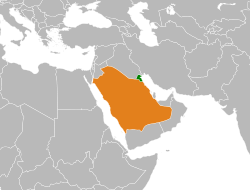
Saudi Arabia and Kuwait have concluded a significant agreement aimed at eliminating double taxation on income, marking a notable advancement in bilateral economic cooperation between the two Gulf nations. This treaty, announced after extensive negotiations, underscores a mutual commitment to fostering trade, investment, and economic collaboration in the region.

The agreement, officially signed in Riyadh, addresses taxation challenges for individuals and entities operating in both countries. It is structured to provide relief by preventing dual taxation and establishing clear tax allocation rules. Key provisions include reduced tax rates on cross-border dividends, interest, and royalties, and streamlined tax compliance mechanisms to encourage smoother business operations. The pact aligns with international standards, including guidelines from the Organisation for Economic Co-operation and Development (OECD), ensuring robust adherence to global tax practices.

This treaty also incorporates measures to prevent tax evasion, a critical concern for governments globally. Transparency and information exchange mechanisms are included to curb potential misuse, reflecting a shared dedication to fiscal accountability. The Saudi Ministry of Finance noted that the agreement would improve the ease of doing business while reinforcing investor confidence in the region.

Economic analysts view the deal as a strategic initiative to attract foreign investment. By mitigating the financial burdens of double taxation, it provides incentives for businesses to establish or expand operations in both Saudi Arabia and Kuwait. Observers also highlighted its potential to bolster intra-GCC (Gulf Cooperation Council) economic integration, a cornerstone of regional policy objectives.

The Kuwaiti government expressed optimism regarding the agreement, emphasizing its alignment with national economic reform goals. This move complements Kuwait’s strategy of diversifying its economy and strengthening its non-oil sectors. The agreement reflects a broader regional trend of adapting fiscal policies to enhance global competitiveness.

This taxation treaty comes amid a period of intensified economic diplomacy within the GCC. Saudi Arabia has been actively pursuing similar agreements with other nations as part of its Vision 2030 reforms. These efforts aim to position the kingdom as a leading hub for global business, promoting a diversified and resilient economy. Similarly, Kuwait has prioritized economic agreements to expand its international partnerships, reflecting a pragmatic approach to sustaining growth in the evolving global market.

The treaty’s implementation will involve detailed frameworks to ensure compliance and efficiency. Tax authorities in both countries are expected to establish bilateral mechanisms to facilitate smooth application, including dispute resolution protocols for any arising conflicts. Experts believe these operational guidelines will be crucial in realizing the full benefits of the agreement.

Economic ties between Saudi Arabia and Kuwait have been historically strong, driven by shared cultural and economic values. This latest agreement further solidifies their partnership, creating a model for regional cooperation that other GCC members may consider replicating. Analysts suggest it could pave the way for broader multilateral tax agreements within the GCC, fostering a more cohesive economic bloc.

As businesses and stakeholders prepare to navigate the new regulatory landscape, the focus remains on how effectively the agreement’s provisions are enacted. Both governments are expected to launch awareness campaigns to educate taxpayers on the treaty’s specifics, ensuring widespread understanding and compliance.

This treaty is set to take effect following ratification by both countries’ legislative bodies, a standard protocol for international agreements. Its ratification process is anticipated to progress swiftly, given the mutual benefits and strong political will driving the initiative.

AI Lab opened synchronously to drive Hong Kong forward a new milestone of “AI Plus” HONG KONG SAR – Media OutReach Newswire – 9 December 2024 – Cyberport’s Artificial Intelligence Supercomputing Centre (AISC), first of this kind currently in Hong Kong, officially commences operations, and the AI Lab is also open concurrently. The opening ceremony of the AISC and AI Lab was held today at AI Lab […]

Polen Capital, a prominent global asset management firm, has announced its plans to open an office in Abu Dhabi, marking a significant step in its strategy to expand its operations in the Middle East. The firm, which has a strong track record in managing equity and fixed-income portfolios, aims to tap into the growing wealth and investment opportunities in the region. This move underscores the increasing importance […]

Three companies in the United Arab Emirates (UAE) have been granted official licenses to operate lotteries, a significant move as the country aims to regulate and expand its gaming sector. These operators are now the only entities legally permitted to offer lottery services, while other unauthorized operators face orders to cease their activities. This decision follows ongoing efforts by UAE authorities to ensure the integrity and transparency of gambling operations, which have long been tightly regulated.

The UAE’s legal framework for gambling and lottery activities has historically been restrictive, with laws primarily prohibiting most forms of gambling. However, the introduction of licensed lottery services marks a departure from previous norms, aligning with the government’s broader efforts to modernize and diversify its economy. The decision to issue licenses to these operators is expected to generate significant revenue, contributing to the UAE’s economic diversification goals, particularly as the country looks to reduce its dependency on oil exports.

The three licensed operators have been authorized to offer a range of lottery products, including traditional draw-based games and instant-win formats. These services are expected to be heavily regulated, with strict oversight by government agencies to ensure compliance with ethical standards and consumer protection laws. The UAE’s new approach emphasizes transparency in operations, with the aim of attracting both local and international consumers.

While the licensed companies move forward with their operations, the crackdown on unauthorized operators has been swift. Several businesses that were previously offering lottery-like services without official approval have been ordered to shut down. Authorities have stated that any company found in violation of the law will face stringent penalties, including heavy fines and potential legal action.

The decision to regulate the lottery market more extensively has been met with mixed reactions. Proponents argue that the move will help generate revenue for public services and infrastructure projects, benefiting the wider community. By legalizing lottery services, the UAE government hopes to prevent the growth of underground gambling operations that often operate without oversight or regulation, which can lead to illegal activities and financial instability.

On the other hand, critics of the new regulations express concerns about the potential for gambling addiction and other social consequences. They argue that while lotteries are often marketed as a form of entertainment, they can lead to harmful behavior, particularly among vulnerable populations. There are also concerns about the transparency and fairness of the lotteries, with calls for the government to ensure that the operators are fully accountable and that the processes are closely monitored.

The regulatory framework for gambling in the UAE has evolved over time, with the country gradually relaxing some of its earlier restrictions. However, this shift towards legalizing certain forms of gambling has been carefully controlled, with only a limited number of operators allowed to participate. The UAE’s regulatory authorities are reportedly working to ensure that the market remains fair and responsible, with clear rules and guidelines in place to protect consumers.

International operators are also showing interest in the newly regulated market, with several global gaming companies considering partnerships with the licensed UAE operators. The move could potentially open the door for foreign investment, further boosting the country’s gaming sector. While the focus remains on lotteries for now, experts suggest that the UAE could gradually expand its licensing framework to include other forms of regulated gambling, such as sports betting and online casino games.

As the lottery sector begins to take shape, the UAE government has also placed a strong emphasis on ensuring that proceeds from the games are used for the public good. A portion of the revenue generated by the lotteries is expected to be allocated to social programs, including education, healthcare, and infrastructure development. This approach aims to ensure that the financial benefits of the new gambling activities are directed toward improving the quality of life for UAE citizens.

The establishment of licensed operators also raises the possibility of collaboration with international regulatory bodies. The UAE is reportedly engaging with global gaming regulators to ensure that its framework meets international standards. This collaboration could help strengthen the credibility of the UAE’s lottery system, boosting confidence among consumers and investors alike.

In addition to the regulatory changes, the UAE is investing in technology to ensure the security and transparency of lottery operations. The government has emphasized the importance of using advanced technologies, such as blockchain, to track lottery transactions and prevent fraud. This technological investment is expected to play a critical role in building trust among consumers and ensuring that the lottery services are fair and secure.

Global oil prices have seen a sharp increase, driven in part by a growing crisis in Syria’s energy sector. The country, already plagued by years of conflict, is facing an acute shortage of oil due to ongoing economic turmoil and political instability. Reports indicate that Syria’s oil production has drastically dropped from 90,000 barrels per day to just 20,000, a situation exacerbated by Turkish military operations in the northeast, which have impacted key oil fields. Compounding this, fuel shipments from Iran—once a lifeline—have slowed down, further straining Syria’s fuel supply.

Syria’s dependence on Iranian oil has been critical, with Tehran supplying up to 16 million barrels in 2024 alone. However, this amount falls far short of the country’s daily requirements, leading to black market surges and skyrocketing prices. The government’s cutbacks on fuel subsidies, alongside failed efforts to stabilize its own oil fields, have intensified the energy crisis. Public protests, triggered by shortages, reflect the widespread discontent, and basic goods like food have become increasingly difficult to transport due to high fuel costs.

Saudi Arabia’s Savola Group, one of the country’s largest diversified holding companies, has announced plans to repurchase sukuk worth $229 million. This move is part of the company’s ongoing efforts to manage its financing costs effectively while optimizing its capital structure.

The company stated that the buyback would provide substantial benefits by lowering its debt-related expenses. Sukuk, which are Sharia-compliant bonds, have gained significant popularity in the Middle East due to their adherence to Islamic financial principles. Savola’s decision to repurchase a significant portion of its sukuk is seen as a strategic move to reduce outstanding liabilities and enhance financial flexibility.

This development comes at a time when many companies in the Gulf region are focused on optimizing their balance sheets amid fluctuating global economic conditions. The sukuk buyback also signals a positive outlook for Savola’s financial health, reinforcing investor confidence. The company has been actively exploring ways to streamline its operations and improve profitability, with an emphasis on reducing costs and ensuring long-term stability.

The repurchase offer follows a series of initiatives by Savola to restructure its financing arrangements. By buying back sukuk, the company aims to manage its debt more efficiently and take advantage of favorable market conditions. Analysts have pointed out that this move could help Savola unlock value for shareholders while reducing its overall exposure to interest rate fluctuations.

Savola Group has been a key player in the Saudi Arabian and broader Gulf economies, with a presence in sectors ranging from food production to retail. The company has continuously adapted to changing market dynamics, making strategic decisions to sustain its growth trajectory. The buyback announcement is a reflection of Savola’s commitment to maintaining a strong financial position while also providing attractive returns to investors.

The company’s efforts to reduce financing costs have been welcomed by market observers, who view this move as a prudent financial strategy. By lowering the cost of capital, Savola will be better positioned to execute its growth plans and capitalize on emerging opportunities in the region. Moreover, the buyback reflects a broader trend among companies in the Middle East, particularly those with large sukuk issuances, to manage their debt more efficiently.

Sukuk markets in the Gulf have seen an uptick in activity in recent years, with companies looking to raise funds through these Islamic financial instruments. The buyback is likely to further solidify Savola’s reputation as a responsible corporate entity that values financial discipline and shareholder value. Investors in the sukuk market have been closely monitoring developments in the region, and this move could serve as a model for other companies seeking to optimize their debt structures.

Savola’s strategic initiatives go beyond financial maneuvers, as the company is also focused on expanding its business footprint. The group has been diversifying its portfolio, expanding into new markets and reinforcing its leadership in the food and beverage industry. Despite the challenges posed by economic uncertainties, Savola remains optimistic about its future prospects.

The success of Savola’s buyback initiative will depend on a number of factors, including market conditions and the company’s ability to execute its plans effectively. However, the early signals point to a well-calculated move aimed at positioning the company for long-term success. By repurchasing sukuk, Savola is not only lowering its financing costs but also signaling its commitment to enhancing shareholder value and ensuring a resilient financial future.

Abu Dhabi is steadily positioning itself as a global financial hub, attracting an increasing number of international bankers, investors, and financial institutions. The capital of the United Arab Emirates (UAE) has long been known for its oil wealth, but in recent years, its economic diversification strategies have begun to bear fruit, transforming it into a key player in the world’s financial markets. This shift is no longer just a future possibility; it is happening now, with rising interest from top-tier banking executives seeking to leverage the city’s infrastructure, favorable regulatory environment, and strategic position at the crossroads of Europe, Asia, and Africa.

As part of its ambition to become a leader in global finance, Abu Dhabi has made significant strides in enhancing its financial services ecosystem. Financial institutions, including major international banks, are increasingly opening branches and expanding operations in the city, attracted by its strategic location and investor-friendly policies. The UAE capital has also established itself as a center for private equity, wealth management, and Islamic finance, sectors where it continues to see consistent growth.

The financial sector in Abu Dhabi has grown rapidly, not just due to its historical advantages but because of deliberate policy decisions made by the government. For example, the Abu Dhabi Global Market (ADGM), a financial free zone established in 2015, has been pivotal in attracting foreign investment. ADGM offers a robust regulatory framework, tax exemptions, and a business-friendly environment that allows for greater ease of doing business compared to other regions in the Middle East.

Another factor drawing attention is Abu Dhabi’s growing role as a leading center for sustainable finance. The UAE has positioned itself as a key player in the global push towards greener investments, with Abu Dhabi at the forefront of green bonds and other sustainable financial products. In addition to the nation’s investment in renewable energy projects like the massive solar farm at Mohammed bin Rashid Al Maktoum Solar Park, the UAE has been a significant proponent of integrating environmental, social, and governance (ESG) criteria into investment strategies.

Abu Dhabi’s rise as a financial powerhouse is not only benefiting the city’s banks but also drawing the attention of global investment funds, particularly those looking to invest in markets with high growth potential. Financial giants from New York to London are setting up operations to tap into the rapidly growing wealth in the Gulf region, with Abu Dhabi being a prime location. The city’s appeal is also reinforced by its relatively low tax environment, particularly for foreign businesses, and the increased liberalization of the banking sector. This has helped make Abu Dhabi a go-to destination for global funds seeking to access emerging markets with fewer barriers.

The UAE government has long supported policies that encourage the diversification of the economy beyond oil, and banking and finance have become pivotal to this transformation. The establishment of the Financial Services Regulatory Authority (FSRA) has played an essential role in strengthening the regulatory framework, providing international businesses with confidence in operating within the emirate’s borders. This system offers a well-defined legal framework, based on international best practices, which ensures transparency and stability in the financial sector.

Abu Dhabi is seeking to capitalize on the global demand for fintech, especially with the increased adoption of digital financial services. Many leading global fintech companies have established a presence in the emirate, while government-backed initiatives continue to promote innovation in the sector. The growth of digital banking, blockchain technologies, and cryptocurrency is becoming more pronounced, positioning the city as an attractive destination for tech-driven financial services. The authorities in Abu Dhabi are keen to foster an ecosystem conducive to fintech startups, leveraging the city’s burgeoning tech infrastructure and access to venture capital funding.

In addition to financial services, Abu Dhabi’s ambitions are evident in its wealth management strategies. With a high concentration of wealthy individuals and families, Abu Dhabi has seen a surge in the demand for sophisticated wealth management services. The city’s wealth managers, private banks, and family offices are increasingly seeking to provide tailored services that cater to the unique needs of their clients. As such, Abu Dhabi is establishing itself as a key player in the high-net-worth individual (HNWI) market, attracting wealthy clients from the Gulf region and beyond.

International investors, particularly from Europe and Asia, are closely monitoring the developments in Abu Dhabi as they seek to capitalize on the economic growth that the emirate is experiencing. Many analysts view the city as one of the best places to invest in the Middle East, noting its ability to offer competitive returns and stability, especially in comparison to other regional markets that have seen geopolitical instability in recent years. Moreover, the city’s efforts to embrace innovation, sustainability, and diversification are making it an increasingly attractive destination for both traditional investors and those seeking to invest in cutting-edge sectors like green technologies and digital finance.

By Girish Linganna Donald Trump’s re-election as U.S. President could have a big impact on India-US relations, especially in areas like technology, chips, and semiconductors. As he begins his second term on January 20 next year ,, both countries will face a mix of opportunities and challenges that could shape their tech and economic ties […]

Increasing global insolvency levels heighten risks for executives. The febrile geopolitical landscape poses liability challenges for global corporations caught up in world events. “AI washing” is an emerging risk trend, leading to securities class action lawsuits. D&O market remains competitive but a step up in scrutiny of corporate conduct around the globe means loss potential is still high. SINGAPORE – Media OutReach Newswire – 5 December 2024 […]

MACAO SAR – Media OutReach Newswire – 5 December 2024 – On December 4, 2024, the “Celebration of the 25th Anniversary of Macao’s Return to the Motherland: The Story of Centenary Hotel Central Book Launch & Documentary Screening” event, organized by Lek Hang Group and supported by the Macao Government Tourism Office and the Commerce and Investment Promotion Institute, was held at Bona International Cineplex in Macau. […]

Schneider Electric has introduced a new suite of data center solutions aimed at addressing the growing energy demands of artificial intelligence (AI) systems. With AI adoption accelerating across industries, the need for more efficient and sustainable data processing infrastructure has become increasingly urgent. The company’s latest innovations offer advanced technologies designed to optimize energy consumption while supporting the complex needs of AI workloads. At the heart of […]

Fortinet has unveiled its new cloud-delivered platform, FortiAppSec Cloud, a cutting-edge solution designed to address the escalating complexities of securing modern web applications across multiple cloud environments. The launch marks a significant step in the cybersecurity provider’s ongoing efforts to offer a unified approach to web application security, ensuring businesses can safeguard their digital infrastructure in an era of rapidly evolving threats. The FortiAppSec Cloud platform is […]

IonQ, a prominent player in quantum computing, has officially entered the European market with the launch of its first quantum computer on the continent. The company’s new Forte Enterprise system has been delivered to QuantumBasel’s uptownBasel site in Arlesheim, Switzerland, marking a significant milestone in the global expansion of its quantum computing operations. This partnership underscores the growing demand for quantum technologies in Europe and the increasing importance of quantum computing in addressing complex industrial and scientific challenges.

The delivery of the Forte Enterprise system to uptownBasel is a major step for IonQ, which has previously focused on expanding its presence in North America. The installation at Arlesheim is expected to further solidify Switzerland’s position as a key player in the European quantum ecosystem. QuantumBasel, a prominent quantum technology research and development hub, has partnered with IonQ to make the system available to a variety of businesses and academic institutions across Europe. This collaboration is set to accelerate quantum research and applications in fields ranging from pharmaceuticals to finance, with a particular focus on developing quantum algorithms that can outperform classical computing systems.

IonQ’s Forte Enterprise is among the most advanced quantum computers in the world, offering enhanced performance and scalability. The system leverages IonQ’s trapped-ion technology, which uses ions trapped in electromagnetic fields to perform quantum operations. Unlike traditional computing methods, which rely on binary data represented by 0s and 1s, quantum computing uses quantum bits (qubits), which can exist in multiple states simultaneously. This enables quantum computers to solve certain problems much faster than classical supercomputers, particularly in fields requiring high-level computational power, such as drug discovery, cryptography, and complex system simulations.

The launch of the Forte Enterprise system in Europe comes at a time when the quantum computing industry is experiencing rapid growth. Major tech companies, governments, and startups around the world are investing heavily in quantum research, recognizing its potential to revolutionize various industries. The European Union has also been increasing its efforts to develop a quantum computing strategy, with initiatives like the Quantum Flagship, a long-term program aimed at advancing the continent’s quantum technology capabilities.

IonQ’s decision to partner with QuantumBasel is a strategic move designed to leverage Switzerland’s favorable position within Europe’s growing quantum landscape. Switzerland has long been a hub for innovation in science and technology, with institutions like ETH Zurich and the University of Basel leading in quantum research. The uptownBasel site, located in Arlesheim, is a key location within this ecosystem, offering the ideal environment for deploying cutting-edge technologies like IonQ’s quantum systems.

The Forte Enterprise system’s installation is not only a technical achievement but also a significant step toward the commercialization of quantum computing. As quantum computing continues to evolve, businesses and academic institutions are increasingly seeking practical applications for the technology. The deployment of IonQ’s quantum systems is part of a broader effort to democratize access to quantum computing, enabling more organizations to experiment with quantum algorithms and explore the potential benefits for their specific industries.

One of the key areas where IonQ is focusing its efforts is quantum networking. Quantum computers, with their ability to process vast amounts of data in parallel, are poised to play a central role in the development of quantum networks that can enable ultra-secure communication and highly efficient data processing. The partnership with QuantumBasel is expected to facilitate the development of these networks, as quantum computing and quantum networking are expected to be closely intertwined in future technological advancements.

Quantum computing’s commercial potential is becoming increasingly apparent. Large corporations in industries like pharmaceuticals, aerospace, and energy are keenly interested in using quantum computing to solve problems that are currently intractable for classical computers. For example, quantum simulations could revolutionize the way new drugs are discovered by modeling complex molecular structures that traditional supercomputers cannot simulate in a reasonable time frame. Similarly, quantum computers could dramatically enhance the optimization of supply chains, improve financial modeling, and provide unprecedented breakthroughs in artificial intelligence.

Despite its promise, quantum computing is still in the early stages of development. The systems that have been developed thus far are mostly experimental, and significant challenges remain in scaling quantum computers to handle practical, real-world problems. However, companies like IonQ are making substantial progress in refining their systems and increasing the accessibility of quantum technology. The deployment of IonQ’s Forte Enterprise system in Switzerland signals a major step in the industry’s evolution from research-oriented to commercially viable solutions.

Looking ahead, the presence of IonQ’s quantum computer in Europe could help catalyze further collaboration between European academic institutions, technology companies, and government agencies. By providing access to powerful quantum systems, IonQ aims to foster innovation and drive the development of quantum applications across a wide array of industries. As quantum computing continues to mature, it is likely that Switzerland, along with other European nations, will play a pivotal role in the global race to harness the transformative potential of quantum technologies.

VISHNU RAJA
RYO YAMADA
HITORI GOTOH
IKUYO KITA
Just in:
CR Longdation Aethereal Cybersecurity × Global Cybersecurity Alliance (GCSA) Join Hands to Establish the “AI and Cybersecurity Research Centre” // Utilities pursue ₹1,992 cr in unpaid bills // BJP’s Aggressive Response Exposes Anxiety Over Opposition Unity // Oil and chip shares retreat after Democratic victories // APT29-linked campaign exploits outdated Apple and Android software // Hong Kong mandates crypto transaction disclosures to tax authorities // Burying Head In “India Made Poverty Reduction” Data Is Dangerous // Vance attributes Republican midterm defeats to Iran conflict // Dubai boat show confirms international shipyard line-up for November // AI trust gap reveals distinct retail priorities: Divergent paths to consumer growth in Hong Kong and the GBA // Meraas showcases five residential zones at Dubai Design Week // Fast Just Got Fastest: STING Energy Boost™ Celebrates Kimi Antonelli’s Formula 1® World Championship and the Fan Energy Behind It // Middle East governments assess Iran war after US vote // Govt opposes Arlekar’s PSC action // As AI Reshapes Education, Singapore Convenes Global Dialogue on the Future of Early Childhood Education // Cyberport Venture & Capital Forum 2026 Grand Opening // Cloudflare unveils Zero Wire vulnerability intelligence service // Anthropic to prohibit persistent abuse of Claude chatbot // OpenAI identifies 948 Linux privilege escalation flaws using AI // Emirates Group records AED 4.1 billion half-year profit //