News related to
Operations

Ripple has launched a new offering called Ripple Custody, aimed at banks and fintech companies seeking secure digital asset storage. This marks a significant step for Ripple as it expands its service portfolio to support the growing demand for digital asset management solutions in the financial sector. The custody service integrates with Ripple’s XRP Ledger, offering a comprehensive solution that not only stores digital assets securely but also supports tokenization, compliance tools, and faster trading.

The launch of Ripple Custody comes at a time when more financial institutions are exploring crypto assets as part of their service offerings. Ripple’s platform provides an integrated and user-friendly interface that allows financial firms to manage a range of digital assets, including cryptocurrencies and tokenized real-world assets. The service also includes anti-money laundering (AML) risk monitoring, which is critical for meeting regulatory requirements in the global financial landscape.

Ripple Custody is built upon the technology of Ripple’s existing XRP Ledger blockchain, known for its efficiency and low-cost transaction capabilities. This ledger forms the backbone of Ripple’s ecosystem, facilitating fast and secure transactions between institutions. By integrating this ledger with the custody service, Ripple ensures that users have access to advanced blockchain technology for managing and transacting digital assets. The company’s focus on scalability and security makes it a competitive option for financial entities looking to diversify their portfolios with crypto assets.

This new service also capitalizes on Ripple’s acquisition of Metaco, a Swiss-based provider of digital asset custody and tokenization technology. This acquisition allowed Ripple to strengthen its technological capabilities in the custody space, positioning itself as a key player in the digital asset management sector. Ripple’s expansion into the custody business is part of a broader strategy to offer end-to-end solutions for financial institutions, from secure storage to liquidity and tokenization of various assets.

Ripple’s growing ecosystem aligns with the broader trend in the financial industry where digital assets are becoming a more accepted part of mainstream finance. Financial institutions are under increasing pressure to offer secure, compliant, and efficient digital asset services to meet the evolving needs of their clients. By addressing these requirements with Ripple Custody, Ripple is ensuring that its platform remains relevant in an ever-changing market.

Ripple Custody also offers advanced compliance tools, crucial for institutions navigating the complex regulatory environment around digital assets. These tools are designed to assist financial firms in adhering to AML, Know Your Customer (KYC), and other regulatory standards, reducing the risks associated with digital asset transactions. Ripple’s emphasis on compliance sets its custody service apart from other offerings in the market, as it provides an added layer of security for institutions wary of regulatory hurdles.

Another key feature of Ripple Custody is its support for the tokenization of real-world assets, enabling users to create digital representations of physical assets. This feature has the potential to unlock liquidity in traditionally illiquid markets by allowing assets like real estate or commodities to be traded on blockchain platforms. Tokenization is seen as a major innovation in the financial sector, offering new opportunities for both investors and institutions to access global markets more easily.

Ripple’s custody service also aims to enhance the speed and efficiency of trading through its integration with the XRP Ledger. By using this blockchain, the service can offer lower transaction fees and faster settlement times compared to traditional systems, making it an attractive option for institutions looking to optimize their operations. Ripple’s focus on transaction speed and cost efficiency reflects its ambition to compete with traditional financial infrastructure.

The launch of Ripple Custody has attracted attention from various sectors of the financial industry, as Ripple continues to solidify its position as a leader in the blockchain and digital asset space. By offering a secure, compliant, and efficient solution for digital asset storage and management, Ripple is helping to drive the mainstream adoption of digital currencies and tokenized assets among financial institutions.

Flydubai Cargo has partnered with cargo.one, a prominent digital booking platform, to launch its inaugural digital sales initiative. This strategic collaboration allows freight forwarders to access flydubai Cargo’s capacity seamlessly, marking a significant advancement in the company’s digital transformation efforts. Through this platform, users can leverage instant access to an array of services, including interline routes facilitated by existing partnerships with various airlines.

The digital sales launch aims to streamline the booking process, enabling customers to manage cargo reservations efficiently. This move aligns with the broader industry trend towards digitalization, where traditional logistics practices are increasingly supplemented by technological innovations. The partnership is expected to enhance operational efficiency, reduce turnaround times, and ultimately improve customer satisfaction by providing a user-friendly interface for booking cargo shipments.

With the ongoing growth in e-commerce and the rising demand for air freight services, the collaboration is timely. The global air cargo market has witnessed substantial growth, with estimates projecting it to continue expanding as companies increasingly rely on air transportation for the swift delivery of goods. Flydubai Cargo’s entry into the digital sales space is a response to this evolving market landscape, allowing it to remain competitive and responsive to customer needs.

Cargo.one’s platform is designed to simplify the booking experience for freight forwarders, offering a transparent and real-time view of available capacity. Users can make reservations at their convenience, receiving instant confirmations. This capability is particularly vital in an industry where speed and reliability are paramount. Flydubai Cargo’s capacity will include not only its dedicated routes but also options through interline agreements, enhancing its network reach.

Industry analysts suggest that the integration of digital solutions in cargo operations is becoming essential for companies aiming to optimize their services. The demand for agility in logistics has led many carriers to invest in technology that facilitates faster response times and improves customer interaction. By adopting a digital-first approach, flydubai Cargo positions itself as a forward-thinking player in the air freight sector.

This partnership also reflects a growing trend among airlines to collaborate with technology providers to enhance their service offerings. As digital platforms gain traction, more cargo carriers are recognizing the need to adapt to the shifting dynamics of freight transportation. The success of such initiatives hinges on the ability to provide seamless digital experiences that cater to the evolving expectations of customers.

Cargo.one, known for its innovative solutions in the air cargo booking space, has been instrumental in driving digital transformation across the industry. By partnering with them, flydubai Cargo is not only leveraging existing technology but also benefiting from cargo.one’s established network of freight forwarders. This symbiotic relationship is anticipated to yield significant advantages for both parties, as they aim to capitalize on the growing demand for digital solutions in air freight.

As part of this initiative, flydubai Cargo plans to continuously update its offerings on the cargo.one platform, providing customers with real-time information about capacity, pricing, and available services. The integration of advanced analytics and data insights is expected to further enhance decision-making processes for freight forwarders, allowing them to optimize their logistics strategies.

The air cargo market has seen increasing competition in recent years, with numerous carriers vying for a larger share of the business. Flydubai Cargo’s move to digitalize its sales is a proactive step to differentiate itself in this competitive landscape. By prioritizing customer experience and efficiency, the airline aims to attract new clients and retain existing ones, further solidifying its position in the industry.

Freight forwarders stand to benefit from the enhanced visibility and control offered by the digital sales initiative. With the ability to book cargo space online and receive immediate confirmations, logistics providers can better manage their operations, ultimately improving their service delivery. This transformation not only meets the current demands of the market but also prepares flydubai Cargo for future challenges as the logistics landscape continues to evolve.

As the partnership unfolds, stakeholders will closely monitor the impact of these digital sales on flydubai Cargo’s overall performance. The air freight sector is characterized by rapid changes and evolving customer expectations, making adaptability crucial for success. Flydubai Cargo’s strategic alignment with cargo.one exemplifies a forward-looking approach aimed at addressing these challenges head-on.

Jonathan Keyes has been appointed as the Head of Sustainable Finance for the Middle East by ING, the Dutch multinational banking and financial services corporation. This strategic move aligns with ING’s commitment to promoting sustainability and supporting clients in their transitions toward more sustainable business practices. Keyes, who previously held the position of Global Head of Sustainable Finance at the bank’s headquarters in Amsterdam, brings a wealth […]

Qatar’s Lesha Bank has finalized the acquisition of Bereke Bank in Kazakhstan, marking a significant expansion into Central Asia’s financial landscape. This strategic move aims to bolster Lesha Bank’s regional presence and enhance its service offerings, catering to a broader customer base in both retail and corporate banking sectors. The acquisition was officially announced following regulatory approval from Kazakhstan’s National Bank. This pivotal decision reflects a growing […]

Spinneys has announced plans to construct a significant facility in Food Tech Valley, marking a pivotal move in its expansion strategy within the region’s rapidly evolving food industry. This project aligns with the growing emphasis on innovation in food technology and aims to enhance the supermarket chain’s logistics and distribution capabilities.

Food Tech Valley, located in Abu Dhabi, is envisioned as a hub for food innovation, sustainability, and advanced agricultural practices. Spinneys’ decision to establish a facility here underscores the region’s commitment to transforming its food supply chain through cutting-edge technology and infrastructure. The new facility is expected to serve as a central point for the company’s operations, significantly streamlining its supply chain and improving access to fresh and sustainable food products.

The upcoming development will house state-of-the-art facilities designed for food processing, storage, and distribution, catering to the increasing demand for high-quality and innovative food products. It is anticipated that the facility will integrate advanced technologies to optimize operations, thereby reducing waste and enhancing overall efficiency. With this move, Spinneys aims to solidify its position as a leader in the retail food sector while addressing consumer preferences for sustainability and innovation.

Local authorities have welcomed Spinneys’ investment as a major boost to the regional economy. The project is expected to create numerous job opportunities, further contributing to Abu Dhabi’s vision of economic diversification and sustainability. Food Tech Valley is part of a broader initiative by the Abu Dhabi government to develop the food sector, encouraging investments in advanced agricultural practices and food technology.

Spinneys’ commitment to sustainability is a cornerstone of this new initiative. The facility will incorporate environmentally friendly practices, including energy-efficient systems and waste reduction technologies. By embracing sustainable practices, Spinneys aims to meet the growing consumer demand for ethically sourced and environmentally friendly products, reinforcing its brand identity as a responsible retailer.

As food supply chains face increasing pressure from global events and rising consumer expectations, the establishment of this facility is a strategic response to these challenges. Spinneys recognizes the necessity of evolving its operations to adapt to shifting market dynamics, ensuring that it can provide consumers with the best products while maintaining efficiency in its supply chain.

Industry experts view Spinneys’ investment as part of a larger trend towards modernization in the food retail sector. The shift towards technology-driven solutions in logistics and supply chain management is seen as essential for retailers aiming to remain competitive. By investing in advanced facilities and technology, Spinneys is positioning itself to navigate future challenges and meet consumer needs effectively.

The facility is expected to enhance Spinneys’ existing distribution network, allowing for quicker and more efficient delivery of products to its stores across the region. This development aligns with the company’s long-term vision to enhance customer experience by ensuring product availability and freshness, ultimately driving customer loyalty and satisfaction.

Community engagement and collaboration with local stakeholders will also play a crucial role in the development of this facility. Spinneys plans to work closely with local farmers and producers to promote regional products, thereby supporting local economies and reducing the carbon footprint associated with long-distance transportation of goods. This initiative is aligned with the broader goal of enhancing food security in the region, which has become increasingly important given global supply chain challenges.

As the project moves forward, Spinneys is committed to transparency and accountability, ensuring that all stakeholders are informed and engaged throughout the process. The company’s focus on sustainability, innovation, and community collaboration reflects its dedication to not only meeting market demands but also contributing positively to the environment and society.

Investors and market analysts are closely monitoring this development, as it could set a precedent for future investments in the food sector within the region. The successful implementation of this facility may encourage other retailers and producers to explore similar initiatives, fostering a culture of innovation and sustainability in the food industry.

Arabian Post Staff Oil varnishing, a known issue in the operation of gas turbines and other heavy-duty industrial machinery, continues to affect performance and reliability, despite years of advancements in lubrication technologies. Since the early 2000s, when General Electric (GE) released data showing that nearly one-third of its F-class turbines were experiencing varnish formation, operators have been seeking effective solutions. Varnishing, characterized by the formation of thin, […]

Several airlines have expanded their operations over Afghanistan, marking a significant shift in air traffic dynamics in a region characterized by geopolitical instability and ongoing tensions. This development comes in the wake of changing airspace policies and a gradual restoration of air routes previously closed due to security concerns. The resumption of flights has attracted attention from various sectors, including commerce, humanitarian efforts, and diplomatic engagements. Countries […]

Advertisements

QatarEnergy has finalized a significant 20-year naphtha supply agreement with Shell, marking a pivotal development in the global energy sector. The agreement, effective from April 2025, is set to deliver up to 18 million metric tons of naphtha to Shell’s operations, primarily supporting its petrochemical ventures. This deal underscores Qatar’s growing role as a key player in the global energy market, especially in petrochemical production, where naphtha is a vital feedstock.

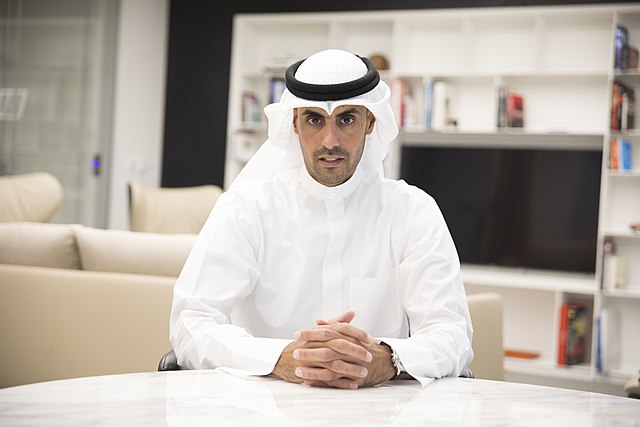
The announcement was made by Saad al-Kaabi, the CEO of QatarEnergy and the state’s Minister of Energy. He emphasized the importance of this agreement, stating it represents QatarEnergy’s first long-term naphtha sales contract of such duration. Al-Kaabi highlighted the collaboration as part of a broader strategy to leverage Qatar’s vast energy resources, particularly from the North Field, the world’s largest natural gas field, shared with Iran and known as the South Pars gas field in Iran.

The strategic partnership between QatarEnergy and Shell is not new; it has been built over several years through joint ventures and investments in liquefied natural gas (LNG) projects, including the Pearl GTL (Gas-to-Liquids) facility, which is a significant project in Qatar’s energy landscape. The two companies are committed to further collaboration in various energy sectors, enhancing their capabilities in energy production and distribution.

As global energy demands continue to evolve, the deal also reflects the shifting dynamics in the petrochemical industry, where companies are increasingly focused on securing long-term supply contracts to stabilize their operations. Naphtha, derived from crude oil, serves as a critical raw material in producing various chemicals and plastics. The agreement with Shell positions Qatar as a reliable supplier in a market that is grappling with fluctuating energy prices and geopolitical uncertainties.

The significance of this deal extends beyond immediate commercial interests. It aligns with Qatar’s broader vision to diversify its economy and expand its influence in the global energy landscape. By solidifying such long-term contracts, QatarEnergy aims to enhance its competitive edge, ensuring a steady revenue stream while contributing to the stability of global energy supplies.

Industry experts view this agreement as a testament to Qatar’s strategic foresight in recognizing the importance of long-term partnerships in a sector that is increasingly volatile. The collaboration not only strengthens Qatar’s energy export capabilities but also reinforces Shell’s operational efficiency as it seeks to maintain its leadership position in the petrochemical market.

As global energy policies shift towards sustainability, this agreement is also anticipated to play a role in transitioning to more sustainable energy sources. QatarEnergy has been proactive in exploring cleaner energy alternatives and investing in technologies that reduce carbon emissions, reflecting a commitment to environmental stewardship.

National Industries Group (NI Group), one of Kuwait’s leading conglomerates, is weighing a strategic move to acquire Foulath Holding, a key player in the steel and industrial sectors across the Gulf region. This potential acquisition signals NI Group’s intent to further expand its regional influence, adding to its already diverse portfolio that spans building materials, financial investments, and manufacturing across the Middle East, Europe, and North America.

Foulath Holding, based in Bahrain, specializes in steel production through its subsidiary companies like SULB and Bahrain Steel. These entities play a significant role in supplying critical steel infrastructure, not only to local markets but also to global players. SULB, in particular, has been instrumental in producing structural steel sections, which are essential for various industrial projects throughout the region. Its operations are anchored in Bahrain and Saudi Arabia, with a large production capacity focused on regional demand and export.

This possible acquisition aligns with NI Group’s long-term strategy to enhance its industrial base, particularly in sectors poised for growth. Established in 1960, NI Group has evolved into a significant industrial conglomerate, boasting a robust financial standing and a clear vision of expanding its industrial footprint. With more than 1800 employees, NI Group’s operations are diversified through companies like National Industries Company (NIC), which leads in producing building materials and infrastructure products in Kuwait.

For Foulath Holding, the acquisition could provide a stronger financial backing, leveraging NI Group’s extensive resources and experience in the industrial and financial sectors. Foulath’s role in regional steel production is vital, given the growing demand for infrastructure and construction projects throughout the GCC. This synergy could position both entities to capitalize on large-scale regional initiatives such as Saudi Arabia’s Vision 2030, which demands substantial steel input for infrastructure development.

NI Group’s ambitions are not confined to the Gulf. Through its subsidiaries like Noor Financial Investment Company and Proclad Group, it has already made strides in international markets. Noor, for example, has a diverse portfolio in financial services and real estate investments, while Proclad Group provides critical engineering solutions for the oil, gas, and energy sectors.

The discussions around the acquisition come at a time when the global steel industry faces increasing challenges, including fluctuating raw material prices and rising demand for sustainable production methods. Should NI Group successfully close this deal, it would bolster its capabilities to respond to these challenges while securing a stronger foothold in the steel manufacturing space. Such a move could also provide opportunities for innovation and expansion in environmentally friendly steel production, aligning with global trends toward sustainable development.

“Hub+” Unveiled: Disruptive Payment Integration Services, from “One Touch to Many” SINGAPORE – Media OutReach Newswire – 9 October 2024 – EFT Solutions Limited (“EFT Solutions“; stock code: 8062.HK), a leading electronic fund transfer point-of-sales (“EFT-POS”) solutions provider, is pleased to announce that it is joining an array of Asia’s leading technology providers and innovators at eCommerce Expo Asia from 9th to 10th October 2024. Taking stage […]

Ryan Salame, the former co-CEO of FTX Digital Markets, has commenced his 7.5-year prison sentence as a result of his role in the collapse of the FTX cryptocurrency exchange. His sentencing on October 11 follows a guilty plea in September to charges related to campaign finance violations and operating an unlicensed money transmitting business, adding another chapter to the saga that has seen multiple executives from the […]

Duos Edge AI has formed a strategic partnership with Accu-Tech to enhance the deployment of edge computing infrastructure across the United States. This collaboration aims to streamline the integration of edge solutions into various sectors, significantly improving data processing capabilities and latency for businesses relying on real-time data analytics. Edge computing has emerged as a crucial component in the digital transformation of organizations, enabling them to process […]

Brazil’s Supreme Court has lifted the suspension on X, formerly known as Twitter, allowing it to restore services for its 22 million users in the country. This development came after the company, under Elon Musk’s ownership, paid a $5 million fine for failing to comply with local regulations and court orders. X was initially banned after it failed to appoint a legal representative in Brazil and refused […]

A significant investment agreement has been reached between the Public Investment Fund (PIF) of Saudi Arabia and Central Group, a leading Thai retail and property conglomerate, aimed at bolstering the Selfridges Group’s market position. This partnership, revealed by both entities, marks a strategic move to enhance the group’s retail and property development capabilities, ensuring its resilience in a rapidly evolving market landscape.

The transaction is poised to solidify Selfridges Group’s status within the luxury retail sector. The partnership between PIF and Central Group is projected to provide the necessary financial backing for various initiatives, including enhancing the brand’s e-commerce offerings and expanding its physical footprint across key markets. These developments come as luxury retail brands increasingly seek to adapt to changing consumer behaviors, particularly in light of the pandemic’s long-term impacts.

Selfridges, a well-known name in the luxury department store market, has faced challenges stemming from shifts in shopping habits, particularly a surge in online shopping. The investment from PIF, a sovereign wealth fund with significant resources, combined with Central Group’s retail expertise, positions Selfridges Group to better compete against both traditional rivals and online platforms. This collaboration is seen as an avenue to navigate these challenges while fostering innovation.

Key players in the retail sector have noted that this investment aligns with broader trends in the market where partnerships between traditional retailers and financial investors are becoming increasingly common. The infusion of capital from PIF, coupled with Central Group’s extensive experience in retail operations, will enable Selfridges Group to streamline its supply chain and enhance customer experience both online and in-store. The commitment to enhancing digital capabilities is particularly critical, as brands strive to create seamless shopping experiences for consumers who are now more accustomed to online transactions.

Analysts suggest that the strategic alliance could lead to an expansion of the Selfridges brand beyond its traditional boundaries. Central Group, which has a robust portfolio of retail operations in Thailand and other regions, brings a wealth of knowledge about consumer preferences and market dynamics. This expertise could facilitate the entry of Selfridges into new markets, leveraging Central Group’s established networks and distribution channels.

The agreement has garnered attention not just for its financial implications but also for its potential impact on the luxury retail landscape. As competition intensifies, particularly from digital-native brands and international luxury players, established brands like Selfridges must evolve to maintain relevance. The backing from PIF and Central Group is expected to drive innovation and adaptation strategies, including enhancing sustainability initiatives that resonate with the growing eco-conscious consumer base.

Experts in the field have noted that this investment represents a proactive approach to growth in an industry marked by uncertainty. The luxury retail sector has seen a shift toward sustainability, personalization, and technological integration, prompting brands to rethink their strategies. Selfridges Group’s focus on improving e-commerce capabilities is part of a broader industry trend where digital sales channels are no longer supplementary but central to retail success. The new investment will facilitate the necessary technological upgrades to meet these changing demands.

This deal could serve as a precedent for future investments in the luxury retail sector. It reflects a growing recognition among investors of the potential profitability of well-established retail brands that can successfully adapt to new market conditions. The collaborative effort between PIF and Central Group illustrates how financial institutions can play a critical role in supporting the transformation of traditional retail businesses.

While the financial specifics of the deal have not been publicly disclosed, it is widely acknowledged that both parties aim to maximize returns on their investment through careful strategic planning. The partnership is expected to unfold in stages, with initial focus areas likely including refurbishing existing stores, expanding product offerings, and enhancing the overall shopping experience.

The evolution of Selfridges Group under this new investment is anticipated to be closely watched by industry observers, particularly as the luxury retail sector navigates the complexities of a post-pandemic world. Retail experts are keen to see how effectively the company integrates technological advancements while retaining the unique brand identity that has made Selfridges a staple in luxury shopping.

Tamkeen Technologies, a leading human resources solutions provider based in Saudi Arabia, is preparing to issue an initial public offering (IPO) in which 30% of its shares will be made available to investors. This move is anticipated to significantly enhance the company’s capital base and provide it with the necessary resources to expand its operations and reach within the rapidly growing HR tech sector. Established in 2015, […]

A significant surge in data breaches attributed to artificial intelligence has emerged as a pressing concern for cybersecurity leaders across the Asia-Pacific region, according to a comprehensive survey by Cloudflare. The study highlights that a staggering 87% of cybersecurity professionals view AI as a factor contributing to the increasing sophistication of cyberattacks, raising alarms about the evolving landscape of digital threats. The survey results underscore a growing […]

Abu Dhabi has emerged as the wealthiest city globally, boasting sovereign wealth funds (SWFs) that collectively manage assets worth $1.7 trillion. This ranking highlights the city’s financial significance and positions it as a critical player on the world stage.

The analysis, conducted by various financial institutions, underscores Abu Dhabi’s SWFs, including the Abu Dhabi Investment Authority (ADIA) and Mubadala Investment Company. These entities have strategically diversified their investments across sectors such as technology, infrastructure, healthcare, and renewable energy, driving substantial returns. As of this year, the ADIA alone manages assets estimated at over $700 billion, positioning it as one of the largest SWFs globally.

A crucial aspect of Abu Dhabi’s financial success stems from its oil and gas revenues, which have historically fueled the growth of these funds. The emirate has effectively transformed its natural resource wealth into a broad-based investment strategy, allowing it to capitalize on opportunities beyond hydrocarbons. Investments in international markets and partnerships with global firms have further diversified its portfolio and reduced dependency on oil revenues.

The financial environment in Abu Dhabi benefits from robust government support and a commitment to enhancing the investment climate. Initiatives to attract foreign direct investment (FDI) have played a vital role in expanding the emirate’s economic landscape. The introduction of new laws and reforms aimed at easing business operations, coupled with free trade zones, has made Abu Dhabi an appealing destination for global investors.

Recent developments indicate that the UAE, led by Abu Dhabi, is keen on positioning itself as a center for financial technology (fintech). The government has launched various initiatives to promote innovation in the financial sector, attracting startups and established companies to the region. These initiatives are expected to create a vibrant ecosystem that enhances the emirate’s economic resilience.

While Abu Dhabi’s wealth continues to grow, it faces challenges common to cities reliant on large-scale investments. The ongoing global shift towards sustainable investments and green energy poses both risks and opportunities. Abu Dhabi is already taking proactive measures to address these changes, with investments in renewable energy projects such as the Mohammed bin Rashid Al Maktoum Solar Park and the Barakah Nuclear Energy Plant.

Another key player in Abu Dhabi’s economic landscape is the Abu Dhabi Global Market (ADGM), an international financial center that has garnered attention for its regulatory framework and ease of doing business. ADGM has attracted numerous global financial institutions and fintech firms, enhancing the emirate’s reputation as a financial hub. This growth is evidenced by a significant increase in the number of registered entities within ADGM, reflecting the appeal of Abu Dhabi as a business destination.

The global economic climate, characterized by inflationary pressures and geopolitical uncertainties, also influences investment strategies in Abu Dhabi. Financial analysts note that the emirate’s diversified approach mitigates risks associated with market volatility. Its emphasis on long-term investments and sustainable growth positions Abu Dhabi favorably compared to cities that may rely heavily on cyclical industries.

Abu Dhabi’s wealth is not just confined to financial markets. The emirate has invested heavily in cultural and social projects aimed at enhancing quality of life and promoting tourism. Initiatives such as the Louvre Abu Dhabi and the Guggenheim Museum project exemplify the city’s commitment to fostering a rich cultural scene, making it an attractive destination for visitors and expatriates alike.

As global economies navigate the complexities of post-pandemic recovery, Abu Dhabi’s status as the world’s richest city reinforces its position as a resilient and adaptive financial center. The emirate’s strategic investments and commitment to innovation and sustainability ensure that it remains a focal point for wealth generation and investment opportunities.

The ranking of Abu Dhabi as the wealthiest city underscores not only its financial prowess but also the broader trends shaping global wealth distribution. As sovereign wealth funds gain prominence in the investment landscape, cities like Abu Dhabi exemplify how strategic asset management can lead to sustainable economic growth.

A significant refinancing deal has been finalized for Fairmont The Palm, a prominent luxury hotel located in Dubai. IFA Hotels & Resorts announced it has secured a $163 million refinancing package from Emirates NBD. This move is aimed at strengthening the hotel’s financial position and facilitating continued investment in its operations and services.

Fairmont The Palm is situated on the iconic Palm Jumeirah, a man-made island renowned for its luxurious residences and attractions. The hotel boasts 391 rooms, multiple dining options, and extensive leisure facilities, including a private beach, swimming pools, and wellness services. Given Dubai’s status as a premier tourist destination, the hotel’s location and amenities contribute to its strong appeal.

The refinancing package represents an important step in IFA Hotels’ strategy to optimize its capital structure and support the ongoing recovery of the hospitality sector in Dubai. The funds are expected to be utilized for various enhancements within the hotel, ensuring that it remains competitive in a rapidly evolving market.

Dubai’s hospitality industry has shown resilience and adaptability in the face of challenges brought on by the COVID-19 pandemic. As travel restrictions ease and international tourism rebounds, hotels across the emirate are focusing on improving guest experiences and expanding their offerings. Fairmont The Palm, with its established reputation and high occupancy rates, stands well-positioned to benefit from this recovery.

The financing from Emirates NBD not only underscores the bank’s confidence in the hospitality sector but also aligns with its commitment to supporting strategic developments in Dubai’s tourism landscape. Emirates NBD has played an active role in financing significant projects across various sectors, reflecting its dedication to facilitating growth in the region’s economy.

Investment in hospitality has become a priority for Dubai, particularly as the emirate aims to attract 25 million visitors annually by 2025. Initiatives to enhance tourism infrastructure, such as the recent launch of new entertainment venues and improved transportation links, are part of a broader strategy to diversify the economy and reduce reliance on oil revenues.

Fairmont The Palm’s refinancing is indicative of broader trends within the hospitality sector, as hotels and resorts seek financial solutions that enable them to adapt to changing market dynamics. Many establishments are re-evaluating their business models to focus on sustainability, digital transformation, and personalized guest experiences.

Industry analysts point to the increasing importance of wellness and sustainability in hospitality. As guests become more conscious of their impact on the environment, hotels that invest in sustainable practices are likely to gain a competitive edge. Fairmont The Palm has been recognized for its commitment to sustainability, implementing eco-friendly initiatives such as waste reduction programs and energy-efficient technologies.

Looking ahead, Fairmont The Palm plans to capitalize on emerging trends in the hospitality industry. The hotel is exploring new culinary concepts, partnerships with local artists for cultural programming, and technology-driven enhancements that improve guest interactions. These initiatives aim to create memorable experiences that resonate with both leisure and business travelers.

The refinancing deal is not only beneficial for Fairmont The Palm but also reflects the overall health of Dubai’s hospitality market. With the UAE government’s efforts to boost tourism and investments in infrastructure, hotels are witnessing a surge in both domestic and international bookings. As events and exhibitions resume, the demand for accommodations is expected to increase further, providing opportunities for hotels to maximize their revenue streams.

Several key players in the hospitality sector are closely monitoring the developments surrounding Fairmont The Palm and other major hotels in Dubai. The success of such refinancing deals could pave the way for additional investments and partnerships in the region, particularly as the emirate strives to maintain its position as a leading global tourist destination.

As the global hospitality industry continues to recover from the pandemic, the focus on financial resilience and adaptability will be paramount. Fairmont The Palm’s successful refinancing indicates a positive outlook for the sector, positioning the hotel to thrive amidst the evolving landscape.

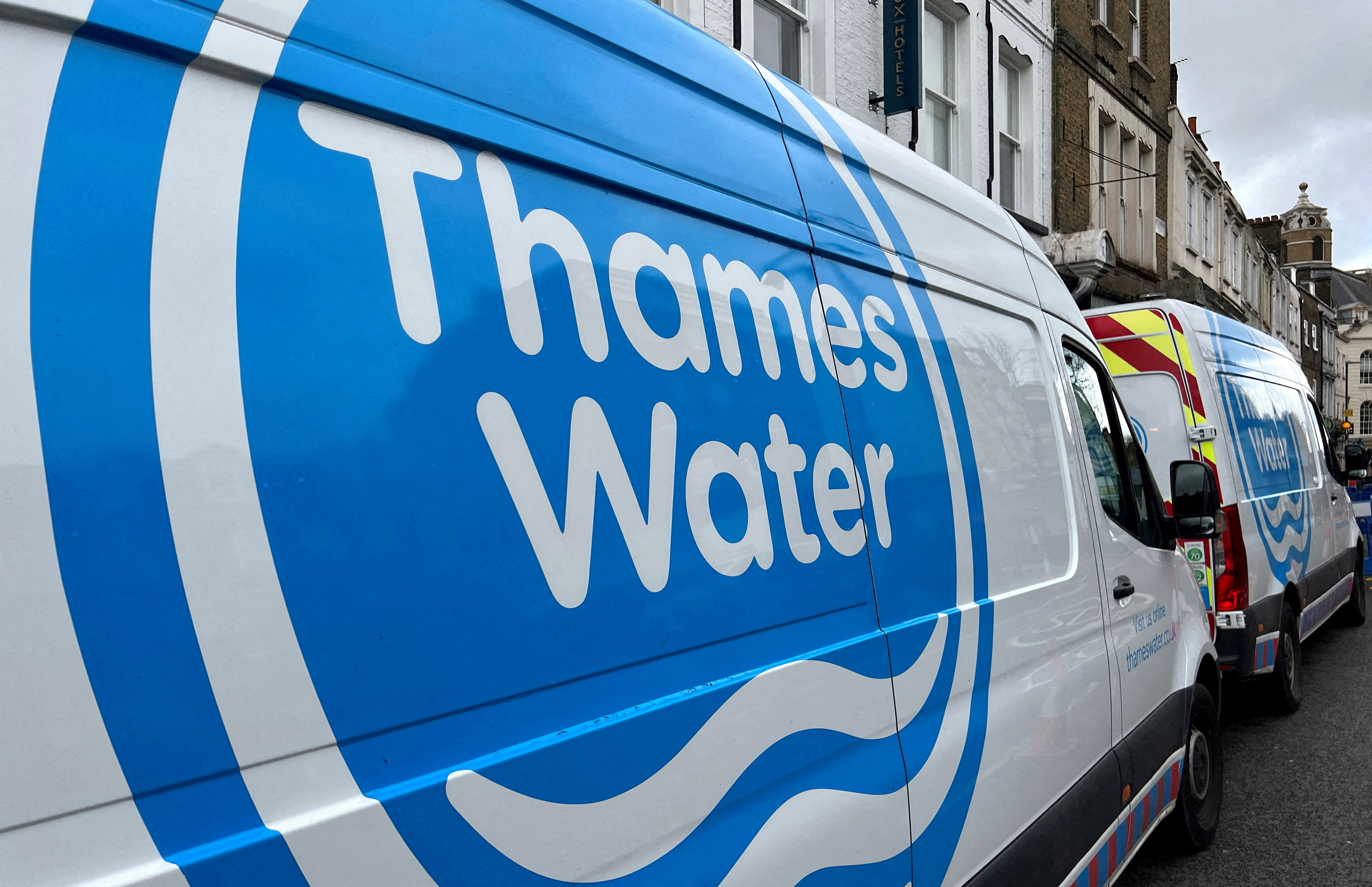
Abu Dhabi’s Mubadala Investment Company has made a significant move by writing off its 9.9% stake in Thames Water, marking a pivotal moment for both the investment firm and the struggling utility company. This decision comes in the wake of ongoing financial challenges faced by Thames Water, which has been grappling with a mountain of debt and regulatory scrutiny. The write-off not only reflects the declining confidence in Thames Water’s ability to stabilize but also signals broader implications for the UK water sector and foreign investments in troubled utilities.

Thames Water has been under immense pressure due to its high debt levels, currently estimated at £14 billion. The company has faced criticism from regulators and consumers alike over service delivery and environmental concerns, particularly regarding wastewater management and pollution incidents. Its challenges have been exacerbated by rising operational costs and inflationary pressures, prompting calls for urgent reform within the water sector.

Mubadala’s decision to write down its investment follows a series of operational setbacks and a regulatory inquiry that scrutinized Thames Water’s financial practices. This scrutiny intensified after the utility failed to adequately address issues related to infrastructure maintenance and environmental compliance. In light of these pressures, Thames Water’s management has sought to reassure stakeholders by promising improved governance and financial management practices. However, the effectiveness of these measures remains uncertain.

The ramifications of Mubadala’s exit extend beyond Thames Water. This move raises questions about the attractiveness of the UK water sector to foreign investors, particularly in light of the challenges facing utilities across the country. Investors may now be more cautious, weighing the risks associated with high debt and regulatory compliance against the potential for returns. The shift may lead to a reassessment of investment strategies and expectations within the sector.

In response to mounting criticism, Thames Water has initiated a restructuring plan aimed at stabilizing its operations and restoring investor confidence. The company announced a strategy focused on enhancing service delivery, reducing costs, and addressing long-standing infrastructure issues. However, the effectiveness of this plan will largely depend on its execution and the company’s ability to adapt to the shifting regulatory landscape.

The broader UK water industry is facing calls for reform, with numerous stakeholders advocating for increased government oversight and accountability. The government has been urged to explore options for restructuring utilities to ensure long-term sustainability and protect consumer interests. In this context, Thames Water’s struggles may serve as a case study for how not to navigate the complexities of the utility market.

Thames Water’s plight has also attracted the attention of environmental advocacy groups, which have long criticized the utility for its track record on pollution and environmental stewardship. These groups argue that significant reform is necessary to ensure that water companies prioritize sustainable practices and invest in modern infrastructure. The scrutiny faced by Thames Water could prompt regulators to take a harder stance on compliance and accountability, potentially leading to more stringent regulations for all water companies.

The ongoing dialogue about water quality and supply in the UK has been brought to the forefront by the challenges facing Thames Water. As climate change continues to exert pressure on water resources, the need for sustainable management practices has never been more urgent. The intersection of financial stability and environmental responsibility is likely to be a key focus area for regulators and investors alike.

Despite these challenges, there is potential for positive change within the sector. The UK government has recognized the importance of maintaining a resilient water infrastructure, and discussions around investment in green technology and sustainable practices are gaining traction. If successfully implemented, these initiatives could provide a pathway for utilities to recover and adapt to emerging challenges, transforming the landscape of the water sector.

Mubadala’s decision to exit its stake in Thames Water serves as a stark reminder of the vulnerabilities present within the utility sector. As stakeholders assess the implications of this write-off, the focus will inevitably shift toward the future of Thames Water and the broader water industry. The need for transparency, accountability, and sustainable practices will remain at the forefront of discussions as regulators and investors seek to navigate an increasingly complex environment.

SHAH ALAM, MALAYSIA – Media OutReach Newswire – 8 October 2024 – On December 1, 2022, BEST Group officially launched its cargo network in Malaysia. In just two years, BEST Cargo has rapidly risen to become a major driver in Malaysia’s logistics industry, achieving 100% nationwide coverage. This comprehensive network has significantly contributed to the expansion of Southeast Asia’s logistics landscape. In just two years, BEST Cargo […]

Designed for today’s fast-paced lifestyle, Shopee enhances your shopping experience with Guaranteed Next Day Delivery, which promises faster delivery right to your doorstep. SINGAPORE – Media OutReach Newswire – 8 October 2024 – In the face of unexpected challenges, moments of panic and frustration are all too familiar. Imagine these scenarios: a significant dinner is on the horizon, and a stubborn stain appears on a cherished dress. […]

Abu Dhabi Investment Authority (ADIA), one of the world’s largest sovereign wealth funds, has established a subsidiary in Gujarat International Finance Tec-City (GIFT City), India’s first operational smart city and International Financial Services Centre (IFSC). This strategic move underlines ADIA’s growing interest in India’s financial ecosystem and is expected to accelerate the UAE’s investments in key sectors of the Indian economy.

ADIA’s decision aligns with the broader UAE-India economic collaboration that has deepened in recent years, driven by the Comprehensive Economic Partnership Agreement (CEPA). Signed in May 2022, CEPA has already resulted in substantial gains in bilateral trade, particularly in non-oil sectors, reaching $28.2 billion in the first half of 2024 alone. This agreement, designed to remove trade barriers, has also spurred significant foreign direct investment (FDI) inflows into India, with ADIA playing a prominent role.

The new subsidiary will benefit from GIFT City’s unique regulatory and tax advantages, enhancing ADIA’s capacity to manage and diversify its global portfolio from India. GIFT City offers a conducive environment for international businesses, with simplified tax regimes, ease of operations, and direct access to Indian and global markets, making it an attractive hub for financial activities. ADIA’s expansion into this zone signals a potential increase in UAE-driven investments, particularly in infrastructure, real estate, and technology sectors, areas where India is actively seeking foreign capital.

This development follows a series of UAE-led initiatives in India, such as the establishment of food parks and logistics hubs, and marks the strengthening of bilateral ties under the leadership of Indian Prime Minister Narendra Modi and UAE President Sheikh Mohamed bin Zayed Al Nahyan. Both leaders have emphasized the significance of UAE’s investments in India, with projects spanning across infrastructure, renewable energy, and technology sectors. The bilateral focus is not just on economic gains but also on fostering sustainable growth and innovation.

ADIA’s growing footprint in India is part of a broader trend of Middle Eastern sovereign wealth funds seeking to diversify their investment portfolios amidst global economic uncertainties. India, with its burgeoning middle class, robust consumption patterns, and ambitious infrastructure development plans, has emerged as a prime destination for such funds. ADIA’s investments are not only expected to boost India’s financial services sector but also contribute to the creation of high-skilled jobs and the development of a sophisticated financial ecosystem.

The subsidiary in GIFT City is anticipated to further bolster ADIA’s long-standing presence in India, where it has already invested in a variety of sectors including logistics, highways, and affordable housing. Over the past few years, the fund has also collaborated with local partners to channel investments into emerging sectors like e-commerce, technology, and healthcare. The new base in GIFT City could facilitate the expansion of ADIA’s investment portfolio, providing opportunities for greater collaboration with Indian companies and startups, especially those focusing on cutting-edge technologies like artificial intelligence (AI) and renewable energy.

With ADIA’s move into GIFT City, the potential for synergies between UAE’s sovereign funds and India’s development goals has significantly increased. GIFT City is positioned to be a critical financial hub, and the entry of global players like ADIA could accelerate the transformation of this zone into a regional powerhouse. India’s policymakers have been actively promoting GIFT City as a destination for international financial services, aiming to attract leading global financial institutions to establish a presence there. ADIA’s entry could prompt other sovereign funds and multinational corporations to follow suit, further cementing GIFT City’s role in global finance.

The announcement of ADIA’s subsidiary comes at a time when India is also witnessing a surge in foreign investments across various sectors, thanks in part to favorable government policies and the country’s economic resilience. Despite global headwinds, India remains one of the fastest-growing economies in the world, and its government has been keen on securing investments that contribute to long-term growth. The cooperation between India and the UAE, symbolized by initiatives such as ADIA’s expansion, is seen as a key pillar in India’s broader strategy to bolster its economic prospects through strategic partnerships with key global players.

Abu Dhabi National Hotels (ADNH) Catering, a prominent subsidiary of ADNH, is gearing up for a public offering that could raise up to $235 million on the Abu Dhabi Securities Exchange (ADX). This IPO marks a significant moment for the company, which has established itself as a leading player in the UAE’s hospitality and catering sectors, reflecting the region’s booming capital markets and growing investor interest in […]

HONG KONG SAR – EQS Newswire – 7 October 2024 – Novautek Autonomous Driving Limited (“Novautek“), specializing in artificial intelligence and autonomous driving technology innovation, showcased a series of autonomous intelligent robot products addressing five key application scenarios at the fourth Inno4life – Creative Culture and Technology Innovation Exhibition for three consecutive days, during 4-6 October 2024. Photo 1: Dr. Chan Pak Li, Bernard, the Under Secretary […]

VISHNU RAJA
RYO YAMADA
HITORI GOTOH
IKUYO KITA