Just in:
e-Crime Bureau Signs Cybersecurity Partnership With Smart Africa, Reinforcing Its Global Expansion // Trump’s Iran War Has A Share Of Contribution To His Midterm Debacle // Dubai details five-year visa benefits for returning visitors // CM disputes Vijayan’s claims // Ningbo Consensus on Collaborative Development released at 2026 Global Mayors Dialogue · Ningbo // UK air traffic outage inflicted £33m financial losses // CR Longdation Aethereal Cybersecurity × Global Cybersecurity Alliance (GCSA) Join Hands to Establish the “AI and Cybersecurity Research Centre” // Private varsities bill all set to face the axe // Miss Universe Hong Kong Jen Zhou Departs for Puerto Rico to Compete in the 75th Miss Universe World Final // Beyond the exhibition floor: How robots, AI and networks are moving into the real world // Elephant calf on death line airlifted for treatment in Gujarat // Democrats Gearing Up For 2028 Presidential Elections To Gain Full Power // Oil advances towards $100 as tanker attacks persist // Geely’s i-HEV Intelligent Hybrid Technology Offers a New Direction Vision for Gasoline-Powered Vehicles // Ousted top Kochi cop gets IG post // Xi Jinping Preparing For A Trilateral Summit With Trump And Putin At APEC Summit On Nov 18-19 // Technology shares plunge as Nasdaq enters correction // OpenAI introduces GPT-6 Cyber with restricted security access // Microfinance case trouble for Vellappally // Millions Of Indians May Soon Be Deprived Of Government Assistance //

News related to
across

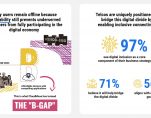
New research from CloudMosa shows digital inclusion is shifting from CSR to a core business strategy – and telcos stand to gain if they move quickly Majority (97%) of telco leaders say digital inclusion is now central to their business strategy, driven primarily by the need to bridge the digital divide (71%) With 92% of respondents seeing a strong alignment with government affordability initiatives as a key […]

The U.S. Senate has enacted the GENIUS Act, the first-ever federal framework for regulating dollar‑pegged stablecoins, with a decisive 68–30 bipartisan vote on 17 June 2025. Eighteen Democrats joined Republicans in supporting the legislation, which now advances to the House and is expected to reshape Washington’s digital asset rules.

The bill mandates that stablecoin issuers back tokens with liquid assets such as U.S. Treasuries, require regular financial disclosures and adhere to anti‑money‑laundering measures. It grants banks the authority to issue stablecoins, while explicitly restricting executive branch officials and legislators from sharing in their profits—a direct response to concerns over conflicts of interest.

A surge in crypto-sector investment in political campaigns appears to have shifted momentum. Industry spending topped $119 million in support of pro‑crypto congressional candidates during the 2024 cycle. Lobbyists then intensified efforts to engage Democratic lawmakers, viewed as essential for reaching the 60-vote threshold in the evenly divided Senate.

Internal communications among Democratic operatives reveal strategic alignment with crypto backers. In a private group chat described in reporting by the Lever, coalition members acknowledged that, despite ethical concerns, opposing the industry would be “political suicide.” One member reportedly observed that any amendment targeting Trump‑family conflicts would be “DOA,” suggesting token amendments offered for optics rather than impact.

Legislators including Senator Elizabeth Warren have voiced misgivings, arguing that the bill inadequately shields consumers or addresses risks associated with big‑tech or foreign‑issued stablecoins. She contends it grants too much leeway to the likes of former President Donald Trump’s crypto ventures, such as the Trump memecoin and World Liberty Financial.

The crypto lobby’s efforts have extended beyond campaign funding to retention of influential political operatives. Coinbase, for instance, recently appointed veteran Democratic strategist David Plouffe to its advisory board, joining a roster of insiders from both parties. Observers note this reflects crypto’s emerging status as a “politically competitive” constituency.

The political dynamic has shifted decisively. As AP reports, Democrats are balancing distrust of Trump-linked crypto enterprises with newfound recognition of the sector’s electoral influence. Backing the GENIUS Act became for many a strategic necessity, notwithstanding deep ideological resistance to deregulation.

The Senate vote occurred amid broader legislative discussions. The CLARITY Act—aimed at clarifying agency jurisdiction across the SEC and CFTC—is under consideration in the House Financial Services Committee. Some lawmakers propose merging the stablecoin and authority-defining bills, though others caution it could delay the GENIUS Act’s passage.

Crypto industry leaders view the GENIUS Act as a critical precursor to more comprehensive legislation. Ledger’s Head of Global Policy, Seth Hertline, described the Senate’s action as “a political bellwether” for the sector’s broader legislative agenda.

The bill’s passage also intersects with Trump’s personal crypto interests. His family’s stablecoin projects have sparked accusations of profiteering and lobbying for relaxed oversight. Critics warn that current legislative safeguards fall short of preventing conflicts of interest.

The next phase lies in the House, where Republican leadership must reconcile the Senate’s GENIUS Act with its own STABLE Act or integrate it into broader regulatory plans. Some Republicans advocate adding provisions to limit central bank digital currency initiatives, though such measures may complicate Senate approval.

Major stablecoin issuers such as Tether and Circle —together controlling over $200 billion in supply—stand to gain regulatory clarity and legitimacy if the GENIUS Act becomes law. Recent moves by major corporates, including JPMorgan’s planned stablecoin on Coinbase’s Base chain and indications that Amazon and Walmart are exploring token issuance, signal growing private‑sector enthusiasm.

As the House deliberates, questions remain whether the Senate’s bipartisan vote marks the start of a fully fleshed-out U.S. crypto regulatory regime—or the culmination of a high-stakes battle between policy integrity and political pragmatism.

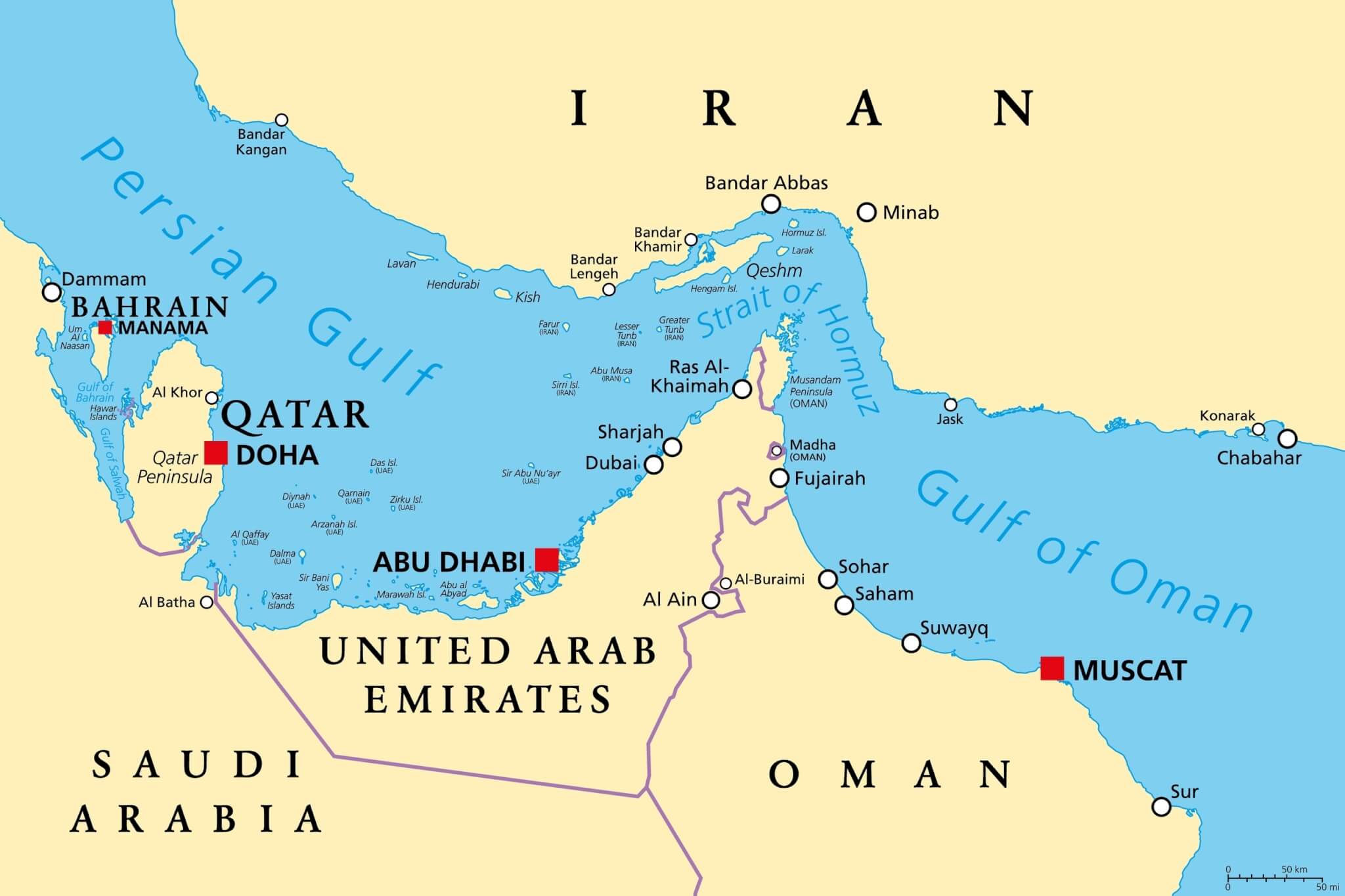
Qatar has instructed LNG carriers to remain outside the Strait of Hormuz until one day prior to loading operations as regional security risks heighten, with officials emphasising that this measure is precautionary and unlikely to disrupt overall supply volumes.

The directive from QatarEnergy affects vessels bound for the Ras Laffan terminal, one of the world’s largest liquefied natural gas export facilities. Around a dozen carriers are idling in ballast outside the terminal, awaiting final instructions before undertaking brief, tightly scheduled transits through the strait.

Market indicators reacted swiftly: European gas prices surged as much as 4.8%, while Asian benchmarks inched upward amid growing concern over potential delivery delays. Despite this, analysts and industry insiders maintain that the streamlined entry process—coupled with Qatar’s steady production—should keep cargo volumes within normal parameters.

This move aligns with contingency efforts by the world’s third-largest LNG exporter. Industry sources confirm that the carriers will execute “quick entry and speedy exits” across the Hormuz passage, necessitating precise scheduling and coordination with maritime authorities.

Analysts acknowledge that about 20–25% of global LNG traffic transits the Strait, underscoring its significance as a logistical chokepoint. Instructing vessels to loiter offshore aims to reduce their vulnerable exposure time in the strait.

Strategic analysts warn that escalating tensions—particularly after recent military exchanges involving Israel and Iran—increase risks for all Gulf shipping. Tehran has threatened to seal off the strait, which could strain Qatar’s export pipelines and ripple through global energy markets.

Despite geopolitical headwinds, Qatar’s production at the South Pars/North Field complex remains steady. The foreign ministry emphasised that LNG output and shipments continue to follow their usual course, even as the country takes enhanced security measures.

Operational insights from shipping analysts describe a familiar summer idling pattern, but note slight increases in loitering time and cautious routing. Vessels such as the tanker HLAITAN are reportedly waiting outside the strait in anticipation of load orders.

Market response has been modest. European gas hubs such as TTF recorded price rises of around 4–5%, while the Asia‑Pacific’s JKM benchmark reached nearly $14 per mmBtu, marking a $1.20 uptick since mid‑June. CNBC‑style commentary points out that the precautionary shift is “unlikely to cause major disruption,” although insurers are adjusting premiums to reflect the heightened transit risks.

For global exporters and importers, Qatar’s stance underscores a renewed emphasis on maritime risk management. Shipping firms are increasingly factoring geopolitical volatility into their routing and scheduling protocols. International insurers have begun revising coverage for LNG carriers traversing the Gulf, citing increased premiums tied to potential missile or drone threats in the region.

Qatar’s approach enables more controlled maritime planning: by delaying vessel entry until close to the loading window, the country limits their exposure to strategic bottlenecks and regional flare‑ups. This calculated move underscores Doha’s dual priorities of maintaining export reliability and protecting vital shipping assets.

Abu Dhabi’s state‑owned oil giant ADNOC has unveiled plans to escalate its U.S. energy investments six‑fold over the next decade, targeting a total of $440 billion. Speaking in Washington on 17 June, Sultan al‑Jaber, ADNOC Chief Executive and UAE Minister of Industry and Advanced Technology, declared that the American market is “not just a priority; it is an investment imperative” for the company’s global expansion.

Al‑Jaber underlined the urgency of the move, emphasising that artificial intelligence represents a “once‑in‑a‑generation investment opportunity.” He pointed out that the growth of data centres driven by AI will demand substantial power— “The next stage of evolution” in energy consumption, he said. The planned investments will span a wide spectrum: anchor stakes in the largest liquefied natural gas facility in Texas, petrochemical plants, and the deployment of 5.5 gigawatts of renewable energy paired with storage systems “from coast to coast”.

ADNOC’s international investment arm, XRG, is cementing its presence with a new Washington office, aimed at steering these high‑stakes ventures. XRG has already struck a deal with Occidental’s 1PointFive for a direct air capture project in Texas, with potential investment reaching $500 million. Additional widescale cooperation includes agreements to develop U.S. gas, LNG, specialty chemicals and energy infrastructure.

The announcement synchronises with a broader bilateral strategy: in March, senior UAE officials committed to a ten‑year, $1.4 trillion investment framework in the U.S., covering sectors such as AI, energy, semiconductors and manufacturing. As part of that pact, U.S. companies agreed to invest $60 billion in UAE energy assets. The XRG–Occidental partnership, as well as other collaborations involving ExxonMobil, Japanese firms Inpex and JODCO, is expected to expand capacity at Abu Dhabi’s major offshore oil field, Upper Zakum.

At the Atlantic Council Global Energy Forum in Washington, al‑Jaber addressed the broader challenge of powering AI, stating that U.S. energy infrastructure must undergo a “system‑wide shift” to keep pace. He highlighted the need to hyperscale energy supply—from gas, renewables with storage and nuclear—to meet the projected requirement of 50–150 GW of new capacity just in the next five years. He warned against prematurely retiring existing power plants, advocating instead for grid modernisation and rapid permitting for new infrastructure.

Environmental groups have voiced concern that the surge in AI‑driven energy demand could lead to rising carbon emissions unless clean energy is prioritised. In response, al‑Jaber suggested that AI could, in fact, offer solutions—optimising grid efficiency and managing load fluctuations, effectively “unlocking its own energy challenge”.

The energy‑AI summit ENACT, hosted by XRG and MGX alongside the Atlantic Council, gathered leading figures from across the energy, tech and finance sectors. Delegates, including representatives from Exxon, OpenAI and BP, discussed mid‑ and long‑term strategies to address the escalating power needs of hyperscale data centres.

These developments are set against a backdrop of rising instability in the Middle East, where al‑Jaber cautioned that energy remains a “cornerstone of peace, stability and prosperity,” signalling that the new chapter of collaboration aims to underpin global energy security.

For the U.S., the influx of investment promises a host of benefits: large‑scale infrastructure expansion, high‑task employment, and reinforced energy resilience. Projects under the UAE umbrella—from LNG plants to hydrogen and carbon capture initiatives—are poised to generate thousands of jobs, while U.S. energy firms gain access to new development avenues both at home and back in the Gulf.

Yet questions remain. Policy experts stress that realisation of al‑Jaber’s ambitious vision will depend heavily on ensuring timely regulatory approvals and creating an effective risk environment for private capital. Moreover, balancing fossil fuel commitments with the drive toward decarbonisation will require clear direction from both governments and industry stakeholders.

Emirates returned to the Paris Airshow at Le Bourget to introduce its new Airbus A350‑900, showcasing its most advanced cabin design and reinforcing ties with French aerospace. The jet, featuring three cabin classes and upgraded passenger amenities, reflects the carrier’s strategy to modernise its long-haul fleet.

The A350‑900 on display is configured in a three‑class layout with 32 next‑generation lie‑flat seats in Business Class, 21 Premium Economy seats, and 259 Economy seats. Cabin highlights include increased headroom, wider aisles, electric window blinds across all classes, cinematic 4K inflight entertainment, wireless charging, and high‑speed Wi‑Fi.

Emirates has taken delivery of seven A350s so far, with 58 remaining on order—bringing its total to around 65 aircraft. The first commercial flight occurred on 3 January 2025, from Dubai to Edinburgh. Further services began in January and February to Ahmedabad, Bahrain, Bologna, Colombo, Kuwait City, Lyon and Mumbai.

Emirates President Sir Tim Clark and French industry partners celebrated the aircraft’s introduction, which highlights the airline’s investment in France’s aerospace sector. Since 1985, Emirates has purchased more than €114 billion worth of Airbus aircraft and components, supporting firms such as Safran, Thales and Michelin. At the show, Emirates announced a €896 million deal with Safran for next‑generation seats and a €322 million investment in Thales’s AVANT Up entertainment system for the A350.

This debut coincides with a renewed emphasis on sustainable aviation. The A350 is powered by fuel‑efficient Rolls‑Royce engines, enabling a range of 7,700 miles and emitting lower CO₂ per seat compared to previous generations. Emirates is retrofitting older 777 and A380 aircraft with premium economy seats and renewing its fleet as delivery delays with Boeing’s 777X persist.

Highlighting its global network impact, Emirates became the first airline to deploy the long‑range A350‑900ULR on the Adelaide–Dubai route, enabling flights over 14,000 km and more than 15 hours nonstop from December 1, 2025. Adelaide Airport anticipates a boost of A$62 million in annual tourism revenue from the service.

Emirates operates 21 weekly flights to Paris—three via A380—plus a daily A350 to Lyon and a daily A380 service to Nice Côte d’Azur. By end‑2025, the A350 is expected to serve at least 17 destinations. Its versatility allows deployment on both long‑haul and shorter routes, offering lie‑flat seats and premium amenities even on regional legs.

Vietnam leads Southeast Asia in financial confidence and readiness for major purchases, Visa survey With Visa Flex Credential, consumers can seamlessly choose how they pay, via credit, debit, and more, all on a single credential, redefining the future of payments HCMC, VIETNAM – Media OutReach Newswire – 17 June 2025 – Visa (NYSE: V), a global leader in digital payments, announced the launch of Visa Flex Credential, […]

RetroArch has emerged as the pre‑eminent solution for classic gaming on Linux, offering enthusiasts a polished interface and extensive emulator support. This open‑source frontend consolidates numerous “cores” — modular emulators encapsulating consoles such as NES, SNES, PlayStation, GameCube and more — under a single, unified environment. Linux users benefit from seamless installation via Snap, Flatpak or official repositories, enabling easy access to stable versions across x86‑64 and […]

Advertisements

Greenlogue/AP Aptly named California Residences, the latest green‑living enclave by Infracorp has launched sales in Dubailand, with one‑ to three‑bedroom apartments starting at AED 1 million. Positioned within the broader California Village master‑plan, the AED 600 million project embraces minimalist design, expansive landscaping and wellness‑focused amenities, marking a notable entry in Dubai’s sustainable real estate sphere. The California Village community spans 112,127 sqm and comprises the California Residences apartments alongside villas and […]

Seizing Global Business and Investment Opportunities for Sustainable Growth HONG KONG SAR – Media OutReach Newswire – 17 June 2025 – Hong Kong Science and Technology Parks Corporation (HKSTP), in collaboration with InvestHK, led 16 prominent life and health technology companies to BIO 2025, the world’s largest biotechnology event, held in Boston, USA, from June 16 to 19. This year marks the first time HKSTP joined forces […]

If you’re considering investing in or moving to Takaya at Motor City by Union Properties, one of the smartest first steps is reviewing the official brochure. This comprehensive document gives prospective buyers a detailed overview of the project’s master plan, unit layouts, key features, and lifestyle offerings. Whether you’re interested in Takaya apartments, Takaya villas, or Takaya townhouses, the brochure provides essential information that helps you make informed decisions — from […]

For decades, waterfront property in the Gulf region has been a byword for status and spectacle. From the palm-shaped islands of Dubai to the man-made canals of Lusail and the glistening marinas of Manama, waterfront developments have consistently defined the upper tier of the residential real estate market. They’ve also served as visual shorthand for national ambition and economic growth. But as Gulf cities mature — and […]

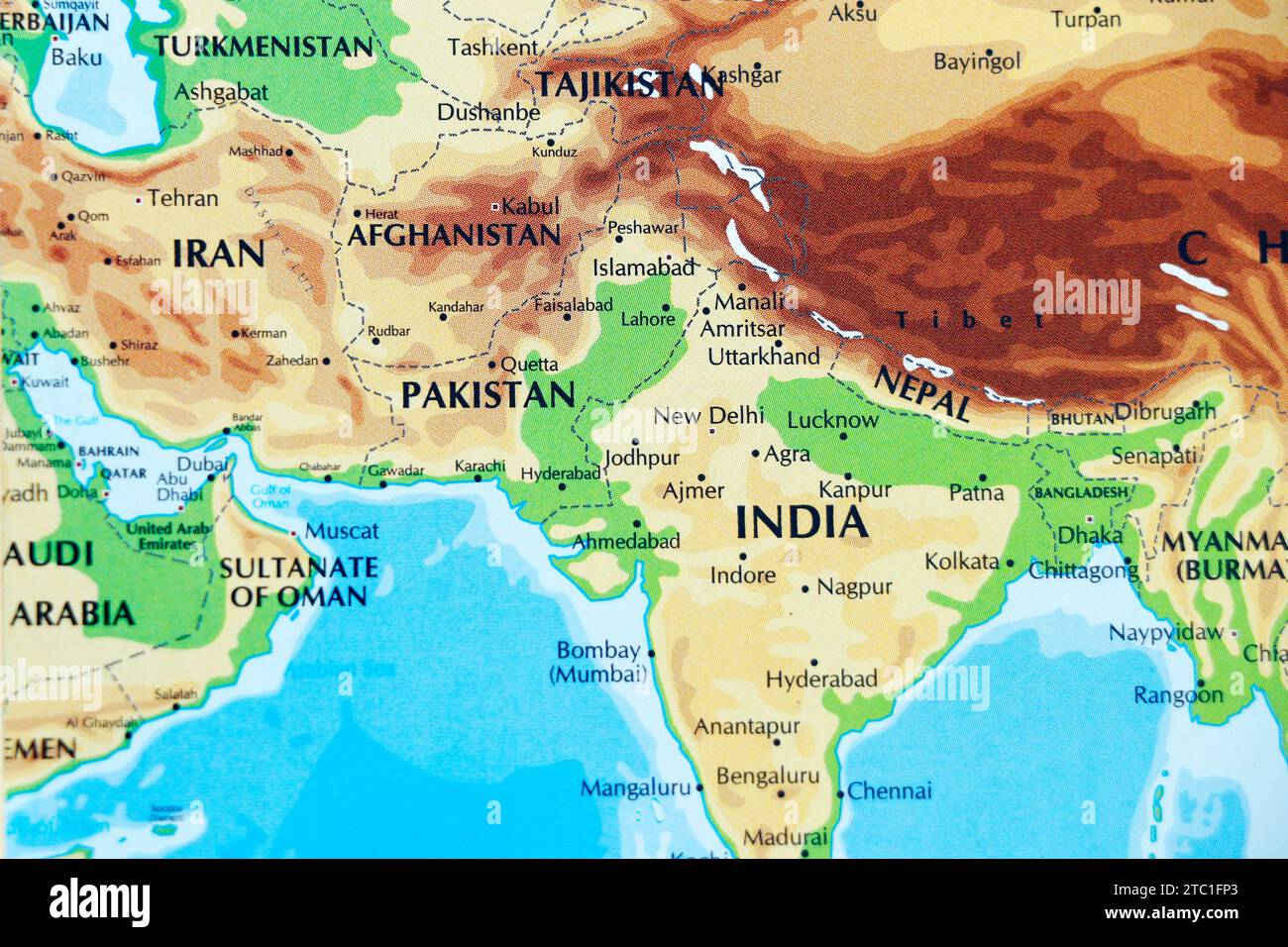
Asian Cricket Council officials are accelerating preparations to shift the 2025 Asia Cup to the United Arab Emirates, prompted by escalating diplomatic tensions and logistical barriers between India and Pakistan. Originally awarded to India, the tournament, scheduled for September, will adopt a neutral venue in a bid to preserve participation from all eight qualifying teams. Sources within ACC and Pakistan Cricket Board suggest that holding the entire tournament in UAE offers the only viable path forward, ensuring both cricketing integrity and commercial viability.

Accruing nearly US$170 million in media rights, the Asia Cup commands considerable financial stakes. With India and Pakistan at the centre of its appeal, organisers are unwilling to jeopardise the competition. Forbes reports confirm that ACC officials have concluded that relocating the tournament is more feasible than attempting a hybrid model involving split venues. The UAE becomes the default choice, replicating approaches from previous tournaments when political dynamics between South Asian nations hindered full-fledged hosting arrangements.

PCB figures confirm that Pakistan will participate in the UAE-hosted event, despite its reluctance to travel to India. Pakistan also plans a preparatory tri-series in August in Dubai involving Afghanistan and the UAE team—effectively replacing previously scheduled fixtures and maintaining match readiness should the Asia Cup shift occur. With the PCB’s Mohsin Naqvi doubling as ACC president, such parallel initiatives underscore Pakistan’s active role in preserving the tournament’s continuity.

Yet India has maintained a discreet stance. The Board of Control for Cricket in India has neither confirmed nor denied its capacity to host or participate, with internal caution dominating its external posture. BCCI secretary Devajit Saikia recently refuted reports that India would withdraw from all ACC events. Still, precedent indicates India’s avoidance of Pakistan-hosted events: The team did not travel to Pakistan for the Champions Trophy in February–March, instead participating in Dubai under a hybrid format.

Recalling historical context affirms the ACC’s decision. In 2018, the tournament was relocated from India to UAE amid similar political friction. Such precedent sets a framework for crisis management within the sport, suggesting that regional hostilities do not necessarily derail cricketing schedules. Observers also note that India has consistently leveraged a hybrid model since 2022, notably playing Asia Cup matches in UAE and Sri Lanka rather than Pakistan.

Operationally, staging the Asia Cup in UAE will require careful planning, balancing weather conditions in September, broadcast scheduling for global audiences, and coordination with the tri-series. The PCB’s tri-series proposal is advancing, reflecting a proactive stance. Meanwhile, ACC is likely to convene soon, under Naqvi’s leadership, to finalise the tournament’s relocation, format adjustments, and confirmation of venues in Dubai and Abu Dhabi. No official announcement has yet been made, but reports from hindustantimes.com, ET and ProPakistani align in describing the move as imminent.

Stakeholders are weighing broader implications. Indian broadcasters and advertisers depend heavily on premium fixtures, particularly India–Pakistan matches that attract unparalleled viewership. A full UAE tournament may retain this commercial allure while circumventing diplomatic entanglements. For smaller teams such as Hong Kong, Oman and UAE—each having qualified through ACC’s Premier Cup—the neutral format ensures on-field exposure without political fallout.

However, dissenting voices warn against complacency. Some Pakistani conspirators question whether a UAE relocation diminishes Pakistan’s role as host, contrary to its status as 2025 Champions Trophy host and an ACC full member. Conversely, BCCI’s insistence on a hybrid model has previously delayed Pakistan-based hosting, but this time the initial hosting rights belong to India. Any pivot could attract scrutiny over ACC governance and fairness, adding dimension to an already complex political backdrop.

Supporters of the hybrid model note that India’s hybrid strategy for the Champions Trophy earlier this year preserved integrity but exposed limitations. Attendance at Dubai was lukewarm; Australia–India clashes lacked the vibrancy typical of full-capacity Pakistan venues. UAE’s smaller suburban stadiums and shorter pitches may limit spectator buzz, but logistical expediency and political neutrality weigh heavily.

Athletes themselves face uncertainty. India and Pakistan players have not toured regularly since 2008 in bilateral series, and momentum often arises through ICC events. The Asia Cup in UAE represents another opportunity for competitive engagement before the T20 World Cup in 2026. With eight teams and nineteen matches planned, this Asia Cup holds relevance for Qatar 2026 preparations. Still, fragmented venues and political overtones could overshadow performance, causing players and fans to question cricket’s autonomy from geopolitics.

As the ACC readies its final call, timing remains critical. A decision made before July is necessary to confirm bilateral arrangements, tickets, broadcasting contracts, and tri-series scheduling. ACC’s resolution will reverberate across regional cricket administration, testing confidence in neutral venues as a template for coping with diplomatic disruptions.


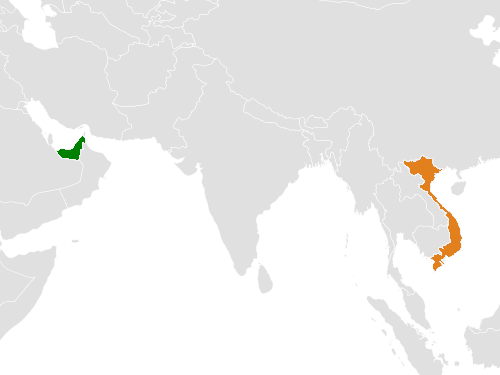
Vietnam’s Techsmart Telecom, the Institute of Information Technology and CyberSecurity, UAE’s Venom Foundation and Abu Dhabi’s GS Fund have signed a memorandum of understanding to advance a sovereign digital finance framework. The scheme centres on a national Data Centre, supervised stablecoin issuance, cross-border settlement infrastructure, cybersecurity protocols and fintech training—a landmark convergence of telecom, blockchain, finance and security sectors.

The agreement mandates Venom Foundation’s sovereign-grade Layer‑0 blockchain be deployed in Vietnam. The foundation, already liaising with central banks across Southeast Asia—including Singapore, Malaysia, the Philippines and Vietnam—will integrate ISO 20022 messaging, on‑chain KYC/AML, real-time settlements and asset tokenisation capabilities into the system. GS Fund will spearhead the data centre’s construction under a stable legal and economic regime, while IITCS tackles regulatory framework, compliance and talent development, and Techsmart manages connectivity and integration.

Work in the initial phase, set for the next 12 months, will prioritise the technical architecture, legal foundations and national infrastructure planning. Vietnam’s demographic profile—a young, technologically literate population—and its expanding cross-border fintech activities are seen as key enablers for asset tokenisation, according to Venom Foundation. Dr Hoang Phuoc Thuan of IITCS highlighted Resolution 57’s role in connecting sovereign data ambitions with e‑government and AI development.

This public–private partnership reflects Vietnam’s Digital Infrastructure Strategy, which targets universal fibre, extensive 5G coverage and advanced data centre roll-out by 2030. Venom’s Layer‑0 blockchain—already piloted in the Philippines with the Bangko Sentral ng Pilipinas—cements institutional-grade readiness for programmable finance and asset digitisation.

Regulatory progress has been underway since March’s Prime Ministerial directive, with the Ministry of Finance and State Bank of Vietnam tasked to propose a Digital Technology Infrastructure law, introduce regulated sandboxes and pilot a crypto framework by May 2025. Amid this, Vietnam’s digital asset market has grown substantially—around 17 million citizens currently hold crypto assets valued at over US $100 billion—placing the country in the top five worldwide for individual interest and top three in trading volume.

Issues remain unresolved: incomplete guidelines on exchange licensing, asset categorisation and customer protection have placed Vietnam on the Financial Action Task Force’s grey list. Integrating blockchain with conventional banking operations—spanning accounting, risk management and cybersecurity—also poses significant implementation hurdles.

Further reinforcing policy alignment, the Vietnam Blockchain Association and One Mount Group—members of the VBA—have pledged between US $200 million and US $500 million to establish a sovereign Layer‑1 blockchain, complying with Prime Ministerial Directive 05/CT‑TTg.

The final vision foresees multi-year rollout phases extending beyond initial legal and technical milestones to encompass digital payments, reduced reliance on physical cash, strengthened cybersecurity via distributed ledgers, and expanded fintech education for government and private sectors under IITCS guidance.

Chad is confronting a cascading humanitarian disaster in its eastern regions, where acute food shortages coincide with a rising risk of cholera, UN officials have warned. At a UN briefing in Geneva on 13 June, François Batalingaya, the UN Resident and Humanitarian Coordinator in Chad, urged the global community to act decisively as millions face worsening hunger and potential disease outbreak. The country is enduring its sixth successive […]

Abidjan is bracing for a highly polarised presidential election scheduled for 25 October 2025, as President Alassane Ouattara’s ruling party moves to endorse his expected bid for a fourth term. Meanwhile, key opposition figures have been barred from the ballot, prompting protests and allegations of democratic erosion. Official party channels have circulated motions affirming Ouattara, 83, as their preferred candidate under the Rally of Houphouëtists for Democracy […]

Thousands of visitors were left outside the Louvre under its iconic glass pyramid on 16 June 2025 after staff launched a spontaneous strike over overcrowding, chronic understaffing and deteriorating infrastructure at the world’s most‑visited museum. The closure, initiated during a routine internal meeting, involved gallery attendants, ticket office personnel and security staff who refused to work, describing current conditions as “untenable”. The unexpected walkout ignited fresh scrutiny […]

A landmark agreement between UAE’s Autocraft and Indonesian aerospace maintenance giant GMF AeroAsia positions the Autocraft E20+ electric vertical take‑off and landing aircraft for regional deployment, signalling a major advance in Southeast Asian air mobility. Signed on 11 June at the Indo Defence Expo in Jakarta, the memorandum of understanding enlists GMF as the official Maintenance, Repair and Overhaul partner for the E20+ platform, while establishing frameworks […]

Health authorities and clinicians across China are warning of a significant surge in COVID‑19 infections this July, driven by the NB.1.8.1 variant—a descendant of the JN.1 lineage that now dominates the country’s caseload. Public health officials in Hong Kong and Taiwan have already responded to rising case numbers with renewed masking guidance and hospital preparations.

In May, the Chinese Centre for Disease Control and Prevention identified NB.1.8.1 as the principal agent behind the sharp rise in cases nationwide, mirroring similar trends across Asian neighbours. Evidence from CDC screening in the United States detected NB.1.8.1 infections among travellers from Asia between late April and mid‑May, reinforcing concerns over its transmissibility. Preliminary Chinese research indicates the variant may bind more effectively to human cells than predecessors, potentially accelerating its spread.

Hospital insiders in China refer to an uptick in “white lung” patterns—dense opacifications on chest scans—and sudden deaths among previously healthy middle‑aged adults, although experts emphasise the term remains colloquial and lacks precise medical definition. At the same time, nothing yet suggests the emergence of a new pathogen. Health agencies, including the WHO, note the wave aligns with rising circulation of known respiratory agents—COVID‑19, influenza, RSV and mycoplasma—without evidence of an unusual strain.

Hospitals in Beijing and Liaoning report increased admission volumes, with clinics in cities like Dalian and Chongqing grappling with larger-than-normal respiratory caseloads. Despite this, national health statements have stressed that surveillance shows no new pathogens, attributing the climb to seasonal factors and immunological gaps following post‑lockdown easing.

Regional governments have reinstated basic safeguards—including mask recommendations on mass transit and in healthcare settings—in response to the epidemiological models forecasting July peaks. Authorities in Taiwan have also begun stockpiling vaccines and antivirals in anticipation of increased demand.

Global health bodies are closely monitoring: CDC representatives in the U.S. maintain active communication with counterparts in China, Hong Kong and Taiwan regarding variant spread. Several cases of NB.1.8.1 have been recorded at U.S. ports of entry, though limited sequencing has so far prevented it from showing up prominently in national variant dashboards.

In vaccine policy circles, U.S. regulators are debating updates for the autumn season, with mRNA manufacturers presenting candidate boosters targeting JN.1 lineages—such as LP.8.1—that could also offer immunity against NB.1.8.1.

Metapneumovirus, an endemic respiratory pathogen, was also notably active during winter 2024–2025 in China, accounting for over 6 per cent of positive respiratory illness tests and hospitalisations. Health officials affirmed this activity was consistent with typical seasonal patterns.

Medical experts stress that while chest imaging showing “white-out” lung appearance can be alarming, it is not indicative of a novel syndrome; it occurs with severe pneumonia from various known agents. Treatment protocols remain standard, including antibiotics for bacterial pneumonia and antivirals when appropriate.

Bitcoin.com has established its first Middle East and North Africa regional headquarters at Dubai’s DMCC Crypto Centre, signalling a strategic expansion in the emirate’s blockchain ecosystem. The move secures its place among over 650 companies specialising in blockchain infrastructure, decentralised finance, tokenisation and metaverse development within the DMCC’s Crypto Centre in Uptown Tower. Dubai’s position as a global cryptocurrency hub is underscored by the establishment of the […]

Markets across the Middle East are bracing for heightened turbulence as Israel and Iran exchange strikes, triggering volatility in equity capital markets and clouding the outlook for initial public offerings this year. Global equities have undergone vacillations following the escalation. Oil prices spiked more than 10% at one stage, driven by fears of supply disruptions through the Strait of Hormuz, before retreating as hopes of de‑escalation emerged. Despite […]

Israeli Finance Minister Bezalel Smotrich has ordered the cancellation of a decades‑long indemnity that shields Israeli banks when processing shekel transactions for Palestinian counterparts, a move poised to disrupt salaries, imports and basic services across the West Bank and Gaza.

The directive, issued on 10 June 2025, halts a waiver that permitted Israeli financial institutions to facilitate payments to the Palestinian Authority and local customers without fear of legal consequences. Analysts warn this could sever Palestinian banks’ vital access to the larger Israeli banking system.

Palestinian Monetary Authority officials cautioned that this severance would seriously impede operations such as payments for food, fuel, electricity and water. In 2023 alone, around 53 billion shekels—equivalent to $15.2 billion—passed through Palestinian banking corridors. The revocation of the indemnity risks plunging the territories into a fragile cash‑only system, heightening exposure to theft, fraud and illicit activity.

Smotrich’s decision follows sanctions by the UK, Canada, Australia, New Zealand and Norway imposing asset freezes and travel bans on him and National Security Minister Itamar Ben‑Gvir, citing their roles in incitement and human rights abuses in the West Bank and Gaza. Smotrich maintains the waiver withdrawal is a justified response to what he terms the Palestinian Authority’s “delegitimisation campaign” against Israel.

For decades, Palestinian banking operated without central‑bank autonomy or national currency. Reliance on Israeli shekels and correspondent banking agreements has been critical. International voices—including US Treasury Secretary Janet Yellen, G7 officials and the UN—have repeatedly warned that ending this arrangement could trigger a humanitarian crisis and violate international law.

Local analysts predict the measures will exacerbate an already deteriorating economic landscape. Kristin Ronzi of intelligence firm Rane Network said abolishing this financial collaboration will “impede the Palestinian Authority’s ability to import basic, essential goods such as food and fuel,” likely deepening economic hardship and undermining public sentiment.

The Palestinian banking system, which exceeds 100 % of GDP, is particularly vulnerable to spill‑over effects from Gaza into the West Bank, according to IMF data. The termination of the waiver is feared to amplify credit constraints on private and public sectors alike, risking reduced lending, increased borrowing costs, and even defaults.

International stakeholders, including the US and G7, had pressed for short‑term extensions of the indemnity. Those appeals often hinged on warnings that a collapse of Palestinian financial networks would destabilise trade, delay crucial services, and potentially fuel militant groups reliant on cash economies.

Smotrich is known for his hardline positions: he has previously withheld Israeli-tax clearance revenues and blocked aid in retaliation for moves supportive of Palestinian statehood. In May 2025, he warned publicly that Gaza “will be totally destroyed,” vowing to push Palestinians toward resettlement in other countries.

Within Israel, there is evident friction. Prime Minister Benjamin Netanyahu and some coalition members support Smotrich, but others fear political and economic backlash—particularly amid international outrage and concern over deepening the Gaza violence. The policy must still pass through Israel’s security cabinet before implementation begins.

Across Palestinian chambers in Ramallah and Gaza City, there is growing anxiety. Authorities are scrambling to negotiate with donors, international NGOs and Middle Eastern allies, in hopes of constructing contingency plans. Proposed measures include alternative cash corridors, increased use of digital currencies, and humanitarian exemptions—but none currently matches the scale of the existing system.

Economists warn the broader consequences of this rupture—the Palestinian economy has already lost billions amid conflict. Since October 2023, Gaza’s economy shrank by 61 %, the West Bank by 24 %, and joblessness soared to around 57 % across both territories. Analysts fear the banking clamp‑down could invert years of fragile recovery efforts, worsening poverty and political instability.

Radisson Hotel Group has ramped up its presence in Saudi Arabia, now anchoring half of its Middle East portfolio within the Kingdom, a senior company executive confirmed amidst the Future Hospitality Summit in Riyadh. With 50 of the group’s 100 regional properties either operational or under construction based in Saudi Arabia, the expansion underscores its strategic prioritisation of the country’s ambitious hospitality landscape.

Elie Younes, Executive Vice President and Global Chief Development Officer at Radisson, described Saudi Arabia as “one of the top five countries for us globally.” Of the 50 properties, 30 are already open, while 20 are at various stages of construction. The current pipeline, spanning the next three to four years, includes these 20 projects, with another 30 slated for completion over the next four years, collectively offering approximately 4,000 to 5,000 new rooms and generating some 5,000 jobs.

This expansion aligns with the Kingdom’s target to add more than 362,000 hotel rooms by 2030, backed by a US$110 billion investment as part of its Vision 2030 diversification drive. Radisson is strategically deploying a mix of brands across segments. Younes outlined plans for another 10–15 Radisson Blu properties and four to five more under its luxury Radisson Collection label in cities including Riyadh, Jeddah, Makkah and Madinah. Smaller priors in secondary cities are also on the radar for core four‑star Radisson properties.

Recent openings include Radisson Blu Hotel & Convention Centre, Riyadh Minhal, and Radisson Hotel Madinah— the group’s first presence in the holy city of Madinah. Additional launches planned this year include Radisson Blu Hotel Riyadh Al Sahafa and Radisson Hotel Jeddah Tahlia Street in Q2, followed by Radisson Collection Residence Riyadh and Radisson Hotel & Residences Makkah Thakher City in Q4, all designed to capture the religious and leisure tourism surge.

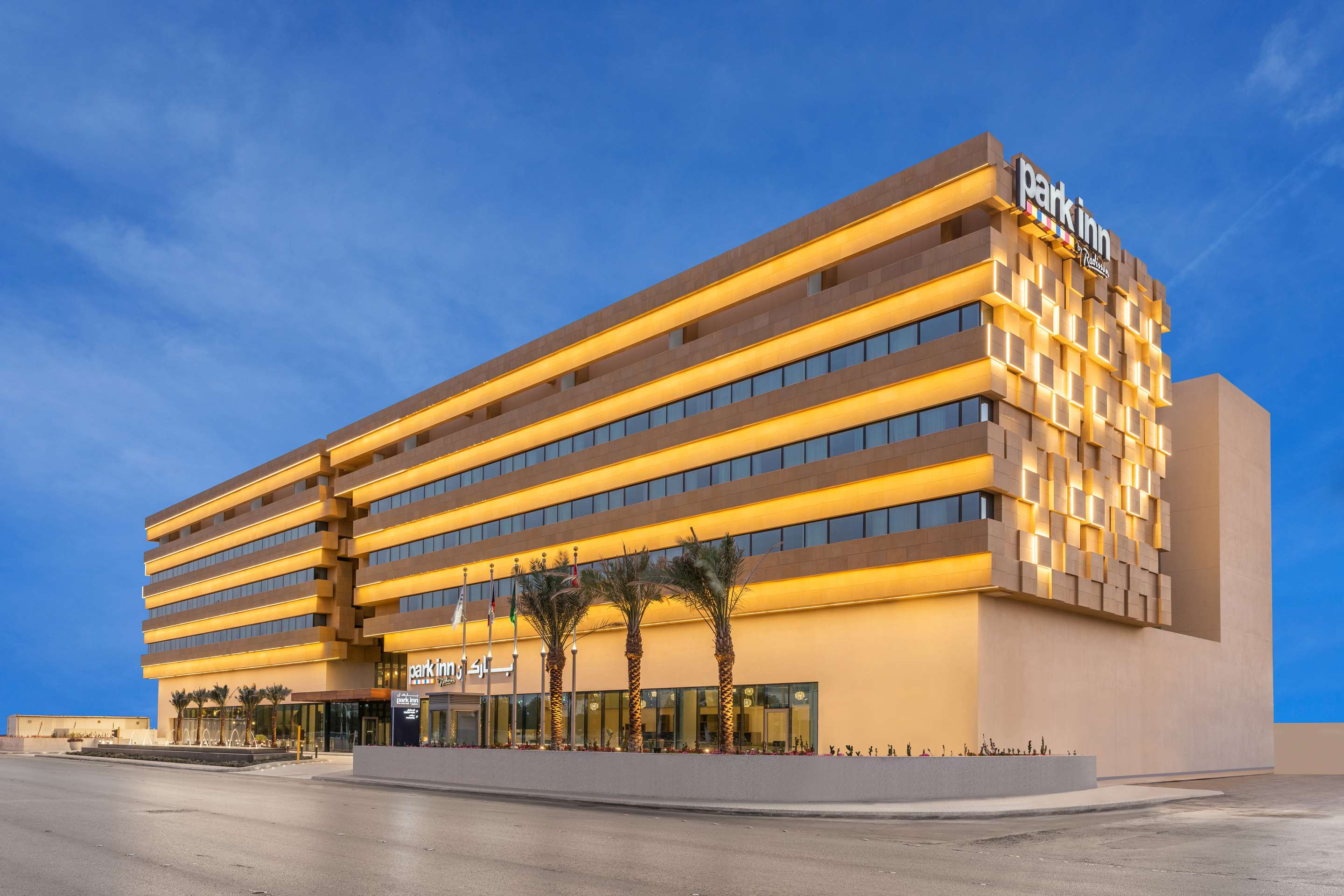
Radisson is also forging partnerships with Saudi entities. A landmark deal with Knowledge Economic City in Madinah will introduce a Park Inn by Radisson in the Islamic World District. Meanwhile, a Memorandum of Understanding with the Saudi Tourism Authority—signed at the Arabian Travel Market—demonstrates deep engagement within the local ecosystem.

The group remains on track to grow its Middle East network to 150 hotels, resorts and serviced apartments by 2030, building on a record-breaking global performance in 2024. Younes emphasises the tailored approach: blending its Scandinavian-inspired hospitality with regional traditions and integrating wellness, eco-friendly features and entertainment to appeal to evolving guest preferences, as detailed by Development Director Ayman Ezzeddine at the Riyadh summit.

Analysis by regional consultants underscores the significance of Radisson’s strategy. Analysts note that by allocating half of its current Middle East portfolio to Saudi Arabia, Radisson demonstrates confidence in the Kingdom’s tourism transformation. Its focus on both high-volume mid-market and luxury segments positions it to tap demand from business travellers, pilgrims and upscale visitors alike amid government incentives and infrastructure investments.

Radisson’s move is also in step with ongoing giga‑projects such as Amaala, the Red Sea Project and Rua Al Madinah, each aimed at hosting millions of tourists and pilgrims by 2030. These projects feature world-class hotels, resorts and cultural infrastructure, reinforcing Saudi Arabia’s status as a global hospitality hub.

Goodwill coverage for affected travel insurance customers includes extending claim submission period from 30 to 90 days to help customers better manage their travel disruptions SINGAPORE – Media OutReach Newswire – 17 June 2025 – On 16 June 2025, Etiqa Insurance Singapore announced its commitment to supporting its travel insurance customers who have been affected by the impending closure of Jetstar Asia’s operations. Recognising the disruption and […]

HostingJournalist.com has marked a notable achievement with the release of its 30,000th editorial news article, complemented by an archive of over 28,000 videos distributed across its platforms. This dual milestone affirms the outlet’s unwavering role as a leading source in cloud, hosting, and data‑centre reporting. Editor‑in‑Chief Koen Stegeman emphasised the milestone’s deeper meaning: “Reaching 30,000 published articles and 28,000 videos is more than just a numbers game.” […]

VISHNU RAJA
RYO YAMADA
HITORI GOTOH
IKUYO KITA
Just in:
OpenAI abandons secrecy agreements for future data centres // Dubai details five-year visa benefits for returning visitors // Miss Universe Hong Kong Jen Zhou Departs for Puerto Rico to Compete in the 75th Miss Universe World Final // Battle Uttar Pradesh Will Be Tougher For Yogi Than Expected // Geely’s i-HEV Intelligent Hybrid Technology Offers a New Direction for Gasoline-Powered Vehicles // Democrats Gearing Up For 2028 Presidential Elections To Gain Full Power // India Under Pressure To Join RCEP On The Eve Of ASEAN Summit In Manila On Nov 15-17 // Elephant calf on death line airlifted for treatment in Gujarat // CR Longdation Aethereal Cybersecurity × Global Cybersecurity Alliance (GCSA) Join Hands to Establish the “AI and Cybersecurity Research Centre” // Ousted top Kochi cop gets IG post // Xi Jinping Preparing For A Trilateral Summit With Trump And Putin At APEC Summit On Nov 18-19 // UK air traffic outage inflicted £33m financial losses // Kochi police detain two actors over bid to honey trap doctor // Microfinance case trouble for Vellappally // Emaar approves Development buyout ahead of planned delisting // Trump’s Iran War Has A Share Of Contribution To His Midterm Debacle // e-Crime Bureau Signs Cybersecurity Partnership With Smart Africa, Reinforcing Its Global Expansion // Ningbo Consensus on Collaborative Development released at 2026 Global Mayors Dialogue · Ningbo // Millions Of Indians May Soon Be Deprived Of Government Assistance // Beyond the exhibition floor: How robots, AI and networks are moving into the real world //