News related to
across

For decades, waterfront property in the Gulf region has been a byword for status and spectacle. From the palm-shaped islands of Dubai to the man-made canals of Lusail and the glistening marinas of Manama, waterfront developments have consistently defined the upper tier of the residential real estate market. They’ve also served as visual shorthand for national ambition and economic growth. But as Gulf cities mature — and […]

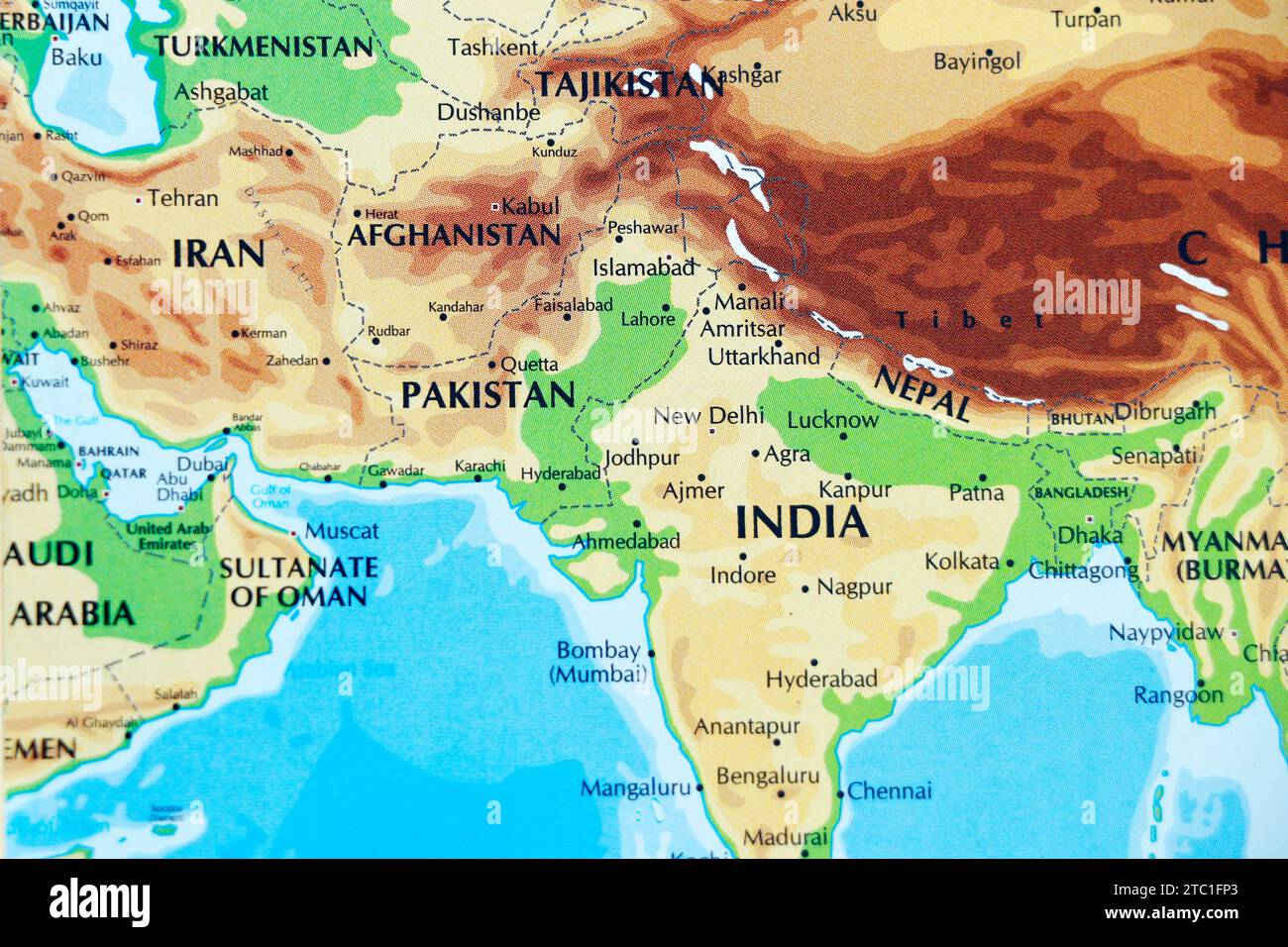
Asian Cricket Council officials are accelerating preparations to shift the 2025 Asia Cup to the United Arab Emirates, prompted by escalating diplomatic tensions and logistical barriers between India and Pakistan. Originally awarded to India, the tournament, scheduled for September, will adopt a neutral venue in a bid to preserve participation from all eight qualifying teams. Sources within ACC and Pakistan Cricket Board suggest that holding the entire tournament in UAE offers the only viable path forward, ensuring both cricketing integrity and commercial viability.

Accruing nearly US$170 million in media rights, the Asia Cup commands considerable financial stakes. With India and Pakistan at the centre of its appeal, organisers are unwilling to jeopardise the competition. Forbes reports confirm that ACC officials have concluded that relocating the tournament is more feasible than attempting a hybrid model involving split venues. The UAE becomes the default choice, replicating approaches from previous tournaments when political dynamics between South Asian nations hindered full-fledged hosting arrangements.

PCB figures confirm that Pakistan will participate in the UAE-hosted event, despite its reluctance to travel to India. Pakistan also plans a preparatory tri-series in August in Dubai involving Afghanistan and the UAE team—effectively replacing previously scheduled fixtures and maintaining match readiness should the Asia Cup shift occur. With the PCB’s Mohsin Naqvi doubling as ACC president, such parallel initiatives underscore Pakistan’s active role in preserving the tournament’s continuity.

Yet India has maintained a discreet stance. The Board of Control for Cricket in India has neither confirmed nor denied its capacity to host or participate, with internal caution dominating its external posture. BCCI secretary Devajit Saikia recently refuted reports that India would withdraw from all ACC events. Still, precedent indicates India’s avoidance of Pakistan-hosted events: The team did not travel to Pakistan for the Champions Trophy in February–March, instead participating in Dubai under a hybrid format.

Recalling historical context affirms the ACC’s decision. In 2018, the tournament was relocated from India to UAE amid similar political friction. Such precedent sets a framework for crisis management within the sport, suggesting that regional hostilities do not necessarily derail cricketing schedules. Observers also note that India has consistently leveraged a hybrid model since 2022, notably playing Asia Cup matches in UAE and Sri Lanka rather than Pakistan.

Operationally, staging the Asia Cup in UAE will require careful planning, balancing weather conditions in September, broadcast scheduling for global audiences, and coordination with the tri-series. The PCB’s tri-series proposal is advancing, reflecting a proactive stance. Meanwhile, ACC is likely to convene soon, under Naqvi’s leadership, to finalise the tournament’s relocation, format adjustments, and confirmation of venues in Dubai and Abu Dhabi. No official announcement has yet been made, but reports from hindustantimes.com, ET and ProPakistani align in describing the move as imminent.

Stakeholders are weighing broader implications. Indian broadcasters and advertisers depend heavily on premium fixtures, particularly India–Pakistan matches that attract unparalleled viewership. A full UAE tournament may retain this commercial allure while circumventing diplomatic entanglements. For smaller teams such as Hong Kong, Oman and UAE—each having qualified through ACC’s Premier Cup—the neutral format ensures on-field exposure without political fallout.

However, dissenting voices warn against complacency. Some Pakistani conspirators question whether a UAE relocation diminishes Pakistan’s role as host, contrary to its status as 2025 Champions Trophy host and an ACC full member. Conversely, BCCI’s insistence on a hybrid model has previously delayed Pakistan-based hosting, but this time the initial hosting rights belong to India. Any pivot could attract scrutiny over ACC governance and fairness, adding dimension to an already complex political backdrop.

Supporters of the hybrid model note that India’s hybrid strategy for the Champions Trophy earlier this year preserved integrity but exposed limitations. Attendance at Dubai was lukewarm; Australia–India clashes lacked the vibrancy typical of full-capacity Pakistan venues. UAE’s smaller suburban stadiums and shorter pitches may limit spectator buzz, but logistical expediency and political neutrality weigh heavily.

Athletes themselves face uncertainty. India and Pakistan players have not toured regularly since 2008 in bilateral series, and momentum often arises through ICC events. The Asia Cup in UAE represents another opportunity for competitive engagement before the T20 World Cup in 2026. With eight teams and nineteen matches planned, this Asia Cup holds relevance for Qatar 2026 preparations. Still, fragmented venues and political overtones could overshadow performance, causing players and fans to question cricket’s autonomy from geopolitics.

As the ACC readies its final call, timing remains critical. A decision made before July is necessary to confirm bilateral arrangements, tickets, broadcasting contracts, and tri-series scheduling. ACC’s resolution will reverberate across regional cricket administration, testing confidence in neutral venues as a template for coping with diplomatic disruptions.


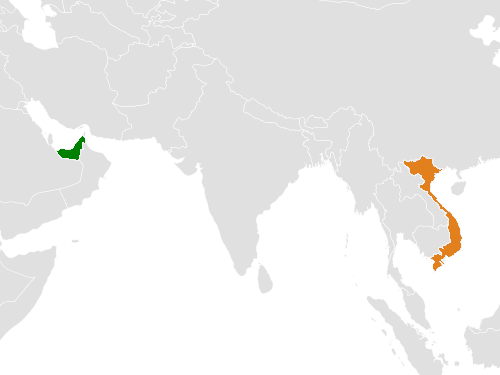
Vietnam’s Techsmart Telecom, the Institute of Information Technology and CyberSecurity, UAE’s Venom Foundation and Abu Dhabi’s GS Fund have signed a memorandum of understanding to advance a sovereign digital finance framework. The scheme centres on a national Data Centre, supervised stablecoin issuance, cross-border settlement infrastructure, cybersecurity protocols and fintech training—a landmark convergence of telecom, blockchain, finance and security sectors.

The agreement mandates Venom Foundation’s sovereign-grade Layer‑0 blockchain be deployed in Vietnam. The foundation, already liaising with central banks across Southeast Asia—including Singapore, Malaysia, the Philippines and Vietnam—will integrate ISO 20022 messaging, on‑chain KYC/AML, real-time settlements and asset tokenisation capabilities into the system. GS Fund will spearhead the data centre’s construction under a stable legal and economic regime, while IITCS tackles regulatory framework, compliance and talent development, and Techsmart manages connectivity and integration.

Work in the initial phase, set for the next 12 months, will prioritise the technical architecture, legal foundations and national infrastructure planning. Vietnam’s demographic profile—a young, technologically literate population—and its expanding cross-border fintech activities are seen as key enablers for asset tokenisation, according to Venom Foundation. Dr Hoang Phuoc Thuan of IITCS highlighted Resolution 57’s role in connecting sovereign data ambitions with e‑government and AI development.

This public–private partnership reflects Vietnam’s Digital Infrastructure Strategy, which targets universal fibre, extensive 5G coverage and advanced data centre roll-out by 2030. Venom’s Layer‑0 blockchain—already piloted in the Philippines with the Bangko Sentral ng Pilipinas—cements institutional-grade readiness for programmable finance and asset digitisation.

Regulatory progress has been underway since March’s Prime Ministerial directive, with the Ministry of Finance and State Bank of Vietnam tasked to propose a Digital Technology Infrastructure law, introduce regulated sandboxes and pilot a crypto framework by May 2025. Amid this, Vietnam’s digital asset market has grown substantially—around 17 million citizens currently hold crypto assets valued at over US $100 billion—placing the country in the top five worldwide for individual interest and top three in trading volume.

Issues remain unresolved: incomplete guidelines on exchange licensing, asset categorisation and customer protection have placed Vietnam on the Financial Action Task Force’s grey list. Integrating blockchain with conventional banking operations—spanning accounting, risk management and cybersecurity—also poses significant implementation hurdles.

Further reinforcing policy alignment, the Vietnam Blockchain Association and One Mount Group—members of the VBA—have pledged between US $200 million and US $500 million to establish a sovereign Layer‑1 blockchain, complying with Prime Ministerial Directive 05/CT‑TTg.

The final vision foresees multi-year rollout phases extending beyond initial legal and technical milestones to encompass digital payments, reduced reliance on physical cash, strengthened cybersecurity via distributed ledgers, and expanded fintech education for government and private sectors under IITCS guidance.

Chad is confronting a cascading humanitarian disaster in its eastern regions, where acute food shortages coincide with a rising risk of cholera, UN officials have warned. At a UN briefing in Geneva on 13 June, François Batalingaya, the UN Resident and Humanitarian Coordinator in Chad, urged the global community to act decisively as millions face worsening hunger and potential disease outbreak. The country is enduring its sixth successive […]

Abidjan is bracing for a highly polarised presidential election scheduled for 25 October 2025, as President Alassane Ouattara’s ruling party moves to endorse his expected bid for a fourth term. Meanwhile, key opposition figures have been barred from the ballot, prompting protests and allegations of democratic erosion. Official party channels have circulated motions affirming Ouattara, 83, as their preferred candidate under the Rally of Houphouëtists for Democracy […]

Thousands of visitors were left outside the Louvre under its iconic glass pyramid on 16 June 2025 after staff launched a spontaneous strike over overcrowding, chronic understaffing and deteriorating infrastructure at the world’s most‑visited museum. The closure, initiated during a routine internal meeting, involved gallery attendants, ticket office personnel and security staff who refused to work, describing current conditions as “untenable”. The unexpected walkout ignited fresh scrutiny […]

A landmark agreement between UAE’s Autocraft and Indonesian aerospace maintenance giant GMF AeroAsia positions the Autocraft E20+ electric vertical take‑off and landing aircraft for regional deployment, signalling a major advance in Southeast Asian air mobility. Signed on 11 June at the Indo Defence Expo in Jakarta, the memorandum of understanding enlists GMF as the official Maintenance, Repair and Overhaul partner for the E20+ platform, while establishing frameworks […]

Advertisements

Health authorities and clinicians across China are warning of a significant surge in COVID‑19 infections this July, driven by the NB.1.8.1 variant—a descendant of the JN.1 lineage that now dominates the country’s caseload. Public health officials in Hong Kong and Taiwan have already responded to rising case numbers with renewed masking guidance and hospital preparations.

In May, the Chinese Centre for Disease Control and Prevention identified NB.1.8.1 as the principal agent behind the sharp rise in cases nationwide, mirroring similar trends across Asian neighbours. Evidence from CDC screening in the United States detected NB.1.8.1 infections among travellers from Asia between late April and mid‑May, reinforcing concerns over its transmissibility. Preliminary Chinese research indicates the variant may bind more effectively to human cells than predecessors, potentially accelerating its spread.

Hospital insiders in China refer to an uptick in “white lung” patterns—dense opacifications on chest scans—and sudden deaths among previously healthy middle‑aged adults, although experts emphasise the term remains colloquial and lacks precise medical definition. At the same time, nothing yet suggests the emergence of a new pathogen. Health agencies, including the WHO, note the wave aligns with rising circulation of known respiratory agents—COVID‑19, influenza, RSV and mycoplasma—without evidence of an unusual strain.

Hospitals in Beijing and Liaoning report increased admission volumes, with clinics in cities like Dalian and Chongqing grappling with larger-than-normal respiratory caseloads. Despite this, national health statements have stressed that surveillance shows no new pathogens, attributing the climb to seasonal factors and immunological gaps following post‑lockdown easing.

Regional governments have reinstated basic safeguards—including mask recommendations on mass transit and in healthcare settings—in response to the epidemiological models forecasting July peaks. Authorities in Taiwan have also begun stockpiling vaccines and antivirals in anticipation of increased demand.

Global health bodies are closely monitoring: CDC representatives in the U.S. maintain active communication with counterparts in China, Hong Kong and Taiwan regarding variant spread. Several cases of NB.1.8.1 have been recorded at U.S. ports of entry, though limited sequencing has so far prevented it from showing up prominently in national variant dashboards.

In vaccine policy circles, U.S. regulators are debating updates for the autumn season, with mRNA manufacturers presenting candidate boosters targeting JN.1 lineages—such as LP.8.1—that could also offer immunity against NB.1.8.1.

Metapneumovirus, an endemic respiratory pathogen, was also notably active during winter 2024–2025 in China, accounting for over 6 per cent of positive respiratory illness tests and hospitalisations. Health officials affirmed this activity was consistent with typical seasonal patterns.

Medical experts stress that while chest imaging showing “white-out” lung appearance can be alarming, it is not indicative of a novel syndrome; it occurs with severe pneumonia from various known agents. Treatment protocols remain standard, including antibiotics for bacterial pneumonia and antivirals when appropriate.

Bitcoin.com has established its first Middle East and North Africa regional headquarters at Dubai’s DMCC Crypto Centre, signalling a strategic expansion in the emirate’s blockchain ecosystem. The move secures its place among over 650 companies specialising in blockchain infrastructure, decentralised finance, tokenisation and metaverse development within the DMCC’s Crypto Centre in Uptown Tower. Dubai’s position as a global cryptocurrency hub is underscored by the establishment of the […]

Markets across the Middle East are bracing for heightened turbulence as Israel and Iran exchange strikes, triggering volatility in equity capital markets and clouding the outlook for initial public offerings this year. Global equities have undergone vacillations following the escalation. Oil prices spiked more than 10% at one stage, driven by fears of supply disruptions through the Strait of Hormuz, before retreating as hopes of de‑escalation emerged. Despite […]

Israeli Finance Minister Bezalel Smotrich has ordered the cancellation of a decades‑long indemnity that shields Israeli banks when processing shekel transactions for Palestinian counterparts, a move poised to disrupt salaries, imports and basic services across the West Bank and Gaza.

The directive, issued on 10 June 2025, halts a waiver that permitted Israeli financial institutions to facilitate payments to the Palestinian Authority and local customers without fear of legal consequences. Analysts warn this could sever Palestinian banks’ vital access to the larger Israeli banking system.

Palestinian Monetary Authority officials cautioned that this severance would seriously impede operations such as payments for food, fuel, electricity and water. In 2023 alone, around 53 billion shekels—equivalent to $15.2 billion—passed through Palestinian banking corridors. The revocation of the indemnity risks plunging the territories into a fragile cash‑only system, heightening exposure to theft, fraud and illicit activity.

Smotrich’s decision follows sanctions by the UK, Canada, Australia, New Zealand and Norway imposing asset freezes and travel bans on him and National Security Minister Itamar Ben‑Gvir, citing their roles in incitement and human rights abuses in the West Bank and Gaza. Smotrich maintains the waiver withdrawal is a justified response to what he terms the Palestinian Authority’s “delegitimisation campaign” against Israel.

For decades, Palestinian banking operated without central‑bank autonomy or national currency. Reliance on Israeli shekels and correspondent banking agreements has been critical. International voices—including US Treasury Secretary Janet Yellen, G7 officials and the UN—have repeatedly warned that ending this arrangement could trigger a humanitarian crisis and violate international law.

Local analysts predict the measures will exacerbate an already deteriorating economic landscape. Kristin Ronzi of intelligence firm Rane Network said abolishing this financial collaboration will “impede the Palestinian Authority’s ability to import basic, essential goods such as food and fuel,” likely deepening economic hardship and undermining public sentiment.

The Palestinian banking system, which exceeds 100 % of GDP, is particularly vulnerable to spill‑over effects from Gaza into the West Bank, according to IMF data. The termination of the waiver is feared to amplify credit constraints on private and public sectors alike, risking reduced lending, increased borrowing costs, and even defaults.

International stakeholders, including the US and G7, had pressed for short‑term extensions of the indemnity. Those appeals often hinged on warnings that a collapse of Palestinian financial networks would destabilise trade, delay crucial services, and potentially fuel militant groups reliant on cash economies.

Smotrich is known for his hardline positions: he has previously withheld Israeli-tax clearance revenues and blocked aid in retaliation for moves supportive of Palestinian statehood. In May 2025, he warned publicly that Gaza “will be totally destroyed,” vowing to push Palestinians toward resettlement in other countries.

Within Israel, there is evident friction. Prime Minister Benjamin Netanyahu and some coalition members support Smotrich, but others fear political and economic backlash—particularly amid international outrage and concern over deepening the Gaza violence. The policy must still pass through Israel’s security cabinet before implementation begins.

Across Palestinian chambers in Ramallah and Gaza City, there is growing anxiety. Authorities are scrambling to negotiate with donors, international NGOs and Middle Eastern allies, in hopes of constructing contingency plans. Proposed measures include alternative cash corridors, increased use of digital currencies, and humanitarian exemptions—but none currently matches the scale of the existing system.

Economists warn the broader consequences of this rupture—the Palestinian economy has already lost billions amid conflict. Since October 2023, Gaza’s economy shrank by 61 %, the West Bank by 24 %, and joblessness soared to around 57 % across both territories. Analysts fear the banking clamp‑down could invert years of fragile recovery efforts, worsening poverty and political instability.

Radisson Hotel Group has ramped up its presence in Saudi Arabia, now anchoring half of its Middle East portfolio within the Kingdom, a senior company executive confirmed amidst the Future Hospitality Summit in Riyadh. With 50 of the group’s 100 regional properties either operational or under construction based in Saudi Arabia, the expansion underscores its strategic prioritisation of the country’s ambitious hospitality landscape.

Elie Younes, Executive Vice President and Global Chief Development Officer at Radisson, described Saudi Arabia as “one of the top five countries for us globally.” Of the 50 properties, 30 are already open, while 20 are at various stages of construction. The current pipeline, spanning the next three to four years, includes these 20 projects, with another 30 slated for completion over the next four years, collectively offering approximately 4,000 to 5,000 new rooms and generating some 5,000 jobs.

This expansion aligns with the Kingdom’s target to add more than 362,000 hotel rooms by 2030, backed by a US$110 billion investment as part of its Vision 2030 diversification drive. Radisson is strategically deploying a mix of brands across segments. Younes outlined plans for another 10–15 Radisson Blu properties and four to five more under its luxury Radisson Collection label in cities including Riyadh, Jeddah, Makkah and Madinah. Smaller priors in secondary cities are also on the radar for core four‑star Radisson properties.

Recent openings include Radisson Blu Hotel & Convention Centre, Riyadh Minhal, and Radisson Hotel Madinah— the group’s first presence in the holy city of Madinah. Additional launches planned this year include Radisson Blu Hotel Riyadh Al Sahafa and Radisson Hotel Jeddah Tahlia Street in Q2, followed by Radisson Collection Residence Riyadh and Radisson Hotel & Residences Makkah Thakher City in Q4, all designed to capture the religious and leisure tourism surge.

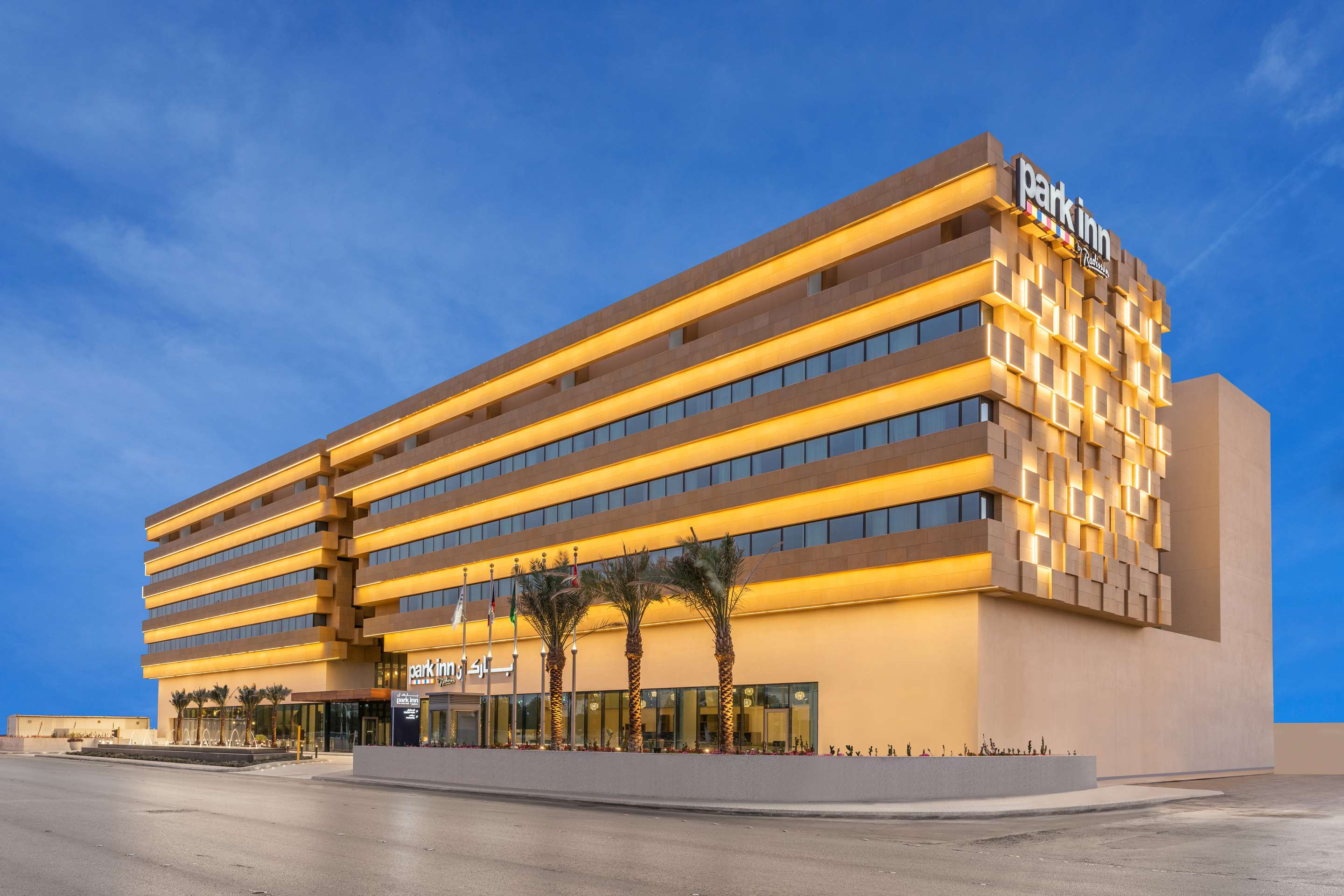
Radisson is also forging partnerships with Saudi entities. A landmark deal with Knowledge Economic City in Madinah will introduce a Park Inn by Radisson in the Islamic World District. Meanwhile, a Memorandum of Understanding with the Saudi Tourism Authority—signed at the Arabian Travel Market—demonstrates deep engagement within the local ecosystem.

The group remains on track to grow its Middle East network to 150 hotels, resorts and serviced apartments by 2030, building on a record-breaking global performance in 2024. Younes emphasises the tailored approach: blending its Scandinavian-inspired hospitality with regional traditions and integrating wellness, eco-friendly features and entertainment to appeal to evolving guest preferences, as detailed by Development Director Ayman Ezzeddine at the Riyadh summit.

Analysis by regional consultants underscores the significance of Radisson’s strategy. Analysts note that by allocating half of its current Middle East portfolio to Saudi Arabia, Radisson demonstrates confidence in the Kingdom’s tourism transformation. Its focus on both high-volume mid-market and luxury segments positions it to tap demand from business travellers, pilgrims and upscale visitors alike amid government incentives and infrastructure investments.

Radisson’s move is also in step with ongoing giga‑projects such as Amaala, the Red Sea Project and Rua Al Madinah, each aimed at hosting millions of tourists and pilgrims by 2030. These projects feature world-class hotels, resorts and cultural infrastructure, reinforcing Saudi Arabia’s status as a global hospitality hub.

Goodwill coverage for affected travel insurance customers includes extending claim submission period from 30 to 90 days to help customers better manage their travel disruptions SINGAPORE – Media OutReach Newswire – 17 June 2025 – On 16 June 2025, Etiqa Insurance Singapore announced its commitment to supporting its travel insurance customers who have been affected by the impending closure of Jetstar Asia’s operations. Recognising the disruption and […]

HostingJournalist.com has marked a notable achievement with the release of its 30,000th editorial news article, complemented by an archive of over 28,000 videos distributed across its platforms. This dual milestone affirms the outlet’s unwavering role as a leading source in cloud, hosting, and data‑centre reporting. Editor‑in‑Chief Koen Stegeman emphasised the milestone’s deeper meaning: “Reaching 30,000 published articles and 28,000 videos is more than just a numbers game.” […]

Dubai’s iconic Palazzo Versace Hotel is being offered at auction with an opening bid of approximately $163 million, a sharp reduction from its last estimated value above $380 million, signalling a major shift in the fortunes of the luxury hospitality landmark. A Swiss‑Italian financier, Christopher Aleo, is among a select group of potential buyers believed to be evaluating the purchase as online bidding gets underway. Union Properties, the Dubai‑based developer […]

President Donald Trump has called for the immediate evacuation of Tehran, warning that Iran “cannot have a nuclear weapon” after a series of escalating military exchanges with Israel. He issued the statement via Truth Social while attending the G7 summit in Canada, then departed early to convene his national security team. The growing hostilities, now entering a fifth day, have provoked market turbulence, prompted military deployments, and […]

Arabian Post Staff -Dubai Shadow has rolled out its Neo cloud PC tier, immediately replacing its Boost offering across Europe and North America. Priced from $37.99 a month, Neo delivers performance aiming at NVIDIA RTX 4060-class levels and is supported on fibre links up to 1 Gb/s. Powered by an eight‑vCore AMD EPYC processor clocked between 3.25 GHz and 3.8 GHz and equipped with 16 GB DDR5 RAM, Neo uses Nvidia’s RTX 2000 […]

Gulf states have entered a heightened state of alert amid intensifying hostilities between Israel and Iran, as regional leaders warn the confrontation risks dragging the Gulf into a wider, destabilising war.

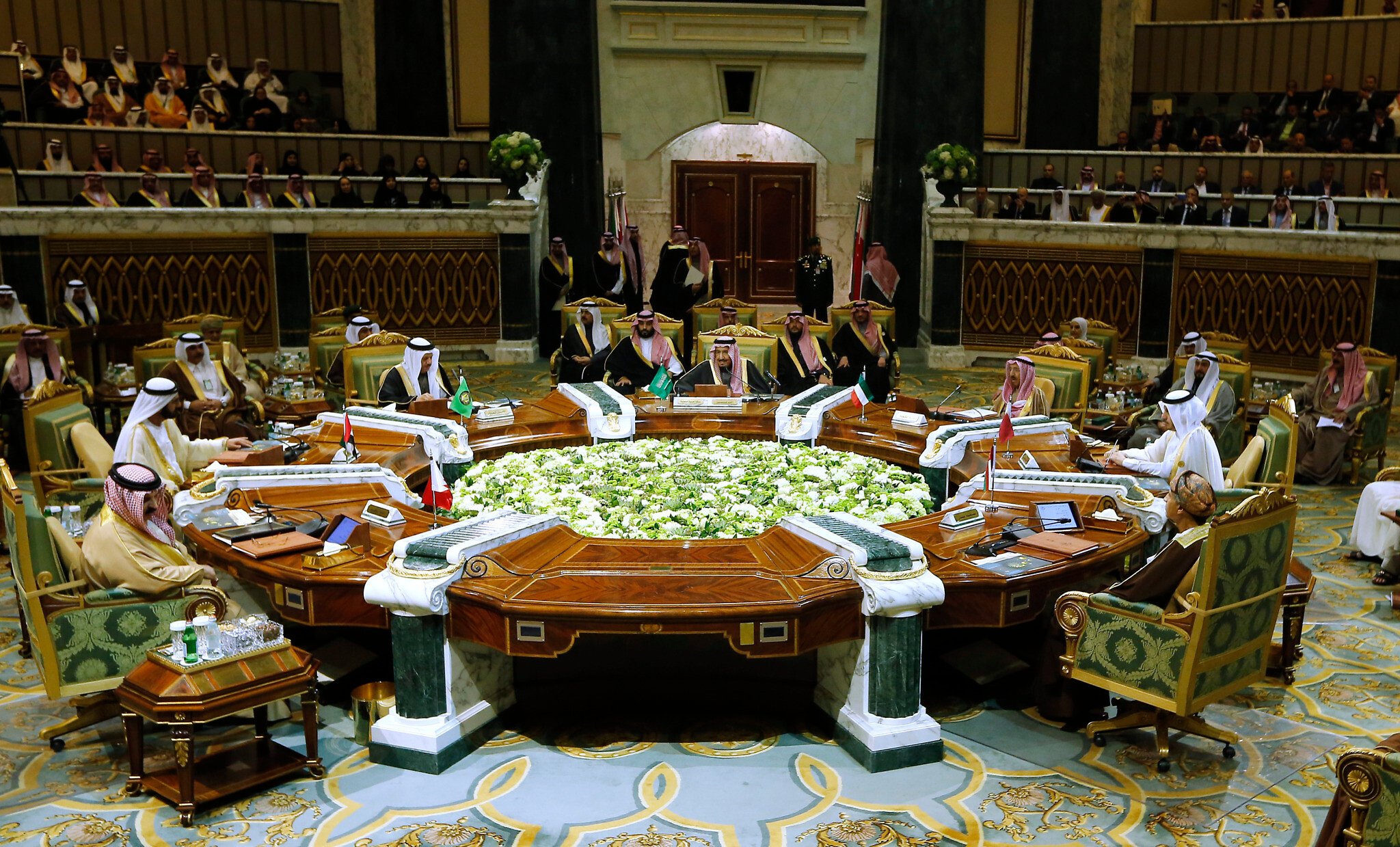
Leaders of the Gulf Cooperation Council convened an emergency ministers’ meeting chaired by Kuwaiti Foreign Minister Abdullah Al‑Yahya, with Secretary‑General Jassim Al‑Budaiwi declaring the situation had deteriorated into “extremely dangerous and unprecedented escalation,” and entering “full alert” mode to monitor environmental and radiological conditions across member states. He emphasised that continued military strikes, particularly near nuclear sites, would threaten regional infrastructure, health and economies.

Gulf diplomats have condemned the Israeli bombardment of Iranian territory and called on all parties to halt operations and return to dialogue. The council’s Emergency Management Centre is implementing precautionary measures across environmental and radiological sectors, reflecting concern over inbound radiological fallout.

Analysts from the Gulf warn that the strategic vulnerability of Gulf waterways such as the Strait of Hormuz and Bab al‑Mandab makes the region highly exposed to spill‑over from the Iran‑Israel clash. S&P Global Ratings has revised its assessment of regional sovereign risk higher, citing threats to oil exports, transport routes, tourism, capital flows and banking sector resilience in Gulf countries.

Commentators such as Abdulaziz Sager of the Gulf Research Center caution Gulf states are risking sovereignty, infrastructure and public trust unless the conflict is diplomatically defused. He urged activation of regional mediation channels to prevent Gulf countries from being drawn into military exchanges.

Gulf economists emphasise the economic ramifications: disruptions to global supply chains, escalated insurance costs, rising oil prices and capital flight could erode financial stability. While banks have adequate buffers, prolonged conflict could dent business confidence and growth across Gulf economies.

Diplomatic efforts are also underway within the Gulf. Oman and Qatar are spearheading ceasefire talks between Tehran and Washington as a pathway to stabilisation, with Iran open to rejoining nuclear discussions should Israeli strikes cease. Gulf leaders are leveraging their neutrality and communication channels with both Israel and Iran to broker a pause in hostilities.

Within Gulf societies, governments are working to reassure citizens. Public communications in Qatar confirm that radiation levels remain within safe thresholds, while Kuwait’s military affirms that missile trajectories affecting Iran and Israel pose no risk to its airspace.

The reaction within Iran’s sphere of influence appears measured. Unlike prior incidents, allied non‑state actors such as Hezbollah and Yemen’s Houthis have yet to launch retaliatory strikes, suggesting Iran is tempering its response amid Gulf diplomatic pressure.

US diplomacy remains a complex factor. Washington has escalated military readiness by dispatching aerial refuelling assets and an aircraft carrier strike group to the region, yet has stopped short of intervening directly. President Trump has verbalised support for diplomatic channels and warned against Iran acquiring nuclear arms, while signalling that Iran had expressed willingness to end hostilities.

Gulf monarchies are striving to balance neutrality and economic stability. They maintain diplomatic ties with both Iran and Israel while amplifying calls for restraint. Experts caution that escalatory miscalculations could shatter this delicate equilibrium, potentially sparking wider engagement and drawing Gulf states into direct confrontation.

KUALA LUMPUR, MALAYSIA – Media OutReach Newswire – 17 June 2025 – In trading, seizing opportunities and mitigating risks go hand in hand. Consistent success relies on a delicate balance between these two elements. To better understand how traders perceive and approach safety—both in daily life and during trading sessions—Octa, a trusted global broker since 2011, surveyed hundreds of market participants to gain insights into their mindset […]

Arabian Post Staff A pivotal moment unfolded on the opening day of the Paris Air Show as Saudi-based aircraft lessor AviLease confirmed a major five-year supply pact with Airbus. The agreement comprises 10 A350F freighters and 30 A320neo family aircraft, with options enabling expansion to 22 freighters and 55 single‑aisle jets—a potential total of 77 planes. This marks AviLease’s inaugural direct procurement from Airbus, signalling a strategic […]

KUALA LUMPUR, MALAYSIA – Media OutReach Newswire – 17 June 2025 – Octa, a globally recognised broker since 2011, will release its new status program for all regions in the third quarter of 2025. The broker built a new flexible framework to reward its clients for loyalty and trading activity, offering a wide range of bonuses, benefits, and gifts while introducing new mechanics and a clear-cut, systematic […]

By Nantoo Banerjee With the country’s consumer price inflation rate hovering around 3.20 percent in the last two years, the Reserve Bank of India’s latest decision to cut the bank rate by 50 basis points, the third consecutive reduction since February this year, may be understandable. However, it seems to have come at the wrong […]


Commercial real estate operators are pivoting beyond traditional boardroom focuses to harness AI-driven insights from their facility and lease management data to boost profitability and operational performance. JLL’s latest research finds that nine out of ten companies plan to deploy AI tools over the next five years to aid human experts in commercial real estate decision‑making. JLL’s Global Future of Work survey, conducted among more than 2,300 […]

A pioneering device, the MouthPad by Augmental, now enables users with paralysis or limited mobility to control digital devices using only tongue and head movements. Introduced this year, the device combines a tongue‑sensitive touchpad and motion sensors embedded into a custom dental retainer, delivering seamless Bluetooth cursor control and click functions across phones, tablets, and computers. Developed by MIT alumnus and CEO Tomás Vega, the MouthPad capitalises on […]

VISHNU RAJA
RYO YAMADA
HITORI GOTOH
IKUYO KITA