News related to
across

TerraZero has introduced “Gigi”, a voice-activated AI assistant designed to guide users through its immersive 3D social gaming and brand-engagement platform, Intraverse. The assistant is available both on the website and within virtual environments, offering real-time audio guidance to facilitate exploration, creation, and interaction. This marks a key shift in user experience, integrating conversational AI with virtual exploration functionality. Gigi enables users to ask questions aloud and […]

Iran has launched a new wave of missile and drone strikes against Israel, following U.S. airstrikes that obliterated key Iranian nuclear facilities under Operation Midnight Hammer. The ripple effects are already being felt in global oil markets, while diplomatic channels strain under mounting pressure. The bombardment hit Israeli cities including Tel Aviv and Ashdod, with satellite monitoring confirming sirens and intercepted projectiles. Iran disclosed the deployment of […]

Elon Musk has cast aside the existing Grok AI training corpus and directed xAI to construct an entirely new foundation—one that excludes what he calls “garbage” and “uncorrected data”—and then retrain the model from that vetted base. This overhaul is intended to power the next-generation Grok, tentatively dubbed Grok 3.5 or Grok 4, with “advanced reasoning” capabilities that Musk says will enable it to “rewrite the entire […]

Private kindergarten pupils across the UAE will now receive 40 minutes of Arabic instruction each school day under a fresh directive from the Ministry of Education. The policy, effective from the 2025–2026 academic year, establishes a foundation aimed at fostering national identity and language proficiency from the earliest stages of education.

The requirement entails 200 minutes of weekly Arabic lessons—one period per day—from September this year, set to increase to 300 minutes per week by the 2027–2028 school year. Qualified early‑childhood educators will deliver lessons tailored for both native and non‑native speakers using approved resources and age‑appropriate methodologies.

Alongside Arabic, Islamic education will feature for Muslim children in kindergarten, with 90 minutes per week allocated, divided into two 45‑minute sessions or three 30‑minute lessons. Social studies will be incorporated to introduce concepts of family, UAE geography, environmental awareness and broader community values through a mix of classroom and outdoor play-based learning.

Beyond academic scheduling, the Ministry emphasises the move as a cultural cornerstone aimed at nurturing young learners who are confident, rooted in identity and proficient in their mother tongue. Advisory visits to private schools are set before term begins, with compliance inspections commencing in the 2026–2027 academic year.

This initiative forms part of a wider UAE‑wide agenda. Abu Dhabi’s Department of Education and Knowledge introduced a similar policy this academic year, mandating 240 minutes of weekly Arabic instruction in nurseries and kindergartens—rising to 300 minutes in 2026–2027. ADEK highlighted that early childhood is a critical period for language acquisition and stressed the significance of nurturing both native and non‑native Arabic speakers with customised learning pathways.

ADEK executive‑director for early education, Mariam Al Hallami, described the directive as delivering children “the gift of language, identity, and connection starting from day one,” and underscored the use of interactive methods such as storytelling, song and play to engage learners.

These regional policies echo growing sentiments from education officials across the Emirates. In Abu Dhabi, the ADEK strategy parallels curricula in Dubai and Sharjah, which have recently rated private schools on their success in embedding Arabic language and culture. Sharjah’s ruler has previously urged educators to innovate Arabic teaching and revamp pedagogical approaches.

Analysis of early education studies supports the Ministry’s stance. Research indicates that consistent, immersive instruction during foundational years boosts linguistic fluency and cognitive development. Tailored tracks for different proficiency levels also align with global best practices for inclusive early foreign‑language programmes.

Private schools are now working to revamp their curriculums. Administrators across the Emirates are preparing to integrate the additional lessons while ensuring instructional quality. Schools will receive curriculum frameworks and educator training ahead of implementation.

Some teaching professionals caution that the rollout must be carefully managed. A teacher at a leading international school in Dubai, speaking anonymously, noted that maintaining engagement for non‑native pupils requires smaller class sizes and specialised support. Equally, curriculum directors warn against overloading learners with too many structured subjects, advocating balance with play.

Parents have shown mixed reactions. Many expatriate families express strong support for their children learning Arabic early to aid cultural integration, while others voice concerns about the impact on existing literacy or numeracy time. School councils are expected to discuss timetables and resource allocations in the coming weeks.

Home‑school collaboration will be key. The UAE Ministry and ADEK are encouraging schools to involve families with take‑home materials, workshops and community events dedicated to Arabic language and culture. Experts say that parental engagement significantly strengthens children’s retention and enthusiasm for language learning.

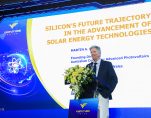
HANOI, VIETNAM – Media OutReach Newswire – 23 June 2025 – With the invention of solar cells using Passivated Emitter and Rear Contact (PERC) technology, Prof. Martin Andrew Green from the University of New South Wales (Australia) and his team made a groundbreaking contribution to green energy production. Two years after receiving the 2023 VinFuture Grand Prize, he continues to push the boundaries of solar innovation, working […]

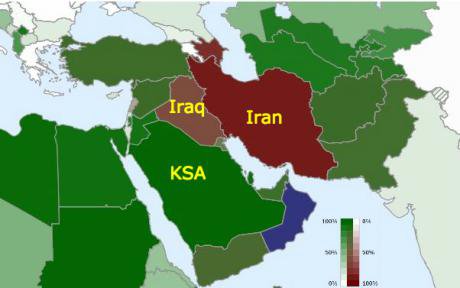
By Nantoo Banerjee It may be wrong to believe that Israel and the United States of America are the only two countries strongly against Iran’s bid to become a nuclear-armed country. The entire world is concerned about nuclear proliferation and nuclear smuggling and its falling into the wrong hands. The nature of the Iranian regime […]

A novel method from Rice University scientists means electrochemical CO₂ conversion devices can now run more than 50 times longer thanks to a simple yet effective switch in their humidification process. By bubbling carbon dioxide through a gentle acid—such as hydrochloric, formic or acetic—the team has prevented blockages that previously cut runtimes to mere hundreds of hours. Electrochemical CO₂ reduction systems traditionally suffer from salt buildup. Potassium […]

Advertisements

A fully overhauled six‑bedroom villa in Arabian Ranches 2 has sold for AED 14.5 million, establishing a new sales record for the community. The property, refurbished by Dubai-based firm DMDC, went under offer at a premium price thanks to an aesthetic blending minimalist design with luxury fittings—a move that signals growing appetite for turnkey high-end homes in the suburb. The home occupies a generous 7,543‑sq ft plot and boasts two […]

A magnitude 5.7 earthquake struck the New Britain region of Papua New Guinea on Monday, registering at a depth of just 10 km, according to the European Mediterranean Seismological Centre. The tremor occurred at approximately 01:17 pm local time, near New Britain Island, and while shallow, it did not prompt any tsunami alerts. Seismologists note that shallow quakes—those less than 70 km deep—tend to produce more intense shaking at the surface. However, […]

Commercial carriers are suspending flights across Middle‑Eastern airspace following the US strike on Iranian nuclear facilities, with empty skies appearing over Iran, Iraq, Syria and Israel as airlines divert or cancel services. Singapore Airlines described the situation as “fluid”, cancelling its Singapore–Dubai service after a security review, while British Airways and Air France‑KLM also halted flights involving Dubai, Doha, Riyadh and Riyadh, indicating growing caution among global […]

Businesses across Houston are accelerating their transition to Voice over Internet Protocol blended with cloud services, aiming to streamline communication, enhance customer experience and reduce costs. Leading this shift is Phonoscope Communications, a Houston-based provider that leverages its fibre-optic metro network to integrate VoIP and cloud-based services for enterprises across eight counties. With a history dating to 1953—and pioneering two-way videotelephony in schools—Phonoscope now supplies unified voice, […]

João Almeida secured the general classification at the Tour de Suisse on 22 June, overpowering Kevin Vauquelin in a commanding mountain time trial, while Filippo Baroncini clinched his first overall win at the Baloise Belgium Tour on the same day. The victories mark a milestone weekend for UAE Team Emirates‑XRG, pushing its season tally to a record-breaking 50 wins.

Almeida, wearing the yellow jersey, staged a remarkable turnaround during the 10.1 km ascent from Beckenried to Stockhütte. Starting the final stage 33 seconds behind Vauquelin, he posted a blistering 27:33—beating the Frenchman by 1:40 and sealing the victory by a 1:07 margin. His performance ensured he not only claimed the overall title but also the points jersey.

The Tour de Suisse had already seen Almeida recover from an early setback—losing over three minutes on stage one—by capturing stage four and seven victories, and grinding out bonus seconds during stage seven to stay within reach. The final time trial confirmed his status as one of the WorldTour’s most consistent climber–time‑trial specialists.

Baroncini’s triumph at the Baloise Belgium Tour marked his debut general classification success. He topped the podium with a slender four-second lead over Ethan Hayter, after a tactically astute five‑stage campaign. Baroncini’s consistency in the Ardennes-style terrain and strategic riding during the Golden Kilometre bonus sprints proved decisive.

These wins reflect a broader surge in form across the Emirati team. With Almeida’s mastery in time trials and mountain terrain, complemented by Baroncini’s emergence in hilly classics, the squad demonstrates depth and versatility—especially crucial as attention now turns to the Tour de France.

Analysts highlight that Almeida parlayed a challenging start into a commanding campaign by dominating critical stages and leveraging team support. He paid tribute to his riders and staff after stage seven, noting that every second counted and his boost in morale hinged on teamwork.

Baroncini, meanwhile, operated quietly yet effectively—conserving energy and nabbing time bonuses without making headlines until the final standings were published. His victory signals maturity beyond a first-time winner; his profile suggests he could emerge as a versatile contender in mountainous races later this season.

UAE Team Emirates‑XRG, under the stewardship of General Manager Mauro Gianetti and Team Manager Matxin Fernández, stands third in the UCI WorldTeam rankings this season, boasting eight overall stage‑race victories and seventeen individual stage wins. Tadej Pogačar has led the charge with seven wins, yet Almeida and Baroncini are edging into prominence.

The team’s momentum also offers tactical flexibility for the upcoming Tour de France, where Almeida is expected to support Pogačar, and Baroncini may be deployed in breakaways or mountain stages. Their successes in Switzerland and Belgium send a clear signal: UAE Team Emirates‑XRG will field a multi‑faceted and potent challenge in the Grand Départ.

U.S. military jets attacked three uranium-enrichment facilities in Iran—Fordow, Natanz and Isfahan—after President Trump authorised a precision bombing campaign targeting underground shafts, marking a significant escalation in efforts to curb Tehran’s atomic ambitions. Trump asserted that the installations were “totally obliterated” following deployment of B‑2 stealth bombers armed with GBU‑57 bunker‑buster munitions. Pentagon officials confirmed this was the first operational use of Massive Ordnance Penetrators.

Satellite imagery shows craters at Fordow and Natanz, alongside signs of collapsed tunnel entrances and surface damage. Yet analysts caution that subterranean caverns may remain intact. One crater at Natanz measured approximately 5.5 metres across, and a large support structure at Fordow appeared untouched. The International Atomic Energy Agency has reported no detectable increase in off‑site radiation but acknowledges an inability to evaluate underground facility damage.

Destruction of declared nuclear infrastructure may impair Iran’s enrichment capabilities temporarily, but it adds complexity to monitoring efforts. The strikes have disrupted IAEA inspectors’ routine inspections and scattered environmental samples, weakening the agency’s ability to conduct forensic analysis. Former IAEA official Robert Kelley warned that bomb‑strewn sites render isotopic sampling nearly impossible, complicating accurate uranium accounting.

On diplomatic and military fronts, the strikes have triggered serious concern. Russia’s Deputy Foreign Minister characterised global tensions as “millimetres” from the brink of nuclear confrontation. Iran’s leadership, including foreign minister Abbas Araghchi, condemned the attacks as “lawless aggression,” and pledged proportionate retaliation. Iranian state media reported missile defence operations over Tehran and Karaj, while the Islamic Revolutionary Guard Corps warned U.S. bases in the region may face “regrettable responses”.

Allies have issued mixed reactions. Australian foreign minister Penny Wong backed the action as a move to prevent weaponisation, though she also called for a halt to hostilities and a return to diplomacy. In Washington, lawmakers are divided: some Republicans applaud the airstrikes, while Democratic leaders criticise the unilateral decision absent congressional authorisation.

Despite military claims of success, experts caution that bombing cannot permanently dismantle Iran’s nuclear infrastructure. A 2025 Reuters analysis noted that even well-targeted airstrikes would likely result in only temporary delay, with underground facilities concealing critical components and technical expertise intact. The IAEA’s upcoming board meeting in Vienna is expected to address both the fissile-material disruption and the challenge of rebuilding effective verification.

Iran had responded to earlier IAEA censure by announcing a new enrichment site and upgrading centrifuges at Fordow, deepening concerns over progress toward weaponisation. By mid‑June, the agency confirmed that Iran held approximately 409 kg of 60 percent enriched uranium—enough for several warheads if further refined.

Military strategists believe that while Israel’s campaigns damaged above‑ground infrastructure, only the U.S. possessed the capability to strike buried facilities effectively. But even with advanced bunker‑busters, Fordow remains a tough target; Israel earlier claimed it could strike the site independently, though many experts doubted that it had the means to deliver sufficient penetration.

Operation “Midnight Hammer,” as it is reportedly codenamed, has bolstered military deterrence, yet it may harden Iran’s resolve. Observers warn that Tehran is likely to deepen its program underground, reduce transparency, and accelerate its nuclear pursuits outside of IAEA oversight.

Amid rising hostilities, diplomatic overtures remain faint. Iranian and U.S. envoys were scheduled to meet in Oman, while Araghchi was set to confer with Russian counterparts in Moscow. The IAEA board’s deliberations in Vienna may prove a critical venue for negotiating how to restore inspections, assess nuclear inventory, and potentially revive diplomacy.

Analysts stress that without sustained oversight, military strikes risk igniting an arms race. Uranium shields buried deeper, veiled by bomb damage, could reemerge in new sites—potentially accelerating forceful advances outside the scrutiny of Western intelligence.

Reddit is exploring integration of Worldcoin’s iris‑scanning Orb technology to verify that account holders are genuine, unique individuals while preserving user anonymity. The move aims to curb bot activity and AI‑generated content, and to comply with emerging age‑verification regulations. In discussions with Tools for Humanity, the Orb would capture an encrypted representation of a user’s iris—known as an IrisCode—to assign a secure, anonymous World ID. That identifier confirms […]

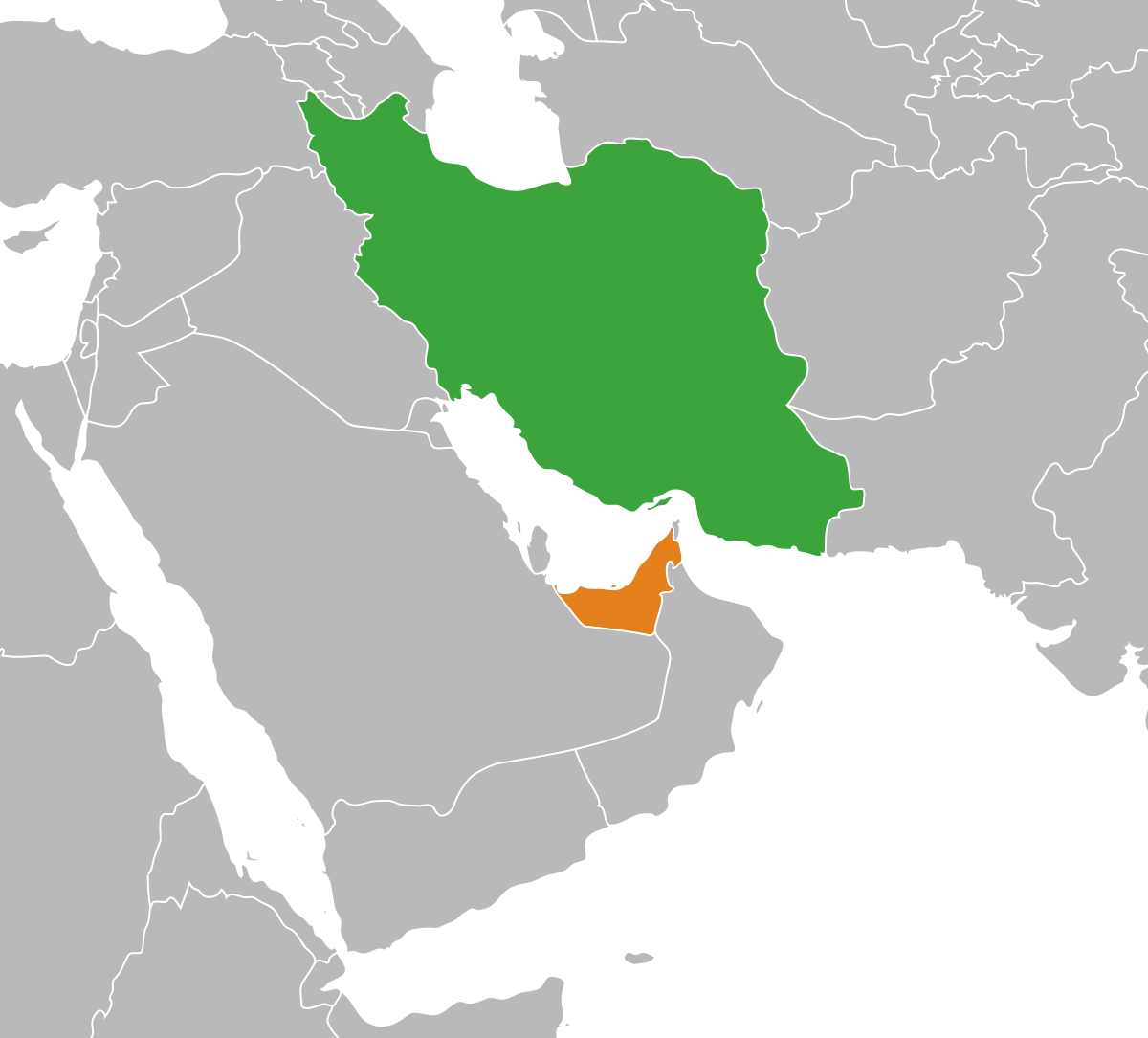
UAE authorities have successfully airlifted both citizens and expatriate residents from Iran amid mounting regional tensions stemming from the ongoing Israel–Iran conflict. These evacuation flights were carried out in full coordination with Iranian officials, who provided necessary transit clearances and logistical assistance, according to the UAE’s Ministry of Foreign Affairs and International Cooperation.

Passengers greeted on arrival in Abu Dhabi included Emirati nationals and resident visa holders. Some were visibly emotional—footage released by WAM showed arrivals embracing airport staff, while others knelt in gratitude upon disembarking. UAE officials confirmed that all evacuees underwent health screening and security checks; no medical emergencies were reported during the operation.

The decision to evacuate was prompted by intensifying hostilities between Iran and Israel, which have resulted in reciprocal missile and drone strikes targeting Iran’s nuclear and military infrastructure. Since 13 June, airspace closures across Iran and neighbouring countries have disrupted commercial flights, leaving many foreign nationals stranded.

While Tehran’s nuclear sites have been under attack, Tehran’s government issued public messages minimising panic, yet civilians promptly fled towards northern provinces, leading to fuel shortages, transport gridlocks, and relief operations along highways. Over 100,000 people are believed to have relocated internally by 15 June, while a few hundred foreign evacuees have used authorised border crossings to exit Iran.

UAE’s timely action reflects an expansion of its foreign crisis response capabilities, built through previous evacuations from conflict zones such as Ukraine, Sudan, and Afghanistan. Evacuating via a mix of chartered aircraft and government-operated flights, the UAE used carefully planned air routes to skirt high-risk regions.

Parallel efforts by Gulf neighbours highlight broader regional coordination. Bahrain, Oman and others secured safe passage for their own nationals via land and air corridors; Oman alone registered over 150 evacuees through Bandar Abbas and Iraq logistics networks. Countries including India, China, the US, Germany and Poland activated repatriation schemes—India’s “Operation Sindhu” successfully repatriated 110 nationals through Armenia by 18 June.

While evacuation pipelines opened, Dubai and Abu Dhabi remain operational, and companies across the Gulf are updating contingency plans amid concerns over possible spill‑over and disruptions to critical infrastructure. Risk advisory firms are reporting heightened demand for intelligence services, crisis preparedness, and staff security measures.

The UAE Ministry of Foreign Affairs has reiterated its call for diplomacy as the sole pathway to stability. Its continuous diplomatic outreach has involved deep engagement with international partners and a strong appeal to the UN Security Council to broker de‑escalation amid what it describes as “exceptional circumstances”.

The evacuation marks a rare cooperative moment between the UAE and Iran, whose bilateral relations have at times been strained. Yet Iranian authorities’ facilitation of access to airports and transit permissions demonstrated a mutual willingness to protect civilians from broader geopolitical fallout.

With all Gulf evacuations through this phase concluded, attention now turns to whether diplomatic avenues will succeed in preventing further civilian displacement. Businesses and governments remain on alert, reinforcing emergency protocols and intelligence monitoring systems to safeguard personnel and operations in the face of uncertainty.

ArabyAds has secured the prestigious Snapchat Advanced Partner badge, marking a significant milestone that positions the UAE-based ad-tech firm at the forefront of digital innovation across the Middle East and North Africa. The designation grants the company exclusive access to Snapchat’s latest tools, data analytics, and strategic support, enabling clients and creators in the region to harness full‑funnel campaign opportunities on the platform.

This recognition underlines ArabyAds’ deliberate investment in human capital and know‑how, rather than simply technical capability. As part of the Snapchat Advanced Partner programme, the company gains access to private training sessions, expert enablement, account‑management backing and early‑stage features like Snap’s Creator Discovery API and Snap Creator Marketplace Beta. The badge also comes with visibility and credibility as Snapchat builds its ecosystem through trusted agency partnerships.

ArabyAds Vice‑President of Digital, Ayah Reyad, emphasised that working with Snapchat has been instrumental in expanding market share and inspiring creativity, and that the advanced partner status will deepen relationships with clients and unlock new possibilities in digital storytelling. The move adds another layer to ArabyAds’ portfolio of regional achievements, which include being named Marketing Platform of the Year 2023 by MMA Smarties MENA and the prior launch of their AI‑powered Household Graph for cross‑platform audience reach.

Snapchat states that over 67% of users follow creators to see real, everyday moments, underlining the emphasis on authentic connection. The platform reports that 97% of users are open to brand‑sponsored creator content, and 59% have made purchases following exposure to such campaigns. This context sets the stage for ArabyAds to broker more effective creator partnerships on behalf of brands, using bespoke targeting informed by data and platform insight.

The Advanced Partner badge places ArabyAds among an elite selection of regional agencies, including Publicis Groupe‑Content Practice, Creo, InHype and The Goat Agency MENA. Snap’s pilot cohort benefits from direct collaboration opportunities with Snapchat teams, hands‑on enablement events and tailored access to analytics and certification from Snap Focus. A Partner Enablement Day in Dubai offered immediate immersion into platform tools and strategic best practice, reinforcing the parent company’s goal to build a vibrant creator economy across the MENA region.

Senior figures from other agencies in the cohort echoed Snap’s confidence in ArabyAds. Timothée Desormeaux, Managing Partner and Co‑founder of Acquisit, noted that Snap values their data‑driven and measurement‑focused approach, which has helped solve complex client challenges in the region.

Snap’s head of agency relations in the region, Rasha El‑Ghoussaini, described the partner initiative as part of a broader strategy to support agencies amid rapid transformation across digital markets.

For ArabyAds’ clients, the benefits are multifaceted. The Creator Discovery API enables mapping and analysis of over 100,000 MENA creators, enabling data‑led influencer alignment. End‑to‑end ROI tracking, combined with advancement in AR and creative strategy, allows brands to build measurable campaigns that drive deeper engagement and conversions.

ArabyAds is now well placed to offer clients a full‑stack solution on Snapchat: from creator identification and certification through Snap Focus, to influencer campaign activation using the Creator Marketplace, and ongoing optimisation via account management and platform insights. The firm’s trajectory signals intention not only to maintain growth, but to shape what high‑impact creator collaboration looks like in the region.

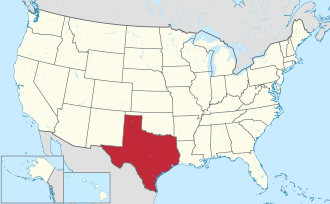
Texas Governor Greg Abbott has enacted Senate Bill 21, empowering the creation of the Texas Strategic Bitcoin Reserve, making it the third US state to legislate a formal Bitcoin reserve following Arizona and New Hampshire. For the first time among its peers, Texas will finance this dedicated fund with public money, distinguishing it from Arizona’s and New Hampshire’s models.

Under the terms of SB 21, the reserve will operate independently of Texas’s treasury and be managed by the Texas Comptroller of Public Accounts, guided by an advisory committee of crypto investment professionals. Only assets with an average market capitalisation exceeding US $500 billion over two years qualify for inclusion—Bitcoin currently stands alone in meeting that benchmark. The fund’s flexibility extends to growth through forks, airdrops, investment returns and public donations, with biennial public disclosures required.

Companion legislation, House Bill 4488, shields the reserve from routine transfer into the general revenue fund and ensures its legal continuity regardless of whether it holds Bitcoin by summer 2025. The Senate passed SB 21 by 25 votes to 5, and the House by 9 to 4; the law will take effect on 1 September 2025.

Proponents frame the reserve as a strategic hedge against inflation and economic volatility, aligning with Texas’s broader approach to diversify its assets. Senator Charles Schwertner, the bill’s author, observed that if the state can invest in gold or land, it should also have the option to invest in Bitcoin—“the best-performing asset of the last 10 years”.

Governor Abbott has been a vocal supporter of cryptocurrency integration, remarking last year that Texas was already home to crypto mining and “should become the crypto capital”. The inclusion of a state fund aligns with his pro-crypto stance and the passage of HB 4488, which he signed shortly after, enhances the law’s stability.

Texas’s approach diverges notably from Arizona and New Hampshire. Arizona’s law permits establishment of a reserve but prohibits spending public funds on asset purchases, whereas New Hampshire enables investment through the treasury—but neither allocates separate, publicly funded funds. By committing public funds and creating a segregated structure, Texas establishes a more robust and intentional framework.

Financial analysts and policymakers have reacted with a mixture of cautious interest and concern. While some view the move as a progressive diversification strategy, sceptics warn of Bitcoin’s price volatility and uncertain long-term value. Reports from the European Central Bank and ECB president have criticised similar shifts by US governments, saying they could undermine monetary sovereignty and disrupt digital euro initiatives. Meanwhile, a February 2025 University of Chicago economist survey found no consensus that borrowing to fund a crypto reserve would be beneficial.

Globally, the action has prompted varied governmental responses. Belarus has emphasised crypto mining; South Korea and Switzerland have explicitly rejected adding Bitcoin to central reserves, citing volatility; India has announced it is reassessing its crypto stance in light of global shifts.

The legislative milestone occurs amid mounting institutional interest in Bitcoin. Public companies such as MicroStrategy, Marathon Digital and Tesla continue to invest heavily, contributing to a surge in corporate holdings—more than 819,000 BTC held across 223 firms, representing nearly 3.9 per cent of total supply. Notable large-scale investments have included Paris-listed The Blockchain Group’s purchase of 182 BTC for US $19.6 million, and Nakamoto Holdings securing US $51.5 million via PIPE funding for further Bitcoin acquisitions.

UAE authorities have flown back several nationals and residents from Iran as part of a security-driven emergency operation amid intensifying regional uncertainty. The coordinated move, which involved direct communication between officials in Abu Dhabi and Tehran, was aimed at ensuring swift and safe repatriation in light of mounting geopolitical instability in the region. The evacuation operation, which took place without prior public notice, was disclosed by the […]

The United Arab Emirates will integrate its National Artificial Intelligence System into the highest levels of government from January 2026. The system will serve as an advisory member of the Council of Ministers, the Ministerial Development Council, and the boards of all federal entities and government-owned companies. Its mandate includes supporting decision-making, providing real-time analysis, offering technical advice, and enhancing policy efficiency across every sector.

Dubai’s ruler and UAE Prime Minister, Sheikh Mohammed bin Rashid Al Maktoum, made the announcement on 20 June, emphasising that the world is undergoing “comprehensive transformation—scientifically, economically and socially.” He underscored that the move is intended to prepare the country for future challenges and to “ensure continued prosperity and a dignified life for future generations”.

This development builds upon the UAE’s decade‑long focus on artificial intelligence, which began with the appointment of Omar Sultan Al Olama as the world’s first Minister of State for Artificial Intelligence in October 2017. In early 2019, the National Artificial Intelligence Strategy 2031 was launched, setting the ambition to position the UAE as a global AI leader by 2031. Subsequent milestones include the founding of the Mohamed bin Zayed University of Artificial Intelligence in 2019 and Abu Dhabi’s Digital Strategy 2025‑2027, which aims to establish a fully AI‑powered government by 2027.

Analysts suggest that embedding the AI system at ministerial and federal‑company levels could accelerate data‑driven governance, reduce bureaucratic lag, and foster greater inter‑departmental cohesion. One Gulf Business commentator noted that the AI system would “enhance the efficiency of government policies adopted… across all sectors”. However, questions remain over oversight and transparency mechanisms, especially as the system begins analysis in real time.

International observers view the UAE’s strategy as part of a wider push by governments to use AI in public administration. Examples include Japan’s smart city prototype “Woven City” and various national AI offices globally. Still, no other nation has yet placed an AI inside its cabinet with ministerial‑level access.

Experts highlight both promise and peril. Proponents argue the system’s analytical speed can help identify emerging economic, environmental, and public health challenges before they escalate. Critics, however, caution that AI must be complemented by human judgment to avoid embedding algorithmic bias or over‑reliance on model outputs. Ethical guidelines—such as transparency, accountability, and fairness—will need to be codified and enforced to mitigate these risks.

Practical implementation looms as another challenge. Seamless integration into federal bodies and government companies will require significant investment in digital infrastructure, staff training, and inter‑agency coordination. These tasks fall within the remit of the Minister of State for AI, Digital Economy and Remote Work Applications, Omar Sultan Al Olama, who has spearheaded the country’s AI strategy since 2017.

As part of a broader governance overhaul, Sheikh Mohammed also announced the launch of a dedicated Ministry of Foreign Trade, led by Thani bin Ahmed Al Zeyoudi—and the renaming of the Ministry of Economy to the Ministry of Economy and Tourism under Abdullah bin Touq Al Marri.

The government asserts that the AI system will augment human capacity without replacing it, and that final decisions on strategy and policy will remain with elected or appointed officials. Mechanisms to monitor AI‑led inputs and outcomes are expected to be announced before the system’s January 2026 launch, according to insiders.

PERTH, WESTERN AUSTRALIA – Media OutReach Newswire – 22 June 2025 – Kinky Lizard Cafe, one of Perth’s leading independent café groups, is proud to announce the opening of its 10th location at 94 Barrack Street, Perth WA 6000. This significant milestone marks a new chapter for the family-run brand, which has grown steadily since its inception in 2019. Established in East Perth with a vision to […]

Driving Economic Momentum, Leading Trends with Mega Events HONG KONG SAR – Media OutReach Newswire – 21 June 2025 – The “Wealth Management Expo 2025”, powered by Bank of China (Hong Kong) (“BOCHK”) and organised by TVB under the theme of “Driving Economic Momentum, Leading Trends with Mega Events” has been successfully held today. The Expo has brought together leading figures from the government, business and financial […]

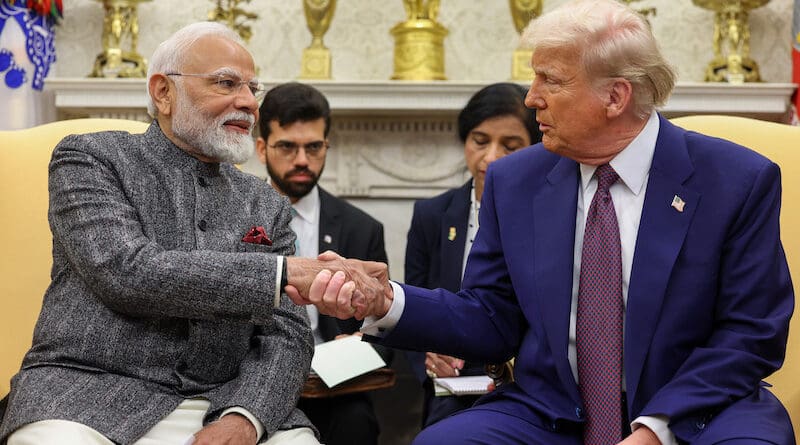
By K Raveendran Last week shattered any lingering illusions about the supposedly robust camaraderie between Prime Minister Narendra Modi and former U.S. President Donald Trump—a relationship that had been paraded for years as emblematic of India’s rise on the global stage. The myth of a strategic friendship, carefully choreographed across Howdy Modi rallies and effusive […]

Tests by Thailand’s Pollution Control Department have revealed that arsenic concentrations in the Kok River and tributaries now exceed national safety limits by up to five times. Biochemical analysis indicates that these toxic levels are linked to unregulated mining operations in Shan State, Myanmar, particularly within territories controlled by the United Wa State Army.

The Kok River, which begins its 285km course in Myanmar’s Daen Lao Range before entering Thailand through Mae Ai and flowing into Chiang Rai and eventually the Mekong, has become the focus of mounting alarm. Tests conducted between late May and early June demonstrated elevated arsenic at all 15 tested points along the Kok and Sai rivers, with further contamination detected in two Mekong sampling sites.

Local fishermen have reported adverse impacts to aquatic life and livelihoods. Prices for catch in Chiang Rai have dropped by nearly half, as consumer fear surrounding contamination takes hold. Fisherman Sawat Kaewdam told AFP: “They say, ‘There’s arsenic. I don’t want to eat that fish.’”.

Satellite imagery and drone footage show dozens of active mining sites emerging since around 2022, believed to involve both gold and rare earth minerals. These mines operate under minimal environmental safeguards, with tailings and chemical-laden effluent discharged directly into rivers. One environmental campaigner described the situation as Thailand’s “largest-ever case of transboundary pollution”.

Health experts warn that while immediate poisoning symptoms may not materialise, long‑term exposure through contaminated water and fish consumption could lead to chronic arsenic poisoning. Somporn Phengkham of the Community Health Impact Assessment Platform emphasised the risk of gradual accumulation, urging increased scrutiny of wells and irrigation systems.

Communities along the Kok River have experienced unusual water discolouration, persistent skin irritations, and fish deformities. Chiang Rai environmentalists staged protests on 5 June, tying ribbons along the river bridge to demand intervention and mine closure. In Chiang Mai’s Mae Ai district, a monk from Wat Thaton confirmed that the river’s appearance and use had become culturally and practically untenable.

Thailand’s federal government has initiated emergency measures. Deputy Prime Minister Prasert Jantararuangtong has overseen a new response centre, while the Pollution Control Department is conducting enhanced sampling. Officials reassure domestic water supplies are safe, although the contamination source remains external.

Proposals for containment include constructing a dam across the Kok River to trap sediments, dredging heavily polluted sections, and pursuing diplomatic negotiations with Myanmar and China. The Foreign Affairs Committee is engaging Beijing to urge oversight of Chinese mining companies operating within UWSA territories.

Challenges persist as Shan State’s mines lie beyond Myanmar’s central control. With the UWSA exerting autonomy and Chinese-linked firms driving extraction operations, finding a direct negotiating partner proves elusive. Regional analysts warn that building physical barriers without curbing source pollution will yield temporary alleviation at best.

Environmental advocates underscore the urgency of scaling up real-time monitoring and cross-border coordination. They highlight growing concerns that contamination could extend throughout the Mekong basin, threatening agriculture, fisheries, and water security across Southeast Asia.

Experts like Tanapon Phenrat of Naresuan University stress that addressing the problem requires systemic reform: mandated tailings treatment, strict environmental standards, and international cooperation. “We need to act now,” he stated.

The University of Dubai and the Artificial Intelligence Journalism for Research and Forecasting have unveiled the Arab AI Researchers initiative, marking the first pan‑Arab programme dedicated to training academics in artificial intelligence for research and teaching. The launch aligns with efforts to implement the Arab Index for Artificial Intelligence in Universities, announced in May 2024, and formalised at the 5th Artificial Intelligence Journalism World Forum in Sharjah earlier this year.

President of the University of Dubai, Dr Eesa Al Bastaki, explained that AAIR responds to a growing call for universities in Arab states to embed AI into scholarly work and curricula. He noted that the programme reflects the aim of the AIU, which benchmarks integration across six domains: curriculum design, faculty capabilities, smart laboratory infrastructure, student proficiency, research output, and global partnerships.

Dr Saeed Al Dhaheri, Director of the Centre for Futures Studies and President of the AIU, emphasised the initiative’s breadth. “AAIR offers specialised training to integrate AI across all academic tiers,” he said, underscoring the programme’s ambition to reach a wide academic audience across the Arab world. That ambition gains momentum in tandem with AIJRF’s global training portfolio of more than 120 courses and over 20 active AI initiatives, which includes the annual AIJWF and the GAIJI index.

Under the leadership of AIJRF’s CEO Dr Mohamed Abdulzaher, AAIR will offer a free, accredited training programme conducted thrice yearly. Each session will involve four days of intensive instruction—totalising 15 practical hours—for approximately 150 participants. Graduates, upon submission of a project, will receive certification jointly from AIJRF, the University of Dubai and cooperating institutions. Dr Abdulzaher emphasised the programme’s dual focus: practical AI tool use in research and instruction that covers emerging pedagogical approaches such as smart classrooms, automated assignments and AI‑generated project frameworks, underpinned by ethical guidelines.

Experts highlight the significance of AAIR against a backdrop of evolving demand for localised AI capacity in the region’s higher education sector. Gulf News records that the Arab Index for AIU initially pioneered this area by evaluating Arab universities on their strategic integration of AI into humanities and theoretical sciences, spanning institutions from Morocco to Qatar. This quantitative benchmarking now finds practical implementation through AAIR.

The initiative affords multiple strategic gains. It aims to develop an Arab‑centred community of practice in AI, offer Arabic‑language curricular resources, and foster collaborations among universities, research centres and technology providers. Policy experts suggest that by nurturing such ecosystems, the region can more accurately reflect its socio‑cultural context in AI tools and methodologies.

AAIR also responds to economic and educational drivers. UAE government-backed surveys estimate the Arab educational sector will expand rapidly alongside digital acceleration, yet critical gaps remain in Arabic‑language AI content and smart infrastructure. By empowering faculty and students alike, AAIR seeks to deepen the region’s AI talent pool and sustainability.

Formative metrics indicate uptake: AIJRF announced an AAIR target of training 500 academics during the first phase, with enrollment details shared via LinkedIn and public briefings. Dr Abdulzaher credits the partnership between University of Dubai, AIJRF, and other institutional collaborators for enabling broad access to the programme.

Still, the initiative faces challenges inherent to regional adoption. Previous AI integration efforts highlight logistical barriers—such as uneven access to AI‑equipped labs, variable levels of faculty digital literacy, and limited Arabic AI datasets. AAIR’s focus on standardisation and community‑based learning aims to alleviate such bottlenecks.

Industry observers are tracking AAIR’s impact on research and higher education closely. Stakeholders expect ripple effects, including: greater academic publication in AI‑focused journals; the emergence of Arab‑context AI pedagogies; enhanced employability of STEM graduates with real‑world AI experience; and institutional impetus to invest in smart infrastructure.

The AAIR launch also complements AIJWF’s wider initiatives, including the Human Talents vs Gen‑AI Challenge introduced at the 5th edition in April at American University of Sharjah. Collectively, these initiatives contribute to a regional strategy to navigate the Fourth and Fifth Industrial Revolutions, with emphasis on generative AI and its socio‑economic consequences.


VISHNU RAJA
RYO YAMADA
HITORI GOTOH
IKUYO KITA