News related to
across

Dubai is poised to make a significant impact at the upcoming IMEX event, reinforcing its status as a premier destination for global meetings and events. The city’s persistent rise in the meetings and incentives travel sector has been highlighted by its sustained ranking as the top meeting destination in the Middle East and Africa, according to the latest industry data. The recognition by Cvent, a leading meetings […]

South Korea’s newly inaugurated President has signalled an intent to extend negotiations with the United States over critical trade agreements, aiming to secure more favourable terms that could shape the trajectory of the country’s export-driven economy. The administration recognises the complexity of current talks and the high stakes for sectors that form the backbone of South Korea’s global economic influence, including semiconductors, automotive manufacturing, and shipbuilding.

The president, Lee Jae-myung, who took office following a highly competitive election, has prioritised trade diplomacy with Washington as a cornerstone of his economic agenda. South Korea’s reliance on exports to the US market makes the outcome of these talks pivotal for sustaining growth and competitiveness. The decision to request additional time highlights the government’s cautious approach amid mounting international uncertainties and intensifying global supply chain disruptions.

Lee’s administration faces pressure to address contentious issues such as tariff reductions, intellectual property protections, and technology transfers that have been key sticking points in negotiations. American officials have pushed for greater access to South Korea’s semiconductor sector, a world leader in chip production, while Seoul is equally keen to safeguard its industrial strengths against onerous restrictions. Balancing these priorities requires delicate diplomacy, with the stakes heightened by rising geopolitical tensions in the Indo-Pacific region.

Economic analysts observe that the extended timeframe could provide South Korea with a strategic advantage, allowing deeper consultation with domestic industries and stakeholders. The government is expected to leverage this period to refine proposals that accommodate emerging global trends, including shifts in supply chain localisation, heightened environmental standards, and evolving digital trade frameworks.

South Korea’s chipmakers, which dominate global markets with advanced memory and logic chips, are particularly attentive to outcomes of the talks. Recent moves by the US to incentivise domestic semiconductor manufacturing through legislative packages have raised concerns about potential trade barriers and competitive disadvantages for South Korean firms. The extended negotiation window offers a chance to clarify terms and possibly negotiate exemptions or compensatory measures to protect the industry’s international standing.

Similarly, the automotive sector, a pillar of South Korea’s industrial base, stands to gain or lose significantly depending on trade terms. The rise of electric vehicles and changing regulatory regimes worldwide necessitate adaptive trade policies that accommodate new technologies and market realities. The extended talks will enable Seoul to press for provisions that support its carmakers’ access to the US market, while also addressing issues related to tariffs and environmental regulations.

Shipbuilding, another vital sector for South Korea’s economy, faces challenges from global competition and evolving demand patterns, especially as the maritime industry shifts towards greener technologies. Negotiations with the US could influence the sector’s export potential, especially if environmental standards or subsidy regulations become part of trade discussions. Lee’s government is likely to emphasise the need for fair competition frameworks that protect the industry while fostering innovation.

The broader geopolitical context also plays a significant role in shaping these negotiations. South Korea’s balancing act between its strategic alliance with the US and its economic ties with China demands a nuanced trade policy. With tensions escalating between the US and China, Seoul must navigate these complexities carefully, ensuring that its trade agreements do not alienate either partner while maximising economic benefits.

South Korea’s trade ministry has indicated a willingness to engage constructively with American counterparts, stressing the mutual benefits of a comprehensive deal. The government has also engaged business leaders and experts to gather insights and build consensus on negotiation priorities. This inclusive approach aims to ensure that trade agreements align with long-term national interests rather than short-term gains.

Lee’s outreach to Washington comes at a time when global trade dynamics are undergoing rapid transformation. Protectionist sentiments and the realignment of supply chains following the pandemic have created both risks and opportunities for export-driven economies. South Korea’s strategic response through extended negotiations seeks to position the country favourably in this new environment.

Industry observers note that while additional time may raise concerns about potential delays or uncertainties, it also reflects a pragmatic recognition of the complexities involved in modern trade agreements. The extended timeline allows for more thorough impact assessments, stakeholder engagement, and the incorporation of emerging trade issues such as digital commerce, data security, and sustainability commitments.

Lee’s government is also expected to pursue parallel initiatives to strengthen domestic competitiveness alongside trade talks. Investments in innovation, infrastructure, and workforce skills development are seen as complementary measures to enhance South Korea’s economic resilience in a volatile global market.

The trade discussions have attracted close attention from international partners and economic forums, given South Korea’s integral role in global supply chains. The outcome will not only influence bilateral relations with the US but also set precedents for future trade policies across the Asia-Pacific region.


The United Arab Emirates endured an unprecedented surge in temperatures throughout May, with daily highs consistently exceeding 40ºC and several locations surpassing the 50ºC threshold. The National Centre of Meteorology confirmed this month as the hottest May in the country’s recorded history, marking a significant intensification of the region’s ongoing climate challenges.

Several emirates, including Abu Dhabi, Dubai, and Sharjah, experienced prolonged heatwaves that pushed the limits of historic temperature records. The peak temperatures, which exceeded 50ºC in some desert areas, have drawn attention from climatologists and environmental experts, highlighting the accelerated warming trend affecting the Arabian Peninsula. Such extreme heat has severe implications for public health, energy consumption, and urban infrastructure in a region already grappling with water scarcity and rapid urbanisation.

Experts indicate that the exceptional heat is linked to a combination of global climate change and localized meteorological patterns. The Arabian Peninsula’s unique geography, characterised by vast desert expanses, amplifies temperature extremes. Scientists note that climate models have long predicted a rise in heatwaves for this region, but the speed and intensity of these recent temperature spikes are causing concern among environmental analysts.

The impact on daily life has been multifaceted. Health authorities have issued warnings to vulnerable populations, particularly the elderly, children, and outdoor workers, to take precautions against heat-related illnesses. Hospitals have reported an increase in cases of heat exhaustion and dehydration, putting added pressure on healthcare services during the traditionally hot summer months. Municipalities across the UAE have accelerated measures to provide shaded areas and cooling centres to mitigate risks posed by the extreme heat.

Economic sectors dependent on outdoor labour, such as construction and agriculture, have faced operational challenges due to the intense temperatures. Labour laws have been adjusted to ensure safer working hours, often restricting outdoor activities during peak heat periods. The government’s proactive approach to safeguarding workers aligns with international labour standards, but the economic cost of these adjustments remains under evaluation.

Energy demand in the UAE has surged sharply as residents and businesses increase air conditioning usage to cope with the oppressive heat. This spike in electricity consumption raises concerns about grid stability and the environmental impact of increased fossil fuel reliance, despite the country’s ongoing investments in renewable energy. The UAE’s ambitious clean energy goals, including the development of solar power plants and nuclear energy facilities, aim to offset the environmental footprint associated with higher cooling demands.

The National Centre of Meteorology continues to monitor the evolving weather patterns closely, providing regular updates and forecasts to assist government agencies and the public in preparing for ongoing heat conditions. Advanced satellite technology and climate modelling tools are being utilised to enhance prediction accuracy and early warning systems, essential for managing risks related to extreme weather events.

Regional cooperation is becoming increasingly important as neighbouring Gulf countries face similar climatic stresses. Collaborative efforts focus on sharing data, research, and best practices for adapting to higher temperatures and mitigating environmental impacts. Multilateral discussions have emphasised the need for coordinated climate action, recognising that the Arabian Peninsula’s vulnerability to heat extremes transcends national borders.

Urban planners and architects in the UAE are responding by integrating climate-resilient designs into new developments. Innovative cooling technologies, green spaces, and heat-reflective materials are being employed to reduce the urban heat island effect, which exacerbates temperature rises in city centres. These measures are critical as the UAE’s population continues to grow, with urban expansion increasing the demand for sustainable infrastructure solutions.

Environmental groups have stressed the urgency of addressing the underlying causes of climate change, calling for stronger policies on carbon emissions and investment in sustainable technologies. While the UAE has made progress through initiatives such as the UAE Energy Strategy 2050, activists argue that more aggressive actions are required to curb the escalating frequency and severity of heatwaves.

Academic research from regional universities supports these concerns, with studies showing a marked upward trend in temperature averages and heatwave duration over the last two decades. These findings are consistent with broader global warming trends but underscore the disproportionate effects experienced in desert environments.

Public awareness campaigns have played a crucial role in educating residents about heat safety and energy conservation. Government agencies, non-profits, and community organisations collaborate to distribute information on hydration, recognising symptoms of heat stress, and reducing energy use during peak hours. These initiatives aim to enhance community resilience and promote sustainable living practices in the face of climatic shifts.

The East African Crude Oil Pipeline , stretching 1,443 kilometres from Uganda to the Tanzanian port of Tanga, has passed the 60 percent completion mark, marking a significant step forward in one of Africa’s largest infrastructure projects. This progress highlights the accelerating momentum in the development of critical energy infrastructure in the East African region, with implications for the economies and geopolitics of multiple countries. The pipeline, […]

The Alliance of Sahel States has taken a decisive legal step by establishing a regional criminal court aimed at addressing terrorism, violent extremism, and human rights violations within the Sahel region. This initiative, agreed upon at a recent interministerial meeting of justice ministers from Burkina Faso, Mali, and Niger, signals a strengthened commitment to unified judicial responses against complex security and governance challenges plaguing the region. The […]

M A Hossain By any military measure, Ukraine’s ‘Operation Spider Web’ was an astonishing success. In a meticulously planned operation, Ukrainian drones struck deep into Russian territory, obliterating at least 40 military aircraft—including nuclear-capable Tu-95 and Tu-22M3 bombers—in a single, devastating blow. The attack revealed not only meticulous Ukrainian planning over 18 months but also the glaring vulnerabilities of Russia’s so-called impenetrable airspace. It was a coup […]

Delhi’s government is set to introduce an updated Electric Vehicle Policy next month, aiming to enhance sustainable transport options and aggressively combat the city’s longstanding pollution challenges. The forthcoming policy update builds on the foundation laid by the original EV Policy, which has been instrumental in accelerating the adoption of electric vehicles across the capital. This next iteration emerges following a comprehensive review by an expert committee tasked with assessing the policy’s effectiveness and identifying areas for refinement.

The city’s persistent struggle with hazardous air quality has propelled the administration to double down on measures that reduce emissions, with electric vehicles representing a critical component of the broader environmental strategy. The new policy framework is expected to focus on improving public and private transport through increased incentives, infrastructure development, and regulatory support. The objective is to not only facilitate the switch from conventional fossil fuel vehicles to EVs but also to ensure a seamless ecosystem that supports electric mobility for consumers and manufacturers alike.

One of the central features under consideration is the expansion of subsidies and financial incentives for buyers of electric two-wheelers, three-wheelers, and cars. Since the initial policy launch, Delhi has witnessed a steady rise in EV sales, spurred by subsidies, easier registration processes, and preferential parking privileges. The new policy aims to amplify these benefits, possibly increasing the subsidy amounts to align with technological advancements and market trends. The government is also exploring differentiated incentives to encourage the uptake of electric commercial vehicles and public transport fleets, recognising their substantial contribution to urban emissions.

Charging infrastructure remains a pivotal challenge in the EV transition. To address this, the updated policy will emphasise the accelerated deployment of charging stations across the city, including residential complexes, commercial hubs, and public spaces. The government plans to partner with private players and utility providers to establish a robust network, minimising range anxiety among potential EV users. Additionally, the policy will advocate for streamlined permitting processes to facilitate rapid infrastructure rollout. These measures aim to create a user-friendly environment that supports daily electric vehicle operations without hindrance.

Delhi’s EV Policy 2.0 is also expected to incorporate measures aimed at fostering local manufacturing and innovation. The capital’s position as a key market and production hub in India for electric vehicles offers significant economic potential. The government is likely to introduce incentives for companies investing in research and development, battery manufacturing, and vehicle assembly within the city. This approach is designed to generate employment, encourage technological advancement, and reduce dependency on imports, especially in critical components such as lithium-ion batteries.

Environmental experts have welcomed the policy update, highlighting its potential to drastically reduce the city’s vehicular pollution, which accounts for a significant share of Delhi’s air quality problems. Dr. Anita Sharma, an environmental scientist based in Delhi, notes that “an effective EV policy not only addresses tailpipe emissions but also signals a shift towards sustainable urban planning and cleaner energy use.” She points out that integrating renewable energy sources into the charging infrastructure could further enhance the policy’s impact by ensuring that electric vehicles operate on green electricity rather than fossil-fuel-based power.

However, some challenges remain. The affordability of electric vehicles, despite subsidies, continues to be a barrier for many consumers. While the policy aims to widen access, the upfront cost of EVs compared to traditional petrol or diesel vehicles can deter lower-income buyers. Analysts suggest that targeted financing options and longer-term incentives could help bridge this gap. Moreover, the sustainability of the electric vehicle supply chain, including the ethical sourcing of battery materials, is gaining attention among policymakers and activists alike.

Delhi’s transport department has reiterated its commitment to transparency and public consultation throughout the policy finalisation process. Public workshops and stakeholder meetings have been conducted to gather feedback from industry experts, civil society groups, and consumer representatives. This collaborative approach aims to ensure that the policy is balanced, practical, and aligned with the city’s unique mobility landscape.

The new policy comes amid increasing competition among Indian cities to become leaders in electric mobility. Metropolitan areas like Mumbai, Bengaluru, and Hyderabad have also been rolling out ambitious EV incentives and infrastructure projects. Delhi’s updated framework is expected to set a benchmark in terms of scale and ambition, potentially serving as a model for other regions seeking to tackle urban pollution through cleaner transportation alternatives.

Advertisements

Rivian has unveiled a substantial software update designed to elevate the electric vehicle ownership experience through faster charging capabilities, advanced energy monitoring, and innovative driver engagement tools. This enhancement aims to improve battery efficiency and extend driving range, positioning Rivian’s models as increasingly competitive in the evolving EV market. The update introduces a faster charging protocol that significantly reduces downtime during charging stops. By optimizing the vehicle’s […]

Burjeel Holdings PLC has entered into a significant agreement with the Abu Dhabi National Oil Company to operate and manage the newly established Das Hospital on Das Island. This collaboration aims to enhance healthcare services for ADNOC employees and the island’s residents.

The state-of-the-art facility is designed to serve as the primary healthcare and emergency response hub for Das Island. Equipped with advanced infrastructure, it offers round-the-clock care, including outpatient specialties such as general surgery, internal medicine, family medicine, occupational health, ENT, dental, ophthalmology, and dedicated cardiac and pulmonary units. The hospital also features a fully equipped emergency department with a minor operating room, licensed pharmacies, and a dedicated blood bank.

Dr. Ghuwaya Al Neyadi, Senior Vice President of Group Medical & Wellbeing at ADNOC, emphasized the importance of this partnership, stating that the hospital will provide top-tier healthcare and emergency services, reinforcing ADNOC’s commitment to employee wellbeing.

John Sunil, Group CEO of Burjeel Holdings, expressed pride in the collaboration, highlighting the company’s dedication to extending high-quality healthcare to strategic and remote locations. He noted that the initiative reflects Burjeel Holdings’ commitment to clinical excellence, innovation, and agile operations in support of ADNOC’s vision for a safer and healthier future.

The hospital includes 23 inpatient beds across male and female quarantine and critical care units, capable of managing both acute and chronic cases. Advanced diagnostic imaging services, including X-ray, CT scan, and ultrasound, support comprehensive patient care. Additionally, a dedicated physiotherapy and rehabilitation unit, decontamination unit, ambulance bays, and a helipad are integral parts of the facility, ensuring readiness for medical evacuations and emergency responsiveness.

This development builds upon the foundation of the former Das Medical Center, significantly enhancing healthcare provision on the island. With the integration of inpatient facilities, advanced diagnostic capabilities, and surgical services, the new hospital ushers in a new era of comprehensive, high-quality care for the Das community. It will also serve as the first responder for medical emergencies while supporting preventive and rehabilitative care aligned with ADNOC’s occupational health guidelines.

Stablecoins now account for over 80% of total spot trading volume in the cryptocurrency market in 2025, solidifying their position as the primary medium of exchange across major digital asset platforms.

This shift marks a significant evolution in the structure of crypto markets, where fiat-backed digital tokens have overtaken traditional currency pairs in trading activity. Tether’s USDT leads this transformation, commanding approximately 80% of stablecoin payment volume, underscoring its role as the most liquid and widely used asset in the ecosystem.

The stablecoin market has experienced substantial growth, with its total capitalization surpassing $250 billion. This expansion is attributed to increasing institutional adoption and the demand for stable, dollar-pegged assets in volatile markets. USDT’s market cap alone has exceeded $90 billion, reflecting its central role in facilitating crypto transactions.

Regulatory developments have played a crucial role in this growth. In the United States, the proposed Guiding and Establishing National Innovation for U.S. Stablecoins Act aims to provide a comprehensive regulatory framework for stablecoins, encouraging broader issuance by traditional financial institutions. Similarly, the European Union’s Markets in Crypto-Assets regulation, effective from December 2024, offers legal clarity for crypto assets, including stablecoins, fostering their integration into the financial system.

The dominance of stablecoins is also evident in trading behaviors. USDT pairs, such as BTC/USDT and ETH/USDT, have become the preferred trading pairs on major exchanges, offering high liquidity and minimal slippage. This preference is particularly pronounced during periods of market volatility, where traders seek the stability of dollar-pegged assets.

The integration of stablecoins into traditional financial systems is further exemplified by their use in cross-border payments and settlements. Companies like WorldPay have reported a 50% reduction in settlement times through the adoption of stablecoin-based systems. Additionally, the use of stablecoins in cross-border transactions is gaining traction in regions like Asia and Europe, where regulatory clarity and technological infrastructure support their adoption.

The strategic importance of stablecoins is underscored by their growing role in global finance. With the majority of stablecoins pegged to the U.S. dollar, they reinforce the dollar’s dominance in international trade and finance. This trend is expected to continue as regulatory frameworks mature and institutional adoption increases.

Abu Dhabi Global Market reported a 33% year-on-year increase in assets under management for the first quarter of 2025, reaching a total managed by 119 fund and asset managers across 184 funds. This growth underscores ADGM’s expanding role as a prominent international financial centre. The financial free zone experienced a 67% rise in new licences issued compared to the same period in 2024, bringing the total number […]

Emerging markets are pushing higher again, and this time, the momentum isn’t misplaced. Behind the move is a growing body of evidence that the world’s most dynamic developing economies are demonstrating real economic resilience, despite a chaotic external backdrop. For investors, it’s a signal that deserves immediate attention. The surge in sentiment has been supported by improved financial market conditions, stronger currencies, and narrowing bond spreads. Business […]

By Saifur Rahman Nisus Finance Investment Consultancy FZCO (NiFCO Dubai), a subsidiary of India’s Nisus Finance Services Company Limited (NIFCO), said it will place funds and assets worth up to US$500 million (Dh1.83 billion) for tokenisation in the UAE. NiFCO Dubai said, it has signed a Memorandum of Understanding (MoU) with Xchain Technologies FZCO (Toyow), a leading blockchain-based forensic and advisory firm, for the tokenisation of funds […]

Adobe has expanded its Photoshop ecosystem by launching a free version of its flagship image editing software for Android devices, marking a significant shift in mobile creative tools. This move aims to make professional-grade photo editing accessible to a wider audience while leveraging advances in mobile technology to rival traditional desktop experiences. The free Android app offers a comprehensive suite of Photoshop’s core features, allowing users to […]

Bitcoin’s network hashrate has reached a new peak, hitting a seven-day average of 942.6 exahashes per second , even as the cryptocurrency’s price dipped below $106,000. This milestone underscores the growing computational power dedicated to securing the Bitcoin blockchain, reflecting increased participation and investment in mining activities.

The network’s mining difficulty—a measure of how hard it is to find a new block—has also climbed to an all-time high of 126.98 trillion. This 4.38% increase indicates that miners are facing more competition, as more computing resources are being deployed across the globe. The adjustment in difficulty is a built-in mechanism to ensure that blocks are added to the blockchain at a consistent rate, approximately every ten minutes.

Despite the intensified mining landscape, the profitability for miners has seen fluctuations. The hashprice, which represents the revenue miners earn per unit of hashrate, fell to $52 per petahash per second following the difficulty adjustment. This decline erases much of the gains observed since early May, when the hashprice briefly spiked to $58 per PH/s amid Bitcoin’s price surge to $112,000.

The current market conditions present a complex scenario for miners. While the increased hashrate and difficulty suggest a robust and secure network, they also imply higher operational costs and thinner margins for mining enterprises. These dynamics may prompt smaller or less efficient miners to reassess their strategies or exit the market, potentially leading to further consolidation in the mining industry.

Bitcoin’s price volatility adds another layer of complexity. After reaching record highs, the cryptocurrency’s value has declined, trading around $105,000. Analysts attribute this downturn to a combination of factors, including global economic uncertainties and shifting investor sentiment. Some projections suggest that Bitcoin’s price could dip further, with potential support levels around $97,000.

Despite these challenges, the long-term outlook for Bitcoin mining remains cautiously optimistic. Advancements in mining technology, coupled with strategic investments and potential regulatory clarity, could enhance efficiency and profitability. Moreover, the sustained interest in cryptocurrencies and blockchain technology continues to drive innovation and adoption across various sectors.

By Dr. Gyan Pathak The most vocal Hindutva face in the North-East India, the chief minister of Assam Himanta Biswa Sarma, having shown penchant for igniting communal fire in the past, now seems to have decided on playing with even more terrible fire of arms conflicts, if his new arms policy in the state is […]

Dubai Future District Fund has reported securing over $1.65 billion in capital commitments and supporting more than 190 startups, marking a significant milestone in its mission to bolster the emirate’s innovation ecosystem.

Anchored by the Dubai International Financial Centre and the Dubai Future Foundation , DFDF unveiled these achievements at its Annual General Meeting, reflecting its alignment with Dubai’s economic vision and commitment to fostering a resilient innovation landscape.

In 2024, DFDF expanded its portfolio through direct investments and 12 Fund of Funds initiatives, aligning with the Dubai Economic Agenda to advance technology, talent, and venture capital in the region.

His Excellency Khalfan Belhoul, Chairman of DFDF’s Board and CEO of the Dubai Future Foundation, emphasized the fund’s role in driving the growth of Dubai’s digital economy, highlighting its focus on innovation and future technologies across key sectors.

Beyond capital allocation, DFDF engaged in strategic partnerships with entities like Dubai Land Department and Dubai Health, exploring innovation collaborations that align government priorities with startup-driven solutions.

Nader Albastaki, Managing Director at DFDF, noted that 2024 was pivotal for the fund, scaling investments and supporting innovators driving meaningful change. He expressed enthusiasm for 2025, designated as the Year of the Community, focusing on deeper collaboration and ecosystem resilience.

DFDF’s investment strategy involves deploying capital into venture capital funds with a local focus and directly into startups, aiming to boost venture capital investing and business activity in Dubai and the region.

The fund’s commitment to sustainability was underscored by allocating up to 20% of its AED 1 billion fund to climate technology and innovation, aligning with the UAE’s broader vision for economic diversification and sustainable development.

Arif Amiri, CEO of DIFC Authority and DFDF Board Member, highlighted the fund’s dedication to driving growth and supporting sustainability-focused tech ventures, emphasizing the importance of collaboration in cultivating innovation.

DFDF’s efforts contribute to Dubai’s ambition to establish itself as a global technology and innovation hub, reinforcing its position as a premier destination for global talent and entrepreneurship.

Dubai’s tech and creative sectors are booming, and local startups and agencies are keen on tools that save time and cut costs. On one hand, Make (formerly Integromat) is a no‑code automation platform that lets non-technical teams link apps and automate workflows visually. On the other hand, Replit is an AI‑powered cloud IDE for building and deploying software, aimed at developers. Both promise “do more with less,” […]

The Kenanga Alternative Series: Global Real Assets Fund offers investors exposure primarily to global real estate, precious metals, and commodities by employing proprietary investment models and advanced algorithms. KUALA LUMPUR, MALAYSIA – Media OutReach Newswire – 3 June 2025 – Kenanga Investors Berhad (“Kenanga Investors“) has announced the launch of the Kenanga Alternative Series: Global Real Assets Fund (“KASGRAF“), a new addition to its Kenanga Alternative Series […]

Delivery riders across Qatar are now prohibited from using motorcycles during peak summer hours, as authorities enforce a nationwide regulation aimed at protecting workers from extreme heat exposure.

The rule, effective from 1 June to 15 September, mandates that all deliveries between 9:30 AM and 3:30 PM be conducted using air-conditioned vehicles. This measure, initially introduced by the local tech startup Snoonu in 2021 under its “No Riders Under the Sun” campaign, became law in 2022 following endorsement by the Ministry of Labour. The regulation aligns with broader labour reforms that restrict outdoor work during the hottest hours of the day to mitigate heat-related health risks.

Snoonu’s initiative has been instrumental in setting industry standards for worker welfare. The company’s CEO, Hamad Mubarak Alhajri, drew from personal experience working in extreme heat conditions offshore to advocate for better protections for delivery personnel. “Humanity comes before business,” Alhajri stated, emphasizing the company’s commitment to employee safety over operational efficiency.

The campaign has not only influenced legislation but also garnered recognition, earning Snoonu the ‘Best CSR Initiative in the Tech Sector’ award at the 2024 Qatar CSR Awards Ceremony. The company’s efforts include establishing cooling stations across Doha, providing drivers with air-conditioned rest areas equipped with hydration facilities and comfortable seating.

Other delivery services in Qatar, such as Talabat, have also adopted similar measures, transitioning to car-only deliveries during the specified hours. These collective actions underscore a growing industry-wide commitment to safeguarding the health and well-being of delivery workers amid rising temperatures.

Added new locations in Japan, China, the UAE and Saudi Arabia, including the brand’s first resort La Clef Bangkok by The Crest Collection is set to open soon, bringing the brand’s number of operating properties in Southeast Asia to four Launches The Crest Chronicles, the inaugural brand programme celebrating the unique heritage stories that define each property and enrich guest experiences SINGAPORE – Media OutReach Newswire – […]

Robinhood Markets Inc. has finalised its $200 million cash acquisition of Bitstamp, a Luxembourg-based cryptocurrency exchange, marking a significant step in its global expansion strategy. This move brings over 5,000 institutional clients and 50,000 retail users under Robinhood’s umbrella, with a substantial portion of trading volume originating from institutional activities.

The acquisition, initially agreed upon in June 2024, was completed without alterations to the deal’s terms. Bitstamp, established in 2011, operates across multiple jurisdictions, including Luxembourg, the UK, Slovenia, Singapore, and the US. The exchange holds more than 50 active licenses and registrations, providing Robinhood with a robust regulatory framework to support its international crypto operations.

Johann Kerbrat, General Manager of Robinhood Crypto, highlighted the strategic importance of the acquisition, stating that Bitstamp’s established reputation and global presence would enhance Robinhood’s ability to serve both retail and institutional investors. He emphasised that the integration of Bitstamp’s services would facilitate Robinhood’s expansion beyond the US market.

This acquisition follows Robinhood’s announcement on May 13 of its intent to acquire Canadian crypto firm WonderFi for approximately $179 million. WonderFi operates regulated platforms such as Bitbuy and Coinsquare, and the deal is expected to close in the second half of 2025, subject to regulatory approvals. The acquisition aims to strengthen Robinhood’s presence in the Canadian market and expand its suite of crypto offerings.

Robinhood’s strategic acquisitions align with its broader goal of diversifying its services and increasing its footprint in the global financial market. The company’s stock has experienced significant growth, reflecting investor confidence in its expansion plans and the potential of the cryptocurrency sector.

Bell Canada has launched a major initiative to bolster the country’s artificial intelligence capabilities through the establishment of a nationwide network of high-performance, hydroelectric-powered data centres. Dubbed Bell AI Fabric, the project aims to provide 500 megawatts of AI computing capacity, marking a significant step in enhancing Canada’s sovereign AI infrastructure. The first facility, a 7-megawatt data centre in Kamloops, British Columbia, is set to commence operations […]

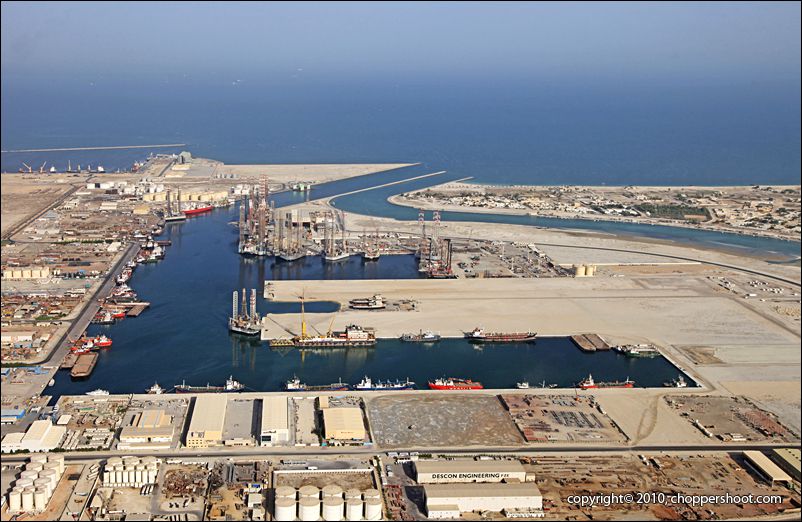
A large fire that erupted at the Al Hamriyah Port in Sharjah posed a significant threat before authorities managed to bring it under control. The blaze ignited in an area where highly flammable materials were stored, escalating the intensity and risk of the incident. Emergency responders acted swiftly to contain the flames and prevent further damage to the industrial site and surrounding facilities.

The fire broke out within one of the storage zones at the port, a critical hub for regional trade and industrial activity. Witnesses described thick plumes of black smoke billowing over the port, visible from several kilometres away. The presence of combustible materials accelerated the fire’s spread, creating a challenging environment for firefighting teams.

Sharjah Civil Defence mobilised a substantial response involving multiple fire engines, specialised foam units, and rescue personnel. The teams prioritised protecting adjacent warehouses and port infrastructure, which include goods vital to supply chains across the Gulf region. Coordinated efforts to establish firebreaks and deploy foam suppression techniques helped contain the blaze.

Industrial storage sites, particularly those housing chemicals, fuels, or other hazardous materials, require stringent safety protocols due to their vulnerability to fires. Officials confirmed that the site contained flammable substances, although exact details about the materials involved remain under review as investigations continue. No casualties were reported, highlighting the effectiveness of emergency evacuations and rapid intervention.

Al Hamriyah Port operates as a crucial gateway for maritime logistics in the United Arab Emirates, serving diverse industries from manufacturing to shipping. The port’s infrastructure includes dedicated zones for various types of cargo, with strict regulations governing storage and handling. The fire raised concerns about the adequacy of safety measures for hazardous materials at such industrial hubs, prompting calls for renewed safety audits.

Emergency services emphasised the importance of routine risk assessments and preparedness in industrial environments, especially where flammable and volatile substances are stored. Training, equipment readiness, and swift communication channels proved vital in managing the incident effectively. The fire’s containment prevented a wider catastrophe that could have disrupted port operations and caused economic losses.

Environmental experts are monitoring potential impacts on air quality due to the smoke and emissions generated by the fire. Initial air sampling indicated elevated levels of pollutants near the port perimeter, necessitating caution for nearby communities and workers. Authorities advised residents to avoid the area and remain indoors until conditions stabilised.

This incident underlines the challenges of managing industrial safety in complex logistics centres where multiple risk factors intersect. Ports like Al Hamriyah play an indispensable role in regional trade but require ongoing investment in infrastructure resilience and emergency response capabilities. Stakeholders are expected to review procedures and infrastructure to mitigate future risks.

The event also highlighted the coordination between various agencies, including civil defence, environmental authorities, and port management. Such collaboration is critical in ensuring a swift and effective response to emergencies. Lessons drawn from this fire will likely influence policies governing industrial storage and fire safety in the UAE and beyond.

Port operations resumed gradually after clearance was given by safety officials, with inspections conducted to assess structural integrity and contamination. Business continuity plans activated by port authorities facilitated minimal disruption to shipping schedules, reflecting the strategic importance of the facility.

VISHNU RAJA
RYO YAMADA
HITORI GOTOH
IKUYO KITA