News related to
beyond

Collaborative efforts between Veolia Energia Poznan and hosting provider Beyond.pl have launched a groundbreaking project aimed at recycling waste heat generated from data centers in Poznan, Poland. This partnership, marked by a signed letter of intent, seeks to channel thermal energy produced by Beyond.pl’s facilities into the city’s district heating network, effectively providing low-emission heating for local residents.

The initiative focuses on recovering heat from servers in Beyond.pl’s data centers, especially those powered by high-performance, AI-driven computing systems. It will incorporate advanced waste heat recovery technology utilizing industrial-grade heat pumps alongside high-density servers, facilitating the distribution of thermal energy suitable for integration into the district heating system. This innovative setup is projected to deliver thermal energy with a capacity of around 30 megawatts, primarily serving the southeastern area of Poznan.

Significantly, this project aims to reduce the city’s carbon footprint, with estimates indicating a potential decrease of approximately 52,500 tons of CO2 emissions annually and a reduction in water usage by around 76,500 cubic meters. By replacing fossil fuel sources with this waste heat, the initiative enhances energy security and sustainability for Poznan and its surroundings.

Luiz Hanania, CEO of Veolia Group in Poland, highlighted the alignment of this project with their GreenUp strategy, designed to promote decarbonization and improve quality of life through sustainable solutions. This approach underscores the company’s commitment to utilizing waste heat as a renewable energy resource, which contributes significantly to increasing the low-emission heating options in Poznan’s energy mix.

Beyond.pl, recognized as a leader in sustainable practices within the data center industry, has established its reputation by operating its facilities entirely on renewable energy. The data center located at Poznan’s campus, operational since 2016, has already been recycling waste heat for its office and logistics spaces, making this city-wide initiative a natural progression of its existing sustainability efforts.

BANGKOK, THAILAND – Media OutReach Newswire – 10 October 2024 – Siam Paragon reaffirms its positioning as a leading ‘global luxury destination’ and the top-of-mind destination for both Thai and international visitors. In collaboration with key partners in Thailand’s vibrant business ecosystem, Siam Paragon recently showcased the country’s boundless potential to be a world-class fashion hub with the highly-anticipated “Siam Paragon Bangkok International Fashion Week 2024” (BIFW2024). […]

LONDON, UNITED KINGDOM – Media OutReach Newswire – 10 October 2024 – ONYX Hospitality Group, Thailand’s premier hospitality management company specialising in the management of hotels, resorts, serviced apartments, and luxury residences, warmly invites guests to celebrate the 2024 holiday season with its Make Your Moments Merry special offers. Guests can enjoy exceptional discounts of up to 30% on unforgettable stays across its four distinctive brands: Amari, […]

Attackathons are innovative competitions designed to bolster cybersecurity by encouraging ethical hackers to identify vulnerabilities in software projects. These events facilitate a collaborative environment where whitehat hackers can showcase their skills and earn rewards while enhancing the overall security of digital platforms. Organized primarily by Immunefi in partnership with various blockchain projects, Attackathons typically unfold in three distinct phases: pre-event preparation, the main hacking event, and post-event […]

Abu Dhabi National Oil Company (ADNOC) is set to close its acquisition of a controlling stake in Fertiglobe, the joint venture it holds with Netherlands-based OCI N.V. Fertiglobe, a major player in the global nitrogen fertilizer market, produces ammonia and urea, two crucial components in agriculture and industrial applications. This strategic move will expand ADNOC’s influence in the fertilizer industry, positioning it as a significant global player […]

ADNOC L&S, the shipping and logistics arm of the Abu Dhabi National Oil Company (ADNOC), has signed a joint venture agreement to build two ammonia carriers valued at $250 million. This move marks a significant step in ADNOC’s growing role in the global energy transition and reflects the increasing demand for low-carbon fuel transport. The vessels, which will be used to transport blue ammonia, align with the company’s strategic objectives in clean energy, offering a glimpse into the future of shipping for energy companies worldwide.

The joint venture, formed between ADNOC L&S and the Norwegian shipping giant, Navig8, will oversee the construction of these ammonia carriers, marking an important development in the regional and international maritime landscape. This agreement signifies ADNOC’s intent to expand its green energy shipping capacity, positioning itself as a key player in the ammonia market as the world continues to shift towards cleaner energy solutions.

Blue ammonia, produced using natural gas where the resulting carbon emissions are captured and stored, has become a crucial part of ADNOC’s broader decarbonization strategy. Ammonia’s potential as a hydrogen carrier makes it a vital component in the global energy transition, and the demand for such low-carbon fuels has surged amid the drive toward net-zero emissions. These new vessels will meet international standards for transporting this form of ammonia and enhance ADNOC’s logistical capabilities, ensuring that the company can meet growing market demands.

The ships will be designed to transport ammonia safely over long distances and are expected to play a critical role in serving both regional and international markets. The ammonia trade is poised to grow, with several energy producers looking at ammonia not only as a fuel but also as a means of storing and transporting hydrogen, which is increasingly viewed as a key element in the decarbonization of heavy industries. With ADNOC’s growing emphasis on its low-carbon projects, the joint venture’s investment highlights the Middle East’s rising prominence in clean energy innovation.

This joint venture comes at a time when ADNOC is accelerating its investments in energy transition initiatives. The ammonia carriers will add to ADNOC’s existing fleet, which already plays a pivotal role in transporting various energy products, including crude oil, liquefied petroleum gas (LPG), and refined products. The company’s ongoing commitment to sustainable shipping is evident in its drive to incorporate low-carbon solutions within its broader fleet strategy.

The deal is also a milestone for Navig8, whose expertise in managing shipping assets and operations on a global scale complements ADNOC’s ambitions. Navig8 will bring its deep technical and operational expertise in the maritime sector, ensuring the successful delivery and management of the ammonia carriers. This collaboration aligns with the broader industry trend toward partnerships that bridge regional energy players with international logistics and shipping firms, furthering decarbonization efforts across supply chains.

Ammonia’s importance has been highlighted by both industry experts and governments, with many viewing it as a significant enabler in the global transition to a cleaner energy future. The International Energy Agency (IEA) has underscored ammonia’s potential, particularly in helping countries meet their climate goals by providing a versatile, storable fuel that can be used in various industries. The vessels being built under this agreement will serve a growing number of markets, enabling the secure and efficient delivery of low-carbon ammonia to key hubs around the world.

ADNOC’s investment in ammonia carriers coincides with a broader push within the company to diversify its portfolio beyond oil and gas. The company is exploring a range of clean energy initiatives, including renewable energy projects and carbon capture technologies. By investing in vessels that can transport ammonia, ADNOC is positioning itself to take advantage of the rising demand for green hydrogen and its derivatives, a market that is expected to grow exponentially over the next decade.

As the demand for cleaner energy sources increases, the global maritime industry has been under pressure to adapt to new regulations and fuel standards. The International Maritime Organization (IMO) has set ambitious targets to reduce carbon emissions from ships, pushing shipping companies to innovate and find new ways to meet these demands. The ammonia carriers being constructed through the ADNOC-Navig8 joint venture will not only support the energy industry’s needs but also contribute to the maritime sector’s efforts to lower its carbon footprint.

The vessels, scheduled for delivery by 2026, will operate under ADNOC’s clean energy logistics strategy, furthering the company’s capabilities in handling low-carbon fuels. This move signals ADNOC’s readiness to be at the forefront of the evolving global energy market, where clean fuel transport is becoming increasingly vital. The global transition toward decarbonized industries is gathering pace, and ADNOC’s latest joint venture is set to strengthen its foothold in the green fuel sector, positioning the company to meet the demands of both regional and global customers.


Emirates has officially launched its first retail outlet in Europe, the ‘Emirates World’ Travel Store, located on Cromwell Road in London’s South Kensington. This significant opening is part of the airline’s strategy to enhance customer engagement and expand its presence through a series of retail stores worldwide. The store aims to blend advanced technology with personalized service, reflecting a growing trend among airlines to create immersive customer experiences beyond traditional ticket sales.

The design of the new store highlights Emirates’ commitment to innovation and customer service. With interactive kiosks and knowledgeable staff, the store is intended to offer personalized travel consultations and an array of services, including flight bookings, travel packages, and exclusive merchandise. This move aligns with the broader shift in the travel industry, where airlines are increasingly investing in direct customer interaction points to provide tailored travel solutions.

Located in a bustling area known for its luxury shopping and proximity to cultural landmarks, the Emirates World Travel Store is expected to attract both local residents and tourists. The strategic choice of location underscores Emirates’ intention to engage with customers in a high-traffic area, enhancing visibility and accessibility. This first European store sets the stage for a planned rollout of 40 similar outlets globally, aiming to strengthen the airline’s brand presence in key markets.

Emirates has established itself as a leader in the airline industry, not just through its extensive flight network but also by prioritizing customer experience. The new store will offer various features, including a digital booking platform that allows customers to explore travel options and make reservations in a streamlined manner. The incorporation of smart technology is a response to the increasing demand for digital solutions in travel planning, allowing customers to engage with the brand in a modern and efficient way.

The launch of this store comes at a time when the airline industry is rebounding from the effects of the pandemic. Airlines worldwide are exploring innovative ways to adapt to shifting consumer behaviors and preferences, with a focus on enhancing customer experience. Emirates’ entry into retail is a strategic pivot, positioning the airline to better serve its customers while promoting its extensive travel offerings.

Experts in the travel and hospitality sector emphasize that this shift towards creating physical retail spaces is a significant trend in the industry. As airlines face heightened competition and evolving consumer expectations, establishing a tangible presence can foster brand loyalty and deepen customer relationships. The travel store concept allows Emirates to create a brand experience that engages customers in a personal manner, offering face-to-face interaction that is increasingly valued in a digital age.

The new Emirates World Travel Store is designed not just as a transactional space but as an immersive brand experience. It is expected to host events and workshops focused on travel advice, cultural experiences, and destination highlights, further engaging the community and enhancing brand affinity. Such initiatives are likely to attract a diverse customer base, from travel enthusiasts to families planning their vacations, positioning the airline as a holistic travel partner rather than merely a service provider.

As part of its global expansion strategy, Emirates has indicated that more stores will follow in key locations across various regions. This approach not only allows Emirates to extend its brand but also opens up new revenue streams, which is crucial in a post-pandemic landscape. The airline’s investment in physical retail outlets signifies a commitment to enhancing customer service and embracing the evolving dynamics of consumer engagement in the travel sector.

While the airline industry adapts to new challenges, including fluctuating travel demand and economic uncertainties, Emirates’ strategy to diversify its service offerings may provide a competitive advantage. By investing in customer engagement through innovative retail experiences, the airline can enhance customer loyalty and drive bookings, critical factors in sustaining growth in an increasingly competitive environment.

Advertisements

MACAU SAR – Media OutReach Newswire – 11 October 2024 – As the global higher education landscape continues to evolve, the University of Macau (UM) has launched a series of forward-thinking initiatives designed to cultivate world-class talent. These innovative programs, firmly aligned with the world’s top academic standards, aim to equip students with the skills and competencies essential for thriving in today’s increasingly interconnected world. Expanding Global […]

The launch of the Abu Dhabi Real Estate Centre (ADREC) signals a major push to attract more foreign direct investment (FDI) into the emirate’s growing real estate sector. Spearheaded by the Department of Municipalities and Transport (DMT), ADREC is tasked with promoting transparency, innovation, and operational efficiency, all while creating a more investor-friendly regulatory framework. The initiative underscores Abu Dhabi’s ambition to position itself as a global […]

Lunate, an investment entity based in the UAE, is actively considering a substantial investment estimated at $1 billion in HPS, a prominent credit management firm headquartered in Morocco. This strategic move reflects Lunate’s ambition to strengthen its foothold in the North African financial sector, specifically targeting opportunities in credit services and risk management. The potential partnership with HPS signifies a noteworthy shift as it aims to capitalize on the growing demand for financial services in the region.

Established in 2009, HPS has emerged as a key player in the payments and credit sectors across Africa and the Middle East. The firm specializes in offering payment solutions and software development for various financial institutions, including banks and telecommunications companies. HPS has experienced robust growth, bolstered by the increasing digitization of financial services and the rising need for efficient payment solutions. Its software products have gained traction among a diverse clientele, which includes major banks and businesses throughout the continent.

Lunate’s interest in HPS comes at a time when the credit and payments landscape in Africa is undergoing significant transformation. With the continent’s financial inclusion rates improving and digital payment adoption accelerating, the demand for innovative financial services is skyrocketing. This trend has attracted both regional and international investors, positioning firms like HPS to capture emerging market opportunities. Analysts believe that Lunate’s investment could potentially enhance HPS’s technological capabilities and expand its market reach, ultimately leading to increased profitability and growth.

Reports indicate that the negotiations between Lunate and HPS are in advanced stages, with both parties optimistic about the prospects of this collaboration. If finalized, this investment would not only provide HPS with additional capital for expansion but could also facilitate knowledge transfer and expertise sharing between the firms. Lunate’s strategic vision aligns with HPS’s growth objectives, creating a synergistic partnership aimed at maximizing value in the rapidly evolving financial landscape.

The backdrop of this potential investment is characterized by a wave of consolidation and investment activity within the African financial sector. With increasing competition from fintech startups and traditional financial institutions pivoting towards digital solutions, companies like HPS are under pressure to innovate continuously. Lunate’s entry into this market would signify a proactive approach to navigating these challenges, positioning HPS to remain competitive in a fast-changing environment.

Lunate’s decision to invest in HPS may signal its broader strategy to diversify its investment portfolio beyond traditional sectors. Historically, Lunate has focused on sectors such as real estate and technology, but this move into financial services underscores a strategic pivot towards high-growth sectors with substantial potential for returns. The firm’s leadership has expressed confidence in the African market’s potential, particularly in credit management and payment solutions.

As the investment landscape evolves, various key players are closely monitoring developments in the African credit market. International financial institutions and venture capitalists are increasingly interested in exploring opportunities across the continent, recognizing its untapped potential. This heightened interest has led to increased competition for investments, resulting in higher valuations for promising companies like HPS.

Analysts are keen to observe how this potential partnership between Lunate and HPS may impact the broader financial ecosystem in North Africa. A successful collaboration could pave the way for additional investments in the region, further enhancing its reputation as a burgeoning hub for financial innovation. The implications of such investments extend beyond individual companies, potentially driving industry standards and practices that could benefit consumers and businesses alike.

HPS’s recent advancements in payment technology, including the launch of new services aimed at improving transaction efficiency and security, have positioned it favorably to benefit from additional capital investment. These innovations not only address the growing demands of consumers but also align with regulatory expectations in the financial sector. As the landscape continues to evolve, companies that can adapt and innovate will likely emerge as leaders in their respective fields.

KUALA LUMPUR, MALAYSIA – Media OutReach Newswire – 10 October 2024 – Malaysia is advancing its role in global green leadership with the official launch of the International Greentech & Eco Products Exhibition & Conference Malaysia (IGEM) 2024, which aims to generate RM4.8 billion in business leads. Hosted at the Kuala Lumpur Convention Centre (KLCC), IGEM 2024 cements Malaysia’s commitment to a green economy as the country […]

Abu Dhabi-based Ghitha Holding, a subsidiary of the International Holding Company (IHC), is making strategic moves to strengthen its position in the food sector by acquiring a significant stake in International Food Industries (IFI) for $11 million. This transaction highlights the company’s ongoing commitment to expanding its portfolio, particularly in the food and agribusiness sectors.

Ghitha, which has consistently pursued high-growth opportunities in line with IHC’s overarching diversification strategy, is expected to leverage IFI’s established market presence and distribution networks across the UAE and beyond. The acquisition aligns with IHC’s broader vision to solidify its presence in sectors deemed critical to the region’s food security.

The acquisition of a stake in IFI is seen as a vital move for Ghitha, known for its investments across agriculture, food processing, and distribution. This deal further enhances Ghitha’s capabilities to scale its operations, allowing it to meet the increasing demand for food products in the region and establish a stronger foothold in local and regional food markets.

The food sector in the UAE is experiencing significant growth, driven by rising demand for sustainable food sources, population growth, and government initiatives aimed at food security. IHC has been particularly active in this area, with several recent investments in food, agriculture, and logistics to bolster the UAE’s supply chain resilience. Ghitha’s acquisition is in line with these goals, as the company aims to contribute to national food security efforts while expanding its revenue base.

This acquisition comes on the heels of IHC’s broader strategy of acquiring stakes in diverse industries such as healthcare, energy, and technology, making it one of the largest and most diversified holding companies in the region. The holding company, chaired by Sheikh Tahnoon bin Zayed Al Nahyan, has demonstrated a keen focus on scaling investments in key sectors that align with the UAE’s long-term growth strategy. IHC’s rapid rise in the global investment landscape has been fueled by both organic growth and aggressive acquisition strategies, with its subsidiaries, including Ghitha, playing a critical role in achieving this vision.

International Food Industries, a notable player in the region’s food manufacturing space, specializes in producing a wide range of food products that cater to consumer needs. With this acquisition, Ghitha is expected to introduce operational efficiencies and enhance the production capabilities of IFI, further cementing its position as a leader in the region’s food industry.

The acquisition of a stake in IFI also underscores Ghitha’s ambition to scale its food-related businesses in international markets. Given its history of successful partnerships and acquisitions, Ghitha is poised to utilize its resources and expertise to ensure that IFI continues to grow and compete on a global scale.

By reinforcing its presence in the food industry, Ghitha is aligning with the UAE government’s broader goals of ensuring food security, increasing local production, and reducing dependence on food imports. The investment is expected to drive innovation within IFI, supporting the development of new products and enhancing its distribution reach across the region.

Market analysts see the acquisition as a strategic move that will likely bolster Ghitha’s financial performance, adding to the holding company’s expanding revenue streams. This also serves as another indication of IHC’s growing influence in critical industries across the UAE and its commitment to supporting sectors that play a crucial role in the country’s economic future.

Gulf International Services (GIS), one of the largest oil and gas services providers in the region, is gearing up for a major financial move. The company has announced its decision to launch an initial public offering (IPO) for its subsidiary, Al Koot Insurance and Reinsurance Company, on the Qatar Stock Exchange. This development marks a significant step in GIS’s strategy to enhance its financial capabilities and expand its market presence.

Al Koot Insurance, a key player in Qatar’s insurance industry, provides a range of insurance and reinsurance solutions with a particular focus on the energy sector. It has become an essential part of GIS’s portfolio, reflecting the group’s efforts to diversify its business operations beyond its core oil and gas services. The IPO, once finalized, will transform Al Koot into a Qatari Public Shareholding Company, a move designed to improve liquidity and market visibility.

The decision to list Al Koot comes after thorough deliberations within GIS’s Board of Directors. The company aims to align with Qatar’s financial market regulations and the legal framework set by the Qatar Central Bank. The upcoming listing is subject to final approval by regulatory bodies, and GIS has confirmed that it will release further details after the completion of due diligence.

This IPO is anticipated to enhance Al Koot’s capital structure and allow it to tap into broader investment opportunities. It also comes amid a surge of IPO activity in the region, with several companies looking to raise capital through public offerings. Qatar’s stock market has been experiencing an uptrend, benefiting from high investor interest and a stable economic environment.

Gulf International Services’ move is seen as part of a larger trend of diversification in Qatar’s business sector. The country’s vision for economic growth, as outlined in the Qatar National Vision 2030, emphasizes the importance of reducing reliance on hydrocarbons and expanding into other industries. Al Koot’s IPO is expected to play a role in this diversification process, as insurance becomes increasingly vital in supporting various sectors of the economy.

GIS’s current financial standing is strong, with the company consistently posting solid earnings from its oil and gas services. However, diversifying through the financial markets will likely bolster its long-term growth prospects. Al Koot’s transformation into a publicly listed company could provide it with new opportunities to collaborate with international investors and expand its footprint beyond Qatar.

The announcement of the IPO has generated positive reactions from market analysts, who view it as a strategic move to capitalize on the growing demand for insurance services in the region. The insurance market in Qatar, particularly in the energy sector, is set to grow as the country continues to invest in infrastructure projects and prepare for the transition to a more diversified economy.

While the exact timeline for the IPO has yet to be confirmed, the announcement underscores GIS’s commitment to optimizing its business model and adapting to changing market conditions. The public offering will not only provide Al Koot with greater financial flexibility but will also enhance its governance structure, as public companies in Qatar are required to adhere to stringent reporting and transparency standards.

Donald Trump has pledged to eliminate income taxes for Americans residing overseas, a significant proposal aimed at attracting expatriates as he intensifies his campaign for the 2024 presidential election. This announcement aligns with a broader set of tax reforms Trump has advocated, positioning him as a candidate focused on reducing financial burdens for citizens living abroad. The proposal suggests that Americans who have established residency outside the […]

Ratan Tata, a stalwart in India’s corporate landscape and a key figure in elevating the Tata Group to international prominence, has passed away at the age of 86. His leadership was marked by significant transformations within the Tata Group, extending its reach across various sectors including steel, automotive, and technology, while also prioritizing philanthropic initiatives that enhanced the group’s societal contributions. Tata’s tenure as chairman began in […]

Jonathan Keyes has been appointed as the Head of Sustainable Finance for the Middle East by ING, the Dutch multinational banking and financial services corporation. This strategic move aligns with ING’s commitment to promoting sustainability and supporting clients in their transitions toward more sustainable business practices. Keyes, who previously held the position of Global Head of Sustainable Finance at the bank’s headquarters in Amsterdam, brings a wealth […]

QatarEnergy has finalized a significant 20-year naphtha supply agreement with Shell, marking a pivotal development in the global energy sector. The agreement, effective from April 2025, is set to deliver up to 18 million metric tons of naphtha to Shell’s operations, primarily supporting its petrochemical ventures. This deal underscores Qatar’s growing role as a key player in the global energy market, especially in petrochemical production, where naphtha is a vital feedstock.

The announcement was made by Saad al-Kaabi, the CEO of QatarEnergy and the state’s Minister of Energy. He emphasized the importance of this agreement, stating it represents QatarEnergy’s first long-term naphtha sales contract of such duration. Al-Kaabi highlighted the collaboration as part of a broader strategy to leverage Qatar’s vast energy resources, particularly from the North Field, the world’s largest natural gas field, shared with Iran and known as the South Pars gas field in Iran.

The strategic partnership between QatarEnergy and Shell is not new; it has been built over several years through joint ventures and investments in liquefied natural gas (LNG) projects, including the Pearl GTL (Gas-to-Liquids) facility, which is a significant project in Qatar’s energy landscape. The two companies are committed to further collaboration in various energy sectors, enhancing their capabilities in energy production and distribution.

As global energy demands continue to evolve, the deal also reflects the shifting dynamics in the petrochemical industry, where companies are increasingly focused on securing long-term supply contracts to stabilize their operations. Naphtha, derived from crude oil, serves as a critical raw material in producing various chemicals and plastics. The agreement with Shell positions Qatar as a reliable supplier in a market that is grappling with fluctuating energy prices and geopolitical uncertainties.

The significance of this deal extends beyond immediate commercial interests. It aligns with Qatar’s broader vision to diversify its economy and expand its influence in the global energy landscape. By solidifying such long-term contracts, QatarEnergy aims to enhance its competitive edge, ensuring a steady revenue stream while contributing to the stability of global energy supplies.

Industry experts view this agreement as a testament to Qatar’s strategic foresight in recognizing the importance of long-term partnerships in a sector that is increasingly volatile. The collaboration not only strengthens Qatar’s energy export capabilities but also reinforces Shell’s operational efficiency as it seeks to maintain its leadership position in the petrochemical market.

As global energy policies shift towards sustainability, this agreement is also anticipated to play a role in transitioning to more sustainable energy sources. QatarEnergy has been proactive in exploring cleaner energy alternatives and investing in technologies that reduce carbon emissions, reflecting a commitment to environmental stewardship.

By K Raveendran It was vintage Modi on Tuesday night all the way. The prime minister’s victory speech after the BJP success in Haryana sounded as if he had won a convincing national election. And he said everything he had apparently planned to say after the 2024 Lok Sabha elections, but could not due to […]


Ryan Salame, the former co-CEO of FTX Digital Markets, has commenced his 7.5-year prison sentence as a result of his role in the collapse of the FTX cryptocurrency exchange. His sentencing on October 11 follows a guilty plea in September to charges related to campaign finance violations and operating an unlicensed money transmitting business, adding another chapter to the saga that has seen multiple executives from the […]

Duos Edge AI has formed a strategic partnership with Accu-Tech to enhance the deployment of edge computing infrastructure across the United States. This collaboration aims to streamline the integration of edge solutions into various sectors, significantly improving data processing capabilities and latency for businesses relying on real-time data analytics. Edge computing has emerged as a crucial component in the digital transformation of organizations, enabling them to process […]

A significant investment agreement has been reached between the Public Investment Fund (PIF) of Saudi Arabia and Central Group, a leading Thai retail and property conglomerate, aimed at bolstering the Selfridges Group’s market position. This partnership, revealed by both entities, marks a strategic move to enhance the group’s retail and property development capabilities, ensuring its resilience in a rapidly evolving market landscape.

The transaction is poised to solidify Selfridges Group’s status within the luxury retail sector. The partnership between PIF and Central Group is projected to provide the necessary financial backing for various initiatives, including enhancing the brand’s e-commerce offerings and expanding its physical footprint across key markets. These developments come as luxury retail brands increasingly seek to adapt to changing consumer behaviors, particularly in light of the pandemic’s long-term impacts.

Selfridges, a well-known name in the luxury department store market, has faced challenges stemming from shifts in shopping habits, particularly a surge in online shopping. The investment from PIF, a sovereign wealth fund with significant resources, combined with Central Group’s retail expertise, positions Selfridges Group to better compete against both traditional rivals and online platforms. This collaboration is seen as an avenue to navigate these challenges while fostering innovation.

Key players in the retail sector have noted that this investment aligns with broader trends in the market where partnerships between traditional retailers and financial investors are becoming increasingly common. The infusion of capital from PIF, coupled with Central Group’s extensive experience in retail operations, will enable Selfridges Group to streamline its supply chain and enhance customer experience both online and in-store. The commitment to enhancing digital capabilities is particularly critical, as brands strive to create seamless shopping experiences for consumers who are now more accustomed to online transactions.

Analysts suggest that the strategic alliance could lead to an expansion of the Selfridges brand beyond its traditional boundaries. Central Group, which has a robust portfolio of retail operations in Thailand and other regions, brings a wealth of knowledge about consumer preferences and market dynamics. This expertise could facilitate the entry of Selfridges into new markets, leveraging Central Group’s established networks and distribution channels.

The agreement has garnered attention not just for its financial implications but also for its potential impact on the luxury retail landscape. As competition intensifies, particularly from digital-native brands and international luxury players, established brands like Selfridges must evolve to maintain relevance. The backing from PIF and Central Group is expected to drive innovation and adaptation strategies, including enhancing sustainability initiatives that resonate with the growing eco-conscious consumer base.

Experts in the field have noted that this investment represents a proactive approach to growth in an industry marked by uncertainty. The luxury retail sector has seen a shift toward sustainability, personalization, and technological integration, prompting brands to rethink their strategies. Selfridges Group’s focus on improving e-commerce capabilities is part of a broader industry trend where digital sales channels are no longer supplementary but central to retail success. The new investment will facilitate the necessary technological upgrades to meet these changing demands.

This deal could serve as a precedent for future investments in the luxury retail sector. It reflects a growing recognition among investors of the potential profitability of well-established retail brands that can successfully adapt to new market conditions. The collaborative effort between PIF and Central Group illustrates how financial institutions can play a critical role in supporting the transformation of traditional retail businesses.

While the financial specifics of the deal have not been publicly disclosed, it is widely acknowledged that both parties aim to maximize returns on their investment through careful strategic planning. The partnership is expected to unfold in stages, with initial focus areas likely including refurbishing existing stores, expanding product offerings, and enhancing the overall shopping experience.

The evolution of Selfridges Group under this new investment is anticipated to be closely watched by industry observers, particularly as the luxury retail sector navigates the complexities of a post-pandemic world. Retail experts are keen to see how effectively the company integrates technological advancements while retaining the unique brand identity that has made Selfridges a staple in luxury shopping.

By Sushil Kutty The Bharatiya Janata Party lost the Jammu & Kashmir assembly elections. The National Conference-Congress alliance romped home victorious. National Conference president Farooq Abdullah announced Omar Abdullah will be the next Chief Minister. The Valley had voted enormously for the NC-Congress alliance. Almost as if there’s no tomorrow. Jammu’s Hindus gave the BJP […]

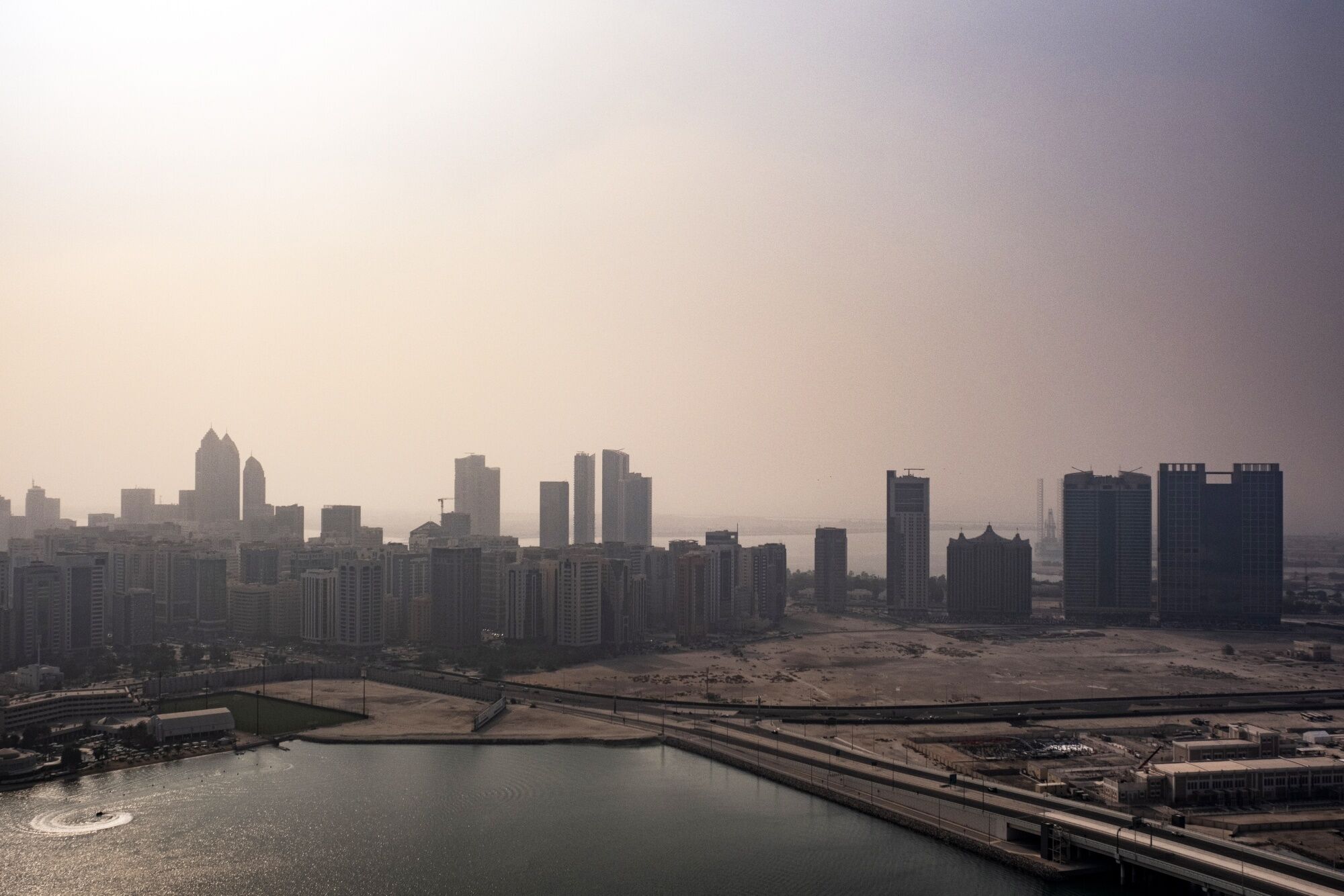
Abu Dhabi has emerged as the wealthiest city globally, boasting sovereign wealth funds (SWFs) that collectively manage assets worth $1.7 trillion. This ranking highlights the city’s financial significance and positions it as a critical player on the world stage.

The analysis, conducted by various financial institutions, underscores Abu Dhabi’s SWFs, including the Abu Dhabi Investment Authority (ADIA) and Mubadala Investment Company. These entities have strategically diversified their investments across sectors such as technology, infrastructure, healthcare, and renewable energy, driving substantial returns. As of this year, the ADIA alone manages assets estimated at over $700 billion, positioning it as one of the largest SWFs globally.

A crucial aspect of Abu Dhabi’s financial success stems from its oil and gas revenues, which have historically fueled the growth of these funds. The emirate has effectively transformed its natural resource wealth into a broad-based investment strategy, allowing it to capitalize on opportunities beyond hydrocarbons. Investments in international markets and partnerships with global firms have further diversified its portfolio and reduced dependency on oil revenues.

The financial environment in Abu Dhabi benefits from robust government support and a commitment to enhancing the investment climate. Initiatives to attract foreign direct investment (FDI) have played a vital role in expanding the emirate’s economic landscape. The introduction of new laws and reforms aimed at easing business operations, coupled with free trade zones, has made Abu Dhabi an appealing destination for global investors.

Recent developments indicate that the UAE, led by Abu Dhabi, is keen on positioning itself as a center for financial technology (fintech). The government has launched various initiatives to promote innovation in the financial sector, attracting startups and established companies to the region. These initiatives are expected to create a vibrant ecosystem that enhances the emirate’s economic resilience.

While Abu Dhabi’s wealth continues to grow, it faces challenges common to cities reliant on large-scale investments. The ongoing global shift towards sustainable investments and green energy poses both risks and opportunities. Abu Dhabi is already taking proactive measures to address these changes, with investments in renewable energy projects such as the Mohammed bin Rashid Al Maktoum Solar Park and the Barakah Nuclear Energy Plant.

Another key player in Abu Dhabi’s economic landscape is the Abu Dhabi Global Market (ADGM), an international financial center that has garnered attention for its regulatory framework and ease of doing business. ADGM has attracted numerous global financial institutions and fintech firms, enhancing the emirate’s reputation as a financial hub. This growth is evidenced by a significant increase in the number of registered entities within ADGM, reflecting the appeal of Abu Dhabi as a business destination.

The global economic climate, characterized by inflationary pressures and geopolitical uncertainties, also influences investment strategies in Abu Dhabi. Financial analysts note that the emirate’s diversified approach mitigates risks associated with market volatility. Its emphasis on long-term investments and sustainable growth positions Abu Dhabi favorably compared to cities that may rely heavily on cyclical industries.

Abu Dhabi’s wealth is not just confined to financial markets. The emirate has invested heavily in cultural and social projects aimed at enhancing quality of life and promoting tourism. Initiatives such as the Louvre Abu Dhabi and the Guggenheim Museum project exemplify the city’s commitment to fostering a rich cultural scene, making it an attractive destination for visitors and expatriates alike.

As global economies navigate the complexities of post-pandemic recovery, Abu Dhabi’s status as the world’s richest city reinforces its position as a resilient and adaptive financial center. The emirate’s strategic investments and commitment to innovation and sustainability ensure that it remains a focal point for wealth generation and investment opportunities.

The ranking of Abu Dhabi as the wealthiest city underscores not only its financial prowess but also the broader trends shaping global wealth distribution. As sovereign wealth funds gain prominence in the investment landscape, cities like Abu Dhabi exemplify how strategic asset management can lead to sustainable economic growth.

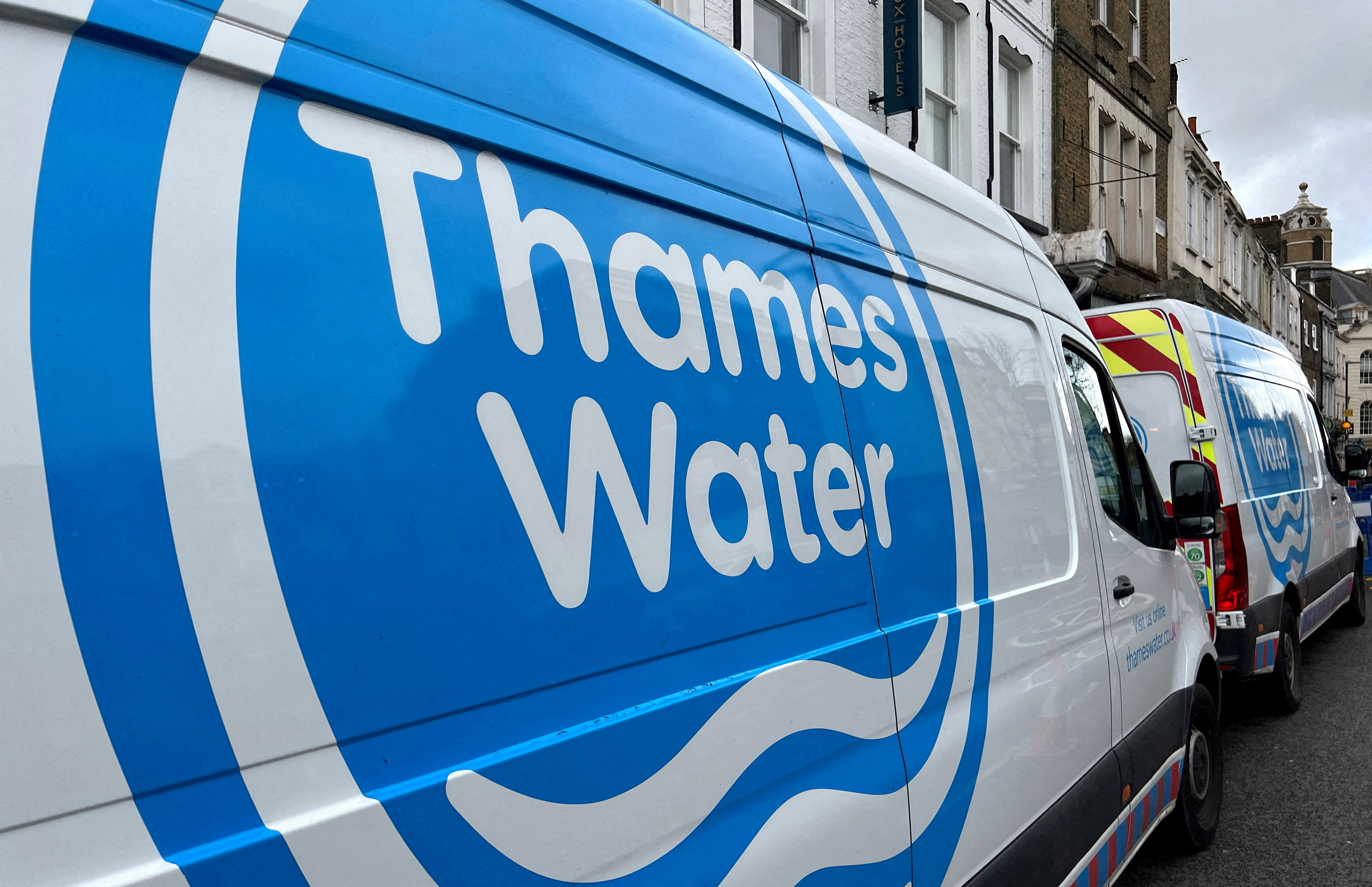
Abu Dhabi’s Mubadala Investment Company has made a significant move by writing off its 9.9% stake in Thames Water, marking a pivotal moment for both the investment firm and the struggling utility company. This decision comes in the wake of ongoing financial challenges faced by Thames Water, which has been grappling with a mountain of debt and regulatory scrutiny. The write-off not only reflects the declining confidence in Thames Water’s ability to stabilize but also signals broader implications for the UK water sector and foreign investments in troubled utilities.

Thames Water has been under immense pressure due to its high debt levels, currently estimated at £14 billion. The company has faced criticism from regulators and consumers alike over service delivery and environmental concerns, particularly regarding wastewater management and pollution incidents. Its challenges have been exacerbated by rising operational costs and inflationary pressures, prompting calls for urgent reform within the water sector.

Mubadala’s decision to write down its investment follows a series of operational setbacks and a regulatory inquiry that scrutinized Thames Water’s financial practices. This scrutiny intensified after the utility failed to adequately address issues related to infrastructure maintenance and environmental compliance. In light of these pressures, Thames Water’s management has sought to reassure stakeholders by promising improved governance and financial management practices. However, the effectiveness of these measures remains uncertain.

The ramifications of Mubadala’s exit extend beyond Thames Water. This move raises questions about the attractiveness of the UK water sector to foreign investors, particularly in light of the challenges facing utilities across the country. Investors may now be more cautious, weighing the risks associated with high debt and regulatory compliance against the potential for returns. The shift may lead to a reassessment of investment strategies and expectations within the sector.

In response to mounting criticism, Thames Water has initiated a restructuring plan aimed at stabilizing its operations and restoring investor confidence. The company announced a strategy focused on enhancing service delivery, reducing costs, and addressing long-standing infrastructure issues. However, the effectiveness of this plan will largely depend on its execution and the company’s ability to adapt to the shifting regulatory landscape.

The broader UK water industry is facing calls for reform, with numerous stakeholders advocating for increased government oversight and accountability. The government has been urged to explore options for restructuring utilities to ensure long-term sustainability and protect consumer interests. In this context, Thames Water’s struggles may serve as a case study for how not to navigate the complexities of the utility market.

Thames Water’s plight has also attracted the attention of environmental advocacy groups, which have long criticized the utility for its track record on pollution and environmental stewardship. These groups argue that significant reform is necessary to ensure that water companies prioritize sustainable practices and invest in modern infrastructure. The scrutiny faced by Thames Water could prompt regulators to take a harder stance on compliance and accountability, potentially leading to more stringent regulations for all water companies.

The ongoing dialogue about water quality and supply in the UK has been brought to the forefront by the challenges facing Thames Water. As climate change continues to exert pressure on water resources, the need for sustainable management practices has never been more urgent. The intersection of financial stability and environmental responsibility is likely to be a key focus area for regulators and investors alike.

Despite these challenges, there is potential for positive change within the sector. The UK government has recognized the importance of maintaining a resilient water infrastructure, and discussions around investment in green technology and sustainable practices are gaining traction. If successfully implemented, these initiatives could provide a pathway for utilities to recover and adapt to emerging challenges, transforming the landscape of the water sector.

Mubadala’s decision to exit its stake in Thames Water serves as a stark reminder of the vulnerabilities present within the utility sector. As stakeholders assess the implications of this write-off, the focus will inevitably shift toward the future of Thames Water and the broader water industry. The need for transparency, accountability, and sustainable practices will remain at the forefront of discussions as regulators and investors seek to navigate an increasingly complex environment.

VISHNU RAJA
RYO YAMADA
HITORI GOTOH
IKUYO KITA