News related to
beyond

HONG KONG SAR – Media OutReach Newswire – 16 January 2025 – To attract high-yield visitors to Hong Kong, the Hong Kong Tourism Board (HKTB) constantly promotes the development of Meetings, Incentives, Conventions and Exhibitions (MICE) tourism through elevating business travellers’ experience in Hong Kong, reinforcing the city’s position as the “World’s Meeting Place”. In line with this mission, and with the vision of the newly released […]

ADNOC Gas is exploring innovative technologies aimed at transforming methane into graphene and hydrogen, positioning itself at the forefront of energy sector innovation. This breakthrough approach could redefine the future of energy production, reduce carbon emissions, and open new possibilities for the use of natural gas. The new technology being investigated by ADNOC Gas, part of the state-owned Abu Dhabi National Oil Company (ADNOC), represents a significant […]

SHENZHEN, CHINA – Media OutReach Newswire – 16 January 2025 – OPPO today announced 17-year-old Spanish football prodigy, Lamine Yamal, as its global brand ambassador. In his new role, Yamal will play a pivotal part in OPPO’s “Make Your Moment” brand refresh initiative, working with OPPO to inspire more young people worldwide to seize the present, channel their passion into action, and create their own extraordinary stories […]

With alcohol sales in both the U.S. and China experiencing a decline, global spirits giants Diageo and Pernod Ricard are shifting their focus to the South Asian market, specifically targeting a new generation of drinkers. Both companies, recognized for their premium brands such as Johnnie Walker, Guinness, and Chivas Regal, have identified India and neighboring countries as pivotal in their plans for growth. This region, with its expanding middle class and evolving consumer behavior, presents an untapped opportunity to offset the challenges they face in more established markets.

In the U.S., consumption of alcohol has been on a downward trajectory for years, as changing social attitudes and concerns about health have altered traditional drinking habits. A similar trend is observed in China, where alcohol consumption has slowed amid an economic downturn and increasing government pressure against excessive drinking. The shift in consumer preferences in these regions has led Diageo and Pernod Ricard to recalibrate their strategies and focus more heavily on markets with burgeoning potential.

India, in particular, stands out as a key market for these companies, with its large, young population and rising disposable income. A growing number of millennials and Generation Z consumers are becoming more interested in Western-style alcoholic beverages, which has spurred the development of tailored marketing campaigns. Diageo and Pernod Ricard are not only aiming to introduce their premium brands but also creating a cultural shift toward drinking in social settings and a higher acceptance of international alcoholic beverages.

While the alcohol market in India is still highly regulated, with state-level restrictions and varying taxes across regions, the demand for spirits, especially whisky, is substantial. Whisky remains the preferred alcoholic drink in the country, and international brands have found a niche within this preference. Both Diageo and Pernod Ricard have been ramping up their investments in the subcontinent, focusing on establishing a foothold in India’s rapidly growing urban centers.

Pernod Ricard, for example, has introduced a wide range of products tailored to local tastes while maintaining the global appeal of its brands. The company’s strategy has been to offer products at different price points, allowing them to target both the premium and mass markets. Similarly, Diageo’s Johnnie Walker has launched region-specific campaigns that cater to India’s burgeoning demand for luxury spirits while also targeting younger drinkers through social media platforms.

One of the biggest advantages for both companies is the growing number of young consumers who are eager to experiment with new tastes and experiences. This demographic is highly active on digital platforms, where global trends in fashion, food, and drink have a quicker impact. Social media marketing has proven effective in India, with influencers and brand ambassadors reaching millions of consumers daily. Diageo and Pernod Ricard have capitalized on this trend, using digital media to promote their products and tap into the aspirational mindset of Indian youth.

In addition to traditional retail outlets, the rise of e-commerce in India has provided another channel for alcohol sales. Platforms such as Amazon and local players like BigBasket now offer alcohol delivery in select regions, expanding the accessibility of international spirits. The availability of premium alcohol through these channels aligns with a shift in consumption patterns, where convenience is as important as quality. With more consumers preferring to shop online, Diageo and Pernod Ricard are ensuring their products are visible and accessible in the digital marketplace.

While the potential in India is significant, it comes with its challenges. Cultural norms around drinking vary widely across the country, and alcohol consumption is still taboo in some communities. Moreover, navigating the labyrinth of state-imposed regulations presents an ongoing hurdle for both Diageo and Pernod Ricard. The two companies have had to collaborate with local distributors and build relationships with regional governments to ensure that their products meet regulatory standards and can be sold across the diverse Indian market.

Beyond India, the broader South Asian market, which includes countries like Pakistan, Bangladesh, and Sri Lanka, also holds promise for growth. However, these nations present their own unique set of challenges. In Pakistan, for instance, where alcohol is heavily restricted, the market for foreign spirits is limited to the non-Muslim population and expatriates. Nevertheless, these markets are still considered important in the long-term strategy of Diageo and Pernod Ricard as they seek to diversify their consumer base.

To further boost their presence, both companies are also exploring opportunities in the craft beverage sector. Craft spirits have been gaining traction in urban areas in India and other parts of South Asia, where consumers are looking for unique and locally inspired flavors. Diageo’s push into craft gin and local distillery partnerships is part of a broader strategy to cater to the growing interest in premium and artisanal drinks. Pernod Ricard has followed suit by promoting craft options and expanding its portfolio to include Indian-made liquors, creating products that blend traditional flavors with modern drinking preferences.

Abu Dhabi’s Emirates Nuclear Energy Corporation (ENEC) is strategically expanding its footprint in the global nuclear power industry, aiming to become a significant player in energy markets beyond the UAE. The initiative comes at a time when the world is focusing on achieving carbon-neutral goals and ensuring sustainable energy solutions. ENEC’s pursuit of global growth underscores the UAE’s ambition to diversify its energy sources and establish itself as a leader in clean energy technologies.

ENEC, founded in 2009, has made considerable strides in the UAE’s nuclear power sector, with the Barakah Nuclear Energy Plant being the centerpiece of its operations. The plant, located in the Al Dhafra region, is the first nuclear power plant in the Arab world, with four reactors now operational. The successful implementation of Barakah has positioned ENEC as a model for nuclear energy projects in the Middle East and has given it the confidence to pursue expansion into international markets.

One of the key drivers behind ENEC’s global ambitions is its desire to capitalize on growing global demand for low-carbon energy solutions. As countries strive to meet their climate goals, there is an increasing emphasis on nuclear energy as a reliable and scalable option for reducing greenhouse gas emissions. The International Atomic Energy Agency (IAEA) has reported a steady rise in interest in nuclear power projects worldwide, especially in Asia and Europe, where governments are pushing for clean energy investments.

The UAE’s commitment to carbon neutrality by 2050 has propelled ENEC’s expansion plans. Nuclear energy, which is free from carbon emissions during its generation phase, aligns with the country’s goal of reducing reliance on fossil fuels. By expanding its nuclear operations globally, ENEC is not only seeking to help other nations achieve their climate objectives but also to strengthen the UAE’s geopolitical standing as a leader in energy innovation.

ENEC’s global ambitions are supported by the robust technological expertise it has developed over the years. The company has already partnered with international firms and organizations to develop state-of-the-art nuclear power technologies. One of the most notable partnerships is with Korea Electric Power Corporation (KEPCO), which has provided engineering and design expertise for the Barakah plant. This collaboration has enhanced ENEC’s capacity to build and operate nuclear power plants efficiently, making the company well-positioned to expand its presence abroad.

ENEC’s strategy to pursue international nuclear energy ventures is multifaceted. The company is looking at countries with high energy demands and those committed to reducing their carbon footprints. In particular, ENEC is eyeing markets in Asia, Europe, and parts of Africa, where energy infrastructure is rapidly developing, and nuclear power is seen as a critical part of the energy mix.

In Asia, where the demand for electricity continues to grow, nuclear power is gaining traction as a solution to meet the surging energy needs while curbing emissions. Countries like India, China, and South Korea are already investing heavily in nuclear energy projects, and ENEC’s experience and expertise make it an attractive partner for these nations. Additionally, ENEC has expressed interest in the potential of expanding its influence in Eastern Europe, where countries such as Ukraine and Poland are looking to diversify their energy sources in the face of rising energy security concerns.

ENEC’s drive for global expansion is not limited to providing nuclear plants; the company is also looking to position itself as a comprehensive energy services provider. This includes offering nuclear safety consultancy, training services for operating nuclear plants, and contributing to the development of nuclear infrastructure in emerging economies. ENEC’s efforts to enhance its global standing go hand in hand with its long-term commitment to developing nuclear energy that adheres to the highest international safety standards.

While ENEC’s expansion plans are ambitious, they come with challenges. Nuclear energy, while growing in demand, still faces significant scrutiny due to concerns about safety, waste management, and the long-term environmental impact. Despite the rigorous safety standards that ENEC follows, including compliance with the highest regulatory protocols from the UAE’s nuclear authorities, the company will need to work proactively to address public concerns about nuclear energy’s potential risks. Furthermore, the costs associated with nuclear power plants, including construction, decommissioning, and waste disposal, remain high, which could be a deterrent for some countries exploring nuclear options.

Nevertheless, ENEC’s management believes that the long-term benefits of nuclear power far outweigh these concerns. By promoting nuclear energy as a key component of a diversified energy strategy, ENEC hopes to help countries reduce their reliance on fossil fuels, stabilize energy prices, and enhance energy security. Nuclear power, with its capacity for reliable, large-scale energy generation, can complement renewable sources like wind and solar, ensuring a balanced energy grid that is capable of meeting the needs of an evolving global market.

JAKARTA, INDONESIA – Media OutReach Newswire – 14 January 2025 – Global technology solutions provider Arrow Electronics has entered into a memorandum of understanding (MoU) with Asosiasi Startup for Industry Indonesia (STARFINDO). This collaboration is designed to bolster tech startups within Indonesia’s ecosystem. Arrow Electronics Teams Up with Asosiasi Startup for Industry Indonesia to Support Tech Startups Through this collaboration, startups will gain access to cutting-edge electronics […]

Dubai’s real estate market, renowned for its rapid expansion and high returns, is encountering signs of strain as it grapples with unprecedented growth and emerging challenges. The city has experienced a significant surge in property prices, with forecasts indicating an 8% increase in 2025, driven by a shortage of housing supply.

In the third quarter of 2024, Dubai recorded 47,269 property transactions, the highest quarterly figure on record, marking a 41.8% increase compared to the same period in 2023. This surge has led to a 19.9% rise in property prices year-over-year.

Despite the robust demand, the market is facing a significant supply shortage. Knight Frank estimates that approximately 300,000 homes are expected to be built in Dubai between now and the end of 2029, with apartments accounting for 80.1% of the supply and villas making up 17.4%. However, only 8,900 new villas are anticipated by the end of 2024, and an additional 19,700 by the end of 2025, indicating a persistent villa shortage.

This supply-demand imbalance is contributing to rising property prices. Faisal Durrani, Partner and Head of Research for MENA at Knight Frank, noted that house prices in Dubai continue to be fueled by relentless demand, with prices in the mainstream market climbing by 4.3% in the third quarter, taking city-wide prices up by 19.9% compared to the same time last year.

The luxury segment is also experiencing significant growth. Properties valued over $1 million now account for 18.1% of all sales, up from 6.3% in 2020. This trend underscores Dubai’s appeal to high-net-worth individuals seeking premium real estate options.

Looking ahead, industry experts anticipate a moderation in price increases. Farooq Syed, CEO of Springfield Properties, forecasts residential prices to rise between 5% and 10% in 2025, driven by robust demand for off-plan properties. He emphasized that Dubai’s ability to balance rapid expansion with policies prioritizing market stability and long-term value creation will continue to position it as a leader in global real estate.

However, the market’s rapid growth has also led to concerns about affordability and sustainability. The limited availability of sites across key locations is contributing to rising prices for off-plan homes, while stock in the secondary market is experiencing significant price growth, especially where older homes have been refurbished.

The influx of international buyers is influencing the market dynamics. The opening of international schools in Dubai has accompanied significant house-price inflation, as developers create housing projects aimed at affluent families seeking quality education for their children. This trend has notably increased property prices in areas with international schools, as seen in regions such as Brittany, Marbella, Portugal, the south of France, and Switzerland.

In response to the growing demand for luxury properties, developers are undertaking significant projects. For instance, the Trump Organization, in partnership with Saudi real estate company Dar Global, is set to develop Trump-branded properties in Dubai. These ventures include a $4 billion project in Oman and a Trump Tower in Dubai, featuring a hotel and residential units, set to launch next year.


The luxury market is also attracting high-profile individuals. Soccer star Neymar recently purchased a $54.45 million penthouse in Dubai’s Bugatti Residences, underscoring the city’s appeal to affluent buyers.

Despite the challenges, Dubai’s real estate market remains resilient, supported by strategic government reforms, robust foreign investment, and a diversified economic landscape extending beyond oil. The city’s strong infrastructure and investor-friendly policies continue to attract both residents and high-net-worth individuals, positioning Dubai as a preferred destination for long-term investment.

However, the market’s rapid growth has also led to concerns about affordability and sustainability. The limited availability of sites across key locations is contributing to rising prices for off-plan homes, while stock in the secondary market is experiencing significant price growth, especially where older homes have been refurbished.

The influx of international buyers is influencing the market dynamics. The opening of international schools in Dubai has accompanied significant house-price inflation, as developers create housing projects aimed at affluent families seeking quality education for their children. This trend has notably increased property prices in areas with international schools, as seen in regions such as Brittany, Marbella, Portugal, the south of France, and Switzerland.

In response to the growing demand for luxury properties, developers are undertaking significant projects. For instance, the Trump Organization, in partnership with Saudi real estate company Dar Global, is set to develop Trump-branded properties in Dubai. These ventures include a $4 billion project in Oman and a Trump Tower in Dubai, featuring a hotel and residential units, set to launch next year.

Advertisements
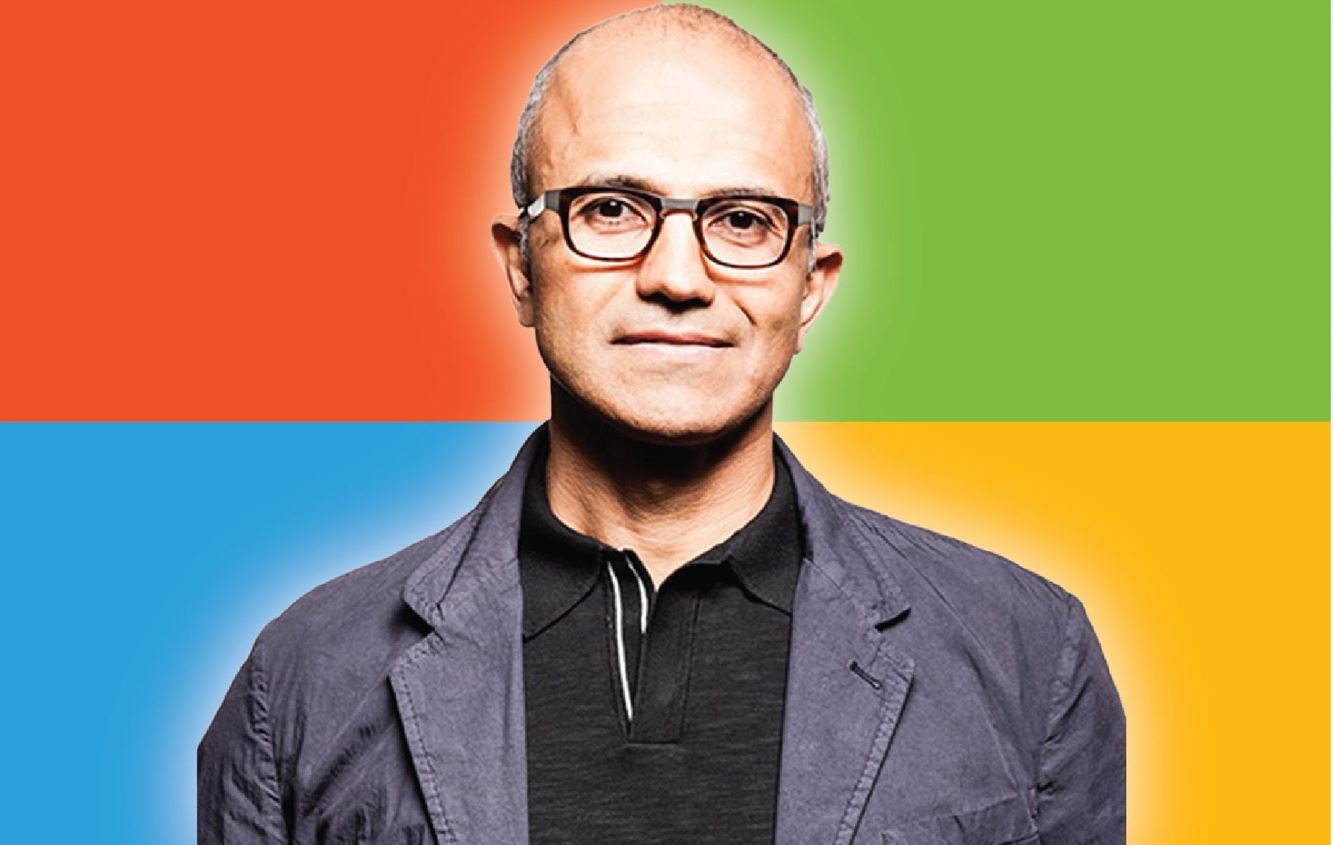
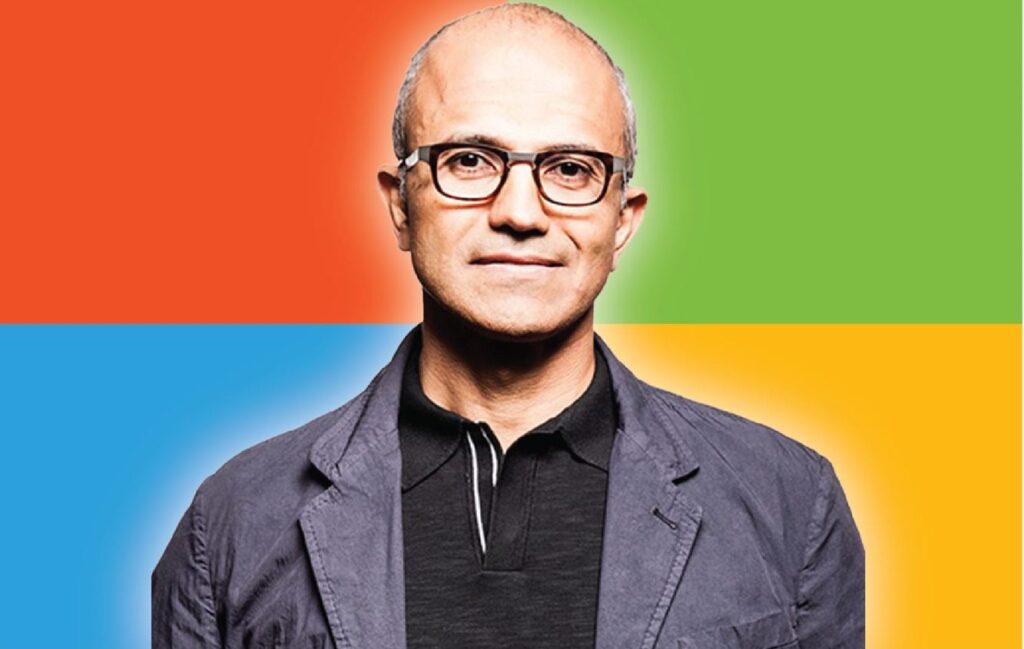
By K Raveendran Microsoft’s deepening engagement with India is both a strategic imperative and a reflection of its renewed focus on emerging technologies under the leadership of Satya Nadella. Nadella’s connection to India goes beyond his heritage; his initiatives underscore a profound appreciation for the country’s pivotal role in shaping the future of technology. As […]

A Clinically-Proven Solution for Better Sleep Amid Rising Insomnia Rates in Hong Kong HONG KONG SAR – Media OutReach Newswire – 8 January 2025 – Chemill Pharma Ltd., an innovative health technologies company, is proud to announce the launch of SnoozZ, a unique fast-acting sleep formula designed to address growing problem of poor sleep. With a commitment to providing effective healthcare solutions, Chemill Pharma aims to help […]

PHNOM PENH, CAMBODIA – Media OutReach Newswire – 8 January 2025 – Prince Foundation welcomed 10 Nanyang Technological University (NTU) students from Singapore for a three-week program focused on expanding education access and entrepreneurship mentoring in Cambodia. NTU students return to Cambodia to develop innovative solutions for advancing education and entrepreneurship in underserved communities. The students, participating in the NTU PEAK ASEAN Program, conducted field research and […]

NCKUH embraces digitization, revolutionizing patient care through technology TAIPEI, TAIWAN – Media OutReach Newswire – 8 January 2025 – Smart hospitals are at the forefront of a global transformation in healthcare, integrating advanced technologies to improve patient outcomes, enhance operational efficiency, and reduce costs. By leveraging innovations such as artificial intelligence, wearable devices, telehealth services, and big data analytics, smart hospitals are addressing critical challenges in the […]

BANGKOK, THAILAND – Media OutReach Newswire – 8 January 2025 – This Chinese New Year, global visitors to Bangkok can look forward to an unforgettable celebration as the city’s most iconic destinations come alive with grand festivities under the theme “A Prosperous Chinese New Year 2025.” From January 28 to February 2, 2025, travelers from around the world are invited to immerse themselves in a unique multicultural […]

Newly Launched “Trading and Hedging” Solutions to Empower Businesses with FX Trading, Hedging Strategies and Products SINGAPORE – Media OutReach Newswire – 9 January 2025 – SUNRATE, the global payment and treasury management platform, kickstarts the new year by introducing new treasury solutions – “trading and hedging” for businesses worldwide. These solutions are launched through Sunrate Markets Pte. Ltd., which holds a Capital Markets Services (CMS) licence […]

By Dr. Gyan Pathak Delhi elections has clearly shown that the opposition INDIA bloc has now become a dilapidated house in which the walls and pillars are falling apart. Saying two of its allies – Congress and Aam Aadmi Party (AAP) has broken away, will be an understatement, since the Congress is not only trying […]


As India becomes the world’s fastest growing major diamond jewellery market, industry leaders De Beers Group and GJEPC will collaborate to support the gem and jewellery trade with education and promotional assets to support the natural diamond narrative MUMBAI, INDIA – Media OutReach Newswire – 9 January 2025 – De Beers Group, the world’s leading diamond company, and the Gem & Jewellery Export Promotion Council (GJEPC), India’s […]

Actively Pursuing Vast Opportunities in GreenTech and AI in Southeast Asia HONG KONG SAR – Media OutReach Newswire – 9 January 2025 – The Hong Kong Science and Technology Parks Corporation (HKSTP) participated in the “Think Business, Think Hong Kong” promotional event organised by the Hong Kong Trade Development Council in Jakarta, Indonesia, on 8 January. During the event, HKSTP highlighted innovative green technologies and artificial intelligence […]

“SME ESG Charter” 2024 enhanced brand image and expanded business opportunities for participating SMEs HONG KONG SAR – Media OutReach Newswire – 9 January 2025 – Close to 90% of small and medium enterprises (“SMEs”) participating in the SME ESG Charter 2024 (“ESG Charter 2024”) have acknowledged that they have benefited from enhanced brand image, reflecting the significance of the ESG Charter 2024 jointly launched by Dah […]

Saudi Arabia’s Public Investment Fund (PIF) has made a significant investment of $200 million into the first globally listed exchange-traded fund (ETF) based in the Kingdom. The strategic move aims to bolster Saudi Arabia’s ambitions of diversifying its economy beyond oil and positioning the nation as a key player in global financial markets. This infusion of capital marks a notable step in the PIF’s growing efforts to […]

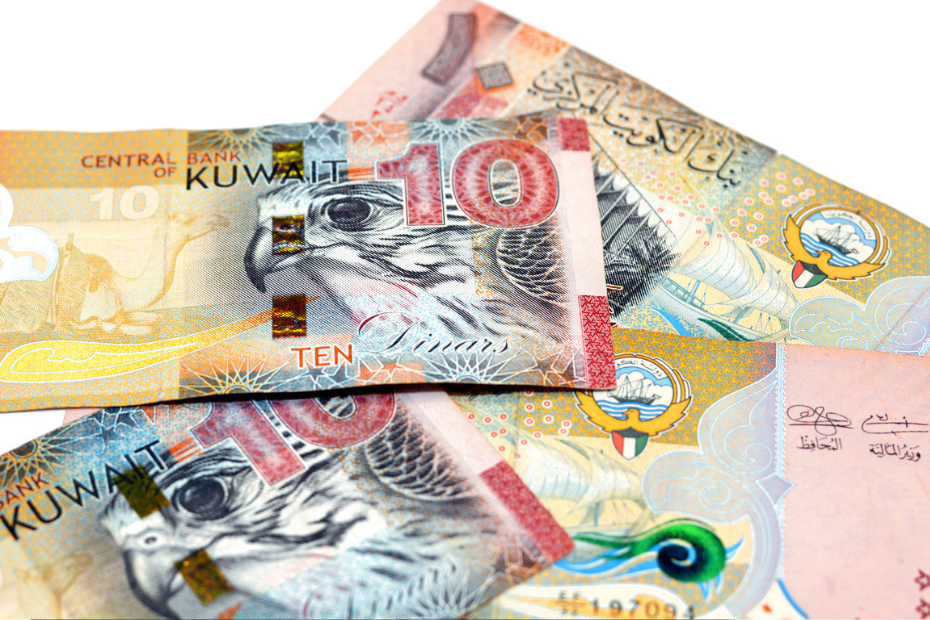
Kuwait’s Warba Bank has entered into a significant agreement to acquire a nearly 33% stake in Gulf Bank, marking a major development in the country’s banking sector. The move is seen as part of Warba’s strategy to enhance its market position and diversify its portfolio in an increasingly competitive financial environment.

Under the terms of the deal, Warba Bank will purchase a substantial portion of Gulf Bank’s shares, subject to regulatory approval. The acquisition is expected to provide Warba with increased influence over Gulf Bank’s operations, while also bolstering its financial strength and expanding its customer base.

The decision to acquire a stake in Gulf Bank is part of a broader trend in the Gulf Cooperation Council (GCC) region, where financial institutions are increasingly consolidating and forming strategic alliances to strengthen their market presence. Kuwait’s banking sector, in particular, has witnessed a series of mergers and acquisitions in recent years as institutions seek to increase efficiency and adaptability amidst changing economic conditions.

Gulf Bank, established in 1960, has long been one of the prominent players in Kuwait’s banking landscape. It has earned a reputation for its diverse range of services, which include retail banking, corporate banking, and investment solutions. The bank’s solid financial standing and track record of growth make it an attractive partner for Warba, which has been aggressively pursuing expansion opportunities since its establishment in 2010.

For Warba Bank, the acquisition represents a significant step toward achieving its long-term growth objectives. The bank has positioned itself as a major player in Kuwait’s financial sector, with a focus on innovation and digital banking solutions. Warba’s leadership sees the Gulf Bank acquisition as a key opportunity to expand its footprint and increase its market share, particularly in the retail and corporate banking segments.

Experts in the financial sector have pointed out that this acquisition will likely create a more formidable competitor within Kuwait’s banking market. Warba Bank, which has steadily gained market recognition for its commitment to technology and customer service, stands to benefit from Gulf Bank’s established brand and network. Additionally, Gulf Bank’s extensive branch network will provide Warba with access to new customer segments, particularly in the corporate banking sector, where Gulf Bank has a strong presence.

The merger is also seen as a response to the evolving economic climate in the Gulf region. As the region continues to recover from the effects of the global pandemic and fluctuating oil prices, financial institutions are seeking to solidify their positions by strengthening their balance sheets and diversifying their service offerings. This strategic acquisition allows Warba to better position itself to weather future economic uncertainties while capitalizing on new growth opportunities.

While the acquisition is expected to be beneficial for both banks, it does not come without challenges. One of the primary hurdles will be aligning the corporate cultures and operational frameworks of Warba and Gulf Bank, both of which have distinct organizational structures. Integrating the two institutions will require careful management, particularly in terms of consolidating resources, aligning business strategies, and retaining key talent from both sides.

Regulatory approval will also play a crucial role in determining the success of the acquisition. The Kuwait Central Bank (CBK) will need to assess the potential impact of the merger on competition in the local market, as well as ensure that both banks comply with the relevant financial regulations. Given the size and significance of the deal, industry observers expect a thorough review process before the deal can proceed.

The acquisition is expected to be a positive move for Kuwait’s banking sector overall, signaling confidence in the country’s financial stability and the resilience of its banking institutions. Analysts believe that this deal could pave the way for further consolidation within the sector, as other banks look for opportunities to enhance their competitive edge in the face of an evolving market landscape.

Warba Bank’s decision to acquire a stake in Gulf Bank also highlights the growing importance of strategic partnerships in the GCC’s banking industry. In a region where banks are increasingly focusing on digital transformation and the expansion of financial services, partnerships and acquisitions allow institutions to rapidly scale and access new technologies and markets.

The broader implications of the deal could extend beyond Kuwait, with the possibility of similar acquisitions and partnerships taking place across the GCC region. As Gulf economies continue to diversify away from oil dependency, financial institutions are expected to play a key role in supporting the development of new industries and sectors. For Warba Bank, the acquisition of Gulf Bank provides an opportunity to be at the forefront of this shift, positioning itself as a leading financial institution in a rapidly changing economic environment.

Andrey Rogachev provides insights into the dynamics of Dubai as the regional design and architectural hub. Investor and strategic management expert Andrey Rogachev discusses the role of international partnerships in the UAE, using the example of the exclusive representation of the German premium construction paint brand Profitec. in an interview with Arabian Post, he shares insights on how industry leaders are driving nearby markets forward to take […]

Growth strategy: medium-term sales potential of more than € 300 million Growth drivers in the core business: packaging, digital printing Software and lifecycle business Industrial business: focus on further expansion 175 years: the company has been shaping the printing industry for decades with technological innovations, quality and reliability Numerous anniversary activities throughout the year HEIDELBERG, GERMANY – Newsaktuell – 8 January 2025 – Heidelberger Druckmaschinen AG (HEIDELBERG) […]

By K Raveendran As we enter 2025, the accelerating proliferation of artificial intelligence (AI) is poised to reshape the global landscape in ways akin to the transformational impact the internet had in the late 20th century. Within the first few days of the year, AI-driven technology stocks have seen substantial surges, with shares of major […]


The government of Sharjah has made a strategic decision to transfer a 20% stake in Invest Bank to a sovereign security fund. This transaction signals a pivotal shift in the emirate’s banking sector, with potential implications for the financial landscape. The move underscores Sharjah’s commitment to bolstering its financial stability and growth prospects. Invest Bank, a key player in the UAE’s banking sector, has seen substantial developments […]

The Abu Dhabi National Oil Company (ADNOC) is poised for significant expansion in global markets, with its CFO, Alvaro Silva, indicating that this growth could play a crucial role in boosting the development of the company’s drilling units. The state-owned oil giant, one of the largest and most profitable energy firms globally, is concentrating on increasing its international footprint as part of a broader strategy to diversify […]

VISHNU RAJA
RYO YAMADA
HITORI GOTOH
IKUYO KITA