News related to
beyond

Cologix, a leading provider of network-neutral interconnection and hyperscale edge data centers across North America, has announced a $7 billion investment to build an advanced AI-ready data center campus in Central Ohio. This major development marks a significant step toward enhancing the region’s digital infrastructure, catering to the rising demand for high-performance computing needed by artificial intelligence (AI) technologies.

The company plans to establish the expansive campus near Johnstown, Ohio, strategically positioning it within the region’s burgeoning tech ecosystem. The decision to invest in this project comes at a time when the demand for AI services, cloud computing, and data storage is reaching unprecedented levels. According to Cologix, the facility will be designed to meet the growing needs of businesses operating at the forefront of digital transformation, including AI-driven enterprises.

A key element of the investment will be the development of state-of-the-art data center facilities capable of handling vast amounts of computational power. The campus will feature cutting-edge infrastructure, including high-density compute facilities, advanced cooling solutions, and secure power systems to support AI applications. As AI technologies demand more robust and efficient computing resources, the facility is expected to become a vital component of the region’s technological landscape.

Cologix’s decision to choose Central Ohio as the site for its new AI-ready data center campus comes amidst a broader push by the state to foster its tech industry. The Ohio government has been actively working to attract technology investments, with initiatives aimed at developing infrastructure to support the evolving needs of the digital economy. Cologix’s project aligns with these efforts, positioning Ohio as a key player in the nation’s rapidly expanding tech ecosystem.

The new facility will cater to the needs of a wide range of industries, from cloud service providers to content delivery networks and enterprise customers who are increasingly adopting AI solutions. This includes the growing demand for infrastructure that can support machine learning, large-scale data processing, and the development of sophisticated AI models. The move also supports the broader trend of tech companies seeking to establish AI-optimized environments to accelerate their research and development efforts.

The data center campus will be designed with scalability in mind, allowing for rapid expansion as demand for AI infrastructure continues to rise. This forward-thinking approach is particularly important in the context of AI’s rapid evolution, which requires facilities that can accommodate new technological advancements and the increasing computational requirements of AI models. Cologix’s investment is seen as a response to these trends, signaling the company’s commitment to providing cutting-edge infrastructure for AI-driven enterprises.

The Ohio campus is also expected to bring significant economic benefits to the local community. The development of the data center will create thousands of construction jobs in the short term, followed by long-term employment opportunities once the facility is operational. The presence of a major tech infrastructure hub in the region could also spur additional investments in the local economy, particularly in related sectors such as telecommunications, cybersecurity, and AI research.

Cologix has been expanding its presence across North America, with a focus on providing interconnection services that enable seamless communication between networks, cloud platforms, and other digital infrastructure. The company’s data centers are known for their reliability, security, and scalability, making them ideal for hosting AI applications that demand high levels of performance and uptime.

AI is increasingly seen as a transformative force across industries, driving innovations in healthcare, finance, logistics, and beyond. As businesses continue to integrate AI into their operations, the need for specialized data center facilities that can support these technologies will only grow. Cologix’s investment in Ohio reflects this demand, positioning the company as a key player in the development of AI-optimized infrastructure.

The $7 billion investment also reflects Cologix’s commitment to sustainability, with the company emphasizing its plans to incorporate green energy solutions and environmentally friendly practices into the design and operation of the new data center. This commitment to sustainability aligns with broader trends in the tech industry, where companies are under increasing pressure to reduce their environmental impact while maintaining the high levels of performance required by AI applications.


Highlights of FY24/25 Half-Year Results Group sales US$1,854 million – down 4% compared to first half of the prior financial year Gross profit US$438 million or 23.6% of sales (compared to US$430 million or 22.2% of sales in the first half of the prior financial year) Adjusted EBITA US$177 million or 9.5% of sales (compared to US$180 million or 9.3% of sales in the first half of […]

The European Central Bank (ECB) has issued a stark warning regarding the growing risks of sovereign debt within the eurozone. The institution expressed concern that markets could face disruptions similar to the debt crisis of the 2010s, with potential knock-on effects across global financial systems. In a recent assessment, the ECB pointed to rising government borrowing, weakening fiscal positions, and the economic strain from ongoing geopolitical tensions as significant factors amplifying these vulnerabilities.

The warning follows a series of alarming signals from key eurozone countries. Italy, France, and Spain, in particular, have seen their debt-to-GDP ratios soar, raising doubts about their ability to manage growing liabilities. These countries, among the eurozone’s largest economies, have faced increased fiscal pressures due to high public spending and sluggish economic growth, especially in light of the prolonged impacts of the COVID-19 pandemic and the energy crisis exacerbated by the war in Ukraine.

The ECB highlighted that while some nations have made strides in managing debt, the overall trajectory of government borrowing across the region remains unsustainable. The European Commission has set a 60% debt-to-GDP threshold as part of its fiscal rules, but most member states are far beyond this target, with Italy’s ratio hovering around 150%, Spain’s near 120%, and France’s above 110%. These figures suggest a significant challenge to the region’s economic stability, with policymakers struggling to implement effective measures that balance debt reduction with stimulating economic growth.

As government borrowing continues to rise, the ECB cautioned that markets could once again face a series of challenges akin to those seen during the sovereign debt crisis. During that period, fears over the solvency of key eurozone countries, particularly Greece, sent shockwaves through European and global financial markets. The situation led to a series of bailout packages and austerity measures that had profound social and economic consequences.

The ECB also noted that the current economic climate, with high inflation and uncertain energy prices, further complicates the ability of governments to implement effective fiscal policies. With interest rates rising across the board, borrowing costs for governments are increasing, making it more difficult to service existing debt while funding new public spending. The ECB’s own policies have been focused on curbing inflation, but the unintended consequence could be exacerbating the sovereign debt burden, especially for countries already on the financial edge.

One critical element of the ECB’s warning centers around the evolving relationship between fiscal and monetary policy. In the wake of the 2010s crisis, the ECB implemented unconventional monetary policies, including large-scale asset purchases and negative interest rates, to support struggling economies. However, with inflation reaching multi-decade highs in the eurozone, the central bank has pivoted towards tightening its monetary stance. The delicate balance between maintaining financial stability and addressing inflationary pressures presents a growing challenge for policymakers, with potential repercussions for sovereign debt markets.

Another aspect of the warning involves the broader global economic environment. The ECB emphasized that the interconnected nature of the global economy means that any destabilizing shocks in the eurozone could ripple through international markets. The ongoing energy crisis, driven by the war in Ukraine, has already led to significant increases in energy prices, placing further pressure on already strained budgets. Additionally, the broader global economic slowdown, compounded by rising interest rates in major economies such as the United States, could affect demand for European exports, limiting growth opportunities for countries within the eurozone.

While the ECB has stressed that it is committed to safeguarding the financial stability of the eurozone, the institution faces a complex array of challenges. The central bank has already signaled its intention to act if market conditions deteriorate, but its capacity to intervene effectively is limited by the sheer scale of sovereign debt across the region. If major eurozone economies, such as Italy or Spain, were to face a crisis of confidence, the ECB’s ability to contain the fallout could be tested.

The warning comes at a time when governments across the eurozone are grappling with the dual challenges of fiscal consolidation and promoting economic growth. With the looming threat of a debt crisis, the need for comprehensive structural reforms has never been more urgent. However, the political complexities involved in implementing such reforms, especially in countries with high levels of public debt, make it unlikely that significant progress will be made in the short term.

Lada, the iconic Russian automaker, has made its entry into the UAE market, offering residents the chance to test drive and place orders for its vehicles. Through its official distributor in the UAE, the Russian brand is now showcasing a variety of models, including the Granta Sedan, Vesta SW Cross, Niva Legend, and Niva Travel, which are available for purchase and direct engagement by potential buyers in […]

Nvidia, the dominant force in the AI revolution, and its growth trajectory continues to outshine even the most optimistic projections. As the company prepares to release its Q3 FY2024 results, investors are not merely asking if Nvidia can sustain its extraordinary momentum—they are pondering just how much further it can climb. After all, it has already surpassed a $3.5 trillion market cap and delivered revenue growth at […]

Kyndryl, a global leader in IT infrastructure services, has introduced a specialized AI private cloud in Japan, marking a significant step in accelerating AI adoption across various industries. This innovative cloud platform is designed to provide businesses with robust, scalable, and secure infrastructure to deploy artificial intelligence applications, positioning Kyndryl at the forefront of Japan’s rapidly expanding AI market. The AI private cloud aims to address the […]

Global technology provider Gcore and Saudi-based Ezditek have forged a partnership to establish a state-of-the-art AI factory in Saudi Arabia. This collaboration underscores the country’s ambitions to position itself as a key player in the artificial intelligence (AI) industry, accelerating its technological development while reinforcing its global presence in the digital sphere.

The AI factory will serve as a major hub for the research, development, and deployment of advanced AI solutions tailored to diverse sectors, including healthcare, energy, and finance. By leveraging cutting-edge technologies and expertise from both companies, the initiative is set to drive innovation in Saudi Arabia’s rapidly evolving tech landscape.

The venture is poised to create a ripple effect across the region, contributing to Saudi Arabia’s Vision 2030, a broad initiative aimed at diversifying its economy away from oil dependency and establishing the Kingdom as a leader in various sectors, including technology. With the establishment of this AI factory, the nation seeks to solidify its role in the growing global AI market, estimated to be worth over $1 trillion by 2030.

Gcore’s reputation as a global technology provider specializing in cloud infrastructure and AI services positions the company as a pivotal force in shaping the digital future of Saudi Arabia. Its partnership with Ezditek, a prominent player in Saudi Arabia’s digital transformation sector, ensures the successful integration of world-class AI tools and platforms into the local market.

This collaboration marks a significant step in Saudi Arabia’s efforts to become a hub for innovation, not just regionally, but on the global stage. The AI factory is expected to foster partnerships with both regional and international firms, allowing for the exchange of knowledge, research, and technological advancements. By collaborating with local businesses and academic institutions, Gcore and Ezditek aim to cultivate a robust ecosystem that supports both local talent and global experts.

The project has already begun to attract attention from international investors and technology giants looking to tap into the rapidly expanding AI sector in Saudi Arabia. The Kingdom’s strategic location, combined with its vision for the future, has made it an attractive destination for technology companies looking to establish a foothold in the Middle East. The factory will serve as an incubator for AI startups and entrepreneurs, providing them with the tools and resources needed to innovate and thrive in a competitive global marketplace.

Local authorities have hailed the partnership as a crucial milestone in Saudi Arabia’s quest to become a global tech powerhouse. With a growing demand for AI-driven solutions across industries, the Kingdom’s investment in such infrastructure will likely spur further growth in the technology sector, creating new opportunities for skilled professionals and fostering the development of homegrown AI solutions.

The AI factory will not only focus on developing AI technology but will also play a key role in addressing the growing need for AI talent in Saudi Arabia and the wider Middle East. The project will prioritize the training and development of a new generation of AI experts, offering specialized educational programs and internships designed to equip the region’s workforce with the necessary skills to succeed in the digital economy. This talent development initiative is in line with Saudi Arabia’s broader goal of creating a knowledge-based economy that can compete on the global stage.

The collaboration between Gcore and Ezditek comes at a time when Saudi Arabia is expanding its digital infrastructure and investing heavily in emerging technologies. The government has made significant strides in digitalization, evidenced by the establishment of the National Data Management Office and the Digital Government Authority, both of which are tasked with driving the Kingdom’s digital transformation agenda.

The AI factory is expected to complement these efforts by introducing advanced AI systems capable of optimizing processes across various industries, including logistics, manufacturing, and telecommunications. By incorporating AI into these sectors, Saudi Arabia aims to improve efficiency, reduce costs, and enhance the overall productivity of its economy.

This venture also reflects the increasing role of artificial intelligence in shaping the future of global economies. With its vast potential to drive economic growth, AI is increasingly being seen as a critical component of national strategies for innovation and competitiveness. Saudi Arabia’s investment in AI infrastructure signals the Kingdom’s intent to be at the forefront of this technological revolution, positioning itself as a leader in the AI space in the Middle East and beyond.

As part of the collaboration, Gcore and Ezditek will focus on delivering AI-driven solutions that can tackle some of the region’s most pressing challenges, such as energy optimization, water management, and smart city development. These solutions align with the Kingdom’s commitment to sustainability, as AI technologies can significantly enhance the efficiency of resource usage, helping Saudi Arabia achieve its environmental goals while supporting economic growth.

While the AI factory is still in the early stages of development, the partnership between Gcore and Ezditek has generated significant excitement among tech industry leaders and analysts. The venture is seen as a game-changer for Saudi Arabia’s AI capabilities, potentially setting the stage for the Kingdom to become a global leader in AI innovation and application.

Advertisements

The MOU will establish the Security Technology Experience Centre (STEC), a dedicated hub for delivering training and upskilling initiatives to security professionals SINGAPORE – Media OutReach Newswire – 20 November 2024 – Canon Singapore (Canon Singapore Pte. Ltd.) today announced a strategic partnership with Temasek Polytechnic to advance the professional development of security personnel in Singapore. The Memorandum of Understanding (MOU), signed between both parties and witnessed […]

OPPO enhances ColorOS 15 with Google’s leading AI capabilities ColorOS 15 will include the Google Gemini app and Circle to Search with Google on OPPO devices SHENZHEN, CHINA – Media OutReach Newswire – 19 November 2024 – OPPO is bringing advanced AI experiences, Google Gemini, and Circle to Search with Google, to its upcoming ColorOS 15. “With ColorOS, our goal has always been to create an easy-to-use, […]

Supported by the Ministry of Education, Faber-Castell’s Score A annual programme continues to revolutionize education, inspiring students nationwide through creative learning techniques and inclusive opportunities. The Score A workshops saw a record-breaking three-year high in participation, reaching 6,714 teachers and 20,854 creative notetaking entries from students across Malaysia. This year, Faber-Castell introduces the Educator’s Elite League, a new initiative with 322 participating teachers at present, to measure […]

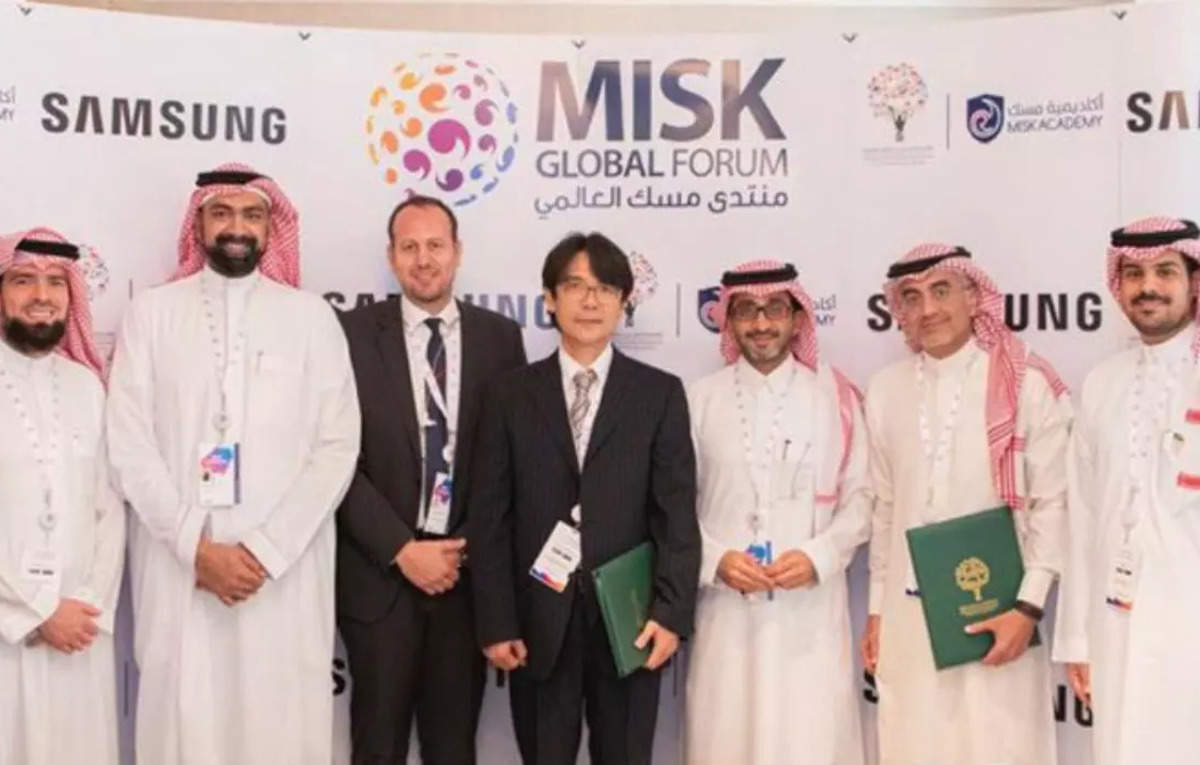
Misk City has entered into a strategic partnership with Samsung Electronics Saudi Arabia to promote advancements in smart city technologies, sustainability, and youth empowerment. The collaboration was formalized through a memorandum of understanding (MoU) and is poised to drive innovation in the Misk City ecosystem, a groundbreaking nonprofit urban initiative. This agreement marks a significant step in the city’s commitment to becoming a hub for technology, education, and sustainable development.

Misk City, named after the Saudi crown prince’s charitable foundation, is the first non-profit city of its kind in the world. It aims to create a self-sustaining urban environment where technology and innovation play a central role in shaping society’s future. The partnership with Samsung, a global leader in consumer electronics and technology solutions, will enable Misk City to leverage cutting-edge technologies and solutions to enhance the quality of life for its residents and visitors.

The key areas outlined in the MoU focus on smart city infrastructure, including the integration of advanced IoT (Internet of Things) systems, AI-driven solutions, and digital services that will improve urban management and energy efficiency. This collaboration will explore various applications of Samsung’s technology, including smart buildings, transportation, and environmental monitoring systems. Additionally, the agreement highlights initiatives aimed at fostering a sustainable urban ecosystem, aligning with Misk City’s goals of environmental stewardship and reducing carbon emissions.

Beyond technology, the partnership also aims to empower the youth by providing access to educational programs and professional development opportunities. Samsung’s extensive experience in digital learning and innovation will contribute to the creation of training platforms, workshops, and incubators within Misk City, designed to cultivate a new generation of skilled professionals in fields such as artificial intelligence, robotics, and renewable energy.

The agreement reflects a broader trend within Saudi Arabia to invest in innovation-driven urban development. Misk City’s model, which combines sustainability with cutting-edge technology, is in line with the country’s Vision 2030, which seeks to diversify the economy and reduce its dependency on oil. By positioning itself at the intersection of technology and social development, Misk City aims to be a key player in the kingdom’s push for economic transformation.

Samsung’s role in this project highlights the company’s ongoing commitment to supporting smart city projects globally. The company’s innovative solutions, such as 5G networks, smart appliances, and digital signage, will be integrated into Misk City’s infrastructure. These advancements will allow for greater connectivity and efficiency, furthering the city’s mission to provide a seamless, high-tech living environment.

Misk City’s collaboration with Samsung also provides an opportunity to explore advancements in sustainability. With global attention on climate change and environmental conservation, the partnership will focus on implementing sustainable energy solutions such as solar power, waste management, and water conservation technologies. This move aligns with Misk City’s vision of creating a green, eco-friendly urban space that is self-sustaining and energy-efficient.

The strategic importance of the partnership extends beyond technology and sustainability. It also underscores the growing importance of public-private collaborations in shaping the future of cities. As the world shifts toward a more interconnected, technology-driven future, the synergy between Misk City and Samsung represents a model for how urban development can be reimagined to meet the challenges of the 21st century.

The partnership is expected to play a pivotal role in positioning Misk City as a global leader in innovation and sustainability. By harnessing Samsung’s technological expertise and aligning it with the city’s long-term goals, Misk City will be able to provide a living laboratory for emerging technologies and urban planning strategies. This collaboration is not only a key milestone in Misk City’s development but also a significant contribution to Saudi Arabia’s broader efforts to redefine urbanization in a way that is sustainable, tech-driven, and inclusive.

The MoU was signed in a ceremony attended by senior executives from both Samsung and Misk City, with discussions centered on how the partnership can evolve over the coming years. Both parties expressed their commitment to the partnership and emphasized the importance of collaboration in realizing the ambitious goals set for Misk City.

As travelers prioritize sustainability in a post-pandemic world, Vietnamese resorts are adapting. One leader in this trend is Vinpearl, a major resort chain in Vietnam committed to both environmental responsibility and guest satisfaction. HANOI, VIETNAM – Media OutReach Newswire – 19 November 2024 – As the world moves on from the pandemic, its effects continue to linger, particularly in the travel and hospitality industry. One significant impact […]

10 Singapore Companies to be Assessed for the Inaugural Influential Brands Sustainability Awards in March 2025 SINGAPORE – Media OutReach Newswire – 19 November 2024 – Global ESG Monitor (GEM), a Think Tank for Corporate Sustainability, provides analysed, scored and comparable sustainability reporting data across 70 industries based on the latest reporting periods. Influential Brands is Asia’s premier platform for celebrating business excellence whilst Mileage Communications is […]

Emirates NBD has successfully issued a $500 million five-year sustainability-linked loan bond, underscoring its commitment to sustainable finance and reinforcing its position in the growing green investment space. The move is part of the bank’s broader strategy to integrate environmental, social, and governance (ESG) factors into its financial products and services. This marks a significant milestone for the bank as it strengthens its sustainability efforts, aiming to meet its green targets while tapping into the rising demand for green bonds among investors.

The loan bond was issued at a fixed coupon rate of 4.5% and will mature in 2029. It is linked to the bank’s ambitious sustainability goals, which include reducing its carbon footprint and aligning its portfolio with the principles of the Paris Agreement. The bond issuance represents a broader trend in the financial sector, where sustainability-linked instruments have become increasingly popular among institutions seeking to demonstrate their commitment to ESG principles.

Emirates NBD’s new bond issuance is expected to support various sustainability projects, particularly in areas like renewable energy, sustainable infrastructure, and green technology. This is in line with the UAE’s broader national objectives to achieve net-zero carbon emissions by 2050 and to transition to a more sustainable economy. With climate change emerging as a global challenge, banks like Emirates NBD are strategically positioning themselves to support projects that align with global environmental goals.

The issuance received strong demand from international investors, reflecting the growing appetite for sustainable investment opportunities. Analysts highlight that sustainability-linked bonds, which tie financing to a company’s environmental performance, are becoming an attractive alternative to traditional debt instruments. They offer companies an incentive to meet specific sustainability targets, which can improve their financial and environmental performance over time.

Experts argue that sustainability-linked bonds have become a key mechanism for banks and corporations to fund their sustainability strategies while also improving their long-term credibility and reputation in the market. By linking financial performance to environmental targets, these bonds offer a more flexible and impactful way for companies to demonstrate their commitment to the environment.

Emirates NBD has stated that the proceeds from the bond will be used for financing and refinancing sustainability initiatives within the bank’s existing portfolio. This aligns with the financial sector’s broader push to integrate ESG metrics into core business activities. Additionally, the bank intends to use the bond proceeds to further enhance its sustainable finance offerings, as well as to continue supporting environmentally and socially responsible projects across various sectors.

The bank has been at the forefront of promoting sustainable finance in the region, having already issued multiple green bonds in previous years. These bonds, along with the new sustainability-linked loan bond, contribute to the bank’s goal of becoming a leader in green financing in the Middle East. The UAE’s financial institutions, led by major players like Emirates NBD, are expected to play a pivotal role in shaping the region’s green economy, particularly as global investors look to place their funds into markets that prioritize sustainability.

This new issuance also highlights the evolving dynamics of the financial markets, where investors are becoming increasingly discerning about the ESG credentials of the entities they invest in. Global trends show that institutional investors, including pension funds and sovereign wealth funds, are placing a premium on ESG-compliant investments. This is creating new opportunities for financial institutions that can offer sustainable products, further incentivizing banks like Emirates NBD to accelerate their green financing initiatives.

Emirates NBD’s sustainability efforts are also being aligned with the global transition to net-zero emissions. As part of its ongoing sustainability initiatives, the bank has committed to cutting its own carbon emissions and promoting green banking practices within its operations. The issuance of the sustainability-linked loan bond is expected to be a key component of this strategy, allowing the bank to tap into a new pool of capital while supporting the growth of environmentally responsible projects.

The broader implications of this issuance extend beyond the banking sector. By raising awareness of the growing significance of sustainable finance, Emirates NBD’s actions may encourage other banks in the Middle East to adopt similar initiatives. Furthermore, this issuance may increase awareness among investors of the critical role that banks play in driving the transition to a sustainable future. The UAE’s position as a key player in the global financial system means that this move could have ripple effects across other regional markets, contributing to the growth of ESG investing in the Middle East.

Saudi Aramco, Sinopec, and Fujian Petrochemical have officially begun the construction of a significant new refining and petrochemical complex in Fujian province, China. This collaboration marks a major step forward in enhancing energy infrastructure, with an investment that highlights the deepening trade and energy ties between the Middle East and China.

The project, located in the coastal city of Quanzhou, is poised to become a vital hub for refining and petrochemical production, aimed at bolstering the energy needs of the rapidly growing Chinese market. The new facility will process millions of tons of crude oil annually and produce a wide range of petrochemical products, further strengthening the value chain in both the refining and chemicals sectors. As one of the largest investments of its kind in the region, the project underscores the strategic importance of Sino-Saudi relations and Aramco’s broader vision for international expansion.

At the core of this venture, Saudi Aramco is contributing a substantial stake, with the company’s role as a key supplier of crude oil expected to provide crucial support to the complex’s operations. Aramco has been a key player in the Chinese market for years, consistently expanding its footprint and solidifying its presence in one of the world’s largest and most dynamic energy markets. Through this venture, Aramco continues to build on its long-standing relationship with Sinopec, one of China’s state-owned oil giants, to help meet the country’s increasing demand for refined fuels and chemicals.

Sinopec, one of China’s leading oil and gas corporations, is providing significant technical expertise and resources for the development of the new refinery. With a vast network of refineries and petrochemical facilities across China, Sinopec’s involvement is expected to enhance operational efficiencies and facilitate greater integration between refining and petrochemical processes. The partnership brings together both advanced technological capabilities and the ability to navigate the Chinese regulatory and commercial landscape, which remains critical to success in this market.

Fujian Petrochemical, a key player in China’s petrochemical industry, is a joint venture partner in the project. The company is renowned for its strategic location along China’s eastern coast and its established role in petrochemical manufacturing. By leveraging its access to the South China Sea shipping routes, Fujian Petrochemical will play a vital role in ensuring smooth logistics for the import of crude oil and the export of refined and petrochemical products.

This new project is expected to generate significant economic benefits for the region. It will provide a boost to local employment, create opportunities for small and medium-sized enterprises, and enhance the skillsets of the workforce in Quanzhou. The complex will also be a significant contributor to the local economy through taxes and royalties, aligning with the Chinese government’s ongoing efforts to modernize its energy infrastructure and industrial capabilities.

The environmental impact of this venture has also been carefully considered. While the complex will undoubtedly play an important role in meeting the energy demands of China’s rapidly developing economy, all three partners have committed to ensuring that the project adheres to the highest standards of environmental sustainability. This includes employing advanced technologies to minimize emissions, improve energy efficiency, and reduce the ecological footprint of the refinery’s operations.

The decision to locate the complex in Fujian province is strategic, as the area has long been a hub for the petrochemical industry in China. Fujian’s proximity to major shipping lanes and its well-established infrastructure make it an ideal location for such a high-capacity facility. The provincial government has expressed strong support for the project, citing its potential to contribute to regional economic growth and enhance China’s energy security.

The broader geopolitical context of this project also plays a significant role in its development. With China’s growing focus on self-sufficiency in energy production and its ambition to strengthen domestic refining and chemical manufacturing capabilities, this initiative is timely. It reflects the ongoing trend of closer cooperation between China and energy-rich nations in the Middle East, particularly in the oil and gas sector.

For Saudi Aramco, the Fujian venture represents a further expansion of its global refining and petrochemical portfolio, reinforcing its position as a dominant player in the global energy market. The company has been diversifying its operations beyond crude oil production, investing heavily in refining and petrochemicals as part of its long-term strategy to adapt to evolving energy trends and the global push toward cleaner energy solutions.

As the global energy landscape continues to evolve, with increasing emphasis on sustainability and energy transition, the timing of this major refining and petrochemical project highlights the delicate balance between meeting current energy demands and investing in future-proof technologies. For China, which remains one of the world’s largest consumers of petrochemical products, this new facility is an important step in securing reliable, high-quality energy sources that align with its ambitious economic development plans.

This collaboration also stands as a testament to the growing importance of international partnerships in the energy sector. While the primary focus remains on meeting the energy needs of China’s economy, the involvement of key players such as Aramco, Sinopec, and Fujian Petrochemical signals the increasing interdependence of the global energy market. The success of the Fujian project will likely pave the way for further cooperation between the Middle East and China in areas such as renewable energy, advanced technologies, and global infrastructure development.

Vingroup, Vietnam’s largest private conglomerate, is poised to lead the nation’s green transition. Backed by substantial resources, top talent, and cutting-edge technology, Vingroup is well-equipped to overcome the challenges and drive sustainable growth. HANOI, VIETNAM – Media OutReach Newswire – 13 November 2024 – Driven by the vision of “Creating a Green Future,” Vingroup, Vietnam’s largest private conglomerate, is strategically positioned to lead the nation’s journey toward […]

Exclusive Trade Masterclass with Tim Mondavi at High House SINGAPORE – Media OutReach Newswire – 19 November 2024 – Monopole is proud to host a Trade Masterclass at High House, welcoming the legendary winemaker Tim Mondavi’s visit to Singapore. Tim shares his secret to redefining Napa—revealing his journey from establishing Continuum Estate to creating an iconic new chapter with Continuum and Novicium. With this, he is breaking […]

Rocket Lab, led by founder and CEO Peter Beck, has emerged as a formidable contender in the commercial space industry, standing out for its innovation and strategic focus on small rocket launches. Despite being a fraction of the size of SpaceX, the company has demonstrated resilience and adaptability, achieving remarkable milestones that have positioned it as a strong competitor to Elon Musk’s aerospace giant. The company’s valuation […]

Elon Musk has revealed a concept video of “Terminus,” a proposed city on Mars designed to support human life and sustainable living on the Red Planet. The video, shared via SpaceX’s official platforms, offers a glimpse into Musk’s long-standing vision of interplanetary colonization. The concept, described as futuristic and ambitious, features advanced technologies that would enable the city to function in the harsh Martian environment. The video […]

The Al Ain Book Festival 2024 launched this week, bringing together literary enthusiasts, authors, publishers, and cultural figures from around the world. Held at the Al Ain Convention Centre, the event promises a series of engaging discussions, workshops, and book exhibitions aimed at promoting reading and encouraging creative exchanges in the literary world.

The festival, now in its 12th edition, is a cornerstone of the UAE’s rich cultural landscape, reflecting its commitment to supporting the arts and literature. It draws attention to a growing national interest in fostering a literary environment that aligns with the country’s Vision 2030 initiatives. The UAE has long championed the promotion of knowledge and culture, making the Al Ain Book Festival a significant event for intellectuals and cultural figures across the Middle East and beyond.

A variety of activities is set to unfold throughout the festival, including book signings, panel discussions, and performances by local and international authors. Organizers have emphasized the importance of creating an inclusive space for both seasoned authors and newcomers to share their perspectives on current global trends in literature and storytelling. Among the festival’s primary objectives is to foster a deeper connection between local audiences and global literary movements.

As a growing international platform, the Al Ain Book Festival also showcases the UAE’s role as a bridge between Eastern and Western literary traditions. The festival’s theme this year centers on “Innovating Tradition,” reflecting the evolving nature of literature in a rapidly changing world. This theme resonates with the ongoing cultural shift seen in various media and publishing channels, including the rise of digital publishing, podcasts, and multimedia storytelling.

The opening day highlighted some of the festival’s major attractions, including the participation of prominent authors such as novelist and essayist Dr. Maha Al-Fahim, whose works explore the intersection of personal identity and societal change. Her recent work on cultural transitions in the Arab world has been a focal point of many academic discussions. Also, the event sees participation from acclaimed international authors, with discussions on themes ranging from contemporary fiction to non-fiction, and an exploration of how traditional forms of storytelling are being reshaped by technology.

Emerging trends in global literature are central to this year’s programming, with a focus on works that challenge conventional narratives, particularly regarding gender, race, and global migration. At the heart of these discussions is the rise of diverse voices within the literary world, marking a shift from historical literary canons toward a more inclusive and multifaceted approach to writing and storytelling. The festival’s organizers are keen to promote dialogue about the global influences on literature, and many panels are centered around how regional narratives blend with global themes.

Another notable development this year is the festival’s expanded outreach through digital platforms, allowing virtual participation for international attendees. With digital media becoming an integral part of the literary world, the festival embraces hybrid events, making it accessible to a wider audience globally. This approach has received positive feedback from both exhibitors and attendees, who recognize the importance of adapting to new methods of engagement in a post-pandemic world.

The event also emphasizes the role of publishing in shaping cultural conversations. UAE-based publishers are showcasing their latest works, while international publishers are promoting books that address a range of social issues. This presents an opportunity for publishers and authors to connect, share experiences, and discuss future trends in the global book market. Industry experts are discussing the challenges and opportunities within the publishing sector, including the impact of digital transformation and the growing demand for content across various media.

The festival has become a key event for nurturing local talent. Emirati authors, whose works have garnered attention for their unique perspectives on history, society, and culture, continue to have an increasingly significant presence at the festival. They use the platform to reach a broader audience, seeking to preserve and promote their cultural narratives while engaging with the global literary community.

An important aspect of the Al Ain Book Festival is its educational outreach. Schools and universities across the region are encouraged to bring students to the event, fostering early engagement with literature and learning. Educational workshops designed for young people are held throughout the festival, encouraging them to express their creativity and explore their literary interests. This initiative reflects the festival’s ongoing commitment to cultivating a new generation of readers and writers.

Keynote speeches and discussions also delve into the challenges faced by the modern publishing industry. Themes of copyright protection, digital piracy, and the economic viability of print publishing in an increasingly digital world have been discussed in-depth by panelists. These discussions emphasize the need for adapting traditional business models to stay relevant in a fast-changing global market.

The festival is not just an academic event but also a celebration of the arts. Cultural performances, including poetry readings, music inspired by literary themes, and live art installations, add to the dynamic nature of the festival. This integration of different forms of artistic expression reflects the growing convergence between literature, music, and visual arts in today’s cultural scene.

Ras Al Khaimah has launched a new industrial initiative with the establishment of Ras Al Khaimah Minerals, marking a significant step in the emirate’s ambition to become a regional industrial hub. This new venture will focus on advancing the minerals and metals sector, an area that is poised for growth in the region. The announcement underlines Ras Al Khaimah’s strategic vision to diversify its economy and attract investments that will stimulate its industrial development.

The establishment of Ras Al Khaimah Minerals is expected to draw attention from investors both locally and internationally, particularly as the emirate seeks to leverage its natural resources and strengthen its position in the global minerals market. This move aligns with broader efforts by the UAE to diversify its economy beyond oil and gas, focusing on sustainable growth and innovation in key industries.

Ras Al Khaimah has long been recognized for its strategic geographic position, which offers access to both regional and international markets. The new company aims to capitalize on this advantage by providing a platform for investment in industrial minerals and metals, with an emphasis on sustainable practices and advanced technologies. By focusing on these sectors, Ras Al Khaimah aims to not only drive economic growth but also contribute to the broader goals of the UAE’s economic diversification plans.

The decision to create Ras Al Khaimah Minerals comes at a time when the global demand for industrial minerals and metals is growing, driven by the rise of technology, infrastructure development, and clean energy initiatives. Ras Al Khaimah is positioning itself to take advantage of these trends by fostering an environment conducive to innovation and growth within the mining and manufacturing sectors.

Industry experts have highlighted the importance of this new initiative for Ras Al Khaimah’s economy, noting that the emirate’s natural reserves of minerals and metals, including limestone, gypsum, and other raw materials, offer a strong foundation for the development of the sector. Ras Al Khaimah Minerals will play a central role in ensuring that these resources are harnessed efficiently and responsibly, creating value for both the local economy and global markets.

The formation of the new company is also expected to create new job opportunities and boost the emirate’s industrial capabilities. As the UAE continues to push forward with its Vision 2030 agenda, Ras Al Khaimah’s commitment to industrial development will play a key role in achieving national objectives, particularly in the areas of sustainability, innovation, and economic diversification.

As the emirate expands its industrial footprint, it also aims to attract investment from multinational corporations, particularly in sectors such as construction, manufacturing, and renewable energy. The launch of Ras Al Khaimah Minerals will be pivotal in driving this forward, with the company’s strategic focus on enhancing the emirate’s competitive edge in the minerals market.

With the formation of Ras Al Khaimah Minerals, the emirate is poised to become a key player in the regional industrial landscape. The new company will help expand Ras Al Khaimah’s industrial base, creating synergies with other sectors such as construction and infrastructure, which are expected to benefit from the increased availability of high-quality raw materials.

Ras Al Khaimah Minerals will also serve as a catalyst for the development of new technologies and innovations in the mining and manufacturing sectors. The company will prioritize research and development to enhance the efficiency and sustainability of operations, ensuring that the emirate remains at the forefront of industry advancements. This approach will be crucial in attracting investment, as the global mining sector increasingly favors companies that adopt environmentally responsible practices and embrace technological innovation.

The UAE’s broader economic strategy, which emphasizes diversification and sustainability, is set to benefit from the growth of Ras Al Khaimah’s industrial minerals and metals sector. As the country seeks to reduce its reliance on oil revenues, projects like Ras Al Khaimah Minerals play a crucial role in building a resilient, future-proof economy. By strengthening its industrial base, Ras Al Khaimah is not only supporting the UAE’s diversification goals but also enhancing its competitive position in the global marketplace.

Pure Harvest Smart Farms, a controlled environment agriculture (CEA) pioneer based in the UAE, is setting the stage for rapid expansion beyond the Middle East. The company, which specializes in growing crops in climates that are inhospitable to traditional agriculture, is attracting significant investment to fuel its growth. With a focus on expanding into new markets, Pure Harvest aims to take advantage of the increasing global demand for sustainable food production solutions.

In a recent round of funding, Pure Harvest secured $180.5 million from international investors, including a mix of private equity firms and corporate partners. These funds are intended to help the company scale its operations, introduce new technologies, and explore product extensions. The investors are betting on Pure Harvest’s ability to expand into new geographic areas, particularly in Asia, where controlled-environment agriculture is seen as a solution to food security challenges caused by climate change. With the support of these investors, the company is poised to grow significantly over the next few yearsarvest’s investment in technology and innovation is at the heart of its strategy. The company’s cutting-edge CEA systems allow it to grow produce with less water and land compared to traditional farming methods. This technology has proven especially important in regions with extreme weather conditions, like the UAE, where water scarcity and high temperatures make farming a challenge. By using hydroponics, aeroponics, and other advanced techniques, Pure Harvest can produce crops year-round, making it a reliable food source even in harsh climates .

The ceadership has been crucial to its growth. Pure Harvest’s co-founders, who include former executives with backgrounds in agriculture, technology, and sustainability, have worked to create a business model that is both scalable and environmentally responsible. Their vision for a sustainable future has resonated with investors, as evidenced by the backing from firms like IMM Investment Corp and the Olayan Financing Company. The conancial backers believe that Pure Harvest is well-positioned to thrive in a market that is becoming increasingly concerned with food security and sustainability.

Beyond expanding its technology and operations, Pure Harvest is also exploring new product lines. The company is investigating ways to use its expertise in water-efficient systems to produce fodder, a key ingredient for animal feed, in areas where water is scarce. This initiative could not only provide a new revenue stream but also contribute to global efforts to improve food security.

Global climate goals are facing an escalating challenge as the 1.5°C target, a key ambition set under the Paris Agreement, increasingly appears unattainable. Despite decades of concerted global efforts, the pace of emissions reductions has remained insufficient to halt the ongoing rise in global temperatures. Many experts now argue that it is time to reassess strategies and focus on more adaptable and pragmatic climate solutions. The central […]

Pure Harvest Smart Farms, a UAE-founded controlled environment agriculture (CEA) company, is positioning itself for further growth as it sets its sights on expanding operations beyond the Middle East. Following significant milestones in its domestic and regional markets, the company is now exploring opportunities in the USA, Mexico, Morocco, and Singapore. This expansion aligns with the company’s long-term vision of becoming a global leader in the technology-driven […]

VISHNU RAJA
RYO YAMADA
HITORI GOTOH
IKUYO KITA