News related to
beyond

The UAE is pushing forward its ambitious agenda to transform its infrastructure and lead in climate action, leveraging public-private partnerships and significant capital mobilization efforts. The country’s leadership has emphasized that mobilizing private capital for green infrastructure projects is essential for advancing sustainable development, particularly as global climate challenges intensify. As part of its commitment to address climate change, the UAE, in collaboration with the Asian Infrastructure […]

Evidencing Leadership in Sustainability in Textile Industry HONG KONG SAR – Media OutReach Newswire – 27 September 2024 – Texhong International Group Limited (“Texhong International” or the “Group“; HKEX stock code: 2678), one of the world’s largest suppliers of cotton yarns, was a speaker at the COTTON USATM Sustainability Seminar organised by the Cotton Council International (“CCI”), which was attended by more than 150 guests representing international […]

Calls for a three-day strike in October have emerged from Ubisoft’s France-based workers, who are rallying against the company’s mandate for employees to return to the office. This strike reflects broader concerns within the gaming industry regarding workplace policies that some employees perceive as counterproductive to work-life balance and productivity. The controversy surrounding Ubisoft’s return to the office policy has intensified since the company’s announcement requiring employees […]

Whispers about Nvidia’s next-generation graphics card, the RTX 5090, are igniting excitement among gamers and tech enthusiasts alike. Speculation surrounding the RTX 5090’s specifications suggests a significant leap over its predecessor, the RTX 4090, especially regarding processing power and efficiency. The graphics card is expected to debut with a staggering 21,000 CUDA cores, pushing performance boundaries far beyond the 16,384 cores found in the RTX 4090. The […]

Raxio Group has inaugurated its latest colocation data center, Raxio Côte d’Ivoire (CIV1), in Abidjan, Ivory Coast, furthering its commitment to expanding digital infrastructure across Africa. This facility represents a critical step in Raxio’s strategy to enhance connectivity and support the region’s growing demand for reliable data management services. The CIV1 data center is Raxio’s fifth facility in Africa, demonstrating the company’s robust growth trajectory and dedication […]

A new typeface named “I AM SAUDI” has been launched, embodying the rich cultural diversity and historical heritage of Saudi Arabia. This initiative, aimed at unifying the nation’s unique identity, highlights contributions from various regions, weaving a narrative of togetherness and pride. The font emerges at a time when the Kingdom is seeking to enhance its cultural exports and reinforce its image on the global stage.

“I AM SAUDI” is designed in the simplified Kufic style, a geometric-display font that beautifully fuses traditional aesthetics with modern design sensibilities. The result is a bold and elegant visual representation of the Saudi identity, crafted to resonate with both locals and international audiences. Each letter in this typeface showcases contrasting shapes and designs, reflecting the artistic legacies of different regions across the Kingdom, from the coastal cities of Jeddah to the desert landscapes of Riyadh and beyond.

This initiative not only serves a practical purpose in terms of typography but also acts as a cultural ambassador for Saudi Arabia. As the Kingdom endeavors to diversify its economy and promote its cultural heritage, “I AM SAUDI” stands as a testament to the blending of tradition with contemporary aspirations. It encapsulates a narrative that extends beyond mere letters; it tells the story of a nation that values its past while looking confidently towards its future.

The launch of this typeface comes amid Saudi Arabia’s broader Vision 2030 initiative, which aims to reshape the nation’s economic landscape by fostering innovation, tourism, and cultural engagement. By promoting the use of this new font, the Kingdom seeks to instill a sense of national pride and identity in its citizens, encouraging them to embrace and share their unique heritage. The availability of “I AM SAUDI” for public download further emphasizes this goal, making it accessible for use in various applications ranging from marketing materials to educational resources.

The typeface has been well-received, with early feedback indicating that it resonates deeply with both Saudi citizens and expatriates living in the Kingdom. Graphic designers and branding experts have highlighted its versatility, noting that it can be utilized effectively across digital and print media, enhancing the visibility of Saudi brands while enriching the visual landscape of the nation. As businesses and organizations begin to adopt this font, it is expected to play a significant role in creating a cohesive visual identity for the Kingdom.

Cultural commentators have pointed out that “I AM SAUDI” aligns perfectly with the Kingdom’s efforts to promote its cultural heritage through various platforms, including art, music, and literature. The font serves as a medium through which Saudi stories can be told and shared, inviting both locals and visitors to engage more deeply with the rich tapestry of Saudi history and culture.

The introduction of this typeface reflects a growing trend among nations to leverage design as a means of soft power. By crafting a unique visual identity that encapsulates its essence, Saudi Arabia aims to enhance its cultural footprint globally, inviting the world to engage with its rich history and vibrant future.

With its clear lines and geometric precision, “I AM SAUDI” has the potential to become a recognizable symbol of Saudi Arabia’s brand. As more entities embrace this typeface, it will likely foster a sense of unity among Saudis, promoting a shared cultural narrative that resonates across different demographics and regions. The font stands as a reminder of the shared values and aspirations that bind the Kingdom’s diverse population.

In addition to its cultural implications, the launch of “I AM SAUDI” reflects a strategic move to invest in local design talent and innovation. By showcasing the work of Saudi designers and emphasizing the importance of homegrown creativity, this initiative underscores a commitment to nurturing the Kingdom’s artistic community. It encourages young Saudis to explore their creative potential while reinforcing the significance of cultural expression in a rapidly changing global landscape.

As the typeface gains traction, its adoption in various sectors—including advertising, education, and government communications—will play a pivotal role in establishing a cohesive national identity. The use of “I AM SAUDI” in official documents and promotional materials will signify a new era for Saudi Arabia, where design and culture converge to tell a compelling story of a nation in transformation.

BANGKOK, THAILAND – Media OutReach Newswire – 27 September 2024 – The Ministry of Higher Education, Science, Research, and Innovation (MHESI), through the National Innovation Agency (NIA), along with five partners from both the public and private sectors: Program Management Unit for Competitiveness (PMUC), the Royal Thai Embassy Stockholm, Techsauce, and the Thai Startup Association (TSA), co-hosted the launch of the “The Scaleup Impact! Thailand – Sweden […]

Advertisements

The United Arab Emirates has secured its position as the top-ranking country in North Africa and Western Asia in the World Intellectual Property Organization’s (WIPO) 2024 Global Innovation Index (GII), underscoring its growing influence in innovation, technology, and intellectual property rights. The GII report highlights the UAE’s continued success in fostering an innovation-friendly ecosystem, advancing its regional leadership in a competitive global landscape. The country’s rise in […]

Malaysia’s state-owned oil and gas company, PETRONAS, has successfully entered into a new exploration agreement with the Abu Dhabi National Oil Company (ADNOC). This landmark deal marks a significant milestone for both entities as they aim to bolster their energy portfolios amid shifting global market dynamics. The agreement involves PETRONAS participating in the exploration and production of oil and gas resources in the Al Dhafra region of […]

A strategic pivot is unfolding in Saudi Arabia’s oil policy, as the kingdom plans to move away from its unofficial target of $100 per barrel. This decision comes as the nation gears up to increase its oil production in an effort to regain market share, even if it results in lower prices for crude oil. The new approach signals a significant shift in the dynamics of the global oil market, as Saudi Arabia navigates a complex landscape influenced by geopolitical tensions and fluctuating demand.

The Organization of the Petroleum Exporting Countries (OPEC), under Saudi Arabia’s leadership, has been actively involved in adjusting oil production levels to stabilize prices. Alongside allies, including Russia, the group—collectively referred to as OPEC+—has implemented production cuts to support oil prices amid a volatile market. However, as the world economy continues to recover from the impacts of the COVID-19 pandemic, demand for oil has risen, prompting Saudi Arabia to reconsider its pricing strategy.

Market analysts suggest that Saudi Arabia’s decision to increase output could be driven by a desire to regain dominance in the oil market. The kingdom has faced stiff competition from countries like the United States, which has ramped up shale oil production in recent years. Additionally, OPEC’s recent efforts to control supply have not completely offset the impacts of rising production elsewhere, leading to a complex interplay of market forces that has prompted Saudi leaders to reassess their tactics.

As part of this shift, Saudi Arabia may be looking to reclaim its traditional role as a price setter in the global oil market. By increasing production, the kingdom aims to attract buyers who may have turned to other suppliers during periods of elevated prices. This move could potentially drive prices lower in the short term, but analysts argue that such a strategy might be necessary to secure long-term market share.

The ramifications of this decision extend beyond Saudi Arabia, impacting global oil prices and economies that heavily rely on oil revenues. Lower oil prices could benefit consumers and industries that depend on energy, potentially spurring economic activity. However, for oil-dependent economies, particularly those within the Gulf Cooperation Council (GCC), decreased prices could pose budgetary challenges and necessitate adjustments in fiscal policies.

Experts emphasize that this approach reflects a pragmatic response to shifting market conditions. While Saudi Arabia has historically maintained a price target to ensure stable revenues, the current global landscape necessitates a more flexible strategy. The kingdom’s readiness to accept lower prices signals an acknowledgment of the realities of modern oil markets, where rapid changes in supply and demand dynamics can lead to volatility.

Saudi Arabia’s internal dynamics also play a crucial role in this strategic recalibration. The kingdom has been investing heavily in diversifying its economy away from oil dependence, as outlined in its Vision 2030 plan. This initiative seeks to develop sectors beyond hydrocarbons, such as tourism and technology, aiming to create a more resilient economy. By adjusting its oil production strategy, Saudi Arabia may be positioning itself to better support these broader economic ambitions, ensuring that its energy sector remains robust while diversifying revenue sources.

This shift in Saudi Arabia’s oil policy is likely to influence OPEC’s future meetings and decisions. The organization has historically aimed to balance production to maintain price stability, but this new direction may necessitate a reevaluation of OPEC’s collective strategy. The responses from other member countries will be closely watched, as any discord within the group could have profound implications for global oil markets.

As Saudi Arabia prepares for this transition, market observers will be keenly analyzing its impacts on both regional and global levels. The kingdom’s ability to effectively navigate this shift will be critical in determining its position in the evolving energy landscape. Furthermore, the response from major consumers, including China and the United States, will also shape the trajectory of oil prices and production levels.

Dubai-based Emirates Central Cooling Systems Corporation (Empower), a key player in the district cooling industry, is preparing to pass a board resolution that would allow the refinancing of a significant $749 million loan. The move reflects the company’s continued efforts to bolster its financial position, improve liquidity, and maintain a competitive edge in the region’s rapidly expanding energy sector. This step comes amid growing demand for sustainable energy solutions in the UAE and wider Middle East region.

Empower, known for being one of the largest district cooling providers globally, is strategically focused on enhancing its operational capacity. The proposed refinancing plan aligns with Empower’s broader objectives of reducing costs and restructuring debt to optimize its financial structure. The corporation’s board is expected to convene soon to formalize this critical financial decision. Empower’s decision follows years of steady growth, driven by increasing urbanization, coupled with the region’s heightened focus on energy efficiency and environmental sustainability.

The UAE’s district cooling sector has been growing in prominence, thanks to its energy-saving benefits and environmental sustainability. Empower, being a leading name in this industry, has been instrumental in providing large-scale cooling solutions, particularly to Dubai’s residential and commercial sectors. The upcoming refinancing is expected to streamline Empower’s financial obligations, paving the way for further expansion and operational efficiency.

District cooling systems have gained traction as an effective solution to manage the rising cooling demands in hot climates, especially in large urban centers like Dubai. Empower operates over 1.4 million Refrigeration Tons (RT) of cooling capacity, serving a diverse portfolio of clients, including commercial buildings, hotels, hospitals, and residential towers. The company’s ability to offer cooling solutions while minimizing environmental impact has made it a preferred partner for several mega-development projects in Dubai.

Empower has continuously worked towards improving its financial health, evident in its strong financial performance in recent years. The proposed refinancing of the $749 million loan is part of a broader strategy to take advantage of favorable market conditions, ensuring lower interest rates, extended repayment terms, and better liquidity management. This move is seen as an opportunity for Empower to capitalize on its existing market position while exploring potential opportunities for growth within the region.

Market experts view this refinancing deal as a testament to Empower’s sound financial strategy. By lowering its borrowing costs, the company can channel more resources toward infrastructure investments, technology upgrades, and expanding its market reach. The board resolution is expected to mark a key milestone for the company’s next phase of growth, which may include deeper involvement in public-private partnerships, regional expansion, and further investments in sustainable energy solutions.

As urbanization and infrastructure development continue to rise in the UAE, the demand for district cooling services has surged, placing companies like Empower in a prime position to expand their influence. The company’s cooling systems provide significant energy savings compared to traditional air conditioning systems, offering more efficient and sustainable solutions to cooling large urban areas. This aligns closely with the UAE’s long-term goals to achieve sustainability and reduce carbon emissions, as outlined in its national energy strategies.

Dubai’s government has been an active proponent of district cooling systems, recognizing the long-term benefits of energy efficiency and reduced electricity consumption. Empower, as a result, has secured contracts with several of the city’s most prestigious developments, including Dubai Healthcare City, Jumeirah Beach Residences, Business Bay, and the Dubai International Financial Centre. Its reputation for reliability and efficiency has earned it contracts for cooling systems in various large-scale real estate developments across Dubai.

As part of its refinancing initiative, Empower aims to secure more favorable financing terms from lenders, leveraging its strong credit rating and financial history. The deal is anticipated to extend the maturity of the existing loan and reduce its interest rate burden, allowing the company to optimize its capital allocation strategy and increase profitability. The company is also likely to use the refinanced amount to reinvest in its growing operations, including expanding its cooling infrastructure and investing in new technologies that enhance energy efficiency.

The district cooling market in the Gulf region has been expanding steadily, thanks to rising energy consumption driven by urbanization and high temperatures. Empower’s ability to meet the region’s cooling demands while maintaining operational efficiency has set it apart from competitors. As the market leader, Empower’s influence on shaping the district cooling sector in the UAE is expected to continue growing, and the refinancing deal will likely help position the company for continued success in the future.

Beyond financial restructuring, Empower has also made significant strides in promoting environmentally sustainable practices. The company has introduced several initiatives aimed at reducing its carbon footprint, optimizing water usage, and ensuring that its cooling solutions align with the UAE’s vision for a green economy. The integration of renewable energy sources into its cooling processes is among the company’s next objectives, aligning closely with Dubai’s ambitious goals under its Clean Energy Strategy 2050.


Through a combination of technological innovation and a commitment to social responsibility, Vingroup is setting new standards for corporate sustainability in Southeast Asia. HANOI, VIETNAM – Media OutReach Newswire – 27 September 2024 – The role of big corporations in the shift to a sustainable future is a topic widely discussed by many. Vingroup is demonstrating how large corporations can play a pivotal role in creating a […]

Two Canadians have lost their lives and three others have sustained injuries in Lebanon as violence escalates between Israel and Hezbollah. This development comes amid rising tensions in the region, prompting heightened international concern over the humanitarian situation.

Global Affairs Canada has confirmed the fatalities, stating that they are aware of the deaths and that officials are prepared to offer consular assistance to the affected families. The agency has refrained from disclosing additional details, citing privacy concerns regarding the individuals involved. Foreign Affairs Minister Melanie Joly expressed her condolences to the families of those impacted, indicating her intention to establish contact with them in the near future.

This tragic incident occurs as clashes between Israeli forces and Hezbollah militants have intensified significantly. Recent days have seen an increase in rocket fire from Lebanon into northern Israel, with the Israel Defense Forces (IDF) responding with airstrikes targeting Hezbollah positions. The ongoing conflict has raised alarm among local and international observers, who are concerned about the potential for a broader regional confrontation.

The situation is further complicated by the humanitarian crisis that has persisted in Lebanon for years, exacerbated by economic instability and the influx of Syrian refugees. The Lebanese government has struggled to maintain control over various armed factions, with Hezbollah, a powerful militant group backed by Iran, increasingly challenging state authority. The group’s involvement in the Syrian civil war and its role in regional conflicts has led to widespread calls for disarmament and a reassessment of its influence.

Reports indicate that the conflict has resulted in civilian casualties and widespread displacement in border areas. Hospitals in southern Lebanon are reportedly overwhelmed with injured civilians, as the ongoing hostilities make it difficult for aid organizations to deliver assistance. Human rights groups have raised concerns over the impact of airstrikes and ground assaults on civilian populations, urging both parties to adhere to international humanitarian law.

In response to the escalating violence, various nations have issued travel advisories urging their citizens to avoid Lebanon. The Canadian government has echoed these warnings, advising Canadians in the region to exercise caution and consider leaving if it is safe to do so. The increasing instability has led to a significant reduction in tourism and foreign investment, further complicating Lebanon’s economic recovery.

The international community has been monitoring the developments closely, with calls for de-escalation from various diplomatic channels. The United Nations has reiterated its commitment to supporting efforts aimed at achieving a ceasefire and facilitating humanitarian access. Nonetheless, achieving a sustainable resolution remains challenging, given the entrenched positions of both Israel and Hezbollah.

Amid these tensions, there have been discussions about the broader implications of the conflict for regional security. Analysts suggest that the hostilities could embolden other militant groups in the area, leading to an unpredictable escalation of violence across borders. There are concerns that Hezbollah’s actions may provoke a more extensive Israeli military response, further destabilizing the already fragile security landscape in the Levant.

In addition, the geopolitical ramifications of the conflict extend beyond Lebanon and Israel. Iran’s support for Hezbollah is viewed as a significant factor in the ongoing tensions, raising alarms among neighboring Gulf states and Israel. The potential for a wider regional conflict involving multiple actors underscores the importance of diplomatic efforts to mitigate hostilities and address underlying grievances.

Canadian officials have been urged to engage with their international counterparts to explore avenues for dialogue and de-escalation. The Canadian government has emphasized its commitment to a peaceful resolution and has called on all parties to exercise restraint. As the situation develops, the safety of citizens abroad remains a top priority, with ongoing assessments of risks and travel advisories being updated accordingly.

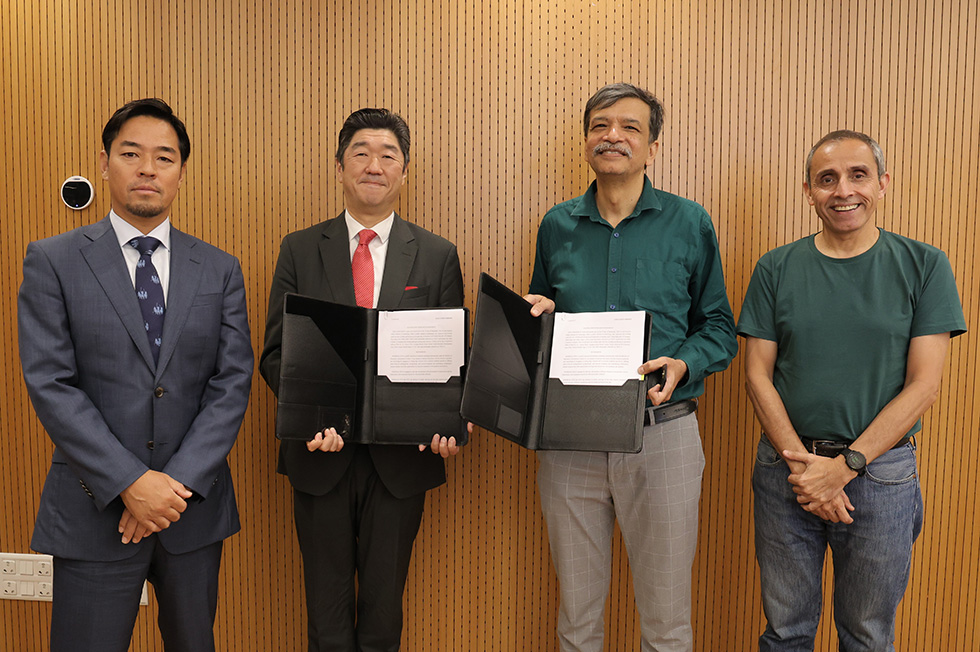
A significant collaboration between the Indian Institute of Technology Delhi (IIT Delhi) and Honda Cars India Ltd. (HCIL) is poised to reshape the future of mobility in India. The two entities have entered into a Memorandum of Understanding (MoU) aimed at advancing cooperative intelligence (CI) technologies that could pave the way for safer, more efficient transport systems. This partnership underscores the growing trend of academia-industry collaboration in the rapidly evolving field of intelligent transportation systems.

The MoU brings together the expertise of IIT Delhi’s researchers and Honda’s engineers, particularly those from HCIL and Honda R&D Co., Ltd., a subsidiary focused on research and development. The goal is to conduct joint research on CI technologies that can potentially reduce traffic collisions, enhance road safety, and enable automated driving systems. With India’s road safety record being a significant concern, such efforts to reduce human errors in driving are considered crucial for the future.

India has long struggled with high rates of traffic accidents, largely attributed to human error. The collaboration between IIT Delhi and Honda aims to address these issues through the development of advanced driver-assistance systems (ADAS) and other mobility solutions. ADAS, which involves technologies like adaptive cruise control, lane-keeping assistance, and collision avoidance systems, has the potential to significantly lower the risk of accidents and make roads safer for all users.

While Honda has been a key player in automotive innovation, this partnership marks a significant step in its efforts to explore more complex applications of artificial intelligence (AI) in driving. Honda’s engineers will work closely with IIT Delhi’s faculty and students to explore new algorithms, machine learning models, and data analytics techniques that can improve vehicle decision-making in real-time. The research will also focus on leveraging big data and connectivity technologies to anticipate traffic conditions, respond to sudden changes on the road, and ensure safer driving experiences.

IIT Delhi’s role in this collaboration is equally significant, given its strong reputation for cutting-edge research in artificial intelligence, robotics, and transportation systems. The institution’s researchers are expected to bring advanced expertise in areas like machine learning, sensor technologies, and networked vehicles. This collaboration provides a platform for academic researchers to apply theoretical knowledge to practical challenges faced by the automotive industry.

Through this MoU, both parties are set to explore the concept of cooperative intelligence, which involves enabling communication between vehicles, infrastructure, and other road users to create an interconnected transportation network. The aim is to develop intelligent transport systems that can predict traffic patterns, communicate with surrounding vehicles, and make autonomous decisions that enhance overall road safety. As automated and connected vehicles gain momentum globally, these technologies will play an essential role in the future of mobility.

Cooperative intelligence, as a concept, goes beyond traditional vehicle automation. It focuses on creating systems where vehicles not only respond to their environment but also interact with other vehicles and infrastructure to optimize the flow of traffic and prevent accidents. This vision aligns with Honda’s global initiative to develop “Safety for Everyone” technologies, which seek to eliminate road fatalities by utilizing AI and machine learning tools.

While the research aims to contribute to global advancements in automated driving, there is a particular focus on addressing India-specific challenges. Road conditions in India vary widely, with congested urban streets, rural roads, and highways posing distinct challenges for vehicles. The CI technologies developed under this MoU will need to adapt to these diverse environments. The hope is that future vehicles equipped with CI technologies will not only improve safety on India’s roads but also enhance overall driving comfort and reduce the stress associated with navigating through heavy traffic.

The collaboration also opens doors for students and researchers at IIT Delhi to gain hands-on experience working with real-world automotive challenges. By partnering with Honda, they will have the opportunity to apply their knowledge to cutting-edge projects that could have significant implications for the future of mobility. This real-world experience is expected to help prepare a new generation of engineers and researchers who can contribute to the development of safer and smarter transportation systems, both in India and globally.

As part of the agreement, IIT Delhi and Honda will jointly work on research projects and share intellectual resources. The partnership also allows for the testing and evaluation of prototypes developed as part of the research. This will ensure that the solutions developed are practical, effective, and can be scaled up for real-world application.

The MoU signifies Honda’s commitment to India, a market where it has a strong presence but faces increasing competition from both global and domestic automakers. As the automotive industry shifts towards electric vehicles (EVs) and autonomous driving technologies, partnerships like this one with IIT Delhi are crucial for staying competitive in a rapidly changing landscape. By collaborating with leading academic institutions, Honda aims to maintain its edge in innovation while contributing to the advancement of mobility technologies that are not only relevant to India but also to global markets.

LinkedIn has rolled out an Aadhaar-based identity verification feature for users in India, a move it claims will enhance trust on the platform by increasing profile credibility. The new feature, available through its partnership with HyperVerge, aims to reduce the number of fake or misleading accounts by verifying the authenticity of user profiles. The decision has drawn mixed reactions from netizens, with some welcoming the initiative as a step towards more secure networking, while others have expressed skepticism about its impact on privacy.

The verification process is optional and allows users to authenticate their identity by linking their Aadhaar number to their LinkedIn profile. According to LinkedIn, the feature is expected to increase profile visibility and improve networking opportunities, as verified profiles will be seen as more trustworthy by recruiters and other professionals. The company emphasized that it will not store or share the Aadhaar numbers provided during the verification process, seeking to alleviate concerns about data privacy.

This new identity verification measure comes at a time when online platforms are under increasing pressure to tackle misinformation and fraud. Fake profiles have long been an issue on professional networking sites, with users often being misled by fictitious identities. LinkedIn’s move aligns with a broader push towards greater transparency and accountability in online spaces, a trend that has gained momentum amid growing concerns over data security and the spread of misinformation.

LinkedIn’s official statement claims that verified profiles are more likely to gain visibility, with studies indicating a higher level of engagement for accounts that display some form of identity validation. According to the company, professionals who complete the verification process can expect an increase in connection requests, message replies, and overall profile views. However, the platform has also clarified that non-verified profiles will not be penalized or see any reduction in their visibility.

While some users have embraced the new feature, seeing it as a means to ensure greater professionalism on the platform, others have voiced concerns. Several netizens have questioned the necessity of Aadhaar integration, expressing unease about sharing sensitive identification details with a global platform. Privacy advocates, too, have raised alarms about potential misuse of personal data, despite LinkedIn’s assurances that the Aadhaar information will not be stored or shared.

Experts in cybersecurity have weighed in on the development, noting that while the initiative could bolster security, it also raises important questions about data protection and user consent. One leading cybersecurity analyst remarked that the decision to introduce Aadhaar-based verification should be closely scrutinized, given India’s evolving data privacy laws. The analyst added that while the feature could potentially reduce fraudulent activity, there must be stringent measures in place to ensure that users’ personal information is not exploited.

India has been a key market for LinkedIn, which counts millions of users in the country, from young professionals to seasoned executives. This large user base is also one of the reasons the company has introduced localized features in the past, including Hindi-language support and job tools specifically designed for the Indian market. The Aadhaar-linked verification is seen as the latest in this series of India-specific initiatives.

Despite LinkedIn’s efforts to position the verification feature as a tool for enhancing professional credibility, public opinion remains divided. A large segment of users, particularly those in the tech industry, has voiced support, with some commenting on social media that this step could help filter out fake profiles and create a safer networking environment. Others, however, have expressed their amusement at the notion of Aadhaar verification for a professional platform, with some questioning its relevance in boosting profile views or securing jobs.

Among the critics, concerns about the centralization of sensitive data have taken center stage. Aadhaar, India’s national biometric identification system, has been subject to controversy and legal challenges in the past, with privacy experts warning against its use in private sector applications. LinkedIn’s initiative to use Aadhaar for verification may, therefore, reignite debates over data protection and the role of private companies in handling personal information linked to government-issued identification.

Beyond the privacy concerns, the feature also raises questions about inclusivity. Not all LinkedIn users in India possess an Aadhaar card, and some critics have argued that the feature could inadvertently marginalize those who cannot or choose not to link their Aadhaar details to their professional profiles. LinkedIn has assured users that verification is entirely optional, but the perception that verified profiles may have an advantage could create pressure for professionals to participate, even if they have reservations about sharing their Aadhaar information.

Legal experts have also noted that the introduction of Aadhaar-based verification may lead to new regulatory scrutiny. While the Indian government has actively promoted Aadhaar as a secure and reliable identification system, its use by private companies has raised concerns about potential overreach. LinkedIn’s move could prompt discussions about the extent to which companies should be allowed to use government-backed ID systems for verification, and whether additional safeguards should be implemented to protect users’ privacy.

Two Canadians have lost their lives and three others have sustained injuries in Lebanon as violence escalates between Israel and Hezbollah. This development comes amid rising tensions in the region, prompting heightened international concern over the humanitarian situation. Global Affairs Canada has confirmed the fatalities, stating that they are aware of the deaths and that officials are prepared to offer consular assistance to the affected families. The […]

HKBN Ltd. has made significant strides in its climate action commitment by achieving validation from the Science Based Targets initiative (SBTi). This milestone positions the company at the forefront of corporate sustainability efforts, aiming to substantially reduce its greenhouse gas emissions over the next several years. HKBN has established targets to cut absolute scope 1 and 2 emissions by 50.65% by the fiscal year 2030, using fiscal […]

Evaluations of information sources have highlighted a striking trend in how credibility is assigned to various platforms. A study published in Nature’s Scientific Reports reveals that individuals perceive information from voice-based agents like Amazon Alexa as more credible than that from Wikipedia, even when the content is identical. This finding challenges the long-held belief in Wikipedia’s reliability as an information source, particularly against the backdrop of the […]

Worldcoin, a cryptocurrency initiative co-founded by Sam Altman, has been handed a staggering $850 million fine by South Korean regulators for breaching data protection laws. The country’s Personal Information Protection Commission (PIPC) found that Worldcoin had illegally transferred sensitive personal information abroad and collected biometric data from individuals without obtaining proper consent. This landmark decision reflects a growing global scrutiny of data protection practices in the cryptocurrency […]

Building on their successful collaboration at Dusit Princess Kathmandu hotel, both companies aim to introduce more Dusit brands and businesses in Nepal – and throughout the region. BANGKOK, THAILAND – Media OutReach Newswire – 26 September 2024 – Dusit International, one of Thailand’s leading hotel and property development companies, has signed a strategic partnership agreement with Paljor Global Corp Private Limited, a leading Nepalese investment firm and […]

Taiwan’s position as a dominant player in the global bicycle industry faces significant challenges due to shifting market dynamics. The Cycling & Health Tech Industry R&D Center (CHC) is stepping up efforts to provide essential support to local bicycle manufacturers and retailers grappling with excess inventory and fluctuating consumer demand.

The bicycle market has contracted, largely as a result of post-pandemic adjustments. Retailers are reporting high inventory levels, exacerbated by a decline in consumer purchases. This situation has created a pressing need for innovation and strategic support to revitalize the industry. CHC’s initiative aims to address these issues by fostering collaboration among key stakeholders and investing in research and development that aligns with current market needs.

Taiwan boasts a comprehensive bicycle supply chain, from raw materials to manufacturing and distribution. However, the recent downturn in the international market has prompted local companies to reevaluate their strategies. According to industry analysts, many Taiwanese firms that were once thriving are now struggling with overstock and declining orders. The pandemic-driven surge in bicycle sales appears to have plateaued, leading to a significant recalibration of production and sales strategies.

CHC’s response to this crisis includes providing financial aid, developing new technologies, and encouraging the adoption of sustainable practices within the industry. By focusing on innovative solutions, the center aims to enhance the competitiveness of Taiwanese bicycle manufacturers on the global stage. This includes initiatives to promote electric bicycles and other advanced mobility solutions, which are gaining traction worldwide.

Collaboration is a critical component of CHC’s strategy. The center is actively engaging with local manufacturers, retailers, and research institutions to share insights and best practices. This collaborative approach is designed to create a robust network that fosters innovation and drives industry growth. Experts in the field emphasize that such partnerships are vital for addressing the complex challenges facing the bicycle market.

One of the most promising trends in the industry is the increasing demand for electric bicycles (e-bikes). This segment of the market has shown resilience, with many consumers shifting toward e-bikes for commuting and leisure activities. The CHC is keen to leverage this trend by providing targeted support for e-bike development, including technical assistance and funding for R&D projects. This focus not only aligns with global sustainability goals but also positions Taiwan as a leader in the burgeoning e-bike sector.

The push for sustainability is becoming increasingly important in the bicycle industry. With consumers becoming more environmentally conscious, companies are under pressure to adopt greener practices. CHC’s initiatives include promoting the use of sustainable materials in manufacturing processes and encouraging eco-friendly transportation solutions. This commitment to sustainability is expected to resonate with consumers, potentially reinvigorating the market.

As part of its strategy, CHC is also exploring international partnerships to expand market access for Taiwanese bicycle products. By connecting local manufacturers with overseas distributors, the center aims to open new channels for growth. This global perspective is crucial as Taiwanese companies look to diversify their markets beyond traditional partners.

The focus on R&D is not limited to product innovation. CHC is also prioritizing market research to better understand consumer preferences and trends. By gathering data on market dynamics, the center hopes to provide actionable insights that local businesses can use to adapt their strategies effectively. This proactive approach is essential for navigating the evolving landscape of the bicycle industry.

Taiwan’s bicycle manufacturers have long been recognized for their quality and craftsmanship. However, in a competitive global market, maintaining this reputation requires continuous improvement and adaptation. CHC’s support is aimed at empowering these companies to enhance their production processes, invest in new technologies, and refine their marketing strategies.

The current landscape underscores the importance of resilience in the face of adversity. Taiwanese bicycle companies are being called to innovate not only to survive but also to thrive. With CHC’s initiatives providing a lifeline, there is optimism that the industry can rebound from its challenges. The integration of advanced technology, commitment to sustainability, and emphasis on collaboration are key components that could drive the next wave of growth.

Aldar Properties has embarked on a significant hospitality transformation in Abu Dhabi, unveiling plans for a comprehensive investment of AED 1.5 billion. This initiative aims to elevate the emirate’s standing as a premier tourist destination by introducing upscale hotel brands and enhancing the overall visitor experience. Central to this transformation is the rebranding of the Eastern Mangroves hotel, which will be transitioned into a Waldorf Astoria luxury […]

Singaporeans identify mental health as an important facet of holistic wellness and the lack of resources or support for mental wellness in Singapore is a nod to it being a key priority on the government’s national agenda and an opportunity for companies to do more. SINGAPORE – Media OutReach Newswire – 26 September 2024 – AIA Singapore today unveiled findings of the AIA Live Better Study 2024[1] […]

Sinopec, one of China’s leading oil and gas companies, has embarked on a comprehensive strategy aimed at reducing its carbon footprint while enhancing operational efficiency through innovation and collaboration with educational institutions. This initiative aligns with China’s broader goals of achieving carbon neutrality by 2060, marking a pivotal shift in the energy sector towards sustainability. The company’s low-carbon roadmap emphasizes several key initiatives designed to integrate advanced […]

VISHNU RAJA
RYO YAMADA
HITORI GOTOH
IKUYO KITA