News related to
beyond

MANILA, PHILIPPINES – Media OutReach Newswire – 4 October 2024 – Salmon, a leading provider of financial services and consumer lending products in Southeast Asia, operating a licensed bank in the Philippines, today announces the successful completion of its $30 million Series A-2 equity financing round. The planned round saw strong participation from key institutional investors of the Company, including the International Finance Corporation (IFC) and Lunate […]

With over half (59%) of Singaporean consumers expressing a need or potential need for additional resources and support for mental wellness[1], AIA Singapore aims to bridge this gap with their upcoming policy enhancements. SINGAPORE – Media OutReach Newswire – 4 October 2024 – AIA Singapore, the leading insurer in employee benefits, today announced substantial enhancements to its corporate insurance policies starting in 2025. This includes a first-in-market […]

‘Run with ViewQwest’ Challenge Offers Over SGD 20,000 in Cash Prizes Across All Race Categories Challenge invites all non-competitive SCSM runners to join for FREE SINGAPORE – Media OutReach Newswire – 4 October 2024 – ViewQwest is sponsoring the Standard Chartered Singapore Marathon (SCSM) for the third consecutive year, aligning with its commitment to support world-class endeavours in Singapore. The SCSM is recognised as one of the […]

Family offices are playing a transformative role in Abu Dhabi’s economic landscape, driving diversification and growth across various sectors. Representing a significant portion of privately owned businesses in the UAE, these entities have expanded beyond traditional investments in real estate and finance, contributing to the emirate’s ambitions for sustainability and innovation.

Key developments in Abu Dhabi, such as the Abu Dhabi Industrial Strategy (ADIS), highlight the growing importance of family offices in fostering industrial growth, technology advancement, and clean energy projects. Under this strategy, the industrial sector’s GDP saw a remarkable surge from AED 83 billion in 2022 to AED 101 billion by 2023, with family offices continuing to boost these efforts through large-scale investments.

Family offices are now focusing on high-impact sectors like infrastructure, technology, and renewable energy, aligning with the emirate’s long-term goals. Their involvement is particularly notable in collaborative initiatives with the Abu Dhabi government, exemplified by agreements under programs like the Musataha initiative, which fosters private investment in state-owned land for community-driven projects.

The leadership in Abu Dhabi, including figures like Ahmed Jasim Al Zaabi, chairman of the Abu Dhabi Department of Economic Development, has been vocal about the strategic role of these family-owned businesses. Al Zaabi emphasized how initiatives like ADIS are not only growing the industrial sector but also positioning the emirate as a hub for innovation, advanced manufacturing, and clean technology.

SINGAPORE – Media OutReach Newswire – 4 October 2024 – As MotoGP™ marks its 75th anniversary in 2024, MOTUL Asia Pacific proudly celebrates its longstanding role at the centre of motorsports alongside its title sponsor of MotoGP™ Japan 2024. Since the 1950s Motul has been a key player in motorcycle racing, continuing its legacy of supporting motorsports with cutting-edge lubricant technology. Their innovations have powered iconic racing […]

Dubai has maintained its position as the world’s top destination for greenfield foreign direct investment (FDI) projects in the first half of 2024, solidifying its leadership in global markets. The city attracted a high volume of investments, surpassing all other major financial hubs globally. These investments, particularly in greenfield projects, continue to play a significant role in driving the city’s economic diversification and positioning it as a […]

Gulf sovereign wealth funds are on track to collectively manage an unprecedented $7.3 trillion in assets by 2030, driven by significant global investments and domestic diversification efforts. Buoyed by surging oil revenues, these funds have evolved from passive actors into proactive players reshaping both local economies and global markets. The rise of these funds, especially over the last decade, has been fueled by sharp increases in oil […]

Advertisements

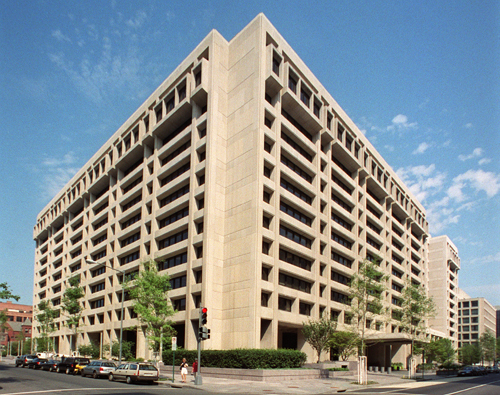
The International Monetary Fund (IMF) has raised serious concerns over the potential economic fallout from the escalating conflict in the Middle East. As violence spreads and tensions rise, the conflict threatens not only the region’s stability but also the global economy, particularly through disruptions in energy supplies, trade routes, and investor confidence.

The war in Gaza has intensified, drawing in multiple countries and raising fears of broader regional involvement. The IMF’s latest assessments highlight the possibility of severe economic impacts, particularly on energy markets. With the Middle East responsible for a significant portion of the world’s oil production, any disruptions could lead to increased volatility in oil prices. The IMF warned that sustained conflict could push oil prices higher, potentially surpassing $100 per barrel, a figure already approached during earlier hostilities this year. This price surge would have far-reaching consequences, especially for oil-importing nations, straining budgets and intensifying inflationary pressures.

Global financial markets have already shown signs of nervousness. Investors, traditionally wary of instability in key regions, have begun reallocating assets, with several stock indices experiencing sharp drops. Analysts suggest that if the conflict escalates further, the damage could spread beyond energy markets, affecting sectors such as manufacturing and technology that rely heavily on supply chains running through or near conflict zones.

The IMF’s mission chief underscored that while oil prices are the most immediate concern, the broader economic picture is equally troubling. Trade disruptions, particularly in critical shipping lanes like the Suez Canal, could severely impact the flow of goods, exacerbating the already fragile global supply chains. For nations in the region, the toll could be devastating. Countries like Lebanon and Egypt, already grappling with economic crises, could face further destabilization, compounding their debt issues and putting millions more at risk of poverty.

While energy exporters such as Saudi Arabia and the UAE may temporarily benefit from higher oil revenues, the broader economic instability could erode those gains, particularly if conflict spreads further across the region. Additionally, prolonged unrest could deter much-needed foreign investment in the Gulf region, which has been aggressively pursuing diversification away from oil dependency.

The IMF’s warning also extends to food security concerns, as the Middle East plays a crucial role in global grain trade. Egypt, for instance, is one of the world’s largest wheat importers, and disruptions to shipping could lead to shortages and price hikes. This would disproportionately affect lower-income nations, already struggling with inflationary food costs and economic stagnation.

As the situation continues to evolve, the IMF has urged regional governments and the international community to take immediate steps to prevent further escalation. In addition to diplomatic efforts, the IMF is advocating for emergency economic measures to protect the most vulnerable economies. These include securing financial aid, stabilizing food supply chains, and safeguarding energy markets from excessive speculation.

However, the global response remains uncertain. While Western powers and international organizations have expressed concern, efforts to mediate the conflict have so far been limited. The longer the fighting continues, the higher the economic risks become, making it crucial for governments to work towards de-escalation before the crisis spirals further out of control.

Focusing on OTC Trading, Security Token Offerings, and Real-World Asset Tokenization HONG KONG SAR – Media OutReach Newswire – 4 October 2024 – Hong Kong Virtual Asset Exchange (HKVAX) has obtained Type 1 (dealing in securities) and Type 7 (providing automated trading services) licences from the Securities and Futures Commission (SFC), along with the Anti-Money Laundering and Counter-Terrorist Financing Ordinance (AMLO) licence to operate a virtual asset […]

Dubai’s position as a global hub for innovation has drawn considerable attention to the city’s expanding cryptocurrency market. The United Arab Emirates (UAE), with its pro-technology policies and investment in blockchain infrastructure, has emerged as a strategic hotspot for crypto exchanges. With a clear focus on security, liquidity, and competitive fees, Dubai-based crypto platforms are capturing the attention of both retail and institutional investors alike. As the industry evolves, some exchanges stand out for their user-friendly approach, strong compliance with local regulations, and diverse product offerings.

The cryptocurrency landscape in Dubai is buoyed by the government’s proactive stance, including the adoption of blockchain technology in public services. The introduction of Emcash, the UAE’s first official cryptocurrency, underscores the country’s ambition to lead in the digital asset space. Given the booming interest in cryptocurrency trading, finding the best platform in Dubai is critical for investors keen to participate in this dynamic market. Several exchanges distinguish themselves by catering to different needs, from high liquidity to low transaction fees, ensuring that both new traders and seasoned professionals can find a suitable platform.

Among the leading platforms, Binance stands out due to its global reach, immense liquidity, and strong security features. Binance’s popularity in Dubai can be attributed to its diverse offering of digital currencies, its top-tier security measures such as multi-factor authentication, and its ability to process high transaction volumes efficiently. The exchange also boasts advanced trading features, including futures contracts, margin trading, and staking options, making it a go-to for both day traders and long-term investors.

Bybit, another prominent player in the Dubai market, has carved a niche for itself with its focus on derivatives trading and copy trading features. For those new to cryptocurrency, Bybit’s copy trading option allows users to mimic the trades of successful investors, reducing the risks typically associated with beginner errors. The platform’s clean interface and educational tools make it an appealing choice for new traders while offering robust charting tools and high-leverage options for more experienced users. Additionally, Bybit’s emphasis on compliance with UAE regulations has made it a trusted platform for local traders.

For investors looking to diversify beyond crypto assets, eToro provides an ideal solution. The platform is known for its multi-asset capabilities, allowing users to trade both cryptocurrencies and traditional forex markets. The added flexibility of managing diverse portfolios from a single platform enhances its appeal among traders in Dubai. eToro’s social trading feature, where users can follow and replicate trades from more experienced investors, adds another layer of accessibility, especially for those less familiar with the nuances of cryptocurrency markets. Its compliance with local regulatory frameworks further strengthens its credibility in the region.

BitOasis, one of the UAE’s homegrown exchanges, is widely recognized for its user-centric approach. Established in Dubai, the platform provides an easy entry point for new investors by simplifying the process of buying and selling popular cryptocurrencies like Bitcoin and Ethereum. What distinguishes BitOasis is its deep integration with local banking systems, which allows for smooth fiat-to-crypto conversions. This local focus has also enabled it to build a reputation for reliability and transparency, making it a preferred choice for users keen to avoid international transfer fees or delays.

On the other end of the spectrum, Rain has become a popular platform due to its low trading fees and ease of use, particularly appealing to budget-conscious investors. Originally based in Bahrain but with a strong presence in Dubai, Rain caters specifically to the Middle Eastern market by offering support for local currencies and adhering to regional regulations. The platform also offers a mobile-first design, ensuring that users can manage their portfolios and execute trades on the go. Its emphasis on low transaction fees makes it one of the most affordable options for traders in Dubai, helping Rain carve out a space in the competitive crypto exchange market.

While all these exchanges have different strengths, it is important to note the regulatory landscape of the UAE. In Dubai, the Virtual Assets Regulatory Authority (VARA) plays a crucial role in overseeing the cryptocurrency sector, ensuring that platforms operate within legal frameworks and adhere to stringent anti-money laundering (AML) and know-your-customer (KYC) requirements. This ensures that Dubai remains a secure environment for cryptocurrency activities, providing peace of mind for investors concerned with compliance and security.

The integration of blockchain technology within Dubai’s economy continues to grow, spurred on by these exchanges and the government’s broader vision for the future of digital assets. Dubai’s government has been at the forefront of blockchain adoption, aiming to become a global leader in the digital economy. Through initiatives like the Dubai Blockchain Strategy, the city has laid the groundwork for a more efficient, transparent, and secure financial ecosystem, with cryptocurrencies playing a pivotal role in this transformation.

The 15th edition of IGEM will bring together thought leaders worldwide to share breakthrough technologies and strategies for achieving net zero emissions. KUALA LUMPUR, MALAYSIA – Media OutReach Newswire – 4 October 2024 – The International Greentech & Eco Products Exhibition and Conference Malaysia (IGEM) returns for its landmark 15th edition from 9 to 11 October 2024. As one of Southeast Asia’s largest green technology showcases, IGEM […]

Dubai Multi Commodities Centre (DMCC) has entered into a strategic partnership with Switzerland-based CV VC to enhance the development of the Web3 ecosystem across Dubai and Switzerland. This significant agreement was formalized during the annual CV Summit 2024, held in Zug, Switzerland, an event recognized as the leading blockchain and Web3 gathering in the country. The summit attracted thousands of industry leaders and entrepreneurs, creating a vibrant […]

Bybit, one of the prominent global cryptocurrency exchanges, has officially launched indices trading on its MetaTrader 5 (MT5) platform, allowing users to engage in major financial markets using USDT. This new offering includes access to key indices such as the China A50, Dow Jones, NAS100, Nikkei, and Hang Seng. The service, which went live on October 2, 2024, marks a significant expansion of Bybit’s trading capabilities, giving […]

By K Raveendran The outcome of the much-anticipated SEBI board meeting on Monday showed beyond doubt that the board has become a captive in the hands of chairperson Madhabi Puri Buch, who is facing serious allegations of misconduct. The toxic work culture and unprofessionalism that the SEBI employees have been complaining about have now engulfed […]

SINGAPORE – Media OutReach Newswire – 3 October 2024 – Vouch, the award-winning hotel operations management solutions provider, today announced the expansion of its product suite with innovative AI-powered features. These enhancements, designed to significantly boost operational efficiency and drive revenue growth for hotels, mark a significant step forward for the hospitality industry. Vouch – AI for Hospitality Fastest to Deploy, Easiest to Use AI Rapid Set […]

Standard & Poor’s has downgraded Israel’s credit rating from A+ to A, primarily citing increased security risks stemming from escalating tensions in the region. The decision reflects the rating agency’s assessment that the current geopolitical climate may hinder Israel’s economic stability and growth prospects.

The S&P report highlighted that the downgrade is attributed to the intensification of military conflicts, particularly involving militant groups in Gaza and Hezbollah in Lebanon. This situation has led to rising security expenditures and concerns over potential disruptions to the economy. Analysts argue that the ongoing conflict could deter foreign investment, impact tourism, and affect the overall economic environment.

Israel’s military actions, particularly in response to rocket fire from Gaza, have drawn international scrutiny. The cycle of violence and retaliatory strikes has strained relationships with neighboring countries and raised fears of a broader regional conflict. The deteriorating security situation has also sparked protests within Israel, with citizens demanding a reevaluation of the government’s military strategy and its implications for daily life.

The economic implications of the downgrade are significant. Israel’s economy has shown resilience in recent years, bolstered by technological advancements and a robust startup ecosystem. However, analysts fear that the heightened security risks could stifle this growth, particularly as the nation grapples with the dual challenges of military expenditures and maintaining investor confidence.

The downgrading comes at a time when Israel’s economy is experiencing inflationary pressures, further complicating the financial landscape. Rising living costs, coupled with increased defense spending, pose challenges to fiscal stability. Policymakers may need to implement measures to counteract these pressures, potentially involving budget reallocations and strategic economic initiatives.

Economists have pointed out that the current security environment may necessitate increased dialogue and diplomatic efforts aimed at stabilizing the region. There is a growing consensus among experts that sustainable peace initiatives could alleviate some of the financial burdens linked to security expenditures. Strengthening diplomatic relations with neighboring states may be essential for fostering an environment conducive to economic growth and stability.

Reactions to the downgrade have varied among local political leaders. While some have criticized the government’s handling of security issues, others argue that the rating reflects broader geopolitical realities that are beyond Israel’s immediate control. As the nation navigates these complex dynamics, the government’s approach to national security and foreign relations will likely play a pivotal role in shaping future economic trajectories.

In response to the downgrade, Israeli Finance Minister Bezalel Smotrich emphasized the importance of a balanced approach to security and economic growth. He stated that maintaining robust defense capabilities is crucial while also recognizing the need for economic resilience. Smotrich’s comments indicate an understanding that both aspects are interlinked, and a sustainable approach will be necessary to bolster investor confidence.

The impact of the downgrade on Israel’s bond market has been immediate, with yields rising as investors reassess risk levels. The move by S&P may prompt other rating agencies to reevaluate their assessments, further complicating Israel’s financial standing in international markets. Observers are closely monitoring how the government responds to these challenges and whether it can implement effective policies to stabilize the economy amidst security concerns.

As Israel grapples with these challenges, key sectors such as technology and tourism are being scrutinized for their resilience. The technology sector, a significant driver of economic growth, may face increased pressure if security concerns impact investment flows. Conversely, the tourism industry, already affected by the pandemic, may struggle to recover fully without improved security conditions.

Investors and analysts are also concerned about the long-term implications of the downgrade on Israel’s geopolitical strategy. The current environment necessitates a recalibration of priorities, with potential shifts in foreign investment patterns and trade relationships. Maintaining a favorable business climate while addressing security challenges will require careful policy considerations.

International reactions to the S&P downgrade have been mixed, with some analysts suggesting that it underscores the need for global stakeholders to engage more actively in peace initiatives in the region. Collaborative efforts to address underlying tensions may not only enhance regional stability but also contribute positively to Israel’s economic outlook.

A significant investment is on the horizon as an Omani consortium prepares to establish a data center in Egypt’s Suez Canal Economic Zone, with an allocation of $450 million earmarked for the project. This initiative is part of Egypt’s broader strategy to transform the Suez Canal region into a technological and logistical hub, enhancing its role in global trade and digital services.

The investment is spearheaded by the Oman Information Technology Company (OITC) and several local partners. This collaboration marks a critical step in fostering economic ties between Oman and Egypt, with both nations recognizing the potential of digital infrastructure in driving economic growth. The data center is expected to support the burgeoning demand for cloud services and digital storage, driven by an increasingly digitized global economy.

The announcement of the data center project aligns with Egypt’s strategic plan to attract foreign direct investment and bolster its technological capabilities. The Suez Canal Economic Zone has been pivotal in this vision, with the Egyptian government actively promoting investment opportunities in sectors such as logistics, manufacturing, and technology. The zone’s geographical advantage, situated at the crossroads of major trade routes, offers unparalleled access to international markets.

By establishing a state-of-the-art data center in this zone, the Omani consortium aims to enhance digital connectivity not only within Egypt but also across the broader Middle East and North Africa (MENA) region. The center will provide essential services such as cloud computing, data storage, and disaster recovery solutions, catering to both local and international clients.

The data center project is expected to generate significant employment opportunities for the local workforce. With the ongoing investment in education and training programs in Egypt, there is a concerted effort to equip young professionals with the necessary skills to thrive in the digital economy. The collaboration between OITC and local partners is likely to enhance knowledge transfer and foster innovation within the Egyptian tech landscape.

This investment comes at a time when global data center demand is surging, driven by trends such as the rise of e-commerce, the proliferation of the Internet of Things (IoT), and the increasing reliance on digital solutions across various sectors. As businesses and governments prioritize digital transformation, the need for robust and secure data infrastructure has become paramount.

The Suez Canal Economic Zone’s strategic position allows for efficient connectivity to Europe, Asia, and Africa, making it an attractive location for data center operations. This development not only supports Egypt’s ambitions to become a regional technology hub but also enhances its competitiveness in the global market.

The partnership is set to leverage advancements in renewable energy, aligning with global sustainability trends. As data centers are known for their high energy consumption, the integration of renewable energy sources will be pivotal in minimizing the environmental impact of this project. The Omani consortium is expected to explore partnerships with renewable energy providers in Egypt to power the data center sustainably.

Egypt’s government has been proactive in creating a favorable environment for foreign investments, implementing reforms aimed at improving the business climate. The country’s economic stability, coupled with its young and tech-savvy population, positions it as a viable destination for tech investments. The collaboration between OITC and Egyptian partners reflects a growing trend among Gulf countries to diversify their investments beyond traditional sectors, focusing instead on technology and digital services.

This project is also anticipated to strengthen Egypt’s position in the regional tech ecosystem, attracting additional investments and partnerships from global tech giants. With the establishment of the data center, Egypt aims to position itself as a competitive player in the MENA tech landscape, potentially drawing in international businesses looking for reliable digital infrastructure.

As the project progresses, it will be essential for stakeholders to ensure that the data center adheres to international standards for security and data privacy. The rise in cyber threats has made data protection a critical concern for businesses and consumers alike. Establishing robust cybersecurity measures will be crucial to gain the trust of clients and stakeholders.

HANOI, VIETNAM- Media OutReach Newswire – 3 October 2024 – Vinhomes has elevated the standard of urban living in Vietnam with its all-in-one residential developments. Building on a successful track record and the country’s thriving economy, Vinhomes is now seeking international customers for its world-class projects. The company’s strategic vision and commitment to quality and innovation have positioned it as a key player in both the Vietnamese […]

Engage with global policymakers, thought leaders, and innovators at Asia’s premier cybersecurity event SINGAPORE – Media OutReach Newswire – 3 October 2024 – The GovWare Conference and Exhibition 2024 will take place from 15 to 17 October 2024 at the Sands Expo and Convention Centre Singapore, gathering over 12,000 policy makers, cyber and corporate leaders, practitioners, and academia worldwide to address modern security issues, rebuild trust, and […]

Bitcoin miners have recorded their lowest monthly revenue in a year, with September earnings dropping to $816 million. This marks a significant decline in the cryptocurrency mining industry, which has faced mounting pressures from several factors, including rising operational costs and decreased market activity. The downturn has highlighted the challenges miners face in maintaining profitability as Bitcoin’s price volatility and network complexity continue to evolve.

The $816 million revenue generated in September represents a sharp fall from previous months, underscoring the financial struggles within the sector. One of the primary factors contributing to the decline was a notable drop in transaction fee revenue, which reached $13.86 million. This is the lowest level since the introduction of the BRC-20 standard in March 2023, a protocol that had initially generated a spike in transaction volumes and fees.

Bitcoin’s market conditions have been relatively stable in recent months, but this stability has translated into lower transaction activity on the network. The stagnation in trading volumes has had a direct impact on miners’ revenue, as transaction fees make up a significant portion of their earnings alongside block rewards. The decreasing transaction fee revenue suggests a reduction in on-chain activity, with fewer high-value transactions being processed.

Adding to the miners’ woes is the rising difficulty of Bitcoin mining. The Bitcoin network’s difficulty level, which adjusts based on the computational power being used to mine blocks, has been steadily increasing. This rise in difficulty has made it more challenging and resource-intensive for miners to solve the complex cryptographic puzzles required to verify transactions and add new blocks to the blockchain. Consequently, many miners are facing higher operational costs, particularly in terms of energy consumption and hardware maintenance, while earning lower rewards.

The drop in revenue has forced some smaller mining operations to scale back or shut down entirely, as they are unable to compete with larger mining farms that benefit from economies of scale. These larger players are better equipped to absorb the impact of reduced profitability, but even they are feeling the pinch as margins continue to shrink.

In addition to the technical and market-related challenges, regulatory scrutiny has also added pressure to the mining industry. Governments around the world have intensified their focus on cryptocurrency mining, particularly due to concerns over energy consumption and environmental impact. This has led to increased regulatory oversight in certain jurisdictions, with some countries imposing restrictions or outright bans on mining activities. China, which was once the dominant force in Bitcoin mining, implemented a nationwide crackdown on crypto mining in 2021, forcing many miners to relocate to more favorable environments such as the United States, Kazakhstan, and Russia.

Despite this migration, miners in these new locations have encountered their own challenges. In the U.S., for example, some states have introduced stricter regulations or raised electricity rates for mining operations, making it more difficult for miners to maintain profitability. In Kazakhstan, miners have faced power shortages and government-imposed limits on energy consumption, while Russia’s energy infrastructure has struggled to meet the demands of an influx of mining operations.

The impact of these regulatory changes has been compounded by the broader macroeconomic environment. Global inflation, rising interest rates, and increased energy costs have put additional strain on mining operations, particularly those that rely on electricity from non-renewable sources. As energy prices surge, miners with less efficient operations are finding it increasingly difficult to break even, let alone turn a profit.

While the immediate outlook for Bitcoin miners appears bleak, some industry experts believe that the downturn may ultimately benefit the ecosystem by driving greater efficiency and innovation. Miners are being forced to optimize their operations, adopt more sustainable energy sources, and explore new revenue streams beyond traditional block rewards and transaction fees. For example, some mining companies have started to offer cloud mining services, allowing retail investors to participate in mining without having to invest in expensive hardware.

Bitcoin’s next halving event, expected in 2024, could significantly alter the dynamics of the mining industry. The halving, which occurs roughly every four years, reduces the block reward by 50%, making it more difficult for miners to generate profits through new Bitcoin issuance alone. This upcoming halving is likely to further reduce miners’ reliance on block rewards and place a greater emphasis on transaction fees as a source of income. As a result, many miners are hoping for an increase in on-chain activity and higher transaction fees to offset the reduction in block rewards.

The broader cryptocurrency market is also expected to play a crucial role in determining the future of Bitcoin mining. If Bitcoin’s price experiences another bull run, as some analysts predict, the increased demand for transactions could lead to a resurgence in fee revenue and a boost to miners’ earnings. On the other hand, continued price stagnation or a prolonged bear market could exacerbate the financial pressures facing miners, leading to further consolidation in the industry.


Abu Dhabi Developmental Holding Company (ADQ) has announced a strategic partnership with Swiss artificial intelligence firm EQTY Lab to enhance climate solutions across diverse sectors. This collaboration aims to utilize AI and data analytics to facilitate a sustainable future, focusing on critical areas such as energy efficiency, waste management, and the reduction of carbon emissions. ADQ, one of the largest holding companies in the region, plays a […]

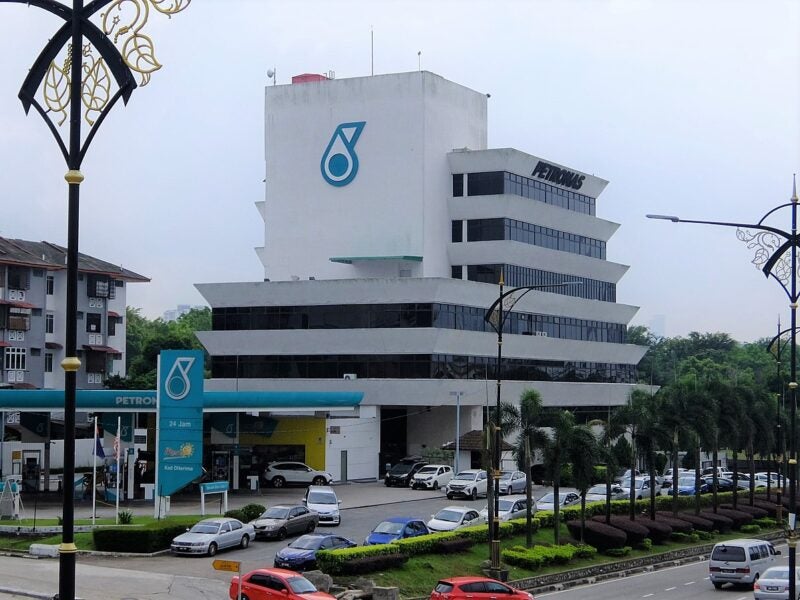
Petronas, the Malaysian oil and gas company, has achieved a significant milestone by securing an onshore concession license in Abu Dhabi. This development signals a noteworthy expansion for Petronas in the Middle East, positioning the company for increased engagement in the region’s burgeoning energy sector.

The agreement grants Petronas the right to explore, develop, and produce hydrocarbons in the concession area, an endeavor that aligns with the company’s strategic focus on enhancing its international upstream portfolio. The concession spans a 30-year term, during which Petronas aims to leverage its technological expertise and innovative solutions to optimize production while adhering to the highest environmental standards.

Abu Dhabi’s hydrocarbon-rich landscape has long attracted major oil players due to its substantial reserves and favorable investment climate. The emirate is keen on diversifying its economy and enhancing energy sustainability, and Petronas’s involvement is anticipated to contribute positively to these objectives. This concession license aligns with Abu Dhabi’s broader strategy to attract foreign investment while ensuring a sustainable energy future.

The licensing agreement underscores the UAE’s commitment to maintaining its status as a pivotal player in the global energy market. It also reflects Petronas’s strategic intention to capitalize on growth opportunities outside its home market, thereby enhancing its global footprint. The partnership with the Abu Dhabi National Oil Company (ADNOC) is expected to facilitate knowledge transfer and collaboration, fostering innovation within the energy sector.

ADNOC has actively sought international partners to strengthen its upstream capabilities, and Petronas’s involvement is seen as a testament to ADNOC’s strategy of forging alliances with leading global energy firms. The collaboration will focus on advanced technologies, including digitalization and artificial intelligence, to enhance exploration and production efficiencies.

Petronas has been expanding its international operations over the past few years, with significant investments in various countries, including Canada, Brazil, and Mozambique. The company aims to maintain a balanced portfolio while exploring opportunities in renewable energy, aligning with global shifts towards sustainable practices. The Abu Dhabi concession marks a continuation of Petronas’s efforts to adapt to evolving market dynamics and shifting energy demands.

Industry analysts view this agreement as a positive step for both Petronas and ADNOC, as it creates synergies that can drive value creation. The partnership is expected to leverage ADNOC’s extensive experience in the region along with Petronas’s technical capabilities, thereby enhancing operational efficiencies. With the global energy landscape undergoing significant transformations, this collaboration is poised to bolster the resilience and competitiveness of both entities.

The concession also comes at a time when oil prices are experiencing volatility, prompting many companies to reassess their strategies and investments. By securing this license, Petronas is positioning itself to navigate these fluctuations effectively. The company’s focus on innovation and sustainability is anticipated to enhance its adaptability to market challenges, ensuring its long-term growth prospects.

As the energy transition accelerates, the partnership between Petronas and ADNOC is likely to explore opportunities beyond traditional oil and gas. The companies may jointly investigate initiatives in carbon capture and storage, as well as investments in renewable energy projects. This strategic approach is essential for maintaining relevance in a rapidly changing energy landscape.

Both companies are well-positioned to contribute to Abu Dhabi’s goal of achieving net-zero emissions by 2050. The collaboration could lead to groundbreaking advancements in energy efficiency and sustainability practices, setting a benchmark for future partnerships in the region.

While the immediate focus is on hydrocarbon production, the strategic collaboration may pave the way for broader initiatives that align with global sustainability goals. This could include exploring alternative energy sources, enhancing energy efficiency measures, and investing in clean technologies that reduce carbon footprints.

The successful acquisition of the onshore concession license by Petronas not only highlights its commitment to expanding its operational footprint but also underscores the importance of collaboration in achieving energy sustainability. The agreement reflects a shared vision between ADNOC and Petronas to develop innovative solutions that meet the demands of an evolving energy landscape while prioritizing environmental stewardship.

As global energy markets continue to transform, Petronas’s expansion into Abu Dhabi marks a significant development in the region’s oil and gas sector. This venture is expected to enhance both companies’ operational efficiencies, drive technological innovation, and contribute to the sustainable development goals set forth by the UAE. The collaboration serves as a model for future partnerships, illustrating the potential of strategic alliances in navigating the complexities of the energy industry.

Over 80 flights have been diverted following a missile attack by Iran on Israeli territory, marking a significant escalation in tensions in the region. The attack, which occurred on a busy travel day, has triggered widespread disruptions in air travel, affecting routes across Europe, the Middle East, and beyond. As airlines scramble to adapt to the situation, travelers are facing delays and uncertainty as air traffic controllers adjust flight paths to ensure safety.

The missile assault targeted multiple locations in Israel, reportedly hitting near Tel Aviv and other key areas, prompting immediate responses from Israeli defense forces. In retaliation, Israel launched airstrikes against what it described as military installations in Iran, intensifying fears of a larger conflict. The situation has heightened anxieties among airlines and travelers, with many countries issuing travel advisories.

Air traffic management systems in various regions have been strained as the diversion of flights has created congestion in alternative airports. Affected airlines, including major carriers like Emirates, Lufthansa, and British Airways, have altered their flight schedules and routes to avoid the conflict zone. Passengers are being informed about changes, with many facing rebooking challenges due to the high volume of travelers displaced by the diversions.

Israeli officials have condemned the missile attack, describing it as a direct threat to civilian safety. The country’s Prime Minister stated that the government would respond with appropriate measures to safeguard its citizens. Analysts suggest that this incident could represent a turning point in the ongoing tensions between Iran and Israel, as well as potentially destabilizing the broader geopolitical landscape in the Middle East.

The impact of the attack extends beyond immediate safety concerns. Economists warn that prolonged instability in the region could affect global oil prices and trade routes. The fear of escalation might lead to increased insurance premiums for flights operating in and around the area, further complicating the situation for airlines and passengers alike.

Travelers currently in transit or scheduled to fly to Israel are advised to stay updated on their flight statuses and consult with airlines for the latest information. Some travelers have reported being rerouted to airports in nearby countries such as Cyprus and Greece, where they can continue their journeys after the situation stabilizes. However, the longer-term implications of this event may lead to broader shifts in airline operations, particularly for those serving the Middle East.

As airlines navigate these complex challenges, industry experts are analyzing how this incident might reshape air travel in the region. While the immediate focus is on safety and logistical adjustments, the incident raises questions about the resilience of global air travel amid geopolitical tensions. Airlines may need to reassess their risk management strategies, particularly for routes that are vulnerable to similar threats in the future.

International responses to the missile attack have also been varied, with some nations condemning the violence and calling for calm. The United Nations has expressed concern over the escalation of hostilities and the potential humanitarian consequences for civilians in the region. Diplomatic efforts are being initiated to de-escalate tensions and encourage dialogue between the conflicting parties, though success remains uncertain amid the heightened atmosphere of distrust.

In the broader context, this missile attack illustrates the fragility of peace in the region. Analysts note that the cycle of retaliation between Iran and Israel has persisted for years, and incidents like this may trigger further actions on both sides. The potential for regional instability to escalate into a wider conflict remains a concern for many observers.

Google has announced a significant investment of $1 billion (36 billion Thai baht) into Thailand, marking a strategic move to enhance the country’s digital infrastructure. The tech giant will establish a new data center and further expand its cloud capabilities in Thailand, a region recognized as a growing hub for digital transformation. This investment, disclosed on Monday, positions Thailand as a pivotal location in Google’s broader Asia-Pacific strategy to harness the potential of artificial intelligence (AI) and cloud computing.

This expansion reflects Google’s growing interest in Southeast Asia’s digital economy, which has been steadily increasing in global significance. By building a data center in Thailand, Google aims to support the country’s rapidly evolving digital landscape, while also strengthening its cloud infrastructure across the Asia-Pacific region. The move is part of Google’s broader efforts to stay competitive in the AI and cloud computing markets, where it faces fierce competition from other tech players, including Microsoft and OpenAI.

Thailand’s digital economy has gained substantial momentum in the past decade, positioning the country as a key player in Southeast Asia’s tech scene. According to a 2023 report by Google, Temasek, and Bain & Company, Thailand’s digital economy ranks as the second-largest in Southeast Asia. It is projected to reach a valuation of $50 billion by 2025, underscoring the country’s rapid digitalization and growing importance in the regional tech landscape. Google’s investment aligns with these trends, helping to accelerate digital transformation in a market poised for further growth.

Google’s decision to invest heavily in Thailand is also influenced by the country’s growing digital consumption. With increased internet penetration and rising demand for cloud-based services, the Thai market presents a substantial opportunity for tech giants to expand their services. The new data center will support the growing needs of businesses and consumers in the region, providing enhanced connectivity, improved access to cloud computing services, and greater data storage capacities. This development is expected to spur innovation, particularly in sectors such as e-commerce, financial technology (fintech), and digital content creation.

Artificial intelligence is another key area where Google seeks to make significant strides with this investment. The data center in Thailand will not only serve as a cloud infrastructure hub but will also contribute to Google’s efforts to push AI applications and services into the Thai market. As AI becomes increasingly integrated into various industries, including healthcare, education, and finance, the infrastructure provided by Google’s new data center is anticipated to support a wide array of AI-driven innovations. The expansion will also facilitate the adoption of AI technologies by local businesses, enhancing their operational efficiencies and enabling them to compete on a global scale.

Thailand’s strategic geographical location within Southeast Asia makes it an ideal choice for Google’s investment. The country serves as a gateway to several other fast-growing markets in the region, offering access to both emerging and established economies. By enhancing its infrastructure in Thailand, Google is well-positioned to tap into broader regional opportunities, particularly as Southeast Asia continues to witness a surge in digital adoption and technological advancements.

Google’s investment is also expected to have a significant economic impact on Thailand. The construction of the data center will create numerous jobs, both directly and indirectly, across various sectors, including technology, construction, and services. Moreover, the expansion of Google’s cloud services in Thailand will benefit local businesses, enabling them to leverage advanced digital tools and platforms to drive growth and innovation. As a result, Thailand is likely to experience a boost in its digital economy, contributing to the overall economic development of the country.

This announcement comes at a time when major tech companies are increasingly focusing on artificial intelligence as the next frontier of technological advancement. As companies like Microsoft and OpenAI continue to advance their AI capabilities, Google’s investment in Thailand underscores its commitment to remaining competitive in this evolving landscape. The new data center will be a critical part of Google’s strategy to enhance its AI infrastructure and deliver cutting-edge AI solutions to customers in Southeast Asia and beyond.

Google’s AI ambitions in Thailand are not just about technology development; they also encompass AI education and skills development. The company has been working with local institutions to provide training in AI and cloud computing, aiming to build a workforce capable of supporting the country’s digital future. This initiative is expected to create a pipeline of skilled workers in Thailand, further positioning the country as a regional leader in AI and digital innovation.

This $1 billion investment also highlights the increasing importance of Southeast Asia as a focus for global tech giants. As the region’s digital economy continues to expand, companies are recognizing the need to invest in local infrastructure to meet the growing demand for digital services. Google’s data center in Thailand is part of a broader trend of tech companies establishing a stronger presence in Southeast Asia, seeking to capitalize on the region’s rapid digital growth.

VISHNU RAJA
RYO YAMADA
HITORI GOTOH
IKUYO KITA