News related to
beyond

PeptiGrowth Inc., based in Chiyoda-ku, Tokyo, has unveiled an innovative synthetic peptide known as the “FGF2 alternative peptide (FGFR1c agonist),” designed to mimic the functionalities of recombinant Fibroblast Growth Factor 2 (FGF2). The launch of this product, set for early October 2024, marks a significant advancement in regenerative medicine and therapeutic applications, especially in wound healing and tissue repair.

FGF2 plays a pivotal role in various biological processes, including cell proliferation, differentiation, and angiogenesis, making it essential in tissue engineering and regenerative therapies. Traditional methods of utilizing FGF2 have relied on recombinant forms, which, while effective, come with several limitations, including high production costs and stability issues. PeptiGrowth’s novel peptide aims to address these concerns by providing a more stable, cost-effective alternative without compromising therapeutic efficacy.

This new peptide has been rigorously tested in preclinical trials, demonstrating its capacity to engage with FGFR1c effectively, thereby activating key cellular pathways that facilitate tissue regeneration. The trials showed promising results in enhancing wound healing processes, with faster recovery times and improved tissue quality compared to controls. Experts in the field have noted that the implications of such a product could extend beyond wound healing into broader applications within regenerative medicine.

Industry analysts highlight that the demand for alternatives to recombinant growth factors is increasing, particularly in the context of the rising costs associated with biopharmaceuticals. PeptiGrowth’s FGFR1c agonist could cater to this demand by offering a synthetic option that is both economically viable and functionally robust. The ability to produce this peptide on a larger scale may significantly lower production costs for healthcare providers, ultimately benefiting patients.

The market for growth factors is projected to experience substantial growth over the next few years, fueled by advances in regenerative therapies and an aging population that requires effective solutions for chronic wounds and tissue degeneration. PeptiGrowth’s introduction of the FGFR1c agonist positions the company as a key player in this evolving landscape, with potential for partnerships with healthcare institutions and research organizations focused on innovative treatment modalities.

Notably, PeptiGrowth’s commitment to innovation is underscored by its ongoing research into other synthetic peptides that could complement the FGFR1c agonist. These developments may pave the way for combination therapies that enhance the effectiveness of existing treatments. The company’s R&D team is actively exploring how these peptides can be integrated into various therapeutic protocols, particularly in oncology and regenerative medicine.

As the healthcare sector increasingly shifts towards personalized medicine, PeptiGrowth’s advancements could also align with this trend. Customizable therapeutic strategies involving synthetic peptides may offer tailored solutions for individual patients, optimizing treatment outcomes and minimizing adverse effects. Such flexibility could revolutionize approaches to managing conditions that have historically been challenging to treat.

The launch of the FGF2 alternative peptide comes at a time when the global market for peptide therapeutics is expanding rapidly, with a compound annual growth rate (CAGR) projected at over 10% in the next five years. This growth is driven by advancements in peptide synthesis technologies and a better understanding of their mechanisms of action. PeptiGrowth’s innovative approach, focusing on stability and functionality, positions it strategically within this dynamic market.

In addition to its commercial endeavors, PeptiGrowth is also dedicated to contributing to the scientific community. The company plans to publish its findings from preclinical studies in peer-reviewed journals, fostering transparency and encouraging collaboration with other researchers in the field. Such initiatives not only bolster PeptiGrowth’s credibility but also help advance the broader understanding of peptide therapeutics.

The launch of the FGFR1c agonist reflects PeptiGrowth’s strategic vision to lead in the peptide-based therapeutic space. By prioritizing research and development, the company aims to remain at the forefront of innovation while addressing the pressing needs of healthcare providers and patients alike. Stakeholders across the healthcare spectrum are closely monitoring this development, eager to assess the impact of this synthetic peptide on clinical practices and patient outcomes.

DP World, the global logistics giant headquartered in Dubai, is preparing to make a significant contribution to Mozambique’s economic landscape by expanding its operations in the country. This development follows a high-profile meeting between Sultan Ahmed bin Sulayem, the CEO and Chairman of DP World Group, and Mozambique’s President, Filipe Nyusi, during the United Nations General Assembly (UNGA) in New York. The two discussed a range of new investment initiatives aimed at enhancing Mozambique’s logistics and industrial capabilities, with DP World confirming its intention to deepen its involvement in the nation’s infrastructure projects.

The company’s new plans come amid Mozambique’s efforts to become a critical player in regional trade, particularly as it seeks to leverage its strategic location along the southeastern coast of Africa. DP World’s planned investments focus primarily on the development of ports and related infrastructure, with an emphasis on increasing trade capacity, boosting local employment, and fostering economic growth.

DP World has long viewed Africa as a key area for growth, and Mozambique represents a strategic link in the company’s broader ambitions across the continent. The nation’s ports, including Maputo and Nacala, serve as vital gateways for international trade, facilitating the movement of goods to and from landlocked countries in southern Africa. By enhancing these logistics hubs, DP World aims to further integrate Mozambique into global trade routes, making it a more attractive destination for foreign investment and positioning the country as a regional logistics hub.

The meeting between DP World’s leadership and President Nyusi underscores the importance of Mozambique’s logistics sector in regional economic development. According to sources familiar with the discussion, both parties are committed to ensuring that the planned investments align with Mozambique’s national development strategy. This includes improving the efficiency of port operations, upgrading existing facilities, and constructing new logistics centers to meet the growing demand for trade services.

Mozambique has already benefited from DP World’s presence in the region. The company operates several ports and terminals across Africa, and its involvement in Mozambique is expected to bring similar benefits. This expansion is part of a broader strategy by DP World to strengthen its footprint across Africa, where it has already made substantial investments in countries like Senegal, Egypt, and Somaliland. In these nations, DP World has transformed local port infrastructure, increasing trade volumes and creating thousands of jobs.

For Mozambique, the focus on infrastructure investment comes at a critical time. The country has been recovering from economic disruptions caused by natural disasters and regional instability, and the development of its logistics sector is seen as vital to ensuring long-term growth. By improving trade routes and modernizing ports, Mozambique hopes to attract more foreign investors, stimulate job creation, and diversify its economy beyond natural resource extraction.

DP World’s involvement in Mozambique could also serve as a catalyst for the country’s broader development goals. In addition to the direct economic benefits of improved logistics infrastructure, there are potential spillover effects in areas like industrial development, transportation, and tourism. The expansion of port facilities could, for example, lead to the growth of ancillary industries such as manufacturing and processing, which in turn would create further job opportunities for the local population.

The partnership between DP World and Mozambique is expected to support regional trade by facilitating the movement of goods across borders. Mozambique’s ports play a critical role in serving landlocked countries like Zimbabwe, Malawi, and Zambia, which rely on Mozambique’s transportation networks to access global markets. With DP World’s expertise in logistics and port management, these networks could become more efficient, reducing transportation costs and speeding up trade flows.

Mozambique’s growing importance as a logistics hub is also evident in the increasing number of global players looking to invest in the country. Aside from DP World, other international companies have shown interest in Mozambique’s ports, attracted by the country’s geographical position and the potential for growth in regional and international trade. The expansion of logistics services in Mozambique not only benefits the local economy but also contributes to the wider African Continental Free Trade Area (AfCFTA) initiative, which seeks to create a single market for goods and services across the continent.

DP World’s investment in Mozambique is part of a long-term strategy to strengthen its presence in emerging markets. The company has been expanding aggressively across Asia, Latin America, and Africa, focusing on regions with high growth potential and strategic importance. Mozambique fits well into this strategy, given its natural resources, growing population, and proximity to major international trade routes.

Sheikh Khaled bin Mohamed Al Nahyan, the Crown Prince of Abu Dhabi, arrived in Qatar on Tuesday for a significant official visit aimed at strengthening ties between the two Gulf nations. This diplomatic mission comes after years of strained relations between Qatar and some of its neighboring states, including the UAE, following the resolution of the 2017 blockade, where the UAE, Saudi Arabia, Bahrain, and Egypt severed ties with Qatar over allegations of supporting extremist groups—claims that Doha consistently denied.

The visit marks a turning point in relations, with Sheikh Khaled’s arrival signaling a renewed effort to bolster diplomatic, economic, and cultural cooperation between Abu Dhabi and Doha. The Crown Prince is scheduled to meet with Qatar’s Emir, Sheikh Tamim bin Hamad Al Thani, along with other senior Qatari officials. Their discussions are expected to focus on enhancing collaboration in areas such as energy, infrastructure, and regional security.

This visit also serves as part of a broader effort by the UAE to maintain its influential role in the Gulf Cooperation Council (GCC) and foster stability across the region. Relations between the UAE and Qatar have gradually improved since the signing of the Al-Ula Agreement in January 2021, which ended the three-and-a-half-year-long diplomatic rift.

Sheikh Khaled’s ascension as Crown Prince of Abu Dhabi earlier this year was a significant development, solidifying his position as one of the most powerful figures in the UAE. He has since been active in international diplomacy, leading state visits and launching major projects within the UAE, such as infrastructure initiatives and cultural advancements. His visit to Qatar underscores the UAE’s commitment to restoring strong bilateral ties with its neighbor and addressing shared concerns in a rapidly changing geopolitical landscape.

Observers believe the visit could yield agreements on several critical fronts, particularly in natural gas, where Qatar is a dominant player, and clean energy, a focus for both nations. As Qatar continues to expand its liquefied natural gas (LNG) exports, the UAE is keen to explore collaborations that could benefit both countries’ economies. Moreover, the two leaders are expected to discuss ongoing tensions in the broader Middle East, including the situation in Yemen and Iran’s influence in the region.

The talks come at a crucial time, as Gulf states seek to diversify their economies and reduce their reliance on oil. Both the UAE and Qatar have been investing heavily in sustainable energy and technology, areas where further cooperation could be mutually beneficial. Additionally, with Qatar set to host global events in the coming years, there is potential for Abu Dhabi and Doha to collaborate on tourism and infrastructure projects.

The broader context of Sheikh Khaled’s visit also reflects a shift in the UAE’s foreign policy approach under his leadership. While his father, Sheikh Mohamed bin Zayed Al Nahyan, focused on an assertive regional strategy, including military interventions in Yemen and Libya, Sheikh Khaled’s diplomatic approach appears to emphasize reconciliation and economic diplomacy. His visit to Qatar is seen as part of this recalibrated policy, aimed at building bridges with key regional players.

Economic ties between Qatar and the UAE are expected to be a major focal point during this visit. Despite the political fallout of the blockade, trade between the two nations resumed shortly after the Al-Ula Agreement, and both nations have expressed interest in boosting these exchanges further. Given Qatar’s vast energy resources and the UAE’s role as a regional business hub, stronger ties could lead to significant economic benefits for both nations.

Diplomatic sources indicate that beyond economic and security discussions, cultural exchanges will also be a priority. The UAE and Qatar have been vying to position themselves as cultural leaders in the region, with both countries investing in museums, art galleries, and other cultural institutions. Collaboration in this domain could enhance their global soft power and further their ambitions to be recognized as cultural hubs in the Middle East.

Fed Chair Jerome Powell has affirmed that the Federal Reserve will persist in its strategy of gradually lowering interest rates to bolster economic growth, yet he clarified that there is no immediate need for aggressive cuts. During a recent press conference, Powell highlighted the strength of the current economy, pointing to robust employment figures and moderate inflation as key indicators of stability.

Powell’s remarks come amid ongoing discussions regarding the balance between fostering growth and maintaining inflation targets. The Fed has faced pressure from various economic sectors to reduce rates more substantially, particularly in light of uncertainties stemming from geopolitical tensions and supply chain disruptions. However, Powell emphasized a cautious approach, aiming to avoid potential market distortions that could arise from rapid rate adjustments.

Economic data supports Powell’s position. The labor market remains strong, with the unemployment rate holding steady near historic lows. Job growth continues, with sectors like technology and healthcare leading the way. Additionally, consumer spending has shown resilience, contributing to sustained economic expansion. Recent reports indicate that consumer confidence remains high, with spending trends suggesting that households are willing to maintain their purchasing habits despite rising interest rates.

Inflation, while a significant concern for policymakers, has remained within acceptable bounds. Year-on-year inflation rates have fluctuated but generally align with the Fed’s target of around 2%. Powell indicated that this level of inflation allows the Fed to proceed with caution, balancing the need for growth with the imperative of keeping prices stable. He remarked on the Fed’s commitment to its dual mandate of promoting maximum employment and stable prices, underscoring that both goals can be pursued concurrently.

The Fed’s cautious stance has garnered mixed reactions from economists and market analysts. Some argue that maintaining higher interest rates for an extended period could stifle growth, particularly for small businesses reliant on affordable credit. Others caution against rapid cuts, suggesting that this could lead to overheating the economy, ultimately resulting in higher inflation. The debate underscores the complexities of navigating monetary policy in a diverse and evolving economic landscape.

In light of these discussions, Powell reaffirmed the Fed’s commitment to transparency in its decision-making process. He stated that the Fed would continue to communicate its intentions clearly to avoid unnecessary market volatility. This approach aims to provide investors and the public with a better understanding of the Fed’s policy direction, fostering confidence in the overall economic environment.

Market reactions to Powell’s statements were immediate, with stock indices responding positively to the indication of continued support for economic growth. Investors appeared reassured by the prospect of a steady approach to interest rates, with many interpreting Powell’s comments as a sign that the Fed is prepared to act if economic conditions warrant further intervention.

Analysts predict that the Fed’s cautious approach may influence other central banks globally, particularly those grappling with similar challenges of balancing growth and inflation. As economies worldwide navigate the post-pandemic recovery, Powell’s insights into the Fed’s strategy may serve as a guide for other monetary authorities facing comparable dilemmas.

Looking ahead, Powell signaled that the Fed would closely monitor economic indicators to assess the need for any adjustments to its policy. He emphasized the importance of data-driven decision-making, indicating that future rate cuts would depend on evolving economic conditions. This approach aligns with the Fed’s historical commitment to responsive and responsible monetary policy.

The broader implications of Powell’s remarks extend beyond immediate monetary policy. They reflect the ongoing challenges faced by policymakers in an increasingly interconnected global economy. As central banks around the world adapt to changing economic realities, the Fed’s measured approach may set a precedent for how to effectively manage monetary policy in uncertain times.

A new contender in the open-source AI landscape has emerged with the introduction of Molmo, a model designed to promote accessibility and transparency in artificial intelligence development. The project aims to democratize AI technologies, providing developers and researchers with tools to innovate without the constraints typically associated with proprietary systems. The growing momentum of open-source AI initiatives reflects an increasing demand for alternatives to the offerings of […]

Qatar Airways has entered into an agreement to acquire a 25% stake in Virgin Australia, significantly enhancing its presence in the Australian aviation market. This strategic move comes as part of Qatar Airways’ broader efforts to expand its global footprint and capitalize on the increasing demand for air travel in the region. The deal is set to position both airlines for greater collaboration in terms of operational […]

Sovereign wealth funds in the Gulf Cooperation Council (GCC) countries have made significant investments, deploying $55 billion in various sectors during the first three quarters of 2024. This surge in investment underscores the GCC’s continued commitment to diversify its economies and reduce reliance on oil revenues. These funds are channeling capital into technology, healthcare, renewable energy, and infrastructure, among other sectors, aiming to foster long-term growth and […]

Advertisements

A prominent quantum computing firm has secured a $54.5 million contract with the U.S. Air Force Research Laboratory (AFRL), marking a significant step in the evolution of defense and quantum technologies. The partnership highlights the growing interest from defense sectors in quantum computing capabilities, signaling a broader commitment to integrating cutting-edge technologies into military applications. The deal involves advanced research and development aimed at harnessing quantum computing’s […]

Saudi Arabia’s Bawan Company has experienced a delay in its acquisition of UAE-based Petronash, a manufacturer specializing in oil and gas equipment. Initially announced as a strategic move to enhance Bawan’s operational capabilities and market presence, the transaction has encountered unforeseen challenges that have raised concerns among industry analysts and stakeholders. Bawan, known for its diverse portfolio in the manufacturing sector, aimed to leverage Petronash’s expertise and […]

Abu Dhabi National Oil Company (Adnoc) has successfully concluded a significant acquisition, purchasing Covestro, the prominent German chemicals manufacturer, for an estimated €12 billion. This landmark deal marks a critical strategic move for Adnoc, bolstering its position in the global chemicals market while also enhancing its diversification efforts beyond oil and gas.

Adnoc’s acquisition of Covestro is seen as a vital component of its long-term strategy to expand its portfolio into high-value chemicals, driven by the increasing demand for sustainable and innovative products. The deal not only aligns with the UAE’s broader economic diversification goals but also underscores Adnoc’s commitment to investing in advanced technologies and sustainable practices within the chemical sector.

Covestro, recognized for its production of polycarbonate and other high-performance materials, has a robust market presence across various industries, including automotive, electronics, and construction. The acquisition is anticipated to provide Adnoc with enhanced access to advanced materials and innovative chemical solutions, positioning the company to meet the evolving demands of global markets. Furthermore, it is expected to facilitate significant synergies and operational efficiencies, capitalizing on Adnoc’s existing capabilities and Covestro’s innovative technologies.

Analysts have noted that the deal reflects a broader trend among oil and gas companies seeking to pivot towards chemical production as a means of revenue diversification. This shift is driven by the global transition to a low-carbon economy, prompting traditional energy firms to explore opportunities in more sustainable sectors. By investing in Covestro, Adnoc is not only expanding its product offerings but is also positioning itself to lead in the production of environmentally friendly materials.

The transaction is poised to enhance Covestro’s growth trajectory, allowing it to leverage Adnoc’s extensive resources and market expertise. It is expected to strengthen Covestro’s operational framework, particularly in research and development, facilitating the innovation of new products tailored to meet the needs of a changing marketplace.

Industry experts have expressed optimism regarding the deal’s potential impact on the chemical sector in the Middle East. Adnoc’s acquisition of Covestro is likely to attract further investments into the region, stimulating growth and encouraging collaboration between traditional energy companies and chemical manufacturers. The integration of Covestro’s advanced technologies with Adnoc’s operational excellence could lead to groundbreaking developments in sustainable chemical production.

The acquisition process has garnered attention not only for its financial magnitude but also for its implications on the geopolitical landscape of the energy sector. As companies like Adnoc expand their chemical production capabilities, it signifies a shift in focus from crude oil dependence towards the production of value-added products. This strategic pivot aligns with the UAE’s ambitions to emerge as a leader in sustainable development and innovation.

Following the announcement of the deal, both companies have reiterated their commitment to maintaining high operational standards and ensuring that the transition is seamless for employees and stakeholders. Adnoc has pledged to uphold Covestro’s legacy of innovation and sustainability, ensuring that the integration aligns with its own values and objectives.

Market reactions to the acquisition have been largely positive, reflecting investor confidence in Adnoc’s strategic direction. The company’s decision to invest heavily in chemicals has been viewed as a proactive approach to securing its future in an industry facing significant transformation. Analysts anticipate that this acquisition will not only enhance Adnoc’s profitability but also solidify its reputation as a forward-thinking leader in the energy sector.

The deal also highlights the growing significance of partnerships in the global chemical market. By acquiring Covestro, Adnoc is tapping into a wealth of expertise and established market relationships that could further its reach into new markets. This collaborative approach is indicative of the evolving dynamics within the chemical industry, where innovation and sustainability are becoming paramount.

As the global demand for sustainable materials continues to rise, Adnoc’s investment in Covestro positions it strategically to capitalize on this trend. The transition towards environmentally friendly alternatives is reshaping the chemical landscape, and companies that adapt to these changes are likely to thrive in the coming years.

An expansive study analyzing thousands of tumors has uncovered how inherited genes play a pivotal role in determining the course of breast cancer development. This research offers crucial insights into the genetic factors that shape a tumor’s evolution from its earliest stages, advancing the understanding of how breast cancer forms and behaves in different individuals.

The findings, resulting from an extensive examination of tumors from diverse populations, represent a significant leap forward in the quest to personalize cancer treatment. By focusing on the genetic variations within tumors, researchers have identified key markers that could enable more accurate predictions of breast cancer risk and progression. These genetic markers could soon inform more tailored approaches to diagnosis, treatment, and prevention, providing a pathway toward more effective cancer management.

The research, spearheaded by an international team of scientists, underscores the importance of inherited genetic makeup in shaping how a tumor responds to its environment. While it has long been understood that genetics play a role in cancer susceptibility, this study provides a more detailed view of how specific genetic factors influence tumor development over time.

One of the study’s lead researchers emphasized that this work helps bridge the gap between the genetic predisposition to breast cancer and the practical understanding of tumor behavior. According to the team, the analysis involved advanced genetic sequencing techniques that allowed them to track the evolution of tumors, offering a clearer picture of how cancer might develop in individuals with certain genetic backgrounds.

The researchers noted that by understanding these genetic variations, clinicians could eventually be able to predict which patients are more likely to experience aggressive forms of cancer. This would allow for earlier interventions and more targeted treatments, potentially improving survival rates for high-risk individuals.

One of the core elements of the study was its focus on the BRCA1 and BRCA2 gene mutations, which are well-known markers for increased breast cancer risk. However, this research expanded beyond these well-known mutations to explore a broader range of genetic factors that influence tumor behavior. The team analyzed tumors from patients with a variety of genetic backgrounds, offering a more comprehensive view of how different genes contribute to cancer’s development.

The researchers were able to identify several previously unknown genetic markers that appear to influence how breast cancer evolves. These markers, found in patients with no family history of the disease, suggest that there may be additional genetic factors at play that have not yet been fully explored in clinical settings.

The study also revealed that these genetic markers not only influence how a tumor forms but also how it interacts with surrounding tissues. This interaction between the tumor and its environment plays a crucial role in determining how the cancer will grow and spread. By understanding these interactions, the researchers hope to develop more precise treatments that can target the specific pathways involved in cancer progression.

The results of this study hold significant implications for the future of cancer treatment. As the understanding of how genetic variations affect tumor development continues to grow, it is expected that new diagnostic tools will emerge that can identify patients at higher risk for aggressive cancers. These tools could enable earlier detection and more effective treatments, particularly for patients who may not have traditional risk factors, such as a family history of breast cancer.

The research opens the door to more personalized treatment plans that take into account a patient’s unique genetic makeup. Rather than relying on a one-size-fits-all approach to cancer treatment, doctors could use this genetic information to tailor therapies to the individual needs of each patient. This personalized approach has the potential to improve outcomes and reduce the side effects of treatment by focusing on the specific genetic pathways that are driving the cancer.

Experts have lauded the findings, describing the research as a major breakthrough in the field of oncology. Many believe that this study will serve as a foundation for future research aimed at uncovering even more genetic markers that influence cancer development. It also highlights the importance of continued investment in genetic research, as the knowledge gained from these studies has the potential to transform the way cancer is diagnosed and treated.

This research aligns with the broader trend in medicine toward more individualized care, particularly in the realm of oncology. As scientists continue to uncover the genetic factors that contribute to cancer, the hope is that treatments will become increasingly personalized, improving patient outcomes and ultimately saving lives.

Though the study provides a wealth of new information about the genetic underpinnings of breast cancer, the researchers caution that much work remains to be done. The complexity of the human genome and the multitude of factors that influence cancer development mean that there is still much to learn about how genetics and environment interact to drive tumor growth.

The team plans to continue their work by expanding their research to include other types of cancer, hoping to uncover similar genetic markers that can inform treatment strategies across a broader range of diseases. Their findings could one day pave the way for more precise and effective cancer therapies, revolutionizing the way cancer is understood and treated.

Qatar Airways has solidified its global presence by purchasing a 25% stake in Virgin Australia, marking a significant move in its bid to expand its footprint in the Asia-Pacific region. The Gulf-based carrier’s acquisition was announced on Tuesday, following an agreement with Bain Capital, the U.S. private equity firm that owns the majority stake in the Australian airline. This investment signals Qatar Airways’ strategic ambitions to leverage the Australian market while bolstering Virgin Australia’s competitive edge in the aviation industry.

The acquisition comes as Virgin Australia seeks to recover from its challenging financial history. Having previously entered voluntary administration during the pandemic, Virgin Australia was restructured under Bain Capital’s ownership, focusing on a leaner business model. The airline is now positioning itself for growth, and Qatar Airways’ investment is expected to inject fresh capital into its operations, aiding in recovery and expansion efforts.

Qatar Airways, which is known for its vast global network and premium service, views this partnership as an opportunity to enhance its services to and from Australia. The Gulf airline has long sought greater access to the Australian market, one of the most competitive and lucrative aviation sectors in the world. By securing a stake in Virgin Australia, Qatar Airways gains an ally in navigating the regulatory and operational complexities of expanding services to Australian cities, including Sydney, Melbourne, and Brisbane.

While Virgin Australia’s domestic market share is strong, the airline has faced stiff competition from rival Qantas. The Australian aviation market, dominated by Qantas domestically and internationally, offers limited space for competing carriers. Virgin Australia has typically targeted the budget-conscious traveler, but the tie-up with Qatar Airways suggests that it may look to differentiate itself with an upgraded premium offering. Qatar Airways is known for its luxury service standards, and its involvement could lead to a redefined experience for Virgin Australia’s passengers.

This move is not Qatar Airways’ first attempt to break into the Australian market. The airline has been active in lobbying for more flight routes to Australia, seeking to operate more than the currently approved services under Australia’s strict bilateral air service agreements. Australian regulators have maintained a cautious approach in granting additional air traffic rights, particularly given Qantas’ dominant position. However, with this partnership, Qatar Airways may now benefit from Virgin Australia’s existing infrastructure, potentially allowing it to expand its reach without the need for extensive regulatory approvals.

Industry experts suggest that Qatar Airways’ investment aligns with a broader trend in the aviation sector, where carriers are seeking partnerships to weather market volatility. The global airline industry has undergone significant shifts due to the pandemic, with many companies looking for strategic alliances to survive and thrive in the post-pandemic world. Virgin Australia’s restructuring and focus on core markets make it an attractive partner for Qatar Airways, which is always looking to diversify its revenue streams and increase its influence in key markets.

As part of the acquisition agreement, Virgin Australia will retain operational independence, continuing to manage its fleet, staff, and branding. Bain Capital will also retain a majority stake, with its representatives remaining actively involved in the airline’s governance. Qatar Airways’ role is expected to be that of a strategic partner, offering financial support, technical expertise, and perhaps most importantly, access to its extensive network of international destinations.

Analysts believe that Qatar Airways’ involvement could also open up more long-haul routes from Australia to the Middle East, Europe, and beyond. Virgin Australia’s limited long-haul capacity has been one of its weaknesses, particularly compared to Qantas, which dominates the international space with its extensive network. Qatar Airways, with its globally recognized hub in Doha, can offer Virgin Australia passengers access to a wide range of destinations, providing new travel opportunities for both leisure and business travelers.

The timing of the deal is significant, as the global aviation industry is recovering from the pandemic’s devastating effects. Passenger demand is rebounding, but airlines face new challenges, including rising fuel costs and the need for more sustainable practices. Qatar Airways has been at the forefront of adopting fuel-efficient aircraft and promoting greener operations, and its partnership with Virgin Australia could bring similar advancements to the Australian carrier.

While this acquisition has drawn attention from industry watchers, it also highlights the growing trend of consolidation and partnership within the airline industry. As carriers face increasing competition and mounting operational costs, collaborations like this one are seen as vital for survival and growth. For Qatar Airways, the stake in Virgin Australia is more than just a financial investment – it is a strategic step towards expanding its reach in one of the world’s most competitive aviation markets.

The announcement has also prompted speculation about how this partnership could impact Virgin Australia’s relationship with other global alliances. Virgin Australia has historically partnered with several international carriers, including Delta Air Lines and Singapore Airlines, to provide international connectivity. Qatar Airways is a member of the oneworld alliance, which raises questions about whether Virgin Australia will eventually move towards joining a global airline alliance, potentially enhancing its ability to compete on the world stage.

Audacious has established itself as a prominent name in the world of open-source music players, known for its simplicity, speed, and adaptability. Built on a foundation of lightweight design, the software appeals to users looking for a no-frills music player that gets the job done while offering a range of customization options. First introduced as a fork of the popular XMMS (X Multimedia System), Audacious has since grown into a robust standalone platform, consistently attracting users from the Linux and Windows communities alike.

One of the key strengths of Audacious is its support for a wide array of audio formats, from traditional MP3s to high-fidelity formats like FLAC. This broad compatibility ensures that users with diverse music libraries can seamlessly play their collections without worrying about format restrictions. Not only does it support various audio formats, but Audacious also enables users to create and manage custom playlists effortlessly, catering to those who like to keep their music organized.

Perhaps the most eye-catching feature of Audacious is its customizable interface. For users who grew up with the iconic Winamp player, Audacious offers the nostalgia of Winamp 2.x skins, allowing the interface to be tweaked to resemble the beloved media player of old. However, Audacious goes beyond mere aesthetics, giving users a choice between a simple GTK-based interface or a more advanced and highly customizable mode, depending on the user’s preferences and needs.

What further elevates Audacious above other open-source music players is its expansive plugin architecture. Audacious supports a wide variety of plugins that extend its functionality. Decoder plugins, for instance, handle various codecs, ensuring playback of virtually any audio file. Output plugins allow Audacious to integrate with multiple audio backends, including ALSA, PulseAudio, and JACK, making it adaptable to different system configurations. Additionally, the software offers effect plugins that provide sound processing features such as equalization, bass boost, and reverb, giving audiophiles control over their listening experience.

Notably, visualization plugins like fast Fourier transforms enable users to enjoy dynamic visual effects that respond to the music being played. Audacious also comes equipped with plugins that can write output to files, transcoding audio formats or ripping CDs for storage on modern devices. These features contribute to a highly versatile listening experience, tailored to individual preferences.

While Audacious remains true to its roots in offering a minimalistic, resource-efficient experience, it doesn’t compromise on performance. Despite its relatively lightweight footprint, Audacious handles large music libraries with ease and delivers consistently high sound quality, drawing the attention of users who prioritize audio performance without the clutter of unnecessary features.

On the development side, the open-source nature of Audacious allows for ongoing contributions from the community. Regular updates keep the software aligned with evolving user needs and technology trends. The recent release of version 4.4 has introduced new features such as improved plugin support and a more refined user interface, continuing its legacy of adaptability and user-focused enhancements.

Beyond the basic playback of music, Audacious also boasts useful additional functionalities. For instance, it includes support for MPRIS, enabling integration with desktop environments that utilize media player controls. This is particularly handy for users who want quick access to controls without switching windows. Additionally, the Audtool command-line utility allows for control over the player remotely, proving useful for more technical users who might want to integrate Audacious into custom scripts or workflows.

Though primarily used in Linux environments, Audacious has made strides to ensure cross-platform compatibility. Windows users can now benefit from many of the features that have made Audacious popular in the Linux community, thanks to ongoing development efforts to maintain the software across both operating systems. This expansion of user accessibility underscores Audacious’s commitment to bringing its simple yet effective audio playback experience to as wide an audience as possible.

Audacious is not without competition, as the market for media players is highly saturated. However, its dedication to being lightweight, customizable, and open-source gives it a distinctive edge. While other media players, both open-source and proprietary, may focus on delivering multimedia experiences or integrating streaming services, Audacious remains committed to its core mission: delivering high-quality, local music playback.

As the Halloween horror budget approaches in the UK, scheduled for October 30, an ominous cloud looms over wealthy Britons, prompting many to consider leaving the country. This migration trend began under the Conservative government, which pushed UK taxes to a staggering 70-year high. The situation has escalated dramatically, with reports indicating that last year alone saw 4,200 millionaires departing the UK. With Labour now in charge, […]

Global Surfaces, a key player in the artificial quartz market, has inaugurated a manufacturing facility in the Jebel Ali Free Zone (Jafza), marking a significant step in the region’s industrial expansion. The state-of-the-art facility, with a price tag of Dhs100 million, is poised to become the largest of its kind in the Middle East, focusing on advanced production processes to meet the surging demand for engineered quartz across the Gulf region and beyond.

The new facility is expected to drastically enhance the company’s production capacity and solidify its market leadership in the region. The plant has been equipped with the latest technology to manufacture artificial quartz and other surface materials, positioning Global Surfaces to capitalize on the growing trend of sustainable and resilient building materials in real estate and construction projects.

Global Surfaces’ decision to base its manufacturing hub in Jafza aligns with Dubai’s strategy to position itself as a global manufacturing and logistics center. This strategic location will allow the company to serve both regional and international markets with greater efficiency. Dubai’s well-established infrastructure, combined with its connectivity through Jafza and proximity to the Jebel Ali Port, was a critical factor in Global Surfaces’ choice of location. The facility will not only boost the company’s operational capabilities but will also create new employment opportunities, contributing to the local economy.

Jafza, part of DP World’s expansive logistics network, is home to over 7,500 businesses from around 135 countries. It has long been a magnet for global manufacturing and trading enterprises due to its integrated infrastructure and streamlined processes for global trade. The free zone’s strategic location offers easy access to key markets across the Middle East, Asia, and Europe, making it an ideal base for companies like Global Surfaces, which aims to scale its production and distribution networks across multiple continents.

Artificial quartz, a popular alternative to natural stone, is increasingly in demand for both commercial and residential projects due to its durability, low maintenance, and eco-friendly properties. The market for quartz surfaces has seen steady growth as developers and architects prefer engineered materials for high-traffic areas such as kitchens and bathrooms. Additionally, advancements in manufacturing technologies have made artificial quartz more customizable, offering a wider range of aesthetic options compared to traditional materials like marble or granite.

The global market for artificial quartz is projected to grow significantly in the coming years, with demand fueled by a resurgence in construction activity, urbanization trends, and the shift towards sustainable building materials. The Middle East, particularly the UAE, has been at the forefront of adopting these innovations, driven by ambitious infrastructure and real estate projects. Global Surfaces’ new facility in Jafza is positioned to tap into this rising demand, enabling faster production cycles and reduced lead times for clients.

While artificial quartz is a key focus of the new plant, the facility will also produce a variety of surface materials to cater to diverse industry needs. With the advanced capabilities of this plant, Global Surfaces will be able to cater to custom specifications, offering clients a broad spectrum of colors, textures, and finishes.

As Global Surfaces scales its production output, the company is expected to strengthen its ties with key developers and contractors in the region. By ensuring a steady supply of high-quality artificial quartz surfaces, the firm is likely to play a vital role in some of the region’s most prestigious construction projects, particularly in the UAE and Saudi Arabia, where demand for cutting-edge building materials remains robust.

The company’s commitment to sustainability is another significant aspect of this expansion. The new facility in Jafza is designed to minimize environmental impact through energy-efficient processes and the use of sustainable raw materials. Global Surfaces has pledged to reduce its carbon footprint by incorporating green technologies into its production line, aligning with the broader industry shift towards environmentally responsible manufacturing practices.

Global Surfaces has also hinted at potential future expansions, both in terms of product offerings and geographical reach. The Jafza facility is seen as a cornerstone of the company’s long-term growth strategy, enabling it to serve not only the Middle East but also other global markets, including Europe and North America.

This latest development from Global Surfaces highlights the company’s ambition to become a leading name in the global artificial quartz industry. The Jafza facility, with its advanced technological capabilities and strategic location, will be instrumental in achieving this goal. The company’s leadership expressed optimism about the future, emphasizing that the new plant would enable them to better meet the needs of their clients while supporting the UAE’s industrial and economic growth.

Struggling with a challenging task for more than ten minutes may require a simple solution: take a walk. This approach, often advocated by Steve Jobs, now finds validation in neuroscience. Researchers have uncovered how physical movement can positively affect creativity, suggesting that standing still for too long can inhibit the mind’s problem-solving abilities. Jobs’ method of stepping away from a task to refresh the brain aligns with emerging scientific evidence that supports the role of movement in enhancing cognitive function and fostering creative thinking.

Neurobiologists have been studying the connection between physical activity and mental processes for years. A growing body of research points to the benefits of walking, particularly when individuals face mental blocks or challenging problems. Insights and breakthroughs often emerge when people break away from static routines and allow their minds to wander during movement. This phenomenon, known as “embodied cognition,” suggests that the mind and body work in tandem, and physical activity can unlock creative potential that may remain dormant while sitting at a desk or staring at a screen.

The ten-minute rule, famously advocated by Jobs, hinges on the idea that taking a short break when stuck on a problem can lead to a mental reset. Jobs reportedly employed this technique during his time at Apple, using walks as a tool for brainstorming, idea generation, and decision-making. The act of moving allowed him to approach challenges from different angles, freeing his mind from the constraints of a static environment.

Studies conducted by neuroscientists now support the notion that stepping away from a desk or leaving a fixed position can stimulate brain activity in ways that enhance creativity. The prefrontal cortex, which plays a key role in problem-solving and decision-making, becomes more active during physical movement. This increased activity can lead to new ideas and solutions that might not surface when an individual remains stationary.

The link between walking and creativity was examined in a series of experiments led by cognitive neuroscientists at Stanford University. Researchers asked participants to engage in various creative tasks while sitting and walking, both indoors and outdoors. The results consistently showed that those who walked demonstrated a marked improvement in their ability to think creatively. This effect was particularly noticeable when participants faced open-ended tasks, such as generating novel uses for everyday objects. Walking seemed to free the mind from rigid thought patterns, allowing for more expansive and divergent thinking.

Another study, conducted by researchers at the University of Graz in Austria, explored the impact of different types of movement on creative cognition. Their findings indicated that moderate physical activity, such as walking at a comfortable pace, had a more significant impact on creativity than intense exercise or remaining sedentary. The study also noted that walking outdoors, in natural environments, amplified this effect, suggesting that the combination of movement and a change of scenery can further enhance creative output.

Steve Jobs’ reliance on walking to spark creativity may have been intuitive, but neuroscience now provides concrete evidence of why it works. The “ten-minute rule” is more than just a productivity hack; it taps into the brain’s natural tendencies to generate insights during moments of physical movement. This practice can be especially effective for individuals engaged in creative fields, where original ideas and problem-solving are crucial.

However, the benefits of walking extend beyond just creativity. Neurobiologists have also pointed to the broader cognitive advantages associated with movement. Regular physical activity has been linked to improved memory, sharper focus, and better overall mental health. It promotes neuroplasticity, the brain’s ability to adapt and form new neural connections, which is essential for learning and cognitive flexibility. Walking may serve as a valuable tool not only for overcoming mental blocks but also for maintaining long-term brain health.

Despite its apparent simplicity, the act of walking while tackling a complex issue has gained widespread acceptance in various industries. Tech executives, writers, and designers often use walking meetings or outdoor strolls as part of their creative process. This practice has even been adopted in corporate environments, where standing desks and walking tracks are increasingly being integrated into office layouts to foster more dynamic thinking.

The significance of Jobs’ ten-minute rule is not confined to the tech world. It has implications for how modern workplaces are designed, encouraging a more fluid and movement-oriented environment. Companies are beginning to recognize the importance of allowing employees to step away from their desks, believing that such breaks are not only good for health but also critical for maintaining productivity and creativity.

Premier banking forum unites 150+ banking leaders, regulators, advisory partners, and tech visionaries from across Asia. HO CHI MINH CITY, VIETNAM – Media OutReach Newswire – 26 September 2024 – Backbase, the global leader in engagement banking successfully concluded its flagship event, ENGAGE Asia 2024, in Ho Chi Minh City on September 11-12, 2024. The event, held at Le Méridien Saigon, was attended by over 150 banking […]

SINGAPORE – Media OutReach Newswire – 28 September 2024 – LEUCHTTURM1917, an international premium notebook brand from Germany, has recently announced Chloe Chen (Yanran Chen) as the brand ambassador for the Chinese market. They are launching a limited edition notebook titled “Mirror Wonderland · Explore Within and Beyond” This product embodies LEUCHTTURM1917’s commitment to high quality and exquisite craftsmanship, incorporating the unique creative style and profound reflections […]

HONG KONG SAR – Media OutReach Newswire – 27 September 2024 – Generali Hong Kong proudly supported Pink Dot Hong Kong, the city’s largest annual LGBTQI+ event, as a sponsor of its milestone 10th anniversary celebration. The event brought together over 7,000 participants to promote equality and foster a more inclusive future for all. Generali Hong Kong also sponsored volunteer T-shirts for over 300 event volunteers, spreading […]

Supported by the Fédération de la Haute Couture et de la Mode (FHCM) again and premiering the enhanced AR try-on kiosk 2.0.1 Collaborating with cross-disciplinary tech trailblazers, Avery Dennison, Genesis-One and ZERO10, to unleash the synergy of digital fashion Featuring digital fashion creations from all together 6, Hong Kong and international designers from 25 Sep to 1 Oct HONG KONG SAR – Media OutReach Newswire – 27 […]

Tariq Khan, the former CEO of Shuaa Capital, has taken a significant step by investing in Quintas, an Irish investment firm. This move marks his first major foray into European financial markets, signaling a shift in focus from the Middle East to new territories. Quintas, known for its expertise in wealth management and corporate finance, stands to benefit from Khan’s extensive experience in the finance industry. With […]

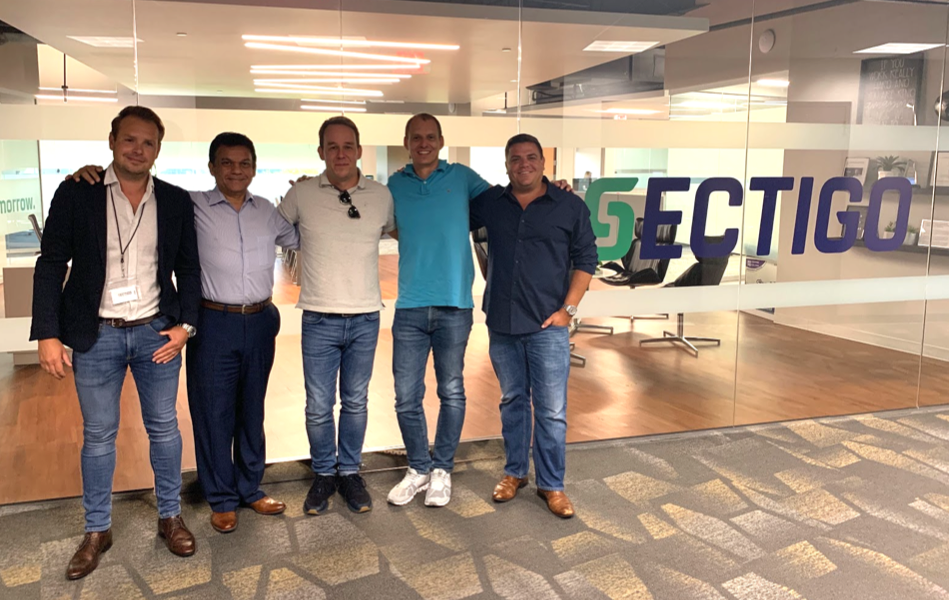
Sectigo, a global leader in digital certificates and Certificate Lifecycle Management (CLM), has officially opened its new office in Chennai, aiming to enhance its customer service delivery across the region. This strategic move not only strengthens Sectigo’s foothold in the rapidly growing technology sector in Chennai but also positions the company to better serve its increasing clientele in India and beyond.

The Chennai office will serve as a critical hub for Sectigo, enabling the company to offer improved technical support, sales, and customer service to its extensive portfolio of clients, which includes businesses of all sizes across various industries. The city is recognized for its robust tech ecosystem, featuring numerous IT parks and a skilled workforce, making it an ideal location for Sectigo’s expansion.

Chennai is among India’s most important technology centers, with a vibrant landscape of IT services and software development firms. The establishment of the new office aligns with the growing demand for digital security solutions as businesses increasingly rely on online transactions and digital platforms. With cyber threats becoming more sophisticated, organizations are prioritizing security measures, thereby driving the need for reliable certificate management.

In a statement during the opening ceremony, Sectigo’s executives emphasized the importance of this expansion in addressing the rising concerns over cybersecurity in the digital age. The Chennai office is expected to facilitate quicker response times and personalized service to clients, ultimately enhancing customer satisfaction.

The Indian market has become a focal point for many global tech companies, and Sectigo’s investment in Chennai signifies its commitment to harnessing the region’s potential. The decision to establish a local presence is driven by the growing adoption of cloud technologies and the shift towards digital-first strategies by businesses. As more companies migrate to cloud-based solutions, the need for secure digital identities becomes paramount, positioning Sectigo as a vital player in this landscape.

Sectigo’s expansion comes at a time when the demand for digital certificates is surging, fueled by the increasing reliance on secure online communications. The company’s comprehensive portfolio includes SSL/TLS certificates, code signing certificates, and IoT device certificates, all of which are critical in establishing trust and securing digital transactions.

The Chennai office is part of Sectigo’s broader strategy to expand its global reach while ensuring localized service. The establishment of regional offices allows Sectigo to better understand and cater to the specific needs of local markets. By leveraging Chennai’s skilled workforce, the company aims to enhance its operational efficiency and technical expertise.

Industry analysts note that the competitive landscape for digital security solutions is evolving rapidly. With the rise of cyber threats, organizations are seeking more robust and scalable solutions. Sectigo’s proactive approach to expanding its operations in key markets like India reflects an understanding of the regional dynamics and the growing demand for advanced security measures.

The Chennai office is expected to play a pivotal role in driving innovation within Sectigo, enabling the company to develop and deploy new security solutions tailored to local market needs. By collaborating with local technology firms and startups, Sectigo aims to foster a culture of innovation and leverage emerging technologies to enhance its service offerings.

This expansion not only supports Sectigo’s growth objectives but also contributes to the local economy by creating job opportunities and fostering talent development. The company plans to recruit skilled professionals from various disciplines, including cybersecurity, technical support, and sales, further bolstering Chennai’s reputation as a technology hub.

As organizations navigate the complexities of digital transformation, the demand for expert guidance in implementing effective security strategies is more critical than ever. Sectigo’s presence in Chennai positions it as a key partner for businesses looking to enhance their cybersecurity posture and protect their digital assets.

The establishment of the Chennai office is also a testament to Sectigo’s long-term vision for growth in the Asia-Pacific region. By investing in local infrastructure and resources, the company aims to create a sustainable model that not only addresses immediate customer needs but also anticipates future trends in the digital security landscape.

HONG KONG SAR – Media OutReach Newswire – 27 September 2024 – A delegation led by Hong Kong’s Financial Secretary Paul Chan is on a four-day visit to London (September 25-28, 2024), the second leg of an overseas trip to strengthen ties with European businesses and cultivate enhanced co-operation, especially in financial services and innovation and technology. Addressing approximately 350 leaders from the British political and business […]

WordPress.org has enacted a ban on WP Engine, a significant managed WordPress hosting provider, triggering widespread discussion within the WordPress community. This decisive action has not only surprised many in the industry but has also raised questions about the future dynamics of managed hosting within the WordPress ecosystem. The decision to ban WP Engine stems from a series of policy violations that WordPress.org officials claim were not […]

VISHNU RAJA
RYO YAMADA
HITORI GOTOH
IKUYO KITA