News related to
beyond

Mubadala Investment Company, a prominent state-owned investment arm based in Abu Dhabi, has acquired a 49% stake in the Spanish industrial firm Tubacex’s subsidiary, Tubacex Group, for approximately $200 million. This strategic investment aims to bolster Mubadala’s presence in the European industrial sector, particularly in the field of manufacturing specialized steel products used in energy, oil, and gas applications. The acquisition signifies a continued trend of Middle […]

By K Raveendran The tenure of Justice Sanjiv Khanna, who is set to succeed Justice D Y Chandrachud as the new Chief Justice of India, is too short to become a pivotal phase and as such promises more continuity than breaking new ground. At the same time, his nuanced perspectives and unwavering commitment to justice, […]

New ‘Designer of the Year’ Award Unveiled HONG KONG SAR – Media OutReach Newswire – 1 November 2024 – Hong Kong Design Centre (HKDC) is pleased to announce the esteemed laureates of the DFA Awards 2024, celebrating the innovative spirit and profound impact of design across Asia. This year, DFA Awards introduced an exciting new accolade, the DFA Designer of the Year, marking a significant milestone in […]

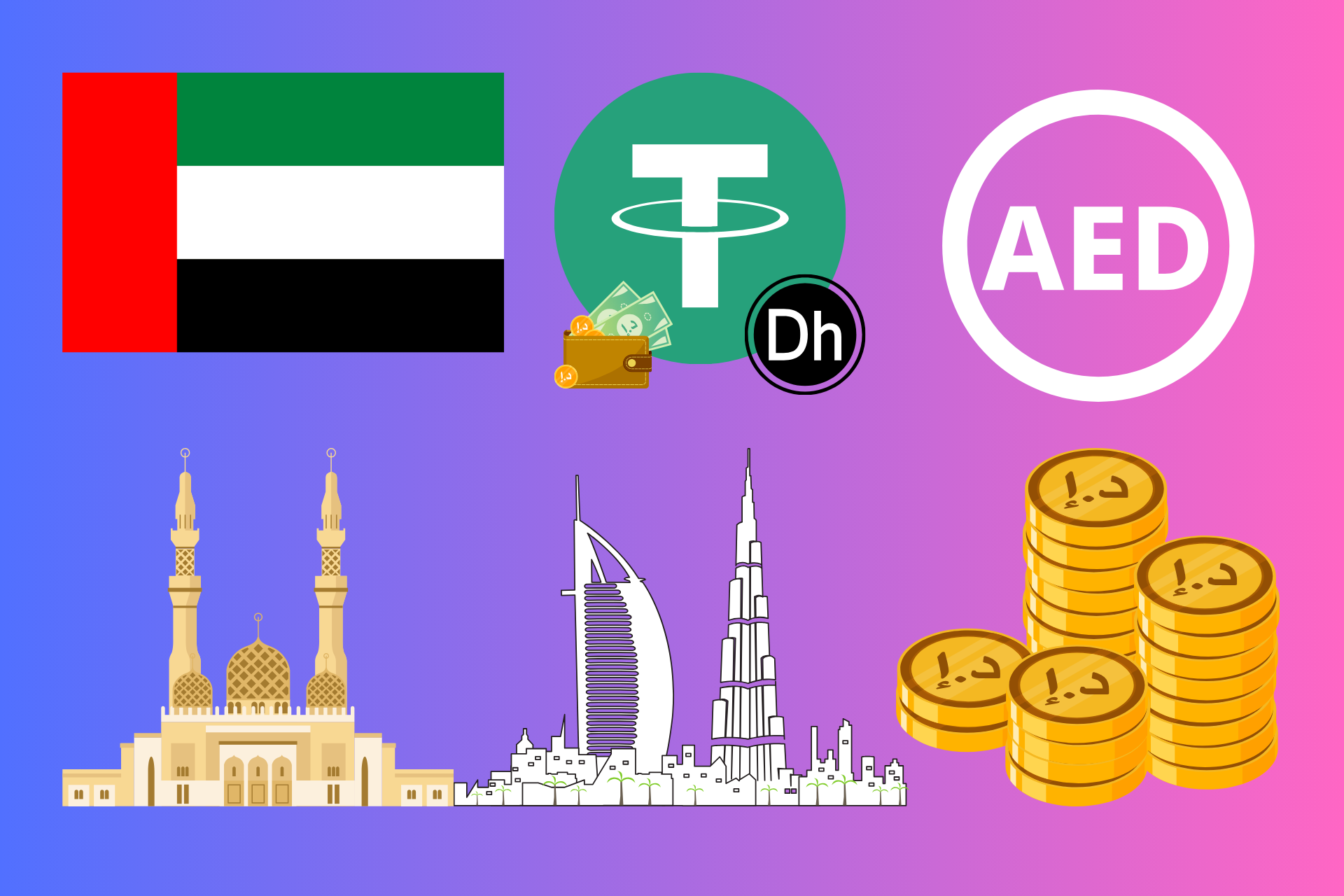
Tether, the prominent stablecoin issuer known for USDT, is set to roll out a new digital asset pegged to the United Arab Emirates Dirham (AED) on the TON blockchain. This strategic move reflects Tether’s ambition to diversify its offerings and capitalize on the Gulf region’s growing interest in stable digital currencies, offering an alternative to dollar-dominated assets. The development highlights the UAE’s evolving regulatory environment, which is increasingly favorable for cryptocurrency adoption, positioning the Gulf state as a major digital finance hub.

The proposed Dirham-backed stablecoin seeks to address the demand for a localized digital currency in the UAE, allowing for easier access to UAE Dirham transactions for users in the region. With full backing in AED reserves held locally, Tether is aiming to reassure users about the coin’s stability and security, a critical factor given regulatory scrutiny of stablecoins globally. Phoenix Group, a UAE-based tech and investment firm, is collaborating with Tether on this project, leveraging the UAE’s technological framework to build a secure ecosystem around the new stablecoin. Tether’s CEO Paolo Ardoino emphasized that the AED-pegged coin is set to cater to users within and beyond the UAE, meeting the increasing need for Dirham-denominated transactions in both personal and business spheres.

The launch on the TON blockchain is noteworthy, as TON has gained traction as a flexible and scalable blockchain platform, offering fast, efficient transactions that are increasingly attractive to enterprises looking for seamless digital payment solutions. This marks Tether’s first stablecoin on TON, adding to its existing range across other platforms. This Dirham-pegged coin will not only diversify Tether’s blockchain presence but also underscore the TON blockchain’s growing relevance in the crypto space, as more businesses seek adaptable infrastructure for their digital financial operations.

By Nitya Chakraborty Republican candidate Donald Trump’s Diwali message, just four days before the crucial November 5 presidential elections in USA, has enormous significance, which goes beyond the possible impact on Hindu-Americans voters on the polling day. The content of the message will have big impact on Bangladesh politics in the event of a Trump […]

Cancer awareness campaign completes 10 years Manju Ramanan “In a world full of entertainment events, it is always a gratifying challenge to venture into an event that inspires and empowers all. The Beyond October Cancer Campaign that I started in 2014 as a Can Defeat Cancer Campaign is just that,” says Manju Ramanan, a journalist, author and Founder of the Beyond October Cancer Campaign. The platform exclusive to […]

BANGKOK, THAILAND – Media OutReach Newswire – 1 November 2024 – Siam Paragon reaffirms its positioning as a leading ‘global luxury destination’ and the top-of-mind destination for both Thai and international visitors. In collaboration with key partners in Thailand’s vibrant business ecosystem, Siam Paragon recently showcased the country’s boundless potential to be a world-class fashion hub with the highly-anticipated “Siam Paragon Bangkok International Fashion Week 2024” (BIFW2024). […]

Advertisements

Dubai International Airport (DXB) has attained a significant milestone in its sustainability efforts by receiving the Airport Carbon Accreditation (ACA) certification at the “Level 3+ Neutrality” stage. This recognition places DXB among a select group of international airports committed to environmental responsibility and carbon neutrality. The certification underscores the airport’s ongoing commitment to reducing its carbon footprint and enhancing sustainable practices in its operations. The Airport Carbon […]

Abu Dhabi’s Economic Vision 2030 gains momentum with a pivotal collaboration between the Emirates Water and Electricity Company (EWEC) and the Abu Dhabi National Exhibitions Company (ADNEC). This partnership aims to transform the ADNEC Centre into a hub for clean energy, marking a significant step towards sustainable development in the region. The agreement, announced on October 30, 2024, highlights EWEC’s commitment to providing renewable energy solutions. By […]

In today’s fast-paced world, leisure time has become a precious commodity. Whether you’re looking to unwind after a long day or seeking new experiences to enrich your weekends, there’s a plethora of activities awaiting your exploration. Engaging in new hobbies, stepping out into nature, fostering inner peace, expanding knowledge, and building connections can all add significant value to your life. Keep reading to learn about some dynamic […]

Mubadala Investment Company’s subsidiary, Mamoura Diversified Global Holding, has successfully launched an AED 1 billion sukuk, priced at a 4.6% yield. This significant move in the Islamic finance sector aims to bolster Mamoura’s liquidity and finance a variety of growth projects, furthering the company’s expansion strategy. The sukuk, which offers investors a Sharia-compliant alternative to conventional bonds, has drawn considerable attention from a diverse range of institutional […]

AD Ports Group and Vingroup have joined forces to advance the ports, logistics, and maritime sectors in Vietnam. This strategic collaboration was formalized through a memorandum of understanding (MoU) signed during the Abu Dhabi International Petroleum Exhibition and Conference, marking a significant step towards enhancing Vietnam’s infrastructure and operational efficiency in these key areas.

The partnership is poised to bring about transformative changes in Vietnam’s logistics and port services. It aims to leverage AD Ports’ extensive expertise in managing ports and logistics, combined with Vingroup’s strong foothold in Vietnam’s real estate and technology sectors. The collaboration is expected to focus on developing port facilities, enhancing logistics capabilities, and expanding the maritime industry across the nation. This initiative aligns with Vietnam’s broader strategy to bolster its position as a pivotal hub for trade and logistics in Southeast Asia.

AD Ports, based in the United Arab Emirates, has established itself as a leader in the maritime industry, operating several ports and logistics services globally. The company has made significant strides in enhancing operational efficiencies and driving growth in the sectors it operates. With this collaboration, AD Ports seeks to extend its reach into the vibrant Vietnamese market, which is witnessing rapid economic growth and increasing demand for modern logistics and port solutions.

Vingroup, on the other hand, is one of Vietnam’s largest private enterprises, with interests spanning various sectors, including real estate, retail, education, healthcare, and technology. The conglomerate has been instrumental in driving innovation and infrastructure development in Vietnam, making it a key player in the nation’s economic landscape. Through this partnership, Vingroup aims to enhance its logistics and maritime capabilities, ensuring that Vietnam can effectively manage its growing trade demands.

Vietnam has been experiencing a surge in its maritime trade, fueled by increasing exports and investments in infrastructure. The country’s strategic geographic location offers a significant advantage, with access to vital shipping routes connecting major markets in Asia and beyond. By improving port infrastructure and logistics services, the partnership between AD Ports and Vingroup is expected to facilitate smoother trade operations and reduce logistical bottlenecks.

The collaboration is not just about infrastructure; it also focuses on technology and innovation. Both companies plan to explore advanced technologies, including digital solutions for supply chain management and port operations. This technological integration aims to optimize efficiency, reduce operational costs, and enhance overall service delivery in Vietnam’s logistics landscape.

The partnership will contribute to job creation and skill development in the local workforce. With the expansion of port facilities and logistics services, there will be an increased demand for skilled labor in various sectors, including engineering, logistics management, and maritime operations. Both AD Ports and Vingroup have expressed their commitment to investing in training programs and initiatives that will equip the local workforce with the necessary skills to thrive in the maritime industry.

This initiative also aligns with Vietnam’s long-term economic goals, as outlined in its National Master Plan for the Development of Vietnam’s Maritime Economy. The plan emphasizes the importance of developing a modern and sustainable maritime sector that can support the nation’s economic growth. By partnering with a global leader like AD Ports, Vingroup is positioning itself to play a crucial role in achieving these objectives.

The broader implications of this collaboration extend beyond economic benefits. It also reflects the growing trend of international partnerships aimed at fostering development in emerging markets. As countries like Vietnam continue to attract foreign investment and expertise, such collaborations will be vital for their sustained growth and competitiveness on the global stage.

Abu Dhabi-based CYVN Holdings is set to acquire the automotive division of the renowned British luxury car manufacturer, McLaren. This significant move represents a strategic expansion for CYVN, a company well-established in the investment sector, particularly within the automotive and technology markets. The acquisition underscores CYVN’s commitment to diversifying its portfolio and strengthening its presence in the high-performance automotive segment.

McLaren Automotive, celebrated for its innovative design and engineering, has faced several challenges in recent years, including financial difficulties exacerbated by global supply chain disruptions and the impact of the pandemic. The brand is known for its exceptional sports cars, such as the McLaren P1 and the 720S, which have garnered a strong following among car enthusiasts and collectors. The acquisition aims to revitalize the brand while integrating CYVN’s resources and expertise to enhance production efficiency and expand market reach.

The financial specifics of the deal have not been disclosed, but analysts suggest that CYVN Holdings has leveraged its substantial investment capabilities to facilitate this acquisition. The transaction is expected to provide McLaren with the necessary capital infusion to reinvest in product development, marketing, and expanding its electric vehicle offerings. The automotive industry is increasingly shifting towards sustainability and electrification, and McLaren has already initiated plans to introduce hybrid and fully electric models.

CYVN Holdings has expressed its intention to maintain McLaren’s legacy while injecting new energy into the brand. This includes a potential increase in research and development efforts, focusing on advanced technologies that align with global automotive trends. Furthermore, the acquisition is anticipated to enhance McLaren’s competitive positioning against other luxury automotive brands, such as Ferrari and Lamborghini, which have also been expanding their electric vehicle lineups.

Industry experts view this acquisition as a critical turning point for both companies. For CYVN, gaining control of a prestigious automotive brand like McLaren enhances its reputation in the luxury sector. For McLaren, this transition could mark the beginning of a new era, enabling it to emerge stronger from its financial setbacks.

As the automotive landscape evolves with rapid technological advancements, partnerships between investment firms and automotive companies are becoming increasingly prevalent. This acquisition reflects a broader trend where financial entities invest in established brands to leverage their market potential. CYVN’s strategic approach highlights the growing interest in the automotive sector among investors looking for promising opportunities.

The implications of this acquisition extend beyond the financial sphere. McLaren’s integration into CYVN’s portfolio could lead to synergies that enhance operational efficiencies. Analysts predict that there will be a focus on optimizing production lines and enhancing supply chain management, especially in light of the ongoing global semiconductor shortages that have plagued the automotive industry.

McLaren’s workforce, known for its engineering prowess, is also a focal point for CYVN. The new ownership structure may foster a collaborative environment that allows for cross-pollination of ideas between CYVN’s existing ventures and McLaren’s automotive expertise. This integration may yield innovations that enhance product offerings and attract a broader customer base.

The transition is expected to be smooth, with CYVN leadership pledging to retain key personnel within McLaren’s management team. This continuity is crucial for maintaining the brand’s identity and ensuring that the legacy of innovation and performance is upheld. Current management is likely to play a pivotal role in navigating this new phase, emphasizing the importance of preserving McLaren’s unique culture while adapting to the changing market dynamics.

As the deal moves toward completion, stakeholders from both companies are optimistic about the future. Analysts emphasize that the automotive sector is at a critical juncture, with opportunities for growth through technological innovation and sustainability initiatives. The partnership between CYVN Holdings and McLaren Automotive could be a blueprint for future collaborations, demonstrating the potential of strategic investments in revitalizing established brands.

With electric and hybrid vehicles becoming the focus of the automotive industry, this acquisition positions both entities to capitalize on emerging trends. McLaren’s storied history in motorsports and its engineering excellence provide a solid foundation for developing cutting-edge electric vehicles that resonate with environmentally conscious consumers.


The United Arab Emirates has solidified its position as a leading hub for Islamic finance, underscoring the growing significance of Sharia-compliant financial instruments in the global marketplace. This assessment comes from the CEO of FTSE Russell, who highlights the UAE’s strategic initiatives and regulatory frameworks that have bolstered its financial sector’s appeal to both domestic and international investors. The ongoing developments reflect the country’s commitment to fostering an environment conducive to Islamic finance and investment.

Islamic finance has gained traction worldwide, driven by a rising demand for ethical and sustainable investment options. The UAE’s proactive approach includes creating a robust regulatory environment, enhancing product offerings, and promoting innovation in financial technology. By embracing these strategies, the nation is attracting a diverse array of investors looking for compliant investment opportunities. According to industry experts, the UAE’s Islamic finance market is expected to expand significantly in the coming years, fueled by an increase in global investor interest and the growing appeal of Sharia-compliant financial products.

FTSE Russell’s CEO pointed out that the UAE is home to several Islamic banks and financial institutions that are setting global benchmarks for excellence in compliance and service delivery. This trend is supported by the UAE’s comprehensive Islamic finance infrastructure, which includes robust legal and regulatory frameworks. Institutions such as the Dubai Islamic Economy Development Centre (DIEDC) play a pivotal role in promoting the Islamic finance agenda and positioning the UAE as a key player in the global Islamic economy. The DIEDC’s initiatives focus on enhancing the knowledge base, facilitating partnerships, and promoting Islamic financial literacy, which are essential for sustaining growth in this sector.

Recent reports indicate that the Islamic finance industry is witnessing a shift towards technology-driven solutions, known as fintech. The UAE is at the forefront of this transformation, with numerous fintech startups emerging in the Islamic finance space. These companies are leveraging technology to enhance the delivery of services, improve customer experience, and streamline operations. The convergence of fintech and Islamic finance not only presents opportunities for innovation but also aligns with the broader economic diversification goals of the UAE.

One key player in this sector is Abu Dhabi Islamic Bank (ADIB), which has been proactive in integrating technology into its service offerings. The bank has launched various digital platforms that cater to the needs of a tech-savvy customer base, thereby enhancing access to Islamic banking products. This strategic focus on digital transformation is indicative of a broader trend among financial institutions in the UAE, which are increasingly recognizing the importance of technological adaptation to remain competitive.

The Islamic finance market is diversifying beyond traditional banking products. Sukuk, or Islamic bonds, have gained prominence as a viable investment vehicle. The UAE is leading the issuance of sukuk globally, with significant contributions from both government and corporate entities. This surge in sukuk issuance is attributed to favorable market conditions and a heightened interest from investors seeking Sharia-compliant options. Analysts predict that the trend will continue, with the UAE playing a pivotal role in shaping the global sukuk market.

Sustainability is another critical aspect of the UAE’s Islamic finance landscape. With the increasing global focus on environmental, social, and governance (ESG) criteria, the UAE is aligning its Islamic finance initiatives with sustainable development goals. Various financial institutions are incorporating ESG principles into their investment strategies, creating products that appeal to environmentally conscious investors. This integration of sustainability into Islamic finance is expected to enhance the sector’s attractiveness and resilience in the face of evolving investor preferences.

The UAE’s commitment to advancing Islamic finance is further reflected in its strategic partnerships with international organizations. Collaborations with entities such as the Islamic Financial Services Board (IFSB) and the Accounting and Auditing Organization for Islamic Financial Institutions (AAOIFI) are aimed at harmonizing standards and practices across the industry. These partnerships enhance the credibility of the UAE’s Islamic finance sector, making it more appealing to foreign investors and institutions looking for stable and compliant investment avenues.

The UAE government is actively promoting awareness and understanding of Islamic finance principles among its citizens. Educational programs and workshops are being organized to foster a deeper understanding of Sharia-compliant financial products. By enhancing financial literacy, the UAE is not only empowering its populace but also cultivating a new generation of investors who are well-versed in the principles of Islamic finance.

Unlocking New Horizons to Broaden Presence in the UAE, Facilitating Cross-Boundary Interconnectivity of e-Payments HONG KONG SAR – Media OutReach Newswire – 30 October 2024 – EFT Solutions Holdings Limited (“EFT Solutions” or the “Company”, together with its subsidiaries, the “Group”; stock code: 8062.HK), a leading electronic fund transfer point-of-sales (“EFT-POS”) solutions provider, is pleased to announce that the Company entered into a memorandum of understanding (the […]

A significant shift in traffic regulations has taken place in the UAE, emphasizing the need for responsible driving and proper first aid practices among motorists. The newly implemented traffic law mandates that drivers must possess adequate medical knowledge before attempting to provide first aid at accident scenes. This change aims to improve the safety of all road users and reduce the risk of unintended harm caused by inexperienced individuals during emergencies.

The law highlights the critical nature of road safety in a nation where high vehicle speeds and heavy traffic contribute to frequent accidents. By establishing legal guidelines around first aid, authorities are ensuring that only those trained in emergency medical response take action at the scene of a traffic incident. This approach intends to foster a more educated driver population and mitigate the likelihood of further injuries during rescue efforts.

The legislation reinforces the importance of basic driving etiquette, urging drivers to adhere strictly to traffic signs and maintain a courteous demeanor on the road. This initiative responds to growing concerns over aggressive driving behaviors and accidents stemming from negligence towards road signs. Motorists are encouraged to slow down, especially in congested areas, as a matter of respect for fellow road users, including pedestrians and cyclists.

Authorities emphasize that the law serves both as a guide and a deterrent. Drivers who fail to comply with the regulations may face penalties, thereby promoting adherence through financial consequences. The hope is that this legal framework will cultivate a culture of safety that extends beyond mere compliance to foster genuine concern for others on the road.

Education and awareness campaigns are also set to accompany the new regulations. Government agencies and organizations will launch initiatives aimed at informing drivers about the importance of responsible driving habits and the legal requirements for providing first aid. These campaigns will address various aspects of road safety, from understanding traffic signs to learning basic first aid techniques, ensuring that motorists are well-equipped to handle emergencies effectively.

Key stakeholders in the transportation sector, including the Ministry of Interior and local police departments, are committed to enforcing these regulations. Traffic patrols will increase their presence on the roads, focusing on both compliance with speed limits and adherence to the new first aid requirements. Collaboration between governmental bodies and community organizations will be essential in disseminating information and fostering a cooperative spirit among motorists.

The law has garnered mixed reactions from the public. Some drivers welcome the initiative as a necessary step towards enhancing road safety, recognizing the potential for significant improvements in emergency response. Others express concerns about the implications of the first aid requirement, questioning how strictly it will be enforced and what constitutes adequate medical knowledge.

Legal experts have noted that while the law may seem daunting, its implementation will depend heavily on educational outreach and community support. Defining the threshold for “adequate medical knowledge” will be crucial to ensure that the law is both practical and enforceable. The authorities are likely to set standards for training and certification, potentially partnering with medical organizations to provide resources and support.

The traffic law aligns with broader initiatives aimed at reducing road fatalities across the UAE. Statistical data has indicated that road traffic accidents remain a leading cause of injury and death in the region, prompting government efforts to create safer driving environments. By addressing both driver behavior and emergency response, the law seeks to create a holistic approach to traffic safety.

This legislative move mirrors global trends toward more responsible driving and proactive emergency response. Countries around the world are increasingly recognizing the role of drivers in maintaining public safety and are enacting laws to reflect this responsibility. As the UAE positions itself as a leader in traffic safety, these regulations could serve as a model for other nations grappling with similar issues.

Future developments are expected to revolve around the law’s efficacy in reducing accident rates and improving emergency response outcomes. Continuous monitoring and evaluation will be vital in assessing whether the regulations achieve their intended goals. The authorities may adjust strategies based on feedback from the public and data analysis, ensuring that the laws remain relevant and effective.

Global data center colocation leader Equinix has inaugurated its inaugural International Business Exchange (IBX) data center in South Africa, marking a significant expansion in the African market. The new facility, known as JN1, is situated in Germiston, Johannesburg, and involves a substantial investment of approximately US$160 million. This development is poised to enhance digital infrastructure and interconnection capabilities within the region. Equinix’s entrance into the South African […]

Investcorp, a global alternative investment powerhouse with a strong presence in the Gulf, has formalized a strategic partnership with Awaed, Saudi Arabia’s pioneering commission-free trading platform. This move underscores Investcorp’s continued expansion in the Middle East’s fintech sector, aligning with Saudi Arabia’s Vision 2030, which aims to diversify the nation’s economy by promoting non-oil industries, including financial technology.

The collaboration with Awaed is positioned to provide Awaed’s growing user base access to Investcorp’s recently launched Saudi Pre-IPO Growth Fund. The fund, which Investcorp launched to help promising Saudi enterprises prepare for public offerings, aims to bridge international capital with local businesses ready for substantial growth. According to sources familiar with the development, this fund will allow Awaed users to engage in pre-IPO investments, an option typically reserved for high-net-worth and institutional investors. This democratization of access to Investcorp’s fund represents a new frontier for retail investors, who now have an unprecedented opportunity to back burgeoning companies within Saudi Arabia’s rapidly transforming economy.

Established in 2021, Awaed is Saudi Arabia’s first platform to offer commission-free trading and has seen swift adoption among Saudi nationals seeking affordable, accessible investment solutions. This partnership marks a significant step for Investcorp as it becomes one of the few global asset managers to embrace a fintech-focused partnership model in the Kingdom. By aligning with Awaed, Investcorp aims to tap into Saudi Arabia’s youthful, tech-savvy population, many of whom are increasingly exploring investment options beyond traditional asset classes. The collaboration reflects a deepening trend where global asset managers are seeking ways to engage with the rapidly evolving financial landscape across the Gulf Cooperation Council (GCC) region.

Investcorp’s strategy behind the partnership aligns closely with its broader investment narrative in the GCC and Asia. The company recently announced a $1 billion platform, supported by the China Investment Corporation (CIC), to stimulate cross-border investments between China and GCC nations, including Saudi Arabia. This initiative highlights Investcorp’s commitment to facilitating global capital flows that foster economic growth within and beyond the Gulf region.

Hazem Ben-Gacem, Co-CEO of Investcorp, has previously expressed that the company views the GCC as a critical growth hub. With an established 40-year legacy across asset classes, Investcorp sees this latest partnership as an extension of its long-standing relationship with the region. The move to support retail investors through Awaed signals a shift in Investcorp’s approach, as the asset manager traditionally focused on high-net-worth and institutional clients. This partnership not only amplifies Investcorp’s influence in the local market but also strengthens its position as a key player in Saudi Arabia’s emerging fintech sector.

The timing of Investcorp’s collaboration with Awaed coincides with increased government and private sector support for the fintech ecosystem in Saudi Arabia. The Saudi Central Bank and the Capital Market Authority have both been active in implementing regulatory frameworks that encourage innovation while ensuring consumer protection. This regulatory backing has enabled companies like Awaed to flourish, as seen in the company’s rapid user adoption since its launch.

Looking ahead, the partnership’s implications for Saudi Arabia’s investment landscape are substantial. By enabling access to pre-IPO opportunities, Investcorp and Awaed are positioning themselves at the forefront of a shift where retail investors become active participants in wealth creation through high-growth local companies. This arrangement could also stimulate further investment interest among global asset managers eyeing the GCC as a burgeoning market ripe with opportunities in sectors such as fintech, real estate, and logistics.

HANOI, VIETNAM – Media OutReach Newswire – 17 October 2024 – Vietnam Airlines has successfully launched an unprecedented series of initiatives to offset CO2 emissions and reduce plastic waste. These efforts represent a significant step in the airline’s commitment to sustainable development and align with The Aviation Challenge 2024 organized by the global airline alliance SkyTeam. Students in Con Dao participated in waste collection and learned how […]

Navigating Opportunities in the MENA: Cultivating a Smart Mobility Ecosystem HONG KONG SAR – Media OutReach Newswire – 29 October 2024 – Mobile Shop Group Limited (“Mobile Shop” or the “Company“), a Hong Kong based taxi management and operation company, is pleased to announce a collaboration with Zand Bank, the United Arab Emirates (UAE)’s fully licensed all-digital bank, to provide “Smart City Innovation Solutions” in the Middle […]

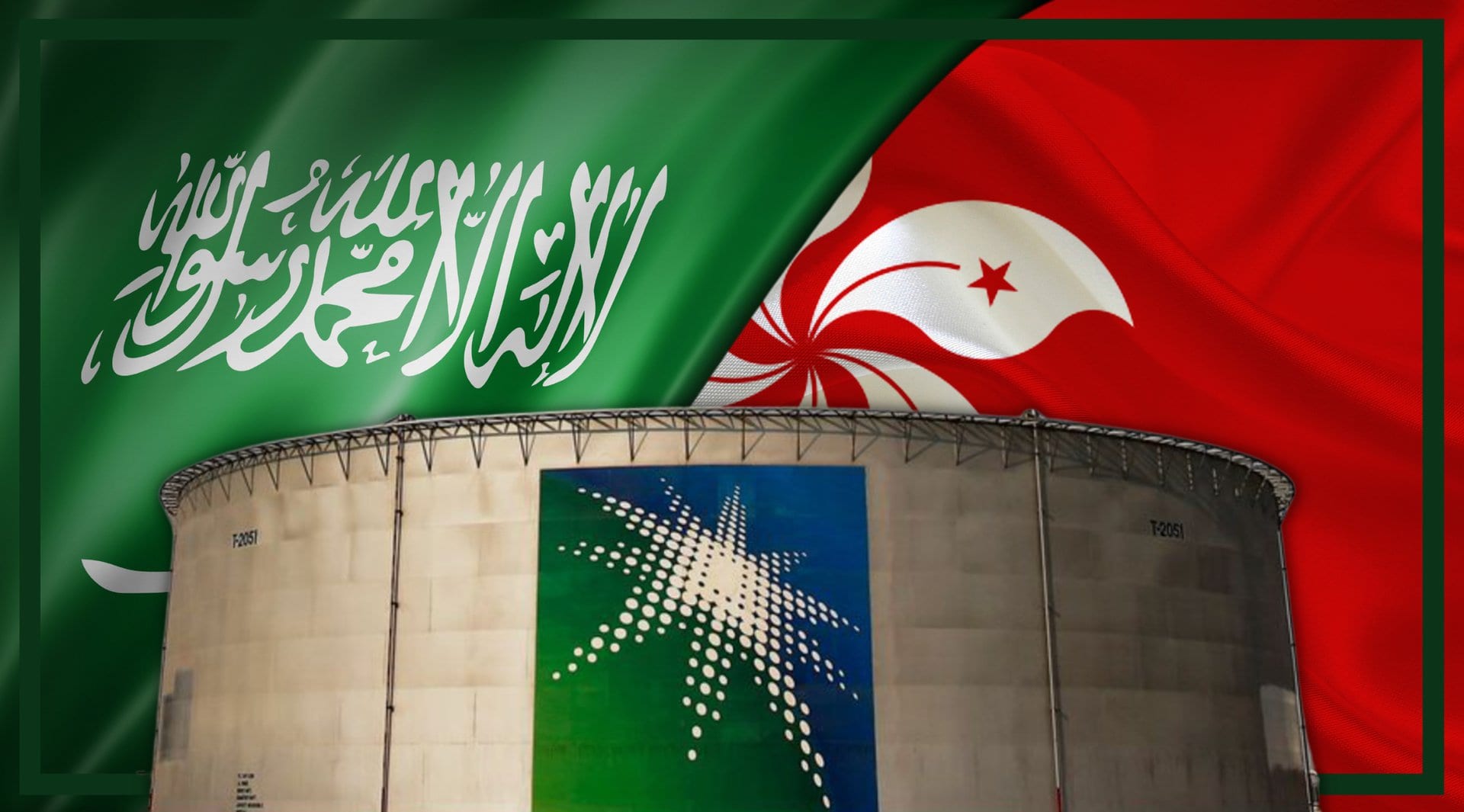
Hong Kong’s tech and innovation sector has stepped into a strategic collaboration with Saudi Arabia’s Vision 2030, underscoring the growing relationship between these two economic hubs. In a landmark move, InvestHK, Hong Kong’s leading economic development agency, recently sent its largest startup delegation to the Kingdom to explore new avenues for investment and innovation in sectors such as fintech, smart manufacturing, and biotechnology. This alignment reflects a critical juncture as Saudi Arabia continues to diversify beyond oil and adopt a knowledge-driven economy through strategic global partnerships and a pivot towards tech and sustainability.

At the Future Investment Initiative (FII) held in Riyadh, Hong Kong’s representatives, including top executives from InvestHK, engaged directly with Saudi public and private sector leaders to understand the vast opportunities emerging in the Kingdom’s evolving market. The delegation highlighted Hong Kong’s robust tech ecosystem and advanced capabilities in finance and logistics, seeking collaboration in new areas of digital transformation and green technology. These meetings aim to serve as groundwork for greater bilateral relations, aligning with Saudi Arabia’s development of NEOM, an ambitious $500 billion smart city designed to be a hub for advanced technology, renewable energy, and AI-driven innovation.

The FII summit served as a platform for Hong Kong’s startups to showcase their expertise, particularly in sectors such as fintech, e-commerce, supply chain technology, and data analytics. Saudi Arabia, with a clear agenda to attract foreign investment, has positioned itself as a fertile ground for growth, with a primary focus on technology and diversified industries. Hong Kong startups found particular resonance in Saudi initiatives around blockchain, IoT, and renewable energy technologies—areas where Hong Kong has been a leader across Asia. The nation’s supportive business environment, competitive tax framework, and international connectivity make it an attractive collaborator as Saudi Arabia envisions a post-oil economy by 2030.

Hong Kong’s appeal as a tech incubator has surged in recent years, with InvestHK reporting that its startup sector reached a new high in 2023, with 4,257 startups employing over 16,000 professionals. The ecosystem’s steady expansion is attributed to Hong Kong’s low tax rates, favorable business environment, and proximity to the Mainland China market. The city’s fintech sector is particularly vibrant, bolstered by government support and private investment, drawing attention from economies seeking to boost their own digital economies. InvestHK’s delegation in Riyadh emphasized Hong Kong’s standing as a gateway to Asia and its significance in the Greater Bay Area, which comprises key cities in Southern China and supports an increasingly interconnected economic network.

The collaboration between Hong Kong and Saudi Arabia is set to be mutually beneficial, as Saudi initiatives are increasingly inviting global tech pioneers to participate in its ambitious transformation. Saudi Vision 2030’s blueprint includes the growth of high-tech cities, the promotion of renewable energy, and the fostering of innovation-driven sectors—creating ample opportunity for foreign enterprises and startups. As such, the Hong Kong delegation’s visit was also a step towards establishing Hong Kong as a vital partner in Saudi Arabia’s pursuit of economic diversification and sustainable development, further cementing the city’s status as a key player in global tech advancement.

Despite current global economic headwinds, both Hong Kong and Saudi Arabia remain committed to advancing their tech sectors. The FII platform allowed participants from Hong Kong to discuss strategic growth areas with Saudi officials, focusing on infrastructure, venture capital, and talent development. Given the record-high startup figures in Hong Kong, the exchange of expertise and collaborative projects in fields such as AI, logistics technology, and health tech appear poised for expansion.

A significant transformation is underway in Saudi Arabia as a growing number of start-ups are choosing the kingdom as their base, marking it as a crucial destination for entrepreneurs. This influx stems from the nation’s strategic investments and reforms aimed at diversifying its economy beyond oil dependence. The Vision 2030 initiative has played a pivotal role in shaping a conducive environment for innovation and entrepreneurship, facilitating the kingdom’s emergence as a vibrant start-up ecosystem.

Investment in technology and innovation has surged, with the government introducing various initiatives to encourage entrepreneurial activities. The Saudi Arabian government has allocated substantial funding to support start-ups through entities like the Public Investment Fund (PIF) and initiatives such as the Saudi Venture Capital Company. This funding is complemented by a supportive regulatory framework, designed to simplify processes for new businesses, making it easier for both local and foreign entrepreneurs to establish their ventures in the kingdom.

The burgeoning tech sector in Saudi Arabia is drawing attention not just locally but globally. The kingdom has become increasingly attractive to international investors looking for opportunities in fast-growing markets. Notably, the start-up scene has expanded in sectors like fintech, e-commerce, health tech, and logistics. Reports indicate that Saudi Arabia’s start-up ecosystem raised around $1.1 billion in funding in 2023 alone, with numerous investment rounds capturing significant amounts for emerging companies. This financial influx is crucial as it allows entrepreneurs to scale their businesses and tap into new markets.

Major international companies are increasingly establishing their operations in Saudi Arabia. Global tech giants like Amazon and Microsoft have expanded their presence in the region, contributing to a thriving tech environment. Their involvement not only brings investment but also fosters a culture of innovation by creating partnerships with local start-ups and providing mentorship opportunities.

Networking events and incubators have also proliferated, serving as platforms for entrepreneurs to connect with potential investors, mentors, and peers. Initiatives like the Misk Innovation program and the Saudi Startups Network have emerged as significant players in facilitating the growth of start-ups by providing essential resources, training, and networking opportunities. These networks enhance collaboration among entrepreneurs, allowing them to share knowledge, insights, and experiences.

The cultural shift towards entrepreneurship is also evident in the changing perceptions among Saudi youth. With a large proportion of the population being young and tech-savvy, there is a growing eagerness to embrace entrepreneurship as a viable career path. Educational institutions are adapting their curricula to emphasize entrepreneurship and innovation, equipping students with the skills necessary to navigate the challenges of starting and running a business.

However, challenges persist for start-ups operating in the kingdom. While the regulatory environment has improved, issues related to bureaucracy and access to financing still exist. Entrepreneurs often face hurdles in navigating the legal landscape, which can impede their ability to establish and scale their businesses. Additionally, there is a need for greater access to venture capital, as many start-ups struggle to secure funding beyond initial rounds.

Despite these challenges, the outlook remains positive as the Saudi government continues to implement reforms aimed at enhancing the business climate. The Kingdom is actively working to promote a knowledge-based economy by fostering innovation and entrepreneurship through policies that encourage research and development. Collaboration with educational institutions and private sectors is crucial in creating a robust ecosystem that supports start-ups and nurtures talent.

Saudi Arabia’s geographical location presents a strategic advantage, offering easy access to regional and international markets. Its proximity to other Middle Eastern and North African countries positions it as a gateway for start-ups aiming to expand their reach beyond local borders. As logistics and transportation networks improve, the kingdom is likely to become a vital hub for companies looking to serve a broader audience.

Lulu Group International, the UAE-based retail giant, has unveiled the price range for its initial public offering (IPO), setting the stage for a significant financial maneuver aimed at bolstering its market position. The company, known for its extensive network of hypermarkets and supermarkets across the Middle East and beyond, is targeting a price range between AED 2.30 and AED 2.70 per share. This pricing strategy could raise […]

A growing number of start-ups are flocking to Saudi Arabia, transforming the kingdom into a significant exit market for entrepreneurs seeking to capitalize on burgeoning opportunities. This shift reflects the nation’s ambition to diversify its economy beyond oil dependency, aligning with its Vision 2030 initiative aimed at fostering innovation and entrepreneurship. Data from recent industry reports highlights a surge in venture capital investment in Saudi Arabia, signaling […]

VISHNU RAJA
RYO YAMADA
HITORI GOTOH
IKUYO KITA