News related to
demand

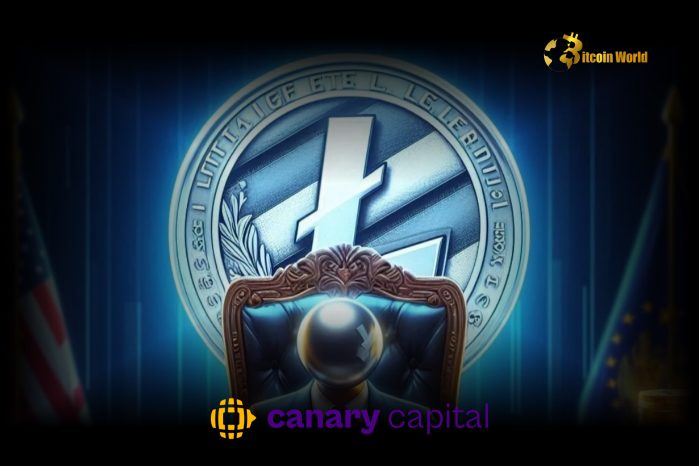
Canary Capital’s proposed spot Litecoin exchange-traded fund has been listed on the Depository Trust and Clearing Corporation system under the ticker LTCC, signaling a significant advancement toward its potential debut. This development indicates that the necessary trading infrastructure is being established, though the ETF still awaits approval from the U.S. Securities and Exchange Commission .

The DTCC serves as the primary clearing and settlement provider for securities transactions in the United States, processing millions of trades daily. Inclusion in the DTCC system is a critical preparatory step for any ETF, ensuring that once regulatory approval is granted, the fund can commence trading seamlessly. However, it’s important to note that a DTCC listing does not imply SEC approval; it merely reflects that the issuer is making necessary arrangements ahead of a potential launch.

Canary Capital submitted its application for the spot Litecoin ETF in October 2024, positioning itself ahead of similar filings by asset managers such as Grayscale and CoinShares. The firm’s proactive approach suggests a strategic effort to be at the forefront of offering investors exposure to Litecoin through a regulated financial product. If approved, this ETF would be the first in the U.S. to provide direct exposure to Litecoin, expanding the range of cryptocurrency investment options beyond Bitcoin and Ethereum.

The SEC’s decision-making process involves a thorough review of such applications, with an initial period of 45 days from the filing date, extendable up to 90 days. Given that Canary Capital’s application was filed in October 2024, a decision is anticipated imminently. Market analysts have been closely monitoring the situation, with Bloomberg’s Senior ETF Analyst Eric Balchunas estimating a 90% probability of approval before the end of 2025. This optimistic outlook is based on the SEC’s recent approvals of spot Bitcoin and Ethereum ETFs, which have set a precedent for similar cryptocurrency-based financial products.

The potential approval of a spot Litecoin ETF holds significant implications for the cryptocurrency market. Litecoin, often referred to as the “silver” to Bitcoin’s “gold,” has maintained a robust presence in the digital asset space since its inception in 2011. Designed to offer faster transaction confirmations and a different hashing algorithm, Litecoin has garnered a dedicated user base and widespread adoption. The introduction of an ETF would likely enhance Litecoin’s visibility and accessibility, attracting a broader spectrum of investors, including those who prefer traditional investment vehicles over direct cryptocurrency holdings.

The cryptocurrency market has experienced a surge in ETF-related activities, especially following the successful launch of spot Bitcoin ETFs in 2024. These products have collectively attracted substantial capital inflows, with Bitcoin ETFs alone amassing $65 billion, far exceeding initial projections. This influx of institutional investment has been a driving force behind the appreciation of Bitcoin’s price, which soared from $43,000 to over $100,000 within the same year. The anticipated approval of a Litecoin ETF could potentially replicate this effect, providing upward momentum for Litecoin’s market value.

As of February 22, 2025, Litecoin is trading at approximately $129.57, reflecting a slight decrease of 0.04% from the previous close. The cryptocurrency reached an intraday high of $138.79 and a low of $123.95. Market participants are keenly observing these price movements, as the potential approval of the ETF could serve as a catalyst for increased demand and price appreciation.


Medical science is undergoing a transformative phase, with innovative approaches like xenotransplantation, 3D bioprinting, and stem cell therapies offering potential solutions to the persistent organ shortage crisis. These cutting-edge technologies aim to bridge the gap between organ demand and supply, providing hope to thousands awaiting transplants. Xenotransplantation, the practice of transplanting organs from one species to another, has seen significant strides. In November 2024, Towana Looney, a […]

By Arun Srivastava Saffron ecosystem, especially the BJP leadership always strives to turn a Hindu festival into a political controversy. Every dispute adds to its membership and helps widen its support base. This time too they have succeeded in their move to politicize Maha Kumbh Mela. Notwithstanding stampede and death of large number of pilgrims […]
Produced by the Group’s wholly-owned indirect subsidiary, Studio Take, the Korean adaptation of the Taiwanese hit YOU ARE THE APPLE OF MY EYE, premieres today, topping advance ticket reservation sales for Korean films Following Studio Take’s A MAN OF REASON (2023), which premiered globally at the 47th Toronto International Film Festival, the addition of YOU ARE THE APPLE OF MY EYE to its portfolio underscores Studio Take’s […]

Portland-based startup AheadComputing has secured $21.5 million in seed funding to develop advanced CPU technology utilizing the open-source RISC-V architecture. Founded by former Intel executives, the company aims to address performance challenges in artificial intelligence applications, particularly those related to bandwidth and data processing limitations. Leading the company is CEO Debbie Marr, who, along with other senior executives, departed Intel last year to establish AheadComputing. Marr emphasized […]

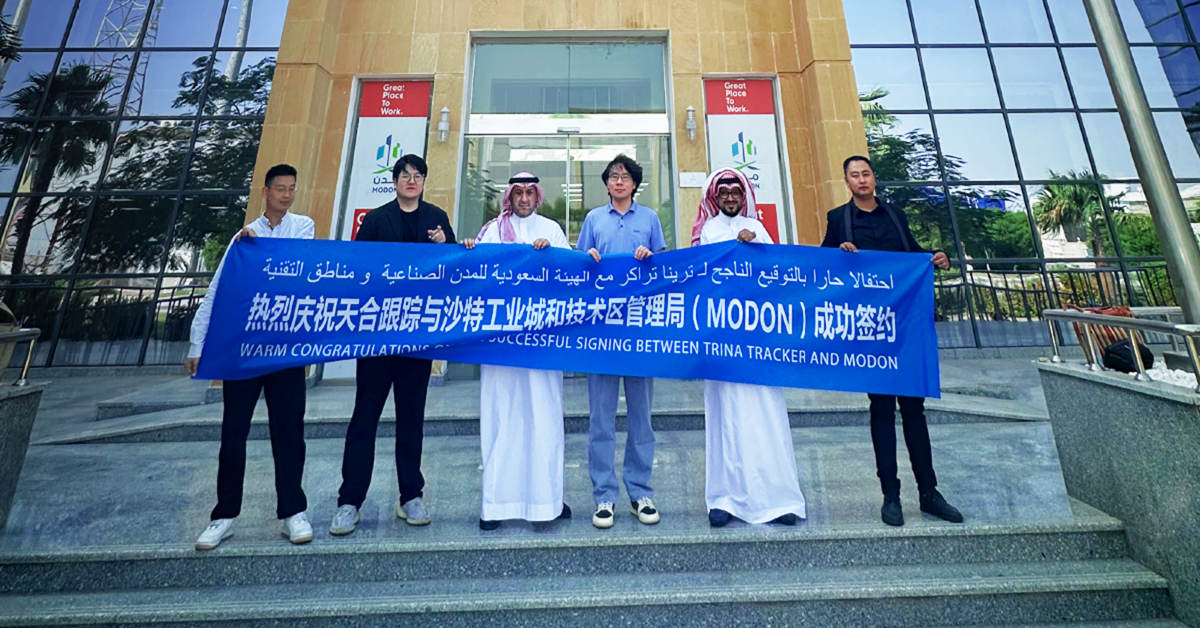
TrinaTracker, a division of China’s Trina Solar, has inaugurated a manufacturing facility in Jeddah’s 3rd Industrial City, Saudi Arabia, with an annual production capacity of 3 gigawatts . This strategic move aligns with Saudi Arabia’s ambitious Vision 2030 plan, aiming to diversify its energy portfolio by significantly increasing renewable energy sources.

The newly established plant specializes in producing TrinaTracker’s Vanguard series of solar trackers and smart control systems. These advanced trackers are designed to optimize the orientation of solar panels, enhancing energy capture and overall efficiency. Notably, the facility operates with zero pollutant emissions during its production processes, underscoring TrinaTracker’s commitment to sustainable manufacturing practices.

This Jeddah-based factory marks TrinaTracker’s fourth manufacturing hub, complementing existing facilities in China, Spain, and Brazil. The decision to establish a presence in Saudi Arabia reflects the company’s strategy to localize production and meet the growing demand for solar energy solutions in the Middle East.

Saudi Arabia has set an ambitious goal to source at least 50% of its power from renewable energy by 2030, targeting an expansion to 130 GW of renewable capacity. Of this, 58.7 GW is expected to come from solar energy. The integration of TrinaTracker’s manufacturing capabilities is poised to play a pivotal role in achieving these targets, providing locally produced, state-of-the-art solar tracking technology.

The Kingdom’s commitment to renewable energy is further evidenced by several large-scale solar projects. The Sudair Solar PV Project, located in Sudair Industrial City, is nearing full operational status. Once completed, this 1.5 GW facility will supply power to approximately 185,000 households and is expected to offset an estimated 2.9 million tons of carbon dioxide emissions annually. The project utilizes bifacial solar panels with single-axis tracking technology, enhancing efficiency and energy output.

In addition to domestic initiatives, Saudi Arabia has engaged in international collaborations to bolster its renewable energy infrastructure. In December 2024, during French President Emmanuel Macron’s visit to Riyadh, agreements were signed with French energy giants TotalEnergies and EDF Renewables. TotalEnergies is set to construct a 300 MW solar park in Rabigh Industrial City, while EDF Renewables will develop two solar parks totaling 1.4 GW. These projects are slated to commence operations by 2026 and are part of the Kingdom’s broader strategy to attract foreign investment and expertise in the renewable sector.

Societe Generale-FORGE , a subsidiary of the French banking group Societe Generale, has launched its Euro-backed stablecoin, EUR CoinVertible , on the Stellar blockchain network. This development positions EURCV as one of the first Euro-denominated stablecoins fully compliant with the European Union’s Markets in Crypto-Assets regulations.

The integration of EURCV into the Stellar network aims to enhance the efficiency of cross-border transactions and financial applications. Stellar’s blockchain infrastructure is recognized for its scalability, speed, and cost-effectiveness, making it a strategic choice for SG-FORGE’s digital asset expansion. This move is part of SG-FORGE’s broader multichain strategy, which includes plans to deploy EURCV on other blockchain platforms such as Solana and the XRP Ledger.

Denelle Dixon, CEO of the Stellar Development Foundation, highlighted the significance of this collaboration, stating that the launch of EURCV on Stellar represents a substantial advancement in digital payments. By combining Stellar’s robust blockchain technology with a trusted MiCA-compliant stablecoin, users are provided with a more efficient means to store and transfer value across borders, facilitating the adoption of this new form of money by individuals and businesses.

SG-FORGE’s commitment to regulatory compliance is evident in its adherence to the MiCA framework, which is designed to provide a clear and harmonized regulatory environment for crypto-assets within the European Union. By ensuring that EURCV meets these stringent regulatory standards, SG-FORGE offers users enhanced security and transparency in their digital transactions.

The decision to utilize the Stellar network was influenced by several technical advantages. Stellar’s architecture supports thousands of operations per second, ensuring that EURCV can handle high transaction volumes efficiently. Transactions on Stellar are typically completed within seconds, a critical feature for real-time financial applications. Additionally, the low transaction costs on the Stellar network make it ideal for micropayments and cross-border transfers, further enhancing the utility of EURCV in various financial contexts.

Guillaume Chatain, Chief Revenue Officer at SG-FORGE, emphasized the alignment between Stellar’s approach and SG-FORGE’s mission to promote broader adoption of stablecoins within the financial system. The collaboration with Stellar is expected to facilitate seamless integration of EURCV into a diverse network of financial institutions, asset managers, and traditional finance entities already connected to the Stellar ecosystem.

This expansion of EURCV onto the Stellar network is anticipated to open new avenues for users and businesses to access a secure, transparent, and scalable digital Euro stablecoin. The combination of MiCA regulatory assurance with Stellar’s robust blockchain infrastructure marks a significant milestone in the evolution of digital assets in Europe.

SG-FORGE’s strategic move comes at a time when the European Union is intensifying its regulatory oversight of crypto-assets. The MiCA regulations, which came into effect in January 2025, require stablecoin issuers to comply with specific standards to operate within the EU. This regulatory environment aims to protect investors and ensure the stability of the financial system, prompting issuers like SG-FORGE to align their offerings with these new requirements.

The launch of EURCV on Stellar is expected to have a positive impact on the adoption of digital assets among institutional investors. By providing a MiCA-compliant stablecoin, SG-FORGE addresses the growing demand for regulated digital assets that can be seamlessly integrated into traditional financial systems. This development is poised to enhance the credibility and acceptance of digital currencies in mainstream financial markets.

In addition to its regulatory compliance and technical advantages, EURCV’s deployment on Stellar is set to benefit from the network’s existing features, including its built-in decentralized exchange. This functionality allows for decentralized transactions between end-users on various cryptocurrencies, facilitating the integration of EURCV into a wide range of financial applications and services.

As SG-FORGE continues to advance its multichain strategy, the successful integration of EURCV on the Stellar network serves as a model for future deployments. The company’s proactive approach to regulatory compliance and technological innovation underscores its commitment to providing secure and efficient digital asset solutions in the evolving financial landscape.

The collaboration between SG-FORGE and Stellar exemplifies the potential of combining traditional financial expertise with cutting-edge blockchain technology. As digital assets become increasingly integral to the global financial system, initiatives like the EURCV stablecoin on Stellar are paving the way for more inclusive and efficient financial services.

Advertisements

HONG KONG SAR – Media OutReach Newswire – 21 February 2025 – The Hong Kong Science and Technology Parks Corporation (HKSTP) successfully hosted the “AI in Action” Career Day, attracting over 3,000 visitors. Marking HKSTP’s first-ever AI-focused recruitment initiative, the event delivered a one-stop career platform tailored for young professionals and graduates, connecting them with over 150 AI-specialised companies. Together, these innovators showcased 1,000+ roles in cutting-edge […]

The highly anticipated launch of Pi Network’s open mainnet on 20 February 2025 led to a dramatic 65% decline in the value of its native cryptocurrency, Pi Coin , within 24 hours. Initially trading at $1.97 upon its debut, Pi Coin’s price plummeted to $0.64 by the following day, raising concerns among investors and market analysts.

Pi Network, a blockchain project that enables users to mine Pi Coins via mobile devices, transitioned from its enclosed mainnet phase—active since December 2021—to an open mainnet on 20 February. This shift allowed users to transfer and trade their Pi Coins on various cryptocurrency exchanges. Major platforms such as OKX, Bitget, and MEXC promptly listed the token, facilitating its entry into the broader crypto market.

Despite the initial enthusiasm, the market response was swift and severe. The coin’s value experienced a sharp decline, dropping from a peak of $1.97 to $0.64 within a day. Analysts attribute this rapid depreciation to several factors, including mass sell-offs by early adopters, limited initial liquidity, and broader market uncertainties.

Mass sell-offs by early adopters significantly contributed to the downward pressure on Pi Coin’s price. Many users, having accumulated Pi during the network’s development phase, opted to liquidate their holdings upon gaining the ability to trade, leading to an oversupply in the market. This influx of sell orders overwhelmed the available buy orders, exacerbating the price decline.

The limited initial liquidity on exchanges further intensified the situation. As Pi Coin became tradable, the market struggled to absorb the high volume of sell orders due to insufficient liquidity. This imbalance between supply and demand accelerated the price drop, as buyers were unable to match the selling pressure.

Broader market uncertainties also played a role in the coin’s performance. The cryptocurrency market is known for its volatility, and new entrants often face skepticism from investors. Concerns regarding the project’s legitimacy emerged, particularly after Bybit CEO Ben Zhou publicly questioned Pi Network’s credibility. Citing a 2023 warning from Chinese authorities that labeled the project a “scam” targeting the elderly, Zhou challenged the Pi Network team to address these allegations. He stated that Bybit had no plans to list Pi Coin, further influencing market sentiment.

The Pi Network community expressed mixed reactions to the coin’s market debut. While some members remained optimistic about the project’s long-term potential, others voiced concerns over the immediate price volatility and the project’s overall transparency. The sudden price drop prompted discussions about the need for clear communication from the Pi Network team regarding their roadmap and measures to ensure investor confidence.

The United States government is escalating its demands for Ukraine to grant substantial mineral rights to American companies, a move that has led to heightened tensions between President Donald Trump and Ukrainian President Volodymyr Zelenskyy. The proposed agreement seeks to provide the U.S. with access to Ukraine’s vast reserves of critical minerals, valued at approximately $500 billion, in exchange for continued military and financial support amid Ukraine’s […]

Choosing an appropriate counseling center is a pivotal decision for individuals seeking mental health support. The right environment not only provides professional assistance but also fosters a sense of safety and trust, essential for effective therapy. Counseling centers offer a structured setting where licensed professionals address various mental health concerns, including anxiety, depression, and stress-related issues. These centers are staffed by trained therapists who employ evidence-based approaches […]

Lambda, a prominent AI infrastructure provider, has raised $480 million in a Series D funding round, elevating its total equity capital to $863 million. The investment aims to accelerate the expansion of Lambda’s Cloud platform, Model Inference API, and Chat AI Assistant. The funding round was co-led by Andra Capital and SGW, with participation from notable investors including Andrej Karpathy, ARK Invest, Fincadia Advisors, G Squared, In-Q-Tel […]

Gulf Cooperation Council equity markets are projected to yield returns between 12% and 13% in 2025, according to First Abu Dhabi Bank’s latest Global Investment Outlook report. This optimistic forecast is underpinned by robust economic growth, strategic diversification efforts, and a stable geopolitical climate within the region.

The report highlights that the United Arab Emirates is expected to see its Gross Domestic Product growth accelerate from 4.5% to 5.6% in 2025, surpassing the International Monetary Fund’s global growth projection of 3.2%. This surge is attributed to significant investments in non-oil sectors, including technology, tourism, and renewable energy, as part of the nation’s broader economic diversification strategy.

Similarly, the broader GCC region is anticipated to double its growth rate from 2.1% to 4.2% in 2025. This expansion is driven by strategic initiatives aimed at reducing dependence on oil revenues and fostering sustainable economic development. The FAB report emphasizes that these efforts are positioning the GCC economies to outpace global growth in the coming year.

In the equity markets, an expected earnings growth of 11.1% and a price-to-earnings ratio of approximately 15.18x are projected to support the anticipated double-digit returns, inclusive of dividends. The petrochemical sector, in particular, is poised for a strong recovery, bolstered by increased global demand and favorable pricing dynamics. Additionally, the financial sector is set to benefit from rising interest rates and enhanced profitability metrics.

Fitch Ratings’ recent analysis aligns with this positive outlook, indicating a stable forecast for GCC corporates in 2025, underpinned by resilient fundamentals. The real estate sector is also expected to experience continued growth, with gross leverage projected to improve to an average of 2x in 2025, down from 2.5x in 2024.

The FAB report further underscores the role of artificial intelligence and technological innovation as pivotal drivers of economic transformation in the GCC. Governments across the region are investing heavily in AI and digital infrastructure, aiming to enhance productivity and create new avenues for economic growth. These technological advancements are expected to contribute significantly to the region’s GDP and attract foreign direct investment.

Canonical has officially announced that Ubuntu 25.04, codenamed ‘Plucky Puffin’, is scheduled for release on 17 April 2025. This upcoming version aims to build upon the foundations of its predecessors, introducing a series of enhancements in performance, security, and user experience. One of the most anticipated features in ‘Plucky Puffin’ is the integration of GNOME 48, the latest iteration of the GNOME desktop environment. This version is […]

Abu Dhabi National Oil Company has successfully completed a $2.84 billion share offering in its subsidiary, ADNOC Gas. The sale involved approximately 3.1 billion shares, priced at 3.40 dirhams each, representing 4% of ADNOC Gas’s total share capital. This transaction stands as the largest share sale in the Middle East and North Africa region since Saudi Aramco’s $12.3 billion offering in June.

The offering witnessed exceptional demand from institutional investors across the Gulf Cooperation Council and international markets, with total oversubscription reaching 4.4 times. The pricing of 3.40 dirhams per share reflects a 43% premium over ADNOC Gas’s initial public offering price of 2.37 dirhams per share and a 5% discount to the company’s closing share price of 3.58 dirhams on February 20, 2025, the last trading day before the offering.

Settlement of the offering is expected to occur on or around February 26, 2025. Post-transaction, ADNOC will retain an 86% majority stake in ADNOC Gas, while the company’s free float will increase by 80%, bringing it to a headline figure of 9%. This enhanced liquidity is anticipated to pave the way for ADNOC Gas’s inclusion in major indices such as the Morgan Stanley Capital International Emerging Market Index and the Financial Times Stock Exchange Emerging Market Index, potentially during the next quarterly review, subject to meeting all relevant inclusion criteria.

Khaled Al Zaabi, Group Chief Financial Officer at ADNOC, expressed pride in completing the UAE’s first-ever marketed offering and the largest placement on the Abu Dhabi Securities Exchange to date. He highlighted that the exceptional demand and competitive pricing underscore strong investor confidence in ADNOC Gas’s performance and growth prospects. Al Zaabi reaffirmed ADNOC’s commitment as a long-term majority shareholder, emphasizing the subsidiary’s integral role in Abu Dhabi’s decarbonization and growth ambitions.

ADNOC Gas has demonstrated consistent growth and profitability. In its full-year 2024 financial results, the company reported an adjusted net income of $5 billion, the highest since its IPO, with $1.38 billion earned in the fourth quarter alone. These figures significantly surpass Bloomberg consensus estimates. The company’s robust performance aligns with its strategic update announced in November 2024, which outlined a refreshed growth pipeline. This includes the planned acquisition of Ruwais LNG and a target of over 40% adjusted EBITDA growth by 2029.

The successful offering is expected to diversify ADNOC Gas’s shareholder base and enhance liquidity. A higher free float is also projected to facilitate the company’s inclusion in prominent emerging market indices, broadening its investor base and increasing awareness of its value proposition.

BofA Securities, Citi, EFG-Hermes, First Abu Dhabi Bank, HSBC, and International Securities acted as joint global coordinators and bookrunners for the offering. ADNOC has agreed to a restriction on selling additional shares for a period of six months from the closing of the offering, subject to certain exceptions and unless waived by the joint global coordinators.

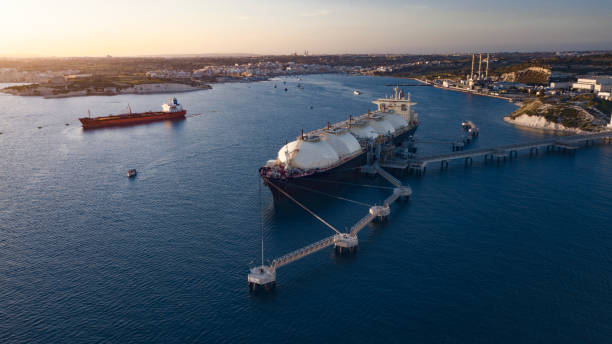
ADNOC Gas, operational since early 2023, was formed by consolidating ADNOC’s gas processing, liquefied natural gas , and industrial gas operations into a single entity. The company went public on the ADX, raising approximately $2.5 billion in one of the region’s largest IPOs in recent years. This latest share sale further underscores ADNOC’s strategy to unlock value from its assets and attract a diversified investor base.

The global stablecoin market has reached a record valuation of over $215 billion, reflecting a significant surge in demand for these digital assets. This growth is largely driven by the increasing adoption of stablecoins such as Tether and USD Coin , which collectively dominate the market.

Data from Alphractal indicates that the stablecoin market capitalization has risen by 73%, escalating from $121.18 billion in August 2023 to $211 billion as of January 31, 2025. This upward trajectory underscores the pivotal role stablecoins play in providing liquidity and stability within the cryptocurrency ecosystem.

USDT maintains its position as the largest stablecoin by market capitalization, recording an all-time high of $140 billion in December 2023. As of January 31, 2025, its market cap stands at $139.4 billion, accounting for approximately 63.84% of the total stablecoin market. Despite this dominance, USDT’s market share has experienced a slight decline, decreasing from 67.5% to 64.9% over the past month.

Conversely, USDC has exhibited substantial growth, with its market capitalization increasing by over 120% from a low of $24.1 billion on November 14, 2023, to $53.4 billion by January 31, 2025. This surge has elevated USDC’s market share to 24.6%, positioning it as a formidable competitor in the stablecoin sector. The heightened demand for USDC is evidenced by its trading pairs reaching an all-time high daily volume of $20 billion on January 18, 2025.

The Solana blockchain has also experienced a remarkable increase in stablecoin supply, largely attributed to the launch of the TRUMP memecoin on January 18, 2025. This event spurred a 73.6% surge in Solana’s stablecoin supply, culminating in an all-time high of $11.1 billion by the end of January. The influx of capital and record-breaking decentralized exchange trading activity on Solana have been significant contributors to this growth.

In a strategic move, Tether, the issuer of USDT, has announced plans to relocate its headquarters to El Salvador. This decision aligns with El Salvador’s initiative to establish itself as a hub for digital currency trading. Tether’s CEO, Paolo Ardoino, along with other co-founders, are set to move to the country following the acquisition of a digital asset service provider license. This relocation marks the first time Tether will establish a physical headquarters, transitioning from its previous incorporation in the British Virgin Islands.

The burgeoning stablecoin market has not gone unnoticed by regulators, who express concerns about the potential risks these digital assets may pose to the broader financial system. The rapid expansion of stablecoins, which serve as a bridge between the crypto universe and traditional financial markets, necessitates increased scrutiny to ensure financial stability and consumer protection.

The cryptocurrency market is witnessing significant activity as Shiba Inu reports a 588% surge in its token burn rate, coinciding with XYZVerse’s initiative to eliminate one billion of its own tokens. These substantial reductions in token supplies have ignited discussions about potential supply shocks and their implications for market dynamics.

Shiba Inu’s recent increase in burn rate has led to the destruction of over 15 million SHIB tokens in a single transaction, with a total of approximately 81.9 million tokens burned over the past week. This aggressive reduction strategy aims to decrease the circulating supply, potentially enhancing the token’s value by increasing scarcity.

In parallel, XYZVerse has announced a strategic move to burn one billion of its tokens. This decision reflects a growing trend among cryptocurrency projects to implement token burns as a mechanism to manage supply and influence market value. The combined effect of these burn initiatives by SHIB and XYZVerse has prompted analysts to consider the possibility of a supply shock, which could lead to increased demand and potential price appreciation for the remaining tokens.

Despite these developments, Ethereum , the second-largest cryptocurrency by market capitalization, continues to experience subdued trading activity. ETH has been consolidating above the key $2,500 support level, reflecting market indecision and low trading volumes. This sideways movement indicates an equilibrium state, with buyers and sellers awaiting a decisive breakout to determine the next trend.

Market analysts suggest that Ethereum’s current consolidation phase is a classic example of market indecision. The two-week-long price range has resulted in liquidity being stacked on both sides of the market, with participants awaiting a clear directional move. A breakout above the $2,800 resistance level could signal renewed bullish interest, while a breakdown below $2,640 may indicate further bearish momentum.

Adding to the complexity, the balance of Ether on exchanges has reached record lows, with over $1 billion worth of ETH exiting trading platforms within a 24-hour period. This trend suggests increased accumulation by investors, potentially supporting a price recovery. However, the overall market sentiment remains cautious, as participants assess the broader economic landscape and its impact on cryptocurrency valuations.

QuadReal Property Group and T5 Data Centers have announced an expansion of their joint data center platform, increasing its valuation to $8 billion. This strategic move aims to address the surging demand for cloud and AI infrastructure by developing an additional 5 gigawatts of data center capacity across the United States. Established in 2019, the partnership between QuadReal and T5 has successfully developed state-of-the-art data center facilities […]

Volvo has unveiled its latest electric luxury sedan, the ES90, which is set to redefine automotive computing power and safety standards. Equipped with a dual NVIDIA DRIVE AGX Orin supercomputer configuration, the ES90 boasts the capability to perform 508 trillion operations per second, positioning it as the most computationally advanced vehicle in Volvo’s lineup. This monumental processing capacity enhances the vehicle’s artificial intelligence-based safety features, sensor integration, […]

MANSA, a fintech company specializing in cross-border payment solutions, has secured $10 million in funding to address liquidity challenges in global transactions. The funding round was led by Tether, the issuer of the stablecoin USDT, with participation from Polymorphic Capital, Octerra Capital, Faculty Group, and Trive Digital.

The investment comprises a $3 million pre-seed round and an additional $7 million in liquidity funding from institutional investors, including corporate backers and quantitative funds. MANSA plans to utilize these funds to expand its operations into Latin America and Southeast Asia, regions that often face liquidity constraints in cross-border payments.

Co-founded by CEO Mouloukou Sanoh and Nkiru Uwaje, MANSA aims to revolutionize global payments by integrating blockchain technology to facilitate real-time, on-chain transactions. This approach seeks to make cross-border payments faster, more efficient, and cost-effective, thereby eliminating the limitations of traditional financial systems.

“Securing $10 million in pre-seed and liquidity funding marks a significant milestone in our mission to transform the way money moves,” said Sanoh. “By bringing payments on-chain and leveraging efficient liquidity solutions, we are addressing critical challenges in cross-border transactions—making payments faster, cheaper, and more reliable worldwide.”

Paolo Ardoino, CEO of Tether, expressed support for MANSA’s objectives, stating, “MANSA’s vision for addressing liquidity challenges in cross-border payments aligns with our mission to create a more efficient and inclusive financial system. By leveraging USDT for real-time settlements and instant payouts, MANSA is solving critical pain points for payment companies operating in emerging markets.”

Since its launch in August 2024, MANSA’s stablecoin-based payment solution has processed over $27 million in transaction volume on-chain, with nearly $11 million in January 2025 alone. This growth underscores the increasing demand for efficient and reliable cross-border payment solutions.

The company’s expansion into Latin America and Southeast Asia is poised to provide businesses and individuals in these regions with access to faster and more affordable payment options. By scaling its liquidity infrastructure and developing strategic partnerships with financial institutions and payment providers, MANSA aims to bridge existing gaps in the global payment landscape.

In addition to its technological advancements, MANSA is committed to financial inclusion and innovation. The company’s solutions are designed to address global liquidity shortages, offering a more accessible way for businesses and individuals to transact across borders. This approach is particularly beneficial in emerging markets, where traditional financial systems often fall short in meeting the needs of the population.

The use of stablecoins in cross-border transactions offers several advantages, including reduced settlement delays and lower transaction costs. By transacting on-chain, businesses can conduct seamless cross-border payments without the inefficiencies associated with traditional financial systems. This method also provides a viable alternative for import-heavy economies facing shortages of fiat currencies, enabling businesses to access digital dollars at scale and bypass local currency restrictions and capital controls.

President Donald Trump is actively promoting U.S. liquefied natural gas exports to Asian nations, aiming to strengthen economic ties and reduce their dependence on Middle Eastern and Russian energy sources. In a strategic move, Trump and Japanese Prime Minister Shigeru Ishiba have discussed Japan’s potential involvement in an Alaskan LNG project, highlighting the benefits of a direct energy route that bypasses traditional, and often volatile, sea lanes.

The administration’s focus is not solely on Japan. Other Asian countries, including South Korea and Taiwan, are also considering increased imports of U.S. LNG. This initiative is designed to enhance energy security across the region and diminish the influence of China and Russia. Trump’s energy advisor, Doug Burgum, emphasized the strategic advantages of these partnerships, noting that they offer a more stable and secure energy supply chain for U.S. allies in Asia.

In line with this strategy, Sentinel Midstream is advancing its deepwater oil export project, Texas GulfLink. Located approximately 30.5 miles off the coast of Freeport, Texas, the facility aims to fully load supertankers with up to 2 million barrels of oil per day. This capability is currently unique to the Louisiana Offshore Oil Port. Sentinel’s CEO, Jeff Ballard, expressed optimism about the project’s progress, citing the administration’s expedited approval processes as a significant factor in moving forward.

Despite initial market fluctuations following discussions between Trump and Russian President Vladimir Putin regarding the Ukraine conflict, energy markets remain cautious. The anticipated peace has not materialized, and experts suggest that if a resolution were imminent, a more substantial decline in oil and gas prices would be evident. This uncertainty underscores the importance of diversifying energy sources and reducing reliance on regions prone to geopolitical tensions.

Taiwan’s National Security Council head, Joseph Wu, highlighted the robust support from the U.S., noting that Taiwan is exploring increased purchases of American LNG. This move aims to balance trade and address criticisms from Trump regarding trade imbalances and the semiconductor industry’s dynamics. Wu emphasized Taiwan’s transparency in international business and expressed interest in future Alaskan LNG productions due to their quality and logistical advantages.

Denmark’s Prime Minister, Mette Frederiksen, shared insights into a recent intense conversation with President Trump concerning his renewed interest in acquiring Greenland. This discussion has added complexity to U.S.-Denmark relations, especially in the context of global security challenges posed by nations like Russia, Iran, and North Korea. Frederiksen underscored the necessity for Europe to bolster its defense investments and the importance of U.S.-Europe cooperation in addressing these global threats.

Cheniere Energy, a leading U.S. LNG exporter, plans to expand its capacity under the current administration. CEO Jack Fusco announced intentions to pursue new regulatory permits, aligning with Trump’s agenda to boost the U.S. energy sector. This expansion is poised to meet the growing demand from Asian markets seeking reliable and diversified energy sources.

The administration has also established a council dedicated to achieving “energy dominance,” focusing on increasing natural gas exports and offshore drilling. This initiative aims to capitalize on the U.S.’s abundant energy resources, providing allies with alternative energy options and reducing global dependence on adversarial nations.

The significance of U.S. LNG in global energy dynamics is multifaceted. It not only offers economic benefits but also plays a crucial role in the global energy transition. By providing a stable and cleaner energy source, U.S. LNG supports efforts to reduce carbon emissions and offers countries an opportunity to diversify their energy portfolios.

Standard Chartered has announced a $1.5 billion share buyback and raised its earnings target following an 18% increase in annual profit for 2024. The London-based bank reported a pre-tax profit of $6 billion, up from $5.1 billion the previous year, slightly below analysts’ forecasts of $6.2 billion. The bank also declared a final interim dividend of 28 cents per share and upgraded its 2026 return on tangible equity target to “approaching 13%” from the previously estimated 12%.

The significant profit growth was largely driven by record performance in Standard Chartered’s wealth management division and robust market activities. The wealth business experienced unprecedented growth, contributing substantially to the bank’s overall income. This surge reflects the bank’s strategic focus on affluent clients and larger international corporations, moving away from smaller domestic businesses and regular retail clients.

Despite the strong annual performance, the bank faced challenges in the fourth quarter. Pre-tax profits for this period fell by 30%, dropping to $800 million from $1.1 billion a year earlier, missing analysts’ expectations of $983 million. Earnings per share for the quarter also decreased by 41% to 20.2 cents from 34.0 cents in the previous year. This decline was attributed to specific credit impairments and a cautious approach to risk management in volatile markets.

In response to the evolving market landscape, Standard Chartered plans to double its investment in wealth management over the next five years. The bank aims to allocate approximately $1.5 billion to enhance its wealth business, focusing on hiring additional relationship managers and advisers, particularly in key financial hubs such as Hong Kong, Singapore, and Dubai. This strategic investment is intended to capitalize on the growing demand for diversified financial products among affluent clients in these regions.

The announcement of the $1.5 billion share buyback is set to commence imminently, with an expected reduction in the Common Equity Tier 1 ratio by approximately 61 basis points. This move underscores the bank’s commitment to returning value to shareholders while maintaining a strong capital position. The decision aligns with the bank’s broader strategy to optimize its capital structure and enhance shareholder returns.

Chief Executive Bill Winters expressed confidence in the bank’s overall strategy, emphasizing the importance of focusing on high-growth markets and client segments. He highlighted the bank’s efforts to streamline operations and reduce costs through the “Fit for Growth” plan, which aims to achieve significant cost savings and operational efficiencies. This initiative is part of the bank’s ongoing efforts to adapt to the dynamic financial environment and position itself for sustainable growth.

Standard Chartered’s strategic shift includes reducing exposure to China’s troubled real estate market, with a 46% decrease since late 2021. This move reflects the bank’s cautious stance amid concerns over the sector’s stability and potential impact on the broader economy. By reallocating resources to more stable and profitable areas, the bank aims to mitigate risks associated with market volatility and geopolitical tensions.

The bank’s shares have risen significantly since Winters’ appointment, reflecting investor confidence in the strategic direction and financial health of the institution. However, the shares still trade below the book value of the bank’s assets, indicating potential room for further appreciation as the bank continues to execute its growth strategy and enhance profitability.

While the annual results demonstrate resilience and strategic foresight, the decline in fourth-quarter profits highlights the challenges posed by the current economic climate. The bank remains vigilant in managing risks associated with the shifting global political landscape, potential misuse of artificial intelligence, the possibility of a new U.S.-China trade war, and political instability in regions like the Democratic Republic of Congo. These factors necessitate a balanced approach to growth and risk management to ensure long-term sustainability.

TrinaTracker, a subsidiary of Trinasolar Co. Ltd and a global leader in smart solar tracking solutions, has inaugurated a manufacturing facility in Saudi Arabia. Located in Jeddah’s 3rd Industrial City, the plant is slated to commence operations in the first quarter of 2025, specializing in the production of the Vanguard series of solar trackers and smart control systems. This development underscores TrinaTracker’s commitment to localization and enhancing […]

By Nitya Chakraborty February 2025 is not just the moment of truth for the European nations and NATO members but also time for reckoning for the Global Left and the peace movement which are still sizing up the dimension of the impact of U.S. President Donald Trump’s emergence as a peacenik to end the three […]

VISHNU RAJA
RYO YAMADA
HITORI GOTOH
IKUYO KITA