News related to
global

Apprehension has returned to US stock markets, and the reasons are becoming increasingly difficult to ignore. Many asset allocators I speak with are questioning valuations that appear stretched and overly reliant on a handful of technology giants. Although the S&P 500 and the Nasdaq 100 reached fresh highs just last week, the rally already feels vulnerable. Outside the United States, sentiment is notably more optimistic. In Europe, […]

France is grappling with its most severe wildfire in decades, marking a stark return to the destructive forces of nature. The fire, which broke out in the southern regions, has already scorched thousands of hectares, making it the largest blaze since 1949. That year, devastating fires near Bordeaux claimed 82 lives and ravaged 50,000 hectares of land. This new disaster is showing no signs of slowing down, […]

The global network security sector is projected to witness significant expansion, reaching $38 billion by 2029, up from $24 billion in 2024. This robust growth trajectory comes amid escalating concerns over cyber threats and the increasing adoption of cloud technologies, hybrid work environments, and AI-driven innovations. A major factor driving the growth of the network security market is the widespread transition to cloud-based infrastructures. Organisations across various […]

By R. Suryamurthy Prime Minister Narendra Modi’s declaration that he is willing to “pay a heavy price” to stand by Indian farmers in the face of escalating U.S. trade tariffs has captured headlines—but not necessarily for the right reasons. It is a speech crafted more for the political stage than the policy war room. Beneath […]

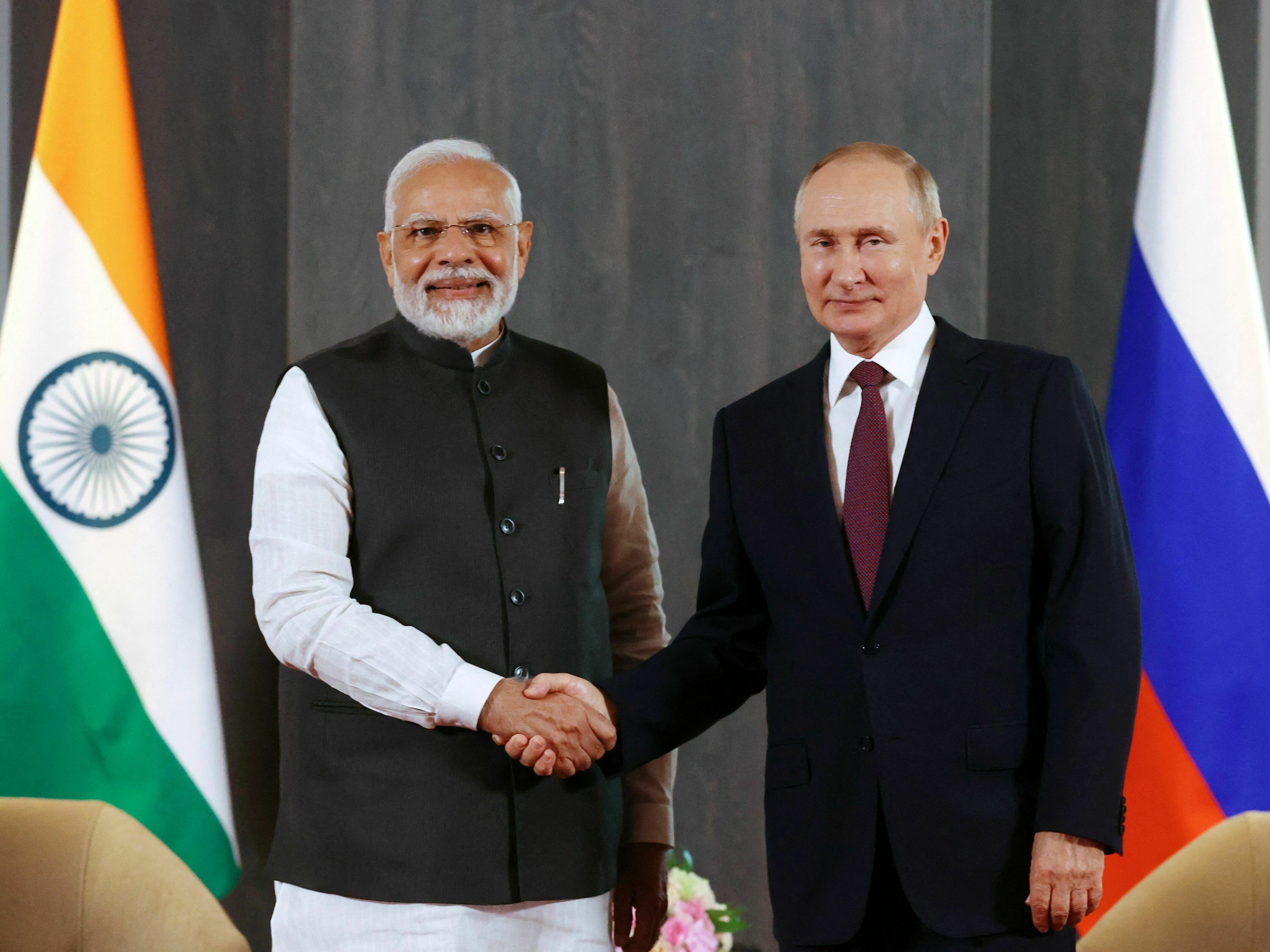
Russian President Vladimir Putin will visit India in the coming weeks, with expectations that the trip will significantly bolster bilateral relations across various sectors, including trade, defence, and energy. The visit, anticipated to be a key moment in Russia-India relations, will occur amid shifting geopolitical dynamics, particularly following the global attention on the ongoing war in Ukraine and its implications for international alliances.

The timing of the visit is critical, as both Russia and India seek to expand their strategic cooperation. Over the past few years, both nations have deepened their partnership through numerous agreements aimed at enhancing their economic and military ties. As global power dynamics continue to shift, the Russia-India alliance has become increasingly important, not just for the two countries but also within the broader context of the BRICS grouping, of which both nations are founding members.

One of the central themes of the visit will be the strengthening of economic ties, especially in the energy sector. With the ongoing energy crisis exacerbated by sanctions on Russia, India has emerged as one of the key buyers of Russian oil. The visit is expected to solidify agreements surrounding the energy trade, including the potential for India to increase its imports of Russian crude oil at discounted rates. This move is likely to provide India with a cost-effective energy source while helping Russia circumvent Western sanctions.

Discussions are expected to focus on further cooperation in defence, where Russia has long been a major supplier of military hardware to India. The two nations are expected to advance negotiations on new defence contracts, including the potential for joint production and technology sharing. The defence ties between Russia and India date back decades, and the visit will likely see the formalisation of further agreements that could further align their military interests.

The visit will also involve talks on expanding technological collaboration, particularly in the areas of space and nuclear energy. Both countries have made significant strides in these fields, and there is potential for further joint ventures, which could bring both economic and technological benefits to each nation. Putin’s presence in India is expected to reinforce Moscow’s commitment to its relationship with New Delhi, signalling Russia’s ongoing support for India’s strategic ambitions in the global arena.

Putin’s upcoming visit also comes at a time of heightened global tension. As the war in Ukraine continues to dominate headlines, Russia has increasingly sought to deepen ties with countries that have been less critical of its actions, including India. New Delhi has maintained a relatively neutral stance in the conflict, focusing instead on its national interests and calling for peace talks. This approach has allowed India to strengthen its ties with Russia without facing the same level of international scrutiny as some of the West.

The visit is likely to be significant for the future of BRICS, a bloc of emerging economies that includes Brazil, Russia, India, China, and South Africa. The group has been exploring the possibility of expanding its membership, and Putin’s visit could serve as a platform for discussing further collaboration within this framework. As BRICS nations continue to challenge the traditional Western-dominated global order, Russia and India are likely to explore ways to enhance their collective influence in international forums.

While both nations have shared interests, their relationship has not been without challenges. India’s growing economic ties with the West, especially in the technology and trade sectors, have sometimes created friction in its ties with Russia. However, the long-standing nature of their partnership, especially in defence, has ensured that these tensions have remained manageable. Putin’s visit is expected to reinforce the idea that despite external pressures, Russia and India will continue to prioritise their strategic interests.

The Forbes “Philippines’ 50 Richest” list has reaffirmed the dominance of casino magnates, with entrepreneurs from the industry holding the top two positions for yet another year. The list, unveiled on Thursday, highlights the wealth amassed by some of the country’s most influential business figures, reinforcing their stronghold in the nation’s economic landscape. Leading the rankings is Manuel V. Pangilinan, a prominent businessman with extensive investments across […]

Greenlogue/AP ACWA Power, a Saudi-listed leader in the global energy transition, has secured the Noor Midelt 2 and Noor Midelt 3 solar projects in Morocco. The projects were awarded following an international tender process facilitated by the Moroccan Agency for Sustainable Energy. These two projects are set to significantly contribute to Morocco’s efforts to diversify and expand its renewable energy capabilities. Both Noor Midelt 2 and Noor […]

Advertisements

Expands global presence, targeting 100 locations by end of year TOKYO, JAPAN – Media OutReach Newswire – 7 August 2025 – In an era of rapid technological advancement, industries worldwide are actively integrating cutting-edge technologies to drive business breakthroughs. Worldgate global Logistics Ltd (“Worldgate“, together with its subsidiaries, collectively the “Group”; HKEx: 8292) is pleased to announce that its interactive entertainment business, VSING (“the Company”) has formed […]

Michigan’s State Retirement System has significantly increased its investment in Bitcoin, demonstrating confidence in the cryptocurrency’s long-term potential. The fund has tripled its exposure to Bitcoin through the ARK 21Shares Bitcoin ETF, a move that reflects growing interest from institutional investors in digital assets. This increase comes as Bitcoin continues to see heightened attention from both retail and institutional investors, positioning it as a key player in the evolving financial landscape.

The Michigan State Pension Fund, managed by the Michigan Department of Treasury, is one of the largest public pension funds in the United States, with assets exceeding $90 billion. Its decision to increase Bitcoin holdings through the ARK 21Shares Bitcoin ETF is seen as part of a broader trend in which pension funds, endowments, and other institutional investors have begun diversifying their portfolios by including digital assets.

The ARK 21Shares Bitcoin ETF, which is designed to provide exposure to Bitcoin without requiring investors to directly hold the cryptocurrency, has gained traction among institutional investors for its simplicity and regulatory compliance. This ETF allows for Bitcoin exposure in a traditional investment vehicle, offering an avenue for pension funds that may otherwise be restricted from investing directly in cryptocurrencies.

Cryptocurrency has become an increasingly important asset class for institutional investors. A growing number of asset managers have begun to see Bitcoin and other digital currencies not just as speculative investments, but as a hedge against inflation and currency devaluation. Bitcoin’s reputation as “digital gold” has been reinforced by its performance in the face of economic uncertainty, especially in comparison to traditional assets like equities and bonds.

The decision to expand Bitcoin holdings is also linked to the broader trend of pension funds seeking higher returns to meet long-term obligations. With global interest rates remaining low and traditional investments yielding modest returns, pension funds are under growing pressure to diversify their portfolios and consider alternative assets. Bitcoin, with its potential for high returns despite its volatility, has become a prominent choice.

Experts suggest that institutional adoption of Bitcoin is still in its early stages, but the trend is accelerating. Michigan’s State Pension Fund’s move to increase its Bitcoin exposure follows similar actions by other major pension funds and financial institutions. The California Public Employees’ Retirement System, the largest public pension fund in the U. S., has also explored Bitcoin exposure, although in a more cautious manner.

This shift towards digital assets by public pension funds is not without controversy. Some critics argue that the volatile nature of Bitcoin and other cryptocurrencies makes them a risky investment for pension funds, which are tasked with managing the retirement savings of millions of individuals. Concerns about the regulatory landscape and the potential for sudden price swings have prompted calls for greater caution in incorporating cryptocurrencies into institutional portfolios.

However, proponents of the move argue that Bitcoin’s resilience and increasing institutional support make it a sound long-term investment. As blockchain technology continues to mature and the regulatory environment around digital assets evolves, many believe that the risks associated with Bitcoin will be mitigated over time. Moreover, the increasing mainstream adoption of cryptocurrencies by corporations and financial institutions is seen as a positive indicator of their future potential.

The ARK 21Shares Bitcoin ETF itself has become a widely-followed vehicle for gaining Bitcoin exposure. Managed by ARK Invest, a firm known for its focus on disruptive innovation, the ETF holds Bitcoin in a secure manner and allows investors to gain exposure without directly purchasing or storing the cryptocurrency. The ETF has drawn interest from various institutional investors, including pension funds, hedge funds, and family offices, all seeking a regulated and secure method of gaining exposure to the world of digital assets.

Despite the benefits, the decision to triple Bitcoin exposure has sparked some concerns about diversification within the Michigan State Retirement System’s broader portfolio. Critics warn that an overconcentration in any single asset, particularly one as volatile as Bitcoin, could undermine the stability of the pension fund. While Bitcoin has demonstrated substantial returns in recent years, its volatility has also led to significant drawdowns, making it a risky bet for long-term investors.

The pension system’s commitment to Bitcoin, however, signals the growing legitimisation of digital currencies in the traditional financial world. Michigan’s pension fund is not alone in recognising Bitcoin’s potential as part of a diversified portfolio, as other states and private institutions have made similar moves to explore digital assets.

Dubai’s real estate sector continues to be a focal point for both investors and homebuyers, with market trends highlighting the emergence of new residential hotspots. These areas are offering lucrative opportunities for long-term capital appreciation, driven by shifting preferences and strategic developments that cater to various demographic segments. Among these, six communities have emerged as the key players, transforming the residential landscape in Dubai. Chestertons MENA, a […]

Espresso AI, a cutting-edge platform developed by former Google engineers, has unveiled a Kubernetes Scheduler for Snowflake, marking a significant step in optimising data warehouse performance and cost-efficiency. This new solution leverages large language models to enhance the management and operational workflows of Snowflake data warehouses, enabling businesses to significantly reduce costs while maintaining high-performance standards. Snowflake, a widely adopted cloud data platform, has revolutionised data storage […]

American Bitcoin Corp., a Bitcoin mining firm linked to Donald Trump, is making waves in the financial world with plans to list on the Nasdaq. The move marks a significant step for the cryptocurrency industry, highlighting how major players are seeking to establish more conventional footholds on Wall Street.

Founded in 2021, American Bitcoin Corp. aims to scale up its operations significantly by tapping into public capital markets. The company has stated that it intends to raise substantial funds to expand its mining capacity and enhance its technological capabilities. According to internal reports, the firm has already secured partnerships with several high-profile players in the energy sector to support its ambitious plans.

The firm’s connection to Trump adds a layer of political intrigue to the listing process. Trump, who has long been associated with various business ventures, is reportedly involved in an advisory capacity, lending his brand and strategic expertise to the company’s growth. His endorsement has proven valuable in garnering attention, not only among traditional investors but also among those with a keen interest in the intersection of politics and business.

The move to list on Nasdaq comes at a time when the cryptocurrency mining industry faces increasing scrutiny over its environmental impact and energy consumption. Mining operations like those at American Bitcoin Corp. use vast amounts of energy to secure Bitcoin transactions, a process that has been criticised for contributing to carbon emissions. Despite this, the firm is positioning itself as an environmentally conscious entity, touting its use of renewable energy sources as part of its long-term sustainability plan.

American Bitcoin Corp. is not alone in its ambition to go public. Several other firms in the digital asset space have followed similar paths, capitalising on the growing interest in cryptocurrency and blockchain technology. The listing process for such companies has been characterised by both enthusiasm and caution, as investors weigh the risks and rewards of entering an industry that is still in its infancy.

The company’s decision to enter the public markets through a direct listing rather than a traditional IPO is seen as an indication of its readiness to embrace the evolving financial landscape. A direct listing allows a company to bypass the usual underwriting process, allowing it to raise capital while potentially avoiding the costs and regulatory hurdles that come with a standard IPO. This strategy has been adopted by a growing number of firms in the tech and cryptocurrency sectors, where traditional methods of capital-raising are increasingly viewed as outdated.

There is no doubt that American Bitcoin Corp.’s decision to list on Nasdaq could be a game-changer for the cryptocurrency space. If successful, the company’s public debut could open the door for other mining firms and blockchain-based companies to follow suit, further integrating digital assets into the mainstream financial ecosystem. This would be a significant moment for the cryptocurrency industry, as it continues to move from the periphery of global finance into the centre stage.

However, as with any venture tied to the volatile cryptocurrency market, the risks associated with American Bitcoin Corp.’s listing cannot be ignored. Bitcoin and other digital currencies have faced wild price fluctuations over the years, and while the long-term outlook for the sector remains optimistic, many investors are still cautious about committing to assets that are prone to such dramatic swings. As a result, American Bitcoin Corp. will likely face considerable scrutiny from both the public and regulatory bodies in the coming months.

The company’s plan also raises broader questions about the future of cryptocurrency mining in the United States. With growing concerns over the environmental cost of mining and the regulatory uncertainty surrounding the sector, American Bitcoin Corp. will need to navigate a complex web of challenges in order to maintain its position as a leading player in the industry.

The involvement of high-profile figures like Trump could prove to be a double-edged sword. While his brand brings immediate attention to the company, it could also subject American Bitcoin Corp. to increased political scrutiny, particularly given the polarising nature of his public persona. The firm will need to strike a balance between leveraging Trump’s influence and distancing itself from the controversy that often surrounds his name.

ADNOC Distribution has posted a robust 12% increase in net profit for the first half of 2025, reflecting solid growth across its key sectors. The UAE’s largest fuel distributor achieved its highest-ever fuel volumes during this period, with 7.62 billion litres sold, marking a 5.6% year-on-year rise. The company has shown a significant recovery from global market fluctuations, continuing to benefit from its diversified portfolio. The performance […]

Dubai’s tourism sector is rapidly diversifying, offering much more than the traditional image of luxury shopping and towering skyscrapers. The city is emerging as a unique blend of culture, history, and sustainability, catering to a growing number of travellers seeking immersive experiences alongside high-end offerings. This transformation is shaping the city’s identity as a global tourism destination and redefining what it means to travel to Dubai.

In 2024, the Dubai Department of Economy and Tourism reported that the emirate hosted 18.72 million international overnight visitors from January to December, marking a 9% year-over-year increase from 2023’s record of 17.15 million. This growth is indicative of a broader shift in the city’s appeal, with visitors increasingly drawn to its rich cultural and historical offerings. While Dubai’s luxury shopping malls and ultramodern skyscrapers remain major attractions, the city has made significant strides in integrating cultural heritage, sustainability, and immersive experiences into its tourism strategy.

The rise in visitor numbers aligns with Dubai’s efforts to diversify its tourism portfolio. Beyond its well-established reputation for opulence, the city is now fostering an environment that invites exploration of its heritage sites, art galleries, and cultural festivals. Dubai’s museums, like the Dubai Museum in Al Fahidi Fort, the Louvre Abu Dhabi, and the Museum of the Future, are attracting global attention for their architectural innovation and comprehensive exploration of humanity’s past and future.

The surge in visitors is also a reflection of the city’s continued commitment to sustainable tourism practices. Dubai is investing in eco-friendly infrastructure, including green buildings, public transport, and energy-efficient hotels, all of which align with the city’s long-term vision of becoming a global leader in sustainability. Initiatives such as the Dubai Clean Energy Strategy 2050 aim to reduce the city’s carbon footprint and promote the use of renewable energy sources in tourism-related activities.

Luxury, however, remains at the heart of Dubai’s tourism offering. High-end hotels, resorts, and fine dining experiences continue to draw affluent visitors. Iconic destinations such as the Burj Khalifa, Palm Jumeirah, and the Dubai Marina remain central to the city’s tourism model, offering unparalleled luxury experiences. However, Dubai’s tourism landscape is diversifying further, providing options for a broader range of travellers, from budget-friendly accommodations to more cultural and eco-conscious experiences.

Cultural tourism has emerged as a focal point for growth, with Dubai positioning itself as a crossroads between the East and West. The Dubai Opera, a state-of-the-art venue in Downtown Dubai, regularly hosts international performances, from opera and ballet to contemporary music. The Dubai Arts and Culture Authority’s efforts to promote local art and host international exhibitions have enhanced the city’s cultural offering. Moreover, the Dubai International Film Festival and the Dubai Design Week further solidify the emirate’s role as a key player in the global cultural scene.

Dubai’s transformation into a more multifaceted destination is attracting a growing number of visitors from both established and emerging markets. Tourists from Europe, Asia, and Africa are increasingly seeking a deeper connection to the city’s heritage and culture, beyond its well-known luxury offerings. With a diversified tourism strategy, Dubai is well-positioned to attract these travellers, offering a range of activities that appeal to a variety of interests.

Dubai’s appeal also extends to families, with the city offering family-friendly attractions such as Dubai Parks and Resorts, which includes theme parks like Motiongate Dubai and Legoland Dubai. The emirate’s focus on family-oriented experiences is strengthening its position as a year-round destination, attracting tourists from across the globe who seek a blend of entertainment, culture, and relaxation.

The Dubai Expo 2020, although postponed to 2021 due to the pandemic, played a significant role in the city’s tourism resurgence. The event highlighted Dubai’s potential to host large-scale international events, showcasing the city’s modern infrastructure and its ability to welcome diverse cultures. It also set the stage for long-term growth in cultural and eco-tourism by bringing together innovators, thinkers, and influencers from around the world.

The city’s ongoing expansion of public and private sector collaborations is bolstering Dubai’s appeal as a hub for business tourism. International conferences, expos, and corporate events have become a significant part of the city’s tourism strategy. Dubai’s state-of-the-art conference venues, such as the Dubai World Trade Centre, offer cutting-edge facilities that make the city a prime destination for business travellers.


Emaar Properties has reported a 33% year-on-year increase in net profit for the first half of 2025, reaching a total of AED 7.08 billion. The surge in profits is primarily attributed to the company’s strong performance in property sales, marking a significant rebound for the Dubai-based developer.

The company’s revenue for the period rose by 38% year-on-year, amounting to AED 19.8 billion. This growth was driven by notable gains across its diverse business segments, including development, retail, hospitality, and its expanding international operations. The company’s diversified portfolio helped strengthen its position amid global uncertainties, enabling it to capitalise on rising demand for both residential and commercial properties in Dubai.

Emaar’s property sales remained the cornerstone of its performance, with the developer reporting substantial activity across its developments. As a result, the company’s revenue backlog from property sales surged by 62% compared to the same period last year, reaching AED 146.3 billion by the end of June. This backlog indicates strong future earnings potential for the company, suggesting that the momentum in its core real estate business will continue into the second half of the year.

One of the key drivers behind this growth has been the high demand for residential properties, particularly in premium and luxury segments. The company’s flagship developments, such as the Burj Khalifa and Dubai Hills Estate, continue to attract significant interest from both domestic and international buyers. Additionally, the retail and hospitality arms of the business have been buoyed by the easing of pandemic-related restrictions and a return to normalcy in tourism, contributing further to the strong overall performance.

Internationally, Emaar has also been expanding its reach, with projects in markets such as Egypt, Saudi Arabia, and India. The company’s international ventures, which contribute a growing share of its revenues, have provided a hedge against the fluctuating dynamics of the UAE market, particularly in a post-pandemic environment where global markets remain unpredictable.

The hospitality division has also experienced a marked recovery, with hotel bookings returning to pre-pandemic levels. Dubai’s status as a leading tourist destination has supported Emaar’s hospitality segment, as international visitors continue to flock to the emirate. The company’s hotels, such as those in the Dubai Marina and Downtown Dubai areas, have benefitted from both business and leisure tourism, bolstering revenue streams.

Looking forward, Emaar’s robust financial performance for H1 2025 positions the company well to continue its growth trajectory. The record revenue backlog provides a strong pipeline for future sales, with developments expected to deliver significant returns as they near completion. As a key player in Dubai’s real estate market, Emaar’s performance is closely watched by investors, analysts, and stakeholders in the industry.

North Korea’s illicit cryptocurrency operations are set to increase dramatically as the country continues to exploit weak regulatory environments and strengthen ties with financially motivated entities across the globe. These operations are increasingly seen as a source of revenue for the regime, particularly as international sanctions continue to cripple the nation’s economy.

Recent investigations have uncovered evidence suggesting that North Korea is employing sophisticated hacking groups to siphon off cryptocurrency from exchanges worldwide. These operations, often carried out through malware and phishing schemes, have become a primary tool for funding the state’s missile and nuclear programmes. The role of cryptocurrency in North Korea’s criminal operations is expected to grow significantly as global demand for digital currencies rises and regulatory frameworks remain fragmented.

The actions of North Korean hackers are not isolated incidents but part of a systematic effort to launder stolen funds through a network of virtual currency exchanges. Many of these exchanges, particularly those based in countries with lax regulations, either knowingly or unknowingly facilitate these criminal activities. Some of the exchanges have been linked to regions in Russia and other parts of Eastern Europe, where crypto regulations are either weak or non-existent. These exchanges have financial incentives to turn a blind eye to illicit transactions, benefiting from the substantial fees charged on cryptocurrency trades.

Even though North Korea’s cyberattack capabilities are well-documented, there is growing concern among cybersecurity experts that cryptocurrency exchanges in developing countries lack the resources and governance structures needed to prevent exploitation. Without sufficient regulatory oversight, these exchanges become prime targets for criminal actors seeking to launder or move stolen cryptocurrency across borders.

The rise of decentralized finance platforms has made this task even easier. DeFi operates on blockchain technology, allowing users to trade cryptocurrencies without the need for traditional intermediaries, such as banks or financial institutions. While this has many legitimate uses, it also opens a pathway for cybercriminals to move stolen funds anonymously. This environment of financial opacity has become a crucial part of North Korea’s ability to evade international scrutiny.

As North Korea adapts to this new financial reality, reports indicate that the country’s leaders are fostering closer relationships with other rogue states and criminal syndicates that are equally interested in using digital currencies to bypass international sanctions. In some cases, these connections are said to involve joint ventures in mining or the laundering of illicit cryptocurrency.

It is not just exchanges that are under scrutiny. Many nations continue to struggle with implementing effective anti-money laundering and know-your-customer regulations, which would require crypto platforms to identify their users and track large transactions. Some countries have made strides in tightening their regulations, but enforcement remains patchy, and criminals continue to exploit these regulatory loopholes.

Even nations with more robust cryptocurrency regulations have found it difficult to keep up with the speed of innovation in the sector. A significant challenge is the fast-evolving nature of blockchain technology, which has given rise to a myriad of platforms and exchanges that operate outside the scope of traditional financial systems. Some experts argue that the global financial system is not adequately prepared to deal with these challenges, particularly when it comes to cybercrime linked to North Korea.

In response to these growing concerns, international coalitions are increasing efforts to combat cryptocurrency crime. This has included greater cooperation among cybersecurity agencies, such as the FBI and Interpol, to track the movements of illicit cryptocurrency. Despite these efforts, the decentralized nature of digital currencies makes it difficult for authorities to trace and seize assets linked to North Korea’s operations.

BUCHAREST, ROMANIA – Media OutReach Newswire – 6 August 2025 – Pfizer Romania has been officially certified as one of the Best Places to Work in Romania for 2025, a recognition that highlights its commitment to fostering a workplace culture grounded in integrity, inclusion, and employee empowerment. The Best Places to Work program is a leading international certification that honors organizations providing exceptional employee experiences. The evaluation […]

Arabian Post Staff -Dubai FBS, a prominent global trading company, has suspended its operations in India, citing increasing regulatory challenges. The decision to cease trading activities follows growing concerns from Indian authorities regarding the company’s compliance with local financial regulations and its failure to meet the standards set by the Securities and Exchange Board of India. The move has raised questions about the country’s rapidly evolving regulatory […]

A milestone moment reinforcing ONYX Hospitality Group’s leadership in regional hospitality excellence VIENTIANE, LAOS – Media OutReach Newswire – 6 August 2025 – ONYX Hospitality Group, a leading hospitality management company in Southeast Asia specialising in hotels, resorts, serviced apartments, and luxury residences, is pleased to announce that Amari Vientiane has been recognised with four prestigious accolades at the Haute Grandeur Global Awards 2025, underscoring the hotel’s […]

The Africa Debate conference, a pivotal event focusing on trade and investment across the African continent, is set to take place on 30 September 2025 in Dubai. Organised by Invest Africa in partnership with the UAE government, this flagship conference aims to address critical issues surrounding economic growth, investment opportunities, and regional collaboration in Africa. Held in cooperation with the UAE Ministry of Foreign Trade, the conference […]

Ethiopian Airlines has posted an 8% rise in annual revenue for the 2024/25 financial year, driven by a significant increase in passenger numbers and the expansion of its route network. Despite facing operational challenges on some routes due to ongoing conflicts, the airline’s strategic decisions have enabled it to maintain growth momentum. The company has reported an increase in the volume of passengers, which reflects a strong […]

Google has agreed to temporarily pause its artificial intelligence workloads in response to power demand spikes. This decision, which aligns with ongoing efforts to reduce the environmental impact of data centre operations, marks a significant step in balancing technological advancements with energy sustainability. The tech giant’s agreement to pause AI workloads comes at a time when growing concerns around the energy consumption of data centres are increasingly […]

Joachim Hanssen appointed Chief Executive Officer, Asia Pacific (APAC), effective August 1, 2025 Alberto Martinez appointed Chief Executive Officer, Europe (EU), effective October 1, 2025 Renee Toh to succeed Martinez as Vice President Global Ocean Freight, effective September 25, 2025 SINGAPORE – Media OutReach Newswire – 6 August 2025 – The Rhenus Group today announced three strategic leadership appointments that will play a pivotal role in driving […]

The Indian real estate market is under increasing pressure, with housing sales plummeting by 20% in major metropolitan areas. Data from ANAROCK reveals that only 96,285 homes were sold in Q2 2025, a sharp decline from 120,335 sales recorded in the same period the previous year. The downturn highlights a growing sense of buyer hesitancy, fuelled by external factors like tariffs imposed by the Trump administration, which have disrupted market stability.

A significant driver of the decline is the mounting uncertainty surrounding global trade dynamics, particularly the new 25% tariffs on key imports. These tariffs are expected to have a ripple effect on several sectors, including real estate, with the affordable housing market feeling the brunt. The tariffs impact micro, small, and medium enterprises —a key demographic for the affordable housing segment—further limiting purchasing power in this sector.

The sharp drop in home sales comes amid skyrocketing property prices. According to ANAROCK, the average price of residential properties in the seven largest Indian cities has increased by 39% over the past two years. Prices jumped from INR 6,470 per square foot in Q2 2023 to INR 8,990 per square foot in Q2 2025. The rapid price surge is another contributing factor to the decline in transactions, as many potential homebuyers are now priced out of the market, especially in the affordable housing sector.

Amid this turbulence, the Reserve Bank of India has opted to maintain its current repo rate at 5.5%, a move that has been closely scrutinised by both the real estate and finance sectors. Analysts had speculated that a rate cut could help rejuvenate the housing market by lowering mortgage rates, especially for those looking to buy within the affordable segment. However, the RBI has opted for caution, mindful of the ongoing global trade tensions and the potential ripple effects on the Indian economy.

Despite the market challenges, there is still hope that long-term confidence in the Indian real estate sector may prevent further deterioration. While short-term factors like interest rates and tariffs play a critical role, a segment of buyers continues to prioritise long-term investment in property. Experts suggest that the market may see a resurgence, particularly if developers introduce more flexible payment schemes and attractive offers during the upcoming festive season. These strategies could help ease affordability concerns and stimulate demand, especially in an environment where many buyers are seeking stability rather than short-term savings.

For developers, the key to weathering the current storm lies in balancing price sensitivity with buyer confidence. Offering more affordable housing options, particularly in emerging suburbs and tier-2 cities, may provide a strategic path forward. As large-scale developers attempt to retain buyer interest, creative financing options, including extended payment plans and discounts, could be key in sustaining sales. However, the central government and the RBI’s policy decisions in the coming months will remain critical to shaping the trajectory of the sector.

VISHNU RAJA
RYO YAMADA
HITORI GOTOH
IKUYO KITA