News related to
global

VinFast Auto India has entered into agreements with 13 dealership groups to open 32 showrooms across 27 cities, aiming to scale up to 35 outlets by the end of 2025. This expansion aligns with the pre-booking launch of its electric SUVs, the VF 6 and VF 7, beginning on 15 July, signalling a strategic push into India’s burgeoning EV market.

Building a strong retail presence, VinFast has engaged partners such as Pasco Group in Delhi, Raja Group in Karnataka, Nanesh Automotive in Telangana and Maansarovar Group in Tamil Nadu. The network spans major urban centres including Delhi, Bengaluru, Chennai, Hyderabad, Pune, Jaipur, Ahmedabad, Kolkata and Thiruvananthapuram, chosen for their growing EV infrastructure and consumer demand.

CEO of VinFast Asia, Pham Sanh Chau, described the venture as foundational to delivering “an elevated EV experience backed by reliability, customer trust, and service excellence”. The company’s approach follows its unveiling of the VF 7 at the Bharat Mobility Global Expo earlier this year and confirms the staging of VF 7 and VF 6 pre-bookings later this month.

Complementing its showroom rollout, VinFast is forging an ecosystem of after-sales and charging infrastructure. A tie-up with myTVS aims to establish 120 service workshops across India, enhancing customer support ahead of the EV launch. Additional alliances include Global Assure for mobile servicing and roadside assistance, myTVS and RoadGrid for charging infrastructure, and BatX Energies for sustainable battery recycling.

VinFast’s manufacturing ambitions are centred on Tamil Nadu’s Thoothukudi facility, expected to commence operations by June 2025. The 400‑acre plant is projected to assemble completely knocked down units initially, with capacity for up to 150,000 EVs annually once fully ramped up. Further discussions are underway with state governments in Andhra Pradesh and Telangana for a potential second manufacturing plant, signalling long-term investment in local operations.

Despite this momentum, VinFast has revised its India sales projections. Initial targets have been reduced by one‑third to approximately 3,000 units in the first year, reflecting measured realism amid market uncertainties and distribution challenges.

VinFast has previously sought reduction of import duties on fully built EVs, aiming to sustain competitive pricing until local assembly becomes fully operational. Domestic automakers have opposed this move, citing concerns over market fairness.

The VF 7, which carries a lithium‑ion battery capacity of approximately 75 kWh and offers up to Level 2 ADAS, was designed by former General Motors designer Lee Jae Hoon. It is expected to debut ahead of India’s upcoming festival season, with the VF 6 following suit.

As VinFast prepares for pre-bookings on 15 July, its strategy integrates showroom proliferation, service infrastructure, local manufacturing and sustainable practices. The expanding dealership network and ecosystem partnerships aim to support customer confidence, while adjustments to sales forecasts and regulatory considerations underscore a pragmatic, long-term approach to entering one of the world’s fastest-growing EV markets.

Bitcoin surged past $118,000 this week, driven by booming ETF inflows and institutional adoption. Bitwise Asset Management’s CIO Matt Hougan forecasted that the leading cryptocurrency could reach $200,000 by year‑end, citing intensified demand and structural momentum.

Industry momentum is underpinned by record ETF inflows. As of Thursday, bitcoin exchange‑traded funds saw $1.18 billion of daily inflows, with total net inflows in 2025 reaching approximately $51 billion. Hougan emphasises that this flood of investment—coupled with restricted supply—is driving a new price discovery phase for BTC. BlackRock’s IBIT, the fastest‑growing spot ETF in history, exceeded $80 billion AUM shortly after its launch.

On‑chain metrics bolster the institutional narrative. Marta technical analyst Katie Stockton of Fairlead Strategies identified a cup‑and‑handle pattern following the breakout above $111,000, projecting a potential climb to around $134,500—an upside of nearly 14 percent from current levels. Additional evidence of a short‑squeeze emerged: over $1 billion in short positions were liquidated within 24 hours as bitcoin surpassed $118,000.

Corporate treasury adoption continues apace. Firms beyond MicroStrategy are increasingly allocating bitcoin holdings. Q2 saw a 23 percent surge in corporate bitcoin ownership, reaching approximately 847,000 coins. Alongside MicroStrategy’s substantial position, companies like GameStop and Figma initiated purchases, with Sequans Communications acquiring 370 coins. This trend reflects a deepening conviction in bitcoin’s strategic value amid macroeconomic uncertainty.

Political developments have also shaped sentiment. The U. S. Senate approved the GENIUS Act in June, defining regulatory frameworks for stablecoins and crypto platforms. Congressional discussions continue on the CLARITY Act and the Anti‑CBDC Surveillance State Act. Meanwhile, an executive order issued on 6 March 2025 established a Strategic Bitcoin Reserve, mandating government retention of forfeited bitcoin and signalling federal endorsement.

Global macro conditions are another tailwind. Federal debt expansion and a weaker dollar, driven by U. S. fiscal policy and potential monetary easing, reinforce bitcoin’s appeal as an inflation hedge. Hougan argues that supply limitations combined with persistent ETF and corporate demand create a compelling bull case.

Closer analysis reveals technical resilience. Support now lies around previous resistance levels—between $108,300 and $112,000. BTC’s consolidation above these benchmarks, paired with strong volume and bullish MACD readings, suggests sustained momentum.

Analysts from Citi, Hashdex, and Kraken echo the bullish tone. Citi describes bitcoin’s behaviour as akin to a physical commodity and part of a diversified risk-on portfolio. Trade Nation’s David Morrison attributes the uptick to widespread investor appetite for risk, while Kraken’s Thomas Perfumo ties the rally to strength in US equities and cascading liquidation of short positions.

Ethereum and other altcoins are not left behind: Ethereum surpassed $3,040 this week, buoyed by its own ETF inflows, while Solana hit $167 driven by increasing trading volume. However, bitcoin remains the primary focus, reflecting its entrenched role in institutional strategies.

Matt Hougan’s forecast of $200,000 rests on three pillars: ETF demand, corporate accumulation, and constrained supply. “Bitcoin is no longer a speculative asset,” he stated; “It’s now a cornerstone in institutional portfolios. This trend is just beginning”. Even if volatility persists, the convergence of demand-side forces underscores a paradigm shift in how bitcoin is perceived by policymakers and capital allocators alike.

A joint alert from seven United Nations agencies has flagged Gaza’s fuel stocks as critically depleted, imperilling vital services for its 2.1 million residents. With fuel supplies down to a scarce trickle, health care, water, sanitation, aid distribution and communications infrastructures are faltering.

Hospitals such as Al‑Shifa in Gaza City have begun rationing fuel, placing patients in life-threatening situations. Doctors report incubators and dialysis equipment may fail within hours, while oxygen generators are sputtering. Ambulances have stalled, forcing staff to carry patients by hand, as critical care units teeter on collapse.

Water purification plants and sewage systems are shutting down without generator support, raising alarms over disease risks. UN officials have witnessed a sharp rise in meningitis and diarrhoeal illnesses among children. Bakeries and community kitchens have stopped, reducing the availability of fresh bread—a major food source for the displaced.

Although a one‑time delivery of some 75,000 litres reached Gaza—marking the first fuel entry in roughly four months—UN agencies caution this is but a drop in a deepening crisis. The quantity represents only a small fraction of the daily requirement to sustain relief operations. Officials emphasise that without regular, scaled deliveries, essential services face imminent blanket failure.

Israeli authorities have maintained that fuel shipments may be misused by militant groups, a claim that relief agencies strongly dispute. UN humanitarian representatives assert that fuel restrictions effectively constitute a form of collective punishment, with civilians bearing the brunt.

The blockade has persisted alongside ongoing military operations since March, despite intermittent commitments to allow aid in. The latest minimal fuel delivery was reportedly the first in 130 days. UN Secretary‑General António Guterres warned that without fuel to power ambulances, incubators and water networks, the fabric of civilian life is unraveling.

Aid workers are racing to implement rationing measures, diverting remaining stocks toward the most critical services—hospitals, maternity wards, water treatment facilities and mobile communications. But this partial reprieve is insufficient to meet surging demand.

In Gaza and beyond, humanitarian experts are urging urgent diplomatic engagement. Negotiations for new fuel corridors and scaled deliveries via Egypt and other Gaza crossings are underway, though the process remains slow and subject to volatile approval protocols. Some international mediators argue that allowing fuel in is as vital as increasing food aid, citing the interdependency of humanitarian systems.

The crisis has sparked global concern. UN agencies emphasise that fuel is the “backbone of survival”—not just for hospitals but for sanitation, communications, bakeries and logistics networks that sustain entire communities.

As operations continue under strain, the spotlight falls on the window of opportunity for diplomatic resolution. Pressure is mounting on all parties involved to remove barriers inhibiting consistent fuel access, which UN officials say is non‑negotiable to prevent the collapse of civilian life in Gaza.

Dubai Electricity and Water Authority has accelerated its implementation of artificial intelligence across its energy distribution network, marking a pivotal moment in its broader digital transformation agenda. This strategic push harnesses AI to elevate operational efficiency, boost service reliability, and enhance customer experience in alignment with Dubai’s ambitious smart city vision. At the heart of this effort is DEWA’s Distribution Network Smart Centre, which processes over 15 […]

Masdar City has initiated real‑world testing of Level 4 autonomous vehicles, partnering with smart mobility firm Solutions+, a Mubadala venture. Overseen by Abu Dhabi’s Integrated Transport Centre, the pilot marks a deliberate move in the emirate’s drive to establish itself as a leading smart and sustainable transport hub. The programme involves the registration, safety certification and operational approval of fully autonomous vehicles for deployment across a 2.4 km […]

Greenlogue/AP Morocco is embarking on an ambitious project to construct a 500 megawatt data centre powered entirely by renewable energy in Dakhla, Western Sahara, according to digital transition minister Amal El Fallah Seghrouchni. The facility aims to bolster the protection and localisation of sensitive data infrastructure, reinforcing the kingdom’s drive to establish itself as a key digital hub for Africa. The announcement positions the Dakhla centre as a state-owned flagship in […]

A UAE delegation, under the leadership of Omran Sharaf, Assistant Foreign Minister for Advanced Science and Technology, has completed visits to the Netherlands and Belgium aimed at expanding strategic collaboration in R&D and critical advanced technologies. The two-day mission centred on forging partnerships in areas including AI, space, health and nanoelectronics.

Sharaf, who oversaw the Emirates Mars Mission and now leads the UAE’s science diplomacy efforts, engaged Dutch counterparts such as Vice Minister Michiel Sweers and Cyber Affairs Ambassador Ernst Noorman. Meetings with Erwin Nijsse and Harm van de Wetering from the ministries of innovation and space respectively focussed on aligning the UAE’s science ambitions with Dutch expertise.

A highlight was a high-level roundtable featuring public and private stakeholders, where both sides discussed collaborative initiatives in artificial intelligence, space tech, biotechnology and broader scientific research. Key Dutch institutions – including TNO, Deltares, ASML and Eindhoven University of Technology – were visited to explore joint applied research programmes spanning water management, semiconductor innovation and university- industry linkages.

The delegation’s mission concluded with a visit to the imec headquarters and labs in Leuven, Belgium. Imec, a globally recognised centre for nanoelectronics and digital innovation led by CEO Luc Van den Hove, is home to over 5,500 researchers and reported revenue of €846 million in 2022. The UAE delegation toured imec’s facilities to investigate potential partnerships involving semiconductor research, AI hardware and future communications.

Beyond institutional visits, UAE participants included Nouf Al Hameli, Science and Technology Adviser to Sharaf’s ministry, alongside representatives from EDGE Group, Dubai Future Foundation, MGX, G42 and the Technology Innovation Institute under the Advanced Technology Research Council. Their presence signals a cross‑sector push to integrate government, defence, private sector and academic R&D capabilities.

The timing of the visit aligns with Europe’s ambition to build technological autonomy. In May, EU officials emphasised the importance of domestic AI chip production to strengthen technological sovereignty. The UAE, keen on diversifying its tech ecosystem, stands to benefit from Dutch and Belgian strengths in microelectronics, photonics and applied AI.

Analysts note that such collaboration is consistent with a UAE strategy that blends national ambition with international partnerships. Sharaf himself has deep domain credibility: a former board member of the UAE Space Agency and chair of the UN Committee on the Peaceful Uses of Outer Space, he led the Emirates Mars Mission, forging global R&D alliances with institutions in the US and Europe.

While official communiqués framed the visits in diplomatic and institutional terms, sources familiar with discussions highlighted potential next steps: co-funded research programmes, joint innovation labs, and student exchange schemes in semiconductor and AI development.

Experts caution, however, that cross-border R&D frameworks require careful alignment. Differences in intellectual property regimes, export controls, and standard-setting processes between the UAE, EU and Belgium must be navigated for meaningful cooperation. Partners are expected to elaborate memoranda of understanding, agreeing on joint funding protocols and industry-academia mechanisms.

UAE’s delegation marks a strategic shift: away from transactional acquisition of tech, and towards co-development through knowledge ecosystems. In engaging flagship institutions like ASML and imec, and government bodies in The Hague, the UAE signals a move to deepen scientific diplomacy alongside its broader economic diversification goals.

Advertisements

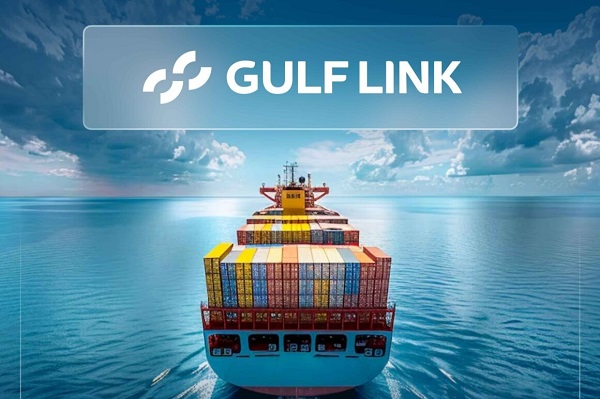
AD Ports Group has initiated operations of GulfLink Ltd, entering a strategic logistics partnership with KTZ Express, the freight arm of Kazakhstan Temir Zholy. This joint venture—51 percent owned by AD Ports and 49 percent by KTZ Express—is designed to enhance connectivity along the Middle Corridor, establishing a vital multimodal supply link between Asia and Europe.

The first shipments through GulfLink began under the leadership of regional CEO Abdulaziz Zayed AlShamsi, who described the venture as “a key link in our strategy to upgrade the Middle Corridor route through Central Asia into a major, commercial East‑West trade artery linking consumers and manufacturers in Asia and Europe”. General Director Damir Kozhakhmetov emphasised that GulfLink delivers “a new level of unique, end‑to‑end connectivity for Kazakhstan regionally and globally”.

Kazakhstan, where rail accounts for approximately 70 percent of freight transit over its 16,000 km network, is central to this development. GulfLink will bolster supply chains by integrating Kazakhstan’s rail infrastructure with routes through Pakistan, Türkiye, the Arabian Gulf and the Indian subcontinent.

As part of AD Ports’s commitment, over US $775 million is earmarked for logistics infrastructure in Kazakhstan. Planned investments include a grain terminal and a multipurpose facility at Kuryk Port, aimed at complementing GulfLink’s multimodal ambitions. The network also encompasses partnerships in Uzbekistan, and facilities on the Black and Caspian Seas via collaboration with KazMorTransFlot.

Industry analysts say GulfLink could significantly reduce China‑to‑Europe transit times. AGBI reports that the route will “cut China‑Europe transit time” by providing direct regional connectivity and bypassing the longer northern rail corridors. This enhancement aligns with global supply chain trends that favour diversification and damper dependency on any single corridor.

CEO Kamal Huseynov stated that GulfLink plans to offer “value added to customers through our relationships, the logistics resources of our shareholders, and our commitment to efficiency, innovation, seamless supply chains and optimised trade”. The venture seeks to become the operating hub for integrated rail, road, sea and air transport in Central Asia.

Reactions from regional stakeholders suggest that GulfLink’s launch may mark a turning point in Eurasian logistics. The joint venture is seen as vital in realising the potential of the Trans‑Caspian International Transport Route—an alternative to the traditional northern rail line through Russia—and is projected to attract new trade volumes via diversified pathways.

AD Ports’s existing regional presence includes a food logistics hub in Uzbekistan and maritime assets in Türkiye and Pakistan. GulfLink’s launch reinforces these assets by contributing to a cohesive network serving Europe, Central Asia and South Asia.

Multimodal trade experts suggest that the GulfLink project addresses a growing appetite among manufacturers and shippers for more resilient and politically diversified supply channels. With geopolitical uncertainties persisting along certain northern corridors, the Middle Corridor’s expansion could offer a strategically advantageous and timely alternative.

The operational phase of GulfLink has commenced with pilot shipments underway, signalling the beginning of active corridor use. AD Ports and KTZ Express intend to progressively scale the venture, adding capacity, routing regularity and service coverage over the coming months.

As GulfLink gains momentum, its success will depend on coordinated infrastructure roll‑out, regulatory alignment across transit jurisdictions, and competitive transit times compared with existing corridors. Analysts agree the venture marks a significant step toward reshaping logistics flows across Eurasia, affirming Kazakhstan’s growing prominence as a logistics hub and AD Ports Group’s strategy to establish itself as a global trade infrastructure enabler.

A once-weekly injection of Wegovy® has become available in Singapore, marking the latest step in managing obesity as a chronic disease. The product, from Novo Nordisk, is licensed for adults and those aged 12 and above who are obese or overweight with at least one weight‑related condition such as hypertension, type 2 diabetes or dyslipidemia.

The drug works by mimicking the gut hormone GLP‑1, promoting a sense of fullness and reducing food intake when combined with healthier diet and exercise regimes. Its introduction follows approval by the Health Sciences Authority on 28 February 2025 for use among adolescents with obesity—a first in the region.

Over 600,000 adult Singaporeans are classified as obese, a figure that underlines the public health urgency given the hundreds of comorbidities associated with obesity. The rollout of Wegovy® offers a medically guided therapy for a condition too often dismissed as a lifestyle issue.

Clinical experts argue obesity stems from complex biological factors, ranging from genetics to hormonal imbalances. Dr Abel Soh, chair of the Endocrine and Metabolic Society of Singapore, says, “Obesity is not simply the result of lifestyle choices—it is a medically recognised chronic disease influenced by a complex interplay of genetics, hormones and environment”.

Approval comes amid global strain on semaglutide supplies. Local clinics previously stocked Ozempic and Rybelsus and faced intermittent shortages, with expectant Wegovy® shipments deferred until 2026 according to some medical guides. Private clinics were unable to reference branded drugs until local stock arrived, due to regulatory restrictions.

Available through prescription in private settings, Wegovy® will be offered alongside diet and exercise interventions. The injectable is indicated for chronic use; ongoing physician oversight is advised. Regulatory approval includes a requirement to review treatment after 12 weeks in adolescents if BMI reduction falls below 5% on the full 2.4 mg dose.

Globally, Wegovy® was first authorised in the US in June 2021, followed by EU approval in early 2022. Earlier, in Singapore, semaglutide received approval under Ozempic’s label starting March 2023 for diabetic therapy.

The drug’s effectiveness has been supported by the STEP clinical programmes, showing average weight reductions of between 10–15% over periods of 68 to 104 weeks. Benefits extend beyond weight loss to metabolic health improvements, including lower blood pressure and decreased cholesterol.

Local uptake may mirror global patterns, where appetite suppression and metabolic regulation paired with lifestyle changes have delivered sustainable weight loss without surgery. However, supply challenges persist: healthcare providers warn that stocks may remain tight, with some expect delays or patient referrals under the Ozempic brand.

Novo Nordisk has also updated its savings programme for Wegovy®, making it more accessible to cash‑paying patients. The initiative aims to reduce financial barriers, although uptake and cost‑effectiveness will depend on real‑world pricing and insurance coverage.

Wegovy® is indicated for chronic weight management in adults and adolescents (12+) with obesity or overweight and at least one related health condition. The once-weekly injectable supports weight loss when used alongside a reduced-calorie diet and increased physical activity. The launch marks a step toward evidence-based, compassionate treatment of obesity as a chronic disease—not a personal failing. SINGAPORE – Media OutReach Newswire – 12 July 2025 – […]

U. S. consumers now contend with an effective tariff rate exceeding 20%, marking the steepest level observed since the early 1900s, according to estimates by the International Chamber of Commerce following the latest round of import levies introduced under President Trump’s administration. This escalation stems from a newly implemented baseline tariff of 10%, supplemented by selective duties—up to 50% on copper and 200% on pharmaceuticals—pushing the overall […]

HEFEI, CHINA – Media OutReach Newswire – 11 July 2025 – On July 10, Anhui officially released the teaser for the upcoming 2025 World Manufacturing Convention, setting the stage for this premier gathering of the global manufacturing community. Under the theme “Intelligent Manufacturing, Better Future,” the teaser opens with a creative invitation addressed to an AI robot, symbolizing Anhui’s ambitions to build itself into a leading manufacturing […]

The first-ever full-scale solo exhibition by Udom Taephanich, sets a new milestone for Thai contemporary art on the global stage. BANGKOK, THAILAND – Media OutReach Newswire – 11 July 2025 – ICONSIAM, the global landmark on the Chao Phraya River, is forging ahead with its mission to become a Must-Visit Global Art Destination, reinforcing its commitment to offering exclusive art experiences while empowering Thai artists to shine […]

The Bank of England is evaluating the role of stablecoins in wholesale payments and tokenised asset infrastructure via its UK Digital Securities Sandbox, at a pivotal juncture for financial market innovation. Sasha Mills, Executive Director of Financial Market Infrastructure, outlined this approach during her keynote at City Week in London on 2 July. The central bank is focusing on blending stability, regulatory clarity, and interoperability as it reshapes post-trade and settlement systems.

Mills emphasised that the digitalisation of wholesale financial markets—driven by tokenisation, distributed ledger technology, smart contracts and programmable ledgers—has the potential to enhance market depth, reduce friction, and mobilise capital more efficiently. Yet she stressed that any emerging system must preserve the bedrock of financial stability: confidence in finality of settlement and risk parity across new and legacy platforms.

The Digital Securities Sandbox has emerged as a cornerstone of the Bank’s strategy. Since its inception, the sandbox has attracted both incumbents and new market entrants. A notable early application has been the UK Government’s Digital Gilt pilot—nicknamed DIGIT—where debt issuance occurs on a distributed ledger. Mills noted it has catalysed broader interest in using tokenisation to simplify asset mobility, enable intraday repo operations and improve collateral utilisation.

Crucially, the Bank is exploring the integration of stablecoins within this sandbox framework. While central bank money remains the preferred settlement asset, Mills described the Bank’s position as “open‑minded” to stablecoins’ potential utility in wholesale markets. The Bank plans to provide further clarity on stablecoin roles and standards later this year.

In its consultation approach to systemic stablecoins—launched with a discussion document in November 2023—the central bank is considering reforms such as permitting a percentage of reserves to be held in high-quality liquid assets, rather than unremunerated central bank balances. It is also contemplating transitional holding limits: for individuals, between £10,000 and £20,000; for businesses, up to £10 million. These measures aim to curb stability risks from sudden large outflows.

Beyond stablecoins, tokenised deposits are highlighted as a promising vehicle to merge regulatory safeguards of traditional deposits with the efficiency of real-time, on‑chain settlement. Mills confirmed the Bank is working to integrate tokenised deposits across DSS initiatives and its broader National Payments Vision.

Complementing these developments, the Bank continues to elevate its core infrastructure. Its Real‑Time Gross Settlement system is undergoing major upgrades under the RT2 programme. Upcoming enhancements include broader access, extended operating hours, and a synchronisation interface. This interface is designed to facilitate conditional settlement—in which transfers within the RTGS can be synchronised with transactions on external DLT systems.

The Bank has joined the BIS Innovation Hub’s DLT Innovation Challenge to test whether wholesale central bank money can be transacted and settled on external programmable ledgers. Mills described this as an experiment into how wholesale central bank monies, stablecoins, and tokenised deposits can co-exist safely.

The BoE maintains that a mixed infrastructure ecosystem—where traditional and emerging systems operate side by side—is the foreseeable outcome. Ensuring interoperability across public and private, permissioned and permissionless ledgers is essential to prevent liquidity fragmentation and support seamless transfer of capital. Public blockchains may offer connectivity solutions, provided they meet security and regulatory standards.

Mills cautioned that while technological adoption is important, regulators must integrate hard-earned lessons on confidence and stability. “Money requires confidence to support economic activity and growth in good times and bad,” she said, warning that failures in settlement finality could erode trust and trigger cascading market events.

With its “secondary innovation objective”, the Bank is actively reviewing existing regulations that pose barriers to digital finance, engaging continuously with industry participants. The DSS, tokenised deposits, upgraded RTGS, stablecoin framework, and experimental alignment with DLT signal a coordinated strategy to modernise UK wholesale finance.

China Development Bank has launched a groundbreaking dual‑currency bond on Nasdaq Dubai, bearing an A1 rating from Moody’s, with a pair of three‑year notes: a $500 million floating‑rate tranche at SOFR +30 basis points and a €500 million fixed‑rate tranche bearing a 2.25 percent coupon. Investor demand flooded in, especially from Europe, the Middle East and Asia, marking a significant milestone in cross‑border financing. The euro tranche, with its enticing […]

ADNOC Gas has finalised a supply agreement worth 1.5 billion dirhams with Germany’s SEFE Securing Energy for Europe, signalling a significant push to reinforce the energy partnership between the UAE and European markets. The three-year contract will see ADNOC Gas deliver 0.7 million tonnes of liquefied natural gas, with shipments commencing this year from the Das Island liquefaction facility. The deal forms part of Europe’s broader strategy […]

Sharjah’s Real Estate Registration Department has unveiled an upgraded version of its official website, signalling a significant milestone in its digital transformation agenda. The streamlined platform aims to improve delivery of services and create an intuitive, integrated online hub for a diverse user base across the emirate. Designed with a contemporary, interactive interface, the site aligns with Sharjah Government’s directive to offer smart, high‑efficiency services. Investors, developers, […]

OPEC+ plans to finalise a 2.2 million-barrel-per-day supply restoration by September and is deliberating halting further production increases from October onwards, delegates have indicated. Source participants say the cartel has scheduled a final monthly increment of approximately 550,000 bpd in September, completing the planned unwinding of cuts. Following that, discussions have begun around suspending additional increases—especially the roughly 1.66 million bpd tied to later phases of the rollback—potentially pausing as early […]

HONG KONG SAR – Media OutReach Newswire – 11 July 2025 – Today, IX Asia Indexes announced the 2025 2nd quarter review of the ixCrypto Index Series and the IX Digital Asset Industry Index Series. The constituent changes will be implemented on the effective date of 18th July 2025 (Friday). The results of the constituent review and exchange review are as follows: 1. Constituent Review – ixCrypto […]

Stonepeak, a US-based infrastructure investor, has agreed to acquire a 50 per cent co-controlling stake in IFCO Group from a subsidiary of the Abu Dhabi Investment Authority. The transaction positions Stonepeak alongside European mid-market investor Triton, which will continue its existing 50 per cent ownership. Financial terms were not disclosed, and the deal remains subject to customary regulatory approvals, with completion targeted in the fourth quarter of 2025.

Founded in 1992, IFCO operates one of the world’s largest reusable packaging container systems, managing over 400 million units and facilitating approximately 2.5 billion shipments of fresh food annually across more than 50 countries. This extensive network, supported by around 140 service centres, serves more than 18,000 growers and over 300 retailers, delivering substantial cost efficiencies, sustainability gains, and operational scalability compared to single-use packaging.

ADIA initially invested in IFCO’s carve-out from Australian logistics group Brambles in 2019, following a $2.5 billion sale to Triton. Over the intervening years, IFCO has undergone a comprehensive strategic and operational transformation, including enhanced digitalisation and an expanded global footprint, setting the stage for this latest ownership transition.

IFCO’s chief executive officer, Michael Pooley, praised the combined expertise of Stonepeak and Triton, emphasising that the new partnership will support growth and reinforce IFCO’s “market leading position globally”. Nikolaus Woloszczuk, Senior Managing Director at Stonepeak, described IFCO as a “critical component of the logistics infrastructure delivering fresh produce” and underlined the firm’s commitment to accelerating the company’s expansion—particularly in North America—as part of Stonepeak’s broader infrastructure investment strategy.

Triton’s co‑head of business services, Stephan Förschle, affirmed the firm’s ongoing commitment to IFCO, signalling confidence in the combined vision with Stonepeak to deliver value through digitalisation and sustainability initiatives. Representing ADIA, executive director Hamad Shahwan Aldhaheri noted that since the 2019 investment, IFCO had built “solid foundations for the future, based on strong operational performance and enhanced digital capabilities”.

Advisory teams have been engaged from both sides of the transaction. Citi and Morgan Stanley served as financial advisers to ADIA and Triton, with Bank of America also representing ADIA, while Kirkland & Ellis and Latham & Watkins provided legal counsel. Stonepeak was advised by Citi financially and Kirkland & Ellis legally.

Analysts indicate that the deal could value IFCO at approximately €5.5 billion including debt, implying a consideration near €2 billion for the 50 per cent stake, according to Bloomberg. This valuation reflects IFCO’s robust market position and future growth prospects in sustainable logistics.

The combination of Triton’s deep sector knowledge and Stonepeak’s infrastructure expertise—including its focus on transport, logistics, and digitalisation—positions IFCO to capitalise on rising demand for circular economy solutions in food supply chains. With container reuse gaining regulatory momentum and retailer focus on waste reduction intensifying, IFCO’s closed-loop model is becoming increasingly central to sustainable logistics strategies.

Market observers expect this deal to reinforce growing investor interest in circular supply chain infrastructure, especially as environmental and governance factors shape capital allocation. The high valuation underscored by global advisory firms suggests confidence in IFCO’s ability to deliver both financial returns and environmental impact through its RPC-based system.

The completion of this transaction in late 2025 will mark a significant milestone for all stakeholders. ADIA exits after six years of investment and strategic support. Triton remains, signalling continuity in governance and operation. Stonepeak enters as a long-term partner, with capital and network to help scale IFCO’s platform further—particularly in North America.

European Parliament approved the removal of the United Arab Emirates from its “high-risk third countries” list for money laundering and terrorist financing, a decision aligned with its earlier removal by the Financial Action Task Force in February 2024 and marking a pivotal regulatory victory. This shift reduces the compliance burden on trade and financial flows, enhancing Abu Dhabi’s ambitions to deepen ties with Brussels and attract global investors.

Parliament’s vote endorsed the European Commission’s update to the list, which also saw the UAE’s delisting alongside jurisdictions like Gibraltar, Barbados and Panama, while new entries such as Monaco and Kenya were added. The move followed intense technical dialogue between Emirati authorities and EU institutions, satisfying the bloc’s concerns with enhanced cooperation on financial intelligence sharing and asset recovery.

Mohamed bin Hadi Al Hussaini, the Minister of State for Financial Affairs, described the decision as a “strategic milestone” that underscores global recognition of the UAE’s robust framework. He emphasised that this represents a shift toward positioning the UAE as a transparent, resilient and globally trusted financial centre – a foundation for attracting sustained investment.

These reforms follow a sweeping crackdown on non-compliance, with over AED 339 million in fines levied by the Central Bank on exchange houses, banks and insurers. The fines were part of a wider national strategy enacted under Federal Decree‑Law 20/2018 and its amendments, stretching regulatory oversight to real estate, precious metals, auditing and digital asset sectors.

Hamid Saif Al Zaabi, Secretary‑General of the National Anti‑Money Laundering and Combating the Financing of Terrorism Committee, told WAM that the EU’s removal affirms successful system‑wide integration across public and private sectors. He described the outcome as the result of a sustained national strategy dating back to 2014, supported by Cabinet-approved action plans and ongoing capacity‑building initiatives.

Despite commendations for its progress, Transparency International cautioned that delisting should not be interpreted as full clearance. The organisation noted persistent challenges in real estate safeguards and oversight of politically exposed persons, calling for ongoing vigilance and structured dialogue.

Financial experts note that removal from the EU’s list could yield significant economic dividends. The International Monetary Fund estimates capital inflows may surge by as much as 7.6 per cent of GDP, with foreign direct investment potentially rising by around 3 per cent. Gulf region analysts view delisting as unlocking smoother trade with Europe across sectors such as renewable energy, fintech and digital infrastructure.

Diplomatic messaging framed the delisting as a mutual strategic victory. UAE Minister Ahmed bin Ali Al Sayegh called it “independent recognition” of Abu Dhabi’s dedication to high international standards. EU Ambassador to the UAE Lucie Berger described it as deepening trust and advancing a shared commitment to economic safeguard and global security. Simultaneously, EU trade officials suggested that the move removes political and regulatory barriers ahead of ongoing free trade agreement negotiations with the UAE.

While the FATF had cleared the UAE in early 2024, the EU’s delayed action mirrored its own rigorous oversight cycle. In March 2023, the EU flagged the UAE for strategic deficiencies before launching a renewed process that incorporated enhanced inter-agency cooperation and legal reform.

Next on the UAE’s reform agenda is ensuring resilience in emerging risk domains such as cryptocurrency laundering and cross-border terror financing. Analysts emphasise that maintaining international trust will require sustained enforcement, legislative updates scheduled for later this year and deeper public–private collaboration.

Air Arabia has recommenced double daily non‑stop flights between Sharjah and Damascus from 10 July 2025, marking a pivotal renewal of air connectivity between the UAE and Syria. The low‑cost carrier’s decision, following a suspension since 2012, responds to rising demand and broader regional diplomatic easing.

The carrier’s reinstated schedule includes two early departures from Sharjah at 04:15 and 10:45, landing in Damascus at 06:30 and 13:00, respectively. Return services depart Damascus at 07:30 and 14:00, arriving in Sharjah at approximately 11:40 and 18:10 local time. Utilising Airbus A320s and A321s, Air Arabia’s fleet will provide in‑flight entertainment via ‘SkyTime’, on‑board dining through ‘SkyCafe’, and loyalty benefits under its ‘Air Rewards’ programme.

During a launch ceremony at Sharjah International Airport, attendees included Adel Al Ali, Group CEO of Air Arabia, and Ali Salim Al Midfa, Chairman of Sharjah Airport Authority, indicating the route’s strategic significance. A reception at Damascus International Airport featured UAE Ambassador Hasan Ahmed Mohammed Sulaiman Alshehhi and Syria’s Chargé d’Affaires Ziad Yahya Zaher Edin.

CEO Al Ali emphasised the route’s importance in serving the substantial Syrian diaspora in the UAE, estimated at over 350,000 individuals, and facilitating enhanced travel for business, tourism, and family visits. He remarked, “This route holds particular significance in serving the Syrian diaspora in the region and meeting the growing travel demand between the UAE and Syria.” The airline anticipates this service will bolster trade ties, with bilateral trade having reached US $680 million in 2024—a 23 percent increase over 2023.

Air Arabia’s restoring of direct flights aligns with a wider trend of regional airlines re‑engaging Syria. Emirates is scheduled to recommence services to Damascus from 16 July, expanding to daily flights by October. Flydubai resumed operations on 26 June. Additionally, national carrier Syrian Air has restarted several regional services since January, while Qatar Airways reinstated a Doha‑Damascus route in early January. Turkish budget airline Anadolu Jet launched flights from Istanbul and Ankara in April.

Damascus International Airport itself underwent closure during an opposition offensive in December 2024, later reopening with limited commercial flights. Full international traffic resumed in January 2025, with renovation support from Turkey in February.

The renewal of these services carries deeper geopolitical significance, reflecting a subtle shift in diplomatic engagement with Syria. In April, the UAE’s General Civil Aviation Authority formally lifted suspensions on flights to Syria, and UAE‑Syrian ministerial talks have since addressed aviation, banking, and consular matters.

Travel agents and industry analysts have interpreted the move as a calculated expansion of Air Arabia’s network, offering cost‑conscious alternatives to Gulf‑Europe‑Syria itineraries, especially for the UK and Europe‑based Syrian diaspora. The airline’s fare structure and twice‑daily service are expected to attract both long‑standing diaspora links and emerging trade flows.

Independent aviation analysts note that Air Arabia’s streamlined operations, lean cost base, and digital platform—covering bookings via website, app, call centre, and travel agencies—are key competitive advantages. The company now serves more than 90 global destinations, including recent additions such as Sochi, Prague, and expansion within Russia and Europe.

Despite the optimism, security concerns remain. Damascus Airport was only partially reopened in January, and while the civil aviation authority has announced upgrades, full operational stability depends on infrastructure restoration and geopolitical calm. Some observers caution that air travel to Syria may still face intermittent regulatory or safety challenges, advising prospective travellers to monitor advisories and airlines’ updates closely.

Nevertheless, the resumption of the Sharjah–Damascus route represents a turning point for mobility in the region. By restoring a decade‑long link, Air Arabia reinforces its position as a catalyst for regional integration and economic exchange, while filling a transport gap for displaced communities and traders across the Gulf.

Nigeria has secured a $747 million syndicated loan, led by Deutsche Bank, to fund the initial 47.47‑kilometre phase of its flagship coastal highway spanning from Victoria Island to Eleko Village in Lagos. The Ministry of Finance confirmed the financing on Wednesday, marking a record for road infrastructure funding in the country. Lenders in the syndicate include First Abu Dhabi Bank, African Export‑Import Bank, Abu Dhabi Exports Office, ECOWAS […]

The Indian Institute of Technology Delhi has teamed up with TeamLease EdTech to introduce a 24‑week online executive programme in artificial intelligence for healthcare professionals. With live weekend sessions, hands‑on projects and mentorship from leading faculty, the course is scheduled to begin on 1 November 2025, and admissions are open until 31 July 2025.

The programme aims to equip clinicians, engineers, data scientists and med‑tech entrepreneurs with a robust understanding of AI applications across healthcare domains including diagnostics, imaging, risk scoring, hospital operations and public health analytics. Course modules cover foundational topics such as machine learning, deep learning, big data and IoT monitoring of patient data, before progressing to advanced concepts like natural language processing for electronic health records, predictive analytics and AI‑powered dashboards.

Classes will be conducted entirely online on weekends to accommodate working professionals, and participants will work with real clinical datasets and hospital data systems. A capstone project, mentored by IIT Delhi faculty and experts from AIIMS and the med‑tech industry, will enable learners to build deployable AI tools under guidance.

Fee structure is set at ₹1.20 lakh plus 18 per cent GST, payable in two instalments. Eligibility extends to any graduate professional working in healthcare, research, industry or academia with interest in AI, and no prior coding experience is required.

Officials emphasise that AI has moved from optional to essential in modern medicine. Professor Manav Bhatnagar, Head of the Continuing Education Programme at IIT Delhi, highlighted the institute’s goal to develop “next‑gen capabilities that respond to evolving healthcare needs”, adding that the programme will empower professionals to lead this transformation. Shantanu Rooj, Founder and CEO of TeamLease EdTech, noted that the collaboration bridges clinical knowledge and data intelligence to create impactful healthcare solutions.

External analysts point to broader global trends behind the move. The World Economic Forum estimates that AI could add over US $150 billion annually to global healthcare economies through enhanced efficiency and patient outcomes. In India, NITI Aayog and EY forecast the digital healthcare market—driven by AI diagnostics and telemedicine—to exceed $37 billion by 2030.

The curriculum is divided into several thematic blocks: foundational AI methods; clinical and hospital data analytics; predictive modelling; medical imaging and automation; IoT‑based monitoring; EHR and NLP; public health analytics; and design of dashboards and decision‑support tools. Over 10 case studies and numerous hands‑on exercises will ensure participants not only learn theory but also apply skills to real‑world challenges.

On completion, alumni can explore roles such as AI/ML Engineer developing diagnostic models; Healthcare Data Scientist analysing clinical datasets; Clinical AI Researcher validating AI systems in hospital settings; Digital Health Consultant guiding AI adoption; Medical Imaging Analyst interpreting scans; AI Product Manager in health‑tech; or Regulatory/Data Governance Specialist ensuring compliance.

The weekend‑only format promises greater flexibility for busy professionals, with interactive live sessions and opportunities to network with CIOs, med‑tech founders and industry experts. TeamLease EdTech will support the programme delivery and student success, integrating technology platforms with IIT Delhi’s academic oversight.

Applications close on 31 July 2025. The programme will run from 1 November 2025 through early May 2026. Prospective applicants are directed to IIT Delhi’s Continuing Education Programme portal for registration and scholarship information.

This launch positions IIT Delhi and TeamLease at the forefront of AI‑driven healthcare education, anticipating a future where data intelligence plays a transformative role in patient care, system efficiency and population health outcomes.

VISHNU RAJA
RYO YAMADA
HITORI GOTOH
IKUYO KITA