News related to
network

HONG KONG SAR – Media OutReach Newswire – 23 July 2025 – The Faculty of Engineering at The Chinese University of Hong Kong (CUHK) continues to strengthen its position in global engineering education and research, with notable achievements across multiple engineering disciplines including Computer Science, Information Engineering, Electronic Engineering, Biomedical Engineering, Mechanical and Automation Engineering, Systems Engineering and Engineering Management. Recent rankings highlight the Faculty’s research excellence, […]

Highlights 39% underlying earnings growth Increased contributions from associates, Health & Beauty and Food Health & Beauty delivered strong like-for-like (LFL) sales growth of 4% Portfolio simplification continues with the announced divestment of Singapore Food business and sale of minority stake in Robinsons Retail Proceeds from Yonghui and Robinsons Retail divestments strengthen balance sheet to a net cash position of US$442 million Raised full-year underlying profit guidance […]

New Research Reveals US$130 Billion Economic Opportunity and Outlines Policy Framework to Accelerate Regional Digital Leadership by 2030 SINGAPORE – Media OutReach Newswire – 22 July 2025 – The Lee Kuan Yew School of Public Policy (LKYSPP) today released a comprehensive research report outlining how ASEAN can harness 5G and artificial intelligence convergence for transformative economic growth. The study, “Leveraging 5G to Accelerate AI-Driven Transformation in ASEAN: […]

Islamic-aligned transactions in the UAE soared to US $1.53 billion between 2023 and 2024, securing its position as the second-most active market after Indonesia in the global Sharia-compliant investment landscape. These figures, shaped by 50 deals covering mergers and acquisitions, private equity, and venture capital, are drawn from the 11th State of the Global Islamic Economy report by DinarStandard. Indonesia led this period with 40 deals amounting to US $1.60 billion, […]

Titan Company has struck a deal to acquire a 67% stake in Dubai-headquartered luxury jeweller Damas from Qatar-based Mannai Corporation in a transaction valued at 1.04 billion dirhams, or approximately $283.2 million. The move is poised to significantly strengthen Titan’s footprint in the Gulf region, positioning the Tata Group company among the largest subcontinent-origin jewellery players operating in the Middle East.

The acquisition agreement, announced on Monday, marks a pivotal expansion for Titan beyond its current presence in the UAE, where it has operated under the Tanishq brand since October 2020. The transaction is expected to close by 31 January 2026, subject to regulatory approvals and customary closing conditions. Titan will also retain an option to purchase the remaining 33% equity in Damas after 31 December 2029, effectively laying the groundwork for full ownership over time.

The deal will give Titan direct access to Damas’ well-established network of 146 outlets across the six Gulf Cooperation Council nations — United Arab Emirates, Saudi Arabia, Qatar, Oman, Kuwait, and Bahrain. With only seven Titan-operated Tanishq stores currently open in the region, the acquisition presents a strategic leap in scale, market share, and regional brand visibility for the Bengaluru-based jeweller.

Damas, founded in 1907, is one of the most recognisable names in the Middle East’s luxury jewellery market. It has developed a reputation for catering to the region’s taste for high-end gold and diamond jewellery, and is known for its broad in-house product range and partnerships with international luxury brands. Mannai Corporation, which has owned Damas since 2012, has been looking to streamline its portfolio, prompting the divestment.

For Titan, the acquisition offers both a fast-track into the premium Gulf retail market and an opportunity to accelerate synergies across procurement, branding, and customer experience. The company is expected to retain Damas’ brand identity and existing management structure, allowing the Dubai-based business to continue leveraging its established reputation while benefitting from Titan’s supply chain and operational expertise.

The Middle East has been a target market for Titan’s international ambitions, driven by the strong presence of the South Asian diaspora and a deep-rooted cultural affinity for gold. The GCC region’s jewellery market is estimated to be worth over $10 billion, with gold accounting for a large share of consumer demand. Analysts view Titan’s acquisition of Damas as a strategically sound move in an environment where cross-border consolidation is becoming increasingly common in luxury retail.

Titan has grown to become one of the most dominant jewellery retailers in South Asia through its flagship brand Tanishq, which is positioned as an accessible luxury label offering a blend of traditional and contemporary designs. The company also operates sub-brands such as Mia and Zoya, each catering to specific consumer segments. Over the past decade, Titan has expanded into new domestic categories and entered select global markets, but the Damas deal marks its most ambitious international push yet.

The acquisition is being viewed by market observers as a significant play within the broader Tata Group strategy of boosting global brand equity across consumer-facing businesses. Following the group’s international expansions in hospitality, automotive, and technology, Titan’s move consolidates Tata’s multi-sectoral presence in the Gulf and taps into a region with rising demand for premium lifestyle offerings.

Financial analysts have underscored the deal’s strategic value, citing Damas’ established customer base and premium positioning, which could drive faster break-even timelines than greenfield expansion. Furthermore, the GCC’s favourable demographic trends and consistent gold demand have added to investor optimism around the deal’s long-term prospects.

Despite geopolitical uncertainty and fluctuations in gold prices, jewellery retail in the Gulf continues to enjoy high volumes due to cultural norms and steady tourist inflows, especially in the UAE. Titan’s increased footprint through Damas will place it in a better position to cater not just to residents but also international shoppers across the region’s major commercial and tourist hubs.

Titan has confirmed that the acquisition will be funded through internal accruals and debt, with no equity dilution expected in the near term. The company’s board has approved the investment, and the transaction is aligned with its long-term capital allocation strategy.

Executives at Titan have expressed confidence in Damas’ future growth trajectory and have indicated that the company will invest further in marketing, store refurbishment, and digital initiatives to modernise the customer journey. Damas’ product portfolio, which includes bridal sets, heritage pieces, and limited-edition designs, will remain intact as Titan aims to preserve the local flavour while infusing global best practices.


A sophisticated cyber‑espionage campaign has targeted a government‑affiliated IT department in Southern Africa, with indicators pointing to the China‑linked APT41 group. Kaspersky’s Managed Detection and Response team detected the intrusion via unusual activity on multiple workstations, prompting an in‑depth investigation and attribution to APT41 with high confidence. The attackers infiltrated the network by exploiting a publicly exposed web server, carrying out registry dumping to harvest credentials for […]

A consortium led by Air Arabia and partners Nesma Group and KUN Holding has secured approval from Saudi Arabia’s General Authority of Civil Aviation to establish and operate a low‑cost carrier based at King Fahd International Airport in Dammam. The airline is expected to begin operations in 2026, with a fleet of 45 aircraft serving 24 domestic and 57 international destinations by 2030. GACA projects the carrier will transport […]

Advertisements

Greenlogue/AP ACWA Power has forged multi-party preliminary agreements with European energy giants to assess exporting renewable energy and green hydrogen from Saudi Arabia to Europe via the India–Middle East–Europe Economic Corridor. The accords aim to explore large-scale project feasibility and develop cross-border transmission corridors. The MoUs were signed in Riyadh on 20 July during a Renewable Energy and Green Hydrogen Export Workshop presided over by the Ministry of Energy. […]

HONG KONG SAR – Media OutReach Newswire – 21 July 2025 – Chengdu Kanghua Biological Products Co., Ltd. (Stock Code: 300841.SZ) announced that Shanghai Healthcare M&A Fund (“the M&A Fund”) intends to acquire the Company through a strategic agreement. Leveraging its substantial resource and financial strength, the M&A Fund plans to support Kanghua Biological’s established product portfolio, accelerate sales of its mature products, and develop industry synergies […]

A critical vulnerability in on‑premise Microsoft SharePoint servers is being actively exploited, enabling unauthenticated remote code execution and full server takeover, cybersecurity agencies and independent researchers have confirmed. The flaw, tracked as CVE‑2025‑53770, allows attackers to bypass authentication entirely by exploiting a deserialization weakness in SharePoint server code. They can upload malicious ASPX web‑shells, extract machine and cryptographic keys and gain persistent access—even after patches are applied. […]

Merz Aesthetics® Hong Kong Launches Ultherapy® Authenticity Verification Reward Program This August Consumers Urged to Verify Ultherapy® Transducers Authenticity for Safe and Effective Treatments HONG KONG SAR & MACAU SAR – Media OutReach Newswire – 30 June 2025 – Merz Aesthetics®, the world’s largest dedicated medical aesthetics business for more than 115 years, leads the industry shift with Ultherapy PRIME®, the latest innovation in hyper-personalized, non-invasive skin […]

Etihad Airways has surpassed the 20 million annual passenger mark for the first time, boosted by strong first-quarter profit and rising customer satisfaction. The airline’s operating fleet now exceeds 100 aircraft as it intensifies its global expansion and pursues ambitious 2030 targets.

Etihad posted a Q1 profit after tax of AED 685 million, a 30 per cent increase compared to the same period last year. Total revenue rose 15 per cent, supported by growth in both passenger and cargo operations. Passenger revenue alone increased by 16 per cent to AED 5.5 billion, reflecting stronger demand and enhanced flight frequency. The carrier flew 5 million passengers in the quarter, a 16 per cent jump year‑on‑year, with a solid load factor of 87 per cent.

Over the past 12 months, Etihad has carried more than 20 million guests—doubling its annual passenger figures in just 30 months—and is now regarded as the fastest-growing airline in the region. Chief Executive Antonoaldo Neves described this milestone as evidence of “sustained growth driven by expanding demand, a dynamic global network, and a clear strategic focus”.

Customer satisfaction surged to record highs, with Q1 scores up 20 per cent versus a year ago. The airline attributed this to refreshed lounge and inflight menus, improved digital services, high-speed Wi‑Fi, and a revamped website and mobile app.

Etihad’s fleet currently comprises over 100 aircraft, including the return of its seventh Airbus A380 and the delivery of a Boeing 787‑9 with an Emirati crew, alongside its first of three Airbus A350‑1000s. A further 18 aircraft are expected in 2025, highlighted by the introduction of the A321LR narrow‑body fleet on 1 August, which will feature private First Suites, lie‑flat Business seats, 4K entertainment screens, and high‑speed Wi‑Fi across all cabins.

The airline has added 27 new routes so far in 2025 and plans to operate nearly 90 destinations by year‑end. These network additions form part of Etihad’s longer-term strategy to expand its global footprint to over 125 destinations and grow its fleet to more than 170 aircraft, with the aim of carrying 38 million passengers annually by 2030.

Operational efficiency gains also strengthened Etihad’s balance sheet. EBITDA rose 32 per cent to AED 1.4 billion, yielding a 21 per cent margin, while net leverage improved to 1.1×, down from 1.9× in March 2024. Cash flow from operations reached AED 1.8 billion, an 11 per cent improvement.

These developments follow a broader resurgence at Etihad. The carrier turned around from consecutive annual losses of recent years to report a record USD 476 million profit in 2024, flying 18.5 million passengers that year—a 32 per cent increase—and generating revenue of nearly USD 6.9 billion. The Q1 results affirm progress in cost optimisation, network rationalisation and fleet modernisation initiated under CEO Neves since taking the helm in 2022 under Abu Dhabi sovereign fund ADQ.

Looking ahead, Etihad plans to sustain delivery of 20-plus new aircraft annually, including further Boeing 787s and Airbus A350s, to meet projected demand. It is also preparing infrastructure and service upgrades connected to Abu Dhabi’s Zayed International Airport, whose terminal expansion tripled annual capacity to 45 million passengers, reinforcing the city’s role as a global hub.

On the route front, 16 further destinations have been announced for 2025, complementing an already swift rollout of 27 new routes. The A321LR rollout from August will unlock First Class on single‑aisle sectors, with an upgraded passenger experience including concierge transfers, chauffeur services and luggage‑free travel in Abu Dhabi.

Etihad’s turnaround, driven by disciplined execution of its “Journey 2030” strategy, has paid off. With record profits, growing customer satisfaction and a fleet age structure among the youngest globally, the airline is moving ahead of Gulf competitors as a stronger, customer‑centric global carrier.

Bahrain’s Crown Prince Salman bin Hamad Al Khalifa has secured a deal for Gulf Air to acquire 18 Boeing 787 Dreamliner aircraft fitted with General Electric engines, marking a departure from the carrier’s previous reliance on Rolls‑Royce engines. At a meeting held in Washington with U. S. President Donald Trump, the agreement was signed alongside a broader $17 billion suite of investments from Bahrain in the United States. […]

Salama has partnered with digital insurance broker Policybazaar. ae to expand access to Life Takaful coverage in the UAE, aiming to bridge protection gaps through a fully Shariah-compliant digital platform. The move brings Salama’s suite of Takaful life insurance products to Policybazaar. ae’s online marketplace, a platform already known for simplifying access to financial services through regulatory-compliant digital tools. This collaboration is being positioned as a strategic […]

Ripple has formalised a partnership with UAE-based tokenisation platform Ctrl Alt to deliver institutional-grade digital asset custody services as part of a landmark initiative by the Dubai Land Department to digitise property ownership using blockchain infrastructure.

The agreement will enable Ctrl Alt to leverage Ripple’s custody solution to store and manage tokenised property title deeds on the XRP Ledger, as Dubai intensifies its push to integrate advanced digital frameworks into its real estate sector. The project marks a significant stride in DLD’s broader strategy to streamline property transactions and increase market transparency by replacing conventional title documentation with blockchain-native digital representations.

Ripple’s institutional custody platform, designed for banks and financial institutions, will play a central role in securing and scaling the digital assets underlying Dubai’s real estate tokenisation programme. Ripple’s solution will ensure regulatory compliance, operational efficiency, and asset security as property titles are issued and exchanged through blockchain mechanisms.

The announcement positions Ripple as a key player in the UAE’s drive toward regulated digital asset ecosystems. The partnership also represents Ripple’s first custody deployment in the UAE, expanding its global digital asset custody network into the Middle East and further solidifying its presence across EMEA, Asia Pacific, and Latin America.

Ctrl Alt, which had disclosed its participation in the DLD project earlier, is building tokenisation infrastructure tailored for real-world assets such as real estate. The firm will integrate Ripple’s technology to facilitate the issuance, transfer, and management of tokenised property deeds while ensuring institutional-grade security standards.

The Real Estate Tokenisation Project aims to transform Dubai’s property registry system by offering a fully digital framework that eliminates physical documentation and manual recordkeeping. Through the initiative, the DLD intends to increase efficiency in property ownership transfers, reduce fraud risks, and create a foundation for smart contract-enabled real estate solutions. By leveraging the XRP Ledger’s speed and cost efficiency, the project also seeks to attract global investors and developers to participate in tokenised real estate offerings governed by transparent, immutable ledger protocols.

Ripple’s expansion into the UAE’s digital asset space follows its broader global strategy to deliver enterprise-grade blockchain tools tailored to financial infrastructure, a focus that has intensified as global regulators and institutions begin adopting tokenisation at scale. Ripple’s digital custody division — established through its acquisition of Metaco in 2023 — has emerged as a core offering, providing secure storage infrastructure for tokenised assets in both public and permissioned blockchain environments.

Metaco’s digital asset custody platform, which now underpins Ripple’s institutional offering, was originally designed to meet the requirements of global banks and has been adopted by several financial institutions in Europe and Asia. Its integration with Ripple’s payment and liquidity tools enables a seamless experience for enterprises managing digital asset portfolios alongside tokenisation and cross-border payment rails.

Ripple’s custodial framework offers support for a wide range of tokenised assets, including stablecoins, real-world assets, and CBDCs. It provides multi-tier security, granular permission controls, and compliance features needed for institutional applications. The company’s leadership has highlighted tokenisation as a core theme in the evolution of financial infrastructure, predicting that trillions of dollars worth of real-world assets will migrate to blockchain ecosystems in the coming decade.

Ctrl Alt’s involvement in the DLD-led project comes as Dubai cements its role as a global testbed for blockchain innovation, with a supportive regulatory regime, ambitious smart city initiatives, and a growing appetite for Web3 integration. The company has built its platform to allow regulators, issuers, and investors to interact within a compliant digital asset ecosystem. Its participation in the project is expected to open the door for additional applications of tokenisation beyond real estate, including commodities, equities, and infrastructure.

Dubai’s real estate market, historically characterised by high-value transactions and global investor interest, is seen as an ideal candidate for tokenisation. By converting ownership documents into digital tokens recorded on a blockchain, authorities aim to offer fractional ownership models, enhance liquidity, and enable secondary market trading. The shift could also reduce costs and settlement times, while allowing retail and institutional investors to access real estate markets with lower capital thresholds.

Ripple’s role in the project is expected to be pivotal in meeting security, governance, and compliance requirements for digital custody. The partnership strengthens Ripple’s position as a go-to infrastructure provider for tokenisation use cases and reflects its strategic intent to deepen engagement in jurisdictions with progressive digital asset frameworks.

HONG KONG SAR – Media OutReach Newswire – 18 July 2025 – Cushman & Wakefield, a leading global real estate services firm, today released its 2024 Sustainability Report, demonstrating the firm’s commitment to operational excellence and responsible business practices. The report highlights the firm’s global impact across key sustainability areas during 2024 and progress on future targets that will help shape a more sustainable and inclusive future […]

The U. S. House of Representatives has approved the GENIUS Act, the inaugural federal regulatory framework targeting fiat‑backed stablecoins, with a decisive 308–122 bipartisan vote on 17 July 2025. With Senate approval secured in June by a 68–30 margin, the legislation now advances to President Trump’s desk for signature, anticipated as early as tomorrow.

The GENIUS Act mandates that issuers—including banks, credit unions, fintech firms, and select non‑bank entities—maintain one‑to‑one reserves in cash or low‑risk assets such as U. S. Treasury bills, with mandatory monthly public disclosures of reserve composition. It also institutes anti‑money laundering controls, requires issuance organisations to obtain licences from federal or state financial regulators, and prohibits paying interest directly to stablecoin holders.

The legislation forms part of a broader “Crypto Week” effort in the House, which also included passage of the CLARITY Act—allocating oversight of digital asset classification between the SEC and CFTC—and the Anti‑CBDC Surveillance State Act, barring the Federal Reserve from issuing a central bank digital currency. Both now await Senate consideration.

Advocates argue that the GENIUS Act addresses long-standing regulatory uncertainty, providing market stability and consumer safeguards within a $260 billion-plus stablecoin ecosystem. Senior figures from institutions such as JPMorgan Chase, Bank of America, Citi, Walmart, and Amazon have reportedly expressed interest in issuing stablecoins under the new regime. Market sentiment reflects optimism: crypto‑linked equities and assets rose when the House vote was finalised, with Bitcoin nearing record highs above $119,000.

Nonetheless, critics highlight significant concerns. Consumer advocates emphasise that stablecoins remain outside FDIC protection and could pose redemption risks or obscure hidden fees. Others express unease over potential weak guardrails: the SEC’s Paul Atkins cautioned that regulatory innovation must still ensure sufficient market safeguards.

Ethics debates spotlight former President Trump’s extensive ties to the crypto industry, including investments in World Liberty Financial and a meme coin touted as generating over $300 million in related revenues. Opponents claim this raises conflict‑of‑interest questions and risks favouring Trump‑linked enterprises, though the White House has asserted asset segregation via a family trust.

In Congress, both Democratic and Republican proponents defended the legislation for delivering much‑needed structure. Democratic Rep. Josh Gottheimer remarked that introducing “some rules of the road” was preferable to having none. Opposing voices like Rep. Maxine Waters cautioned that the law might “signal tolerance for corruption” without closing presidential exemptions from conflict‑of‑interest prohibitions. Meanwhile, Senate Democrats, including Richard Blumenthal, criticised the bill’s failure to eliminate loopholes or demand stronger consumer protection standards.

Beyond federal oversight, the GENIUS Act introduces a layered supervisory model: federal agencies will regulate larger issuers and interstate entities, while state regulators handle smaller players—those issuing under $10 billion annually. The legislation sets out implementation timelines, including one‑year deadlines for rule‑making and an 18‑month effective date, with a three‑year transition period before enforcement on custody and transaction restrictions.

Industry stakeholders anticipate dramatic market growth. Scott Bessent, Treasury secretary, projected the stablecoin market could swell from around $195 billion to over $2 trillion following the GENIUS Act’s implementation. Christian Catalini of the MIT Cryptoeconomics Lab predicted fierce competition as banks and fintechs join traditional issuers with consumer trust bolstered by regulation.

The crypto sector, stung by past regulatory setbacks under the prior administration’s enforcement actions, now views the GENIUS Act as a turning point. Major players like Circle and Coinbase backed the measure after directing substantial lobbying resources toward lawmakers. Jennifer Nolan, head of the Blockchain Association, described it as a “defining moment in the evolution of U. S. digital asset policy”.

With presidential signature expected imminently, the GENIUS Act is poised to redefine the U. S. approach to stablecoins—ushering in regulated issuance, enhanced transparency, and heightened institutional involvement. Its progress also spotlights ongoing debates about market oversight, political influence, and financial stability in an increasingly digital economy.

KUALA LUMPUR, MALAYSIA – Media OutReach Newswire – 18 July 2025 – There are multiple risk factors in trading, and navigating them requires patience and experience. To alleviate that pressure, modern trading platforms offer some highly practical tools that help to manage risks and avoid losses. Unfortunately, many traders are either unaware of these tools or have got used to trading without them. In this article, the […]

HONG KONG SAR – Media OutReach Newswire – 17 July 2025 – Cyberport successfully hosted the “AI x Data Forum” today. Centered on the theme “AI in Action, Data at the Core: Unlocking Infinite Potential”, the forum brought together over 450 participants from government, finance, innovation and technology, cybersecurity sector, and academia to explore innovative artificial intelligence and data-driven strategies and practical experiences. Cyberport, Canton Data Exchange, […]

Chinese mainland REIT market joined the top three largest REIT markets in Asia for the first time with an 85% increase in market value in 2024 India’s office REIT market attracted considerable leasing demand from global capability centres Data centre and hospitality REITs gained strong investor interest in Japan and Singapore HONG KONG SAR – Media OutReach Newswire – 17 July 2025 – China and India’s Real […]

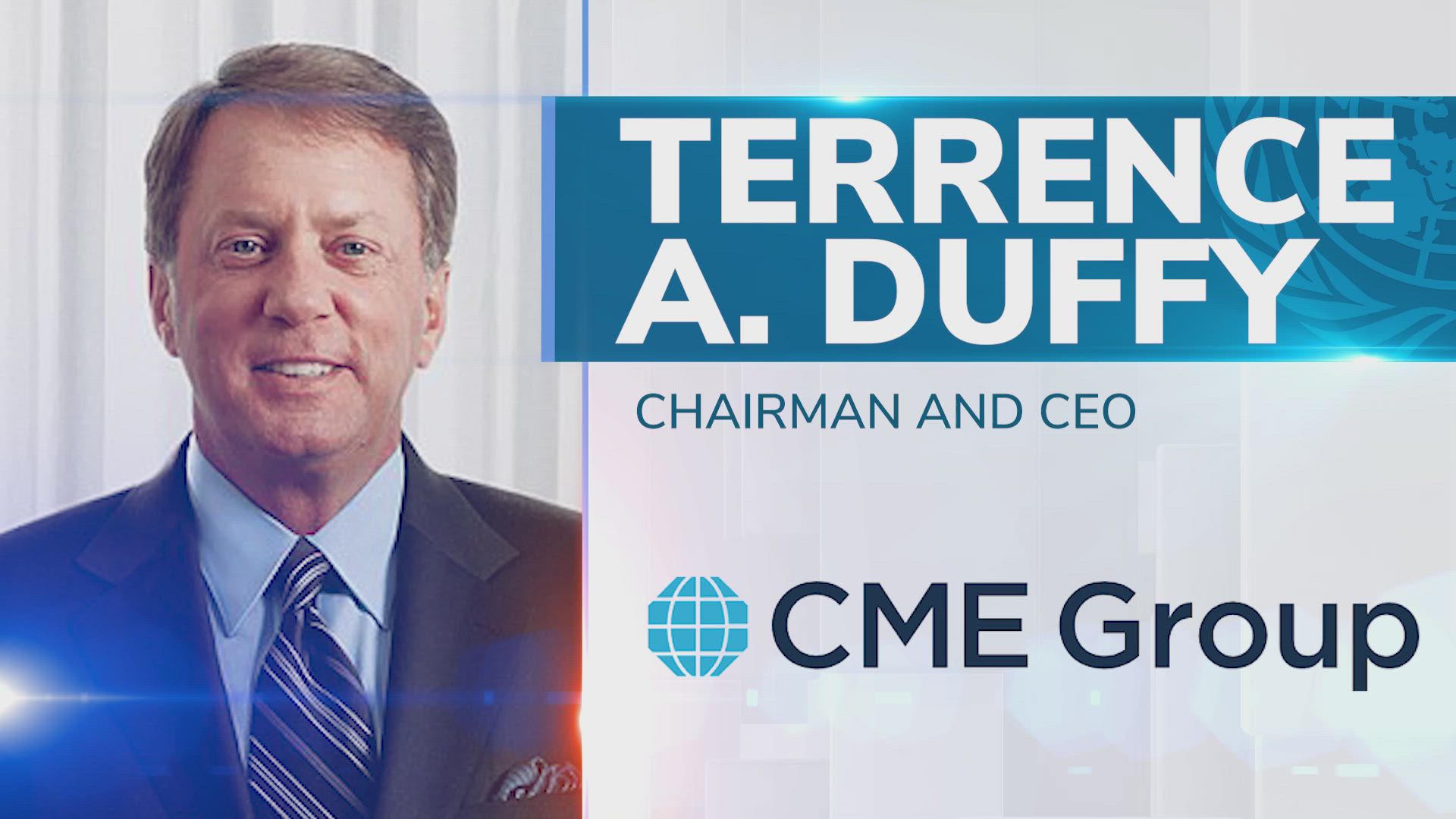
The Chicago Mercantile Exchange has made a definitive statement against creating derivatives linked to memecoins, asserting that the tokens do not possess inherent value or utility. This decision comes amid growing interest in digital currencies and the increased popularity of cryptocurrencies, which has sparked debates over the legitimacy and long-term viability of memecoins.

CME, a prominent player in the derivatives market, has expressed concern that while the meme-based digital currencies have attracted significant attention, they fail to meet the criteria required for listing on traditional financial markets. Their stance underscores a broader caution within institutional financial circles regarding the speculative nature of memecoins. CME’s focus remains on assets with clearer, more defined purposes, distancing itself from assets that could be perceived as largely driven by speculation and hype.

Memecoins, such as Dogecoin and Shiba Inu, have surged in popularity, largely driven by social media trends and celebrity endorsements. These coins, often launched with minimal technical backing or distinct use cases, have raised questions among regulators and traditional financial institutions about their sustainability. While some investors have profited from these speculative assets, others argue that their volatility and lack of utility make them unsuitable for the establishment of regulated financial products.

CME’s decision to avoid memecoin derivatives highlights the ongoing tension between traditional financial institutions and the emerging cryptocurrency market. Many institutional investors and financial services firms have taken a cautious approach toward digital assets, particularly those without a clear underlying economic purpose. Unlike Bitcoin or Ethereum, which have garnered institutional support due to their use cases in decentralized finance and blockchain technology, memecoins continue to be seen as speculative and unpredictable investments.

The CME, which is known for offering a wide range of financial products, has historically been careful about embracing digital assets. While the exchange has launched products for Bitcoin and Ether futures, it has been much more reserved in its approach to other forms of cryptocurrency. This stance reflects a broader hesitancy within traditional finance to integrate speculative digital assets into the established financial ecosystem.

Despite the speculative frenzy surrounding memecoins, their adoption among mainstream financial institutions has been slow. Critics argue that memecoins present significant risks due to their volatility and lack of regulatory oversight. With the absence of tangible utility or real-world applications, the long-term viability of these coins remains uncertain. However, the rapid rise in their value and their appeal to retail investors suggest that the digital asset market is evolving in ways that many traditional institutions struggle to fully grasp.

Meanwhile, the debate surrounding memecoins is far from settled. Some proponents argue that memecoins serve as an entry point into the broader cryptocurrency ecosystem, particularly for newcomers who may be drawn to the coins’ viral and community-driven nature. These supporters contend that the social aspect of memecoins, driven by online communities and internet culture, is a valuable phenomenon in itself. The connection between digital assets and social influence is undeniable, as evidenced by the involvement of high-profile figures such as Elon Musk in promoting Dogecoin.

Building a successful food delivery app requires more than a great idea—it needs the expertise of a reliable mobile app development company in Dubai and the right framework to ensure performance, scalability, and a smooth user experience. In this blog, we’ll explore: Why framework choice matters in app development Best frameworks to build food delivery app in Dubai How to choose the right framework for food startup […]

Doubled from last year with 87% entering the Hong Kong startup competition from overseas HONG KONG SAR – Media OutReach Newswire – 17 July 2025 – EPIC 2025, organised by Hong Kong Science and Technology Parks Corporation (HKSTP), has reached new heights with the 9th edition saw an influx of global applications hitting close to 1,200, entering from more than 70 economies, setting a record for the […]

Greenlogue/AP Masdar has completed the sale of its equity stake in the Sharjah Waste-to-Energy plant to Tadweer Group, consolidating the latter’s position as a primary stakeholder alongside BEEAH in the Emirates Waste-to-Energy company. The strategic divestment marks a key reconfiguration in the regional clean energy sector, aligning the interests of all involved entities with their evolving operational goals and international ambitions. The transaction cements a new operational […]

VISHNU RAJA
RYO YAMADA
HITORI GOTOH
IKUYO KITA
Just in:
Salik posts Dhs1.045bn profit despite lower toll traffic // China Reconciled To U.S. Curbs On Chips Exports, Woos South Korea For Supply // TORRAS Launches Two New iPhone Duo Cases from Its Popular Ostand Series, Addressing Foldable Phone Users’ Concerns About Difficult Stand Positioning and Scratches // Hackers falsify NVIDIA GPU readings to mask cryptomining // Yicura BioMed Advances Dual Capital and Industrial Strategy: Completes First Closing of Series B Financing Led by Gobi Partners // Microsoft restores services gradually but gives no recovery deadline // IEA forecasts fourth-quarter oil surplus as Gulf shipments rebound // Saudi fund assets forecast to cross $400 billion // L’OCCITANE Celebrates 50 Years Of Provençal Craftsmanship With Holiday 2026 Collection // Rooftop solar planning gaps behind power shortages // Fujairah highway pile-up leaves 14 dead and 30 injured // Inpex reaffirms Gulf oil strategy despite shipping constraints // US authorities dismantle North Korean cryptocurrency deception infrastructure // Electoral register gains 2.17 lakh voters // The Honey Trap Is The Headline, The Chip Pipeline Is The Story // Nvidia appoints Colette Kress interim chief after Huang departure // Sun World Ba Den Mountain marks Vietnam Culture Day, welcoming Cambodian visitors over Bon Om Touk // Woman found dead as bank moves to repossess home // Microsoft outage leaves Outlook and Teams users disconnected // 11 Boutique Xinjiang Wineries to Debut in Singapore //