Just in:
MG Motor presents four electrified vehicles at Dubai exhibition // China Reconciled To U.S. Curbs On Chips Exports, Woos South Korea For Supply // Court reinstates Police association rejig order // Crescent Enterprises venture arm funds Oyster Therapeutics development // The Honey Trap Is The Headline, The Chip Pipeline Is The Story // ONYX Hospitality Group Unveils Plans for Amari Samui Resort and Villas, Elevating Its Premium Resort Offering on Koh Samui // Fujairah highway pile-up leaves 14 dead and 30 injured // LANDMARK Presents ‘Destination CENTRAL’: A District-Wide Celebration Inviting Global Travellers to Explore the Dynamism, Luxury, and Soul of Central // December Is the Last Window for $800,000 U.S. Residency Investment // Microsoft restores services gradually but gives no recovery deadline // EBANX and Eneba strengthen partnership in Latin America with 138% YoY growth in payment volume // Lego restores BrickLink marketplace after security investigation // 11 Boutique Xinjiang Wineries to Debut in Singapore // Yicura BioMed Advances Dual Capital and Industrial Strategy: Completes First Closing of Series B Financing Led by Gobi Partners // Saudi fund assets forecast to cross $400 billion // Microsoft outage leaves Outlook and Teams users disconnected // How A Newly Elected Democratic Congress Could Reshape US–India Relations? // Ladakh Ban On Protests Ahead Of Election Is Uniquely Contentious // Hackers falsify NVIDIA GPU readings to mask cryptomining // U.S. Democratic Leadership Starts Dialogue With Progressive Bloc For Joint Strategy //

News related to
network

By Nantoo Banerjee Pakistan is back in the business of pushing Jihadists into India. It is the same old story. Last week, barely 12 days after the announcement of a ceasefire on 10 May, Pakistani terrorists in Jammu & Kashmir’s Kishtwar district killed an Indian soldier in an encounter with the security forces. When were […]

Air Arabia, the largest low-cost carrier in the Middle East and North Africa region, has entered a strategic partnership with Al Maryah Community Bank , the UAE’s pioneering fully integrated digital bank, to transform payment solutions for air travel bookings. The collaboration aims to streamline and enhance customer experience by integrating a dedicated payment platform using AE Coin, a digital currency developed within the UAE’s evolving fintech ecosystem.

The agreement represents a notable development in the aviation and financial technology sectors, aligning with broader efforts across the Gulf to digitize and modernize consumer transactions. Air Arabia’s expansive footprint across over 170 destinations and its growing digital adoption underscore the potential scale and impact of this partnership, while Mbank’s innovative banking infrastructure provides the technological backbone necessary for secure and efficient digital payments.

AE Coin, a digital asset issued under regulatory frameworks established by the UAE Central Bank, is designed to support seamless transactions, offering users a faster, more secure alternative to conventional payment methods. By incorporating AE Coin into the travel booking process, Air Arabia customers can now enjoy reduced transaction costs and enhanced payment speed, particularly beneficial for frequent flyers and cross-border travellers navigating currency exchange complexities.

This joint initiative aligns with the UAE’s vision of becoming a global hub for digital innovation, especially in fintech and blockchain technology applications. Authorities have actively promoted digital currencies as a means to foster economic diversification and financial inclusion, setting regulatory standards to encourage institutional adoption without compromising security or compliance. Air Arabia and Mbank’s collaboration is a direct manifestation of this vision, potentially setting a precedent for other airlines and banks in the region.

Beyond operational efficiency, the deal aims to provide a competitive edge to Air Arabia in the increasingly crowded low-cost airline market. The digital payment facility is expected to attract a broader demographic, including tech-savvy millennials and Gen Z customers who favour quick and convenient digital financial services. Mbank’s platform offers an intuitive user interface backed by advanced cybersecurity measures, ensuring transaction integrity and user privacy—a crucial factor in digital payment adoption.

Industry experts observe that this partnership could stimulate further innovation in travel-related financial products, such as loyalty programmes integrated with blockchain technology or smart contracts automating travel insurance claims and refunds. Given Air Arabia’s status as a trailblazer in the LCC market within the region, the integration of digital currency payments may drive more airlines to explore similar fintech collaborations to boost customer engagement and operational resilience.

The UAE’s fintech landscape has been expanding rapidly, supported by government initiatives like the Dubai Blockchain Strategy and Abu Dhabi’s financial free zones encouraging fintech startups and established institutions to experiment with digital currencies and payment systems. Al Maryah Community Bank has been at the forefront of this evolution, leveraging its digital-first banking model to offer innovative solutions that address gaps in traditional banking services, especially for younger, digitally native consumers.

The banking sector’s shift toward digital currencies is also influenced by the growing emphasis on cross-border remittances and e-commerce in the Gulf Cooperation Council economies. With millions of expatriates living and working in the UAE, seamless and cost-effective international payments are essential. AE Coin’s integration into travel payments potentially simplifies the complex landscape of foreign exchange and international fees, offering transparent, instant settlement.

Air Arabia’s move complements broader aviation industry trends where airlines increasingly seek to diversify revenue streams through ancillary services, including payment facilitation. Providing customers with alternative payment methods can enhance booking flexibility and reduce abandoned transactions, particularly in regions where credit card penetration remains variable.

Mbank’s leadership has highlighted the collaboration as a step toward building a future-ready banking environment that embraces emerging technologies and anticipates customer needs. Their approach includes ongoing investments in blockchain research and partnerships aimed at expanding the utility of digital currencies beyond conventional use cases.

Sceptics caution, however, that widespread adoption of digital currencies in mainstream commercial sectors faces hurdles such as regulatory uncertainty in some jurisdictions, fluctuating asset valuations, and the need for consumer education. Nevertheless, the tightly regulated environment of the UAE and its proactive approach to digital asset regulation mitigate some of these concerns, positioning this partnership as a test case for successful integration.

Air Arabia’s CEO emphasised that the move reflects a commitment to innovation and customer-centricity, stating that digital payment solutions are integral to the airline’s future growth strategy. The ability to offer fast, secure, and cost-effective payment options will enhance the overall travel experience and contribute to operational efficiencies.

Analysts note that this partnership signals a broader shift in the travel and banking sectors towards embracing digital ecosystems that reduce friction and enhance service delivery. The potential for scaling such solutions beyond air travel, into areas such as hotel bookings, car rentals, and travel insurance, could redefine consumer expectations in the region’s travel market.

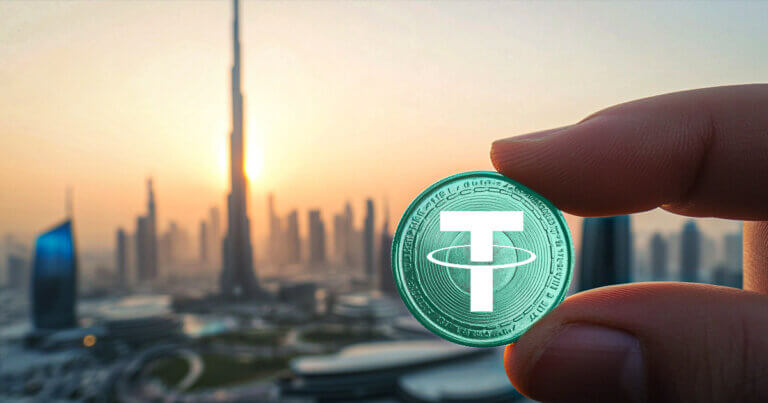
USDT activity on the Tron blockchain has reached unprecedented levels, with the circulating supply now at $77.7 billion, monthly transaction volumes exceeding $611 billion, and over 65.6 million transfers recorded. This surge underscores Tron’s emergence as a dominant force in the stablecoin ecosystem, surpassing traditional financial networks in transaction throughput.

Tron’s ascent in the stablecoin market is attributed to its high-speed, low-cost infrastructure, which has attracted a vast user base. The network boasts over 300 million accounts, processing more than 14 million USDT transactions weekly, accounting for approximately 69% of global USDT activity. This dominance is further highlighted by Tron’s surpassing of Visa’s daily average transaction volume, with USDT on Tron reaching $53 billion in a single day compared to Visa’s $42 billion.

The network’s efficiency has made it a preferred choice for users in regions with limited access to traditional banking services. In Africa, for instance, 85% of users rated the Tron network five stars, citing its stable and low-cost payment experience. Similarly, in Argentina, a partnership with local e-commerce platform Kripton has enabled over 2,000 merchants to accept USDT payments, facilitating more than 100,000 transactions and $2 million in volume within 18 months.

Tron’s technological advancements, including the launch of the “Gas Free” USDT transfer feature, have further reduced transaction costs, solidifying its position in the payment sector. The network’s ability to process thousands of transactions per second with minimal fees has been instrumental in its widespread adoption.

Despite its rapid growth, Tron’s association with founder Justin Sun has attracted scrutiny. Sun, who has faced investigations by U.S. authorities for alleged market manipulation and facilitating illicit financial activities, recently returned to the U.S. to attend a dinner with former President Trump. His involvement in Trump’s crypto ventures, including a $75 million investment in World Liberty Financial and a significant stake in the $TRUMP memecoin, has raised concerns about potential conflicts of interest.

Bitcoin exchange-traded funds have amassed over 75,000 BTC in net inflows over the past month, marking a significant shift in institutional investment patterns and fueling a surge in the cryptocurrency’s valuation. This influx, surpassing $6.5 billion, has been pivotal in driving Bitcoin to an all-time high of $109,900, reflecting a growing confidence among investors in the digital asset’s long-term prospects.

The substantial inflows into Bitcoin ETFs, particularly BlackRock’s iShares Bitcoin Trust , which alone attracted $6.5 billion, underscore a broader trend of institutional adoption. This movement is further evidenced by the actions of major financial entities such as JPMorgan Chase and Morgan Stanley, which have expanded their cryptocurrency offerings in response to increasing client demand.

Analysts attribute this surge to a confluence of factors, including favorable regulatory developments and macroeconomic conditions. The U.S. Senate’s progress on a regulatory bill for stablecoins and the establishment of a Strategic Bitcoin Reserve by the Treasury have provided a supportive policy environment. Concurrently, the weakening of the U.S. dollar and concerns over fiscal policies have prompted investors to seek alternative assets, positioning Bitcoin as a perceived safe haven.

The impact of these developments is evident in the market’s response. Bitcoin’s price trajectory has been bolstered by the sustained ETF inflows, with models estimating its fair value to be between $105,000 and $125,000 at the current rate of investment. This valuation aligns with the observed market behavior, where the cryptocurrency has maintained its upward momentum despite broader economic uncertainties.

The strategic moves by corporations also play a crucial role in this dynamic. Michael Saylor’s Strategy, for instance, has significantly increased its Bitcoin holdings, adding $765 million to its portfolio, which now exceeds $63 billion in value. Such corporate investments not only reflect confidence in Bitcoin’s potential but also contribute to its market stability and growth.

The entry of new players into the Bitcoin ETF space, such as Twenty One, led by the son of President Trump’s commerce secretary, indicates a diversification of investment vehicles and a broadening of the market base. This expansion enhances the accessibility of Bitcoin to a wider range of investors, further solidifying its position in the financial ecosystem.

Etihad Airways reported a profit of 685 million dirhams for the first quarter of 2025, marking a 30% increase year-on-year. This growth was attributed to robust demand and enhanced operational efficiency. Total revenue rose by 15%, supported by gains in both passenger and cargo business. Passenger revenue climbed 16% to 5.5 billion dirhams , bolstered by increased capacity, ongoing network expansion, and more frequent flights. The airline […]

A sophisticated phishing group known as Inferno Drainer has capitalised on a recently implemented Ethereum feature to conduct large-scale wallet-draining attacks, exposing a novel vulnerability within the blockchain ecosystem. This new tactic leverages Ethereum Improvement Proposal 7702 , part of the network’s broader Pectra upgrade, which permits Externally Owned Accounts to temporarily emulate smart contract wallets during transactions.

EIP-7702 was introduced to enhance transaction efficiency and flexibility by allowing EOAs, typically controlled by individuals, to process complex batch operations usually reserved for smart contracts. However, this flexibility has opened unforeseen attack vectors that cybercriminals like Inferno Drainer are now exploiting to extract significant funds without alerting users.

The initial alert came from Scam Sniffer, a web3 anti-scam platform, which identified a wallet compromised through this method losing nearly $150,000. This incident underscores the growing sophistication of phishing techniques targeting crypto users, marking a shift from conventional scams that often rely on direct wallet hijacking or tricking users into revealing private keys.

Blockchain security expert Yu Xian, founder of SlowMist, a firm specialising in combating crypto threats, explained that Inferno Drainer’s method differs markedly from previous phishing scams. Instead of forcibly taking control of a wallet, the group operates through a delegated MetaMask wallet—one authorised under EIP-7702’s new permissions system.

This approach involves the hackers silently approving token transfers by executing a batch authorisation process. Through this mechanism, the victim unknowingly triggers an “execute” command within MetaMask, which processes malicious batch data quietly in the background, resulting in a stealthy but effective draining of tokens.

“The phishing gang uses this mechanism to complete batch authorisation operations on tokens related to the victim’s address,” Xian said, highlighting the threat’s subtlety and the challenge it poses to wallet security.

The shift towards batch authorisations was designed to streamline interactions on Ethereum by allowing users to manage multiple transactions or permissions in a single operation. Unfortunately, it also offers a cover for nefarious actors to bundle illicit commands within legitimate transaction flows, evading traditional detection methods.

Industry analysts observe that this new exploit underscores the delicate balance between innovation and security in blockchain technology. Ethereum’s continuous upgrades aim to enhance usability and scalability but often introduce complexities that can be manipulated if not carefully monitored.

Inferno Drainer has reportedly refined this phishing tactic over months, adapting to Ethereum’s evolving infrastructure. Their campaigns focus on victims who have already adopted wallets compatible with the Pectra upgrade, ensuring that the batch execution feature is active and exploitable.

The Pectra upgrade itself is a significant step forward for Ethereum, promising improved transaction throughput and user experience. Yet, as this case reveals, the implementation of powerful features without equally robust security safeguards invites exploitation. Wallet providers, particularly MetaMask, face mounting pressure to integrate advanced detection algorithms and user alerts to mitigate such silent batch authorisation abuses.

Security firms are recommending users exercise heightened caution when approving wallet transactions, especially those involving batch operations. Unlike straightforward transaction confirmations, batch authorisations may bundle multiple permissions, some of which could be maliciously crafted.

The incident also highlights the growing arms race in crypto security, where threat actors rapidly adapt to platform upgrades and exploit minor oversights or new functionalities. While blockchain’s decentralised nature offers transparency, the intricacies of smart contract and wallet interaction often elude average users, increasing their vulnerability.

MetaMask’s role in this exploit is crucial, as the wallet’s delegation and permission system under EIP-7702 allows the execution of complex commands with user consent. Experts suggest MetaMask and similar wallet developers could implement clearer prompts, disallowing batch authorisations that combine unexpected or unverified commands, thereby reducing risk.

Regulatory scrutiny around crypto security continues to intensify as attacks like those by Inferno Drainer demonstrate the potential for significant financial loss. Governments and industry bodies are increasingly focused on fostering secure protocols and pushing for better user education to counteract sophisticated phishing attempts.

Cryptocurrency exchanges and DeFi platforms may also need to review their integration with wallets supporting EIP-7702, ensuring that their transaction flows do not inadvertently facilitate or obscure malicious batch authorisations.

This emerging threat reiterates the importance of layered security measures, including hardware wallets, multi-factor authentication, and vigilant transaction monitoring. As phishing schemes grow more advanced, users must adopt a cautious stance towards authorisation requests, verifying each operation’s legitimacy, particularly when batch executions are involved.

Inferno Drainer’s exploitation of Ethereum’s latest upgrade serves as a stark reminder that innovation in blockchain technology must be matched by equally innovative security frameworks. The broader crypto community faces a critical juncture where safeguarding user assets depends on swift adaptation to both technological progress and the evolving tactics of cybercriminals.

Efforts to address such vulnerabilities are underway within Ethereum developer circles, with proposals to refine permissioning models and enhance wallet interfaces to better distinguish legitimate transactions from potentially harmful batch authorisations. Collaboration between security researchers, wallet providers, and the wider blockchain community is crucial to curtail threats exploiting the complex functionalities introduced by upgrades like Pectra.


Lithuania’s Astrolight has secured €2.8 million in seed funding to advance its laser-based communication systems, aiming to establish a high-speed, secure optical data highway between satellites and Earth. This investment underscores the growing confidence in optical communication technologies as a superior alternative to traditional radio frequency systems. Astrolight’s flagship product, the ATLAS terminal, is engineered to facilitate data transmission from low Earth orbit satellites to ground stations […]

Advertisements

Worldcoin’s native token, WLD, experienced a significant surge in value, climbing over 10% following a substantial $135 million fundraising round led by prominent venture capital firms Andreessen Horowitz and Bain Capital Crypto. This influx of capital underscores growing investor confidence in the project’s vision of establishing a global, decentralised identity verification system.

The fundraising success coincides with Worldcoin’s strategic expansion into new markets. Notably, the introduction of its World ID verification system in Poland has garnered attention. Residents in Warsaw can now utilise the project’s ‘Orb’ biometric device to verify their identities, a move aimed at enhancing digital interactions and privacy. This development aligns with Worldcoin’s broader mission to differentiate humans from AI bots in the digital realm.

Market analysts attribute the token’s price surge to a combination of factors, including the successful fundraising, the expansion into Poland, and the broader adoption of Worldcoin’s technologies. The token’s trading volume also saw a notable increase, reflecting heightened investor interest.

However, the project’s rapid growth has not been without scrutiny. Regulatory bodies in various countries have raised concerns about privacy and data protection, leading to investigations and, in some cases, suspension of operations. Despite these challenges, Worldcoin continues to pursue its goal of creating a universal digital identity system, leveraging biometric technology and blockchain infrastructure.

KUALA LUMPUR, MALAYSIA – Media OutReach Newswire – 26 May 2025 – As global crypto markets show increased volatility, traders rethink their risk exposure. One vivid option is contracts for difference (CFDs). Kar Yong Ang, a financial market analyst at Octa broker, shares three reasons crypto traders should adopt CFDs and migrate from traditional exchanges. This year began with a harsh reminder that even the biggest crypto […]

Scammers operating in the UAE have increasingly exploited WhatsApp’s business platform to impersonate trusted contacts, aiming to extract sensitive personal and financial information from unsuspecting users. This surge in fraudulent activity has prompted Meta, WhatsApp’s parent company, to initiate a targeted public awareness campaign by directly messaging users in the UAE with detailed guidelines to distinguish legitimate business profiles from fake ones.

These deceptive practices often involve scammers creating profiles that mimic reputable companies or individuals, using official logos and business names to gain credibility. The impersonators then contact users, requesting confidential details such as passwords, banking information, or verification codes under various pretexts, including prize claims, urgent payments, or account verification. Such tactics prey on the trust that users place in familiar or official-seeming contacts, making it crucial to understand the warning signs of fraudulent profiles.

Meta’s communication emphasises several practical steps for users to verify the authenticity of business accounts on WhatsApp. Genuine business profiles typically feature a green checkmark badge, signifying that WhatsApp has verified the account’s authenticity. Additionally, the FAQ highlights that official business accounts often provide clear contact information, including physical addresses and email IDs, which can be cross-checked independently. Users are advised to be cautious of unsolicited messages from accounts lacking these markers, especially if they request personal or financial information.

The prevalence of such scams in the UAE reflects a broader global trend where digital fraudsters exploit popular communication platforms. The UAE’s rapidly expanding digital economy and high smartphone penetration have made it an attractive target for cybercriminals. Reports indicate that these scams have led to significant financial losses and identity theft cases, affecting both individuals and businesses. Authorities in the region have responded by increasing collaboration with technology firms and law enforcement agencies to identify, disrupt, and prosecute offenders.

Cybersecurity experts underscore the importance of user vigilance and education alongside technological safeguards. They advise that users should not share one-time passwords , verification codes, or bank details via messaging apps. Moreover, any unsolicited requests for payments or personal data should be treated with scepticism. Experts also recommend reporting suspicious profiles directly to WhatsApp and local cybercrime units to aid in swift action against scammers.

WhatsApp has implemented several backend security measures to combat such misuse, including automated detection of suspicious accounts and the ability for users to block and report fraudulent profiles easily. However, the dynamic nature of scams means that fraudsters continuously evolve their methods to bypass safeguards, making user awareness a critical line of defence.

The UAE government has been proactive in addressing cybercrime through legal and regulatory frameworks. The Federal Law No. 5 of 2012 on Combatting Cybercrimes stipulates stringent penalties for offences involving electronic fraud, impersonation, and data breaches. These laws are complemented by public education initiatives and partnerships with the private sector to enhance digital literacy and security awareness across the community.

Telecommunications providers in the UAE have also joined efforts to strengthen network security and raise awareness about phishing and social engineering attacks. Campaigns targeting both consumers and corporate clients aim to provide up-to-date information on the latest threats and prevention strategies. These initiatives are crucial as social messaging platforms like WhatsApp remain primary communication channels for many residents and businesses in the country.

Despite these efforts, challenges remain due to the anonymous and borderless nature of cybercrime. Fraudsters often operate from outside the UAE, complicating jurisdictional enforcement. International cooperation and intelligence-sharing between countries have become essential components of the global response to digital fraud schemes. UAE authorities participate actively in such cooperative frameworks, seeking to enhance their capacity to track and dismantle scam networks.

Users are increasingly urged to adopt best practices for online security, including enabling two-step verification on WhatsApp accounts, regularly updating app software, and avoiding clicking on suspicious links. Businesses are encouraged to educate their customers about official communication channels and verify any unusual requests through direct contact.

The allure of meme coins like Shiba Inu and Dogecoin has cooled, prompting investors and crypto enthusiasts to seek fresh opportunities beyond the fleeting hype. As these once high-flying tokens show patterns of price consolidation and reduced volatility, attention is increasingly shifting towards emerging decentralised finance projects, notably the Mantix decentralized exchange currently in its presale phase.

Mantix represents a new wave of crypto innovation aiming to capitalise on the growing demand for decentralised trading platforms with enhanced utility and community governance. Unlike meme coins, which primarily rely on social media buzz and speculative trading, Mantix offers a structured ecosystem designed to attract long-term participants. The project’s native token, $MTX, has garnered significant interest in crypto circles for its potential to integrate scalable blockchain solutions with user-driven decentralisation.

Market data indicates that meme coins, while maintaining a loyal base, have witnessed substantial corrections from their peak valuations over the past year. Shiba Inu, which surged into mainstream attention through aggressive marketing and celebrity endorsements, now faces resistance levels that limit further upward momentum. Dogecoin, originally launched as a parody cryptocurrency, similarly exhibits less price movement and trading volume than during its initial frenzy. This maturation phase has naturally led traders to explore De-Fi projects that promise utility beyond mere token speculation.

Mantix’s presale has emerged as one of the more watched events in the De-Fi space due to its approach of combining tokenomics with a robust decentralized exchange infrastructure. The platform is being built on a Layer 2 blockchain solution aimed at reducing transaction costs and enhancing speed, a crucial improvement over congested Layer 1 blockchains like Ethereum. By addressing scalability, Mantix hopes to attract users frustrated with high fees and slow confirmations, common complaints in existing DEX platforms.

Further intrigue surrounds Mantix’s governance model, which incorporates a decentralised autonomous organisation structure. Token holders of $MTX will have voting rights on key platform decisions, ranging from protocol upgrades to fee distribution. This democratic approach to platform management has resonated with investors seeking a voice in project development rather than passive holding.

Industry experts highlight that the shift from meme coins to utility-driven De-Fi projects reflects the broader evolution of the cryptocurrency market. Initial phases of crypto adoption were fuelled by hype and speculative mania, but the sector is now progressing toward maturity, where sustainable growth depends on practical applications and network effects. Mantix’s emphasis on building a scalable DEX aligns with this trajectory, placing it among a competitive set of projects trying to capture the next generation of crypto users.

Despite the buzz, experts caution that presale participation entails risks, including regulatory uncertainty and project execution challenges. De-Fi platforms often face complex security audits and require rigorous testing before launching fully. However, the team behind Mantix claims to have secured partnerships with established blockchain developers and auditors to mitigate vulnerabilities, although independent verification remains pending.

Investor enthusiasm around $MTX is also driven by the projected token supply model, which aims to incentivise early participants while avoiding excessive inflation. Unlike meme coins, where large token supplies have often led to price manipulation concerns, Mantix’s controlled issuance framework is designed to foster stability and gradual appreciation. Early investors see this as a key differentiator, especially as the crypto market enters a phase prioritising long-term viability over rapid gains.

Global crypto exchanges and wallets have reportedly begun integrating $MTX to facilitate seamless token distribution once Mantix transitions from presale to public trading. This integration plan underscores the project’s ambition to establish liquidity and market presence quickly. The initial roadmap also outlines plans for additional De-Fi features such as yield farming, staking, and cross-chain interoperability, which could position Mantix as a comprehensive platform for decentralized finance activities.

The shift in investor sentiment away from meme coins coincides with broader regulatory scrutiny across major markets, where authorities are increasing oversight of speculative tokens and trading platforms. This environment favors projects like Mantix that demonstrate transparent governance and clear utility. Regulatory compliance will likely remain a pivotal factor shaping the competitive landscape among De-Fi exchanges, with platforms adopting robust protocols gaining trust from institutional and retail investors alike.

Market analysts note that while Shiba Inu and Dogecoin have established themselves as cultural icons within the crypto space, their futures hinge largely on community support rather than fundamental technological advances. Conversely, De-Fi platforms like Mantix seek to blend technology innovation with community governance to drive adoption. This fundamental difference may influence which assets retain relevance as the market consolidates and matures.

Technical analysis of SHIB and DOGE price trends points to a phase of reduced volatility, marked by trading within defined ranges after sharp declines from all-time highs. Such patterns typically suggest accumulation phases or potential repositioning by holders. Meanwhile, Mantix’s presale momentum suggests a growing appetite for new projects with practical use cases, especially those tackling scalability and user empowerment issues prevalent in the crypto ecosystem.

The crypto market’s cyclical nature often sees hype-driven assets give way to infrastructure-focused projects. Mantix’s presale success could signal the start of such a rotation, as traders move capital into platforms offering tangible functionality. Nevertheless, the highly speculative environment demands due diligence, and investors are advised to assess project whitepapers, development progress, and team credentials before committing funds.

Tesla Inc.’s Bitcoin holdings have surpassed $1.25 billion, reflecting a significant appreciation in the cryptocurrency’s value. According to Arkham Intelligence, the electric vehicle manufacturer currently possesses approximately 11,900 BTC. This valuation underscores Tesla’s enduring commitment to Bitcoin, despite previous fluctuations in its digital asset strategy.

The company’s initial foray into Bitcoin occurred in early 2021, when it invested $1.5 billion in the cryptocurrency. Subsequently, Tesla began accepting Bitcoin as payment for its vehicles. However, this payment option was suspended in May 2021 due to environmental concerns related to Bitcoin mining’s energy consumption. The suspension led to a notable decline in both Bitcoin’s value and Tesla’s stock price.

In the second quarter of 2022, Tesla sold approximately 75% of its Bitcoin holdings, amounting to $936 million. CEO Elon Musk stated that the sale was driven by the company’s need for liquidity rather than a lack of confidence in Bitcoin. Since then, Tesla has incrementally increased its Bitcoin holdings, now totaling around 11,900 BTC.

The recent surge in Bitcoin’s value has contributed to the increased valuation of Tesla’s holdings. As of May 24, 2025, Bitcoin is trading at approximately $109,058. This price point has bolstered the value of Tesla’s Bitcoin assets, aligning with the company’s strategic investment approach.

Tesla’s position in Bitcoin places it among the top corporate holders of the cryptocurrency. Other notable companies with significant Bitcoin investments include MicroStrategy and Galaxy Digital Holdings. These firms have adopted similar strategies, integrating Bitcoin into their corporate treasuries.

The broader corporate adoption of Bitcoin has been influenced by recent regulatory developments. In March 2025, President Donald Trump signed an executive order establishing a Strategic Bitcoin Reserve. This initiative aims to maintain government-owned Bitcoin as a national reserve asset. The move has sparked interest among various states and corporations, further legitimizing Bitcoin’s role in the financial ecosystem.

HONG KONG SAR – Media OutReach Newswire – 24 May 2025 – Chief Executive of the Hong Kong Special Administrative Region (HKSAR), John Lee, hailed as a “success” his recent visit to the Middle East (May 10-15), where he led a delegation of more than 50 business leaders and entrepreneurs from Hong Kong and Mainland China on a visit to Qatar and Kuwait. “This Middle East visit […]

Greenlogue/AP EPointZero, the decarbonisation platform of 2PointZero, and International Resources Holding , a leading mine-to-market platform and subsidiary of 2PointZero, have signed a Memorandum of Understanding to jointly advance the decarbonisation of global mining operations. The MoU outlines a collaborative framework between EPointZero and IRH to integrate sustainable practices and technologies across the mining value chain. This partnership aims to leverage EPointZero’s expertise in decarbonisation strategies and […]

Guinea’s media regulator concluded the “Forum on the Future of the Press,” an event aimed at revitalising the country’s media landscape. However, six prominent news outlets remain blocked, highlighting the ongoing challenges to press freedom under the military-led government. The Ministry of Information and Communications Technology revoked the broadcasting licences of FIM FM, Espace FM, Sweet FM, Djoma FM, Djoma TV, and Espace TV, citing “non-compliance with […]

A Strategic Partnership Accelerate New Industralisation and Microelectronics Development HONG KONG SAR – Media OutReach Newswire – 23 May 2025 – Hong Kong’s advanced manufacturing and microelectronics sector received a significant boost today with a three-year strategic partnership between Hong Kong Science and Technology Parks Corporation (HKSTP) and Würth Elektronik. Under this collaboration, Würth Elektronik —a global premier electronic components manufacturer with a R&D base at Hong […]

KOLO, a prominent player in the web3 ecosystem, has introduced a next-generation digital wallet paired with a worldwide debit card designed to seamlessly bridge the gap between digital assets and everyday transactions. This development marks a significant step in expanding the usability of cryptocurrencies and blockchain-based assets in mainstream financial activities, targeting both seasoned crypto users and newcomers seeking practical applications of digital currencies.

The KOLO digital wallet enables users to store, manage, and transact with a broad range of digital assets, including popular cryptocurrencies and non-fungible tokens . Its accompanying debit card, which operates on a global scale, allows holders to convert their crypto holdings into fiat currency instantly, facilitating purchases and cash withdrawals wherever traditional debit cards are accepted. This dual functionality aims to enhance the liquidity and real-world accessibility of digital assets, which have often been limited by infrastructure and regulatory challenges.

KOLO’s platform capitalises on cutting-edge security protocols, including multi-factor authentication and hardware wallet integration, to protect user funds from common threats such as hacking and fraud. The wallet supports interoperability across multiple blockchain networks, including Ethereum, Binance Smart Chain, and Polygon, ensuring wide compatibility with a diverse array of tokens. Additionally, KOLO offers a user-friendly interface designed to simplify complex processes like token swaps, staking, and NFT management, appealing to users across different levels of technical expertise.

This launch comes amid growing global interest in cryptocurrencies as tools for everyday financial activities, beyond their traditional roles as speculative assets or investment vehicles. Industry analysts observe that bridging digital assets with conventional financial systems remains a critical hurdle for broader adoption. KOLO’s integration of a physical debit card backed by digital wallet balances presents a pragmatic solution to this challenge by enabling seamless real-time spending without the need for manual conversions or third-party intermediaries.

The global rollout of KOLO’s debit card features partnerships with major payment networks to ensure widespread acceptance. Cardholders can transact in multiple currencies, benefiting from automatic conversion rates managed by KOLO’s proprietary system. This eliminates the complexity and delays that typically accompany crypto-to-fiat exchanges, allowing for smoother consumer experiences in retail, online shopping, and ATM withdrawals worldwide.

Market experts highlight the significance of this move as competition intensifies among blockchain projects aiming to embed crypto payments in daily commerce. Other companies have launched crypto debit cards before, but KOLO’s approach focuses on enhanced security, broad token support, and user-centric design. It also addresses regulatory compliance across jurisdictions by implementing know-your-customer and anti-money laundering measures, ensuring adherence to financial regulations while maintaining user privacy.

KOLO’s leadership emphasises the product’s role in accelerating the transition toward a more inclusive financial system, where digital assets play a pivotal role in economic participation. The company has also announced plans to integrate decentralized finance features directly into the wallet, enabling users to access lending, borrowing, and yield farming services without leaving the platform. This integrated approach could reduce friction points that currently discourage mainstream users from engaging deeply with DeFi ecosystems.

In terms of adoption, KOLO targets a wide demographic including crypto enthusiasts, digital nomads, and merchants looking to accept digital currencies without complex setups. The debit card is available to users in key markets across North America, Europe, and Asia, with expansion plans for emerging economies where digital finance penetration is growing rapidly. Early user feedback praises the card’s convenience and the wallet’s intuitive design, with particular appreciation for transparent fees and fast transaction processing times.

Financial regulators remain cautious but generally open to innovation that adheres to legal frameworks and prioritises consumer protection. KOLO’s compliance strategy includes collaboration with regulatory bodies to ensure transparency and mitigate risks associated with digital asset transactions. This proactive approach aims to position KOLO as a trustworthy intermediary capable of navigating evolving regulatory landscapes without compromising on the decentralised ethos of web3 technology.

The broader digital asset industry is witnessing heightened demand for solutions that integrate blockchain technology with everyday financial use cases. KOLO’s entry into the market reflects an ongoing shift from niche crypto experimentation toward practical, user-friendly applications that can coexist alongside traditional banking infrastructure. This hybrid model could pave the way for new financial paradigms where digital wallets and physical payment instruments work in concert to offer greater flexibility and control to users.

Gulf nations are intensifying their investments in global sports, strategically deploying sovereign wealth funds to diversify economies and enhance international standing. Saudi Arabia, the United Arab Emirates , and Qatar are at the forefront of this movement, each utilising sports as a vehicle for economic diversification and soft power projection. Saudi Arabia’s Public Investment Fund , managing assets exceeding $700 billion, has acquired significant stakes in domestic […]

The Commodity Futures Trading Commission has affirmed that crypto perpetual futures are allowed for trading within the United States, providing much-needed regulatory clarity to market participants and investors in the digital asset space. This confirmation signals a significant development in the regulation of cryptocurrency derivatives, which have previously operated in a somewhat ambiguous legal environment. The CFTC’s explicit stance is expected to bring greater legitimacy and stability to an increasingly popular segment of the crypto market, while also setting the tone for future regulatory frameworks.

Crypto perpetual futures, a type of derivative contract that allows traders to speculate on the price movements of cryptocurrencies without an expiry date, have gained widespread traction globally. Unlike traditional futures contracts with fixed settlement dates, perpetual futures enable continuous trading, providing liquidity and hedging opportunities that attract institutional and retail investors alike. However, their regulatory status has often been unclear, causing uncertainty among exchanges and traders, especially in the US, where regulatory agencies tend to apply stringent oversight to financial instruments.

The CFTC’s confirmation comes amid growing scrutiny of the broader cryptocurrency ecosystem, which has faced regulatory challenges regarding investor protection, market manipulation, and systemic risks. The agency clarified that perpetual futures on cryptocurrencies fall under its jurisdiction as derivatives products, which means platforms offering these contracts must comply with relevant CFTC rules and regulations. This includes registration requirements for exchanges, adherence to anti-fraud measures, and maintaining transparent market practices.

Market leaders in crypto derivatives, such as Binance.US, FTX , and CME Group, have actively developed or listed perpetual futures contracts, but the lack of a formal regulatory framework had limited broader institutional adoption. The CFTC’s clear position may pave the way for more exchanges to offer these products, potentially increasing market liquidity and fostering innovation. The move also aligns with the agency’s broader approach to fostering responsible innovation in the derivatives market while safeguarding investor interests.

Industry experts note that the CFTC’s position contrasts with the Securities and Exchange Commission’s approach toward cryptocurrencies, which is generally more cautious, particularly regarding spot trading and certain crypto tokens. The delineation between the two agencies’ jurisdictions has been a subject of ongoing debate, especially since the SEC considers many digital assets as securities, thus subject to more stringent rules. The CFTC’s focus on futures and derivatives, rather than spot trading, offers a clearer regulatory path for these instruments.

This clarification from the CFTC also coincides with increased legislative and policy interest in digital assets at both federal and state levels. Lawmakers have debated comprehensive crypto regulatory frameworks to unify the patchwork of existing rules and provide consistency for market players. The CFTC’s explicit statement on perpetual futures could serve as a foundation for such legislative efforts, informing standards that balance innovation with risk management.

The implications of this regulatory clarity extend beyond the immediate crypto derivatives market. Institutional investors, including hedge funds, asset managers, and pension funds, have expressed cautious interest in digital asset products but often cite regulatory uncertainty as a key barrier. With perpetual futures formally recognised by the CFTC, these market participants may feel more confident engaging in cryptocurrency markets, potentially unlocking fresh capital inflows.

At the same time, consumer advocates and regulatory observers remain watchful. The high leverage and volatility inherent in perpetual futures trading can pose significant risks to less experienced traders, raising concerns about potential losses and market manipulation. The CFTC’s mandate includes protecting market integrity and consumer interests, so its enforcement actions and rulemaking around these contracts will likely intensify to address these risks effectively.

Cryptocurrency exchanges operating within the US have welcomed the announcement, viewing it as a step toward harmonising regulatory oversight and reducing operational uncertainty. Many platforms have invested heavily in compliance infrastructure, knowing that robust regulatory approval is crucial for long-term sustainability and growth. The clear jurisdictional guidance from the CFTC provides a framework for exchanges to innovate within established legal boundaries.

Internationally, regulatory bodies are also grappling with the rapid evolution of crypto derivatives. Countries such as Singapore, Switzerland, and the United Kingdom have developed varying approaches to the supervision of perpetual futures and similar instruments. The US’s decision to permit these contracts under the CFTC’s regulatory umbrella could influence global standards, encouraging a more coherent international regulatory environment.

Financial analysts highlight that the integration of crypto perpetual futures into regulated markets may increase price transparency and reduce volatility over time. By bringing these products under official oversight, the CFTC enables enhanced surveillance tools and risk controls, potentially deterring manipulative trading practices that have plagued the crypto space.

This regulatory clarity comes as decentralised finance platforms continue to explore perpetual futures through automated protocols. While the CFTC’s ruling primarily affects centralised exchanges and traditional trading venues, it sets a precedent that could influence regulatory approaches to DeFi derivatives as well. Authorities are closely monitoring DeFi developments, which challenge conventional frameworks due to their borderless and algorithm-driven nature.

Industry voices underscore the importance of balancing innovation with prudent oversight. The CFTC’s confirmation reflects a broader shift towards integrating cryptocurrency markets into the mainstream financial system while managing systemic risks. The move is likely to spur further collaboration between regulators, industry stakeholders, and market participants to develop standards that protect users without stifling technological advancement.

This regulatory milestone arrives amid a period of consolidation and maturation in the crypto market. After years of rapid growth, speculative excesses, and high-profile failures, the sector is increasingly focused on compliance, institutionalisation, and sustainable development. The CFTC’s stance on perpetual futures underlines the evolving recognition that digital assets and their derivatives require clear, enforceable rules tailored to their unique characteristics.

KUALA LUMPUR, MALAYSIA – Media OutReach Newswire – 23 May 2025 – Asian countries are navigating uncertainty amidst the U.S. tariff pause. The region runs a large trade surplus with the U.S., and many countries’ economies rely heavily on exports. Now, the Asian states have about seven weeks left to negotiate new trade deals with the U.S. Octa Broker looks at the progress made so far and […]

Uganda has formalised an $800 million financing agreement with the Islamic Development Bank to support a suite of infrastructure projects aimed at bolstering the country’s trade capabilities and economic integration within East Africa. The agreement, signed during the IsDB’s annual meeting in Algiers, encompasses investments in railway development, health, transport, and energy sectors. A significant portion of the funding is earmarked for the development of a railway […]

Greenlogue/AP Alt Carbon, a climate-tech startup based in Bengaluru, has raised $12 million in seed funding to expand its carbon dioxide removal operations across South Asia. The funding round was led by Lachy Groom, co-founder of robotics AI firm Physical Intelligence, with participation from existing investors including Shastra VC and ACT Capital Foundation. Founded by siblings Shrey and Sparsh Agarwal, Alt Carbon employs enhanced rock weathering to […]

Chemin is a key pillar in enabling TDCX to tap $1 trillion AI services opportunity Brings together more than 50 technologists from 18 countries to accelerate AI adoption SINGAPORE – Media OutReach Newswire – 22 May 2025 – Mr. Laurent Junique, Founder and Chief Executive Officer of TDCX, a leading global business process outsourcing (BPO) company for technology and blue-chip companies, was today named the Businessman of […]

Cryptocurrency exchange Kraken has announced the launch of tokenized versions of over 50 U.S.-listed stocks and exchange-traded funds , including Apple, Tesla, and Nvidia, for non-U.S. customers. These digital assets, branded as “xStocks,” will be available for trading around the clock via the Solana blockchain, enabling investors in Europe, Latin America, Africa, and Asia to access U.S. equities beyond traditional market hours.

Each xStock token is backed by actual shares held by Kraken’s partner, Backed Finance, ensuring that the tokens’ values closely mirror their underlying securities. The tokens are redeemable for the cash equivalent of the corresponding stock or ETF, providing a seamless bridge between digital and traditional financial markets.

Kraken’s co-CEO, Arjun Sethi, emphasized the platform’s commitment to reducing barriers for international investors. “Overseas investors can currently buy U.S. stocks through local brokerages, but it typically involves very high fees and slow settlement times,” Sethi noted. “There’s a lot of friction.” By leveraging blockchain technology, Kraken aims to offer a more efficient and cost-effective alternative.

The introduction of xStocks also allows for greater flexibility in asset management. Investors can store these tokenized equities in digital wallets, trade them across various crypto platforms, and even use them as collateral for crypto trading strategies. This integration of traditional assets into the crypto ecosystem reflects a growing trend toward the tokenization of financial instruments.

Kraken’s move follows earlier attempts by other exchanges to offer tokenized stocks. In 2021, Binance introduced similar products but discontinued them after regulatory challenges. Learning from such precedents, Kraken is actively collaborating with regulators to ensure compliance across different jurisdictions. A company spokeswoman stated that Kraken is “actively working with various regulators” to navigate the complex international regulatory landscape.

The broader financial industry has shown increasing interest in the potential of tokenization. The U.S. Securities and Exchange Commission hosted a roundtable discussion on the subject earlier this month, and major firms like BlackRock and Robinhood have expressed support for the tokenization of securities. Sethi predicts that tokenized equities could surpass stablecoins in market size, highlighting their transparency, speed, and global accessibility.

Kraken’s expansion into tokenized equities is part of a larger strategy to bridge traditional finance and the crypto world. The company has also launched commission-free trading for over 11,000 U.S.-listed stocks and ETFs through its Kraken Securities platform, initially available in select U.S. states with plans for broader rollout. This integrated approach allows users to manage cryptocurrencies, equities, ETFs, stablecoins, and fiat currencies within a single platform.

VISHNU RAJA
RYO YAMADA
HITORI GOTOH
IKUYO KITA
Just in:
MG Motor presents four electrified vehicles at Dubai exhibition // Yicura BioMed Advances Dual Capital and Industrial Strategy: Completes First Closing of Series B Financing Led by Gobi Partners // Nvidia appoints Colette Kress interim chief after Huang departure // Hackers falsify NVIDIA GPU readings to mask cryptomining // December Is the Last Window for $800,000 U.S. Residency Investment // U.S. Democratic Leadership Starts Dialogue With Progressive Bloc For Joint Strategy // October Food Price Shock Has Far Reaching Consequences // Ladakh Ban On Protests Ahead Of Election Is Uniquely Contentious // ONYX Hospitality Group Unveils Plans for Amari Samui Resort and Villas, Elevating Its Premium Resort Offering on Koh Samui // The Honey Trap Is The Headline, The Chip Pipeline Is The Story // How A Newly Elected Democratic Congress Could Reshape US–India Relations? // L’OCCITANE Celebrates 50 Years Of Provençal Craftsmanship With Holiday 2026 Collection // LANDMARK Presents ‘Destination CENTRAL’: A District-Wide Celebration Inviting Global Travellers to Explore the Dynamism, Luxury, and Soul of Central // Lego restores BrickLink marketplace after security investigation // Microsoft outage leaves Outlook and Teams users disconnected // OpenAI unveils ChatGPT Wallet for agent-led purchases // UAE crews sustain coastal oil removal as beaches reopen // Rooftop solar planning gaps behind power shortages // EBANX and Eneba strengthen partnership in Latin America with 138% YoY growth in payment volume // Court reinstates Police association rejig order //