Just in:
High Court orders scrutiny of Thachankary hospitalisation // LANDMARK Presents ‘Destination CENTRAL’: A District-Wide Celebration Inviting Global Travellers to Explore the Dynamism, Luxury, and Soul of Central // Yicura BioMed Advances Dual Capital and Industrial Strategy: Completes First Closing of Series B Financing Led by Gobi Partners // Turkish Airlines adds Chengdu to mainland China services // UAE crews sustain coastal oil removal as beaches reopen // December Is the Last Window for $800,000 U.S. Residency Investment // DP World transports million containers through UAE corridors // Uforce reaches $6 billion valuation with British backing // ONYX Hospitality Group Unveils Plans for Amari Samui Resort and Villas, Elevating Its Premium Resort Offering on Koh Samui // Ladakh Ban On Protests Ahead Of Election Is Uniquely Contentious // EBANX and Eneba strengthen partnership in Latin America with 138% YoY growth in payment volume // Crescent Enterprises venture arm funds Oyster Therapeutics development // Fujairah highway pile-up leaves 14 dead and 30 injured // Nvidia appoints Colette Kress interim chief after Huang departure // U.S. Democratic Leadership Starts Dialogue With Progressive Bloc For Joint Strategy // Ration dealers seek GPS aided grain deliveries // Valarmathi restarts fast as teachers defy police // Court reinstates Police association rejig order // Forged court directives trigger probe into website blocking // Ajman University MBA climbs to joint 13th regionally //

News related to
network

A delegation from Abu Dhabi’s infrastructure authority wrapped up discussions in Singapore with seven strategic memoranda of understanding aimed at accelerating urban development and smart-city infrastructure. The Abu Dhabi Projects and Infrastructure Centre signed accords with Singapore’s leading construction, engineering and architectural firms to bring advanced modular construction, digital twin technology and sustainable delivery models into a US$54 billion + project pipeline.

The agreements involved Singapore entities such as BCA International, Surbana Jurong, Meinhardt Group, Singapore Institute of Architects, CPG Corporation, Tech Onshore MEP Prefabricators and RSP Architects. Collectively they span built-environment excellence, urban master-planning, engineering consultancy, design collaboration, infrastructure solutions and prefabricated Mechanical, Electrical and Plumbing systems.

Representatives from the Abu Dhabi side included His Excellency Eng. Maysarah Mahmoud Salim Eid, Director General at ADPIC; His Excellency Jamal Abdullah AlSuwaidi, Ambassador to Singapore; Eng. Khulood Al Marzouqi, Acting Executive Director of Infrastructure Regulation & Support at the Abu Dhabi Department of Municipalities and Transport; and Eid Alobeidli, Director of Musataha & Public-Private Partnerships at the Abu Dhabi Investment Office. On the Singapore side, figures such as Kelvin Wong of BCA International and Tiah Nan Chyuan of the Singapore Institute of Architects joined the talks alongside over 400 industry-leaders.

The roadshow, branded under the Abu Dhabi Infrastructure Summit International Roadshow framework and hosted in partnership with Enterprise Singapore and the UAE-Singapore Business Council, showcased Abu Dhabi’s public-private-partnership frameworks, regulatory incentives and capital-project delivery models, while spotlighting Singapore’s global expertise in digitalised construction and sustainable design.

Among the key trends emerging is a strong emphasis on modular construction and design-for-manufacture-and-assembly methods. The Singaporean partners bring capabilities in integrated digital delivery and prefabricated MEP systems which Abu Dhabi is keen to deploy across large-scale urban districts, residential developments and mixed-use master-plans. Eng. Eid described Singapore as “the pinnacle of smart-city innovation and advanced construction methodologies” and said the step sets “concrete pathways for Singaporean expertise to contribute to Abu Dhabi’s ambitious infrastructure agenda”.

The pipeline includes more than US$54 billion in planned infrastructure across Abu Dhabi, signalling opportunities for joint ventures, co-investment and technology transfer. The partnership framework aims to elevate not only individual projects but to build an integrated ecosystem of digital-innovation, sustainability and efficient delivery models. Eid Alobeidli of ADIO emphasised that Abu Dhabi is “developing an integrated ecosystem that leverages world-class infrastructure, digital innovation and proven PPP delivery models to accelerate… transformation into a future-ready global capital.”

From the Singapore side, Heng Teck Thai of BCA International noted that the collaboration “reinforces Singapore’s commitment to global built-environment excellence” and underlined the use of the Green Mark framework as a basis for promoting sustainable and energy-efficient developments in Abu Dhabi and beyond.

The two-day event featured detailed presentations of Abu Dhabi’s major project opportunities, developers’ pipelines and open B2B networking sessions that connected Abu Dhabi stakeholders with Singaporean firms. Site-visits were also conducted, including a tour of Surbana Jurong’s campus and a modular-construction facility by Teambuild ICPH in Singapore, illustrating the hands-on dimension of the partnership potential.

With the formal agreements in place, attention now shifts to the operational phase of collaboration: how Singapore-based firms will transfer technology, how Abu Dhabi will adapt regulatory frameworks for fast-track project delivery and how both sides will structure co-investment and risk-sharing in major infrastructure programmes. Analysts note that successful execution will depend on aligning regulatory regimes, intellectual-property frameworks and local content strategies to maximise the benefits from global-local partnerships.

Observers point to the Gulf–ASEAN axis as gaining momentum in infrastructure cooperation, as the Abu Dhabi-Singapore tie-up could serve as a model for other Gulf states seeking to tap Singapore’s expertise in urban planning, sustainability and smart-technology integration. The signalling effect may help unlock further foreign-direct-investment flows into Gulf infrastructure markets and enhance cross-regional knowledge exchange.

The cryptocurrency market experienced an abrupt surge in forced liquidations that wiped out approximately $220 million worth of long positions within a narrow timeframe, signalling heightened turbulence across the derivatives ecosystem. Data from tracking services show that the bulk of these liquidations occurred in the perpetual futures markets for major tokens, particularly Bitcoin and Ethereum.

According to aggregated figures, long positions accounted for the lion’s share of the losses, with one platform indicating about $173 million in long liquidations and around $46 million in short positions during the same window. On BTC contracts alone nearly $88.65 million was liquidated, while ETH accounted for about $39.21 million. These numbers highlight the elevated risk exposure from leveraged long positions in a volatile market environment.

Market participants described the spike as part of a broader deleveraging wave triggered by swift upside price movements and thinner liquidity conditions in derivatives markets. In this case, the cascade appears to have been initiated as liquidation auto-mechanisms triggered, driving forced unwinds that bordered on a short-squeeze scenario in some tokens. Exchanges and analytics firms reported notable deterioration in order-book depth and funding-rate dislocations amid the event.

Derivatives analysts point out that the structure of perpetual futures—where traders can hold long or short positions with leverage—makes the system vulnerable to sudden directional shocks. As one analyst put it, when margin positions begin auto-liquidating, “the waterfall becomes self-reinforcing, as each forced exit adds fuel to the next wave.” Traders holding long positions without sufficient margin buffers were disproportionately exposed.

The broader market impact is not restricted to immediate losses. Observers note that such liquidation spikes tend to raise implied volatility, disrupt funding-rate structures, and force platforms to draw on insurance funds or trigger automatic deleveraging mechanisms. For instance, one derivatives exchange reported that although no major platform collapsed, “stress tests” on margin systems and clearance flows were clearly elevated during the event.

Institutional responses to the event are already shaping up. Hedge funds and proprietary trading desks say they are trimming leverage thresholds, reducing tail-risk exposure and increasing hedge allocations in short-term options. Meanwhile retail participants are being urged to revisit risk-management protocols. One experienced derivatives strategist commented: “The lesson here is that high-leverage long bets in a regime of thin liquidity are inherently fragile—what appears as momentum can swiftly become a trap.”

Regulation and infrastructure strains also emerged as themes. Some centralised exchanges disclosed stress on their liquidation engines and the need to replenish risk-fund buffers. Decentralised platforms reported shorter circuit-breaker windows and sharper spreads in underlying tokens during the height of liquidation flows. That has fuelled discussion about whether infrastructure warranties and margin-support frameworks are keeping pace with escalating derivatives volumes.

While liquidations of this magnitude are by no means unprecedented in crypto markets, the concentration on long positions and the speed of unwind mark an important event. Previous cascades had more evenly-split long/short liquidations, but here the asymmetry suggests a sharp directional surprise for markets. Long-only leveraged players may now need to reassess their exposure vis-à-vis volatility, funding-rates, and underlying spot liquidity.

The Czech National Bank has made a groundbreaking decision by purchasing $1 million worth of Bitcoin and other cryptocurrencies. This move marks a significant shift in the institution’s approach to digital assets, as traditionally, central banks have been cautious about such volatile markets. This purchase is seen as a strategic step towards diversifying the country’s financial reserves and aligning with the growing trend of state-level engagement with cryptocurrencies.

The decision, which has raised eyebrows in financial circles, reflects a broader global trend where central banks and governmental institutions are increasingly exploring the role of digital currencies in modern economies. While the purchase is relatively modest compared to the vast reserves typically managed by central banks, it signals a new willingness to embrace the evolving digital finance landscape.

Central banks across the world have been exploring digital currencies for several years, with some even launching their own central bank digital currencies. However, direct investments in cryptocurrencies like Bitcoin are rare. Most central banks remain skeptical, often citing concerns over regulatory challenges, security risks, and the potential for instability in cryptocurrency markets.

The Czech National Bank’s move to buy Bitcoin suggests a shift in its thinking, with an increasing recognition of the role that cryptocurrencies might play in the future of the global financial system. Experts have suggested that the bank might be aiming to gain exposure to the asset class as part of a broader strategy to stay ahead of technological developments in finance.

The purchase has raised questions about how central banks will balance the use of traditional assets like gold and fiat currency with the emerging influence of digital assets. Cryptocurrency markets, especially Bitcoin, have seen significant price volatility, and its future remains uncertain. However, this new development in the Czech Republic comes amidst growing interest in digital currencies as a store of value, particularly as inflation concerns and geopolitical risks continue to influence traditional financial markets.

Bitcoin has been increasingly seen as a hedge against inflation, similar to gold, which has historically been a safe haven for investors during times of economic uncertainty. The Czech National Bank’s decision could be an acknowledgment of Bitcoin’s growing role in global finance, even as many countries still hesitate to fully embrace it. The purchase may also reflect the bank’s desire to experiment with cryptocurrencies and explore their potential as an alternative asset class, which could ultimately benefit its own strategic interests.

The Czech government and financial regulators have thus far remained cautious about cryptocurrency adoption. While the country has not implemented any major regulatory frameworks specifically for crypto assets, it has been keeping an eye on developments in the sector. The central bank’s decision could push for further discussions around the future regulatory landscape for cryptocurrencies within the Czech Republic, particularly in relation to institutional investment.

In Europe, other countries are also taking steps to integrate digital assets into their financial systems. For instance, countries like Switzerland and Germany have become more receptive to cryptocurrency investments, with some banks even offering cryptocurrency-related services to clients. However, the Czech Republic’s central bank is one of the few to make such a direct investment in Bitcoin, setting it apart from its regional counterparts.

The global narrative surrounding cryptocurrency adoption continues to evolve. Many governments and central banks have been hesitant to fully embrace these digital assets due to concerns over their speculative nature and lack of regulation. However, with financial institutions like the Czech National Bank making such investments, it’s becoming increasingly clear that there is an acknowledgment of cryptocurrencies’ growing influence on the global stage.

While there is no official statement from the Czech National Bank regarding its long-term strategy for cryptocurrencies, experts suggest that the purchase could be part of a broader effort to test the waters before making further moves in the digital asset space. Central banks are traditionally risk-averse, but as the digital economy continues to grow, institutions like the Czech National Bank may play a more active role in shaping the future of cryptocurrencies in the global financial system.

MEGA IDC Project Team Honoured as Technology Team of the Year, Infrastructure HONG KONG SAR – Media OutReach Newswire – 13 November 2025 – SUNeVision Holdings Ltd. (“SUNeVision”; SEHK: 1686), the largest data centre provider in Hong Kong and the technology arm of Sun Hung Kai Properties Limited (“SHKP”), has been honoured with the Gold Stevie® Award in the 2025 Stevie Awards for Technology Excellence, earning the […]

ASTANA, KAZAKHSTAN – Media OutReach Newswire – 12 November 2025 – UnionPay International (UPI) announced its first-ever partnership with Kaspi, the second-largest bank in Kazakhstan, enabling all ATMs and contactless POS terminals of Kaspi to accept UnionPay cards with multiple payment methods including card insertion and QuickPass tapping. This collaboration elevates UnionPay’s acceptance rate to nearly 100% for POS terminals and 90% for ATMs across Kazakhstan, with […]

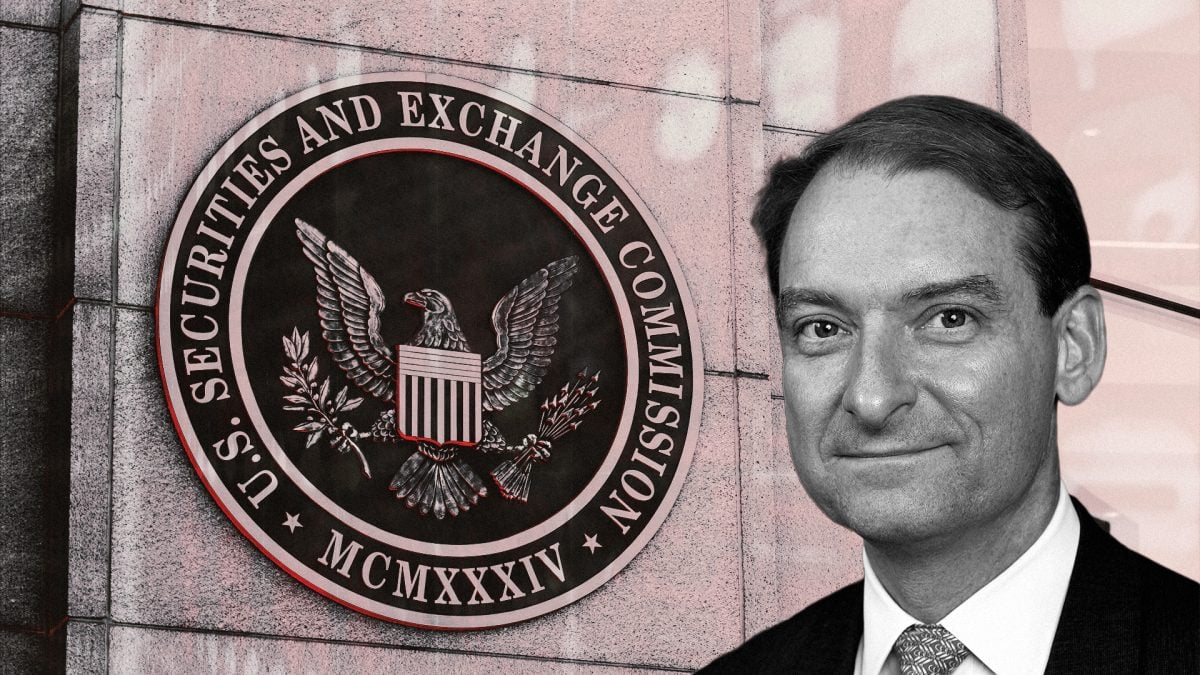
The U. S. Securities and Exchange Commission is set to modernize the landscape of cryptocurrency regulation through a groundbreaking initiative dubbed the “token taxonomy” plan. Unveiled by SEC Chair Paul Atkins, the plan aims to provide a clear framework for distinguishing between different types of digital assets, helping to clarify regulatory responsibilities and set a more structured path forward for the cryptocurrency industry. This initiative comes amid growing concerns over the lack of clarity in existing regulations and the potential for the sector to fall prey to abuses and fraud.

Atkins, who has been at the helm of the SEC since 2021, has emphasized the need for a comprehensive overhaul of the regulatory environment, particularly as the cryptocurrency market continues to evolve at a rapid pace. Under his leadership, the SEC has adopted a more proactive stance on enforcement, including cracking down on unregistered digital asset offerings and investigating prominent crypto firms. The new proposal seeks to address key issues surrounding token classification, governance, and investor protection, marking a significant step towards establishing a more predictable and transparent regulatory regime.

One of the central features of the token taxonomy plan is its attempt to clearly differentiate between utility tokens, security tokens, and commodities. Security tokens, which represent ownership in a company or project, would continue to fall under the purview of the SEC, while utility tokens, often used within decentralized networks to access specific services, may be treated differently. This distinction is crucial as it will help determine the specific regulations that apply to each category and streamline the processes for businesses looking to launch tokens in the market.

The plan proposes the creation of a digital asset registration framework that would allow crypto companies to register their tokens with the SEC, providing more transparency and accountability in the industry. By providing clear guidelines on what constitutes a security versus a non-security token, the SEC hopes to reduce confusion among developers, investors, and regulators alike, while also offering a clearer path for compliance.

The proposal also outlines provisions for enhancing consumer protection, an area of concern for both lawmakers and market participants. By ensuring that tokens classified as securities are subject to the same protections as traditional financial products, the SEC aims to reduce the risk of market manipulation and fraud that has plagued some sectors of the crypto market. The plan also calls for increased transparency regarding token offerings, including detailed disclosures about the underlying technology, token economics, and the potential risks for investors.

The unveiling of the token taxonomy plan comes at a time when the U. S. government is under increasing pressure to take action on crypto regulation. Cryptocurrencies have been at the forefront of debates over financial innovation, with proponents arguing that they could revolutionise sectors like finance and supply chain management, while critics warn of their potential to facilitate illicit activities, tax evasion, and investor exploitation. The SEC’s new proposal aims to strike a balance between fostering innovation and ensuring that the sector remains accountable and transparent.

While the announcement has been met with a generally positive response from the cryptocurrency community, some industry leaders have raised concerns over the complexity of the new framework and the potential for overregulation. There are worries that stringent rules could stifle innovation and drive crypto businesses away from U. S. markets, opting for jurisdictions with more lenient regulatory environments. On the other hand, advocates of the proposal argue that clear regulations are needed to create a safer, more stable market, which will ultimately benefit both consumers and businesses in the long run.

The token taxonomy plan is set to undergo a period of public consultation, during which industry stakeholders, legal experts, and members of the public will have the opportunity to provide feedback. This collaborative process will be crucial in refining the proposal and ensuring that it is both effective and adaptable to the rapidly changing crypto landscape.

A vast data trove compiled by threat-intelligence firm Synthient has brought to light that 1.95 billion unique email addresses and approximately 1.3 billion passwords were exposed in credential-stuffing lists drawn from multiple underground sources. The corpus, now indexed by Have I Been Pwned, signals an escalation in the reuse-of-credentials risk by cyber-attackers targeting cross-platform logins. The aggregation effort by Synthient captured data embedded in previously breached credential […]

Advertisements

SharpLink Gaming has reported a significant achievement, earning 492 ETH in staking rewards within a single week. This milestone reflects the company’s robust performance in the rapidly growing field of decentralized finance, where staking plays an essential role in earning passive income. With a growing presence in the gaming and blockchain sectors, SharpLink’s latest success highlights its expanding role in the emerging digital economy.

The company’s staking rewards come as part of its broader strategy to harness blockchain technology for sustained revenue generation. Through participating in Ethereum’s staking mechanism, SharpLink has effectively capitalized on the network’s transition to a proof-of-stake model. Ethereum’s shift, which replaced the energy-intensive proof-of-work system, has opened the door for institutional and individual investors alike to earn rewards by locking up ETH in the network.

SharpLink’s performance reflects broader trends in the crypto market, where institutional investors are increasingly turning to staking as a reliable source of income. By participating in Ethereum’s PoS system, investors can contribute to the network’s security and operations while earning rewards in the form of additional ETH. As the second-largest cryptocurrency by market cap, Ethereum’s transition to PoS has made staking more attractive to a wider range of investors, from retail to institutional.

The 492 ETH earned by SharpLink during the past week adds to its growing total of staking rewards, with the company steadily building its portfolio through a combination of strategic staking initiatives and its involvement in blockchain-based gaming projects. Staking rewards are particularly attractive in the context of volatile crypto markets, where traditional forms of investment might not offer comparable returns.

Beyond the immediate financial benefits, SharpLink’s participation in Ethereum staking signals the company’s commitment to long-term engagement with blockchain technology. The company has been focusing on integrating blockchain and decentralized elements into its gaming platform, positioning itself as a key player in the emerging intersection of gaming and cryptocurrency. With the broader gaming industry increasingly exploring blockchain technology, SharpLink’s moves suggest a forward-thinking approach that could give it an edge in an increasingly competitive market.

While Ethereum’s shift to PoS has been a key driver behind this surge in staking rewards, SharpLink’s ability to generate consistent returns is also attributed to its in-depth understanding of the mechanics of DeFi. The company has been leveraging its expertise to optimise its staking strategies, ensuring that it remains competitive within the ever-evolving cryptocurrency landscape. This ability to adapt and capitalise on new trends is critical in a market that is known for its rapid changes and unpredictable nature.

The success of SharpLink Gaming also comes at a time when other players in the DeFi and gaming sectors are beginning to see similar benefits from staking and other blockchain-related activities. Ethereum’s PoS model has not only created an opportunity for passive income but has also contributed to the overall stability of the Ethereum network, which has been crucial for sustaining investor confidence. As more companies like SharpLink participate in Ethereum staking, the broader ecosystem stands to benefit from increased security and scalability.

SharpLink’s earnings are a testament to the ongoing maturation of the DeFi ecosystem, which has steadily grown in influence over the last few years. The Ethereum blockchain, along with other DeFi platforms, has been instrumental in reshaping the traditional financial landscape, offering decentralized alternatives to conventional financial systems. For companies like SharpLink, this shift represents both a challenge and an opportunity to tap into a burgeoning market that continues to grow in size and sophistication.

K2’s AutoGo and Baidu’s Apollo Go have joined forces to revolutionise the autonomous vehicle landscape in the UAE, marking a significant milestone in the development of Abu Dhabi’s smart mobility vision. Under this collaboration, the companies plan to expand their autonomous fleets, aiming for hundreds of driverless vehicles on the roads by 2026. This initiative forms a key part of Abu Dhabi’s broader strategy to implement advanced […]

Greenlogue/AP U. N. climate negotiations commenced in Brazil this week, drawing global leaders and environmental experts to the heart of the Amazon to discuss the pressing need to implement previous climate commitments. As world leaders convene, the focus is squarely on translating pledges into tangible actions that will curb global warming. The urgency of these talks comes as scientists warn that without immediate, substantial reductions in carbon […]

Cross-sector collaboration drives innovation in digital assets ecosystem HONG KONG SAR – Media OutReach Newswire – 4 November 2025 – KPMG is pleased to announce the successful conclusion of the Digital Assets Forum: Policy, Market Dynamics and Institutional Adoption, held on 31 October 2025. The event convened over 200 industry leaders, regulators, and subject matter experts to explore the rapidly evolving digital assets landscape. They engaged in […]

JPMorgan has unveiled its blockchain-based deposit token, JPM Coin, aimed at enhancing the efficiency of cross-border payments for its institutional clients. This move is seen as a significant step forward in the bank’s ongoing efforts to integrate blockchain technology into mainstream finance, expanding its digital asset offerings.

The launch of JPM Coin follows years of research and development into blockchain’s potential to streamline financial transactions. JPMorgan has long been a proponent of blockchain’s transformative capabilities, initially launching the token as part of a pilot programme in 2019. Now, the bank has rolled out JPM Coin more broadly, offering institutional clients an innovative method to transfer U. S. dollar deposits securely and quickly across borders.

JPMorgan’s new service allows clients to transfer money using blockchain, reducing the friction and cost often associated with international payments. Blockchain’s real-time settlement capabilities make the process faster and more transparent, minimising the risk of human error and the complexities of traditional payment systems. JPM Coin will primarily be used by major institutional clients, including corporations, banks, and government entities, allowing them to transact more efficiently without relying on conventional financial infrastructure.

The use of JPM Coin signifies the growing interest in blockchain-based financial solutions among large-scale institutional clients. The token allows these clients to send payments instantly, avoiding the delays associated with traditional banking systems. Furthermore, the blockchain’s inherent security features help protect against fraud and reduce the need for third-party intermediaries.

JPMorgan’s blockchain offering is part of a broader trend where traditional financial institutions are gradually adopting digital currencies and distributed ledger technologies. The bank’s move also aligns with increasing regulatory scrutiny surrounding cryptocurrencies and the growing demand for digital solutions in financial markets. While JPM Coin is designed specifically for institutional clients, the wider implications for the financial sector are evident. As digital currencies gain traction, more banks are likely to explore blockchain technology’s potential to enhance financial services.

Notably, JPMorgan has been a pioneer in institutional adoption of blockchain, having previously launched its own blockchain platform, Liink, for facilitating faster, more transparent transactions. Liink, like JPM Coin, operates on a permissioned blockchain and is designed to cater to the needs of global financial institutions, offering faster payment settlements and reduced costs compared to traditional systems.

The introduction of JPM Coin follows a string of similar innovations by other global financial institutions, as banks increasingly seek ways to harness blockchain’s advantages to improve payment speed, reduce costs, and enhance security. While JPM Coin currently operates exclusively in U. S. dollars, its potential for future integration into other currencies could further expand its use cases in global financial markets.

The development and adoption of JPM Coin signal the bank’s belief in blockchain as an essential technology for modernising financial infrastructure. As a major player in global finance, JPMorgan’s embrace of this technology is expected to have a ripple effect throughout the industry, spurring further investment in blockchain projects by other financial institutions.

However, the move is not without its challenges. While JPM Coin offers substantial benefits, including cost savings and faster transactions, it also raises questions about the role of traditional banking institutions in the future of digital currencies. The launch of JPM Coin puts JPMorgan at the forefront of an evolving digital payments landscape but also invites scrutiny from regulators and policymakers concerned about the risks associated with blockchain-based financial products.

The Philippines and Norway have partnered to develop an electric hybrid propulsion ferry, marking a significant step towards advancing sustainable maritime transport in the Philippines. This collaboration aims to foster the growth of the electric ferry sector, with a focus on environmental impact and aligning with global sustainability goals.

This initiative was unveiled during the first Philippines-Norway Electric Ferries Conference, organised by the Royal Norwegian Embassy in Manila, the Philippine Ports Authority, and several key stakeholders, including Innovation Norway, the Philippines-Norway Business Council, and Maritime Cleantech. The event also garnered support from the European Union’s Horizon2020 programme, which backs innovation and sustainability projects across Europe.

The highlight of the conference was the signing of a Memorandum of Understanding between the Philippines Association of Coastal and Inland Water Ferries Inc., IMP Shipyard and Port Services Inc., and ZEM. The agreement formalises plans to create a prototype electric hybrid propulsion ferry, a significant milestone in the country’s maritime transition towards greener technologies.

One of the key goals of this project is to align with the United Nations’ Sustainable Development Goals, particularly in the areas of sustainable energy and climate action. Additionally, the project aims to enhance the European Union’s innovation, competitiveness, and economic growth by showcasing how electric ferries can reshape the maritime sector. Norway, a leader in electric ferry technology, is playing a central role in this effort, drawing on its successful track record in electrifying its ferry fleet.

Norwegian Ambassador to the Philippines, Christian Lyster, emphasised that the future of maritime transport will depend on a blend of alternative fuels, energy efficiency improvements, and shore power systems—especially when powered by renewable energy. He pointed to Norway’s success, where 111 ferry routes are currently operated with about 180 electric ferries. Lyster highlighted that the shift to electric ferries is both feasible and highly effective, demonstrating the viability of zero-emission technology on a large scale.

Norway’s pioneering role in electric ferry development is further underscored by its history of innovation in the sector. The first fully electric commuter ferry, MS Ampere, entered service in 2015, followed by the launch of the high-speed electric ferry MS Medstraum in 2022. These ferries have set a benchmark for electrification in maritime transport, showcasing the potential for sustainable alternatives in global shipping networks.

At the conference, various Norwegian companies shared insights into their contributions to the electric ferry industry. Hyke, for instance, is working on urban electric ferry designs, while Zinus focuses on developing innovative charging solutions. Zeabuz is advancing autonomous passenger ferry technology, and Kongsberg International is involved in integrated maritime solutions. Other contributors include Kongsberg Norcontrol, which provides digital solutions for safer maritime operations, and Maritime Robotics, which is advancing autonomous surface and subsea operations. ZEM, a key player in maritime electrification, is also involved in the initiative.

The collaboration between the Philippines and Norway presents an opportunity to transform the maritime industry in Southeast Asia, a region with vast inter-island ferry networks. The Philippine Inter-Island Shipping Association also participated in the discussions, offering insights into how electric ferries could be integrated into the country’s extensive network of island transport. The initiative is seen as an important step towards reducing carbon emissions from the Philippines’ ferry industry, which has long relied on diesel-powered vessels.

This development comes on the heels of the Department of Transportation’s recent launch of the first fully electric passenger ferry in the Philippines, M/B Dalaray. The ferry, which operates on the Pasig River, stops at 13 locations across Pasig, Makati, Mandaluyong, Manila, and Taguig. The project aims to showcase the potential for electric ferries in urban environments, paving the way for more sustainable public transport solutions in the country.

Belgium has become the latest nation to fall prey to a series of mysterious drone incursions that have unsettled Europe’s security landscape. This wave of drone activity, which has increasingly targeted critical sites across the continent, has prompted fears about potential espionage, sabotage, and escalating tensions in the region. For weeks, drones have been spotted hovering near strategic locations in various European countries, including military bases, nuclear […]

Tether Holdings SA has made a strategic move to strengthen its position in the bullion market by recruiting two of the top precious metals traders from HSBC Holdings Plc. The hiring of these senior traders marks a significant expansion for the stablecoin giant as it seeks to build a massive gold reserve, positioning itself to compete with established players in the global gold market.

Tether, which has long been a dominant player in the world of cryptocurrencies, has now set its sights on the precious metals sector. The company, best known for its cryptocurrency Tether, aims to use its considerable financial resources to develop a large gold reserve. This move is part of a broader strategy to diversify its portfolio and hedge against the volatility of cryptocurrency markets by backing its stablecoin with tangible assets like gold.

The hiring of HSBC’s former head of precious metals trading and a senior gold trader comes at a time when the intersection of traditional finance and digital assets is becoming more pronounced. These high-level hires are expected to bring their decades of experience and expertise in managing complex gold trading strategies to Tether, bolstering its efforts to create a strong foundation for its gold-backed stablecoin initiative.

Tether’s entry into the gold market reflects a growing trend of digital asset companies seeking to broaden their scope beyond cryptocurrencies and into more traditional forms of value storage. Gold, often seen as a safe-haven asset, has become an attractive option for companies looking to hedge against the fluctuations in the cryptocurrency market. Tether’s ambitious plans could significantly disrupt the bullion market, traditionally dominated by large financial institutions and central banks.

The company’s move to hire HSBC’s top traders is part of a broader effort to leverage its existing infrastructure and financial clout to compete directly with long-established players in the gold industry. Tether’s deep pockets and the growing interest in digital assets make it a formidable challenger to traditional gold trading institutions.

Industry insiders believe that Tether’s strategy could reshape the dynamics of both the gold market and the wider cryptocurrency landscape. By securing a stable and liquid gold-backed stablecoin, Tether could potentially offer greater transparency and security to investors looking for an alternative to volatile fiat currencies or digital tokens. This new direction for Tether could also open the door for other cryptocurrency firms to explore similar initiatives in the commodities space, creating a new era of hybrid financial instruments.

As Tether continues to expand its reach into the gold market, it faces challenges from both traditional financial entities and regulatory bodies. While gold-backed stablecoins are not new, Tether’s scale and financial strength could pose a serious threat to established players. The involvement of high-profile traders with extensive experience in gold markets could give Tether the upper hand in securing a prominent position in this space.

The move comes as Tether faces increasing scrutiny from regulators and critics who have questioned the company’s ability to maintain the peg of its stablecoin with the US dollar. Diversifying into gold may help Tether address some of these concerns by adding a physical asset that can serve as a store of value. Additionally, this strategic decision aligns with Tether’s ongoing efforts to build a more resilient and diversified financial ecosystem that can withstand potential disruptions in the crypto market.

Bitcoin’s price surge has surpassed $104,000, prompting widespread speculation over whether it is time to short the cryptocurrency. The latest surge represents a significant milestone for the digital asset, which has witnessed a dramatic increase in value over the past several months. This rise has ignited a range of reactions from investors and analysts alike, with some seeing it as a peak and others believing it is the beginning of a new upward trend.

Bitcoin’s journey to this point has been characterised by volatility, but the rise to $104,000 has brought it to the forefront of market discussions. This latest price level is viewed by some as a sign of continued bullish momentum, especially given the strong demand from institutional investors and increasing mainstream acceptance of cryptocurrencies. However, the steep climb has also prompted concerns about the sustainability of the rally.

For those closely monitoring the cryptocurrency markets, this price point raises critical questions. Is Bitcoin’s surge a bubble, or is it the start of a long-term bullish trend? The volatility of Bitcoin is not new, but its recent surge has magnified the debate between those advocating for holding and those seeing the potential for a market correction.

The growing influence of institutional investors has undeniably shaped Bitcoin’s price trajectory. Major financial institutions, including banks and investment firms, have increasingly integrated Bitcoin and other cryptocurrencies into their portfolios. This influx of institutional capital is often cited as a key driver behind the latest surge in prices. Additionally, the broader economic environment, including inflation concerns and fears about traditional investment vehicles, has led many to view Bitcoin as a hedge against fiat currency depreciation.

However, Bitcoin’s price movements also come amid regulatory challenges, with governments around the world grappling with how to approach cryptocurrencies. In some jurisdictions, stricter regulatory measures could have an adverse effect on prices, especially if there are significant clampdowns on mining or trading activity. The regulatory landscape continues to evolve, adding an additional layer of uncertainty for investors.

The question of whether this is the time to short Bitcoin arises from the observation that the cryptocurrency market often experiences extreme price fluctuations. The potential for a significant pullback after such a rapid increase in value cannot be overlooked. Bitcoin’s past behaviour shows that it has often experienced large corrections following major rallies. This pattern has led many traders to consider shorting the cryptocurrency, betting that its value could drop in the near term.

While shorting Bitcoin can be a lucrative strategy in some market conditions, it also carries considerable risk. Short sellers who misjudge the market could face substantial losses, particularly given the unpredictable nature of cryptocurrency prices. As such, some experts caution against betting against Bitcoin, arguing that the long-term outlook for the cryptocurrency remains strong due to its growing adoption and integration into the financial system.

For those wary of shorting, the more conservative approach would be to take a wait-and-see stance, monitoring the market’s movements for signs of a correction or continuation of the bullish trend. Some investors believe that Bitcoin’s price will stabilise at this new level before embarking on another leg of growth.

Looking beyond the immediate future, the broader trends within the cryptocurrency market also provide some context for Bitcoin’s performance. Innovations in blockchain technology, the rise of decentralised finance, and increasing use cases for digital currencies in various sectors all point towards a growing role for cryptocurrencies in the global economy. This could contribute to a long-term uptrend for Bitcoin, making it a less likely candidate for a sharp price reversal.

SoFi has achieved a significant milestone in the world of financial services, becoming the first nationally chartered bank in the United States to introduce cryptocurrency trading, including Bitcoin. This development positions the company as a key player in bridging traditional banking with the expanding digital currency market.

The move allows SoFi’s customers to buy, sell, and hold cryptocurrencies directly through their existing accounts, enhancing the platform’s appeal as a one-stop-shop for financial services. This shift comes amid growing demand for crypto investments, particularly as more consumers seek alternatives to traditional investments in stocks and bonds.

With the new crypto offering, SoFi customers will have the ability to trade a variety of digital assets, starting with Bitcoin. The platform also plans to expand its range to include other major cryptocurrencies such as Ethereum in the near future. SoFi’s seamless integration of crypto trading with its other services, including personal loans, mortgages, and investing, aims to simplify the crypto experience for users who are new to the digital asset space.

This landmark move also signals a growing acceptance of digital currencies within mainstream financial institutions, traditionally hesitant about embracing the volatile market. SoFi’s decision to allow crypto trading comes at a time when other financial services companies are cautiously exploring similar offerings. Many banks and payment companies are entering the crypto space, but SoFi stands out as the first to secure national banking status and roll out a comprehensive crypto trading service.

The firm, which already holds a charter as a savings and loan institution under the supervision of the Office of the Comptroller of the Currency, secured approval from the regulatory body to add crypto trading to its list of services. This approval was seen as a crucial step in the broader trend of regulatory authorities gradually adapting to the rapid growth of the cryptocurrency sector.

SoFi’s expansion into cryptocurrency trading also aligns with the broader trend of increased institutional interest in digital currencies. Over the past few years, various asset management firms and banks have slowly begun offering crypto-related services to their customers, albeit cautiously. SoFi’s move to offer crypto trading through a fully regulated bank platform could catalyse further innovation in the sector, prompting other financial institutions to follow suit.

While this development represents a win for SoFi, it also raises questions about the future of traditional banking as the line between conventional and digital finance continues to blur. As digital currencies gain traction, banks and financial institutions will need to adopt increasingly flexible approaches to remain competitive. SoFi’s move reflects its strategy to capture the younger, tech-savvy demographic that is more inclined to explore digital currencies and alternative investments.

The introduction of crypto trading by SoFi also opens up opportunities for the firm to expand its revenue streams. With the growing popularity of cryptocurrencies, companies that offer crypto services have seen significant growth in customer acquisition and engagement. SoFi’s vast user base, which includes millennials and Generation Z, could see increased activity on the platform, potentially boosting its financial performance in the coming quarters.

However, the regulatory landscape surrounding cryptocurrencies remains a concern. Despite increasing adoption, regulators continue to grapple with how to effectively oversee the space. This includes determining the appropriate level of consumer protection, tax implications, and how to mitigate potential illegal activities associated with digital currencies. SoFi’s decision to offer crypto trading within a regulated environment could provide some reassurance to customers concerned about the risks of engaging in the volatile crypto market.

Tether, the issuer of the popular USDT stablecoin, has announced a significant investment in its advertising strategy, allocating $100 million for a major campaign on Rumble, a fast-growing social media platform. The move comes as the company looks to strengthen its brand presence and expand its influence in the digital asset space.

Rumble, known for its focus on free speech and minimal content moderation, has quickly gained traction among users who seek an alternative to more mainstream platforms like YouTube. The platform’s appeal to both content creators and viewers has made it an attractive venue for advertisers, particularly those in the cryptocurrency and tech sectors. Tether’s decision to partner with Rumble reflects a broader trend of crypto companies leveraging social media platforms to engage with their communities and promote their products in innovative ways.

This strategic advertising push is also part of Tether’s ongoing efforts to solidify its position in the competitive landscape of stablecoins. As the largest stablecoin by market capitalization, USDT has faced scrutiny from regulators and competitors alike. Tether’s transparency and commitment to providing a stable alternative to traditional fiat currencies have been focal points of its marketing efforts in the past. Now, with the global cryptocurrency market continuing to mature, Tether aims to increase its visibility through targeted advertising campaigns that speak directly to its core audience.

The $100 million spend is one of the largest investments in advertising by a cryptocurrency company in recent memory. The move underscores the increasing importance of brand recognition and public perception in the crowded crypto market. As regulatory bodies around the world tighten their scrutiny of digital currencies, Tether’s bold marketing campaign could help the company maintain its dominant market position while building a stronger relationship with both retail and institutional investors.

Rumble, for its part, has benefitted from the partnership by attracting a high-profile advertiser like Tether. The platform’s growth has been explosive, particularly among users who feel that other social media giants are overly restrictive in their content policies. With Tether’s financial backing, Rumble is expected to enhance its advertising infrastructure, offering better tools and analytics for brands looking to reach their target audiences.

This partnership between Tether and Rumble also highlights a shift in the way cryptocurrency companies approach marketing. Traditional advertising channels such as television, radio, and print media have largely been sidelined in favour of digital-first platforms that offer targeted reach. By investing in Rumble, Tether is tapping into a niche but growing market of content creators, investors, and crypto enthusiasts who are active on the platform.

The partnership signals a broader trend of crypto companies moving towards platforms that are not only focused on content but also on fostering communities. As the industry continues to evolve, the need for crypto projects to build trust and credibility with their audiences has never been more critical. By aligning with a platform that shares its ethos of freedom and open discussion, Tether is positioning itself as a leader in both the financial and digital media sectors.

Tether’s decision to allocate such a substantial budget for advertising on Rumble may also be seen as a signal of confidence in the future of both the platform and the cryptocurrency market at large. Despite recent challenges faced by some crypto firms, including regulatory pressures and market volatility, Tether has maintained a relatively stable position within the digital asset ecosystem. This advertising strategy is seen as an attempt to capitalise on the growing interest in crypto and blockchain technology, as well as to engage with a broader audience that may not yet be familiar with Tether’s offerings.

Ahead of the 2025 Morocco Showcase Summit, industry leaders assess the kingdom’s readiness for 2030, analyzing investment and strategies to match demand CASABLANCA, MOROCCO – EQS Newswire – 11 November 2025 – As hospitality and investment leaders prepare to gather at the Marriott Hotel in Casablanca for the Morocco Showcase Summit on November 19-20, 2025, a critical question takes center stage: Is Morocco’s hospitality supply growth keeping […]

Greenlogue/AP Masdar, a global leader in renewable energy, has signed a landmark agreement to develop Uzbekistan’s largest standalone battery energy storage system in the Navoiy region. The deal marks a significant step in the country’s energy transformation as it seeks to bolster grid reliability and enhance the integration of renewable energy sources. The 600 MW / 600 MWh BESS will be pivotal in supporting Uzbekistan’s growing renewable […]

SRV, a leading global player in its field, has made a significant move by opening a new office in Dubai, marking a pivotal moment in the company’s growth strategy. This new location is not merely an addition to its network but a strategic step towards building stronger international partnerships, fostering collaboration, and setting a new benchmark for excellence in the industry.

Dubai has long been a hub for innovation and commerce in the Middle East, making it an ideal location for SRV to enhance its reach and capabilities. The opening of the office signals SRV’s commitment to strengthening its presence in the region, as well as its desire to expand its impact on a global scale. Dubai’s strategic position at the crossroads of Europe, Asia, and Africa presents an opportunity for SRV to connect with clients, partners, and markets across multiple continents.

The Dubai office is set to serve as a key hub for SRV’s operations in the Middle East, offering a range of services that align with the company’s core values of innovation, agility, and excellence. With this expansion, SRV aims to meet the growing demand for its services while continuing to deliver high-quality solutions that exceed client expectations. The company’s decision to establish itself in Dubai highlights its dedication to delivering value and fostering long-term relationships with its partners.

The company’s leaders emphasized the importance of Dubai as a strategic gateway to new business opportunities, as well as its potential to drive collaborative efforts that span different industries. With its state-of-the-art infrastructure, world-class business environment, and dynamic workforce, Dubai offers a fertile ground for SRV to enhance its technological offerings and scale its operations to meet the needs of a rapidly evolving global market.

This move also aligns with SRV’s broader vision of becoming a global leader in its sector by fostering a culture of collaboration across borders. By tapping into the diverse and highly skilled talent pool available in Dubai, SRV is poised to bring fresh perspectives and innovative solutions to its clients. The company’s approach to talent acquisition and retention will play a crucial role in driving its success in the region, ensuring that it continues to set new standards for performance and excellence.

The Dubai office is expected to serve as a vital point of contact for clients in the region, offering both strategic and operational support. As the business landscape in the Middle East continues to evolve, SRV’s presence in Dubai will allow the company to remain at the forefront of industry trends, driving advancements in technology and service delivery that align with the needs of the local market.

As part of its ongoing commitment to innovation and growth, SRV is also focused on building partnerships with local businesses and stakeholders to ensure that its services are not only cutting-edge but also relevant to the specific needs of the region. The company aims to create a collaborative environment where local and global teams can work together seamlessly to develop solutions that drive meaningful change.

Crescent Enterprises, a prominent UAE-based conglomerate, has announced a bold investment plan amounting to AED 1 billion in the Gulf Cooperation Council, India, and Southeast Asia over the next three years. The initiative, spearheaded through the company’s strategic platform, CE-Invests, is aimed at acquiring minority stakes in mid-market businesses across various high-growth sectors, such as consumer goods, healthcare, manufacturing, and financial services. The company’s move is rooted […]

Abu Dhabi has made a significant stride in advancing its ambitions to be a global leader in smart and sustainable mobility with the launch of the first vertiport network in the emirate. This initiative, developed through a collaborative effort involving the Abu Dhabi Investment Office, the General Civil Aviation Authority, the Integrated Transport Centre, a division of the Department of Municipalities and Transport, and Abu Dhabi Airports, is aimed at laying the foundation for the integration of advanced air mobility technologies.

The launch of the vertiport network is a critical component of Abu Dhabi’s broader strategy to enhance its transport infrastructure, paving the way for the introduction of new, innovative transportation solutions. As part of the emirate’s push towards innovation and sustainability, the vertiports will serve as key hubs for electric vertical take-off and landing aircraft, which are expected to revolutionise both passenger and freight transport.

This move comes under the framework of the Smart and Autonomous Vehicle Industries cluster, a key element of the emirate’s economic diversification strategy. The SAVI cluster aims to foster innovation across a range of technologies, with a particular focus on creating a robust ecosystem for smart and autonomous transport solutions. The vertiport network is positioned as a crucial development within this ecosystem, enabling Abu Dhabi to become a testing ground for the integration of AAM technologies.

The first vertiport network will offer the necessary infrastructure to support the take-off, landing, and maintenance of advanced air mobility vehicles. These vehicles are anticipated to play an essential role in reducing congestion and providing environmentally friendly alternatives to traditional modes of transport. The network’s design ensures that it is adaptable to accommodate a wide range of eVTOL aircraft, which will play a pivotal role in the city’s future transport mix.

The initiative is aligned with Abu Dhabi’s long-term goals of transforming into a global hub for cutting-edge technologies and sustainable practices. As part of the Emirate’s sustainability drive, the focus on air mobility is not only about enhancing transport solutions but also about reducing the environmental footprint of traditional transportation. The eVTOL aircraft, with their zero-emissions technology, are an important step in aligning with the broader vision of sustainability and reducing reliance on fossil fuels.

Abu Dhabi’s commitment to leading the way in smart mobility is also reflected in its support for autonomous vehicles. As part of its efforts to integrate autonomous technology into its transport infrastructure, the emirate is working towards creating a fully connected and smart transport network. This includes the deployment of autonomous taxis and buses alongside the introduction of electric air vehicles.

The collaboration between ADIO, GCAA, DMT, and ADA exemplifies the strategic approach taken by Abu Dhabi’s leadership in bringing together public and private sector stakeholders to accelerate innovation. These partnerships are crucial in creating a seamless regulatory and infrastructural environment to enable the development and deployment of advanced transport technologies. The comprehensive regulatory framework being developed will ensure that the new air mobility solutions are safe, secure, and sustainable, providing a clear path forward for the industry.

Receives industry accolades for claims management and digital transformation Achieves top customer NPS ranking and strong business growth of 24% HONG KONG SAR – Media OutReach Newswire – 11 November 2025 – Blue Cross (Asia-Pacific) Insurance Limited (“Blue Cross”) upholds its customer-centric philosophy by actively introducing innovative technologies to enhance operational efficiency and service quality. The company continuously optimises the customer journey across four key stages of […]

VISHNU RAJA
RYO YAMADA
HITORI GOTOH
IKUYO KITA