News related to
network

KUALA LUMPUR, MALAYSIA – Media OutReach Newswire – 7 July 2025 – For many traders, one of the main concerns when choosing a financial broker is the risk of falling victim to various shady tricks. The experts at Octa, a globally regulated and trusted broker since 2011, explain some of the questionable practices that traders must look out for when planning their journey in the markets. Trading […]

Toncoin has unveiled a trailblazing ten-year Golden Visa programme in collaboration with the United Arab Emirates, allowing high-net-worth crypto investors to secure long-term residency by staking TON tokens. Applicants must commit US $100,000 worth of TON for a fixed period of three years and pay a one-time processing fee of US $35,000. The staked assets remain under holders’ control in a decentralised smart contract and may be withdrawn in full at the end of the lock‑in term.

Approved applicants are expected to obtain a ten-year residency permit within approximately seven weeks, considerably faster and more cost-effective than traditional real estate investment routes that often require more than US $500,000. Visa privileges extend to spouses, children and parents, subject to standard government charges. During the lock‑in period, investors can benefit from annualised returns estimated between 3–4 per cent.

This marks the UAE’s first blockchain‑native residency initiative, reflecting a strategic shift towards attracting high‑calibre digital‑asset investors. By tying long‑term staking of TON to visa access, the initiative aims to fortify the TON network via sustained investment while reinforcing the UAE’s reputation as an innovative, crypto‑friendly jurisdiction.

Experts suggest this move may herald a new model of residency-by-investment, linking public policy with decentralised finance. It could prompt other nations to pursue blockchain‑based residency pathways, reshaping global strategies in investment migration.

The programme addresses legal and regulatory concerns: staking occurs through a decentralised smart contract verifiable on the TON blockchain, and all application and staking procedures take place exclusively via Toncoin’s official website to protect against fraud.

For participants, the appeal lies in combining stable residency with liquidity and yield. Unlike property‑based Golden Visas—which demand large capital and tie up assets—the TON pathway offers asset flexibility. Investors retain control of their tokens, receive modest returns, and avoid holding illiquid real estate.

The partnership arrives at a critical stage for both parties. The TON network is actively seeking to expand its user base and institutional credibility, while the UAE continues to promote itself as a global hub for digital asset innovation. Leveraging the visa incentive may draw both high‑net‑worth individuals and entrepreneurial crypto talent to contribute to the local blockchain ecosystem.

Initial market response has been positive. TON’s price reportedly rose by around 5 per cent following news of the partnership, signalling investor optimism about both demand for TON and confidence in the UAE’s adoption strategy. Trading volume also spiked, indicating intensified market activity around the token.

Analysts caution, however, that crypto‑volatility could affect returns. The estimated 3–4 per cent APY depends on token price stability during the staking period. A significant market downturn could erode incentive value, potentially discouraging participants.

Long‑term credibility will hinge on seamless visa processing and continued operational transparency. While seven‑week approval is promising, execution must consistently match the timeline. The emphasis on official platforms and smart‑contract security aims to build user trust, but the unknown remains whether demand will justify sustained asset flow into staking.

Backers of the initiative view it as a strategic alliance between public sector and crypto innovation. The UAE gains by attracting financial and intellectual capital; TON benefits from enhanced staking support and elevated legitimacy. The broader blockchain community may see this as a template for combining financial incentives with regulatory alignment.

Dubai and Abu Dhabi have emerged as epicentres of a pioneering surge in electric air taxi trials, with two leading US firms—Joby Aviation and Archer Aviation—making significant strides toward establishing urban air mobility networks in the Emirates. Both pilots mark landmark achievements in eVTOL technology, underscoring the UAE’s ambition to lead the field by the mid-2020s.

Joby Aviation achieved a milestone in Dubai by completing its first manned transition flights. The aircraft executed full vertical take‑off, horizontal cruising and vertical landing sequences, signalling readiness for commercial operations as early as 2026. With a range reaching 160 km and cruise speeds up to 320 km/h, these flights demonstrate capability to transform journeys such as those between Dubai International Airport and Palm Jumeirah—cutting travel time from 45 minutes by road to around 12 minutes by air. Joby’s entry follows a six-year exclusivity agreement with Dubai’s Roads and Transport Authority, aligned with infrastructure build-out including a vertiport at DXB.

Almost simultaneously in Abu Dhabi, Archer Aviation conducted its inaugural test flight of the Midnight eVTOL at Al Bateen Executive Airport. The design, a carbon‑fibre‑skinned craft powered by multiple independent motors and battery packs, was evaluated under extreme climate conditions—high temperatures, humidity and dust—to validate UAE‑specific operational readiness. Emirati authorities, including personnel from the General Civil Aviation Authority, Abu Dhabi Investment Office and Abu Dhabi Airports, observed the flight, reinforcing the regulatory support behind the project.

Archer is impressively backed by institutional investors and strategic partnerships, having raised nearly US$2 billion, including funding from Stellantis, United Airlines and Abu Dhabi’s 2 Point Zero, positioning it well to deploy a “Launch Edition” fleet of air taxis in Abu Dhabi in early 2026. Its Midnight aircraft can accommodate one pilot and four passengers, reach speeds of up to 240 km/h, and recharge rapidly between Flights.

Dubai and Abu Dhabi’s dual-hosting of these test flights underscores a competitive yet complementary approach to cultivating the UAE as a global urban air mobility hub. Joby holds exclusive Dubai rights, while Archer has pledged infrastructure investment in Abu Dhabi, including converting facilities like the Cruise Terminal helipad into dual-use vertiports. Both firms enjoy the government‑backed Smart and Autonomous Systems Council and its SAVI cluster as key enablers.

Challenges persist: both operations require final regulatory approvals, sustainable vertiport rollout, and demonstration of consistent performance under harsh environmental conditions. Financial markets have already factored in execution risks; for example, Morgan Stanley moderated its price target for Joby amid aerospace supply-chain pressures. Yet ambitions remain bold. Joby is advancing FAA certification and aims to launch in other global markets, such as New York and Los Angeles, once Dubai begins operations. Meanwhile, Archer is linking global playbooks, forming networks with United Airlines and gearing for Olympic deployment in Los Angeles.

As both eVTOL manufacturers drive testing deeper into summer, UAE regulators are working in parallel to issue flight clearances. Joby’s vertiport in Dubai is set for Q1 2026 completion, while Aviation Authorities in both emirates coordinate type certifications.

The nation’s progressive embrace of air taxis represents a strategic leap in sustainable urban transit. Quiet, electric, zero-emission profiles align with broader UAE clean‑tech objectives. With ambitions to integrate these vehicles into daily commutes, airport shuttles and even rescue missions, policymakers are betting on airborne mobility becoming a normalised, accessible element of future transport regimes.

A landmark regulation issued by the UAE General Civil Aviation Authority introduces the world’s first official framework enabling electric Vertical Take-Off and Landing aircraft and conventional helicopters to operate interchangeably using the same infrastructure. This innovation positions the nation at the forefront of the global Advanced Air Mobility revolution, merging cutting-edge technology with established aviation systems. At the heart of this framework lies the decision to permit […]

Dogecoin is a crypto in the CRYPTO market.
The price is 0.164341 USD currently with a change of -0.00 USD from the previous close.
The intraday high is 0.167214 USD and the intraday low is 0.161817 USD.

Memecoin Resilience: Dogecoin Holds Firm at $0.16 Level

Dogecoin bounced off the $0.16 mark after a sharp intraday decline, signalling that bulls are defending this multi‑week floor. Trading volume surged near these levels, indicating accumulation and potential consolidation ahead.

The memecoin dropped around 5 per cent intraday, bottoming at approximately $0.161 before recovering to about $0.163, according to CoinDesk’s data. Volume during the bounce doubled the daily average, underscoring robust buyer interest around this critical price band. Market observers note that holding above $0.160 could pave the way for a sustained recovery.

Technical analysts suggest Dogecoin may be forming a base around this level. CoinDesk’s Shaurya Malwa points out that the token remained in a narrow range between $0.162 and $0.164 after the bounce—a pattern often associated with consolidation and trend reversals.

The broader cryptocurrency landscape remains volatile. Macroeconomic pressures—particularly global trade tensions and central bank policy uncertainty—have triggered risk‑off sentiment. That volatility tends to amplify swings in meme‑style tokens like Dogecoin, yet it also creates value opportunities for strategic buyers.

On‑chain interest appears healthy. Cryptocurrency analytics platform CoinGecko reports substantial trading activity across centralised exchanges, with 24‑hour turnover exceeding $900 million, although this reflects a slight dip from the previous week’s average. Coinbase indicates Dogecoin remains the top memecoin by trading volume, commanding approximately 1 per cent of the total crypto market cap.

In European trading on 3 July, Dogecoin climbed close to $0.174 following a defence of the $0.16 region. Analysts caution that this rebound, representing an 11 per cent gain from the low, may end up corrective rather than reflecting a confirmed trend shift. More Crypto Online, a technical analyst, contends the price movement fits an ABC diagonal wave pattern, warning that failure to hold $0.16 could invalidate bullish outlooks. Should the token maintain support, targets around $0.196 appear plausible; yet a break below $0.151 may trigger renewed weakness.

Amid this backdrop, speculation builds around a possible Dogecoin‑based ETF. Amendments filed by Bitwise for a spot‑DOGE ETF have increased optimism, with analysts estimating a high probability of SEC approval by the year‑end. A green light could invite fresh institutional capital and broader market legitimacy, although timing expectations remain uncertain.

Social media and celebrity influence continue to play a strong role. Elon Musk’s intermittent endorsements and jovial online commentary have historically driven surges in trading volume and public interest.

At present, Dogecoin remains range‑bound, with the $0.16 level acting as both a psychological and technical barrier. A sustained break above $0.164—coupled with upticks in volume—could signal a reversal toward mid‑$0.18 or even $0.20. Conversely, capitulation below the $0.16 threshold may re‑test June lows and weaken broader memecoin sentiment.

Traders await forthcoming macroeconomic signals—US inflation data, central bank communications—and updates on ETF applications, all of which could determine whether Dogecoin’s floor holds or fractures.

Saudi energy giant Aramco is preparing to divest up to five gas-fired power plants as part of a broader strategic shift aimed at unlocking billions of dollars to bolster state revenues and maintain fiscal discipline amid softening global oil prices. The proposed sale, focused on gas-based plants supporting key refinery operations, is expected to yield approximately $4 billion, according to individuals familiar with the internal deliberations. These […]

Imran Khalid In a global economic environment that remains shaky and uneven, China’s ability to attract foreign direct investment (FDI) is more than just a bright spot – it’s a quiet vindication of long-term planning, policy stability, and a commitment to innovation-led growth. Contrary to Western narratives of economic decoupling or investor flight, the latest data paints a far more grounded picture: foreign capital is not just […]

Advertisements

Bitcoin is a crypto in the CRYPTO market.
The price is 107761.0 USD currently with a change of -1627.00 USD from the previous close.
The intraday high is 110000.0 USD and the intraday low is 107741.0 USD.

Whale Exodus, Institutional Surge Define Bitcoin Landscape

A profound shift in Bitcoin ownership is underway as early large holders—or “whales”—have offloaded more than 500,000 BTC over the past year, while institutions such as spot ETFs, corporate treasuries and asset managers have collectively swooped up nearly 900,000 BTC. That haul now places institutional ownership at roughly 4.8 million BTC, equivalent to 25% of the total ~20 million supply.

This reshaping of ownership has already led to a marked decrease in price volatility. Deribit’s 30-day BTC Volatility Index sits at its lowest point in around two years, a trend noted by industry figures such as DRW’s Rob Strebel and Arca’s Jeff Dorman, who have characterised Bitcoin’s market as transitioning from a speculative instrument to “slow‑burn” portfolio allocation. As a result, analysts are revising expectations downward, now forecasting restrained annual returns in the region of 10–20%, rather than expecting sharp bull‑run surges.

The price has stabilised around US $110,000, reflecting the dampening effect of institutional inflows against whale outflows. However, experts caution that this equilibrium may be fragile: if whales continue to sell and institutional inflows cool, Bitcoin could become vulnerable to abrupt corrections, echoing past events when relatively modest outflows of 2% in 2018 and 9% in 2022 triggered collapses of 74% and 64% respectively.

The implications of this structural change extend beyond price mechanics. When whales use institutional venues as an exit route—via ETF conversions or corporate treasuries—they secure liquidity that can facilitate large-scale unwinds without triggering immediate volatility. Critics like Hilary Allen argue this may leave smaller stakeholders exposed in the event of a broader downturn.

Regulatory evolution has played a pivotal role. The introduction of U. S. spot BTC ETFs in January 2024 and subsequent inflows have legitimised institutional participation, with major asset managers—BlackRock, Fidelity and MicroStrategy among them—establishing significant positions, enhancing market depth and resilience.

Interlinked macroeconomic conditions have further shaped trends. A weaker U. S. dollar, increased money supply, rising equity markets and higher mining costs—due to energy pricing—have slowed new issuance, tilting supply‑demand dynamics in Bitcoin’s favour and reinforcing institutional demand.

Nonetheless, the transformation is not without nuance. The repricing of Bitcoin—as volatility subsides—could dampen the appeal among short‑term traders and retail participants who previously thrived on speculative swings. Meanwhile, institutional models of “faster money” mean that large‑scale monthly or quarterly rebalancing could trigger intermittent volatility spikes.

Market observers are now closely monitoring whale behavioural patterns and ETF flow data to gauge whether institutional appetite will sustain. Markus Thielen from 10x Research suggests this transition could define Bitcoin’s identity for years, positioning it for steady, long‑term growth at 10–20% annually—but warns that the absence of new inflows may precipitate sharp market corrections.

Russian state-owned conglomerate Rostec is set to introduce RUBx—a stablecoin pegged directly to the ruble—and RT‑Pay, a payment platform, before the end of 2025. These innovations aim to empower businesses and individuals with secure and compliant digital transaction tools.

RUBx will be launched on the Tron blockchain and strictly pegged 1:1 to the ruble, backed by legally governed obligations maintained in a treasury account. Rostec will act as the sole issuer, with the structure codified by law to ensure robustness and transparency. The smart-contract code is expected to be made available on GitHub and independently audited by CertiK, reinforcing compliance with Russian financial regulations.

RT‑Pay, designed to integrate seamlessly with Russia’s existing banking rails, will enable transactions outside standard banking hours and facilitate smart-contract functions. Rostec says it has built the platform to adhere to anti‑money‑laundering and counter‑terrorism financing norms and to satisfy all Bank of Russia requirements.

A phased launch is anticipated, initially targeting sectors where efficiency gains can be rapidly realised before expansion to broader corporate and retail use. The move dovetails with Russia’s broader strategy to enhance crypto infrastructure, including the central bank’s separate digital ruble pilot and the recent authorisation for institutions to offer crypto-related investment products.

Rostec, known for its significant role in defence and high-tech manufacturing, leveraged its credentials as a trusted state entity to assure users of RUBx’s legitimacy. “Each RUBx is backed by real obligations in rubles,” Rostec officials emphasise, underscoring the token’s legal anchor.

This initiative aligns with a trend of expanding digital payment solutions amid geopolitical and economic pressures. Russian financial institutions such as Sberbank and Moscow Exchange have already introduced crypto-linked offerings, and some state entities reportedly used crypto instruments to facilitate oil trade and bypass sanctions.

Economists and fintech experts note that the introduction of state-backed digital infrastructure like RUBx and RT‑Pay marks a departure from pilot programs. They highlight the potential for stablecoins—with legal and technological safeguards—to provide a credible alternative to traditional payment systems. By utilising a blockchain infrastructure like Tron, Rostec leans on a mature ecosystem, which may support rapid adoption.

Nevertheless, independent analysts caution that integration risks remain. They point to the need for robust cybersecurity measures, systemic risk controls, and interoperability standards with domestic and international payment systems. Successful implementation will require coordinated efforts among regulators, banks, and end users.

Sharjah, UAE — The World Malayalee Council (WMC) inaugurated a new chapter of global engagement and community empowerment with the swearing-in of its newly elected global office bearers for the 2025–2027 term. The ceremonial installation, held at the Corniche Hotel in Sharjah, marked not only a leadership transition but also a reaffirmation of the Council’s enduring mission to connect, empower, and elevate Malayalees across the world. At […]

By Dr. Gyan Pathak One decade has passed of the adoption of the Sustainable Development Goals (SDG), yet India is off the track in several of them which require intensified and focused interventions to achieve the targets by 2030. While notable progress has been made in several sectors, significant challenges continue to persist other. This […]

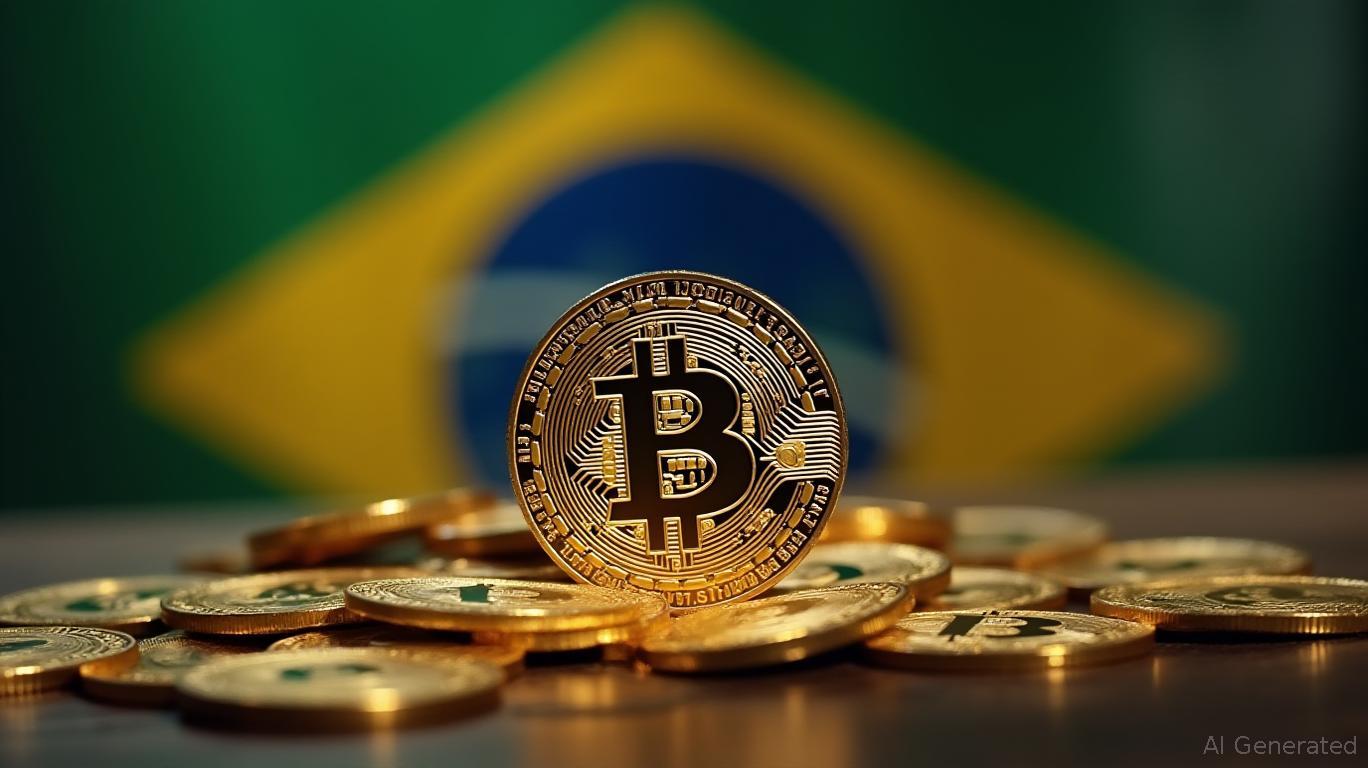
Brazil has enacted sweeping tax reforms, imposing a 17.5% flat levy on all cryptocurrency capital gains from 12 June 2025 under Provisional Measure 1303. This marks a stark shift from the former progressive system with a monthly exemption, now replaced by a single rate that applies to any crypto profit—trade, swap, DeFi yield, NFT sale—even via offshore exchanges or self-custody wallets.

Casual traders previously exempted on gains up to R$35,000 per month will now face taxation. A modest R$30,000 profit previously carried a zero burden; today, the same yield triggers a R$5,250 tax under the uniform rate. Medium-scale investors face a slight rise from the previous 15%, while the wealthy—who once paid up to 22.5%—now benefit from reduced liability.

The reform extends the tax net to assets held outside Brazil or in private wallets: all gains, regardless of custody location, fall under the 17.5% rule. Gains from decentralised finance activities, staking rewards, NFT transactions and token swaps are subject to the same flat regime.

Capital gains must now be reported and paid quarterly. Taxpayers may carry forward losses for up to five prior quarters—a benefit that will be curtailed in 2026 under proposed legal adjustments.

The reform’s scope is broader than crypto. Fixed‑income investments previously exempt—such as LCIs, LCAs, CRIs and CRAs—will now face a 5% tax on earnings. Meanwhile, gross revenue from online betting will be taxed at 18%, rising from 12% this coming October.

Brazil’s decision mirrors its wider fiscal strategy. With the nation’s overall tax-to-GDP ratio peaking above 32% in 2024, the government seems intent on widening the tax base and closing enforcement gaps. By bringing offshore holdings and DeFi into scope, authorities signal enhanced oversight and a tightening grip on previously opaque financial flows.

Advocates highlight the new system’s simplicity. A flat rate streamlines compliance, eliminating thresholds and multiple brackets, potentially reducing disputes and administrative complexity. Critics argue it disproportionately affects small investors and gig‑economy earners, who lose prior exemptions with little recourse.

Financial institutions and crypto‑focused service providers are preparing advisory tools to assist taxpayers with new obligations. Tax‑tracking platforms, accounting software and professional guidance are expected to surge in demand as individuals and small enterprises strive for compliance.

Looking ahead, the government plans to reduce the loss carry‑forward period in 2026 and explore pilot schemes to permit up to 50% of salaries to be paid in cryptocurrencies, particularly for remote work and contractors. Some fintech firms are already eyeing the change, examining crypto payroll and treasury integration.

Investors and citizen‑taxpayers must now track all crypto movements—onshore and offshore, centralised or decentralised. Each taxable event requires precise record‑keeping of acquisition cost, sale value, platform or exchange used, and timing. Errors or omissions could trigger penalties, including fines and interest charges.

Brazil’s audit agency intends to intensify scrutiny using on‑chain analytics, cross‑referencing declarations with blockchain records. Collaboration with international tax authorities may further bolster enforcement capacity.

The flat 17.5% tax places Brazil in a middling position globally—higher than zero‑tax jurisdictions like the UAE and Switzerland, but considerably lower than India’s 30% flat or Japan’s top marginal rates exceeding 50%.

Court filings in the Chapter 11 case for collapsed exchange FTX suggest that users in 49 jurisdictions may see their claims disputed or denied over local crypto restrictions. A filing submitted on 2 July to the Delaware bankruptcy court outlines a new “hold‑and‑review” process, halting distributions to users in areas with bans on crypto trading or restrictions on offshore platforms.

FTX’s trustee, along with legal counsel, will evaluate whether paying out creditors in these jurisdictions violates local laws. Notices will then be issued to affected users, granting them at least 45 days to challenge their classification. Absent a timely response, claims and any accrued interest will be forfeited to the estate.

Although users in these 49 jurisdictions represent just 5% of approved claims, the financial exposure is heavily weighted. Over 82% of that total value originates from mainland China. China accounts for the vast majority of claims in what FTX labels “potentially restricted jurisdictions”. Advocates warn that most Chinese claimants may not recover any funds.

FTX’s court motion says it will seek legal opinions for each jurisdiction before approving any payout. If counsel concludes local law prohibits the disbursement, those claims will be formally challenged. The legal framework treats such claims as “disputed,” pending approval or denial of their status. Distributions will be suspended until those claims are resolved.

Affected users must submit sworn statements confirming acceptance of US court jurisdiction to pursue objections. Upon objection, the trustee will petition the court to determine if exclusion is justified. Lack of objection will result in automatic forfeiture.

The list of 49 jurisdictions includes not only China, but also countries such as Nigeria, Russia, Egypt, Saudi Arabia, Andorra, Fiji and Zimbabwe. That breadth reflects the wide global footprint of FTX prior to its collapse.

Chinese users have responded with alarm, exploring legal avenues in the US. One affected claimant, identified as “Will,” told media that though the crypto ban in mainland China prevents trading, holdings remain legal and ownership rights should entitle them to fiat reimbursement in US dollars. He has engaged a New York attorney to counter FTX’s position on wire transfers and jurisdictional exclusion.

Some creditors are studying whether to transfer or sell their claims through entities in compliant jurisdictions, though it remains unclear whether such mechanisms will resolve legal barriers.

FTX Recovery Trust reported an overall decline in disputed claims—from US $6.5 billion to US $4.6 billion—after approving $1.8 billion in claims and expecting another $2.7 billion to be cleared. Approved claim distributions have reached approximately $8.3 billion. This new policy specifically targets the subset linked to restricted jurs, leaving billions in limbo.

Legal experts suggest the court’s decision could set precedent for how bankruptcy courts manage cross‑border crypto claims when local compliance is at risk. FTX is therefore seeking judicial approval to formalise this tailored procedure.

Critics argue the move undermines proportional equity. Victims from major markets like China, Nigeria and Egypt, who collectively hold substantial unrationalised stakes, now face potential complete exclusion. These developments raise concerns about transparency and fairness in the global recovery process.

FTX’s reorganisation plan approved in October 2024 allows repayment of up to US $16.5 billion to customers. It prioritises accounts holding US $50,000 or less under the terms of the Chapter 11 order, but regional legal hurdles may override the general scheme.

Trustee Sunil Kavuri summarised that each claim will proceed only with a supportive local legal opinion. If the opinion concludes a payout contravenes domestic laws, the claim will be formally disputed and may be permanently disallowed.

Saudi Arabia’s burgeoning e‑commerce sector has taken a strategic leap forward as the landmark partnership between Maersk Saudi Arabia and Saudi Post transitions from agreement to action. Evidence is already emerging that this alliance—anchored by Maersk’s newly launched Integrated Logistics Park in Jeddah—is beginning to streamline the kingdom’s supply chains and attract international players.

Operations in Jeddah have officially begun, with Maersk overseeing global transport, bonded warehousing, and origin-end logistics, while SPL manages express customs clearance and last-mile delivery domestically. The MoU, signed on 3 July 2025, outlines joint digital integration, combined marketing, coordinated customer service and operational efficiency.

Industry sources suggest that several multinational online retailers are in advanced talks to leverage the new gateway. Although specific names have been withheld, analysts view the integrated model as particularly attractive to Asia‑based brands seeking fast, low‑cost market entry into Saudi Arabia and the wider Gulf Cooperation Council.

Experts highlight that Maersk’s global reach combined with Saudi Post’s local footprint addresses major bottlenecks in cross-border trade—namely customs delays and fragmented distribution networks. SPL’s national infrastructure, originally developed to support Vision 2030’s economic diversification goals, now aligns seamlessly with Maersk’s logistics corridors.

Karsten Kildahl, Maersk’s Chief Commercial Officer, previously noted that global supply chains remain unpredictable, and enhanced visibility and resilience are crucial for upstream customers. This partnership directly supports those objectives via real‑time digital tracking, automated handovers, and unified service teams.

Market response has been swift. Regional logistics analysts report a 15% increase in inbound parcel volumes through Jeddah’s port cluster in the past month compared to the same period last year. While other factors—such as seasonal demand shifts—are at play, the increase aligns with the ramp‑up of cross-border operations facilitated by the Maersk–SPL alliance.

Customs officials in Jeddah confirm expedited clearances under a “premium e‑commerce lane” established within the SPL framework. They say this streamlining has shaved several days off processing times for inbound B2C shipments, helping foreign brands meet tight delivery schedules.

Saudi Post’s International Business Sales Director, Rouni Saad, stated the arrangement “is pivotal in streamlining cross‑border e‑commerce flows to and from the Kingdom … enhancing connectivity, reliability and growth opportunities across the region”. Maersk’s Ahmed Al Olaby added that combined networks would meet the growing demand for efficient fulfilment by global players entering or expanding in the Saudi market.

Consultants note that Saudi Arabia is now positioned to compete more effectively with regional hubs such as Dubai, which has long served as the GCC’s principal logistics centre. With the integrated infrastructure online, analysts predict intra‑GCC e‑commerce flows will re‑route through Jeddah over the next six to twelve months.

The alliance also aligns with Saudi Vision 2030, reinforcing the kingdom’s commitment to modernise its logistics backbone. By linking global ocean routes with domestic delivery channels, the partnership promises smoother, faster access to consumers in a market anticipated to grow double‑digit annually in e‑commerce sales.

However, questions remain around digital interoperability. The MoU commits to systems integration, but execution will depend on effective collaboration between both entities’ IT architectures. Some industry insiders stress the need for standardised APIs and seamless data sharing to avoid fragmentation.

Scaling services beyond major urban centres, and replicating integration in other GCC markets, pose additional challenges. Achieving cohesive bonded fulfilment across borders demands regulatory alignment and bilateral coordination.

United States authorities have implemented a sweeping array of sanctions targeting companies, vessels and networks that facilitate clandestine oil exports from Iran. The Treasury’s Office of Foreign Assets Control moved to freeze assets and prohibit transactions by an Iraqi-led smuggling group and its associated Iranian “shadow fleet.” Simultaneously, the State Department added further designations aimed at restricting Tehran’s access to critical oil revenues. The Treasury identified a […]

HONG KONG SAR – Media OutReach Newswire – 4 July 2025 – AIA Hong Kong & Macau (AIA) hosted the inaugural Healthcare Financing Summit (the Summit) as an active step towards fostering cross-sector dialogue and collaboration to address the challenges facing Hong Kong’s healthcare system. Held under the theme “Sustainable Healthcare Financing through Partnership”, the Summit brought together a diverse group of stakeholders – including government officials, […]

Alibaba Cloud has unveiled its third data centre in Malaysia and confirmed plans for a second facility in the Philippines, deepening its infrastructure presence in Southeast Asia. The Malaysian centre became operational on 1 July 2025, while the Philippine hub is scheduled to launch by October 2025. These moves are part of Alibaba’s broader efforts to bolster cloud and AI services across the region.

Growth in cloud demand and the strategic importance of Southeast Asia underpin this expansion. Alibaba Group’s cloud division has embarked on a $52 billion investment over the next three years to build a unified global cloud network, spanning Asia, the Middle East, Europe and the Americas. Southeast Asia has emerged as a pivotal battleground as enterprises accelerate AI adoption and seek resilient digital infrastructure.

At a summit in Singapore marking Alibaba Cloud’s tenth anniversary in the city-state, Eddie Wu, CEO of Alibaba Cloud, highlighted the company’s strategy: “Globalisation is Alibaba Cloud’s long‑term strategy,” he said, adding that the company would “accelerate the development of its global cloud computing network”. These statements reinforce Alibaba’s ambition to deliver end‑to‑end cloud services, spanning compute, storage, networking and AI capabilities.

This announcement follows earlier infrastructure roll‑outs across Asia. The company deployed a second data centre in South Korea in June 2025 and launched new regions in Thailand and Mexico in the first half of the year. Strategic market withdrawals from Australia and India in 2024 appear to be counterbalanced by intensified investment in high‑potential markets.

Southeast Asia’s accelerating digital transformation is creating rising demand for secure, scalable cloud services. Malaysia, with its growing ecosystem of startups and tech‑savvy enterprises, will now benefit from three Alibaba Cloud zones, an improvement in redundancy and local connectivity. The Philippine expansion addresses growing demand in Manila and surrounding urban centres, where cloud adoption is being propelled by fintech, e‑commerce, and the BPO sector.

At the Singapore summit, Alibaba also launched its AI Global Competency Centre, designed to support over 5,000 businesses and 100,000 developers. The centre offers access to advanced AI models, labs and infrastructure support. These investments aim to accelerate enterprise AI adoption by providing both tools and training through partnerships with more than 120 universities, aiming to train 100,000 AI professionals annually.

In addition to infrastructure, Alibaba Cloud is upgrading its cloud offerings. The ninth‑generation intel‑based Enterprise Elastic Compute Service will roll out across Malaysia, the Philippines, Japan, South Korea, Thailand, UAE, Germany and the UK from July. Enhancements to its Data Transmission Service and Platform for AI demonstrate a push to simplify deployment of large language models and accelerate inference capabilities.

Competitive pressure in Southeast Asia is intensifying, with other hyperscalers—AWS, Microsoft Azure, Google Cloud—announcing new regions and services. Alibaba’s bets on localised data centres, AI‑centric products and talent development programmes are its response to positioning itself as a regionally integrated cloud‑AI partner.

Regulatory headwinds and trade tensions, particularly restrictions on Chinese cloud firms, lend further urgency to Alibaba’s diversification strategy. By embedding infrastructure in Southeast Asia, the company aims to mitigate geopolitical risk, offer compliant local services and deliver low‑latency performance.

Corporate results reflect this momentum: Alibaba Cloud has reported double‑digit year‑on‑year growth in AI‑related product revenues for six consecutive quarters, with Q4 cloud revenue hitting CNY 31.7 billion and quarterly growth of 13%. These figures position the unit as the fastest‑growing segment within the broader Alibaba Group.

Tech analysts and regional partners have praised the expansion as timely. “These deployments will significantly improve resilience, latency and service coverage across key markets,” remarked a Southeast Asia‑based CIO. A telco executive added that local data centres are crucial to scaling AI‑powered services like real‑time analytics, IoT and smart city infrastructure.

Channel partners in Malaysia and the Philippines, including telcos and systems integrators, anticipate accelerated digital transformations. Industry groups reported a surge in enquiries following the Malaysian centre’s opening, particularly from manufacturing and education sectors. Cloud‑native startups welcomed the news, viewing the increased compute availability as essential to scaling AI‑driven products.

Optimising energy use and sustainability is also part of the plan. Alibaba’s “Energy Expert” ESG‑focused reporting tool integrates AI into energy management. This aligns with industry benchmarks that 84% of leaders see green AI as important, although 69% are still at early adoption stages. Emerging green data centre practices—including renewable power sourcing and efficient cooling—are expected to feature prominently in the Southeast Asian roll‑outs.

The Malaysian data centre opens amid strong macro trends: Malaysia’s digital economy was projected to grow at over 10% annually through the next five years, while Philippine cloud adoption is forecast to grow at a similar rate, driven by government digitalisation policies and enterprise cloudisation. As Alibaba deploys this enhanced infrastructure, both nations are expected to see AI‑centred cloud services gain momentum in verticals ranging from finance to manufacturing.


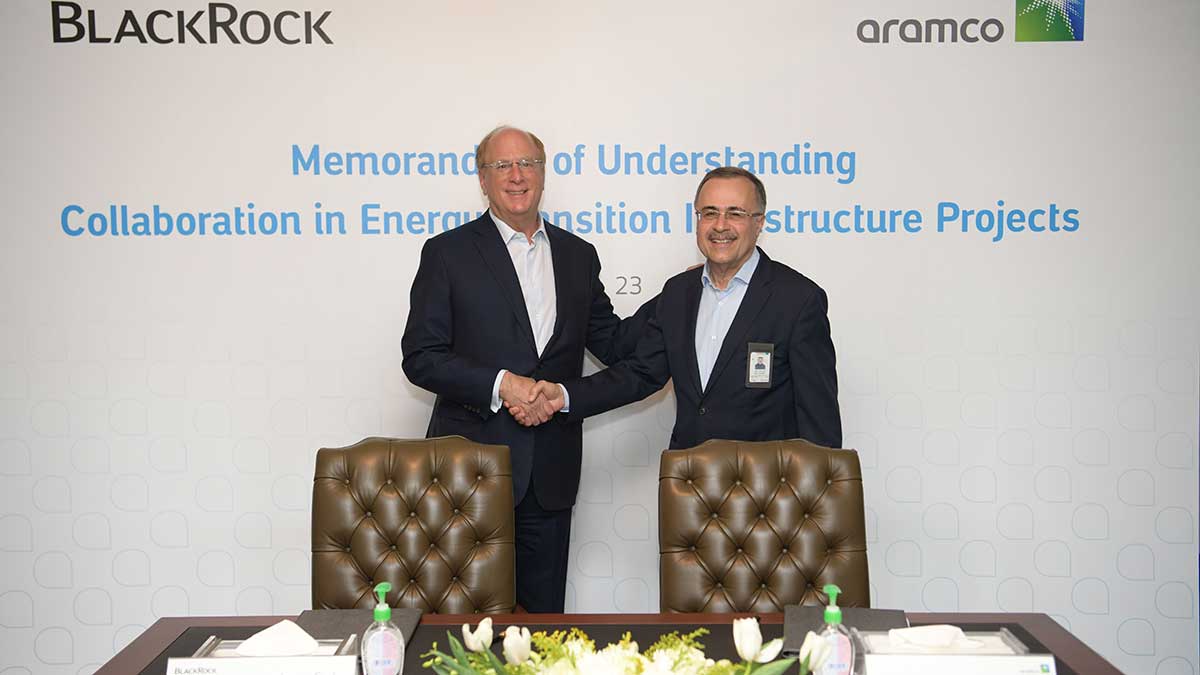
BlackRock Inc is reportedly engaged in discussions with Saudi Aramco over the future ownership of its stake in the leasing rights of a major natural gas pipeline network. The asset manager, which entered the arrangement in 2021, acquired the rights as part of a $15.5 billion lease-and-leaseback agreement. Sources close to the matter indicate BlackRock now values its position at several billion dollars and is considering divesting the stake back to the state oil major.

In 2021, BlackRock joined a consortium to purchase a 49 per cent interest in an entity known as Aramco Gas Pipelines Co under a lease-and-leaseback deal, financing the project with bridge loans and later issuing bonds to refinance the structure. The network comprises critical infrastructure integral to Saudi Arabia’s petroleum operations, serving both domestic consumption and export logistics.

Financial analysts highlight that BlackRock’s move represents a shift in strategy for pipeline investments. As bond markets recover from turbulence and the global energy transition reshapes demand, investors are recalibrating their exposure to long-cycle fossil fuel assets. One advisor noted that BlackRock will “weigh other options if discussions don’t lead to agreement,” indicating the firm might pursue third‑party sales or stake dilution.

Saudi Aramco’s interest in regaining full control aligns with its broader strategy of asset consolidation. Reacquiring the lease rights would enhance its operational sovereignty and reduce dependency on external partners in a sector that underpins national energy security. Aramco’s share in regional indices has already seen modest gains, supported by optimism over non-oil growth; the company itself has been trading up by around 0.9 per cent in recent sessions.

The bonds issued by the consortium in 2024—worth $3 billion across tranches due in 2036 and 2042—were aimed at refinancing initial acquisition debts. Demand for those bonds was robust, with subscription levels significantly exceeding issuance. BlackRock’s majority ownership of Greensaif Pipelines Bidco grants it leverage in shaping any transaction, whether through direct sale or restructuring of lease terms.

Market observers note that BlackRock’s pivot may be driven as much by strategic repositioning as by financial calculation. With global pressure building on climate policy and energy transition commitments, large institutional investors are under increasing scrutiny over holdings tied to fossil fuel extraction and transport. Divesting from pipeline leases allows BlackRock to reallocate capital to renewable infrastructure or alternative energy real estate, while still preserving long-term client relationships.

However, the sale would mark a significant return on investment. The original acquisition and bond refinancing positioned BlackRock to gain from stable, long-duration lease revenues pegged to volume throughput. Exiting now at a multi-billion-dollar valuation ensures a profitable wind-down of exposure while the asset remains robust. Some of the stakeholders in the consortium may view this as a precedent for handling similar assets in other jurisdictions.

Observers anticipate a negotiation process extending into the next quarter, with both parties likely to focus on valuation frameworks, lease renewal terms, and host‑country regulatory approvals. Any agreement may set a template for future transactions between global asset managers and sovereign energy entities, particularly in the Gulf region. While details of the discussions are confidential, the size and strategic nature of the pipeline network suggest that a deal could shift later this year.

Investment flows in the Middle East have showed renewed strength. Saudi and Emirati stock markets climbed this week, powered by stronger service-sector indices and easing of global trade tensions. Against this backdrop, Aramco’s potential repurchase aligns with sovereign objectives to consolidate energy assets in the hands of national champions.

Should talks falter, analysts predict BlackRock may explore secondary-market sales to other infrastructure investors, or retain partial control under renegotiated terms. A phased exit or continued minority stake is also plausible, contingent on pricing, return targets, and geopolitical sensitivities.

The U. S. House of Representatives will convene “Crypto Week” from 14–18 July to vote on three pivotal digital asset bills: the CLARITY Act, the Anti‑CBDC Surveillance State Act, and the GENIUS Act. This coordinated effort signals a major shift in federal crypto policy as lawmakers aim to clarify regulation, protect financial privacy, and foster blockchain innovation.

The CLARITY Act seeks to establish a definitive regulatory framework by delineating the roles of the SEC and CFTC, mandating the segregation of customer funds, and requiring enhanced retail disclosures. It has already passed through both the Financial Services and Agriculture Committees by decisive margins, reflecting bipartisan support and responding directly to industry demands for legal certainty.

The GENIUS Act, recently approved by the Senate in a strong 68–30 bipartisan vote, focuses on stablecoin regulation. It mandates that stablecoin reserves be held in high‑quality, liquid assets such as U. S. Treasuries, requires annual audits for issuers with over $50 billion in market cap, and clarifies regulatory oversight while allowing banks to issue their own tokens. The bill now awaits a House vote, with hopes of reaching the president’s desk by late July.

The Anti‑CBDC Surveillance State Act takes a definitive stance against a federally issued central bank digital currency, effectively prohibiting the Federal Reserve from developing or distributing a CBDC. Proponents frame it as a necessary measure to safeguard financial privacy and prevent potential government surveillance through digital currency systems.

Deputy Speaker Mike Johnson and committee chairs, including Financial Services Chair French Hill and Agriculture Chair GT Thompson, have emphasised that this legislative package aligns with former President Trump’s digital assets agenda — aiming to position the U. S. as a leader in crypto innovation. Johnson stated that the bills would deliver the full scope of that agenda, while Hill highlighted that the initiative would finally provide clarity for innovators, protecting both consumers and the broader digital economy.

Majority Leader Steve Scalise echoed the sentiment, saying the legislation would solidify the U. S.’s global leadership in digital assets. Minority voices have also weighed in: Majority Whip Tom Emmer described the moment as a “historic opportunity” to uphold “privacy, individual sovereignty, and free‑market competitiveness.” Senator Bill Hagerty voiced Senate support, noting the urgency of enacting these measures swiftly.

While the GENIUS Act has Senate backing, the CLARITY Act has faced scrutiny from Democrats and former regulators. Experts such as ex‑CFTC Chair Timothy Massad have warned that its provisions could be overly broad or convoluted, advocating instead for a collaborative regulatory approach between the SEC and CFTC. Concerns also persist among left‑leaning lawmakers that pairing the CLARITY Act with stablecoin regulation could stall progress, despite strong crypto industry support calling for their passage in tandem.

Lawmakers like Rep. Warren Davidson have promoted consolidating stablecoin, market‑structure, and CBDC ban measures into a single legislative package to ensure comprehensive reform. However, this strategy may encounter resistance in the Senate, potentially delaying the bills past the intended timeline.

The Senate’s passage of the GENIUS Act earlier this month reflected growing bipartisan agreement on stablecoin oversight but also revealed tensions over inclusion of Trump‑era cryptocurrency interests. Indeed, some critics have raised ethical questions about exempting the president’s family from the bill’s prohibitions on member profits, and the influence of Trump‑linked ventures that reportedly earned tens of millions from crypto operations.

Despite these controversies, House Republicans are pushing ahead with “Crypto Week” as a gateway to shaping U. S. cryptocurrency policy. The CLARITY Act furthers efforts made under the FIT21 digital asset law passed in May 2024, which established initial delineation of regulatory authority.

As 14 July approaches, industry stakeholders, advocacy groups, and congressional offices are bracing for intense debates. Passing these bills could redefine market structures, unlock stablecoin innovation, and reinforce constitutional privacy rights—or it may start a protracted legislative battle over oversight, accountability, and the future role of federal oversight in digital currencies.

The Open Platform, the team behind the Telegram Wallet on TON, has secured $28.5 million in a Series A round led by Ribbit Capital, propelling the company to a $1 billion valuation. The fundraising, achieved through the sale of 5% equity in traditional currency terms, positions TOP to expand its operations into the U. S. and European markets and to roll out blockchain-based games and AI-driven applications.

TOP serves as the core developer for Telegram’s official blockchain, The Open Network, and is responsible for creating and maintaining the Telegram Wallet, which facilitates peer-to-peer transfers within chats. The company will channel its new funds into market expansion and product development, aligning with its long-held strategy of leveraging Telegram’s user base—now over a billion monthly active users—to advance the blockchain ecosystem.

Ribbit Capital led the round, acquiring approximately 4–5% of TOP’s equity. Other notable participants included Pantera Capital, reinforcing investor confidence in TON’s growth potential. The funding arrived without any sale of cryptocurrency tokens, emphasising that the stake was purely equity-based.

Since Telegram integrated TON in 2022, the ecosystem has witnessed rapid uptake. Metrics show active TON accounts rising from roughly 4 million to over 41 million, with more than 121 million unique Toncoin holders. Daily on-chain transactions surged from approximately 100,000 to 1.2 million, while total value locked has exceeded US $350 million. These figures underscore user engagement and the ecosystem’s expanding financial activity.

TOP’s forthcoming initiatives include incubating blockchain-native games—both multiplayer and mini-app formats—that operate entirely on the TON chain. They will use Telegram’s Mini‑App infrastructure, which is already adopted by over half a billion users. One such example is the viral “Hamster Kombat” game, which has drawn over 300 million players and helped introduce mainstream audiences to blockchain functionality.

AI-driven applications are another priority. TOP is developing tools and platforms that integrate machine learning models directly into TON-based environments, enabling chat-integrated utilities—such as fraud detection, financial analytics, and smart assistants—without departing the Telegram interface.

Regulatory headwinds in the U. S. and Europe will present challenges. The SEC previously halted Telegram’s launch of its native token, Gram, in 2020, leading to a refund and legal settlement. Now guided by Maximilian Crown—TON Foundation’s newly appointed CEO with regulatory and compliance experience—TOP aims to navigate these complex legal environments. Crown’s background at MoonPay, where he oversaw U. S. and European licensing, equips the project with added expertise as it seeks entry into compliant markets.

Support from both traditional and crypto-focused investors reflects strong market confidence. Alongside Ribbit and Pantera, unicorn‐backed VCs such as Sequoia, Benchmark, and Kingsway have previously invested over $400 million in Toncoin, affirming institutional belief in TON’s role as Telegram’s blockchain layer.

TOP’s strategy reflects a broader shift within Web3—pursuing real-world use cases embedded into existing digital platforms. Using Telegram’s 1 billion+ user base, BOTs, wallets, mini-apps, and secure messaging infrastructure, TOP aims to drive mass crypto adoption while sidestepping consumer-level friction.

Analysts note that TOP’s equity‑only raise is distinctive; contrast it with token sales that often involve community risk. By focusing on equity, TOP offers investors upside across its product stack—including wallets, DeFi tools, games, and AI utilities—without diluting with token allocation.

Upcoming milestones include launching its U. S. and European operations before year‑end, unveiling its first wave of blockchain‑native games, and beta‑testing AI‑enhanced wallets and utility apps. With a valuation of $1 billion and deepening partnerships, TOP is well positioned to define Telegram’s blockchain strategy beyond financial services into entertainment and artificial intelligence.

SINGAPORE – Media OutReach Newswire – 3 July 2025 – AweMed®, a skincare brand developed in collaboration with local dermatologists and paediatricians, sponsored the Eczema Family Day 2025—an annual event organised by Eczema Support Group Singapore (ESGS). The event was held on 12 April, where patients, caregivers, and healthcare professionals came together to share knowledge, foster connections, and support individuals living with eczema in Singapore. AweMed Series […]

The Securities and Exchange Commission has placed a hold on Grayscale’s bid to convert its Digital Large Cap Fund into a spot exchange‑traded fund, pending review by the full Commission. The stoppage comes despite staff-level approval and a delegated‑authority green light issued on 1 July for the fund’s listing on NYSE Arca.

With around $755 million in assets, GDLC is heavily weighted towards Bitcoin, with additional holdings in Ethereum, Solana, Ripple, and Cardano. The proposed spot ETF would have been the first U.S. regulated multi‑crypto fund, broadening exposure beyond single‑asset offerings approved earlier.

The SEC’s Acting Division of Trading and Markets approved the listing via delegated authority under Rule 19b‑4. However, under Rule 431, any commissioner can request review—and at least one did on 2 July, triggering an automatic stay of the approval. The Commission has not stated which member requested the review nor provided a timeline for resolving it.

Market analysts suggest the pause may reflect the SEC’s intent to finalise a regulatory framework for spot crypto ETFs—especially products holding assets under unresolved legal status like Solana, XRP, and Cardano—prior to the launch of diversified digital‑asset vehicles. Bloomberg ETF specialist James Seyffart opined that the Commission may be preparing formal listing standards under the 19b‑4 rule before further layered launches.

Grayscale has been converting several trusts into ETFs to close price inefficiencies and align fund prices with net asset value. GDLC tracks CoinDesk’s CoinDesk 5 Index and was trading over-the-counter since 2019. The product had been expected to bring greater liquidity and lower premiums typical of Grayscale trusts.

Financial observers warn that the hold introduces uncertainty for Grayscale, NYSE Arca and other issuers—including Bitwise and Franklin Templeton—who have filed for multi‑asset crypto ETFs and await regulatory clarity. The SEC’s prior approvals for Bitcoin and Ethereum‑only spot ETFs in January and July 2024, respectively, signal cautious acceptance for those assets—but the inclusion of altcoins poses new legal and risk considerations.

Key regulatory questions remain unresolved: the treatment of tokens with ongoing litigation, safeguards against market manipulation, valuation transparency, and asset custody protocols. Rule 431 empowers commissioners to review staff‑level delegations and, once invoked, mandates a suspension of the approval—until the Commission issues a resolution.

Get Ready for Unmissable Program Highlights! BANGKOK, THAILAND – Media OutReach Newswire – 3 July 2025 – In an era where creativity is the driving force behind economic and social development, the presence of a regional creative festival in Isan — the Northeast region of Thailand — is more essential than ever. It goes beyond art, culture, and innovation; it serves as a vital platform that inspires […]

Arabian Post Staff -Dubai French defence and technology group Thales is deepening its strategic footprint across the Gulf by advancing plans to build a radar production facility in Saudi Arabia and an AI research centre in the UAE. At the Paris Airshow, Pascale Sourisse, senior executive vice‑president of international development at Thales, confirmed discussions on expanding a joint venture with Saudi Arabian Military Industries beyond radar systems […]

VISHNU RAJA
RYO YAMADA
HITORI GOTOH
IKUYO KITA