News related to
network

Cyber resilience has evolved from a mere operational necessity to a core strategic focus for businesses across the globe. As cyber threats continue to escalate in complexity and volume, companies are now recognising the importance of not just preventing cyberattacks, but also ensuring they can quickly recover and continue functioning in the face of such threats. Synology, a leader in data storage and network solutions, has taken […]

LearningCrypto has emerged as a leading force in the intersection of cryptocurrency and artificial intelligence, capitalising on the growing interest in crypto education. As more individuals seek to understand the complexities of digital currencies, platforms like LearningCrypto are responding to an urgent demand for in-depth knowledge in the ever-evolving crypto space.

The expansion of AI-driven educational tools has significantly reshaped how cryptocurrency is taught. LearningCrypto, which has grown rapidly over the past year, leverages AI to personalise the learning experience for its users. The platform uses AI algorithms to track a learner’s progress, adapt content, and recommend courses based on individual learning preferences and gaps in knowledge. By tapping into AI, the platform aims to bridge the knowledge gap, enabling people of all levels—from beginners to seasoned investors—to enhance their understanding of crypto assets.

Market trends show an overwhelming shift toward digital learning, especially in niche fields like cryptocurrency. As blockchain technology continues to disrupt traditional industries, there is a growing need for professional development courses tailored to the crypto world. This demand is being fuelled by a surge in cryptocurrency adoption and institutional interest, coupled with an increase in regulatory scrutiny. Individuals and businesses alike are eager to stay ahead of the curve, making crypto education a crucial priority.

LearningCrypto’s rise highlights a broader trend in the education sector, where AI is being harnessed not only for customised learning experiences but also for its potential to simulate real-world trading scenarios. This feature appeals to both new investors looking to explore the market and seasoned professionals wanting to test their strategies without the risk of losing capital. The ability to create simulated trading environments has proven to be a game-changer, giving users a safe space to learn and practice their skills.

Several factors contribute to the rapid adoption of crypto education platforms, with accessibility being at the forefront. These platforms offer an array of resources, from video tutorials and webinars to live sessions with industry experts. The inclusion of AI-driven assistance allows users to receive real-time feedback, enhancing their ability to grasp intricate concepts at their own pace. With many courses offered online, learners have the flexibility to study on their terms, making education more accessible than ever before.

The integration of AI also addresses one of the key challenges in cryptocurrency education—keeping up with the pace of change in the crypto market. AI tools can quickly adapt content to reflect the latest developments, market trends, and regulatory updates. This ability to provide up-to-date information ensures that learners are not left behind as the landscape shifts. For example, new developments such as the rise of central bank digital currencies and the ongoing discussions around the regulation of stablecoins are integrated into course materials in real-time.

The success of LearningCrypto is also a testament to the broader trend of the digital transformation of education. As traditional educational models struggle to keep up with technological advancements, online learning platforms powered by AI are becoming the go-to option for learners. Cryptocurrency, once viewed as a niche market, has gone mainstream, and its educational demand reflects this shift. By leveraging AI, platforms like LearningCrypto are positioning themselves at the forefront of this digital revolution in finance education.

Key players in the crypto education space have also taken note of this trend, with many developing their own AI-powered features to enhance the learning experience. Some platforms offer AI chatbots that provide instant answers to users’ queries, while others employ predictive analytics to help learners anticipate and prepare for market trends. This evolving landscape has raised the bar for crypto education, pushing platforms to integrate cutting-edge technology to remain competitive.

Arabian Post Staff -Dubai Nirvana Travel & Tourism has entered into a partnership with Liwa University in Abu Dhabi, marking a significant step in the expansion of educational opportunities. The Memorandum of Understanding, signed between the two entities, is aimed at fostering collaboration that will strengthen the local community’s access to high-quality education, bridging gaps in the tourism and educational sectors. The agreement outlines a shared commitment […]

Sub-Saharan Africa’s gross domestic product is now projected to grow by about 3.8 percent in 2025, up from 3.5 percent in 2024, as inflation moderates and foreign exchange markets stabilise across many nations. The updated outlook emerges from the latest “Africa’s Pulse” report by the World Bank, which highlights a more favourable macroeconomic backdrop enabling central banks to ease policy constraints and stimulating consumption and investment. The […]

Since its arrival in September 2025, the XPL token has drawn attention as the fulcrum of Plasma’s stablecoin-first blockchain vision. The network, engineered to process high-volume stablecoin transfers with minimal friction, stakes much on XPL’s design, distribution, and incentive architecture. A close look at how the token functions, how it has been received in markets, and what early ecosystem moves suggest reveals both promise and pitfalls.

XPL is conceived as the backbone of network security, transaction operations, and ecosystem growth. Under Plasma’s model, validators will stake XPL to secure the network under the PlasmaBFT consensus protocol, earning rewards in return. Meanwhile, the token also acts as the medium for executing non-basic transactions and participating in governance-like decisions tied to ecosystem programs. In that sense, XPL parallels Bitcoin’s role on the Bitcoin network and Ether’s role on Ethereum, though with nuances shaped by Plasma’s stablecoin orientation. The team states that its architecture deliberately ties token mechanics to campaign-driven incentives designed to migrate traditional financial flows onto its rails.

From a distribution perspective, Plasma launched with a fixed supply of 10 billion XPL. Ten percent was allocated to a public sale, while 40 percent was reserved for ecosystem and growth initiatives. At mainnet beta, 8 percent of the total supply was unlocked to support initial liquidity, partner incentives, and launch integrations. The remainder—particularly allocations for team, investors, and long-term contributors—follows graded vesting schedules to temper sudden sell pressure. In the public sale design, non-U. S. participants’ tokens were fully unlocked at launch, while U. S. participants face a 12-month lockup. This dual-track unlocking scheme aims to balance inclusion and capital discipline.

The tokenomics also include a built-in inflation schedule and fee mechanics intended to contain supply pressure. Initial validator rewards are targeted around 5 percent per annum, with planned reductions over time toward 3 percent baseline. Meanwhile, the protocol supports a form of fee burn inspired by EIP-1559; as transaction usage scales, some portion of fees will be removed from supply, offsetting inflation. The combined effect is intended to sustain staking incentives without runaway dilution. Another technical feature is Plasma’s “paymaster” system, which allows standard USDT transfers to carry zero fees, subsidized by the protocol itself. That mechanism reduces the necessity for every user to hold XPL merely to pay gas, lowering adoption friction.

Market reception to XPL turned dramatic almost immediately. At launch, the network held more than USD 2 billion in stablecoin liquidity across over 100 DeFi protocols. Within 24 hours of trading, XPL surged by over 50 percent in some reports—a mark of speculative demand meeting limited immediate circulating supply. Some early buyers from the public sale reportedly reaped significant multiples, even as Plasma distributed bonus tokens to pre-deposit participants regardless of purchase. At peak, XPL reportedly hit above USD 1.50 before retracing to levels around USD 0.90 to USD 1.10. Observers estimated its fully diluted value approaching USD 8–10 billion, reflecting soaring expectations baked into launch pricing.

Yet that market euphoria also exposes structural tensions. The disparity between circulating supply and total supply creates a potential “float risk”—many tokens locked under vesting may exert downward pressure as unlocks commence. The timing and pacing of those unlocks will test whether early demand can be sustained under growing supply. Furthermore, while the paymaster model reduces friction, it also transfers the burden of fee subsidies to the protocol’s reserves. If usage scales unpredictably, that subsidy cost could challenge sustainability unless fee revenue or ecosystem yield compensates.

Another variable is how decentralized and secure the validator structure becomes. The strength of PlasmaBFT relies on meaningful decentralization and active participation. If validator concentration remains high or slashing risks are unevenly applied, token holders may question whether XPL truly underpins a secure, trust-minimized system. The use of reward slashing somewhat mitigates direct capital loss risk, but critics argue it may weaken incentives for strict validator discipline.

Beyond core mechanics, XPL’s ecosystem deployment matters. Early integrations offer a glimpse: Plasma granted XPL funding to Clearpool to support PayFi, a stablecoin‐settled credit infrastructure. That move reflects a play to establish secondary use cases—credit rails, yield protocols, merchant flows—that could entrench XPL usage beyond staking and fees. Meanwhile, Binance’s announcement of a 75 million XPL airdrop tied to its HODLer program signals aggressive token distribution into retail investor hands. That distribution may expand user base but also risks speculative churn.

On the regulatory front, XPL must navigate emerging scrutiny. Since stablecoins straddle monetary and securities domain, a blockchain built entirely around them invites questions about oversight and compliance. To date, Plasma has employed jurisdictional filtering, KYC onboarding, and cautious distribution to U. S. investors, but scaling into global payments heightens exposure. If major jurisdictions impose stricter rules on stablecoin issuance or transfer, XPL’s value proposition may face constraints or require adaptation.


Gemini has secured registration with AUSTRAC and formally established its Australian arm, positioning itself as a regulated digital currency provider in the country. With the move, Australians can now trade with Australian dollars through local payment rails and the firm has named a dedicated country head to lead its strategy.

The new entity, Gemini Intergalactic Australia Pty Ltd, is now recognised by AUSTRAC as a digital currency provider, enabling full operations in compliance with Australia’s anti-money laundering and counter-terror financing laws. Local deposit and withdrawal options via PayID and Australia’s New Payments Platform will be enabled, reducing reliance on cross-border transfers.

Saad Ahmed, Gemini’s head of APAC, said the expansion aligns with robust demand in Australia’s crypto market, which the company estimates at roughly 22–25 per cent adoption. He emphasised that the decision to push into Australia preceded the government’s latest regulatory proposals. The firm plans to apply for an Australian Financial Services License to roll out advanced services such as staking and lending, but these will not be available at launch.

To lead its local presence, Gemini has appointed James Logan as Head of Australia. Logan was formerly in leadership roles at Luno and Bitget in Australia, thus bringing regional experience in crypto operations and regulatory compliance. His responsibilities include building partnerships, scaling operations, and navigating evolving policy frameworks.

Gemini’s entry comes amid intensifying regulatory focus in Australia. The government recently released draft legislation that would require crypto exchanges to hold an AFSL under the Corporations Act, thus applying the same regulatory rigour to digital assets as to traditional finance firms. Some industry observers view the move as a consolidation trigger—smaller platforms may struggle to absorb compliance costs.

Beyond regulation, banking integration remains a competitive differentiator. Australian customers have long faced friction when depositing and withdrawing via crypto platforms due to banks restricting or flagging such transactions. Gemini’s local setup aims to mitigate such barriers by partnering with Australian payment systems and financial institutions.

In the competitive landscape, Gemini will go head to head with established players such as Independent Reserve, CoinSpot, Binance Australia and OKX. While some already operate under established local compliance frameworks, Gemini emphasises institutional-grade infrastructure, regulatory integrity and global liquidity as its advantages.

Analysts view the timing of Gemini’s move as strategic. The firm’s recent listing on Nasdaq, in which it raised USD 425 million, has strengthened its capital base and credibility. Establishing operations in Australia now allows it to lock in market share under current rules, ahead of any stricter licensing regime.

Australia’s crypto adoption has surged in recent years. Surveys and industry reports suggest that by 2025 nearly one in four Australians hold digital assets—a rate comparable to the U. S. This growth, along with rising institutional interest, makes the market an increasingly attractive target for global exchanges.

Gemini has had a presence in Australia since 2019, serving local users via its global platform but with limited features and higher costs. Under the new structure, native AUD deposits, enhanced trading pairs, and faster settlement are expected to improve user experience and price competitiveness.

While Gemini’s initial rollout will omit certain features like crypto-backed credit or staking, the company says it is pacing its product expansion in tandem with regulatory clarity. It is adopting a “wait-and-watch” posture with respect to the government’s consultation process, but remains confident that its operations will comply.

The Australian push is one element in Gemini’s broader global strategy. It has also moved ahead in Europe under MiCA and is exploring tokenised stock trading in key markets. The firm now claims to serve customers in over 60 jurisdictions and has processed hundreds of billions of dollars in cumulative trading volume.

The RNTrust Group is set to roll out its digital-trust architecture under the banner “Infinite Trust” at GITEX Global 2025 in Dubai. The offering is built around three flagship technology pillars—BOAT orchestration, cyber-intelligence, and stratum-level time synchronisation—aimed at solving friction points faced by large enterprises operating across complex, digital ecosystems.

At the core of the strategy is Coopera BOAT, RNTrust’s enterprise orchestration and automation engine, which integrates bots, APIs, microservices, content, case-management, and AI agents under a unified platform. The company positions BOAT as a successor to legacy BPM and ECM systems, enabling long-running and cross-domain workflows across IT and business domains. Integrated AI and generative flows help with decision intelligence and unstructured data extraction. RNTrust claims the platform aligns with market forecasts that predict the orchestration market will expand markedly in the coming years.

Complementing BOAT is ThreatLeap, a cyber threat intelligence and compliance platform operating 24/7 to scan external attack surfaces, detect leaks, misconfigurations, phishing domains and advanced threats, and flag compliance gaps across regulations such as NIS2, DORA, GDPR and PCI-DSS. The system is portrayed as proactive, intended to reduce risk exposure rather than simply respond to incidents.

Lastly, the group is spotlighting StratumOne, a time-synchronisation solution leveraging GNSS signals, atomic clocks and precision engineering to deliver nanosecond-level accuracy. Target sectors include finance, telecoms, 5G networks and critical infrastructure where time precision is essential.

RNTrust leadership will host product demos and discussions at the Novotel World Trade Centre during the expo, targeting CIOs, CISOs, system integrators and partner firms. The platform claims deployments and partnerships across the GCC, Europe and the U. S., drawing on R&D centres in Southeast Europe, Italy and the UAE.

The company frames “Infinite Trust” as a unification strategy—bringing orchestration, security and timing coherence into a cohesive architecture that can scale across diverse enterprise landscapes. This positioning aims to appeal to large organisations wrestling with digital transformation, hybrid workloads, compliance burdens and the growing attack surface of distributed systems.

Market watchers note that digital trust is becoming a key battleground for software and cybersecurity vendors. The integration of orchestration and security is a direction echoed by peers embedding zero-trust and AI decision engines into automation platforms. The time-sync component adds a niche yet strategic dimension, tapping into sectors where precision timing is a regulatory and technical requirement.

Advertisements

Genians and RASInfotech are set to showcase a unified cybersecurity stack centred on Network Access Control, Endpoint Detection & Response and Universal Zero Trust Network Access at GITEX 2025, positioning their approach as a path to measurable security outcomes in the Middle East and Africa.

At the heart of their presentation is the proposition that NAC is not just an access control tool but a foundational anchor for Zero Trust adoption. With RASInfotech acting as their MEA distributor, Genians claims to deliver seamless transitions from on-premises NAC systems to cloud-managed deployment models with no operational downtime, while extending enforcement to both IT and OT environments.

Genians’ EDR offering, emphasised as on-premises to satisfy data sovereignty demands, is promoted as a complement to NAC—working together to fortify visibility, threat response, and enforcement. Executives point to deployments in sectors such as government, healthcare and retail across the MEA region to validate their approach.

Cybersecurity demand in the region is rising sharply. The Middle East cyber market is projected to expand significantly in coming years. Observers note that adversaries are increasingly adopting AI-driven techniques such as deepfake phishing, polymorphic malware and supply chain intrusions, making traditional perimeter defences inadequate. At GITEX, solutions built on identity, device context and continuous monitoring are gaining traction.

To that end, Genians intends to demonstrate how NAC and EDR modules integrate into a unified Zero Trust architecture—eschewing fragmented SASE modules in favour of a cohesive platform. Their roadmap emphasises enforcement from the network layer outwards, rather than additive overlays. The company also claims to have identified threat campaigns—such as a North Korean cyber espionage operation leveraging ChatGPT—that its platform is capable of detecting and analysing, reinforcing its real-world efficacy.

Regional support is central to Genians’ strategy. RASInfotech maintains a technical support centre in India to offer 24/7 engineering backup across time zones, while a regional Korean government–backed cybersecurity initiative taps Genians and partner vendors to strengthen regional infrastructure resilience. The collaboration is framed around “regional sovereignty” in data control and local compliance alignment.

Within the channel ecosystem, the role of integrators and resellers is evolving. Traditional resellers are being pushed to become resilience architects—advisors that guide enterprises from legacy infrastructure to Zero Trust, rather than merely deploying point products. Genians and RASInfotech are reportedly investing in partner training, labs, and enablement to support that shift.

Read on: A Decade of Partnership in the Arts: EiM and the Royal Shakespeare Company Celebrate 10 Years Arabian Post Network

Greenlogue/AP A global analysis commissioned by Transport & Environment and conducted by Cerulogy reveals that biofuels now generate 16 percent more carbon dioxide emissions than the fossil fuels they are intended to replace. The finding throws into sharp relief the risks of scaling up crop-based biofuel programmes ahead of the COP30 climate summit in Belém, Brazil. The study includes emissions not only from cultivation, harvesting and processing, […]

Intercontinental Exchange, the parent company of the New York Stock Exchange, is committing up to $2 billion in cash to back Polymarket, giving the prediction-market platform a pre-investment valuation of $8 billion. ICE will also serve as the global distributor of Polymarket’s event-driven data and collaborate on tokenisation efforts.

The deal signals a bold shift by a major financial infrastructure firm into the realm of speculative markets tied to politics, culture, economics and sports. ICE’s announcement states the investment will not have a material impact on its 2025 financials.

Polymarket, launched in 2020 by Shayne Coplan, allows traders to take positions on the probability of real-world outcomes. The platform had earlier barred U. S. users after settling in 2022 with the CFTC over operating an unregistered exchange. But it has since acquired QCEX, a CFTC-licensed derivatives exchange and clearinghouse for $112 million, positioning itself for compliant U. S. operations.

In public statements, ICE’s Chair and CEO, Jeffrey C. Sprecher, described the move as connecting “trusted financial infrastructure” with a next-generation platform that leverages user behaviour and probability markets. Coplan said the partnership will help bridge “how individuals and institutions use probabilities to understand and price the future.”

Analysts view the crux of ICE’s interest lies in monetising Polymarket’s crowd-driven data. The platform’s users collectively assign probabilities to outcomes, producing sentiment indicators ICE can package and distribute to institutional clients. Michael Ashley Schulman, partner at Running Point Capital Advisors, noted that ICE sees more value in data distribution than in clearing event contracts.

Regulatory conditions have softened under the current federal regime. Polymarket had reported that investigations by the Department of Justice and the CFTC closed without new charges, eliminating a regulatory overhang. Legal experts note that its acquisition of QCEX gives it a structural path to U. S. markets that was unavailable earlier.

Despite that progress, legal risks remain. Some jurisdictions still view event-betting as gambling, not financial activity. In Belgium, for example, authorities recently banned the platform’s use within the country. Polymarket’s own disclosures show it had raised around $205 million in earlier rounds before ICE’s investment, but with limited access to established trading jurisdictions.

Institutional interest in prediction markets has surged since the 2024 U. S. election cycle, which fuelled growth in platforms wagering on election outcomes, geopolitical events and social trends. ICE’s investment may prompt legacy financial firms to explore similar tie-ups or launches of probabilistic trading models.

In markets, ICE’s shares nudged upward following the announcement. The platform’s next test will be demonstrating whether prediction markets, previously the domain of retail and niche crypto users, can scale under institutional frameworks while satisfying securities, derivatives and gambling regulators.

Binance founder Changpeng “CZ” Zhao has publicly rejected Forbes’ assertion that his net worth is $87.3 billion, calling the figure “baseless and wildly overstated.” The dispute highlights ongoing tensions over the valuation of wealth tied to cryptocurrency assets, where transparency and methodology remain contested. Forbes placed Zhao near the top of its billionaire rankings, asserting that his holdings in Binance and related digital assets justify the $87.3 […]

A Singapore High Court hearing is scheduled on 13 October 2025 to consider WazirX’s proposed Scheme of Arrangement, marking a pivotal moment in the embattled crypto exchange’s restructuring efforts. The court will hear further arguments on HC/SUM 940/2025, a case central to the platform’s ability to repay creditors and revive operations.

The hearing follows a tumultuous legal process. In June 2025, the court declined to sanction the original scheme submitted by Zettai Technologies, WazirX’s parent entity, citing structural concerns and ambiguities in how the proposal would address creditor claims. Zettai responded by seeking an opportunity for further arguments. The court acceded to that request, setting the stage for the October proceedings.

Prior to this hearing, the court has directed both Zettai and opposing parties to submit additional written submissions. Zettai filed on 26 September 2025, and the court issued further directions on 29 September requiring clarifications by 3 October 2025. Until now, no hearing date had been formally fixed.

The background to this process dates to July 2024, when WazirX suffered a cyberattack resulting in the loss of roughly $235 million. Nearly 16 million users were affected, with withdrawals and trading suspended indefinitely. The attack was widely attributed to North Korea’s Lazarus Group.

In January 2025, the Singapore High Court allowed users to vote on a restructuring plan. The vote concluded in March, with approximately 93.1% of users endorsing the scheme. However, in May, the court declined to give the scheme its sanction, stating the proposal failed to meet the required legal standards and flagged concerns over compliance with evolving Singapore regulations. Zettai was then directed to revise the scheme and conduct a revote.

In July 2025, after further oral arguments before the court, the original June decision was set aside and a revote was permitted to consider an amended Scheme. The court also extended the moratorium until 16 September 2025. Zettai responded by preparing an updated Scheme and explanatory statement, organising a town hall for creditors, and initiating a refreshed vote.

Analysts observe that the October hearing is likely to be decisive. If the court approves the amended plan, the process could move quickly toward fund distribution, theoretically within ten business days of the effective date. Should the court require further modifications or reject the proposal, the process could be delayed significantly, potentially pushing payouts into late 2025 or beyond.

Critically, the court has scrutinised how Indian law provisions intersect with its jurisdiction. Much of WazirX’s user base resides in India, prompting concerns about cross-border legal compliance and enforceability of creditor rights. By demanding detailed supplementary submissions, the court signals caution in approving a scheme that might expose it to legal vulnerabilities.

Creditors and industry watchers remain under strain, facing uncertainty over when and whether they will receive recovered funds. Many users have awaited payouts for more than a year, and confidence in centralised exchanges has been tested further by this case.

Portuguese quantum computing firm Quantica Tech has revealed a new digital currency, Quantic Bitcoin, engineered to resist attacks from future quantum computers. The project rests on a proprietary “Quantum Interoperability” protocol designed to allow conventional blockchains and quantum‐era architectures to communicate and co-operate.

BTCQ is intended to preserve Bitcoin’s proof-of-work consensus but replace vulnerable cryptographic signatures with algorithms that conform to NIST-approved post-quantum standards. In transitional phases, the system runs quantum algorithm emulation on classical hardware—enabling development without immediate dependence on quantum hardware. Quantica has also introduced tiered fractional units, named Photons, Quarks and Bosons, to mirror Bitcoin’s Satoshi model at microtransaction scale.

The announcement reflects intensifying concern within cryptographic and blockchain communities about quantum threats to existing systems. Shor’s algorithm, for instance, is capable of undermining widely used public-key schemes, such as ECDSA, that secure most cryptocurrencies today. A literature review of quantum impacts on blockchain estimates that, although scalable quantum machines remain a work in progress, the threat horizon is accelerating, pushing many in the industry to preemptively explore quantum-safe alternatives.

Quantica says its interoperability protocol enables smart contracts in languages such as Solidity, Rust, Plutus and Vyper to invoke quantum layer functions through external script calls. The firm claims it has already shared the initial design of that protocol with the scientific community, though specific cryptographic details remain withheld. Plans are in place to issue Simple Agreements for Future Tokens in late 2025 and conduct a pre-sale of the token units ahead of public launch. The company is also working in parallel on related projects—Quanticacoin, USDT-Q and Q-Solana—to extend its quantum-capable ecosystem.

BTCQ joins a growing number of blockchain initiatives adopting quantum-resistant techniques. The Quantum Resistant Ledger, for example, has long leveraged XMSS to offer protection against quantum attacks, and many networks have begun integrating lattice-based or hash-based post-quantum cryptography.

Still, implementation and security challenges loom. Recent academic analysis warns that purely algorithmic guarantees do not suffice; side-channel attacks and hardware vulnerabilities may undermine post-quantum schemes if not carefully addressed. Analysts caution that the “harvest now, decrypt later” risk remains active: encrypted data captured today may be decrypted when quantum capabilities mature.

Market reception has been cautious. Many observers view Quantica’s claims as ambitious, given the dearth of open cryptographic proofs or independent audits so far. Some see the project as an early bet on quantum transition rather than an immediate substitute for existing value chains. Others argue the broader utility of quantum-resistant assets will depend heavily on regulatory frameworks, interoperability standards, and community adoption.

Quantica’s announcement arrives against the backdrop of intensifying activity in quantum and cryptographic infrastructure. Hardware vendors and research institutions are racing to scale error correction, qubit coherence and interconnects. Meanwhile, financial and security firms are preparing migration strategies for sensitive systems. Among commercial players, SEALSQ has unveiled hybrid cryptographic hardware intended to safeguard blockchain systems and IoT devices against quantum attacks.

Quantica has positioned BTCQ’s development as a shift from theoretical readiness to pragmatic construction. The firm contends it can build bridges between classical chains and quantum systems without heavy disruption to existing protocols. Early access via SAFTs and token presales aim to bootstrap an ecosystem of developers and enthusiasts.

A proposed ETF tracking the TRUMP meme coin has appeared on the Depository Trust & Clearing Corporation’s system — an infrastructural step that signals intent, though it falls short of regulatory approval.

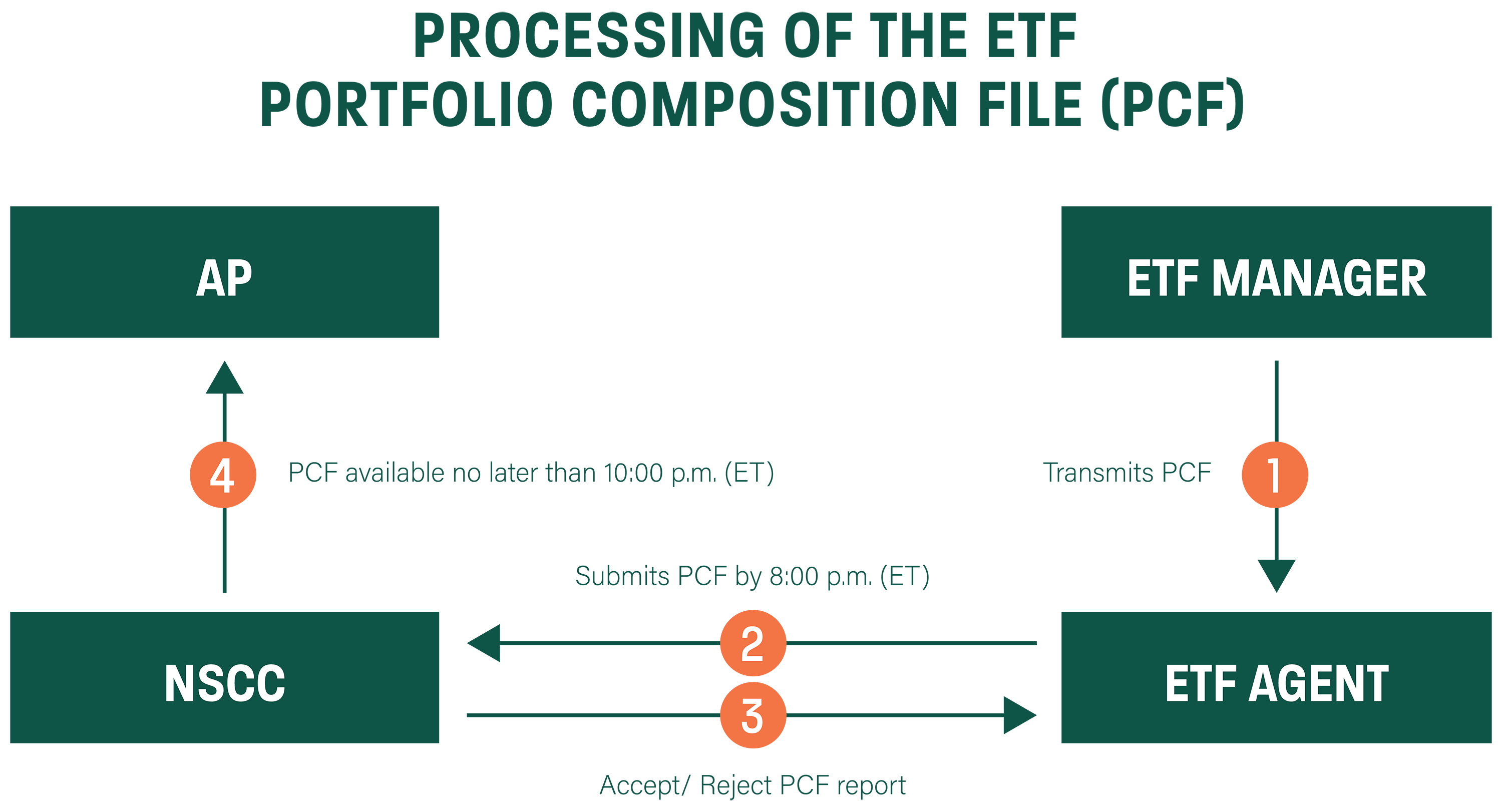
Canary Capital, which filed an S-1 registration with the U. S. Securities and Exchange Commission for the ETF, now sees its TRUMP Coin fund listed in DTCC systems alongside other altcoin ETF candidates. The DTCC listing enables clearing and settlement readiness should approval arrive.

Analysts view the development as a technical milestone. Bloomberg ETF specialist Eric Balchunas observed that once a ticker appears on DTCC’s eligibility file, it rarely retracts — underscoring the forward momentum for the product. Nonetheless, he and others caution that DTCC inclusion is procedural and does not guarantee SEC consent.

Canary’s filing proposes that the ETF would offer exposure to the price dynamics of TRUMP token without requiring investors to self-custody the asset. To cover transaction costs inherent in the blockchain architecture, the filing permits the fund to hold up to 5 percent in Solana’s native token SOL, although it will not treat SOL as a core investment.

The TRUMP coin is a Solana Program Library token whose market value hinges heavily on political sentiment, community engagement and volatility rather than fundamental utility. Critics have raised concerns about the blending of political interests with speculative finance, warning of conflicts of interest and reputational risks to the broader crypto ecosystem.

This development coincides with DTCC’s addition of other altcoin ETFs — namely Fidelity’s Solana ETF and Canary’s XRP and Hedera funds — to its eligibility files. These moves have injected renewed optimism into altcoin ETF markets, though all such listings still await the SEC’s green light.

Momentum for altcoin ETFs has accelerated since spot Bitcoin and Ethereum funds gained approval. Still, the SEC has kept other proposals on ice, deferring decisions and delaying rulings. The regulator’s patience underscores the risk-management pressures it faces in balancing innovation and investor protection.

Canary’s TRUMP ETF filing follows earlier efforts by Trump Media & Technology Group, which has sought SEC approval for a suite of thematic “Truth Social Funds” ETFs covering areas such as energy, infrastructure and American icons.

Law Blocks AI, a UAE-based legal tech startup, is staging an event titled “From Disputes to Digital Trust: ADR Meets AI & Blockchain” on 14 October at Emirates Financial Towers in Dubai, scheduled alongside GITEX and Future Blockchain Summit. The firm aims to present its integrated platform combining artificial intelligence, blockchain, and alternative dispute resolution to legal professionals, corporates and technologists. At the heart of the company’s […]

MetaMask has rolled out an integration with Hyperliquid that allows perpetual futures trading directly within its wallet, marking a major expansion beyond its core custodial functionality. The launch went live today in selected jurisdictions, enabling users to take leveraged positions without leaving the application’s interface.

This move transforms MetaMask from a simple wallet to a more comprehensive on-chain trading hub. By embedding Hyperliquid’s perpetuals engine natively, MetaMask removes several intermediate steps that historically deter adoption—such as requiring users to traverse to external exchanges, cross chains, or cover multiple transaction fees. According to MetaMask’s global product lead, Gal Eldar, the integration “offers a frictionless path for passive holders to become active traders.” The wallet’s new “one-tap” experience is optimised for mobile usage, lowering barriers to entry.

Hyperliquid, a decentralised derivatives platform built with its own Layer 1 infrastructure, claims to support gas-free settlement and performance at scale. The platform processes tens of billions in trading volume, placing it among the leading names in on-chain perpetual markets. Hyperliquid’s architecture, with reported throughput exceeding 200,000 orders per second, underpins the performance demands of integrating derivatives directly inside a wallet.

MetaMask’s entry into this domain arrives amid sharp growth in decentralized perpetuals. In September, the total trading volume across decentralised perpetual platforms exceeded $700 billion, spurred by trader demand for leverage, 24/7 markets, and non-custodial exposure. Hyperliquid is a consistent high performer, with some estimates attributing to it a majority share of decentralised perpetual activity.

The new feature supports USDC deposits from any Ethereum Virtual Machine-compatible chain, and trades can be initiated with a single tap. The integration includes slippage checks, fee previews, and confirmation flows meant to shield users from common UX pitfalls. MetaMask’s team emphasises that the wallet retains self-custody at all stages, with users retaining control over private keys.

Critics caution that embedding leverage within a wallet may amplify risks for inexperienced users. Rapid liquidation, sharp market swings, and elevated margin requirements could expose users to sudden losses. To mitigate this, MetaMask is integrating risk-control measures and permission checks, though the success of those mechanisms will be closely watched by the community.

MetaMask’s expansion aligns with its broader roadmap. Earlier in the year, it unveiled a Mastercard-powered card feature, enabling spending directly from self-custodial wallets. It has also signalled intent to launch its native token, MASK, and is refining a loyalty rewards engine tied to on-chain activity. Those ancillary products may dovetail with its perpetuals integration, potentially weaving them into loyalty tiers, discounts, or governance models.

The decision pits MetaMask more directly against both centralised and decentralised exchanges. Centralised venues such as Binance and Bybit continue to dominate derivatives in terms of volume; however, their users must trust custody and counterparty risk. MetaMask’s proposition is differentiated by offering derivatives inside a wallet, combining convenience with self-custody.

A Memorandum of Understanding has been signed by Blykalla, evroc and Studsvik to assess the viability of co-locating small modular reactors and data centres at Studsvik’s licensed nuclear site in Nyköping, Sweden. The agreement marks a significant step in Europe’s efforts to power digital infrastructure with clean baseload energy. Under the MoU, the three organisations will form a joint steering committee to examine technical, commercial and regulatory […]

CleanCore Solutions announced it has accrued over 710 million Dogecoin tokens in its treasury, yielding more than US$20 million in unrealised gains as it edges toward a one-billion token target.

The Omaha-based company launched its Dogecoin treasury programme on 5 September, using proceeds from a US$175 million private placement to make phased acquisitions. The holding is backed by the Dogecoin Foundation and coordinated through its corporate arm, House of Doge.

At a trading price near US$0.245 per DOGE, CleanCore values its holdings at roughly US$173.9 million, leaving a buffer over its capital outlay after marking the gains.

Chief Executive Officer Clayton Adams described the strategy as aligned with “long-term vision of insiders and the House of Doge,” emphasising that the company is not just stacking DOGE but is seeking to expand its utility and maintain disciplined treasury management.

CleanCore says it maintains sufficient cash reserves to continue its accumulation efforts. It has forged a strategic alliance with Bitstamp by Robinhood to serve as the primary trading venue for its Dogecoin operations.

On the markets, shares of CleanCore fell 8.44 per cent to close at US$2.06, before a modest rebound of 1.46 per cent in after-hours trade.

Some analysts question the relevance of mNAV metrics for companies pursuing large crypto treasuries. Greg Cipolaro of NYDIG has argued that mNAV may neglect operational businesses beyond token holdings and may not properly account for convertible instruments.

Standard Chartered has cautioned that smaller firms with aggressive crypto treasury strategies could face overexposure pressures if market volatility intensifies, predicting that consolidation may occur among weaker players.

CleanCore continues to monitor short interest in its stock while working with the SEC to register shares issued under its private placement. The company also underscores that restricted and locked shares are held by insiders, the House of Doge, and affiliates.

Jamf launched its 16th annual Jamf Nation User Conference in Denver, unveiling a bold expansion of its device management platform with new AI tools, a richer API ecosystem and automated updates driven by declarative device management. The three-day gathering at the Colorado Convention Center brings together Apple IT administrators, security professionals and developer partners to explore the next era of enterprise Apple management. Jamf CEO John Strosahl […]

Fight Fight Fight LLC, the company behind the TRUMP memecoin, has launched a capital-raising campaign of at least $200 million with ambitions that could scale up to $1 billion to establish a dedicated digital asset treasury that would accumulate holdings of the token, according to people with knowledge of the matter.

The undertaking is led by Bill Zanker, a long-time promoter and Trump ally, and signifies one of the most aggressive attempts yet to stabilise a creator-driven token through internal backing. The funds would be deployed primarily to purchase TRUMP tokens from the open market, an effort to shore up price and signal confidence in what has become a volatile asset.

TRUMP, launched just before Donald Trump’s second inauguration, operates on the Solana blockchain under two joint issuers—Fight Fight Fight LLC and CIC Digital—together controlling 80 percent of its total supply. The public tranche was released in January 2025, and the token rapidly gained speculative traction before encountering steep declines.

Insiders caution that the fundraising process is ongoing and not guaranteed to succeed in full. They also note that structuring such a treasury around a politically branded memecoin carries substantial market, regulatory and reputational risks.

Cryptocurrency analysts observe that the move is consistent with broader trends in 2025: increasingly, token issuers are creating “treasury models” to backstop flagging price action. Yet few of those are tethered so explicitly to a political figure or narrative, making the TRUMP case unique.

The token’s price trajectory has been volatile. After peaking earlier in the year, it has fallen sharply—losing more than 80 percent of its value from highs—attracting scrutiny about its speculative nature and sustainability. Meanwhile, TRUMP maintains strong social media backing and occasional high-visibility events, such as a dinner hosted by Trump in May for top token holders, which had triggered a notable price bump.

In June, plans were floated by the issuer to launch an “Official Trump Wallet” to facilitate trading and custody, but disputes emerged with World Liberty Financial. Those tensions underscored internal complexity and fragmented control within the broader Trump crypto ecosystem.

Analysts underline that for the treasury plan to have long-term impact, it must go beyond buybacks. Critics argue that stockpiling tokens may serve only short-term price support, lacking sustainable utility or integration into broader infrastructure. There is a risk that concentrated control over token issuance and vesting schedules could invite regulatory scrutiny or undermine confidence among external investors.

Institutional curiosity is emerging: Canary Capital Group has reportedly filed paperwork with U. S. regulators to launch a spot ETF tied to TRUMP. Yet the Securities and Exchange Commission’s cautious posture toward meme coins, and obstacles in listing a futures-based derivative market, could impede progress.

The broader Trump-adjacent crypto strategy has already stretched into multiple verticals. Trump Media & Technology Group announced a $2.5 billion initiative to build a bitcoin treasury, and World Liberty Financial has launched a $1.5 billion self-buy programme in its own token, WLFI. In that case, about half the funding is to be in WLFI itself, with the rest directed to debt settlement and resale.

Greenlogue/AP Mubadala Energy achieved a 36.5 per cent drop in its Scope 1 and 2 greenhouse gas emissions in 2024, the company’s newly published Sustainability Report reveals, underscoring the firm’s accelerating role in the energy transition. The decline was complemented by a sharp 55 per cent fall in emissions intensity, from 15.57 to 6.95 tonnes CO₂e per kilo barrel of oil equivalent. Emissions from flared gas fell […]

Arabian Post Staff -Dubai Abu Dhabi-based PureHealth Holding has finalised the acquisition of a 60 percent stake in Hellenic Healthcare Group, valued at €800 million, in a move that places HHG’s full equity valuation at around €1.3 billion. This deal represents a major step in PureHealth’s plan to build a globally connected, innovation-driven healthcare platform from its base in the UAE. PureHealth will acquire its majority stake […]

The mobile app-based Chronic Disease Management Programme (CDMP) provides expert coaching and personalised resources to encourage healthier lifestyle changes, complementing Healthier SG and expanding the insurer’s comprehensive suite of healthcare solutions SINGAPORE – Media OutReach Newswire – 8 October 2025 – AIA Singapore and Amplify Health today announced the launch of a Chronic Disease Management Programme (CDMP), which leverages technology and multi-disciplinary health expertise to help Singaporeans […]

VISHNU RAJA
RYO YAMADA
HITORI GOTOH
IKUYO KITA