News related to
network

North Korea’s illicit cryptocurrency operations are set to increase dramatically as the country continues to exploit weak regulatory environments and strengthen ties with financially motivated entities across the globe. These operations are increasingly seen as a source of revenue for the regime, particularly as international sanctions continue to cripple the nation’s economy.

Recent investigations have uncovered evidence suggesting that North Korea is employing sophisticated hacking groups to siphon off cryptocurrency from exchanges worldwide. These operations, often carried out through malware and phishing schemes, have become a primary tool for funding the state’s missile and nuclear programmes. The role of cryptocurrency in North Korea’s criminal operations is expected to grow significantly as global demand for digital currencies rises and regulatory frameworks remain fragmented.

The actions of North Korean hackers are not isolated incidents but part of a systematic effort to launder stolen funds through a network of virtual currency exchanges. Many of these exchanges, particularly those based in countries with lax regulations, either knowingly or unknowingly facilitate these criminal activities. Some of the exchanges have been linked to regions in Russia and other parts of Eastern Europe, where crypto regulations are either weak or non-existent. These exchanges have financial incentives to turn a blind eye to illicit transactions, benefiting from the substantial fees charged on cryptocurrency trades.

Even though North Korea’s cyberattack capabilities are well-documented, there is growing concern among cybersecurity experts that cryptocurrency exchanges in developing countries lack the resources and governance structures needed to prevent exploitation. Without sufficient regulatory oversight, these exchanges become prime targets for criminal actors seeking to launder or move stolen cryptocurrency across borders.

The rise of decentralized finance platforms has made this task even easier. DeFi operates on blockchain technology, allowing users to trade cryptocurrencies without the need for traditional intermediaries, such as banks or financial institutions. While this has many legitimate uses, it also opens a pathway for cybercriminals to move stolen funds anonymously. This environment of financial opacity has become a crucial part of North Korea’s ability to evade international scrutiny.

As North Korea adapts to this new financial reality, reports indicate that the country’s leaders are fostering closer relationships with other rogue states and criminal syndicates that are equally interested in using digital currencies to bypass international sanctions. In some cases, these connections are said to involve joint ventures in mining or the laundering of illicit cryptocurrency.

It is not just exchanges that are under scrutiny. Many nations continue to struggle with implementing effective anti-money laundering and know-your-customer regulations, which would require crypto platforms to identify their users and track large transactions. Some countries have made strides in tightening their regulations, but enforcement remains patchy, and criminals continue to exploit these regulatory loopholes.

Even nations with more robust cryptocurrency regulations have found it difficult to keep up with the speed of innovation in the sector. A significant challenge is the fast-evolving nature of blockchain technology, which has given rise to a myriad of platforms and exchanges that operate outside the scope of traditional financial systems. Some experts argue that the global financial system is not adequately prepared to deal with these challenges, particularly when it comes to cybercrime linked to North Korea.

In response to these growing concerns, international coalitions are increasing efforts to combat cryptocurrency crime. This has included greater cooperation among cybersecurity agencies, such as the FBI and Interpol, to track the movements of illicit cryptocurrency. Despite these efforts, the decentralized nature of digital currencies makes it difficult for authorities to trace and seize assets linked to North Korea’s operations.
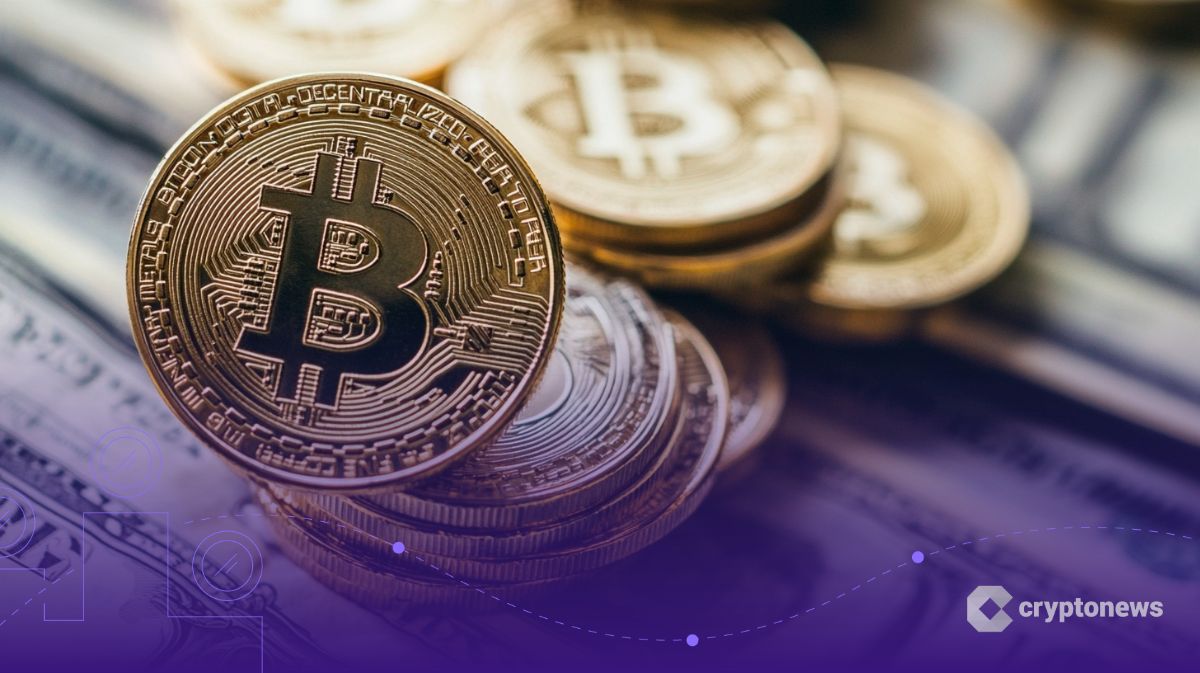

BitBridge has announced plans to begin acquiring Bitcoin for its balance sheet, with the intention of going public by the end of the third quarter of 2025. The company, which is positioning itself as a key player in the cryptocurrency sector, aims to tap into the growing demand for digital assets by developing an ecosystem centred around Bitcoin. This will include offering BTC-backed loans, potentially reshaping the landscape of crypto-finance.

The company’s move to purchase Bitcoin signals a strategic shift towards greater exposure to digital currencies and aligns with the broader trend of institutional investment in crypto assets. With the recent volatility in the cryptocurrency market, BitBridge is positioning itself to capitalise on the emerging financial opportunities in the blockchain space.

Going public under the ticker symbol #BTTL, BitBridge will offer investors the chance to access a growing market for Bitcoin-backed services and investment vehicles. The decision to acquire Bitcoin directly for its balance sheet highlights a growing trend among crypto-focused firms to integrate the asset into their operations as a long-term investment and financial instrument. This development also mirrors actions taken by large corporations, including payment giants like Tesla, which have previously added Bitcoin to their balance sheets.

Alongside the balance sheet expansion, BitBridge is laying the groundwork for an innovative platform that will offer Bitcoin-backed loans. This new service aims to provide an alternative to traditional lending, leveraging the liquidity of Bitcoin to offer credit solutions for crypto holders. These loans, secured by Bitcoin, could appeal to both individual and institutional clients who may be looking to unlock value from their holdings without selling their digital assets.

The potential for Bitcoin-backed loans to disrupt traditional lending models has garnered attention from experts in the fintech space. By collateralising loans with Bitcoin, borrowers can access liquidity while retaining ownership of their crypto assets. This could prove especially attractive in an environment where cryptocurrency adoption is growing, and more individuals are seeking ways to integrate their holdings into the broader financial system.

One of the critical aspects of BitBridge’s strategy will be its approach to regulatory compliance. As governments around the world begin to refine their stance on cryptocurrency, BitBridge’s ability to navigate the regulatory landscape will be crucial for its success. The company’s move to offer Bitcoin-backed loans will likely draw increased scrutiny from financial regulators, especially as concerns grow over the potential risks associated with crypto-backed lending.

BitBridge is also positioning itself within a competitive space, with several established players already offering similar services. However, the company’s focus on Bitcoin as a core asset distinguishes it from others in the market, potentially allowing it to tap into a niche but growing sector of the cryptocurrency market.

In addition to its focus on Bitcoin, BitBridge has emphasised the importance of security and transparency in its operations. As the crypto ecosystem continues to evolve, concerns about cybersecurity and the protection of assets remain top priorities for both investors and users. BitBridge’s commitment to building a secure and transparent platform is likely to play a significant role in attracting users who are wary of the risks associated with the crypto space.

The Africa Debate conference, a pivotal event focusing on trade and investment across the African continent, is set to take place on 30 September 2025 in Dubai. Organised by Invest Africa in partnership with the UAE government, this flagship conference aims to address critical issues surrounding economic growth, investment opportunities, and regional collaboration in Africa. Held in cooperation with the UAE Ministry of Foreign Trade, the conference […]

Ethiopian Airlines has posted an 8% rise in annual revenue for the 2024/25 financial year, driven by a significant increase in passenger numbers and the expansion of its route network. Despite facing operational challenges on some routes due to ongoing conflicts, the airline’s strategic decisions have enabled it to maintain growth momentum. The company has reported an increase in the volume of passengers, which reflects a strong […]

Google has agreed to temporarily pause its artificial intelligence workloads in response to power demand spikes. This decision, which aligns with ongoing efforts to reduce the environmental impact of data centre operations, marks a significant step in balancing technological advancements with energy sustainability. The tech giant’s agreement to pause AI workloads comes at a time when growing concerns around the energy consumption of data centres are increasingly […]

The University of Sharjah has entered into a strategic partnership with Binance Academy, aiming to foster innovation and education in blockchain technology. The Memorandum of Understanding between UOS and Binance’s educational arm marks a significant step towards creating new opportunities in blockchain research and talent development. This collaboration aligns with both parties’ commitment to equipping students and researchers with the necessary tools and knowledge to excel in the rapidly advancing Web3 ecosystem.

The MoU was officially signed by Professor Maamar Bettayeb, Vice Chancellor for Research and Graduate Studies at UOS, and Rachel Conlan, Chief Marketing Officer at Binance, in a move designed to pave the way for long-term cooperation. The agreement will see both entities working together to enhance blockchain education, research, and skills development across a range of fields related to emerging technologies.

This initiative underscores the growing demand for expertise in blockchain, a field that continues to disrupt various sectors, from finance to logistics and beyond. UOS, known for its robust academic offerings, will integrate blockchain curriculum and training into its programs, ensuring that students are equipped with cutting-edge knowledge. Binance Academy, leveraging its global blockchain ecosystem, will provide support with educational materials, workshops, and expert-led sessions to ensure students and researchers have access to the latest industry insights and tools.

The partnership between UOS and Binance is set to contribute to the development of a highly skilled workforce capable of navigating the complexities of blockchain, cryptocurrency, and decentralized systems. With Web3 technologies rapidly transforming industries, it is essential for academic institutions and tech companies to collaborate in developing a skilled workforce capable of driving these innovations forward.

Experts predict that blockchain technology will play a key role in shaping the future of digital transactions, governance, and online security. As such, universities like UOS are increasingly looking to align their curricula with industry needs, preparing students for the evolving demands of the global job market. By working with Binance Academy, UOS hopes to offer an advanced understanding of these transformative technologies, with a focus on real-world applications.

The partnership will facilitate knowledge exchange, where UOS faculty and researchers can engage with blockchain pioneers and industry leaders. This two-way collaboration is expected to foster an environment where academic research can influence real-world blockchain solutions, while industry innovations can be tested and refined within the academic sphere. The ultimate goal is to create a pipeline of talent that is both theoretically grounded and practically skilled in blockchain technologies.

This agreement comes as blockchain adoption continues to accelerate across multiple sectors, with a particular focus on financial services, supply chain management, and data security. As governments and businesses explore the potential of blockchain to enhance transparency, efficiency, and security, the need for skilled professionals in the field is more critical than ever.

Binance, the world’s largest cryptocurrency exchange, has been a strong proponent of blockchain education through its Binance Academy. This initiative is designed to help users and institutions navigate the complexities of blockchain technology. Binance Academy offers free courses, educational resources, and hands-on training on topics such as decentralised finance, blockchain protocols, and crypto assets, all aimed at empowering the next generation of blockchain innovators.

For UOS, this partnership aligns with its broader mission of driving research excellence and innovation within the UAE’s educational landscape. The university has long been at the forefront of integrating emerging technologies into its academic offerings, and this collaboration with Binance marks a new chapter in its pursuit of excellence in research and education.

UOS also stands to benefit from Binance’s deep expertise in the blockchain space, providing students with access to a global network of professionals, innovators, and technologists. Through this collaboration, UOS aims to position itself as a leader in blockchain education within the region, attracting students and researchers who are eager to develop their expertise in a field that is shaping the future of technology.

Blockchain’s potential to decentralise systems and increase transparency has made it one of the most transformative technologies of the modern age. With widespread adoption expected across both developed and developing nations, educational institutions that focus on blockchain research and development are set to play a pivotal role in fostering the next generation of leaders in the space.

Kuehne+Nagel UAE has obtained certification from the Emirates Drug Establishment to store and manage raw pharmaceutical materials at its Dubai South facility. This accreditation positions the company to expand its capabilities in the UAE’s pharmaceutical logistics sector, adding to its existing permissions to store medical products. The new certification signifies an important milestone in the company’s efforts to cater to the evolving needs of the healthcare supply chain in the region.

The newly certified facility allows Kuehne+Nagel to handle raw materials essential for pharmaceutical production, further bolstering its role as a key player in healthcare logistics. It will enable the company to supply critical materials to local and international pharmaceutical companies, ensuring that storage complies with stringent regulatory and safety standards set by UAE authorities. This move aligns with broader efforts in the region to enhance pharmaceutical infrastructure and improve the efficiency of medical supply chains.

Dubai South, known for its advanced infrastructure and strategic location, will play a pivotal role in supporting Kuehne+Nagel’s expanded operations. The facility meets the rigorous storage conditions required for raw materials, including temperature-controlled environments necessary for certain products. The company’s ability to offer these services is expected to help it maintain its competitive edge in an industry where compliance and precision are paramount.

Kuehne+Nagel has long been known for its expertise in logistics solutions, particularly for the healthcare sector. Its global network, combined with an emphasis on regulatory compliance, has made it a trusted partner in the transportation and storage of pharmaceutical products. By acquiring EDE certification, the company solidifies its position in the Middle East, where demand for pharmaceutical products is growing steadily due to population expansion, technological advancements, and a greater emphasis on healthcare reform.

The UAE has become an important hub for pharmaceutical trade and logistics, serving as a gateway to the wider Middle East and Africa. As the global demand for pharmaceutical products continues to rise, the UAE has implemented stringent regulations to ensure that products are handled safely and stored properly. Kuehne+Nagel’s certification underscores the importance of meeting these regulations, particularly in a market where the integrity of medical materials is critical.

This move also highlights the growing trend within the logistics industry towards increasing investment in specialised facilities. Companies are increasingly focusing on providing tailored services that meet the unique needs of the healthcare sector, particularly when it comes to temperature-sensitive products. With its new EDE certification, Kuehne+Nagel is well-positioned to meet these evolving requirements, ensuring that raw materials are stored and handled in compliance with the highest standards.

The UAE government has also placed significant emphasis on aligning with international standards in the pharmaceutical sector. This is part of a broader strategy to bolster the nation’s healthcare infrastructure and make it a leader in pharmaceutical logistics in the region. As such, the EDE certification is not only a reflection of Kuehne+Nagel’s commitment to quality but also a reflection of the UAE’s broader objectives to maintain high standards across all sectors.

Advertisements

Alphabet’s investment arm has fully divested its stake in CrowdStrike, a cybersecurity firm, after initially reducing its holdings in the first quarter. This decision signals a notable shift in the company’s strategy, which had previously seen an active involvement in the growth of CrowdStrike. The tech giant’s divestment raises questions about broader trends in the tech and cybersecurity sectors. The exit from CrowdStrike follows Alphabet’s trimming of […]

Base Network, the layer-2 blockchain backed by Coinbase, has faced its first service interruption in over a year, halting its operations for 29 minutes due to a block production issue. This event marks a significant moment for the blockchain, which has enjoyed a relatively smooth run since its launch in 2023.

The disruption began shortly after 1:00 UTC, with users and developers quickly reporting that transactions were no longer being processed. Blockchain explorers confirmed the halt, with validators unable to produce new blocks for nearly half an hour. The Base Network team acknowledged the issue on its official communication channels, assuring users that the problem was being resolved.

This downtime is the first major service disruption for Base Network since its debut in 2023, a period during which the blockchain has attracted significant attention. It is part of a growing trend of scaling solutions in the Ethereum ecosystem, designed to reduce transaction costs and improve speed, all while leveraging the security of the Ethereum mainnet.

Base, developed by Coinbase, has rapidly gained traction among developers and users alike, particularly due to its integration with the broader Ethereum ecosystem. The blockchain’s promise of low-cost transactions and seamless scalability has made it an attractive option for decentralised finance applications and non-fungible token projects.

For many users and developers, the interruption comes as an unwelcome surprise, especially given the increasing reliance on the blockchain for transactions. The timing of the downtime was also notable, as it occurred during a busy period for crypto markets, leading to further frustration among traders who were unable to execute transactions on the network.

The interruption was linked to an issue with the block production process, which caused delays in adding new blocks to the chain. While Base Network is designed to function as a layer-2 solution, relying on Ethereum’s mainnet for security, the block production issue seems to have been specific to the protocol’s internal mechanics.

Following the disruption, Base Network’s team worked to identify the root cause and restore functionality as quickly as possible. They credited a swift response from the community of validators for preventing a longer service outage, highlighting the collaborative nature of the platform’s decentralised ecosystem.

Despite the temporary setback, Base Network’s broader goals remain intact. The platform is still one of the most anticipated and widely used layer-2 blockchains in the market. It continues to gain support, particularly with Coinbase’s backing, which has provided it with a degree of credibility and a strong user base.

Base Network’s performance is often compared to other layer-2 solutions in the Ethereum space, such as Arbitrum and Optimism. While these blockchains have had their share of issues, including downtime and network congestion, Base’s relatively short disruption marks a rare hiccup in its operation.

The broader implications of the downtime for the blockchain ecosystem remain to be seen, but it serves as a reminder of the ongoing challenges that even the most established projects face in maintaining uptime and reliability. For users, the incident underscores the importance of decentralised infrastructures that can respond quickly to unforeseen technical challenges.

Coinbase, which has long advocated for the benefits of blockchain technology and its potential to revolutionise various industries, will likely use this incident as a learning opportunity. It remains committed to improving the platform’s infrastructure to avoid such disruptions in the future, particularly as the demand for scalable solutions grows.

While the network’s downtime was brief, the event highlights the complexities of operating a layer-2 blockchain that interacts closely with the Ethereum mainnet. Base Network, like other blockchain projects, must navigate the technical and operational challenges of scaling while maintaining trust within the user community.

India’s efforts to strengthen ties with the United States are facing significant hurdles due to key staffing gaps within President Donald Trump’s administration. Diplomatic engagement between the two countries has been hindered as vital foreign policy roles in Washington remain vacant, impacting India’s ability to effectively navigate the US political landscape.

Over the past few months, Indian officials have expressed concerns regarding the lack of permanent appointments in crucial diplomatic positions, including roles at the Department of State and the National Security Council. The vacancies have caused delays in ongoing discussions on key issues such as trade, defence cooperation, and counterterrorism. Despite a shared interest in expanding bilateral relations, the absence of key decision-makers has created a diplomatic impasse, making it increasingly difficult for Indian diplomats to secure face-to-face meetings with senior US officials.

The US has traditionally relied on a network of ambassadors and senior officials to manage foreign policy and maintain smooth relations with global partners. However, under the Trump administration, numerous diplomatic posts remain unfilled, including positions critical to managing India-US relations. These gaps have left many key policy decisions in limbo, complicating efforts to address pressing global challenges, including the Indo-Pacific security framework and trade negotiations.

India, in particular, has been affected by this lack of political continuity. For instance, while the US has reaffirmed its commitment to strengthening defence and economic ties with India, the absence of a US ambassador to India and a permanent Assistant Secretary of State for South and Central Asia has made it difficult to reach concrete agreements. Without these senior officials in place, policy coordination becomes more fragmented, forcing Indian officials to engage with temporary appointees who lack the authority to make significant policy changes.

Indian diplomats have found it especially challenging to build rapport with the Trump administration, which has demonstrated a preference for unconventional approaches to diplomacy. The absence of a steady stream of high-level communication has left gaps in the continuity of US policy towards India, further complicating efforts to resolve existing tensions, such as trade disputes and visa restrictions.

While India has attempted to address these challenges through alternative channels, such as the strategic dialogue and consultations with lower-ranking officials, these engagements have failed to produce the desired outcomes. For example, discussions aimed at resolving trade imbalances and the reduction of tariffs have stalled, with both sides unable to reach an agreement due to a lack of dedicated leadership on either side.

The Indian government, under Prime Minister Narendra Modi, has worked to bolster its position in the global order by forging closer ties with the US. However, without the necessary diplomatic infrastructure in place, India has been forced to wait for the completion of staffing appointments in the Trump administration before advancing critical bilateral agendas. While there has been progress in areas such as defence cooperation, the lack of substantive discussions on trade and technology has caused frustration in New Delhi.

At the heart of this diplomatic challenge is the ongoing uncertainty surrounding the US administration’s foreign policy direction. As key positions remain vacant, the White House’s ability to provide a cohesive strategy on international affairs has been compromised, particularly in its dealings with major global powers like India. This vacuum has also complicated the Trump administration’s broader efforts to pivot its foreign policy towards the Indo-Pacific region, an area of strategic interest to both the US and India.

India’s strategic priorities have been clear: maintaining a robust relationship with the US while balancing its growing ties with China and Russia. As India seeks to navigate these complex geopolitical waters, the Trump administration’s staffing issues continue to be a major stumbling block. The lack of clear leadership in critical areas of US foreign policy has left many in India questioning the future trajectory of their relationship with Washington.

The growing importance of economic and technological collaboration between the two countries has intensified the urgency for resolution. As the US and India aim to establish a more comprehensive partnership, delays in staffing appointments are causing significant setbacks in addressing mutual concerns in areas such as cybersecurity, trade, and investment.

Base has outpaced Solana in the number of newly launched tokens, marking a significant shift in the blockchain space. On July 27, Base recorded over 54,000 newly launched tokens, surpassing Solana, which had just 25,000. This surge has been largely attributed to platforms like Farcaster and Zora, where every post generates a liquid token, further accelerating the trend of token migration.

The momentum on Base has been further bolstered by its unique design, which allows a broader, more accessible environment for token creation. This makes it an attractive platform for the influx of new meme coins and so-called “shitcoins.” These tokens, often driven by speculative trading rather than tangible utility, have seen a sharp rise in numbers and trading activity, particularly on decentralized exchanges. Base’s network appears to be more conducive to this type of activity, offering lower transaction fees and faster processing times.

Meanwhile, Solana is facing a decline in the number of meme coins and other low-value tokens being created. Platforms such as Pump. fun and LetsBonk, which once saw massive trading volumes, have seen a dramatic drop in both trading activity and revenues. Analysts suggest that this decline may be the result of waning interest in Solana’s ecosystem, particularly in the meme token space, as investors and creators seek more profitable or stable alternatives.

The cooling off of meme tokens across the broader market is also evident. The total market capitalisation of these tokens has fallen by approximately 15%, while trading volumes have dipped by more than 50%. This decline reflects a broader trend in the cryptocurrency market, where speculative trading has become less profitable amid increased regulation and a general shift towards more sustainable blockchain projects.

The market for meme coins, often referred to as “shitcoins,” is heavily influenced by social media trends and the speculative nature of investors. Meme tokens are typically not backed by any underlying technology or use case, which makes them volatile and prone to sudden surges or declines. The launch of tokens on platforms like Base has further inflated the meme coin market, though it remains to be seen whether these tokens will have any lasting value.

Farcaster and Zora have become central to this shift in token creation. Both platforms offer users the ability to mint tokens tied to their posts, leading to a rapid increase in the number of tokens being minted. On Zora, every tweet or post can become a tradable token, and this feature has contributed to the surge in tokens on Base. These platforms’ decentralised nature and innovative tokenomics have provided a fertile ground for the growth of these low-value assets.

Solana, on the other hand, is facing stiff competition from other blockchain platforms. The ecosystem that once thrived on high-speed transactions and low costs is now grappling with diminishing enthusiasm for meme tokens. As the market evolves, platforms like Solana, once a leader in decentralized finance and non-fungible tokens, are losing their edge. Despite attempts to rejuvenate its ecosystem through partnerships and updates, Solana has yet to recover the lost momentum in the meme token space.

Deepening “One Core and Two Wings” Strategic Layout Steady Improvement in Business Quality Continuously Enhancing Shareholder Returns HONG KONG SAR – Media OutReach Newswire – 5 August 2025 – The world’s largest telecommunications infrastructure service provider China Tower Corporation Limited (“China Tower”, or the “Company”) (Stock Code: 0788.HK) is pleased to announce its interim results for the six months ended 30 June 2025. Performance Highlights RMB Million […]

Crypto scams are becoming more sophisticated, and one of the most common tricks involves scammers attempting to manipulate users into believing they have received fake Bitcoin transactions. While it may sound far-fetched, such scams are far from uncommon. These fraudulent practices can take on various forms, such as dusting, fake screenshots, or misleading tokens, all designed to cause confusion and exploit trust.

A common scam method involves sending small amounts of Bitcoin, often referred to as “dust,” to a victim’s wallet. The amount is intentionally small and seemingly inconsequential, but the scammer’s goal is to make the recipient believe a larger, more significant transaction has occurred. After this initial “deposit,” the fraudster might follow up with a message claiming the deposit was a mistake or part of an investment payout. The victim is then encouraged to send money back, often under the guise of needing to resolve an error.

In other cases, scammers may not even make any transaction at all. Instead, they will provide fabricated screenshots or manipulated receipts that appear to show a Bitcoin deposit on platforms like Coinbase. These images can be easily crafted, making it difficult for an untrained eye to spot the scam. The intent here is simple: to create the illusion of a legitimate transaction, pressuring the victim into acting quickly.

Another tactic that has gained traction involves scammers sending tokens on networks like Ethereum or Tron, which are designed to look like Bitcoin. These tokens often have names similar to Bitcoin or other reputable cryptocurrencies, tricking the user into thinking they are legitimate. However, these tokens hold no actual value and are simply used as part of the scam.

While these methods are designed to deceive, they are not foolproof. Platforms like Coinbase only allow verified blockchain transactions to be displayed within users’ wallets. Thus, it is highly unlikely that scammers can actually deposit fake Bitcoin into your Coinbase account in the form of a legitimate transaction. The key to avoiding falling victim to such scams lies in how you verify and interpret these transactions.

To protect yourself, always cross-check the authenticity of any transactions using the official platform. For Coinbase users, this means verifying the transaction through Coinbase’s platform itself. If something doesn’t look right or feels off, it’s essential to trust your instincts. Never engage with unsolicited messages, and certainly never share your private information or login credentials with anyone who contacts you unsolicited, claiming to be from the support team.

If you suspect that you have fallen victim to a scam or have received a suspicious transaction, it’s important to act quickly. Report the incident to Coinbase or the relevant platform’s support team, and disregard any further communication from the suspected scammer. These fraudulent actors thrive on confusion and manipulation, so staying informed and cautious is essential in protecting yourself.

By Nantoo Banerjee US President Donald Trump is becoming increasingly unpredictable, if not crazy, with his freakish combination of styles to deal with countries and issues – from trade to diplomacy. The 25 percent import tariff on India since last Friday may not considerably hurt India’s export trade with the US, but it threatens to […]

Abyss Of Dungeons Combines Medieval Dark Fantasy With Extraction-Style RPG Gameplay, Now Bolstered By A Global Web Shop Built In Partnership With Xsolla LOS ANGELES, USA – Media OutReach Newswire – 4 August 2025 – Xsolla, a leading global video game commerce company, announces its latest collaboration with KRAFTON: a dedicated Web Shop for Abyss of Dungeons, the newest dark fantasy extraction Role-Playing Game (RPG) from Bluehole […]

Abu Dhabi’s non-oil foreign trade has seen a remarkable surge in the first half of 2025, marking a robust 34.7% growth to AED 195.4 billion compared to AED 145 billion in the same period of 2024. This growth highlights the ongoing strength of the emirate’s economic diversification efforts, underpinned by its expanding infrastructure and logistical capabilities.

The first six months of 2025 saw a significant increase across various trade segments. Non-oil exports jumped by 64%, reaching AED 78.5 billion, up from AED 47.9 billion in the first half of 2024. This surge underscores the growing demand for products manufactured and processed in Abu Dhabi, with key sectors such as chemicals, metals, and machinery playing a pivotal role in this expansion. The rise in exports reflects the emirate’s increasing competitiveness in international markets, driven by its strong manufacturing base and strategic trade agreements with global partners.

On the import front, Abu Dhabi recorded a 15% increase, amounting to AED 80 billion in H1 2025, up from AED 70 billion in the same period last year. This increase in imports is largely attributed to a growing demand for raw materials and technological advancements, as the emirate continues to develop its industrial and technological sectors. Imports have supported the growth of local industries, providing them with the necessary components to maintain high levels of production and innovation.

Meanwhile, re-exports also showed a healthy rise, increasing by 35% to surpass AED 36 billion, compared to AED 26.6 billion during the same period in 2024. Re-exports have become an increasingly vital part of Abu Dhabi’s trade strategy, leveraging the emirate’s strategic location as a key logistics hub. The UAE’s positioning between Asia, Europe, and Africa has made it an essential node for goods flowing to and from global markets. Abu Dhabi’s efficient ports and transport infrastructure further enhance its appeal as a re-export centre, enabling businesses to access regional and international markets more easily.

Key factors contributing to the growth of Abu Dhabi’s non-oil trade include the continuous improvement of its infrastructure, the advancement of logistics services, and the emirate’s strategic positioning as a global trade hub. The development of world-class airports, ports, and transportation networks has facilitated the smooth movement of goods, bolstering trade flows and enhancing the efficiency of supply chains. Additionally, the UAE’s free trade agreements with various countries and regions have opened up new markets for Abu Dhabi’s goods, further driving growth.

The performance of the non-oil trade sector is also a testament to the success of the UAE’s economic diversification policies. The country has long sought to reduce its reliance on oil revenues by fostering growth in other sectors such as manufacturing, trade, and services. Abu Dhabi, in particular, has been at the forefront of this push, with substantial investments in infrastructure, innovation, and education.

Abu Dhabi Customs has played a key role in supporting this growth by enhancing border management and customs procedures, making it easier for businesses to trade globally. Customs reforms and the adoption of digital technologies have streamlined the trade process, reducing delays and costs for traders and facilitating smoother transactions across borders.

eToro, the globally recognised trading platform, revealed plans to introduce tokenized US stocks and exchange-traded funds on Ethereum. This announcement, made during a global webinar titled ‘eToro Unlocked: Trade Without Boundaries’, marks a significant development in the integration of traditional financial assets with blockchain technology.

The initiative aims to bridge the gap between conventional finance and the burgeoning world of decentralised finance. By utilising Ethereum’s blockchain, eToro will allow users to trade tokenized versions of US stocks and ETFs. This move follows the growing trend of decentralised financial products that provide greater accessibility and transparency to global markets. The tokenisation of these assets is expected to enable fractional ownership, meaning investors can hold and trade portions of stocks and ETFs without the need for a large capital outlay.

This shift is in line with a wider industry push towards blockchain adoption. Major financial institutions, including banks and asset managers, have explored tokenisation as a way to simplify processes, reduce costs, and make trading more efficient. By offering these products on a platform like eToro, which boasts millions of active users, the company is positioning itself as a key player in the digital asset space.

As of now, traditional trading platforms have been somewhat slow to incorporate blockchain technologies, particularly when it comes to mainstream products like equities and ETFs. However, tokenisation is rapidly gaining traction, with the promise of faster transactions, lower fees, and enhanced security. Ethereum, due to its widespread use and robust smart contract capabilities, has emerged as a leading blockchain for such innovations.

The rollout of tokenized US stocks and ETFs will occur in phases. Initially, a select group of eToro users will be given early access to these digital assets, with the plan for a broader launch depending on regulatory approval and market demand. Despite the novelty of tokenised equities, the platform’s offering will be fully compliant with the relevant financial regulations, ensuring that users can trade with confidence.

eToro’s move to embrace Ethereum-based tokenisation comes at a time when other financial services firms are also investigating blockchain’s potential in transforming asset management. For instance, firms like Fidelity and Grayscale have pioneered offerings that allow traditional investment in cryptocurrency, while companies such as JP Morgan and Goldman Sachs have been integrating blockchain technologies into their existing infrastructure.

However, it remains to be seen whether tokenised assets can truly revolutionise the way investors interact with traditional financial products. While blockchain technology offers numerous advantages, including faster settlement times and reduced friction in cross-border trading, the challenge lies in widespread adoption. Regulatory hurdles and market acceptance will play key roles in determining whether tokenisation becomes mainstream or remains a niche offering.

Nonetheless, the trend is gaining momentum. Tokenisation is seen as a way to democratise access to high-value assets that were previously reserved for wealthier investors or institutions. By breaking down these assets into smaller, more affordable fractions, eToro aims to give a wider audience the opportunity to diversify their portfolios, gain exposure to US stocks and ETFs, and participate in a global marketplace.

As eToro has expanded its offerings in recent years, it has positioned itself as a platform that seeks to empower users by providing more trading options and access to a range of global financial products. This tokenisation project is part of eToro’s broader vision of a more open and inclusive financial ecosystem, where geographical and financial barriers are diminished through technological advancements.

A significant infrastructure development has been completed in Dubai, with the opening of an 800-metre tunnel designed to alleviate the city’s growing traffic congestion. The newly constructed tunnel, featuring four lanes in each direction, spans from the junction with Al Khail Road to the existing Sheikh Mohammed Bin Zayed Road. This is part of a larger, ongoing effort to streamline traffic and accommodate Dubai’s expanding population. The […]

The world of cybersecurity has entered an uncharted realm, where artificial intelligence is not only a weapon for cyber attackers but also a critical tool in defending against these increasingly sophisticated threats. As cybercriminals turn to AI to power their attacks, the race is on to develop AI-driven systems that can outthink and outpace malicious algorithms. One of the key figures in this rapidly evolving landscape is […]

ExxonMobil has launched the third edition of its flagship “EXCITE” programme, designed to foster innovation and collaboration within the energy sector. The initiative underscores the company’s commitment to strengthening partnerships and supporting the growth of businesses across the region. This year’s programme introduces enhanced features, offering participants more opportunities to engage with cutting-edge technologies and expert insights.

The EXCITE programme, which was first introduced in 2021, has quickly become a key component of ExxonMobil’s regional strategy, aimed at driving long-term sustainability in the energy sector. Each edition of the programme has sought to build on the lessons of the previous one, refining its approach based on feedback from participants and industry trends. This year’s launch represents a significant step forward, with ExxonMobil seeking to leverage its extensive expertise to address the most pressing challenges in the sector.

A focal point of this year’s programme is the integration of digital transformation initiatives. As the global energy landscape evolves, ExxonMobil has placed a strong emphasis on technology as a tool for enhancing operational efficiency and fostering innovation. By providing participants with access to advanced digital platforms and data analytics tools, the company aims to empower businesses to develop more effective, data-driven solutions.

The EXCITE programme is open to a wide range of organisations, including startups, entrepreneurs, and established companies. Participants gain exposure to ExxonMobil’s vast network of industry leaders and technical experts, providing invaluable mentorship and collaboration opportunities. Through a series of workshops, seminars, and collaborative projects, participants are able to gain a deeper understanding of the latest trends and technologies shaping the future of energy.

A key highlight of this edition is the increased focus on sustainability. As environmental concerns continue to dominate global discussions, ExxonMobil has emphasised the importance of developing solutions that promote energy efficiency, reduce carbon emissions, and support the transition to cleaner energy sources. The company has committed to driving the adoption of renewable energy technologies and promoting the development of sustainable solutions that align with global environmental goals.

The first two editions of EXCITE saw significant success, with numerous startups and small businesses gaining the opportunity to scale their operations through partnerships with ExxonMobil and other stakeholders in the energy sector. These collaborations have led to the development of innovative technologies and processes that are helping to shape the future of energy production and consumption.

The programme also addresses the growing demand for skilled professionals in the energy industry. By offering participants access to training and development opportunities, ExxonMobil is helping to bridge the skills gap in the sector, ensuring that the next generation of energy leaders is well-equipped to tackle the challenges ahead.

ExxonMobil has consistently been at the forefront of efforts to drive innovation and sustainability within the energy sector. With the launch of the third edition of EXCITE, the company is reinforcing its role as a key player in the global energy transition. The programme serves as a testament to ExxonMobil’s ongoing commitment to advancing technologies and solutions that will help meet the world’s growing energy needs while addressing climate change.

A statue honouring Satoshi Nakamoto, the elusive figure behind Bitcoin, has been stolen from its site in Lugano, Switzerland. The monument, unveiled in late 2024, had become an iconic representation of the enigmatic creator of the cryptocurrency, whose true identity remains one of the tech world’s greatest mysteries.

The statue, a large sculpture depicting the name “Satoshi Nakamoto” etched into a series of metallic layers, had captivated visitors and crypto enthusiasts alike since its installation. Situated in the heart of Lugano, it symbolised the city’s growing embrace of blockchain technology and cryptocurrency. For many, the statue was more than just art; it was a tribute to the digital revolution that Bitcoin sparked more than a decade ago.

Authorities were alerted to the theft in the early hours of the morning, when a security guard noticed the conspicuous absence of the monument, which had previously stood proudly at the centre of a public park. The area, which had been carefully monitored by surveillance cameras, now bears only the faint traces of the statue’s former presence, leaving behind a curious and eerie emptiness.

Lugano, a city with strong ties to the cryptocurrency world, had seen significant developments in recent years to become a leading hub for blockchain-based businesses. The city’s proactive approach in fostering crypto-related innovation was epitomised by the statue’s unveiling in 2024, making the theft a significant blow to the region’s reputation.

Local police have launched an investigation into the incident, with officials suggesting that the thieves may have targeted the statue for its material value, given its considerable worth as a work of art. The theft of public art is not uncommon, but the involvement of a high-profile piece linked to one of the most famous figures in tech history has drawn international attention.

Security experts have raised concerns over the vulnerability of public art installations, particularly those linked to high-profile and controversial figures. While the statue’s theft may have been opportunistic, some speculate that it could have been taken as a statement against the pervasive influence of cryptocurrency in traditional finance sectors. Others argue that the absence of the statue only reinforces the mystery of Nakamoto’s identity, highlighting the growing divide between Bitcoin’s revolutionary vision and the material world it inhabits.

A spokesperson for the city’s municipal government expressed their regret over the theft and assured the public that they would work closely with law enforcement to identify the perpetrators. “We are committed to preserving our city’s artistic and technological heritage, and we will take all necessary steps to ensure that such an incident does not occur again,” they said in a statement.

The statue’s disappearance has ignited conversations within the cryptocurrency community, with many speculating on the reasons behind its removal. Some see it as an attempt to erase the legacy of Nakamoto, who has long remained an enigma. Others argue that the theft could be a commentary on the volatile and unpredictable nature of cryptocurrency itself.

Lugano had embraced Bitcoin and blockchain technology with open arms, with the city offering various incentives to crypto companies and developers. It became one of the first cities in the world to allow its citizens to pay for public services with Bitcoin. With this deep connection to the digital currency, the theft of Nakamoto’s statue could be seen as a blow to the city’s ambitions to be at the forefront of the global cryptocurrency movement.

While authorities have not yet identified any suspects, there has been no shortage of theories circulating within the tech community. Some believe that the statue could resurface on the black market, where it might fetch a significant price. Others suggest that the theft could be part of a larger movement aimed at discrediting or disrupting the cryptocurrency space.

Arabian Post Staff -Dubai US-based artificial intelligence company Anaconda, Inc. has raised $150 million in a Series C funding round, marking a significant milestone in its expansion plans. Mubadala Capital, the asset management arm of Abu Dhabi’s Mubadala Investment Company, is among the key investors. This round, led by US software investor Insight Partners, aims to accelerate Anaconda’s growth, focusing on new AI capabilities, strategic acquisitions, and […]

By K Raveendran Donald Trump’s aggressive tariff regime, launched under the guise of bolstering American strength and reclaiming lost economic ground, has triggered a worldwide response that may ultimately defeat the very goal it seeks to achieve. Framed as a nationalist project to assert America’s economic primacy, the tariff war has turned out to be […]

HONG KONG SAR – Media OutReach Newswire – 1 August 2025 – Cushman & Wakefield, a leading global real estate services firm, today released its Life Sciences on the Chinese Mainland – Vital signs: Diagnosing trends in the life sciences real estate market on the Chinese mainland report. It is based on in-depth interview surveys we conducted on professionals active in the life sciences sector on the […]

VISHNU RAJA
RYO YAMADA
HITORI GOTOH
IKUYO KITA