News related to
network

SonicWall’s latest release features built-in Zero Trust, embedded warranty, and co-managed services empowering partners to deliver scalable, smart security with simplicity and confidence SINGAPORE – Media OutReach Newswire – 14 August 2025 – SonicWall today introduced nine new firewalls as part of its Generation 8 portfolio, taking a pivotal step in delivering a cybersecurity platform purpose-built for Managed Service Providers (MSPs), Managed Security Service Providers (MSSPs), and […]

Robinhood has added Floki Inu and Ondo Finance to its cryptocurrency offerings, granting both tokens access to the platform’s 25 million-strong user base. This strategic move has led to significant price surges for both assets, highlighting a growing interest in diverse crypto projects.

Floki Inu, once known primarily as a meme coin, has evolved into a multifaceted ecosystem encompassing decentralized finance, non-fungible tokens, and metaverse initiatives. Its listing on Robinhood marks a significant step in its transition from a niche digital asset to a more mainstream cryptocurrency. The listing has been met with enthusiasm from the community, as evidenced by a notable uptick in trading volume and market activity.

Ondo Finance, on the other hand, is focused on integrating real-world assets into the blockchain ecosystem. By tokenizing assets such as U. S. Treasury bills, Ondo aims to bridge the gap between traditional finance and the crypto world. The platform’s approach has garnered attention from institutional investors, further underscoring the potential of RWAs in the digital asset space.

The inclusion of both tokens on Robinhood underscores the platform’s commitment to diversifying its crypto offerings. While Floki Inu appeals to retail investors with its community-driven approach, Ondo Finance attracts those interested in the convergence of traditional finance and blockchain technology.

A wave of infernos driven by soaring temperatures has engulfed southern Europe, prompting widespread evacuations, mounting fatalities and an unprecedented emergency response. Greece is enduring its fiercest wildfires as blazes near Patras and the islands of Chios and Zakynthos surge into homes, forests and industrial sites, under relentless heat and gusting winds. Nearly 5,000 firefighters and 33 aircraft have been mobilised to contain the flames, while multiple […]

Sentient has rolled out The GRID, an open-source network for artificial general intelligence enabling developers to build, share and monetise AI agents. The launch introduces a decentralised alternative to closed AI platforms such as OpenAI, offering token-based monetisation and interoperability across Web2, Web3 and multiple blockchain ecosystems. At launch, The GRID presents over 40 AI agents, 50 data sources and more than 10 distinct models. Developers gain […]

du has initiated live deployment of 5G-Advanced technology on its network, becoming the first operator in the region—and marking the United Arab Emirates as the first country—to roll out this next-generation capability in cooperation with Huawei. This accomplishment underscores du’s ambition to pioneer telecommunications innovation and strengthen the nation’s digital infrastructure.

The rollout centres on the Dual Band Active Antenna Unit, operating simultaneously in the 3.7 GHz and 2.6 GHz bands. Conceived by du and realised in collaboration with Huawei, this advanced solution merges hardware consolidation with enhanced spectrum efficiency, delivers superior network performance, and significantly trims energy consumption and carbon footprint.

According to du’s chief technology officer, the deployment represents “a monumental leap forward” for both the operator and the telecom sector in the UAE. He stressed that the milestone reflects du’s dedication to offering world-class connectivity and aligns with national objectives to position the country as a global technology leader—in parallel emphasising the importance of building sustainable, future-ready networks.

From Huawei’s perspective, Felix Liu, head of its Carrier Business for the UAE, noted that the company is honoured to support this frontier in 5G-Advanced infrastructure. He described the 5G Dual Band AAU as a flagship solution delivering outstanding network performance and user experience while resonating with the UAE’s sustainability goals.

This achievement builds on du’s history in the region’s 5G evolution. In 2024, du and Huawei introduced the Middle East’s first indoor 5G-Advanced network using three-carrier aggregation alongside Huawei’s LampSite X solution, achieving peak speeds of 5.1 Gb/s in spaces such as malls, hotels, airports, and residential buildings. Prior to that, the two companies had collaborated on a “5G-Advanced Country” initiative and unveiled a 5G-A-enabled demonstration villa featuring 10 Gbps Fixed Wireless Access and XR capabilities.

Technical advances in this live deployment include more efficient use of spectrum and reduced dependence on extensive hardware—a strategic move given the growing demand for capacity and coverage. Dual-band AAUs are expected to support dense urban environments while reducing operational energy use.

This development assumes added significance against the backdrop of the UAE’s broader digital transformation objectives. The Telecommunications and Digital Government Regulatory Authority has championed advanced 5G trials, including initiatives to unlock 10 Gbps speeds with 6 GHz spectrum, in collaboration with service providers such as du.

The industry now closely watches how the live 5G-Advanced network, powered by dual-band AAUs, will impact key user segments—whether in high-density urban zones, enterprise campuses, or immersive content scenarios. Future use cases could span ultra-high-definition streaming, real-time XR, holographic conferencing, and enhanced industrial IoT applications. du and Huawei’s previous commitment, through a memorandum of understanding, to establish a joint innovation centre to drive 5G-A adoption and incubate next-generation services indicates a clear roadmap for expanding from infrastructure to ecosystem development.

A new Ethereum-based meme coin, Pepeto, has raised more than $6.09 million in its presale stage, signalling a strong demand and growing investor confidence in the project. The surge in funding comes as the cryptocurrency market continues to attract speculative investments, with meme coins often riding waves of social media trends and community-driven hype.

Pepeto, which launched its presale only a few weeks ago, is quickly gaining traction among crypto enthusiasts and investors. Its presale has been characterised by significant interest, with the project’s unique branding, which mimics the success of other meme tokens, such as Dogecoin and Shiba Inu, being one of the driving factors. The coin, a derivative of the meme-driven cryptocurrency ecosystem, appears to be tapping into a burgeoning market for low-cost, high-risk investment opportunities.

The presale phase, which is expected to reach its ninth stage soon, represents a crucial point for the token’s developers and backers. Ethereum-based tokens are particularly favoured for their robust network and security features, and the increasing popularity of meme coins on this platform makes Pepeto an attractive option for investors looking for the next breakout opportunity in the highly volatile crypto space.

Unlike other meme coins, which rely heavily on viral marketing campaigns and online communities, Pepeto has garnered attention through strategic partnerships and a steady stream of community engagement. By focusing on building a loyal following through transparency and open communication, the Pepeto team has managed to create a sense of trust among early investors, a key factor in the coin’s rapid success.

While the coin’s development team remains tight-lipped about the specifics of its long-term roadmap, experts believe that meme coins’ reliance on social media-driven hype can be both a strength and a vulnerability. The ability of a coin like Pepeto to maintain momentum and deliver real utility beyond mere speculation will determine whether it can break free from the boom-and-bust cycles that have plagued other meme coins in the past.

As the presale enters its final stages, the token’s backers are already planning its full public launch, which is expected to bring even more attention to the project. However, the risks associated with investing in meme coins are well known, and many market observers have cautioned investors to exercise caution.

Pepeto’s success thus far is a reflection of the broader trend in the crypto market, where meme tokens continue to garner attention and attract speculative investment. The explosive growth of tokens like Dogecoin and Shiba Inu has led to a proliferation of similar projects, all vying for a slice of the highly profitable, yet highly volatile, crypto market.

Critics argue that the speculative nature of meme coins poses a significant risk to investors, particularly as the market experiences periods of high volatility. Given the short-term focus of many meme coin investors, the long-term sustainability of projects like Pepeto remains uncertain. However, the project’s ability to raise funds at this stage is indicative of the appetite for risk among crypto investors.

In parallel, some cryptocurrency analysts believe that the boom in meme coins could be indicative of a broader trend towards decentralised finance and the growing interest in community-led projects. Pepeto’s success, however, will depend on how well it can transition from a meme-based speculative asset into a coin with genuine value.

DHL Express purchases 2,400 metric tons of SAF from Cathay Group to be used on flights operated by Air Hong Kong, an express all-cargo carrier and wholly owned subsidiary of Cathay. The SAF will be used on Air Hong Kong flights departing from Seoul Incheon, Tokyo Narita and Singapore Changi airports. The new agreement underscores both parties’ commitment to lower-carbon air logistics and driving the production and […]

Advertisements

Greenlogue/AP Emerge, a joint venture between Masdar and the EDF Group, has entered into a strategic partnership with Emirates Development Bank to explore collaborative opportunities in the development and financing of distributed solar projects across the UAE. This partnership comes at a critical time when the UAE is accelerating its commitment to renewable energy and sustainability as part of its broader goals for economic diversification and industrial […]

Abu Dhabi-listed Lulu Retail Holdings has posted a modest profit increase for the second quarter of 2025, with net earnings reaching $57 million, up by 2% year-on-year. The retail giant’s revenue for the quarter rose by nearly 5%, hitting $2 billion. This growth was primarily attributed to like-for-like sales growth of 2.1%, reflecting strong consumer demand across its diverse range of products. In the first half of […]

Additional funding allows Agridence to better deliver its traceability modules and ESG solutions across agri-commodity sectors globally. SINGAPORE – Media OutReach Newswire – 13 August 2025 – Agridence Pte. Ltd. (“Agridence”), a Singapore-based technology leader in digital agri-commodity supply chains, today announced a funding round led by Cercano Management and supported by returning strategic investors EXEO Innovation Fund and Provident. This will empower Agridence to rapidly scale […]

The latest version of HandBrake, 1.10, introduces new social media presets that streamline video conversion for platforms like Instagram, TikTok, and YouTube. These presets are specifically designed to optimize videos under 10MB, a crucial size for easy sharing and quick uploads. HandBrake, an open-source video transcoder, has long been a favourite tool for users looking to convert video files to different formats. With version 1.10, the software […]

By Salah Uddin Shoaib Choudhury          (Approx. 705 words) In 2003, Washington justified its invasion of Iraq by claiming Saddam Hussein had Weapons of Mass Destruction and ties to Al Qaeda. These allegations -later proven false – enabled the toppling of Iraq’s leadership, replacing it with an externally controlled regime of opportunists and mercenaries. Iraq’s sovereignty was dismantled, and its oil wealth looted under the watch of the US […]

Hyperliquid, a decentralised exchange platform, has resolved a significant technical issue that temporarily hindered user access to its trading services. The glitch, reported by users in various online communities, involved a disruption that prevented some traders from executing orders and impacted the platform’s ability to update prices accurately. The malfunction, which occurred during a period of high trading volume, raised concerns about the reliability of the system, with some users expressing frustration over the lack of transparency and communication from the platform’s support team.

The issue first came to light after multiple reports surfaced from users who found themselves unable to place or complete transactions, while others faced price slippage due to delays in the system’s updates. The disruption coincided with a surge in demand for certain assets, leading to increased pressure on the platform’s infrastructure. Hyperliquid acknowledged the problem in a statement, revealing that it was related to a backend technical failure in its order-matching system, which handles the execution of trades.

Technical teams at Hyperliquid worked quickly to address the malfunction, with a fix implemented within several hours. The platform’s engineers carried out a series of updates to its infrastructure and order-matching logic, designed to prevent such issues from recurring. Hyperliquid assured its users that it was closely monitoring the situation and would continue to improve its systems to ensure a smooth trading experience in the future.

This glitch on Hyperliquid is part of a wider trend that has raised concerns about the stability of decentralised exchanges, which rely on smart contract-based mechanisms to execute transactions. While decentralised platforms are often touted as more secure and resistant to manipulation, they can face unique technical challenges that centralised exchanges do not. These issues range from software bugs to network congestion and other performance bottlenecks, particularly during periods of heightened activity.

In light of this disruption, many users have called for greater transparency from decentralised exchange platforms regarding their technical operations. Some have questioned whether such glitches could undermine trust in the decentralised finance space, which is increasingly seen as an alternative to traditional financial systems. The DeFi ecosystem has seen explosive growth in recent years, with millions of dollars flowing through platforms like Hyperliquid. However, incidents like this highlight the vulnerabilities inherent in even the most sophisticated blockchain-based systems.

Hyperliquid’s response to the outage, including the quick deployment of a fix, has been largely positive among the platform’s users, although many are still wary of potential future disruptions. Several traders noted that while the issue was resolved swiftly, the lack of clear communication from the platform during the downtime was a point of contention. Some have suggested that platforms like Hyperliquid could benefit from providing users with more detailed updates in real time, especially during periods of service disruption.

The incident has also sparked a broader conversation within the DeFi community about the need for better infrastructure and risk management protocols. Experts have pointed out that while decentralised exchanges offer innovative features such as privacy and self-custody of funds, their technological foundations must be solid enough to handle spikes in demand without compromising the user experience.

BAODING, CHINA – Media OutReach Newswire – 12 August 2025 – Great Wall Motor (GWM) has combined sport, technology, and industrial pride in a landmark event—the 2025 GWM Smart Factory Half Marathon—held inside its Xushui Smart Factory in Baoding, Hebei Province. Over 10,000 runners raced through stamping, welding, and assembly workshops, surrounded by a living showcase of China’s cutting-edge automotive manufacturing. From the rhythmic movements of robotic […]

The crypto and blockchain job market in 2025 has evolved significantly from the early days of experimentation and speculative investment. As the technologies become more established, companies are now scaling operations, emphasising practical application and implementation rather than simply exploring new concepts. This shift reflects a broader maturing of the industry, where the focus is on delivering tangible results rather than relying on hype.

A key trend that has emerged is the demand for mid-to-senior level roles, particularly in project management and operations. While the number of junior-level positions remains steady, it is the more experienced professionals who are driving growth and innovation. These individuals are not only managing complex projects but also overseeing cross-functional teams, making their roles integral to the success of blockchain and crypto companies. The prominence of senior roles is indicative of an industry that is prioritising strategic leadership over individual contributors. However, it’s important to note that job titles in the sector can sometimes be misleading, with roles such as “blockchain architect” or “crypto strategist” often blending technical and managerial responsibilities.

Emerging markets are becoming significant hotspots for blockchain and crypto employment, with companies offering salary multiples that can be as high as 10 times those in traditional industries. Countries in Asia, Latin America, and parts of Africa have seen a surge in blockchain-related job creation. These markets offer cost-effective, yet highly skilled talent pools, making them attractive for businesses looking to expand their workforce. However, this salary gap also reflects a growing disparity in the global job market, where geography increasingly dictates pay rates. In more developed regions, such as the United States and Europe, salaries are certainly high, but the competition for talent is fierce, and the skill set required is rapidly advancing.

In the engineering space, there has been a notable shift towards project management roles outnumbering developers by a ratio of 2:1. This is a direct response to the complexities of managing blockchain and crypto initiatives, which require not only technical proficiency but also strong organisational skills to ensure that projects run on time and within budget. Project managers are expected to liaise with a variety of teams, coordinate development, testing, and deployment, and ultimately ensure the strategic objectives of the company are realised. As blockchain solutions scale up, project management has become just as vital as coding skills.

Hybrid work is no longer seen as a temporary response to global events but as a long-term norm in the industry. Many companies have implemented a 3-4 day in-office work policy, recognising that while remote work allows for flexibility, physical collaboration remains crucial in high-stakes, fast-moving projects. The hybrid model is seen as a way to balance the benefits of in-person interaction with the convenience of working from home. As companies continue to grow, the ability to collaborate effectively both remotely and in person has become a key factor in employee productivity and satisfaction.

The African Development Bank has confirmed it will finance $500 million towards the construction of a new international airport in Ethiopia. Once completed in 2029, the project is expected to become the largest airport on the continent. The new infrastructure forms part of Ethiopia’s broader ambitions to boost its position as a key hub for aviation in Africa, with an emphasis on increasing regional connectivity and expanding […]

Bitcoin continues to follow the fluctuations of global liquidity, with the broader M2 money supply maintaining a positive correlation with its price movements. Recent data indicates that the cryptocurrency has largely mirrored the ebb and flow of liquidity across financial markets, suggesting that the ongoing dynamics between global monetary policies and Bitcoin’s performance could set the stage for further price gains or potential setbacks in the near future.

The M2 money supply, a key indicator of money in circulation that includes cash, checking deposits, and easily convertible near money, has witnessed significant growth over the past few years. This expansion has been a central feature of global central banks’ responses to economic challenges, including the COVID-19 pandemic and subsequent economic recovery efforts. As governments continue to inject liquidity into their economies through various monetary policies, Bitcoin has benefitted from a favourable environment, with its price often tracking the liquidity’s upward trends.

Bitcoin’s price movements have been closely tied to these liquidity expansions. Historically, periods of increasing global money supply have seen the digital asset rise in tandem, benefiting from increased investor confidence and speculative demand. As central banks keep interest rates low and maintain expansive fiscal policies, the resulting surge in M2 liquidity tends to fuel risk appetite in financial markets, often spilling over into assets like Bitcoin.

However, the current economic climate is marked by signs that this positive correlation might face new challenges. While Bitcoin’s price has largely remained on track with liquidity growth, early signs suggest that a potential correction could be imminent. Some market analysts point to signals such as diminishing returns on investments in certain financial markets, growing inflationary pressures, and tightening monetary policies in select regions as indicators that liquidity-driven asset prices, including Bitcoin, might soon face downward pressure.

The potential for a Bitcoin correction is also being discussed more openly as the cryptocurrency approaches new all-time highs. Historically, Bitcoin has experienced sharp price adjustments after reaching peak levels, driven by a combination of profit-taking, shifting sentiment among institutional investors, and changes in macroeconomic conditions. As a result, while the positive liquidity-Bitcoin correlation remains intact for now, market watchers are increasingly cautious, aware that the prevailing optimism could be replaced by a recalibration in response to evolving economic factors.

At the heart of the concern is the likelihood that the global liquidity boom, fuelled by expansive monetary policies, may be coming to an end. Some central banks, especially in developed economies, have already started to signal their intention to reduce stimulus measures. The United States Federal Reserve, for example, has been gradually winding down its bond-buying programme, a step that many analysts view as the first indication of a potential shift towards tighter monetary conditions. Should this trend continue, it could have significant repercussions for Bitcoin’s price, which has thrived in an environment of abundant liquidity.

Bitcoin’s reliance on speculative investment has always made it vulnerable to shifts in broader financial market conditions. As institutional investors and retail traders adjust their portfolios in response to global liquidity changes, the cryptocurrency market often experiences heightened volatility. A slowdown in liquidity growth, combined with the tightening of fiscal policies, could lead to increased market caution, potentially slowing down Bitcoin’s momentum.

Despite these concerns, Bitcoin’s long-term outlook remains closely intertwined with global liquidity. As central banks continue to maintain expansive monetary policies, the cryptocurrency may still benefit from an influx of capital seeking higher returns in an environment of low interest rates. However, the risk of a market correction should not be underestimated. With rising inflationary pressures in many countries and increasing calls for tighter monetary policies, Bitcoin’s trajectory could experience turbulence in the short term.

SINGAPORE – Media OutReach Newswire – 12 August 2025 – As scam networks across Southeast Asia grow more coordinated and transnational, the Global Anti-Scam Alliance (GASA) is responding with counterforce and progress. This year’s Global Anti-Scam Summit (GASS) Asia 2025 will be held on 2-3 September in Singapore and will convene over 1,200 industry leaders, policymakers, and enforcement agencies from over 60 countries (physical and online) to […]

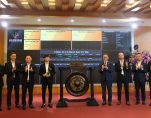
HANOI, VIETNAM – Media OutReach Newswire – 11 August 2025 – F88 Investment Joint Stock Company (F88) on August 8 officially listed over 8.26 million shares for trading on the UPCoM platform. Over 8.26 million shares of F88 was officiallt listed on the UPCoM platform. Photo courtesy of F88 With a reference price of VNĐ634,900 (US$24) per share on its first trading day, F88 now holds the […]

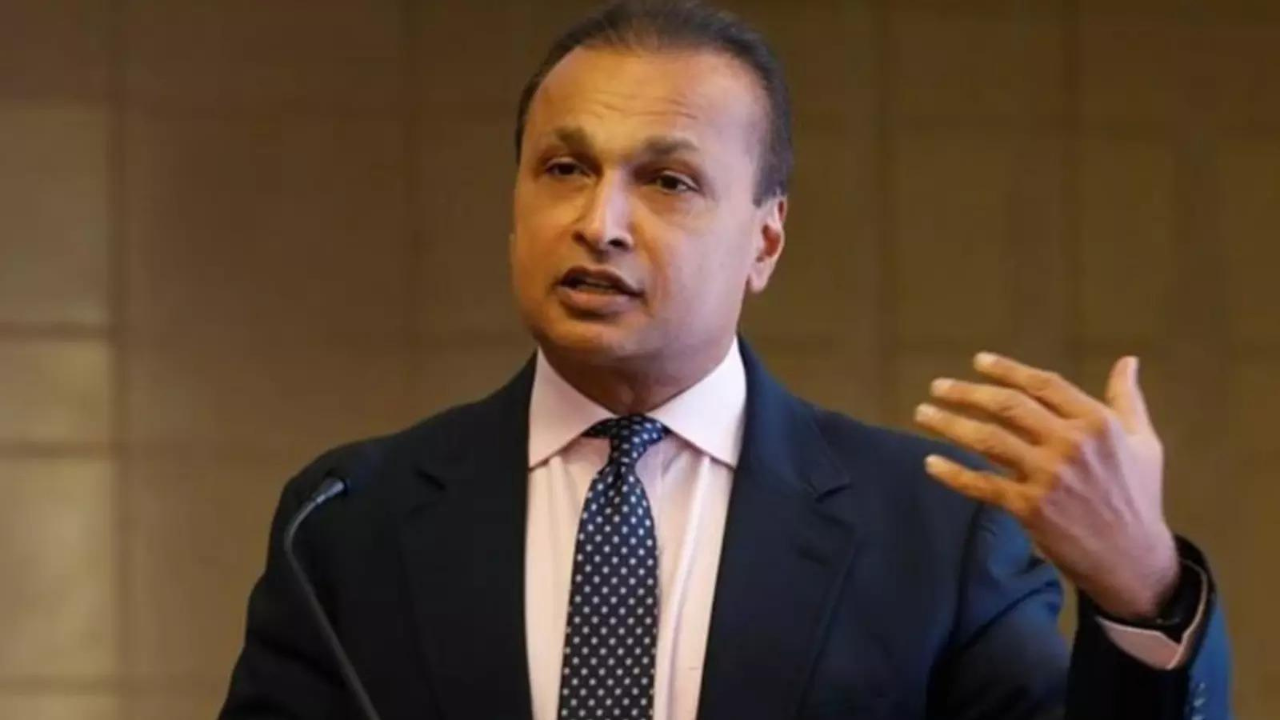
By Nantoo Banerjee The regular news feed by India’s Enforcement Directorate on alleged massive money laundering by the Reliance Anil Ambani Group (RAAG), which is also known as the Anil Dhirubhai Ambani Group (ADAG), seems to have been designed more to create an abominable sensation around the flamboyant entrepreneur than any other serious purpose. The […]

Information technology expenditure across the Middle East and North Africa region is poised to climb to $169 billion by 2026, reflecting a notable 8.9 percent growth from 2025, according to projections from Gartner. The surge in IT spending underscores a region-wide shift towards digital transformation, fuelled by the increasing reliance on artificial intelligence, intelligent automation, and AI-optimised infrastructure enhancements. This rise in spending is taking place against […]

Dubai’s real estate sector has seen a notable surge in licensed activities, with 4,049 new registrations reported in the first half of 2025. This increase highlights the city’s continuing appeal as a hub for global investment, underscoring its position as a growing economic powerhouse.

The expansion in real estate-related activities is a key indicator of investor confidence in Dubai’s property market. The city’s ongoing efforts to enhance its investment climate, alongside the development of new regulations and policies, have solidified its standing as a global player in the real estate sector. The uptick in the number of new real estate ventures reflects a broader trend of diversification in the market, as Dubai seeks to expand beyond traditional residential and commercial projects into emerging sectors like hospitality, mixed-use developments, and smart city infrastructure.

The Dubai Land Department has been instrumental in driving these developments by continuing its focus on transparency, innovation, and regulatory improvements. One of the standout features of Dubai’s property market has been its emphasis on simplifying procedures for investors, which has directly contributed to the rise in new real estate-related ventures. The DLD’s efforts to digitise property transactions and improve investor accessibility have been particularly significant in this regard.

Dubai’s status as a business-friendly environment has also played a critical role in attracting international investors. Policies such as long-term residency visas, 100% foreign ownership in certain sectors, and reforms in property ownership laws have all enhanced the city’s attractiveness to global capital. The emirate’s strategic location, offering easy access to both Eastern and Western markets, has further positioned it as a key destination for multinational companies and high-net-worth individuals looking to invest in its growing real estate sector.

Dubai’s commitment to diversification has allowed it to weather global economic fluctuations better than many other markets. The emirate’s drive towards sustainability and innovation in urban planning has led to the development of numerous smart city projects, which blend residential, commercial, and leisure spaces in ways that appeal to both investors and residents. These initiatives have attracted attention from international real estate developers who view Dubai as a model for the future of urban living.

The diversification of Dubai’s real estate market is not limited to the types of properties being developed, but also to the services and amenities that accompany them. The growing prominence of serviced apartments, co-working spaces, and eco-friendly developments shows that the market is increasingly catering to a wide range of needs. The ongoing shift towards more integrated communities reflects broader global trends, such as the rise in remote working and demand for work-life balance.

Dubai’s real estate sector has also been buoyed by its ambitious infrastructure projects, such as the expansion of its transport network, the Dubai Expo City, and the upcoming World Expo 2030, which is expected to bring even more global attention and investment to the emirate. The government’s plans to develop future-focused infrastructure align with global trends in technology, sustainability, and connectivity, positioning the city as a model for future urban development.

Investor interest in Dubai’s property market is further supported by the city’s relatively stable macroeconomic environment. The UAE’s strong economic performance, backed by diversification efforts in sectors like tourism, technology, and renewable energy, continues to drive demand for commercial and residential properties alike. Despite global uncertainties, the Dubai real estate market remains a safe haven for investors, thanks to its robust regulatory framework, investor-friendly policies, and a growing base of international buyers.

The Gulf region is fast becoming a significant alternative hub for Indian jewellery manufacturing and exports, spurred by rising trade tensions between the US and India. Experts point to the growing challenges faced by Indian jewellers, particularly as American tariffs on Indian imports climb in response to geopolitical factors, including India’s continued oil purchases from Russia.

The latest move by the US, led by an executive order from President Donald Trump, has intensified trade uncertainties. The executive order, signed on Wednesday, introduces a hefty 25 per cent tariff on Indian goods, with specific implications for the jewellery sector. This tariff hike, effective in three weeks, increases the overall tariff burden on Indian imports to 50 per cent—one of the highest rates the US has imposed on its trading partners.

For years, India has been the global leader in jewellery manufacturing, with a robust presence in the international market, particularly in the US. However, the imposition of punitive tariffs has forced many Indian jewellers to rethink their export strategies. The Gulf region, traditionally a key market for Indian gold and precious stones, is now gaining prominence as a strategic manufacturing base, offering a more favourable trade environment.

The decision to shift operations to the Gulf is driven by a combination of factors, including the region’s strategic geographic position and its trade agreements with major markets. Countries like the UAE and Bahrain have long been involved in the jewellery trade, but as tariffs increase on Indian exports to the US, their roles are now being redefined. Experts suggest that the Gulf’s advanced infrastructure, coupled with an array of free trade agreements, makes it an attractive destination for manufacturing and re-exporting high-end jewellery to global markets, including the US.

The Dubai Gold and Jewellery Group, one of the region’s leading jewellery trade bodies, has welcomed the shift, noting the opportunities it presents for growth. The UAE, in particular, has developed an attractive ecosystem for jewellery manufacturers, offering tax incentives, access to advanced technology, and a well-established logistics network. These benefits make it an appealing alternative for Indian jewellers seeking to bypass the punitive tariffs imposed by the US.

India’s reliance on the US market for jewellery exports, particularly in the high-end sector, has been significant. However, as the tariff burden becomes heavier, companies are exploring alternatives that provide both cost-effectiveness and access to lucrative international markets. Several large manufacturers have already established bases in the UAE, with plans to expand their operations further into the region.

A noteworthy trend is the increasing collaboration between Indian and Gulf-based jewellery firms. These partnerships are focused on expanding manufacturing capabilities while reducing reliance on traditional export routes. The UAE, with its business-friendly policies, is proving to be an ideal locale for jewellery production, particularly for smaller-scale businesses that are unable to absorb the full impact of the US tariffs.

One of the key drivers of this shift is the growing US demand for luxury goods, including jewellery. The tariff hike, while discouraging direct exports from India, has not dampened the appetite for high-quality jewellery. Instead, it has prompted companies to explore alternative routes to meet this demand. Experts point out that the Gulf provides a strategic advantage for such businesses, offering them the flexibility to maintain their competitive edge without the added burden of trade barriers.

The Gulf’s importance in the global jewellery trade has long been overlooked in favour of established centres like India. However, as geopolitical tensions continue to shape trade flows, the region’s position as a central player in the jewellery manufacturing process is becoming more evident. Industry insiders predict that over the next few years, the Gulf’s jewellery manufacturing and export capabilities will only grow stronger, reshaping the global jewellery supply chain.

For Indian jewellery manufacturers, the shift to the Gulf represents a broader strategy to diversify their risk exposure. By establishing a presence in markets that are less susceptible to abrupt policy changes, Indian companies are better positioned to mitigate the impact of volatile geopolitical situations. The expansion of Gulf-based jewellery production also ensures that India maintains a foothold in the lucrative US market, even as tariffs continue to escalate.


Mira Developments, a UAE-based luxury real estate developer, has made a significant move into Oman with the acquisition of a one million square foot plot of land in the Dhofar Governorate. This strategic expansion positions the company to tap into the growing demand for luxury properties in Salalah, particularly as the region gains attention for its potential in high-end tourism and residential developments.

The announcement came shortly after Mira Developments hosted a high-profile three-day mastermind retreat that brought together over 100 top-tier real estate professionals. The retreat, which included brokers, architects, and representatives from luxury brands, marked a pivotal moment in the company’s ambitious expansion strategy. The event served as both a networking platform and a launchpad for the company’s upcoming developments in Oman, including the highly anticipated Mira Coral Bay project.

Mira Developments’ decision to enter the Omani market underscores its broader vision to become a leader in luxury branded living across the Gulf Cooperation Council region. With a focus on integrating premium design, sustainability, and lifestyle excellence, the company aims to set new standards for luxury communities in the region. The project will not only contribute to the local economy but also elevate the standards of residential living in Salalah, which is emerging as a prime destination for affluent residents and tourists.

The retreat, which was set against the picturesque backdrop of Salalah’s unique natural landscape and the refreshing Khareef season, proved to be the perfect setting for brainstorming and collaboration. The event featured a series of workshops and strategic roundtable discussions that aimed to push the boundaries of innovation in real estate. Participants explored opportunities for cross-sector collaboration and exchanged insights on future trends in luxury living, from sustainable architecture to cutting-edge smart home technology.

The Dhofar region, known for its lush green landscapes and pristine coastline, offers a distinctive appeal for luxury developments. Salalah, in particular, is poised to benefit from its increasing popularity as a year-round destination. The Khareef season, which attracts tourists with its cool climate and stunning natural beauty, provides an ideal environment for high-end real estate projects designed to offer both comfort and exclusivity.

Mira Coral Bay, the flagship development, is expected to feature world-class amenities, including bespoke residences, upscale retail spaces, and recreational facilities, all designed to cater to the discerning tastes of luxury buyers. The development will incorporate sustainable practices, aligning with Mira Developments’ commitment to environmental responsibility. The company has also indicated that its approach will prioritise creating harmonious, eco-friendly communities that blend seamlessly with the natural surroundings of Salalah.

Real estate experts have noted that the luxury property market in Oman is ripe for development, particularly in regions like Dhofar. With its stunning landscapes and growing infrastructure, Salalah offers an attractive proposition for high-end investors looking for new opportunities outside of the more saturated markets in the UAE and Saudi Arabia. The entry of Mira Developments into the Omani market is seen as a significant endorsement of the potential of Salalah as a luxury destination, and the project is expected to attract both regional and international investors.

While Mira Developments’ focus is on luxury properties, its broader vision extends beyond just creating high-end residences. The company aims to shape the future of luxury living by fostering innovation and collaborating with leading experts across industries. Through its strategic expansions, Mira Developments is positioning itself as a key player in the future of real estate development in the GCC region.

VISHNU RAJA
RYO YAMADA
HITORI GOTOH
IKUYO KITA