News related to
security

The United States government’s approval for Nvidia to export its powerful H200 artificial intelligence chips to China has upended expectations across global technology markets and deepened debate over export controls and strategic competitiveness. President Donald Trump confirmed that U. S. authorities will permit sales of Nvidia’s H200 processors to approved Chinese customers under a regime that levies a 25 per cent levy on such transactions, a policy […]

A coordinated cyber campaign using artificial intelligence to disguise malicious code is targeting researchers, developers and security professionals by exploiting trust in GitHub repositories, raising concerns about the resilience of open-source supply chains relied upon across academia and industry. Security analysts have identified a network of polished repositories seeded with a previously undocumented backdoor, dubbed PyStoreRAT, which is being distributed through reactivated GitHub accounts that had lain […]

A proposal in the House of Lords to restrict the use of virtual private networks by under-16s has reignited debate over child online safety, digital privacy and the enforceability of age-based controls. The amendment, put forward during scrutiny of the government’s online safety framework, aims to prevent children from using VPNs to bypass age checks on social media, adult content platforms and other regulated online services. Supporters […]

Sales at Elon Musk-owned social network X rose during the third quarter, offering a measure of momentum for a platform still absorbing heavy costs tied to restructuring, infrastructure upgrades and efforts to revive advertiser confidence after a turbulent period. The company, formerly known as Twitter, recorded higher revenue compared with the same quarter a year earlier, according to people familiar with its financial performance. The improvement reflects […]

Pick n Pay has accelerated its push into in-store financial services, positioning its supermarket network as a bridge between formal banking and millions of consumers who remain underserved by traditional financial institutions across South Africa. The retailer says the initiative is aimed at turning everyday shopping locations into secure, affordable access points for essential financial services, particularly in townships, rural areas and lower-income urban neighbourhoods. The group’s […]

Warnings that Japanese companies face existential risks if supply chains linked to China are disrupted are sharpening the debate in Tokyo over economic security, diversification and the costs of geopolitical strain in East Asia. Hidetoshi Tashiro, chief economist at Infinity LLC and chief executive of Terra Nexus Project Management Services, said the most serious danger from worsening Japan–China relations lies not in tariffs or diplomacy but in […]

By Nitya Chakraborty The announcement by the Bangladesh Election Commission on the holding of general elections in Bangladesh on February 12 next year is a major development in the evolving politics of South Asia, especially with respect to India. The EC statement was welcomed by all the contesting political parties. The nomination process will be […]

The article Bangladesh Elections On February 12, 2026 Matter A Lot To India appeared first on Latest India news, analysis and reports on Newspack by India Press Agency).

Advertisements

A sophisticated cyber-espionage campaign attributed to North Korean state-linked hackers has exploited a critical vulnerability in React Server Components to deploy a stealthy remote access trojan known as EtherRAT, security researchers and incident responders say. The operation highlights a convergence of web application flaws and blockchain-based command-and-control techniques that complicates detection and response for organisations running modern JavaScript stacks. The attack chain centres on a flaw dubbed […]

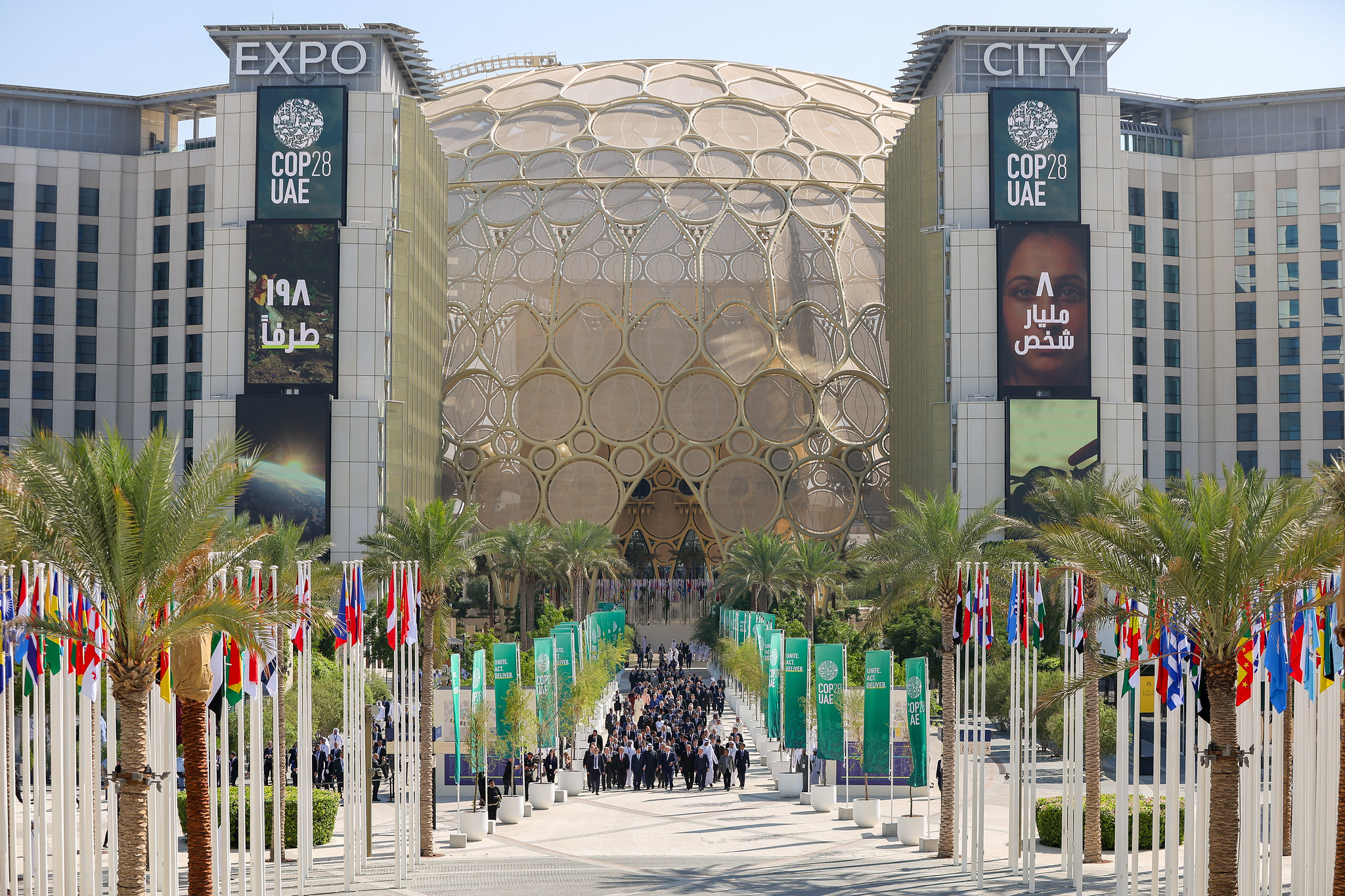
Abu Dhabi has hosted the CGIAR System Council meeting for the first time in the Arabian Gulf region, marking a significant moment for global agricultural governance and underscoring the UAE’s ambition to position itself as a convening hub for food systems innovation, climate resilience and sustainable development.

The gathering brought together representatives of governments, multilateral organisations, donors and research leaders who collectively oversee CGIAR, the world’s largest public agricultural research partnership. The System Council sets strategic direction, approves funding allocations and assesses the impact of research programmes that influence food security for hundreds of millions of people, particularly in climate-vulnerable regions.

Hosting the council in the UAE reflects a broader shift in global agricultural research towards regions facing acute water stress, rising temperatures and land degradation. Officials involved in the meeting emphasised that solutions for future food systems must be designed and tested in environments that mirror the challenges many countries already face, including arid climates and fragile ecosystems. The Gulf, long associated with food import dependence, is increasingly presented as a laboratory for innovation in desert agriculture, controlled-environment farming and climate-smart technologies.

CGIAR’s research portfolio spans crop improvement, climate adaptation, nutrition, water management and biodiversity conservation. Its network includes 15 research centres operating across Africa, Asia, Latin America and parts of the Middle East. Discussions in Abu Dhabi focused on aligning research priorities with accelerating climate risks, tightening development budgets and the need to demonstrate measurable outcomes for smallholder farmers and vulnerable communities.

Senior figures attending the meeting highlighted the urgency of scaling innovations that improve productivity while reducing environmental footprints. Heat-tolerant crop varieties, drought-resilient seeds, precision irrigation systems and data-driven advisory services were cited as areas where scientific advances are already delivering tangible benefits. Council members also reviewed progress on integrating gender equity and nutrition outcomes into agricultural research, recognising that yield gains alone do not guarantee food security.

The UAE’s role as host was framed around its investments in agri-tech, food security strategies and international development partnerships. Over the past decade, the country has expanded funding for agricultural research, supported pilot projects in arid farming and strengthened ties with international institutions working on climate adaptation. Officials involved in organising the meeting said the decision to host the council aligned with national priorities on sustainable food production and knowledge-based economic diversification.

Beyond symbolism, the location influenced the agenda. Sessions examined how lessons from desert agriculture can be adapted for other water-scarce regions, including parts of Africa and Central Asia. Controlled-environment agriculture, including greenhouse and vertical farming, featured prominently as participants assessed their potential to complement open-field farming rather than replace it. Energy use, affordability and scalability in lower-income settings were central to these debates.

Financing emerged as a critical issue. CGIAR operates in an environment of competing global crises, where humanitarian needs, climate finance and development assistance all draw from limited public funds. Council members discussed strategies to broaden the donor base, attract blended finance and strengthen partnerships with the private sector without compromising CGIAR’s public-good mandate. Transparency, accountability and rigorous impact evaluation were repeatedly emphasised as essential to maintaining donor confidence.

The meeting also addressed governance reforms within CGIAR, which has undergone structural changes aimed at improving coordination across its research centres. Council members reviewed progress on streamlining programmes, reducing duplication and enhancing collaboration with national research systems. Strengthening ties with regional institutions in the Middle East and North Africa was identified as an opportunity to expand the reach of research outputs while respecting local contexts.

Dubai has taken a decisive step toward autonomous urban transport with the launch of a pilot public robotaxi service on the Uber app, allowing selected users to book self-driving rides within designated zones of the emirate. The initiative, rolled out by the Roads and Transport Authority in partnership with autonomous technology firm WeRide and Uber Technologies, marks the first time such a service has been made available […]

PwC Middle East has relocated its Riyadh office to Laysen Valley, underscoring the professional services firm’s deepening commitment to the kingdom as demand for advisory, audit and consulting services accelerates alongside economic transformation programmes. The new office brings PwC’s teams and capabilities together in a larger, purpose-built environment designed to support collaboration, client delivery and skills development. The firm said the facility is intended to serve as […]

Global development officials are assessing faltering progress on sustainable development targets as the United Nations Development Programme warns that economies and communities face mounting pressures from climate shocks, widening inequality, and geopolitical instability. The review comes at a time when the Global Environment Outlook 7 underscores the scale of environmental disruption, projecting that unchecked climate change could shave about 4 per cent off annual global GDP by […]

Ubuntu is set to expand support for AMD’s data-centre GPUs after Canonical confirmed that it is working with the chipmaker to deliver a streamlined, fully integrated version of the ROCm software stack in upcoming releases of the operating system. The decision marks one of the most significant efforts yet to improve deployment of AMD accelerators across enterprise servers, cloud environments, and developer workstations as demand for AI […]

The Tor Project has marked a significant milestone in its multi-year effort to reengineer its core software by advancing Arti, the Rust-based implementation of the anonymity network, with the launch of version 1.8.0. The update introduces enhanced circuit isolation to reduce fingerprinting risks and new tools designed to streamline the migration of critical onion service keys from the legacy C codebase — part of a broader shift […]

Australia’s attempt to block under-16s from accessing major social media platforms was immediately challenged as teenagers bypassed the new restrictions within hours, surfacing concerns over the policy’s design, its rapid rollout, and the possibility that younger users could drift towards platforms with fewer safeguards. The ban, introduced as part of a national response to mounting concerns over online harm, requires platforms including Meta’s Instagram and Facebook, TikTok, […]

A wave of ambition is reshaping the technology landscape as leading entrepreneurs turn their attention to building artificial intelligence data centres in space. What began as scattered experiments in off-planet computing has matured into a competition among industry powerhouses seeking an edge in processing capacity, energy efficiency, and control over the infrastructure that will anchor next-generation AI systems. The pursuit is driven by the belief that Earth-based facilities are reaching fundamental limits, from land availability to cooling constraints, and that low-Earth orbit may provide the only environment capable of sustaining the exponential escalation in computational demand. Advocates frame this as an extension of a long-standing principle in engineering and exploration: to put human ingenuity to its fullest possible use, wherever the boundaries of science allow.

Several major technology leaders have stepped into this arena over the past two years. Their investments reflect a profound shift in strategy as companies realise that AI models cannot continue to scale using terrestrial infrastructure alone. The voracious energy requirements of large-scale training workloads challenge even the most advanced data-centre designs, pushing firms to explore solutions that draw on off-planet solar power and exploit the vacuum of space for passive cooling. Executives argue that orbiting facilities promise a cleaner energy profile, reduced environmental impact, and unprecedented independence from Earth’s physical constraints. As one aerospace investor remarked during a private industry event, the next digital revolution may be fuelled not by new algorithms but by new geography.

Engineering teams working on these orbital concepts often describe them as a convergence of satellite technology, chip innovation, and AI architecture. The logic is straightforward: satellites already operate reliably in extreme conditions with limited maintenance; AI systems increasingly require specialised compute hardware that benefits from consistent temperature conditions; and the economics of launch have changed dramatically due to reusable rockets. Once the cost of placing hardware into orbit falls to thresholds comparable to building premium facilities on Earth, the case for space-based computing strengthens considerably. What was once a speculative thought experiment has become a viable commercial target because access to space is no longer a privilege of governments alone.

However, the motivations driving this race are not solely technical. Strategic considerations weigh heavily. Ownership of orbital AI capacity promises unparalleled control over data sovereignty and computational independence. For executives wary of regulatory intervention or geopolitical risk, space offers a jurisdictional buffer that has become increasingly attractive. The ability to operate hardware outside traditional national borders gives corporations leverage at a moment when governments are tightening rules on data transfer, algorithmic transparency, and cloud-computing dependencies. Critics warn that this dynamic could set the stage for tension between public oversight and private ambition, particularly as orbital networks start to support commercial, defence, and financial applications simultaneously.

Security analysts have begun to examine the implications of off-planet AI infrastructure for global stability. On one hand, distributing critical systems across multiple orbital layers may reduce the vulnerability of communication and computing networks to terrestrial attacks or natural disasters. On the other, it introduces fresh risks, as high-value satellites could become targets in future disputes. Industry leaders tend to emphasise resilience and cooperation, arguing that shared standards and open coordination mechanisms can prevent escalation. Yet even in the early stages of development, commercial confidentiality and competitive pressure limit transparency, raising questions about how cooperative such a system can truly be.

Environmental considerations further complicate the picture. Proponents argue that orbital facilities will dramatically reduce the carbon footprint of data centres by tapping continuous solar energy and eliminating the need for extensive water-based cooling. They claim that redirecting computation to space will relieve pressure on overloaded terrestrial grids and free up land used for sprawling data-centre campuses. Environmental organisations counter that launching hundreds of tonnes of hardware into orbit will generate emissions during the construction phase and intensify concerns about space debris. Engineers involved in the projects acknowledge these issues but maintain that the long-term carbon savings outweigh the initial costs. Some firms have begun exploring closed-loop manufacturing cycles using recycled orbital material, a concept still in its infancy but increasingly part of corporate presentations.

The economic dimension of the space computing race has also attracted significant attention. Venture capital firms see orbital AI networks as a foundational platform similar in scale to the early internet, creating opportunities for startups focused on maintenance robotics, radiation-hardened chips, inter-satellite laser communication, and autonomous control systems. Government space agencies have shown interest too, recognising that private data-centre initiatives could stimulate broader commercial activity in orbit. Financial analysts caution that the capital intensity of these projects is immense and that many entrants may struggle to secure the funds required to move from prototype to full-scale deployment. But they also acknowledge that the firms leading the charge have histories of turning audacious concepts into viable industries.

One of the most compelling arguments for orbital AI centres revolves around scientific potential. Researchers emphasise that such facilities could support breakthroughs in materials engineering, climate modelling, pharmaceutical development, and astrophysics. Training models in microgravity environments may enable experiments that are impractical on Earth, and the isolation of orbital systems creates opportunities for secure high-performance computing dedicated to sensitive research. A prominent AI scientist recently noted at a conference that new frontiers in intelligence will be unlocked only when researchers have access to computational substrates as novel as the algorithms themselves, and that space may provide exactly that.

Despite enthusiasm, several fundamental questions remain unresolved. Energy transmission is one of them. While orbiting platforms can harness abundant solar power, efficiently transferring that energy to onboard compute clusters and ensuring stable operation during orbital night remains a challenge. Another issue concerns maintenance. Although robotic servicing is improving, most concepts still require periodic human intervention, raising questions about safety, reliability, and cost. Legal scholars are also wrestling with the future regulatory landscape, debating whether orbital AI nodes should be governed by space law, telecommunications frameworks, or entirely new agreements. These uncertainties highlight the complexity of forging infrastructure that defies conventional definitions.

Public perception is another area shaping the debate. The idea of billionaire-led initiatives expanding beyond Earth has drawn criticism from those who view it as a diversion of resources from urgent terrestrial needs. Advocates counter that technology has always advanced through bold exploration and that the benefits of space-based AI will eventually extend across society, from medical research to disaster forecasting. Several industry leaders have used narratives emphasising human progress and responsibility, suggesting that building orbital computing platforms represents a contribution to global knowledge rather than a retreat from Earth’s challenges.


By Nitya Chakraborty For rich European nations, especially the troika Germany, France and Britain, the geopolitical situation that is unfolding in the year 2026 has enough elements of an existential crisis as a result of the announcement of the US policy on global security which marginalizes the role of European nations and NATO in the […]

The article Where Is Europe Placed In The Emerging Global Geopolitics? appeared first on Latest India news, analysis and reports on Newspack by India Press Agency).

Fatima Al Hammadi’s outline of Abu Dhabi’s financial innovation ambitions underscores a drive to build a deeper, more connected ecosystem designed to accelerate growth across fintech, insurance, digital assets and emerging financial technologies. Her comments highlight a strategy aimed at consolidating the emirate’s position among global financial centres while creating a broader platform for sector-wide collaboration. Abu Dhabi’s FinTech, Insurance, Digital and Alternative Assets cluster has been […]

SINGAPORE – Media OutReach Newswire – 11 December 2025 – In a labour market reshaped by digitalisation and industry transitions, working adults in Singapore increasingly turn to short, skills-focused programmes to stay employable, switch roles, or move into growth sectors. The national SkillsFuture movement, administered by SkillsFuture Singapore (SSG), exists precisely to make such upskilling accessible, combining course subsidies, credit top-ups, and train-and-place pathways that prioritise employment […]

Abu Dhabi has secured a strategic collaboration between the Abu Dhabi Investment Office and US-based Prudential Financial Inc aimed at bolstering the emirate’s capacity in long-term retirement savings, income solutions and reinsurance as part of its financial sector transformation agenda. The agreement, unveiled during Abu Dhabi Finance Week 2025, also sees PFI joining the FinTech, Insurance, Digital and Alternative Assets cluster, a cornerstone initiative designed to position […]

Senegal is moving to start construction of a domestic gas pipeline network before the end of 2025, marking a decisive step in its strategy to channel offshore gas discoveries into power generation and industrial development. The announcement from Petroleum and Energies Minister Birame Soulèye Diop signals that the government aims to accelerate the transition from planning to execution as major gas projects come onstream. The minister confirmed […]

Dubai International welcomed more than 1,500 athletes and support staff arriving for the Asian Youth Para Games 2025, marking one of the airport’s largest coordinated movements of para-sport delegations. The arrivals signal the start of a multi-day operation that showcases both the scale of the tournament and the city’s preparations to accommodate teams from across Asia. Organisers confirmed participation from 35 countries, reflecting the growing prominence of the event on the continental sporting calendar.

Authorities overseeing the operation said the airport’s teams had been preparing for months to ensure a smooth entry process for the delegations. The DXB sets stage for major para youth gathering theme was reflected across arrival halls, where dedicated lanes, mobility-assistance teams, and multilingual volunteers were deployed to manage the projected influx. Dubai Airports’ management described the coordination as a test of large-scale passenger handling capabilities with a specific focus on accessibility, citing the need to streamline baggage movements, athlete transfers, and support logistics linked to specialised sports equipment.

The Games, scheduled to run in early 2025, are organised under the Asian Paralympic Committee and hosted by Dubai in collaboration with national and local sports bodies. City officials stated that the strong turnout demonstrates confidence in Dubai’s sports infrastructure and its ability to deliver major para-sport events. The tournament is expected to feature competitions across athletics, swimming, badminton, boccia, table tennis, powerlifting, taekwondo, wheelchair basketball, and goalball, with final lists being updated as federations complete registrations. Organisers have said they anticipate higher spectator interest than in previous editions, partly driven by greater visibility for youth para-athletes across Asia.

Airport teams responsible for passenger flow said the first wave of athletes began arriving over the past few days, with additional groups scheduled throughout the week. According to operational staff, the airport’s preparedness involved aligning immigration, security, customs and airline partners to match arrival surges, particularly during early-morning and late-night peak periods. Mobility assistance units were expanded to manage higher wheelchair demand, and ground-handling teams were briefed to prioritise specialised sporting equipment to prevent delays at carousels.

Dubai’s Roads and Transport Authority coordinated with Games organisers to arrange designated transport for delegations from the airport to their accommodation and training venues. Officials working on the transport plan said buses and adapted vans were deployed according to pre-submitted team schedules, allowing for immediate transit upon arrival. Several delegations acknowledged the streamlined process, noting shorter wait times and the presence of staff familiar with para-sport requirements.

Local organisers have positioned the tournament as an important platform for promoting youth participation in para-sport and encouraging broader social inclusion. Senior officials involved in the Games said the event is intended not only to showcase competition but to reinforce the long-term strategy of integrating para-sport into national development programmes across the region. They pointed to athletes who progressed from previous youth editions to continental and global championships as evidence of the tournament’s role in shaping early-career pathways.

Dubai has hosted multiple para-sport events over the past decade, including world championships and regional qualifiers, helping the emirate build expertise in accessibility standards, venue readiness, and athlete services. Sports authorities emphasised that lessons from previous events have informed enhancements for the 2025 Games, particularly in areas such as training-venue accessibility, on-site medical care and event-day crowd management. Officials said the scale of youth participation this year underscores the need for robust operational planning across every point of the athlete journey.

Accommodation providers partnering with the Games reported strong coordination with organising committees to meet accessibility requirements. Hotel managers confirmed that rooms had been adapted to accommodate mobility needs and that staff had undergone training to support para-athletes and caregivers. Catering teams across venues also prepared to meet varied dietary requirements submitted by delegations in advance.

Economic analysts have noted that major youth sporting events contribute to Dubai’s hospitality and transport sectors, generating visitor spending and wider brand exposure. Tourism authorities expect the Games to support hotel occupancy during the tournament period and attract families travelling with the athletes, many of whom plan to extend their stays. Local retailers and entertainment venues are preparing for increased footfall, reflecting the broader economic footprint of large-scale sports events.

By K Raveendran Trade negotiations between Washington and New Delhi have moved into a critical phase as senior American trade officials arrive in India with the stated intention of clearing the final hurdles to a long-discussed agreement. The presence of Deputy US Trade Representative Rick Switzer and chief India-deal negotiator Brendan Lynch underscores the renewed […]


The article US Officials’ Delhi Trip Takes Trade Negotiations Into A Decisive Stage appeared first on Latest India news, analysis and reports on Newspack by India Press Agency).

A coalition of six major video-game unions from across Western Europe has come together to condemn widespread layoffs, growing use of generative AI and persistent toxic workplace conditions across the industry. The group includes France’s STJV, the UK’s IWGB Game Workers, Spain’s CGT, Italy’s FIOM-CGIL, Germany’s ver. di, and Game Workers Unite Ireland. Their joint move signals one of the strongest cross-border union alliances the gaming sector […]

VISHNU RAJA
RYO YAMADA
HITORI GOTOH
IKUYO KITA