News related to
security

Ruvi AI, a blockchain-based utility token enhanced with artificial intelligence, is garnering considerable attention, with analysts forecasting returns that echo the early days of Ethereum. The presale has raised over $2.2 million, with approximately 180 million tokens sold and more than 2,000 holders already onboard. Priced at $0.015 during Phase 2, the token is expected to rise to $0.07 post-presale, offering investors a near five-fold gain before public trading begins. Market watchers anticipate a $1 valuation after listing—a potential 66× return—or even projections of 104× to 137× in a full bull market.

Security and transparency are strong points. Ruvi AI has undergone a third-party audit from CyberScope, confirming its smart contracts are free from vulnerabilities. A partnership with WEEX Exchange ensures liquidity once the token hits public markets, addressing key investor concerns.

Beyond hype, Ruvi AI distinguishes itself through concrete use cases. In marketing, its AI-driven tools enable precise ad targeting and smarter budget allocation. Within entertainment, blockchain-secured payments and AI audience analytics support content creators. The token also addresses fintech, with applications in fraud detection and secure transactions.

VIP tiers offer additional incentives: Tier 2 at $750 with a 40% bonus, Tier 3 at $2,100 with 60%, and Tier 5 at $9,600 with 100%. These tiers significantly enhance token allocation and potential returns.

Comparisons to established platforms underscore the excitement. Analysts position Ruvi AI as more purpose‑driven than meme coins like Shiba Inu, and liken its structure and transparency to Ethereum’s early roadmap. It is also being cast as a challenger to Ripple and Tron, thanks to its utility-first model and robust security credentials.

Despite enthusiastic projections, sceptics warn that such forecasts often rely on promotional narratives and may underestimate typical crypto volatility. Many articles encouraging investment are sponsored, necessitating cautious interpretation and thorough due diligence.

Market analysts note that Ruvi AI’s clear presale roadmap—starting at $0.015, locked at $0.07, with target of $1—offers an unusually transparent growth trajectory for early investors. Still, experts emphasise that projections of 66× to 137× assume robust market conditions and widespread adoption of AI‑enabled blockchain technology.

Institutional interest is still nascent, yet alignment with AI and blockchain sectors reflects broader tech trends. Continued platform development, ecosystem partnerships, and adoption by key industries will be crucial to validating current projections.
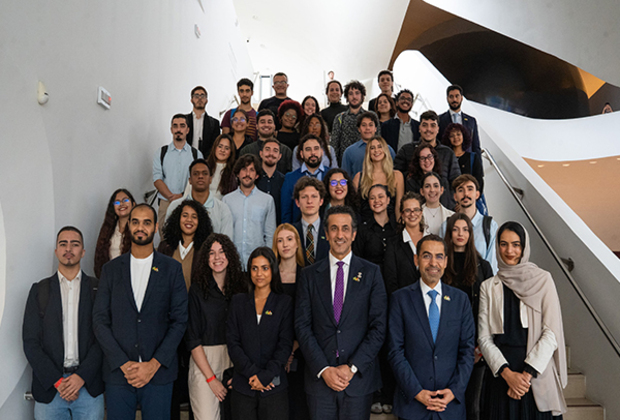

The United Arab Emirates joined the BRICS Finance Ministers and Central Bank Governors Meeting in Rio de Janeiro on 6 July 2025 under Brazil’s rotating presidency, with a focus on the global economic outlook and climate finance. Led by H. E. Mohamed bin Hadi Al Hussaini, Minister of State for Financial Affairs, the UAE delegation included key figures from the Ministry of Finance and the Central Bank of the UAE.

Al Hussaini opened his remarks by stressing the UAE’s commitment to deepening dialogue on the future of the global financial system and strengthening multilateral cooperation frameworks to face development challenges. He asserted that platforms such as BRICS provide “important opportunity to enhance global economic governance, expand access to innovative financing, and support long‑term financial stability”.

The summit’s agenda was structured into three comprehensive sessions: finance ministries, central banks, and a joint forum examining the international economic landscape, climate finance, and policy coordination. Delegates also discussed a proposal by Brazil to pilot a BRICS Multilateral Guarantee fund via the New Development Bank, aiming to mobilise private investment for infrastructure and climate-related initiatives.

In a move signalling its growing climate finance role, the UAE, alongside China, expressed intention to invest in Brazil’s Tropical Forests Forever Facility — a fund supported by BRICS to safeguard tropical forests. Leaders issued a joint statement underscoring the responsibility of developed nations to contribute to climate mitigation efforts.

Further strengthening the bloc’s role in global economic governance, BRICS finance ministers advanced a unified proposal for IMF reform. The initiative calls for a restructured quota system that reflects current global economic realities, incorporating output and purchasing power to boost representation for emerging economies. The proposal is slated for presentation at the 2025 IMF Review in December.

Discussions included plans for a cross-border payments system to enhance financial integration within BRICS, potentially reducing reliance on Western-controlled mechanisms and promoting monetary coordination among member states.

Brazilian President Luiz Inácio Lula da Silva framed BRICS as a beacon of multilateral diplomacy, likening it to the Non‑Aligned Movement, and warned against Western protectionist trends, including carbon border taxes. He emphasised that the bloc represents 40% of global output and over half the world’s population, and advocated reform of institutions like the IMF and UN Security Council.

The UAE, which joined BRICS in January 2024 and entered the NDB in October 2021, is now actively shaping the bloc’s agenda on governance, finance, and sustainability. Its support for key initiatives highlights a strategic effort to elevate its international role in emergent economies and climate action.

With Bitcoin prices soaring past $100,000 again and investor optimism at a high, the UAE’s strategic push into crypto is paying off. But what does this bull market really mean for the country’s economy, its investors, and its long-term financial future? The UAE has spent the last few years laying the groundwork to become a global crypto capital. While some countries have struggled to regulate or simply […]

Emirates Airline has formalised a strategic alliance with Crypto. com aimed at integrating Crypto. com Pay into its digital payment systems, underscoring a strong commitment to security and regulatory compliance. The partnership, set to activate next year, was marked by a Memorandum of Understanding signed by Adnan Kazim, Emirates’ Deputy President and Chief Commercial Officer, alongside Mohammed Al Hakim, President of Crypto. com’s UAE operations. The signing took place under the witness of Sheikh Ahmed bin Saeed Al Maktoum, Chairman and Chief Executive of Emirates Airline & Group, and Michael Doersam, Emirates’ Chief Financial & Group Services Officer.

Emirates’ leadership highlighted the rationale behind the move: embracing the growing demand among tech-savvy travellers and aligning with Dubai’s broader ambition to lead in financial innovation. Adnan Kazim emphasised the airline’s dedication to “meeting evolving customer preferences” and offering travelers more flexibility in payments. The integration also positions Emirates to engage with a younger demographic increasingly comfortable with digital currencies.

Crypto. com echoed this forward-looking sentiment. Eric Anziani, President and COO, described the agreement as a catalyst for wider cryptocurrency adoption in consumer finance. He welcomed Emirates as “an exceptional partner,” stressing that the integration will push momentum across the digital asset sector in the Gulf region.

The MoU outlines not only the technical integration of Crypto. com Pay but also joint marketing initiatives to increase awareness and encourage uptake. Emirates and Crypto. com intend to launch promotional campaigns aimed at customers, educating them on the convenience and security of paying with digital assets.

This collaboration reflects a broader trend within the UAE, where regulators have implemented a notable framework to encourage blockchain innovation while maintaining robust investor protection and financial system integrity. Dubai, in particular, has seen a surge in cryptocurrency utility across multiple sectors, including property, retail, and telecommunications. The MoU aligns with this ecosystem, reinforcing Dubai’s vision to be a global hub for crypto innovation.

Financial experts observing the region note that infrastructure investments, regulatory clarity, and consumer interest have driven a significant crypto inflow—valued at approximately US$34 billion between July 2023 and June 2024—suggesting strong institutional confidence. Adoption of digital payments by major consumer-facing corporations such as Emirates is seen as a transformative step in normalising cryptocurrencies as mainstream payment options.

Emirates’ approach to this partnership has been cautious yet calculated. Emphasis on security, compliance, and regulatory alignment indicates a measured strategy that places integrity at the forefront. The airline assures customers that the integration will meet “the highest security and compliance standards,” a crucial reassurance in light of global scrutiny surrounding crypto-related risks.

This is not Emirates’ first foray into strategic payment alliances. Earlier this year, the airline partnered with American Express Middle East to enhance offerings for small and medium‑sized enterprises across the Middle East and North Africa regions. The Crypto. com collaboration signals a parallel move into the emerging digital asset sphere, indicating Emirates’ growing appetite for financial innovation beyond traditional banking channels.

Industry analysts observe that including crypto payments could broaden Emirates’ appeal among adventurous travellers and those engaged in the digital economy. For Crypto. com, the partnership adds to a burgeoning presence in the GCC, enabling the company to showcase real-use cases with a prestigious flag-carrier.

The path ahead involves critical integration steps, including system upgrades, staff training, customer education, and regulatory coordination. Both parties have set a goal for full deployment by next year, providing a practical timeline for technology deployment and market engagement strategies.

U. S. President Donald Trump has announced a sweeping 50 % tariff on copper imports, jolting commodity markets and triggering sharp moves across financial sectors. Copper futures in the United States surged to record highs, while international benchmarks in London and Shanghai retreated under mounting uncertainty surrounding shipment logistics and timing. At a Cabinet meeting, Trump confirmed the unprecedented levy, citing national security and a desire to bolster […]

Federal Authority for Identity, Citizenship, Customs and Port Security has issued a strong and authoritative rebuttal to claims circulating that the United Arab Emirates is offering lifetime Golden Visas to certain nationalities. In its statement on 8 July, ICP emphasised that Golden Visa eligibility is strictly governed by existing laws, ministerial decisions, and official regulations. Applications are processed only via UAE government channels—no consultancy firm, internal or external, has legitimate authority to promise visa grants under simplified conditions.

The statement was prompted by alleged press releases from a foreign consultancy office claiming applicants could secure lifetime Golden Visas for all categories from abroad. ICP characterised these claims as legally baseless and made without coordination with UAE authorities. Following these claims, several Indian and UAE-based outlets reportedly published the information before the ICP clarified its position.

While ICP refrains from naming the specific consultancy, it has warned of impending legal action against entities using false promises to extract money from individuals seeking long-term residency in the UAE. “Entities spreading such false information [are] exploiting [people’s] hopes for a dignified life,” the authority stated. It urged the public to verify procedures through official sources, including its website and app, or by contacting the designated call centre at 600522222.

The ICP insisted that the Golden Visa framework remains unchanged: eligibility criteria, procedural regulations, and visa categories continue to be defined by UAE law and ministerial orders alone. The visa remains accessible only to those meeting these statutory provisions, and all processes must follow the established, government-operated digital platforms.

This response comes amid a broader pattern of misinformation regarding Golden Visa eligibility. Earlier this month, another wave of misleading reports claimed investors in digital currencies—particularly in Toncoin—had qualified for a ten-year Golden Visa by staking cryptocurrency. In response, ICP, alongside the Securities and Commodities Authority and the Virtual Assets Regulatory Authority, issued a joint statement rejecting those claims and reminded the public that cryptocurrency investment is not a recognised category for Golden Visa issuance.

Under the official programme, Golden Visa eligibility remains targeted to specific categories: real-estate investors, entrepreneurs, exceptional talents, qualified professionals, scientists and researchers, high-performing graduates and students, frontline workers, humanitarian pioneers, and notable maritime asset holders. The ICP reaffirmed that these criteria are set in accordance with legal frameworks and are unchanged by the rumours.

Despite the cross-border spread of misinformation, UAE authorities appear resolute in their commitment to transparency, integrity, and regulatory enforcement. The ICP has stated that all application processes must occur through official digital services, and only those platforms bear the authority to collect fees or accept documentation. Third-party entities claiming to facilitate visa applications risk legal consequences.

Experts underscore the potential fallout from such false claims. “Misleading promises fuel public confusion and pose reputational risks for the UAE’s visa systems,” noted one legal analyst based in Dubai, requesting anonymity. Misinformation casts doubt on the authenticity of the Golden Visa programme and could encourage fraud. UAE authorities increasingly rely on legal measures and public advisories to counteract false narratives.

The timing of this clarification aligns with heightened international interest in UAE residency schemes. In early July, news emerged that the UAE was piloting a streamlined lifetime Golden Visa pathway for Indian nationals under the UAE‑India Comprehensive Economic Partnership Agreement. Under the pilot, eligible Indian applicants could receive life-long residency without property investment, upon nomination and the payment of AED 100,000. This development appears to have driven a surge in media attention and consultation requests aimed at service providers.

While the ICP has not confirmed or elaborated on a pilot programme specific to any nationality, it advised the public to seek information strictly through official platforms. Interested parties are encouraged to consult the ICP website or app for updates on visa categories, including any new arrangements introduced under international agreements.

Signals from the UAE government reflect a dual strategy: expanding its talent- and investment-focused Golden Visa system, while firmly safeguarding procedural integrity. Through legislative collaboration, digital transformation, and cross-border trade agreements, the UAE continues to enhance its residency framework. However, officials remain vigilant against exploitation and fraudulent intermediaries.

As the visa environment evolves, clarity from ICP and associated authorities remains vital. Their recent intervention serves to remind the public that any deviations from established criteria are unauthorised and legally questionable. For those pursuing Golden Visa status, due diligence and reliance on official channels are indispensable.

U. S. former President Donald Trump has warned that any nations aligning with the BRICS bloc’s efforts to challenge the U. S. dollar will face a 10 % tariff, set to take effect by 1 August unless a deal is struck. Speaking at a Cabinet meeting and in a post on his Truth Social platform, Trump characterised BRICS’ currency ambitions as tantamount to “destroying the dollar,” likening such […]

Advertisements

Iran has achieved its highest energy output in nearly half a century, as crude production and exports continue expanding despite escalating tensions and Western sanctions. In 2024, total oil output—including crude and gas liquids—reached approximately 5.1 million barrels per day, marking levels unseen since before 1978. Indicators from the first half of 2025 signal further growth, reinforcing Tehran’s stance that its energy sector remains resilient even under pressure.

China remains the principal destination for Iranian crude. According to Vortexa and Kpler data, Beijing imported an average of 1.4 million bpd of Iranian crude and condensate during the first half of 2025. In June alone, Chinese imports surged to a record 1.8 million bpd, exploiting floating storage reserves accumulated previously.

Despite U. S. legal restrictions, these volumes endure through intricate shipping methods and discounts. As of June, Iranian crude was being sold to China at discounts of $3.30–$3.50 per barrel below Brent—the widest spread since 2023—partly triggered by weak demand from independent Chinese “teapot” refineries and additional U. S. sanctions on mid-tier processing firms in Shandong province. Refineries such as these have cut utilisation rates to around 51 per cent, down from 64 per cent last year.

Iran’s export capacity has been safeguarded by infrastructural alternatives designed to bypass the Strait of Hormuz. The Goreh‑Jask pipeline and Jask terminal—capable of exporting around 300,000 bpd—offer strategic flexibility, although actual utilisation fell to under 70,000 bpd in late 2024. Elsewhere, Saudi Arabia and the UAE have also enhanced their own bypass routes through the Strait to mitigate risk.

Nonetheless, current events pose fresh challenges. Israeli strikes in June damaged parts of oil infrastructure near Tehran and affected the South Pars gas field—responsible for up to 700,000 bpd of condensate. Exports from key terminals such as Kharg Island briefly dropped below 120,000 bpd from a weekly average of 1.7 million bpd. However, Iran manages significant stockpiles—approximately 27.5 million barrels afloat—that can sustain exports for weeks.

Domestic dynamics complicate this energy story further. Iran’s gasoline consumption has outpaced refining capacity by nearly 15–20 per cent since late 2024, triggering reliance on reserves and imports to fill shortfalls. Peak summer demand reached unprecedented levels, surpassing 143 million litres in a single day. Panic-buying followed some military strikes, exposing strains in planning and supply.

Iran’s global energy standing aligns with broader market projections. The International Energy Agency forecasts that global oil supply will exceed demand in 2025 by around 1.8 million bpd, a backdrop that may soften impacts from Iranian output. At the same time, discussions in Washington about lifting U. S. sanctions have raised concerns in Beijing, particularly for its fragmented independent refining sector. Analysts warn that a sudden lifting of sanctions could flood global markets—with an additional 500,000 bpd of Iranian oil—and undercut smaller Chinese players by crushing their margins.

Iran’s energy strategy shows calculated resilience. While nuclear tensions invite military risks, the oil ministry appears intent on diversifying markets, expanding infrastructure, and leveraging geopolitical leverage. Iran Daily reported that production comprised 4.3 million bpd of crude plus around 0.7 million bpd of other liquids in 2024. Analysts advocate that increased domestic use, ageing facilities, and investment gaps could temper the pace of future gains unless Tehran secures long-term funding and technical partnerships.

Observers note the inherent paradox: Iran continues ramping production even as global energy security faces renewed uncertainty. Control over chokepoints such as the Strait of Hormuz remains central. Although no full closure has occurred—the Iranian parliament proposed closure in late June pending council approval—the symbolic threat alone underlines Tehran’s strategic positioning. Global markets, buoyed by inventories and diversified routes, have so far absorbed the shock. Yet any escalation could rapidly unsettle thresholds.

String.com, launched this week by the Pipedream team, allows users to describe in plain English the AI agent they want, and the platform instantly crafts, tests and deploys fully functional agents without the need for manual coding. This marks a milestone in automation and agentic AI, combining natural language input with backend integration to accelerate deployment of intelligent workflows. The platform’s creator, Tod Sacerdoti, explained that String […]

TikTok is preparing a standalone version of its app for U. S. users, slated for launch on 5 September 2025, as part of its strategy to comply with the U. S. law mandating a sale or ban of its American operations. The current app will remain functional until March 2026, although officials say this date is subject to change. Under the Protecting Americans from Foreign Adversary Controlled […]

Australian super fund CareSuper has chosen Macquarie Cloud Services to migrate its entire VMware Cloud on AWS infrastructure—including hundreds of applications and petabytes of member data—to Microsoft Azure. The fund, which manages over AUD 57 billion for more than 573,000 members, has engaged Macquarie to modernise its databases, implement platform‑as‑a‑service solutions and consolidate workloads into a new Azure landing zone. This high‑stakes move follows a wave of “repatriation from […]

Elon Musk stated that his newly formed America Party will officially support Bitcoin, branding traditional fiat currency as “hopeless.” He responded succinctly on X to a user asking whether his party would embrace the flagship cryptocurrency: “Fiat is hopeless, so yes.” Musk’s announcement aligns with the party’s broader platform of fiscal conservatism, deficit reduction and modernisation of government, which is packaged alongside calls for balanced budgets and […]

By Nantoo Banerjee It is difficult to believe that India, the world’s fourth largest economy by gross domestic product (GDP) and a major military power, ranks below even the tiny states of Kuwait and Greece when it comes to defence spending as a percentage of GDP. Considering the tricky geo-political situation in the south Asian […]

UAE authorities have categorically dismissed claims that cryptocurrency investors can secure a 10‑year golden residency visa, stating that such privileges are reserved for specific sectors such as real-estate investors, entrepreneurs, top-tier talents, scientists, specialists, leading students and graduates, humanitarian pioneers and frontline workers.

In a joint statement, the Federal Authority for Identity, Citizenship, Customs and Port Security, the Securities and Commodities Authority and the Virtual Assets Regulatory Authority made clear that no visa pathway exists based solely on digital asset investment. The clarification, issued in response to social media promotions tied to TON coin staking, noted that licensed companies dealing in virtual assets must follow standard visa procedures set by Dubai authorities—contradicting any assertion of automatic long-term residency for such investors.

The declaration emphasised that golden residencies, formally known as “golden visas,” are awarded selectively. Eligible recipients include individuals contributing significantly through real-estate acquisition, entrepreneurship, exceptional professional or academic achievements, humanitarian efforts, scientific innovation and frontline services. Digital asset holders, including those with TON coin, are not part of this framework.

VARA underscored that any licensed firm engaged in virtual assets must adhere strictly to visa regulations approved by Dubai’s government. The authority explicitly stated that TON is not among the licensed virtual asset service providers regulated by VARA—which serves as a reminder that third-party programme claims cannot confer regulatory endorsement or visa rights.

Market reactions were swift. TON’s market value dropped roughly 6% after the regulators’ denial, reversing an earlier 10% rally sparked by reports suggesting that staking over $100,000 of the cryptocurrency for three years would qualify investors for golden residency. The dip reflects investor recalibration, as participants digest the official position.

Crypto-focused platforms including Cointelegraph and CryptoBriefing reported that the golden visa narrative around TON did not originate from UAE government entities, but from promotional efforts tied to TON itself or affiliates. Such promotions framed virtual-asset investments as viable residency routes, a stance regulators assert is misleading.

Historically, the UAE has granted golden visas to boost innovation and long-term commitment within its economic ecosystem. Introduced in 2019, the visa allows extended residency ranging from five to ten years for designated groups, including investors, researchers, medical professionals, outstanding students, frontline responders and humanitarian workers. The UAE’s focus has been on attracting tangible economic and social capital—not speculative virtual-asset portfolios.

The political economy of the golden visa scheme underscores the government’s desire to diversify its talent pool while retaining high-calibre individuals. Notably, real-estate investors must typically commit AED 2 million or more, and entrepreneurs require projects valued at least AED 500,000, alongside approved incubator backing. There is no parallel threshold for cryptocurrency holdings.

VARA’s clarification additionally served as a broader caution to the public, urging consumers to engage only with fully licensed and regulated entities in the virtual-asset space. This aligns with the authority’s ongoing efforts to mitigate risk, prevent fraud, and ensure compliance within the rapidly evolving crypto sector.

Legal analysts note that agencies like ICP, SCA and VARA carry statutory authority over immigration, securities and virtual asset regulation, respectively—a strong indicator that their joint statement holds legal weight. Any company or platform claiming otherwise could face regulatory investigation for misleading representations.

Industry experts praised the clarity of the communication, saying it helps dispel misconceptions among investors attracted by sensational claims. “Regulation must keep pace with innovation,” commented one Dubai-based compliance specialist. “But investors also bear responsibility to verify claims, particularly when residency and investment are involved.”

Within the wider crypto ecosystem, this development is neither isolated nor unexpected. Regulators across jurisdictions have increasingly emphasised that digital-asset holdings alone rarely guarantee immigration benefits. The UAE’s decisive response may serve as a model for governments balancing openness to innovation with prudence in immigration policy.

Moving forward, observers will watch closely whether the UAE institutes any formal framework for crypto-linked residency benefits. VARA and SCA have previously launched licensing regimes for exchanges and service providers, hinting at a broader regulatory ecosystem under development. However, until there is explicit policy inclusion, golden visa eligibility remains restricted to well-defined categories.

Legal scholars suggest that should UAE authorities wish to incorporate virtual-asset investment into residency policy, formal amendments would need to be tabled via corporate regulations and immigration law. Meanwhile, the current guidelines offer clear instruction: digital asset investment, regardless of size, is not sufficient to obtain a golden residency in the UAE.

Dubai Land Department has formalised an agreement with global cryptocurrency firm Crypto. com to establish a blockchain‑driven ecosystem enabling property purchases and sales using digital currencies. The memorandum of cooperation, signed on 6 July, aims to streamline investor verification, custody and settlement processes while advancing real estate tokenisation—supporting the emirate’s Real Estate Strategy 2033 and its AED 1 trillion transaction goal. At the heart of the partnership is the […]

KUALA LUMPUR, MALAYSIA – Media OutReach Newswire – 7 July 2025 – For many traders, one of the main concerns when choosing a financial broker is the risk of falling victim to various shady tricks. The experts at Octa, a globally regulated and trusted broker since 2011, explain some of the questionable practices that traders must look out for when planning their journey in the markets. Trading […]

The Securities and Commodities Authority has granted formal approval for licensed portfolio management firms to offer robo-advisory services across the UAE mainland, marking a substantial enhancement to the nation’s digital investing infrastructure.

This federal authorisation extends beyond the jurisdiction of financial free zones such as the Dubai International Financial Centre and Abu Dhabi’s FSRA, bringing all robo-investment services under a unified regulatory umbrella. The move is expected to reinforce protections for retail investors via stricter oversight and compliance requirements.

Under the new regime, firms will deliver automated investment recommendations powered by artificial intelligence and advanced algorithms. These platforms evaluate individual risk profiles to design tailored asset allocations, typically leveraging exchange‑traded funds or index funds at lower cost than conventional advisory channels.

The SCA mandates a comprehensive governance framework: independent IT audits, stringent cybersecurity protocols, periodic algorithm reviews and transparent disclosures of fees and investment risks. Licensed providers will adhere to the existing discretionary and non‑discretionary portfolio management frameworks within client agreements.

SCA CEO Waleed Saeed Al Awadhi described the regulation as a manifestation of the UAE’s strategic digital transformation. He stated that integrating AI into investment decision-making will enhance efficiency and create “smart, sustainable, and secure financial solutions,” reinforcing the UAE’s goal of becoming a world-class financial hub.

Market analysts note that assets under management in global robo-advisory were forecast to reach US $2.06 trillion in 2025, with user numbers hitting 34 million by 2029. In the UAE, platforms such as Sarwa, StashAway and Baraka currently operate under DIFC and FSRA regulation, but this federal licence allows them to onboard mainland clients directly.

Retail investor appetite for technology-driven investment options has surged, as seen in the rising adoption of zero‑commission trading platforms including Robinhood, eToro and Interactive Brokers. The introduction of a federal licence for robo‑advisers is expected to broaden participation further.

Industry experts emphasise both promise and caution. Vijay Valecha, chief investment officer at Century Financial, applauds the harmonisation of regulation across jurisdictions, stating it “provides further protection and transparency to retail investors” and bolsters international competitiveness. Raaed Sheibani of StashAway commented that the clearer regulation framework will “expand digital investing in the UAE” and boost investor confidence.

However, concerns endure regarding the limitations of algorithmic advice. Rupert Connor of Abacus Financial Consultants warned that robo-advisers often lack capacity to handle complex scenarios involving tax planning, inheritance, or behavioural guidance during volatile markets. Financial coach Jay Adrian Tolentino added that algorithm-based systems may miss elements of personal context that can be crucial. Technical vulnerabilities, including outages or system failures, also remain a potential risk.

With stricter federal oversight, the SCA expects a rise in trust and participation from mainland investors, leveraging automation to democratise wealth creation. The initiative aligns with the UAE’s broader “We the UAE 2031” vision of fostering a knowledge-based, resilient economy through fintech innovation.

Toncoin has unveiled a trailblazing ten-year Golden Visa programme in collaboration with the United Arab Emirates, allowing high-net-worth crypto investors to secure long-term residency by staking TON tokens. Applicants must commit US $100,000 worth of TON for a fixed period of three years and pay a one-time processing fee of US $35,000. The staked assets remain under holders’ control in a decentralised smart contract and may be withdrawn in full at the end of the lock‑in term.

Approved applicants are expected to obtain a ten-year residency permit within approximately seven weeks, considerably faster and more cost-effective than traditional real estate investment routes that often require more than US $500,000. Visa privileges extend to spouses, children and parents, subject to standard government charges. During the lock‑in period, investors can benefit from annualised returns estimated between 3–4 per cent.

This marks the UAE’s first blockchain‑native residency initiative, reflecting a strategic shift towards attracting high‑calibre digital‑asset investors. By tying long‑term staking of TON to visa access, the initiative aims to fortify the TON network via sustained investment while reinforcing the UAE’s reputation as an innovative, crypto‑friendly jurisdiction.

Experts suggest this move may herald a new model of residency-by-investment, linking public policy with decentralised finance. It could prompt other nations to pursue blockchain‑based residency pathways, reshaping global strategies in investment migration.

The programme addresses legal and regulatory concerns: staking occurs through a decentralised smart contract verifiable on the TON blockchain, and all application and staking procedures take place exclusively via Toncoin’s official website to protect against fraud.

For participants, the appeal lies in combining stable residency with liquidity and yield. Unlike property‑based Golden Visas—which demand large capital and tie up assets—the TON pathway offers asset flexibility. Investors retain control of their tokens, receive modest returns, and avoid holding illiquid real estate.

The partnership arrives at a critical stage for both parties. The TON network is actively seeking to expand its user base and institutional credibility, while the UAE continues to promote itself as a global hub for digital asset innovation. Leveraging the visa incentive may draw both high‑net‑worth individuals and entrepreneurial crypto talent to contribute to the local blockchain ecosystem.

Initial market response has been positive. TON’s price reportedly rose by around 5 per cent following news of the partnership, signalling investor optimism about both demand for TON and confidence in the UAE’s adoption strategy. Trading volume also spiked, indicating intensified market activity around the token.

Analysts caution, however, that crypto‑volatility could affect returns. The estimated 3–4 per cent APY depends on token price stability during the staking period. A significant market downturn could erode incentive value, potentially discouraging participants.

Long‑term credibility will hinge on seamless visa processing and continued operational transparency. While seven‑week approval is promising, execution must consistently match the timeline. The emphasis on official platforms and smart‑contract security aims to build user trust, but the unknown remains whether demand will justify sustained asset flow into staking.

Backers of the initiative view it as a strategic alliance between public sector and crypto innovation. The UAE gains by attracting financial and intellectual capital; TON benefits from enhanced staking support and elevated legitimacy. The broader blockchain community may see this as a template for combining financial incentives with regulatory alignment.

Abu Dhabi Securities Exchange has opened the pricing stage for the first blockchain-based digital bond in the Middle East and North Africa, issued by First Abu Dhabi Bank and powered by HSBC Orion, marking a significant leap in regional capital market innovation. Global investors will be able to participate through accounts at the Central Moneymarkets Unit in Hong Kong, Euroclear, Clearstream or via HSBC Orion, either directly or through […]

Primrose Capital Management has obtained in‑principle approval from the Financial Services Regulatory Authority of Abu Dhabi Global Market, marking the inception of its journey toward a full Financial Services Permission. The clearance paves the way for the Singapore‑based quantitative trading firm to establish a regulated presence in the UAE’s leading international financial centre, offering data‑driven investment products to regional institutional investors and family offices. Approval from the […]

Heads of government gathered in Rio de Janeiro for the 17th BRICS summit on 6–7 July 2025, yet Iran’s President Masoud Pezeshkian will not attend in person, opting to join virtually amid escalating regional tensions. This marks a notable shift in IRGC diplomatic strategy and signals Tehran’s cautious engagement with the global bloc. Brazilian host Lula da Silva extended formal invitations to all member nations, including Iran. […]

Brazil’s antitrust regulator CADE technical body has urged the conviction of Apple for what it deems anti‑competitive conduct within its iOS ecosystem. This recommendation, made on 30 June, comes after complaints from 2022, including one by MercadoLibre, alleging that Apple restricts digital‑goods distribution and forces developers to use its proprietary payment system for in‑app purchases. The body has proposed an undisclosed fine and a cease‑and‑desist order, with […]

Russian state-owned conglomerate Rostec is set to introduce RUBx—a stablecoin pegged directly to the ruble—and RT‑Pay, a payment platform, before the end of 2025. These innovations aim to empower businesses and individuals with secure and compliant digital transaction tools.

RUBx will be launched on the Tron blockchain and strictly pegged 1:1 to the ruble, backed by legally governed obligations maintained in a treasury account. Rostec will act as the sole issuer, with the structure codified by law to ensure robustness and transparency. The smart-contract code is expected to be made available on GitHub and independently audited by CertiK, reinforcing compliance with Russian financial regulations.

RT‑Pay, designed to integrate seamlessly with Russia’s existing banking rails, will enable transactions outside standard banking hours and facilitate smart-contract functions. Rostec says it has built the platform to adhere to anti‑money‑laundering and counter‑terrorism financing norms and to satisfy all Bank of Russia requirements.

A phased launch is anticipated, initially targeting sectors where efficiency gains can be rapidly realised before expansion to broader corporate and retail use. The move dovetails with Russia’s broader strategy to enhance crypto infrastructure, including the central bank’s separate digital ruble pilot and the recent authorisation for institutions to offer crypto-related investment products.

Rostec, known for its significant role in defence and high-tech manufacturing, leveraged its credentials as a trusted state entity to assure users of RUBx’s legitimacy. “Each RUBx is backed by real obligations in rubles,” Rostec officials emphasise, underscoring the token’s legal anchor.

This initiative aligns with a trend of expanding digital payment solutions amid geopolitical and economic pressures. Russian financial institutions such as Sberbank and Moscow Exchange have already introduced crypto-linked offerings, and some state entities reportedly used crypto instruments to facilitate oil trade and bypass sanctions.

Economists and fintech experts note that the introduction of state-backed digital infrastructure like RUBx and RT‑Pay marks a departure from pilot programs. They highlight the potential for stablecoins—with legal and technological safeguards—to provide a credible alternative to traditional payment systems. By utilising a blockchain infrastructure like Tron, Rostec leans on a mature ecosystem, which may support rapid adoption.

Nevertheless, independent analysts caution that integration risks remain. They point to the need for robust cybersecurity measures, systemic risk controls, and interoperability standards with domestic and international payment systems. Successful implementation will require coordinated efforts among regulators, banks, and end users.

The Abu Dhabi Securities Exchange has initiated the pricing phase for the MENA region’s first bond underpinned by distributed ledger technology, marking a new era in regional capital markets. The fixed-income instrument, issued by First Abu Dhabi Bank via HSBC Orion, is set to be listed on ADX, promising enhanced operational efficiency, transparency and market access. ADX, the UAE’s largest exchange and the second-largest in the Middle […]

VISHNU RAJA
RYO YAMADA
HITORI GOTOH
IKUYO KITA