News related to
security

Tensions over the future of Gaza escalated this week as China strongly condemned Israel’s proposals to expand control over the region. The Chinese government has called on Israel to abandon its plans, asserting that Gaza is an integral part of Palestinian territory. This intervention comes amid increasing international scrutiny over the situation in Gaza, with many nations expressing concern about the potential implications of further Israeli expansion. […]

Ethiopia’s energy authorities have raised fresh allegations against Egypt, accusing it of attempting to block the progress of the Grand Ethiopian Renaissance Dam, one of the continent’s most ambitious infrastructure projects. The accusations come ahead of what Ethiopia says will be a significant step in its development, as the country gears up for the operationalisation of its colossal hydroelectric power facility on the Blue Nile. Asheber Balcha, […]

HONG KONG SAR – Media OutReach Newswire – 9 August 2025 – HashKey Exchange, Hong Kong’s largest * licensed virtual asset trading platform, has entered into a strategic partnership with IVD Medical Holdings Limited (1931.HK), a publicly listed company on the Hong Kong Stock Exchange. The two parties will collaborate to advance enterprise-level digital asset adoption and explore new models for integrating blockchain with industrial capital. IVD […]

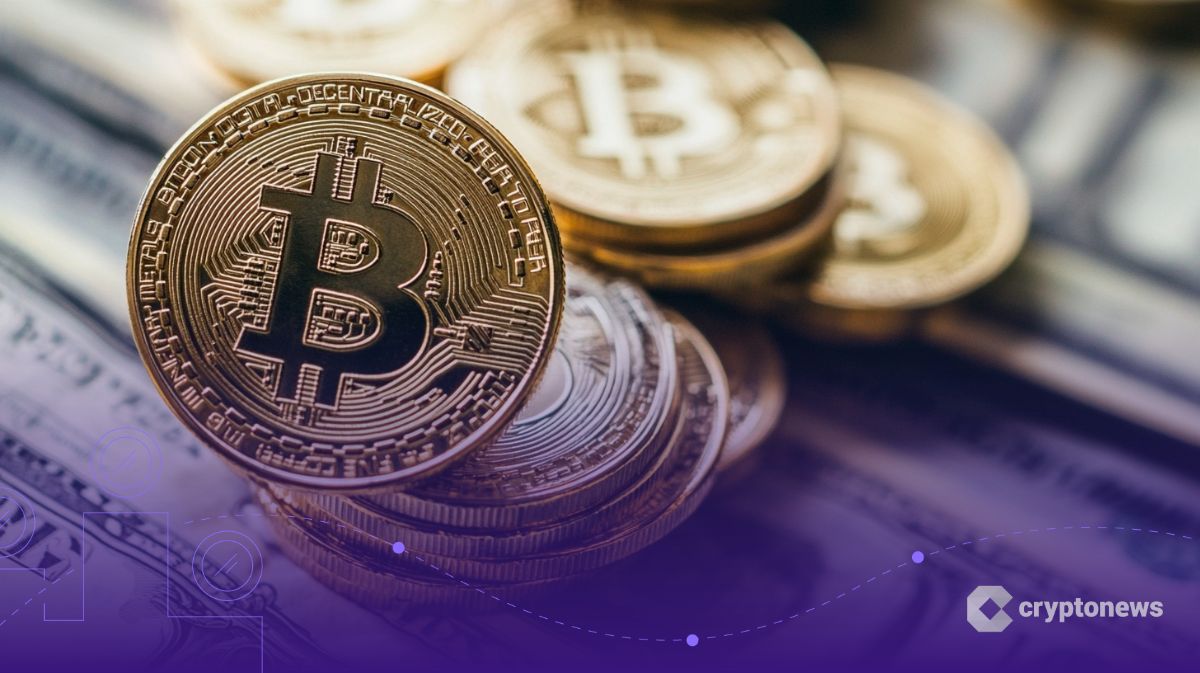
Corporate treasuries and investment funds have made significant moves into Bitcoin this year, with a staggering 371,111 BTC purchased since January. This figure, more than three times the amount mined during the same period, signals the growing influence of institutional investors in the cryptocurrency market. These acquisitions come amid an evolving strategy pioneered by Michael Saylor, the founder of MicroStrategy, whose company continues to lead the pack in BTC purchases.

Saylor, an early advocate of Bitcoin, has been vocal about the digital asset’s potential as a hedge against inflation and a store of value, especially in an era of increasing economic uncertainty. MicroStrategy’s strategy of accumulating Bitcoin on its balance sheet has served as a model for other corporate investors looking to diversify their cash reserves. The company currently holds over 150,000 BTC, solidifying its position as the largest publicly traded corporate holder of Bitcoin.

This trend is not limited to MicroStrategy alone. A growing number of public companies have followed suit, with many purchasing Bitcoin as part of their long-term investment strategies. Among the most prominent in this movement are Tesla, which made a significant BTC purchase in early 2021, and Block, the payments company founded by Jack Dorsey. Both have maintained substantial Bitcoin holdings, and their actions continue to inspire others in the corporate sector to consider the digital asset as a viable alternative to traditional assets like cash or bonds.

The accumulation of Bitcoin by public companies and investment funds is also evidenced in the growth of Bitcoin-backed exchange-traded funds. Major ETFs have amassed nearly $151 billion worth of BTC, accounting for a significant 6.47% of the total circulating supply. This figure reflects the increasing mainstream acceptance of Bitcoin and the growing appetite for institutional investors to gain exposure to the cryptocurrency market without the direct complexities of buying and storing the digital asset.

The Bitcoin ETF market has rapidly matured, with various products offering different exposure options. Grayscale Bitcoin Trust and the Purpose Bitcoin ETF, for example, have emerged as key players, providing institutional and retail investors alike with a more accessible way to hold Bitcoin. These funds have not only bolstered institutional interest but also helped legitimize Bitcoin as an asset class in the eyes of traditional finance.

One of the key factors driving this wave of institutional adoption is the desire for better yield in an environment of low-interest rates and rising inflation. Bitcoin’s scarcity, with a maximum supply of 21 million coins, makes it an attractive proposition for funds and corporate treasuries looking for an alternative store of value. As inflation fears continue to loom, particularly in the wake of expansive monetary policies enacted during the COVID-19 pandemic, Bitcoin offers an attractive hedge against potential currency devaluation.

The maturity of the Bitcoin network and its increasing institutional infrastructure, including custodial services, derivatives markets, and improved regulatory clarity, have made it easier for large investors to enter the market with confidence. This growing institutional infrastructure is also helping reduce some of the risks traditionally associated with cryptocurrency investments, such as security concerns and price volatility.

However, not everyone is convinced of the long-term benefits of Bitcoin. Critics argue that the digital asset remains highly speculative, with no inherent value other than what investors are willing to pay. Regulatory uncertainty also continues to cast a shadow over the market, with governments worldwide scrutinizing the use of Bitcoin in financial systems and its role in money laundering and illicit activities.

Adnoc Gas has entered into a strategic partnership with Hindustan Petroleum Corporation Limited for the supply of liquefied natural gas over the next decade. The Heads of Agreement signed between the two companies commits Adnoc Gas to deliver 0.5 million metric tonnes per annum of LNG to HPCL for a 10-year term, further enhancing its presence in the high-demand Asian LNG market. This deal not only signifies […]

By Nitya Chakraborty The additional 25 per cent tariff on Indian exports to the USA announced by President Donald Trump to be effective from August 27, has led to an intense ideological and political battle within RSS, the BJP as also among the industrialist friends of Prime Minister Narendra Modi who are active members of […]

Abu Dhabi’s Mubadala Energy has acquired a 24.1% equity stake in Caturus, a rebranded platform for natural gas and liquefied natural gas exports, following the successful closure of its investment in partnership with alternative asset manager Kimmeridge. This move marks a significant step in Mubadala’s strategy to strengthen its foothold in the US energy market, specifically within the integrated natural gas and LNG sectors.

Mubadala Energy’s involvement in the US market reflects its broader strategy to diversify its portfolio, tapping into high-growth energy markets outside its core base. The company’s new stake in Caturus aligns with its goal to expand its presence in global energy infrastructure, particularly in areas that promise long-term stability and returns.

The deal, valued at an undisclosed sum, solidifies Mubadala Energy’s growing influence in the North American energy sector, which has been experiencing a surge in LNG exports. The US has become a crucial player in the global LNG market, with rising production levels and the establishment of new infrastructure facilitating an increasing flow of exports, particularly to Europe and Asia.

Kimmeridge, a US-based alternative asset manager, has also made substantial strides with its role in Caturus, cementing its position as a key player in energy investments. The collaboration between Mubadala and Kimmeridge is part of a wider effort to create a more integrated and efficient LNG export system, as the two firms look to leverage their combined expertise to drive future growth and development in the sector.

This partnership highlights the growing trend of international energy companies and investment firms looking to the US as a prime location for natural gas and LNG infrastructure. The US energy landscape has seen significant transformation in recent years, with abundant shale gas reserves and increased technological advancements enabling greater extraction and export capabilities.

Caturus itself is designed to optimise the export of LNG, focusing on enhancing infrastructure, improving logistics, and ensuring the delivery of natural gas to international markets with efficiency and minimal environmental impact. The platform’s focus on sustainability aligns with Mubadala’s wider goals of promoting cleaner energy solutions and reducing carbon emissions within its portfolio.

By securing a stake in this critical infrastructure, Mubadala Energy not only diversifies its holdings but also strengthens its role in the ongoing global shift towards cleaner energy sources. The company has committed to transitioning its investments towards more sustainable energy solutions, with a particular focus on natural gas, which is seen as a cleaner alternative to coal and oil in power generation.

Caturus’s strategic location within the US allows it to access key markets, positioning it as a vital part of the LNG export network. With LNG demand increasing globally, particularly in Asia, the platform is well-placed to capitalize on the growing need for cleaner and more sustainable energy options. Mubadala’s participation in this project is expected to enhance its capacity to meet the increasing energy demands of international markets while positioning itself as a responsible player in global energy transitions.

The shift towards LNG and natural gas aligns with broader global energy policies that are looking to reduce carbon emissions and transition away from coal. As countries around the world pursue cleaner alternatives to traditional energy sources, LNG has become an attractive option due to its lower emissions profile compared to coal and oil. The increased export of LNG from the US is particularly important as it helps to meet the energy needs of European and Asian markets, which have increasingly turned to LNG for their energy security needs.

Mubadala Energy’s commitment to sustainability and the environment also underpins this investment. The company has set ambitious goals to reduce its carbon footprint and increase its investments in renewable and low-carbon energy technologies. This aligns with the UAE’s broader energy strategy, which has placed a strong emphasis on cleaner energy, and further reinforces Mubadala’s role in contributing to these global efforts.

Advertisements

Signing Multiple MoUs to Drive Regional FinTech Collaboration and Innovation HONG KONG SAR – Media OutReach Newswire – 8 August 2025 – Cyberport led a delegation of its FinTech start-ups to participate in MyFintech Week 2025 (MyFW 2025), held in Kuala Lumpur from 4 to 7 August. During the event, Cyberport witnessed its community start-ups signing multiple Memorandum of Understanding (MoUs) with international and local FinTech partners, […]

The global network security sector is projected to witness significant expansion, reaching $38 billion by 2029, up from $24 billion in 2024. This robust growth trajectory comes amid escalating concerns over cyber threats and the increasing adoption of cloud technologies, hybrid work environments, and AI-driven innovations. A major factor driving the growth of the network security market is the widespread transition to cloud-based infrastructures. Organisations across various […]

President Donald Trump is poised to sign an executive order on Thursday that will significantly reshape the landscape of retirement savings in the United States. The new directive will allow a broader range of alternative assets, such as private equity, real estate, and cryptocurrencies, to be included in 401 retirement accounts. This move marks the most substantial attempt by the administration to open up defined-contribution plans to non-traditional investment options, reflecting a growing desire to diversify retirement portfolios and enhance returns for savers.

The executive order is expected to provide American workers with the opportunity to invest in assets that have been historically out of reach for retirement accounts, which traditionally have focused on stocks, bonds, and mutual funds. The inclusion of private equity, real estate, and digital currencies aims to offer investors access to higher-yielding opportunities that could potentially outperform traditional investments, especially in times of economic uncertainty. By broadening the range of eligible assets, the administration hopes to increase the financial security of millions of retirees.

One of the key motivations behind this move is the desire to address the gap in retirement savings, particularly for individuals who do not have access to pension plans or other employer-sponsored retirement options. With many workers relying heavily on their 401 accounts for their financial future, this expansion could play a pivotal role in enhancing wealth accumulation over time. By enabling exposure to assets with historically higher returns, the plan aims to encourage long-term investing that may outperform the more conservative strategies currently available in these accounts.

The shift comes amid ongoing debates about the future of retirement savings in the United States. While many financial experts have lauded the potential of these alternative assets to boost returns, others have expressed concerns about the risks associated with their inclusion in retirement accounts. Private equity, real estate, and cryptocurrencies are known for their volatility, which could expose 401 investors to greater risk, particularly those with a lower tolerance for market fluctuations. These asset classes are often less liquid than traditional stocks and bonds, which could complicate the ability of retirees to access funds when needed.

Despite these concerns, proponents argue that expanding access to alternative investments could be a game-changer for retirement savers, especially as traditional investment options provide lower returns in the current low-interest-rate environment. Real estate, for instance, can serve as a hedge against inflation, while private equity has the potential to offer higher returns through early-stage investments in high-growth companies. Cryptocurrencies, on the other hand, have gained popularity as an asset class due to their potential for rapid price appreciation, although their volatility remains a significant factor for consideration.

The administration’s decision to open the door to these alternative assets also aligns with broader trends in the financial services industry, which has seen an increasing number of investment firms offering exposure to private equity, real estate, and cryptocurrencies through exchange-traded funds and other vehicles. These developments reflect the growing recognition that investors want more diverse options for retirement planning, particularly as they seek to maximize their returns and ensure they are prepared for the future.

However, the move is not without its challenges. For one, the Department of Labor and the Securities and Exchange Commission will need to ensure that the inclusion of these alternative assets in 401 accounts is properly regulated to protect investors from fraud and market manipulation. There are also concerns about the administrative complexities involved in allowing retirement plans to invest in assets that may require more sophisticated management and oversight. The broader regulatory framework will likely need to evolve to accommodate the new rules, ensuring that both investors and financial institutions are equipped to handle the unique aspects of these asset classes.

The timing of this executive order also comes at a critical moment, as the U. S. government grapples with broader economic challenges, including rising inflation and concerns about the stability of financial markets. By expanding 401 options to include more alternative investments, the Trump administration hopes to provide American workers with the tools to better weather economic fluctuations and build more robust retirement portfolios.

Greenlogue/AP ACWA Power, a Saudi-listed leader in the global energy transition, has secured the Noor Midelt 2 and Noor Midelt 3 solar projects in Morocco. The projects were awarded following an international tender process facilitated by the Moroccan Agency for Sustainable Energy. These two projects are set to significantly contribute to Morocco’s efforts to diversify and expand its renewable energy capabilities. Both Noor Midelt 2 and Noor […]

The European Union has revived a contentious proposal, “Chat Control,” which seeks to mandate the scanning of private communications on messaging platforms such as WhatsApp, Signal, and Telegram. The plan aims to detect and prevent the spread of child sexual abuse material, a move that has sparked intense debate regarding the balance between privacy rights and safeguarding vulnerable individuals. The proposal has drawn widespread opposition from privacy […]

ServeU, a prominent facilities management firm in the UAE, has secured a strategic acquisition of House Keeping and its domestic workers division in a deal valued at 100 million dirhams. This acquisition marks a significant move for ServeU, expanding its presence in the domestic workforce segment and enhancing its service capabilities. The acquisition, finalized by ServeU, includes both the House Keeping brand and its subsidiary operations. Despite […]

Ethereum has reached a significant milestone, surpassing 1.87 million daily transactions, marking a new peak in its activity. This growth is attributed to several factors, including rising adoption of decentralized finance applications, increased interest in non-fungible tokens, and the ongoing development of Ethereum’s infrastructure.

The blockchain platform, which originally focused on enabling smart contracts and decentralised applications, has expanded its utility in multiple sectors, especially finance, gaming, and digital collectibles. This surge in transactions highlights Ethereum’s increasing dominance in the crypto space, solidifying its position as the second-largest cryptocurrency by market capitalization.

Ethereum’s transition to a proof-of-stake consensus mechanism with the launch of the “Merge” has played a pivotal role in increasing network efficiency and reducing energy consumption. Ethereum’s upgrade, which took place in September 2022, not only brought environmental benefits but also set the stage for scalability improvements. With sharding and layer-2 solutions like Optimism and Arbitrum expected to further enhance its capacity, the Ethereum blockchain can now process more transactions without compromising security.

The DeFi ecosystem is one of the primary drivers of Ethereum’s daily transaction volume. Decentralised exchanges, lending platforms, and yield farming protocols have flourished, attracting billions in user funds. These platforms often rely on Ethereum for executing smart contracts, facilitating token swaps, and managing collateral, contributing significantly to Ethereum’s transaction load.

NFTs, which are unique digital assets representing ownership or proof of authenticity, have surged in popularity. Ethereum remains the leading blockchain for NFT creation and trade, with high-profile sales and celebrity endorsements further pushing its adoption. The demand for NFTs, especially in gaming and virtual real estate sectors, has led to more activity on the Ethereum network.

Ethereum’s growing ecosystem of decentralized applications also drives up network traffic. These apps span various industries, including finance, supply chain management, gaming, and even art. As more developers build on Ethereum, the transaction count continues to rise, further validating the blockchain’s capability to handle high levels of activity.

Scalability has been one of the key concerns for Ethereum, especially when network congestion leads to higher gas fees, which are the costs associated with processing transactions. While the transition to PoS and the implementation of layer-2 scaling solutions have helped alleviate some of these issues, Ethereum still faces challenges in handling a significant volume of transactions without impacting user experience. The Ethereum Foundation continues to prioritise upgrades that would enable the network to handle thousands of transactions per second.

Ethereum’s rise in transaction volume is also linked to increased institutional interest. Major financial institutions, including JPMorgan, Goldman Sachs, and Morgan Stanley, have begun to offer crypto-related services, including Ethereum-based investment products. This shift in institutional sentiment has brought more liquidity and stability to the Ethereum network, attracting institutional investors who now view Ethereum as a long-term asset.

The rise of Ethereum’s competitive alternatives, such as Solana, Avalanche, and Binance Smart Chain, has kept the pressure on Ethereum to innovate. These platforms have garnered attention due to their faster transaction speeds and lower fees. However, Ethereum’s long-established network effects and first-mover advantage, combined with its extensive developer base, have kept it ahead of competitors in terms of transaction volume and adoption.

As Ethereum’s daily transaction volume continues to rise, the blockchain’s developers are looking towards solutions like sharding and rollups to address scalability. Sharding, which will divide the Ethereum network into smaller segments, aims to significantly increase transaction throughput. Meanwhile, rollups are designed to process transactions off-chain while maintaining the security of the Ethereum network.

The Open Source Summit India 2025 marks a significant milestone for Linux Foundation India, celebrating a year of growth, new partnerships, and a strengthened commitment to the country’s burgeoning open-source ecosystem. With a focus on key sectors such as agriculture, finance, manufacturing, and AI, the foundation is poised to play a pivotal role in advancing digital transformation across multiple industries. The summit, held in Bengaluru, serves as […]

North Korea’s illicit cryptocurrency operations are set to increase dramatically as the country continues to exploit weak regulatory environments and strengthen ties with financially motivated entities across the globe. These operations are increasingly seen as a source of revenue for the regime, particularly as international sanctions continue to cripple the nation’s economy.

Recent investigations have uncovered evidence suggesting that North Korea is employing sophisticated hacking groups to siphon off cryptocurrency from exchanges worldwide. These operations, often carried out through malware and phishing schemes, have become a primary tool for funding the state’s missile and nuclear programmes. The role of cryptocurrency in North Korea’s criminal operations is expected to grow significantly as global demand for digital currencies rises and regulatory frameworks remain fragmented.

The actions of North Korean hackers are not isolated incidents but part of a systematic effort to launder stolen funds through a network of virtual currency exchanges. Many of these exchanges, particularly those based in countries with lax regulations, either knowingly or unknowingly facilitate these criminal activities. Some of the exchanges have been linked to regions in Russia and other parts of Eastern Europe, where crypto regulations are either weak or non-existent. These exchanges have financial incentives to turn a blind eye to illicit transactions, benefiting from the substantial fees charged on cryptocurrency trades.

Even though North Korea’s cyberattack capabilities are well-documented, there is growing concern among cybersecurity experts that cryptocurrency exchanges in developing countries lack the resources and governance structures needed to prevent exploitation. Without sufficient regulatory oversight, these exchanges become prime targets for criminal actors seeking to launder or move stolen cryptocurrency across borders.

The rise of decentralized finance platforms has made this task even easier. DeFi operates on blockchain technology, allowing users to trade cryptocurrencies without the need for traditional intermediaries, such as banks or financial institutions. While this has many legitimate uses, it also opens a pathway for cybercriminals to move stolen funds anonymously. This environment of financial opacity has become a crucial part of North Korea’s ability to evade international scrutiny.

As North Korea adapts to this new financial reality, reports indicate that the country’s leaders are fostering closer relationships with other rogue states and criminal syndicates that are equally interested in using digital currencies to bypass international sanctions. In some cases, these connections are said to involve joint ventures in mining or the laundering of illicit cryptocurrency.

It is not just exchanges that are under scrutiny. Many nations continue to struggle with implementing effective anti-money laundering and know-your-customer regulations, which would require crypto platforms to identify their users and track large transactions. Some countries have made strides in tightening their regulations, but enforcement remains patchy, and criminals continue to exploit these regulatory loopholes.

Even nations with more robust cryptocurrency regulations have found it difficult to keep up with the speed of innovation in the sector. A significant challenge is the fast-evolving nature of blockchain technology, which has given rise to a myriad of platforms and exchanges that operate outside the scope of traditional financial systems. Some experts argue that the global financial system is not adequately prepared to deal with these challenges, particularly when it comes to cybercrime linked to North Korea.

In response to these growing concerns, international coalitions are increasing efforts to combat cryptocurrency crime. This has included greater cooperation among cybersecurity agencies, such as the FBI and Interpol, to track the movements of illicit cryptocurrency. Despite these efforts, the decentralized nature of digital currencies makes it difficult for authorities to trace and seize assets linked to North Korea’s operations.

BitBridge has announced plans to begin acquiring Bitcoin for its balance sheet, with the intention of going public by the end of the third quarter of 2025. The company, which is positioning itself as a key player in the cryptocurrency sector, aims to tap into the growing demand for digital assets by developing an ecosystem centred around Bitcoin. This will include offering BTC-backed loans, potentially reshaping the landscape of crypto-finance.

The company’s move to purchase Bitcoin signals a strategic shift towards greater exposure to digital currencies and aligns with the broader trend of institutional investment in crypto assets. With the recent volatility in the cryptocurrency market, BitBridge is positioning itself to capitalise on the emerging financial opportunities in the blockchain space.

Going public under the ticker symbol #BTTL, BitBridge will offer investors the chance to access a growing market for Bitcoin-backed services and investment vehicles. The decision to acquire Bitcoin directly for its balance sheet highlights a growing trend among crypto-focused firms to integrate the asset into their operations as a long-term investment and financial instrument. This development also mirrors actions taken by large corporations, including payment giants like Tesla, which have previously added Bitcoin to their balance sheets.

Alongside the balance sheet expansion, BitBridge is laying the groundwork for an innovative platform that will offer Bitcoin-backed loans. This new service aims to provide an alternative to traditional lending, leveraging the liquidity of Bitcoin to offer credit solutions for crypto holders. These loans, secured by Bitcoin, could appeal to both individual and institutional clients who may be looking to unlock value from their holdings without selling their digital assets.

The potential for Bitcoin-backed loans to disrupt traditional lending models has garnered attention from experts in the fintech space. By collateralising loans with Bitcoin, borrowers can access liquidity while retaining ownership of their crypto assets. This could prove especially attractive in an environment where cryptocurrency adoption is growing, and more individuals are seeking ways to integrate their holdings into the broader financial system.

One of the critical aspects of BitBridge’s strategy will be its approach to regulatory compliance. As governments around the world begin to refine their stance on cryptocurrency, BitBridge’s ability to navigate the regulatory landscape will be crucial for its success. The company’s move to offer Bitcoin-backed loans will likely draw increased scrutiny from financial regulators, especially as concerns grow over the potential risks associated with crypto-backed lending.

BitBridge is also positioning itself within a competitive space, with several established players already offering similar services. However, the company’s focus on Bitcoin as a core asset distinguishes it from others in the market, potentially allowing it to tap into a niche but growing sector of the cryptocurrency market.

In addition to its focus on Bitcoin, BitBridge has emphasised the importance of security and transparency in its operations. As the crypto ecosystem continues to evolve, concerns about cybersecurity and the protection of assets remain top priorities for both investors and users. BitBridge’s commitment to building a secure and transparent platform is likely to play a significant role in attracting users who are wary of the risks associated with the crypto space.

Passengers at Heathrow Airport were left in disarray as travel chaos escalated across multiple terminals. With major delays disrupting air travel, many travellers abandoned their vehicles on the roads leading to the airport in favour of walking to packed terminals. Footage shared on social media showed vast queues stretching for hundreds of metres, with hundreds of passengers trying to check in and pass through security. Long-standing congestion […]

Dubai is poised to introduce a revolutionary autonomous parking system powered by artificial intelligence. Parkonic, the UAE’s top smart parking solutions provider, has entered a strategic collaboration with Salik Company, the toll gate operator, and Dubai Holding to launch this groundbreaking initiative. The new system is set to transform both on-street and off-street parking across some of the city’s most iconic neighbourhoods. The fully autonomous system will […]

The University of Sharjah has entered into a strategic partnership with Binance Academy, aiming to foster innovation and education in blockchain technology. The Memorandum of Understanding between UOS and Binance’s educational arm marks a significant step towards creating new opportunities in blockchain research and talent development. This collaboration aligns with both parties’ commitment to equipping students and researchers with the necessary tools and knowledge to excel in the rapidly advancing Web3 ecosystem.

The MoU was officially signed by Professor Maamar Bettayeb, Vice Chancellor for Research and Graduate Studies at UOS, and Rachel Conlan, Chief Marketing Officer at Binance, in a move designed to pave the way for long-term cooperation. The agreement will see both entities working together to enhance blockchain education, research, and skills development across a range of fields related to emerging technologies.

This initiative underscores the growing demand for expertise in blockchain, a field that continues to disrupt various sectors, from finance to logistics and beyond. UOS, known for its robust academic offerings, will integrate blockchain curriculum and training into its programs, ensuring that students are equipped with cutting-edge knowledge. Binance Academy, leveraging its global blockchain ecosystem, will provide support with educational materials, workshops, and expert-led sessions to ensure students and researchers have access to the latest industry insights and tools.

The partnership between UOS and Binance is set to contribute to the development of a highly skilled workforce capable of navigating the complexities of blockchain, cryptocurrency, and decentralized systems. With Web3 technologies rapidly transforming industries, it is essential for academic institutions and tech companies to collaborate in developing a skilled workforce capable of driving these innovations forward.

Experts predict that blockchain technology will play a key role in shaping the future of digital transactions, governance, and online security. As such, universities like UOS are increasingly looking to align their curricula with industry needs, preparing students for the evolving demands of the global job market. By working with Binance Academy, UOS hopes to offer an advanced understanding of these transformative technologies, with a focus on real-world applications.

The partnership will facilitate knowledge exchange, where UOS faculty and researchers can engage with blockchain pioneers and industry leaders. This two-way collaboration is expected to foster an environment where academic research can influence real-world blockchain solutions, while industry innovations can be tested and refined within the academic sphere. The ultimate goal is to create a pipeline of talent that is both theoretically grounded and practically skilled in blockchain technologies.

This agreement comes as blockchain adoption continues to accelerate across multiple sectors, with a particular focus on financial services, supply chain management, and data security. As governments and businesses explore the potential of blockchain to enhance transparency, efficiency, and security, the need for skilled professionals in the field is more critical than ever.

Binance, the world’s largest cryptocurrency exchange, has been a strong proponent of blockchain education through its Binance Academy. This initiative is designed to help users and institutions navigate the complexities of blockchain technology. Binance Academy offers free courses, educational resources, and hands-on training on topics such as decentralised finance, blockchain protocols, and crypto assets, all aimed at empowering the next generation of blockchain innovators.

For UOS, this partnership aligns with its broader mission of driving research excellence and innovation within the UAE’s educational landscape. The university has long been at the forefront of integrating emerging technologies into its academic offerings, and this collaboration with Binance marks a new chapter in its pursuit of excellence in research and education.

UOS also stands to benefit from Binance’s deep expertise in the blockchain space, providing students with access to a global network of professionals, innovators, and technologists. Through this collaboration, UOS aims to position itself as a leader in blockchain education within the region, attracting students and researchers who are eager to develop their expertise in a field that is shaping the future of technology.

Blockchain’s potential to decentralise systems and increase transparency has made it one of the most transformative technologies of the modern age. With widespread adoption expected across both developed and developing nations, educational institutions that focus on blockchain research and development are set to play a pivotal role in fostering the next generation of leaders in the space.


Apartment developers in Mumbai are adapting to the growing demand for high-end living by reducing the size of residential units while expanding communal amenities. As the financial capital of India continues to thrive, the city’s luxury market is increasingly shifting towards offering an array of shared facilities like swimming pools, landscaped lawns, gyms, and dedicated recreational spaces. This trend reflects both the desire for more comfort and […]

By Mark Gruenberg NEW YORK—The Trump administration and its radical right foot-soldiers in the federal government and in the states are undertaking a comprehensive scheme to undermine future state and federal elections, in effect rigging the rolls to keep themselves in power no matter what the voters decide. So far, other than the report itself, […]

Alphabet’s investment arm has fully divested its stake in CrowdStrike, a cybersecurity firm, after initially reducing its holdings in the first quarter. This decision signals a notable shift in the company’s strategy, which had previously seen an active involvement in the growth of CrowdStrike. The tech giant’s divestment raises questions about broader trends in the tech and cybersecurity sectors. The exit from CrowdStrike follows Alphabet’s trimming of […]

Proton has unveiled a new two-factor authentication app, which positions itself as a robust alternative to Microsoft Authenticator. As security concerns around digital identities grow, Proton’s offering enters a competitive field, aiming to provide an enhanced user experience while addressing key issues in account protection. The app, designed by the Swiss company behind Proton Mail, integrates advanced security measures to protect sensitive user data from threats. Unlike […]

VISHNU RAJA
RYO YAMADA
HITORI GOTOH
IKUYO KITA