News related to
security

SINGAPORE – Media OutReach Newswire – 11 December 2025 – In a labour market reshaped by digitalisation and industry transitions, working adults in Singapore increasingly turn to short, skills-focused programmes to stay employable, switch roles, or move into growth sectors. The national SkillsFuture movement, administered by SkillsFuture Singapore (SSG), exists precisely to make such upskilling accessible, combining course subsidies, credit top-ups, and train-and-place pathways that prioritise employment […]

Abu Dhabi has secured a strategic collaboration between the Abu Dhabi Investment Office and US-based Prudential Financial Inc aimed at bolstering the emirate’s capacity in long-term retirement savings, income solutions and reinsurance as part of its financial sector transformation agenda. The agreement, unveiled during Abu Dhabi Finance Week 2025, also sees PFI joining the FinTech, Insurance, Digital and Alternative Assets cluster, a cornerstone initiative designed to position […]

Senegal is moving to start construction of a domestic gas pipeline network before the end of 2025, marking a decisive step in its strategy to channel offshore gas discoveries into power generation and industrial development. The announcement from Petroleum and Energies Minister Birame Soulèye Diop signals that the government aims to accelerate the transition from planning to execution as major gas projects come onstream. The minister confirmed […]

Dubai International welcomed more than 1,500 athletes and support staff arriving for the Asian Youth Para Games 2025, marking one of the airport’s largest coordinated movements of para-sport delegations. The arrivals signal the start of a multi-day operation that showcases both the scale of the tournament and the city’s preparations to accommodate teams from across Asia. Organisers confirmed participation from 35 countries, reflecting the growing prominence of the event on the continental sporting calendar.

Authorities overseeing the operation said the airport’s teams had been preparing for months to ensure a smooth entry process for the delegations. The DXB sets stage for major para youth gathering theme was reflected across arrival halls, where dedicated lanes, mobility-assistance teams, and multilingual volunteers were deployed to manage the projected influx. Dubai Airports’ management described the coordination as a test of large-scale passenger handling capabilities with a specific focus on accessibility, citing the need to streamline baggage movements, athlete transfers, and support logistics linked to specialised sports equipment.

The Games, scheduled to run in early 2025, are organised under the Asian Paralympic Committee and hosted by Dubai in collaboration with national and local sports bodies. City officials stated that the strong turnout demonstrates confidence in Dubai’s sports infrastructure and its ability to deliver major para-sport events. The tournament is expected to feature competitions across athletics, swimming, badminton, boccia, table tennis, powerlifting, taekwondo, wheelchair basketball, and goalball, with final lists being updated as federations complete registrations. Organisers have said they anticipate higher spectator interest than in previous editions, partly driven by greater visibility for youth para-athletes across Asia.

Airport teams responsible for passenger flow said the first wave of athletes began arriving over the past few days, with additional groups scheduled throughout the week. According to operational staff, the airport’s preparedness involved aligning immigration, security, customs and airline partners to match arrival surges, particularly during early-morning and late-night peak periods. Mobility assistance units were expanded to manage higher wheelchair demand, and ground-handling teams were briefed to prioritise specialised sporting equipment to prevent delays at carousels.

Dubai’s Roads and Transport Authority coordinated with Games organisers to arrange designated transport for delegations from the airport to their accommodation and training venues. Officials working on the transport plan said buses and adapted vans were deployed according to pre-submitted team schedules, allowing for immediate transit upon arrival. Several delegations acknowledged the streamlined process, noting shorter wait times and the presence of staff familiar with para-sport requirements.

Local organisers have positioned the tournament as an important platform for promoting youth participation in para-sport and encouraging broader social inclusion. Senior officials involved in the Games said the event is intended not only to showcase competition but to reinforce the long-term strategy of integrating para-sport into national development programmes across the region. They pointed to athletes who progressed from previous youth editions to continental and global championships as evidence of the tournament’s role in shaping early-career pathways.

Dubai has hosted multiple para-sport events over the past decade, including world championships and regional qualifiers, helping the emirate build expertise in accessibility standards, venue readiness, and athlete services. Sports authorities emphasised that lessons from previous events have informed enhancements for the 2025 Games, particularly in areas such as training-venue accessibility, on-site medical care and event-day crowd management. Officials said the scale of youth participation this year underscores the need for robust operational planning across every point of the athlete journey.

Accommodation providers partnering with the Games reported strong coordination with organising committees to meet accessibility requirements. Hotel managers confirmed that rooms had been adapted to accommodate mobility needs and that staff had undergone training to support para-athletes and caregivers. Catering teams across venues also prepared to meet varied dietary requirements submitted by delegations in advance.

Economic analysts have noted that major youth sporting events contribute to Dubai’s hospitality and transport sectors, generating visitor spending and wider brand exposure. Tourism authorities expect the Games to support hotel occupancy during the tournament period and attract families travelling with the athletes, many of whom plan to extend their stays. Local retailers and entertainment venues are preparing for increased footfall, reflecting the broader economic footprint of large-scale sports events.

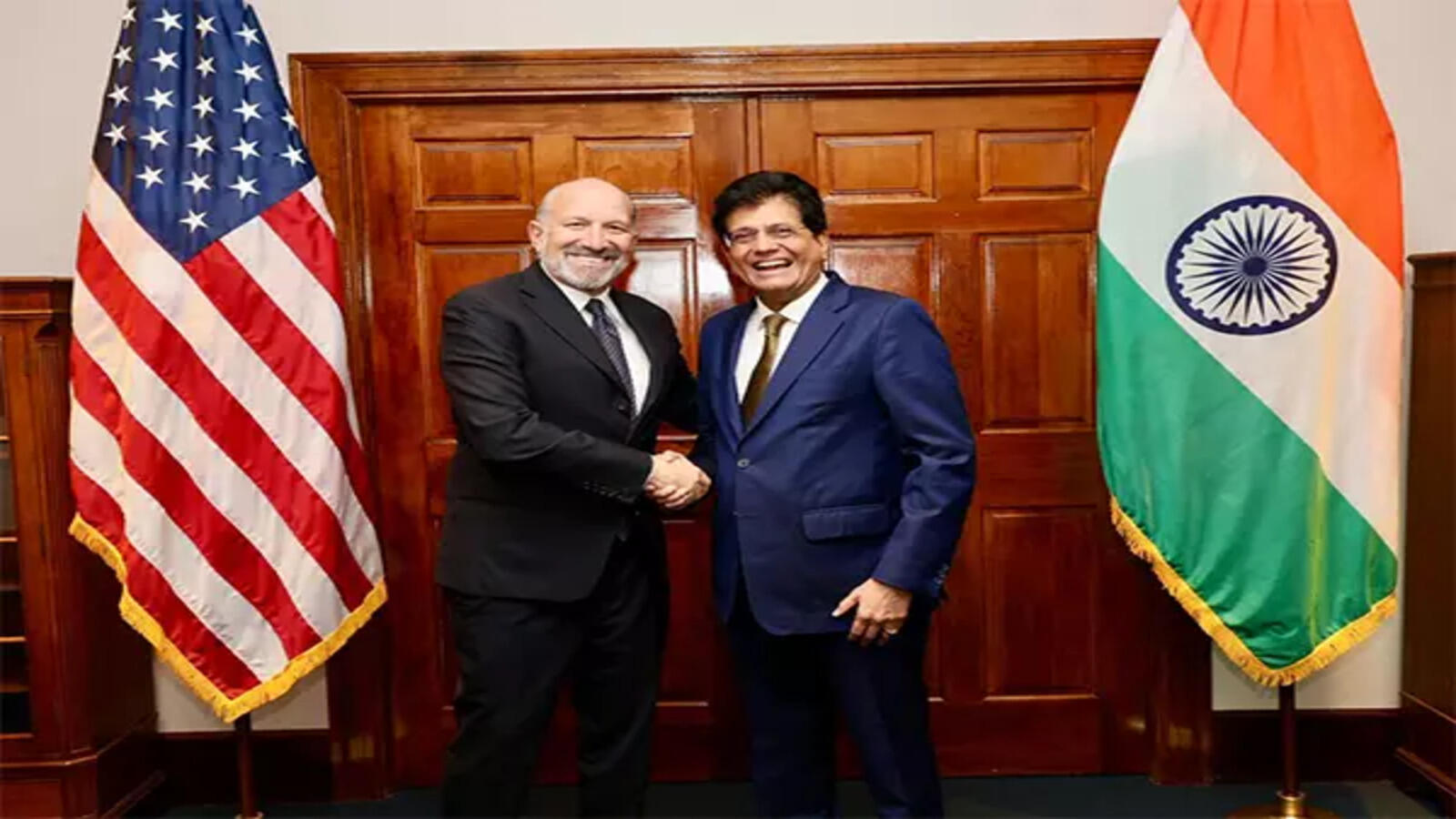
By K Raveendran Trade negotiations between Washington and New Delhi have moved into a critical phase as senior American trade officials arrive in India with the stated intention of clearing the final hurdles to a long-discussed agreement. The presence of Deputy US Trade Representative Rick Switzer and chief India-deal negotiator Brendan Lynch underscores the renewed […]

The article US Officials’ Delhi Trip Takes Trade Negotiations Into A Decisive Stage appeared first on Latest India news, analysis and reports on Newspack by India Press Agency).

A coalition of six major video-game unions from across Western Europe has come together to condemn widespread layoffs, growing use of generative AI and persistent toxic workplace conditions across the industry. The group includes France’s STJV, the UK’s IWGB Game Workers, Spain’s CGT, Italy’s FIOM-CGIL, Germany’s ver. di, and Game Workers Unite Ireland. Their joint move signals one of the strongest cross-border union alliances the gaming sector […]

Bank lending across the UAE, Saudi Arabia and wider Middle East is projected to gather momentum next year as resilient economic conditions and steady financing demand strengthen the outlook for regional lenders. The assessment reflects the prevailing view among major rating analysts that banks have entered the coming year with solid balance sheets, expanding pipelines in corporate and retail credit, and a supportive macroeconomic environment. Fitch Ratings […]

Advertisements

Empowering Enterprises with AI-Driven, Built-In Security and Unmatched Flexibility HONG KONG SAR – Media OutReach Newswire – 10 December 2025 – As digitalization accelerates, Hong Kong enterprises of all sizes are confronting an increasingly challenging cyberattack landscape, where system vulnerabilities, phishing, and ransomware are becoming more prevalent, jeopardizing operational continuity and corporate cybersecurity. Addressing these challenges, HGC Global Communications (“HGC”), a fully-fledged ICT service provider and network […]

Crowds are heading to Fort Island at Madinat Jumeirah as one of Dubai’s most anticipated seasonal attractions opens its doors for the Christmas Market 2025, offering a mix of entertainment, dining and festive installations through December. The annual celebration has grown into a prominent feature of the city’s winter calendar, drawing families, tourists and residents to its waterfront setting with activities designed to appeal to a wide […]

Japan is intensifying its economic engagement with Gulf partners as policymakers and corporate leaders seek to counter global uncertainty and reduce exposure to shifting geopolitical priorities under evolving US policy. The recalibration marks a notable acceleration in Tokyo’s outreach to the Middle East’s major sovereign investors, energy exporters, and technology funds, reflecting a sense within government and industry that the country must widen access to capital and secure strategic partnerships as global supply chains face persistent strain.

A growing number of senior officials and executives have argued that Japan’s longstanding reliance on the US as an anchor for both economic and security stability now requires broader support. Their stance reflects concerns generated by the more transactional orientation of the US under the America First framework, which has amplified debates in Tokyo on the need for diversified alliances. That reassessment has coincided with unprecedented liquidity flows across the Gulf, where sovereign wealth funds are expanding global portfolios in sectors ranging from clean energy and advanced manufacturing to semiconductors, logistics and emerging technologies.

Prime Minister Fumio Kishida’s government has moved to strengthen ties with the region’s largest investment authorities, including Abu Dhabi’s Mubadala Investment Company and Saudi Arabia’s Public Investment Fund. Japanese ministries have encouraged joint projects that align with national priorities such as chip resilience, hydrogen supply chains, carbon management, and infrastructure modernisation. Officials familiar with the discussions say the focus extends beyond energy security to long-term industrial cooperation, with Tokyo exploring ways to integrate Middle Eastern capital into Japan’s domestic renewal.

Several major companies have already positioned themselves to capture the shift. Trading houses such as Mitsui & Co. and Mitsubishi Corp. have expanded partnerships in clean fuels and petrochemicals, while Japan’s leading automakers are examining opportunities linked to Gulf diversification strategies, particularly in battery supply, autonomous mobility, and advanced materials. Banks including MUFG and SMBC are increasing their presence in the region to support outbound investment, project finance, and corporate advisory mandates requested by Gulf entities looking to deploy capital in Asia.

Analysts observe that the evolving dynamic is not one-sided. Middle Eastern investors have signalled interest in stable, technologically advanced economies as part of their long-term diversification plans. Japan’s strong intellectual property base, advanced industrial ecosystem, and predictable regulatory environment have become increasingly attractive to funds seeking alternatives to higher-risk markets. Executives have also pointed to the convergence of strategic priorities, including shared urgency around food security, energy transition, and digital infrastructure development.

The country’s semiconductor revival has emerged as a key area of alignment. As Japan attempts to rebuild its chip manufacturing footprint with government-backed projects involving firms such as Rapidus and partnerships with global foundries, Gulf investors have explored opportunities to participate in upstream and downstream components of the supply chain. Officials tracking the conversations describe growing interest from Middle Eastern funds in Japan’s materials science know-how and next-generation fabrication technologies, which they view as long-term assets capable of supporting their broader industrial programmes.

Energy cooperation remains central to the relationship. Japan continues to depend heavily on the Gulf for crude oil and liquefied natural gas, but the nature of that relationship is shifting toward co-investment in renewable energy, hydrogen production, and carbon capture projects. Tokyo’s efforts to secure stable supplies of blue and green hydrogen align closely with the decarbonisation roadmaps of Saudi Arabia and the United Arab Emirates, which are positioning themselves as future exporters of low-carbon fuels. Japanese companies have signed multiple memoranda with Gulf partners to test supply chains that could support both nations’ energy transition targets.

Technology collaboration is also gathering momentum. Gulf sovereign funds have expanded their allocations to late-stage venture investments and tech infrastructure, creating new openings for Japanese firms in fields such as robotics, clean-tech, mobility software, and advanced manufacturing systems. Executives from several technology conglomerates have confirmed that discussions are under way to establish joint R&D facilities, venture co-investment platforms, and industrial clusters that could operate across Asia and the Middle East.

Diplomatic signalling has reinforced the economic shift. Visits by senior Japanese officials to Riyadh, Abu Dhabi, Doha and Manama have highlighted Tokyo’s intent to deepen ties not only through energy partnerships but also through digital transformation initiatives, defence industrial cooperation, and food-supply agreements. These engagements complement Japan’s broader Indo-Pacific strategy, which emphasises stability, open trade routes, and resilience in critical sectors.


Abu Dhabi’s transformation into a leading centre for digital asset regulation is gathering global recognition, with legal and financial experts pointing to its advanced regulatory framework and investor-friendly environment as key drivers for growing crypto-sector confidence.

At the sidelines of Abu Dhabi Finance Week, compliance specialist Magdalena Boškić of Swiss firm Kellerhals Carrard declared that the UAE has firmly established itself as a global hub for digital-asset businesses, drawing major international players thanks to robust legislation and transparent licensing regimes. She highlighted the role of regulatory bodies such as the Financial Services Regulatory Authority at Abu Dhabi Global Market, the Virtual Assets Regulatory Authority in Dubai, the Dubai Financial Services Authority, and the Central Bank of the UAE, describing their collective efforts as among the most advanced globally.

Under the UAE’s multi-jurisdictional model, companies involved in trading, custody, asset-management or tokenisation can select the regulatory framework that matches their business model, offering flexibility without sacrificing oversight. The regime is built on principles like technology neutrality, activity-based licensing and strict compliance with investor-protection standards — features that offer legal clarity and attract institutional as well as retail participation. Boškić noted that this environment has led several prominent Swiss digital-asset banks such as Sygnum and AMINA to expand their presence in the Emirates.

A 2025 ranking by the Global Finance & Technology Network, in collaboration with consultancy Arthur D. Little, placed the UAE alongside jurisdictions such as Switzerland and Singapore among the most advanced globally for crypto regulation. The report credited the UAE for its comprehensive approach to tokenised assets, stablecoins, virtual-asset service providers and other fintech innovations — moving the country from ambition into execution.

Institutional adoption has risen sharply. Data on inflows between mid-2023 and mid-2024 show digital-asset investments of more than US$30 billion — roughly 10 percent of the Middle East and North Africa region’s total — with institutional-sized transfers jumping about 55 percent year-on-year. Simultaneously, retail participation has surged; the number of daily active crypto traders in the UAE has reportedly crossed 500,000, underscoring broad public engagement with digital-asset markets.

Fiscal incentives have added to the appeal. The absence of personal income tax or capital-gains tax, combined with exemptions on value-added tax for trading and conversion of virtual assets, offers one of the most favourable tax regimes globally. These conditions, combined with regulatory clarity, help explain the influx of both specialized crypto firms and traditional financial institutions adapting to digital-asset offerings.

The expansion also includes the tokenisation of real-world assets — such as real estate, aviation and even sovereign bonds — indicating that the UAE’s digital-asset market is evolving beyond speculative cryptocurrency trading into structured financial instruments. This opens pathways for sophisticated investors and enterprises seeking to integrate blockchain-based financing or asset-tokenisation into mainstream operations.

Still, rapid growth is not without risks. Observers caution that heightened crypto activity brings exposure to money laundering, unregulated peer-to-peer trading, cybersecurity threats and uneven investor protection. Regulators must balance fostering innovation with safeguarding financial integrity.

A milestone for regulatory trust came this week when Binance secured a global licence under the ADGM framework granted by the FSRA. The approval of the world’s largest crypto exchange underlines the UAE’s drive to cement its status as a credible, regulated base for digital-asset operations.

By Nantoo Banerjee India’s domestic civil aviation market, the world’s third largest after the United States and China, nearly collapsed last week as its major private airline, IndiGo, boasting nearly 70 percent of traffic share, suddenly cancelled hundreds of flights on the ground of pilot shortages after it failed to adapt to new flight crew […]

The article India Must Clip IndiGo’s Wings To Protect Fast-Growing Domestic Aviation Market appeared first on Latest India news, analysis and reports on Newspack by India Press Agency).

Security researchers have uncovered critical infrastructure details tied to the ransomware operation LockBit 5.0, exposing a publicly accessible server and domain used by the gang. The server, identified by IP address 205.185.116.233, and the domain karma0. xyz have been linked to the group’s latest leak-site. The disclosure, first shared by cybersecurity researcher Rakesh Krishnan on 5 December 2025, represents a major operational security failure for the ransomware […]

Web3 momentum across the Gulf is increasingly visible in grassroots spaces where developers, founders, and early-stage investors gather to exchange ideas far from official boardrooms. The growth of these informal networks in Dubai, Abu Dhabi, Riyadh, and Bahrain has become a notable driver of activity in blockchain, tokenisation, digital assets, and decentralised applications, complementing government-led strategies that have positioned the region as a key hub for emerging […]

Greenlogue/AP Backed by British International Investment, Egypt’s first utility-scale hybrid solar and battery development has taken a decisive step forward as the country works to accelerate its transition towards a more resilient renewable power system. The 1.1-gigawatt Obelisk project, led by Norway’s Scatec, is positioned to become one of the largest integrated solar and battery energy storage schemes in Africa, strengthening prospects for grid stability and long-term […]

The United States Department of State reaffirmed a Level 4 “Do Not Travel” advisory against travel to or remaining in Venezuela, citing grave concerns over crime, civil unrest, deteriorating public services and very limited consular support. The announcement cautioned Americans that acts such as kidnapping, arbitrary detention, torture, terrorism, and violent crime are widespread — and that shortages of fuel, electricity, water, medicines and medical supplies make […]

HANOI, VIETNAM – Media OutReach Newswire – 5 December 2025 – The VinFuture Foundation officially announces the laureates of the VinFuture Prizes 2025. Four outstanding scientific and technological breakthroughs have been honored, reflecting this year’s theme “Rising and Thriving”, and highlighting the role of cross-border scientific collaboration in addressing global challenges in health, environment, and human livelihood. The 2025 VinFuture Prize Award Ceremony was broadcast live on […]

Crowds and cameras gathered at the Delhi airport as Vladimir Putin stepped off his aircraft and was received by Narendra Modi with a firm embrace that signalled the weight both leaders attach to a relationship tested by shifting global alignments. The state visit, framed by Moscow and New Delhi as an effort to reinforce political and economic cooperation, comes at a moment when both sides are seeking predictable partners amid geopolitical uncertainty.

Putin’s arrival on Thursday marked his first trip to the country in more than a year, timed to draw attention to long-standing strategic ties that have endured pressure from global sanctions on Russia and growing competition among major powers for influence in Asia. Modi’s greeting, captured widely by broadcasters, highlighted the government’s intention to maintain a working partnership with Moscow even as it deepens cooperation with Western governments on defence, technology and energy.

The two leaders are expected to focus on trade flows, defence equipment support, energy security arrangements and joint manufacturing proposals that have gained momentum since early 2024. Officials familiar with the agenda have pointed to Moscow’s push for expanded settlements in national currencies, aiming to mitigate complications arising from sanctions that have disrupted traditional payment channels. New Delhi has been looking for greater clarity on oil supply commitments, pricing transparency and long-term contracts, following fluctuations in global markets that prompted domestic refiners to diversify purchases.

Defence cooperation remains central to the partnership, though the balance has shifted over the past decade as New Delhi has widened procurement from the United States, France and other suppliers. Russia continues to service and upgrade a significant share of the armed forces’ equipment, and ongoing discussions cover spare-parts support, maintenance of legacy systems and joint development pathways that may offer greater flexibility than standalone purchases. Analysts tracking the talks say Moscow is keen to retain its foothold in the defence market while showcasing its willingness to adapt to collaborative production models.

Energy will feature prominently during the discussions as Russia seeks greater investment in its upstream projects and hopes to secure broader participation from New Delhi in pipeline and liquefied natural gas initiatives. Indian refiners have emerged as important buyers of Russian crude despite logistical and payment challenges, and both sides are expected to address delivery mechanisms that would reduce delays and improve predictability. Officials have also been reviewing possibilities for expanding cooperation in nuclear energy, where previous agreements have laid the groundwork for additional reactor units at existing sites.

Bilateral trade has risen sharply over the past two years, driven largely by energy imports, but New Delhi has expressed concerns about the wide imbalance, with exports to Russia trailing significantly. Commerce officials have been pushing for easier access for pharmaceuticals, agricultural goods and engineering products, arguing that a more balanced structure would strengthen the sustainability of the economic relationship. Russian representatives arriving with the delegation have proposed expanded use of logistics corridors passing through Central Asia, which they say would ease transport costs for exporters on both sides.

Regional security dynamics form another layer of the discussions, particularly Moscow’s role in Eurasia and its ties with Beijing. Diplomats note that New Delhi continues to walk a delicate line, maintaining cooperation with Russia while strengthening its partnerships across the Indo-Pacific. Strategic analysts caution that both sides must navigate sensitive points, including Moscow’s position on territorial disputes and broader alignments that could shape regional balances over the coming decade.

Putin’s schedule includes a ceremonial welcome, delegation-level talks and a review of key agreements under negotiation. Officials have indicated that deliverables may include frameworks on energy cooperation, updated defence industrial collaboration and initiatives supporting educational exchanges and technological research. Cultural diplomacy also features prominently, with both governments emphasising people-to-people connections that have historically underpinned the relationship.

The optics of the visit carry domestic significance for both leaders. Modi’s government seeks to project continuity in foreign policy through engagement with all major powers, underscoring its commitment to strategic autonomy. For Putin, the reception in New Delhi offers an opportunity to demonstrate that Russia retains influential partners beyond Europe and North America, reinforcing narratives about its engagement with Asia’s leading economies.

Analysts observing the visit note that the personal rapport between the two leaders has helped maintain channels of communication through periods of global stress. Their discussions routinely touch on multi-year strategic frameworks covering defence, energy, industrial cooperation and regional diplomacy, areas where incremental progress continues despite broader geopolitical complications.

Russia has blocked access to Apple’s FaceTime and messaging service Snapchat, escalating a sweeping campaign to curb foreign communication platforms across the country. The decision by the state regulator Roskomnadzor marks a significant shift from throttling public social media sites to restricting private and encrypted communication tools. Roskomnadzor said the two services were being used “to organise and carry out terrorist acts within the country” and for […]

A newly documented exploitation method using scalable vector graphics has intensified scrutiny of browser-level security after a security researcher demonstrated how attackers can transform traditional clickjacking into a highly responsive, interactive deception technique. The approach, described as “SVG clickjacking,” shows how malicious actors can build dynamic and precise overlays that track user behaviour far more effectively than the static frames typically seen in older attacks. The method […]

A fully digital escrow service for vehicle ownership transfers has been introduced through a partnership between SlashData and the Integrated Transport Centre, marking a significant shift in how transactions between buyers and sellers are executed in the UAE. The rollout of the platform known as Shary signals an effort to reduce paperwork, lift administrative burdens, and strengthen confidence in a market where used-car transactions continue to expand. […]

The tech company behind Ubuntu is winding down its long-standing public wiki sites by August 2026 and launching a completely rebuilt wiki to address mounting concerns over content quality, security and usability. The existing public wikis — at wiki. ubuntu. com and help. ubuntu. com/community — have served the global Ubuntu community for more than two decades. But in a post titled “A new Ubuntu wiki, Part […]

A decision to withdraw a controversial directive on compulsory smartphone app preinstallation has been taken by the authorities after sustained objections from device makers and technology firms. The policy reversal follows intense debate over whether phone manufacturers should be required to preload the government’s Sanchar Saathi platform, amid concerns about user privacy, operating system integrity and compliance burdens. The shift comes less than two days after reports that Apple had declined to adopt the mandate, setting off a wider industry pushback that accelerated the measure’s rollback.

Officials confirmed that the mandatory installation plan has been shelved, indicating that further consultations will be held before any such directive is reconsidered. The original order sought to ensure that every new smartphone sold in the country carried Sanchar Saathi, a platform designed to help users trace lost devices, block stolen handsets and verify mobile connections. While the tool is already available for voluntary download, stakeholders argued that forcing manufacturers to embed it at the system level risked creating fragmentation across devices, complicating software updates and compromising user choice.

Senior executives from major handset brands expressed relief at the reversal, noting that the directive had introduced uncertainty at a time when the phone market is preparing for a competitive year-end cycle. Apple, which typically restricts preinstalled third-party apps to maintain strict control over its ecosystem, had reportedly conveyed through official channels that compliance would conflict with long-standing platform policies. That position highlighted the technical complexities of enforcing a uniform preinstallation rule across operating systems that function on entirely different architectures. Android phone makers had also raised procedural questions, cautioning that mandatory system additions could require extensive vetting, security reviews and manufacturer-specific testing.

The broader industry reaction underscored concerns about data governance and user rights. Digital rights groups argued that preloading state-linked applications without explicit user consent could set a troubling precedent, even if the stated aim of the app was consumer protection. Cybersecurity specialists added that any software embedded at the system level must undergo rigorous, transparent auditing to prevent vulnerabilities that malicious actors could exploit. They warned that compulsory integration could expand the attack surface on devices at a time when financial fraud, phone cloning and identity theft cases continue to grow.

Officials involved in policymaking acknowledged that the industry’s logistical and legal objections played a decisive role in halting the order. They said the withdrawal would allow departments to reassess the technical feasibility of the measure and examine alternative ways to boost the adoption of Sanchar Saathi without imposing new conditions on manufacturers. The platform, launched by the Department of Telecommunications, has gained traction through voluntary use, particularly for blocking stolen phones via the Central Equipment Identity Register. Policymakers are studying whether awareness campaigns, improved onboarding flows and coordination with telecom operators could enhance user uptake more effectively than preinstallation.

Market analysts described the reversal as a pragmatic move aimed at preventing friction between the government and global technology firms, particularly at a time when the country’s digital manufacturing ambitions remain in focus. Apple, which has expanded iPhone assembly through local partners, is seen as a critical participant in that strategy. Analysts said any regulatory action that appears to conflict with its operating standards risks diluting investment momentum. They added that Android manufacturers, many of whom operate extensive local supply chains, would also have faced significant re-engineering work to align with the directive.

Industry groups emphasised that while supporting consumer safety initiatives, they prefer interventions that preserve user autonomy and maintain consistent software governance standards. Stakeholders reiterated that preinstallation mandates, unless narrowly tailored and transparently justified, can lead to compatibility issues and unintended consequences across a diverse device ecosystem. They also highlighted that global smartphone markets increasingly recognise the importance of limiting bloatware and avoiding compulsory system-level apps that cannot be removed by users.

A proposed acquisition involving Solmate and RockawayX is set to form a digital-asset business valued at about $2 billion, marking one of the most significant consolidation moves in the crypto infrastructure segment this year. The companies have signed a term sheet that lays the foundation for a unified institutional platform, bringing together treasury management, custody, infrastructure services, and investment capabilities under a single framework aimed at accelerating growth in regulated markets.

The structure under discussion places Marco Santori at the helm of Solmate as chief executive, overseeing the combined treasury and infrastructure strategy. Santori, whose career has spanned legal, compliance and policy roles across the crypto sector, is expected to steer the organisation through advancing regulatory requirements and the maturation of institutional demand for blockchain-based services. Viktor Fischer will continue as chief executive of the RockawayX subsidiary, maintaining operational continuity for the unit’s investment and venture activities, while supporting its integration into the broader strategy being shaped for the merged entity.

The term sheet signals a drive toward strengthening institutional-grade products, an area that has been expanding as asset managers, banks and corporates look for secure and compliant exposure to digital assets. Market analysts note that consolidation among service providers has intensified during the year, with firms seeking scale to meet tighter rules around custody, disclosures and consumer protection. The combined platform is positioned to benefit from these pressures, particularly as policymakers in Europe and the Gulf continue to advance clearer frameworks for crypto trading and asset tokenisation.

Both companies have been active in digital-asset infrastructure, with Solmate operating from the UAE while expanding its footprint across treasury services, custody architecture and enterprise solutions, and RockawayX building a presence in venture investment and decentralised finance infrastructure. Industry observers point out that merging these capabilities could create a diversified revenue base that spans recurring service fees and strategic investment returns. The proposal aligns with a wider shift toward vertically integrated models, enabling providers to streamline operations and reduce dependence on external platforms.

The acquisition plan comes at a time when institutional appetite for blockchain-based solutions has grown. Asset tokenisation has gained traction across global financial centres, with several regulators encouraging pilots in settlement, fund distribution and real-world asset token structures. Market estimates from financial institutions tracking tokenisation flows suggest that the segment could expand into multi-trillion-dollar territory over the next decade, creating opportunities for firms positioned to serve corporate treasuries and fund managers seeking secure digital infrastructure.

Santori has highlighted in prior industry engagements that regulatory clarity is central to institutional adoption. His role in shaping the combined strategy is seen as critical as Solmate works to align its offerings with evolving rules across the EU, the UK and the Gulf. Fischer, meanwhile, has maintained a focus on early-stage blockchain innovation and decentralised services, an area where RockawayX has built strong networks with founders and developers. The proposed structure allows both executives to operate within their respective strengths while contributing to a unified long-term roadmap.

The companies are expected to enter a detailed due-diligence phase, during which they will assess operational integration, regulatory conditions and market positioning. While the term sheet outlines key leadership and structural arrangements, the final agreement will depend on further negotiations and any regulatory permissions required in relevant jurisdictions. People familiar with transactions of this scale emphasise that the coming stages typically involve extensive compliance reviews, cybersecurity audits and technology-stack assessments, especially for firms engaged in digital-asset custody and treasury operations.

Market participants say the combined entity’s valuation of around $2 billion reflects the premium placed on platforms capable of serving institutional demand for secure storage, liquidity management, infrastructure and tokenisation support. Comparable transactions this year have highlighted a rising interest among investors in firms that can bridge traditional financial practices with advanced blockchain tools. Analysts also point out that bringing treasury and venture operations together may create synergies, allowing insights from early-stage ecosystems to inform enterprise-level product design.

VISHNU RAJA
RYO YAMADA
HITORI GOTOH
IKUYO KITA