News related to
security

Households may soon welcome a new occupant. Robotics firm 1X Technologies has opened pre-orders for its humanoid home assistant model, NEO, signalling a push into consumer domestic robots. The Palo Alto and Norway-based company lists the unit at about US$20,000, with deliveries slated to begin in 2026. The robot is pitched to perform household chores such as folding laundry, organising shelves, fetching items and greeting guests. 1X […]

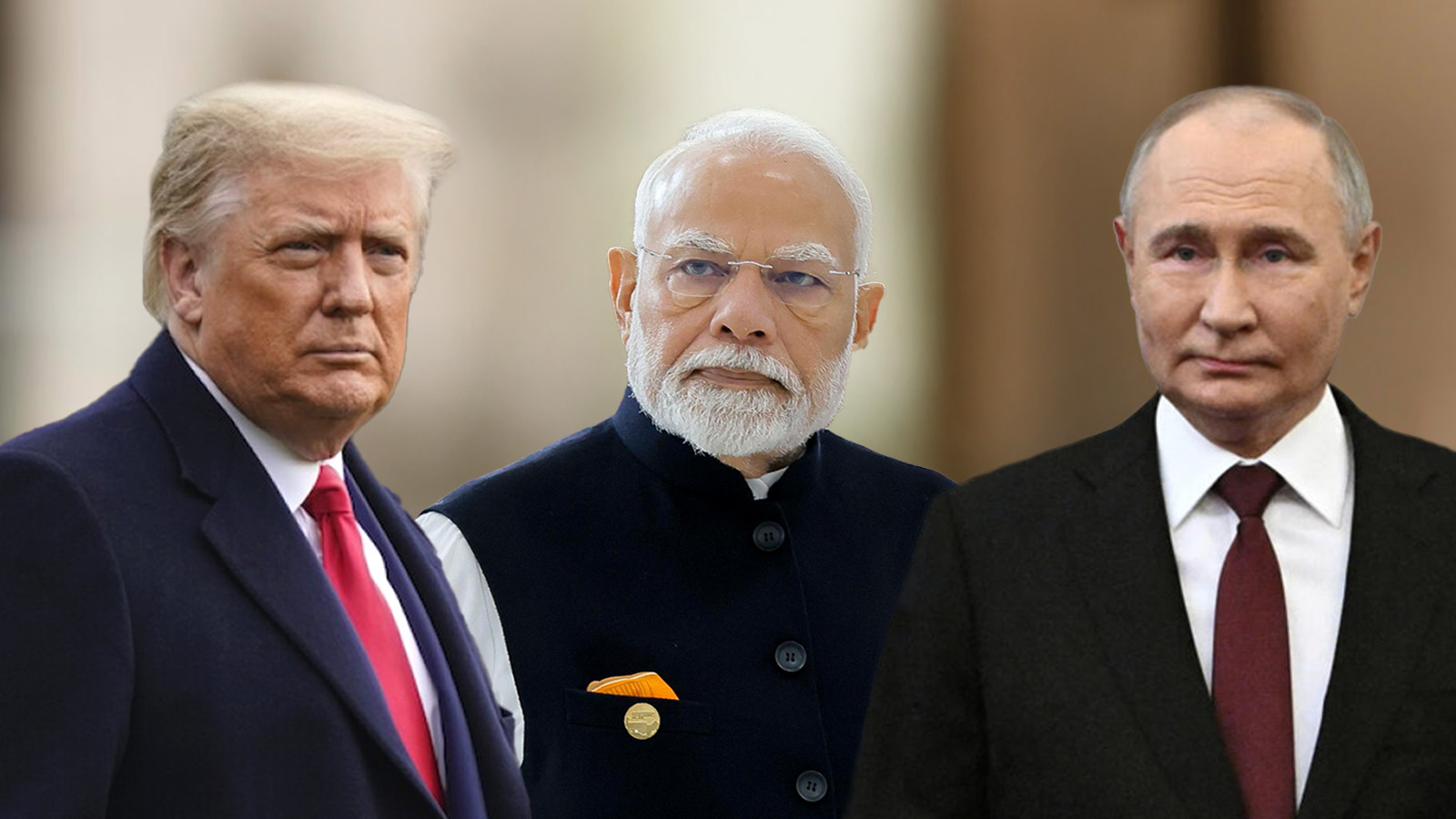
By K Raveendran New Delhi appears to be recalibrating its crude-oil sourcing strategy under mounting pressure from Washington, signalling what may be a strategic shift away from Moscow in favour of deeper ties with the United States. Over the past few months, Indian refiners, including the major private player Reliance Industries, have ceased or paused […]

The article India’s Energy Pivot Under Donald Trump’s Tariff Pressure appeared first on Latest India news, analysis and reports on Newspack by India Press Agency).

LISHUI, CHINA – Media OutReach Newswire – 29 October 2025 – At the 78th World Health Assembly in Geneva earlier this year, a rural healthcare project from eastern China drew global attention. The mountain county of Jingning She Autonomous County in Zhejiang’s Lishui City introduced its “Smart Mobile Hospital + AI” model — an innovation that shows how digital transformation can bring quality medical services to remote […]

TOKYO, JAPAN – Media OutReach Newswire – 29 October 2025 – Creww Inc. (Japan Office: Shibuya-ku, Tokyo, Representative: Sorato Ijichi, hereinafter “Creww”), Japan’s leading open innovation platform provider, and Real Madrid Next are pleased to announce the selection of 6 startups for the “Real Madrid Next Accelerator for Asia” Batch 2. About “Real Madrid Next Accelerator for Asia” Batch 2 “Real Madrid Next Accelerator for Asia” Batch […]

Forum invites businesses to Lead with Smart Tech towards Innovation, Resilience, and Growth in today’s digital-first economy KUALA LUMPUR, MALAYSIA – Media OutReach Newswire – 29 October 2025 – Canon today announced its upcoming Think Big Klang Valley Series, happening on 12 November 2025 at the Sheraton Petaling Jaya Hotel. Under the theme of ‘Future-Ready Malaysia: Innovation, Resilience, Growth’, the forum will bring together industry leaders and […]

A wave of advanced phishing campaigns is exploiting a novel combination of social engineering and browser-cache manipulation to infiltrate systems without triggering typical security alerts. The technique begins when a user is tricked into visiting a phishing webpage that pretends to be a trusted application—such as a VPN compliance checker. The danger lies in the instruction to copy and paste a network path into the Windows File […]

The cryptocurrency exchange WazirX will resume trading from 24 October, offering zero-trading-fees for a 30-day window as it restarts operations in phases through 27 October, according to the company’s announcement. The move follows regulatory and judicial approval of its restructuring scheme, signalling a fresh push to restore market presence and user confidence.

The phased rollout is structured across four days beginning 24 October, with around 25 per cent of listed tokens becoming tradeable each day until full functionality is reached by 27 October. The USDT markets will be enabled first, followed by INR trading pairs as part of the gradual reactivation. Trading will commence on each live token at 10:00 a. m. IST, with order-matching set to begin at 5:00 p. m. IST. The company emphasises that the fee-free period will be assessed for extension depending on user engagement and stability of the restart.

The zero-fee offer is designed to attract traders back to the platform and rebuild liquidity, at a time when trust in crypto exchanges remains fragile. WazirX management states that this incentive, coupled with a careful phased launch, is intended to “restore liquidity safely, confirm technical stability, and ensure a gradual and reliable return to normal trading across all market pairs.”

The relaunch arrives after the Singapore High Court sanctioned the restructuring scheme of WazirX’s parent entity, clearing a major regulatory hurdle. The process involved creditor-votes and considerable restructuring oversight, reflecting the seriousness of the platform’s operational freeze. The court approval is expected to pave the way for potentially unlocking user funds that had remained frozen since the suspension.

The exchange’s suspension followed a major cybersecurity incident in July 2024, when approximately US$230 million was reportedly lost in one of the country’s largest crypto-hacks. The outage left the platform offline for over a year and a half, creating uncertainty for users and creditors. The company signals that its collaboration with a third-party custody provider is intended to strengthen asset security, responding to one of the principal criticisms that emerged from the hack.

Analysts say the relaunch is significant for India’s broader crypto ecosystem, which has witnessed growing regulatory scrutiny and pressure for tighter security and transparency standards. The move by WazirX could act as a bellwether for other exchanges, in terms of operational restoration and user-trust rebuilding efforts. However, the stakes remain high: many users still await clarity on withdrawals, disputing the timeline and adequacy of asset recovery efforts.

While the trading disruption is over, questions persist about how quickly WazirX can rebuild liquidity across its markets, re-list tokens that were delisted or migrated during the shutdown, and reassure the user-base that past vulnerabilities have been addressed. Some tokens have already been delisted or swapped in line with the exchange’s due-diligence review, further complicating the relaunch.

Advertisements

Showed Growing Interest in Healthcare Technology Event Featured a 30-second AI Retinal Imaging to Screen 55 Health Risks Instantly HONG KONG SAR – Media OutReach Newswire – 28 October 2025 – “Prevention is better than cure” is a common saying that reflects the concept of “preventive healthcare,” which advocates for citizens to proactively manage their health in daily life to reduce the future financial burden of treating […]

President Paul Biya has been declared the victor of Cameroon’s presidential election with 53.66 per cent of the vote, according to the country’s Constitutional Council. The announcement deepens political tension after opposition leader Issa Tchiroma Bakary claimed he had won the vote and alleged gunfire targeting civilians outside his home in Garoua. At 92 years old, Biya is now positioned to serve another seven-year term, extending his […]

Powering the Intelligent Age Summit announced the ASEAN AI Safety Network and Sustainable AI White Paper, aligning regional collaboration with sustainability and trust KUALA LUMPUR, MALAYSIA – Media OutReach Newswire – 28 October 2025 – The Ministry of Digital, through the Malaysia Centre for the Fourth Industrial Revolution (MYCentre4IR), in collaboration with the World Economic Forum (WEF), today hosted the Powering the Intelligent Age: Driving Innovation with […]

HONG KONG SAR – Media OutReach Newswire – 27 October 2025 – Shanghai Commercial Bank (the Bank) is pleased to celebrate its 75th anniversary with a series of events starting with a landmark exhibition, “From Shanghai to Hong Kong, Connecting the World”, which will be open to the public from 8 November to 5 December 2025. The exhibition chronicles the Bank’s storied journey from its origin in […]

A high-level delegation from China plans to meet officials in Brussels this month to discuss tightening restrictions on rare earths and other critical minerals after the bloc flagged the controls as a threat to its key industrial sectors. The European Union has increased pressure on Beijing to restore stable access to materials essential for electric vehicles, semiconductors and defence capabilities while also advancing its own diversification plan […]

Data-resilience specialist Veeam Software has struck a definitive agreement to acquire Securiti AI for approximately US$1.725 billion in cash and stock, marking a significant expansion of its capabilities into data security posture management, privacy, governance and AI-trust technologies. The transaction is expected to close in the fourth quarter of 2025, pending regulatory and customary approvals. Veeam’s move aims to fuse its established strength in backup, recovery and […]

China’s securities regulator has rolled out a sweeping reform package designed to simplify access for overseas institutional investors and bolster long-term capital flows into its stock and bond markets. The China Securities Regulatory Commission announced that it will streamline the existing regime for the so-called qualified foreign investor framework, including loosening qualification thresholds, expanding investment scope and reducing administrative friction.

At a policy forum in Beijing, CSRC Chairman Wu Qing stated that the reforms aim to make China’s capital markets “more inclusive, adaptable and globally competitive”. He said the regulator plans to introduce a shelf-based refinancing mechanism and simplify filing procedures for overseas listings, aligning with the broader effort to diversify asset allocations amid global uncertainty.

The reforms are anchored on three pillars: easing eligibility for overseas institutional investors, enhancing operational flexibility for capital flows and broadening the range of permissible investments. Legal-and-regulatory briefings indicate that registration channels will be modernised; for example, in the revised framework for the earlier QFII/RQFII regime, a single renminbi account may now serve both securities and derivatives trading and repatriation of returns is simplified.

The timing of the reforms signals China’s intent to rebuild investor confidence amid a decelerating economy and mounting international competition for capital. Analysts note that the removal of quotas in earlier iterations of the programme set the stage for this deeper opening. Foreign asset-managers are expected to interpret this as a signal that Beijing is actively courting long-term commitments, rather than purely speculative flows.

From the perspective of global investors, these changes may unlock previously inaccessible segments of China’s markets. The A-share universe on the Shanghai Stock Exchange and Shenzhen Stock Exchange has grown substantially, and the relaxations open the door to a wider number of institutions, countries and asset classes than in the past. Strategically, this aligns with China’s dual-track agenda of promoting internal consumption while also continuing to integrate with global finance.

Nevertheless, the loosening of rules carries risks and constraints. Although administrative barriers are being reduced, foreign institutions must still satisfy substantive criteria—including governance standards, compliance records and suitability for RMB-denominated investment. The commercial and geopolitical environment remains complex, and international concerns around transparency, data security and regulatory predictability persist. Moreover, while quotas may be reduced or removed, factors such as currency volatility, capital controls and domestic market sentiment will continue to influence investor decisions.

Market participants appear cautiously optimistic. A number of global asset-managers have publicly stated that they will monitor how implementation unfolds and whether domestic on-shore brokers and custodians adapt swiftly to the new rules. Some expect the real test to come when overseas institutions begin deploying larger mandates into the Chinese on-shore market and engaging in longer-term allocations rather than short-term trading.

From the government’s perspective, the drive to attract long-term capital is part of a broader reform push. China is not only seeking external capital but also attempting to deepen its domestic investor base, scale up passive and index-based investment, and reduce reliance on short-term speculative flows. The regulatory strategy suggests that policymakers believe structural openness will enhance market resilience and support sustainable growth.

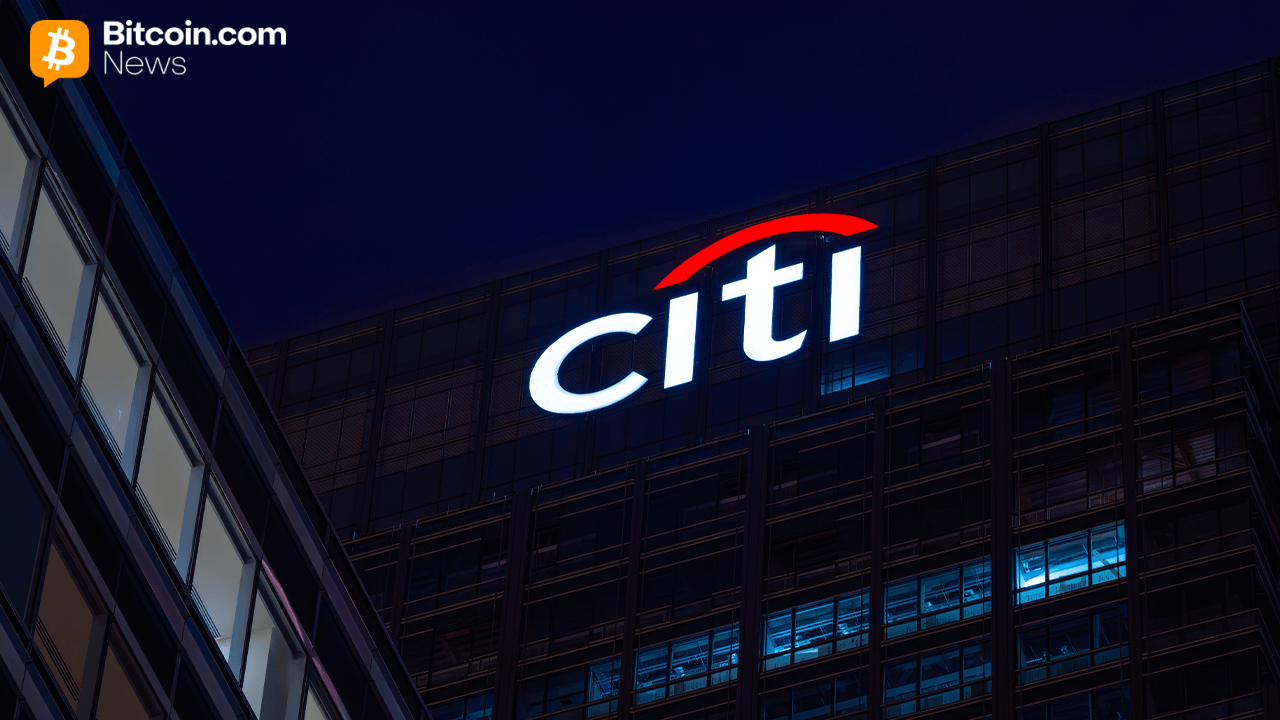
Citigroup Inc. and Coinbase Global Inc. have announced a collaboration to expand digital-asset payment services for the bank’s corporate clients, signalling a deeper institutional embrace of blockchain-based money transfers. The partnership will first focus on facilitating conversions between fiat currencies and digital assets, including stablecoins, and improving access to on- and off-ramps for firms that move large volumes of funds.

The deal between Citi and Coinbase addresses a prominent pain point in global payments: the cost, time and complexity of moving funds across borders or between fiat and crypto systems. Under the agreement, the participants will work on streamlining pay-ins and pay-outs for institutional clients, simplifying the flow between traditional bank accounts and Coinbase’s digital-asset platform.

“With more than 300 payment-clearing networks across 94 markets globally, we see collaborating with Coinbase as a natural extension of our ‘network of networks’ approach,” said Debopama Sen, Citi’s head of payments and services. Brian Foster, global head of crypto-as-a-service at Coinbase, added that the collaboration “reflects our commitment to building the infrastructure needed for the next generation of financial services.”

Analysts view the move as part of a broader trend in which leading financial institutions are shifting from cautious observation of digital assets to actively integrating crypto and stable-coin infrastructure. Citi had already signalled interest earlier this year in issuing its own stablecoin and providing custody services for crypto assets backing investment funds.

Stablecoins—cryptocurrencies pegged to fiat currencies—currently serve mostly trading and settlement within crypto markets. The new collaboration suggests an ambition to extend their use into cross-border payments, treasury operations and institutional settlements. In this case, the plan explicitly includes exploring mechanisms to directly link fiat balances to on-chain stable-coin payouts for corporate clients.

While the partnership presents opportunity, it also raises regulatory and operational challenges. Financial regulators have increased scrutiny of stable-coin issuance, backing reserves and the potential risks to payments stability. Traditional banks entering the crypto space must manage compliance, money-laundering controls and cyber security in new systems. For instance, a consortium of ten major banks—including Citi—are together exploring stable-coin issuance tied to G7 currencies, with regulatory oversight a key consideration.

From an operational standpoint, integrating digital-asset infrastructure into a global bank’s existing payments network is complex. Citi’s model involves multiple clearing networks and real-time settlement expectations; adding 24/7 on-chain rails demands robust coordination, governance and risk management frameworks. The collaboration acknowledges this by focusing first on institutional clients and later expanding to broader corporate use.

For Coinbase, this partnership enhances its positioning as a trusted infrastructure provider for institutions. The firm has made several moves to support institutional adoption, including acquiring technology to expand capital markets presence and forming strategies around tokenised credit products. By joining forces with a major bank like Citi, Coinbase gains access to a wide international payments network and the bridge between traditional finance and digital assets.

Market reaction has been positive; following the announcement, Coinbase’s shares rose, reflecting investor appetite for digital-asset infrastructure deals with legacy banks. For corporate clients of Citi, the collaboration means access to a potentially faster, lower-cost payment model that combines fiat and crypto rails and the possibility of 24/7 global transfers.

In examining trends, the deal fits into a pattern where banks are no longer sidelined observers of cryptocurrency innovation but active participants. As one executive at Citi observed, the financial-services landscape is changing fast, and institutional demand for real-time, border-less payments is driving innovation. That said, the extent and pace of adoption will depend on regulatory clarity, technological readiness and client acceptance.


The latest breakthrough in smart home automation promises to revolutionise the way we interact with our living spaces. Carpet sensing technology, which adapts to individual routines and enhances automation, is becoming a significant focus for tech companies looking to improve home interactivity. This innovation is set to transform residential spaces into responsive environments that learn user behaviours, creating a level of convenience previously unseen. At its core, […]

The groundbreaking ceremony of the world’s first gigascale round-the-clock renewable energy project took place in Abu Dhabi, marking a significant milestone in the global transition to sustainable energy. Sheikh Theyab bin Mohamed bin Zayed Al Nahyan, deputy chairman of the Presidential Court for Development and Fallen Heroes’ Affairs, was present at the event, which will see the integration of solar power and cutting-edge battery storage technologies capable […]

Western Union has unveiled a pilot program aimed at enhancing cross-border payments through the use of stablecoins. This initiative, which targets 150 million individuals globally, seeks to reduce dependency on traditional banking infrastructure, shorten transaction times, and lower the associated costs. The pilot will integrate stablecoin technology for on-chain settlements, marking a significant shift from the conventional banking systems that have long dominated the money transfer industry.

The move comes after a period of hesitancy in adopting cryptocurrency for mainstream financial services, primarily due to concerns surrounding volatility and regulatory challenges. However, Western Union’s shift in direction follows the passage of the GENIUS Act, which aims to provide clearer regulatory frameworks for digital currencies. This act has alleviated some of the uncertainty that had previously hindered the industry’s expansion, prompting Western Union to take the first step toward the adoption of blockchain-based payment systems.

Stablecoins, which are digital currencies pegged to a stable asset such as the US dollar, offer a solution to the volatility issues that often plague cryptocurrencies like Bitcoin or Ethereum. By using stablecoins, Western Union intends to offer a more predictable and stable payment option for its vast customer base. The pilot program is expected to leverage these stablecoins for transactions between participating financial institutions, ensuring the transaction flow remains smooth and cost-effective.

One of the key benefits of this pilot is the potential to drastically shorten settlement times. Traditional international money transfers can take several days to clear, especially when multiple intermediaries are involved. With blockchain technology, which underpins stablecoins, the transfer process can be streamlined, allowing for near-instantaneous transactions. This reduction in settlement time is expected to have a major impact on individuals who rely on remittances for financial support, particularly those in underserved or underbanked regions.

The cost-saving potential is another compelling reason behind Western Union’s decision to explore stablecoin technology. Money transfers via traditional banking systems often incur significant fees due to the involvement of various intermediaries, currency conversion charges, and administrative overheads. With stablecoins, these costs can be slashed, offering consumers a more affordable alternative for sending money across borders.

Despite the promising outlook, there are still challenges to overcome before the program can be rolled out on a global scale. Regulatory uncertainty remains a key obstacle, particularly in markets with stringent financial laws. Stablecoin adoption is subject to different regulatory environments depending on the jurisdiction, and Western Union must navigate these complexities to ensure compliance with local laws. Furthermore, there are concerns about the security and integrity of blockchain networks, as well as the need for robust anti-money laundering and know-your-customer protocols.

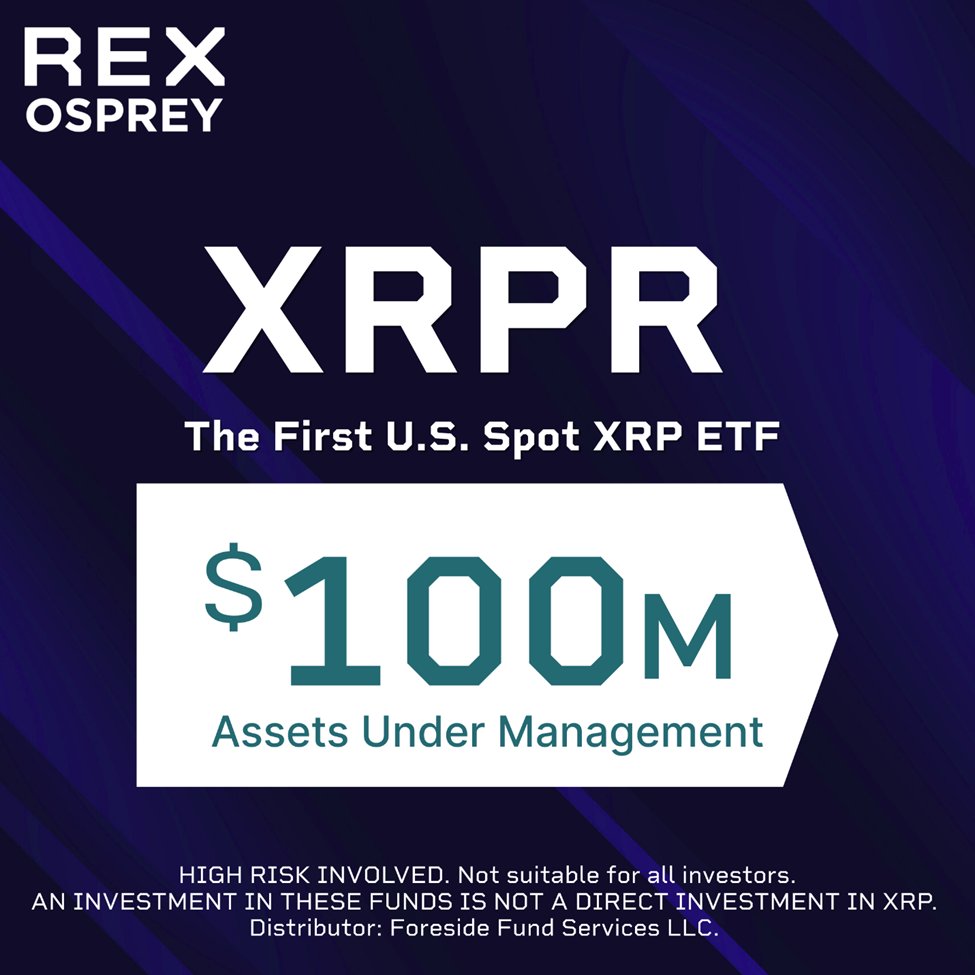
The REX-Osprey XRP ETF, the first U. S. exchange-traded fund offering direct exposure to XRP, has surpassed $100 million in assets under management within a month of its launch. Launched on September 18, the fund provides investors with a unique opportunity to gain direct exposure to XRP, the fourth-largest cryptocurrency by market capitalization, without the complexities of purchasing the digital asset itself.

According to REX Osprey, the firm behind the launch of the ETF, the rapid growth in AUM highlights the increasing interest in digital assets and their integration into mainstream investment products. The ETF, which trades on the Cboe BZX Exchange, allows investors to gain exposure to XRP through a traditional brokerage account, making it more accessible than purchasing the cryptocurrency directly on exchanges.

XRP has long been one of the most controversial and volatile cryptocurrencies, primarily due to its ongoing legal battle with the U. S. Securities and Exchange Commission. The SEC initially filed a lawsuit against Ripple Labs, the company behind XRP, alleging that the cryptocurrency is an unregistered security. However, recent developments in the case, including partial victories for Ripple, have given a boost to investor sentiment, contributing to XRP’s price increase and the subsequent success of the ETF.

Since its launch, the XRP ETF has attracted both institutional and retail investors seeking exposure to the cryptocurrency market in a more regulated, liquid form. The growth in AUM also underscores the growing demand for innovative financial products that allow mainstream investors to participate in the digital asset space without directly owning the underlying cryptocurrencies.

The popularity of cryptocurrency ETFs has been rising globally, and the launch of XRPR marks a significant milestone in the U. S. market, which has been cautious in approving crypto-based exchange-traded products. The approval of the XRP ETF comes at a time when other digital asset ETFs, such as those based on Bitcoin and Ethereum, have seen significant traction. The success of these products has raised expectations for further expansion of the cryptocurrency ETF market, especially as regulatory clarity surrounding digital assets continues to improve.

The launch of the REX-Osprey XRP ETF also reflects broader trends in the financial markets, with traditional financial institutions increasingly integrating cryptocurrencies into their offerings. Institutional investors, who have historically been wary of the volatility and regulatory uncertainty surrounding digital assets, are now more open to exploring the potential of blockchain technology and digital currencies as part of a diversified investment portfolio.

XRP, which has faced significant volatility over the years, has experienced a surge in value following key legal victories in its ongoing battle with the SEC. Ripple’s partial legal wins have boosted investor confidence, and many view the outcome of the case as a critical factor in the future of XRP’s market position. The cryptocurrency’s price has seen a sharp upward movement in response to the more positive outlook surrounding the lawsuit.

The success of the XRP ETF reflects growing confidence in XRP as an investment vehicle, despite the regulatory uncertainties that continue to surround it. While there are still ongoing legal challenges, the launch of this ETF signals a shift in how the cryptocurrency market is viewed by investors and regulators alike. The ability to trade XRP through an exchange-traded fund allows for more streamlined access to the asset, eliminating some of the complexities involved in handling digital currencies directly.

Dr Imran Khalid In an era when the global economy staggers under the weight of inflation, trade wars, and geopolitical fractures, China’s Communist Party has just unveiled a roadmap that feels less like a policy document and more like a quiet revolution. The fourth plenary session of the 20th Central Committee, which wrapped up in Beijing on October 23, adopted recommendations for the 15th Five-Year Plan, covering […]

Gulf states are emerging as influential players in digital assets, with governments across the region intensifying efforts to regulate cryptocurrencies, tokenisation and Web3 innovations. A growing number of jurisdictions are introducing licensing frameworks for virtual asset service providers, stablecoin regimes and asset-tokenisation structures, signalling a shift in strategy from reactive oversight to proactive design.

The Central Bank of the United Arab Emirates has introduced a Payment Token Services Regulation that obliges issuers, distributors and custodians of payment tokens to maintain full reserve backing, undergo mandatory licensing and meet robust anti-money-laundering and cybersecurity standards, thereby positioning the UAE as a regulatory pioneer in the region. Across the region, countries such as Bahrain and Saudi Arabia have developed layered digital-asset frameworks, with Bahrain’s central bank among the earliest movers and Saudi launching fintech sandboxes and pilot token-asset schemes under its Vision 2030 plan.

Market data underline these developments. Analysis shows that between July 2023 and June 2024 the Middle East and North Africa region handled some US$338.7 billion in on-chain crypto value, accounting for approximately 7.5 per cent of global transaction volume. Institutional flows dominate: about 93 per cent of value transferred in the region came in amounts of US$10,000 or more.

Several regional platforms have obtained new licences under this regulatory push. The region’s first licensed crypto-asset service provider, Rain Financial Inc., has expanded its services under licence from both Bahrain’s regulator and Abu Dhabi’s ADGM-FSRA. In Bahrain, over 50 firms including nearly half focused on digital-assets are in discussions to establish operations under the Central Bank’s regime.

The tokenisation of real-world assets is gaining traction, with banks and global institutions exploring issuance of token-backed bonds, real estate and commodity-linked tokens. According to consultancy research, tokenisation could add as much as US$230 billion annually to MENA-region GDP. Major international exchanges and asset-managers are establishing footholds: for instance, the global exchange Binance uses the UAE as its regional base and has obtained a licence under Dubai’s Virtual Assets Regulatory Authority.

Despite this momentum, the region faces challenges. Implementation remains uneven: regulatory capacity across jurisdictions varies, local consumer-protection rules are still emerging and cybersecurity vulnerabilities in wallet providers and exchanges pose material risk. Energy-use and environmental impacts of crypto-mining have also drawn regulatory scrutiny: in one Gulf city, electricity consumption fell by over fifty per cent after enforcement of mining curbs.

Taxation and corporate-governance issues are also under development. In Saudi Arabia individuals currently pay no capital-gains tax on crypto, though businesses may face up to 15 per cent tax with corporate income taxed at 20 per cent plus a 2.5 per cent zakat levy. Given the youth-skewed demographics of Gulf markets and high smartphone penetration, regulators see digital-assets as both a diversification lever and a conduit to broader fintech innovation.

For global crypto and Web3 players the Gulf region offers a combination of clear regulation, large capital pools and government-driven ambition. However firms must navigate rigorous licensing conditions, reserve-backing rules, AML frameworks and evolving governance standards. The regulatory focus on stability and consumer protection underscores that the region expects digital-asset innovation to be embedded in mainstream finance rather than existing outside it.

A partnership between the investment firm Orion Resource Partners, the U. S. International Development Finance Corporation and sovereign investor ADQ has launched a major critical-minerals fund, mobilising an initial $1.8 billion in capital with a target of up to $5 billion to support supply-chain development of essential raw materials. The initiative, known as the Orion Critical Mineral Consortium, aims to invest in and scale near-term producing assets for minerals such as copper, cobalt and rare earths, in line with partner-government industrial and security goals. The DFC has confirmed its cornerstone commitment, matched by funds managed by Orion and ADQ, creating the foundation of the expanding pool of capital.

The fund emerges amid heightened concern in Washington over the concentration of critical-minerals processing in rival economies and the lag in Western investment, with deferred permitting, falling ore grades and decelerating mine-development pipelines cited as systemic pressures. Orion, which manages around $8 billion in assets and has global mining-finance experience, brings its platform into the consortium, while ADQ’s prior joint venture with Orion—announced earlier this year for $1.2 billion—provides a blueprint for the strategic partnership. The fresh consortium will prioritise assets capable of delivering supply within a shorter timeframe rather than frontier exploration, signalling a shift towards faster-payback, lower-development-risk opportunities.

The strategic calculus ties directly into U. S. national-security and industrial-policy ambitions. “Securing critical minerals is a paramount matter of U. S. strategic interest and economic prosperity,” said DFC CEO Ben Black. Orion founder and CEO Oskar Lewnowski described the consortium as a “bridge” between emerging-market production jurisdictions and advanced-manufacturing demand in the U. S. and among allies. The fund will focus on eligible jurisdictions for DFC investment and will integrate production, processing and offtake structures.

The $1.8 billion commitment represents the current scale of the vehicle, with Orion CMC envisaged to grow further as aligned investors join. Observers note that while the headline target is $5 billion, execution will depend on securing suitable assets, navigating permitting and securing host-nation partnerships. The model mirrors the earlier ADQ-Orion joint venture launched in January, which committed to deploy $1.2 billion over its first four years across metals-and-mining investments in Africa, Asia and Latin America.

For Orion and ADQ, this represents an expansion of their earlier alliance: the Abu Dhabi-based JV served both to secure long-term resource links and to align with ADQ’s infrastructure-and-critical-minerals cluster. For the U. S., the consortium marks one of the largest private-sector-linked initiatives in the critical-minerals domain, aligning DFC’s mandate of mobilising private capital abroad with the administration’s aim to reduce strategic vulnerabilities in supply chains.

Challenges remain. Mining projects are long-horizon endeavours, and merely committing funds does not guarantee results. Host-country regulatory regimes, permitting timelines, environmental and social governance constraints and market-price volatility all play roles in investment outcomes. Industry analysts caution that while the push for supply-chain resilience is timely, the gap between intent and delivery is sizeable. Even with $5 billion in capital, global demand for some critical minerals is projected to outstrip supply capacity.

Operationally, the consortium’s emphasis on “existing or near-term producing assets” rather than early-stage exploration is intended to accelerate results and mitigate development risk. That strategy reflects frustration in industry circles with projects that take a decade or more to bring into production. The presence of sovereign-wealth capital, allied-government backing and private-sector mining-finance expertise may create a differentiated pathway for this fund compared with earlier, traditional mining-investment funds.

   By K Raveendran   The market seems to have already done its arithmetic on the new US sanctions on two major Russian oil companies, Rosneft PJSC and Lukoil, gauging the immediate and medium-term consequences for energy supply lines stretching from Moscow to Mumbai. In a matter of hours, crude prices spiked, reflecting not just […]


The article Latest Trump Sanction On Russian Oil Companies Gives Escape Route To India appeared first on Latest India news, analysis and reports on Newspack by India Press Agency).

The manufacturing sector in the United Arab Emirates, accounting for 15 per cent of gross domestic product, is set to become the main engine of the country’s next economic phase, according to entrepreneur Mohamed Alabbar, founder of Emaar Properties and Noon. com and chairman of Eagle Hills. Speaking at the eighth Sharjah Investment Forum–World Investment Conference 2025, he emphasised that while real estate contributes around 12 per […]

VISHNU RAJA
RYO YAMADA
HITORI GOTOH
IKUYO KITA