News related to
security

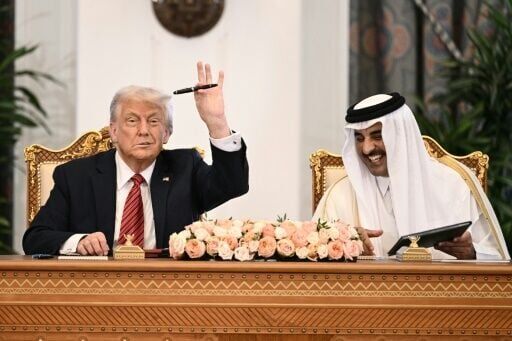
By K Raveendran Donald Trump’s Gulf tour has marked a defining chapter in his post-presidential brand of deal diplomacy, delivering a staggering $2 trillion in agreements that stretch across Saudi Arabia, the United Arab Emirates, and Qatar. This campaign stands in sharp contrast to the flagging results of his so-called trade mark tariff war, which—despite […]

Donald Trump concluded his Gulf tour with the White House touting more than $2 trillion in economic agreements, a figure that has drawn significant scepticism from financial analysts and diplomatic observers. The administration presented the headline number as a demonstration of strengthened U.S.-Gulf relations and expanded economic ties. However, a detailed examination of the announced agreements reveals a far lower total when measured against firm commitments. Official […]

President Donald Trump’s strategic tour across the Middle East has ignited internal discord within his administration, as China-focused officials express concern over expansive artificial intelligence agreements with Saudi Arabia and the United Arab Emirates . These deals, involving the acquisition of advanced semiconductors from U.S. firms Nvidia and Advanced Micro Devices , are perceived by some as potential threats to national security and economic interests. During his […]

Arabian Post Staff -Dubai The United States has pledged a $60 billion investment in the United Arab Emirates’ energy sector, as part of a broader $440 billion joint initiative extending through 2035. This commitment was announced during President Donald Trump’s visit to the Gulf, underscoring a significant deepening of economic relations between the two nations. Sultan al-Jaber, chief executive of the Abu Dhabi National Oil Company , […]

Franklin Templeton has secured regulatory approval from the Monetary Authority of Singapore to launch the Franklin OnChain U.S. Dollar Short-Term Money Market Fund, marking the first tokenised fund accessible to retail investors in Singapore. The fund requires a minimum investment of US$20, aiming to democratise access to money market instruments through blockchain technology.

The fund is structured under the Franklin Templeton Investments Variable Capital Company and will be managed by Templeton Asset Management Ltd, with Franklin Advisers Inc serving as the sub-manager. It seeks to provide investors with exposure to a portfolio of high-quality, short-term securities, including transferable securities and money market instruments of governments, as well as eligible securities of companies worldwide, primarily denominated in or hedged to the U.S. dollar.

Shares of the fund will be issued and managed through Franklin Templeton’s proprietary blockchain-integrated transfer agency platform. This approach is designed to enhance transparency, security, and efficiency in asset management by leveraging blockchain technology to record transactions and share ownership.

The launch of this tokenised fund aligns with Singapore’s broader efforts to position itself as a hub for digital asset innovation. Franklin Templeton’s participation in Project Guardian, an initiative by MAS to explore the potential of decentralised finance and asset tokenisation, underscores its commitment to advancing financial technology in the region.

The fund mirrors the investment strategy of Franklin Templeton’s existing U.S. Dollar Short-Term Money Market Fund, which manages approximately US$1.7 billion in assets. By offering a tokenised version of this fund, Franklin Templeton aims to provide retail investors in Singapore with a familiar investment product enhanced by the benefits of blockchain technology.

Dubai has announced a comprehensive zoning initiative under its 2040 Urban Master Plan, dividing the emirate into distinct urban and rural zones. This strategic move aims to bolster public safety, optimise emergency response times, and promote sustainable development across the region. Urban zones, encompassing areas such as Downtown Dubai and Business Bay, will see a significant enhancement in security infrastructure. The deployment of advanced technologies, including artificial […]

Cape Town is set to host Enlit Africa 2025 from 20 to 22 May at the Cape Town International Convention Centre , bringing together over 6,000 delegates, including utility executives, policymakers, investors, and technology innovators. The event aims to address Africa’s pressing energy and water challenges through strategic discussions, technological showcases, and investment opportunities. The conference will feature four main stages: Strategise, Innovate, Project Investment Network, and […]

Advertisements

BC.GAME, a prominent global Web3 iGaming platform, has unveiled a redesigned logo and a bold new slogan, “Stay Untamed,” signalling a strategic shift to deepen its presence in the cryptocurrency gaming space. This rebranding effort aligns with the platform’s ambition to enhance user experience and solidify its position at the forefront of the blockchain-powered gambling industry.

The refreshed logo presents a sleek and modern aesthetic that encapsulates the brand’s ethos of freedom and innovation within the digital gaming realm. The slogan embodies BC.GAME’s commitment to providing players with unrestricted, decentralised entertainment options, emphasising autonomy and a break from traditional gambling constraints. These changes come amid the platform’s accelerated integration of various cryptocurrencies and Web3 technologies, which have been reshaping the iGaming landscape.

Founded in 2017, BC.GAME has steadily grown into a global player in the crypto gambling market, offering a wide array of games including slots, dice, and live casino options that operate on blockchain technology. The platform supports numerous cryptocurrencies such as Bitcoin, Ethereum, and a native BC token, which is designed to incentivise loyalty and enhance transactional efficiency. Its use of blockchain ensures transparency, provable fairness, and instant payouts, addressing common concerns in online gambling.

BC.GAME’s latest developments highlight the industry’s broader trend towards the fusion of gaming and decentralised finance . By integrating non-fungible tokens , smart contracts, and decentralized autonomous organisation governance models, BC.GAME aims to offer players more control and novel ways to engage with the ecosystem. These features are increasingly demanded by users seeking more than just conventional betting experiences.

The iGaming sector has witnessed a marked increase in blockchain adoption as players gravitate towards platforms that offer enhanced privacy, security, and verifiability of game outcomes. BC.GAME’s refreshed identity underscores its intention to tap into this growing market while addressing regulatory and operational challenges through technology. With the gaming industry under increasing scrutiny worldwide, platforms utilising blockchain offer an appealing alternative by enhancing transparency and reducing fraud risk.

Analysts note that BC.GAME’s strategic emphasis on Web3 adoption could redefine competitive dynamics within iGaming. The platform’s approach integrates decentralisation principles with user-centric design, potentially attracting a new demographic of tech-savvy players who prioritise autonomy and digital asset ownership. This movement reflects a shift from traditional operators towards ecosystems where players have a tangible stake and governance input.

The platform’s token economy is a cornerstone of this transformation. BC.GAME’s native BC token functions as both a utility and governance token, allowing holders to participate in decision-making and gain rewards through staking mechanisms. This token-driven engagement creates a community-focused environment, fostering loyalty and sustained participation. Such models are increasingly prevalent across Web3 projects aiming to decentralise control and enhance user value.

BC.GAME has also partnered with various blockchain protocols and payment gateways to widen access and improve the usability of cryptocurrencies on its platform. These collaborations facilitate smoother deposits and withdrawals, supporting a seamless experience across devices and geographies. Additionally, the platform emphasises responsible gaming measures integrated with blockchain transparency, seeking to balance innovation with player protection.

Industry observers highlight BC.GAME’s focus on live dealer games powered by blockchain as a significant innovation. These games combine real-time interaction with provably fair outcomes verified on the blockchain, offering a hybrid model that addresses the trust deficit often associated with live online casinos. This hybrid approach enhances authenticity and could set new standards for live iGaming offerings.

While BC.GAME’s growth and technological advancements reflect promising trends, the platform faces challenges inherent to the cryptocurrency gambling niche. Regulatory uncertainties remain a critical factor, as governments worldwide grapple with how to oversee blockchain-based betting. Compliance with anti-money laundering and know-your-customer protocols is essential, and BC.GAME’s ability to navigate these regulations will influence its global expansion.

The platform also competes in a crowded market where innovation cycles are rapid, and user expectations evolve swiftly. Maintaining security against cyber threats and ensuring scalability of blockchain infrastructure are ongoing priorities. BC.GAME’s recent rebranding and tech integrations indicate proactive efforts to stay ahead, yet the volatile nature of crypto markets presents inherent risks to revenue stability.

U.S. President Donald Trump has announced plans to lift longstanding U.S. sanctions on Syria, in place since 1979 and intensified during the Syrian Civil War. During his Middle East tour, Trump revealed the decision at the U.S.-Saudi Investment Forum, describing the sanctions as historically significant yet now detrimental. The sanctions had frozen Syrian assets, banned petroleum imports, and isolated the country from the global economy. Critics highlight […]

Arabian Post Staff -Dubai Qatar Airways has finalised a monumental agreement to acquire up to 210 Boeing aircraft, marking the largest wide-body order in the company’s history. The deal, valued at $96 billion, was announced during U.S. President Donald Trump’s visit to Doha, underscoring a significant enhancement in U.S.-Qatar economic relations. The order encompasses 130 Boeing 787 Dreamliners, 30 777X jets, and options for an additional 50 […]

Google’s decision to revoke “All Files Access” permission from Nextcloud’s Android application has significantly curtailed the app’s functionality for users relying on the Google Play Store version. This move restricts the app’s ability to perform automatic uploads of non-media files, such as documents and PDFs, thereby affecting users who depend on Nextcloud for comprehensive file synchronization. The revocation, which took effect in January 2025, aligns with Google’s […]

Exploring the Risks and Opportunities of AI Applications in Cybersecurity HONG KONG SAR – Media OutReach Newswire – 14 May 2025 – Co-organised by Cyberport and the Hong Kong Cybersecurity Professionals Association, the “AI x Cybersecurity Forum” took place today at Cyberport. Under the theme “Navigate the Future of AI-Powered Cybersecurity,” the forum brought together over 400 government representatives, cybersecurity experts, leaders from academia and the technology […]

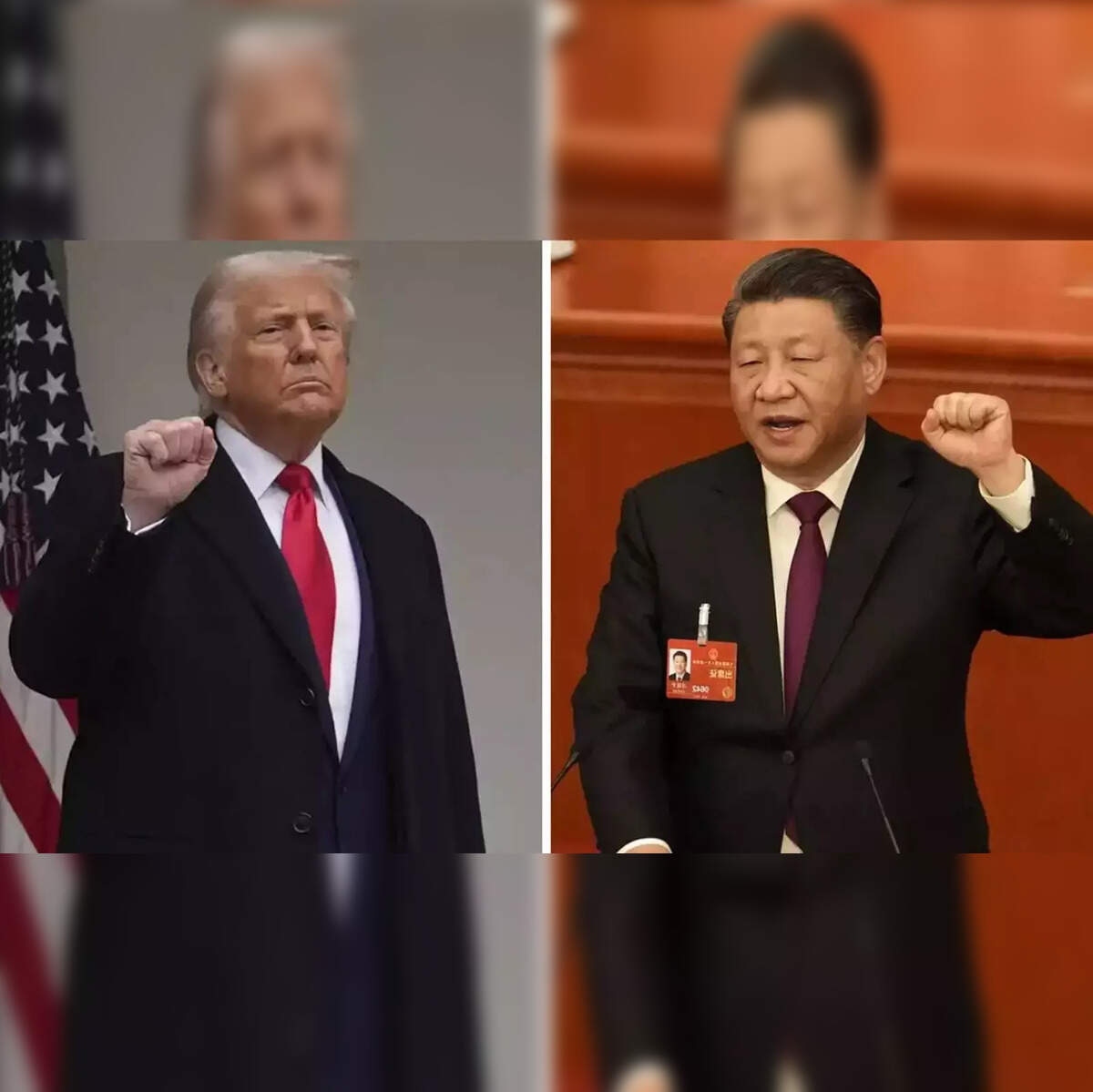
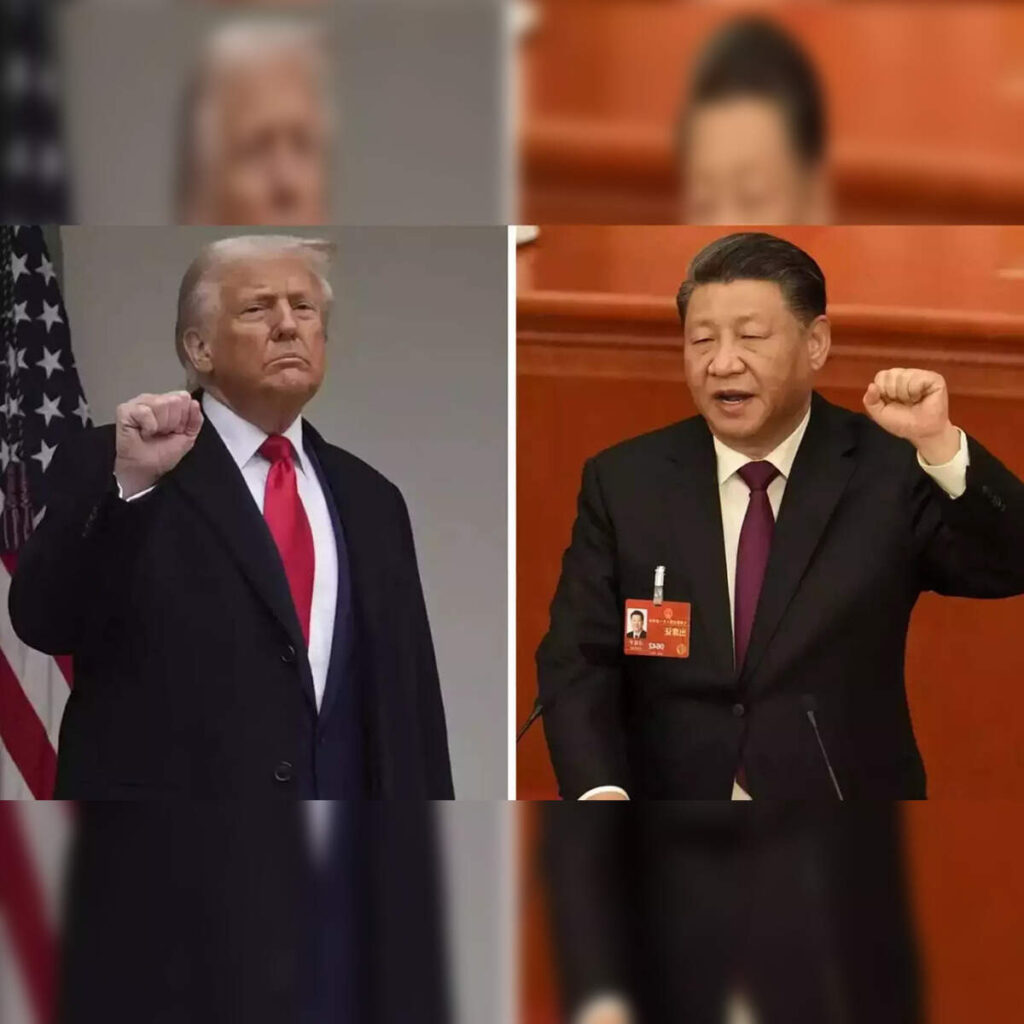
By Nitya Chakraborty Soon after organizing a 90 day truce last week end at Geneva through three day intensive talks between top officials of the United States and China, President Donald Trump is on a three nation tour covering Saudi Arabia, Qatar and UAE to pursue his deal making focusing on both trade and security. […]

Libya has formally integrated into the Medusa subsea cable system, marking a pivotal advancement in its telecommunications infrastructure. This 8,700-kilometre fibre-optic network, encompassing 24 fibre pairs and a capacity of 20 terabits per second per pair, is set to connect 11 countries across the Mediterranean, including Libya, by the end of 2025. The Medusa project, spearheaded by AFR-IX Telecom and supported by the European Union and Orange, […]

Google has unveiled a sweeping overhaul of its Android platform, introducing the Material 3 Expressive design language and expanding the Gemini AI assistant across a broad array of devices, including smartphones, smartwatches, vehicles, and televisions. These announcements were made during “The Android Show: I/O Edition,” a dedicated event held ahead of the company’s annual developer conference. Material 3 Expressive marks a significant shift in Android’s visual and […]

Nexchain, a United Kingdom-based blockchain startup, has raised $1.5 million in its ongoing presale, marking a significant milestone as it enters Stage 10 with its native token, $NEX, priced at $0.038. The project, which aims to integrate artificial intelligence into blockchain infrastructure, is attracting attention from investors seeking innovative opportunities in the cryptocurrency space.

Nexchain positions itself as the world’s first Layer-1 AI-powered blockchain, designed to enhance transaction speed, security, and scalability. The platform employs a hybrid consensus mechanism combining Proof-of-Stake with AI-driven algorithms, allowing for adaptive transaction validation and network management. This approach aims to process up to 400,000 transactions per second, significantly surpassing the capabilities of many existing blockchain networks.

The $NEX token serves multiple functions within the Nexchain ecosystem, including payment for transaction fees, staking rewards, and participation in governance decisions. Token holders are entitled to a share of the network’s revenue, with 10% distributed among those who stake their tokens in decentralized finance wallets. This model is designed to incentivize long-term holding and active participation in the platform’s development.

Nexchain’s roadmap outlines a series of developments aimed at enhancing the platform’s capabilities. The testnet launch is scheduled for the second quarter of 2025, featuring public testing of smart contracts and AI modules. The mainnet release is planned for the fourth quarter, introducing full AI blockchain implementation and support for decentralized AI applications across various industries, including finance, healthcare, and supply chain management.

The presale, which began on March 18, 2025, is set to continue until December 30, 2025, with a soft cap of $20 million and a hard cap of $50 million. The total token supply is capped at 2.15 billion $NEX, with allocations designated for marketing, rewards, treasury, ecosystem development, and team incentives.

Investor interest in Nexchain is bolstered by its plans for listings on major cryptocurrency exchanges, including Coinbase, Bybit, OKX, MEXC, Bitget, Gate, and KuCoin. The project accepts a diverse range of cryptocurrencies for contributions, such as BTC, ETH, BNB, TRC, TON, SOL, BASE, USDT, USDC, TRUMP, and DOGE, with a minimum investment threshold of $10.

Nexchain’s integration of AI into blockchain technology aims to address longstanding challenges in the industry, such as scalability and security. By leveraging AI for real-time data analysis and decision-making, the platform seeks to optimize operations and enhance user experience. Its AI-driven smart contracts are designed to self-optimize and respond intelligently to changing conditions, offering a dynamic approach to contract execution.

The platform’s emphasis on interoperability allows for seamless communication between different blockchain networks, facilitating the development of applications that can operate across multiple platforms. This feature is particularly relevant as the blockchain industry continues to evolve towards greater integration and collaboration among diverse ecosystems.

Security remains a focal point for Nexchain, which employs post-quantum cryptography and AI-driven security measures to safeguard the network against emerging threats. These protocols are designed to detect and respond to anomalies in real-time, enhancing the platform’s resilience and reliability.


BYDFi has launched MoonX, an on-chain trading engine designed to bridge the gap between centralised and decentralised exchanges. The platform aims to provide a secure and efficient trading environment, particularly for the volatile Meme Coin market.

MoonX integrates Safeheron’s security technologies, including Multi-Party Computation and Trusted Execution Environment , to enhance asset protection and transaction integrity. These measures address the vulnerabilities highlighted by the $20 million hack of the DEXX exchange in November 2024, which exposed weaknesses in private key security.

The platform supports over 500,000 token pairs across blockchains such as Solana, Ethereum, Base, and BNB Chain. Features like take-profit and stop-loss orders, smart money tracking, and one-click trading are tailored to the needs of high-risk traders seeking rapid market movements.

Ghana is undertaking significant measures to reduce its $2.5 billion debt owed to independent power producers and gas suppliers by the end of 2025, as announced by President John Dramani Mahama. This initiative is part of a broader strategy to stabilize the country’s energy sector and ensure consistent electricity supply. The debt, which has been a persistent issue, poses a substantial threat to Ghana’s economy and energy […]

VeChain CEO Sunny Lu has outlined an ambitious vision to tokenise sustainable human behaviours—such as driving electric vehicles—by integrating blockchain, artificial intelligence , and real-world asset tokenisation into a unified infrastructure. This initiative was presented during the Consensus Toronto conference, where VeChain introduced its latest suite of tools aimed at making blockchain applications more accessible and impactful for mainstream users.

At the heart of this strategy is VeChain’s Marketplace-as-a-Service platform, launched in March 2024. MaaS enables users to create and brand their own customised NFT marketplaces without the need for extensive coding skills. The platform supports the integration of physical products with digital twins—referred to as “phygitals”—through NFT and chip technology. This approach simplifies participation in the NFT space and supports the global tokenisation movement by bridging the gap between physical and digital assets.

VeChain’s MaaS platform also incorporates fee-delegation technologies, allowing builders to cover transaction costs on behalf of users, thereby removing the barrier of transaction fees. Additionally, the platform has integrated an NFT checkout provider and is in discussions with a global payment service provider to enable direct fiat on/off ramps. These features aim to make the user experience similar to traditional Web2 interfaces, enhancing the platform’s usability.

Complementing MaaS is VeChain’s VeBetterDAO ecosystem, which promotes sustainability and community engagement by rewarding contributions towards environmental projects. The ecosystem reflects VeChain’s commitment to sustainability and community participation, incentivising individuals for their contributions to sustainability projects.

VeChain has also formed collaborations with AI-focused organisations such as SingularityNET, FetchAI, and Ocean Protocol to drive innovations in AI through blockchain technology. These partnerships aim to develop AI agents capable of autonomously executing blockchain-related tasks like governance voting and asset management. Such AI agents are sophisticated programs that can analyse information, learn from experience, and autonomously execute tasks on behalf of users, thereby enhancing the efficiency and effectiveness of blockchain applications.

The integration of AI agents into VeChain’s infrastructure is expected to facilitate the automation of tasks and adapt to changing environments, shaping investment decisions and operational efficiencies in the coming years. This move positions VeChain at the forefront of combining AI with blockchain technology to create more intelligent and responsive systems.

VeChain’s efforts are underpinned by its VeChainThor public blockchain, which utilises a Proof of Authority consensus mechanism. This mechanism ensures high throughput and security, making it suitable for enterprise-grade applications. The VeChainThor blockchain supports fee delegation, allowing transactions to be paid by a third-party account, thereby improving the usability of decentralised applications.

The company’s dual-token economic model, comprising VET and VTHO tokens, safeguards the long-term sustainability of the VeChainThor ecosystem. This model separates the medium of value from the cost of using the blockchain , ensuring stability and predictability in transaction costs.

VeChain’s initiatives have garnered attention from various sectors, including collaborations with organisations like WoV Labs to enhance digital ownership for readers of SNOB Non Per Tutti magazine. This collaboration utilises VeChain’s advanced tools to create a unique engagement model, allowing readers to access exclusive benefits through WoV Labs’ digital passport without needing blockchain or Web3 knowledge. Such partnerships highlight the integration of blockchain technology into traditional media and create new opportunities for user interaction and content delivery.

The company’s financial health is reflected in its reported $440 million in assets by the end of 2023, indicating its financial stability and attracting a wide user base. The growth in unique wallet addresses, now exceeding 3 million, further demonstrates VeChain’s expanding influence within the cryptocurrency community.

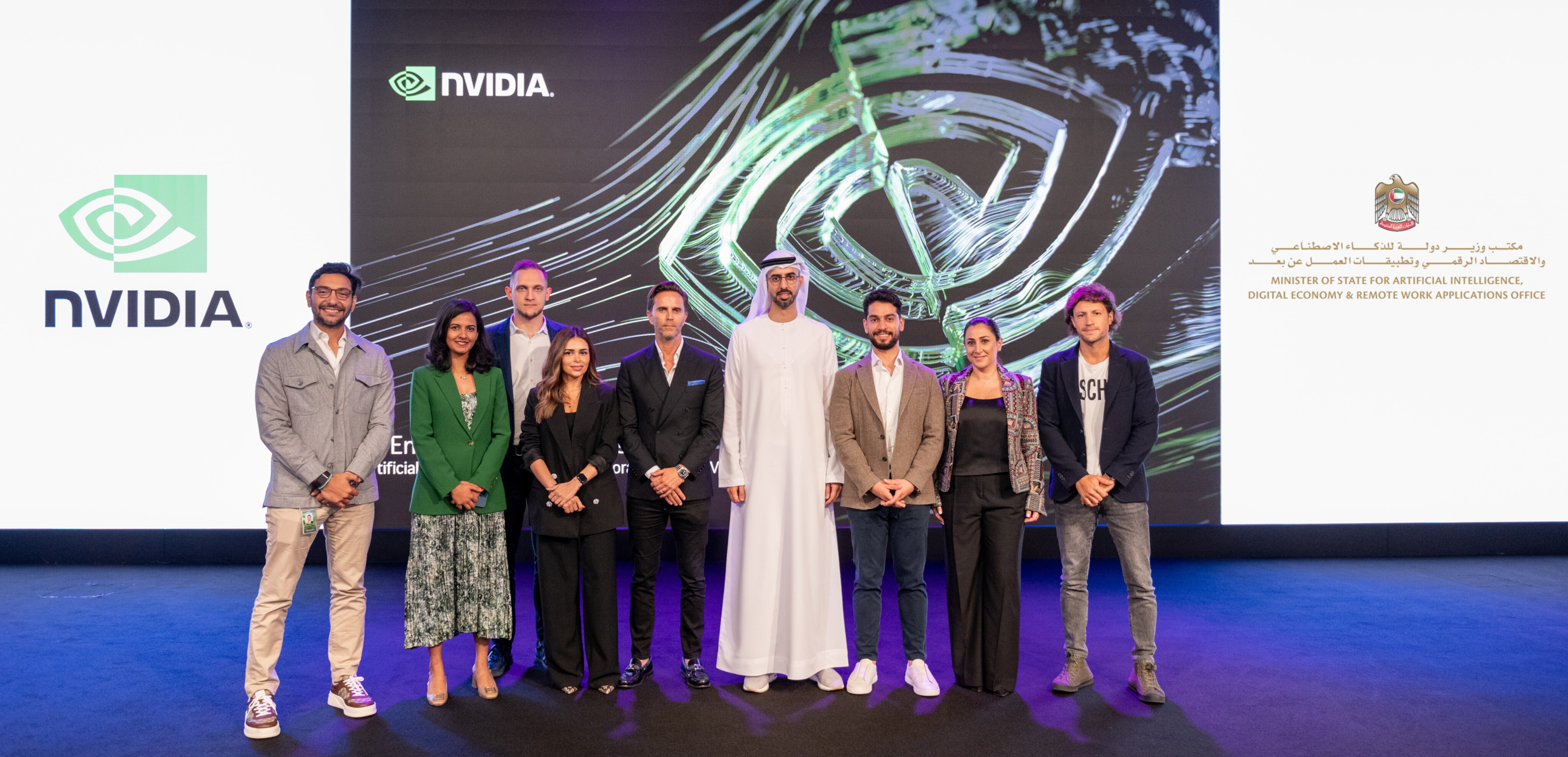
The United States is deliberating a significant agreement that would permit the United Arab Emirates to acquire over one million advanced Nvidia AI chips, a move that could reshape the technological landscape in the Gulf region. The proposed arrangement, still under negotiation, would allow the UAE to import 500,000 of Nvidia’s most sophisticated chips annually through 2027. Approximately 20% of these chips are earmarked for G42, an Abu Dhabi-based artificial intelligence firm, while the remainder would support U.S. companies establishing data centers within the UAE.

This potential deal marks a notable shift from the stringent export controls implemented during the Biden administration, which aimed to limit the proliferation of advanced AI technologies to certain regions. The Trump administration’s consideration of this agreement aligns with its broader strategy to bolster alliances and counterbalance China’s growing technological influence.

G42 has been at the forefront of the UAE’s AI ambitions, developing a bilingual Arabic-English large language model named Jais and collaborating with global tech giants to enhance its capabilities. The firm’s efforts to sever ties with Chinese entities and comply with U.S. regulations have been pivotal in facilitating this prospective deal.

The U.S. Department of Commerce’s introduction of the Validated End User program has further streamlined the export process for advanced technologies to trusted partners. Under this program, foreign data centers that meet rigorous security and compliance standards can receive AI chips without the need for individual export licenses. This initiative aims to safeguard national security while promoting international technological collaboration.

Nvidia’s advanced chips, particularly the H100 and the newer GB300 Blackwell models, are integral to the development of cutting-edge AI applications. The company’s collaboration with Saudi Arabia’s AI startup, Humain, to deliver 18,000 AI chips underscores the region’s commitment to becoming a global AI hub. These chips are set to power a 500-megawatt data center in Saudi Arabia, reflecting the Gulf’s substantial investments in AI infrastructure.

The UAE’s strategic partnerships extend beyond Nvidia. A notable collaboration between Microsoft and G42 has received U.S. approval, allowing the export of advanced AI chips to a Microsoft-operated facility in the UAE. This partnership is part of a broader U.S. effort to counter China’s Digital Silk Road initiative by strengthening technological ties with Gulf nations.

Despite these advancements, concerns persist regarding the potential for U.S. technologies to be accessed by adversarial nations. The U.S. government has imposed strict conditions on these deals, including prohibitions on the use of exported chips for model training by individuals from countries under U.S. arms embargoes, such as China. Regular audits and compliance checks are mandated to ensure adherence to these restrictions.

The UAE’s pursuit of AI sovereignty is evident in its initiatives to develop indigenous AI capabilities and infrastructure. Core42, a subsidiary of G42, has established a “regulated technology environment” to deploy Nvidia’s H100 Tensor chips securely within the country. This setup ensures that sensitive technologies are handled under strict guidelines, aligning with the UAE’s objectives to safeguard data and maintain control over its AI systems.

PARIS, FRANCE – Media OutReach Newswire – 13 May 2025 – Malaysia calls on the international community to strengthen cooperation in addressing the global water crisis – a transboundary challenge impacting nations of rich and poor alike. Strategic partnerships and coordinated policy actions are essential to securing a sustainable and resilient water future for all. Sharing Malaysia’s experience at the Global Water Summit 2025 in Paris, Deputy […]

By Sushil Kutty The western Press is egging United States President Donald Trump to press India for third-party mediation in the Kashmir imbroglio roiling India-Pakistan relations, while at the same time asserting that Trump has put India, led by Prime Minister Narendra Modi, in a “tight spot”. Prime Minister Modi wasn’t asked for his opinion […]

The United States has approved a $1.4 billion arms sale to the United Arab Emirates, encompassing six CH-47F Chinook helicopters and maintenance support for F-16 fighter jets. This development coincides with President Donald Trump’s diplomatic visit to the Middle East, highlighting the strengthening of US-UAE defense relations. The CH-47F Chinook helicopters, produced by Boeing, are renowned for their heavy-lift capabilities and versatility in various military operations. The […]

Ripple Labs has reached a landmark settlement with the U.S. Securities and Exchange Commission , concluding a protracted legal battle that has significantly influenced the cryptocurrency sector. The agreement entails Ripple paying a reduced fine of $50 million, down from the initially imposed $125 million, without admitting any wrongdoing. This settlement, pending approval from the SEC and the presiding judge, marks a pivotal moment in the ongoing discourse surrounding digital asset regulation.

The SEC’s lawsuit, initiated in December 2020, accused Ripple of raising over $1.3 billion through unregistered securities offerings by selling its XRP token. A critical development occurred in July 2023 when U.S. District Judge Analisa Torres ruled that while XRP sales to institutional investors violated securities laws, XRP sales on public exchanges did not constitute securities transactions. This nuanced decision provided a partial victory for Ripple and set a precedent for how digital assets might be classified in the future.

The resolution of this case has had immediate market implications. XRP’s price surged by approximately 14%, reaching highs of $2.59, reflecting renewed investor confidence. The token’s market capitalization also saw a significant increase, positioning XRP as the third-largest cryptocurrency by market value. This market response underscores the broader industry’s anticipation for regulatory clarity and the potential for increased institutional adoption.

The settlement aligns with a broader shift in the SEC’s approach to cryptocurrency regulation under the current administration. The agency has recently dropped several high-profile cases against major crypto exchanges, signaling a move towards a more collaborative regulatory framework. President Donald Trump’s administration has expressed support for the crypto industry, with initiatives such as the establishment of a government crypto reserve that includes XRP and the nomination of Paul Atkins, known for his pro-crypto stance, to chair the SEC.

Ripple’s legal victory also opens the door for potential advancements in the cryptocurrency market infrastructure. Analysts suggest that the favorable outcome could pave the way for the approval of an XRP-based exchange-traded fund , further legitimizing the asset class and providing investors with more accessible investment vehicles. Additionally, the classification of XRP as a commodity rather than a security could lead to less stringent oversight and encourage broader adoption.

VISHNU RAJA
RYO YAMADA
HITORI GOTOH
IKUYO KITA