News related to
security

EDGE, the UAE’s leading advanced technology group, has revealed an impressive array of 42 new products and innovations at the Dubai Airshow, underscoring its growing influence in the global defence and aerospace sectors. This year’s unveiling focuses on a diverse portfolio of next-generation solutions across several key domains, including autonomous systems, propulsion technology, radar systems, and secure communication networks. These advancements are a testament to EDGE’s commitment to developing state-of-the-art capabilities aimed at transforming military and aerospace operations worldwide.

The 42 new products introduced by EDGE span a wide spectrum of technological domains, with notable attention given to autonomous and semi-autonomous systems. These technologies are designed to enhance operational efficiency and effectiveness in both military and commercial applications. The development of such systems is seen as a pivotal step in the UAE’s strategy to strengthen its defence capabilities while positioning EDGE as a key player in the autonomous warfare landscape.

One of the key highlights at the Dubai Airshow was the showcase of EDGE’s smart weapons portfolio. The company unveiled cutting-edge precision strike systems that promise to deliver more accurate, cost-effective, and lethal strikes, crucial for modern military operations. These weapons are equipped with the latest guidance and targeting technologies, enabling them to operate autonomously or with minimal human intervention.

Further expanding EDGE’s footprint in the defence sector, the company presented new propulsion systems designed to provide enhanced performance for various unmanned aerial vehicles and aircraft. These systems focus on improving fuel efficiency, reliability, and operational range, ensuring that EDGE’s unmanned platforms can operate in more challenging and complex environments, from the battlefield to the frontiers of space exploration.

In addition to autonomous systems and propulsion technologies, EDGE made significant strides in the field of radar and communications. The company revealed advanced radar systems capable of detecting and tracking airborne threats with unparalleled accuracy. These systems are designed to provide real-time situational awareness, offering a strategic advantage for defence forces in identifying and neutralising potential threats.

In the realm of secure communications, EDGE introduced a new suite of encrypted communication systems, ensuring that military and government agencies can maintain secure, uninterrupted communications in any environment. The focus on security aligns with global efforts to protect sensitive information and ensure operational success, particularly in conflict zones where cybersecurity threats are prevalent.

Another exciting development showcased at the Dubai Airshow was EDGE’s advancements in space capabilities. The company highlighted new satellite technologies that promise to revolutionise both communications and reconnaissance capabilities for military and civilian use. These satellites are designed to provide high-resolution imagery, real-time data transmission, and global coverage, marking a significant leap forward in the UAE’s ambitions to expand its presence in space exploration.

EDGE’s new line-up reflects the UAE’s growing position as a global leader in cutting-edge technology, as well as its desire to create an indigenous defence and aerospace industry that can compete on the world stage. This drive is exemplified by the company’s commitment to advancing defence capabilities while ensuring the UAE’s military forces remain at the forefront of technological innovation.


Federal agents have arrived in Charlotte, North Carolina, as part of President Donald Trump’s ongoing efforts to ramp up immigration enforcement across the country. The deployment marks a significant escalation in the administration’s crackdown on undocumented immigrants and highlights a growing focus on cities with higher immigrant populations. This move reflects the administration’s strategy of targeting so-called “sanctuary cities,” areas where local authorities limit cooperation with federal […]

Ubuntu, the popular open-source operating system, has announced a significant extension to its long-term support offerings, with a new 15-year commitment aimed at bolstering enterprise adoption. The initiative will provide extended support for key versions of the operating system, including Ubuntu 14.04 LTS, which will receive five additional years of updates and maintenance. This bold move is designed to reassure businesses that depend on Ubuntu for critical […]

Saudi Arabia’s Ministry of Communications and Information Technology’s Center of Digital Entrepreneurship has successfully concluded the Multiverse Summit 2025, which was held in Silicon Valley, United States. This landmark event highlighted the Kingdom’s ongoing commitment to advancing digital innovation and fostering a global digital ecosystem. The summit, which brought together industry leaders, innovators, and government officials, served as a platform to explore the convergence of cutting-edge technologies, […]

India has officially enacted the Digital Personal Data Protection Rules 2025, marking a significant milestone in the country’s data privacy landscape. These rules come into full effect after years of discussions and revisions, shaping the way businesses and organizations across India manage and process personal data. The new framework introduces comprehensive rights for citizens, increased accountability for data processors, and a structured approach to compliance, with phased implementation designed to help organizations gradually adapt to the new standards.

Under the DPDP Rules 2025, organizations handling digital personal data must ensure that they meet stringent requirements regarding the collection, storage, and processing of such data. One of the primary objectives of the regulations is to give individuals more control over their personal information. Citizens are now entitled to exercise rights such as data access, correction, and deletion, enabling them to manage their digital footprints more effectively. The rules empower individuals to demand transparency from organizations about how their data is being used, stored, and shared, thereby creating a more secure and user-centric data ecosystem.

The DPDP framework also mandates that businesses establish clear and accountable procedures for data processing, including obtaining explicit consent from individuals before collecting their data. This requirement has led to the creation of a robust consent management system, where individuals can easily opt in or out of data collection practices. Moreover, companies must implement technical measures to safeguard data from breaches, ensuring that personal information is kept secure against cyber threats.

A noteworthy feature of the DPDP Rules 2025 is the introduction of a phased compliance timeline, giving businesses time to align their operations with the new regulations. The phased approach allows smaller organizations to gradually adapt their processes without facing immediate heavy penalties. It also helps avoid overwhelming businesses with abrupt changes, ensuring a smoother transition into the new privacy regime. Larger enterprises, particularly those with significant data processing activities, are required to comply more swiftly, underscoring the government’s commitment to addressing privacy concerns in the digital age.

In terms of enforcement, the rules establish a regulatory body responsible for overseeing compliance with data protection laws. This body will have the authority to issue penalties for violations, ranging from non-compliance to mishandling of personal data. The government has also proposed creating a data protection fund to support enforcement activities and facilitate the implementation of data protection measures across sectors. These efforts aim to strengthen India’s privacy protection infrastructure and ensure that businesses take their responsibilities seriously.

One of the most pivotal aspects of the DPDP Rules is the focus on cross-border data transfers. Companies that wish to transfer personal data outside of India must demonstrate that the destination country has an adequate level of data protection laws in place. This provision aims to safeguard Indian citizens’ data while promoting responsible data sharing and collaboration on the global stage. By introducing strict measures for international data exchanges, the DPDP framework places a premium on protecting the privacy of individuals both within India and abroad.

The DPDP Rules 2025 also place a strong emphasis on corporate accountability. Organizations must conduct regular audits to assess their data handling practices and identify potential vulnerabilities. Additionally, they are required to appoint Data Protection Officers responsible for overseeing data protection measures within their organizations. The accountability aspect extends to third-party vendors, as businesses must ensure that their partners and service providers adhere to the same high standards of data protection.

For the general public, the DPDP Rules provide greater visibility into how their data is being used. The introduction of a personal data breach notification system ensures that individuals are alerted if their data has been compromised. This provision is crucial in fostering trust between businesses and consumers, as it encourages transparency and swift action in case of data incidents. Companies are also required to report breaches to the regulatory body within a specified time frame, contributing to a more proactive approach to data security.

Speculation around the potential launch of a BlackRock XRP Exchange Traded Fund has intensified following the impressive debut of the Canary XRPC ETF. The new fund has shattered records, achieving a staggering 58 million dollars in first-day volume and 245 million dollars in net inflows. This performance places it among the strongest ETF launches of 2025, outperforming many other offerings in the competitive market.

The Canary XRPC ETF’s exceptional launch has sparked a wave of interest in XRP-related investment products. This surge in attention comes at a time when global interest in cryptocurrency-based financial products is rising, fueled by increased institutional involvement and growing acceptance of digital assets within traditional financial markets. The success of the Canary XRPC ETF, in particular, has led analysts to revisit the possibility of BlackRock entering the space with its own XRP-focused ETF.

BlackRock’s previous filings have contributed to the ongoing speculation. The investment giant has been a major player in the ETF market, with a track record of successfully launching funds that track digital assets, including Bitcoin and Ethereum. The company has already filed for a number of crypto ETFs in the past, most notably its Bitcoin ETF, which garnered significant attention. With the positive reception of such products, the entry of a BlackRock XRP ETF seems like a natural progression for the firm, especially considering XRP’s rising prominence within the digital asset ecosystem.

XRP, the digital currency associated with Ripple Labs, has been at the centre of legal and regulatory developments. Despite challenges, including the ongoing legal battle with the U. S. Securities and Exchange Commission, XRP has maintained a strong position in the cryptocurrency market. The uncertainty surrounding XRP’s regulatory status has not deterred investor interest, as demonstrated by the overwhelming demand for the Canary XRPC ETF. Ripple’s ongoing efforts to settle its legal issues, along with its partnerships with financial institutions, have bolstered confidence in the cryptocurrency’s future prospects.

The performance of the Canary XRPC ETF is viewed as a strong indicator of the market’s appetite for XRP-linked investment products. Market analysts believe that the fund’s initial success reflects a growing demand for structured, exchange-traded products that offer exposure to digital assets without requiring investors to directly hold the underlying cryptocurrencies. ETFs provide a level of convenience and security that traditional cryptocurrency exchanges may lack, appealing to institutional investors looking for a regulated route into the digital asset market.

With the Canary XRPC ETF breaking records, the conversation around a potential BlackRock XRP ETF has gained momentum. If BlackRock were to launch its own XRP ETF, it would likely benefit from the momentum created by Canary’s success, attracting both retail and institutional investors eager to gain exposure to XRP through a trusted, established financial institution. BlackRock’s involvement would also likely enhance the legitimacy of the XRP asset class in the eyes of conservative investors and regulators alike.

Despite the strong demand for XRP-related products, market experts caution that the regulatory landscape remains a critical factor in the future of XRP-focused ETFs. The legal uncertainty surrounding Ripple’s ongoing lawsuit with the SEC could impact investor sentiment and regulatory approval. Any significant developments in this legal battle could either accelerate or delay the launch of new XRP-related financial products.

In addition to regulatory hurdles, market volatility is another risk factor that could influence the success of an XRP ETF. Cryptocurrencies are known for their price fluctuations, and the value of XRP has experienced considerable swings over the years. While this volatility presents opportunities for high returns, it also poses risks for investors who are not prepared for the rapid price movements typical in the cryptocurrency market.

The growing popularity of XRP as an investment vehicle underscores a broader trend in the digital asset market. Institutional investors are increasingly turning to cryptocurrencies as part of their diversified portfolios, seeking to capture the potential growth of blockchain-based assets. ETFs have become a popular mechanism for accessing these assets, offering exposure while avoiding the complexities of direct cryptocurrency ownership, such as wallet management and private key security.

Netskope has partnered with NEVERHACK to introduce an innovative, fully managed Security Service Edge solution aimed at enhancing zero-trust cloud security. This new offering is designed to address the growing need for comprehensive protection in a rapidly evolving digital landscape, where organisations are increasingly reliant on cloud-based infrastructure. The collaboration combines Netskope’s advanced network and cloud security technology with NEVERHACK’s expertise in managed security services. The integrated […]

Advertisements

Prime Minister Narendra Modi’s recent triumph in state elections has provided a significant political boost, reinforcing his authority as the leader of the Bharatiya Janata Party as he navigates a particularly challenging year. The win comes at a crucial time, amid mounting economic and political pressures, as Modi faces growing scrutiny ahead of the 2024 national elections. This outcome has not only solidified his grip on power […]

A trusted custodian of China’s precious metal heritage rapidly expands retail footprint to make unique collectables and investment-grade gold accessible to investors and collectors HONG KONG SAR – Media OutReach Newswire – 14 November 2025 – San Gold Coins, the century-long leading specialists in precious metal investment and collectable coins distribution, has announced its strategic entry into the Hong Kong market with a rapid three-store expansion this […]

A civilian death and multiple injuries have reignited tensions along the frontier between Cambodia and Thailand, casting doubt on a peace understanding signed in October. Cambodia reported that one resident of Prey Chan village in its Banteay Meanchey province was killed and three others wounded when gunfire erupted across the border near Thailand’s Sa Kaeo province. Cambodia’s Prime Minister informed that the incident occurred in the late […]

A transformative new quantum research centre is set to take root in College Park, Maryland, marking a significant step in the state’s push for leadership in the quantum technology sector. A strategic collaboration between Microsoft, the State of Maryland, and the University of Maryland Enterprise Corporation is driving the establishment of the centre, which promises to accelerate innovation in both quantum hardware and software development. The centre, […]

PARIS, FRANCE – Media OutReach Newswire – 13 November 2025 – Olight, a global leader in innovative tactical equipment, will showcase the latest evolution of its advanced combat solutions at Milipol Paris 2025, from November 18-21. Headlining the presentation at Hall 5A, Booth D001, is the OSIGHT X GN, the much-anticipated green dot variant in its established OSIGHT series of tactical optics Engineered for superior performance, the […]

The Czech National Bank has made a groundbreaking decision by purchasing $1 million worth of Bitcoin and other cryptocurrencies. This move marks a significant shift in the institution’s approach to digital assets, as traditionally, central banks have been cautious about such volatile markets. This purchase is seen as a strategic step towards diversifying the country’s financial reserves and aligning with the growing trend of state-level engagement with cryptocurrencies.

The decision, which has raised eyebrows in financial circles, reflects a broader global trend where central banks and governmental institutions are increasingly exploring the role of digital currencies in modern economies. While the purchase is relatively modest compared to the vast reserves typically managed by central banks, it signals a new willingness to embrace the evolving digital finance landscape.

Central banks across the world have been exploring digital currencies for several years, with some even launching their own central bank digital currencies. However, direct investments in cryptocurrencies like Bitcoin are rare. Most central banks remain skeptical, often citing concerns over regulatory challenges, security risks, and the potential for instability in cryptocurrency markets.

The Czech National Bank’s move to buy Bitcoin suggests a shift in its thinking, with an increasing recognition of the role that cryptocurrencies might play in the future of the global financial system. Experts have suggested that the bank might be aiming to gain exposure to the asset class as part of a broader strategy to stay ahead of technological developments in finance.

The purchase has raised questions about how central banks will balance the use of traditional assets like gold and fiat currency with the emerging influence of digital assets. Cryptocurrency markets, especially Bitcoin, have seen significant price volatility, and its future remains uncertain. However, this new development in the Czech Republic comes amidst growing interest in digital currencies as a store of value, particularly as inflation concerns and geopolitical risks continue to influence traditional financial markets.

Bitcoin has been increasingly seen as a hedge against inflation, similar to gold, which has historically been a safe haven for investors during times of economic uncertainty. The Czech National Bank’s decision could be an acknowledgment of Bitcoin’s growing role in global finance, even as many countries still hesitate to fully embrace it. The purchase may also reflect the bank’s desire to experiment with cryptocurrencies and explore their potential as an alternative asset class, which could ultimately benefit its own strategic interests.

The Czech government and financial regulators have thus far remained cautious about cryptocurrency adoption. While the country has not implemented any major regulatory frameworks specifically for crypto assets, it has been keeping an eye on developments in the sector. The central bank’s decision could push for further discussions around the future regulatory landscape for cryptocurrencies within the Czech Republic, particularly in relation to institutional investment.

In Europe, other countries are also taking steps to integrate digital assets into their financial systems. For instance, countries like Switzerland and Germany have become more receptive to cryptocurrency investments, with some banks even offering cryptocurrency-related services to clients. However, the Czech Republic’s central bank is one of the few to make such a direct investment in Bitcoin, setting it apart from its regional counterparts.

The global narrative surrounding cryptocurrency adoption continues to evolve. Many governments and central banks have been hesitant to fully embrace these digital assets due to concerns over their speculative nature and lack of regulation. However, with financial institutions like the Czech National Bank making such investments, it’s becoming increasingly clear that there is an acknowledgment of cryptocurrencies’ growing influence on the global stage.

While there is no official statement from the Czech National Bank regarding its long-term strategy for cryptocurrencies, experts suggest that the purchase could be part of a broader effort to test the waters before making further moves in the digital asset space. Central banks are traditionally risk-averse, but as the digital economy continues to grow, institutions like the Czech National Bank may play a more active role in shaping the future of cryptocurrencies in the global financial system.

By Nitya Chakraborty Bangladesh is going for national elections in February 2026 along with the holding of referendum for the July charter on the same polling day. The national address of the Chief Adviser of Bangladesh Government Dr. Muhammad Yunus on Thursday afternoon set the stage for the Parliamentary elections to end the present political […]

The article General Elections And Referendum To Be Held On Same Day In Bangladesh appeared first on Latest India news, analysis and reports on Newspack by India Press Agency).

Every bull market has its blind spots. There comes a point in every economic cycle when optimism feels effortless, when valuations stretch, and when extraordinary developments start to look normal. Only later, with the benefit of hindsight, do we realise which signals were genuine warnings. Today, investors are once again wrestling with that question. Global equities are trading near record highs, liquidity is returning as US interest […]

How Visarun.ai is using AI-first approach to capture enterprise clients in the fragmented visa processing industry While giants like VFS Global and BLS International process millions of visa applications annually through legacy systems, a Dubai-founded startup is betting that AI-native infrastructure can carve out a lucrative niche in the $13.87 billion global visa services market—projected to hit $55 billion by 2034 at 16.6% CAGR. Visarun.ai, founded in […]

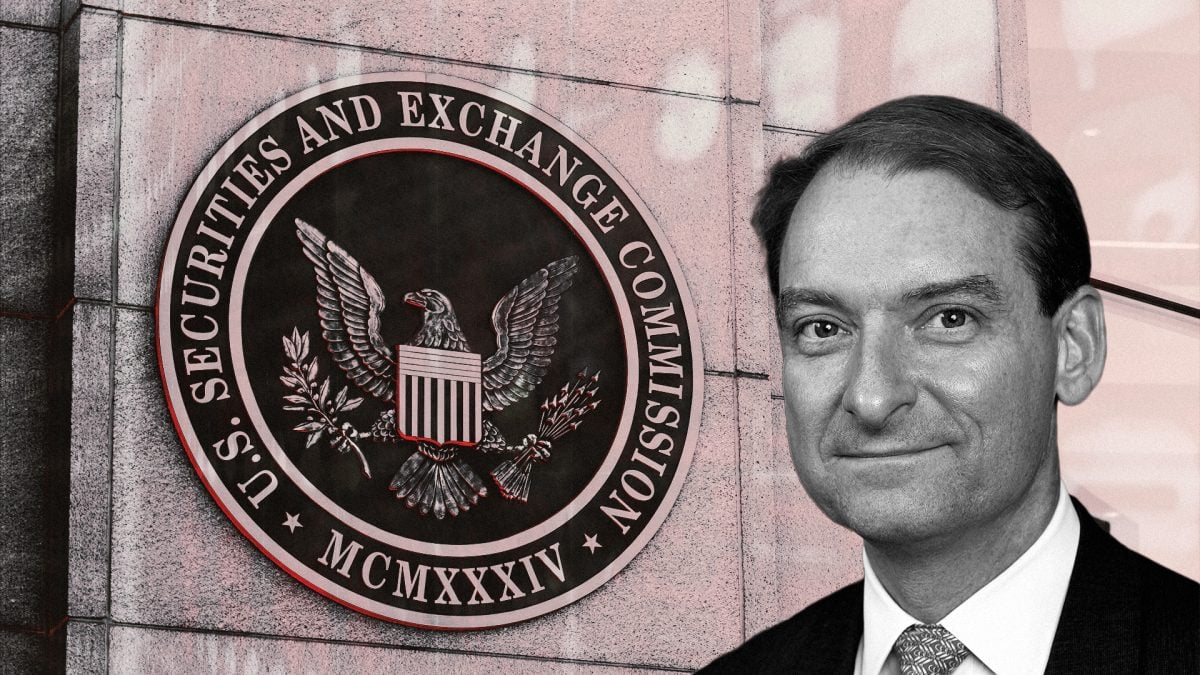
The U. S. Securities and Exchange Commission is set to modernize the landscape of cryptocurrency regulation through a groundbreaking initiative dubbed the “token taxonomy” plan. Unveiled by SEC Chair Paul Atkins, the plan aims to provide a clear framework for distinguishing between different types of digital assets, helping to clarify regulatory responsibilities and set a more structured path forward for the cryptocurrency industry. This initiative comes amid growing concerns over the lack of clarity in existing regulations and the potential for the sector to fall prey to abuses and fraud.

Atkins, who has been at the helm of the SEC since 2021, has emphasized the need for a comprehensive overhaul of the regulatory environment, particularly as the cryptocurrency market continues to evolve at a rapid pace. Under his leadership, the SEC has adopted a more proactive stance on enforcement, including cracking down on unregistered digital asset offerings and investigating prominent crypto firms. The new proposal seeks to address key issues surrounding token classification, governance, and investor protection, marking a significant step towards establishing a more predictable and transparent regulatory regime.

One of the central features of the token taxonomy plan is its attempt to clearly differentiate between utility tokens, security tokens, and commodities. Security tokens, which represent ownership in a company or project, would continue to fall under the purview of the SEC, while utility tokens, often used within decentralized networks to access specific services, may be treated differently. This distinction is crucial as it will help determine the specific regulations that apply to each category and streamline the processes for businesses looking to launch tokens in the market.

The plan proposes the creation of a digital asset registration framework that would allow crypto companies to register their tokens with the SEC, providing more transparency and accountability in the industry. By providing clear guidelines on what constitutes a security versus a non-security token, the SEC hopes to reduce confusion among developers, investors, and regulators alike, while also offering a clearer path for compliance.

The proposal also outlines provisions for enhancing consumer protection, an area of concern for both lawmakers and market participants. By ensuring that tokens classified as securities are subject to the same protections as traditional financial products, the SEC aims to reduce the risk of market manipulation and fraud that has plagued some sectors of the crypto market. The plan also calls for increased transparency regarding token offerings, including detailed disclosures about the underlying technology, token economics, and the potential risks for investors.

The unveiling of the token taxonomy plan comes at a time when the U. S. government is under increasing pressure to take action on crypto regulation. Cryptocurrencies have been at the forefront of debates over financial innovation, with proponents arguing that they could revolutionise sectors like finance and supply chain management, while critics warn of their potential to facilitate illicit activities, tax evasion, and investor exploitation. The SEC’s new proposal aims to strike a balance between fostering innovation and ensuring that the sector remains accountable and transparent.

While the announcement has been met with a generally positive response from the cryptocurrency community, some industry leaders have raised concerns over the complexity of the new framework and the potential for overregulation. There are worries that stringent rules could stifle innovation and drive crypto businesses away from U. S. markets, opting for jurisdictions with more lenient regulatory environments. On the other hand, advocates of the proposal argue that clear regulations are needed to create a safer, more stable market, which will ultimately benefit both consumers and businesses in the long run.

The token taxonomy plan is set to undergo a period of public consultation, during which industry stakeholders, legal experts, and members of the public will have the opportunity to provide feedback. This collaborative process will be crucial in refining the proposal and ensuring that it is both effective and adaptable to the rapidly changing crypto landscape.

A vast data trove compiled by threat-intelligence firm Synthient has brought to light that 1.95 billion unique email addresses and approximately 1.3 billion passwords were exposed in credential-stuffing lists drawn from multiple underground sources. The corpus, now indexed by Have I Been Pwned, signals an escalation in the reuse-of-credentials risk by cyber-attackers targeting cross-platform logins. The aggregation effort by Synthient captured data embedded in previously breached credential […]

By K Raveendran President Donald Trump has declared that a ‘fair trade deal’ with India is forthcoming, asserting that once concluded, India will once again ‘love’ America. He framed it as a departure from past arrangements that, in his view, had been ‘pretty unfair,’ and suggested both countries were ‘pretty close’ to a deal that […]

The article Trump’s Fair Deal Promise Sounds More Realistic Than Before appeared first on Latest India news, analysis and reports on Newspack by India Press Agency).

Nigeria will kick off its 2025 oil licensing round in December, according to an announcement made by the country’s oil regulatory body in London. This new auction, which is expected to attract significant attention from both local and international energy companies, forms a key part of the Nigerian government’s strategy to revitalise dormant oil assets and bolster production levels. The licensing round is aimed at unlocking valuable […]

SharpLink Gaming has reported a significant achievement, earning 492 ETH in staking rewards within a single week. This milestone reflects the company’s robust performance in the rapidly growing field of decentralized finance, where staking plays an essential role in earning passive income. With a growing presence in the gaming and blockchain sectors, SharpLink’s latest success highlights its expanding role in the emerging digital economy.

The company’s staking rewards come as part of its broader strategy to harness blockchain technology for sustained revenue generation. Through participating in Ethereum’s staking mechanism, SharpLink has effectively capitalized on the network’s transition to a proof-of-stake model. Ethereum’s shift, which replaced the energy-intensive proof-of-work system, has opened the door for institutional and individual investors alike to earn rewards by locking up ETH in the network.

SharpLink’s performance reflects broader trends in the crypto market, where institutional investors are increasingly turning to staking as a reliable source of income. By participating in Ethereum’s PoS system, investors can contribute to the network’s security and operations while earning rewards in the form of additional ETH. As the second-largest cryptocurrency by market cap, Ethereum’s transition to PoS has made staking more attractive to a wider range of investors, from retail to institutional.

The 492 ETH earned by SharpLink during the past week adds to its growing total of staking rewards, with the company steadily building its portfolio through a combination of strategic staking initiatives and its involvement in blockchain-based gaming projects. Staking rewards are particularly attractive in the context of volatile crypto markets, where traditional forms of investment might not offer comparable returns.

Beyond the immediate financial benefits, SharpLink’s participation in Ethereum staking signals the company’s commitment to long-term engagement with blockchain technology. The company has been focusing on integrating blockchain and decentralized elements into its gaming platform, positioning itself as a key player in the emerging intersection of gaming and cryptocurrency. With the broader gaming industry increasingly exploring blockchain technology, SharpLink’s moves suggest a forward-thinking approach that could give it an edge in an increasingly competitive market.

While Ethereum’s shift to PoS has been a key driver behind this surge in staking rewards, SharpLink’s ability to generate consistent returns is also attributed to its in-depth understanding of the mechanics of DeFi. The company has been leveraging its expertise to optimise its staking strategies, ensuring that it remains competitive within the ever-evolving cryptocurrency landscape. This ability to adapt and capitalise on new trends is critical in a market that is known for its rapid changes and unpredictable nature.

The success of SharpLink Gaming also comes at a time when other players in the DeFi and gaming sectors are beginning to see similar benefits from staking and other blockchain-related activities. Ethereum’s PoS model has not only created an opportunity for passive income but has also contributed to the overall stability of the Ethereum network, which has been crucial for sustaining investor confidence. As more companies like SharpLink participate in Ethereum staking, the broader ecosystem stands to benefit from increased security and scalability.

SharpLink’s earnings are a testament to the ongoing maturation of the DeFi ecosystem, which has steadily grown in influence over the last few years. The Ethereum blockchain, along with other DeFi platforms, has been instrumental in reshaping the traditional financial landscape, offering decentralized alternatives to conventional financial systems. For companies like SharpLink, this shift represents both a challenge and an opportunity to tap into a burgeoning market that continues to grow in size and sophistication.

JPMorgan has unveiled its blockchain-based deposit token, JPM Coin, aimed at enhancing the efficiency of cross-border payments for its institutional clients. This move is seen as a significant step forward in the bank’s ongoing efforts to integrate blockchain technology into mainstream finance, expanding its digital asset offerings.

The launch of JPM Coin follows years of research and development into blockchain’s potential to streamline financial transactions. JPMorgan has long been a proponent of blockchain’s transformative capabilities, initially launching the token as part of a pilot programme in 2019. Now, the bank has rolled out JPM Coin more broadly, offering institutional clients an innovative method to transfer U. S. dollar deposits securely and quickly across borders.

JPMorgan’s new service allows clients to transfer money using blockchain, reducing the friction and cost often associated with international payments. Blockchain’s real-time settlement capabilities make the process faster and more transparent, minimising the risk of human error and the complexities of traditional payment systems. JPM Coin will primarily be used by major institutional clients, including corporations, banks, and government entities, allowing them to transact more efficiently without relying on conventional financial infrastructure.

The use of JPM Coin signifies the growing interest in blockchain-based financial solutions among large-scale institutional clients. The token allows these clients to send payments instantly, avoiding the delays associated with traditional banking systems. Furthermore, the blockchain’s inherent security features help protect against fraud and reduce the need for third-party intermediaries.

JPMorgan’s blockchain offering is part of a broader trend where traditional financial institutions are gradually adopting digital currencies and distributed ledger technologies. The bank’s move also aligns with increasing regulatory scrutiny surrounding cryptocurrencies and the growing demand for digital solutions in financial markets. While JPM Coin is designed specifically for institutional clients, the wider implications for the financial sector are evident. As digital currencies gain traction, more banks are likely to explore blockchain technology’s potential to enhance financial services.

Notably, JPMorgan has been a pioneer in institutional adoption of blockchain, having previously launched its own blockchain platform, Liink, for facilitating faster, more transparent transactions. Liink, like JPM Coin, operates on a permissioned blockchain and is designed to cater to the needs of global financial institutions, offering faster payment settlements and reduced costs compared to traditional systems.

The introduction of JPM Coin follows a string of similar innovations by other global financial institutions, as banks increasingly seek ways to harness blockchain’s advantages to improve payment speed, reduce costs, and enhance security. While JPM Coin currently operates exclusively in U. S. dollars, its potential for future integration into other currencies could further expand its use cases in global financial markets.

The development and adoption of JPM Coin signal the bank’s belief in blockchain as an essential technology for modernising financial infrastructure. As a major player in global finance, JPMorgan’s embrace of this technology is expected to have a ripple effect throughout the industry, spurring further investment in blockchain projects by other financial institutions.

However, the move is not without its challenges. While JPM Coin offers substantial benefits, including cost savings and faster transactions, it also raises questions about the role of traditional banking institutions in the future of digital currencies. The launch of JPM Coin puts JPMorgan at the forefront of an evolving digital payments landscape but also invites scrutiny from regulators and policymakers concerned about the risks associated with blockchain-based financial products.

Belgium has become the latest nation to fall prey to a series of mysterious drone incursions that have unsettled Europe’s security landscape. This wave of drone activity, which has increasingly targeted critical sites across the continent, has prompted fears about potential espionage, sabotage, and escalating tensions in the region. For weeks, drones have been spotted hovering near strategic locations in various European countries, including military bases, nuclear […]

Tether Holdings SA has made a strategic move to strengthen its position in the bullion market by recruiting two of the top precious metals traders from HSBC Holdings Plc. The hiring of these senior traders marks a significant expansion for the stablecoin giant as it seeks to build a massive gold reserve, positioning itself to compete with established players in the global gold market.

Tether, which has long been a dominant player in the world of cryptocurrencies, has now set its sights on the precious metals sector. The company, best known for its cryptocurrency Tether, aims to use its considerable financial resources to develop a large gold reserve. This move is part of a broader strategy to diversify its portfolio and hedge against the volatility of cryptocurrency markets by backing its stablecoin with tangible assets like gold.

The hiring of HSBC’s former head of precious metals trading and a senior gold trader comes at a time when the intersection of traditional finance and digital assets is becoming more pronounced. These high-level hires are expected to bring their decades of experience and expertise in managing complex gold trading strategies to Tether, bolstering its efforts to create a strong foundation for its gold-backed stablecoin initiative.

Tether’s entry into the gold market reflects a growing trend of digital asset companies seeking to broaden their scope beyond cryptocurrencies and into more traditional forms of value storage. Gold, often seen as a safe-haven asset, has become an attractive option for companies looking to hedge against the fluctuations in the cryptocurrency market. Tether’s ambitious plans could significantly disrupt the bullion market, traditionally dominated by large financial institutions and central banks.

The company’s move to hire HSBC’s top traders is part of a broader effort to leverage its existing infrastructure and financial clout to compete directly with long-established players in the gold industry. Tether’s deep pockets and the growing interest in digital assets make it a formidable challenger to traditional gold trading institutions.

Industry insiders believe that Tether’s strategy could reshape the dynamics of both the gold market and the wider cryptocurrency landscape. By securing a stable and liquid gold-backed stablecoin, Tether could potentially offer greater transparency and security to investors looking for an alternative to volatile fiat currencies or digital tokens. This new direction for Tether could also open the door for other cryptocurrency firms to explore similar initiatives in the commodities space, creating a new era of hybrid financial instruments.

As Tether continues to expand its reach into the gold market, it faces challenges from both traditional financial entities and regulatory bodies. While gold-backed stablecoins are not new, Tether’s scale and financial strength could pose a serious threat to established players. The involvement of high-profile traders with extensive experience in gold markets could give Tether the upper hand in securing a prominent position in this space.

The move comes as Tether faces increasing scrutiny from regulators and critics who have questioned the company’s ability to maintain the peg of its stablecoin with the US dollar. Diversifying into gold may help Tether address some of these concerns by adding a physical asset that can serve as a store of value. Additionally, this strategic decision aligns with Tether’s ongoing efforts to build a more resilient and diversified financial ecosystem that can withstand potential disruptions in the crypto market.

VISHNU RAJA
RYO YAMADA
HITORI GOTOH
IKUYO KITA