News related to
security

Rapid advancements in artificial intelligence have intensified the demand for adaptable and scalable automation tools. Among the contenders, n8n has distinguished itself as a versatile platform, particularly appealing to developers and enterprises seeking customizable AI-driven workflow solutions. Its open-source framework, extensive integration capabilities, and robust AI features have positioned it as a formidable player in the automation landscape. A significant factor contributing to n8n’s appeal is its […]

Vibe coding—a term popularised by former Tesla and OpenAI engineer Andrej Karpathy—has emerged as a transformative approach in software development. By leveraging large language models , developers can generate code through natural language prompts, effectively shifting the role of programmers from manual coding to guiding AI-generated outputs. This method has gained traction among experienced developers and hobbyists, offering a more intuitive and creative coding experience. However, for […]

EDGE, the United Arab Emirates’ premier defence technology conglomerate, has secured a landmark AED 9 billion contract with the Kuwait Ministry of Defence for the supply of eight FALAJ-3 class missile boats. This agreement represents the largest naval shipbuilding export in the Middle East and ranks among the highest-value naval export deals globally.

Under the terms of the contract, EDGE will serve as the prime contractor, overseeing the design, construction, trials, and delivery of the 62-metre vessels. The agreement also encompasses integrated logistics support and in-service support, with EDGE providing ammunition for the ships. Abu Dhabi Ship Building , EDGE’s naval subsidiary, has been designated as the build subcontractor for the programme.

Hamad Al Marar, Managing Director and CEO of EDGE, described the deal as a significant milestone that deepens long-term defence ties between the UAE and Kuwait. He emphasised that the agreement brings a proven class of advanced vessels into regional service and reinforces EDGE’s position as a trusted international partner. Al Marar highlighted the rapid industrial and engineering progress achieved by EDGE, noting the company’s ability to design, build, and deliver complex naval platforms at scale.

The FALAJ-3 class missile boats are designed for high performance and advanced combat capabilities, tailored to meet Kuwait’s operational requirements. These vessels are equipped for littoral defence operations, featuring advanced combat systems and enhanced capabilities to safeguard Kuwait’s maritime interests.

The Kuwaiti Ministry of Defence stated that the acquisition of these vessels will contribute to raising the level of combat readiness, enhancing maritime security, and protecting the vital and strategic maritime interests of the State of Kuwait. The ministry highlighted that the contract aligns with Kuwait’s strategic objectives to bolster its naval capabilities and ensure the security of its territorial waters.

The FALAJ-3 class has also been adopted by the UAE Navy, with the first vessel, ALTAF, commissioned into service in February 2025. This operational deployment underscores the vessel’s proven capability and performance in regional waters.

The signing ceremony was attended by Sheikh Dr. Abdullah Meshal Mubarak Al Sabah, Undersecretary of the Kuwait Ministry of Defence; Dr. Matar Al Neyadi, UAE Ambassador to Kuwait; Hamad Al Marar, Managing Director and CEO of EDGE; and Omar Al Zaabi, President of Trading and Mission Support at EDGE.

This contract is not the first collaboration between EDGE and Kuwait. Previously, EDGE subsidiary ADSB delivered eight landing craft to Kuwait and provided maintenance, repair, and overhaul services to the Kuwaiti Coast Guard. The current agreement further solidifies the defence partnership between the two nations and demonstrates EDGE’s commitment to delivering comprehensive defence solutions.

The FALAJ-3 class vessels are based on the Fearless-class ships originally designed by Singapore’s ST Engineering for the Republic of Singapore Navy. EDGE has adapted and enhanced these designs to meet the specific needs of regional clients, offering a versatile platform capable of operating in both littoral and blue waters. The vessels can be equipped with a range of weapons, including missiles, rockets, and medium-calibre guns, providing robust defensive capabilities against various threats.

By Saifur Rahman Nisus Finance Investment Consultancy FZCO (NiFCO Dubai), a subsidiary of India’s Nisus Finance Services Company Limited (NIFCO), said it will place funds and assets worth up to US$500 million (Dh1.83 billion) for tokenisation in the UAE. NiFCO Dubai said, it has signed a Memorandum of Understanding (MoU) with Xchain Technologies FZCO (Toyow), a leading blockchain-based forensic and advisory firm, for the tokenisation of funds […]

KUALA LUMPUR, MALAYSIA – Media OutReach Newswire – 4 June 2025 – Octa, a global regulated broker since 2011, conducted a survey to learn more about Malaysian traders’ security habits and behaviours, both in everyday life and in trading. Below are some insightful takeaways on how traders approach one of the most crucial aspects of their craft. There is an old saying, ‘How you do anything is […]

By Dr. Gyan Pathak The most vocal Hindutva face in the North-East India, the chief minister of Assam Himanta Biswa Sarma, having shown penchant for igniting communal fire in the past, now seems to have decided on playing with even more terrible fire of arms conflicts, if his new arms policy in the state is […]

IOWA, US – Media OutReach Newswire – 3 June 2025 – A delegation of the Ministry of Agriculture and Environment of Vietnam led by Minister Do Duc Duy began a trade mission to the United States, with the first stop being Iowa. Welcoming and working with the delegation, on the side of the Iowa Department of Agriculture were Secretary Mike Naig and Deputy Secretary Grant Menke. Ministers […]

Advertisements
By Nantoo Banerjee Gaza’s Hamas militants face an unmitigated disaster as Israel is all set to take full control over Gaza strip after a gap of almost 20 years. Simultaneously, Israel seems to be gearing up to annex a substantial portion (Area C) of West Bank ignoring protests from France, the United Kingdom and Sweden […]

Zimbabwe’s ambitious land reform initiative, aimed at issuing title deeds to farmers, has come under intense parliamentary scrutiny, with legislators questioning the legal and financial viability of the new tenure documents. During a heated session in the National Assembly, Lands and Agriculture Minister Anxious Masuka faced a barrage of inquiries concerning the bankability and constitutional grounding of the title deeds being distributed to A1 and A2 farmers. […]

A significant portion of employee interactions with generative AI tools is inadvertently leaking sensitive corporate data, posing serious security and compliance risks for organisations worldwide. A comprehensive analysis by Harmonic Security, involving tens of thousands of prompts submitted to platforms such as ChatGPT, Copilot, Claude, Gemini, and Perplexity, revealed that 8.5% of these interactions contained sensitive information. Notably, 45.77% of the compromised data pertained to customer information, […]

The U.S. Securities and Exchange Commission has clarified that meme coins, including the TRUMP token, generally fall outside its regulatory jurisdiction, leaving investors without traditional protections. This stance comes as the TRUMP token, launched on January 17, 2025, experienced a dramatic 80% decline from its peak of $72.60, resulting in approximately $2 billion in investor losses, according to Chainalysis.

SEC Commissioner Hester Peirce, leading the agency’s crypto task force, emphasized that many meme coins do not meet the criteria of securities under existing laws. She stated that these tokens are often more akin to collectibles, lacking the characteristics that would subject them to SEC oversight. The SEC’s Division of Corporate Finance reinforced this view in a staff statement, noting that meme coins typically do not satisfy the Howey Test, which determines what qualifies as a security.

Despite the SEC’s position, the TRUMP token’s rapid rise and fall have raised concerns. Launched by President Donald Trump, the token’s market capitalization soared to $14.5 billion before plummeting to $3 billion. While investors faced significant losses, the Trump Organization and its partners reportedly earned around $100 million in trading fees.

The SEC’s approach marks a shift from previous enforcement strategies. Under former Chair Gary Gensler, the agency pursued aggressive actions against crypto entities. However, the current administration, with Peirce at the helm of crypto regulation, is moving towards establishing clear policies rather than relying on enforcement. This change aims to provide a more innovation-friendly environment for digital assets.

Critics argue that the lack of regulatory oversight for meme coins leaves investors vulnerable to market manipulation and fraud. They point to the TRUMP token’s volatility and the significant profits earned by its promoters as evidence of potential exploitation. Ethics experts have also raised concerns about conflicts of interest, given President Trump’s dual role as a political leader and a crypto entrepreneur.

In response to these developments, some lawmakers are calling for greater transparency and regulation. Representative Jamie Raskin has launched an investigation into a private dinner hosted by President Trump for top investors in the TRUMP token, citing potential ethical and legal issues. The event allowed investors who purchased large amounts of the token to attend, with many top holders’ identities remaining anonymous.

While the SEC maintains that it is not a “merit regulator” and does not endorse or evaluate the quality of investments, the agency’s stance on meme coins underscores the importance of investor due diligence. As the crypto market continues to evolve, the balance between fostering innovation and protecting investors remains a contentious issue.

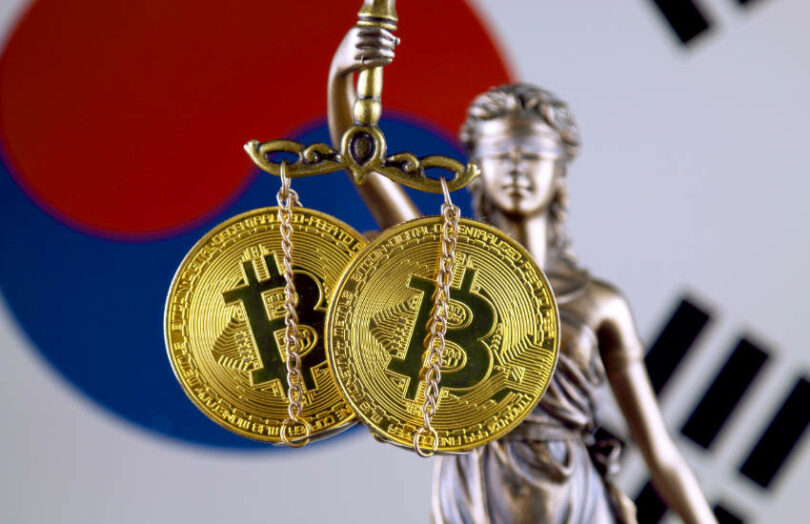
South Korea’s cryptocurrency industry appears poised for continued expansion despite uncertainties surrounding the upcoming presidential election. Analysts and market insiders suggest that while the election outcome may influence regulatory approaches, the overall trajectory for crypto adoption and innovation in the country remains largely positive. The nation, known for its advanced digital infrastructure and high rate of technology adoption, continues to be a key global hub for cryptocurrency trading and blockchain development.

Voters are set to choose their next president amid growing public interest in digital assets, a sector that has become deeply embedded in South Korea’s financial landscape. The outgoing administration has maintained a cautious but constructive stance on crypto, emphasising investor protection and regulation to curb speculative risks. However, there is widespread anticipation that the new leadership, regardless of political affiliation, will aim to strike a balance between fostering innovation and ensuring financial stability.

The South Korean crypto market ranks among the world’s largest, with retail investors accounting for a significant share of trading volumes. According to market data, the country’s exchanges handle billions of dollars in daily transactions, reflecting robust participation despite bouts of global market volatility. Industry experts highlight that the presence of a tech-savvy population and extensive mobile connectivity continues to drive demand for cryptocurrencies and related services such as decentralized finance and non-fungible tokens .

Recent policy discussions have centred on enhancing regulatory clarity without stifling growth. Authorities have been moving toward implementing stricter anti-money laundering measures and introducing licensing regimes for crypto exchanges. These steps are designed to increase transparency and build trust among investors, especially after high-profile hacks and fraud cases shook confidence in past years. Nonetheless, crypto entrepreneurs argue that overly rigid rules could hinder South Korea’s competitive edge in the fast-evolving digital economy.

The election campaign itself has seen varying perspectives on how best to approach the burgeoning crypto sector. Some candidates advocate for a more innovation-friendly environment, proposing incentives for blockchain startups and easing certain regulatory burdens. Others emphasise the need for rigorous oversight, citing concerns about market manipulation and consumer protection. This diversity of viewpoints underscores the complexity of integrating crypto assets into mainstream financial systems while safeguarding public interests.

South Korea’s financial regulators are also coordinating with international bodies to align standards and promote cross-border cooperation. This global approach aims to mitigate risks associated with illicit finance and to support legitimate crypto ventures. Moreover, collaboration with major markets like the United States and European Union seeks to harmonise regulatory frameworks, which could facilitate smoother operations for South Korean crypto firms on the world stage.

Despite occasional regulatory headwinds, venture capital funding in South Korea’s blockchain and crypto technology startups has surged. Investments are being channelled into innovative projects that range from smart contract platforms to digital identity solutions and tokenisation of real-world assets. This capital influx is driving research and development, helping local firms compete with international giants in areas such as security, scalability, and user experience.

Market participants also point to South Korea’s well-established IT infrastructure and educational emphasis on STEM disciplines as critical factors supporting the crypto ecosystem’s growth. The country’s universities and research institutions are actively engaging in blockchain research, producing talent that feeds into both the private sector and regulatory agencies. This synergy between academia, government, and industry forms a backbone for sustainable technological advancement.

Consumer attitudes toward cryptocurrencies have evolved significantly, with increasing acceptance among younger demographics. Surveys indicate that digital assets are now viewed not only as speculative tools but also as legitimate instruments for payments, savings, and investment diversification. This cultural shift has encouraged mainstream financial institutions to explore crypto-related products, including custody services, exchange-traded funds , and blockchain-based payment networks.

However, risks remain inherent in the sector, with price volatility, regulatory uncertainty, and cybersecurity threats continuing to challenge market stability. Industry leaders have called for ongoing dialogue with policymakers to ensure that emerging regulations are well-informed and adaptable. Transparency and investor education are emphasised as vital to fostering a resilient market capable of weathering shocks and sustaining public confidence.

The intersection of cryptocurrency and South Korea’s broader economic policy objectives is also under scrutiny. The government aims to position the country as a global innovation hub, leveraging digital technologies to boost productivity and competitiveness. Cryptocurrency and blockchain are seen as integral components of this strategy, with potential to revolutionise areas such as supply chain management, finance, healthcare, and public administration.

Global geopolitical tensions and financial market fluctuations have added layers of complexity to South Korea’s crypto landscape. Supply chain disruptions and inflation concerns worldwide have driven some investors toward digital assets as alternative stores of value. Yet, the international nature of cryptocurrencies requires regulatory frameworks that can keep pace with rapid technological changes and evolving market dynamics.

Prince Abdulaziz bin Salman’s tenure as Saudi Arabia’s energy minister has marked a decisive shift in OPEC+ dynamics, culminating in a significant production decision that underscores Riyadh’s growing influence within the cartel. The latest OPEC+ meeting saw Saudi Arabia successfully advocate for a third consecutive super-sized monthly output increase, a move that has reshaped the alliance’s approach to oil supply management despite opposition from key players such as Russia.

Since assuming office six years ago, Prince Abdulaziz has positioned Saudi Arabia as a firm leader within OPEC+, emphasising discipline and adherence to agreed production quotas. This approach contrasts with the historically more conciliatory stance the kingdom sometimes took within the cartel. The current strategy reflects a broader ambition to reclaim market share lost to non-compliant members and emerging producers outside the alliance’s remit.

The decision to boost output again—by approximately 500,000 barrels per day—signals a willingness to absorb short-term price volatility in favour of longer-term market dominance. Riyadh’s strategy appears geared towards punishing those within OPEC+ who have routinely exceeded their quotas, thereby undermining the cartel’s collective efforts to control supply and sustain prices. Saudi Arabia’s emphasis on stringent compliance aims to reinforce OPEC+ cohesion, even at the risk of dampening crude prices temporarily.

Russia’s resistance to the output increase highlighted fissures within OPEC+ as Moscow has consistently advocated a more cautious production approach, citing concerns over oversupply and the fragility of global demand recovery. Russia’s stance reflects a balancing act between maximising revenue and preserving the alliance’s unity. However, Saudi Arabia’s assertiveness in pushing the hike through demonstrates Riyadh’s readiness to leverage its dominant production capacity and market position to set the cartel’s agenda.

Global oil markets responded to the output hike by seeing a downward adjustment in prices, reflecting the increased supply entering the market. This shift contrasts with the supply restraint policies of previous years, which had been instrumental in stabilising prices amid fluctuating demand and geopolitical uncertainty. Market analysts note that the Saudi-led increase could signal a new phase in OPEC+ policy, one in which Riyadh is prioritising market share recovery over price support.

The broader context of this development involves multiple factors. The energy transition and climate policies worldwide have added pressure on oil producers, particularly those heavily reliant on hydrocarbons. Saudi Arabia’s move suggests a pragmatic response to these challenges, aiming to maximise current revenues while investing in diversification strategies such as renewable energy and petrochemicals.

The kingdom’s position as the de facto swing producer within OPEC+ gives it substantial leverage. Saudi Arabia can modulate output to influence global prices, a power that has been increasingly evident under Prince Abdulaziz’s stewardship. The kingdom’s vast spare capacity and low production costs enable it to sustain output increases that smaller or higher-cost producers cannot match.

The decision also reflects Saudi Arabia’s geopolitical considerations. Energy policy remains a critical tool of regional influence and international diplomacy. By asserting control over OPEC+ production decisions, Riyadh reinforces its leadership role not only within the cartel but also in broader energy markets, which remain pivotal to global economic stability.

The internal dynamics of OPEC+ have evolved since the alliance’s formation in 2016. Initially established to coordinate between OPEC members and major non-OPEC producers like Russia, the group has faced ongoing challenges balancing competing national interests. Saudi Arabia’s push for discipline and market share signals a new era where Riyadh asserts a more centralised command, even if that risks tensions with key allies.

The output increase also responds to market signals, including stronger oil demand forecasts and inventory levels that have stabilised. By expanding supply, Saudi Arabia aims to pre-empt supply shortages that could push prices beyond levels palatable to consuming nations and industries. This approach seeks to sustain demand growth by ensuring adequate supply and avoiding disruptive price spikes.

Critics argue that the output hike risks destabilising markets by flooding them with excess supply amid uncertainties in global economic growth, inflation, and energy transition timelines. They caution that prolonged lower prices could undermine investment in the oil sector, affecting long-term supply security. However, proponents view Saudi Arabia’s move as a necessary recalibration to reinforce market order and assert control over a fragmented supply landscape.

The ripple effects of the Saudi-led decision extend beyond OPEC+ members. Non-OPEC producers, including the United States shale industry, watch closely as changes in cartel policy impact global price signals and investment decisions. The output hike could influence the pace and scale of shale production, which remains a significant factor in global supply dynamics.

As the alliance navigates these complexities, Saudi Arabia’s approach under Prince Abdulaziz bin Salman sets a clear tone of leadership and strategic resolve. The kingdom’s readiness to push through output increases despite opposition illustrates its confidence in wielding its production capacity as a geopolitical and economic tool.

This assertive posture aligns with Saudi Arabia’s broader economic vision, including the ambitious Vision 2030 plan to diversify its economy and reduce dependence on oil revenues. Managing oil production to balance market share and price stability forms a critical part of this strategy, enabling the kingdom to finance diversification projects and maintain fiscal stability.


Elon Musk has announced the rollout of XChat, a new messaging feature on the X platform, integrating end-to-end encryption, vanishing messages, and support for various file types. Developed in Rust, XChat also offers audio and video calling capabilities without requiring a phone number, marking a significant shift in the platform’s communication tools.

The introduction of XChat follows the discontinuation of X’s previous encrypted direct messaging system, which had been available to paid subscribers for two years. The new system is gradually being made accessible to premium users, with broader availability expected in the coming weeks.

Central to XChat’s security is its “Bitcoin-style” encryption, a term Musk uses to describe the platform’s adoption of elliptic curve cryptography . This method, also employed in Bitcoin transactions, provides robust security with smaller key sizes, enhancing performance and reducing resource consumption. While specific details about the encryption implementation remain undisclosed, the approach suggests a focus on decentralized and secure communication.

The choice of Rust as the programming language for XChat underscores a commitment to safety and performance. Rust’s emphasis on memory safety helps mitigate vulnerabilities common in other languages, such as memory corruption, which has been a significant source of security issues in software development.

XChat’s features extend beyond encryption. Users can send messages that automatically disappear after a set period, enhancing privacy. The platform supports the transfer of various file types, catering to diverse communication needs. Notably, audio and video calls can be made without linking to a phone number, allowing for greater anonymity and flexibility across devices.

This development aligns with Musk’s broader vision of transforming X into a comprehensive “everything app,” akin to China’s WeChat. By integrating messaging, calling, and file-sharing functionalities, X aims to become a central hub for users’ digital interactions. Plans are also underway to introduce X Money, a digital wallet service developed in partnership with Visa, enabling peer-to-peer payments and further expanding the platform’s ecosystem.

As XChat enters the competitive messaging landscape, it positions itself against established players like Signal and Telegram. While these platforms have long prioritized user privacy and security, XChat’s integration into the broader X platform offers a unique proposition. However, experts advise caution, noting that XChat has yet to undergo independent security audits, a standard practice for verifying the robustness of encryption protocols.

The move towards enhanced privacy features reflects a growing demand among users for secure communication channels. With increasing concerns over data breaches and surveillance, platforms that prioritize user confidentiality are gaining traction. XChat’s emphasis on encryption and user control over messages indicates an awareness of these concerns and a response to the evolving digital landscape.

KUALA LUMPUR, MALAYSIA – Media OutReach Newswire – 2 June 2025 – June 2025 is shaping up to be one of the most eventful months of the year for global markets. For traders, this means opportunity—but also volatility. The economic calendar is packed with macroeconomic data releases and central bank meetings, while geopolitical risks remain close to the surface. Beyond the usual inflation prints and interest rate […]

The World Bank has launched its first open-source software tool, the Metadata Editor, marking a significant step in its commitment to data transparency and open science. This web-based application is designed to assist data curators in documenting various types of data, including statistical indicators, survey microdata, geographic datasets, documents, images, videos, and scripts, in compliance with international metadata standards. By releasing this tool under the MIT License, […]

LightEdge, a provider of hybrid hosting solutions, has expanded its collaboration with Corero Network Security through a $1.2 million agreement aimed at enhancing its defence against distributed denial-of-service attacks. This strategic move involves the deployment of Corero’s SmartWall ONE platform across LightEdge’s global data centre network, replacing an existing competitor’s solution. The expanded partnership underscores LightEdge’s commitment to bolstering its cybersecurity framework, particularly as organisations increasingly adopt […]

WASHINGTON D.C, USA – Media OutReach Newswire – 1 June 2025 – Vietnam’s Minister of Agriculture and Environment Do Duc Duy plans to lead a delegation with nearly 50 agencies, agribusinesses and associations to explore opportunities to promote trade and import agrifood and timber from the United States during June 1-7, 2025. The delegation expects to participate in business dialogues in Iowa, Ohio, and Washington D.C. Vietnamese […]

HONG KONG SAR – Media OutReach Newswire – 31 May 2025 – International mediation marked a significant milestone yesterday (May 30) with the establishment of the International Organization for Mediation (IOMed). The IOMed, with its headquarters in Hong Kong, is the world’s first inter-governmental international legal organisation devoted to the use of mediation in resolving international disputes. More than 80 countries and about 20 international organisations, including […]

Nvidia CEO Jensen Huang has issued a stark warning that U.S. export restrictions on advanced semiconductors are inadvertently accelerating China’s progress in artificial intelligence , potentially undermining America’s technological leadership. Huang contends that the sanctions, intended to curb China’s access to cutting-edge AI chips, have instead galvanized Chinese firms to develop domestic alternatives. “The Chinese competitors have evolved,” Huang remarked, highlighting Huawei’s rapid advancements. He emphasized that […]

A sweeping crackdown on international students under President Donald Trump’s administration has triggered a global realignment in higher education, as universities across Europe and Asia move swiftly to attract displaced talent and research funding. The United States, long considered the premier destination for international scholars, is witnessing a sharp decline in its appeal. A survey by the Keystone Education Group indicates that 42% of prospective international students […]

SINGAPORE – Media OutReach Newswire – 30 May 2025 – Synology showcased its latest lineup of innovations at COMPUTEX 2025, Taiwan, presenting a comprehensive solution portfolio spanning enterprise storage, data protection, video surveillance, on-premise productivity suite, and personal private cloud. “At Synology, our goal has always been to build a data management ecosystem our customers can trust,” said Philip Wong, Chairman and CEO of Synology. “We design […]

Saudi Arabia’s sovereign wealth fund, the Public Investment Fund , is evaluating an initial public offering for its wholly-owned technology arm, Saudi Information Technology Company , as part of broader efforts to bolster the kingdom’s economic diversification strategy. According to individuals familiar with the matter, PIF has approached investment banks to submit proposals for roles in a potential share sale of SITE. The discussions are in preliminary […]

HONG KONG SAR – Media OutReach Newswire – 30 May 2025 – The Chinese University of Hong Kong’s Faculty of Law (CUHK LAW) continues to strengthen its position as a leading international legal education institution, offering innovative programmes and conducting impactful research that shapes the future of legal practice across Asia and beyond. Distinguished Academic Excellence Since its establishment in 2004, CUHK LAW has emerged as a […]

VISHNU RAJA
RYO YAMADA
HITORI GOTOH
IKUYO KITA