News related to
security

Aflac detected a cyberattack on its U.S. network on 12 June and contained the intrusion within hours. The company has confirmed that the attack may have compromised sensitive personal data, including Social Security numbers, claims and health information belonging to customers, beneficiaries, employees and agents. Operations remain fully functional as experts investigate the full extent of the breach. The insurer’s SEC filing and subsequent statement referred to […]

Markets surged as President Donald Trump announced a ceasefire agreement between Israel and Iran on Monday, calming fears of a broader Middle Eastern conflict and triggering a sharp drop in oil prices. With Brent crude falling nearly 5% in Asian trading and U.S. West Texas Intermediate declining by around 3%, investors responded swiftly to the prospect of restored supply and reduced geopolitical risk. At the same time, […]

Gulf states have reopened their airspace and resumed operations at major airports following swift precautionary closures in response to Iran’s missile assault on the US-operated Al Udeid Air Base near Doha. The suspension affected vital hubs such as Hamad International Airport, Dubai International, Bahrain and Kuwait, forcing dozens of flight reroutes and cancellations. Iran launched a barrage of short- and medium-range ballistic missiles targeting Al Udeid, home […]

By Saifur Rahman The International Monetary Fund (IMF) has approved the allocation of US$1.33 billion to Bangladesh to support the country’s economy that witnessed slowdown since the change of government in August 2024. The allocation is part of the US$4.7 billion combined support package authorised by the IMF in January 2023 under the US$3.3 billion Extended Credit Facility (ECF) and Extended Fund Facility (EFF) and US$1.4 billion […]

U.S. President Donald Trump has announced a “complete and total” ceasefire between Israel and Iran, set to begin within hours, marking what he described as the end of a 12‑day war. The plan envisages Iran initiating a 12‑hour ceasefire, followed by a reciprocal Israeli hiatus, concluding with a full cessation of hostilities.

Trump’s statement on his social media platform outlined a phased process: Iran will commence the ceasefire after winding down its final missions, followed by Israel 12 hours later, and after 24 hours the war will be declared over. He praised both nations for their “stamina, courage, and intelligence” and characterised the agreement as a significant step towards lasting peace.

The announcement follows a dramatic escalation in regional tensions. Israel launched military strikes on Iranian nuclear facilities in response to Iran’s uranium enrichment activities. Tehran retaliated by firing up to 14 missiles at the U.S.-operated Al Udeid Air Base in Qatar. While 13 were intercepted and one deviated off course, no U.S. personnel were harmed—a fact President Trump described as a “very weak response.”

Despite global concerns over escalation, including warnings from France and other Western capitals, market responses have remained muted. Oil prices dropped approximately 7% in anticipation of de‑escalation, while equity markets posted modest gains.

Though the ceasefire announcement has generated optimism, it remains unverified by Israeli or Iranian leaders. As of now, neither government has publicly confirmed their commitment to the arrangement. Al Jazeera noted the absence of official statements from both sides.

The U.S. role in brokering this agreement highlights Trump’s assertive posture. He denied prior suggestions that France’s Emmanuel Macron had brokered such a deal, countering that the ceasefire plan was “much bigger than that.” Analysts warn that trust between Israel and Iran remains fragile, requiring robust verification mechanisms and potentially third-party monitoring to sustain the fragile peace.

European diplomats, including those from France, Germany and the UK, have previously urged for de‑escalation after U.S. strikes, facilitating a clash of diplomacy and military brinkmanship. Trump has also floated the prospect of regime change in Iran under the slogan “Make Iran Great Again,” sparking concerns about the endgame and durability of U.S. involvement.

In Washington, debate has emerged regarding U.S. aims. Trump’s advisors say the administration does not seek regime change, yet the use of the slogan and his rhetoric suggests otherwise. Critics warn that pushing Iran into further isolation could spark domestic instability in Tehran.

Regions across the Gulf remained on high alert during the conflict. Airspace closures in Qatar, Bahrain, and Kuwait affected international travel. Qatar has since reopened its skies following coordination with regional authorities. Countries in the region—Saudi Arabia, the UAE, and France included—expressed deep concern and reinforced calls for dialogue and restraint.

Security analysts note that the potential for a broader conflagration, particularly in the Strait of Hormuz, persisted until the ceasefire announcement. Iran’s parliamentary body had discussed strategic deterrents, including the possibility of closing the strait, a move that could severely disrupt global oil supplies. The upcoming hours will be decisive in determining whether the ceasefire is respected or if underlying tensions reignite.

The absence of casualties on either the U.S. or Israeli side contrasts with reported losses in Iran and Israel. Israeli strikes reportedly killed several hundred Iranians, including Revolutionary Guard members, while Iran was testing its limited retaliatory capabilities.

Infrastructure damage in both nations has been notable though not crippling. On the Iranian side, Tehran’s Evin prison and Revolutionary Guard sites bore the brunt of Israeli air raids; on the Israeli side, civilian infrastructure has remained largely intact, shielded by missile defence systems such as Iron Dome.

Stock markets and global commodity prices will closely monitor the ceasefire’s implementation. Should it hold, analysts suggest stability may regain foothold and prices may further retreat. However, any violation could push markets back into turmoil.

Diplomatically, Europe appears keen to reaffirm diplomatic channels. The EU and UN are reportedly preparing statements urging verification and offering mediation. Russia and China have also urged parties to uphold the ceasefire and avoid widening the conflict.

The next 24 hours are critical. The phased ceasefire hinges on mutual restraint and credible enforcement measures. U.N. observers or allied forces may be deployed to Tehran and Tel Aviv to verify compliance. Confirmation of Iran’s opening of its airspace and Israel’s military stand‑down orders will be key signals.


A wave of sophisticated scams on Instagram is impersonating legitimate banks to mislead users into surrendering their credentials and cash. Using AI-generated deepfake videos and phoney ads, cybercriminals have successfully mimicked institutions such as the Bank of Montreal and EQ Bank, prompting victims to divulge sensitive data or make immediate payments into fraudulent accounts. The scam typically begins with users encountering ads that closely mirror authentic bank […]

Al Udeid Air Base in Qatar, hosting around 10,000 U.S. and allied personnel, was struck on 23 June 2025 by a volley of short- and medium-range ballistic missiles launched by Iran in apparent retaliation for American airstrikes on its nuclear facilities. Qatar’s air defences intercepted the incoming salvo, reported as six missiles by Iran and fourteen by U.S. sources, with no casualties or significant damage recorded.

Tehran described the strike as a calibrated response, matching the number of missiles to bombs used in the U.S. assault on Natanz, Fordow and Esfahan, suggesting a bid to avoid civilian harm. Iranian state media dubbed the action “Operation Glad Tidings of Victory” and stressed it was carried out away from populated areas. U.S. President Donald Trump, characterising the barrage as “very weak,” acknowledged that Iran provided advance notice, enabling effective interception and preventing casualties.

Qatar issued a forceful denunciation, condemning the barrage as a “flagrant violation” of its sovereignty and international law. Dr Majed bin Mohammed Al Ansari, spokesperson for Qatar’s Foreign Ministry, warned that the country reserves the right to respond proportionally and reiterated calls for a return to genuine diplomacy. Qatar Airways temporarily suspended flights amid the airspace closure, and India’s embassy in Doha advised nationals to remain cautious amid the unfolding tensions.

The United Arab Emirates and Saudi Arabia also condemned the violence. The UAE described the missiles as a breach of Qatari sovereignty and called for an immediate halt to military escalation. Riyadh echoed this stance, expressing full support for Qatar and branding the strike “unjustifiable,” warning of broader destabilisation. The Arab League, Jordan, Bahrain and Oman joined the chorus, denouncing the attack and urging restraint.

Western capitals emphasised caution. France and Germany condemned the missile salvo but underscored the necessity of diplomacy. The United Nations and European Union called for urgent de-escalatory measures and a return to negotiations, with António Guterres warning of the risk of “regional conflagration”. Beijing and Moscow echoed appeals for a diplomatic resolution.

Iran’s Supreme Leader Ayatollah Ali Khamenei stated that Iran would not succumb to aggression and that its missile barrage equalled the U.S. assault. Tehran also hinted at further measures if U.S. actions persist. Meanwhile, Israel unleashed its most extensive air campaign yet on Tehran, striking sites including Evin Prison and Fordow enrichment facility.

The strikes on Qatar and also U.S. bases in Iraq—though unconfirmed beyond Qatar—have prompted airspace closures over Gulf nations including Kuwait, Bahrain and the UAE. Commercial carriers like IndiGo and Air India Express issued advisories or rerouted flights, contributing to widening disruptions in travel.

Global financial markets reacted nervously, with oil prices briefly spiking over fears of disruption in the Strait of Hormuz, a critical passage for global energy shipments. The International Atomic Energy Agency, meanwhile, voiced anxiety about the security of Iran’s nuclear sites following the U.S. bombardment.

Analysts suggest Iran’s approach was designed to recalibrate the balance of deterrence without provoking full-scale war. The matched missile count, pre-warning, and focus on a remote military target indicate a calculated effort to signal strength while avoiding mass casualties.

Diplomats across Europe, the U.N. and the Gulf pressed for an immediate halt to further strikes and for major powers to step up mediation. Qatar, a longstanding facilitator of regional talks, is uniquely positioned to spearhead efforts. Both Iran and the U.S. have acknowledged potential for dialogue: Trump spoke of the prospect of “peace and harmony,” echoing Tehran’s assertions that the strike completed its “symbolic” objectives.

But with tensions now inflamed between Iran, Israel and the U.S., and Gulf states on alert, diplomatic channels face a critical juncture. Any miscalculation could unleash renewed conflict across the region.

Advertisements

ByteDance has unveiled “Dolphin”, an OCR model released under an MIT licence designed to revolutionise document processing by combining layout analysis and parsing in a unified workflow. This new tool is poised to enhance accuracy and adaptability across complex document types, marking a major advancement in optical character recognition. Dolphin operates by first analysing the document layout—identifying paragraphs, tables, figures and formulas—and then parsing each section in […]

Factories are increasingly adopting a Unified Namespace architecture—an event‑driven, centralised framework that unites data from diverse systems under a single, real‑time source of truth. By standardising naming conventions and utilising protocols like MQTT, this model dismantles data silos, enhances scalability, and accelerates decision‑making across engineering, operations, and management teams. UNS addresses the critical issue of fragmented automation ecosystems, where legacy PLCs, SCADA, MES, ERP and new IIoT […]

A high‑performance tool named Kingfisher, developed by MongoDB, now enables developers and security teams to detect and validate active secrets—such as API keys and credentials—in codebases in real time. Its release addresses shortcomings in existing scanners by verifying through live checks against cloud services. Kingfisher began as a personal project in July 2024 by MongoDB security engineer Mick Grove, who was dissatisfied with current open‑source secret scanners. […]

When it comes to choosing a broker, it’s essential to consider not only the trading conditions but also how convenient and safe it is to work with the platform every single day. After all, trading isn’t just about placing orders—it’s also about comfort, support, and confidence in tomorrow. That’s exactly why more and more traders are choosing Rock-West. Every element of the service here is designed with […]

Iran has launched a new wave of missile and drone strikes against Israel, following U.S. airstrikes that obliterated key Iranian nuclear facilities under Operation Midnight Hammer. The ripple effects are already being felt in global oil markets, while diplomatic channels strain under mounting pressure. The bombardment hit Israeli cities including Tel Aviv and Ashdod, with satellite monitoring confirming sirens and intercepted projectiles. Iran disclosed the deployment of […]

Commercial carriers are suspending flights across Middle‑Eastern airspace following the US strike on Iranian nuclear facilities, with empty skies appearing over Iran, Iraq, Syria and Israel as airlines divert or cancel services. Singapore Airlines described the situation as “fluid”, cancelling its Singapore–Dubai service after a security review, while British Airways and Air France‑KLM also halted flights involving Dubai, Doha, Riyadh and Riyadh, indicating growing caution among global […]

Businesses across Houston are accelerating their transition to Voice over Internet Protocol blended with cloud services, aiming to streamline communication, enhance customer experience and reduce costs. Leading this shift is Phonoscope Communications, a Houston-based provider that leverages its fibre-optic metro network to integrate VoIP and cloud-based services for enterprises across eight counties. With a history dating to 1953—and pioneering two-way videotelephony in schools—Phonoscope now supplies unified voice, […]

An Estonian-based blockchain project is upending traditional cryptocurrency mining by enabling everyday mobile users to mine Bitcoin Solaris via a smartphone app. The Solaris Nova App, currently in its private beta, allows earning tokens through adaptive, low‑energy background processes—sidestepping the need for ASIC rigs and high electricity costs.

The platform combines conventional Proof‑of‑Work with Delegated Proof‑of‑Stake, boasting energy efficiency nearly 99.95% lower than Bitcoin yet capable of processing over 10,000 transactions per second with two‑second finality. It includes built‑in wallet features, real‑time analytics, gamified leaderboards and a marketplace for leasing computational power, aiming for a secure but user‑friendly experience.

Engagement has surged. Over 11,500 users have joined the presale, contributing more than $5 million, at an average price of $8 a token, with scheduled price increases to $9 ahead of a $20 launch value. Phase 7 is underway, confirming momentum as the project enters its final presale phase.

Independent audits from Cyberscope and Freshcoins, plus KYC verification, reinforce security credibility. Market analysts such as Ainvest note the platform’s one‑tap mining and liquid staking features as transformational for retail traders.

Bitcoin Solaris’s dual‑layer architecture merges SHA‑256 Proof‑of‑Work with a high-speed Delegated Proof‑of‑Stake layer. This enables smartphone‑based mining via the Nova App, steering the network’s validation duties to unused storage and CPU cycles—a model described as authentic on-chain participation rather than gamified simulation.

Device‑level mining accommodates Android, iOS, desktop and browser setups. It adjusts load according to hardware: simpler algorithmic backend for phones, scalable tasks for laptops. Energy consumption remains negligible compared to traditional setups. These advancements allow earning BTC‑S tokens immediately, even enabling leasing of computing capacity via smart contracts, and fostering deeper DeFi involvement through liquid staking.

Tokenomics emulate Bitcoin’s scarcity: 21 million total tokens, with 66.7% allocated to mining over 90 years, 20% set aside for presale, and 5% for liquidity. Early presale investors also access bonus slots—up to 10% in earlier phases—highlighting the company’s emphasis on accessible wealth-building.

Crypto commentators highlight its egalitarian potential. Coin World describes it as aimed at making mining accessible to average traders. Analytics Insight suggests mobile mining is generating a wave of new crypto millionaires. Observers such as Crypto Nitro, Crypto Infinity and Crypto Show emphasise its blend of energy efficiency with scalability and inclusivity.

Technical infrastructure rests on security measures, including zero‑knowledge proofs, rotating smart validator sets and continuous audits. Developers argue this permits afforded decentralisation without sacrificing speed or integrity.

Operationally, the project is on a tight timeline: the private beta is active, presale entering its final stage, and full exchange listing expected by July–August. Marketing strategies include referral bonuses, token rewards and daily spins, designed to sustain engagement as broader exposure looms.

Critics note that presale hype may inflate expectations and urge diligence. But Bitcoin Solaris counters with transparent audits, robust KYC, and smart contract evidence of functioning architecture. The simplicity of an app‑based mining system breaks from older models that few retail users can access profitably.

Industry significance could be profound. By transforming everyday devices into contributors to blockchain consensus, Bitcoin Solaris substantially lowers barriers. This may redefine early‑phase crypto wealth dynamics, where first movers historically held advantage via specialist mining investments.

As global attention turns to scalable, eco‑conscious blockchain models, Bitcoin Solaris positions itself at the intersection of accessibility and utility. With the Nova App reaching beta testers and node count rising, the platform is providing tangible participation alternatives for small investors.

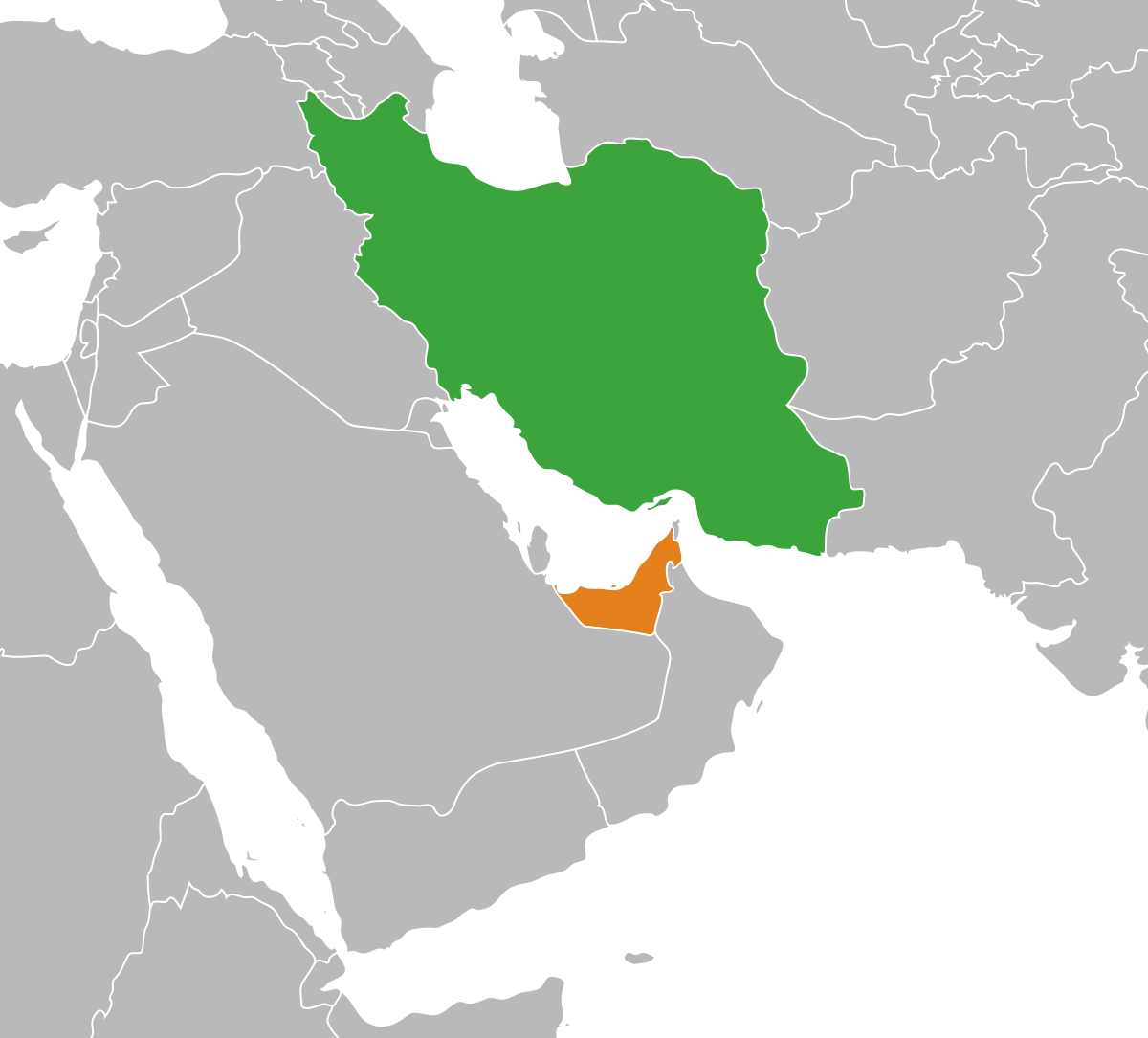
UAE authorities have successfully airlifted both citizens and expatriate residents from Iran amid mounting regional tensions stemming from the ongoing Israel–Iran conflict. These evacuation flights were carried out in full coordination with Iranian officials, who provided necessary transit clearances and logistical assistance, according to the UAE’s Ministry of Foreign Affairs and International Cooperation.

Passengers greeted on arrival in Abu Dhabi included Emirati nationals and resident visa holders. Some were visibly emotional—footage released by WAM showed arrivals embracing airport staff, while others knelt in gratitude upon disembarking. UAE officials confirmed that all evacuees underwent health screening and security checks; no medical emergencies were reported during the operation.

The decision to evacuate was prompted by intensifying hostilities between Iran and Israel, which have resulted in reciprocal missile and drone strikes targeting Iran’s nuclear and military infrastructure. Since 13 June, airspace closures across Iran and neighbouring countries have disrupted commercial flights, leaving many foreign nationals stranded.

While Tehran’s nuclear sites have been under attack, Tehran’s government issued public messages minimising panic, yet civilians promptly fled towards northern provinces, leading to fuel shortages, transport gridlocks, and relief operations along highways. Over 100,000 people are believed to have relocated internally by 15 June, while a few hundred foreign evacuees have used authorised border crossings to exit Iran.

UAE’s timely action reflects an expansion of its foreign crisis response capabilities, built through previous evacuations from conflict zones such as Ukraine, Sudan, and Afghanistan. Evacuating via a mix of chartered aircraft and government-operated flights, the UAE used carefully planned air routes to skirt high-risk regions.

Parallel efforts by Gulf neighbours highlight broader regional coordination. Bahrain, Oman and others secured safe passage for their own nationals via land and air corridors; Oman alone registered over 150 evacuees through Bandar Abbas and Iraq logistics networks. Countries including India, China, the US, Germany and Poland activated repatriation schemes—India’s “Operation Sindhu” successfully repatriated 110 nationals through Armenia by 18 June.

While evacuation pipelines opened, Dubai and Abu Dhabi remain operational, and companies across the Gulf are updating contingency plans amid concerns over possible spill‑over and disruptions to critical infrastructure. Risk advisory firms are reporting heightened demand for intelligence services, crisis preparedness, and staff security measures.

The UAE Ministry of Foreign Affairs has reiterated its call for diplomacy as the sole pathway to stability. Its continuous diplomatic outreach has involved deep engagement with international partners and a strong appeal to the UN Security Council to broker de‑escalation amid what it describes as “exceptional circumstances”.

The evacuation marks a rare cooperative moment between the UAE and Iran, whose bilateral relations have at times been strained. Yet Iranian authorities’ facilitation of access to airports and transit permissions demonstrated a mutual willingness to protect civilians from broader geopolitical fallout.

With all Gulf evacuations through this phase concluded, attention now turns to whether diplomatic avenues will succeed in preventing further civilian displacement. Businesses and governments remain on alert, reinforcing emergency protocols and intelligence monitoring systems to safeguard personnel and operations in the face of uncertainty.

UAE authorities have flown back several nationals and residents from Iran as part of a security-driven emergency operation amid intensifying regional uncertainty. The coordinated move, which involved direct communication between officials in Abu Dhabi and Tehran, was aimed at ensuring swift and safe repatriation in light of mounting geopolitical instability in the region. The evacuation operation, which took place without prior public notice, was disclosed by the […]

Saudi Arabian Oil Company, widely known as Aramco, is dramatically expanding beyond its oil and petrochemical roots into a diversified, technology-centric energy powerhouse. Under Chief Executive Amin Nasser, the enterprise is balancing its historic role as a revenue pillar for the Kingdom with aggressive investments in artificial intelligence, renewables, blue hydrogen, carbon capture and e‑fuels. Aramco’s strategic pivot is anchored in its financial strength. The company reported […]

A British Royal Navy F‑35B Lightning II remains immobilised at Thiruvananthapuram International Airport after declaring an emergency on 14 June. The pilot reported low fuel amid rough sea conditions over the Arabian Sea before the jet, deployed from HMS Prince of Wales during the Indo‑Pacific Operation Highmast, touched down at 21:28 IST. The Indian Air Force’s Integrated Air Command and Control System coordinated the diversion alongside civilian air traffic control, declaring a full-scale emergency to ensure safe handling.

Initial refuelling took place on Sunday under IAF supervision, but the aircraft could not return to the carrier due to a hydraulic system failure. Royal Navy technicians arrived via helicopter from the carrier that night and began repair operations, but their efforts remain unsuccessful six days on. Additional British and American technical personnel—possibly including Lockheed Martin experts—have since taken charge, while a larger maintenance team is expected. If repairs remain inconclusive, the jet may be airlifted back aboard a military transport aircraft.

Valued at over $100 million, the F‑35B represents one of the world’s most advanced and expensive combat aircraft, equipped with short take‑off and vertical landing capability, stealth design, networked sensors, and naval adaptability. Its unscheduled landing in India highlights both the logistical complexities of advanced military aviation and the robust coordination between allied forces.

Security protocols have been stringent. The aircraft is stationed in Bay 4 under armed Central Industrial Security Force guard. The British team rejected offer to relocate it to a civilian hangar or protective shed, citing confidentiality concerns over sensitive systems, and insisted on repairs in open view under controlled conditions. Meanwhile, Royal Navy personnel, including the pilot and technicians, remain onsite with food and lodging provided by airport authorities, with Indian teams facilitating logistics throughout.

The incident marks the first unscheduled landing of a foreign-manufactured F‑35 on Indian territory and comes amid growing UK‑India defence cooperation. The jet had been flying as part of joint maritime exercises, including PASSEX drills with INS Tabar and other British ships in the northern Arabian Sea on 9–10 June. Analysts have noted the deployment underscores interoperability and strategic alignment between both nations, rather than any response to Middle East tensions.

Within 48 hours of landing, the aircraft had been refuelled and initially positioned for departure. However, the discovery of hydraulic malfunction extended its stay, prompting the dispatch of specialists from the UK and the US. Defence officials confirmed that the jet could be repatriated on a cargo plane if ground repairs remain unfeasible.

The episode has drawn public attention not only for its rarity but also for the international coordination displayed. Local observers are closely watching developments, while military commentators underscore the necessity of emergency recovery airfields like Thiruvananthapuram for carrier-based operations during unpredictable monsoon-season weather.

As of 20 June, the jet remains on the tarmac, awaiting either restoration or return via air transport. With a multinational technical team now assembled, a departure window is expected later this week—subject, of course, to successful hydraulic repair and formal clearances under Indian aviation protocols.

Tests by Thailand’s Pollution Control Department have revealed that arsenic concentrations in the Kok River and tributaries now exceed national safety limits by up to five times. Biochemical analysis indicates that these toxic levels are linked to unregulated mining operations in Shan State, Myanmar, particularly within territories controlled by the United Wa State Army.

The Kok River, which begins its 285km course in Myanmar’s Daen Lao Range before entering Thailand through Mae Ai and flowing into Chiang Rai and eventually the Mekong, has become the focus of mounting alarm. Tests conducted between late May and early June demonstrated elevated arsenic at all 15 tested points along the Kok and Sai rivers, with further contamination detected in two Mekong sampling sites.

Local fishermen have reported adverse impacts to aquatic life and livelihoods. Prices for catch in Chiang Rai have dropped by nearly half, as consumer fear surrounding contamination takes hold. Fisherman Sawat Kaewdam told AFP: “They say, ‘There’s arsenic. I don’t want to eat that fish.’”.

Satellite imagery and drone footage show dozens of active mining sites emerging since around 2022, believed to involve both gold and rare earth minerals. These mines operate under minimal environmental safeguards, with tailings and chemical-laden effluent discharged directly into rivers. One environmental campaigner described the situation as Thailand’s “largest-ever case of transboundary pollution”.

Health experts warn that while immediate poisoning symptoms may not materialise, long‑term exposure through contaminated water and fish consumption could lead to chronic arsenic poisoning. Somporn Phengkham of the Community Health Impact Assessment Platform emphasised the risk of gradual accumulation, urging increased scrutiny of wells and irrigation systems.

Communities along the Kok River have experienced unusual water discolouration, persistent skin irritations, and fish deformities. Chiang Rai environmentalists staged protests on 5 June, tying ribbons along the river bridge to demand intervention and mine closure. In Chiang Mai’s Mae Ai district, a monk from Wat Thaton confirmed that the river’s appearance and use had become culturally and practically untenable.

Thailand’s federal government has initiated emergency measures. Deputy Prime Minister Prasert Jantararuangtong has overseen a new response centre, while the Pollution Control Department is conducting enhanced sampling. Officials reassure domestic water supplies are safe, although the contamination source remains external.

Proposals for containment include constructing a dam across the Kok River to trap sediments, dredging heavily polluted sections, and pursuing diplomatic negotiations with Myanmar and China. The Foreign Affairs Committee is engaging Beijing to urge oversight of Chinese mining companies operating within UWSA territories.

Challenges persist as Shan State’s mines lie beyond Myanmar’s central control. With the UWSA exerting autonomy and Chinese-linked firms driving extraction operations, finding a direct negotiating partner proves elusive. Regional analysts warn that building physical barriers without curbing source pollution will yield temporary alleviation at best.

Environmental advocates underscore the urgency of scaling up real-time monitoring and cross-border coordination. They highlight growing concerns that contamination could extend throughout the Mekong basin, threatening agriculture, fisheries, and water security across Southeast Asia.

Experts like Tanapon Phenrat of Naresuan University stress that addressing the problem requires systemic reform: mandated tailings treatment, strict environmental standards, and international cooperation. “We need to act now,” he stated.

China is confronting significant disruption to its Iranian crude oil supply, risking both its energy security and geopolitical ambitions in the Middle East. With over 90 per cent of Iran’s oil exports directed to China via Kpler, the contraction of that flow places Beijing’s $400 billion 2021 cooperation deal in jeopardy. Major Chinese independent refiners, the so‑called “teapots” in Shandong province, are enduring mounting losses as deepening discounts on Iranian […]

Arabian Post Staff -Dubai Major U.S. and European carriers have halted flights to key Gulf destinations amid escalating hostilities between Israel and Iran, while international regulators warn of heightened risk as far-flung air routes face rerouting challenges. American Airlines has paused its Philadelphia–Doha service until at least 22 June, citing growing security concerns, with a spokesperson affirming the decision would be reviewed “as needed”. United Airlines has similarly […]

KUALA LUMPUR, MALAYSIA – Media OutReach Newswire – 21 June 2025 – Crude oil, which is arguably the world’s most important commodity, is on everybody’s mind right now. The flared up conflict in the Middle East is increasing risks of a major oil supply shock, potentially pushing the price of ‘black gold’ into the stratosphere and completely derailing the global economy. In this article, Octa, a global […]

Question.AI has launched a significantly enhanced AI-driven educational platform designed to provide immediate, accurate assistance across diverse subjects. Now boasting over 20 million monthly users, the platform offers image-based problem solving, writing enhancements, multilingual translation, and real-time AI chat—all accessible around the clock. At the heart of the offering is a “snap‑and‑solve” feature that allows users to upload photos of homework problems and receive detailed, step‑by‑step solutions […]

VISHNU RAJA
RYO YAMADA
HITORI GOTOH
IKUYO KITA