Just in:
Democrats secure Senate majority after Republican election losses // Arrow Electronics showcases technologies advancing intelligent robotics, mobility and digital infrastructure // Fast Just Got Fastest: STING Energy Boost™ Celebrates Kimi Antonelli’s Formula 1® World Championship and the Fan Energy Behind It // ADIA and partners establish $1.4 billion aviation venture // BJP’s Aggressive Response Exposes Anxiety Over Opposition Unity // Democrats capture Senate majority with seven Republican seats // Utilities pursue ₹1,992 cr in unpaid bills // SC to examine students’ exam plea today // mamun raises US$3 million to finance cross-border trade between the Gulf and Asia // AI trust gap reveals distinct retail priorities: Divergent paths to consumer growth in Hong Kong and the GBA // xCube Access Welcomes Entrust Capital Limited  Expanding Access to Professional Portfolio Management // Pinarayi faults UDF over mounting road crashes // CPI, CPM dispute portrayal of Vayalar uprising leaders // XRG secures agreement for $1.45bn Australian LNG stake // Vingroup And Legends Global Announce Strategic Partnership For VinFast – Trong Dong Stadium // ADIA and partners establish $1.4 billion aviation venture // ADIA and partners establish $1.4 billion aviation venture // Burying Head In “India Made Poverty Reduction” Data Is Dangerous // After Reaching 7 Million Users in the Philippines, Skyro Launches Transparent Cash Loans in Malaysia // Ta’ziz finalises $1.39bn funding for Ruwais industrial facilities //

News related to
work

Ethereum’s value slipped beneath the psychologically and technically significant $4,000 mark today, intensifying fears that the second-largest cryptocurrency may be entering a deeper correction. On Binance, ETH dipped to $3,988.89, down almost 8 per cent in 24 hours.

The abrupt drop triggered widespread liquidations, especially among leveraged positions. On-chain liquidation trackers show nearly $188 million in crypto was liquidated in just one hour during the sharp move.

Persistent macroeconomic headwinds, alongside renewed U. S.–China trade tensions, appear to have compounded selling pressure. The Nasdaq and other equity benchmarks also suffered, amplifying risk aversion among crypto investors.

Technical analysts now view the breakdown below $4,000 as a turning point. From a charting perspective, the fall invalidated previously bullish setups such as bull flags, leaving Ethereum exposed to further downside. One analyst cautioned that extended weakness could push ETH toward the $3,750 to $3,500 zone if pivotal support fails.

Support between $4,200 and $4,300 had held in recent sessions, but now that zone is under siege. Should it collapse, the stage may be set for a retest of $3,900 or lower. Traders are watching whether buyers will defend this corridor or capitulate.

Despite today’s plunge, some investors see accumulation underway. Ethereum’s total on-exchange supply has declined to a nine-year low, with large holders withdrawing ETH from exchanges—an indicator that long-term confidence may still remain intact.

Longer term, expectations remain cautiously optimistic. Standard Chartered recently raised its year-end target for ETH to $7,500, citing heightened institutional adoption and increasing use of the Ethereum network in stablecoin and DeFi infrastructures. Meanwhile, Citigroup offers a more conservative forecast of $4,300 by end-2025, warning that current prices may be more sentiment-driven than fundamentals-rooted.

Major upgrades on Ethereum’s roadmap could yet shift sentiment. Among them: the Glamsterdam upgrade, which integrates enhanced proposer-builder separation. However, a fresh academic study warns of a “free option” risk under high volatility, whereby builders may cancel committed payloads without penalty—posing challenges to network liveness during stress.

In the short term, analysts are split. Some argue that the slide is a healthy reset before ETH resumes an uptrend, provided support zones hold. Others say the breach of $4,000 suggests a loss of momentum strong enough to spark a deeper correction.

Crypto markets are already exhibiting signs of strain beyond Ethereum. Bitcoin is under pressure as well, and risk assets broadly are being squeezed by mixed macro data and higher real-interest rates. Some strategists say the crypto pullback could morph into a broader derisking wave unless fresh catalysts emerge.

Looking ahead, observers point to a few key variables: whether ETH can reclaim and sustain above $4,500; whether buyers will step in at $4,200–$4,300; and whether the network upgrades can deliver tangible improvements to gas, scalability, and decentralisation.


Matein Khalid Private equity and money center banks on Wall Street are in free fall even as the private credit market is in classic contagion mode, without a lender of the last resort for overleveraged shadow banks/hedge funds whose illiquid assets now disappear into Wall Street’s structured vehicles blackholes. Peekaboo Finance 101! When Citigroup and Brent crude both fall 8% in a synchronized bearish death dive, I […]

A ceasefire between Israel and Hamas has entered into force, with the Israel Defence Forces confirming a suspension of major offensive operations and stepping back from parts of Gaza. The armistice supports a mediated exchange: Hamas will release 20 living hostages within 72 hours, and Israel will free a broad list of Palestinian detainees. The ceasefire commenced at midday local time, with Israeli troops withdrawing to a […]

A coalition of leading banks including Bank of America, Goldman Sachs, Deutsche Bank, BNP Paribas, Santander, Barclays, TD Bank, MUFG, UBS and Citi has unveiled a joint exploratory effort to design a blockchain-based stablecoin pegged to G7 currencies. The banks say the asset would maintain a fixed 1:1 value relative to existing fiat currencies, issued on public blockchains.

The initiative enters a financial landscape intensely focused on regulation, institutional adoption, and the evolving dynamics between corporate and sovereign digital currencies. According to statements from the banks, the plan is still in its early phase, focused on technical design and governance frameworks before market launch.

Under the plan, participating banks would cooperate on shared standards for transparency, reserve backing, compliance, and interoperability across financial systems. The banks emphasise that regulatory alignment will be central, particularly given heightened scrutiny in major jurisdictions. Some participants have intimated that this consortium initiative is intended to forestall fragmentation in the stablecoin space and ensure that banks maintain influence over the structure of digital money networks.

Sources familiar with the project note that discussions centre on multiple core challenges: how to segregate reserves to maintain full backing, how to deal with liquidity and redemption demands, how to interface with central bank digital currencies without cannibalising them, and how to meet anti-money laundering and know-your-customer mandates.

This bank-led initiative aligns with a broader pattern: European banks recently formed a consortium to launch a euro-denominated stablecoin under MiCAR compliance, aiming to counter the dominance of U. S. dollar–based tokens. That project includes ING, UniCredit, CaixaBank, and others.

Analysts say the involvement of global banks is a signal that stablecoins are no longer confined to fintechs or crypto firms. Goldman Sachs has forecast that the stablecoin market could expand into the trillions of dollars over time. Banks are increasingly seeing stablecoins as tools to support liquidity management, payments, and tokenised financial infrastructure.

The dominance of U. S. dollar–backed stablecoins is also one driver of such moves. A Standard Chartered forecast predicts that the total stablecoin savings held globally could climb to $1.22 trillion by 2028, a shift that could disintermediate banks in emerging markets.

Critics caution that bank-issued stablecoins must avoid replicating past financial crises: if redemption runs occur, banks issuers must be prepared to redeem at par value in all circumstances, including stress periods. Proper separation of reserves, legal structuring to prevent creditor claims on reserve pools, and independent auditing will be crucial. Regulatory authorities will need to decide whether bank-issued stablecoins should be treated as depository liabilities or securities.

Some central banks may view such bank initiatives as competitive to their CBDC ambitions. Others in regulation may welcome the partnership as allowing private-sector innovation within compliant guardrails. The outcome could reshape how payments and money move across borders.

Southern Africa’s most influential energy and investment leaders will gather at the Zimbabwe–Zambia Energy Projects Summit (ZimZam) on 26–28 November 2025, in Livingstone, Zambia LIVINGSTONE, ZAMBIA – EQS Newswire – 10 October 2025 – ZimZam 2025 (26–28 November) will gather governments, investors, and developers to accelerate Southern Africa’s energy future. With Copperbelt Energy Corporation (CEC) as Country Host, the summit will spotlight investment opportunities, renewable projects, and […]

India is dispatching over 450 technology firms and startups to GITEX Global 2025 in Dubai, anchoring the India Pavilion under the aegis of ESC. The pavilion will span multiple halls and spotlight more than 100 Indian enterprises across sectors such as AI, cybersecurity, cloud computing, IoT, smart mobility, fintech and digital infrastructure. Organisations will also engage in high-stakes networking, investor roundtables and B2B matchmaking.

GITEX Global 2025, running from 13 to 17 October at the Dubai World Trade Centre, draws more than 6,800 tech companies and some 2,000 startups from about 180 countries. It is expected to be the largest edition to date, integrating themes such as physical AI, quantum computing, biomedicine and semiconductor innovation. Across the co-located Expand North Star event, over 1,200 investors managing assets exceeding US$1.1 trillion will scout opportunities among scale-ups and unicorns.

The India Pavilion marks a concerted push to convert India–UAE strategic frameworks into tangible tech commerce. With the India–UAE Comprehensive Economic Partnership Agreement and the Local Currency Settlement System operational, cross-border ICT trade has surged. Bilateral trade crossed US$100 billion during fiscal year 2024–25, and electronics exports alone reached US$3.7 billion, positioning the UAE as a key destination for Indian hardware shipments.

At a preparatory briefing, Kamal Vachani, ESC’s regional director for Dubai, described the pavilion as more than a display — “a living showcase of India’s tech prowess and growing synergy with the UAE.” ESC’s CEO, Gurmeet Singh, noted that many participating companies are MSMEs or first-time exporters, and that the pavilion aligns with India’s ambition to emerge as a global electronics hub.

India’s strategy at GITEX goes beyond sheer numbers. Firms are bringing solutions purpose-built for global markets — from smart city platforms to blockchain-enabled supply chains. The pavilion will host curated sessions on cross-border compliance, regulatory alignment, and scalable deployment across Middle Eastern and African markets.

For the UAE, the event reinforces its vision of acting as a global nexus for innovation and capital. Major corporate names such as G42, e&, IBM, AMD, Huawei, Microsoft, Oracle and Amazon Web Services will anchor the exhibitions. New entrants including Cerebras, Tata Electronics, Qualcomm and Tenstorrent will attempt to break in. The show also emphasises future-critical infrastructure: hyperscale data centres, quantum systems, and semiconductor roadmaps are front and centre.

Globally, one of the event’s linchpin themes is the maturation of AI into domain-specific systems. The AI Semicon track will address sovereign technology imperatives in chip design, while the Quantum Expo will present fault-tolerant architectures. At the intersection of AI and healthcare, companies like Mammoth Biosciences and Paradromics will illustrate how gene-editing and neurotech are being reimagined. Robotics firms will showcase humanoid prototypes and autonomous “robocars,” underscoring the pivot to “physical AI.”

Strategic partnerships form a parallel narrative. India and the UAE are finalising memorandum exchanges via the UAE-India Business Council to deepen collaboration across fintech, logistics, digital infrastructure and state-level investment. The CEPA Start-up Series launched earlier this year in New Delhi underscores a joint intent to foster innovation-led cross-border growth.

Xogot has extended its reach: the full Godot engine can now run natively on iPhone, allowing developers to build, edit, test and export games entirely from their pocket. Xogot, developed by Xibbon Inc., launched for iPad earlier in 2025, and its iPhone version is built upon Godot 4.4 with a rewritten user interface in SwiftUI, tailored for touch and smaller screens. The app supports both 2D and […]

Advertisements

Luxembourg’s Intergenerational Sovereign Wealth Fund has placed 1 per cent of its assets into Bitcoin exchange-traded funds, making it the first sovereign fund in the Eurozone to adopt such exposure. The move was unveiled during the presentation of the 2026 national budget by Finance Minister Gilles Roth.

Under a new investment mandate approved in July 2025, the FSIL is authorised to allocate up to 15 per cent of its portfolio into alternative investments, including private equity, real estate, and digital assets. The 1 per cent allocation to Bitcoin ETFs reflects a cautious approach: the fund avoids direct crypto holdings to limit custody and operational risk.

At present, the fund’s total assets are estimated between €700–900 million, with the Bitcoin allocation amounting to about €7–9 million. Bob Kieffer, Director of the Treasury, described the sum as a symbolic yet measured step. He noted that given FSIL’s mission and structure, the 1 per cent level “strikes the right balance while sending a clear message about Bitcoin’s long-term potential.”

Advocates argue the allocation signals growing institutional acceptance of digital assets within sovereign portfolios. Critics caution that Bitcoin’s volatility may be ill-suited for public-sector funds. Some observers contend that 1 per cent is negligible in impact yet potent in signalling. The fund’s leadership anticipates that monitoring performance will shape future adjustments within the 15 per cent limit.

Luxembourg’s decision departs from the pattern of European states owning Bitcoin only through seizure or law-enforcement action; here, the allocation is proactive and policy-based. Analysts place the development in the context of Luxembourg’s ambition to serve as a crypto and fintech hub under the European Union’s Markets in Crypto-Assets regime. Already hosting numerous crypto firms, Luxembourg aims to reinforce credibility by integrating digital assets into sovereign investment strategy.

Other European institutions have taken indirect exposure paths. Norway’s sovereign fund has gained crypto-linked exposure through equities, while some central banks in Finland and the Czech Republic have expressed interest in digital assets. The Luxembourg move may prompt broader rethinking of asset allocation norms among state funds.

FSIL’s strategy places the Bitcoin position in ETFs rather than direct holdings, a choice intended to manage custody risk and improve regulatory oversight. The law permitting cryptocurrency exposure came amid internal policy debates, with critics warning of reputational and financial risk in volatile markets. Kieffer acknowledged that “some may argue that we’re committing too little too late; others will point to the volatility and speculative nature of the investment.”

Luxembourg’s financial regulator, the Commission de Surveillance du Secteur Financier, has adapted rules governing virtual assets and alternative funds, creating a regulatory backdrop conducive to this experiment. The fund will continue to invest primarily in bonds and equities, with the digital assets portion complementing a diversified portfolio.

Cameroonian fintech startup REasy has secured a $1.8 million pre-seed investment to expand its cross-border payment and trade infrastructure for small and medium enterprises. The funding was led by Ingressive Capital, Launch Africa, 54 Collective and Digital Africa, alongside fintech angels including Christophe Chausson, Mathias Léopoldie and Joël Nana Kontchou. REasy intends to deploy the capital toward technology development, regulatory licensing across new markets and accelerated customer […]

Macau has unveiled an integrated resort-hospital at Studio City, combining high-end medical services with entertainment in a move aimed at redefining medical tourism. The facility, operated by Hong Kong’s iRad in partnership with Melco Resorts, features on-site MRI and CT capabilities within a 15,000 sq ft footprint — a first of its kind globally.

This development marks a deliberate pivot in Macau’s strategy to reduce its dependence on gambling revenues by cultivating alternate growth sectors. The resort hospital offers health screening, diagnostic imaging, longevity treatments, aesthetic services and medical concierge offerings, positioning itself as a premium healthcare destination linked to leisure.

Melco’s chairman and CEO, Lawrence Ho, described the facility as both “the world’s first and Macau’s only hospital with MRI and CT facilities within an integrated resort,” emphasising its alignment with the local government’s “1+4” economic diversification framework. The facility is located inside Studio City, one of Melco’s flagship casino-resorts.

The Macau administration has endorsed the venture as part of a broader push to transform the city into “one centre” that integrates tourism, medical services and other growth industries. The hospital is expected to attract visitors who might extend their stays and spend more across the city’s hospitality and leisure ecosystem.

While the resort hospital is a novel concept, Macau already maintains a public health infrastructure comprising three hospitals: Conde S. Januário, Kiang Wu and Macau University of Science and Technology Hospital. The new facility, however, is unique in being embedded within a casino resort environment and dedicated primarily to elective, wellness and diagnostic services.

Industry observers note that iRad’s entry signals confidence in the region’s potential to capture high-value medical travellers — especially those seeking convenience, privacy and a fusion of health and leisure experiences. Hong Kong’s leading imaging diagnostics group, iRad, became part of Black Spade Capital’s portfolio in 2021, positioning it to spearhead this cross-border integration.

Some specialists caution that success will depend on regulatory approvals, insurance linkages, and quality accreditation. Converting high net-worth travellers into medical tourists requires trust in outcomes, cost transparency and continuity of care. Macau’s public hospitals already contend with capacity pressures; the resort hospital will need to clarify patient referral protocols and emergency support linkages.

A fresh campaign deploying SnakeKeylogger is targeting users with weaponized emails that lead to the execution of PowerShell scripts and ultimately exfiltrate sensitive data. Security analysts warn that the threat now blends social engineering with native Windows scripting to evade detection. Emails purporting to be from “CPA-Payment Files” or similar remittance services carry attachments—most often ISO or ZIP files. Once opened, these contain a malicious BAT file […]

Deloitte Australia has agreed to partially refund AU$440,000 to the federal government after a commissioned report attributed to it was found to include fabricated citations, invented legal quotations, and other inaccuracies. The firm disclosed that the report’s drafting had involved the use of a generative AI system, prompting sharp debate over how much control and transparency clients should demand when consultants deploy such tools in high-stakes settings. […]

Saudi Arabia’s sovereign wealth fund, the Public Investment Fund, has scaled back work on a number of planned share sales inside the kingdom, people with knowledge of the matter said, indicating shifting strategy amid weak valuations and soft investor appetite. Bloomberg first reported the development, and its reporting aligns with assessments in market commentary. Executives and advisers close to the red-sea fund say that a subdued climate […]

Greenlogue/AP First Abu Dhabi Bank has launched its second blue bond, raising USD 20 million through a three-year issuance, to support marine conservation, wastewater recycling and renewable-powered desalination in Abu Dhabi and Al Ain. With this issuance, FAB’s cumulative blue bond volume reaches USD 70 million, following the bank’s inaugural blue bond in August. The funds are aligned with FAB’s 2023 Sustainable Finance Framework and governed by […]

Abu Dhabi’s government will lead a major showcase at GITEX Global 2025, unveiling a new era of AI-native public services under its Digital Strategy 2025–2027. The Department of Government Enablement will coordinate over 30 government and academic institutions in a pavilion displaying 55 flagship initiatives.

The event, held from 13 to 17 October at the Dubai World Trade Centre, will feature the launch of TAMM 4.0, positioning it as a flagship AI-driven government platform. Other key displays include AI Supervisor and Smart Investigator by the Abu Dhabi Police, Smart Hotel Check-In by the Department of Culture and Tourism, QMobility’s barrier-free parking pilot, the Personal AI Recruitment Companion, and Rayah, a student-parent tracking app from the Department of Education and Knowledge. The DGE expects many projects to be shown publicly for the first time, alongside immersive VR experiences aimed at portraying the impact of AI on diverse stakeholders.

Chairman of the DGE, Ahmed Tamim Hisham Al Kuttab, emphasised that public services are being designed around human needs, saying the “AI-Native by Design, Community-Driven by Purpose” approach drives a reimagined, intuitive government. DGE Director General Wesam Lootah added that over 100 high-impact AI solutions have already been deployed across the emirate, following assessments of nearly 400 options, moving toward the vision of being the world’s first fully AI-native government by 2027.

Abu Dhabi’s announcement underscores more than a display of technological ambition—it highlights strategic public sector transformation at scale. The emirate claims to have rolled out AI across more than 40 government entities, automating predictive service delivery, compliance analysis, and multilingual assistance. The upcoming pavilion will also showcase Sahatna, a health services initiative, and AI Majlis forums intended to foster public dialogue on ethical and inclusive AI adoption. Workforce transformation forms a core pillar: over 95 percent of Abu Dhabi’s 30,000 government employees have reportedly undergone extensive AI awareness and skills training, with AI leadership roles now embedded in all Abu Dhabi entities.

The Digital Strategy 2025–2027 backs this push with an investment of AED 13 billion dedicated to creating an AI-first government. Key transformation axes include lifecycle orchestration of public services, predictive governance, intelligent infrastructure, and a talent ecosystem to support long-term innovation. Abu Dhabi’s approach draws attention not only for local modernization but for its ambition to set a benchmark in government digital transformation globally.

GITEX Global 2025 is positioned as a pivotal stage for these ambitions. Now in its 45th edition, the event spans multiple intersecting tech domains—including AI, blockchain, sustainability, and digital infrastructure—and serves as a convergence point for technology, policy and innovation. Abu Dhabi’s participation marks its 14th consecutive presence, reinforcing continuity in its evolving digital narrative.

Abu Dhabi’s sovereign wealth fund ADQ has shown preliminary interest in acquiring a majority stake in SAC, the operator of Catania Airport in Sicily, sources said, as investor focus intensifies on Italy’s regional infrastructure.

The sale process is not yet formally launched; however, ENAC is evaluating a draft tender expected to receive approval by late October to set the transaction in motion. Under the plan, between 51 % and 66 % of SAC would be sold. The asset is valued at between €500 million and €600 million, underpinned by projected core earnings in excess of €30 million.

SAC, controlled by local authorities and chambers of commerce, manages both Catania–Fontanarossa—Italy’s fifth busiest airport by traffic—and Comiso Airport in southern Sicily. The operating concession runs through 2049. The Sicilian airport served over 12.3 million passengers in 2024.

Privatisation of Sicily’s airports has been under discussion since 2022, when SAC appointed Mediobanca to advise on structuring the deal. Local shareholders have recently approved calls for an international tender and adopted updated industrial plans to attract private capital, while pledging to retain a qualified minority stake.

Antonino Belcuore, special commissioner of the Chamber of Commerce of South and East Sicily, welcomed ADQ’s interest, stating that it underscores the strategic importance of the asset and aligns with the broader push for privatisation in Sicily. ADQ declined to comment; SAC and ENAC have not issued responses.

ADQ currently holds investments spanning transport and logistics, including interests in Abu Dhabi Airports and Etihad Airways, and manages a portfolio worth approximately US$251 billion. Analysts say its appearance among suitors signals growing appetite from Gulf-based capital for stable, long-term infrastructure assets in Europe.

Observers flag that the EU and Italy are increasingly receptive to foreign capital inflows into infrastructure, particularly where public budgets remain constrained. The potential deal dovetails with Prime Minister Giorgia Meloni’s agenda to deepen ties with Gulf states, exemplified by agreements under which the UAE committed to invest US$40 billion across strategic sectors in Italy.

Should ADQ or another bidder proceed to formal offers, the Catania sale could set benchmarks for airport privatisations in southern Europe. Authorities will need to balance investor returns with preserving public oversight, territorial interests, and aviation safety standards.

Local stakeholders—including regional governments and municipalities—are expected to negotiate protections within the concession framework to safeguard continuity of services, employment, and regional development. Meanwhile, potential bidders are assessing traffic trends, inflation, regulatory risk, and concession duration as they size their offers.

The sale of SAC would open a new chapter in Italy’s ongoing wave of airport privatisations, which has involved assets in the UK and across European markets. That backdrop provides precedent and comparators for valuation, regulatory design, and deal structures.

Abu Dhabi Airports, Al Hail Holding and technology partner Xare have signed a memorandum of understanding to pilot a regulated digital wallet for inbound visitors at Zayed International Airport, aiming to streamline payments and reinforce the UAE’s digital economy ambitions.

The three parties will also collaborate on smart mobility and sustainable infrastructure projects that integrate AI-driven transport systems and next-generation payment platforms. Abu Dhabi Airports will supply operational support and infrastructure, while Al Hail Holding, via its affiliates including Zand Bank and Index Exchange, will provide regulatory and financial structuring. Xare is tasked with the technological integration of wallet, merchant and partner interfaces.

Elena Sorlini, Managing Director and CEO of Abu Dhabi Airports, described the initiative as a shift in role for airports: “Airports are evolving from gateways into platforms for seamless digital commerce. Through our partnership … we will pilot cashless, next-generation payment technologies that simplify every step of the traveller journey and redefine convenience, sustainability and financial access.”

Hamad Jassim Al Darwish, CEO of Al Hail Holding, emphasised the alignment with UAE policy goals: “By combining our expertise in governance, regulatory engagement and financial services with Abu Dhabi Airports’ operational capabilities, we will deliver solutions that benefit travellers and contribute to national economic growth.”

Xare’s co-founder Milind Singh noted that the firm’s existing stack—covering instant onboarding, programmable payments and merchant connectivity—positions it to deliver monetisation options and novel traveller experiences across airports and city ecosystems.

Within the MoU, a joint steering committee will guide development and execution. Abu Dhabi Airports will integrate the wallet systems into its broader ecosystem, Al Hail Holding will coordinate with regulators and manage financial arrangements, and Xare will build the interface connecting travellers, merchants and payment rails.

The digital wallet aims to offer travellers a secure, cashless method to pay for airport services and possibly retail, while also exploring stablecoin or digital-asset payments as part of the architecture.

Beyond payments, the partnership targets smart mobility upgrades across airport operations. Anticipated efforts include AI-enabled systems, intelligent transport technologies and infrastructure enhancements to increase efficiency, safety and environmental performance across Abu Dhabi’s airport network.

The project aligns with the UAE’s Digital Economy Strategy and Abu Dhabi Economic Vision 2030, which prioritise adoption of advanced fintech, digital assets and sustainable infrastructure across sectors.

Analysts at JPMorgan are forecasting that U. S. spot Solana exchange-traded funds will attract only about $1.5 billion in net inflows during their first year, substantially lagging behind the inflows seen in Ethereum-linked ETFs. The expectation comes even as the U. S. Securities and Exchange Commission is widely seen as poised to approve multiple Solana ETF applications in the days ahead.

JPMorgan’s projection, led by Nikolaos Panigirtzoglou, rests on multiple concerns, chief among them the weakening on-chain activity of Solana and investor fatigue in the altcoin space. The firm estimates that the figure could fall below $1.5 billion if headwinds intensify, noting weak demand in CME Solana futures markets and stiff competition from diversified crypto index funds as key constraints.

Network metrics underscore that caution. Daily transaction volume on Solana has dropped to approximately 64 million, down nearly 50 percent from its July peak, a sign that user and developer usage may be waning. Some analysts suggest that capital is rotating toward rival chains such as BNB Chain and toward broader index products, rather than concentrated bets on Solana itself.

Bitwise Asset Management, one of the prominent ETF hopefuls, has updated its application to include “staking” in the fund’s name and set a sponsor fee of 0.20 percent—among the lowest for crypto ETFs. The amendment also promises a waiver for the first three months and for up to $1 billion in assets under management, a signal of aggressive positioning against peers.

Other applicants include VanEck, 21Shares, Franklin Templeton, Grayscale, and Fidelity, whose applications carry staggered decision deadlines ranging from October through April 2026. Following the SEC’s adoption of a generic listing standard for digital-asset ETFs, certain filings have been restructured to comply with the revised framework—though a handful were asked to withdraw or amend submissions.

The regulatory picture is complicated by the ongoing federal government shutdown, which has forced the SEC to operate with a skeletal staff and slowed processing of registrations and rule changes. Observers warn that even if the SEC signals approval, practical listing and launch may be delayed until staffing returns to normal levels.

Market sentiment, however, appears largely bullish on the regulatory outcome. Prediction markets and analysts now price the probability of Solana ETF approval at 90 to 99 percent, citing precedent from the Bitcoin and Ethereum cases and the existence of a CME futures contract as enablers.

The UAE Space Agency has rolled out a new digital platform designed to deliver space licences and permits entirely online via a smartphone app, enabling applicants to sign in using UAE PASS and monitor their application status. The launch took place in Dubai ahead of the GITEX Global 2025 tech expo.

This platform replaces traditional paper-based workflows with an integrated, automated system. Submissions, approvals and tracking are now consolidated into a user interface that aims to reduce processing times and increase transparency. Companies, start-ups and investors across the space sector will access the full lifecycle of licensing digitally, including renewals, amendments and compliance reporting.

UAESA’s chairman, Khalifa Al Shamsi, emphasised that the move aligns with the UAE’s ambition to become a regional space hub. “This platform reinforces our commitment to efficiency, sustainability and innovation,” he said. The agency expects that the system will eliminate redundancy, reduce human error and allow for better data analytics to guide policy decisions.

The system ties into UAE PASS, the country’s national digital identity service, meaning users can authenticate securely with existing credentials. Once logged in, applicants will receive real-time updates at each processing stage and be able to respond to requests or queries via the interface.

Behind the scenes, UAESA integrated the platform with multiple government entities—such as telecommunications regulators, frequency management and national security agencies—to ensure licensing decisions can access requisite data without repeated manual handovers. This interoperability was cited as a major technical hurdle during development, but UAESA says the system passes all requisite security audits.

Space industry observers see multiple competitive advantages. By cutting weeks or even months from licence cycles, the platform may attract foreign investment and accelerate project deployment. It also lowers the barrier for smaller actors — including universities or start-ups — to obtain permitting for satellite launches, ground stations or frequency allocations.

That said, challenges remain. Some firms have flagged concerns over the transition, especially those with legacy processes, noting that training and system migration will require internal adjustments. Also, regulatory complexity in cross-border space operations is unlikely to disappear entirely, so coordination with other national and international space authorities will still demand institutional engagement.

BANGKOK, THAILAND – Media OutReach Newswire – 10 October 2025 – Amari Bangsaen, the newly launched hotel by ONYX Hospitality Group—a leading hospitality company in Southeast Asia managing hotels, resorts, serviced apartments, and luxury residences—has received a warm welcome since its opening in June. Rapidly emerging as a favoured destination for short breaks, the hotel appeals to travellers seeking a retreat within close distance of Bangkok, to […]

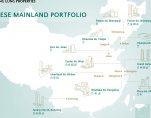
Chinese Mainland Tenant Sales and Footfall Achieve Double-Digit Growth Hong Kong Footfall Shows Steady Uptick HONG KONG AND SHANGHAI, CHINA – Media OutReach Newswire – 10 October 2025 – Hang Lung Properties Limited (SEHK Stock Code: 00101) (“Hang Lung” or the “Company”) today announced strong preliminary operational results from its properties in the Chinese Mainland and Hong Kong during the first four days (October 1-4) of the […]

OpenAI has raised alarms with European Union antitrust regulators, warning that the growing dominance of major technology firms such as Google, Microsoft, and Apple poses a threat to competition within the sector. The company’s concerns centre around the increasing control these companies hold over vast amounts of data, which it claims could stifle innovation and lead to unfair market advantages. In a detailed submission to the European […]

GITEX GLOBAL 2025 is primed to showcase groundbreaking developments in artificial intelligence, drawing attention from industry leaders and innovators worldwide. The event is expected to play a pivotal role in shaping the future of AI, as a growing number of companies and startups highlight AI’s transformative capabilities across multiple sectors.

The spotlight will be on the innovative use-cases that AI offers, from healthcare and finance to transportation and beyond. AI’s potential to revolutionise industries is set to dominate discussions, as the event will feature a plethora of demonstrations, seminars, and cutting-edge technologies aimed at propelling AI to new heights. The highly anticipated conference will also address the challenges AI faces, particularly concerning data privacy, security, and the ethical implications of rapidly evolving technologies.

Several leading AI-driven companies are expected to debut next-generation products and services that will redefine the way businesses and consumers interact with technology. The launch of AI tools designed to optimise workflows, enhance customer experiences, and boost operational efficiency will take centre stage, underscoring AI’s growing role in the business world. Key players such as tech giants and emerging startups are preparing to demonstrate solutions that leverage AI for better decision-making, automation, and personalised services.

One of the most anticipated announcements is the unveiling of AI-powered healthcare technologies. AI’s ability to accelerate diagnostics, enhance patient care, and streamline administrative tasks is generating immense interest in the medical field. Exhibitors at GITEX GLOBAL 2025 will present AI-powered tools that use machine learning algorithms to analyse medical images, predict health risks, and support doctors in making faster and more accurate decisions. Such advancements have the potential to revolutionise healthcare delivery globally, improving outcomes and reducing costs in the process.

The financial services industry is also embracing AI, with a growing number of companies leveraging AI to enhance fraud detection, improve risk management, and optimise investment strategies. AI’s capabilities in analysing vast amounts of financial data in real-time are being used to identify patterns and trends that would be difficult for human analysts to detect. During GITEX GLOBAL 2025, financial institutions and fintech startups are set to demonstrate how AI is reshaping the way investments are managed and how consumers interact with their financial institutions.

Another key area where AI is making waves is autonomous transportation. From self-driving cars to AI-assisted logistics, the transport sector is undergoing a dramatic shift. At GITEX GLOBAL 2025, industry leaders will reveal advancements in AI-driven transportation solutions that promise to improve safety, reduce traffic congestion, and make travel more efficient. AI’s ability to process vast amounts of real-time data and make split-second decisions is crucial to the development of autonomous vehicles and their integration into the wider transportation ecosystem.

AI’s role in cybersecurity is also a hot topic at GITEX GLOBAL 2025. As cyber threats become more sophisticated, AI is increasingly being used to detect, prevent, and respond to security breaches. By analysing patterns in network traffic and identifying anomalies, AI-powered cybersecurity systems can rapidly identify and mitigate threats, offering a new level of protection for organisations and consumers alike. The growing importance of AI in safeguarding sensitive information and ensuring secure digital environments will be a central theme during the event.

Sustainability is another area where AI is being leveraged to drive change. From optimising energy usage in smart cities to improving the efficiency of manufacturing processes, AI is helping industries become more sustainable. GITEX GLOBAL 2025 will showcase AI technologies that are not only transforming industries but also contributing to global sustainability goals. These solutions promise to reduce carbon footprints, lower energy consumption, and make industries more efficient and environmentally friendly.

Lyft Inc. has entered into a partnership with the autonomous vehicle company Tensor Auto Inc. to introduce a fleet of robotaxis across North America and Europe by 2027. The companies aim to reshape the transportation landscape, focusing on the future of urban mobility. Lyft’s venture into the robotaxi market signals a significant step towards embracing fully autonomous driving technologies, which could revolutionise urban transport systems globally.

Under the terms of the agreement, Tensor Auto will provide the necessary technology to power the autonomous vehicles, while Lyft will manage the operations, including fleet logistics, ride-hailing services, and customer-facing platforms. The collaboration is set to leverage Lyft’s extensive experience in the ride-hailing industry, which already covers a wide range of urban markets in both regions. This partnership marks a key milestone in the journey towards making driverless cars a reality, aiming to deliver more efficient and eco-friendly transportation alternatives.

Lyft’s move into robotaxis comes as the autonomous vehicle market is experiencing a rapid surge in interest, with several major players such as Tesla, Google’s Waymo, and others investing heavily in the technology. These vehicles are designed to operate without human intervention, using a combination of sensors, cameras, and advanced artificial intelligence to navigate city streets. By eliminating the need for drivers, robotaxis promise to cut costs, reduce congestion, and lower emissions, aligning with the growing demand for greener urban transport solutions.

The rollout of robotaxis is expected to be gradual, with Lyft planning to initially deploy a limited number of vehicles in select cities. The fleet will be integrated with Lyft’s existing app, allowing customers to book rides as they would with traditional cars. While the service will begin with a small fleet of vehicles, Lyft and Tensor Auto anticipate expanding the network as regulatory frameworks for autonomous vehicles evolve and urban infrastructure adapts to accommodate driverless cars.

Lyft’s decision to enter the autonomous ride-sharing market comes at a time when the company is looking to diversify its services beyond traditional ride-hailing. The potential of robotaxis could be a game changer in terms of profitability and service efficiency. As the global shift towards sustainability grows stronger, self-driving electric vehicles like these offer a promising solution to reduce carbon emissions and dependence on fossil fuels.

Tensor Auto, a leader in autonomous driving technology, has been a key player in the development of self-driving solutions for both private and commercial transportation. The company has been refining its autonomous system, focusing on the safety, reliability, and efficiency of its vehicles. Tensor Auto’s vehicles are equipped with state-of-the-art sensors and machine learning algorithms designed to enable smooth navigation in complex urban environments. These innovations are expected to be central to the success of the Lyft robotaxi initiative.

While many of the logistics regarding the fleet’s operation remain in development, key challenges will include regulatory approvals, vehicle safety standards, and ensuring that autonomous systems can navigate the dynamic nature of urban environments. Several regions, including parts of Europe and North America, have already started the process of revising their traffic laws to accommodate self-driving vehicles, with pilot programs and test sites being established in cities like San Francisco and London.

Experts suggest that the integration of robotaxis could lead to significant shifts in how people approach urban mobility. With the promise of safer, more reliable, and more affordable transportation, the expansion of driverless cars could be particularly beneficial in densely populated cities, where congestion and pollution are persistent challenges. Lyft and Tensor Auto’s collaboration could set a new benchmark for the future of transportation, one that is driven by sustainability and technological advancement.

VISHNU RAJA
RYO YAMADA
HITORI GOTOH
IKUYO KITA