Just in:
Dubai boat show confirms international shipyard line-up for November // The “1st Greater Bay Area Health and Longevity Summit & Awards Ceremony” concludes successfully in Macao // Hong Kong mandates crypto transaction disclosures to tax authorities // CR Longdation Aethereal Cybersecurity × Global Cybersecurity Alliance (GCSA) Join Hands to Establish the “AI and Cybersecurity Research Centre” // SC to examine students’ exam plea today // Middle East governments assess Iran war after US vote // Utilities pursue ₹1,992 cr in unpaid bills // Emirates Group records AED 4.1 billion half-year profit // Ta’ziz finalises $1.39bn funding for Ruwais industrial facilities // xCube Access Welcomes Entrust Capital Limited  Expanding Access to Professional Portfolio Management // e-Crime Bureau Signs Cybersecurity Partnership With Smart Africa, Reinforcing Its Global Expansion // Govt opposes Arlekar’s PSC action // Oil and chip shares retreat after Democratic victories // Vance attributes Republican midterm defeats to Iran conflict // Burying Head In “India Made Poverty Reduction” Data Is Dangerous // APT29-linked campaign exploits outdated Apple and Android software // AI trust gap reveals distinct retail priorities: Divergent paths to consumer growth in Hong Kong and the GBA // After Reaching 7 Million Users in the Philippines, Skyro Launches Transparent Cash Loans in Malaysia // Democrats capture Senate majority with seven Republican seats // As AI Reshapes Education, Singapore Convenes Global Dialogue on the Future of Early Childhood Education //

News related to
work

Negotiations at the United Nations aimed at creating a legally-binding treaty to tackle global plastic pollution have once again stalled, leaving international efforts in disarray. This latest failure in the negotiations signals a growing sense of pessimism among key environmental advocates and policymakers who had hoped for substantial progress on what was once seen as a groundbreaking initiative. Three years ago, a historic agreement was reached by […]

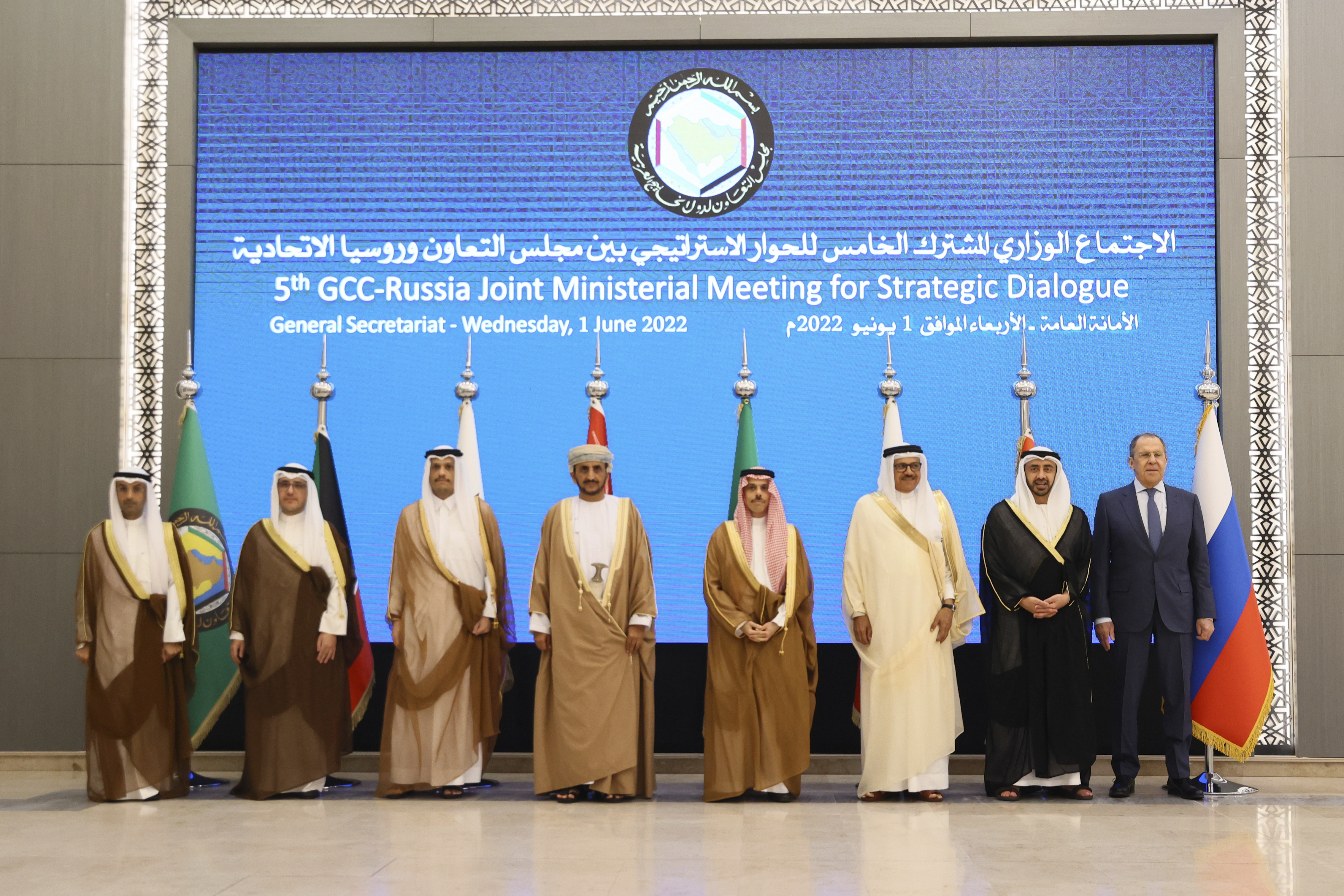
Data released by the Statistical Centre for the Cooperation Council for the Arab Countries of the Gulf reveals a notable decline in the Gulf Cooperation Council’s national income for 2023. The value of gross national income for the GCC region stood at US$2.143 trillion, down 2.7% from the previous year’s figure of US$2.202 trillion. This reduction marks a significant shift in the economic landscape of the Gulf nations.

In 2023, the disposable national income, which measures the income available for consumption and savings after taxes and transfers, also saw a downturn, reaching US$1.989 trillion, compared to US$2.515 trillion in 2022. This represents a 3% decrease in the financial resources available for the region’s residents and businesses.

The GCC’s national income data reflects broader economic trends and shifts in the region’s economic structure, with particular attention given to the changes in the oil and non-oil sectors. While the non-oil sector has grown in importance, the oil sector remains a substantial contributor to the region’s total income. By the close of 2023, the non-oil sector’s value added to the economy amounted to US$513 billion, while the oil sector still held a dominant position with a contribution of US$603.5 billion. Despite the oil sector’s continued strength, the overall decline in GNI suggests that broader economic challenges are at play.

The sharp contrast in performance between the oil and non-oil sectors could be attributed to various factors, including fluctuations in global oil prices and shifting demand for the region’s primary energy exports. While the oil industry continues to be a critical economic driver, the Gulf countries have increasingly turned to diversification efforts, investing heavily in areas such as finance, technology, and tourism to reduce reliance on oil.

The results also reflect global economic pressures, particularly the ongoing impacts of inflation, geopolitical instability, and supply chain disruptions. These external factors have influenced both domestic consumption patterns and investment flows within the region. The 2023 decline in disposable national income indicates that households and businesses in the GCC are experiencing reduced financial flexibility, possibly affecting consumption and investment decisions moving forward.

Despite these challenges, the GCC economies have shown resilience in their attempts to navigate shifting global economic conditions. Several countries within the group, notably Saudi Arabia and the United Arab Emirates, have implemented ambitious plans for economic diversification under initiatives like Vision 2030. These efforts aim to transform their economies by reducing dependency on oil, focusing instead on sectors such as renewable energy, digital innovation, and high-tech industries.

The non-oil sector’s performance is a critical metric of success for these diversification strategies. In 2023, the growth of this sector, while still overshadowed by oil, highlights the ongoing transformation of the region’s economic framework. The expansion of industries such as construction, manufacturing, and services contributes to this shift, providing the region with a more balanced economic profile, though the full impact of these changes will take time to fully materialise.

Cohere has raised $500 million in new funding, propelling its valuation to an impressive $6.8 billion as the company accelerates its push to reshape enterprise AI. This significant investment will bolster its efforts to expand its security-first agentic AI platform, a product designed to enhance organizational productivity through advanced, secure artificial intelligence. The AI sector has seen rapid growth over the last few years, with businesses increasingly […]

Terra/Luna founder Do Kwon has pleaded guilty to charges of misleading investors in the wake of the cryptocurrency platform’s dramatic collapse. The South Korean entrepreneur’s admission follows an extensive investigation into the catastrophic failure of his company, which resulted in billions of dollars in losses for global investors.

Kwon’s once-promising cryptocurrency project, Terra, alongside its native token Luna, was heralded as a revolutionary model in the digital finance space, promoting a stablecoin system backed by a complex algorithm. However, as Terra’s market value spiralled downward in May 2022, the system’s instability became glaringly apparent, triggering a collapse that sent shockwaves through the entire crypto industry.

At the heart of the scandal is the assertion that Kwon misled investors by downplaying the risks of the Terra/Luna ecosystem. During several public appearances and through communications with investors, Kwon had portrayed the Terra network as safe and resilient. His claims were underpinned by his ability to maintain a high market value for Luna and the purported stability of TerraUSD, a stablecoin tied to the project. The failure of the system, when TerraUSD’s peg to the US dollar faltered, led to an unprecedented crash in Luna’s value, rendering it almost worthless.

The legal proceedings against Kwon were initiated shortly after the collapse, with allegations of fraud, market manipulation, and a blatant disregard for investor protection laws. Following his arrest in Montenegro earlier this year, Kwon’s legal troubles intensified, with prosecutors alleging that his actions were tantamount to a Ponzi scheme, designed to artificially inflate the market for Luna and its associated assets.

Kwon’s defence team initially argued that he did not intentionally deceive investors and that the Terra/Luna collapse was the result of market conditions beyond his control. However, his guilty plea signals a change in approach. Experts suggest that Kwon may have opted for a guilty plea in order to avoid prolonged legal battles, especially as the mounting evidence pointed towards significant flaws in the way he operated the project.

The plea has drawn significant attention, not just from the cryptocurrency community, but also from regulators worldwide who have been closely monitoring the growing number of legal cases involving crypto fraud and market manipulation. The Terra/Luna crash is widely seen as one of the most significant incidents in the volatile history of cryptocurrency, highlighting the risks associated with algorithmic stablecoins and the lack of regulation in the sector.

Kwon’s case has also reignited discussions about the need for comprehensive regulation in the cryptocurrency space. Many in the industry believe that the failure of Terra/Luna could have been prevented or mitigated had there been clearer regulatory oversight governing the behaviour of blockchain-based projects. In the aftermath of the collapse, several global regulators have moved to draft stricter guidelines aimed at improving transparency and accountability for digital assets, particularly those promising stability through mechanisms like algorithmic stablecoins.

The consequences of Kwon’s actions extend beyond financial losses. The collapse of Terra/Luna resulted in a loss of trust in the cryptocurrency market, with many investors becoming wary of similar projects that promise high returns with little risk. While the crypto sector has made efforts to rebuild its reputation, the Terra/Luna scandal remains a cautionary tale for anyone entering the volatile world of digital finance.

For investors, the aftermath of the collapse has been bitter. Many are still seeking compensation, and several class action lawsuits have been filed against Kwon and his associates. However, the road to recovery for those affected may be long, as legal proceedings unfold and the extent of Kwon’s liability is determined.

Dubai Metro has taken a significant step forward with the integration of artificial intelligence into its operational maintenance model, marking a notable enhancement in its rail system’s efficiency and safety protocols. The shift to AI-powered solutions aims to revolutionise how maintenance is approached, ensuring quicker response times and more proactive management of the city’s rapidly expanding metro infrastructure.

The new AI technology focuses on automating the detection of faults and predicting potential breakdowns before they occur. This shift towards predictive maintenance is in line with Dubai’s wider goals of improving transportation infrastructure through innovation. AI’s role in this transformation goes beyond simply automating tasks; it serves as a core tool in enabling more intelligent decision-making for the Dubai Metro’s operations.

With a network that spans 75 kilometres and operates across multiple lines, the Dubai Metro has grown to be one of the most recognised urban transit systems in the world. Over 200,000 passengers rely on the metro each day, making it essential to maintain high levels of safety and operational reliability. By integrating AI, the metro can now leverage real-time data to monitor equipment and infrastructure, identifying anomalies that would otherwise be overlooked by human inspection.

AI-driven algorithms allow for continuous analysis of various parameters, including train speed, track conditions, and mechanical performance. This data is gathered via sensors installed across the metro system, from trains to trackside infrastructure. When any irregularities are detected, the system alerts maintenance teams, prioritising interventions based on urgency and potential impact. The technology also facilitates remote diagnostics, reducing the need for engineers to physically inspect the system unless absolutely necessary.

This predictive maintenance model promises to cut costs and downtime significantly. According to experts, the AI system is expected to reduce unplanned disruptions by up to 30%, which will directly benefit both passengers and operational teams. Reduced downtime means trains will spend less time off-track for repairs, contributing to a smoother, more reliable service.

The integration of AI into the Dubai Metro’s maintenance strategy is expected to pave the way for similar technological applications across other sectors of the city’s public transportation network. With Dubai’s long-term plans to further expand its metro network, AI will be crucial in ensuring that the growth of this infrastructure remains sustainable and efficient.

However, the implementation of such sophisticated technology also poses challenges, particularly in terms of data privacy and system security. As AI becomes more deeply integrated into the operational framework of Dubai Metro, it is essential to establish robust cybersecurity measures to prevent potential hacking or system failures. The Dubai Roads and Transport Authority, which oversees metro operations, has already placed emphasis on maintaining secure networks, working closely with experts to safeguard sensitive operational data.

AI’s potential in transforming public transport is not unique to Dubai. Several cities globally are also exploring how AI can be applied to enhance the efficiency and sustainability of urban rail systems. In Europe and Asia, metros have begun adopting similar technologies to improve service reliability and reduce the environmental impact of their operations. Dubai’s adoption of AI technology, however, stands out as a benchmark for its scope and ambition, setting a new standard for metro operations in the region.

Dubai’s gross domestic product in the first quarter of 2025 rose to AED 119.7 billion, a 4 % increase compared with the same period in 2024. This expansion was underpinned by strong performances in health, real estate, finance, trade, and other strategic sectors, according to official data. The standout contributor was human health and social work, which surged 26 % to AED 1.9 billion—accounting for 1.5 % […]

Greenlogue/AP Oman Data Park has formed a strategic alliance with Solar Wadi to establish the Sultanate’s inaugural green energy data centre, powered by solar generation. The collaboration marks a significant step in aligning ODP’s technological infrastructure with Oman’s net-zero ambitions, as the data centre is set to harness sustainable energy to lower operational emissions and improve grid resilience. ODP, long regarded as the nation’s leading provider of […]

Advertisements

TAIPEI, TAIWAN – Media OutReach Newswire – 16 August 2025 – Lung cancer continues to be the leading cause of cancer-related deaths worldwide. Yet, progress is within reach. In Taiwan, thanks to the National Lung Cancer Early Detection Program, the proportion of early-stage lung cancer cases continues to rise. Against this backdrop, HOPE Foundation for Cancer Care, one of the largest cancer-focused patient advocacy groups in Taiwan, […]

By Ashok Nilakantan Ayer ANCHORAGE, ALASKA: The much-anticipated summit between U.S. President Donald Trump and Russian President Vladimir Putin in Anchorage, Alaska, billed as a potential turning point in the grinding Ukraine war, ended without a ceasefire agreement, and without the celebratory luncheon that White House aides had originally pencilled into the schedule. After the […]

Iracemápolis, São Paulo – Media OutReach Newswire – 16 August 2025 – In the early hours of August 16 (Beijing time), GWM’s Brazil plant officially commenced operations, marked by a grand ceremony for the rollout of its first vehicle, the HAVAL H6 GT. The plant, located in Iracemápolis, São Paulo, was acquired from Daimler Group and has since been upgraded into an intelligent manufacturing base. As GWM’s […]

The United Arab Emirates’s cloud-seeding programme continues to play a pivotal role in enhancing water resources, generating between 168 million and 838 million cubic metres of extra rainfall annually, of which 84 million to 419 million cubic metres is usable water—significant volumes in a country where the total annual rainfall stands at approximately 6.7 billion cubic metres.

Efforts are particularly intensive in 2025, with 185 cloud-seeding missions already carried out to date, including 39 operations in July alone. These missions, executed using advanced tools such as hygroscopic flares, nanomaterials and electric-charge emitters, aim to raise rainfall by 10 to 25 per cent under favourable conditions.

The programme is backed by a technologically advanced infrastructure. The UAE employs a fleet of four dedicated aircraft, 12 trained pilots, and utilises more than 60 weather stations, an integrated radar network, and the Emirates Weather Enhancement Factory, which produces high-quality seeding flares. With over 900 flight hours each year, the initiative represents a significant operational commitment.

New investments have further enhanced the programme’s precision and effectiveness. The integration of artificial intelligence and machine-learning tools enables real-time analysis of meteorological data, optimising cloud-seeding timing and target areas. Additionally, nano-enhanced flares, with superior rain-inducing capabilities, are being developed and deployed.

Scientific assessment supports the programme’s efficacy. A statistical study comparing historical rainfall data found that cloud seeding has contributed to a 22.8 per cent average increase in annual surface rainfall over seeded zones between 2010 and 2019. Other estimates suggest enhancements of up to 30–35 per cent in clear atmospheres and 10–15 per cent in more humid environments.

On the cost front, cloud seeding remains economical. Harvestable water produced through cloud seeding costs just $0.01 to $0.04 per cubic metre, compared with approximately $0.31 per cubic metre from advanced desalination plants. This makes rain enhancement a compelling supplementary strategy in the face of rising demand and declining groundwater levels.

While cloud seeding bolsters water availability, it does not function in isolation. Broad concerns remain regarding drainage infrastructure, which has demonstrated limitations during extreme rainfall events. For instance, heavy storms in April 2024 overwhelmed urban systems—while some speculated about cloud-seeding’s role, authorities and experts concluded that infrastructure constraints and climate-change-driven weather intensity were the primary causes.

Nevertheless, those involved in the research highlight the programme’s strategic importance. Alya Al Mazroui, Director of the UAEREP, emphasises its growing global recognition and potential applicability in other water-scarce regions. The programme—which is administered under the Ministry of Presidential Affairs and backed by the National Centre of Meteorology—continues to drive innovation in rain enhancement science.

CryptoQuant’s Net Unrealized Profit/Loss is registering what appears to be a third unrealised profit peak within the current market cycle. NUPL, defined as the ratio of to market cap, gauges whether investors on average hold paper profits or losses. Historically, elevated NUPL levels have indicated that many participants are in profit, increasing the likelihood of profit-taking and potential market corrections.

Data suggests this third ascent to a profit peak is being driven by renewed institutional interest. Each successive wave, however, is yielding diminishing returns. While the first wave may have generated outsized gains, the latest surge appears more measured, implying a tapering in profit margins. The attenuated return profile reduces the odds of sharp rallies, but it may extend the overall bull phase without dramatic peaks.
—

Institutional Flows: A Double-Edged Sword

Historical patterns show that institutional capital can provide multi-month tailwinds to markets. In contrast to retail-driven frenzies, institutions often enter with larger stakes and timelier strategies. That said, when profit potential diminishes, institutions tend to adjust exposures, leading to sustained but less explosive outcomes.

This current cycle appears to reflect that dynamic: investors remain optimistic and engaged, but gains are less pronounced. Markets may therefore advance steadily rather than sprinting upwards.
—

Trend Implications and Strategic Outlook

The attenuated profit peaks highlight an evolving sentiment landscape. Participants seem less certain of outsized moves, potentially tempering speculative excess. As a result, volatility could moderate, favouring gradual appreciation over abrupt rallies.

Yet, this environment may also reward disciplined holders and strategic inflows. Without the pressure of sharp peaks, long-term investors may deepen positions across ranges, while new entries proceed with caution.
—

Conclusion Reserved

Malian authorities have launched an extensive investigation into an alleged plot to destabilise the country, with the arrest of a French national and several high-ranking generals. The arrests come amidst mounting tension and accusations that foreign powers are attempting to undermine Mali’s stability. The government’s claims have drawn significant attention, as they allege involvement from foreign actors, raising concerns of escalating international interference in the country’s internal […]

The UAE’s civil aviation sector has demonstrated significant growth in the first half of 2025, with key indicators such as passenger traffic, air cargo volumes, and air traffic movements all showing notable increases. Airports across the nation welcomed 75.4 million passengers during this period, marking a 5% rise from the 71.7 million recorded in the same timeframe the previous year. January was the busiest month, with over […]

Greenlogue/AP The United Arab Emirates and Senegal have formalised a significant partnership aimed at addressing Africa’s escalating water and sanitation challenges. This collaboration, announced during the 2025 UN Ocean Conference, underscores a shared commitment to sustainable water management and climate resilience across the continent. At the heart of this initiative is the establishment of an integrated water-ocean management framework, designed to harmonise freshwater and marine ecosystems. This […]

Futu Securities International has launched Solana trading on its Futu NiuNiu App in Hong Kong, marking a significant step in expanding access to digital asset markets. The launch comes on the heels of a broader push for crypto adoption across Asia and aims to offer more flexible trading opportunities to the region’s retail investors.

This move positions Futu Securities, an influential brokerage firm, as a key player in the competitive landscape of cryptocurrency trading in Hong Kong. The company has been focusing on bridging traditional financial services with digital asset trading, reflecting a growing trend in the region towards integrating blockchain technology into mainstream investment platforms.

The new trading feature allows users to trade Solana directly, a cryptocurrency known for its high-speed transactions and scalability, which have positioned it as a potential competitor to Ethereum. The decision to add Solana to the platform follows a series of strategic partnerships and product enhancements by Futu, aimed at capturing a share of the rapidly evolving crypto trading market.

Solana’s inclusion is particularly notable given the increasing popularity of decentralized finance platforms and non-fungible tokens, sectors where Solana has made significant strides. Its fast transaction speeds and lower fees have made it a favourable option for developers and traders alike. By offering this asset, Futu Securities provides its customers with greater flexibility to tap into the growth of blockchain-based applications.

The launch also comes at a time when other crypto trading platforms are making similar moves to expand their offerings. The competitive pressure is particularly intense in Hong Kong, a city that is positioning itself as a major hub for digital assets in Asia. Several firms are already catering to the burgeoning demand for cryptocurrency products, prompting regulators to adapt to the new landscape.

Hong Kong’s regulators have taken a balanced approach to crypto oversight, striving to foster innovation while ensuring the protection of investors. This regulatory stance has attracted firms like Futu to launch new offerings with confidence, knowing that the regulatory framework is supportive of such developments.

Futu’s move into the retail Solana trading space also ties into the broader trend of financial firms integrating digital currencies into their portfolios. The platform already offers trading in various other digital assets, including Bitcoin and Ethereum, making Solana’s addition a natural extension of their crypto offerings.

This shift is not isolated to Hong Kong alone. Several other financial institutions in Asia have been exploring ways to incorporate blockchain technology into their traditional business models. Many see digital currencies as a way to diversify their service offerings and attract a new wave of tech-savvy investors who are more inclined to explore innovative financial products.

Futu Securities’ push into the crypto space also follows its international expansion strategy. The company has been actively seeking ways to grow its customer base beyond the borders of mainland China, where stricter crypto regulations have limited access to digital asset markets. By capitalising on Hong Kong’s more open regulatory environment, Futu aims to strengthen its position in the broader Asia-Pacific region.

As retail investors in Hong Kong and across Asia continue to show increasing interest in cryptocurrencies, platforms like Futu NiuNiu are tapping into this growing demand by offering accessible and secure trading options. This aligns with broader trends in the financial industry where the lines between traditional and digital assets are becoming increasingly blurred.

The decision to offer Solana trading comes at a pivotal moment for the cryptocurrency market. Solana has garnered attention as a potential alternative to Ethereum, largely due to its speed and lower costs. With the platform’s growing user base, the ability to trade SOL on a mainstream brokerage app represents an important shift in how digital assets are perceived by traditional investors.

Binance’s Chief Security Officer, Jimmy Su, has identified North Korean hacking groups as one of the most significant threats facing the cryptocurrency sector in 2025. As the world’s largest cryptocurrency exchange, Binance has been at the forefront of monitoring and responding to cyber threats. Su’s recent statements have highlighted the urgency of addressing the escalating risk posed by North Korean cyber actors targeting the crypto industry.

The North Korean government has long been linked to a series of cyberattacks aimed at funding its regime through illicit means, with cryptocurrency exchanges being prime targets. These attacks have become more sophisticated over time, with state-backed hackers employing advanced techniques to infiltrate systems and steal millions of dollars’ worth of digital assets. Experts argue that this is part of a broader strategy to bypass international sanctions imposed on North Korea.

Su’s comments, made during an industry event in early 2025, point to a clear rise in the volume and sophistication of these attacks. According to Binance’s internal threat intelligence, these cybercriminals are using increasingly advanced malware, social engineering tactics, and even direct network intrusions to steal sensitive data and crypto assets.

An ongoing investigation by Binance’s security team revealed that these hackers have been exploiting vulnerabilities in the infrastructure of crypto exchanges and DeFi platforms. In some cases, they have used phishing emails and fake job offers to target employees of key financial institutions, hoping to gain access to privileged systems. Such tactics are a clear indication of a well-coordinated operation with global ambitions.

One of the most concerning trends identified is the use of sophisticated ransomware attacks, which have forced some exchanges to pay hefty ransoms to prevent the loss of critical data. The high-profile hacks have raised questions about the resilience of the global financial ecosystem to such breaches, especially as more governments and institutions begin to integrate blockchain technology into their operations.

North Korean actors, according to cybersecurity experts, have also shown an increasing willingness to attack smaller and lesser-known exchanges. This shift in focus comes as these platforms often lack the robust security protocols that larger exchanges like Binance and Coinbase have implemented. As a result, they are seen as softer targets, vulnerable to exploitation.

The financial implications of these attacks are staggering. Since 2019, estimates suggest that North Korean hackers have stolen over $2 billion in cryptocurrency. This is in addition to the $250 million reportedly taken from a major South Korean exchange in 2023. The stolen funds are typically laundered through complex networks of wallets and mixers, making it challenging for authorities to track and recover the stolen assets.

Su’s remarks have sparked a broader discussion about the need for improved cybersecurity measures within the cryptocurrency sector. Many industry leaders have called for a more collaborative approach, involving private companies, governments, and international law enforcement agencies. A unified strategy could help create a more secure environment for the rapidly expanding digital asset market.

The North Korean government has long denied any involvement in cyberattacks. However, international cybersecurity firms have linked numerous incidents to Pyongyang’s operatives, underscoring the persistent threat posed by the country’s cyber espionage efforts. Furthermore, it is widely believed that these hacking groups are funded by the regime to help finance its nuclear weapons programme and other illicit activities.

Efforts to combat these threats have led to increased investment in security technology, including more advanced encryption methods, real-time monitoring tools, and fraud detection systems. In addition to these technological solutions, some exchanges are considering implementing stricter Know-Your-Customer regulations to combat money laundering and ensure compliance with international financial rules.

As the stakes continue to rise, both industry players and regulators face a significant challenge. The rapid growth of blockchain technologies, along with the increasing use of decentralised finance applications, has created a complex and evolving landscape where traditional security measures are often inadequate. As a result, companies must remain vigilant and proactive in defending against cyber threats from state-sponsored actors like North Korea.

While North Korea’s cyber campaign remains a major concern, it is not the only threat facing the cryptocurrency sector. Other nation-states, including Iran and Russia, have been linked to similar activities, further complicating efforts to secure the digital assets market. However, the ongoing attention on North Korean actors serves as a reminder of the global reach and scale of the problem.


– Public funds and public welfare capital accelerate circular technology – DÜSSELDORF/BERLIN – Newsaktuell – 15 August 2025 – The non-profit cooldown°earth foundation congratulates its portfolio company matterr on receiving funding confirmation from the state of North Rhine-Westphalia as part of the EFRE/JTF program “Produktives.NRW.” Minister of Economic Affairs and Climate Protection Mona Neubaur presented the funding approval on August 6 in Düsseldorf. Pictured (from left to […]

SINGAPORE – Media OutReach Newswire – 15 August 2025 – SUNRATE, the global payment and treasury management platform, today announced it has secured a payment business licence in China following its successful acquisition of a 100% stake in Transfar Pay, a unit of Shenzhen-listed Transfar Group. The RMB 315 million (USD 43.8 million) acquisition has received approval from relevant Chinese regulatory authorities. This transaction had been previously […]

MACAU SAR – Media OutReach Newswire – 15 August 2025 – Galaxy Macau™ Integrated Resort, a world-class luxury destination, is proud to introduce the Galaxy Wellness Hub, a wellness-themed pop-up space located in the bright and airy Pearl Lobby of Galaxy Promenade. Following the successful debut of a similar concept at Promenade East, this new activation marks another creative milestone. Launching today, the Galaxy Wellness Hub invites […]

Wuhan, once at the centre of the global pandemic, is emerging as a key tourist destination. With an increasing focus on environmental sustainability and green infrastructure, the city is reinventing itself and positioning itself as a hub for cultural tourism in China.

The city is leveraging its unique geographical advantage, nestled between the Yangtze and Han rivers, with abundant lakes and natural spaces that have made it a prime candidate for eco-tourism. Wuhan’s local government has pushed to transform its tourism landscape by blending urban development with environmental preservation. This has resulted in increased green spaces, cleaner air, and a revitalised waterfront.

One of the key draws for tourists is Wuhan’s “green foundations”, which are central to its urban planning. In August 2025, the symposium “Green Foundations for a Hub City” highlighted the city’s progress in integrating nature with urban life. The event underscored Wuhan’s commitment to preserving its riverbanks, improving water quality, and fostering sustainable tourism practices. It is now home to beautifully restored parks, scenic riverfronts, and nature reserves that provide a serene escape for visitors.

The city is also known for its historical and cultural landmarks. The Yellow Crane Tower, perched on the banks of the East Lake, is a must-visit. Built over a thousand years ago, it remains a symbol of Wuhan’s deep cultural roots and has been meticulously preserved as a testament to the city’s rich history. The surrounding East Lake, one of China’s largest urban lakes, is a focal point for tourists, offering boat rides, hiking trails, and opportunities to experience Wuhan’s natural beauty.

Wuhan is also positioning itself as an arts and cultural hub. The city’s many museums and galleries, such as the Hubei Provincial Museum, provide visitors with a glimpse into the region’s history, while the bustling Wuchang District is home to vibrant street art and music scenes. The city’s transformation is not just about nature but also about cultivating a sense of creativity and modernity that appeals to both domestic and international tourists.

The shift in Wuhan’s tourism offerings is complemented by an emphasis on local cuisine. The city has long been known for its culinary offerings, including its famous hot dry noodles, which have been a staple for locals and tourists alike. Wuhan’s food scene has grown as new eateries focus on bringing innovative takes on traditional dishes. From street food vendors to upscale dining, the city’s food culture is an attraction in itself, drawing food enthusiasts from across the globe.

Wuhan is making significant strides in improving its infrastructure to accommodate the influx of tourists. The Wuhan Tianhe International Airport is expanding, with new international routes being added regularly. High-speed rail links further connect Wuhan to major cities across China, making it easier for visitors to explore the city. The government is also investing in better public transport networks, ensuring tourists can navigate the city with ease.

Despite its past association with the Covid-19 outbreak, Wuhan has worked diligently to foster a safe environment for tourists. Strict health and safety protocols are in place, with the local government promoting Wuhan as a safe and welcoming destination. This concerted effort is helping to reshape perceptions and attract visitors eager to discover what the city has to offer beyond its past.

SINGAPORE – Media OutReach Newswire – 15 August 2025 – SafetySam, Singapore’s provider of safety solutions and workwear, is proud to announce a new product launch—the WORKSafe Greta Safety Boot. Born from Craftsmanship, Built for the Field Known as “Generally Resistant Enough To Anything”, the Greta boot is a rugged innovation designed for industrial professionals who rely on their footwear every day. The new product launch demonstrates […]

Singapore has firmly established itself at the forefront of global digital finance innovation, particularly in the realm of tokenized assets. The city-state’s embrace of blockchain technology is reshaping the investment landscape, enabling quicker, more accessible, and transparent transactions. As financial institutions, startups, and regulatory bodies collaborate, Singapore is positioning itself as a pivotal player in the tokenization of assets.

Tokenization, the process of converting assets into digital tokens on a blockchain, has garnered significant attention for its potential to revolutionize various sectors, from real estate to commodities. In Singapore, tokenized finance is progressing from pilot projects to full-scale adoption, driving the country’s financial ecosystem towards greater efficiency and market accessibility.

One of the main driving forces behind Singapore’s success in this area is its robust regulatory framework. The Monetary Authority of Singapore has been instrumental in fostering innovation by providing a clear set of rules that encourage experimentation while maintaining investor protection. This regulatory clarity has given businesses the confidence to explore tokenized finance solutions without fear of running afoul of the law.

The growth of blockchain technology in Singapore has been swift, particularly in sectors like real estate, where tokenized property shares allow for fractional ownership. Investors no longer need substantial capital to gain exposure to high-value properties. Instead, they can purchase smaller stakes in tokenized properties, broadening the pool of potential investors and promoting liquidity in traditionally illiquid markets.

Equally noteworthy is the role of Singapore’s thriving fintech sector. The city has seen a surge in startups developing blockchain-based solutions, ranging from platforms for trading tokenized securities to services that facilitate the creation and management of digital assets. This startup ecosystem is supported by venture capital, which has flooded the market with investment, accelerating the development of blockchain applications in finance.

Global players are also taking note of Singapore’s advancements in tokenization. International banks and financial institutions are increasingly setting up operations in the city, attracted by the favourable regulatory environment and the city’s growing reputation as a hub for blockchain and digital asset innovation. For instance, HSBC and Standard Chartered have partnered with local firms to explore tokenized securities and digital asset offerings, cementing Singapore’s status as a global leader in this space.

The introduction of projects like Project Ubin has been pivotal in demonstrating the benefits of blockchain technology within the financial services sector. Initiated by the MAS, Project Ubin explored the use of blockchain for the clearing and settlement of payments, offering proof of concept for tokenized digital currencies. This project not only advanced the understanding of blockchain within financial markets but also helped to strengthen Singapore’s position as a blockchain innovation leader.

The government’s commitment to blockchain and tokenization goes beyond regulation. Singapore has also established itself as a key player in blockchain research and development, with several academic institutions focusing on the technology’s financial applications. Collaborations between private companies and research bodies ensure that Singapore stays at the cutting edge of blockchain development.

Tokenization also promises to democratize finance, giving more people access to investment opportunities that were once restricted to the wealthy. By lowering the barriers to entry, tokenized assets open up new possibilities for retail investors, who can now invest in a wide range of tokenized products with much smaller capital commitments.

Despite these advancements, challenges remain. As tokenization grows, concerns about security, compliance, and the stability of the underlying blockchain systems need to be addressed. Singapore’s regulatory bodies are aware of these risks and continue to refine regulations to ensure that tokenized markets remain secure and trustworthy. The development of more sophisticated security protocols and smart contract auditing tools is expected to further strengthen the ecosystem.

Lumen Technologies has surpassed a significant milestone by crossing the 1,000-customer mark on its expanding Network-as-a-Service platform. This achievement underscores the growing demand for flexible, scalable enterprise connectivity solutions as businesses accelerate their digital transformations. NaaS, which enables organisations to streamline and scale their network infrastructure without the need for heavy investments in hardware, has become an essential offering in today’s fast-evolving technology landscape. The milestone reflects […]

VISHNU RAJA
RYO YAMADA
HITORI GOTOH
IKUYO KITA
Just in:
Asia Left Behind: Ten international companies have yet to report delivering on their cage-free egg pledges across the region // xCube Access Welcomes Entrust Capital Limited  Expanding Access to Professional Portfolio Management // Cyberport Venture & Capital Forum 2026 Grand Opening // UK air traffic outage inflicted £33m financial losses // Dubai boat show confirms international shipyard line-up for November // Anthropic to prohibit persistent abuse of Claude chatbot // Cloudflare unveils Zero Wire vulnerability intelligence service // Pinarayi faults UDF over mounting road crashes // Fast Just Got Fastest: STING Energy Boost™ Celebrates Kimi Antonelli’s Formula 1® World Championship and the Fan Energy Behind It // Meraas showcases five residential zones at Dubai Design Week // Ta’ziz finalises $1.39bn funding for Ruwais industrial facilities // APT29-linked campaign exploits outdated Apple and Android software // Middle East governments assess Iran war after US vote // Govt opposes Arlekar’s PSC action // Oil and chip shares retreat after Democratic victories // The “1st Greater Bay Area Health and Longevity Summit & Awards Ceremony” concludes successfully in Macao // SC to examine students’ exam plea today // As AI Reshapes Education, Singapore Convenes Global Dialogue on the Future of Early Childhood Education // ADIA and partners establish $1.4 billion aviation venture // After Reaching 7 Million Users in the Philippines, Skyro Launches Transparent Cash Loans in Malaysia //